Article

Effects and Mechanism of Blue Light on Monascus in Liquid Fermentation
1
College of Food Science & Engineering, Xuchang University, Xuchang 461000, China
2
Key Laboratory of Micro-Nano Materials for Energy Storage and Conversion of Henan Province, College of Advanced Materials and Energy, Institute of Surface Micro and Nano Materials, Xuchang University, Xuchang 461000, China
3
Department of Food Biotechnology, Tianjin University of Science and Technology, 1038 Dagu South Road, Hexi District, Tianjin 300222, China
*
Authors to whom correspondence should be addressed.
Molecules 2017, 22(3), 385; https://doi.org/10.3390/molecules22030385

Submission received: 9 September 2016 / Revised: 23 February 2017 / Accepted: 23 February 2017 / Published: 1 March 2017
(This article belongs to the Special Issue Nanozymes and Beyond)

Abstract

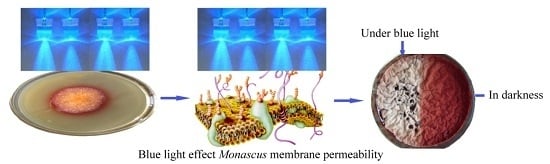
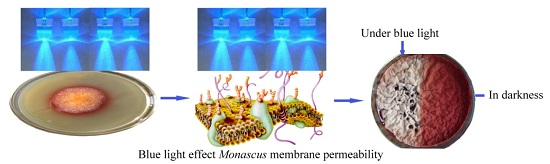
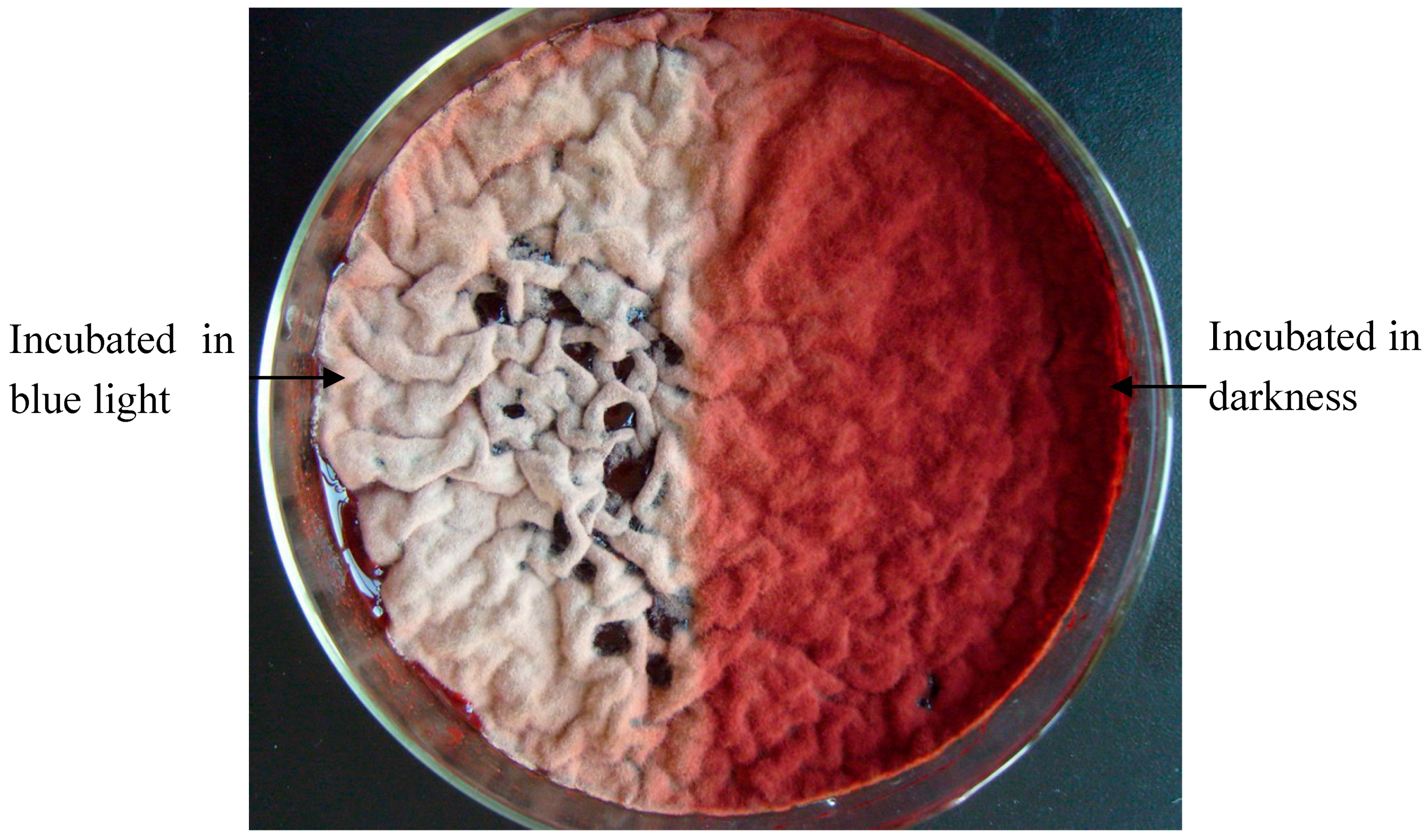
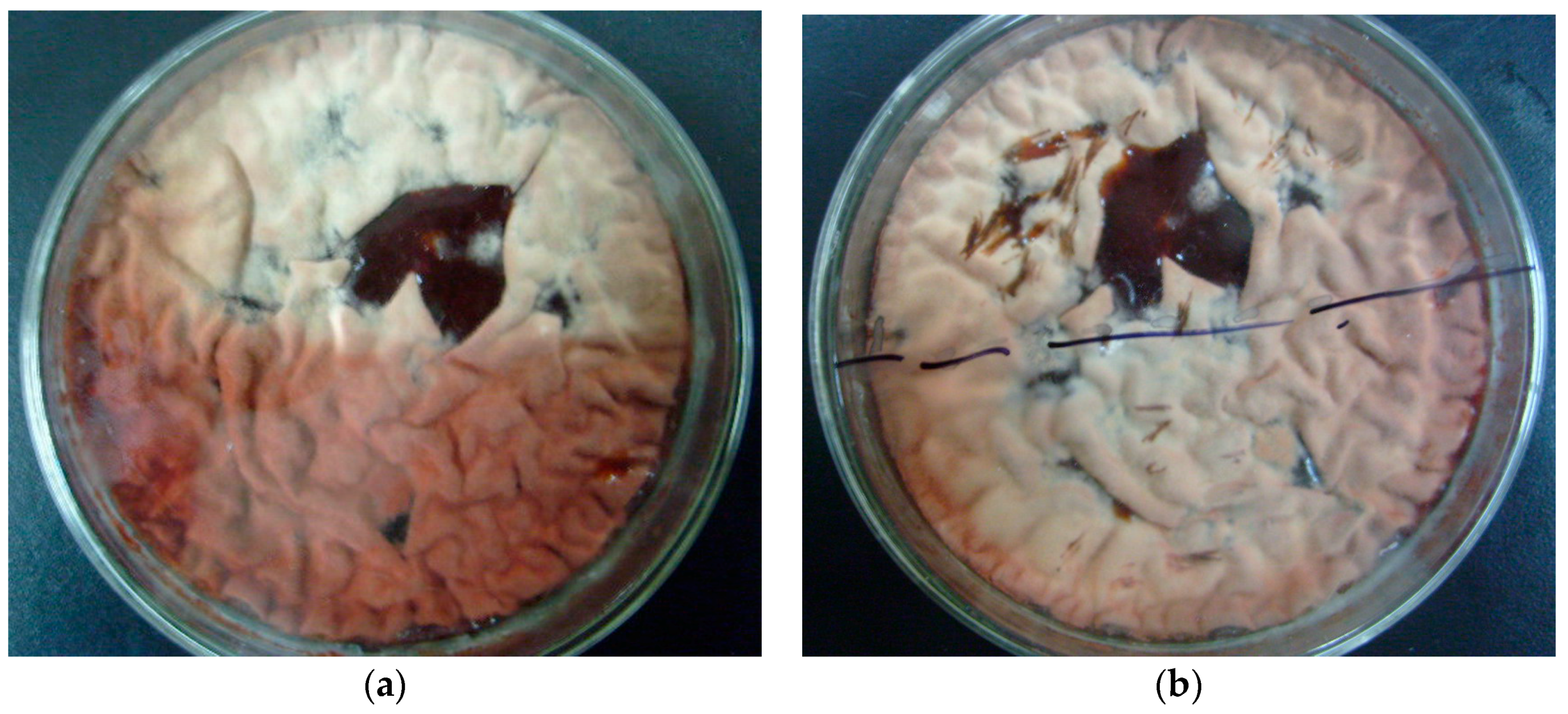
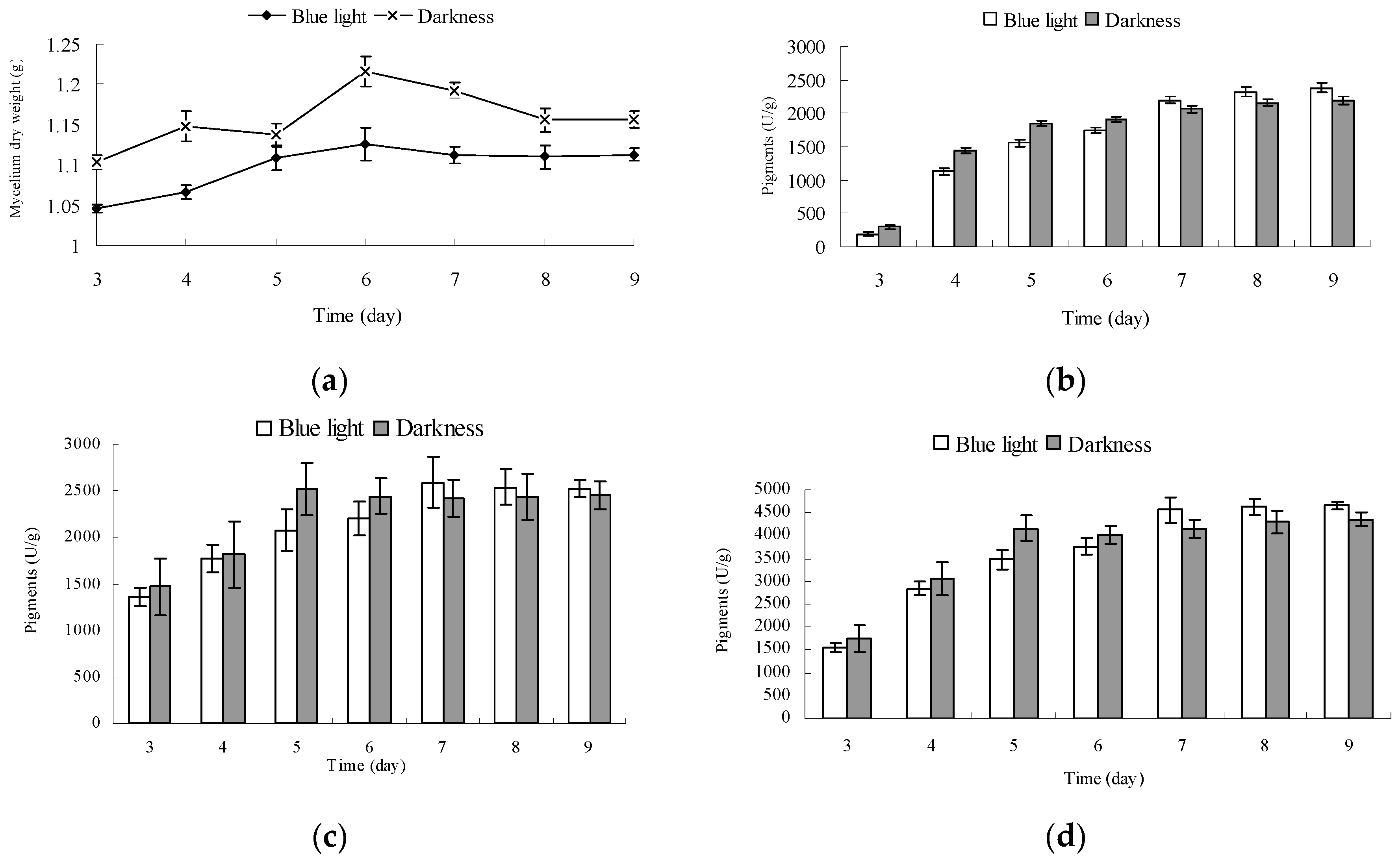
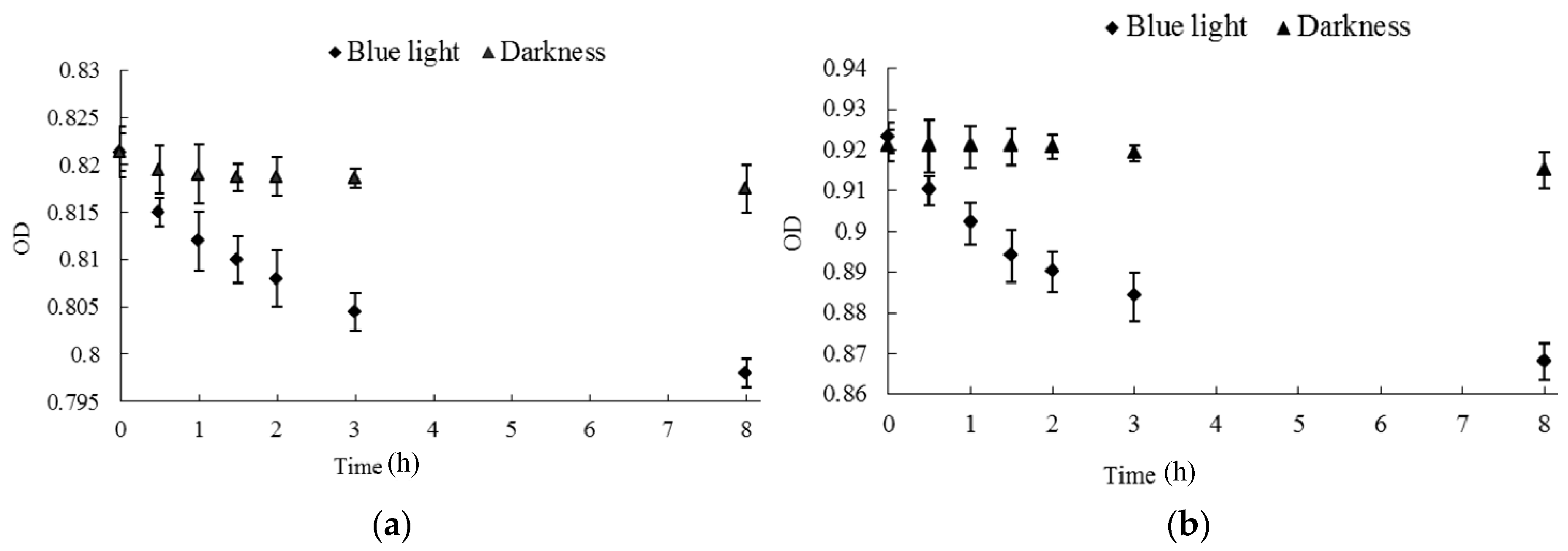
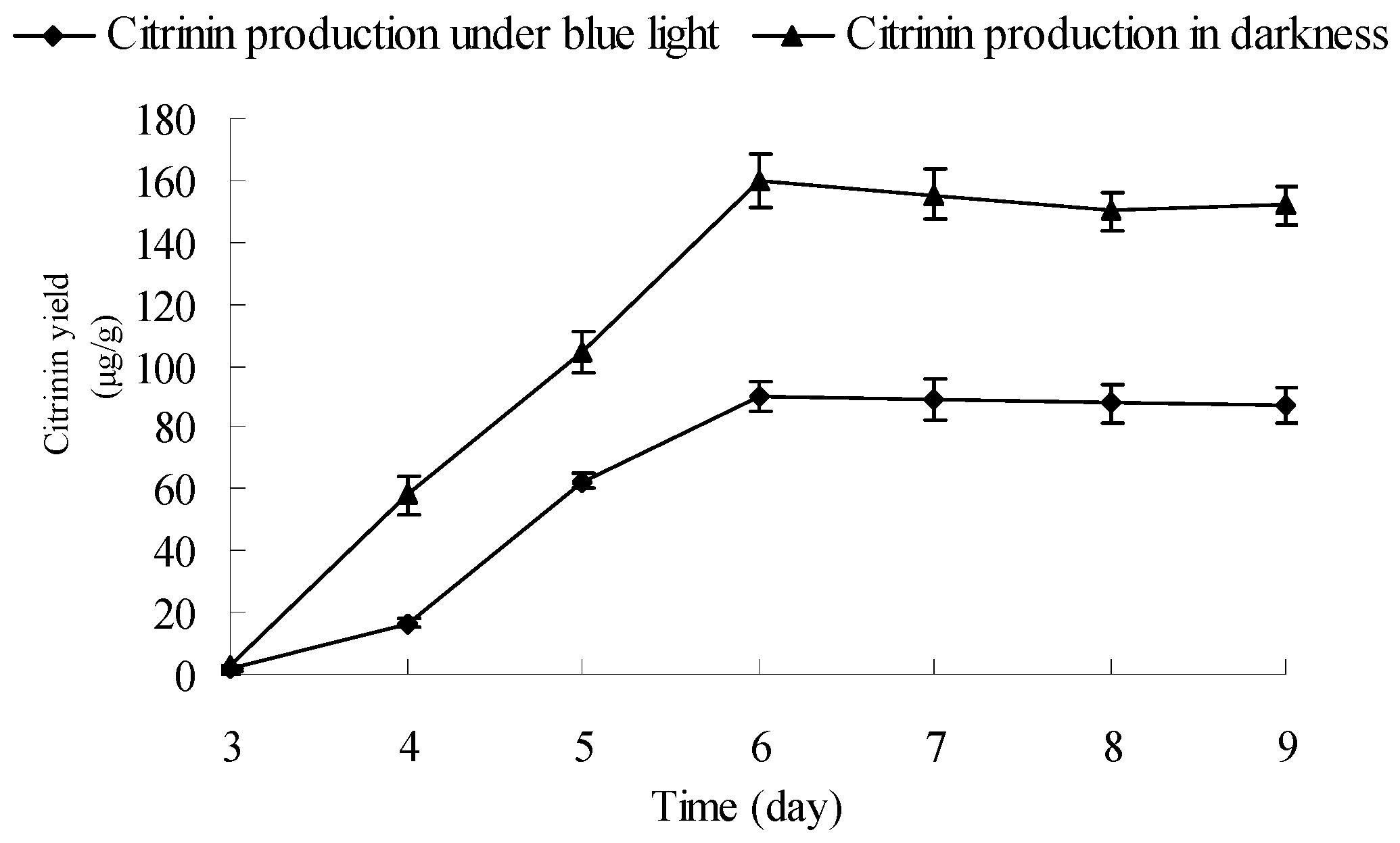
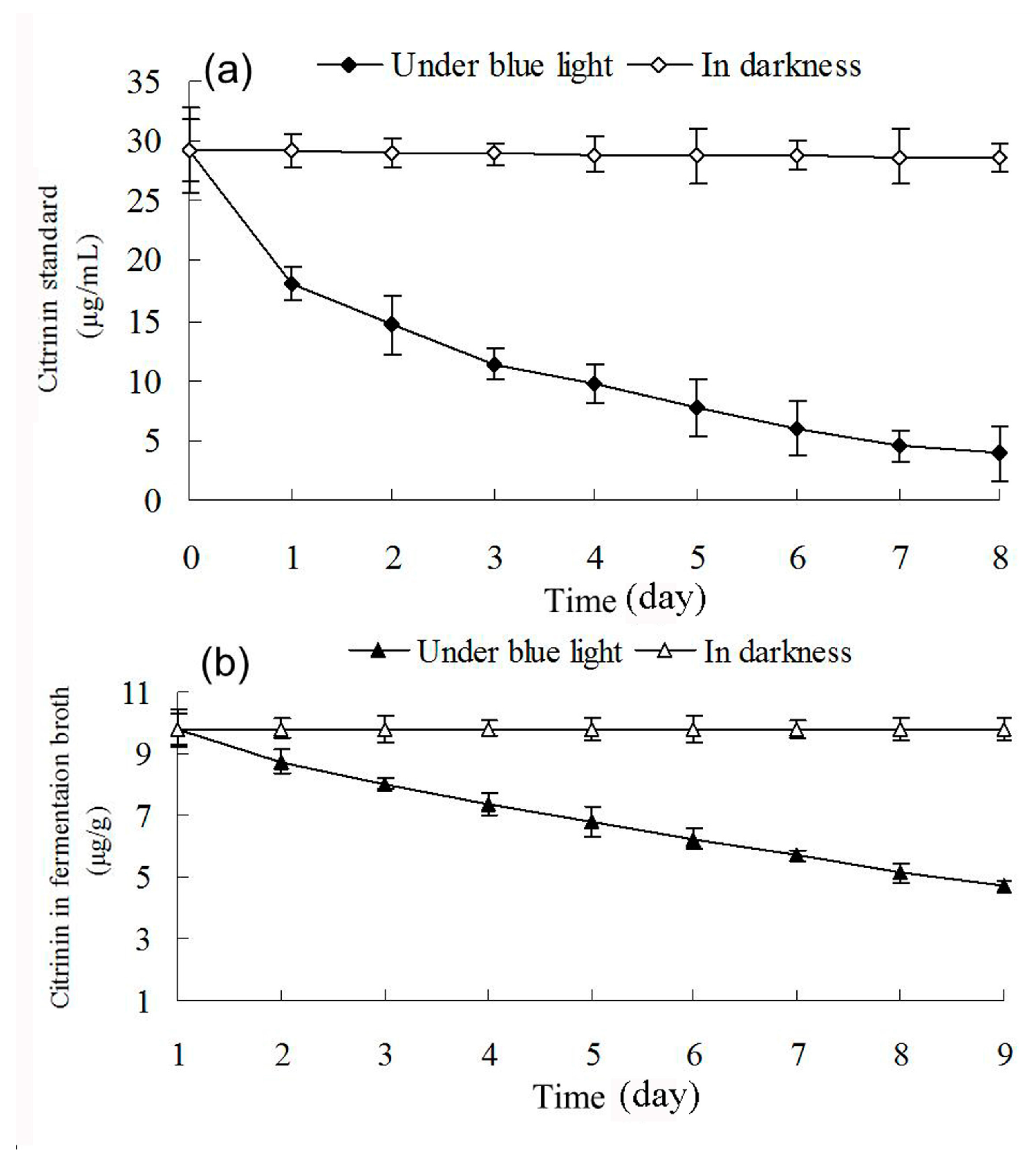
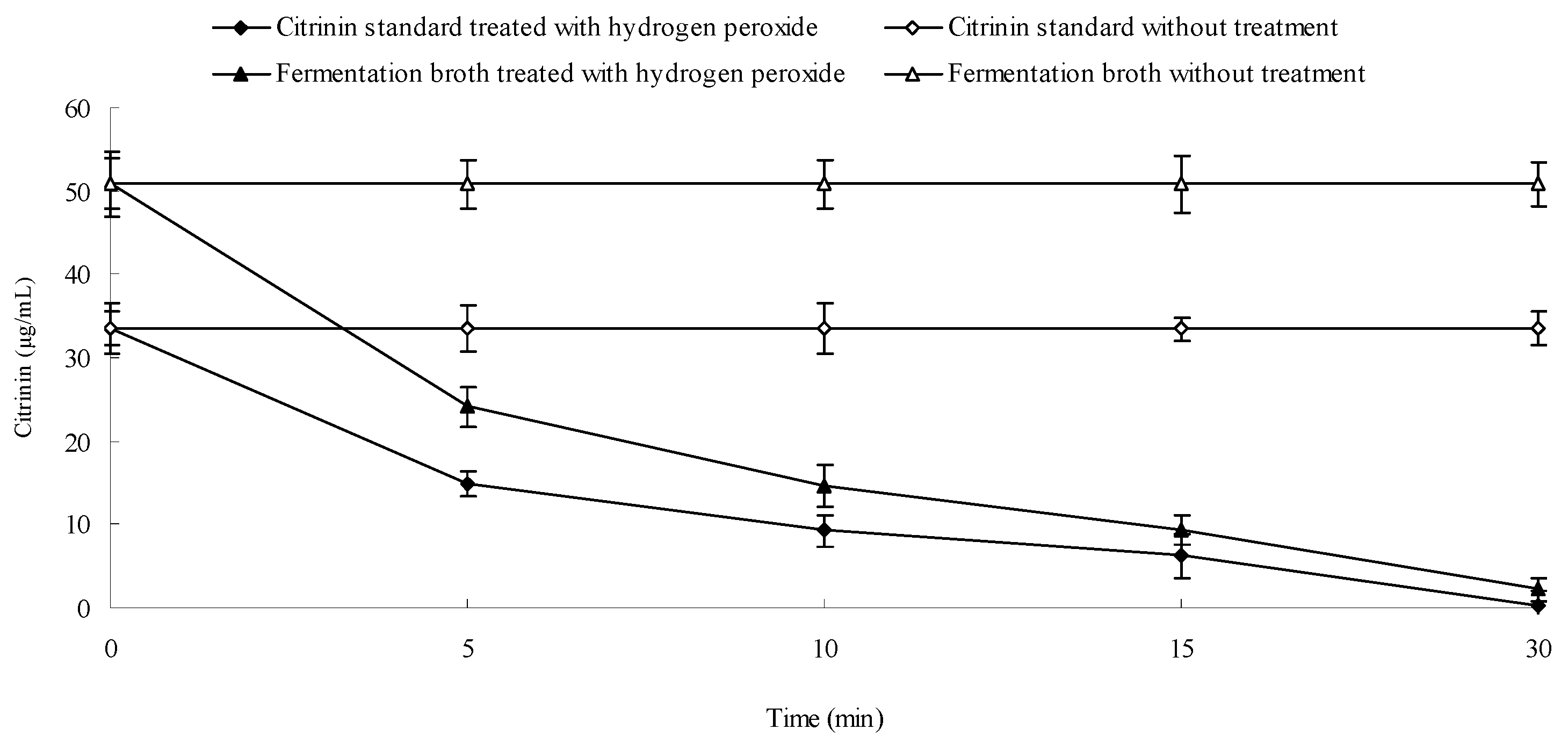
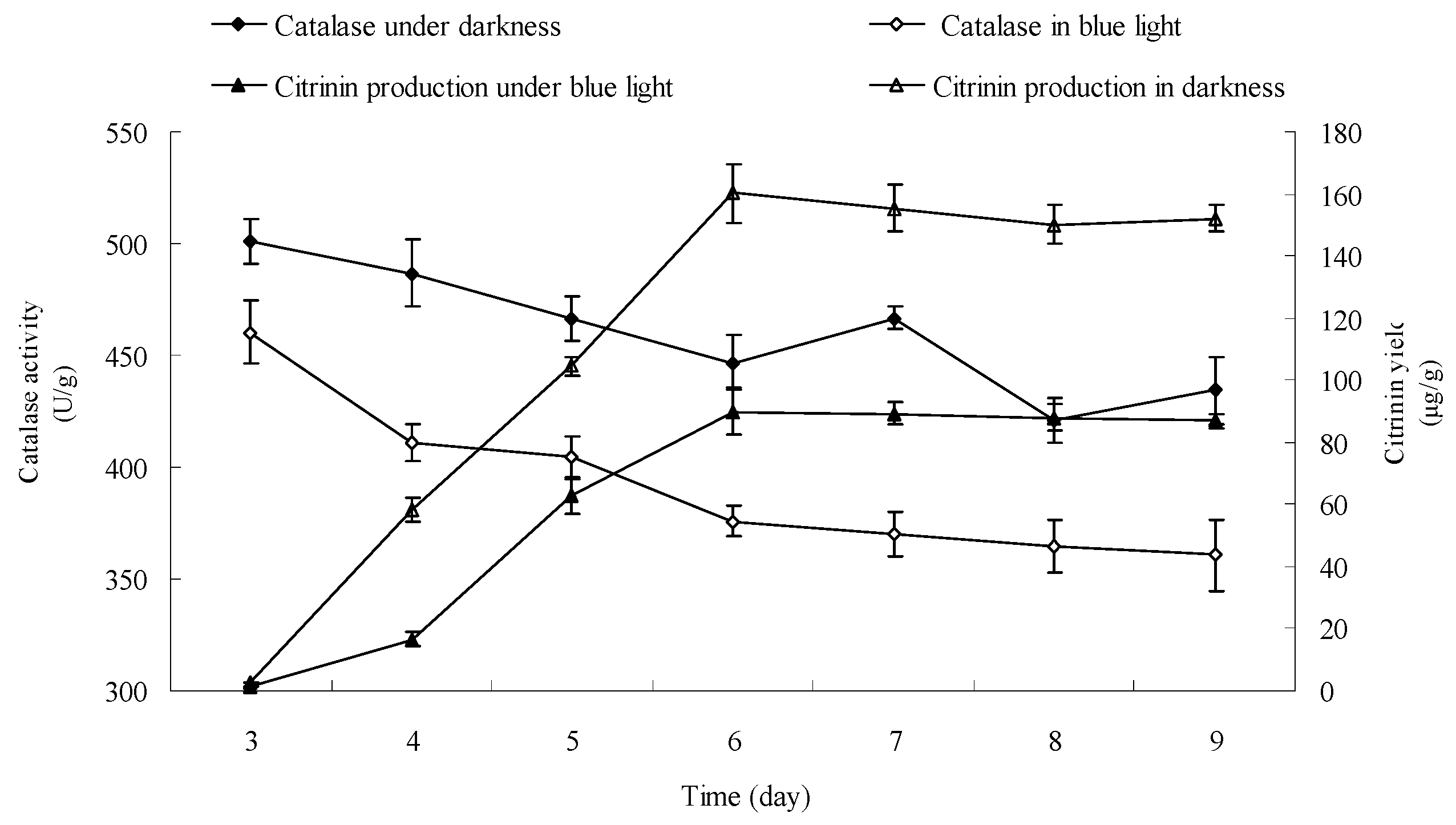
The effect of light on Monascus and the underlying mechanism have received a great deal of interest for the industrial application of Monascus pigments. In this study, we have examined the effects of blue light on the culture morphology, mycelium growth, pigments, and citrinin yield of Monascus in liquid-state and oscillation fermentation, and explored the mechanism at a physiological level. It was found that blue light affected the colony morphology, the composition (chitin content), and permeability of the Monascus mycelium cell wall in static liquid culture, which indicates blue light benefits pigments secreting from aerial mycelium to culture medium. In liquid oscillation fermentation, the yields of Monascus pigments in fermentation broth (darkness 1741 U/g, blue light 2206 U/g) and mycelium (darkness 2442 U/g, blue light 1900 U/g) cultured under blue light and darkness are different. The total pigments produced per gram of Monascus mycelium under blue light was also higher (4663 U/g) than that in darkness (4352 U/g). However, the production of citrinin (88 μg/g) under blue light was evidently lower than that in darkness (150 μg/g). According to the degradation of citrinin caused by blue light and hydrogen peroxide, it can be concluded that blue light could degrade citrinin and inhibit the catalase activity of Monascus mycelium, subsequently suppressing the decomposition of hydrogen peroxide, which is the active species that degrades citrinin.
Keywords: Monascus; catalase; blue light; citrinin yield; photodegradation Monascus; catalase; blue light; citrinin yield; photodegradation
Graphical Abstract