


Evaluation of Novel Antibacterial N-Halamine Nanoparticles Prodrugs towards Susceptibility of Escherichia coli Induced by DksA Protein
Abstract
:1. Introduction
2. Results and Discussion
2.1. Synthesis of SiO2@PS/N-halamine NPs
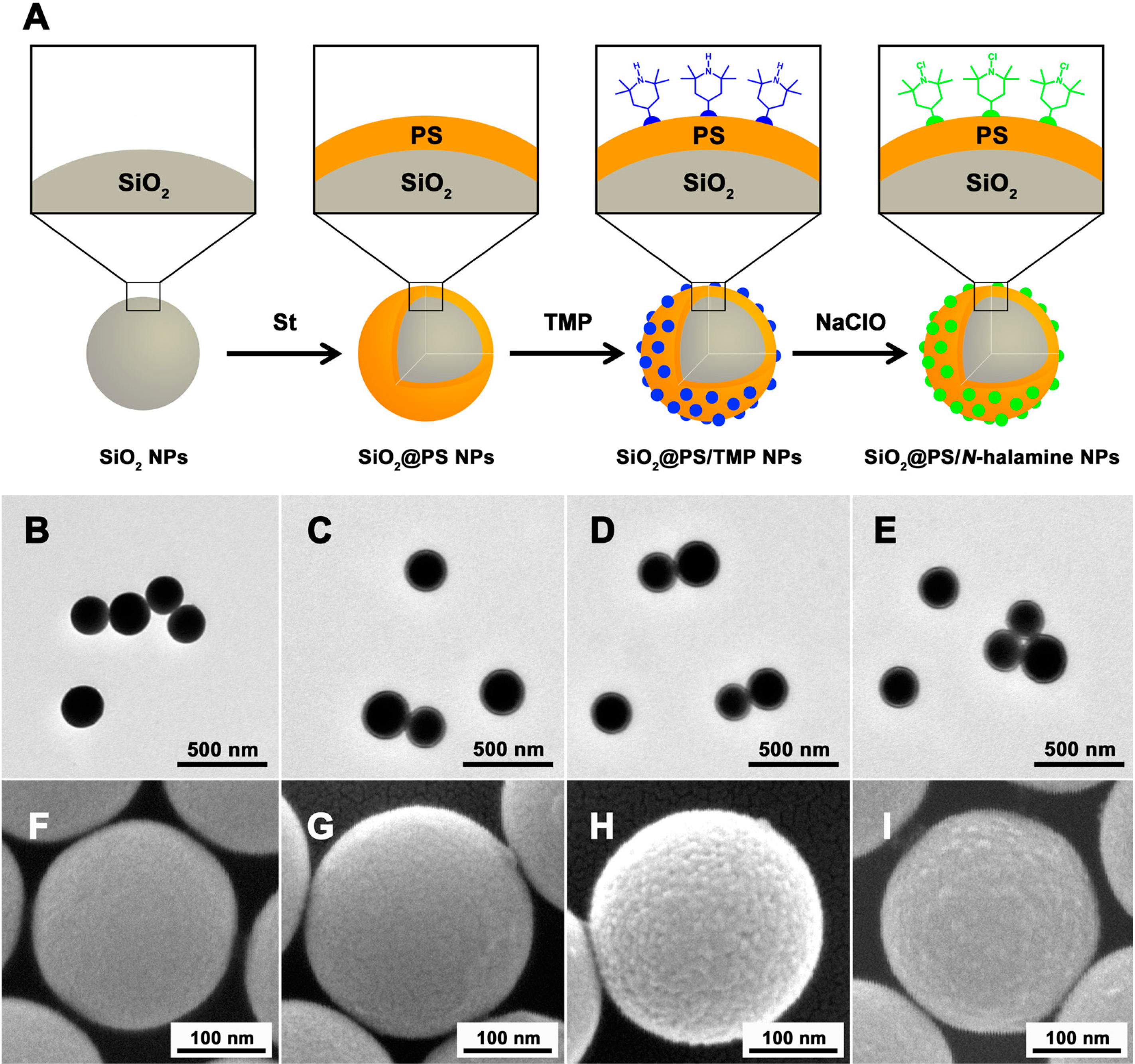
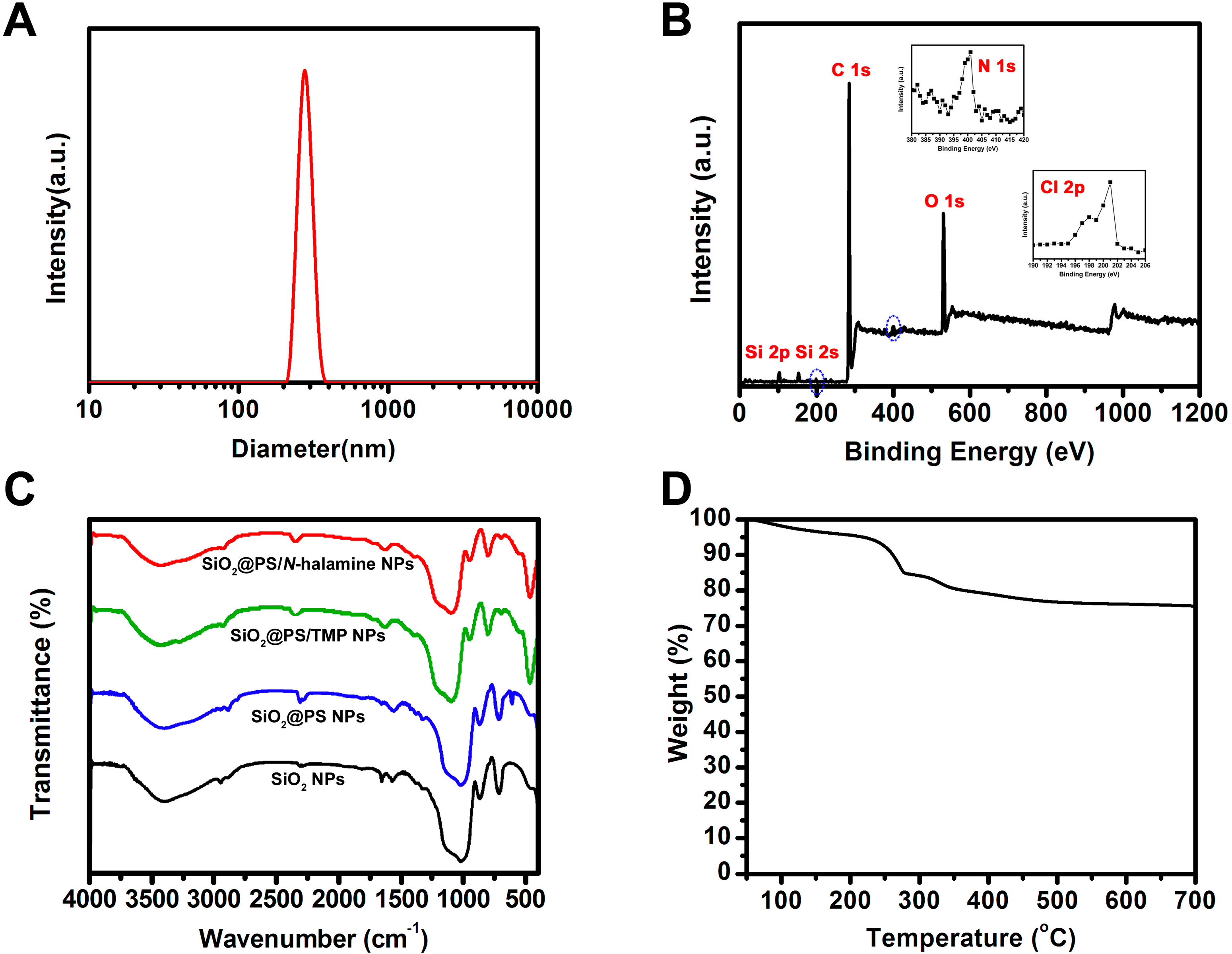
2.2. Effect of Reaction Conditions on Oxidative Chlorine Content
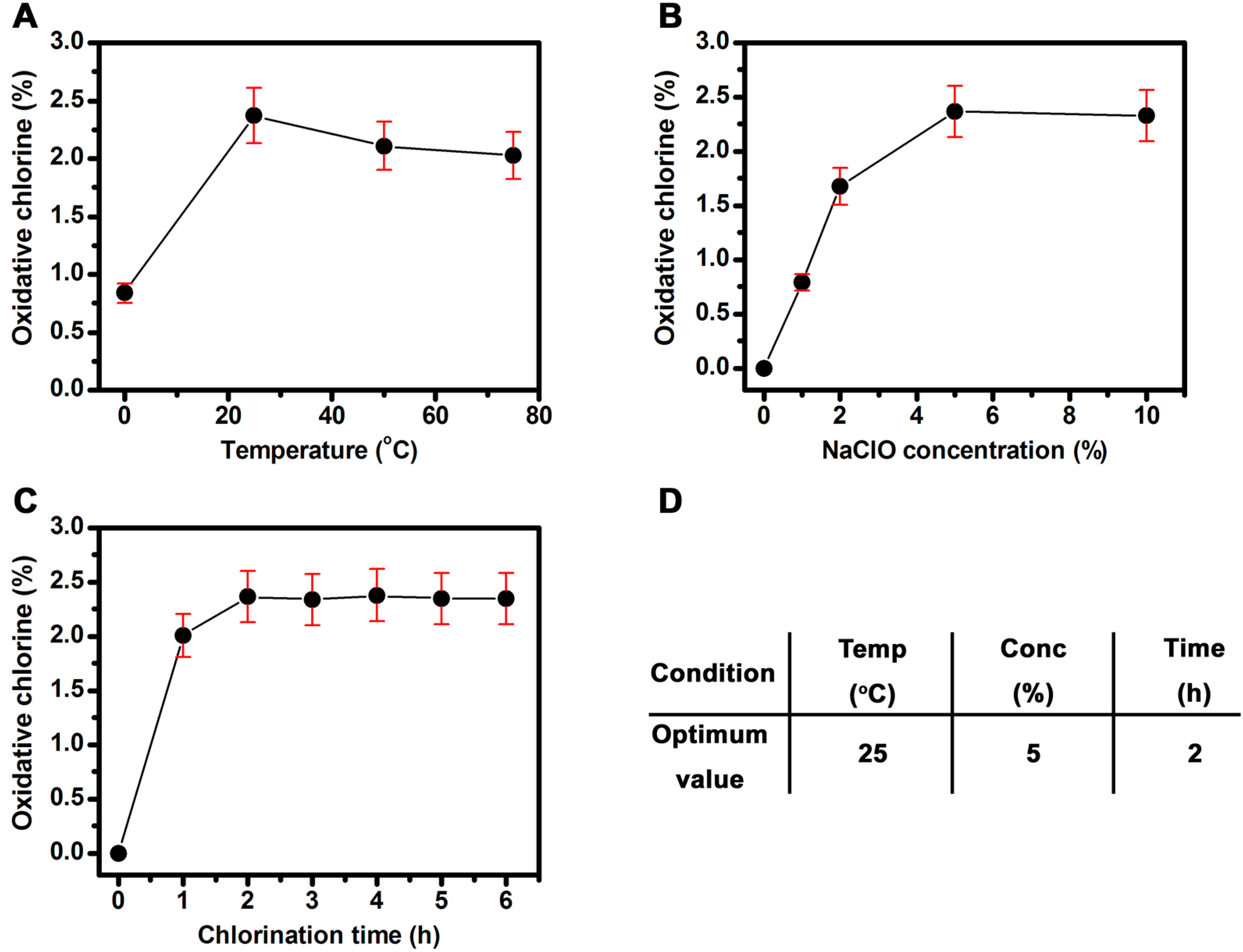
2.3. Antimicrobial Assay
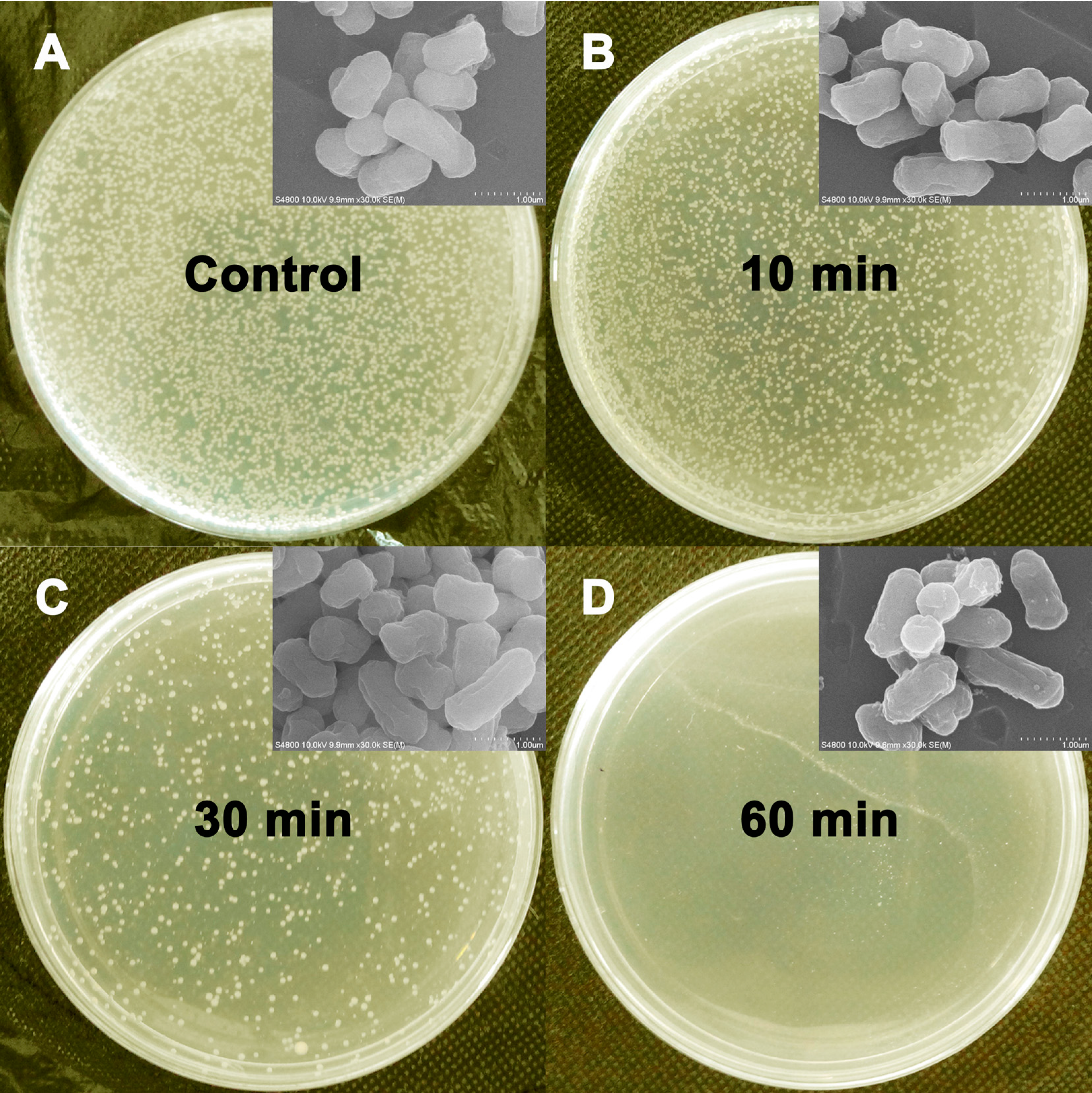
2.4. Effect of Oxidative Chlorine Content on Antibacterial Activity
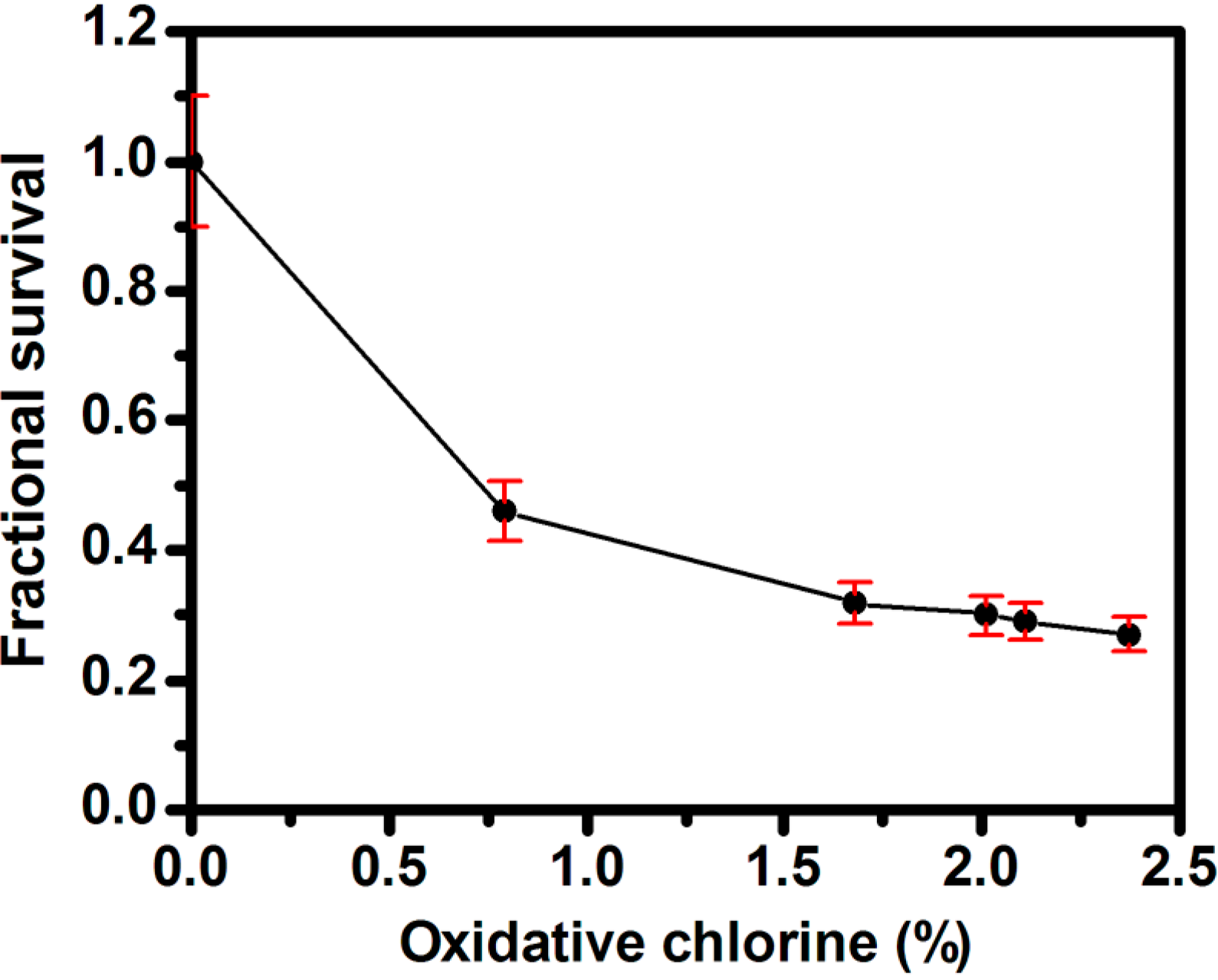
2.5. Role of DksA Protein in Susceptibility of E. coli against N-halamine NPs
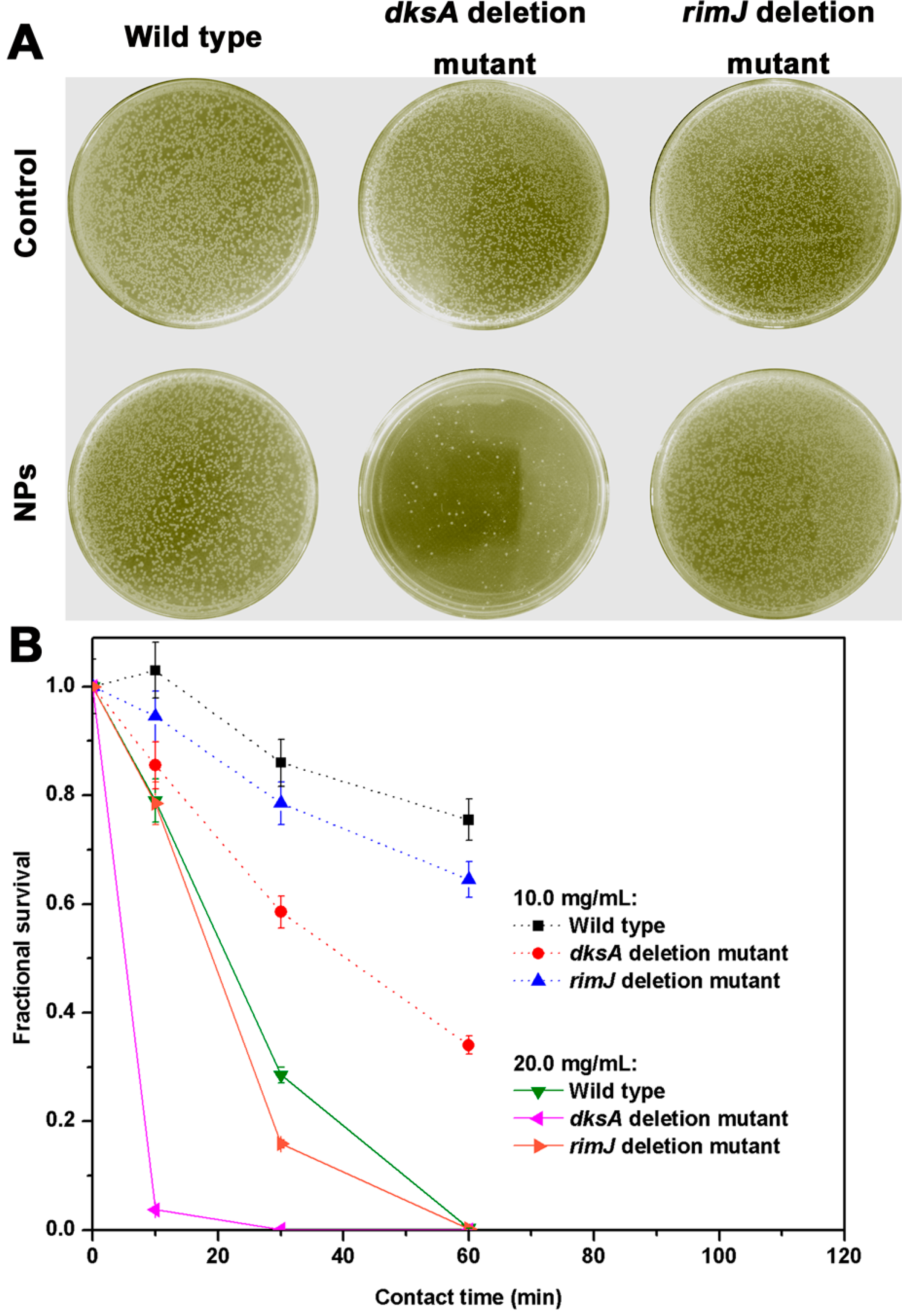
3. Experimental Section
3.1. Materials
3.2. Characterization
3.3. Preparation of MPS Modified SiO2 NPs
3.4. Preparation of SiO2@PS NPs
3.5. Immobilization of TMP onto SiO2@PS NPs
3.6. Synthesis of SiO2@PS/N-halamine NPs
3.7. Determination of Oxidative Chlorine Content
3.8. Antimicrobial Evaluation
3.9. Role of DksA Protein in Susceptibility of E. coli
4. Conclusions
Acknowledgements
Author Contributions
Conflicts of Interest
References
- Carey, J.R.; Suslick, K.S.; Hulkower, K.I.; Imlay, J.A.; Imlay, K.R.C.; Ingison, C.K.; Ponder, J.B.; Sen, A.; Wittring, A.E. Rapid identification of bacteria with a disposable colorimetric sensing array. J. Am. Chem. Soc. 2011, 133, 7571–7576. [Google Scholar] [CrossRef] [PubMed]
- Kocer, H.B.; Cerkez, I.; Worley, S.D.; Broughton, R.M.; Huang, T.S. N-Halamine copolymers for use in antimicrobial paints. ACS Appl. Mater. Interfaces 2011, 3, 3189–3194. [Google Scholar] [CrossRef] [PubMed]
- Sun, Y.; Sun, G. Novel refreshable N-halamine polymeric biocides: Grafting hydantoin-containing monomers onto high performance fibers by a continuous process. J. Appl. Polym. Sci. 2003, 88, 1032–1039. [Google Scholar] [CrossRef]
- Cerkez, I.; Kocer, H.B.; Worley, S.D.; Broughton, R.M.; Huang, T.S. N-Halamine copolymers for biocidal coatings. React. Funct. Polym. 2012, 72, 673–679. [Google Scholar] [CrossRef]
- Undabeytia, T.; Posada, R.; Nir, S.; Galindo, I.; Laiz, L.; Saiz-Jimmenez, C.; Morillo, E. Removal of waterborne microorganisms by filtration using clay-polymer complexes. J. Hazard. Mater. 2014, 279, 190–196. [Google Scholar] [CrossRef] [PubMed]
- Ren, X.; Akdag, A.; Zhu, C.; Kou, L.; Worley, S.D.; Huang, T.S. Electrospun polyacrylonitrile nanofibrous biomaterials. J. Biomed. Mater. Res. Part A 2009, 91, 385–390. [Google Scholar] [CrossRef]
- Lai, C.; Trewyn, B.G.; Jeftinija, D.M.; Jeftinija, K.; Xu, S.; Jeftinija, S.; Lin, V.S. A mesoporous silica nanosphere-based carrier system with chemically removable CdS nanoparticle caps for stimuli-responsive controlled release of neurotransmitters and drug molecules. J. Am. Chem. Soc. 2003, 125, 4451–4459. [Google Scholar] [CrossRef] [PubMed]
- He, Q.; Shi, J.; Chen, F.; Zhu, M.; Zhang, L. An anticancer drug delivery system based on surfactant-templated mesoporous silica nanoparticles. Biomaterials 2010, 31, 3335–3346. [Google Scholar] [CrossRef] [PubMed]
- Snyder, J.A.; Madura, J.D. Interaction of the Phospholipid Head Group with Representative Quartz and Aluminosilicate Structures: An Ab initio Study. J. Phys. Chem. B 2008, 112, 7095–7103. [Google Scholar] [CrossRef] [PubMed]
- Wang, G.; Weng, Y.; Chu, D.; Chen, R.; Xie, D. Developing a polysulfone-based alkaline anion exchange membrane for improved ionic conductivity. J. Membr. Sci. 2009, 332, 63–68. [Google Scholar] [CrossRef]
- Meddows, T.; Savory, A.; Grove, J.; Moore, T.; Lioyd, R. RecN protein and transcription factor DksA combine to promote faithful recombinational repair of DNA double-strand breaks. Mol. Microbiol. 2005, 57, 97–110. [Google Scholar] [CrossRef] [PubMed]
- Dong, A.; Huang, J.; Lan, S.; Wang, T.; Xiao, L.; Wang, W.; Zhao, T.; Zheng, X.; Liu, F.; Gao, G.; et al. Synthesis of N-halamine-functionalized silica-polymer core-shell nanoparticles and their enhanced antibacterial activity. Nanotechnology 2011, 22. [Google Scholar] [CrossRef] [PubMed]
- Zhang, Q.; Dong, A.; Zhai, Y.; Liu, F.; Gao, G. Synthesis of 1,4-bis(o-cyanostyryl)benzene-silica nanoparticles with core-shell structures and effects of reaction conditions. J. Phys. Chem. C 2009, 113, 12033–12039. [Google Scholar] [CrossRef]
- Zhang, Q.; Zhai, Y.; Liu, F.; Yang, M.; Gao, G. Synthesis of poly[2-methoxy-5-(2-ethylhexyloxy)-1,4-phenylenevinylene]-silica core-shell particles with a self-templating method and their fluorescent properties. Eur. Polym. J. 2008, 44, 3957–3962. [Google Scholar] [CrossRef]
- Cai, Q.; Bao, S.; Zhao, Y.; Zhao, T.; Xiao, L.; Gao, G.; Chokto, H.; Dong, A. Tailored synthesis of amine N-halamine copolymerized polystyrene with superior capability of killing pathogenic bacteria. J. Colloid Interface Sci. 2015, 444, 1–9. [Google Scholar] [CrossRef] [PubMed]
- Deng, Z.; Chen, M.; Wu, L. Novel method to fabricate SiO2/Ag composite spheres and their catalytic, surface-enhanced Raman scattering properties. J. Phys. Chem. C 2007, 111, 11692–11698. [Google Scholar] [CrossRef]
- Khai, T.V.; Na, H.G.; Kwak, D.S.; Kwon, Y.J.; Ham, H.; Shim, K.B.; Kim, H.W. Significant enhancement of blue emission and electrical conductivity of N-doped graphene. J. Mater. Chem. 2012, 22, 17992–18003. [Google Scholar] [CrossRef]
- Jie, Z.; Yan, X.; Zhao, L.; Worley, S.D.; Liang, J. A high-efficacy and regenerable antimicrobial resin containing quaternarized N-halamine groups. React. Funct. Polym. 2013, 73, 1580–1587. [Google Scholar] [CrossRef]
- Zhang, K.; Wu, W.; Meng, H.; Guo, K.; Chen, J.F. Pickering emulsion polymerization: Preparation of polystyrene/nano-SiO2 composite microspheres with core-shell structure. Powder Technol. 2009, 190, 393–400. [Google Scholar] [CrossRef]
- Sun, X.; Cao, Z.; Porteous, N.; Sun, Y. Amine, melamine, and amide N-halamines as antimicrobial additives for polymers. Ind. Eng. Chem. Res. 2010, 49, 11206–11213. [Google Scholar] [CrossRef] [PubMed]
- Qiao, X.; Chen, M.; Zhou, J.; Wu, L. Synthesis of raspberry-like silica/polystyrene/silica multilayer hybrid particles via muniemulsion polymerization. J. Polym. Sci. Part A: Polym. Chem. 2007, 45, 1028–1037. [Google Scholar] [CrossRef]
- Yao, T.; Lin, Q.; Zhang, K.; Zhao, D.; Lv, H.; Zhang, J.; Yang, B. Preparation of SiO2@polystyrene@polypyrrole sandwich composites and hollow polypyrrole capsules with movable SiO2 spheres inside. J. Colloid Interface Sci. 2007, 315, 434–438. [Google Scholar] [CrossRef] [PubMed]
- Li, C.; Hou, J.; Huang, Z.; Zhao, T.; Xiao, L.; Gao, G.; Harnoode, C.; Dong, A. Assessment of 2,2,6,6-tetramethyl-4-piperidinol-based amine N-halamine-labeled silica nanoparticles as potent antibiotics for deactivating bacteria. Colloids Surf. B 2015, 126, 106–114. [Google Scholar] [CrossRef]
- Tan, K.; Obendorf, S.K. Fabrication and evaluation of electrospun nanofibrous antimicrobial nylon 6 membranes. J. Membr. Sci. 2007, 305, 287–298. [Google Scholar] [CrossRef]
- Jang, J.; Kim, Y. Fabrication of monodisperse silica-polymer core-shell nanoparticles with excellent antimicrobial efficacy. Chem. Commun. 2008, 34, 4016–4018. [Google Scholar] [CrossRef]
- Dong, A.; Sun, Y.; Lan, S.; Wang, Q.; Cai, Q.; Qi, X.; Zhang, Y.; Gao, G.; Liu, F.; Harnoode, C. Barbituric acid-based magnetic N-halamine nanoparticles as recyclable antibacterial agents. ACS Appl. Mater. Interfaces 2013, 5, 8125–8133. [Google Scholar] [CrossRef] [PubMed]
- Xiao, L.; Wang, T.; Zhao, T.; Zheng, X.; Sun, L.; Li, P.; Liu, F.; Gao, G.; Dong, A. Fabrication of magnetic-antimicrobial-fluorescent multifunctional hybrid microspheres and their properties. Int. J. Mol. Sci. 2013, 14, 7391–7404. [Google Scholar] [CrossRef] [PubMed]
- Dong, A.; Huang, Z.; Lan, S.; Wang, Q.; Bao, S.; Siriguleng; Zhang, Y.; Gao, G.; Liu, F.; Harnoode, C. N-Halamine-decorated polystyrene nanoparticles based on 5-allylbarbituric acid: From controllable fabrication to bactericidal evaluation. J. Colloid Interface Sci. 2014, 413, 92–99. [Google Scholar] [CrossRef] [PubMed]
- Dong, A.; Lan, S.; Huang, J.; Wang, T.; Zhao, T.; Wang, W.; Xiao, L.; Zheng, X.; Liu, F.; Gao, G.; et al. Preparation of magnetically separable N-halamine nanocomposites for the improved antibacterial application. J. Colloid Interface Sci. 2011, 364, 333–340. [Google Scholar] [CrossRef] [PubMed]
- Hwang, S.H.; Song, J.; Jung, Y.; Kweon, O.Y.; Song, H.; Jang, J. Electrospun ZnO/TiO2 composite nanofibers as a bactericidal agent. Chem. Commun. 2011, 47, 9164–9166. [Google Scholar] [CrossRef]
- Jie, Z.; Yan, X.; Zhao, L.; Worley, S.D.; Liang, J. Eco-friendly synthesis of regenerable antimicrobial polymeric resin with N-halamine and quaternary ammonium salts groups. RSC Adv. 2014, 4, 6048–6054. [Google Scholar] [CrossRef]
- Nocchetti, M.; Donnadio, A.; Ambrogi, V.; Andreani, P.; Bastianini, M.; Pietrella, D.; Latterini, L. Ag/AgCl nanoparticle decorated double hydroxides: Synthesis, characterization and antimicrobial properties. J. Mater. Chem. B 2013, 1, 2383–2393. [Google Scholar] [CrossRef]
- Dong, A.; Lan, S.; Huang, J.; Wang, T.; Zhao, T.; Xiao, L.; Wang, W.; Zheng, X.; Liu, F.; Gao, G.; et al. Modifying Fe3O4-functionalized nanoparticles with N-halamine and their magnetic/antibacterial properties. ACS Appl. Mater. Interfaces 2011, 3, 4228–4235. [Google Scholar] [CrossRef] [PubMed]
- Stöber, W.; Fink, A.; Bohn, E. Controlled growth of monodisperse silica spheres in the micro size range. J. Colloid Interface Sci. 1968, 26, 62–69. [Google Scholar] [CrossRef]
- Dong, A.; Zhang, Q.; Wang, T.; Wang, W.; Liu, F.; Gao, G. Immobilization of cyclic N-halamine on polystyrene-functionalized silica nanoparticles: Synthesis, characterization, and biocidal activity. J. Phys. Chem. C 2010, 114, 17298–17303. [Google Scholar] [CrossRef]
- Sun, X.; Zhang, L.; Cao, Z.; Deng, Y.; Liu, L.; Fong, H.; Sun, Y. Electrospun composites nanofiber fabrics containing uniformly dispersed antimicrobial agents as an innovative type of polymeric materials with superior antimicrobial efficacy. ACS Appl. Mater. Interfaces 2010, 2, 952–956. [Google Scholar] [CrossRef] [PubMed]
- Lin, J.; Cammarata, V.; Worley, S.D. Infrared characterization of biocidal nylon. Polymer 2001, 42, 7903–7906. [Google Scholar] [CrossRef]
- Makal, U.; Wood, L.; Ohman, D.E.; Wynne, K.J. Polyurethane biocidal polymeric surface modifiers. Biomaterials 2006, 27, 1316–1326. [Google Scholar] [CrossRef] [PubMed]
- Ren, X.; Kou, L.; Kocer, H.B.; Zhu, C.; Worley, S.D.; Broughton, R.M.; Huang, T.S. Antimicrobial coating of an N-halamine biocidal monomer on cotton fiber via admicellar polymerization. Colloid. Surf. A 2008, 317, 711–716. [Google Scholar] [CrossRef]
- Tian, Y.; Qi, J.; Zhang, W.; Cai, Q.; Jiang, X. Facile, one-pot synthesis, and antibacterial activity of mesoporous silica nanoparticles decorated with well-dispersed silver nanoparticles. ACS Appl. Mater. Interfaces 2014, 6, 12038–12045. [Google Scholar] [CrossRef] [PubMed]
- Sample Availability: Not available.
© 2015 by the authors. Licensee MDPI, Basel, Switzerland. This article is an open access article distributed under the terms and conditions of the Creative Commons Attribution license ( http://creativecommons.org/licenses/by/4.0/).
Share and Cite
Dong, Q.; Dong, A.; Morigen. Evaluation of Novel Antibacterial N-Halamine Nanoparticles Prodrugs towards Susceptibility of Escherichia coli Induced by DksA Protein. Molecules 2015, 20, 7292-7308. https://doi.org/10.3390/molecules20047292
Dong Q, Dong A, Morigen. Evaluation of Novel Antibacterial N-Halamine Nanoparticles Prodrugs towards Susceptibility of Escherichia coli Induced by DksA Protein. Molecules. 2015; 20(4):7292-7308. https://doi.org/10.3390/molecules20047292
Chicago/Turabian StyleDong, Qigeqi, Alideertu Dong, and Morigen. 2015. "Evaluation of Novel Antibacterial N-Halamine Nanoparticles Prodrugs towards Susceptibility of Escherichia coli Induced by DksA Protein" Molecules 20, no. 4: 7292-7308. https://doi.org/10.3390/molecules20047292
APA StyleDong, Q., Dong, A., & Morigen. (2015). Evaluation of Novel Antibacterial N-Halamine Nanoparticles Prodrugs towards Susceptibility of Escherichia coli Induced by DksA Protein. Molecules, 20(4), 7292-7308. https://doi.org/10.3390/molecules20047292

