Article

Antimicrobial Prospect of Newly Synthesized 1,3-Thiazole Derivatives

by
Bassem Sadek
1,*,
Moawia Mohammad Al-Tabakha
2 and
Khairi Mustafa Salem Fahelelbom
2
1
Department of Pharmacology and Therapeutics, College of Medicine and Health Sciences, UAE University, Al-Ain, P.O. Box 17666, United Arab Emirates
2
Department of Pharmaceutical Sciences, College of Pharmacy, Al-Ain University of Science and Technology, P.O. Box 64141, Al-Ain, United Arab Emirates
*
Author to whom correspondence should be addressed.
Molecules 2011, 16(11), 9386-9396; https://doi.org/10.3390/molecules16119386

Submission received: 8 October 2011 / Revised: 31 October 2011 / Accepted: 7 November 2011 / Published: 9 November 2011
(This article belongs to the Section Medicinal Chemistry)

Abstract

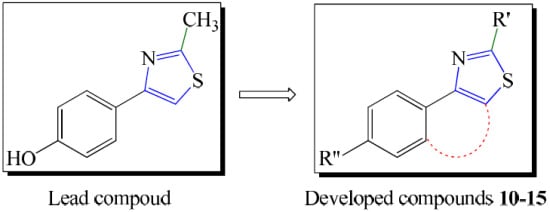
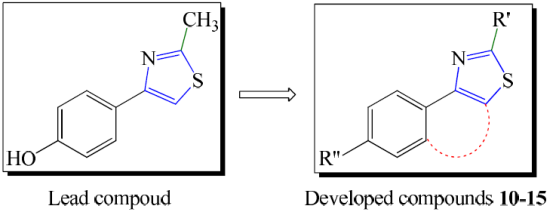
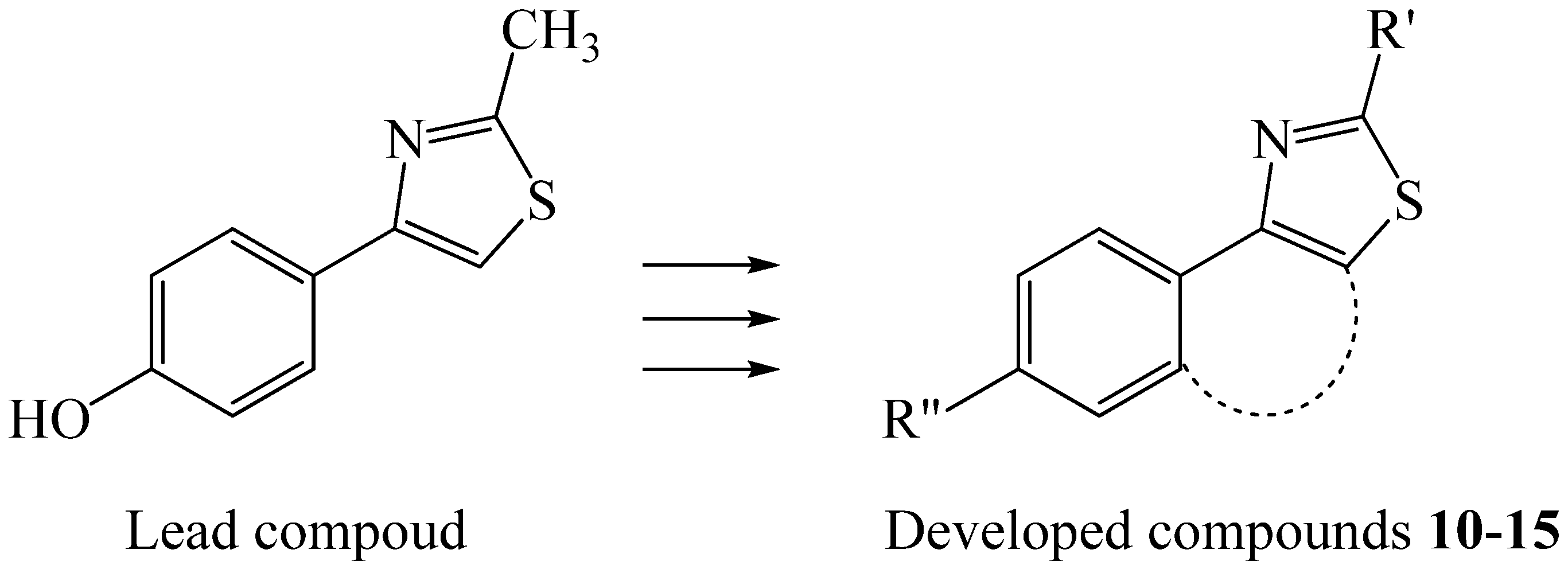
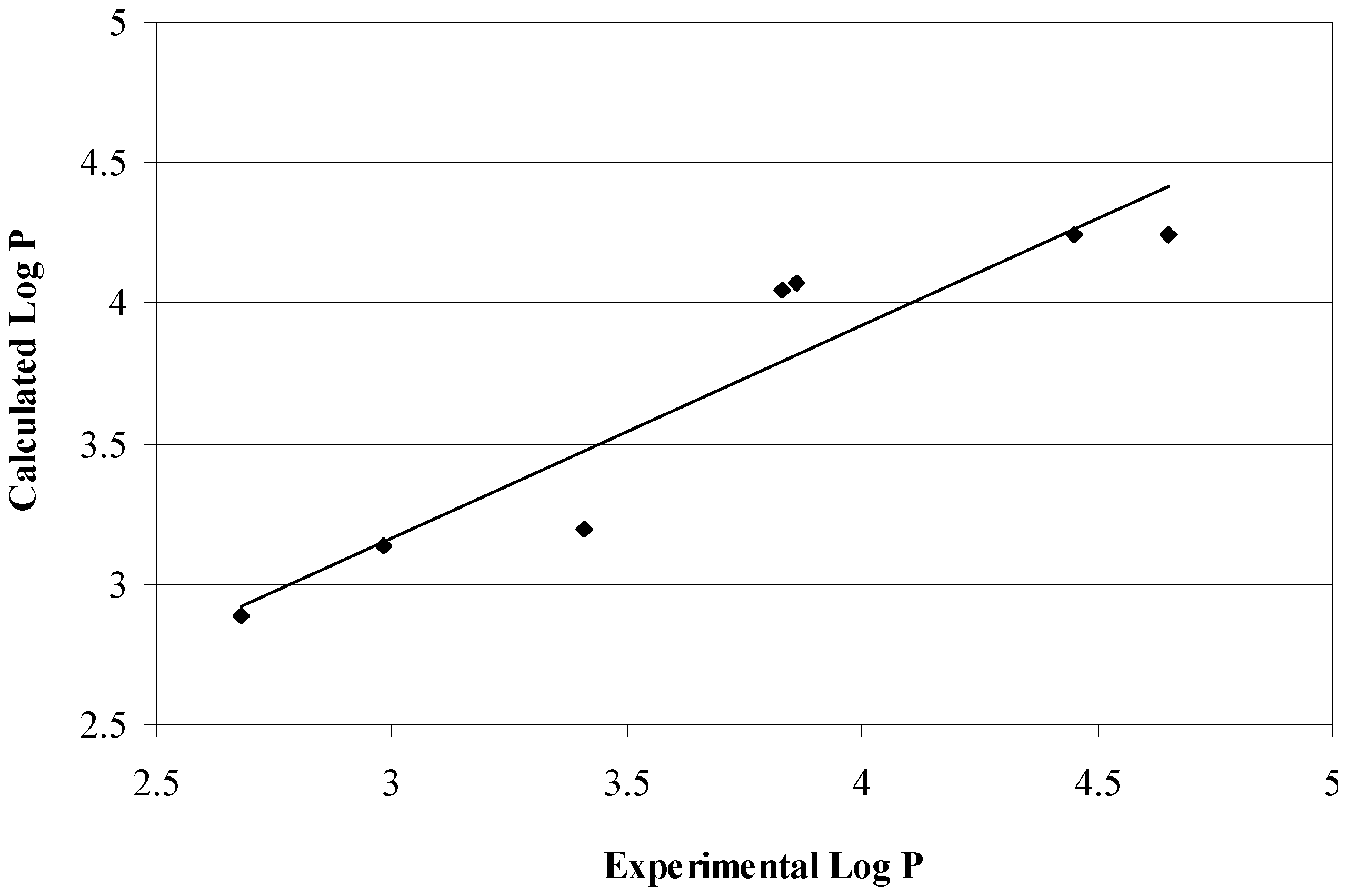
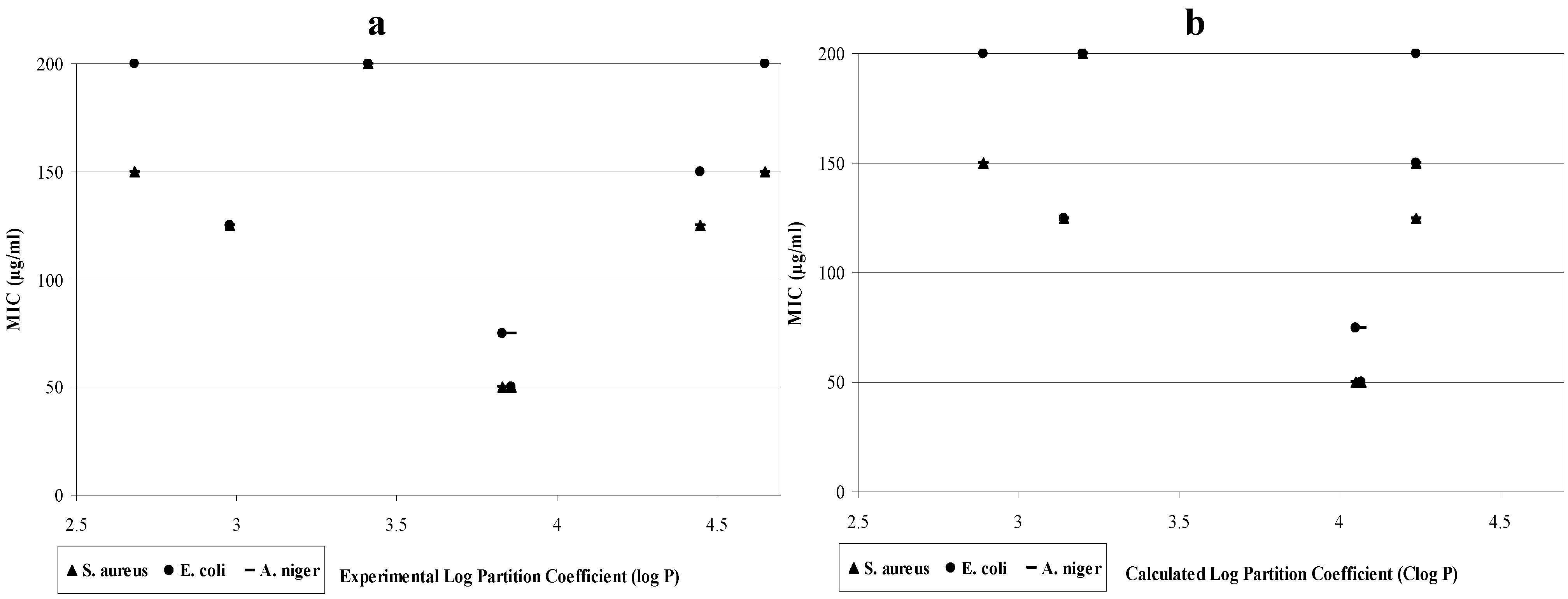
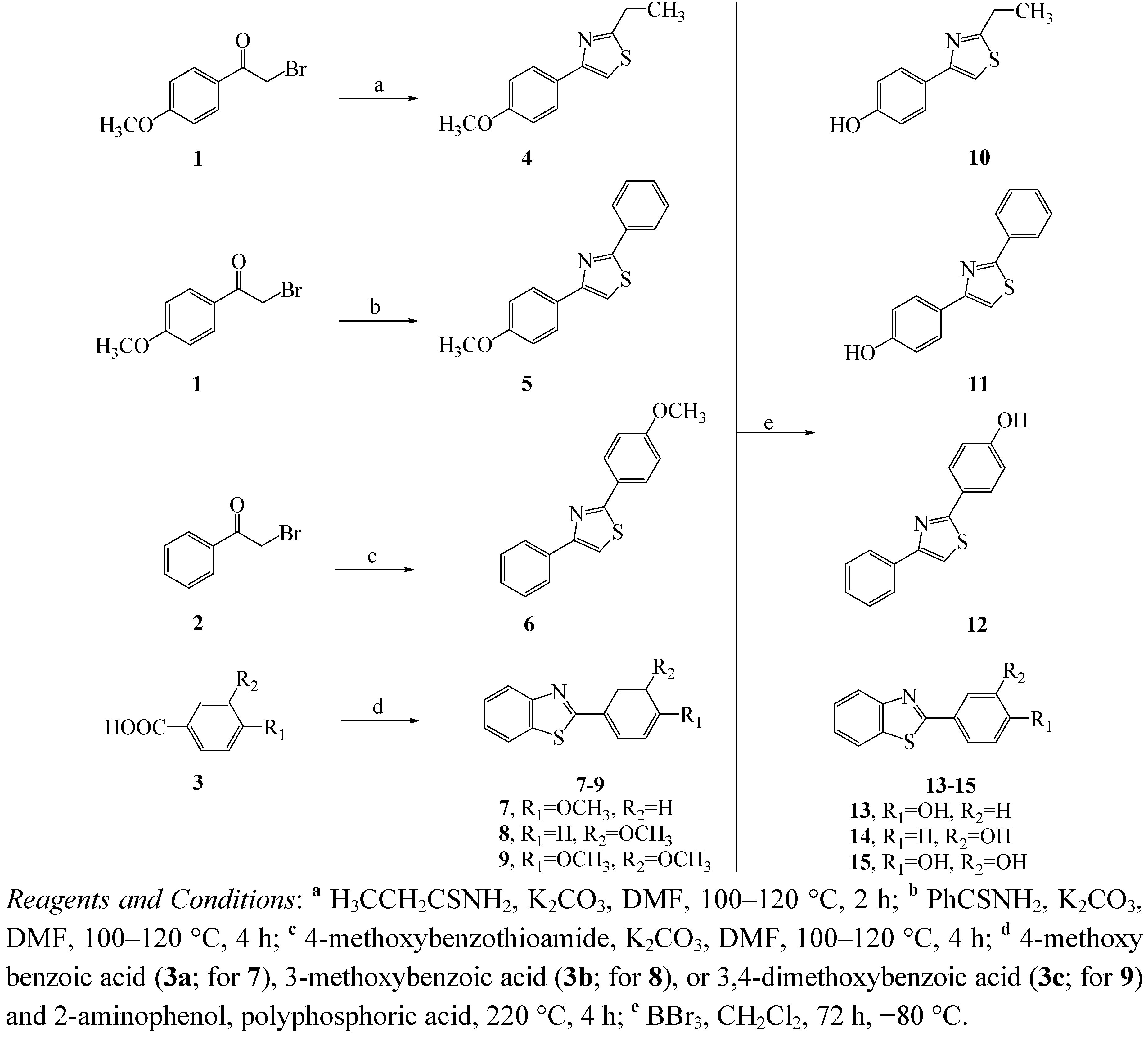
A new series of 1,3-thiazole and benzo[d]thiazole derivatives 10–15 has been developed, characterized, and evaluated for in vitro antimicrobial activity at concentrations of 25–200 μg/mL against Gram+ve organisms such as methicillin-resistant Staphylococcus aureus (MRSA), Gram–ve organisms such as Escherichia coli (E. coli), and the fungal strain Aspergillus niger (A. niger) by the cup plate method. Ofloxacin and ketoconazole (10 μg/mL) were used as reference standards for antibacterial and antifungal activity, respectively. Compounds 11 and 12 showed notable antibacterial and antifungal activities at higher concentrations (125–200 μg/mL), whereas benzo[d]thiazole derivatives 13 and 14 were found to display significant antibacterial or antifungal activity (50–75 μg/mL) against the Gram+ve, Gram–ve bacteria, or fungal cells used in the present study. In addition, a correlation between calculated and determined partition coefficient (log P) was established which allows future development of compounds within this series to be carried out based on calculated log P values. Moreover, compounds 13 and 14 show that the optimum logarithm of partition coefficient (log P) should be around 4.
Keywords: synthesis; antimicrobial evaluation; 1,3-thiazoles; benzo[d]thiazoles; partition coefficient synthesis; antimicrobial evaluation; 1,3-thiazoles; benzo[d]thiazoles; partition coefficient
Graphical Abstract