Article

Optimization of Curvilinear Tracing Applied to Solar Physics and Biophysics


by
Markus J. Aschwanden
1,*,
Bart De Pontieu
1 and
Eugene A. Katrukha
2
1
Lockheed Martin Solar and Astrophysics Laboratory, Building 252, Organization A021S, 3251 Hanover Street, Palo Alto, CA 94304, USA
2
Cell Biology, Faculty of Science, Utrecht University, Padualaan 8, Utrecht, The Netherlands
*
Author to whom correspondence should be addressed.
Entropy 2013, 15(8), 3007-3030; https://doi.org/10.3390/e15083007
Submission received: 23 May 2013 / Revised: 4 July 2013 / Accepted: 18 July 2013 / Published: 26 July 2013
(This article belongs to the Special Issue Advanced Signal Processing in Heliospheric Physics)

Abstract

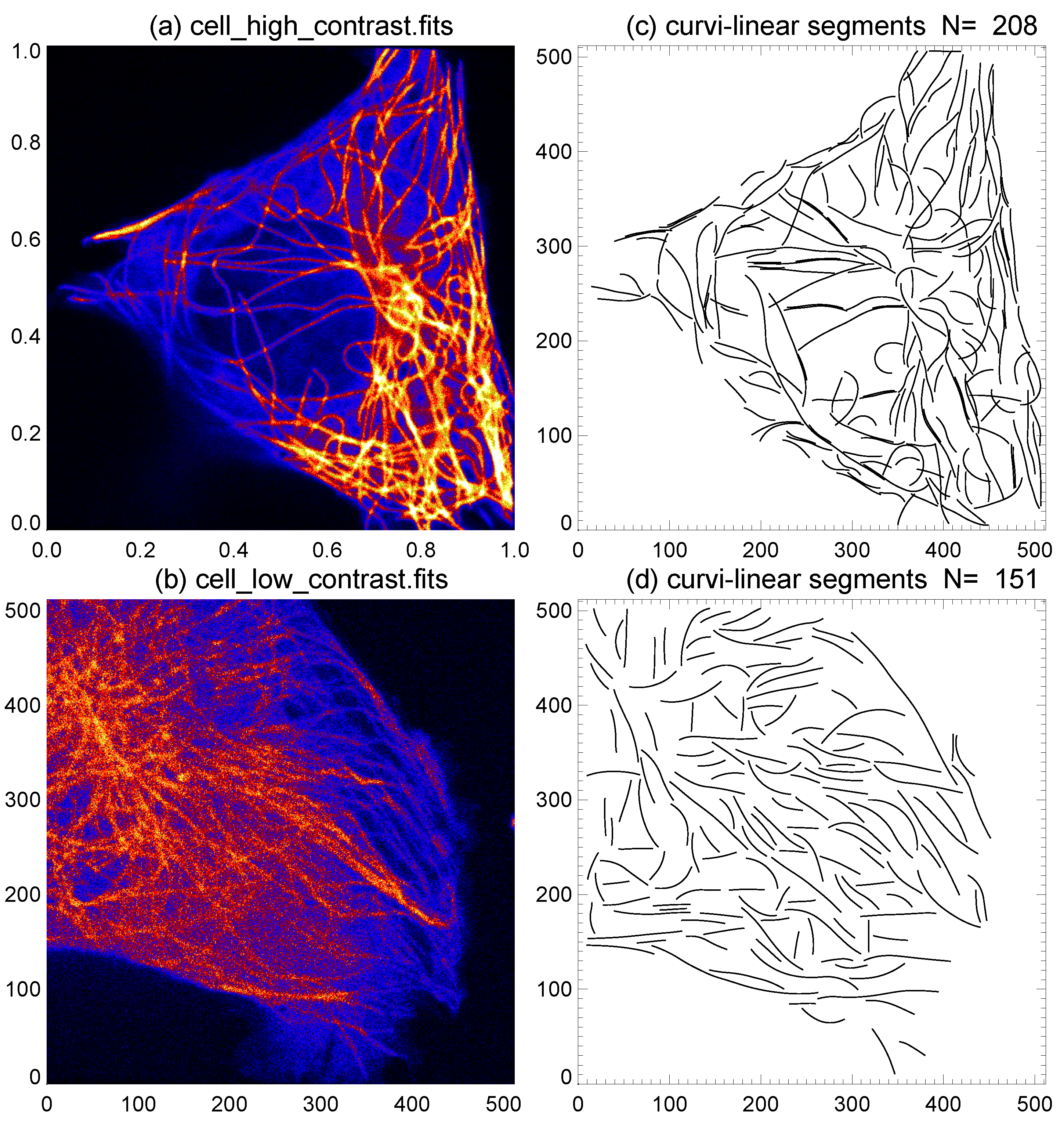
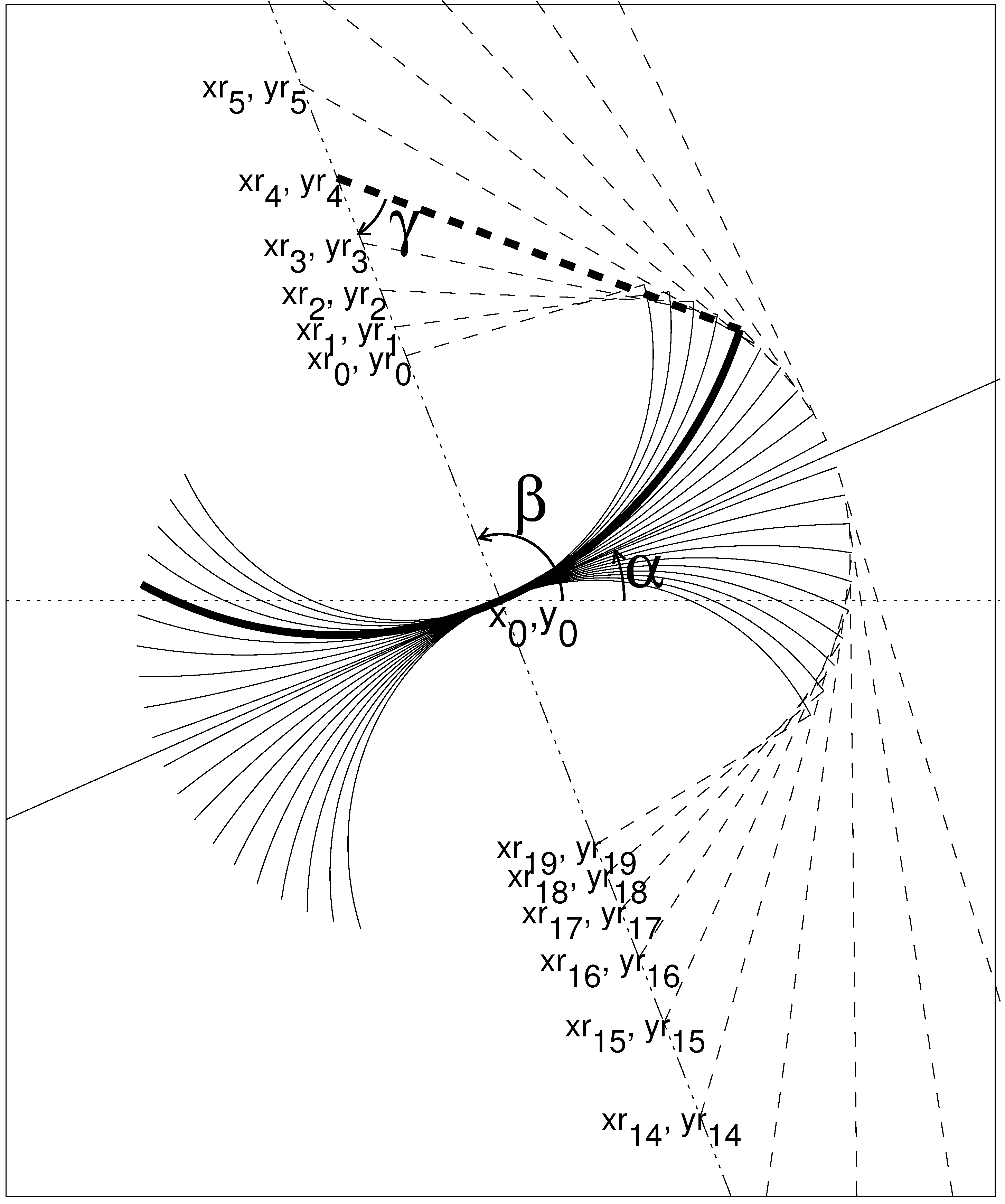
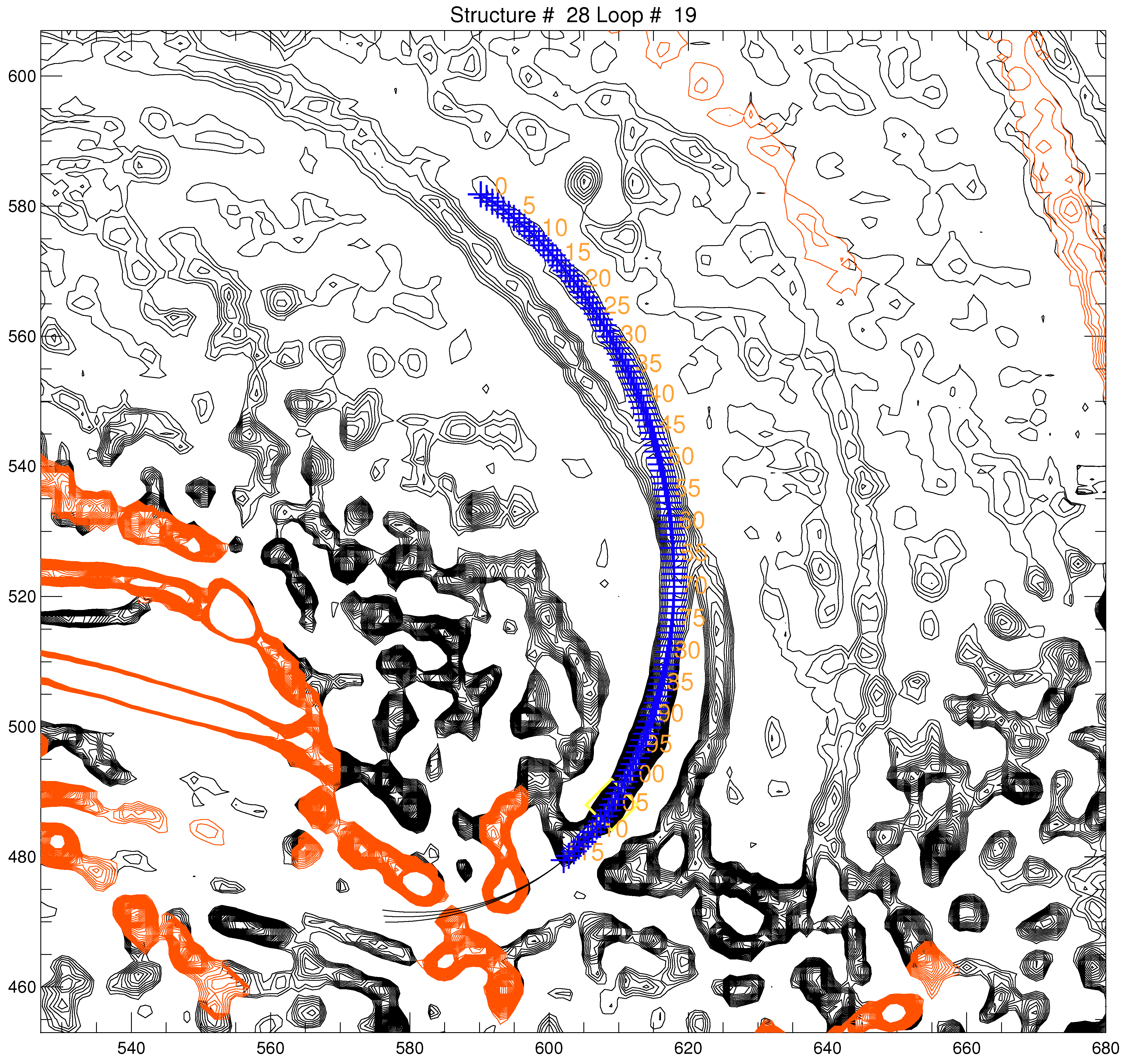
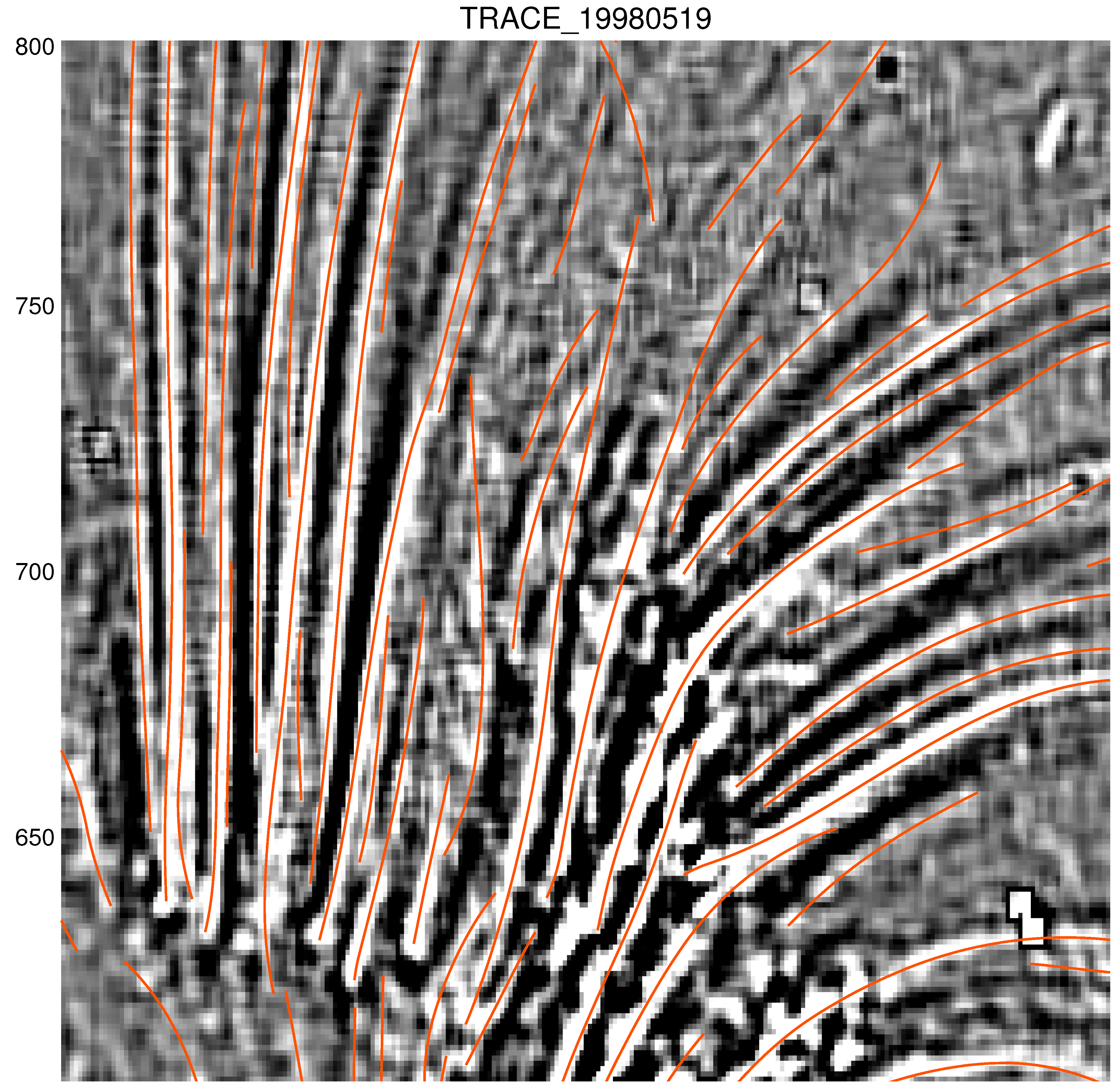
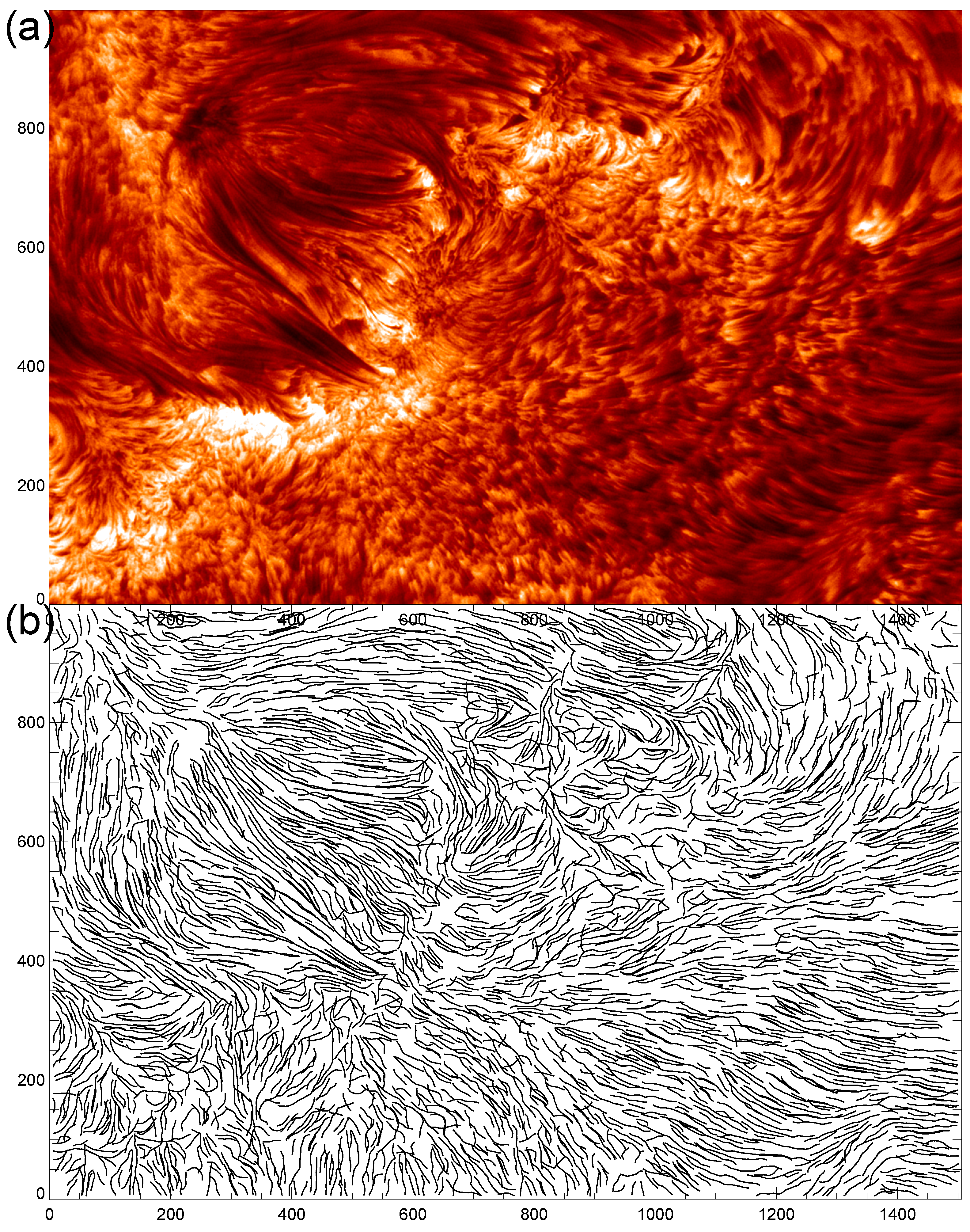
We developed an automated pattern recognition code that is particularly well suited to extract one-dimensional curvilinear features from two-dimensional digital images. A former version of this Oriented Coronal Curved Loop Tracing (OCCULT) code was applied to spacecraft images of magnetic loops in the solar corona, recorded with the NASA spacecraft, Transition Region And Coronal Explorer (TRACE), in extreme ultra-violet wavelengths. Here, we apply an advanced version of this code (OCCULT-2), also, to similar images from the Solar Dynamics Observatory (SDO), to chromospheric H-α images obtained with the Swedish Solar Telescope (SST) and to microscopy images of microtubule filaments in live cells in biophysics. We provide a full analytical description of the code, optimize the control parameters and compare the automated tracing with visual/manual methods. The traced structures differ by up to 16 orders of magnitude in size, which demonstrates the universality of the tracing algorithm.
Keywords: solar physics; magnetic fields; biophysics; automated pattern recognition methods solar physics; magnetic fields; biophysics; automated pattern recognition methods