1. Introduction
The business landscape has become increasingly demanding. Companies must innovate continuously, integrate emerging technologies, and adapt to constant market changes simply to remain competitive. For sustainable growth, companies need performance assessment systems that are both flexible and resilient. These systems can support quick strategic shifts while maintaining focus on long-term objectives. These measurement systems help companies deal with uncertainty, ensure continuity, and align their daily operations with their strategic goals. In e-commerce, evaluating seller performance is critical.
Although recent studies propose an increasing number of advanced optimization models for supplier selection [
1,
2], managerial practice often remains tactical and centered on cost considerations. This situation creates a strategic disconnect, whereby companies optimize short-term objectives at the expense of long-term performance. This paper argues that a fundamental shift is required from tactical evaluation toward a genuinely strategic framework for seller prioritization. It also provides insights for operational efficiency, financial strength, competitive positioning, and adapting to the challenges of digital transformation and sustainability. This comprehensive evaluation includes many dimensions, such as financial stability, market position, operational capabilities, and external dynamics that affect sellers’ performance.
The concept of performance evaluation has progressed through several viewpoints in the literature. According to Marshall et al. [
3], performance evaluation involves creating indicators and gathering data to understand, report on, and analyze how well an organization is doing. Najmi and Kehoe [
4] highlight how tracking and managing measurable indicators can drive organizations toward their objectives. Neely et al. [
5] view it as a way to capture how efficiently and effectively an organization operates across various metrics. A few years later, Moullin [
6] emphasized that managers need to concentrate on delivering real quality and value to their stakeholders. Kloviene [
7] took a broader view, describing performance evaluation as a comprehensive process that pulls together important indicators to help organizations create value, stay flexible, and grow. Choong [
8] linked performance evaluation directly to achieving specific improvements organizations aim for. More recently, Narkuniene and Ulbinaite [
9] highlighted something important: non-financial measures give us valuable context that traditional financial data simply cannot provide on its own. Biswas et al. [
10] advocate for integrated modern evaluation methods that combine quantitative and qualitative measures.
As e-commerce platforms grow, sellers increasingly require thorough and systematic evaluation to support visibility and promotion decisions. The process of selecting reliable sellers who deliver quality products and services at competitive prices will enhance customer satisfaction [
11]. The evaluation process for e-commerce sellers follows principles from traditional supplier selection literature to create an organized assessment framework.
The term “supplier” broadly refers to any organization that provides goods or services to a purchasing firm in traditional supply chain research [
12,
13]. However, these roles are more differentiated in e-commerce platform ecosystems [
14]. While the manufacturer or brand owner is responsible for designing and producing the products, the seller lists the items on the digital platform, determines pricing, and manages order fulfillment. Accordingly, the seller may be the manufacturer itself, an authorized distributor, or an independent reseller.
In this study, the term “supplier” is used when referring to the broader supplier selection literature, whereas “seller” is used when discussing prioritization and visibility mechanisms within platform environments. This distinction reflects the study’s objective of adapting established supplier selection criteria from supply chain theory to the dynamic, algorithm-driven context of e-commerce seller evaluation, while maintaining the applicability of the framework across different organizational roles.
To evaluate sellers effectively across these roles, benchmarking against competitors or industry leaders is widely used to identify performance gaps and improvement opportunities. Financial indicators, operational efficiency, warranty management, procurement processes, platform-based commerce ecosystem factors, and customer satisfaction are among the elements typically assessed. Continuous monitoring and the dynamic management of seller performance through regular evaluations and corrective actions are essential for ensuring sustainable success on e-commerce platforms [
15].
However, the digital marketplace requires a fundamental shift in how supplier selection is handled. Seller selection is no longer a static, one-time contracting decision in contemporary e-commerce ecosystems, but it is a dynamic and continuous prioritization process. It is also represented in the allocation of the Buy Box or featured offer mechanism. This mechanism functions as the primary driver of sales and visibility that are shaping market outcomes according to the prior research [
16]. Despite its strategic importance, Buy Box allocation has been dominated by short-term, tactical criteria such as price competitiveness and immediate delivery speed. Recent studies have highlighted the limitations of this narrow approach. Friedler et al. [
17] demonstrate that Buy Box design influences both pricing behavior and market stability. It is emphasized that a broader evaluative perspective is needed. Building on these insights, this study argues that Buy Box eligibility and seller prioritization criteria must evolve beyond transactional metrics toward an assessment of sellers’ strategic robustness. By proposing a more comprehensive set of criteria, the selection can shift from tactical low price to strategic value-added framework. This change supports long-term platform health and overall company performance.
A comprehensive seller performance evaluation must go beyond financial results to include strategic actions, product variety, warranty practices, seller relationships, and responsiveness to evolving digital market demands. Given the importance of selecting sellers that enhance visibility and prioritization on e-commerce platforms, it is crucial to identify prominent selection indicators from the literature and explore additional relevant metrics.
Over the past few years, supplier selection and MCDM methods have been the topic of a wide range of systematic reviews. Taherdoost and Brard [
18] reviewed MCDM methods for supplier selection without evaluating specific platforms, focusing instead on method classification. Sahoo et al. [
19] analyzed MCDM applications in the context of Industry 4.0, focusing on technological integration rather than seller evaluation criteria. Ecer [
20] reviewed the Best-Worst Method extensively and contributed to methodological development, but did not relate the criteria to e-commerce platform dynamics. Karakoç et al. [
21] examined sustainable supplier selection studies from 2018 to 2022, while Chakraborty et al. [
22] reviewed MCDM methods for supplier selection comprehensively. However, these studies did not address the shift from traditional supplier selection to seller prioritization on e-commerce platforms clearly and did not propose a multidimensional framework specific to online marketplaces.
This study analyzes 123 studies using bibliometric analysis and thematic synthesis. Additionally, it addresses this gap by proposing a four-dimensional framework that aligns seller evaluation criteria with the algorithmic and performance-oriented nature of e-commerce platforms.
The scope of this study consists of three parts. First, in terms of the research context, the study covers research on supplier and seller selection criteria that can be applied to e-commerce platforms, online marketplaces, and digital supply chains, such as Amazon, Alibaba, and similar market ecosystems. Second, methodologically, the review covers multi-criteria decision-making methods, their fuzzy extensions, hybrid models integrating MCDM with machine learning or statistical techniques, and data-driven evaluation approaches. Third, the temporal scope covers studies published between 2014 and 2025.
To guide this research, the following research questions are proposed:
RQ1: What are the critical indicators used by e-commerce platforms to prioritize seller visibility and eligibility?
RQ2: To what extent do these selection indicators influence company performance?
RQ3: How can these indicators be structured to guide dynamic prioritization mechanisms, such as the Buy Box?
RQ4: How can these indicators be integrated into intelligent applications to support data-driven seller selection?
In order to answer these questions, this study conducts a systematic literature review focusing on seller and supplier selection processes, and the development of dynamic capabilities. Reviewing 123 papers published between 2014 and 2025, this review provides a comprehensive understanding of the subject.
This study contributes to the existing literature in various ways, as compared to previous studies. First, while previous systematic reviews on supplier selection primarily focused on specific dimensions such as method classification [
18,
22] or sustainability [
21,
23], this study integrates the scattered selection criteria obtained from 123 studies into a four-dimensional framework encompassing financial sustainability, operational efficiency, quality and service standards, and market positioning, each grounded in established theoretical perspectives (Resource-Based View (RBV), Transaction Cost Economics (TCE), Signaling Theory, and Dynamic Capabilities). Second, contrary to existing reviews that treat supplier selection as a general procurement issue, this study addresses a topic that is rarely discussed in the literature by explicitly linking evaluation criteria to the dynamic, algorithm-driven nature of e-commerce platforms. Third, the study provides empirical evidence supporting the need for multidimensional evaluation models by presenting a temporal analysis showing that evaluation criteria have become increasingly diverse over the review period. Finally, the proposed framework provides operational guidance to platform managers by establishing a framework for developing data-driven seller selection and prioritization systems.
The paper is organized as follows:
Section 2 presents the theoretical framework,
Section 3 explains the research methodology,
Section 4 addresses the research questions,
Section 5 develops the seller selection framework from the existing literature, and
Section 6 outlines future research directions.
2. Theoretical Framework
Suppliers and sellers play an important role in a company’s overall value chain not only as external suppliers but also as strategic business partners [
24]. Companies may be able to enhance their competitive advantage, meet customer expectations, and achieve sustainable growth by managing relationships effectively with sellers, manufacturers, suppliers, and brands.
Supplier selection has been the subject of numerous studies emphasizing the importance of various performance indicators in determining supplier qualifications. It is essential to understand these indicators deeply for developing strategies that improve overall company performance through improved seller selection.
Dickson [
12] was one of the first to identify critical supplier selection criteria. He ranked factors such as quality, delivery, performance history, warranties and claim policies, production facilities and capacity, price, technical capacity, financial position, procedural compliance, communication system, reputation and positioning industry, desire for business, management and organization, and operating controls as significant factors.
In this perspective, Ellram [
13] emphasized the qualitative aspects that support long-term cooperation between companies and suppliers. He classified the fundamental factors as financial, strategic, technological, and relational areas. Subsequent studies have broadened the supplier evaluation perspective. For example, Khurrum and Bhutta [
25] emphasized the increasing importance of information technologies, while Cebi and Bayraktar [
26] highlighted the combination of concrete and abstract criteria such as logistics, technology, and relationship management.
Recent research [
27,
28,
29,
30] reinforces the significance of factors such as supplier performance, geographic location, reputation, financial status, technical competence, and quality systems. Stevic [
29], Ulutas et al. [
30], and Akman et al. [
31] have determined cost, quality, delivery performance, and technological capacity as key factors in supplier selection. Furthermore, the importance of environmental and social factors in decision-making process is emphasized by the studies of Giannakis et al. [
32], Coskun et al. [
33], and Tohidi et al. [
34].
Traditional supplier selection literature provides a fundamental understanding of seller evaluation, while e-commerce platforms operate according to different competitive dynamics. The static nature of traditional supply chains has been shifted to constant algorithmic prioritization in digital market environments. E-commerce search engines and recommendation algorithms function as powerful market designers that determine seller visibility and consumer choices. Platform investment decisions and fee structures significantly influence seller competition and access to digital marketplaces [
35]. Furthermore, algorithmic prioritization (e.g., demand steering rules or “Buy Box” mechanisms) can shape both pricing behavior and market outcomes by providing additional visibility to competitive sellers [
36].
However, the algorithmic structure of these platforms also creates unique competitive pressures, such as algorithmic biases and self-preferencing. As Etro [
37] pointed out, platforms often use recommendation algorithms that structurally support specific market dynamics. It is not readily apparent whether such strategies provide benefits or costs to consumers. Empirical evidence from Huang and Xie [
38] shows how platform search algorithms can suppress competition by displaying repetitive information about a small group of sellers, potentially leading to higher prices and more concentrated sales. In such competitive digital markets, sellers do not merely compete on static supply criteria. They are also constantly engaged in algorithmic competition to gain a superior position. Consequently, it is necessary to move from traditional models for evaluating e-commerce sellers to dynamic, data-driven prioritization frameworks that can process live platform signals.
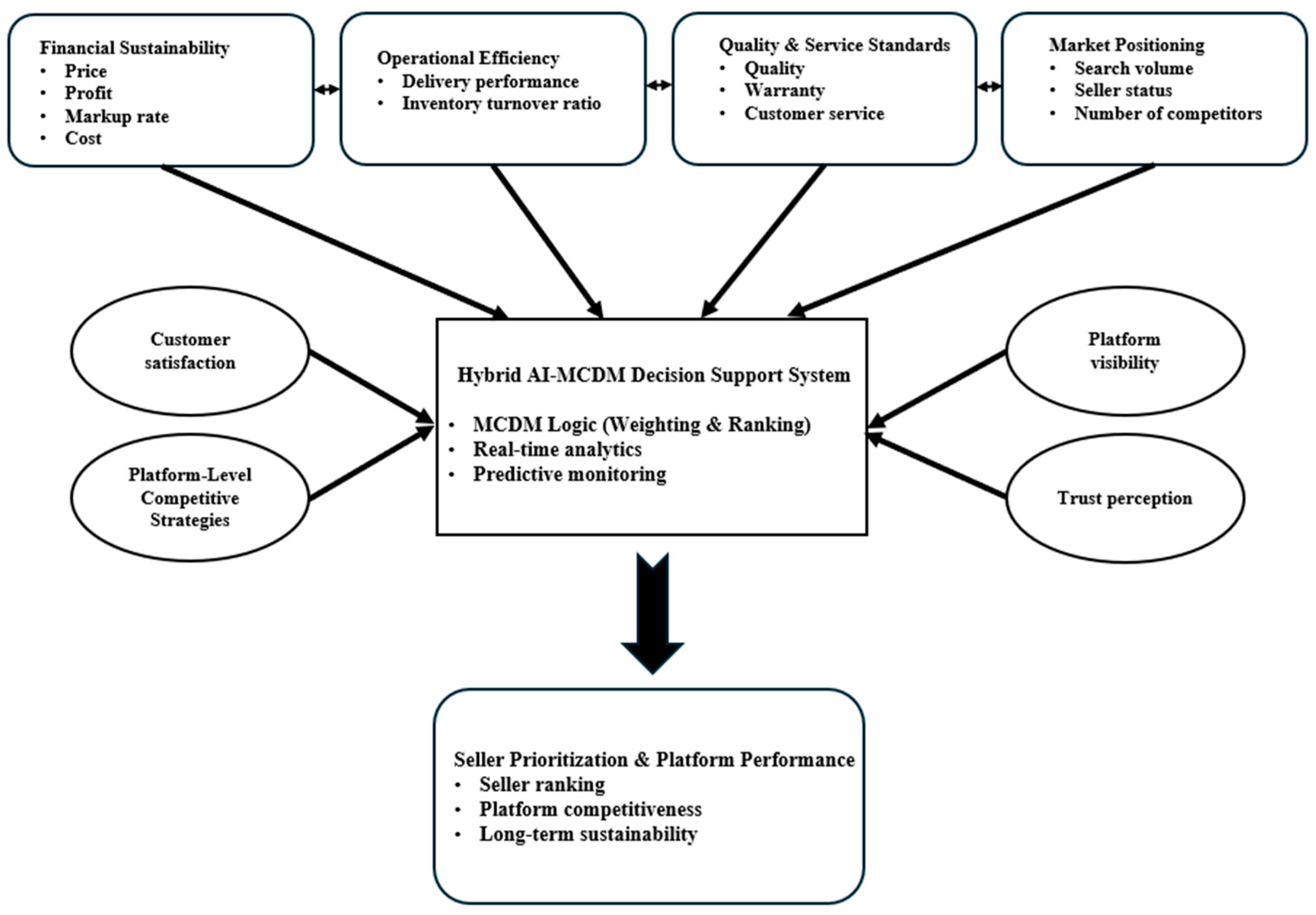
This shift raises a critical question: does Buy Box success achieved through short-term price incentives generate real value, or does it undermine platform reputation? In order to address this question, we propose a framework that moves beyond broad classifications and aligns seller selection with the dynamic nature of marketplaces. We argue that seller prioritization within the Buy Box should be based on four strategic dimensions that ensure holistic reliability in addition to the availability.
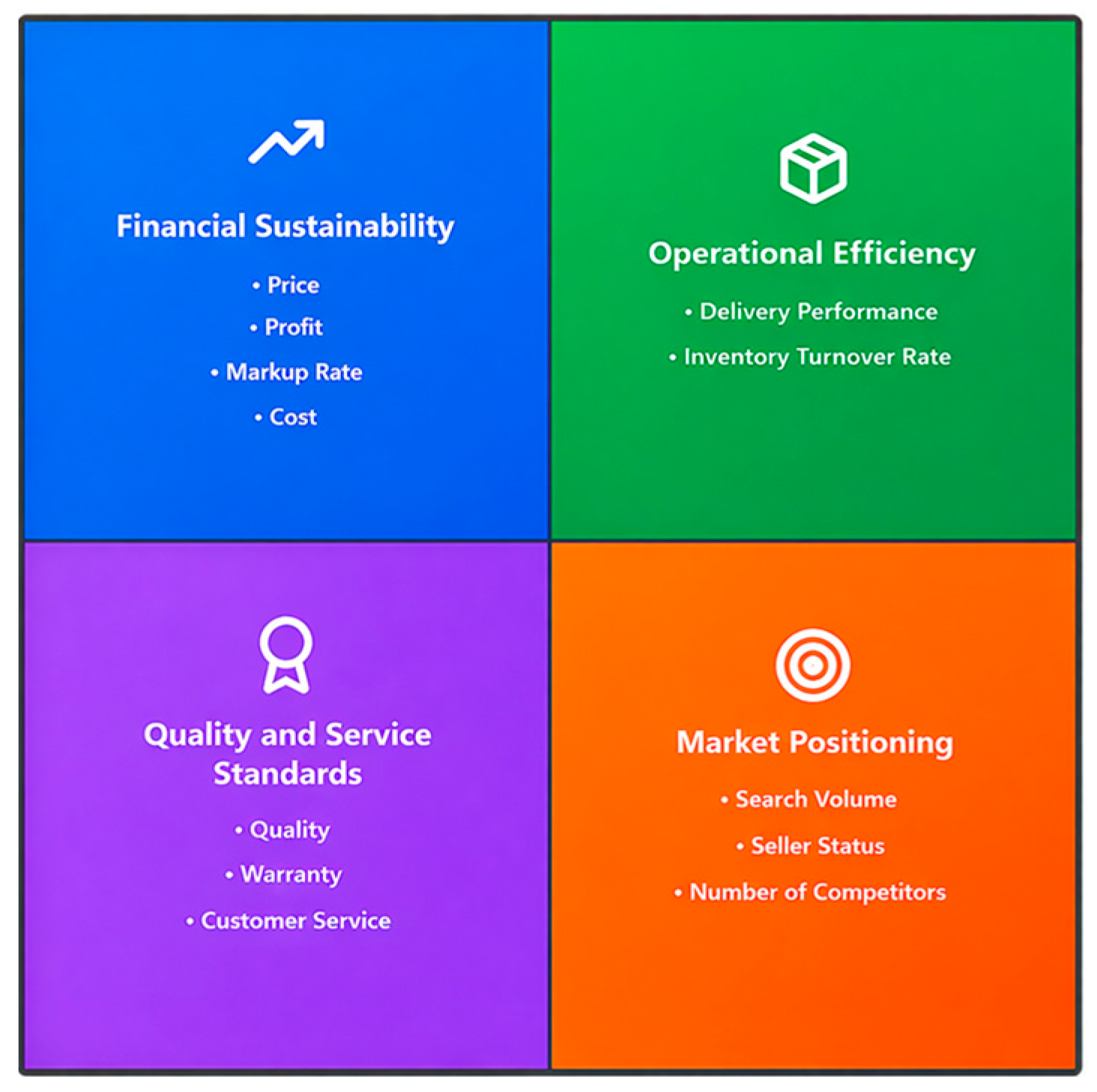
In the existing literature, these factors are generally grouped into broad categories; however, our comprehensive synthesis proposes a more precise four-dimensional framework. This framework is intended to capture the unique context of the modern e-commerce market properly. According to our analysis, critical selection indicators can be structured as follows (
Figure 1):
Financial Sustainability: This dimension focuses on the economic stability of a seller including critical factors such as price, profit, markup rate and cost. These indicate a seller’s ability to be a reliable long-term partner [
39,
40].
Operational Efficiency: This encompasses the seller’s main logistical and fulfillment capabilities, which are non-negotiable in the fast-paced digital environment. Key criteria here include delivery performance and inventory turnover ratio [
40,
41].
Quality and Service Standards: This dimension reflects important customer-focused features that build brand reputation and increase customer loyalty. It is defined by factors such as product quality, warranty, and customer service [
41,
42].
Market Positioning: These factors evaluate the seller’s strategic position within the digital marketplace. It includes platform-specific indicators such as search volume, seller status, and number of competitors in the marketplace [
43,
44].
The proposed four-dimensional framework is not just a descriptive classification. Each dimension is based on theoretical perspectives that explain different mechanisms of seller performance on digital platforms. The Financial Sustainability dimension is consistent with the Resource-Based View [
45], which posits that firms with superior resources can gain and sustain competitive advantage. In the platform context, sellers with strong financial resources can invest in growth, absorb market fluctuations, and maintain long-term partnership stability.
The Operational Efficiency dimension is consistent with the principles of Transaction Cost Economics [
46], which emphasizes minimizing coordination and transaction costs. Efficient logistics operations and delivery directly reduce transaction costs for both the platform and the buyer in e-commerce environments. Additionally, it makes operational capacity a critical selection factor.
The Quality and Service Standards dimension is shaped by Signaling Theory [
47]. In online marketplaces dominated by information asymmetry, product quality ratings, warranty policies, and customer reviews are reliable signals that help buyers assess the seller’s credibility before purchasing. Liang et al. [
48] provide empirical support for this theory, showing that reliable signals and reputation lead to higher prices and sales of high-quality products on e-commerce platforms.
Lastly, the Market Positioning dimension aligns with the Dynamic Capabilities perspective [
24], which emphasizes a firm’s ability to sense opportunities and adapt its strategic position in rapidly changing environments. On e-commerce platforms, algorithmic ranking systems constantly reshape sellers’ visibility. The capacity to adapt to competitive and algorithmic changes is crucial for sustainable performance. When these theoretical foundations are taken together, the proposed four dimensions reflect the complementary mechanisms (resources, efficiency, information, and adaptability) that sellers use to create and sustain value on e-commerce platforms.
To operationalize these theoretically grounded dimensions into structured evaluation models, the researchers have turned to Multi-Criteria Decision Making (MCDM) methods because of the increasingly complex nature of supply chains [
23,
49]. These methodologies enable a systematic and comprehensive evaluation by integrating multiple or even conflicting criteria. Recent developments in this area extend to the use of cutting-edge technologies such as machine learning and artificial intelligence. By using these technologies, the accuracy and efficiency of supplier evaluations will be enhanced [
50].
3. Methodology
This study uses a systematic literature review to examine and interpret existing research on how sellers, suppliers, manufacturers, and brands are selected on e-commerce platforms and online marketplaces. Unlike traditional narrative reviews that might be more subjective, systematic reviews follow a structured approach that helps reduce bias and makes the entire process more transparent [
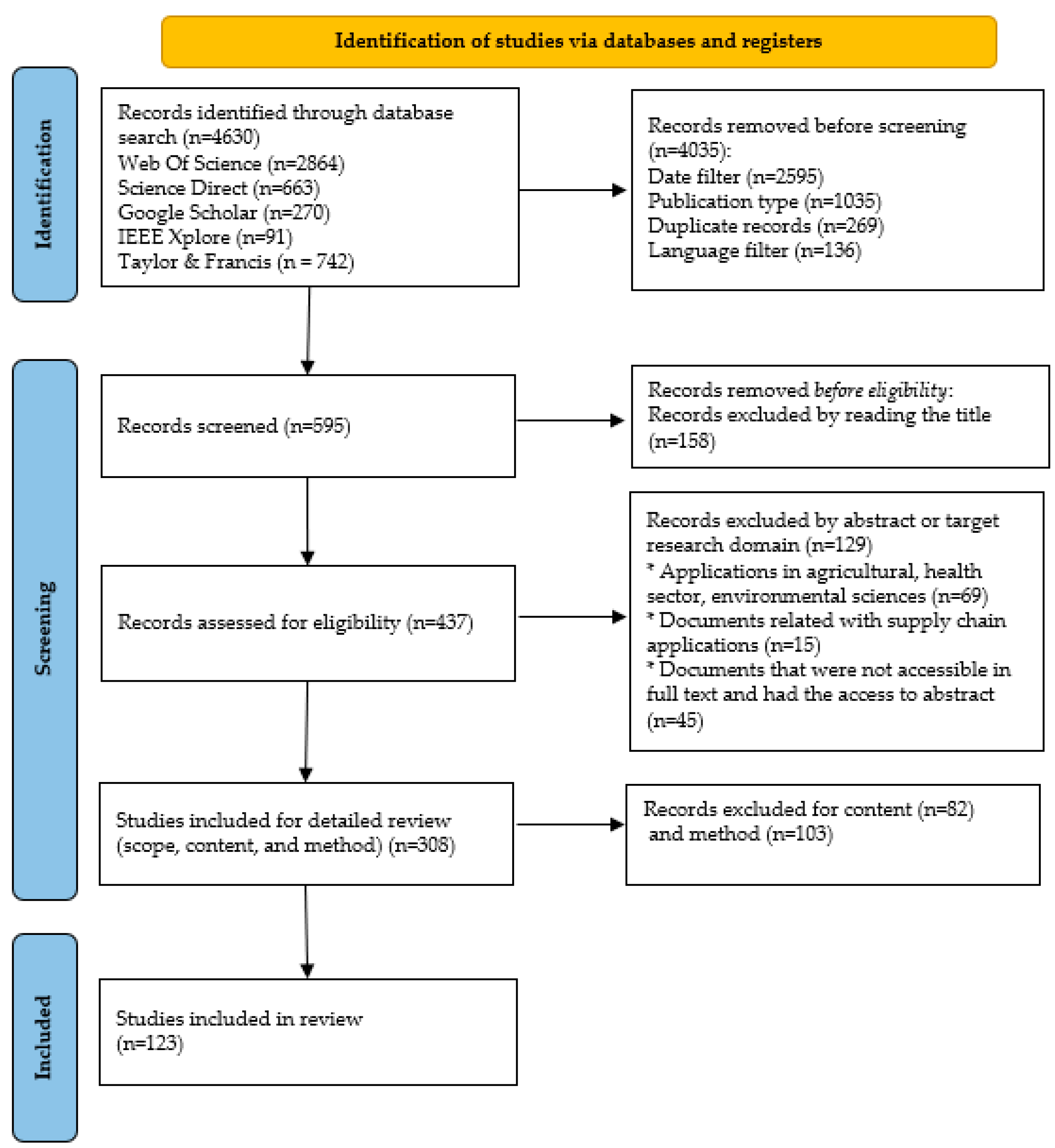
51]. In this regard, we have based our review on the PRISMA 2020 methodology [
52], which gives us a clear, rigorous framework for identifying, screening, and selecting relevant studies. The complete filtering and screening process according to the method outlined by Page et al. [
52] is shown in
Figure 2.
3.1. Database Selection and Search Strategy
The research procedure contains many phases. In this study, we focused on prestigious academic databases, such as Web of Science, ScienceDirect, IEEE Xplore, Google Scholar, and Taylor & Francis. Web of Science and ScienceDirect were selected as primary sources because they provide comprehensive coverage of peer-reviewed journals in the fields of engineering, operations research, and management sciences. Google Scholar was included to broaden the interdisciplinary scope, while IEEE Xplore and Taylor & Francis were searched to include technological and multidisciplinary studies on decision-making methodologies.
Searches were conducted using keyword combinations in titles, abstracts, and keywords. The selection of search terms was based on supplier selection and the scope of fundamental studies in the MCDM field. The basic search terms were organized into two conceptual clusters: (1) selection context (“supplier selection”, “supplier evaluation”, “seller selection”, “seller evaluation”, “vendor selection”, “vendor evaluation”) and (2) methodological and application areas (“criteria”, “indicator*”, “MCDM”, “multicriteria decision making”, “e-commerce”, “platform*”). Boolean operators (OR/AND) were used within and between clusters in the search.
The following search strings were applied for each database:
For Web of Science, the search string was TS = ((“supplier selection” OR “supplier evaluation” OR “vendor selection” OR “vendor evaluation” OR “seller selection” OR “seller evaluation”) AND (“criteria” OR “indicator*” OR “MCDM” OR “multi-criteria decision making” OR “e-commerce” OR “platform*”)) with the publication year and language filters applied.
For ScienceDirect, the search string was TITLE-ABS-KEY ((“supplier selection” OR “supplier evaluation” OR “vendor selection” OR “vendor evaluation” OR “seller selection” OR “seller evaluation”) AND (“criteria” OR “indicator*” OR “MCDM” OR “multi-criteria decision making” OR “e-commerce” OR “platform*”)).
For Google Scholar, the search string was (“supplier selection” OR “supplier evaluation” OR “vendor selection” OR “seller selection”) AND (criteria OR indicators OR “MCDM” OR “multi-criteria decision making” OR “e-commerce” OR platform OR platforms).
For IEEE Xplore, the search string was (“supplier selection” OR “supplier evaluation” OR “vendor selection” OR “vendor evaluation” OR “seller selection” OR “seller evaluation”) AND (“criteria” OR “indicator*” OR “MCDM” OR “multi-criteria decision making” OR “e-commerce” OR “platform*”).
For Taylor & Francis, the search string was (“supplier selection” OR “supplier evaluation” OR “vendor selection” OR “vendor evaluation” OR “seller selection” OR “seller evaluation”) AND (“criteria” OR “indicator*” OR “MCDM” OR “multi-criteria decision making” OR “e-commerce” OR “platform*”).
3.2. Inclusion and Exclusion Criteria
A set of inclusion and exclusion criteria was established to enhance the selection of research. Studies were included if they: (i) were published between 2014 and 2025; (ii) were peer-reviewed journal articles or conference proceedings; (iii) were written in English or Turkish and available in full text; (iv) addressed supplier, seller, or vendor selection, evaluation, or prioritization; and (v) applied multi-criteria decision-making (MCDM), hybrid, or data-driven decision approaches.
Studies were excluded if they: (i) fell outside the specified publication period; (ii) were non-peer-reviewed documents (e.g., books, editorials, commentaries, theses, working papers); (iii) constituted duplicate or extended versions of previously identified studies, in which case only the most recent version was retained; (iv) focused exclusively on sector-specific applications (e.g., agriculture, healthcare, environmental sciences) without methodological relevance to supplier selection; (v) addressed general supply chain logistics without an explicit selection or evaluation component; or (vi) lacked full-text availability or sufficient methodological detail.
3.3. Screening and Selection Process
The initial search across all five databases resulted in 4630 records (Web of Science: 2864; ScienceDirect: 663; Google Scholar: 270; IEEE Xplore: 91; Taylor & Francis: 742). A date filter was applied at the database level to limit the results to the 2014–2025 publication period, and 2595 records were excluded. A further 1035 records were excluded based on publication type (e.g., editorials, book chapters, theses, notes, and other non-research publication types). After the remaining records were transferred to Zotero reference management software, 269 duplicate entries were identified and removed. Language filtering excluded a further 136 records, retaining only English and Turkish publications. After conducting these steps, 595 records remained for title screening.
As a result of the title screening, 158 records that were clearly outside the scope of supplier or seller selection and evaluation were excluded, leaving 437 records for eligibility assessment. During abstract and target research domain screening, 129 records were excluded: 69 were focused on applications in agricultural, health sector, or environmental sciences; 15 addressed supply chain logistics without a selection or evaluation component; and 45 were not accessible in full text and had access to abstract only.
The remaining 308 articles were included for detailed full-text review, evaluated based on scope, content, and methodological relevance. During this stage, 185 studies were excluded. 82 of them were removed due to content that did not directly contribute to the identification of supplier or seller selection indicators, and 103 were excluded based on methodological grounds (e.g., insufficient methodological detail, absence of a structured decision-making approach, or lack of criteria that could be mapped to the proposed framework). This resulted in a final sample of 123 articles for inclusion in the review.
Of the 123 studies included in the final sample, 15 (12.2%) directly address e-commerce platforms or digital supply chain contexts, while the remaining 108 (87.8%) focus on traditional B2B or industrial supplier selection environments. This distribution reflects the current state of the field and reinforces the adaptation gap that this study aims to address.
The screening and selection process was conducted by the first author. The second author reviewed the complete list of included studies and verified the application of inclusion and exclusion criteria at each stage. Ambiguous cases were resolved through discussion between both authors until consensus was reached.
3.4. Bibliometric and Thematic Analysis
Zotero (version 7.0.11) and VOSviewer (version 1.6.20) software were utilized for bibliometric mapping, facilitating the identification of significant research trends, keyword co-occurrences, co-authorship patterns, and publishing dynamics.
A qualitative content analysis was performed to investigate the application of seller and supplier selection indicators in decision-making processes, with special emphasis on their integration with MCDM methodologies.
The analysis revealed significant growth in research interest, especially in the last five years. This surge indicates an increasing recognition of the strategic importance of seller and supplier selection in the online platform economy.
Additionally, the selected studies span a diverse range of disciplines, covering more than one area of research, predominantly Engineering, Operations Research, Industrial Engineering, Business Management, and Supply Chain Management/Logistics/E-commerce, reflecting the interdisciplinary nature of the topic.
Through systematic content analysis and thematic synthesis, our technique establishes a solid basis for identifying selection indicators, comprehending their practical ramifications, and suggesting a dynamic framework for the advancement of seller performance on e-commerce platforms.
3.5. Conceptual Framework Development
The four-dimensional framework proposed in the study was developed through a thematic synthesis of the identified selection criteria. In that regard, a three-step procedure was applied. First, all selection criteria explicitly stated in each study were extracted and recorded in a structured matrix (see
Appendix A), and 12 different criteria that appeared with varying frequency in the reviewed literature were identified.
Second, these indicators were grouped according to conceptual dimensions in a manner consistent with the thematic synthesis approaches used in qualitative systematic reviews [
53]. Dimensions were determined based on the functional roles of the criteria in seller evaluation. Criteria related to economic stability and pricing were grouped under Financial Sustainability (markup rate, price, profit, cost); criteria reflecting logistics and fulfillment capabilities were classified under Operational Efficiency (delivery, inventory turnover ratio); criteria related to customer-oriented features and brand trust were classified under Quality and Service Standards (quality, warranty, customer service); and criteria reflecting the seller’s competitive position in the digital marketplace were classified under Market Positioning (search volume, manufacturer status, number of competitors).
Third, the categorization was reviewed for internal consistency. Since some criteria are potentially related to more than one dimension, their dimension assignment must be done carefully. For example, customer service relates to both service quality and operational responsiveness, while delivery performance is linked to both operational efficiency and customer satisfaction. Price, meanwhile, intersects with both financial sustainability and market competitiveness. For each criterion, the primary functional role as most frequently characterized in the reviewed literature was used as the guiding principle for assignment. Both authors independently reviewed the dimension assignments, and discrepancies were resolved through discussion. The resulting four-dimensional structure was cross-checked with the temporal frequency distributions presented in
Section 4.1 to ensure consistency between the proposed framework and empirical evidence in the literature.
The grouping procedure in this study is based on qualitative thematic synthesis rather than statistical clustering methods such as factor analysis. This was a deliberate decision, as the considerable heterogeneity in the application of MCDM methods and the definition of selection indicators across the reviewed studies made quantitative aggregation neither feasible nor methodologically appropriate.
4. Literature Insights Prior to Research Question Discussion
To build a robust foundation for addressing the proposed research questions, this study first conducted a comprehensive bibliometric and qualitative content analysis. Using Zotero and VOSviewer, bibliometric mapping was employed to examine trends, authorship, geographic distribution, and keyword relevance within the selected literature.
As described in
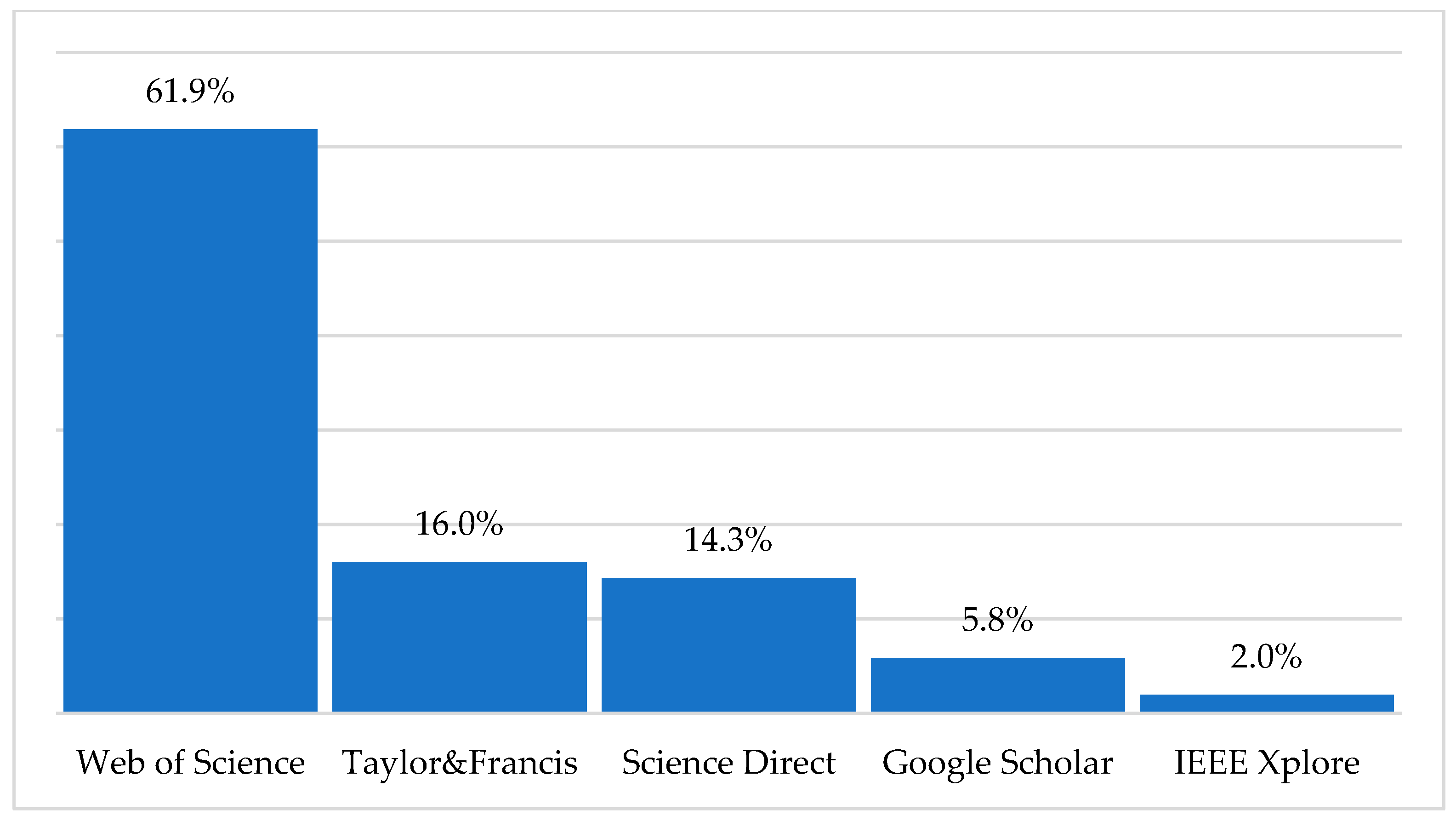
Section 3, a total of 4630 papers were initially identified through comprehensive searches across major academic databases. As presented in
Figure 3, Web of Science contributed the highest number of records (2864), followed by Taylor & Francis (742), ScienceDirect (663), Google Scholar (270), and IEEE Xplore (91). After applying date, publication type, and language filters, and removing 269 duplicate entries, 595 records remained for screening.
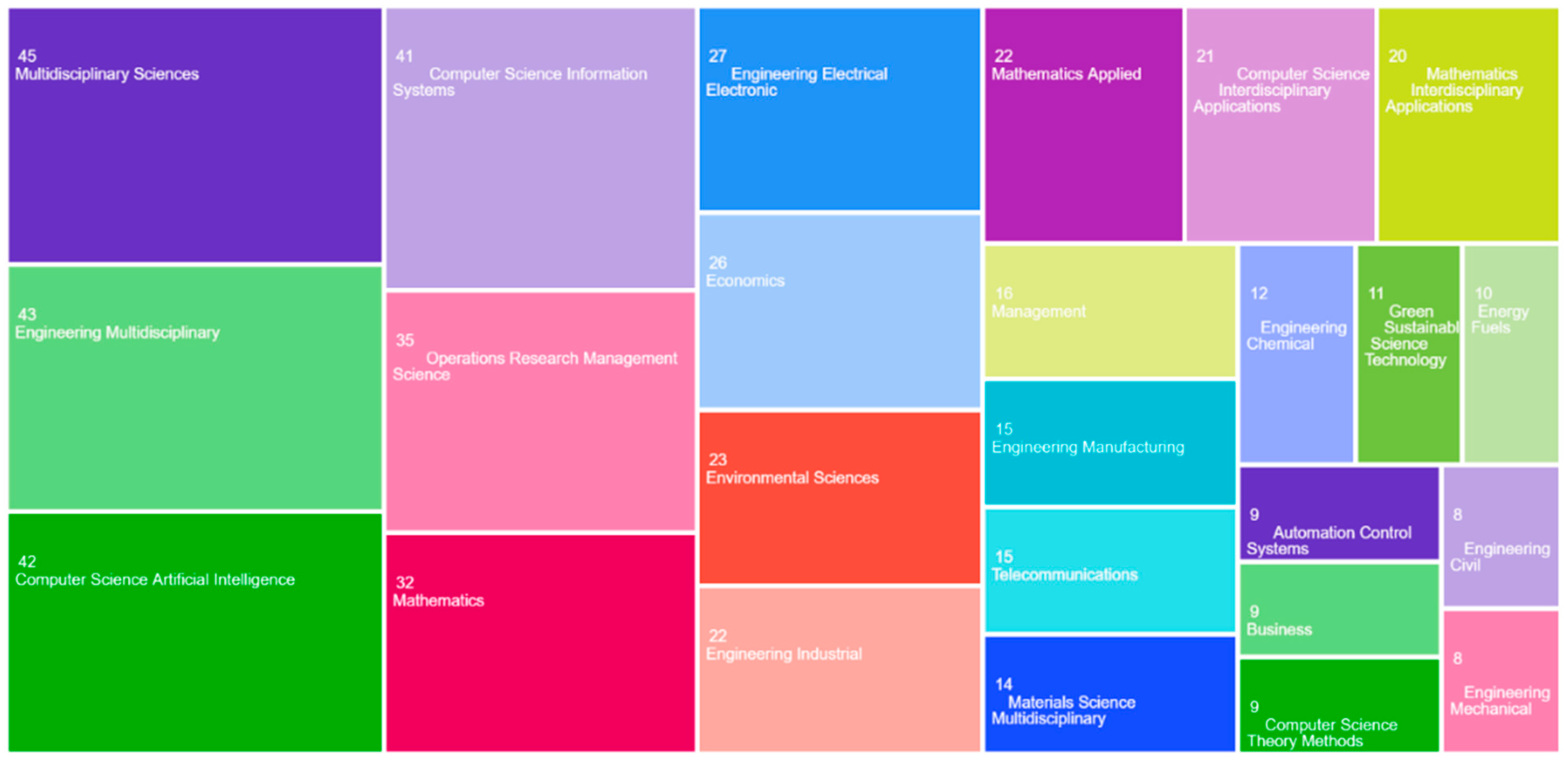
To analyze subject relevance, the papers from the Web of Science database were categorized based on their research areas. As illustrated in
Figure 4, the five dominant subject areas are sequenced as multidisciplinary sciences (45), engineering multidisciplinary (43), computer science artificial intelligence (42), computer science information systems (41), and operations research (35), confirming the cross-disciplinary nature of the supplier selection literature and its relevance.
Following the bibliometric phase, a qualitative content analysis was performed to explore the role of specific selection indicators used by platforms in highlighting sellers and to identify their strategic integration with multi-criteria decision-making (MCDM) models. This mixed-method approach enabled a deeper understanding of seller, supplier, manufacturer, and brand evaluation in decision-making contexts, especially digital platforms.
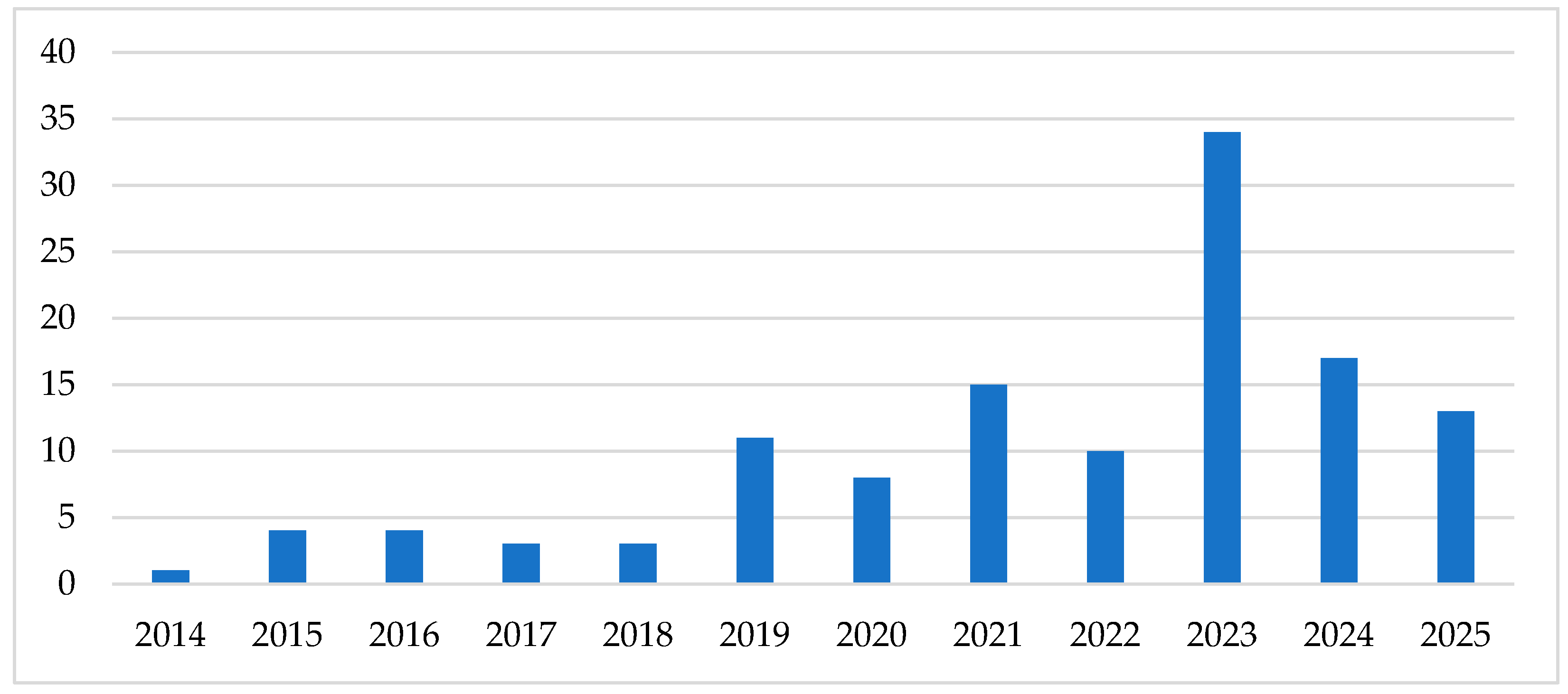
The growing academic interest in this field is evident in the publication trend of the selected studies as seen in
Figure 5. From the 123 articles reviewed (2014–2025), a significant increase was observed, with a peak of 34 articles in 2023. Notably, 72.4% of all publications emerged within the last five years, signaling a strong and accelerating research momentum.
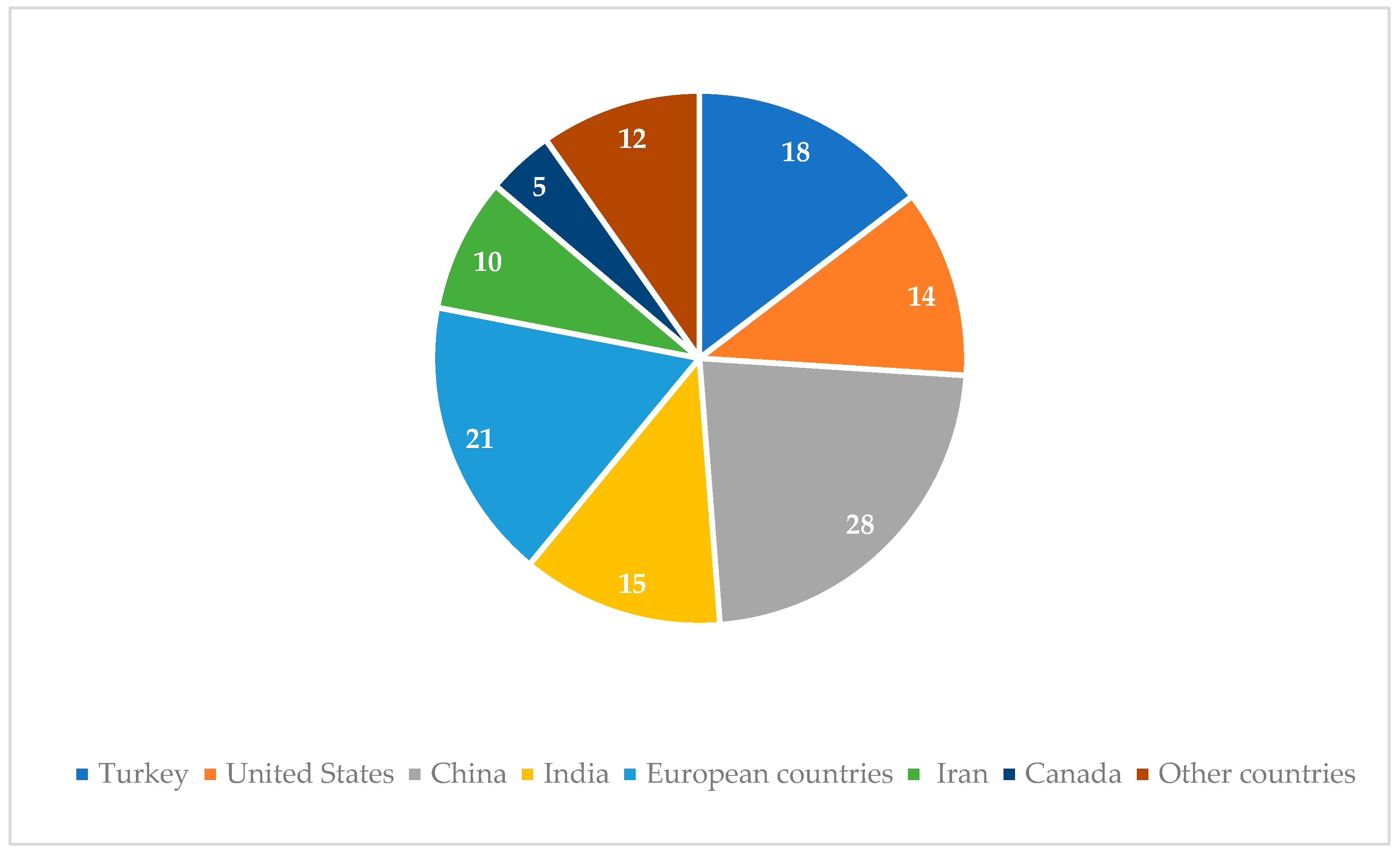
Geographically, the research is distributed across various countries. As shown in
Figure 6, China leads with 28 publications, followed by European countries (21), Turkey (18), India (15), the United States (14), Iran (10), and Canada (5). The remaining contributions come from countries with fewer than three publications, grouped under the “Other (12)” category.
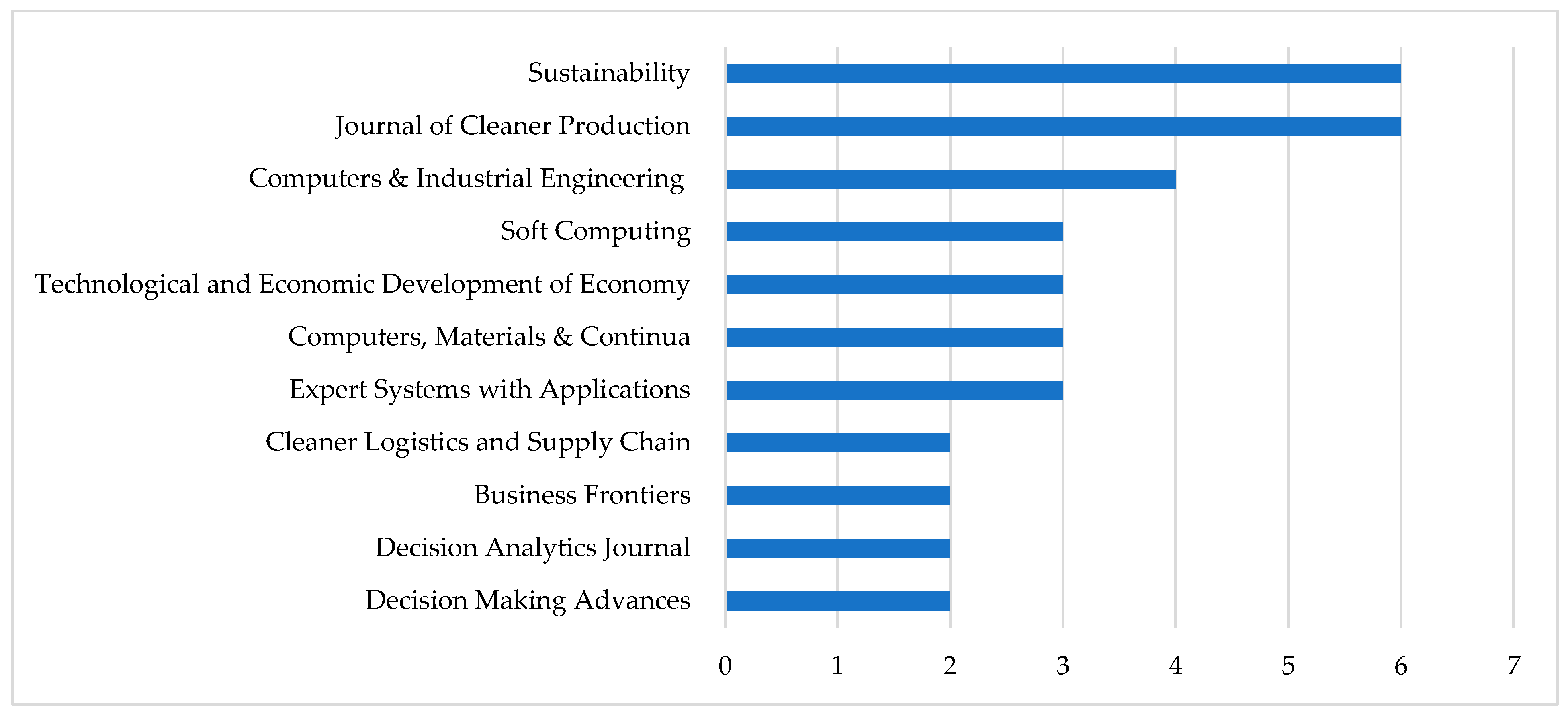
In terms of publishing platforms, the 123 articles were published across 85 journals, indicating the topic’s interdisciplinary appeal. The most prominent journal is Journal of Cleaner Production (6 articles) and Sustainability (6), followed by Computers & Industrial Engineering (4). These top journals focus on technology management, industrial systems, decision-making and sustainability as presented in
Figure 7.
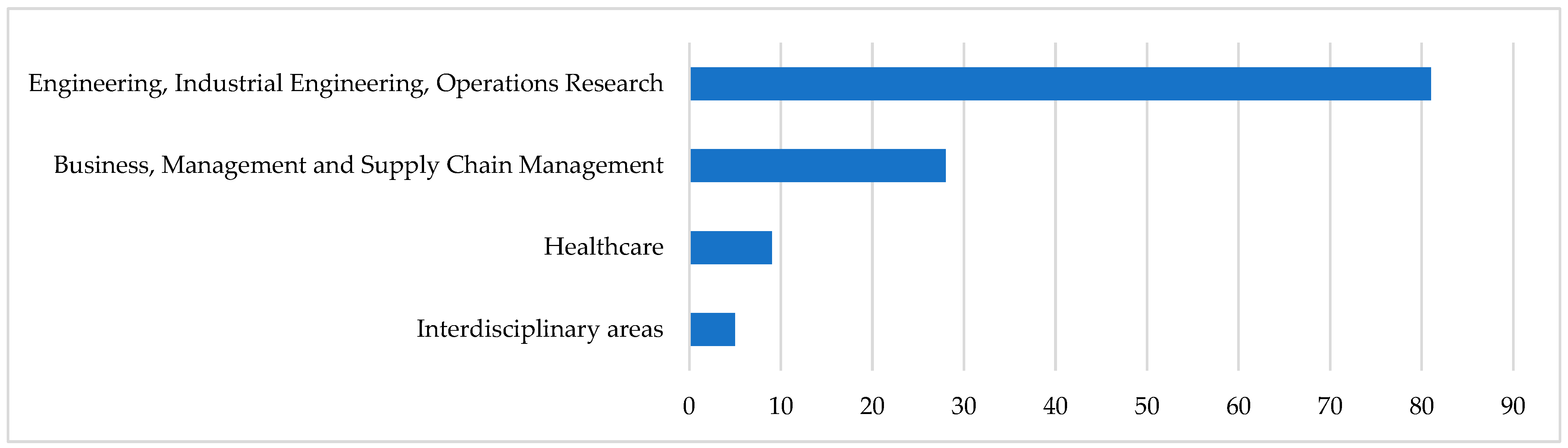
The disciplinary focus reveals a dominant contribution of 123 papers from Engineering (27), Operations Research (44), Industrial Engineering (10), followed by Business Management (11), Supply Chain Management (17), and a smaller number from healthcare (9 articles) and interdisciplinary areas (5 articles), as seen in
Figure 8. These findings confirm that seller and supplier selection is an inherently cross-cutting topic, drawing from both quantitative modeling and strategic decision-making disciplines.
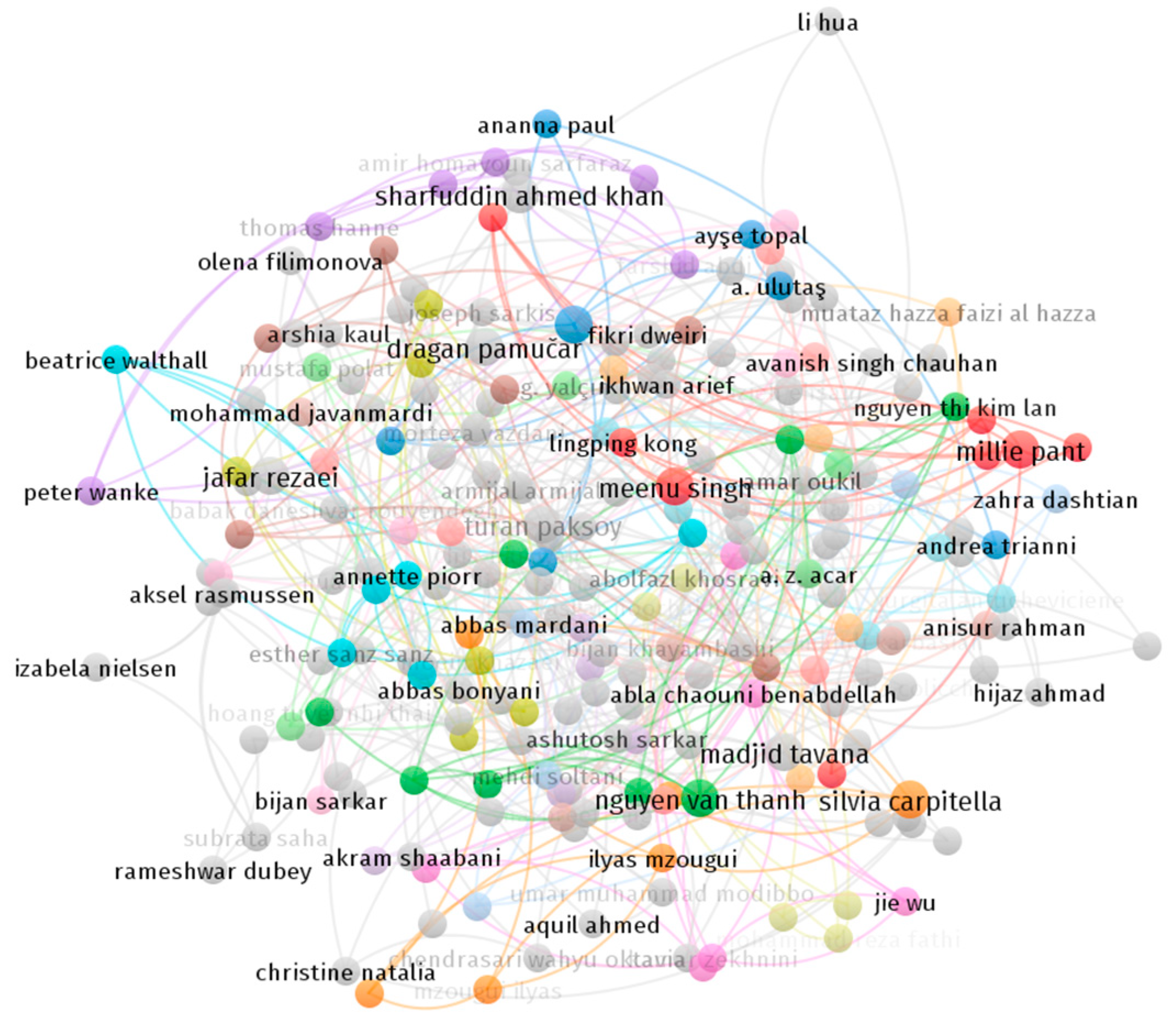
Co-authorship analysis conducted with VOSviewer (see
Figure 9) identifies authors of the selected papers who have contributed significantly to the field by having at least two publications. Co-authorship mapping highlights networks of scientific collaboration by visually representing them, revealing intellectual bridges across disciplines. These visualizations reveal key contributors, collaborative clusters, and patterns of knowledge flow that shape scientific progress. The graph reveals a set of well-established collaboration clusters dominated by influential scholars such as Sarkis, Govindan, Tavana, and Mardani, indicating stable research communities that have shaped methodological development in supplier selection. However, recent studies published in 2025 contribute primarily at the methodological and application level and have not yet formed strong co-authorship linkages within the broader network.
Table 1 shows the top ten co-cited authors in the study includes Sarkis, J.; Jain, V.; Govindan, K.; Tavana, M; Kumar, S.; Rezai, J.; Mardani, A.; Pamucar, D.; Weber, G.W.; Muhammed, N. When the provided citation data is examined, a comprehensive view of author impact emerges. The data includes the following authors and their citation counts: J. Sarkis with 41,605 citations, V. Jain with 25,052 citations, K. Govindan with 22,459 citations, M. Tavana with 7373 citations, S. Kumar with 6733 citations, J. Rezai with 5972 citations, A. Mardani with 5452 citations, D. Pamucar with 4422 citations, G. Wilhelm Weber with 3879 citations, and N. Muhammed with 2410 citations.
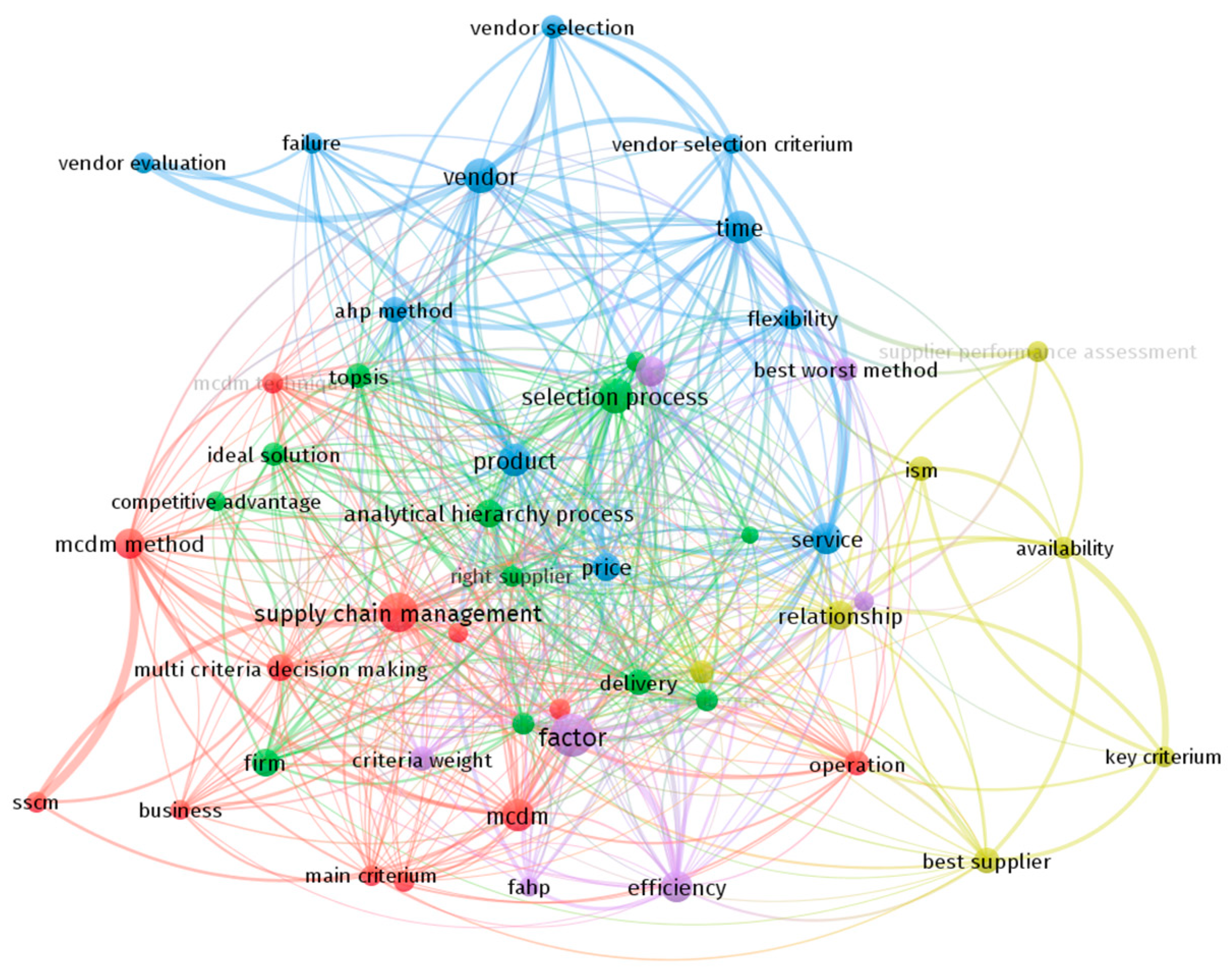
Similarly, keyword co-occurrence analysis (see
Figure 10) highlights dominant research themes. Keyword co-occurrence mapping visualizes the conceptual structure of the research fields by analyzing how often certain terms appear together in publications. This map reveals only the most established concepts that have gained a significant presence in this study, structured with a minimum of five thresholds. It is observed that supply chain management, multi-criteria decision-making, sustainable supplier, supplier performance, best supplier, product, and vendor are the top keywords (
Table 2).
4.1. The Analytical Evaluation of Bibliometric Findings
Bibliometric analysis results indicate that the literature on seller and supplier selection has not only expanded quantitatively over time but has also experienced a significant conceptual and methodological transformation. The significant increase in the number of publications, particularly after 2020, demonstrates that research in this field has accelerated on a global scale. This trend cannot be explained simply by the COVID-19 pandemic; it is directly related to the spread of the digital platform economy, the increased use of algorithmic decision-making mechanisms, and the growing importance of sustainability-focused performance evaluation approaches [
30,
44].
This shift in the literature is more clearly demonstrated by the keyword co-occurrence analysis. Although traditional performance indicators such as “cost,” “price,” and “delivery” were at the center of early studies, terms such as “multi-criteria decision making,” “sustainable supplier,” “supplier performance,” and “artificial intelligence” have become more prominent in recent years. This indicates that supplier selection has transformed from a simply cost-based consideration to a multidimensional and strategic decision-making process [
27,
39,
54].
Bibliometric mapping also uncovers methodological concentrations. Despite the dominance of classical Multi Criteria Decision Making methods such as AHP, TOPSIS, and BWM in the literature, it is remarkable that studies integrating these methods with fuzzy logic, artificial neural networks, and machine learning techniques have increased in recent years [
50,
55]. Although there is a wide range of methodological approaches, most studies still rely on static datasets, and the integration of real-time platform data continues to be limited.
Country and discipline distributions reveal that studies are concentrated mainly in the fields of engineering, operations research, and supply chain management. In comparison, topics such as platform governance, algorithmic transparency, and ethical decision-making received limited attention in the literature [
32]. This indicates that seller prioritization processes are treated primarily as a matter of technical optimization, while the socio-technical structure of digital platforms is often overlooked.
The bibliometric findings reveal that the literature has evolved from cost- and operation-focused approaches into sustainability, competency, and technology-based evaluation models. However, this evolution requires support with analytically guided, empirically validated studies integrated with platform-specific decision support systems. Therefore, this study provides not only a literature mapping but also a framework for future research by transforming bibliometric findings into an analytical framework.
More specifically, the direction of these bibliometric trends directly shaped the structure of the proposed four-dimensional framework. The sustained dominance of keywords such as “supplier performance” and “multi-criteria decision making” reflects the need for structured, multi-dimensional evaluation which is a need addressed by the four-dimensional model proposed in this study. Similarly, the emergence of terms related to sustainability, artificial intelligence, and platform-based evaluation in recent years confirms that the field is moving toward the integration of financial, operational, quality-oriented, and market-based criteria, which correspond to the four dimensions of our framework.
In addition to these bibliometric patterns, the frequency of use of selection criteria over time provides further analytical insight about how this field has developed. In this regard, the papers were divided into three periods (2014–2017, 2018–2020, and 2021–2025) to examine the use of selection criteria over time.
Table 3 shows the frequency of each criterion in every period.
The analysis reveals a significant increase in research interest. The fact that 72.4% of the studies were published in the most recent period indicates that academic interest in supplier and seller evaluation has increased in the last few years. Criteria such as delivery, cost, and quality are frequently referenced criteria across all periods, confirming their fundamental roles in evaluation models. Quality, in particular, has emerged as the most frequently referenced criterion in recent years, appearing in 71 of 89 (79.8%) studies between 2021 and 2025.
Furthermore, the data reveals that the criteria have expanded over time. In the first period (2014–2017), studies mainly addressed financial and operational indicators such as delivery (10), cost (8), and price (5). In the 2021–2025 period, a wider range of indicators attracted researchers’ attention. Customer service, mentioned 5 times in the first period, was mentioned 43 times in the last period, indicating that customer-focused evaluation is gaining more acceptance in digital marketplace contexts.
Search volume, a platform-specific indicator reflecting seller visibility, has increased from 3 to 16, indicating the growing importance of market positioning criteria in the recent period. Similarly, profit (from 2 to 15) and inventory turnover (from 2 to 11) have also been accepted as discrete evaluation indicators that go beyond simple cost minimization, reflecting a more comprehensive approach to financial and operational assessment.
Even though criteria such as the number of competitors and manufacturer status remain fairly unexplored, the general trend indicates that the literature is beginning to recognize the importance of platform-specific and multidimensional evaluation criteria. This suggests a significant opportunity for integrating these dimensions into structured decision-making models, an opportunity that the four-dimensional framework proposed in this study aims to address.
However, it is important to note the contextual distribution of the reviewed studies. Approximately 15 of the 123 studies (12.2%) directly address e-commerce platforms, online marketplaces, or digital supply chain contexts, while the remaining 108 (87.8%) focus on supplier selection in traditional B2B or industrial environments. This distribution illustrates the current state of the literature. MCDM methods are well established in traditional supplier selection. However, their adaptation to the dynamic, algorithm-driven environment of e-commerce platforms remains limited—a gap this study aims to address. Accordingly, the framework proposed in this study takes advantage of evaluation criteria and methodological insights from the broader supplier selection literature. Furthermore, it interprets and expands these to align with platform-specific requirements for prioritizing e-commerce sellers.
Overall, these findings indicate a shift from cost-focused evaluation to multidimensional evaluation models that include operational, service, and market-based criteria. This supports the rationale for the comprehensive framework developed in this study.
Building on this rationale, the transition from individual indicators to the proposed four-dimensional framework follows directly from the evidence presented above. In accordance with the methodology in
Section 3.5, we grouped 12 distinct criteria from the 123 reviewed studies into four functional dimensions: Financial Sustainability, Operational Efficiency, Quality and Service Standards, and Market Positioning. These dimensions encompass criteria ranging from financial indicators such as pricing and profit margins, to operational metrics such as inventory turnover, and platform-specific signals such as search volume. This specific arrangement is further substantiated by the temporal data in
Table 3, which shows that criteria within each dimension have appeared with consistent and increasing frequency across the three review periods. This ensures that the proposed framework is empirically grounded in the reviewed literature rather than predetermined before the review was conducted.
4.2. The Analytical Assessment of the Literature and Research Gaps
The literature on supplier and seller selection is quite extensive, but a majority of existing studies adopt a descriptive perspective. Especially studies based on bibliometric analyses focus on topics such as publication trends, keyword frequencies, and a classification of the methods used, but they provide limited contribution to the theoretical and practical development of the topic [
27,
44].
Our analytical assessment of the literature uncovers three key research gaps. First, most of the studies are based on static evaluation models and these studies do not adequately reflect the dynamic nature of digital platforms. On the other hand, seller performance in e-commerce environments is constantly evolving in line with factors such as demand fluctuations, algorithmic visibility mechanisms, and customer feedback [
40,
56].
Second, numerous integrated Multi-Criteria Decision Making (MCDM) models have been proposed in the literature, but a majority of these models have not been empirically tested with real platform data. These limitations constrain the applicability of the proposed models and their potential contribution to managerial decision-making processes [
30,
55].
Third, the governance mechanisms unique to digital platforms are not discussed enough in the literature. Especially with the spread of artificial intelligence-supported systems, the issues such as transparency, equity, and ethical responsibility in algorithmic seller prioritization processes are becoming more critical. However, these issues are discussed within a limited number of studies [
50,
55].
These findings suggest that the literature on seller selection needs to evolve from descriptive mapping to an analytical and guiding structure. Future research should focus on developing models which are supported by real-time data, and integrated with decision support systems that incorporate dynamic performance indicators. In this regard, the four-dimensional framework proposed in this study (financial sustainability, operational efficiency, quality and service standards, and market positioning) provides not only a conceptual classification but also intends to establish an analytical foundation for future empirical and technological applications.
These analyses collectively inform the subsequent discussion of the research questions, providing empirical and theoretical justification for the frameworks and insights developed in the next section.
4.3. Discussion of Research Questions
This section examines the research questions presented in the introduction. In this context, the aim is to provide comprehensive insights into the selection criteria used by e-commerce platforms and their effects on seller performance. Each research question is evaluated regarding its theoretical frameworks, empirical data, and practical significance based on the results of our comprehensive literature review. Additionally, it is discussed how these indicators can contribute to performance evaluation, strategic seller selection, and the creation of intelligent systems that improve decision-making in digital markets.
Based on our systematic review of the literature, we identified a comprehensive set of indicators that e-commerce platforms employ when evaluating and promoting sellers. These indicators demonstrate a shift moving from traditional metrics to a holistic view of seller performance in the digital markets. These factors are often listed broadly in the literature. However, our synthesis suggests four primary dimensions providing a more precise framework for modern seller evaluation.
Financial Sustainability: This dimension examines a seller’s economic health and its potential to serve as a reliable and profitable partner over time. It includes essential financial metrics such as markup rate, price, profitability, and overall cost [
54,
57,
58]. Platforms which commonly prioritize financially robust sellers contribute directly to the platform’s own profitability and operational stability.
Operational Efficiency: This dimension includes the seller’s essential logistics and order fulfillment capabilities that are necessary in the fast-paced environment of e-commerce. The operational efficiency indicators include inventory turnover and delivery performance [
56,
58]. A seller’s capacity to manage stock effectively and complete orders efficiently plays a central role in shaping customer satisfaction and purchasing decisions.
Quality and Service Standards: This dimension concentrates on the crucial customer-facing attributes that build brand reputation and foster customer loyalty. The indicators include product quality, customer satisfaction, and warranty policies [
30,
59,
60]. The sellers strengthen the platform’s overall reputation and help retain customers over time when they offer superior products and comprehensive after-sales service.
Market Positioning: This dimension reflects how customers and platform algorithms perceive the seller’s presence and credibility within the digital marketplace. The indicators include search volume, seller status and number of competitors [
56,
59,
61,
62]. The extent of a seller’s visibility and perceived credibility influences significantly their likelihood of being selected and promoted. Strategically, this dimension is often overlooked in traditional models, but it is a primary determinant of visibility in the algorithmic reality of e-commerce.
These four dimensions illustrate that modern seller evaluation is a multi-faceted process. It considers not only a seller’s economic conditions but also their operational reliability, their impact on customer trust, and their strategic position within the competitive digital ecosystem.
In the
Appendix A, the table offers a comprehensive mapping of these indicators along with the MCDM methods which are used (e.g., AHP, TOPSIS, BWM, VIKOR) to assess them.
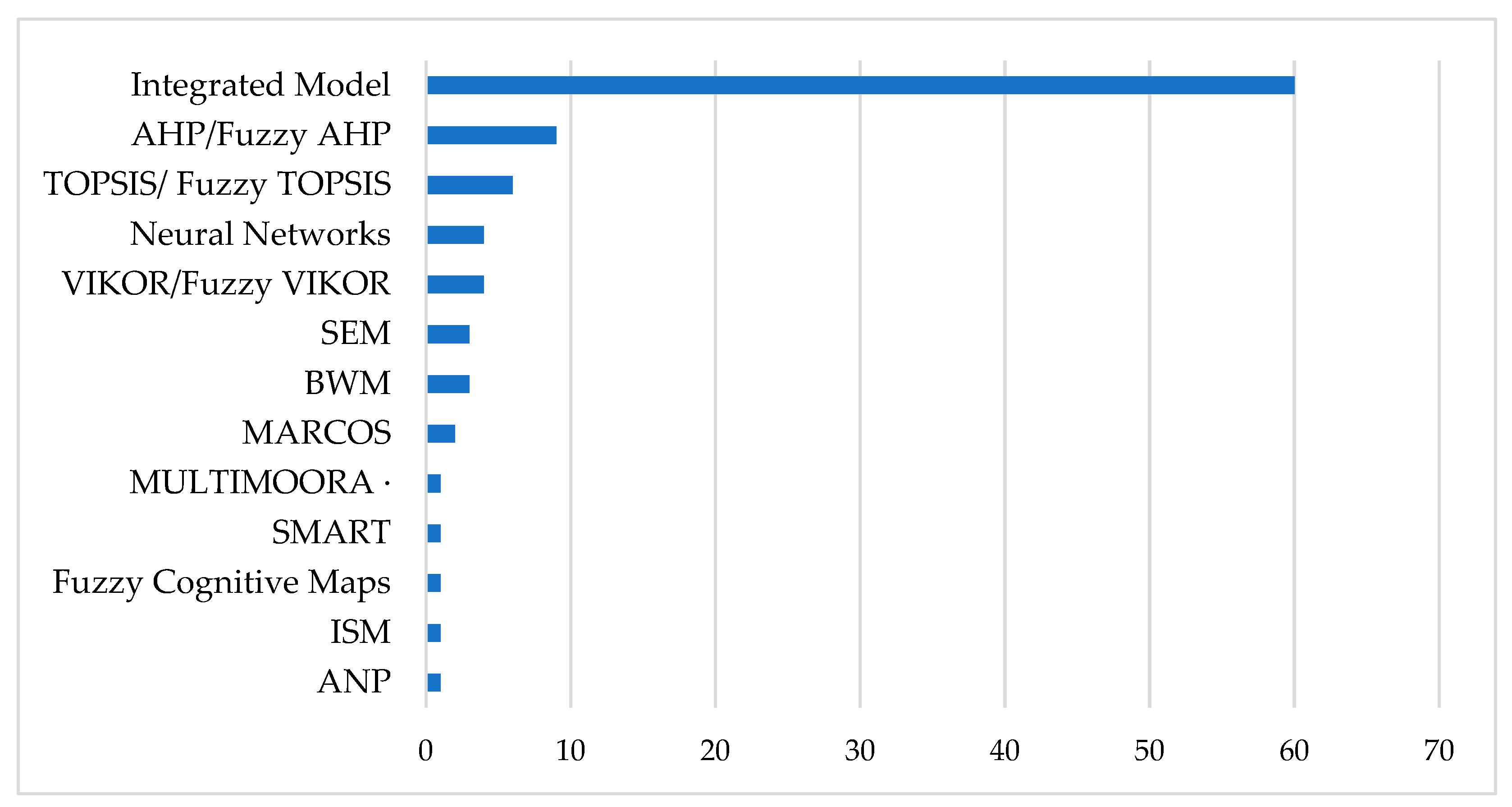
Figure 11 presents the most commonly used methods for evaluation/selection.
Table 4 presents the distribution of integrated models used for supplier selection/evaluation. AHP is the most commonly used method for weighting selection/evaluation criteria, followed by BWM and ANP. TOPSIS/fuzzy TOPSIS is a widely used method for prioritization/sequencing of alternative suppliers
To supplement the integrated models presented in
Table 4, the studies are divided into five methodological groups based on their primary analytical approaches (see
Table 5). Classical MCDM includes standard methods such as AHP, TOPSIS, BWM, and VIKOR, used individually. Fuzzy MCDM is used to address uncertainty and imprecise situations. Cross-disciplinary approaches refer to studies that combine MCDM techniques with methods from other fields such as DEA, QFD, or statistical tests. ML/AI-based studies use machine learning or neural network techniques as their primary method. Statistical and other approaches include SEM, factor analysis, case studies, and review-based studies.
Cross-disciplinary approaches accounted for 52.8% of the studies. This indicates that researchers increasingly prefer multi-method designs that integrate complementary analytical techniques. Classical MCDM and Fuzzy MCDM, used as single approaches, constitute 20.3% and 8.1% of the papers in the study, respectively. This shows that single-method studies are becoming less common over time. All of the five ML/AI-based studies appeared only in the 2021–2025 period, indicating that AI integration in supplier selection is still in its early stages but represents a new methodological approach.
While
Table 5 presents the distribution of methodological approaches, a deeper assessment of their analytical characteristics is necessary to evaluate their suitability for e-commerce seller evaluation.
Table 6 provides a comparative analysis of the five method families in terms of their strengths, limitations, and applicability to platform environments.
The comparative assessment reveals a clear research–practice gap in the literature. While the majority of identified studies (95.9%, n = 118) rely on evaluation frameworks that depend on predefined expert inputs and periodic manual updates, only a small proportion (4.1%, n = 5) employ data-driven ML/AI approaches capable of processing continuous platform signals.
When comparing classical and fuzzy MCDM methods, they offer transparency and mathematical rigor. However, they are fundamentally limited due to their static structures and reliance on expert judgments. Therefore, they are more suitable for initial assessments or offline audits rather than dynamic platform environments. Cross-disciplinary approaches handle multi-level interactions more effectively. However, this increases the complexity of the model and reduces repeatability. ML/AI-based methods demonstrate the highest potential for real-time, data-driven seller ranking. However, the lack of transparency raises significant concerns regarding explainability and algorithmic transparency. These comparisons reveal a clear methodological gap. While the most suitable approaches for dynamic e-commerce environments are the least represented in the literature, the most commonly used methods are the least adapted to platform-specific requirements. This gap strengthens the rationale for the hybrid AI-MCDM decision support framework proposed in
Section 5.
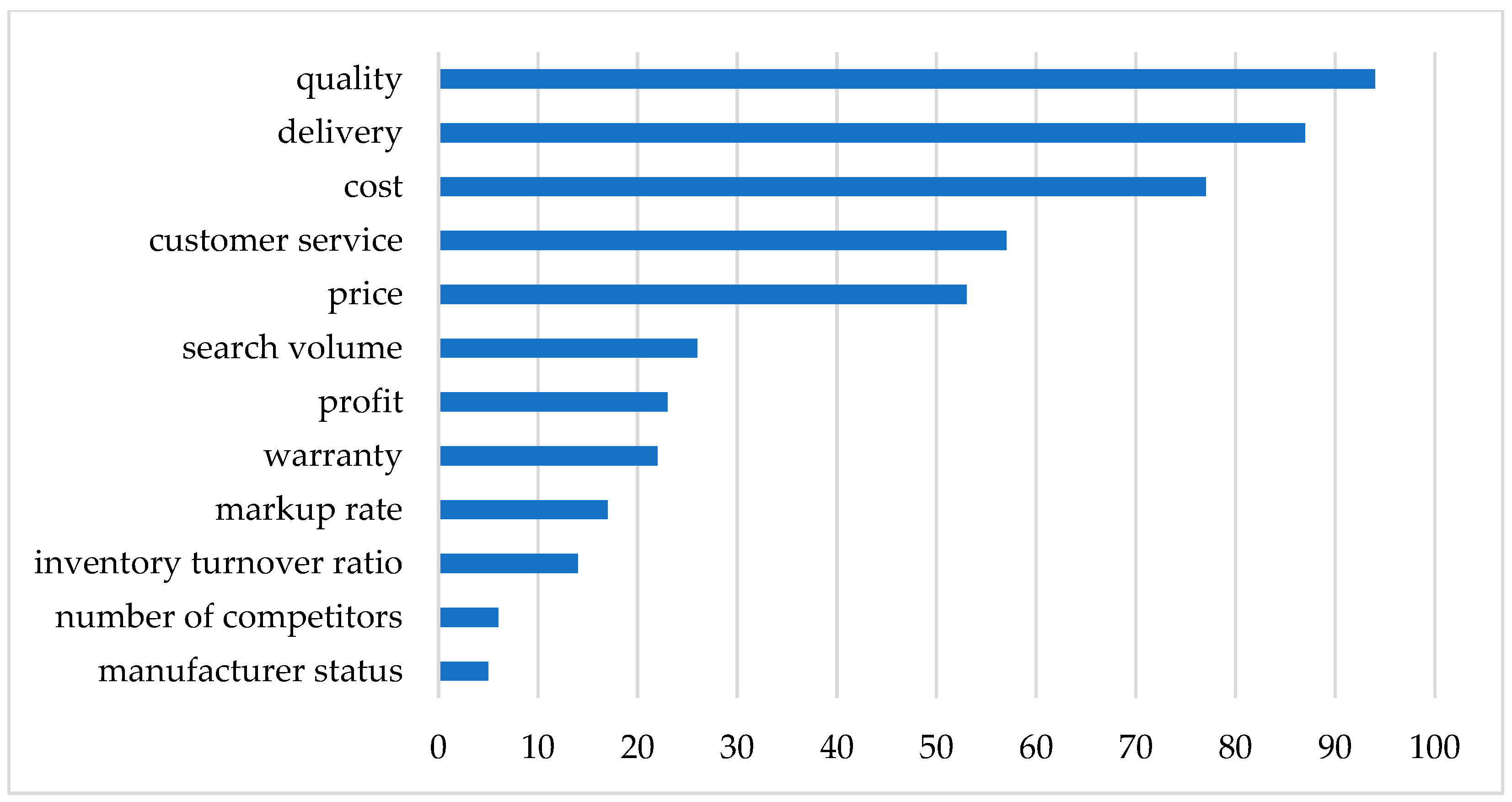
From the literature examined, the number of indicators mentioned in the evaluated sources reveals the frequency of the criteria in the supplier selection process. As shown in
Figure 12, quality emerged as the most frequently cited indicator, appearing in 94 of 123 studies (76.4%), followed by delivery in 87 studies (70.7%), and cost in 76 studies (61.8%). Customer service was referenced in 58 studies (47.2%), while price appeared in 52 studies (42.3%). Platform-specific indicators such as search volume (26, 21.1%), profit (22, 17.9%), warranty (22, 17.9%), and markup rate (16, 13.0%) were less frequently addressed. Inventory turnover ratio (14, 11.4%), number of competitors (6, 4.9%), and manufacturer status (5, 4.1%) remained the least studied criteria.
Thus, these selection indicators are not only diverse but also context-specific, allowing platforms to assess sellers holistically beyond financial performance-to include strategic alignment, quality, and technological adaptability.
The literature confirms that the impact of these selection indicators on company performance is comprehensive and multi-dimensional. It is best understood by analyzing how each of the four key dimensions contributes to a company’s overall performance:
Financial Sustainability: This dimension has the most direct impact on the company’s profitability and financial health. Selecting sellers with competitive pricing and appropriate cost structure directly contributes to better profit margins. By ensuring that the business partner is financially stable, the company mitigates supply chain risks and builds a more sustainable financial basis [
63].
Operational Efficiency: A seller’s operational competence is a primary driver of a company’s own efficiency. High inventory turnover, stable stock availability, and fast, reliable delivery speed reduce costs, prevent loss of sales due to stockouts, and enhance customer satisfaction. These factors are the driving force behind operational excellence and lead to a leaner and more responsive supply chain [
62,
63].
Quality and Service Standards: This aspect is crucial for building and maintaining brand equity in the digital marketplace. Collaborating with high-quality and trusted sellers directly enhances brand reputation, customer trust, and long-term loyalty. Positive customer feedback and solid warranty support are no longer optional bonuses. They are essential for e-commerce platforms focused on reviews to survive and are powerful factors that encourage repeated purchases [
64].
Market Positioning: A seller’s strong position within the digital ecosystem directly impacts the company’s marketing effectiveness, brand reputation, and profitability. Sellers with strong organic search volume provide valuable visibility that boosts the company’s overall market presence. Furthermore, a seller’s official manufacturer status serves as a powerful indicator of authenticity and trust which increases customer confidence and platform’s own credibility. Analyzing the number of competitors for a seller’s products enables the company to manage market saturation, pricing power, and profit margins. Platforms typically award sellers with a strong and unique market position (offering products with high demand and limited competition) with greater visibility that enhances the company’s competitive advantage [
44].
When these indicators are evaluated holistically and actions are taken accordingly, they contribute to better performance outcomes, including increased sales, improved operational excellence, and a more sustainable competitive advantage in the digital marketplace.
These indicators serve as foundational logic for the dynamic selection algorithms. Companies can use these as standardized metrics to compare the competing suppliers. It can also be automated within mechanisms such as the Buy Box on e-commerce platforms, where immediate seller-selection decisions are made. In that regard, our study provides some insights for the selection process by integrating these indicators into a coherent structure.
Sellers that achieve a balance between high product quality and favorable markup rates are more likely to be prioritized over less competitive alternatives [
65]. Within the Buy Box framework, this approach promotes financially sustainable sellers instead of favoring short-term price minimization.
Strong customer satisfaction ratings and brand reputation become key differentiators when markets are saturated with similar products [
64]. In that case, these indicators act as a filter for risky sellers, and help prioritize those with a proven history of service.
Delivery performance, inventory responsiveness, and operational transparency are crucial to be competitive in platform ecosystems [
66]. These factors typically receive the highest weight in Buy Box algorithms, because they have a direct impact on ensuring immediate fulfillment.
Therefore, these indicators not only reflect performance but also drive strategic supplier selection in e-commerce environments. It also helps guide the dynamic parameters of the Buy Box algorithm. As a result, it moves beyond basic price comparison and becomes a strategic mechanism for sustainable supplier selection.
In increasingly competitive markets, choosing the right seller is a key source of competitive advantage in supply chain management [
26,
67]. The development of an intelligent, data-driven application for seller evaluation is both feasible and strategically beneficial. The conceptual architecture proposed in this study was developed based on empirical patterns identified through systematic review. The input criteria for each module were derived from the high-frequency and emerging criteria analyzed in
Section 4.2. For instance, established criteria such as delivery performance were combined with platform-specific indicators like search volume to reflect the multidimensional nature of seller evaluation in digital environments. Conceptually, the proposed model directly addresses the findings presented in
Table 5. Consistent with the mathematical rigor observed in most of the studies reviewed, fuzzy-MCDM methods have been retained as the fundamental analytical framework. The AI component is introduced specifically to address the scalability constraints and static-model limitations that the same body of literature reveals. Accordingly, the proposed architecture should be understood as a propositional framework that synthesizes current academic evidence and translates it into a structured foundation for future empirical testing in digital marketplace contexts. Based on these foundations, the key components of the proposed application are outlined as follows:
Initial Filtering: The application can utilize the defined framework for initial filtering or pre-qualification of the sellers. For instance, the system can set minimum thresholds for critical dimensions such as “financial sustainability” and “operational efficiency” to filter the alternatives before ranking the sellers. This approach ensures that optimization algorithms prioritize only qualified sellers.
Framework: The proposed application would rely on MCDM methodologies (e.g., AHP, BWM, Fuzzy TOPSIS) with fuzzy logic to address subjectivity and uncertainty [
68,
69,
70,
71]. The specific methods applied across the reviewed studies are detailed in
Appendix A [
72,
73,
74,
75,
76,
77,
78,
79,
80,
81,
82,
83,
84,
85,
86,
87,
88,
89,
90,
91,
92,
93,
94,
95,
96,
97,
98,
99,
100,
101,
102,
103,
104,
105,
106,
107,
108,
109,
110,
111,
112,
113,
114,
115,
116,
117,
118,
119,
120,
121,
122,
123,
124,
125,
126,
127,
128,
129,
130,
131,
132,
133,
134,
135,
136,
137,
138,
139,
140,
141,
142,
143,
144,
145,
146,
147,
148,
149,
150,
151,
152,
153,
154,
155,
156,
157,
158,
159].
Functionality: The system would evaluate sellers using weighted selection criteria, generate ranking scores, and support real-time decision-making. It is also consistent with Buy Box allocation logic.
AI Integration: Incorporating artificial intelligence enables continuous learning, prediction, and adaptive feedback, as AI algorithms could detect performance deviations and suggest corrective actions [
50].
Monitoring: The system could monitor key performance indicators such as profit, search volume, delivery speed, and customer satisfaction. Based on these metrics, it would proactively notify managers of underperformance and emerging risks.
To operationalize this architecture, the system would need to draw on platform-level data sources that correspond to each evaluation dimension. For instance, transaction logs and pricing histories can feed the Financial Sustainability module by tracking markup trends, cost fluctuations, and profit margins over time. Parallel to this, real-time inputs for the Operational Efficiency dimension—such as delivery timestamps, inventory records, and fulfillment rates—enable the system to detect latent delays or stock irregularities. Seller ratings, review scores, and return or complaint rates serve as quantifiable signals for the Quality and Service Standards dimension, and it enables continuous monitoring of customer-facing performance [
48,
60]. These internal metrics are then complemented by external market indicators, such as clickstream data and competitor density, to define a seller’s Market Positioning [
44,
56]. Collectively, this data-mapping exercise transforms a theoretical framework into a viable, implementable decision support system.
Such an application would enable a dynamic and data-driven seller evaluation process. This would enhance accuracy, responsiveness, and strategic alignment across digital platforms.
5. Conclusions
In an age of rapid digital transformation, a company’s ability to select high-performing sellers has become a critical strategic asset. On e-commerce platforms, where sellers are a direct extension of the brand, success depends not only on financial strength but also other indicators creating value for the companies. Given these evolving conditions, businesses must develop comprehensive evaluation frameworks that address contemporary marketplace requirements.
This study reviews 123 academic papers by screening among 4630 papers published between 2014 and 2025, summarizing how research on seller selection has evolved during this period. Our analysis defines and structures key performance indicators within a more precise four-dimensional framework: financial sustainability, operational efficiency, quality and service standards, and market positioning.
The findings illustrate that the indicators for modern seller selection have become increasingly complex. This can be underlined better through a multidimensional perspective:
Financial Sustainability indicators ensure long-term stability such as profit margin and cost control.
Operational Efficiency indicators include delivery performance and stock continuity that drive customer satisfaction.
Quality and Service Standards such as product quality, warranty and customer support build brand reputation and trust.
Market Positioning indicators like seller status and search volume define a seller’s strategic positioning in the digital ecosystem.
Taken together, these indicators directly influence business outcomes. They shape decision-making processes that determine competitiveness and success in the long-term. The findings also suggest that evaluation models must become more adaptable by integrating diverse indicators with decision-support systems that are capable of continuous learning and feedback.
Therefore, the proposed framework offers value for theory and practice. For researchers, it brings together previously scattered findings into a single, cohesive structure. For managers and practitioners, it provides a practical roadmap for building decision-support tools that combine MCDM techniques with artificial intelligence and real-time data monitoring.
In conclusion, understanding these multidimensional indicators enables companies to make more informed decisions. By moving beyond previous models, companies can select and develop supplier partnerships that enhance their visibility and promote sustainable performance on e-commerce platforms.
Ultimately, this study advocates for a new mindset. E-commerce platforms need to change from relying solely on tactical metrics such as lowest price when evaluating sellers. A more strategic approach is needed to examine sellers’ overall value to the marketplace. This means assessing their financial sustainability, operational resilience, and competitive positioning. Such comprehensive evaluation is essential in order to create sustainable digital ecosystems.
5.1. Research Propositions Derived from Four-Dimensional Framework
The four-dimensional framework developed in this study not only classifies seller selection and prioritization processes conceptually, but also provides a theoretical basis that can be tested in future empirical research. According to the empirical findings of the bibliometric and thematic analyses presented in
Section 4.1 and
Section 4.2, the following research propositions have been developed.
These propositions are derived from the trends observed in the reviewed studies. The fact that price and cost consistently emerged as evaluation criteria over the three periods (
Table 3) provides the basis for P1. The consistent frequency of delivery (70.7%) and the increasing acceptance of inventory-related criteria over time support P2.
The fact that quality is the most frequently cited criterion (76.4%) and that customer service references grew from 5 in the first period to 43 in the most recent period establishes the empirical foundation for P3. The comparatively low coverage of market positioning indicators, including search volume, manufacturer status, and number of competitors, points to an underexplored yet strategically relevant dimension, which motivates P4. Lastly, the emergence of ML/AI-based studies during the 2021–2025 period (
Table 5) and the prevalence of cross-disciplinary approaches (52.8%) indicate an increased methodological inclination toward AI integration, which provides the basis for P5.
Proposition 1 (P1): The indicators in the financial sustainability dimension (price, cost, profit, and markup rate) have a significant and direct effect on short-term platform performance and seller prioritization decisions.
Proposition 2 (P2): The indicators in the operational efficiency dimension (delivery performance and inventory turnover ratio) increase seller visibility and the probability of preference by means of customer satisfaction.
Proposition 3 (P3): The indicators in the quality and service standards dimension (product quality, warranty, and customer service) have a positive impact on long-term platform success by enhancing the perception of seller credibility.
Proposition 4 (P4): The indicators in the market positioning dimension (search volume, seller status, and number of competitors) act as mediators in the association between seller capabilities and platform visibility.
Proposition 5 (P5): Decision support systems based on artificial intelligence and data analytics have a moderating effect that strengthens the impact of operational efficiency and market positioning dimensions on seller prioritization.
These propositions provide the basis for testing the proposed framework under different sectors, e-commerce platforms, and data structures in the future. These relationships can be verified empirically, particularly using multi-criteria decision-making methods, structural equation modeling, or machine learning algorithms.
5.2. Methodological Limitations and Research Opportunities
Multi-Criteria Decision Making (MCDM) methods are widely used in the literature for seller and supplier selection, with the Analytic Hierarchy Process (AHP), TOPSIS, Best–Worst Method (BWM), and their fuzzy versions as the major methods [
39,
54]. These methods provide a systematic assessment of numerous and often conflicting criteria, yet they have some significant methodological limitations in digital platform environments.
Firstly, the majority of MCDM methods in the literature are grounded in static decision frameworks. This presents a notable limitation, as seller performance on e-commerce platforms exhibits a dynamic character shaped by demand fluctuations, algorithmic ranking principles, and ongoing customer feedback. Since static models cannot reflect this variability effectively, they become limited in real-time decision-making processes [
40,
56].
Secondly, most of the MCDM approaches are highly dependent on expert opinions. The expert-based weighting processes, despite improving decision quality, have some risks such as the impact of subjective judgments on the model and the consistency issues [
44]. Scalability of such expert-dependent approaches is particularly limited in large-scale digital platforms.
Thirdly, it has been observed in recent years that artificial intelligence and machine learning-based models have begun to be used in the literature; however, the majority of these approaches raise the issue of “explainability.” The black-box nature of these models complicates the decision-making processes for managers and platform stakeholders. This raises discussions about algorithmic transparency [
50].
However, there are also important methodological opportunities in the literature. The integration of MCDM methods with artificial intelligence, big data analytics, and real-time performance monitoring systems enables seller selection processes to become more dynamic, adaptable, and predictive [
55]. Especially hybrid approaches that combine fuzzy logic, machine learning, and decision support systems have the potential to generate more robust results under uncertainty.
In this context, future studies need to shift from static evaluation models and focus on the development of decision support systems that consider real-time data flows, comply with platform-specific and ethical governance principles. The proposed four-dimensional framework (
Figure 13) in this study provides an analytical starting point for these types of methodological integrations.
This study systematically reviews the literature on seller selection and prioritization, aims to move beyond a description of the existing literature, and presents a guiding framework for future research. In this regard, findings from bibliometric analysis were evaluated analytically, and paradigm shifts, methodological approaches, and research gaps in the literature were highlighted using a holistic approach.
One of the main contributions of the study is the structuring of criteria, which have been scattered throughout the supplier selection literature, under four main dimensions: financial sustainability, operational efficiency, quality and service standards, and market positioning. This structure provides not only a conceptual classification but also enables future empirical examination of the relationships among these dimensions using testable propositions.
Furthermore, the conceptual model developed in this study suggests a dynamic decision structure that extends seller prioritization processes from static evaluation approaches. In the model, platform visibility and customer satisfaction are not just outcomes, but they serve as real-time input signals that the AI system monitors to adjust seller rankings dynamically. By integrating these dynamic feedback loops, the model highlights the mediating role of Hybrid AI-MCDM Decision Support System in transforming multi-dimensional evaluation signals into prioritized seller rankings. This contributes to more transparent, flexible, and data-driven decision-making processes on digital platforms by emphasizing the mediating role of artificial intelligence-based decision support systems.
Consequently, this study is more than just a review that maps the existing literature. It is also a comprehensive guideline that presents an analytical, testable, and actionable research topic in the seller selection process. The findings will be useful not only for academics but also for digital platform managers and policymakers.
5.3. Limitations of the Study Design
This systematic review was conducted in accordance with the PRISMA 2020 guidelines. However, readers should consider several methodological limitations when interpreting our findings.
First, our systematic analysis focuses on studies published between 2014 and 2025. This period captures the rapid growth of e-commerce platform research and the emergence of AI-integrated decision models. While our literature review references foundational works from earlier decades, we did not apply systematic screening or quantitative mapping to that earlier body of work.
Second, we selected five primary databases: Web of Science, ScienceDirect, IEEE Xplore, Google Scholar, and Taylor & Francis. These sources cover engineering, business, and information systems well. Although our keyword strategy addressed supplier selection, e-commerce, and multi-criteria decision-making broadly, studies framed exclusively around consumer behavior or platform trust—without referencing selection or ranking methods—may fall outside our search strings. We also did not include databases such as Scopus or Emerald, which may contain relevant papers.
Third, we excluded grey literature, such as theses and industry reports. We made this choice to ensure that all our data came from peer-reviewed sources. However, it introduces publication bias. Major platforms like Amazon or Alibaba likely use proprietary algorithms that the academic literature has not yet fully documented.
Fourth, we did not perform a formal quality appraisal of each study. The selected papers use a wide range of methods, from classical fuzzy models to machine learning. Applying a single standardized tool to such diverse methodologies was not practical. Instead, we ensured rigor by requiring all selected studies to be peer-reviewed and to provide explicitly stated selection criteria.
These limitations point toward several directions for future research. Future studies could expand database coverage to capture a wider range of disciplines. Incorporating industry reports and practice-oriented data could also help bridge the gap between academic theory and real-world platform applications.
6. Future Scope
The four-dimensional framework and associated research propositions offer a robust foundation for future research and practical implementation. Therefore, it is essential to test the model’s effectiveness across different e-commerce platforms, market structures, and countries to improve the efficiency of the model. For example, the dynamics of seller selection in the high fashion sector may differ significantly from those in the fast-moving consumer goods or electronics sectors. Taking these variations into account, future studies should consider these sectoral differences and may adopt an approach that reconfigures indicator weights and develops sector-specific models, thereby making a significant contribution to the literature.
Methodologically, the practical use and real-world applicability of the proposed framework should be tested using different approaches. Researchers could evaluate the proposed concepts using Structural Equation Modeling (SEM), Multi-Criteria Decision Making (MCDM) methods, or machine learning algorithms. Additionally, conducting qualitative case studies with e-commerce companies or quantitative pilot applications based on the proposed indicators would be valuable in validating the model’s applicability and reliability in the field.
A critical aspect of this study’s future vision is the integration of the proposed framework with evolving digital technologies. The use of real-time data analytics and artificial intelligence will enable seller performance to be modeled as a dynamic process rather than a static assessment. Accordingly, future research should focus on developing AI-driven algorithms that utilize these four dimensions to dynamically adjust Buy Box weights in real-time. Future studies should also focus on how adaptive intelligent systems can be designed for automatic pre-screening and the processing of live performance data. Such systems will increase the responsiveness and predictive ability of seller selection. Additionally, comparative studies examining the algorithm’s performance across different sectors and market structures (e.g., Amazon, Alibaba, Trendyol) would enhance the generalizability of the proposed framework.
As evaluation systems become more data-driven and automated, algorithmic transparency, fairness, and ethical governance inevitably become areas of research. Ensuring transparency in algorithms’ mechanisms for rewards and penalties for sellers is both a technical challenge and an ethical requirement for the future of the digital economy. Furthermore, the scope of analysis should be expanded to examine the competitive dynamics of different marketplaces. These mechanisms should be comparatively examined to understand how platforms prioritize sellers through the “Buy Box” and how these strategies affect both inter-platform competition and the visibility of SMEs.
Ultimately, this study aspires to advance the evaluation of seller performance beyond a technical optimization problem, transforming it into a socio-technical and policy-oriented research subject. The proposed framework provides a solid foundation for both academics and practitioners in developing sustainable and intelligent seller prioritization systems within digital environments.