Article

Creep Characteristics of Layered Rock Masses after Water Absorption Due to Structural Effects
1
College of Mechanical and Architectural Engineering, Taishan University, Taian 271000, China
2
State Key Laboratory for Geomechanics and Deep Underground Engineering, China University of Mining and Technology, Beijing 100083, China
3
School of Mechanics and Civil Engineering, China University of Mining & Technology (Beijing), Beijing 100083, China
4
State Key Laboratory of Mining Disaster Prevention and Control Co-Founded by Shandong Province and the Ministry of Science and Technology, Shandong University of Science and Technology, Qingdao 266590, China
*
Author to whom correspondence should be addressed.
Int. J. Environ. Res. Public Health 2023, 20(5), 4055; https://doi.org/10.3390/ijerph20054055

Submission received: 4 January 2023 / Revised: 21 February 2023 / Accepted: 22 February 2023 / Published: 24 February 2023
(This article belongs to the Special Issue New Theory and Technology of Disaster Monitoring and Prevention)

Abstract

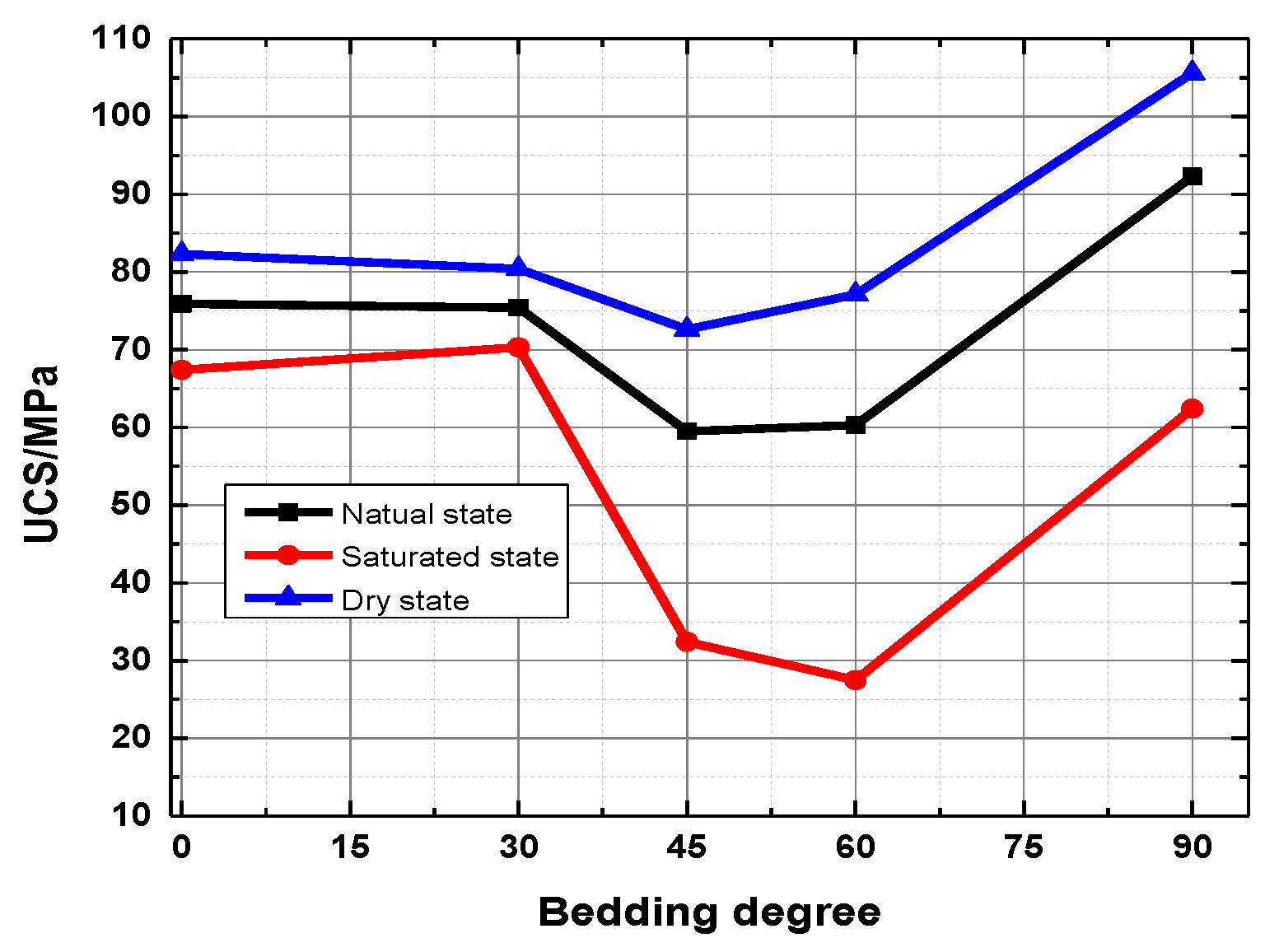
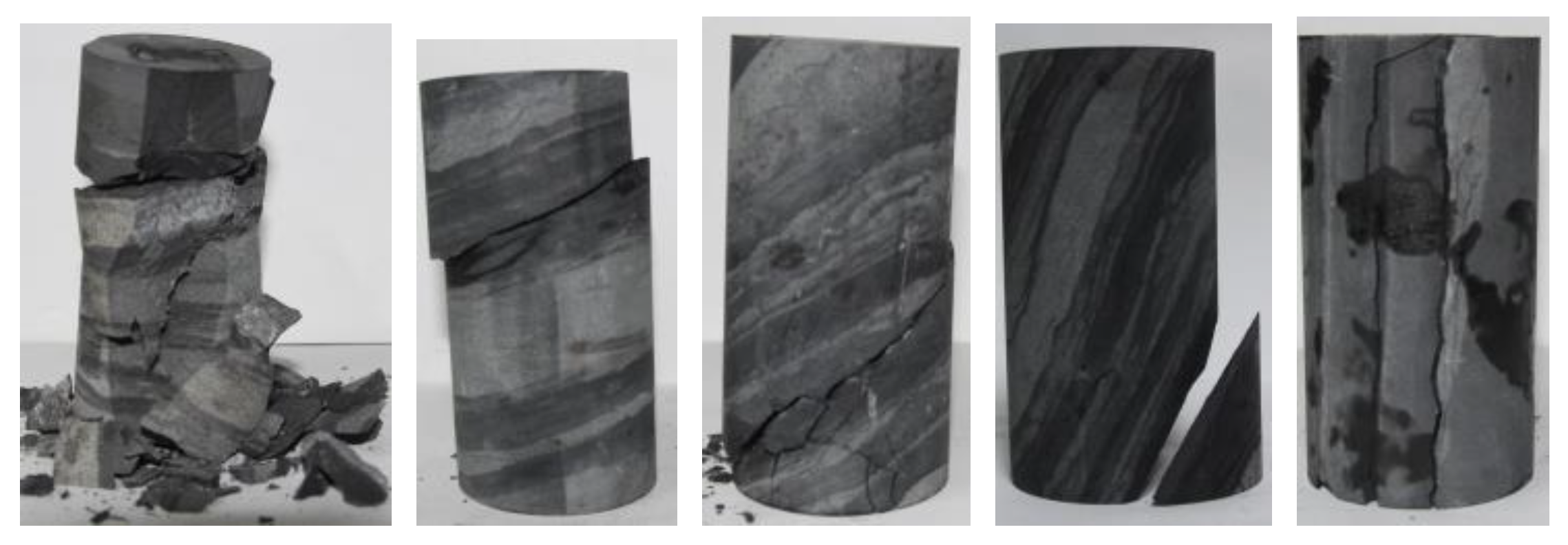
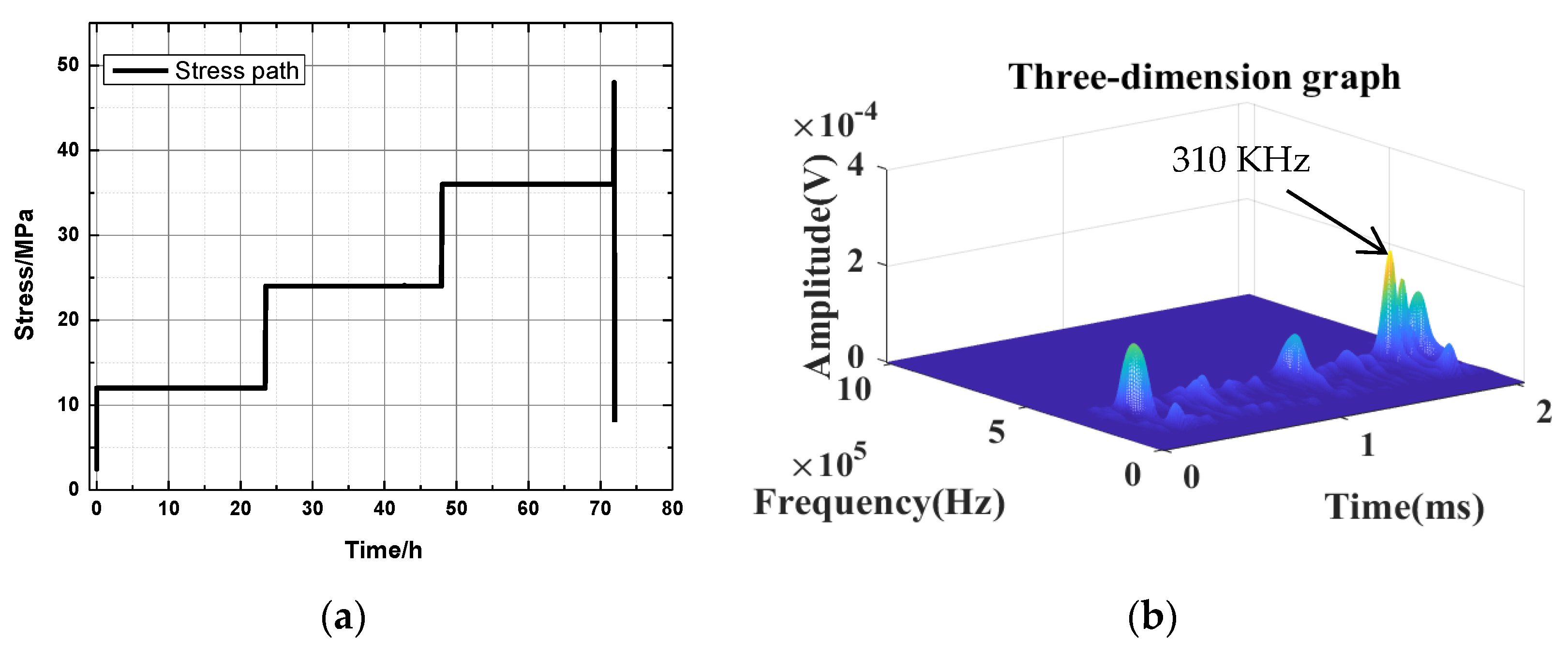
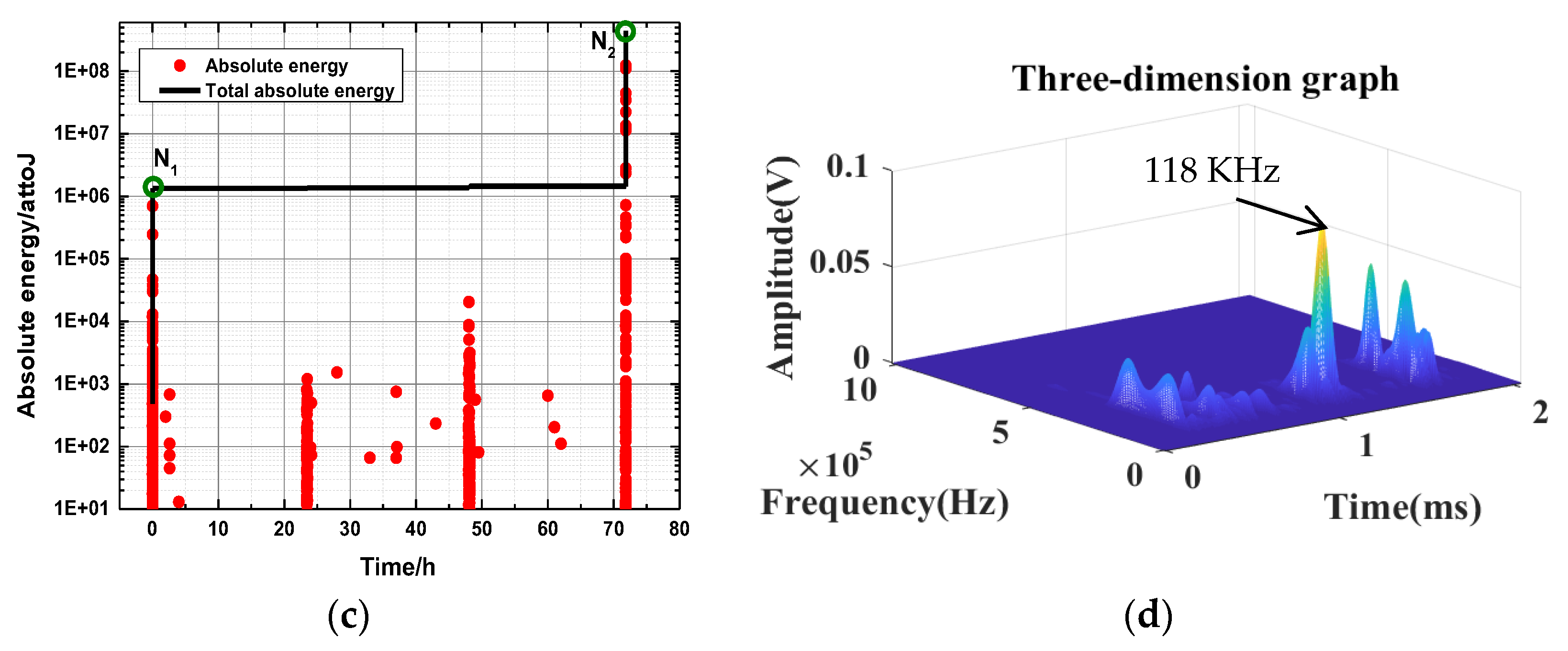
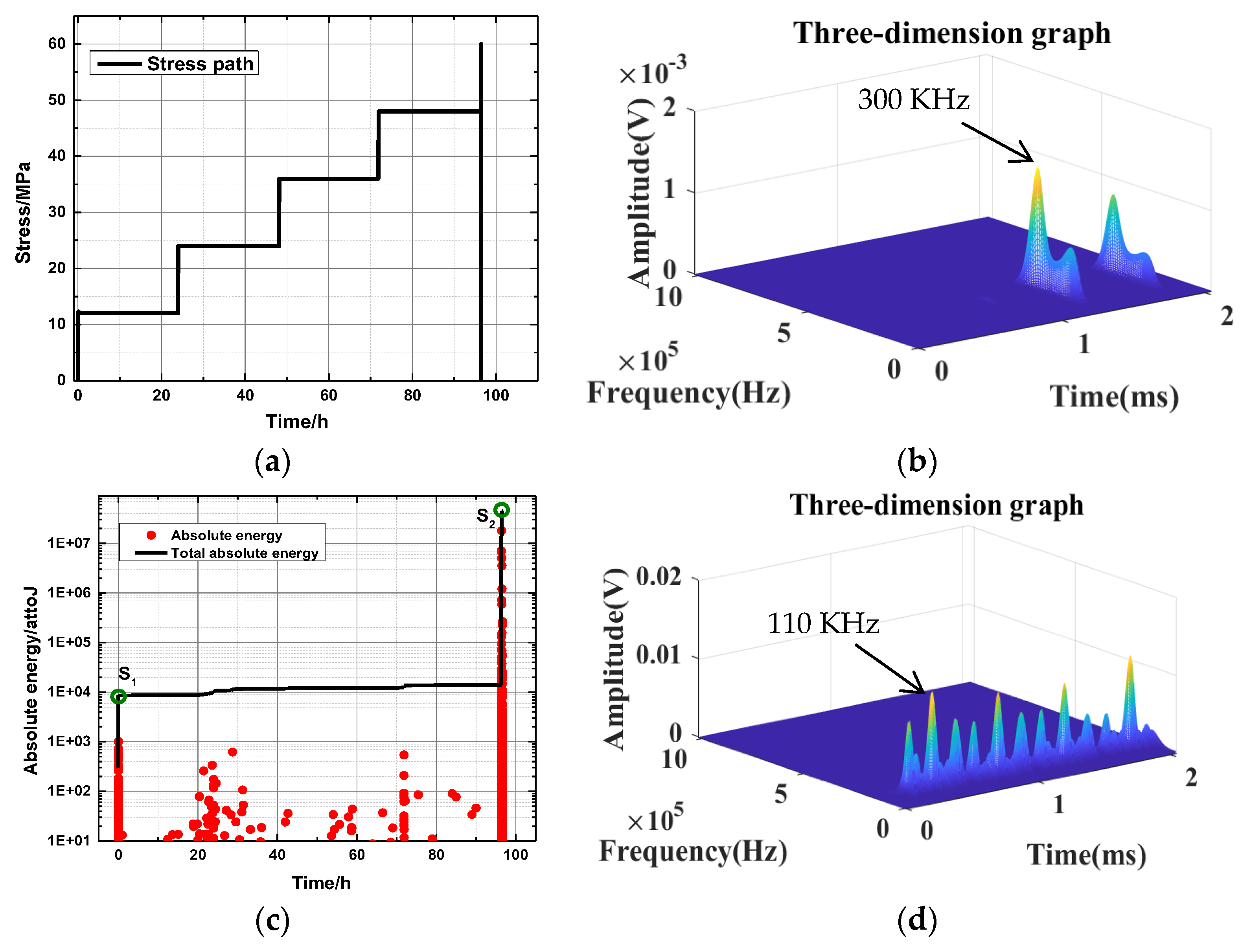
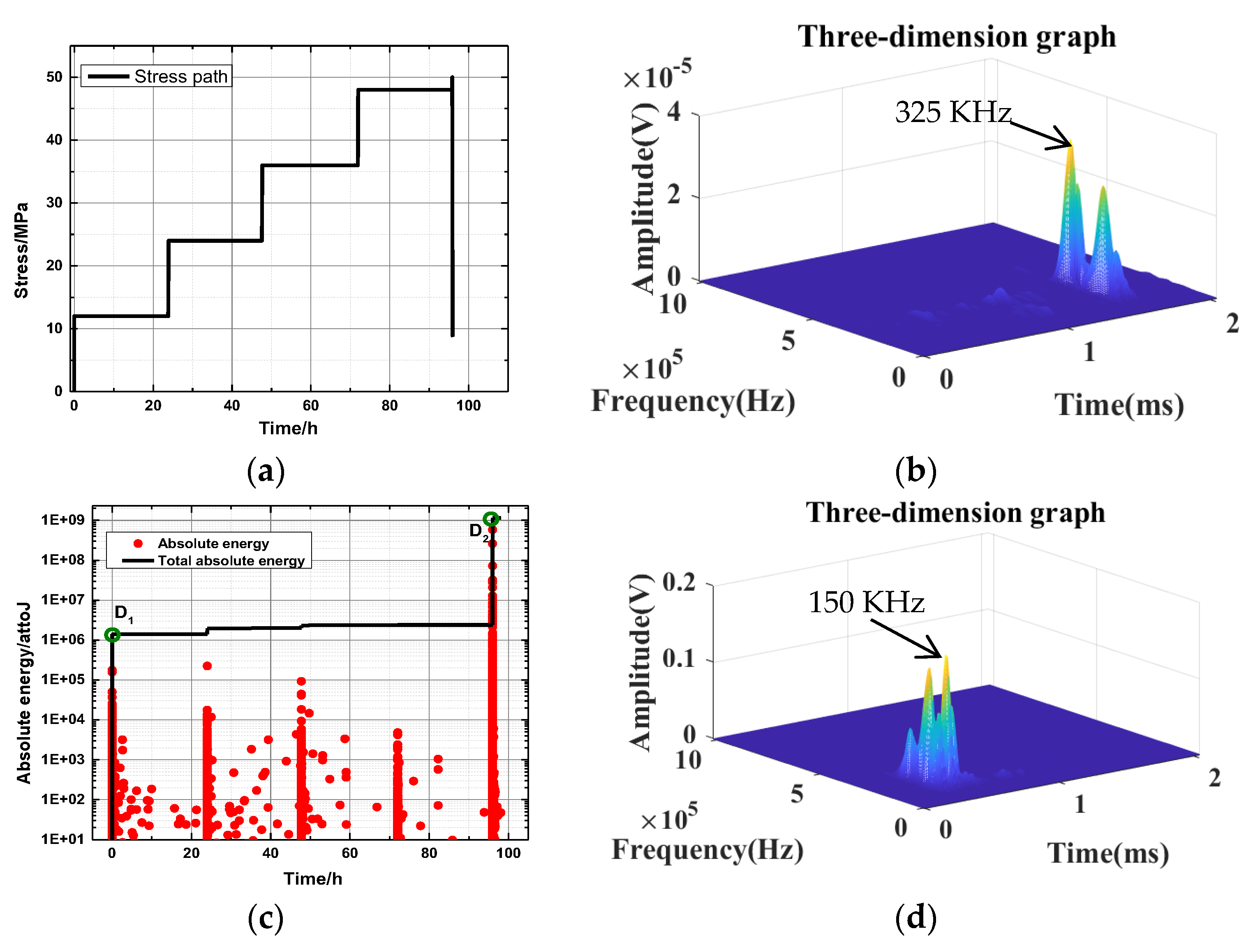
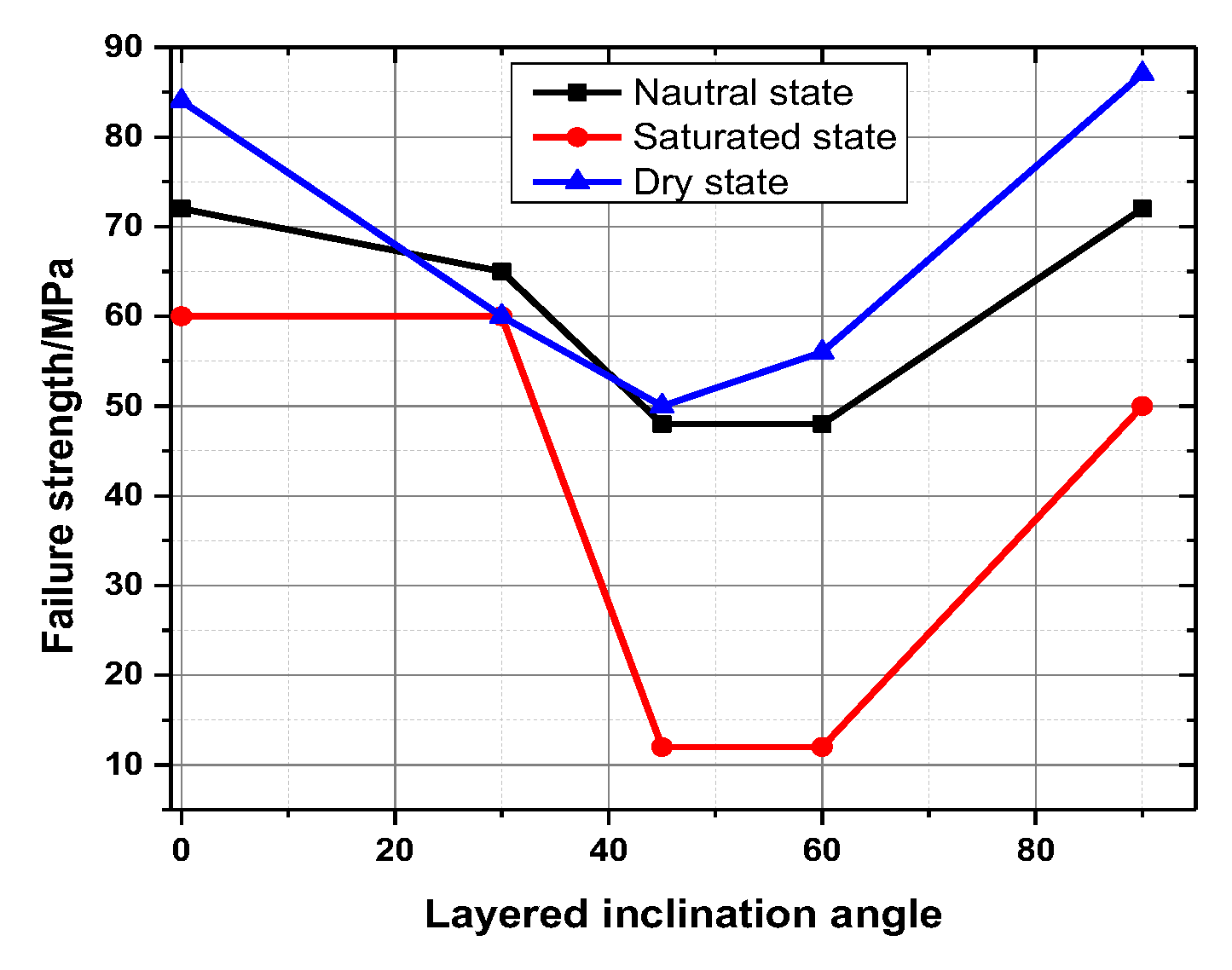
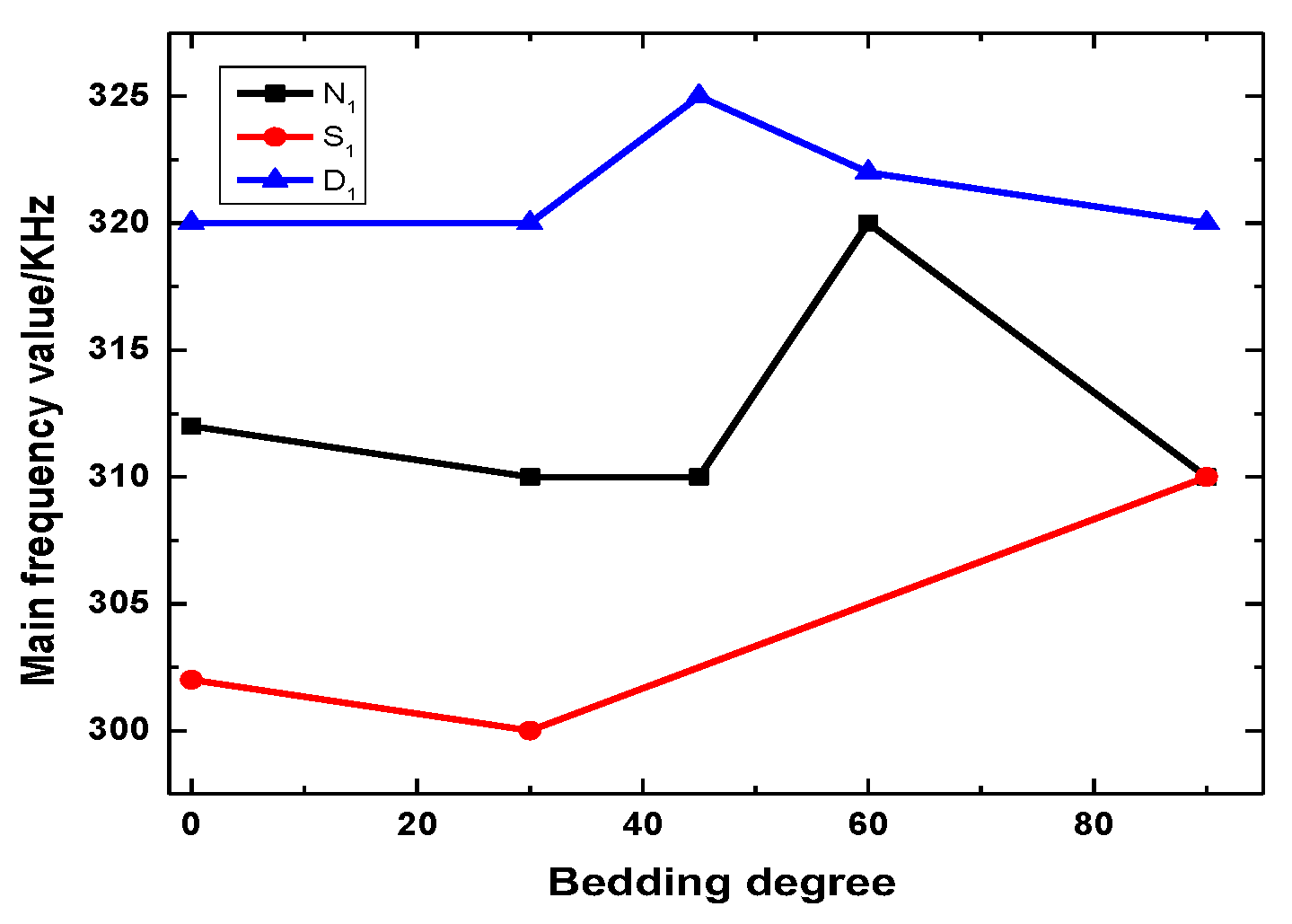
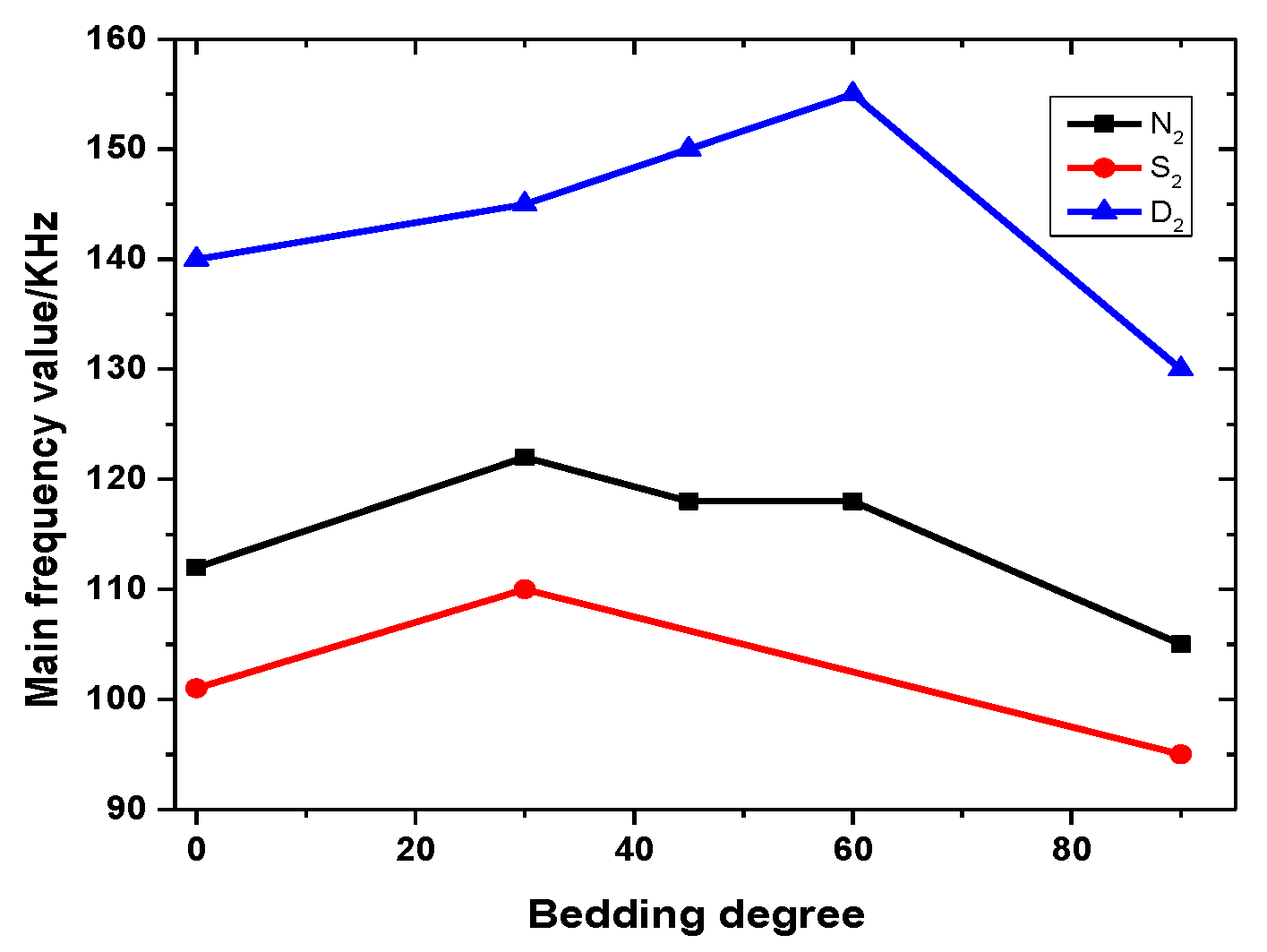
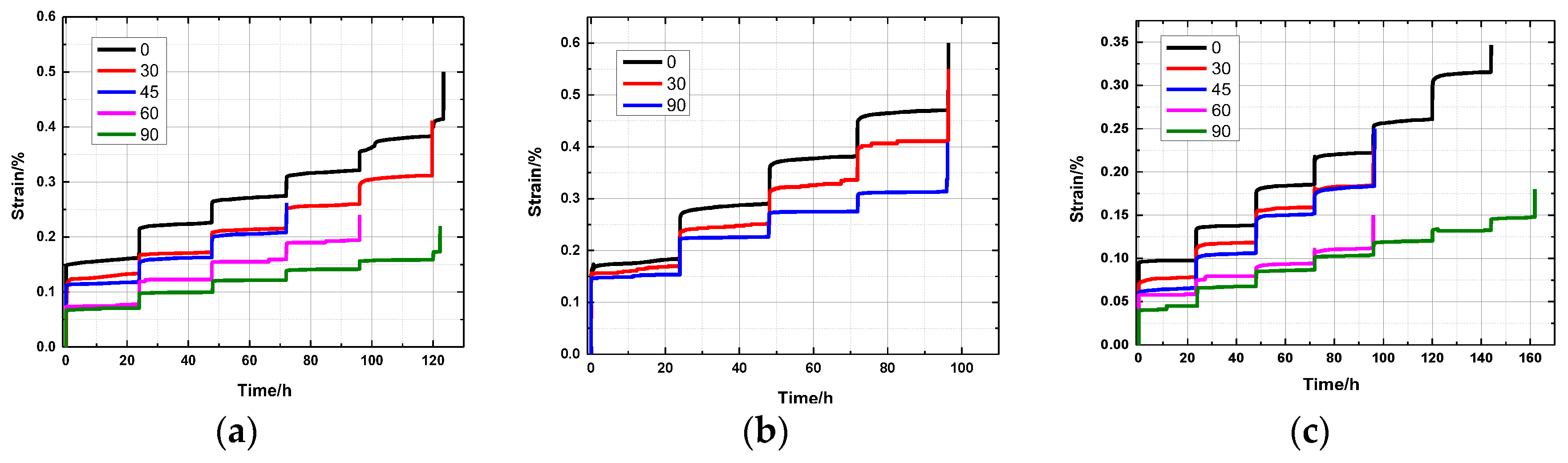
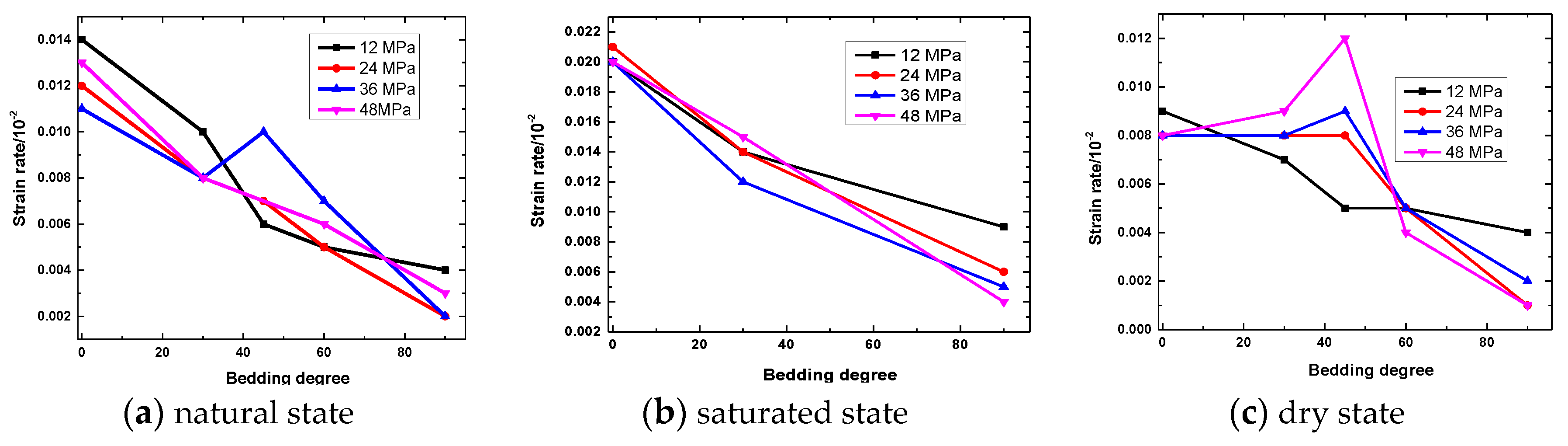
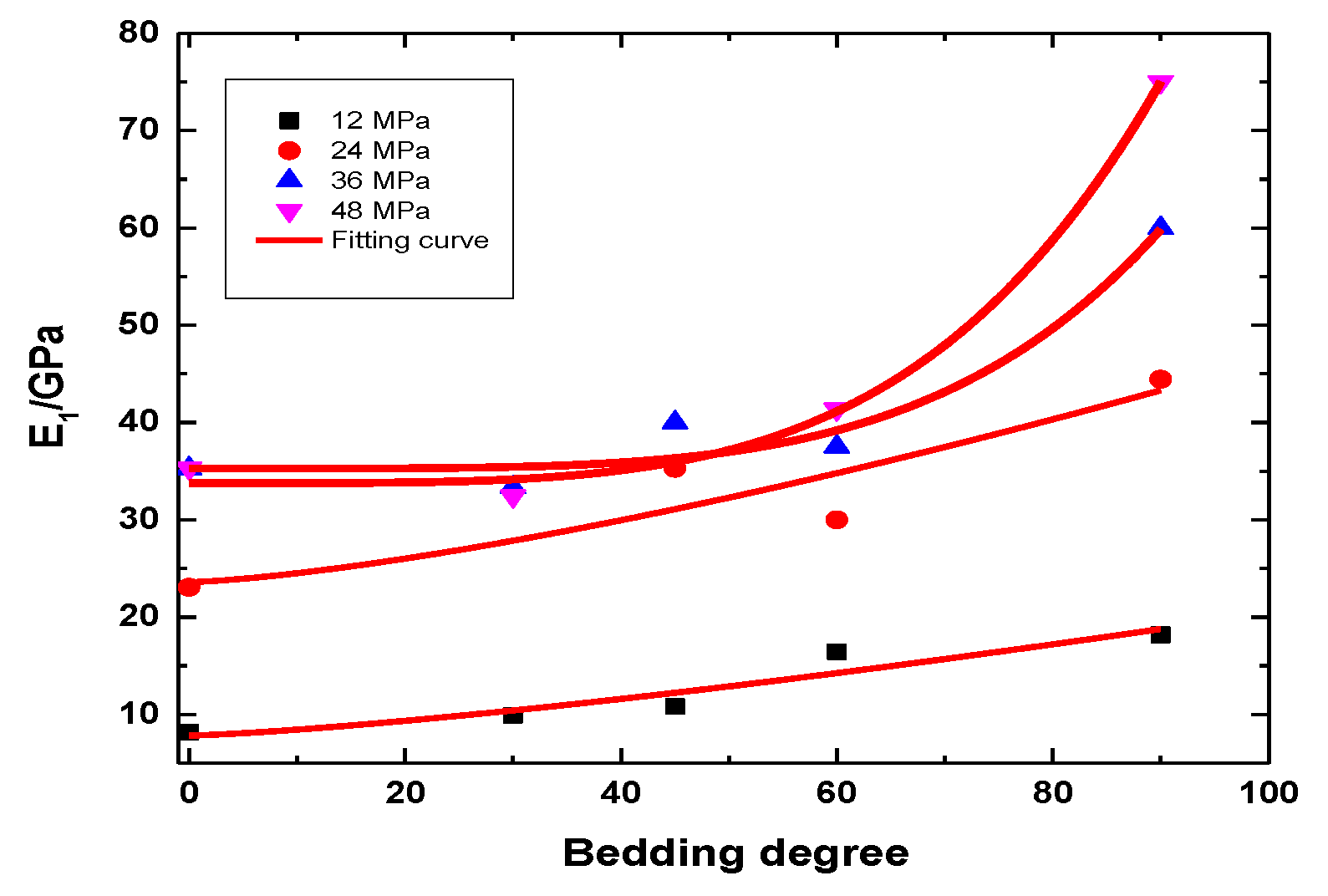
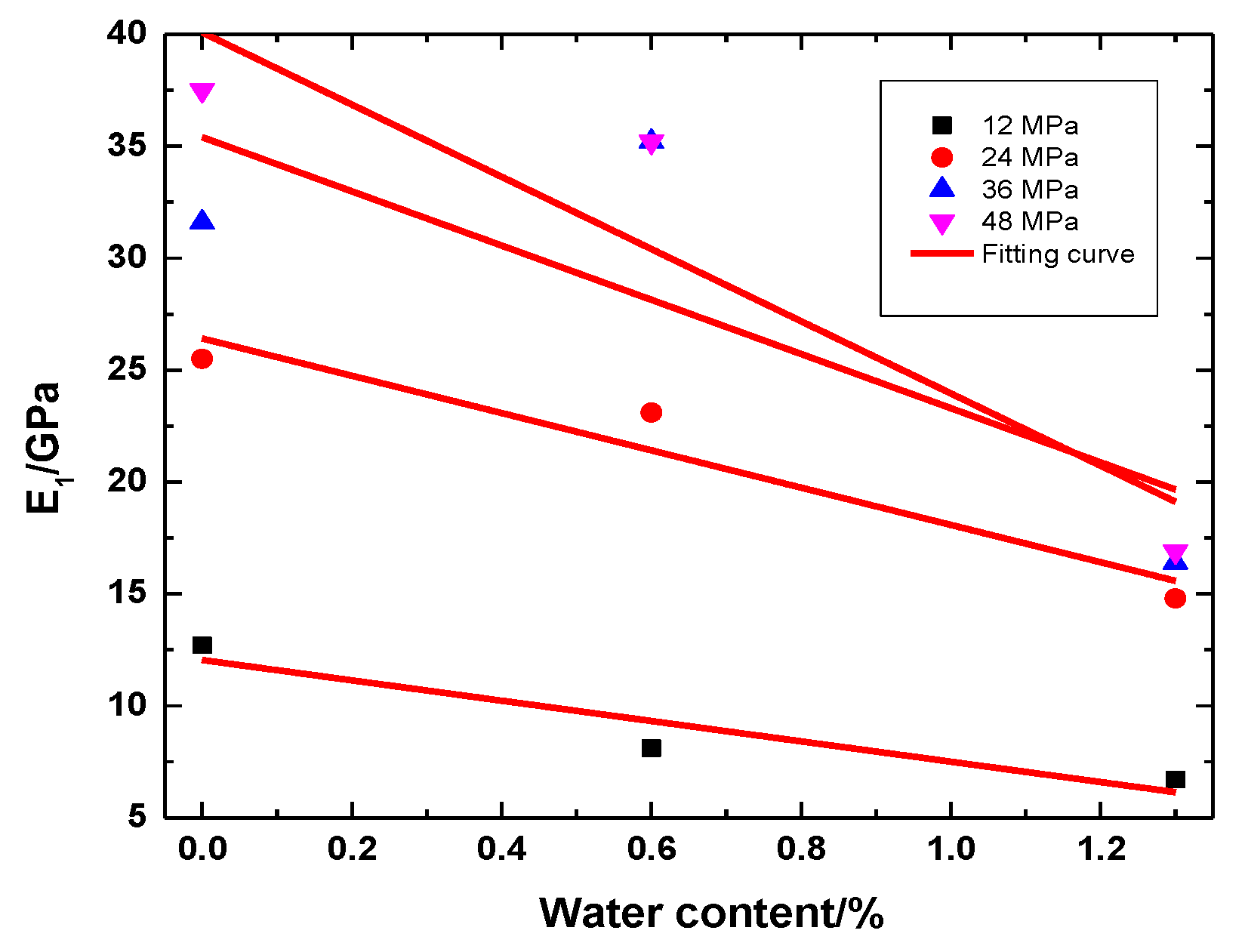
Affected by the “three highs and one disturbance” (high ground pressure, high ground temperature, high permeability pressure, and strong mining disturbance), deep layered rock mass roadways often display large deformations, resulting in accidents and disasters from time to time. This paper aims to study creep characteristics of layered rock masses after water absorption due to structural effects, combined with acoustic emission energy and dominant frequency value analysis. Experimental results show that as the water content decreases, the long-term strength of the rock sample increases, and the damage becomes more severe. Under the same water content state conditions, the rock samples with bedding angles of 0°, 30°, and 90° have high long-term strength and undergo severe failure, whereas rock samples with bedding angles of 45° and 60° have low long-term strength and undergo mild failure. Under the same water content, the initial energy release increases with the bedding angle. Under the same water content, the energy release during failure decreases first and then increases with the increasing bedding angle. The initial energy, the cumulative energy, the initial main frequency, and the main frequency at the time of failure tend to decrease with the increase in water content.
Keywords: water content; structural effect; acoustic emission energy; layered rock mass; creep characteristic water content; structural effect; acoustic emission energy; layered rock mass; creep characteristic