

Feature Papers in Safety, Security, Privacy, and Cyber Resilience

Editor


E-Mail Website
Collection Editor
Institute of IT Security Research St. Pölten, University of Applied Sciences, 3100 St. Pölten, Austria
Interests: artificial intelligence; trustworthy AI; high risk AI; information security; cyber resilience; information security risk analysis
Special Issues, Collections and Topics in MDPI journals

Topical Collection Information

Dear Colleagues,

Artificial intelligence pervades all aspects of contemporary life and is increasingly shaping how we work, communicate and organize ourselves as a society. Its rapid diffusion across industry, research and public services will continue to accelerate, leading to increasingly complex and interdependent AI-driven systems. The driving force behind all these successful applications is machine learning and knowledge extraction. Here, the need for resilient, trustworthy and secure approaches grows substantially.

Modern applications operate in open, dynamic and often adversarial environments, creating vulnerabilities ranging from data poisoning and adversarial manipulation to model drift, misuse and systemic failures.

At the same time, AI has become indispensable for maintaining cyber security itself, supporting anomaly detection, threat intelligence, incident response, compliance checking and the continuous monitoring of complex infrastructures. These developments require not only technical safeguards but also governance structures, auditability, transparency and alignment with organizational and societal norms.

This topical collection therefore invites contributions from researchers and practitioners that address fundamental and applied challenges involving MAKE in security, safety, privacy and cyber resilience.

Submissions that connect machine learning with knowledge extraction, hybrid or domain-informed methods, causal reasoning, verification techniques or human-centred evaluation are particularly welcome, as they reflect the interdisciplinary scope of the journal.

Work on emerging directions such as secure foundation models, provenance tracking, watermarking, robustness under distributional shift, risk-aware learning, explainability for safety-critical contexts and red-team evaluation will fit equally well within the scope.

Prof. Dr. Simon Tjoa
Collection Editor

Manuscript Submission Information

Manuscripts should be submitted online at www.mdpi.com by registering and logging in to this website. Once you are registered, click here to go to the submission form. All submissions that pass pre-check are peer-reviewed. Accepted papers will be published continuously in the journal (as soon as accepted) and will be listed together on the collection website. Research articles, review articles as well as short communications are invited. For planned papers, a title and short abstract (about 250 words) can be sent to the Editorial Office for assessment.

Submitted manuscripts should not have been published previously, nor be under consideration for publication elsewhere (except conference proceedings papers). All manuscripts are thoroughly refereed through a single-blind peer-review process. A guide for authors and other relevant information for submission of manuscripts is available on the Instructions for Authors page. Machine Learning and Knowledge Extraction is an international peer-reviewed open access monthly journal published by MDPI.

Please visit the Instructions for Authors page before submitting a manuscript. The Article Processing Charge (APC) for publication in this open access journal is 1800 CHF (Swiss Francs). Submitted papers should be well formatted and use good English. Authors may use MDPI's English editing service prior to publication or during author revisions.

Keywords

  • resilience of AI
  • trustworthy AI
  • responsible AI
  • privacy-preserving technologies
  • AI risk management
  • AI safety
  • governance of AI
  • security testing of AI
  • auditing of AI
  • AI for cyber security
  • AI for compliance
  • penetration testing and AI
  • AI malware
  • policy checking
  • regulatory monitoring
  • AI and threat intelligence
  • bias mitigation
  • fairness
  • differential privacy
  • robustness of AI

Published Papers (1 paper)

2026

31 pages, 23331 KB  
Article
Drift-Aware Online Ensemble Learning for Real-Time Cybersecurity in Internet of Medical Things Networks
by Fazliddin Makhmudov, Gayrat Juraev, Ozod Yusupov, Parvina Nasriddinova and Dusmurod Kilichev
Mach. Learn. Knowl. Extr. 2026, 8(3), 67; https://doi.org/10.3390/make8030067 - 9 Mar 2026
Viewed by 148
Abstract
The rapid growth of Internet of Medical Things (IoMT) devices has revolutionized diagnostics and patient care within smart healthcare networks. However, this progress has also expanded the attack surface due to the heterogeneity and interconnectivity of medical devices. To overcome the limitations of [...] Read more.
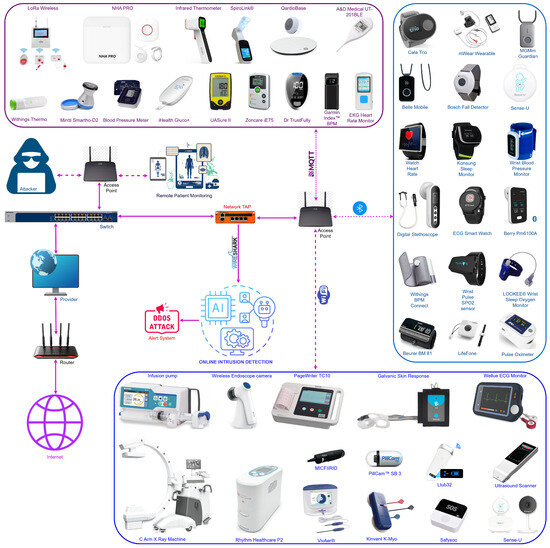
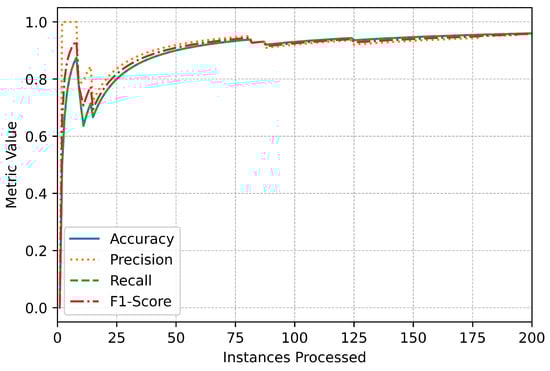
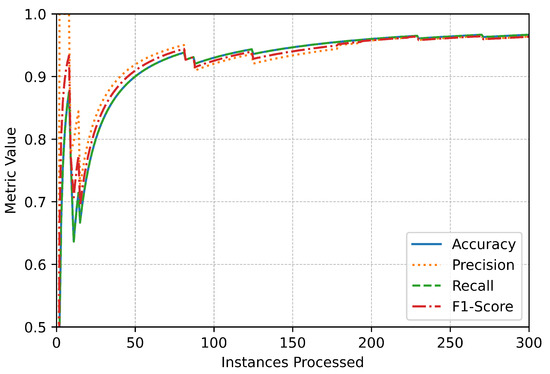
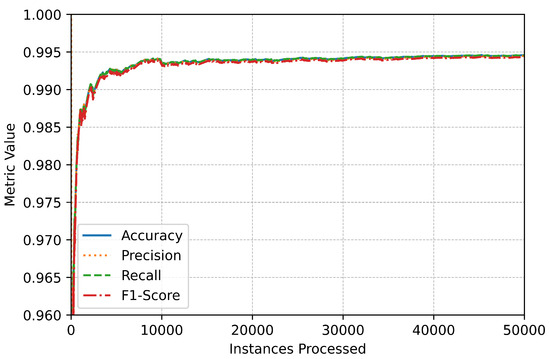
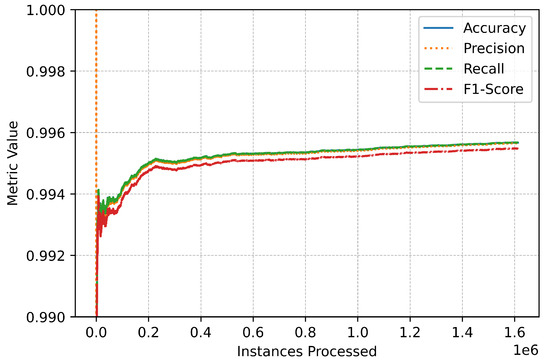
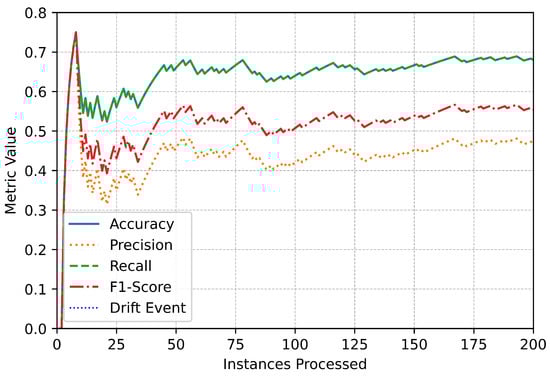
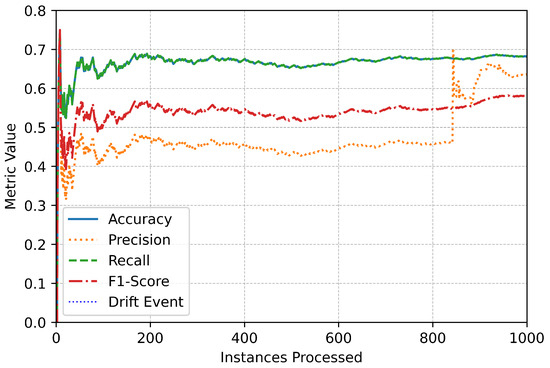
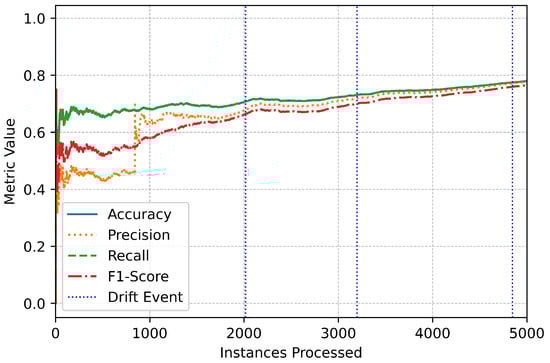
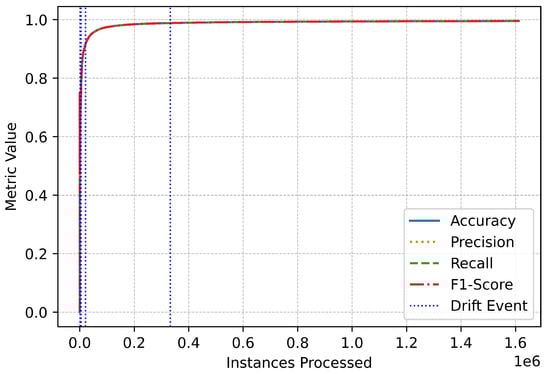
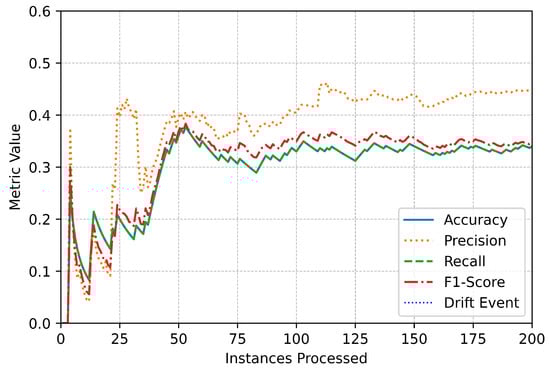
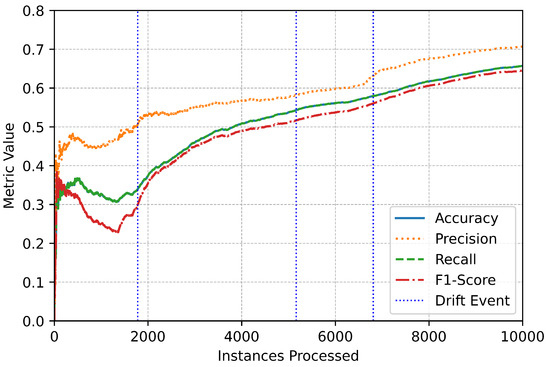
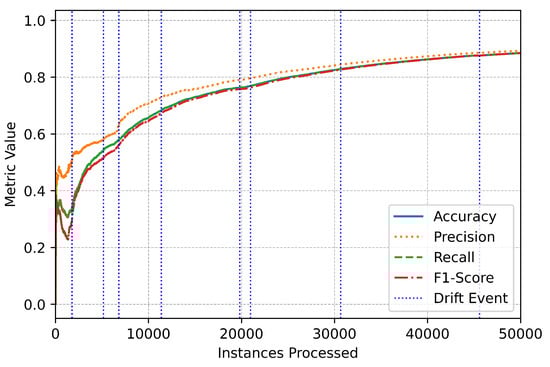
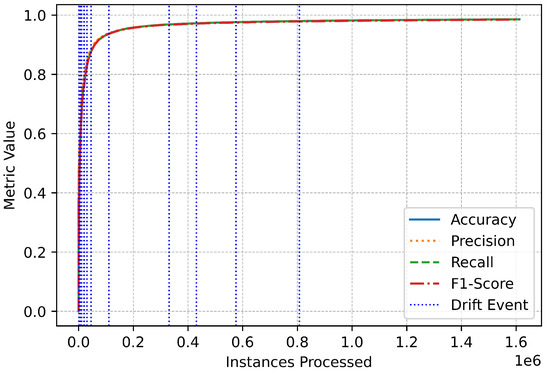
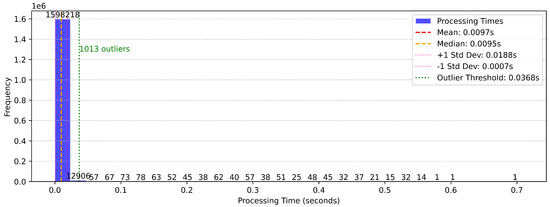
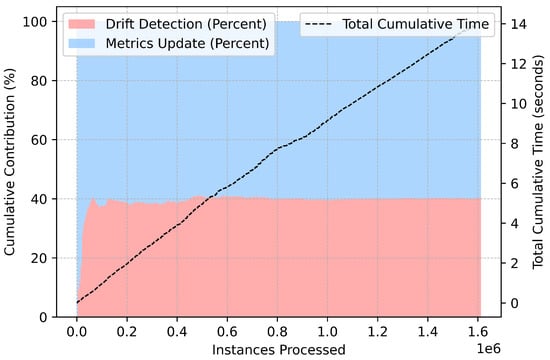
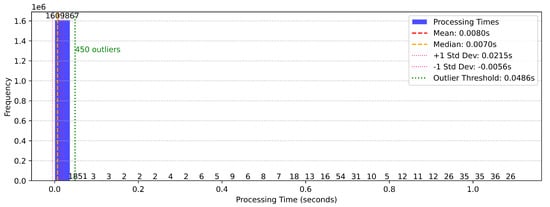
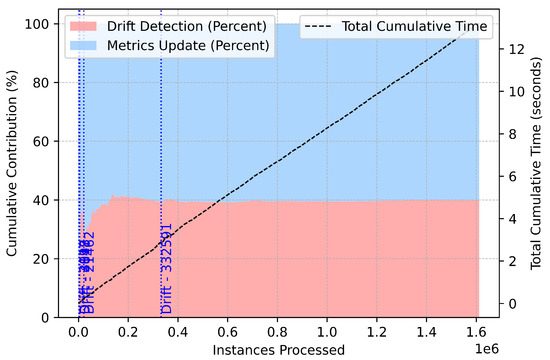
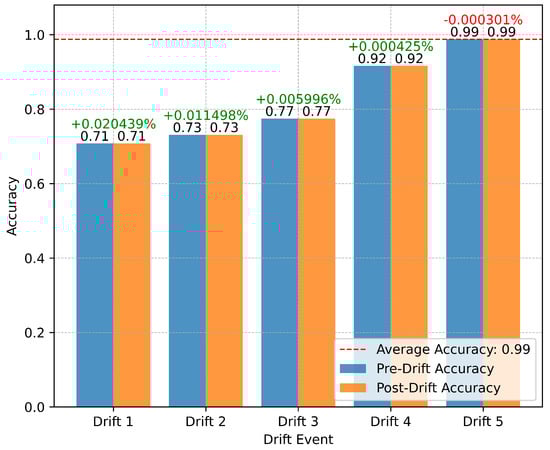
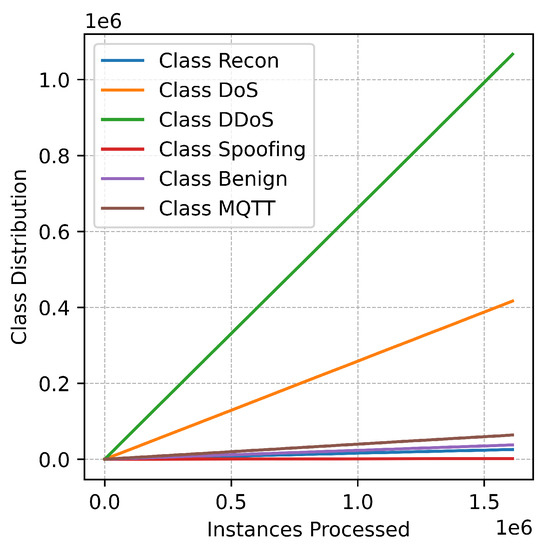
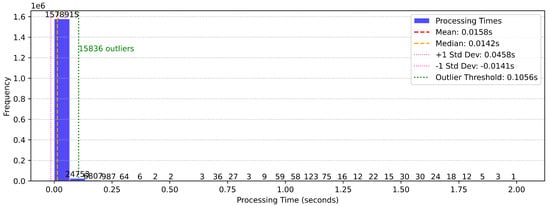
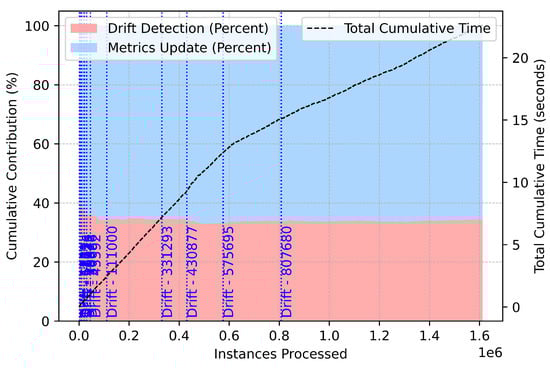
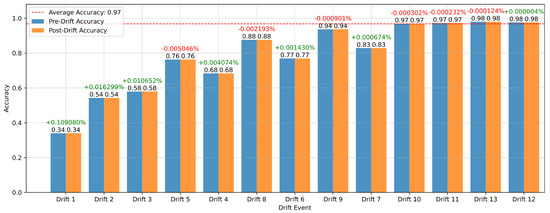
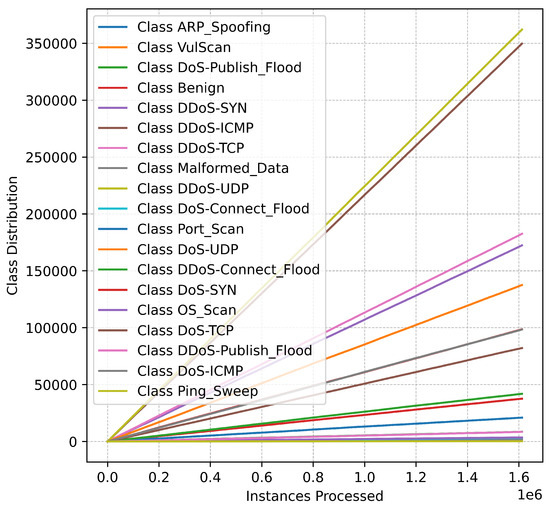
The rapid growth of Internet of Medical Things (IoMT) devices has revolutionized diagnostics and patient care within smart healthcare networks. However, this progress has also expanded the attack surface due to the heterogeneity and interconnectivity of medical devices. To overcome the limitations of traditional batch-trained security models, this study proposes an adaptive online intrusion detection framework designed for real-time operation in dynamic healthcare environments. The system combines Leveraging Bagging with Hoeffding Tree classifiers for incremental learning while integrating the Page–Hinkley test to detect and adapt to concept drift in evolving attack patterns. A modular and scalable network architecture supports centralized monitoring and ensures seamless interoperability across various IoMT protocols. Implemented within a low-latency, high-throughput stream-processing pipeline, the framework meets the stringent clinical requirements for responsiveness and reliability. To simulate streaming conditions, we evaluated the model using the CICIoMT2024 dataset, presenting one instance at a time in random order to reflect dynamic, real-time traffic in IoMT networks. Experimental results demonstrate exceptional performance, achieving accuracies of 0.9963 for binary classification, 0.9949 for six-class detection, and 0.9860 for nineteen-class categorization. These results underscore the framework’s practical efficacy in protecting modern healthcare infrastructures from evolving cyber threats. Full article
Show Figures

Figure 1

Back to TopTop