Article

Quantitative Analysis of Blended Asian Lacquers Using ToF–SIMS, Py–GC/MS and HPLC


1
Advanced Analysis Center, Korea Institute of Science and Technology, Seoul 02792, Korea
2
Department of Chemistry, Chung-Ang University, Seoul 06974, Korea
3
Post-Silicon Semiconductor Institute, Korea Institute of Science and Technology, Seoul 02792, Korea
4
National Agenda Research Division, Korea Institute of Science and Technology, Seoul 02792, Korea
*
Author to whom correspondence should be addressed.
Polymers 2021, 13(1), 97; https://doi.org/10.3390/polym13010097
Submission received: 12 December 2020 / Revised: 23 December 2020 / Accepted: 23 December 2020 / Published: 29 December 2020
(This article belongs to the Special Issue Feature Papers in Polymer Analysis)

Abstract

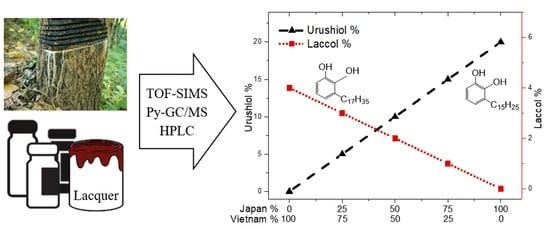
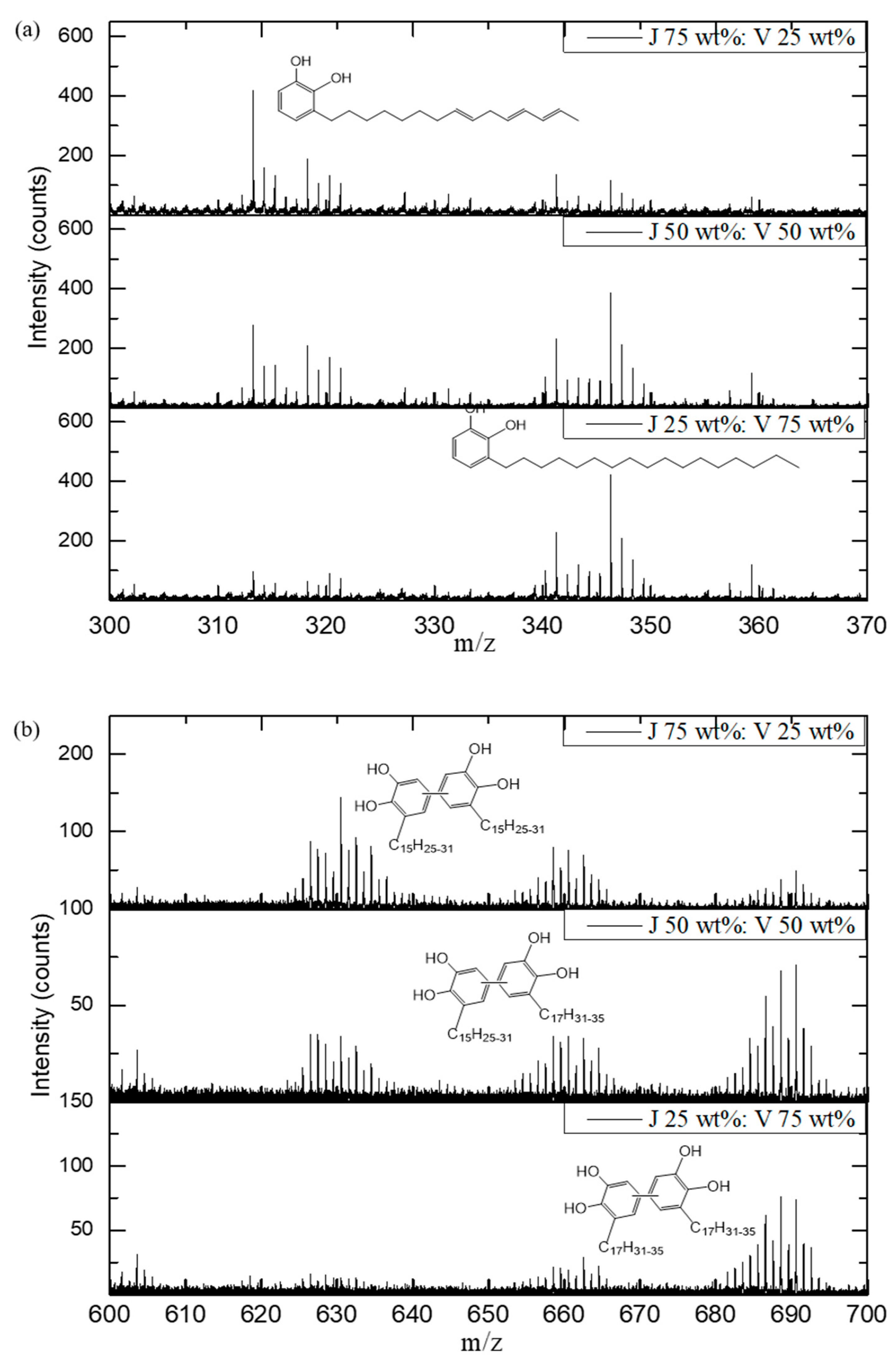
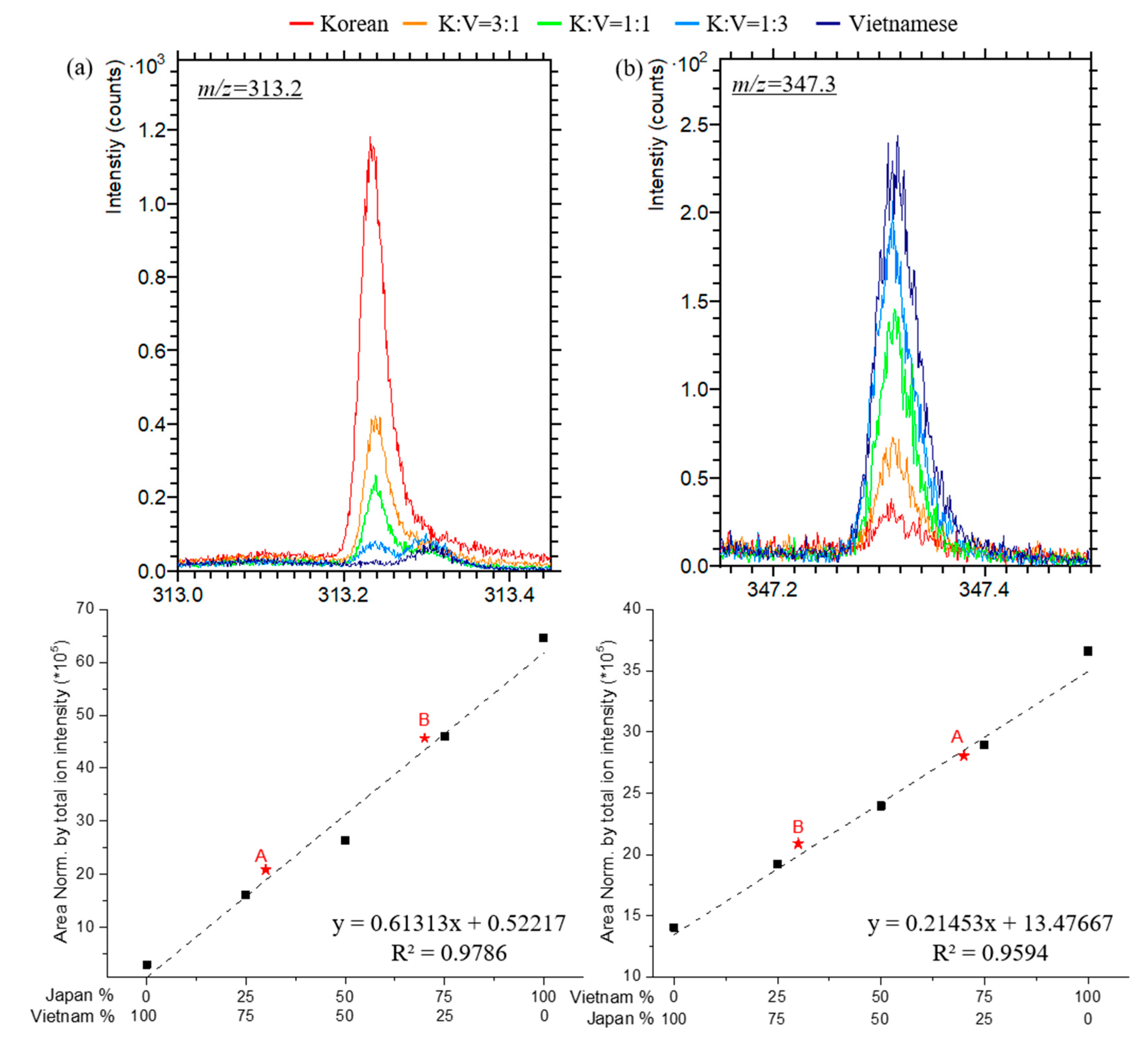
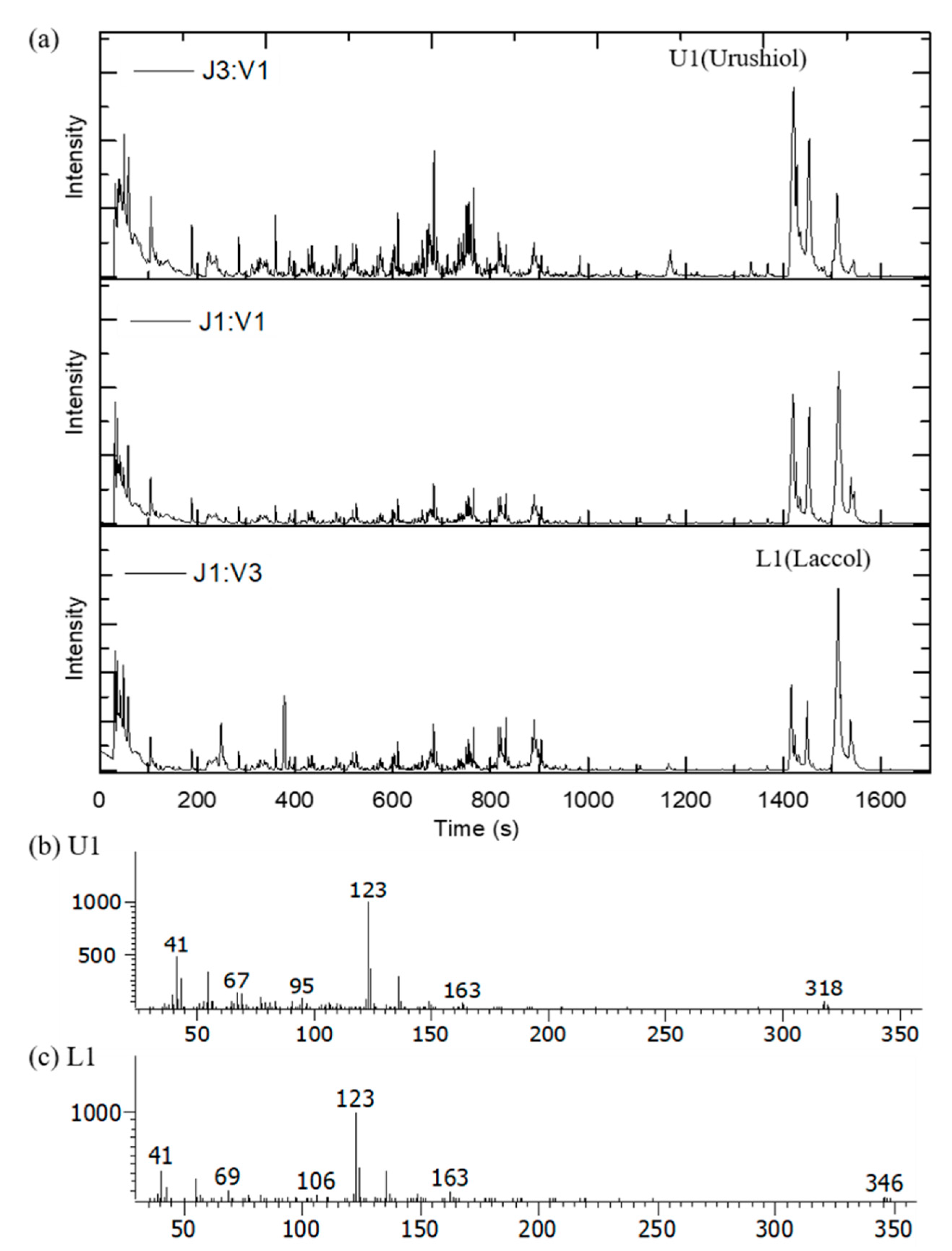
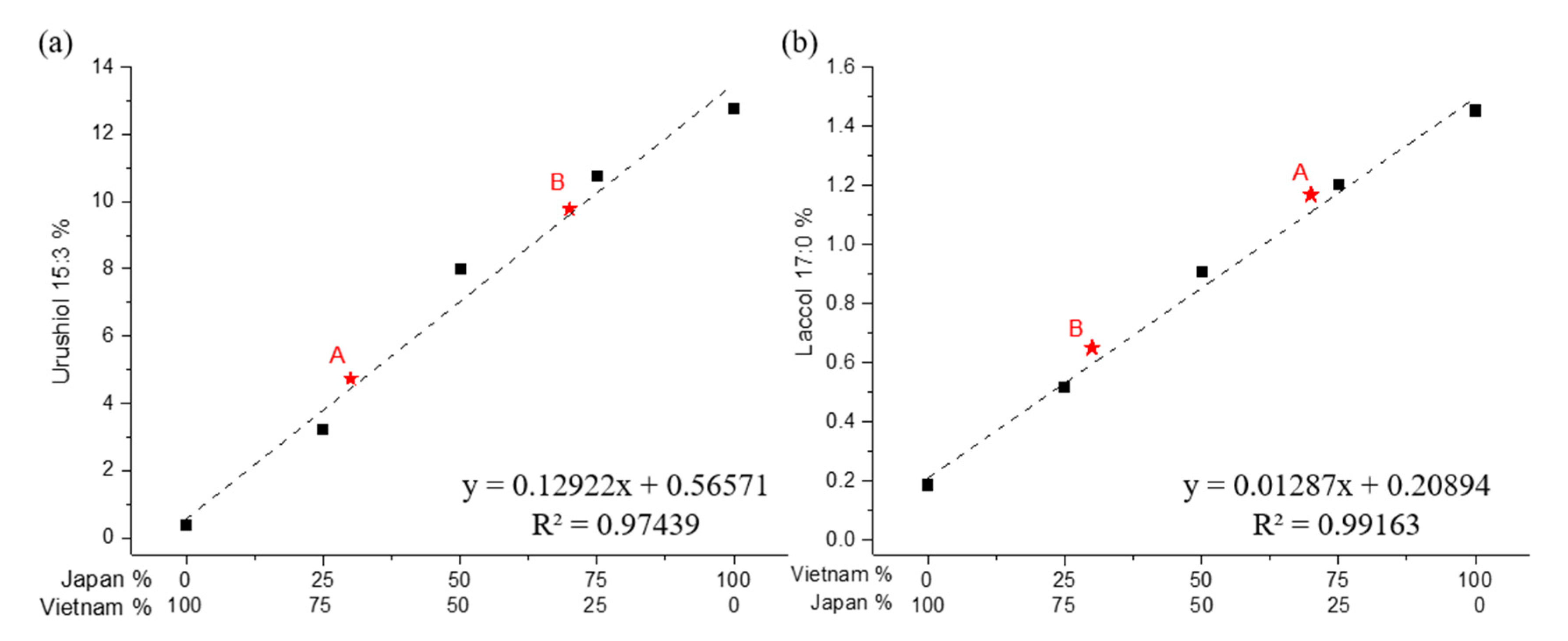
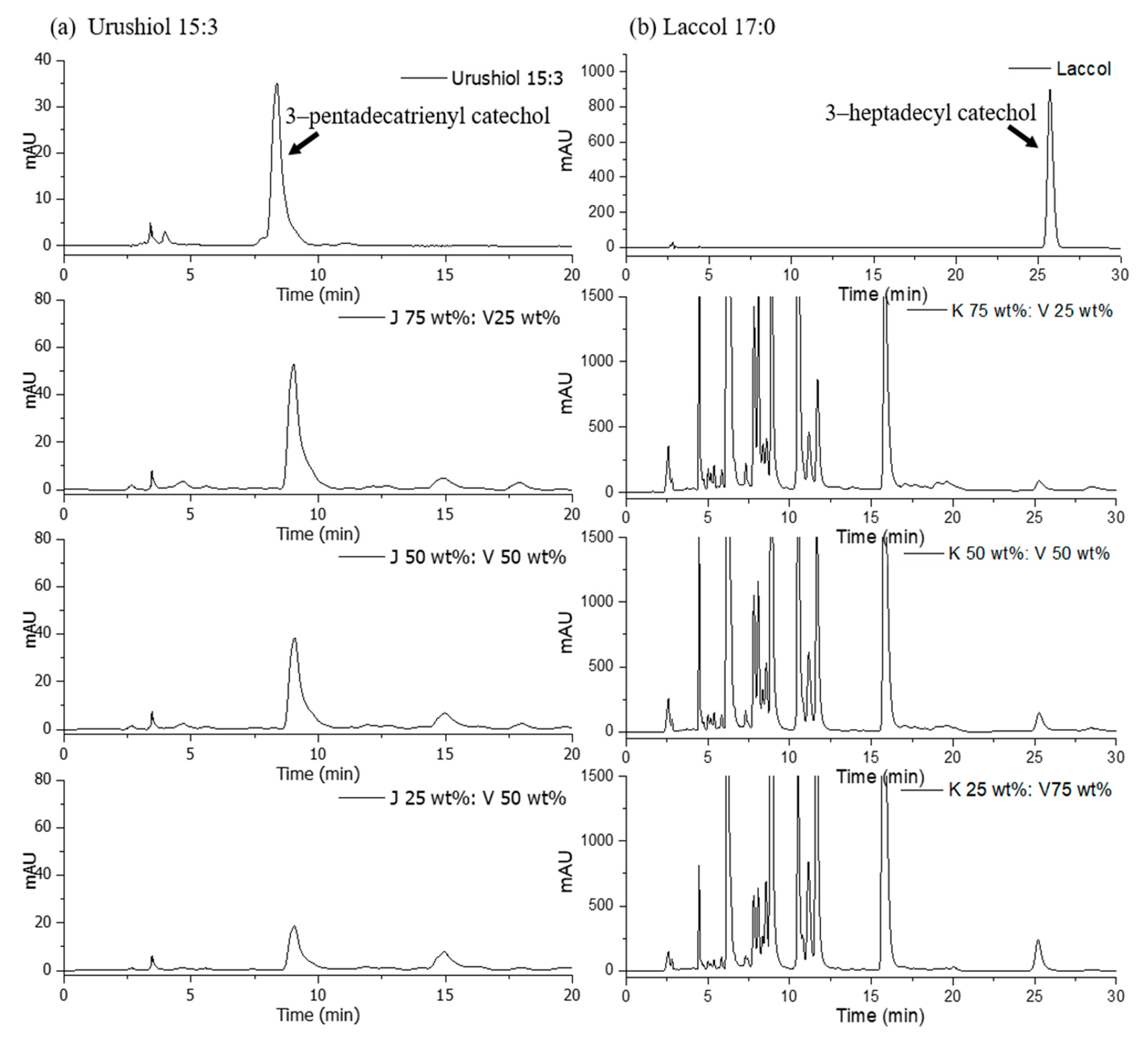
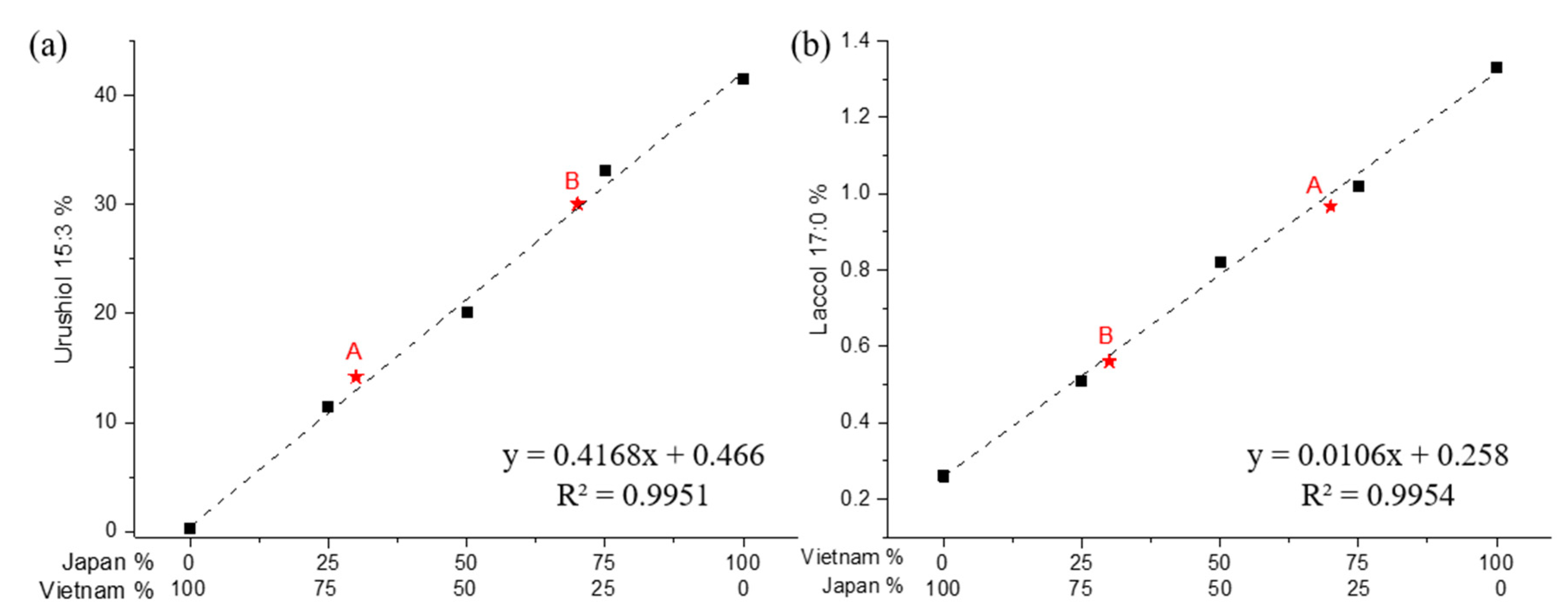
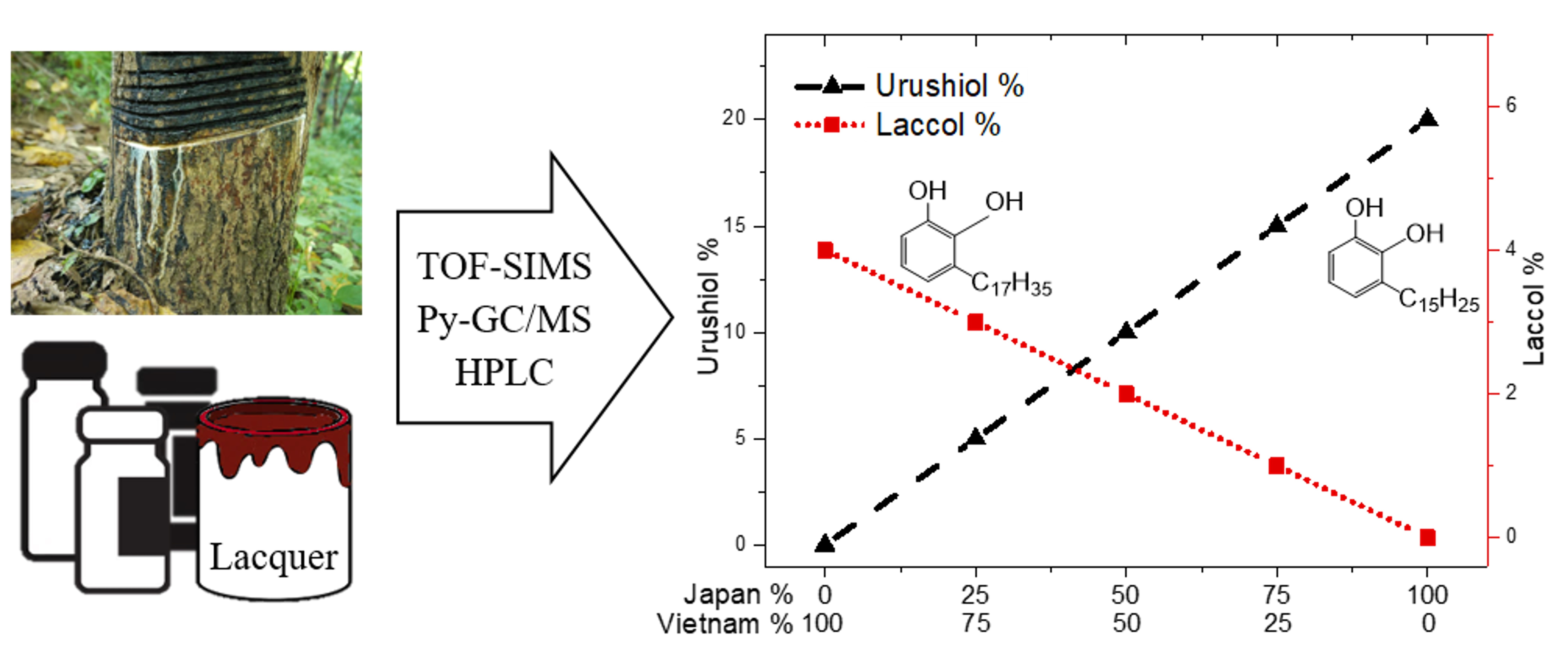
Asian lacquer is a special polymeric material tapped from lacquer trees. The tree’s sap is a complex mixture of compounds, such as catechol lipids, polysaccharides, glycoproteins, enzymes, and water. Researchers have not yet quantitatively analyzed blended lacquers. We evaluated the compositions of Japanese and Vietnamese lacquers, and blends of the two, using time-of-flight secondary ion mass spectrometry (ToF–SIMS), pyrolysis–gas chromatography/mass spectrometry (Py–GC/MS), and high-performance liquid chromatography (HPLC). ToF–SIMS provided quantitative results for blended lacquers; provided structural information on polymeric lacquer films; and indicated the presence of dimers of urushiol–urushiol, urushiol–laccol, and laccol–laccol derivatives. We used Py–GC/MS and HPLC to obtain linear calibration curves. The specific peak intensity was a linear function of the ratio of Japanese to Vietnamese lacquer in the blends. For an unknown mixture, all three techniques gave essentially the same results. These quantitative methods will be useful for improving the physical properties of polymeric lacquer films, and evaluating the lacquer quality in industry and historic conservation.
Keywords: blended lacquer; quantitative analysis; ToF–SIMS; Py–GC/MS; HPLC blended lacquer; quantitative analysis; ToF–SIMS; Py–GC/MS; HPLC
Graphical Abstract