


Abstract
This article addresses a major challenge in circular economy accounting: assessing the social dimension, particularly social ties, which are often immaterial and difficult to capture. It examines a case study of how a local project managing organic waste and unsold goods fosters social ties in a priority urban neighborhood in France, and how these dynamics can be apprehended through an alternative qualitative accounting approach. The study draws on an ethnographic case of the MatOrGa project, combining participant observation, semi-structured interviews, discourse grounded analysis, and actor and flow mapping. Situated within counter-accounting and critical accounting, the research emphasizes social ties that extend beyond purely economic logic, spanning social, ecological, and economic dimensions. The new concept of counter-accounting utterances is introduced to describe empirical accounts that make visible practices, relationships, and social effects often overlooked in conventional accounting and sustainability reporting. The study shows how ethnography can function as a form of counter-accounting, producing qualitative representations of social impact that resist standardization. The findings advance social and sustainability accounting by offering a situated and reflexive approach to assessing the social impact of circular economy initiatives, while also opening the way for context-sensitive non-financial reporting.
1. Introduction
Living sustainably on a planet with limited resources cannot be reduced to technical solutions. It requires a sensitive and artistic approach that into account social, cultural, and ethical dimensions [1,2]. However, the circular economy is still struggling to achieve its ambitions, often driven by inspiring rhetoric but disconnected from concrete results. To move forward, it must go beyond its technocratic focus and include the social and cultural realities of different regions.
The economy, far from being detached from the social, is intrinsically linked to human interactions as well as institutional, political, and cultural contexts [3,4]. This perspective, inspired by Polanyi, emphasizes that economic activities inevitably produce social interactions and power relations that shape the outcomes achieved [5]. However, in the circular economy, the social pillar remains under-documented in favor of technical and quantitative approaches [6,7,8].
Dominant social indicators, such as job creation, reflect a limited and capital-centric vision, obscuring more complex issues such as well-being, justice, and intergenerational equity [4,9]. Such a reduction risks perpetuating inequalities and minimizing the importance of social impacts in circular economy projects. It is necessary to reconsider the circular economy by increasing its scope to more inclusive value chains [10] and integrating qualitative methods [8,11].
This article focuses on the social impact of the MatOrGa project, which manages surplus and food waste in a priority neighborhood—defined in France as a socioeconomically disadvantaged urban area targeted by public policies aimed at reducing social and territorial inequalities—in Nantes. By analyzing this project, it aims to address the gap in evaluating the social dimensions of the circular economy. It suggests an ethno-qualitative methodology within a counter-accounting framework, conceived as a form of “circular economy accounting” [8], enabling the assessment and visibility of the socio-immaterial impacts generated by such initiatives. Counter-accounting, in this context, refers to alternative representations of an organization’s activities, impacts, and performance produced outside formal reporting mechanisms to challenge, complement, or verify dominant accounts. These representations are often developed by external actors (activists, NGOs, civil society groups, or researchers) with the aim of highlighting social, environmental, or ethical issues that are marginalized or obscured in traditional reporting frameworks [12,13]. By situating the MatOrGa project within this counter-accounting perspective, the study seeks to make visible the social ties and relational dynamics that are otherwise overlooked in conventional assessments of circular economic initiatives.
The research question addressed here is: How does the local organic waste management project contribute to the creation and development of social ties in a priority neighborhood, and how can these dynamics be measured through alternative qualitative accounting as part of a counter-accounting framework?
It is important to note from the beginning that there is no such thing as “qualitative accounting” as a field in the literature. It is also this gap that this research highlights and aims to address. Counter-accounting and critical accounting does not therefore provide a ready-made framework but opens up a theoretical problem and interpretative framework for this study.
This critical accounting research has also revealed the structural limitations of mainstream accounting systems, particularly their inability to capture the social, relational, and intangible dimensions of collective action. This work legitimizes the idea that certain realities, such as the “creation of social ties”, cannot easily measured or expressed to indicators or into monetary equivalents.
The article is structured as follows: a first section on the conceptual framework, followed by methodology, results, and then the discussion, which highlights the methodological and theoretical contributions, and managerial insights.
2. Context and Conceptual Frameworks
In this section, the conceptual frameworks of this study are structured around the social circular economy applied to the food system within the Nantes context. I present and analyze this case study, MatOrga, considering the literature on community composting and food waste in urban settings, from a circular economy perspective. I then examine the current state of social ties from a socio-environmental standpoint, before introducing literature on counter-accounting, considered as a form of emancipatory accounting with transformative potential. Among the objectives of this article is the proposal of a methodology capable of capturing the social impacts of the circular economy. It is therefore natural to draw on socio-environmental accounting literature, especially dialogic accounting and counter accounts, which open new paths to extend accounting beyond traditional formats—often centered on the expectations and relationships between the organization and its usual stakeholders. This review will also help to better delineate the limitations of current methods in accounting for the incommensurable.
2.1. The Social Circular Economy of Food in Nantes: The Case of MatOrga
A social circular economy of food has emerged in the priority neighborhoods (the most socioeconomically disadvantaged urban areas) of Nantes, striving for equitable access to food and local control over the food system. This model has developed in response to a global context marked by the environmental, economic, and social impacts of food waste, with nearly half of all vegetables grown are lost before reaching consumers [14].
Urban food waste—linked to households, restaurants, businesses, and markets—calls for social circular economy models [15,16]. These models can eliminate waste while simultaneously generating social and economic opportunities [17]. Losses are often caused by improper storage or impulsive purchasing, affecting both retailers and consumers. It is in this logic that MatOrGa project was launched, with the aim of promoting and organizing the sustainable management of organic matter—including both edible and inedible food—in the Nantes metropolitan area.
MatOrga is an association that is setting up a local composting system in a priority neighborhood with the support of Nantes Métropole’s waste management department. This initiative is the result of cooperation between various stakeholders in the sector, including anti-waste organizations, food redistribution organizations, community composting organizations, and local authorities. The project also benefits from the support of the National Agency for Urban Renewal, thus forming part of an urban renewal initiative. An initial trial began in December 2020 at the food market and in a priority neighborhood, enabling the recovery of nearly 3 tons of unsold food and bio-waste each week, now referred to as bio-resources by MatOrga. The modeling of this multi-stakeholder collective’s offerings includes several areas: community composting [18], an anti-waste approach, and a well-being approach [10].
Community composting is “the idea that organic materials are processed as close as possible to where they are generated in order to capture the benefits of both the process and the finished product for the community” [19]. Community composting organizations operate at various scales, using both simple and complex technologies. They adopt different business models, such as non-profit and for-profit organizations. These organizations often collaborate with community gardens, urban farms, local associations, as well as industrial composting facilities.
In MatOrGa’s case, community composting—referred to as local shared composting—was implemented to make use of food waste from neighborhood residents. According to this territorial proximity approach, residents voluntarily deposit their organic waste in compost bins located at the foot of their buildings. The composting process transforms this organic waste into compost. The compost produced on site is reintegrated into the neighborhood gardens and an urban farm created for the benefit of the community. This approach aims to reduce the need for purchasing potting soil and fertilizers by improving the quality of local soils.
Residents voluntarily come in shared spaces to participate in gardening and planting workshops for vegetables and trees, led by local employees in professional reintegration programs and volunteers of MatOrGa. These activities aim to promote social cohesion, environmental education, and the professional integration of local people. MatOrGa also repurposed several ground-floor premises in the neighborhood’s apartment buildings—previously closed due to delinquent behavior—to cultivate oyster mushrooms. The aim, through composting and urban agriculture, is to contribute to the revitalization of urban spaces, as shown in the photos below (Figure 1 and Figure 2), which I took during my active participation in the field.
Figure 1.
Community garden and vegetable plot installed at the foot of the apartment buildings. (Source: the author).
Figure 2.
Oyster mushroom production in the neighborhood (Source: the author).
It is true, from an economic perspective, the big centralized municipal and commercial facilities offer advantages in terms of efficiency and economies of scale for managing organic waste. However, from the standpoint of a socially oriented circular economy anchored in local proximity, the benefits of these centralized systems can seem abstracted from the daily reality of residents. This perception persists even when the compost produced is redistributed locally, since the transformation process often remains invisible to the community. The direct link between residents and the composting process is often lost, which can reduce community engagement—specifically, residents’ involvement—awareness of environmental issues [18]. Moreover, these systems are highly dependent on existing linear infrastructures for urban waste management, especially truck fleets and waste transfer and treatment facilities. This dependence leads to additional environmental costs, such as greenhouse gas emissions related to the transportation of waste. Consequently, these systems can create environmentally, socially, and territorially unjust burdens, disproportionately affecting communities located near large treatment plants, who suffer nuisances such as smells and increased traffic.
MatOrGa’s second area of action focuses on reducing food waste. This approach is in line with recent thinking on food surpluses [20]. MatOrGa adopts a hierarchy of preferred solutions that can be summarized in three main blocks: (1) Prevention: This step aims to reduce surpluses at the source, thereby minimizing the amount of food waste produced. (2) Recovery: When surpluses are unavoidable, the goal is to reuse them for human consumption, for example through redistribution to people in need. (3) Recycling: As a last resort, non-consumable food waste is recycled, whether for animal feed, energy production, or composting.
In other words, MatOrGa implements a strategy aimed at reducing food waste that begins at the local market. Volunteers and local employees in professional integration programs collect unsold vegetables and fruit from merchants at the end of the day. After careful sorting, they separate food that is still edible from food that is no longer edible. The edible food is redistributed to people in need at the same market (Figure 3) as part of urban food sharing. The fruit and vegetables remain after redistribution are reused in the cooking workshop. This workshop allows residents, women, men, and children to participate and discover simple and quick recipes for eating better in a fun and friendly way. Culinary experimentation thus encourages good use of what is available.
Figure 3.
Stand for the redistribution of comestible food at the market. Source: the author.
Inedible food from the market, which takes on the status of biowaste—or bioresources according to MatOrGa’s terminology—is valorized by being reintegrated into production cycles. This valorization is notably connected with local industrial composting [21]. Specifically, the composting facility, which is part of the MatOrGa collective, collects this biowaste for processing. This process involves biowaste producers (in this case, the market sellers) and local users (farmers from Nantes), who benefit from this organic input for their crops.
Finally, the well-being approach supports and complements the first two axes of MatOrGa. Usually, bioresource management has been dominated by a focus on technical solutions, environmental benchmarks, and economic benefits. However, MatOrGa extends this perspective by also considering the emotional, ethical, and human commitments related to food waste [22,23]. This approach recognizes the importance of emotional and relational aspects in waste management, such as the feelings of responsibility and community connection that individuals experience when participating in these eco-initiatives. It also incorporates ethical considerations, including the belief that food waste is morally wrong and that everyone has a responsibility towards society and the environment. MatOrGa places importance on the complex issues of social practices and values, particularly how these intersect with notions of care within, by, and for communities [24]. This approach lifts the question of whether the concept of the circular economy can serve as a catalyst for socially inclusive and environmentally respectful urban transitions.
While MatOrGa’s business model reflects the principles of the social circular economy, some limitations become apparent when examining it critically. The combination of several areas of action—local composting, waste reduction, well-being, and social tie—can create tensions in terms of governance and prioritization of objectives. Dependence on volunteers can introduce fragility in terms of the longevity and scalability of actions. Furthermore, the coexistence of multiple objectives highlights the complexity of assessing all impacts, whether material or social. These factors show that analyzing practices and social ties within the project is essential to understanding its real effects and designing alternative evaluation mechanisms.
2.2. Considering Social Ties in Food Waste and Biowaste Management
Considering the social dimension of the circular economy pushes us to look beyond a purely isolated view of the economy. Unlike traditional approaches, this study places social issues at the heart of circular practices, considering them through four areas: economic, ecological, political, and cultural [4]. The aim is to stop marginalizing the social dimension and instead integrate it as an essential component of sustainability challenges.
In this context, it is important to clarify first the definition of social ties, given the diversity of concepts such as solidarity and social cohesion. Social ties and social cohesion are two interconnected but distinct concepts. Social ties, analyzed at a microsocial level, refer to the relationships and interactions between individuals, influencing cooperation and access to knowledge in various contexts (ecological, economic, cultural). At a macrosocial level, social cohesion reflects solidarity and a sense of belonging within society, promoting positive relationships and shared values among members of a community [25,26].
Social cohesion, defined by the Council of Europe as “the ability of a society to ensure the well-being of all its members, reduce inequalities, and avoid polarization,” is based on access to fundamental rights and active democratic participation. The OECD supports this vision by emphasizing the importance of combating exclusion and marginalization to promote a sense of belonging and provide opportunities for social advancement. Since the 1990s, the concept of social cohesion has replaced that of “solidarity” in France, including issues such as equal opportunities, citizenship, and the fight against discrimination [26,27]. However, social cohesion is being challenged by phenomena such as deinstitutionalization, increased mobility, and the rise of individualism, especially in urban areas [28]. These dynamics fuel processes of disaffiliation, where individuals become disconnected from traditional social structures like family, unions, or associations [29]. This phenomenon reflects a recompositing of identities, where social ties—whether strong or weak—become levers to create new forms of connection within the social structure.
Social cohesion is also rooted in sustainable development practices, as illustrated by the “Agenda 21” initiatives. These promote territorial governance that links local development, environmental preservation, and the strengthening of social cohesion [30]. For instance, the General Commission for Sustainable Development encourages the involvement of residents in projects aimed at breaking down silos between different sectors of local development [25]. Although social cohesion and social ties are interdependent, they operate at distinct levels: while social cohesion reflects collective solidarity at the macro-social scale, social ties are expressed through individual interactions at the micro-social level. These distinctions help to better understand how to strengthen social coexistence (le vivre-ensemble) in a context where ecological and economic challenges intersect with relational dynamics (Figure 4).
Figure 4.
Conceptual Positioning of Social Ties. Source: compiled by the author.
The concept of social ties is central to this research. It involves a distinction between singular “social tie” and plural “social ties”, depending on the conceptual constructs used. Serge Paugam, drawing inspiration from the work of Durkheim and Bourgeois, among others, proposes a typology that provides a structuring theoretical framework—and, one might say, one of the only truly developed to date.
Émile Durkheim distinguishes two forms of solidarity: mechanical solidarity, characteristic of traditional societies, which is based on homogeneity and shared beliefs, and organic solidarity, typical of modern societies, which relies on the division of labor and interdependence [31,32].
Paugam synthesizes these ideas through two fundamental principles: recognition—the feeling of social usefulness—and protection, which ensures support in the face of life’s uncertainties [27]. These two dimensions are central to social ties, particularly in modern societies. Hence, he identifies four types of social ties: (1) the filiation’s tie, rooted in family and intergenerational solidarity; (2) the elective participation tie, based on chosen relationships such as friendships or associations; (3) the organic participation tie, linked to the professional sphere, providing contractual protection and recognition through work; and (4) the citizenship tie, grounded in national belonging and legal rights. These ties, complementary and interdependent, constitute the social fabric of contemporary societies according to Paugam. His work on the types of social ties—and on the underlying principles of recognition and protection—offers an interesting conceptual foundation for questioning what it truly means to “create ties” (faire lien) in concrete transition initiatives.
In circular economy projects with a social focus, such as the one analyzed here, these forms of social ties may emerge as real and meaningful impacts, yet they are often underestimated. It is precisely this gap between the social significance of these relationships and their weak presence in evaluation tools that motivates a turn to another body of literature: that of critical accounting. This field offers conceptual tools—such as counter-accounting and emancipatory accounting—that enable us to rethink the “measurement” of the social. Rather than relying on predefined categories and standardized metrics [33], these approaches aim to account for situated, relational, and sometimes incommensurable forms of value. The following subsection engages with this shift in perspective.
2.3. The Social Beyond Numbers: Counter-Accounting and Critical Reframings
Dominant forms of accounting, including those labeled as social and environmental accounting, largely rely on quantitative, standardized logics centered on the expectations of institutional or economic actors [34,35]. While they aim to account for social or ecological externalities, they still struggle to capture the richness of social, relational, and territorial dynamics—particularly within locally embedded initiatives such as those driven by the social circular economy [9]. In these contexts, accounting does not just reflect reality: it actively constructs it, by contributing to the definition of what can be seen, assessed, compared, and thus valued. In this sense, accounting can plays a performative role [36,37], which—within an environment shaped by neoliberal hegemony—tends to privilege economic and managerial dimensions [9,38], often at the expense of other forms of value: informal, affective, relational, or situated.
Critical scholarship in social and environmental accounting [8,39] has underscored the limitations of dominant evaluation frameworks when addressing the incommensurable—that is, phenomena that resist arithmetical formalization. A key issue is quantitative reductionism: widely used tools such as GRI standards, ESG indicators, or SROI models convert complex social, environmental, and territorial realities into aggregated, standardized metrics. This process not only makes the understanding of actual social dynamics poor but also marginalizes aspects that cannot be easily quantified. Moreover, these frameworks create an illusion of objectivity: by presenting themselves as neutral measures, they obscure the political and normative choices embedded in the determination of what is considered relevant or valuable [40,41]. For instance, evaluating a sustainable initiative only in terms of the “number of jobs created” reveals nothing about the quality of social relationships generated, nor the socio-environmental transformative potential of these jobs within a local context. Recent research on ESG scores further demonstrates that such indicators fail to capture critical dimensions of sustainable development, including temporality, system interconnections, and context-sensitive resource management [41].
Behind their apparent technical precision, these tools tend to produce impoverished—or even misleading—representations of complex social and ecological realities, contributing to forms of depoliticized legitimization at the expense of a situated understanding of local issues. Such accounting practices generate what some authors describe as “disclosure spectacles” [42,43], which neutralize underlying conflicts and political stakes [44]. Furthermore, the rigidity of reporting frameworks and their low sensitivity to local contexts constitute another major limitation [9,45]. Designed in a decontextualized manner, these tools struggle to capture nuanced social dynamics, territorial narratives, tensions, or local histories, thus making them invisible. These forms of value, while essential in the proximity-driven logic of the social circular economy, remain largely excluded from dominant accounting formats [8].
In response to these limitations, critical accounting studies have called for a fundamental reforming of accounting practices to capture pluralism at multiple levels, recognizing the diversity of values, experiences, and social and economic perspectives. Pluralism of values covers non-market and use-values; pluralism of actors allows marginalized or typically excluded groups to help define what should be accounted for; and pluralism of methods combines narratives, testimonies, qualitative indicators, quantitative data, and visual or sensory artifacts to reflect complex, situated realities.
A critical current in accounting has thus developed around the notion of counter-accounting [12,13,46]. This concept refers to practices of producing alternative accounts, carried out by actors who are typically marginal to official accounting production channels (citizens, activist collectives, community organizations, etc.), and who aim to make visible what traditional accounting systems ignore. These practices draw on narratives, numbers, testimonies, as well as visual and sensory devices, in order to reintroduce absent voices into dominant discourses [47,48].
Counter-accounting combines two complementary dimensions. On the one hand, as a form of contestation, it challenges established frameworks, questions what is counted, for whom, and with what effects, and expands the boundaries of what can be said—that is, what can be expressed, narrated, or made visible in discourse—and assessed. On the other hand, as a constructive practice, it offers a critical reframing of accounting categories, highlights non-monetary forms of value, and encourages reflexive, narrative, and situated methods. Through this dual movement, counter-accounting becomes a lever for pluralism and emancipation, allowing groups that are typically excluded to reclaim the ways in which they are represented [49].
My intention here is not to denigrate these dominant methods, but to highlight their limitations and emphasize that they overlook certain dimensions that are nevertheless important to consider. It is also important to remain mindful of the risk of shifting toward a strictly positivist approach to accounting. Counter-accounting thus paves the way for experimentation with alternative forms of accounting. This study takes this perspective by using a qualitative and ethnographic approach that is attentive to the pluralism of forms of value generated by a circular economic project, particularly its social impact. I explore a form of counter-accounting adapted to a context where the challenge is not so much to “count the impact” as to assess and highlight social effects, practices, and local transformations that cannot be assessed using standard indicators.
3. Methodology
This study relies on a mixed ethnographic approach combining participant observation, mapping of actors and flows, semi-structured interviews, and discourse analysis with members, volunteers, and employees of the MatOrGa collective in the priority neighborhood (Figure 5). Ethnography here is not only a method of data collection but an intrinsically theoretical practice, understood as a form of counter-accounting. Each method contributes to implementing this counter-accounting perspective: observations document situated practices, interviews capture actors’ experiences, discourse analysis uncovers hidden narratives, and mapping translates interactions into analytical representations. Together, they enable the study to make visible social dynamics, relationships, and socio-immaterial impacts.
Figure 5.
Overview of qualitative methods in four steps. (Source: compiled by the author).
Ethnography “accounts for” these social experiences by analyzing them and making them intelligible. Although it is not accounting in the traditional financial sense, ethnography fulfills a function of social accounting [50,51]. It documents and reveals realities and dynamics that are often hidden, ineffable, or difficult to formalize through other means. Thus, it provides a unique method for grasping and reporting on the subtle and complex aspects of social life.
As highlighted in the conceptual framework, notions such as debt, obligation, and accountability belong to a semantic field that directly resonates with the vocabulary of accounting. This suggests that social concepts—whether material or symbolic debts, moral or social obligations, or the imperative to render accounts by disclosing the impact of one’s actions or decisions, can be successfully described using accounting metaphors. For instance, in social interactions, there are often “debts” (not necessarily financial) that must be “repaid” or “balanced” through specific actions or behaviors [52]. Such examples illustrate how social relations and interactions are structured by dynamics analogous to those of accounting, involving exchanges, obligations, and even a form of balance sheet. In line with this, Stefan Hirschauer’s methodological reflections particularly emphasize how ethnography can address the “silence of the social” and break the silence surrounding a wide array of social practices.
As a reminder, the objective is twofold, necessarily involving both a social and an accounting dimension: (1) to assess and analyze how a local organic waste management project contributes to the creation and development of social ties within a priority neighborhood, highlighting the impacts it generates. (2) to explore how these social dynamics can be understood and interpreted through a qualitative and ethnographic approach, thus constituting an alternative form of accounting within a counter-accounting framework. This approach thus promotes interdisciplinary dialogue, allowing us to move beyond the insularity of traditional accounting discourse and the technical nature of circularity indicators, while promoting an alternative vision that integrates knowledge from social research.
3.1. Participant Observation—Phase 1
Notes and photographs were taken throughout the participant observation phase. I actively participated as a volunteer alongside employees and other volunteers in various field activities: collecting unsold food donations from sellers during the bi-weekly food markets; taking part in the weighing of recovered food and its redistribution for solidarity purposes; participating in cooking workshops aimed at transforming the remaining products; and engaging in activities at the urban farm, including assisting in awareness and training sessions on compost use, taking part in gardening workshops involving the cultivation of young finger lime plants, and harvesting oyster mushrooms.
An observation guide was developed to address two main objectives. The first was familiarization with the research field. Since I had no prior knowledge of MatOrGa’s organization and activities, the initial aim was therefore to become familiar with the environment and to gain a detailed, first-hand understanding of how the organization operates. The second objective, more closely related to the research questions and of a more inductive nature, was to identify potential areas of impact on social ties and to directly observe the circumstances in which these ties may develop. This active immersion enabled me to observe and gain an in-depth understanding of the various facets of the project—from the recovery of unsold food to its valorization through diverse urban agricultural and culinary activities—while simultaneously interacting with and observing employees, volunteers, and residents involved.
After participating in all field activities during phase 1, I decided to end participant observation for two main reasons. First, I had reached a point of saturation: the data collected no longer revealed any new or interesting information, and the observations were beginning to repeat themselves. Second, to avoid the risk of becoming too familiar with the field and the stakeholders, which could have compromised my scientific “situated objectivity” [53]. Prolonged immersion can indeed alter the behavior of stakeholders and, therefore, the social dynamics observed. Knowing that I initially introduced myself as a PhD student working on circular economy projects, without explaining the research questions related to social ties, the aim was to avoid influencing the opinions and experiences of the stakeholders we planned to interview later.
3.2. Modeling and Mapping of Flows and Actors—Phase 2
After the field observation phase, a desk-based analysis became necessary, consisting of a careful review and in-depth analysis of the notes taken. The first observation was the multiplicity of physical flows, information flows, and actors involved in this field of study. This finding led me to rework the Phase 1 data to develop a modeling of flows and actors (Figure 6).
Figure 6.
Modelling flows and actors. (Source: compiled by the author).
This modelling had several objectives [54]. First, it aimed to visualize the complexity of interactions and make the dynamics at issue clear, by identifying the nature and direction of flows as well as the ways actors interact with each other and their environment. Second, it allowed for the identification of key stakeholders and the clarification of their roles, a necessary step for analyzing MatOrGa’s practices, the actions undertaken, and the relationships between different actors. Based on this, it was possible to define the analysis perimeter for social impact, by identifying the points or areas of probable influence on social ties, using the data from Phase 1. Finally, this process guided the preparation of interviews by highlighting the key individuals to be targeted in Phase 3.
The modeling of flows and actors developed (Figure 6) focuses mainly on the “process of MatOrGa’s activities in the food market and within the neighborhood”. It highlights activities related to the management of surplus food and their impact on local life. While these dynamics occur within a broader territorial framework of public policies on waste sorting and valorization, the analysis presented here emphasizes the neighborhood scale and the social relationships that develop there.
The guiding thread of the mapping is based on the journey of organic matter, from the origin of surplus food to its valorization. Market retailers are the initial producers of these surpluses. They carry out a sorting process that distinguishes edible from non-edible products. Non-edible surplus items are placed in large bins designated for this purpose and are then collected in the late afternoon by Compost Prof Nantes, one of the founders of MatOrGa. These biowastes are then transported outside the neighborhood to be processed and transformed into compost for local professionals, such as farmers. Edible surplus, on the other hand, is collected by employees and volunteers present at the market, who carry out systematic weighing. A portion of these products is then selected to prepare the ingredients used in culinary workshops.
After these steps, the solidarity redistribution operations begin. Any unsold consumables still available at the end of this redistribution are transferred to the culinary workshop to be processed. This workshop, located in a neighborhood facility, is managed by a long-standing association whose mission is to support people who are distant from the job market through activities involving the reuse of large items and urban agriculture. This association, which is also a co-founder of MatOrGa, benefits from the support of a social landlord who provides the land necessary for the development of infrastructure for the organic waste management sector.
The culinary workshop is led by an employee in a social insertion program, supported by a few volunteers and local residents. Designed to be participatory, it fosters both collective learning and solidarity-based redistribution: everything prepared in the workshop is shared among participants and, more broadly, with other people in need.
Beyond the market–neighborhood area, other activities also take place within the neighborhood, independently of the food market (Figure 6 -purple box). These include shared gardens located at the foot of residential buildings, as well as the urban farm, which valorizes compost produced through residents’ community composting. The farm also hosts awareness-raising and training sessions on compost use, gardening and vegetable cultivation workshops, and a small-scale poultry raising activity.
Examining this graphical representation highlights disparities between the different areas, which led to the need to define an assessment scope. This scope corresponds to the spatial extent within which the effects of a socio-circular solution can be observed and measured [8]. In this case, we selected the assessment scope related to social ties (red box and green shapes of Figure 6).
The scope of the social connection assessment consists of two distinct areas: A and B. In area A, I identified locations where social effects can be observed, as well as strategic points for guiding interviews, represented by stars. These range from “retailers” to “distribution of manufactured products.” However, conducting interviews with retailers required municipal authorization. Despite an official request submitted by the director of MatOrGa and several follow-ups, no response was received. As a result, these interviews had to be excluded, as indicated by the dashed separation line drawn on Figure 6. Zone B corresponds to the shared gardens and the urban farm, two spaces particularly relevant to our study as they serve as key sites for collective experimentation and the creation of social ties.
The entire mapping exercise was presented and discussed with the main contact, the director of MatOrGa, during interim meetings. This iterative process enabled us to make successive adjustments and identify the key actors associated with the social impact points, to ask them for interviews.
3.3. Semi-Structured Interviews—Step 3
Semi-structured interviews were conducted with 13 respondents (Table 1). Participants were selected using a non-probability judgment sampling method based on the researcher’s experience and knowledge gained during participant observation in the field, rather than a random method [55].
Table 1.
Respondents in step 3 (Real names have been changed.).
Initially, a list of 16 potential interviewees was drawn up. The profiles sought were listed according to their type of job within the structure and their status. These criteria were chosen to vary the characteristics likely to influence the phenomenon being studied. The interview guide was structured around three main themes: (1) reasons for attending or working within the MatOrGa collective, (2) changes in the relationship with the organization and those around them, (3) experiences and circumstances. For each theme, sub-questions were provided as a precaution, to refocus the discussion if it strayed off topic or to obtain further details if necessary.
I opted for a semi-structured interview guide with a progressive focus in order to avoid inducing responses on social ties, a theme with strong symbolic impact that could generate social desirability bias [56], i.e., that participants might be tempted to give answers perceived as socially acceptable rather than expressing their real opinions. The interviews lasted an average of 50.5 min ([min. 16 min; max. 85 min]) in person, except for the one with Veola.
3.4. Data Analysis—Step 4
The interviews recorded in audio format were transcribed and revised. They were then subjected to iterative coding.
To code the discursive materials collected, I followed three coding phases inspired by Grounded Theory [57,58]: open coding to identify all the ideas, events, and actions present in the data; axial coding to link categories together and identify causal or contextual relationships; and finally, selective coding to conceptually construct integrated knowledge and interpretations from the identified relationships. During this stage, I used salient labels such as: “Hardware creators of social ties,” “Software creators of social ties,” “False creators of social ties,” “Emerging types of social ties,” etc. To complement the interpretation, I triangulated these discursive data with the field observations, which provided additional examples illustrating the creation and development of social ties.
The results presented below are the product of this methodological approach, which was implemented over several successive phases from 2022 to 2024: participant observation, modeling of flows and actors, semi-structured interviews, and grounded analysis of discursive data. This choice was made to avoid the risk of reducing the study gap to a single data source, particularly interviews, which would have risked oversimplifying the complexity of the social dynamics observed. By combining these methods [8], we were able to develop a qualitative approach that, in many ways, resembles a form of counter-accounting: it is not limited to measuring or “counting” social impact, but seeks to make it intelligible in all its richness and plurality.
4. Results
The results presented below constitute situated empirical accounts, understood as forms of accounting for, making visible practices and social dynamics within a given territory and aimed at assessing the social impact of the MatOrGa project. These results are not raw data but have been empirically processed through a grounded analysis of the qualitative data collected. Without anticipating their theoretical interpretation, developed in the Discussion section, they can also be understood as “counter-accounting utterances”, reflecting alternative representations of social and relational impacts.
The results are structured in four parts. The first part, “Diagnosis of Social Tie Creators,” identifies “False Creators” and “Effective Creators” of social ties (Figure 7). The second part reveals the outputs of the MatOrGa project, and the benefits generated, followed by the third part, which presents an “Emerging Typology of Social Ties Created or in Process of Formation” (Figure 8). Finally, the fourth part presents a “Social Balance Sheet of the factors that stimulate or fragilize social ties” (Figure 9).
Figure 7.
The Real and False Creators of Social Ties. (Source: compiled by the author).
Figure 8.
Effects and emerging typology of social ties in the territorial approach to organic waste management. (Source: compiled by the author).
Figure 9.
Stimulators and Fragilizers of Social Ties Development (Source: compiled by the author).
4.1. Diagnosis of Social Tie Creators
The observation and data analysis reveal a dominant narrative (e.g., Verbatim1) asserting that shared composters and collection, selection, and redistribution operations enhance social ties in the neighborhood. Community composting systems certainly provide an effective solution for diverting large quantities of organic matter, complementing existing waste management programs. Moreover, local treatment of organic waste, such as community composting, reduces management costs and greenhouse gas emissions [59]. However, although these practices offer significant environmental benefits, waste management—whether through composting or collection near bins—does not spontaneously generate real social ties.
“Shared composting at the bottom of the building, or just in the neighborhood, has tons of benefits—environmentally but also socially. Like, it really cuts down on waste because it keeps a big part of the organic stuff out of the bin… and the compost you get is amazing for the soil. It’s totally natural, it feeds the earth, it helps it hold water better… Another big thing is that it raises people’s awareness about the environment, and honestly, it’s also a great way to bring people together. It gets neighbors involved in the same project. So, it helps people talk to each other, meet up, and it really builds this sense of community.” Verbatim 1—Mélanie, Director of the community composting initiative for residents (translated from French).
Despite the expectations of some stakeholders, interactions around compost bins or waste bins remain superficial and do not lead to real social ties. These spaces function more as places of passage, where local residents drop off their organic waste in a few moments, without any significant interaction. In the same way, food redistribution at the weekly market, while essential for reducing waste and providing environmental benefits, doesn’t necessarily encourage social ties when interactions remain impersonal. The recovery of organic matter is an essentially technical process that does not facilitate interaction and does not promote the development of ties in the community. These elements can therefore be described as “false creators of social ties”: they produce positive environmental effects, but do not automatically generate meaningful social interactions.
On the other hand, the social ties associated with shared community composting activities and the recovery of unsold food can develop gradually and become more explicit depending on where and how the compost produced is used and promoted. More specifically, two types of “effective creators of social ties” have been identified: “hardware creators” and “software creators.”
The “hardware creators” refer to the physical infrastructures and material elements. Among them, the urban gardens located at the foot of the buildings provide residents with a pleasant and convivial space. By using the compost produced, these gardens become suitable meeting places. Their aesthetic and functional design encourages many residents to leave their homes. Other shared spaces, dedicated to collective meals and cooking workshops, help foster intercultural exchanges and highlight the value of recovered food. The urban farm is an educational space focused on the environment. It serves as a platform for learning and awareness, offering residents opportunities to acquire knowledge about sustainability and resource management. These infrastructures, which we describe as pedagogical places, encourage interactions among residents around sustainable practices.
The “software creators” refer to the knowledge, skills, and intangible elements associated with the actions and infrastructures in place. They include shared meals, cultural exchanges, and practical training sessions (such as collective gardening and anti-waste cooking). These initiatives, such as neighborhood festivals or open days, go beyond conviviality: they foster intercultural understanding, raise awareness of socio-environmental issues, and encourage civic engagement. The transmission of practical skills, particularly in food resource management, helps reduce waste by creating bonds among participants through the sharing of experiences and knowledge (e.g., Verbatim 2).
“The garden quickly created something. It sparked real enthusiasm, even among people who, at first, didn’t want to take part or were just watching from a distance. They saw people getting together outside, having drinks, sharing meals. I was there every Wednesday. We’d set up a big table with things to eat and drink, and it was a friendly moment in a nice setting. So, when people saw that from their windows, when they were a bit bored at home, they thought: Why not me? I’m bored… and what I’m seeing looks nice.’ So, people just came on their own.” Verbatim 2—Samad, Trainer and Urban Agriculture Coordinator (translated from French).
The combination of material and immaterial elements thus creates an environment conducive to the emergence of new practices. It serves as a pretext—as a framework or context conducive to interactions between people and their environment, as well as between individuals themselves—for structuring circularity around community composting, which offers an opportunity to rethink their relationship with waste. Through immersion, this approach invites alternative ways of understanding and coexisting with organic matter, rather than simply seeking to eliminate it. At the same time, it potentially contributes to the creation and development of social ties. In this context, a key question arises: what are the actual outcomes of MatOrGa’s actions in this neighborhood?
4.2. The Outcomes of MatOrGa Project
I examine how the various actions implemented in the territory can produce positive economic, environmental, and especially social transformations (Figure 8).
Let’s start with the social benefits. The initiative helps improve residents’ living conditions by creating a more friendly and supportive atmosphere (e.g., Verbatim 3). Despite their cultural differences, residents develop a sense of familiarity and mutual solidarity. In addition, the perception of the social landlord is changing: it is evolving from a controlling institution to a supportive partner, favoring a win-win relationship that strengthens residents’ trust and commitment.
“We all had to get used to it. Everyone doesn’t operate the same way… We even saw some people, especially when they noticed that others had big families, who didn’t hesitate to share the vegetables they had taken. Very quickly, a spirit of solidarity developed. It was nice to see.” Verbatim 3—Salomé, Integration Worker in charge of collection, sorting, distribution, cooking workshop, and urban farm (translated from French).
The initiative contributes to a more peaceful atmosphere in the neighborhood, improving relations between residents and the working conditions of the social landlord’s proximity employees. By offering residents spaces to express themselves and share their opinions and needs, it encourages their active participation and ownership of local projects, such as redistribution operations, cooking workshops, and urban agriculture. In addition, the initiative supports local employment by providing people who are distant from the job market with a regular income, a home, and a stable living environment. Acquiring new skills allows these employees in integration programs to plan their careers and set concrete goals for their future.
The initiative has several environmental benefits. It has improved the urban environment by limiting damage and vandalism through collective ownership of common spaces. It has raised residents’ awareness of environmental issues, encouraging more responsible behavior. The redistribution of unsold items has reduced waste, while composting and urban gardening have limited organic waste. Finally, the promotion of short supply chains encourages local and sustainable consumption, with a view to reducing the neighborhoods’ ecological footprint.
The economic benefits include improving the social landlord’s brand image, which is a strategic advantage over competitors and makes it more attractive for partnerships and financing (e.g., Verbatim 4). This enhancement facilitates the marketing of housing and helps reduce rental vacancies, as highlighted by the Director of Social, Urban & Safety Development. An improved living environment limits damage and reduces maintenance costs. In addition, optimized waste management has led to savings. These initiatives also support the local economy by creating integration jobs and promoting circular and solidarity-based activities.
“It’s a win-win relationship. For us, because we have a nicer living environment, which makes it easier to rent our housing. For a social landlord, one of the key issues is that all the units are rented. Vacancies mean lost income. So, the benefit is clear.” Verbatim 4—Issam, Head of Social and Urban Development & Community Safety (translated from French).
At this stage, these results highlight a socio-environmental dynamism, reflected in the evolution of infrastructure, programs, skills, and interactions, as well as in the impacts generated by the initiative to manage unsold food and food waste. The initiative creates a virtuous circle in which social, environmental, and economic benefits work together synergistically. We can deduce that this favorable/enjoyable context leads to the emergence of a specific type of social tie.
4.3. Emerging Typology of Social Ties Created or in Progress
The typology is produced (Figure 8), as a result of data analysis. This section thus addresses the part of the problematic relating to the creation and development of social ties, specifying which ones emerge in the neighborhood. The analysis, which was initially inductive, became abductive at this stage. These ties are not exclusive, as interactions evolve with the anchoring and development of the MatOrga project in the territory, and the same individual may experience different types of ties depending on the context. Based on the social dynamism observed, I categorized and named these ties by consolidating the results of phase 1 (Diagnosis of Social Tie Creators) and phase 2 (environmental, social, and economic benefits).
The Professional (organic) Participation tie has been identified as a first tie, is developing through the integration of local employees in the unsold and food waste management activities. This tie is based on two main variables: forms of protection and recognition [27]. Forms of protection translate into economic security for these neighborhood residents through stable jobs, improving their integration pathways by offering both financial and social protection. At the same time, contractualization ensures legal and institutional security, providing a good framework for their development. Forms of recognition, on the other hand, manifest themselves through the valorization of the work accomplished, reinforcing the employees’ self-esteem. They are also expressed through the association’s impact on their families and friends, providing a sense of belonging and reducing social exclusion. This process also helps to mitigate the feeling of abandonment by the government among the residents interviewed (e.g., Verbatim 5).
“[The added value (of the association) is that people feel reassured and realize they are not abandoned. You know the common idea about these neighborhoods is that the State abandons them, for many reasons I’ll go into later]… [People feel reassured, they feel listened to, they are not alone. That’s the purpose of the association.]” Verbatim 5—Khalid, Integration Worker in charge of collection, sorting, distribution, and personal support (translated from French).
The committed eco-citizenship tie is developing through residents’ involvement in organic waste management projects, fostering both collective awareness and a sense of belonging to an eco-responsible community. In other words, this tie emerges from initiatives such as neighborhood gardens and the urban farm, where residents, volunteers, and local employees progressively adopt environmentally respectful practices. Forms of protection extend beyond civil, social, and political rights to encompass the right to a healthy environment. Residents benefit from territorial projects that promote sustainable resource management, thus protecting them from ecological local degradation, while public policies support these local actions by advancing sustainability. Forms of recognition arise from citizens’ active participation: they are no longer like mere receivers but responsible actors contributing to the preservation of their environment (the neighborhood), recognizing their voluntary commitment to sustainable practices. It redefines their sense of belonging to what can be called an eco-responsible community and fosters the emergence of environmental citizenship, articulating individual responsibility and collective action in the face of ecological challenges.
The intergenerational and intercultural ties are built through the sharing of culinary skills and the valorization of organic waste. Cooking workshops and the transformation of unsold food bring together different generations and cultures in a friendly setting, around shared meals and exchanges of traditional recipes during community events. These educational spaces promote the transmission of responsible food practices in a supportive atmosphere. Forms of protection emerge through attention to social, material, and emotional relationships, fostering new sensibilities toward waste. Forms of recognition strengthen participants’ sense of usefulness and belonging by valuing their knowledge and experiences regarding environmental issues. These interactions contribute to creating an inclusive community, where everyone, regardless of age or origin, participates in local sustainability.
Furthermore, other ties emerge, such as the educational tie, developed in awareness-raising workshops, or the institutional tie, in which the relationship between residents and the social housing provider becomes more participatory than control-oriented or supervising.
Finally, it is important to emphasize that the social ties identified are either present or in the process of formation, but they are not definitively acquired. This is because the circumstances in which these social ties develop are not always promising. While the MatOrGa collective strives to create a conducive and supportive environment for implementing its socio-environmental solutions, these efforts are affected by other factors that may weaken or destabilize these ties—either through a lack of protection, a denial of recognition, or both [27].
To further this analysis, the following subsection provides a “Social Balance Sheet of the factors that stimulate or fragilize social ties”. This approach allows us to better understand the dynamics that strengthen or weaken these ties within the context of MatOrGa’s initiatives.
4.4. Social Balance Sheet of Stimulate or Fragilize Social Ties Factors
Discourse analysis highlights the levers available to MatOrGa to promote positive and inclusive socio-environmental dynamics, as well as the “fragilizers” factors that hinder their development. These elements are presented here as a Social Balance Sheet of the factors that strengthen or fragilize social ties within the neighborhood (Figure 9).
Including residents through volunteering brings them closer to the project’s objectives, increasing their understanding of environmental issues and their community engagement. Training and hands-on experience develop residents’ practical skills, boosting their self-confidence and ensuring the sustainability of the actions undertaken. In addition, their active involvement in implementing solutions and participating in decisions encourages them to play a role in preserving the environment. Providing jobs to vulnerable neighborhood residents promotes their social inclusion while increasing community/local stability. Furthermore, developing the interpersonal and communication skills of employees in the field is essential for managing cultural diversity and challenges related to the redistribution of edible food, for example. On the other hand, open communication between residents and their social landlord progressively builds trust, transforming traditional renter-landlord relationships into constructive collaboration. Finally, the collective commitment of teams at all levels ensures the multidimensional implementation of actions aimed at enhancing social cohesion and the management of common spaces.
The “fragilizers” that destabilize local social ties refer to the obstacles encountered both by MatOrGa’s actions and by neighborhood residents. They help explain why initiatives aimed at fostering a peaceful and inclusive local social space are difficult to sustain, particularly in a neighborhood marked by perceived disengagement and marginalization. Among these fragilizers, economic, organizational, political-institutional, and socio-psychological dimensions can be distinguished.
“Economic fragilizers” primarily manifest through the reduction of subsidies allocated to the MatOrGa association, impacting its ongoing activities. This decrease in funding weakens its capacity to expand actions within the neighborhood. This budgetary constraint has several consequences: it limits the recruitment of new participants in insertion programs and shortens the duration of Parcours Emploi Compétences contracts (e.g., Verbatim 6). The consequent staff shortages limit the association’s ability to support the development of socio-environmental solutions and the social ties that result from them, and lead to exhaustion among the understaffed workforce, threatening the continuity and quality of the initiatives carried out.
“I feel that sometimes associations aren’t recognized by the State, especially neighborhood associations… For example, they cut budgets, which meant my contract went from 24 months to fifteen months.” Verbatim 6—Khalid, Integration Worker in charge of collection, sorting, distribution, and personal support (translated from French).
“Organizational fragilizers” mainly manifest through two factors. The first is a lack of training in social mediation and relational communication, skills judged necessary by employees to interact effectively with diverse publics. The second factor concerns the restriction of operational scope imposed by public authorities. Initially, MatOrGa employees were responsible for collecting unsold food from merchants and sorting it into edible and non-edible items. However, the municipality introduced a new procedure aimed at reducing costs relieving MatOrGa of these tasks. Now, merchants themselves execute the sorting and deposit. This reorganization has affected the quality of the recovered unsold food, as merchants, focused on their selling activities, do not perform the sorting adequately.
“Political and institutional fragilizers” are manifested through a sense of abandonment felt by neighborhood residents, who perceive disengagement from the State, placing them in a situation of increasing social exclusion and eroding their trust in public institutions. Added to this is a lack of equity in the distribution of opportunities, particularly in terms of professional integration, generating frustration in the face of inequalities in security, access to resources, and employment. Furthermore, political actions and police interventions, often focused on cracking down on delinquent behavior—as reported by at least five interviewees—are perceived as less effective than initiatives led by local associations. By offering positive solutions such as employment and support, these associations can contribute more to reducing risky behavior. By contrast, police practices stigmatize all residents, including those involved in social projects (at the time of an intervention operation on site), which increases tension and general mistrust (e.g., Verbatim 7). This combination of repression and institutional violence thus weakens social ties.
“(…) The police are important, but here, you hardly ever see them. If you get attacked and call them, they don’t show up. But when the mayor hosts a minister, they send fifteen riot police companies. They hit everyone, including us, and treat everyone the same. The young people, whom I talk to all year about respecting society and the authorities, see me handcuffed for no reason. The next day, they said to me: ‘So, Samad, your speech? Even they don’t respect you.’ That’s when it gets tough. Once again, it’s the political approach that’s just terrible.” Verbatim 7—Samad, Trainer and Urban Agriculture Coordinator (MatOrGa collective) (translated from French).
Finally, “socio-relational fragilizers” refer to structural inequalities and social views that make it hard to build sustainable social ties. Several employees and volunteers’ express frustration about the lack of equal opportunities, because they feel that residents do not have the same chances as others, especially due to stereotypes and negative assumptions about them. These negative views create feelings of being seen as “different” and kept at a distance. In addition, some former integration workers from the association have trouble finding jobs outside the neighborhood once their contract ends. This reinforces the feeling of being confined to their area, creating perceived boundaries between “their” neighborhood and other social environments.
5. Discussion
During the review process and in response to questions from reviewers, it seemed necessary to clarify further how social ties can be linked to accounting concepts. From a counter-accounting perspective, this study aims to provide a qualitative account of social ties and relational dynamics. Social ties are thus approached as an “accounting object” rather than a measurable variable, which means that the analysis is not metric-based. Considering them as an accounting object means recognizing that these ties are subject to accounting work, i.e., they become accountable through the production of counter-accounting utterances and their discussion.
In other words, they are not accountable because they are measured, but because they are made “accountable,” integrated into an analytical system that links social dynamics and accounting practices. The goal here is not to suggest an indicator or a quantitative measure, but to “count/recount” differently. This phase is essential: how could we design indicators or metrics for something whose existence and conditions are unclear?
This clarification opens the way to the discussion of the results presented above, which may be interpreted as forms of “counter-accounting utterances,”—whether the typologies of social ties or the Social Balance Sheet of Stimulate or Fragilize Factors—. Here, utterance refers to a performative discursive unit, drawing on Austin and Searle’s Speech Acts theory and Foucault’s view of statements as shaped by social and institutional conditions.
The concept of counter-accounting utterance is defined as a discursive unit produced by an alternative accounting system. Far from being limited to numbers, it is situated, socially produced, and reveals social dimensions obscured by conventional accounting. Saying “the tie created by the organization is of a ‘committed eco-citizenship’ type” exemplifies a discursive unit with broad performative reach: by precisely naming and qualifying this tie, it institutes it within discursive and organizational space beyond mere constative description. These counter-accounting utterances act as analytical and critical lenses, bridging social phenomena and accounting representations via a constitutive mediating function: they not only reveal obscured social dimensions but actively institute them as legitimate realities within organizational discourse.
Furthermore, the results of this study demonstrate that assessing social ties is not simply a standard technical accounting exercise: it is a social act of utterance, which selects and highlights what truly matters to actors in their daily practices and interactions. In this way, the counter-accounting utterances contribute to redistributing the capacity to disclose what counts, and re-embedding measurement within a political horizon of the common.
5.1. Revealing Real Impact: Social Ties in the Circular Economy
The MatOrGa experiment illustrates an example where social aspects are integrated in a way that supports the achievement of sustainable development [60]. This initiative recognizes the key role of communities in the transition to a circular economy, particularly by including marginalized populations in the experimentation process [61]. It thus reflects an approach towards circular justice by considering the dimension and management of human resources at the heart of circular economy strategies [61,62,63]. This observation is evident here in the counter-accounting utterances on social ties, which highlight the diversity of their forms and the plurality of their functions.
Among these, the tie of professional participation takes on an important place. This tie, which mainly concerns employees in integration programs, gives them a social position that offers both basic protection (economic security, access to healthcare, continuing training, decent living conditions) and a sense of utility. Although this type of tie finds its expression in the productive logic of an Anthropocene society, it would be reductive to perceive it as exclusively dependent on the economic sphere. In other words, for these employees, having a job means the opportunity to fulfill their potential in a productive activity, but also the assurance of guarantees for the future: The job is not uncertain, as it involves a certain duration and the possibility of developing career plans, as the employees themselves attest. This situation combines satisfaction that is the expression of successful or assured integration [27], not only in relations with colleagues and managers, but also in its ethical and political dimension [64]. This dimension encourages them to become conscious, responsible, and committed to a socio-environmental and sustainability context, thus constituting a non-partisan field of action [64].
However, this professional integration is affected by various fragilizing factors that are characteristic of the current context in which MatOrGa operates. These factors can transform assured professional integration into laborious integration [27]. For example, understaffing has complicated the management of all tasks for employees at certain times. Furthermore, integration can become uncertain [65], not immediately but in a deferred manner. This translates into job satisfaction coupled with long-term job instability. The experience of employee Khalid illustrates this phenomenon: after working for the association, he encountered difficulties finding a job outside the neighborhood once his contract ended. He attributes these difficulties to a lack of equal opportunities and a sense of otherness and social separation.
The committed eco-citizenship tie can be considered superior to other forms of social ties, thus expanding Serge Paugam’s conventional concepts of citizenship. This superiority is principally symbolic: it includes all citizens, regardless of their affiliations or identities, and aims to transcend social, cultural, or political divisions [27]. As eco-responsible citizens, individuals share equal rights and responsibilities, enabling them to overcome conflicts and differences. This tie aspires to create social cohesion and unity within communities or nations by promoting the common good and encouraging collective participation in public life.
In this sense, I suggest that committed eco-citizenship plays a central role in democratic societies of the Anthropocene, as it transcends differences and divisions between individuals or groups. Unlike other types of ties—such as familial or professional links—which are often confined to specific spheres of social life, the committed eco-citizenship tie brings together all members of a society around shared values and rights, focused on the intersection of democracy, environmentalism, and the transformation of human–nature relations [66]. In other words, a society increasingly aware of human impacts on the environment emphasizes collective responsibility and the inclusion of citizens in decision-making processes. It insists on the imperative to forward ecological challenges while guaranteeing equal rights and opportunities for all.
However, several factors compromise the emergence of committed eco-citizenship. Among them, political and institutional fragilizers—lack of social equity, brutal public and police interventions, stigmatization and prejudice against residents of priority neighborhoods— are particularly pronounced in an already vulnerable territory. These factors obstruct the conditions necessary for the formation of social ties, despite the initiatives led by MatOrGa. Moreover, the counter-accounting utterances reveal a political paradox [67,68]: public actions and decisions sometimes appear inconsistent with their stated objectives. On the one hand, local authorities and the State fund such projects to promote social ties, cohesion, and ecological transition. On the other hand, certain acts of brutality and public-politic intervention can destabilize, or even compromise, the development of these same ties. As Ricoeur [68] pointed out, political action is marked by a tension between its ends and the measures employed to achieve them: it aims for peace, justice, cohesion, and sustainability, while at the same time resorting to coercive measures, such as force or violence, which may contradict these objectives.
5.2. Redistributing Accounting Discourse Through Counter-Accounting: Conceptual and Methodological Contributions
This study aims to reconsider the role of accounting in recognizing social ties, placing it within a counter-accounting perspective. Methodologically, this involved combining participant observation, mapping of flows and actors, and material and discursive analysis to produce counter-accounting utterances based on a social rather than economic paradigm, and to identify social impacts in circular economy projects. This combination took the form of an approach in which the materiality of the field—food, tools, spaces, organic matter flows, actors—emerged as a central element in understanding the social.
Although not initially formulated in this vein, this methodological sensitivity—paying reflexive attention to field practices, relationships, materialities, and their influence on knowledge production- aligns with what Hultin [69] describes as a relational, performative, and posthumanist epistemology, where knowledge emerges from the flow of material and discursive practices rather than from a simple representation of them. By participating as a volunteer in cooking workshops, solidarity markets, or gardening activities, observation was not limited to collecting stories or behaviors, but also involved experiencing the materiality of practices: handling, transforming, distributing, sharing—thus constituting a form of intra-action [70,71,72].
The mapping of organic-waste flows and actor networks made it possible to follow the temporal flow of practices rather than to freeze structures [69,73]: each circulation of material or objects revealed a specific configuration of human, technical, and organizational relations. Finally, the grounded discursive analysis made it possible to connect these materialities to their symbolic and normative registers—the utterances through which actors justify, negotiate, or report for their practices—to show how certain practices become legitimate, shared, or contested.
Thus, without taking an explicit position on socio-materiality [69,74], this methodology produced a form of materialization of counter-accounting: it shifts attention away from quantitative reporting toward concrete practices, gestures, objects, and spaces where social ties are formed. In this sense, the methodological combination deployed in this research contributes to a situated qualitative counter-accounting, attentive to the performativity of the social and the material conditions of its emergence.
In retrospect, this focus on materiality, now discussed in the Discussion section, ultimately extends and concretizes the critical ambitions of counter-accounting [13,46,75]. Whereas conventional accounting relies on disembodied abstraction [76,77] —a reduction of practices often to indicators and economic values—the empirical approach adopted here is grounded in immersion within situated practices, where human interactions, material gestures, and spatial arrangements (software & hardware creators) become sites to produce meaning and value. In this sense, materiality is not only an observational context: it actively contributes to the construction of the social and, consequently, to knowledge production [78]. This approach contributes to repoliticizing data production in critical accounting research. By integrating materiality into the research protocol, it shifts the accounting question toward what is done, felt, and experienced, rather than exclusively toward what is quantified. It makes the performativity of the social visible [70,79]: how flows, objects, spaces, and actants participate in the construction of social value.
Therefore, conceptually, this research suggests an onto-epistemological reorientation of accounting, from a positivist paradigm to a relational and posthumanist paradigm [37,80,81]: a social device able to select, prioritize, and legitimize certain aspects of reality. In this context, measurement practices are not limited to “counting”: they constitute a democratic practice, redistributing the capability to disclose what is relevant by integrating the voices of local actors—residents, employees in integration programs, and associations. This redistribution of accounting discourse transforms accounting production into a space for dialogue and recognition, where local experiences can be structured into interpretable and actionable knowledge, as a performative process of co-creation.
Consequently, this position extends the critical ambition of counter-accounting, no longer only as a tool for challenging dominant representations [12], but as an alternative mode of knowledge, able to account for the co-constitution of the Social, the material, and the immaterial; as a device for inclusion and collective reflexivity, revealing the plurality of social values that unfold in the circular economy. It thus opens the way to embodied qualitative accounting, which considers the production of knowledge and the production of the social world as intra-linked— a gesture that is at once profoundly political and epistemological.
The concept of counter-accounting utterances that I adopt here is an attempt to requalify the empirical results—such as the typology of social ties identified in the MatOrGa project—not as simple qualitative descriptions, but as situated forms of accounting utterance (statement). Talking about counter-accounting utterances first requires acknowledging that all accounting is an act of utterance [37,82]—it says something about the world. Where dominant utterances formulate the economy as an order of flows and aggregates [83], the counter-utterances proposed here shift the center of gravity toward the social relations produced through circular practices. They do not simply substitute one set of quantified indicators for those used in accounting but articulate a different way of uttering what counts as value. These utterances are counter- not because they are binary opposites, but because they deterritorialize the economy—they reposition it within the social, ecological, political, and cultural spheres [4].
Consequently, producing counter-accounting utterances is not reducible to a simple analytical act: they resemble acts of commitment to truth [84], but in a situated and performative sense. They possess a representational dimension, in so far as they categorize, structure, and make intelligible the social ties and material flows studied. At the same time, they can have a performative force, because by materializing these relationships, they contribute to the production of an alternative social world: a space where relationships, circular practices and care acts are disclosed, valued and recognized as constituting social value. These counter-utterances do not claim a universal or positivist truth; rather, their strength lies in their capacity to act within the studied context, to generate new ways of perceiving and experiencing the social, and to demonstrate that accounting recounts and co-constitutes the social, the material, and the symbolic by revealing how these dimensions are intertwined within the observed and analyzed practices.
5.3. Managerial Implications for Social Circular Economy Projects
The study’s findings unlock actionable managerial pathways for social circular economy initiatives, particularly about how these dynamics can be recognized, supported, and integrated into management practices. This research thus highlights several practical implications for managers and accounting professionals involved in this type of initiative.
First, the results show that managing circular economy projects with a social dimension cannot be reduced to optimizing material flows or operational efficiency alone. Social ties appear to be an essential but fragile aspect of project performance, requiring constant attention to relational practices, time invested in interactions, and daily dynamics.
Second, the results highlight the importance of recognizing and supporting informal, relational, and care-based practices as integral components of project governance. Rather than considering social impacts as side effects or externalities, this research invites us to understand social ties as constitutive of the project itself and its capacity to produce sustainable value at the territorial level.
Finally, from an assessment and reporting perspective, this study suggests that managers can take advantage of qualitative and situational forms of evaluation—such as narratives, stakeholder and flow mapping, or ethnographic methods—to complement ESG indicators or non-financial reporting frameworks. These alternative forms of documentation are not intended to replace existing tools, but rather to enrich them by highlighting social dynamics that are difficult to formalize, yet essential to the long-term sustainability of circular economy projects.
6. Conclusions
This research explored how a local organic waste management project, the MatOrGa project in Nantes, contributes to the creation and development of social ties in a priority neighborhood, and how these dynamics can be apprehended through a counter-accounting approach. By employing an ethnographic methodology combining participant observation, interviews, actor and flow mapping, and discourse grounded analysis, the study showed that social ties are not limited to economic or capitalistic value: they reach social, ecological, and economic spheres, and are essential for understanding the real potential of circular economy initiatives on a territory.
The concept of “counter-accounting utterances” introduced in this article constitutes an original theoretical contribution. In addition, the use of ethnographic methods as forms of counter-accounting, with the proposed typology of social ties, represent complementary methodological and managerial contributions. Taken together, they make visible practices, relationships, and social effects that are largely obscured by dominant accounting devices. This perspective broadens the notion of social accounting by emphasizing a qualitative, situated, and reflexive approach capable of capturing complex dynamics that cannot be easily translated into standardized financial indicators.
The results suggest that local initiatives can be assessed and documented through alternative approaches, offering territorial actors and policymakers a more nuanced understanding of the social and relational impacts of their actions. This study thus opens avenues for the future development of non-financial reporting frameworks that are more sensitive to local realities and to the socio-immaterial effects generated by circular economy projects.
This study also helps us better understand what social ties entail on the ground: they’re mostly about authentic meeting and sharing, not formal or superficial interactions; they’re something you experience and live. They’re a relational construct that forms through mutual knowledge, reciprocity, and exchange. Furthermore, its quality depends on the pragmatic and contingent satisfaction of individual needs: when these needs or expectations are not met, social ties can weaken.
Funding
This research is part of a doctoral thesis funded by a scholarship from the 2021 Programme d’Aide à la Recherche en Comptabilité (PARC) (accounting research support program) awarded by the Association Francophone de Comptabilite (AFC) (Francophone Accounting Association) and the Conseil Superieur de l’Ordre des Experts Comptables (CSOEC) (Governing Board of the Association of Certified Accountants).
Institutional Review Board Statement
Ethical review and approval were waived for this study. According to the French national legislation governing research involving human participants—namely the Loi Jardé (Décret n 2016-1537 du 16 novembre 2016)—only interventional or interventional with minimal risk studies fall within the scope of mandatory ethics review by an Institutional Review Board (Comité de Protection des Personnes, CPP). The research involved qualitative interviews and ethnographic observations without any medical intervention, or risk to participants, it does not fall under the categories requiring CPP approval under French law. Therefore, no IRB approval is legally required for this type of social science research in France. In addition, the research was conducted under a formal partnership agreement (“convention de recherche”) with the participating association, which defined the objectives, modalities of access to the field, and the ethical commitments regarding confidentiality, informed consent, and data protection.
Informed Consent Statement
Consent was obtained orally from each participant after they agreed to take part in the interview by phone. Participation in the interview, after receiving the information described above, constituted free and informed consent, in accordance with standard ethical practices in French social science research.
Data Availability Statement
The data from this study cannot be disseminated in its entirety due to ethical and confidentiality constraints. However, general information regarding the data or their analysis can be provided to interested researchers upon request to the author.
Acknowledgments
The author acknowledges the insightful comments and suggestions provided by the reviewers and the editor, which significantly contributed to enhancing the quality and clarity of this manuscript.
Conflicts of Interest
The author declares no conflicts of interest.
References
- Clube, R.K.M.; Tennant, M. Social Inclusion and the Circular Economy: The Case of a Fashion Textiles Manufacturer in Vietnam. Bus. Strategy Dev. 2022, 5, 4–16. [Google Scholar] [CrossRef] [Scilit]
- Nunan, F.; Cepić, D.; Mbilingi, B.; Odongkara, K.; Yongo, E.; Owili, M.; Salehe, M.; Mlahagwa, E.; Onyango, P. Community Cohesion: Social and Economic Ties in the Personal Networks of Fisherfolk. Soc. Nat. Resour. 2018, 31, 306–319. [Google Scholar] [CrossRef] [Scilit]
- Chochoy, N. Karl Polanyi et l’encastrement politique de l’économie: Pour une analyse systémique des rapports changeants entre économie et société. Rev. Française Socio-Économie 2015, 15, 153–173. [Google Scholar] [CrossRef] [Scilit]
- James, P. Re-Embedding the Circular Economy in Circles of Social Life: Beyond the Self-Repairing (and Still-Rapacious) Economy. Local Environ. 2022, 27, 1208–1224. [Google Scholar] [CrossRef] [Scilit]
- Dyen, M.; Michaud, M. Social Ties and Sustainability in Neighborhood Canteens: A Care-Based Approach. Front. Sustain. 2023, 4, 956830. [Google Scholar] [CrossRef] [Scilit]
- Corvellec, H.; Stowell, A.F.; Johansson, N. Critiques of the Circular Economy. J. Ind. Ecol. 2022, 26, 421–432. [Google Scholar] [CrossRef] [Scilit]
- Murray, A.; Skene, K.; Haynes, K. The Circular Economy: An Interdisciplinary Exploration of the Concept and Application in a Global Context. J. Bus. Ethics 2017, 140, 369–380. [Google Scholar] [CrossRef] [Scilit]
- Rabih, C. Comptabilité de l’Économie Circulaire: De la Mise en Place de Projets de Gestion Territoriale des Déchets à l’Evaluation de l’Impact Social. Ph.D. Thesis, Nantes Université, Nantes, France, 2024. [Google Scholar]
- Rabih, C.; Antheaume, N. The Role of Accounting in the Implementation of Territorial Circular Economy Projects. Account. Audit. Control. 2023, 29, 133–169. [Google Scholar]
- Clube, R.K.M.; Tennant, M. What Would a Human-Centred ‘Social’ Circular Economy Look like? Drawing from Max-Neef’s Human-Scale Development Proposal. J. Clean. Prod. 2023, 383, 135455. [Google Scholar] [CrossRef] [Scilit]
- Puig De La Bellacasa, M. Making Time for Soil: Technoscientific Futurity and the Pace of Care. Soc. Stud. Sci. 2015, 45, 691–716. [Google Scholar] [CrossRef] [Scilit]
- Stacchezzini, R.; Masiero, E.; Lai, A. Histories as Counter-Accounting. Crit. Perspect. Account. 2023, 91, 102397. [Google Scholar] [CrossRef] [Scilit]
- Tweedie, J. The Emancipatory Potential of Counter Accounting: A Žižekian Critique. Crit. Perspect. Account. 2023, 95, 102505. [Google Scholar] [CrossRef] [Scilit]
- Henningsson, S.; Smith, A.; Hyde, K. Minimizing Material Flows and Utility Use to Increase Profitability in the Food and Drink Industry. Trends Food Sci. Technol. 2001, 12, 75–82. [Google Scholar] [CrossRef] [Scilit]
- Loh, P.; Agyeman, J. Urban Food Sharing and the Emerging Boston Food Solidarity Economy. Geoforum 2019, 99, 213–222. [Google Scholar] [CrossRef] [Scilit]
- Messner, R.; Johnson, H.; Richards, C. From Surplus-to-Waste: A Study of Systemic Overproduction, Surplus and Food Waste in Horticultural Supply Chains. J. Clean. Prod. 2021, 278, 123952. [Google Scholar] [CrossRef] [Scilit]
- Sinha, S.; Tripathi, P. Trends and Challenges in Valorisation of Food Waste in Developing Economies: A Case Study of India. Case Stud. Chem. Environ. Eng. 2021, 4, 100162. [Google Scholar] [CrossRef] [Scilit]
- Morrow, O.; Davies, A. Creating Careful Circularities: Community Composting in New York City. Trans. Inst. Br. Geogr. 2022, 47, 529–546. [Google Scholar] [CrossRef] [Scilit] [PubMed]
- Clark, N. The Business of Community Composting. Biocycle 2015, 56, 32–38. [Google Scholar]
- Teigiserova, D.A.; Hamelin, L.; Thomsen, M. Towards Transparent Valorization of Food Surplus, Waste and Loss: Clarifying Definitions, Food Waste Hierarchy, and Role in the Circular Economy. Sci. Total Environ. 2020, 706, 136033. [Google Scholar] [CrossRef] [Scilit] [PubMed]
- Stoknes, P.E.; Rockström, J. Redefining Green Growth within Planetary Boundaries. Energy Res. Soc. Sci. 2018, 44, 41–49. [Google Scholar] [CrossRef] [Scilit]
- Mattila, M.; Mesiranta, N.; Heikkinen, A. Platform-Based Sustainable Business Models: Reducing Food Waste in Food Services. IJEIM 2020, 24, 249. [Google Scholar] [CrossRef] [Scilit]
- Turner, B. Playing with Food Waste: Experimenting with Ethical Entanglements in the Anthropocene. Policy Futures Educ. 2019, 17, 770–784. [Google Scholar] [CrossRef] [Scilit]
- Power, E.R.; Williams, M.J. Cities of Care: A Platform for Urban Geographical Care Research. Geogr. Compass 2020, 14, e12474. [Google Scholar] [CrossRef] [Scilit]
- Avenel, C. La «cohésion Sociale»: De Quoi Parle-t-On? In L’année de L’action Sociale 2015: Objectif Autonomie; Dunod: Paris, France, 2014; pp. 119–136. [Google Scholar]
- Lafaye, C.G. Cohésion Sociale et Lien Social. 2010. Available online: https://hal.science/hal-00570010v1 (accessed on 20 November 2025).
- Paugam, S. Le Lien Social. In Que sais-je? Presses Universitaires de France: Paris, France, 2022; Volume 5, pp. 51–78. [Google Scholar]
- Bourdin, A. Les Mobilités et Le Programme de La Sociologie. Cah. Int. Sociol. 2005, 118, 5–21. [Google Scholar] [CrossRef] [Scilit]
- Damon, J. Protection Sociale et Lutte Contre l’exclusion. Regards Critiques Sur Le «partenariat». Horiz. Strat. 2007, 3, 82–97. [Google Scholar]
- Richard, E. L’action Publique Territoriale Face Au Défi de l’adaptation: Déterminants et Effets de La Prise En Compte Des Changements Climatiques à l’échelle Régionale. VertigO-La Rev. Électronique Sci. L’environnement 2014. [Google Scholar] [CrossRef] [Scilit]
- Herzog, L. Durkheim on Social Justice: The Argument from “Organic Solidarity”. Am. Political Sci. Rev. 2018, 112, 112–124. [Google Scholar] [CrossRef] [Scilit]
- Paugam, S. S’attacher à la société Durkheim et la théorie des liens sociaux. Rev. Int. Philos. 2017, 280, 89–115. [Google Scholar] [CrossRef] [Scilit]
- Saidani, M.; Yannou, B.; Leroy, Y.; Cluzel, F.; Kendall, A. A Taxonomy of Circular Economy Indicators. J. Clean. Prod. 2019, 207, 542–559. [Google Scholar] [CrossRef] [Scilit]
- Brown, J.; Tregidga, H. Re-Politicizing Social and Environmental Accounting through Rancière: On the Value of Dissensus. Account. Organ. Soc. 2017, 61, 1–21. [Google Scholar] [CrossRef] [Scilit]
- Milne, M.J.; Tregidga, H.; Walton, S. Words Not Actions! The Ideological Role of Sustainable Development Reporting. Account. Audit. Account. J. 2009, 22, 1211–1257. [Google Scholar] [CrossRef] [Scilit]
- Ezzamel, M. Order and Accounting as a Performative Ritual: Evidence from Ancient Egypt. Account. Organ. Soc. 2009, 34, 348–380. [Google Scholar] [CrossRef] [Scilit]
- Vosselman, E. The Performativity of Accounting: Advancing a Posthumanist Understanding. Qual. Res. Account. Manag. 2022, 19, 137–161. [Google Scholar] [CrossRef] [Scilit]
- Aureli, S.; Foschi, E.; Paletta, A. Management Accounting for a Circular Economy: Current Limits and Avenue for a Dialogic Approach. Account. Audit. Account. J. 2025, 38, 291–319. [Google Scholar] [CrossRef] [Scilit]
- Moreau, V.; Sahakian, M.; van Griethuysen, P.; Vuille, F. Coming Full Circle: Why Social and Institutional Dimensions Matter for the Circular Economy. J. Ind. Ecol. 2017, 21, 497–506. [Google Scholar] [CrossRef] [Scilit]
- van Zanten, J.A. Measuring Companies’ Environmental and Social Impacts: An Analysis of ESG Ratings and SDG Scores. Organ. Environ. 2025, 38, 403–439. [Google Scholar] [CrossRef] [Scilit]
- Clément, A.; Robinot, É.; Trespeuch, L. Improving ESG Scores with Sustainability Concepts. Sustainability 2022, 14, 13154. [Google Scholar] [CrossRef] [Scilit]
- Pupovac, S.; Moerman, L. Bringing Shell and Friends of the Earth on Stage: A One-Act Spectacle of Oil Spills in the Niger Delta. Crit. Perspect. Account. 2022, 85, 102264. [Google Scholar] [CrossRef] [Scilit]
- Gumb, B. What Is Shown, What Is Hidden: Compulsory Disclosure as a Spectacle. Crit. Perspect. Account. 2007, 18, 807–828. [Google Scholar] [CrossRef] [Scilit]
- Macellari, M.; Yuriev, A.; Testa, F.; Boiral, O. Exploring Bluewashing Practices of Alleged Sustainability Leaders through a Counter-Accounting Analysis. Environ. Impact Assess. Rev. 2021, 86, 106489. [Google Scholar] [CrossRef] [Scilit]
- Wishart, L.; Antheaume, N. Accounting for Circularity. In Routledge Handbook of Environmental Accounting; Routledge: Oxfordshire, UK, 2021. [Google Scholar]
- Gallhofer, S.; Haslam, J.; Monk, E.; Roberts, C. The Emancipatory Potential of Online Reporting: The Case of Counter Accounting. Account. Audit. Account. J. 2006, 19, 681–718. [Google Scholar] [CrossRef] [Scilit]
- Gallhofer, S.; Haslam, J. Emancipation, the Spiritual and Accounting. Crit. Perspect. Account. 2011, 22, 500–509. [Google Scholar] [CrossRef] [Scilit]
- Dey, C.; Russell, S. Who Speaks for the River?: Exploring Biodiversity Accounting Using an Arena Approach. In Accounting for Biodiversity; Routledge: Oxfordshire, UK, 2014. [Google Scholar]
- Vinnari, E.; Dillard, J. (ANT) Agonistics: Pluralistic Politicization of, and by, Accounting and Its Technologies. Crit. Perspect. Account. 2016, 39, 25–44. [Google Scholar] [CrossRef] [Scilit]
- Hirschauer, S. Puttings Things into Words. Ethnographic Description and the Silence of the Social. Hum. Stud. 2006, 29, 413–441. [Google Scholar] [CrossRef] [Scilit]
- Pecqueux, A. Review of Une Famille Andalouse. Ethnocomptabilité d’une Économie Invisible (« Intérieurs Du Maghreb »). L’Homme 2014, 177–181. Available online: http://www.jstor.org/stable/24698799 (accessed on 20 November 2025).
- Paugam, S. Durkheim et Le Lien Social. Quadrige 2013, 1a-40. Available online: https://shs.cairn.info/de-la-division-du-travail-social--9782130619574-page-1a?lang=fr (accessed on 20 November 2025).
- Haraway, D. Situated Knowledges: The Science Question in Feminism and the Privilege of Partial Perspective 1. In Women, Science, and Technology; Routledge: Oxfordshire, UK, 2013; pp. 455–472. [Google Scholar]
- Forsberg, K.; Mooz, H.; Cotterman, H. Visualizing Project Management: Models and Frameworks for Mastering Complex Systems; John Wiley & Sons: Hoboken, NJ, USA, 2005. [Google Scholar]
- Lune, H.; Berg, B.L. Qualitative Research Methods for the Social Sciences; Pearson: Hong Kong, China, 2017. [Google Scholar]
- Crowne, D.P.; Marlowe, D. A New Scale of Social Desirability Independent of Psychopathology. J. Consult. Psychol. 1960, 24, 349. [Google Scholar] [CrossRef] [Scilit]
- Strauss, A.L. Systematic Coding in Qualitative Research. Bull. Sociol. Methodol./Bull. Méthodologie Sociol. 1990, 27, 52–62. [Google Scholar] [CrossRef] [Scilit]
- Corbin, J. Strauss’s Grounded Theory. In Developing Grounded Theory; Routledge: Oxfordshire, UK, 2021. [Google Scholar]
- Adhikari, B.K.; Trémier, A.; Martinez, J.; Barrington, S. Home and Community Composting for On-Site Treatment of Urban Organic Waste: Perspective for Europe and Canada. Waste Manag. Res. 2010, 28, 1039–1053. [Google Scholar] [CrossRef] [Scilit]
- Sarkis, J.; Helms, M.M.; Hervani, A.A. Reverse Logistics and Social Sustainability. Corp. Soc. Responsib. Environ. 2010, 17, 337–354. [Google Scholar] [CrossRef] [Scilit]
- Kirchherr, J. Towards Circular Justice: A Proposition. Resour. Conserv. Recycl. 2021, 173, 105712. [Google Scholar] [CrossRef] [Scilit]
- Jabbour, C.J.C.; Sarkis, J.; de Sousa Jabbour, A.B.L.; Renwick, D.W.S.; Singh, S.K.; Grebinevych, O.; Kruglianskas, I.; Godinho Filho, M. Who Is in Charge? A Review and a Research Agenda on the ‘Human Side’of the Circular Economy. J. Clean. Prod. 2019, 222, 793–801. [Google Scholar]
- Schröder, P.; Lemille, A.; Desmond, P. Making the Circular Economy Work for Human Development. Resour. Conserv. Recycl. 2020, 156, 104686. [Google Scholar] [CrossRef] [Scilit]
- Rabih, C.; Antheaume, N. Using Project-Based Collective Action Theory to Identify Key Success Factors and Key Difficulties for Circular Economy Projects: A Case Study of Pays de La Loire Region, France. In Waste Management in the Circular Economy; Bandh, S.A., Malla, F.A., Eds.; Springer International Publishing: Cham, Switzerland, 2023; pp. 279–297. [Google Scholar]
- Paugam, S. Le Salarié de La Précarité: Les Nouvelles Formes de l’intégration Professionnelle. Préface Inédite de l’auteur; Puf: Uzein, France, 2014. [Google Scholar]
- Schlosberg, D.; Coles, R. The New Environmentalism of Everyday Life: Sustainability, Material Flows and Movements. Contemp. Political Theory 2016, 15, 160–181. [Google Scholar] [CrossRef] [Scilit]
- Padis, M.-O. À La Poursuite Du Paradoxe Politique. Esprit 2006, 216–230. [Google Scholar] [CrossRef] [Scilit]
- Ricoeur, P. Le Paradoxe Politique. Esprit 1957, 250, 721–745. Available online: https://www.jstor.org/stable/24254503 (accessed on 20 November 2025).
- Hultin, L. On Becoming a Sociomaterial Researcher: Exploring Epistemological Practices Grounded in a Relational, Performative Ontology. Inf. Organ. 2019, 29, 91–104. [Google Scholar] [CrossRef] [Scilit]
- Barad, K. Posthumanist Performativity: Toward an Understanding of How Matter Comes to Matter. Signs J. Women Cult. Soc. 2003, 28, 801–831. [Google Scholar] [CrossRef] [Scilit]
- Introna, L.D. Epilogue: Performativity and the Becoming of Sociomaterial Assemblages. In Materiality and Space; De Vaujany, F.-X., Mitev, N., Eds.; Palgrave Macmillan UK: London, UK, 2013; pp. 330–342. [Google Scholar]
- Nyberg, D. Computers, Customer Service Operatives and Cyborgs: Intra-Actions in Call Centres. Organ. Stud. 2009, 30, 1181–1199. [Google Scholar] [CrossRef] [Scilit]
- Gherardi, S. How to Conduct a Practice-Based Study. In Problems and Methods, 2nd ed.; Edward Elgar Publishing: Cheltenham, UK, 2012. [Google Scholar]
- Jones, M. A Matter of Life and Death: Exploring Conceptualizations of Sociomateriality in the Context of Critical Care. MIS Q. 2014, 38, 895–926. [Google Scholar] [CrossRef] [Scilit]
- Twyford, E.J.; Tanima, F.A.; George, S. Critical Race Theory, Counter-Accounting, and the Emancipatory Potential of Counter-Stories. AAAJ 2022, 35, 330–358. [Google Scholar] [CrossRef] [Scilit]
- Joseph, M. Accounting, Accountability, and Abstraction. Sch. Fem. Online 2013, 11. Available online: https://sfonline.barnard.edu/accounting-accountability-and-abstraction/ (accessed on 20 November 2025).
- Poovey, M. Can Numbers Ensure Honesty? Unrealistic Expectations and the US Accounting Scandal-In Modern Financial Markets, Monetary Value Has Become a Mathematical Abstraction. What Are the Concrete. Not. Am. Math. Soc. 2003, 50, 27–35. [Google Scholar]
- Hultin, L. Go with the Flow: Post-Humanist Accounts of How Matter Matters in Organizational Change; Stockholm School of Economics: Stockholm, Sweden, 2017. [Google Scholar]
- Latour, B. Reassembling the Social: An Introduction to Actor-Network-Theory; Oxford Academic: Oxford, UK, 2005. [Google Scholar]
- Cozza, M.; Gherardi, S. (Eds.) The Posthumanist Epistemology of Practice Theory: Re-Imagining Method in Organization Studies and Beyond; Springer Nature Switzerland: Cham, Switzerland, 2023. [Google Scholar]
- Mandalaki, E. Rethinking Organization Studies Methods through a Posthumanist Epistemology of Practice. Organization 2026, 33, 137–140. [Google Scholar] [CrossRef] [Scilit]
- Wright, M. Accounting, Truth and Communication: The Case of a Bank Failure. Crit. Perspect. Account. 1994, 5, 361–388. [Google Scholar] [CrossRef] [Scilit]
- Dufour, Q. Arbitrer pour chiffrer. Les comptables nationaux et l’énonciation de l’économie. Sociol. Trav. 2021, 63. [Google Scholar] [CrossRef] [Scilit]
- Reiland, I. ‘Austin vs. Searle on Locutionary and Illocutionary Acts’. Inquiry 2024, 1–26. [Google Scholar] [CrossRef] [Scilit]
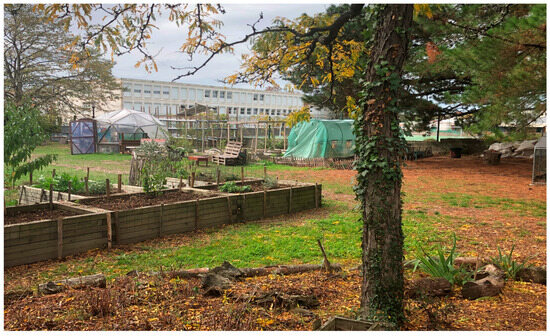
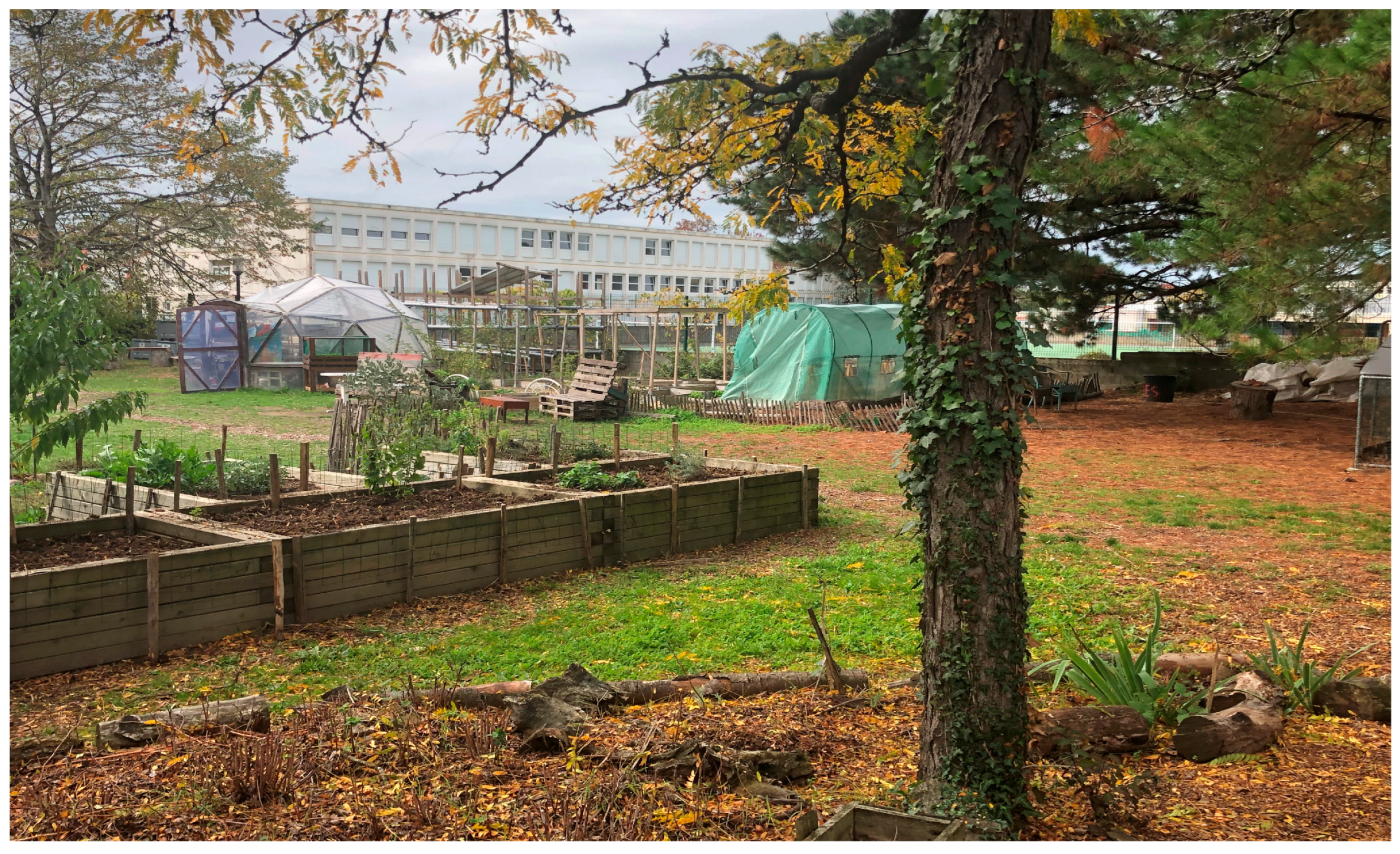
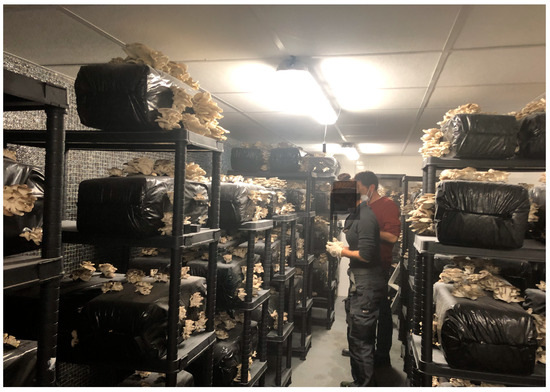
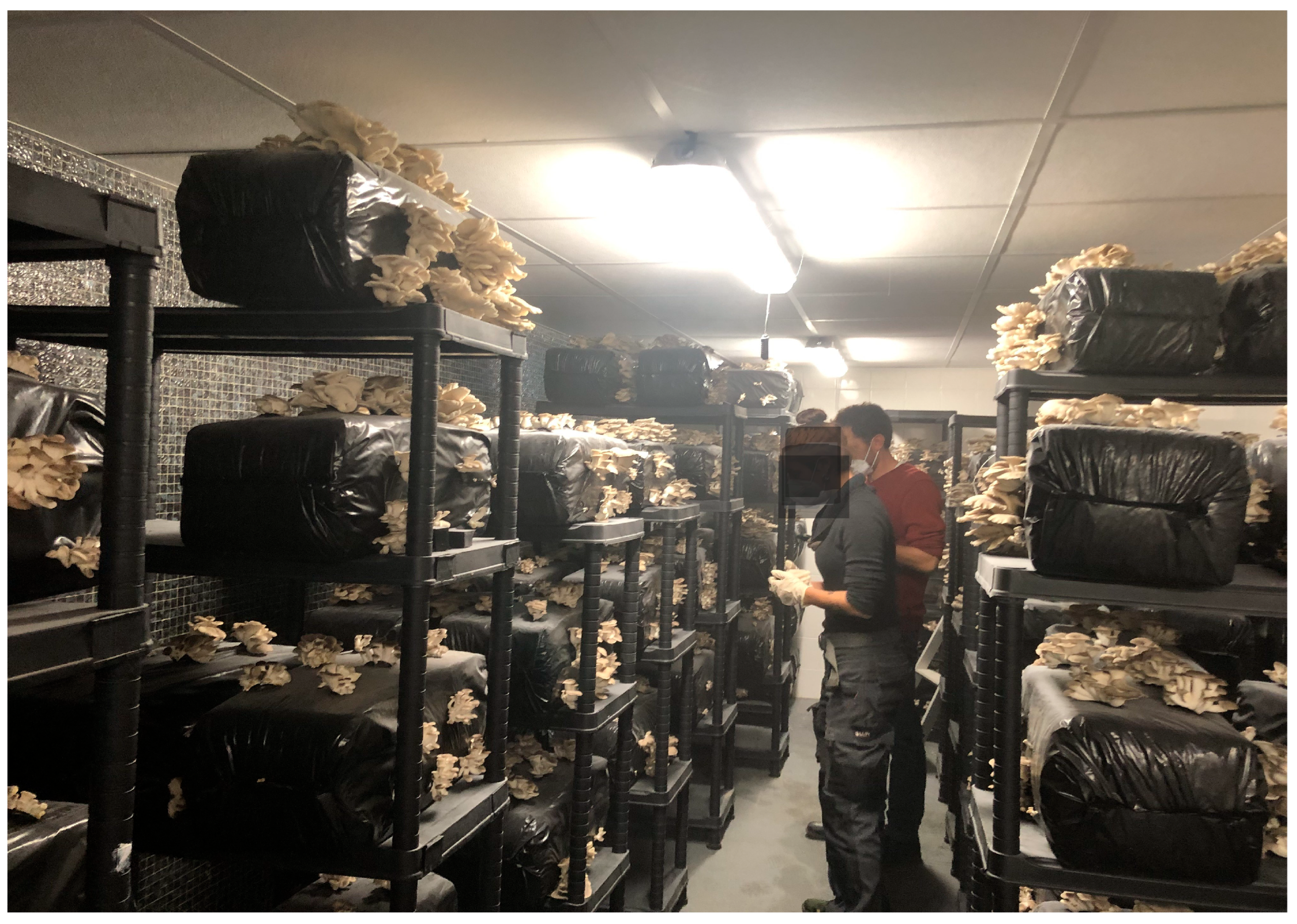
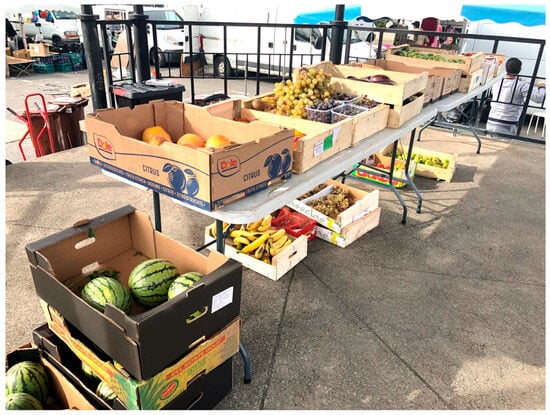
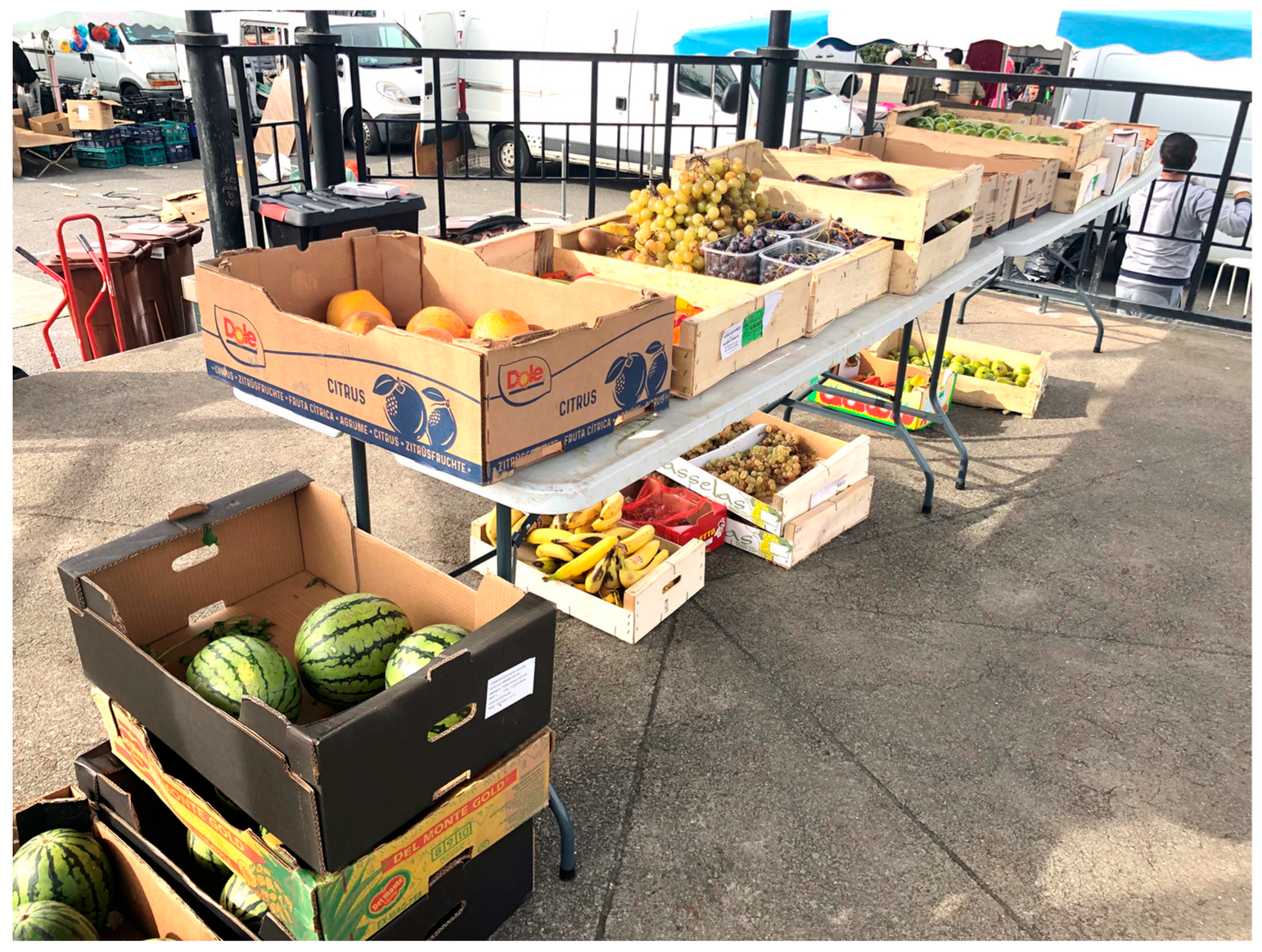
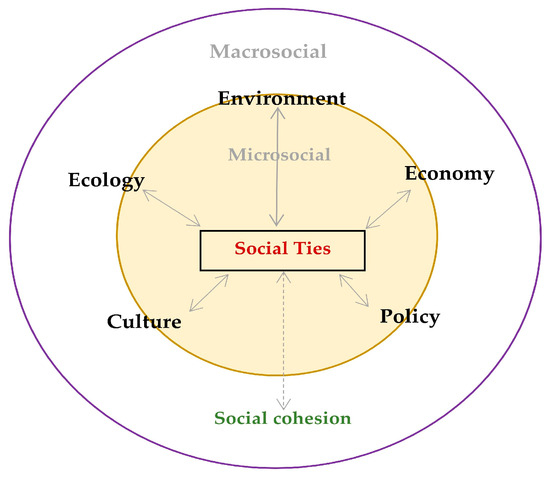
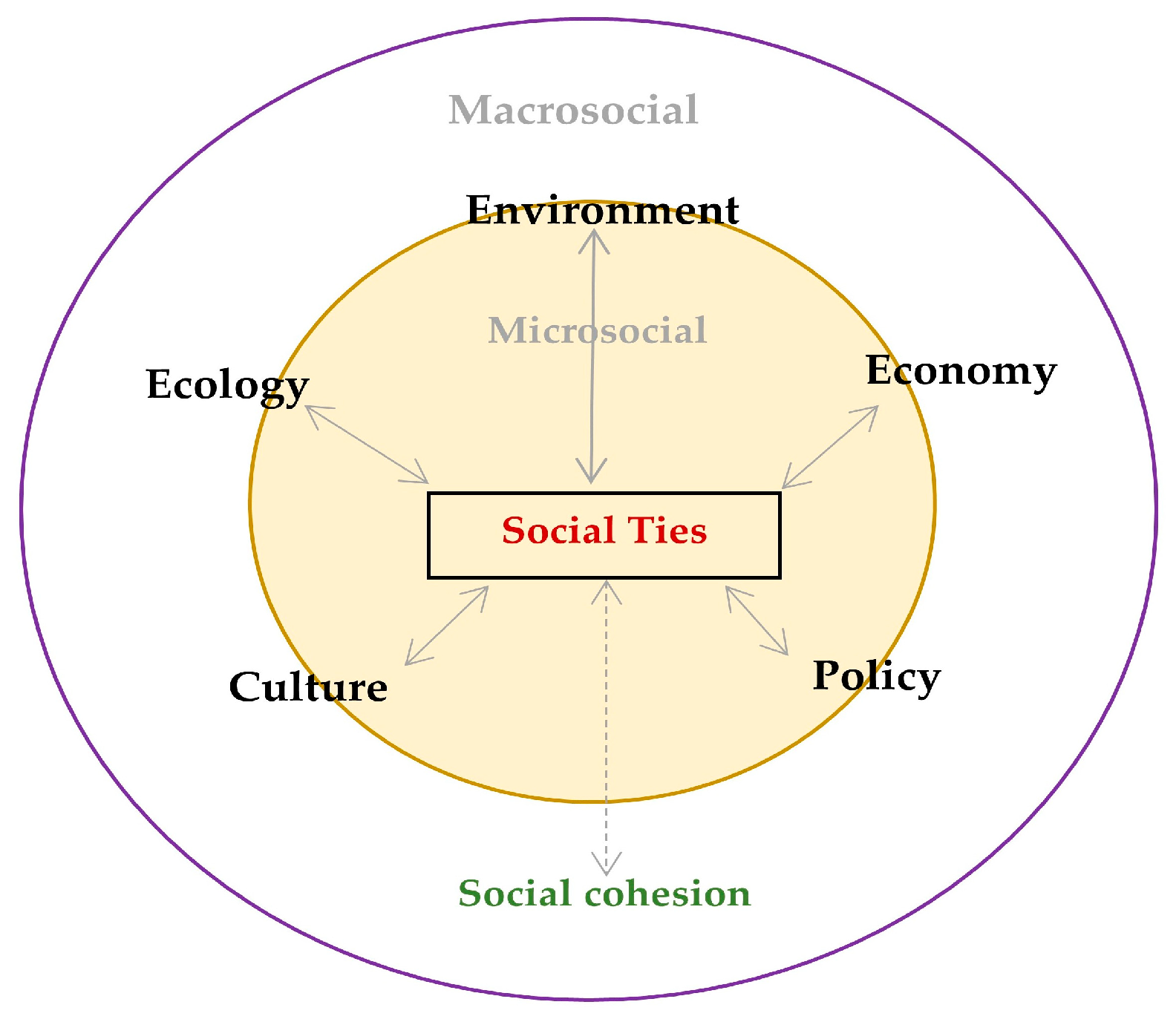


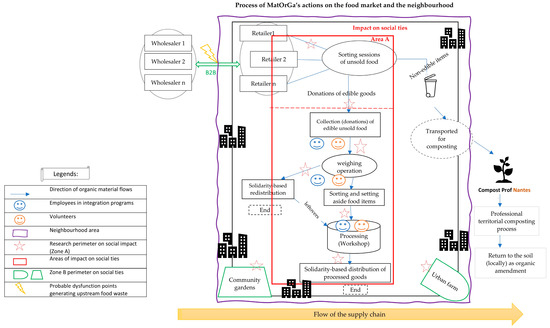
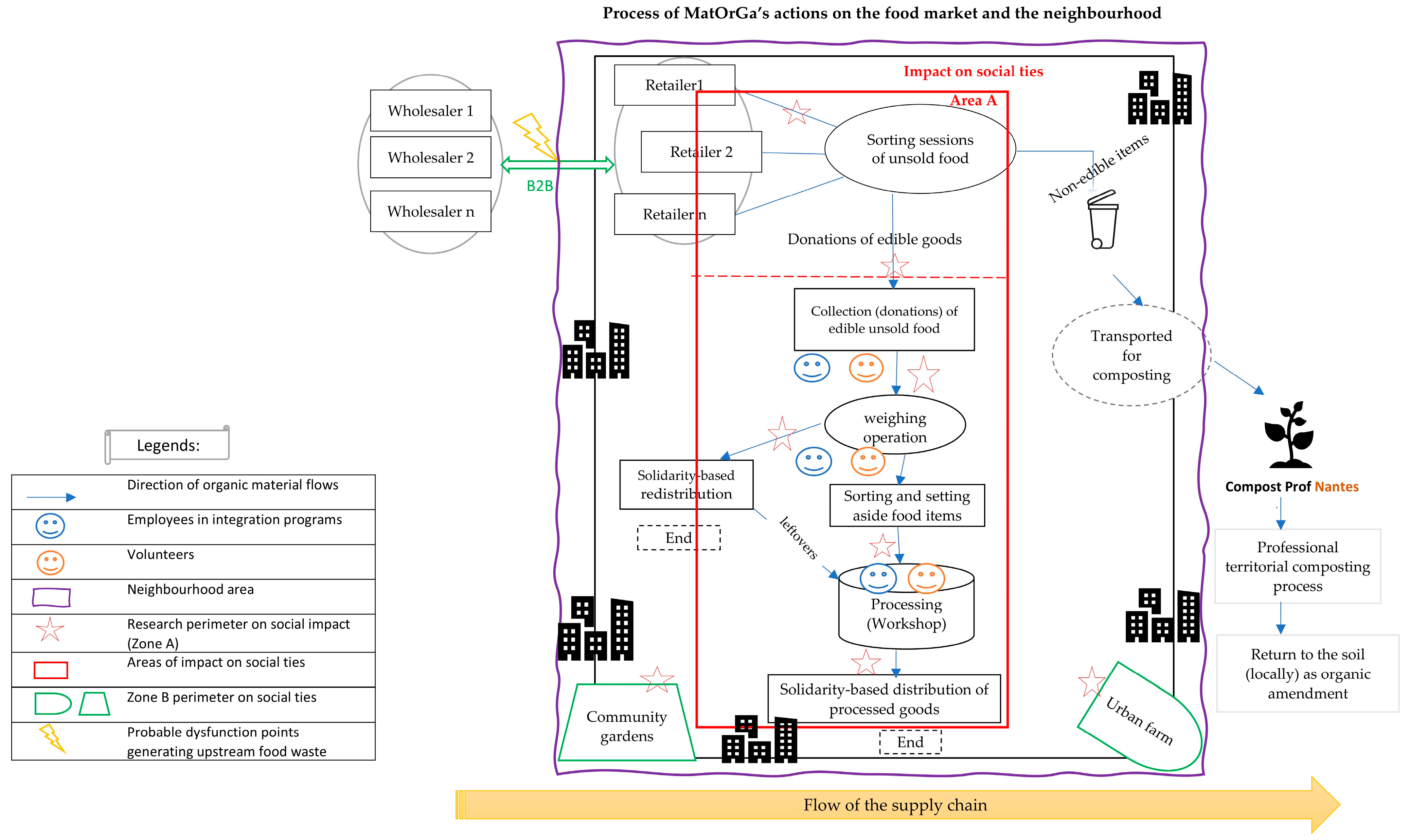
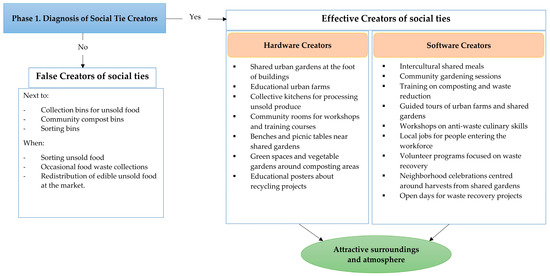
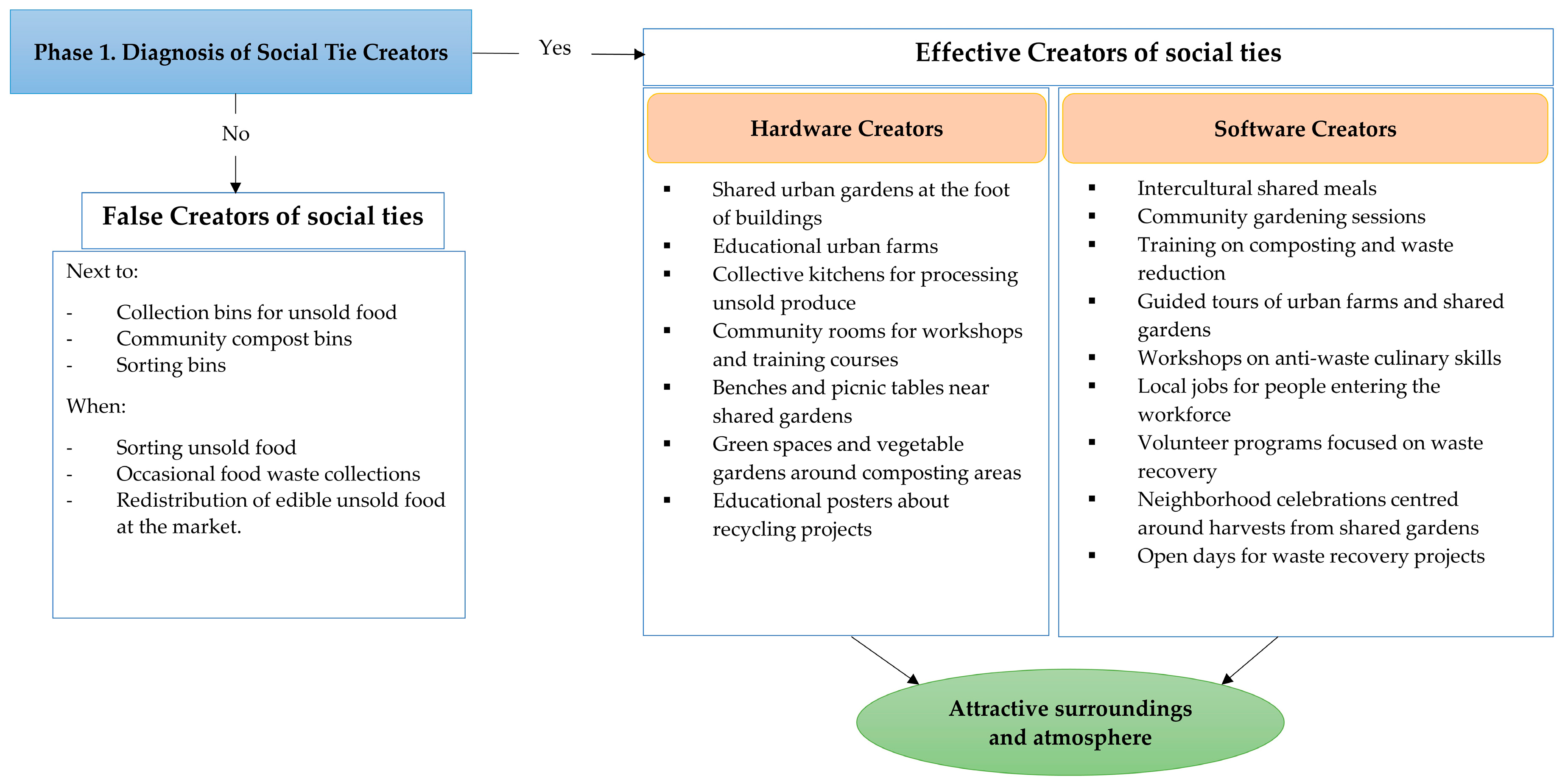
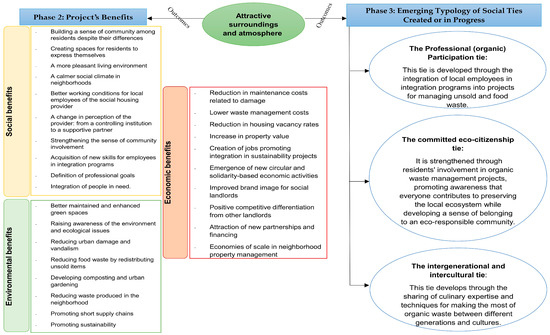
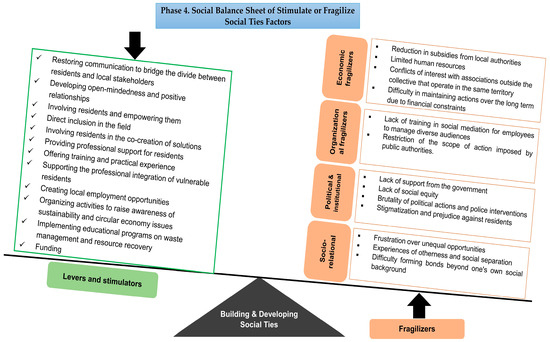

Disclaimer/Publisher’s Note: The statements, opinions and data contained in all publications are solely those of the individual author(s) and contributor(s) and not of MDPI and/or the editor(s). MDPI and/or the editor(s) disclaim responsibility for any injury to people or property resulting from any ideas, methods, instructions or products referred to in the content. |
© 2026 by the author. Licensee MDPI, Basel, Switzerland. This article is an open access article distributed under the terms and conditions of the Creative Commons Attribution (CC BY) license.