Article

The Green Health Movement in Brazil: Evaluation of Opportunities Based on a Bibliometric Study

by
Daniela Gallon Corrêa
1 and
Harrison Lourenço Corrêa
2,*
1
Ergo4You, Núcleo de Estudos em Sustentabilidade e Economia Circular (NESEC Group), Curitiba 81530-000, Brazil
2
Núcleo de Estudos em Sustentabilidade e Economia Circular (NESEC Group), Sector of Technology, Department of Mechanical Engineering, Universidade Federal do Paraná, Curitiba 81530-000, Brazil
*
Author to whom correspondence should be addressed.
Green Health 2026, 2(1), 6; https://doi.org/10.3390/greenhealth2010006
Submission received: 29 November 2025 / Revised: 16 February 2026 / Accepted: 26 February 2026 / Published: 11 March 2026

Abstract

The last few years have been marked by intense debates about the environmental agenda. Forums all over the world are discussing effective actions that can mitigate the effects of human actions on the environment. What was once destined for the imposed policy of developed countries upon emerging ones is now a global policy. Countries, nations, and the corporate world need to adopt urgent measures to make their activities less impactful before the feared tipping point is reached. In this context, hospitals (public and private) take on a fundamental role. As major consumers of water, generators of waste, and sources of high greenhouse gas emissions, hospital ecosystems must re-evaluate their processes to ensure the efficient use of water and energy resources. Although still a recent action, the Green Health concept has been disseminated globally, contributing to the achievement of the Sustainable Development Goals. The present study analyzes the current landscape of Green Health within the Brazilian context, based on a review of scholarly literature. To this end, consultations were made to publications deposited in the period from 2003 to 2025, whose information was processed and used to generate similarity visualization maps. This exploratory study sought to provide a proof of concept by defining a baseline to assess how the term ‘Green Health’ is being appropriated by researchers in Brazil. The results indicate that even though there are some actions in Brazil directed toward Green Health practices, they are modest and lack greater integration, especially regarding research on the topic.

1. Introduction

Over the last three decades, concepts associated with environmental sustainability have been widely applied. Driven by pressure from various stakeholders, including civil society activism [1,2,3], different sectors—governmental, private, and non-governmental—are re-evaluating their methods and procedures [4] to align them with sustainable development objectives. Initially implemented in industries and organizations [5,6,7], sustainability is now moving closer to the common citizen, permeating almost all daily activities. As environmental sustainability continues to expand its reach and consolidate, ‘Green Health’ stands out as a pivotal concept. Green Health represents an emerging field of practical and theoretical research. Broadly speaking, it is dedicated to analyzing the intrinsic relationship between environmental sustainability and human health and well-being. This movement is closely aligned with global efforts to achieve the United Nations Sustainable Development Goals (SDGs), focusing on promoting lives that are both healthy and sustainable. Due to its concept and focus, studies aimed at Green Health are interdisciplinary. They extend, notably, to urban planning [8,9,10] to promote the development of neighborhoods, schools, clinics, hospitals [11,12,13], and other support networks that integrate health and sustainability factors into their design. It can act as a driver for family-based agriculture [14]. In this sense, the concept transcends traditional health, as it recognizes the physical, social, and climatic environment as determinant entities of human health and well-being [15]. For managers and public policy makers, Green Health is an opportunity to materialize global environmental sustainability goals at different institutional and governmental levels.
Didactically, Green Health requires a two-dimensional approach: macro and micro-institutional. The macro dimension focuses on the sustainability of the health sector’s operation and infrastructure. This includes implementing strategies aimed at mitigating the environmental footprint [16,17], such as the transition to alternative energy sources, the efficient management of sewage and stormwater, and the use of more efficient climate control equipment. On the other hand, the micro dimension aims at optimizing the built environment with a direct focus on the user, seeking to accelerate recovery, reduce stress, and improve the quality of life [18]. Examples include the promotion of outdoor activities, gardening, and the adoption of menus based on organic foods sourced from local producers for both staff and patient meals. Evidence suggests that these optimizations can result in reduced patient length of stay and increased staff productivity and retention within a care setting (clinics, basic health units, hospitals, etc.).
The topic, which might be viewed as irrelevant and of little relevance to academia, has been seriously addressed in various forums. Some of these are related to research and applications, whose studies are published and consolidated in certain journals, such as Green Health (MDPI Proceedings Series), an academic journal launched in 2025 [19]. This development validates the need for greater methodological rigor in the interventions and strategies of Green Health concepts, ensuring that practices are based on solid evidence, both in the realm of environmental management and in therapeutic application.
Globally, the macro dimension of Green Health is led by the Health Care Without Harm (HCWH) coalition, an organization created in 1996 and composed of members located in Europe, the Americas, and Southeast Asia [20]. One of its focuses is to actively work to transform the healthcare sector, making it less harmful to the environment and human health [21]. HCWH collaborates with many stakeholders, including doctors, nurses, health systems, and governments, promoting environmentally safe practices.
The supporting foundation for this transformation is the Global Green and Healthy Hospitals (GGHH) Network. In Brazil, this network is coordinated by the Projeto Hospitais Verdes Saudáveis (PHVS—Healthy Green Hospitals Project), which acts as a strategic partner of HCWH. Currently, the PHVS in Brazil has more than 500 institutional members, including hospitals, health units, research organizations, and professional and civil society representatives [22]. Engagement with this sustainability agenda is formalized by the commitment of healthcare institutions to adhere to at least two of the ten thematic goals proposed by the Global Green and Healthy Hospitals Agenda (GGHHA), which are shown in Table 1.
Considering that the healthcare sector is responsible for a significant environmental impact, it is imperative that the Green Health movement be integrated into health policy. Globally, this sector is a critical emitter. It contributes more than 4.4% of net global emissions, and Brazil is one of the six countries whose healthcare sector contributed the most to these emissions [15]. In the Brazilian context, hospitals account for 10.6% of the country’s total commercial energy consumption. This is due to the characteristics of this type of building, whose machinery needs (in most cases) to be operating 24 h a day [23]. Considering only the existing private hospital network, the average monthly consumption per patient-day was 126 kWh for the period from August 2024 to August 2025 [24]. Although evidence points to increased engagement with Green Health, the transition to a sustainable model is a challenge that encompasses the financial, social, and environmental dimensions.
Despite the convergence in some points addressed by the concepts of Planetary Health and One Health, Green Health has its own particularities. The first two refer to global and more generic issues. One Health practices are associated with the interdependence between human, animal, and environmental health. Key pillars include the monitoring of sylvatic viruses with potential for human transmission and the effects of deforestation on the spread of vectors, among others. Green Health aims at the application of sustainability at the local level, with integration into daily operations and with an emphasis on the infrastructure and resource efficiency (such as water and energy) used by the production and services chain associated with health. Table 2 shows the main differences between the concepts.

2. Materials and Methods

Literature Review

The collection of academic documents and specific literature was carried out using the Scopus database, employing a set of keywords grouped as follows: “one health” and “green health”. These words were used for the “title,” “abstract,” and “keywords” fields. To assess the adoption of the ‘Green Health’ terminology within the Brazilian academic context, the query focused on these two overarching terms. Therefore, keywords related to sustainability and hospitals were excluded from the search strategy. This was conducted because the objective was to evaluate the specific sectors in which the ‘Green Health’ concept is being applied, regardless of whether it pertains to hospitals, clinics, or primary care units. The research was based on the term ‘Green Health’, specifically to evaluate the level of adoption of this concept within the Brazilian academia. Thus, the bibliometric analysis aims to capture publications that have adopted this term, which is not yet unified or widely disseminated. The search and data collection were based on various publication types, including articles, conference papers, reviews, book chapters, editorials, notes, and retracted papers. The filters applied also considered diverse subject areas, such as medicine, engineering, social sciences, nursing, biochemistry, environmental sciences, computer science, psychology, neuroscience, mathematics, and economics. As this is a topic associated with health, the Cochrane database, which is recognized as reliable among professionals in the field, was also consulted. This database was used to assess the degree of capillarity of Green Health concepts within clinical trials and systematic reviews. The findings were interpreted based on a specific context reflecting aspects of the Brazilian reality. The words were employed because of their potential relevance to the topic of this study. The literature search began and ended in October 2025. The search filter was based on the publication period between 2002 and 2025. The review study was also complemented by the use of the VOSviewer software (free version 1.6.20), which is suitable for assisting review studies [25]. To this end, the creation of visualization maps based on bibliographic data was stipulated, as shown in Figure 1.
For bibliometric analysis, files were generated directly from the Scopus database in .csv format. These files were processed and analyzed in the WPS spreadsheet application. Thus, information related to each keyword group (GI, GII) was mined, and the export criteria were selected as presented in Figure 2.
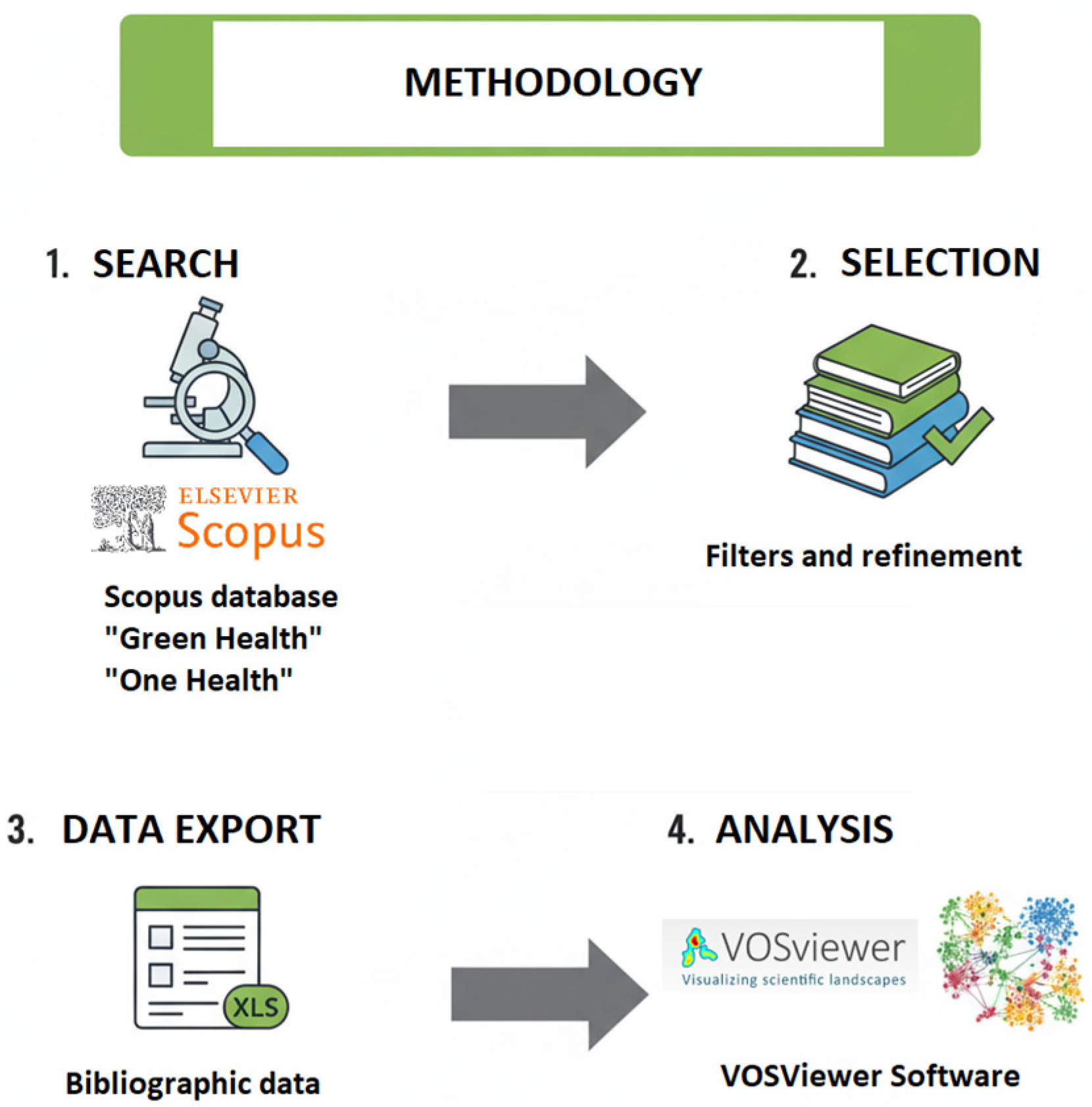
Figure 3 shows the sequence of steps for the literature review and bibliometric analysis carried out in this study.

3. Results

3.1. Literature Review

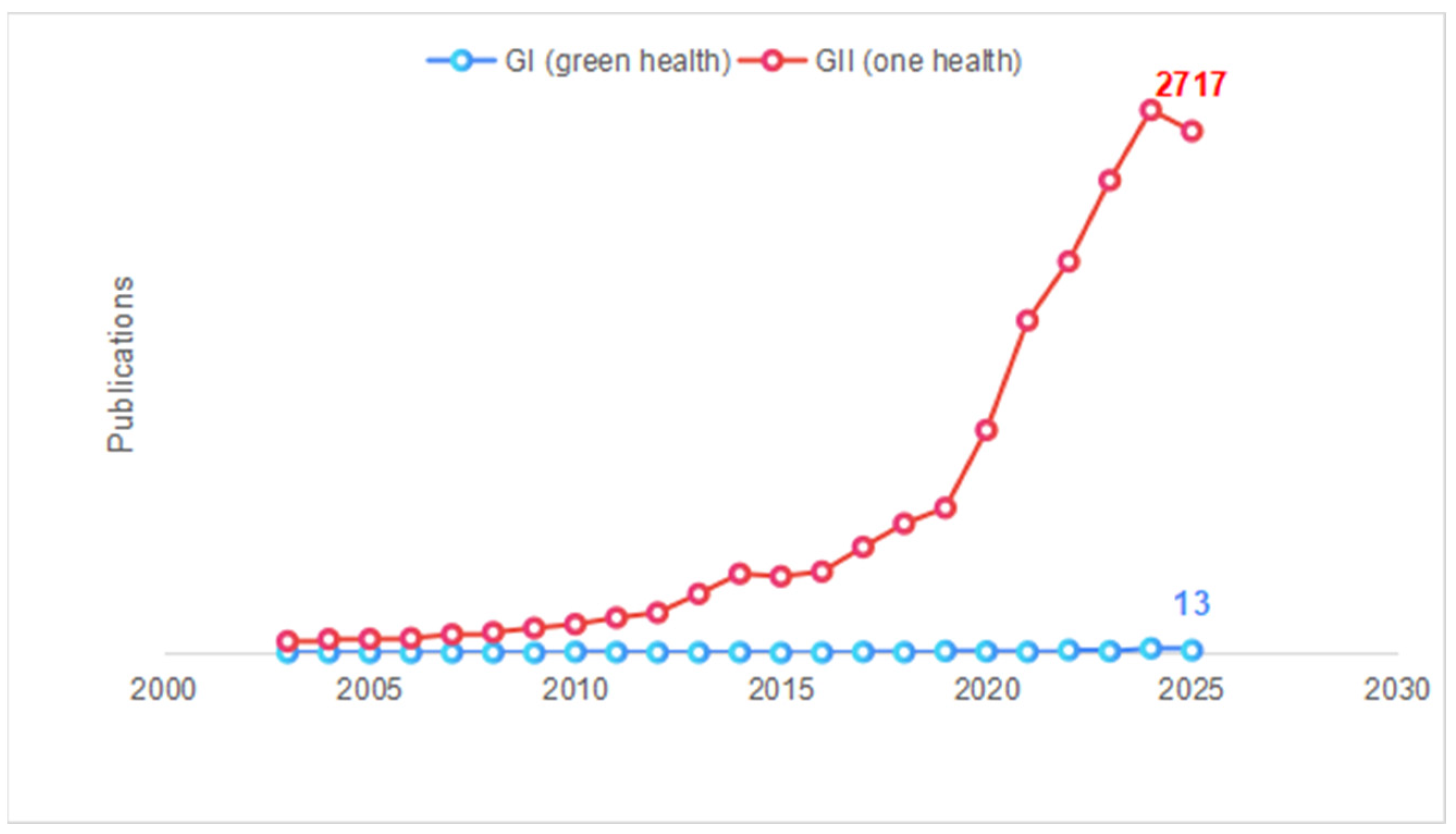
Based on the data and indicators retrieved from the Scopus database, it is evident that publications associated with the GI and GII keyword groups have followed an upward trend over the years. Figure 4 shows the evolution of publications for each keyword group during the period from 2003 to 2025.
The GII keyword set (‘One Health’) accounts for the highest number of publications since 2003. The cumulative total for the period (2003–2025) was 17,605 publications. Several factors likely account for the significant growth in publications related to ‘One Health’. One factor is the movement to disseminate the concept, which began in 2010 at the ‘Operationalizing One Health: A Policy Perspective—Taking Stock and Shaping an Implementation Roadmap’ conference. Held in Stone Mountain, the event allowed One Health ideas to be put into practice, including within academia [26]. Another factor potentially linked to the higher number of One Health publications is the recent outbreaks of SARS-CoV-2 and its variants, as well as Ebola and avian influenza. These endemic and pandemic events have driven discussions on One Health and how it can be applied to prevention policies. Conversely, the low volume of publications on Green Health suggests that, while the practice of hospital sustainability is growing, the specific term ‘Green Health’ has not yet achieved the same level of academic consolidation or standardization in indexed databases.
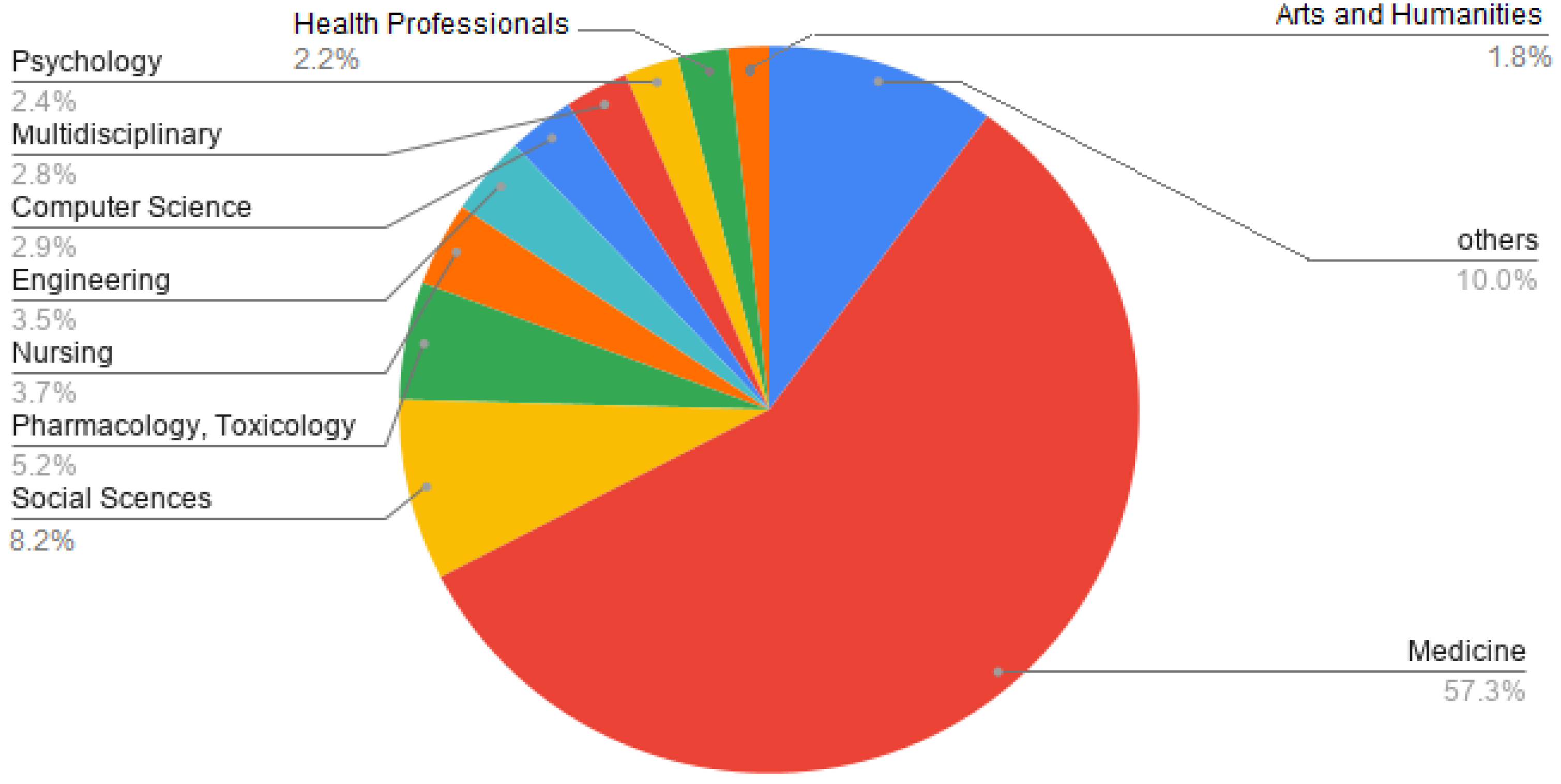
The largest percentage of publications was concentrated in the field of Medicine, which accounted for nearly 60% of all publications. Figure 5 shows the areas with the highest publication output on the topic.
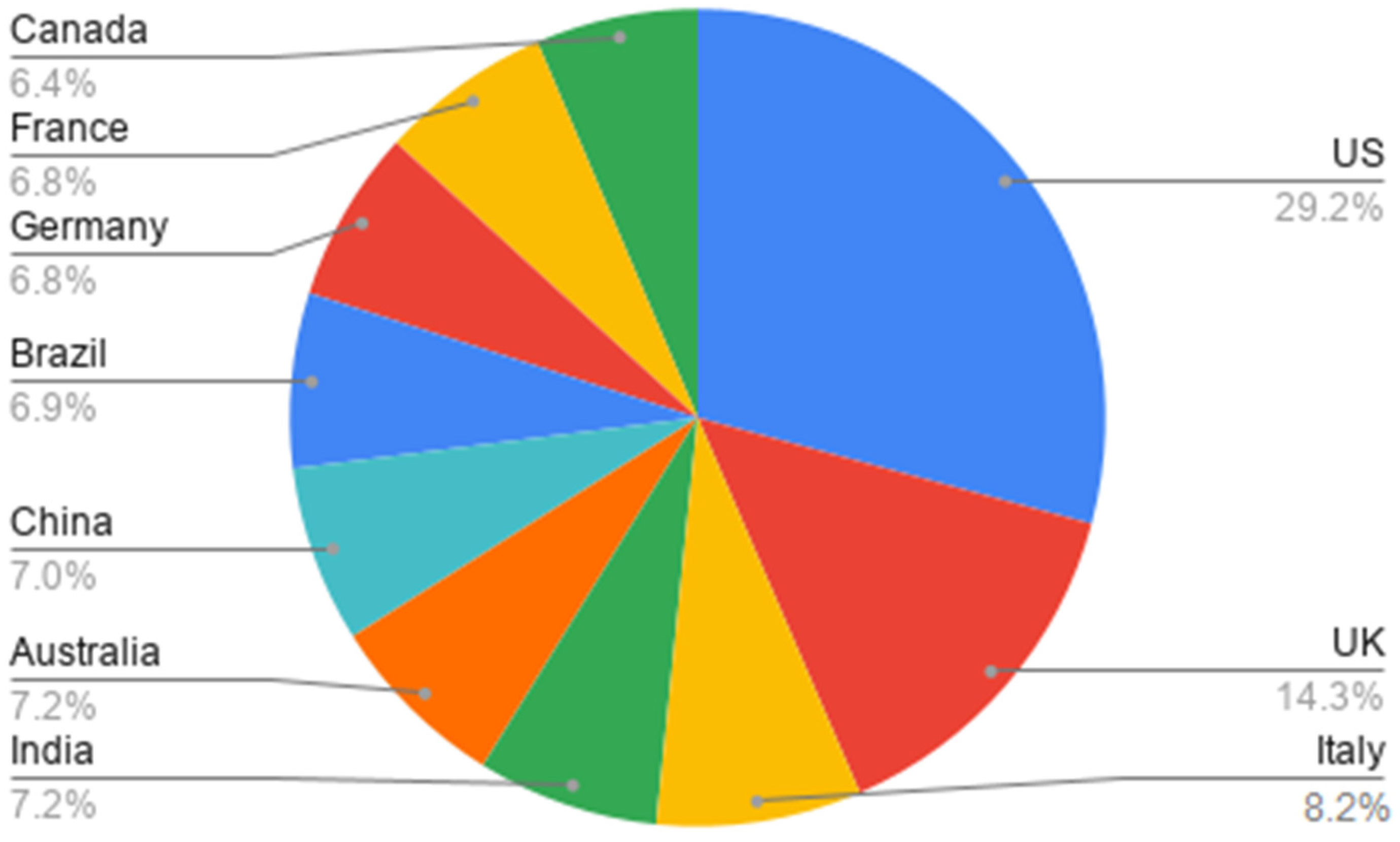
Figure 6 shows the countries with the highest representation in the publications associated with the GII set.
During the analyzed period, Brazil contributed over 1000 publications to the One Health field. Mirroring the global trend, Brazilian research in this area is also steadily increasing. In a search conducted up to October 2025, 244 documents on the topic were published. In Brazil, the five institutions that researched the subject the most were, in descending order: Universidade de São Paulo (USP), Fundação Oswaldo Cruz (Fiocruz), Universidade Federal do Paraná (UFPR), Universidade Estadual Paulista Júlio de Mesquita Filho (UNESP), and Universidade Federal do Rio de Janeiro (UFRJ).
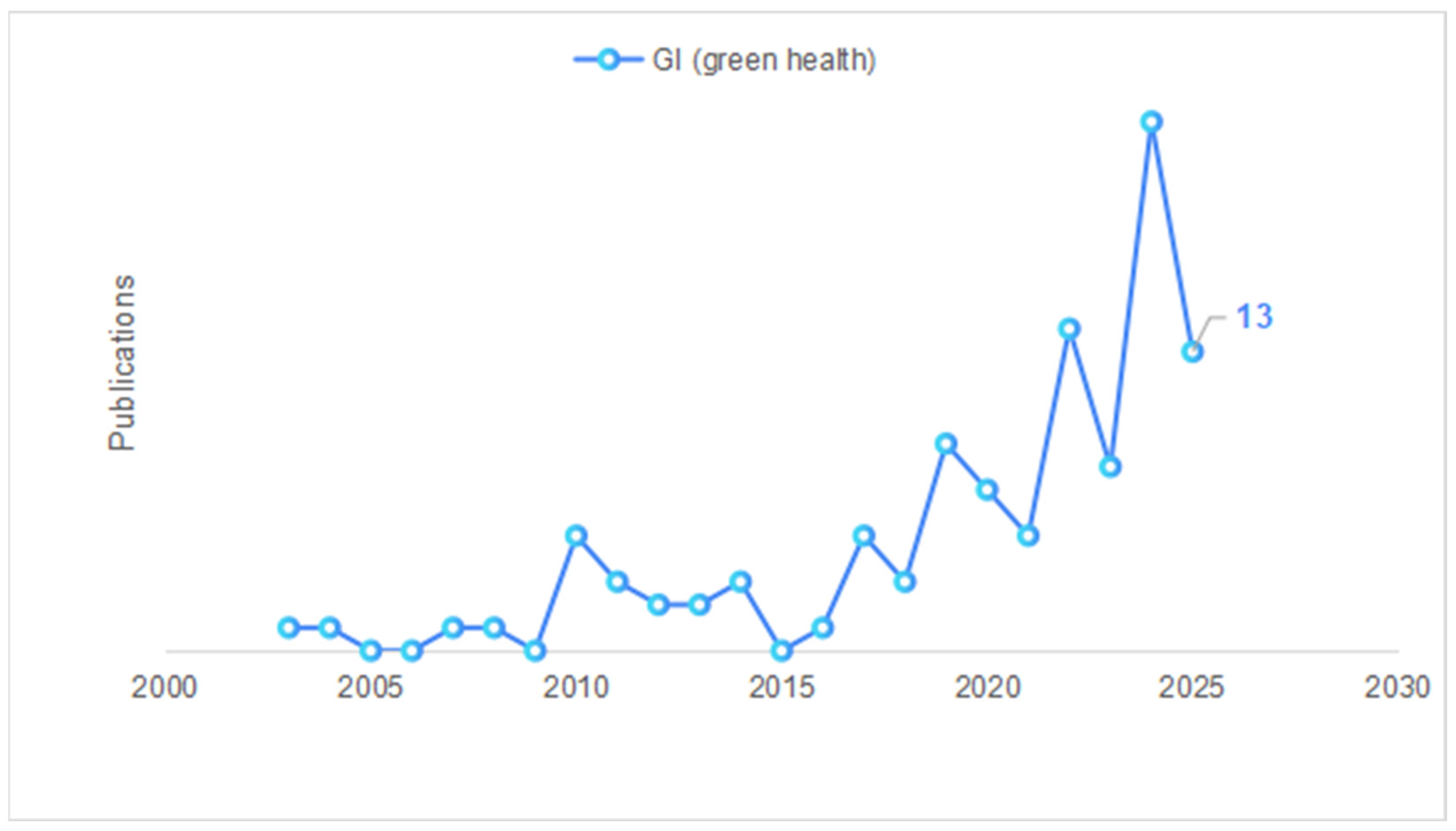
Despite the expressiveness of the number of publications associated with the keyword set GII (“One Health”), the set GI (“Green Health”) also showed an upward trend over the years. However, this occurred at lower growth rates. Figure 7 highlights this behavior.
The Scopus database contained a total publication count of 107 for the period from 2003 to 2025. The average annual output for the period was nearly five documents. The chart reveals a modest peak between 2009 and 2010, when publications reached five units. Subsequently, the volume fluctuated, remaining relatively low until 2015, which marked one of the lowest points in the series with no recorded publications. Starting in 2016, research in the “GI (Green Health)” area gained notable momentum. The overall trend is one of growth, though still with annual fluctuations up to October 2025 (the period when data collection was finalized). The year 2024 was the year with the highest number of publications, reaching a value of 23 documents.
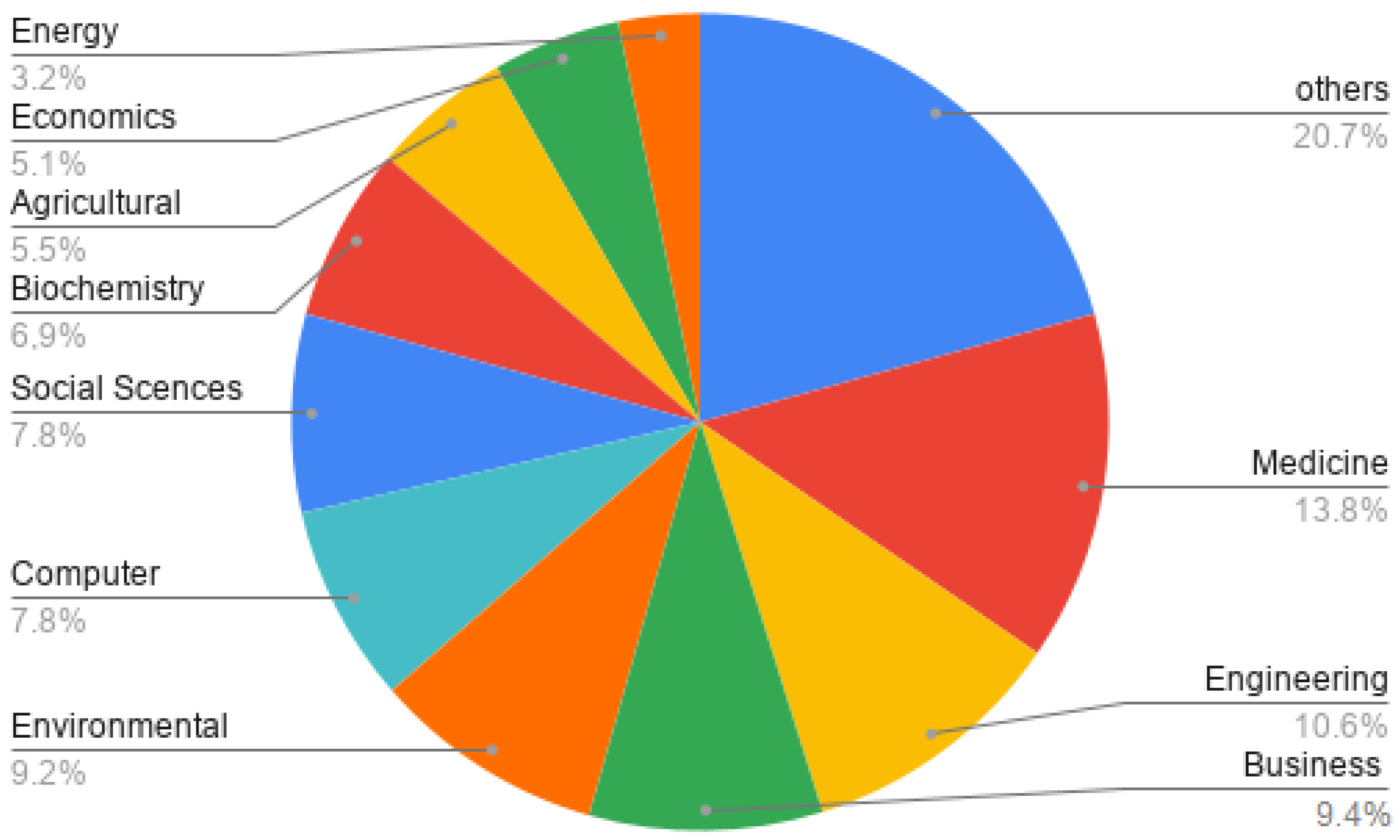
The areas with the highest publication output are shown in Figure 8.
The diverse distribution across the areas that have published on the topic reinforces the scope and, especially, the multidisciplinary nature of the One Health concept.
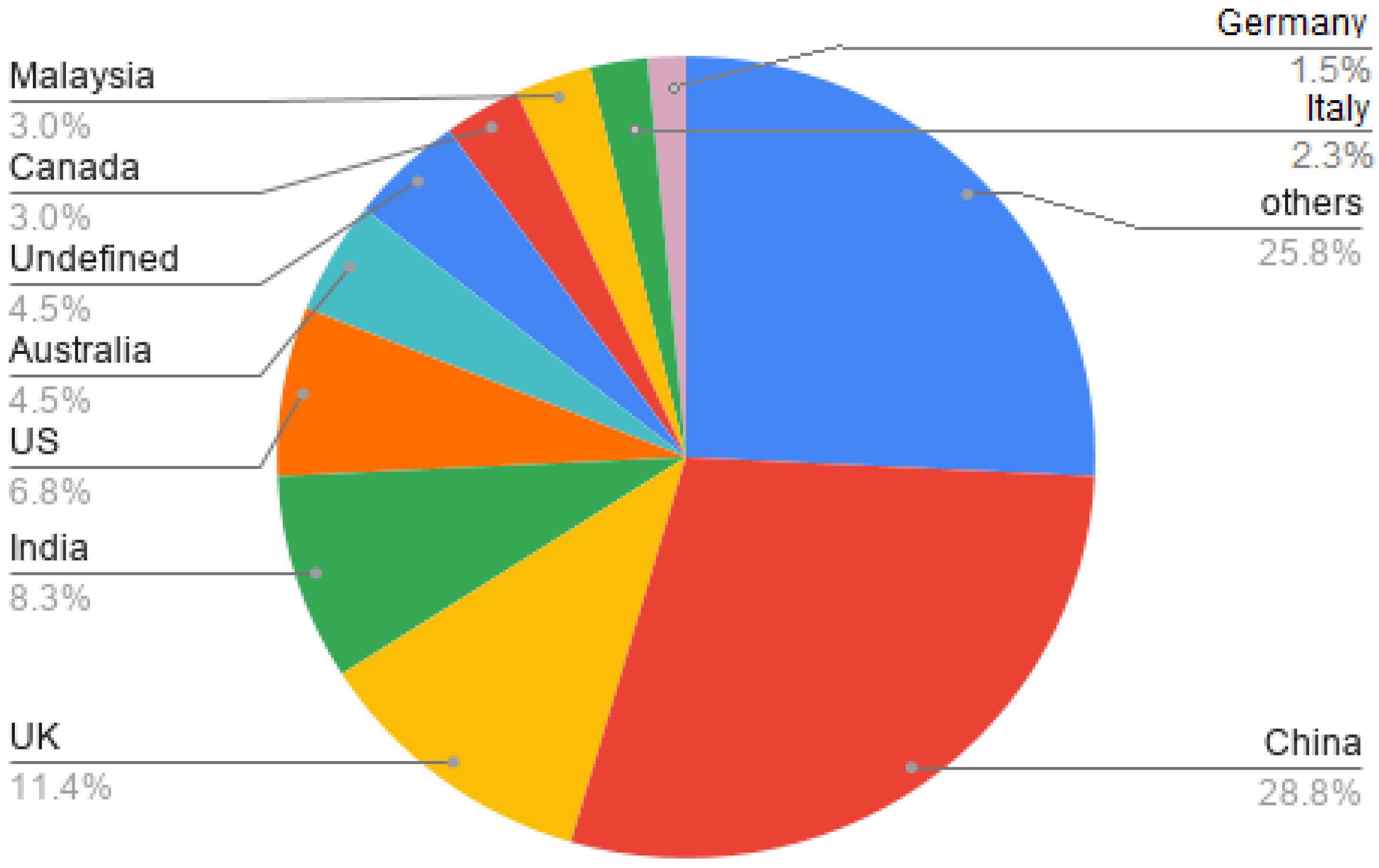
Figure 9 shows the most representative countries in relation to publications on the GI topic.
The United States, China, Australia, India, and Canada are among the countries that researched the “Green Health” topic the most during the evaluated period. Generally, several factors can justify the leadership of these countries, including environmental and demographic challenges, which demand actions to address the impacts of climate change; participation in global initiatives, with active involvement in environmental and green economy agendas; and investment in research and infrastructure, focusing on multidisciplinary research groups for studies on the environment, health, and sustainability.
In addition to these shared characteristics, the distinctive historical contexts of each nation can account for their leading positions in Green Health when examined in detail. Australia, for example, has traditionally adopted policies for the promotion of environmental health and human well-being for decades [27,28]. It also makes significant investments in intersectoral policies. This includes environmental health plans [29]. China, although having adopted environmental policies more recently compared to Australia, stands out for its commitment to reducing pollutants, with emphasis on policies for reducing greenhouse gases and for water resource treatment [30]. This movement aims to improve air quality, which fosters investments and studies directed toward environmental health and sustainability. India, due to its most recent cycle of modernization and economic robustness [31] and the need for the creation and expansion of sanitation infrastructure [32], has created programs to strengthen sanitary surveillance. One result is the emergence of new research centers and groups.
The United States, coupled with its consolidated and structured policies for environmental pollution control (EPA) and disease control (CDC), is likewise among the leaders in publications on the Green Health topic.

3.2. Bibliometric Results

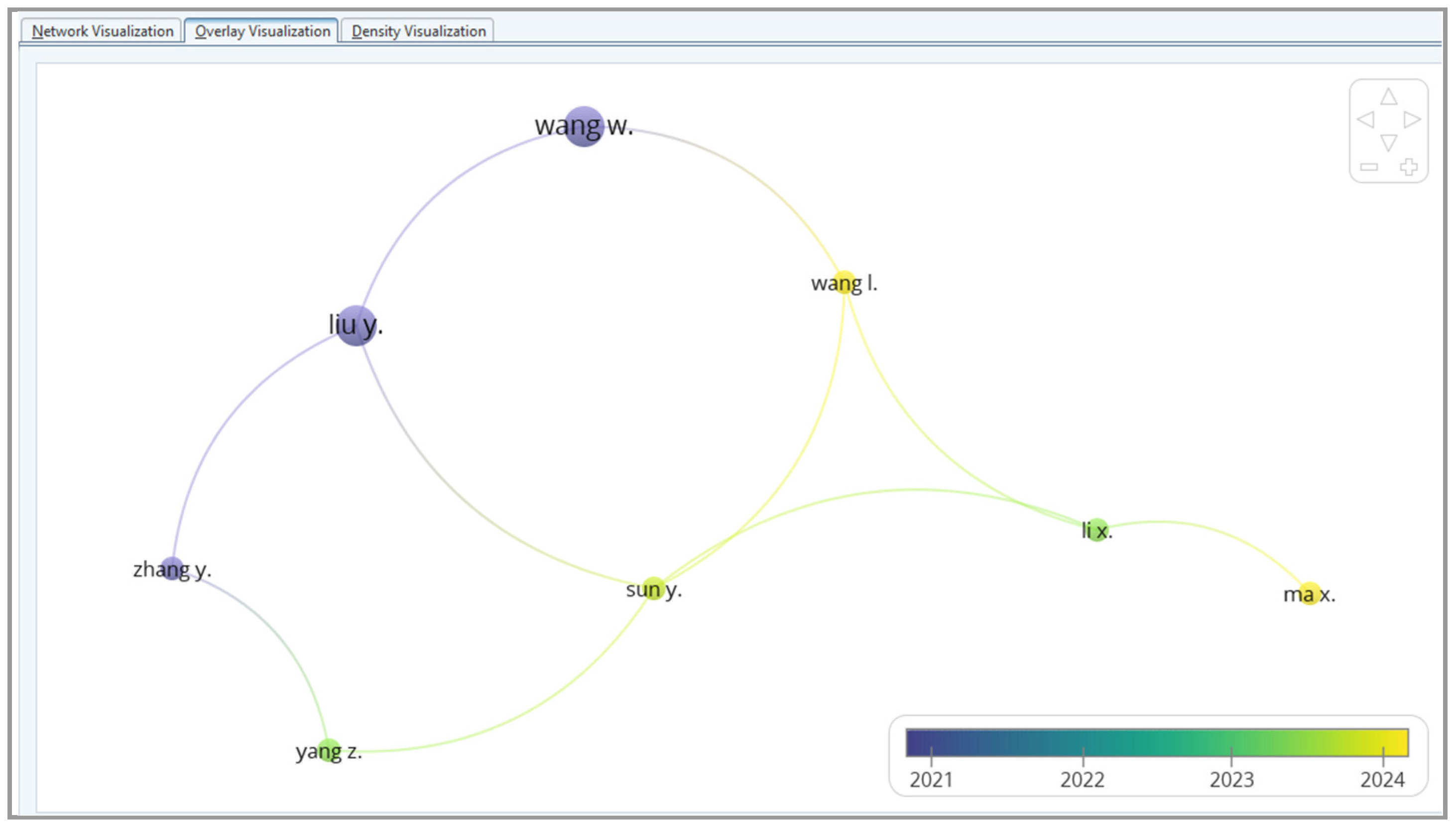
The VOSviewer software was utilized to complement the results obtained from data mining in the Scopus database. In this regard, bibliometric maps were generated, which allowed us to make inferences about the collaboration networks among the main authors for each topic. VOSviewer enables the verification of, for example, the countries, institutions, and authors that stand out in a given topic, and how their networks are or are not connected [33,34]. Figure 10 shows the network of connections observed for the keyword set GI (“Green Health”).
Based on the Scopus bibliometric data and the VOSviewer map, the interpretation of the author and topic network in the field of “Green Initiatives” or “Green Health” reveals a dynamic and multifaceted research landscape with at least four main research fronts (clusters). From Figure 10, it can be observed that the network is concentrated on topics on management, applied technology, and public health, indicating a rapid expansion of the “green” concept beyond the purely environmental context.
The analysis of the distribution and the weights (“documents,” “citations,” “number of publications per year”) reveals the existence of the following thematic groupings: High-Citation Cluster (Cluster 1); Emerging Mobility and Urbanism Cluster (Cluster 2); and the Public Health and Environment Cluster (Cluster 3). Cluster 1 (the central cluster) groups the authors with the highest impact or the largest number of publications. In this grouping, authors such as Liu Y. and Wang W. exhibit high citation weights (49 and 48, respectively). This suggests that they are researchers with foundational or high-impact work that has established the basis for the field. The documents associated with this group frequently involve the application of science and engineering, with studies directed toward the development of materials and nanotechnology, food science and natural preservation, and Green Human Resource Management (HRM) and organizational sustainability. It appears that this group represents the mature core of the research, focusing on the application of “green” principles in industrial processes, technology, and corporate management.
Cluster 2 (Emerging Mobility and Urbanism Cluster) stands out due to its high average publication year and low citation count, which may be associated with its novelty. In this grouping, authors such as Ma, X. and Li, X. published recently, in the years 2023 to 2025. The low citation weight for these publications reinforces that they are very recent outputs. Their 2025 publications, for example, have not been cited yet. With work relating travel behavior to the factors that affect it, especially in crisis contexts like COVID-19 [35,36], the data from this cluster points to the rise of topics focused on the built environment and urban mobility under the “Green Health” perspective.
Cluster 3 (Public Health and Environment) can be characterized as a group focused on a specific health thematic area. Authors such as Howlett, N. and Donovan, G.H. stand out within this cluster. The central themes of the research contained in this cluster relate to the direct benefits of nature on public health. Thus, there is a noticeable incidence of studies associated with green health prescriptions and the evaluation of active interventions, for example [37]. Studies associated with the role of the natural environment (such as forests) in public health [38] and the use of Health Technology Assessment from the perspective of Life Cycle Assessment (LCA) for more sustainable choices are also found. This cluster defines the “Green Health” dimension (or strand) as a formal intervention, interlinking the areas of ecology and medicine as applied to public health policies.
The analysis of the VOSviewer map reflects that the central concept of the research (likely the intersection between “green” and “initiative/health”) is not monolithic, but rather an interconnection of three major domains: Sustainable Technology and Management, focusing on innovations and organizational practices; Mobility and Urbanism, indicating the trend of adapting the Green Health topic to social and environmental transformations; and Health and Nature Intervention, focusing on studies of a humanistic and social nature, validating the connection between a healthy environment and well-being.
Analyzing only the data generated by VOSviewer, it is not possible to identify emerging authors. The analyses generated by Scopus show, for instance, that two authors had three publications during the evaluated period and in collaboration with each other: Varangu, L. and Waddington, K. The documents cover studies on the evaluation of energy consumption in imaging equipment [39], with two citations; on the Green Health movement in Canada [40], still without citations; and on reflections on how Canadian healthcare systems can prepare for climate change [41], also without citations.
In the consulted database, only one document published by Brazilian researchers related to Green Health was verified. In this document, the authors positively evaluated the integration between the concepts of green chemistry and green health systems in the pursuit of promoting human health [42].
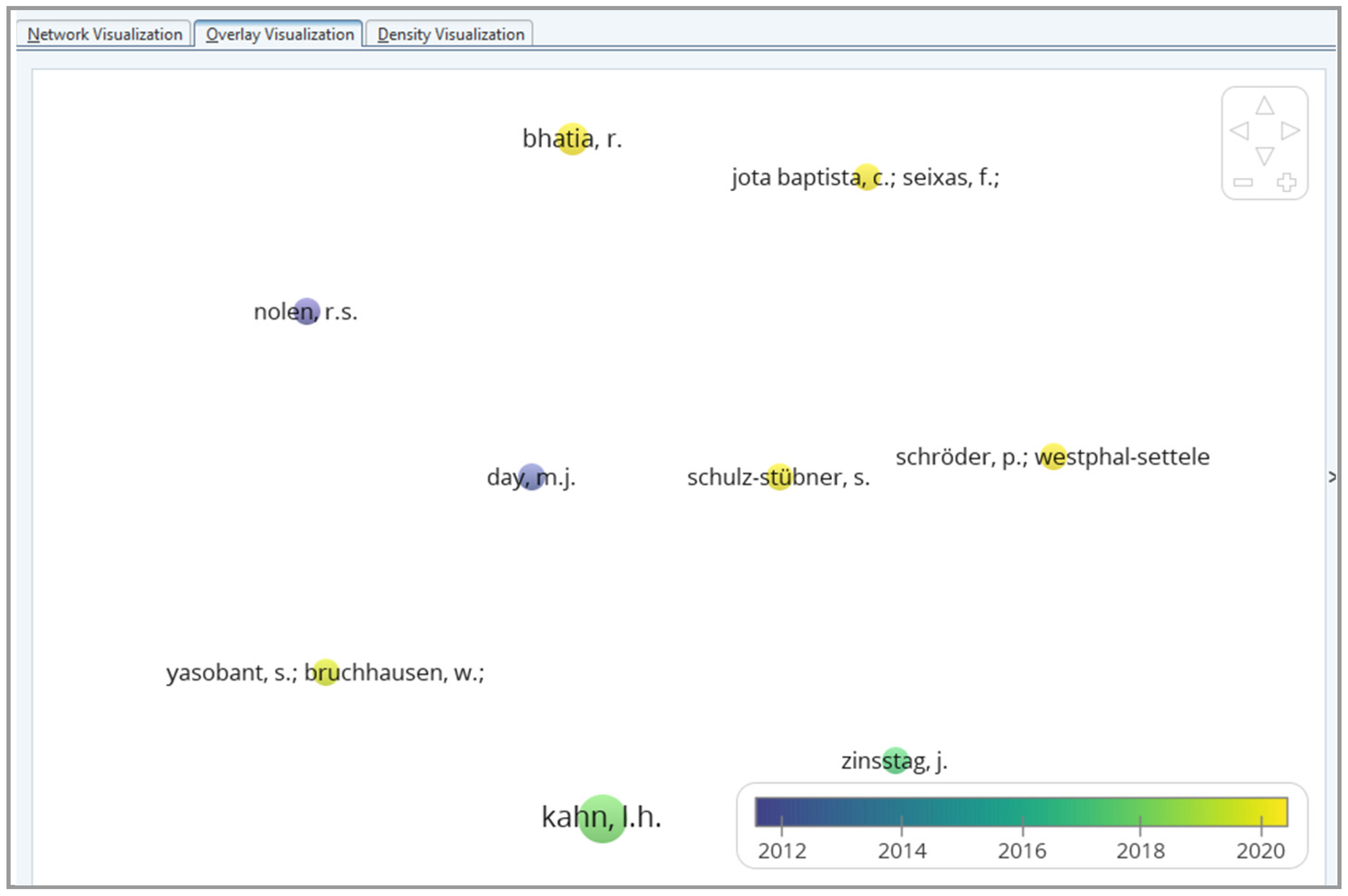
Figure 11 shows the visualization map generated using the consolidated data from the keyword search of the GII group.
The results indicate, based on the information generated by Scopus, the existence of diverse groupings, among which more distant research areas with little (or no) adherence to each other are observed. Regarding productivity, Kahn, I. is noted as the most cited author, with nine associated publications related to the “One Health” topic. One of these discusses reflections on how changes in ecosystems can influence One Health [43]. Bhatia, R., published (in collaboration with other authors) two articles in the Scopus database, and one of them, with the highest number of citations so far (2), refers to a review study applied to the veterinary and poultry farming sector in India [44]. In this document, the authors related antibiotic resistance to One Health values. Day, M.J., is another author whose publications are associated with the One Health concept. His publications, however, are less recent. The last one, from 2019, discusses a study on the control of Leishmania infantum in a canine population under the One Health context [45]. The study was conducted with several co-authors, including a researcher from the Fundação Oswaldo Cruz (Recife, Brazil). Regarding relevance and, consequently, the impact of the output, Day, M.J. has the greatest impact in terms of total citations and the highest average number of citations per document. This indicates that his documents are highly influential, despite having an older average publication date (2012). Zinsstag, J., also demonstrates high impact, with two recent (2025) and cited publications. His most cited 2025 publication discusses reflections from the Lancet Commission on One Health [46]. Another cited 2025 publication is also reflective in nature, where the authors evaluate the importance of applying One Health, but perceive some resistance and criticism toward its adherence [47].
In contrast, Schröder, P. and Nolen, R.S. have a low impact, with one and seven total citations, respectively, and lower average citation counts. The article by Schröder cited was published in 2020 in collaboration with other authors. In the publication, the authors evaluated the impact of antibiotic introduction (for veterinary or human use) on public health in Germany [48]. Meanwhile, the most recent record by Nolen, R.S. [49] in the Scopus database is from 2009 (two citations). This article is not a research or review paper, but an opinion piece.
The results indicate that the field of study associated with One Health (GII) is dynamic, with varied average publication dates. The most recent publications are from authors Bhatia, R. and Schröder, P. The VOSviewer map constructed from a file generated by the Scopus database reveals that studies involving the One Health topic address multiple subdomains, where the impact of some areas is historically stronger, despite the works being older. Other areas are more recent and productive (Bhatia, R. and Baptista, C.), indicating current research trends. Jota Baptista, C., for example, had publications on One Health deposited in Scopus starting in 2021. In this first publication (with 27 citations up to October 2025), in collaboration with other authors, the hypothesis was raised that the species Erinaceus europaeus could be a bioindicator for predicting environmental contamination, being useful for public health protection in a One Health context [50]. The dispersion of items in the visualization suggests distinct and specialized research topics.
The Cochrane database showed few results for the selected filters and keyword association. When the GI keyword set was employed, four articles were returned, published in the years 2021, 2022, 2023, and 2024. The most recent of these concerns an awareness effort on sustainable best practices for midwifery students [51]. When the GII set was used, only three articles were found: one published in 2013 [52] and two published in 2015 [53,54]. All of them are review articles. The reduction in publications on “One Health” and “Green Health” topics is mainly due to the focus of the Cochrane database. Dedicated to the publication of reviews in human health, this database, being highly specific, contrasts with the multidisciplinary nature characteristic of the researched topics, which involve various fields of knowledge, including Medicine.

3.3. The Green Health Movement in Brazil

Table 3 shows the identification of PHS members in Brazil, according to data extracted from the PHS.
The survey conducted with the PHS verified that a portion of Brazilian hospital units are committed to the objectives of energy, waste, procurement, climate, and zero emissions. The participation of hospitals is highest in initiatives related to waste reduction, involving 368 units across the Brazilian territory. Initiatives related to climate and energy efficiency involve 258 and 197 hospitals, respectively.

3.4. Brazilian Case Studies

Although Green Health is still an emerging movement, there are indications of its successful use in Brazil. Based on the Sustainability Reports, it is noted that an excellent model for study is the Complexo Pequeno Príncipe (Curitiba, PR). In 2024, the institution was awarded the World’s Best Hospital for Climate Resilience by the Global Green and Healthy Hospitals (GGHH) network [55]. Table 4 shows the main initiatives adopted by the organization.
The success of this complex in applying the Green Health concept is arguably supported by three key factors: integration, institutional leadership, and scalability. The Pequeno Príncipe hospital network does not merely practice recycling; rather, it integrates various axes within the sustainability context, including therapeutic environments, waste management, and environmental education. These actions reflect a governance model that has embedded sustainability into the network’s core mission. Furthermore, despite being a philanthropic institution, the strategies employed and disseminated by its managers and staff could be replicated—at least partially—within Brazil’s universal public health system (SUS). Another relevant case study is that of UnitedHealth Group (UHG) in Brazil. Its 2024 Sustainability Report highlights the “Greenfluencers” program, whose participants are volunteers who meet bimonthly to discuss topics such as sustainability and environmental assessment, waste, energy, and effluents. Other relevant actions include the “Zero Landfill Program”, aimed at reducing waste whose final disposal would be a landfill, incineration, or autoclave, and the “Reusable Aprons” initiative, in which the use of these garments is encouraged over the use of disposable aprons [56].

3.5. Policy Discussion

From a governmental standpoint, it is noticeable that in Brazil, even though there are laws and other legal instruments that converge toward the application of Green Health, the practices are apparently still isolated, and the actions are not yet integrated. Recognized for having a robust and complex environmental framework, Brazil highlights the actions of the Ministry of Health, with the potential capacity to integrate environmental sustainability both in service provision and management through the National Health Surveillance Agency (ANVISA). It is important to emphasize that Brazil operates a universal healthcare service supported by public funding. This system coexists with the private network currently operational in the country. Due to the country’s continental scale and its intricate network of hospitals and basic health units, substantial advancements in ‘Green Health’ practices are still required.
One of these capabilities is expressed by the Ministry of Health’s Sustainable Logistics Plan (2024–2026 Cycle). Through it, the federal government seeks the efficient and socially responsible use of public resources, aligned with the National Policy on Climate Change Law. These measures, at least, demonstrate the institutional commitment to reducing the environmental impact of administrative operations. As early as the 1980s, the country had already established a legal instrument capable of supporting the implementation of Green Health. According to Federal Law No. 6.938 of 1981, which established the National Environmental Policy, it was established that the environment is a right for all and must, therefore, be accessible to all, in line with one of the principles of One Health. Furthermore, programs such as the Environmental Agenda in Public Administration (A3P), promoted by the former Ministry of the Environment (now called the Ministry of Environment and Climate Change), seek to encourage new ways of producing and consuming with socio-environmental responsibility in the public sector. Perhaps the greatest challenge for implementing Green Health concepts in Brazil lies in the country’s administrative and political organization, as noted by Arretche [57]. Although healthcare services are predominantly funded by public resources, the physical management of hospitals, clinics, and primary care units depends on budgets and distribution channels that span different administrative levels (national, state, and municipal). More often than not, this allocation of financial resources involves distinct political priorities, which hinder national standardization in management. Although academic research directly linked to the term ‘Green Health’ did not appear in the databases evaluated, there are studies closely related to the theme. One such example is the study by Seabra et al. [58], which, in analyzing a Brazilian public hospital, quantified the food waste and residue generation associated with the meals provided to the facility’s professionals. Terminological fragmentation is likely one of the primary reasons for the low number of Brazilian publications on Green Health. Without a standardized term, indexing and data recovery in international databases become more difficult. Thus, the lack of a unified terminology serves as a barrier to the visibility of Brazil’s scientific production.
In the context of human resources development, there are initiatives aimed at educating and preparing professionals capable of discussing and implementing Green Health actions. Brazilian postgraduate programs evidence this adaptation to global sustainability and health agendas. Although the Green Health concept is expanding internationally, as evidenced by publications discussing innovation in environmental management [59], sustainable management of water resources [60], energy resources [61], and human resources and well-being in built environments [62], studies within the Brazilian graduate system are still latent. This information corroborates the insignificant number of publications deposited in the Scopus database. Between 2002 and 2025, only one article was published, produced by the Faculty of Pharmacy at the Fluminense Federal University (Universidade Federal Fluminense) in conjunction with the Department of Agricultural and Environmental Engineering and the Department of Organic Chemistry from the same institution. This concept, however, is integrated into the fields of Environmental Health, Public Health, and Environmental Sciences. These areas directly address the relationship between environmental determinants, sustainable production practices, and collective health. A comprehensive web search identified several postgraduate courses that potentially align with the Green Health theme, as shown in Table 5.
The geographical distribution of the programs reflects both the historical concentration of research in Veterinary Medicine in the Brazilian Southeast (USP, UNESP) and the diversity of regional environmental problems. Environmental Health, with programs in Amapá (UNIFAP), Bahia (UFSB), and Minas Gerais (UFU), addresses localized socio-environmental challenges recognized in Brazil. Despite this apparent presence of Green Health in some Master’s and Doctoral programs, the analysis suggests a gap in the formalization of stricto sensu graduate programs focused purely on Ecology/Climate, where One Health/Environmental Health is not just a research line, but the main core. This gap represents an institutional opportunity for the development of new proposals that fully meet the requirements of the PNPG 2024–2028 regarding climate change studies.

4. Conclusions

Despite the existence of a movement towards Green Health by some healthcare institutions in Brazil, there is a gap to be filled, especially by academia. The bibliographic review on the topic shows that little research is conducted in Brazil, which lacks greater involvement among technical areas, including public universities and their research groups. Naturally, this evaluation is based solely on publications indexed in the Scopus database that use the specific term ‘Green Health’; therefore, it does not necessarily represent an absence of research on the topic. The bibliographic research based on the term ‘Green Health’ and its results indicate, at this initial stage, the level of conceptual adoption by the Brazilian academia. This does not necessarily reflect a total inertia regarding studies on sustainable practices in healthcare. Organizationally, a portion of Brazilian hospital units is committed to Green Health actions, with emphasis on initiatives concerning waste reduction, climate, and energy efficiency. Globally, although the network of potential collaborators appears increasingly consolidated, integration remains limited. There is a growing trend in Green Health publications, yet the output remains modest compared to the One Health framework. Notably, much of the Green Health literature consists of opinion-based and reflective pieces. This underscores the need for greater empirical depth and a stronger commitment within the academic community toward the study of this field. Regarding research, it is evident that Brazil is still scarce in its output associated with the Green Health concept, at least when considering publications deposited in the Scopus database and considering the search strategy adopted in this study. While the bibliometric mapping shows a scarcity of studies containing the specific keyword ‘Green Health,’ it does not invalidate the research output of Brazilian scholars on the underlying concept. Indeed, several consolidated research groups in Brazil have been actively addressing sustainability in healthcare settings for years. Even though there are graduate courses (Master’s and Doctoral) capable of addressing and integrating the principles of Green Health, there appears to be no defined and consolidated research nucleus in the country leading the studies in this area. The diversity of graduate programs in Brazil, along with their presence across the Brazilian territory and the existence of relevant funding agencies (FAPESP, FAPERJ, FUNPAR, CNPq), can, however, boost research on Green Health in Brazil. These factors, when combined, could position national research as one of the most relevant in the world. Finally, this study aims to contribute to the dissemination of the Green Health concept across various research fields, particularly within the context of Global South economies such as Brazil, where institutional integration among different administrative levels remains limited. From a managerial perspective, the data presented herein is intended to serve as a reference for both public and private administrators, facilitating the development of strategies for allocating human and financial resources toward the creation of a resilient healthcare infrastructure—one that is more closely aligned with the Sustainable Development Goals (SDGs).

Author Contributions

Conceptualization, D.G.C. and H.L.C.; methodology, D.G.C. and H.L.C.; software, H.L.C.; resources, D.G.C.; data curation, H.L.C.; writing—original draft preparation, H.L.C.; writing—review and editing, D.G.C. and H.L.C.; supervision, H.L.C.; project administration, H.L.C. All authors have read and agreed to the published version of the manuscript.

Funding

This research received no external funding.

Institutional Review Board Statement

Not applicable.

Informed Consent Statement

Not applicable.

Data Availability Statement

The original contributions presented in this study are included in the article. Further inquiries can be directed to the corresponding author.

Conflicts of Interest

The authors declare no conflicts of interest. Author Daniela Gallon Corrêa was employed by the company Ergo4You. The remaining author declares that the research was conducted in the absence of any commercial or financial relationships that could be construed as a potential conflict of interest.

References

  1. de Souza, H. O papel das ONGs e da sociedade civil em relação ao meio ambiente. Planej. Políticas Públicas 1992, 7, 39–56. [Google Scholar]
  2. Mensah, J. Sustainable development: Meaning, history, principles, pillars, and implications for human action: Literature review. Cogent Soc. Sci. 2019, 5, 1653531. [Google Scholar] [CrossRef]
  3. Nordfeldt, M.; Dahlström, M. Civil society in local sustainable transformation—Can bottom-up activities meet top-down expectations? J. Civ. Soc. 2023, 19, 401–418. [Google Scholar] [CrossRef]
  4. Zhivkova, S. Sustainability and the reasons for its adoption in the companies. In Proceedings of the International Conference on Innovations in Science and Education (Economics And Business), Prague, Czech Republic, 16 March 2022. [Google Scholar]
  5. Gray, R.H.; Kouhy, R. Accounting for the Environment and Sustainability in Lesser Developed Countries. Res. Third World Account. 1993, 2, 387–399. [Google Scholar]
  6. Gray, R. Is accounting for sustainability actually accounting for sustainability…and how would we know? An exploration of narratives of organisations and the planet. Account. Organ. Soc. 2010, 35, 47–62. [Google Scholar] [CrossRef]
  7. Haidar, H. Historical Perspectives and the Emergence of the Sustainability Concept in Organizations. Open J. Bus. Manag. 2021, 9, 2277–2298. [Google Scholar] [CrossRef]
  8. Yetkin, E.; Akpinar, A. Exploring the restorative effects of urban green spaces on people’s psycho-physiological health: A focus on perceived sensory dimensions in Türkiye. Urban For. Urban Green. 2025, 113, 129010. [Google Scholar] [CrossRef]
  9. Nian, X.; Cao, Y.; Li, Y.; Zhang, Y.; Hong, B. Effects of environmental factors on multisensory perceptions of comfort, safety, and pleasure in autumnal urban riverfront spaces. Sustain. Cities Soc. 2025, 131, 106710. [Google Scholar] [CrossRef]
  10. Zhu, Y.; Rui, S.; Zhang, K.; Shen, X.; Sun, X.; Wang, J.; Zhang, L.; Guan, Y. Improving green infrastructure: Enhancing multidimensional benefits from a soil health perspective. J. Environ. Manag. 2025, 391, 126549. [Google Scholar] [CrossRef]
  11. Vallée, A. Green hospitals face to climate change: Between sobriety and resilience. Heliyon 2024, 10, e24769. [Google Scholar] [CrossRef]
  12. Asamoto, S.; Sawada, H.; Muto, J.; Arai, T.; Kawamata, T. Green Hospital as a new Standard in Japan: How far can Neurosurgery go in Japan? World Neurosurg. 2024, 187, 150–155. [Google Scholar] [CrossRef]
  13. Elstow, L.; Parra, F.; MacAskill, K. Tracking climate adaptation in hospitals: An inventory of structural measures. Clim. Risk Manag. 2024, 46, 100657. [Google Scholar] [CrossRef]
  14. Strasburg, V.; Souza, L.; Chamorro, L. Evolução histórica da aquisição de produtos vegetais da agricultura familiar por um hospital público universitário. Interfaces Científicas-Saúde e Ambiente 2024, 9, 155–168. [Google Scholar]
  15. Karliner, J.; Slotterback, S.; Boyd, R.; Ashby, B.; Steele, K. HealthCare Without Harm. Health Care’s Climate Footprint. Available online: https://www.arup.com/insights/healthcares-climate-footprint/ (accessed on 28 August 2025).
  16. Rodler, S.; Ramacciotti, L.; Maas, M.; Mokhtar, D.; Hershenhouse, J.; Abreu, A.; Fuchs, G.; Stief, C.; Gill, I.; Cacciamani, G. The Impact of Telemedicine in Reducing the Carbon Footprint in Health Care: A Systematic Review and Cumulative Analysis of 68 Million Clinical Consultations. Eur. Urol. Focus 2023, 9, 873–887. [Google Scholar] [CrossRef]
  17. Keil, M.; Frehse, L.; Hagemeister, M.; Knieß, M.; Lange, O.; Kronenberg, T.; Rogowski, W. Carbon footprint of healthcare systems: A systematic review of evidence and methods. BMJ Open. 2024, 14, e078464. [Google Scholar] [CrossRef] [PubMed] [PubMed Central]
  18. Rariden, C.; Kuhn, A. An Introduction to Nature Prescribing: Health Benefits of Nature. J. Nurse Pract. 2024, 20, 105161. [Google Scholar] [CrossRef]
  19. Lin, H.; Domingo, J. Green Health—A New Open Access Journal. Green Health 2025, 1, 1. [Google Scholar] [CrossRef]
  20. Health Without Care. Leading the Global Movement for Sustainable Health Care. Available online: https://noharm.org/ (accessed on 28 August 2025).
  21. Heilig, S.; Kushner, T.; Thomasma, D. Health care without harm: An ethical imperative. West. J. Med. 2001, 175, 222–223. [Google Scholar] [CrossRef]
  22. Hospitais Verdes. Uma Agenda Abrangente de Saúde Ambiental Para Hospitais e Sistemas de Saúde em Todo o Mundo. Available online: https://cdn.hospitaissaudaveis.org/uploads/biblioteca/YKioOAkJok1648564337576.pdf (accessed on 25 August 2025).
  23. Pérez, A. Eficiência Energética da Envoltória de Edifícios Hospitalares. Dissertação de Mestrado. Universidade Federal Fluminense. Available online: https://educapes.capes.gov.br/handle/capes/765674?mode=full#:~:text=citar%20este%20material%3A-,http%3A//educapes.capes.gov.br/handle/capes/765674,-Registro%20completo%20de (accessed on 25 August 2025).
  24. Associação Nacional de Hospitais Provados (ANAHP). Os Principais Indicadores Do Sistema Hospitalar. 2025. Available online: https://www.anahp.com.br/indicadores-hospitalares/# (accessed on 21 August 2025).
  25. Kirby, A. Exploratory Bibliometrics: Using VOSviewer as a Preliminary Research Tool. Publications 2023, 11, 10. [Google Scholar] [CrossRef]
  26. Rubin, C. Operationalizing One Health: Stone Mountain and beyond. Curr. Top. Microbiol. Immunol. 2013, 366, 173–183. [Google Scholar] [PubMed]
  27. Smith, J.; Whiley, H.; Ross, K. The New Environmental Health in Australia: Failure to Launch? Int. J. Environ. Res. Public Health 2021, 18, 1402. [Google Scholar] [CrossRef]
  28. Xu, R.; Yu, P.; Liu, Y.; Chen, G.; Yang, Z.; Zhang, Y.; Wu, Y.; Beggs, P.; Zhang, Y.; Boocock, J.; et al. Climate change, environmental extremes, and human health in Australia: Challenges, adaptation strategies, and policy gaps. Lancet Reg. Health West. Pac. 2023, 40, 100936. [Google Scholar] [CrossRef]
  29. Domene, F.; da Silva, J.; Toma, T. Políticas e Programas de Promoção da Saúde em Países com Sistemas Públicos Universais de Saúde. Departamento de Promoção de Saúde. Ministério da Saúde (Brasil). 2023. Available online: https://docs.bvsalud.org/biblioref/2023/01/1412008/40_rr_depros_promocao_saude_sistemas_publicos.pdf (accessed on 23 August 2025).
  30. Dolnicar, S.; Hurlimann, A.; Grün, B. Water conservation behavior in Australia. J. Environ. Manag. 2012, 105, 44–52. [Google Scholar] [CrossRef]
  31. International Monetary Fund. IMF Executive Board Concludes 2024 Article IV Consultation with India. Available online: https://www.imf.org/en/News/Articles/2025/02/26/pr25045-india-imf-executive-board-concludes-2024-article-iv-consultation-with-india (accessed on 25 August 2025).
  32. UNICEF Summary Report—The Financial and Economic Impact Oif Swachh Bharat Mission in India. Available online: https://share.google/RABb5qh47pBLvlChC (accessed on 25 August 2025).
  33. Yu, Y.; Li, Y.; Zhang, Z.; Gu, Z.; Zhong, H.; Zha, Q.; Yang, L.; Zhu, C.; Chen, E. A bibliometric analysis using VOSviewer of publications on COVID-19. Ann. Transl. Med. 2020, 8, 816. [Google Scholar] [CrossRef]
  34. Zhang, J.; Quoquab, F.; Mohammad, J. Plastic and sustainability: A bibliometric analysis using VOSviewer and CiteSpace. Arab Gulf J. Sci. Res. 2024, 42, 44–67. [Google Scholar] [CrossRef]
  35. Ma, X.; Yin, Y.; Wu, T.; Chen, P. Commuting Behavior Changes at Different Stages of Localized COVID-19 Outbreak: Evidence from Nanjing, China. Systems 2024, 12, 271. [Google Scholar] [CrossRef]
  36. Ma, X.; Shen, Y.; Li, X.; Wang, J.; Li, Z. Temporal Stability of Factors Affecting Residents’ Non-Commuting Travel Behavior across Different Stages of a Sudden and Localized Outbreak of COVID-19. Transp. Res. Rec. J. Transp. Res. Board 2025, 2679, 710–725. [Google Scholar] [CrossRef]
  37. Neil, H.; Freethy, I.; Harding, S.; Wagner, A.; Miners, L.; Anne-Greco, H.; Lamming, L.; Lloyd, N.; Brown, K. An evaluation of Scottish green health prescriptions using the APEASE criteria. BMC Primary Care 2025, 26, 50. [Google Scholar] [CrossRef]
  38. Donovan, G.; Derrien, M.; Wendel, K.; Michael, Y. Old lessons for new science: How sacred-tree metaphors can inform studies of the public-health benefits of the natural environment. Heliyon 2024, 10, e35111. [Google Scholar] [CrossRef] [PubMed]
  39. Varangu, L.; Easty, A.; Knott, J.; Shi, S.; Waddington, K. Energy Consumption Profiles of Common Types of Medical Imaging Equipment in Clinical Settings. In Proceedings of the World Congress on Medical Physics and Biomedical Engineering, Prague, Czech Republic, 3–8 June 2018. [Google Scholar]
  40. Varangu, L.; Waddington, K. Canadian Coalition for Green Health Care Leading the Evolution of Green. Healthc. Q. 2016, 19, 23–29. [Google Scholar]
  41. Waddington, K.; Varangu, L.; Berry, P.; Paterson, J. Climate change—How ready are you? Health Estate 2013, 67, 27–29. [Google Scholar] [PubMed]
  42. de Carvalho, A.; Ferreira, P.; Hütner, C.; Santos, W.; Forezi, L.; da Silva, F.; Ferreira, V. Aqui tem Química XI. Rede de Saúde e Química Verde. Revista Virtual de Química 2024, 16, 669–680. [Google Scholar] [CrossRef]
  43. Kahn, L.; Chapman, H.; Akipinar-Elci, M.; Doker, T. Changing Ecosystems and the Role of One Health: Engaging Public Health Professionals. Am. J. Public Health 2025, 115, 658–662. [Google Scholar]
  44. Chakraborty, D.; Debnath, F.; Giri, S.; Saha, S.; Pyne, S.; Chakraverty, R.; Majumdar, A.; Deb, A.; Bhatia, R.; Dutta, S. Contribution of veterinary sector to antimicrobial resistance in One Health compendium: An insight from available Indian evidence. Front. Vet. Sci. 2024, 11, 1411160. [Google Scholar] [CrossRef]
  45. Dantas-Torres, F.; Miró, G.; Baneth, G.; Bourdeau, P.; Breitschwerdt, E.; Capelli, G.; Cardoso, L.; Day, M.J.; Dobler, G.; Ferrer, L.; et al. Canine Leishmaniasis Control in the Context of One Health. Emerg. Infect. Dis. 2019, 25, 1. [Google Scholar] [CrossRef]
  46. Winkler, A.; Brux, C.; Carabin, H.; das Neves, C.; Häsler, B.; Zinsstag, J.; Fèvre, E.M.; Okello, A.; Laing, G.; Harrison, W.E.; et al. The Lancet One Health Commission: Harnessing our interconnectedness for equitable, sustainable and healthy socioecological systems. Lancet 2025, 406, P501–P570. [Google Scholar] [CrossRef]
  47. Zinsstag, J.; Kaiser-Grolimund, A.; Bukachi, S.; Karuga, J.; Kämpfen, L.; Keck, F.; Brown, H. Does One Health need an ontological turn? Crit. Public Health 2025, 35, 249358. [Google Scholar]
  48. Schröder, P.; Westphal-Settele, K.; Schönfeld, J. Antibiotics, Environment and »one health«. Worth knowing for the daily practice. Internist. Prax. 2020, 62, 157–179. [Google Scholar] [CrossRef]
  49. Nolen, S. Primate veterinarians promote animal welfare, biomedical research. One-health approach bridges gap between science and human medicine. J. Am. Vet. Med. Assoc. 2009, 15, 346–348. [Google Scholar]
  50. Baptista, C.; Seixas, F.; Gonzalo-Orden, J.; Oliveira, P. Can the European Hedgehog (Erinaceus europaeus) Be a Sentinel for One Health Concerns? Biologics 2021, 1, 61–69. [Google Scholar] [CrossRef]
  51. Demir, R.; Aktürk, S. Creating Awareness in Midwifery Students Through Training on Good and Green Health Practices and Awareness of Good Health Practices. Cochrane Library. Added to Central: 31 August 2024|2024 Issue 8 2024. 2024. Available online: https://clinicaltrials.gov/ct2/show/NCT06484296 (accessed on 21 September 2025).
  52. Reeves, S.; Perrier, L.; Goldman, J.; Freeth, D.; Zwarenstein, M. Interprofessional education: Effects on professional practice and healthcare outcomes. Cochrane Database Syst. Rev. 2013, 3, CD002213. [Google Scholar] [CrossRef]
  53. Moore, Z.; Webster, J.; Samuriwo, R. Wound-care teams for preventing and treating pressure ulcers. Cochrane Database Syst. Rev. 2015, 9, CD011011. [Google Scholar] [CrossRef] [PubMed]
  54. Baker, P.; Francis, D.; Soares, J.; Weightman, A.; Foster, C. Community wide interventions for increasing physical activity. Cochrane Database Syst. Rev. 2015, 1, CD008366. [Google Scholar] [CrossRef] [PubMed]
  55. Carneiro, E.; Angelo, D. Relatório de Sustentabilidade 2024. Complexo Pequeno Príncipe. Available online: https://pequenoprincipe.org.br/relatoriodesustentabilidadeweb2024/cpp_relatorio_de_sustentabilidade_2024_pt.pdf (accessed on 21 September 2025).
  56. Grupo Amil. Relatório de Sustentabilidade. 2024. Available online: https://relatorioesggrupoamil.com.br/ (accessed on 21 September 2025).
  57. Arretche, M. Federalismo e políticas sociais no Brasil: Problemas de coordenação e autonomia. São Paulo Perspect. 2004, 18, 17–26. [Google Scholar] [CrossRef]
  58. Seabra, L.; Souza, B.; Camargo, E.; Bennedetti, L.; Fontoura, L.; Strasburg, V. Environmental impacts of the water footprint and waste generation from inputs used in the meals of workers in a Brazilian public hospital. Res. Soc. Dev. 2021, 10, e22510313129. [Google Scholar] [CrossRef]
  59. Ahsan, K.; Rahman, S. Green public procurement implementation challenges in Australian public healthcare sector. J. Clean. Prod. 2017, 152, 181–197. [Google Scholar] [CrossRef]
  60. Achi, C.; Ariyo, O.; Coker, A.; Abbey, S.; Agyekum, K.; Booth, C.; Horry, R. A Sustainable Water Management Framework for Schools in Sub-Saharan Africa. Green Health 2025, 1, 8. [Google Scholar] [CrossRef]
  61. Lojo-Lendoiro, S.; Rovira, A.; Santos, A. Green radiology: How to develop sustainable radiology. Radiología 2024, 66, 248–259. [Google Scholar] [CrossRef]
  62. Vieira, G.S.; Rodrigues, S.D.; Silva, I.L.S.; de Oliveira, M.E.T.; De Brito, G.R.T.; Cembranel, P.; Andrade Guerra, J.B.S.O.d.; Dias, F.T. Environment and Well-Being: Quality of Life Assessment Using the Vegetation Index in a Neighborhood of a Small–Medium-Sized Brazilian City. Green Health 2025, 1, 3. [Google Scholar] [CrossRef]
Figure 1. Configuration used for bibliometric analysis in VOSviewer.
Greenhealth 02 00006 g001
Figure 2. Data selected for export in .csv format.
Greenhealth 02 00006 g002
Figure 3. Steps involved in the bibliographic study.
Greenhealth 02 00006 g003
Figure 4. Number of publications available in the Scopus database for the analyzed period and for keyword groups GI and GII.
Greenhealth 02 00006 g004
Figure 5. Areas with the highest number of publications associated with the keywords of group GII, for the period 2003–2025, and contained in the Scopus database.
Greenhealth 02 00006 g005
Figure 6. Most representative countries in the publications contained in the Scopus database, referring to the keyword set GII, for the period 2003–2025.
Greenhealth 02 00006 g006
Figure 7. Number of publications associated with the keyword group GI made available in the Scopus database for the evaluated period.
Greenhealth 02 00006 g007
Figure 8. Areas with the highest number of publications associated with the keywords in group GI (“green health”) for the period 2003–2025, and contained in the Scopus database.
Greenhealth 02 00006 g008
Figure 9. Most representative countries in the publications contained in the Scopus database, referring to the keyword set GI for the period 2003–2025.
Greenhealth 02 00006 g009
Figure 10. Visualization map generated from data collected in the Scopus database, referring to the authors associated with the keyword group GI.
Greenhealth 02 00006 g010
Figure 11. Visualization map of similarities generated from Scopus database data, referring to the keyword group GII.
Greenhealth 02 00006 g011
Table 1. Objectives of the Global Green and Healthy Hospitals (GGHH) Agenda.
Objective (Thematic Axis)PurposeMain Scope of ActionExamples of Green Health Actions (Macro Dimension)
Leadership (1)Manifestation of manager support to foster public policies and organizational culture change.Governance and PolicyFormal adoption of sustainability policies aligned with actions for transparency, accountability, community engagement, and education, among others.
Energy (4)Reduction of fossil fuel use as a way to protect public health.Climate MitigationTransition to 100% clean and renewable electricity, seeking greater energy efficiency.
Chemicals (2)Substitution of chemical inputs, materials, and processes that are safer for patients, workers, the community, and the environment, in addition to environmental compliance requirements.Implementation of specific protocols for chemical safety.
Waste (3)Reduction of the volume and toxicity of waste generated by the healthcare sector, aiming at collective protection.Circular EconomyReduction of volume and toxicity, implementation of circular healthcare services, and sustainable waste management (Waste Guidance Manual).
Water (5)Implementation of conservation, recycling, and treatment measures that reduce water consumption and pollution from wastewater.Resource ManagementUse of greywater and rainwater, and efficient equipment for climate control.
Transportation (6)Development and adoption of strategies for using transportation with a lower carbon footprint.Promotion and investment in a more efficient and low-carbon transportation system for staff and patients.
Food (7)Favoring the consumption of safer, locally and sustainably produced food, prioritizing community producers.Reduction of waste.
Pharmaceuticals (8)Reduction of pollution from medicines by decreasing unnecessary medical prescriptions.Correct and controlled disposal of pharmaceutical products.
Buildings (9)Incorporation of sustainable construction practices and principles in projects for healthcare units, clinics, hospitals, etc.Sustainable Infrastructure“Green” design, use of sustainable materials, and climate-appropriate building envelopes; zero-emission projects.
Purchasing (10)Adoption of purchasing policies based on products manufactured through a sustainable supply chain.Implementation of a purchasing system that prioritizes sustainable actions.
Table 2. Main conceptual distinctions between One Health and Green Health.
FeatureOne HealthGreen Health
ScaleGlobal and Systemic.Local and Institutional (Infrastructure focus).
Primary ActorsVeterinarians, Epidemiologists, Ecologists, and Public Health Officials.Hospital Managers, Architects, Engineers, and Healthcare Professionals.
Types of InterventionsZoonosis control, pandemic monitoring, and biodiversity preservation.Waste management, energy efficiency, sustainable procurement, and biophilic design.
Analytical FrameworkIntegrated health at the human–animal–environment interface.Environmental sustainability and operational efficiency within healthcare facilities.
Central GoalTo balance and optimize the health of people, animals, and ecosystems.To reduce the environmental footprint of the health sector and promote sustainable healing environments.
Table 3. Institutional members of the PHS in Brazil.
Amil Assistência Médica InternacionalHospital Nossa Senhora da Conceição
Associação Congregação de Santa CatarinaInstituto Acqua Ação e Cidadania
Associação Filantrópica Nova EsperançaInstituto de Responsabilidade Social Sírio Libanês
Associação Hospitalar Beneficente do BrasilInstituto Saúde e Cidadania
Associação Hospitalar do BrasilMEDMAIS—Soluções em Serviços Especiais
Associação Mahatma GandhiNotredame Intermédica Saúde
Athena Healthcare HoldingPró-saúde
Casa de Saúde Santa MarcelinaRede D’Or São Luiz
Centro de Estudos e Pesquisas Doutor João AmorimSanta Casa de Misericórdia da Bahia
Complexo de Saúde Hospital e da Saúde UFRJSanta Casa de Misericórdia de Belo Horizonte
FUABC—Organização Social de SaúdeSecretaria de Estado de Saúde de São Paulo
Hapvida Participações e InvestimentosSociedade Brasileira Caminho de Damasco
Instituto de Medicina, Estudos e DesenvolvimentoAssociação Paulista para o Desenvolvimento da Medicina
Secretaria de Saúde da BahiaUnimed Belo Horizonte
Sociedade Beneficente Israelita Brasileira Albert EinsteinUnimed do Estado de São Paulo
Unimed Fortaleza
Table 4. Main initiatives adopted by the Pequeno Príncipe Complex in the context of Green Health.
Structural AxesInitiatives
Leadership (Leading the Way)Global Recognition in Climate Resilience: The Hospital was recognized as the best in the world for Climate Resilience by the 2024 Health Care Climate Challenge award (Gold category) from the Global Green and Healthy Hospitals (GGHH) Network.
Allocation of Resources for One Health: Creation of the Futurin—Funds for Life Endowment fund, to provide financial sustainability to the institution.
Climate/Energy (Mitigation)Migration to the Free Energy Market: Migration to the free energy market contributed to avoiding the emission of 139 tons of $CO_2$ in 2024. This represented an average monthly saving of R$ 60.5 thousand.
Waste (Reduce, Reuse, Recycle)Reduction of Hospital Waste: The Hospital maintains a volume of waste per patient lower than the Brazilian average (3.40 kg), having generated 1.90 kg per patient/day in 2024.
Circular Economy and Partnerships: Reuse of 1.7 tons of textiles (uniforms, pajamas) in partnership with Badu Design for the manufacturing of sustainable products, avoiding disposal in landfills.
Disposal of Special Waste: Correct disposal of 1485 kg of electronic waste and 5997 kg of metallic scrap for recycling through a partnership with the company Ester Reciclagem.
Water (Conservation and Effluents)Management and Reduction of Water Impact: Implementation of the Leakage Management System (SGL) and chiller optimization to reduce waste. There was a reduction in well water usage (from 3212 megaliters in 2023 to 2303 megaliters in 2024), decreasing the negative impact on groundwater.
Purchasing (Environmental Preference)Responsible Supplier Selection: The Hospital uses criteria for the selection and evaluation of suppliers that include compliance with social, environmental, and labor legislation, integrating the topic of responsibility into the supply chain.
Table 5. Graduate programs in Brazil potentially adherent to the Green Health concept.
InstitutionProgram (Level)FocusLocation (Campus/City)Official Link
Universidade Federal de Uberlândia (Federal University of Uberlândia)Environmental Health and Occupational Health (Professional Master’s)Psychosocial Risks, Occupational Health, and EnvironmentCampus Santa Mônica, Uberlândia/MGhttps://ppgsat.igesc.ufu.br/ (accessed on 13 September 2025)
Universidade Federal do Sul da Bahia (UFSB) (Federal University of Southern Bahia)Health, Environment, and Biodiversity (Master’s)Interdisciplinarity in Health and Ecology, Molecular BiologyCampus Paulo Freire, Teixeira de Freitas, BAhttps://ufsb.edu.br/cfsaude/pt-br/pos-graduacao/ppg-sab (accessed on 13 September 2025)
FIOCRUZ (ENSP)Public Health and Environment (Master’s and Doctoral)Public Health, Environment, and Socio-environmental DeterminantsRio de Janeiro/RJhttps://ensino.ensp.fiocruz.br/pt-br/cursos/stricto-sensu/saude-publica-meio-ambiente-academico (accessed on 13 September 2025)
Universidade Federal do Amapá (UNIFAP) (Federal University of Amapá)Environmental Sciences (Master’s)Natural Resources and Amazonian Ecological SystemsMacapá/APhttps://ppgca.unifap.br/ (accessed on 13 September 2025)
Disclaimer/Publisher’s Note: The statements, opinions and data contained in all publications are solely those of the individual author(s) and contributor(s) and not of MDPI and/or the editor(s). MDPI and/or the editor(s) disclaim responsibility for any injury to people or property resulting from any ideas, methods, instructions or products referred to in the content.