
Project Report

Experimental Thermal Performance of Air-Based and Oil-Based Energy Storage Systems

by
Denis Okello
1,
Jimmy Chaciga
1,*,
Ole Jorgen Nydal
2 and
Karidewa Nyeinga
1
1
Department of Physics, College of Natural Science, Makerere University, Kampala P.O. Box 7062, Uganda
2
Department of Energy and Process Engineering, Norwegian University of Science and Technology (NTNU), P.O. Box 7041 Trondheim, Norway
*
Author to whom correspondence should be addressed.
Energy Storage Appl. 2025, 2(4), 15; https://doi.org/10.3390/esa2040015
Submission received: 12 August 2025 / Revised: 13 November 2025 / Accepted: 17 November 2025 / Published: 26 November 2025

Abstract

The paper examines the experimental performance of air–rock bed, oil only, and oil–rock bed systems for storing heat suitable for cooking applications. The air–rock bed system is charged using hot air from a compressed air tank, while the oil–rock bed system employs a resistive heating element to heat a small volume of oil, which then circulates naturally. The charging process for the oil systems was controlled by adjusting funnel heights, and temperature measurements were taken using thermocouples connected to a data logger. Both systems can store thermal energy ranging from 4.5 kWh to 8 kWh and achieve temperatures between 150 °C and 300 °C, depending on supply temperatures. The simpler oil–rock bed allows for the direct boiling of water using the high temperature produced, and tests indicated comparable boiling times between systems. The findings suggest that these heat storage systems could enhance the advancement and integration of solar cookers, enabling more flexible cooking options.

1. Introduction

Approximately 2.6 billion people, with over a billion in India and Africa, still primarily rely on polluting biomass fuels like charcoal, firewood, and animal dung for cooking and heating [1]. The largest fraction of this population lives in Sub-Saharan Africa, as reported by the United Nations Department of Climate Technologies Pathways in support of the Paris Agreement [2].
Globally, biomass is the largest source of solid fuels for cooking and heating applications, but depending on its use, it poses challenges due to its high energy consumption and lengthy drying periods. Efficient drying methods are vital for enhancing the economic viability and sustainability of biomass fuels by reducing energy requirements and improving fuel quality; however, it is still a challenging issue [3]. The transition from biomass cooking to electric cooking, particularly in regions with reliable electricity access, has the potential to increase significantly by 2040. The study by Leary et al. [4] studied 83 households across four countries: Zambia, Tanzania, Kenya, and Myanmar, where participants recorded their cooking practices and energy use. Overall, the study underscores the potential of battery-supported electric cooking to improve energy access, reduce reliance on biomass, and contribute to climate change mitigation while enhancing the quality of life for underserved populations [5].
According to Modern Energy Cooking Services, MECS [6], the use of electric pressure cookers (EPCs) significantly reduces energy consumption compared to traditional biomass fuels. For instance, combining an EPC with a charcoal stove can reduce per capita consumption from 4.7 to 3.0 MJ/person/event, representing a 36% reduction in energy use. For a household of six preparing three meals a day for 310 days a year, using an EPC for 20% of meals and combining it with charcoal for 60% of those meals results in a saving of 770 kg of charcoal annually, which is a 12% reduction in charcoal usage. The introduction of EPCs leads to modest changes in cooking patterns, with more lunches and simpler meals being prepared. Specific dishes favored for EPC cooking included rice, beans, and hot drinks. Notably, 20% of cooking events involved heating water, with a preference for using EPCs for this purpose. Users reported benefits such as reduced cooking times and convenience, despite continuing to use traditional cooking stoves [7].
According to Gullberg et al. [8], relying on biomass as the major fuel for cooking has associated negative impacts, such as deforestation, increased emission of greenhouse gases, changes in weather conditions, increased cost of wood, loss of biodiversity, and health-related problems that may result from inhaling smoke produced during indoor cooking. The majority of developing countries in Africa and southern Asia are located within the sunbelt region, which receives plenty of solar energy, and thus, have the potential to alleviate their energy-related problems by embracing solar energy technologies.
With appropriate technology, it is possible to use solar energy to generate both heat and electricity, thereby promoting clean cooking solutions in most countries. Various versions of solar cookers exist and are categorized as either direct or indirect. Direct solar cookers have been in existence for a while and are designed in such a way that the cooking pot is directly heated by the sun’s rays during clear sky periods [9,10].
Many versions of this direct type, such as box, concentrating, panel, and funnel solar cookers, have been designed and promoted in some communities [11]. The challenge with direct solar cookers is their dependence on clear sky radiation and not being in a position to provide energy on demand. This has made it difficult to promote the technology, and it is part of the reason why it is not widely accepted by most communities. Indirect solar cookers employ the use of an energy storage technique, enabling the system to store energy during times of availability of solar energy. With this technology, heat battery systems are able to address the discrepancy between the periods of availability of solar radiation and the demand for energy. Low-power energy can be converted to high-power cooking energy by integrating solar cookers with thermal energy storage [12].
Thermal energy can be stored as sensible heat storage (SHS), latent heat storage (LHS), thermochemical heat storage (THS), or a combination of these. Sensible heat storage materials store thermal energy by raising the temperature of a solid or liquid. Materials commonly used include water, oil, rocks, and sand. These materials are readily available, cheap, chemically stable, and easy to work with. Water has a comparably high specific heat capacity in addition to being readily available at a low cost. Many factors have led to the wide application of water as a heat storage material in low-temperature systems. Additionally, water’s stratification pattern is natural as a result of increasing density at low temperatures, leaving the upper layer at a higher temperature compared to the lower layer. For applications that require temperatures beyond 100 °C, water systems are costly due to the higher-pressure steam generation involved [13]. Thermal stratification is a key parameter used in evaluating the thermal performance of TES systems. Stratification separates hot lower-density fluids in the upper layer from the cold fluids at the bottom. During charging, hot fluids are introduced from the top, and during discharging, the hot heat is extracted by drawing heat from the top part of the storage tank with the use of a pump.
Mawire et al. [14] reported on the thermal performance of three sensible heat storage and heat transfer oils for indirect solar cookers. Their experiments were performed using an insulated 20 L storage tank, and the three oils evaluated were Sunflower oil, Shell Thermia C, and Shell Thermia B. They observed that Sunflower oil performs better than Thermia oil under high-power charging, but comparable performance was observed with low-power charging.
The viscosity of oils is one of their key thermal properties, as circulation is often essential during the charging and discharging process of the heat storage system. Vegetable oil (sunflower oil) and synthetic oil (thermic oil) have been recommended for TES system applications; however, sunflower oil becomes almost solid and exhibits a sticky characteristic compared to thermic oil when exposed to air at low temperatures [15]. The exposed Duratherm sample showed the same viscosity values as the fresh sample. The specific heat capacity of the vegetable oil samples was observed to increase linearly depending on temperature from 35 to 180 °C, as reported by Fasina et al. [16]. Vegetable oils are temperature-dependent, and their viscosity is most suitable over a temperature range between 50 and 250 °C [17,18].
Mawire et al. [19] experimented with the thermal performance of oil–rock pebbles as sensible materials in terms of their axial temperature distribution, total energy stored, exergy, and transient charging efficiency. Their results indicated that not only is the value of the total amount of energy stored important for the thermal performance of the oil–rock bed system, but the exergy stored and the degree of thermal stratification are also key for better storage performance.
Solar cooking is clean, and its integration with an energy storage (TES) system makes cooking possible at any time, whether at night or during the day, with the utilization of heat and chemical batteries for storage [20,21].
The thermal performance of air–rock pebble, oil only, and oil–rock pebble thermal energy storage (TES) systems is reported in this study. For air–rock systems, some quantity of air from a compressed air tank was delivered through an orifice to determine its flow rate before being heated by an electric heater and passed to charge the rock pebbles. For the oil–rock pebble system, heating was achieved using a resistive element confined within a funnel containing a small volume of oil. When the oil was heated, it expanded and circulated in the bulk of the storage container. The systems were evaluated in terms of energy stored, stratification, and discharging through boiling known volumes of water inside the integrated cooking unit.

2. Materials and Methods

2.1. Heat Storage Systems Design and Materials Properties

2.1.1. The Air–Rock Pebble TES System

The air–rock pebble-bed heat storage (TES) unit was fabricated and tested at the Department of Energy and Process Engineering at the Norwegian University of Science and Technology, Trondheim, Norway. Air from a compressed air tank was used for the circulation of heated air through the rock bed storage. The rock bed container was constructed using two vertical co-axial cylinders made of stainless steel with inner and outer diameters measuring 30 and 40 cm, respectively. The detailed description of the construction of the system, its insulation, and how the thermocouples were placed is provided in the schematic diagram in Figure 1. Some quantity of air from the compressed air tank was delivered through an orifice to determine the flow rate before being heated and passed into the storage. An electric air heater was used to heat the air supplied to the rock bed during charging.
A steel hollow pipe of internal diameter 2 cm was used to position the K-type thermocouples at known distances within the storage, as shown in Figure 1. Thermocouples were placed arbitrarily with T1 at 7 cm below the upper topmost part, followed by T2 at a distance of 13 cm from T1. Additional temperature sensors T3 to T9 were placed 10 cm apart from each other. The thermocouples were connected to an NI Compact DAQ data acquisition system that was interfaced with the computer through an RS-232 cable. A LabVIEW program was developed for reading and recording temperature data every minute from the thermocouples. The estimated uncertainty in the recorded temperature was ±1 °C. Heating was performed with an electric heater with a variable AC transformer to simulate solar heat. The heater had an automatic on/off control switch to maintain the temperature of the hot air within ±5 °C of the set value through the adjustable temperature knob. The heating of the bed was performed by passing hot air through the top and allowing it to exit through the bottom in a once-through system.

2.1.2. The Oil-Only and Oil–Rock Bed Heat Storage System

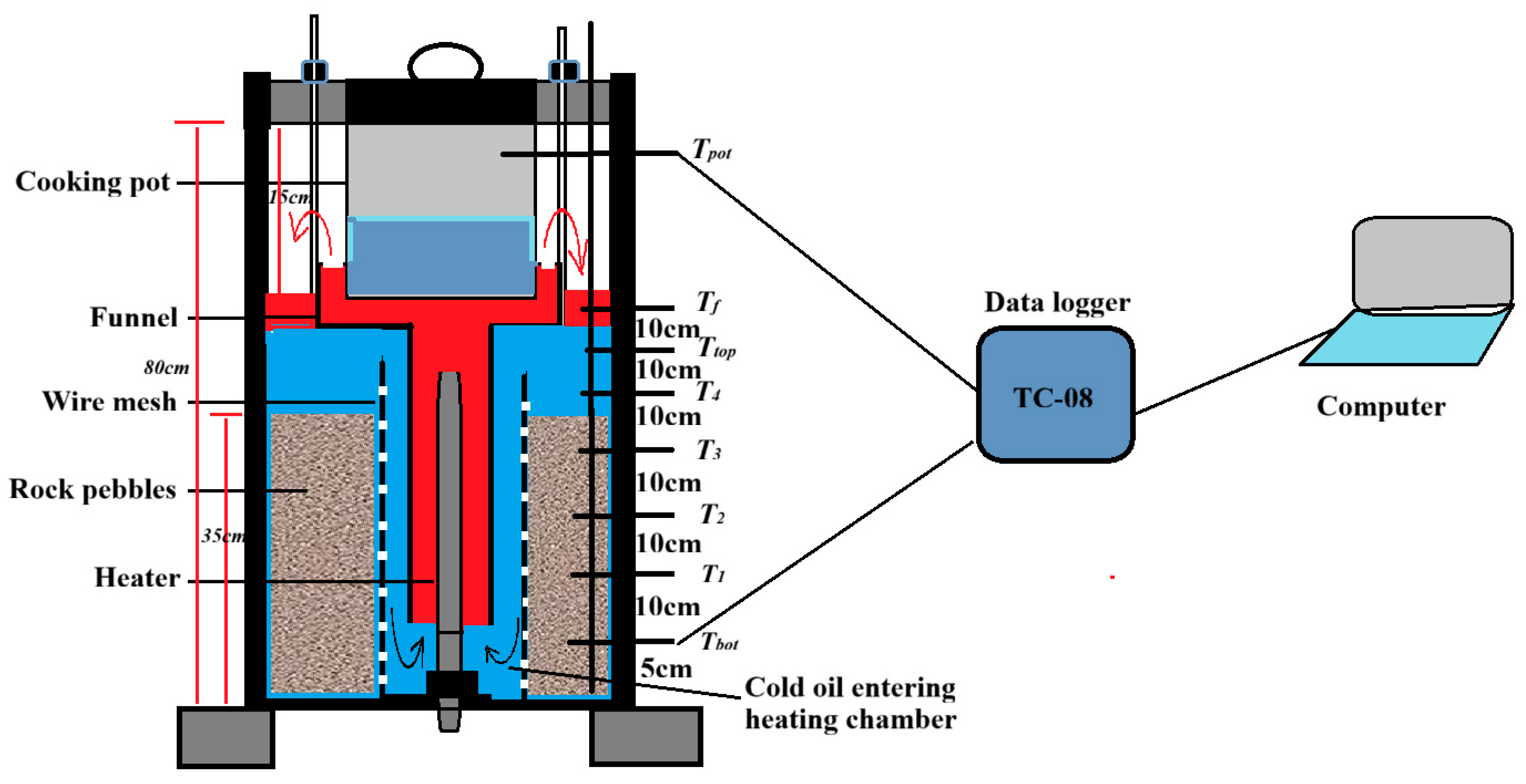
The system consists of three major components, namely, a thermal storage tank, cooking unit, and heating chamber. The system employs the funnel technology that was reported by Chaciga et al. [22]. The funnel system enables users to charge a small volume of oil within the heating chamber to a higher temperature in a short time, avoiding mixing the hot and cold oil in the storage tank. This method enables cooking to start immediately after the oil in the heating chamber is heated, when the bulk of the storage is still cold. The mechanism of heat transfer during charging is by density difference, where the heated oil in the chamber expands when heated, rises up the funnel, and begins to overflow into the TES tank as heating continues. The cold oil at the bottom enters the heating chamber, and this leads to a drop in temperature in the heating chamber caused by the mixing of the cold and hot oil. As heating continues, the heat front progresses down into the storage tank, charging it as shown in Figure 2. The oil–rock TES was a modification of the oil-only TES system, where the same TES tank was modified to include a cage to keep the rocks away from the funnel to enable free adjustments of the funnel heights to control the charging temperature. A schematic drawing of the oil–rock pebble system is depicted in Figure 2. Specifications and material properties of the TES unit are provided in Table 1.

2.1.3. The Dimensions and Material Thermal Properties

The dimensions of the heat storage system with a cooking unit and the parameters of the thermal energy storage are shown in Table 1.

2.2. Experimental Setup

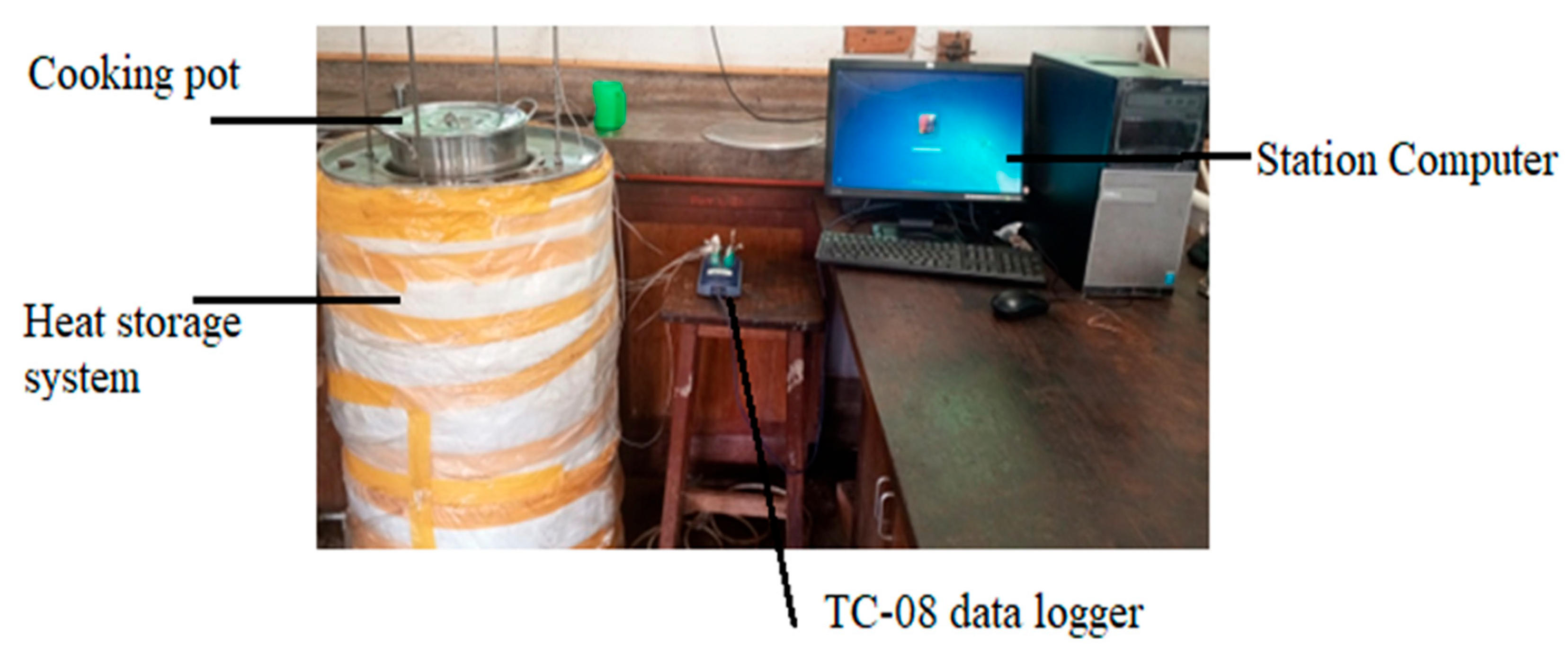
The setup in Figure 3 was developed to demonstrate both the charging and discharging of a combined oil–rock bed system of heat storage using a funnel charging mechanism. Discharging was performed by boiling water using the heat stored.
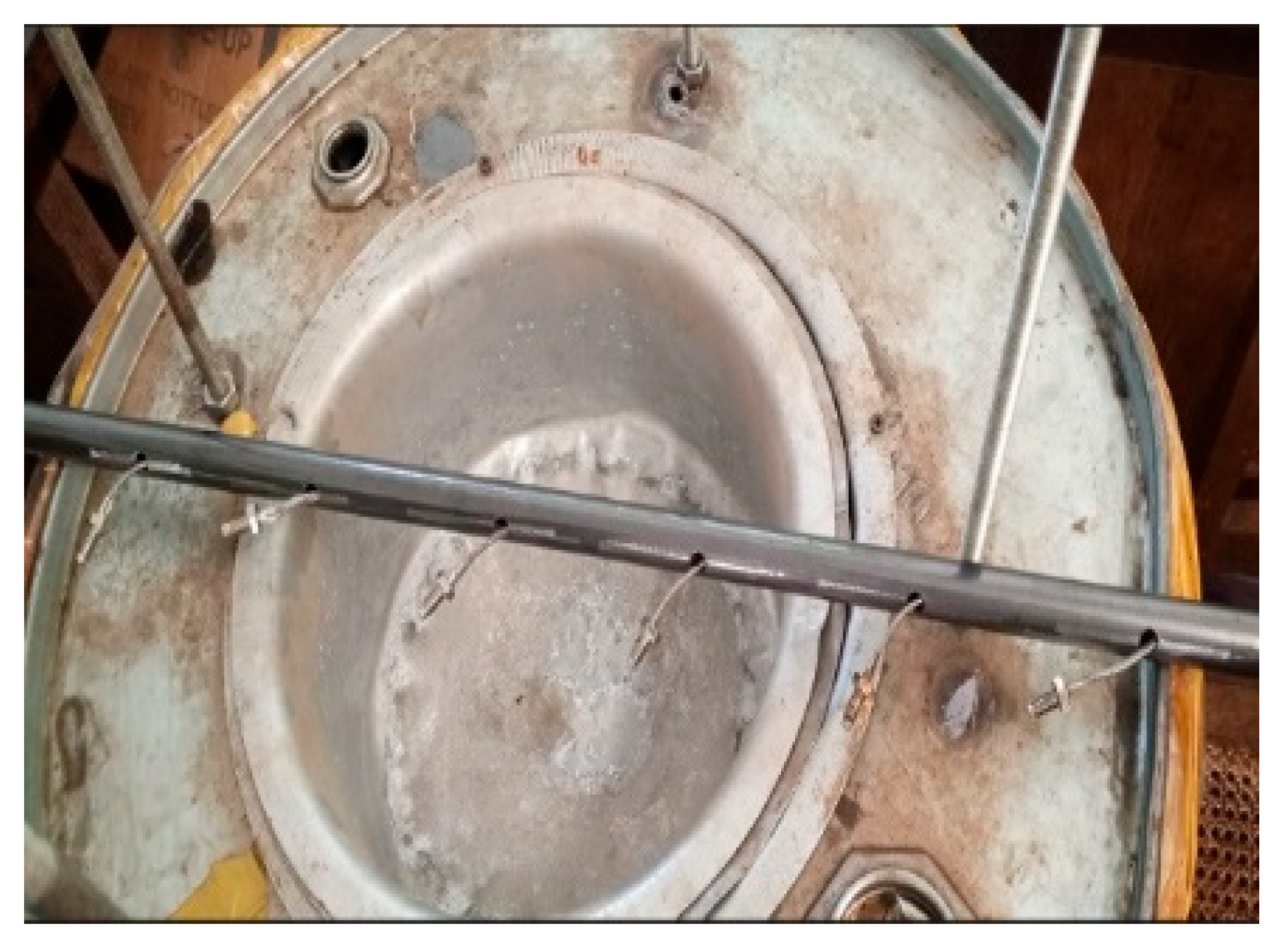
A cylindrical steel drum with a length of 80 cm and diameter of 55 cm was used as the heat storage TES container for the oil-only and oil–rock bed TES experiments. Figure 3 shows the way the top part of the drum was fabricated, enabling easy placement of both the funnel and the cooking pot. A 1.8 kW, 220 V heating element was mounted through the bottom and positioned inside the heating chamber column. A heating element was fitted well inside a funnel chamber that contained a small volume of heat transfer oil. In the first case, 140 L of oil alone was added to the TES tank, and then the heater was connected to AC power and switched on to heat the small volume of oil inside the funnel to the required higher temperature before overflow began into the TES tank. As the oil was heated, it expanded and rose up the funnel and began circulating into the bulk of the storage and charging the storage as heating continued. Several thermocouples interfaced with a TC-08 data logger were connected to a computer to monitor and record temperatures every minute during charging and even during the discharge process. The temperature profile along the storage bed was measured using several K-type thermocouples, which were positioned at distances of about 10 cm apart along the bed, as shown in the schematic of Figure 2. A hollow steel pipe shown in Figure 4 was used to position the thermocouples at known distances vertically along the bed. Care was taken to ensure that the thermocouples’ tips did not touch the hollow steel pipe.
The experiment was repeated with the tank filled with oil and rock pebbles. In this test, rock pebbles of about 65 kg were added to the heat storage, and then the void was filled with 65 L of thermic oil as heat transfer oil and media. The system was charged and discharged by boiling water in the cooking pot.

2.3. System Operation

During charging, the heating element connected to the main electricity grid was switched on. A small volume of oil in the funnel (heating chamber) was heated, and its temperature began to rise rapidly inside the heating chamber. Before the overflow began, the temperature in the bulk of the storage remained constant at its initial starting temperature. As heating continued, the heated oil in the funnel began to expand and rise to the top. The temperature of the oil then rose further, and the hot oil overflowed into the TES tank due to expansion. Eventually, due to density difference, the hot oil remained at the top, and the cold oil settled at the bottom of the tank. The arrows in the schematic diagram of Figure 2 show the direction of flow of the heated oil from the funnel top into the top part of the storage tank and cold oil flowing from the bottom of the tank into the funnel, where it is heated, and the process is repeated. During the discharge process, the heating element was switched off, and cooking was performed by placing a cooking pot in the cooking chamber on top of the funnel. This results in lowering the temperature of the oil on top of the funnel, and the lower temperature oil thus sank into the funnel tube base as hot oil flowed from the top of the storage tank into the cooking chamber. This process repeated as cooking continued.

2.4. Thermal Performance Analyses of the Oil–Rock Pebble TES System

To optimize heat storage, an oil-only system was tested to store energy, and later, rock pebbles were added. Each pebble weighed about 52.8 g with an average diameter of 3.45 cm and was washed using water to remove dust and dried before being added into the storage tank, with a total of 65.0 kg of rock pebbles. The washing was performed to remove dirt, which would otherwise have accumulated inside the pipes and impeded the flow rate of the heat transfer fluid (HTF). A volume V ε , of Thermia B was added to the storage unit. The density and specific heat capacity of the rock and oil used are reported in Table 1. Using temperatures recorded during the charging of the oil–rock pebble TES system, the stratification number, energy stored, and exergy stored of the oil–rock pebble TES system were analyzed as follows:
The total energy stored, E t , in the storage tank, stratified into n segments during charging of the oil–rock pebble TES system is given by
E t = [ ρ o c o ε + ρ r c r ( 1 ε ) ] j = 1 n v j Δ T j
where ρ o and ρ r denote the density of the oil and rock pebbles, respectively; c o   a n d   c r stand for the specific heat capacity of the oil (Thermia B) and granite rock pebbles, respectively, ε is the void fraction of the tank defined by Equation (2), v j is the volume of the j segment, and Δ T j is the temperature difference between two adjacent nodes of the j segment of the stratified tank.
The void fraction ε of the storage tank is defined as follows:
ε = V V r V
where V stands for the volume of the storage tank, and V r for the volume of granite rock pebbles added to the TES tank.

2.5. Energy Consumption in Boiling Water

The average energy consumed by boiling water, Ew, for a given amount of water may be determined by
E w = ρ w V w c p , w ( T w T i n i )
where V w is the volume of water, ρ w is the density, c p , w is the specific heat capacity of water and (TwTini) is the change in temperature of the water.
The rate of energy, P w , required to boil water of mass, m w , from an initial temperature, T i n i , to the final temperature,     T w , to (the boiling point) for time, t, is given by Equation (4) as
P w = ρ w V w c p , w T w T i n i t
Heat loss to the environment was ignored.
The thermal stratification number, strn (t), during the charging period of the heat storage is related by
s t r n t = T x t T x m a x
As seen from Equation (5), the stratification number is the ratio of the mean temperature gradient at any time to the maximum mean temperature gradient during discharging cycles. The mean thermal gradient is expressed in Equation (6) as
T ¯ x = 1 n 1 n = 1 n 1 T n + 1 T n x n
The thermal efficiency for charging the heat storage may be determined using Equation (7).
η C h a r = E s t E d e l
where E s t is the total energy stored in the TES unit and E d e l is the total energy delivered to the TES unit during the charging process.

3. Results and Discussion

3.1. Temperature Profiles of an Air–Rock Pebble Bed Charged with Different Air Flow Speed

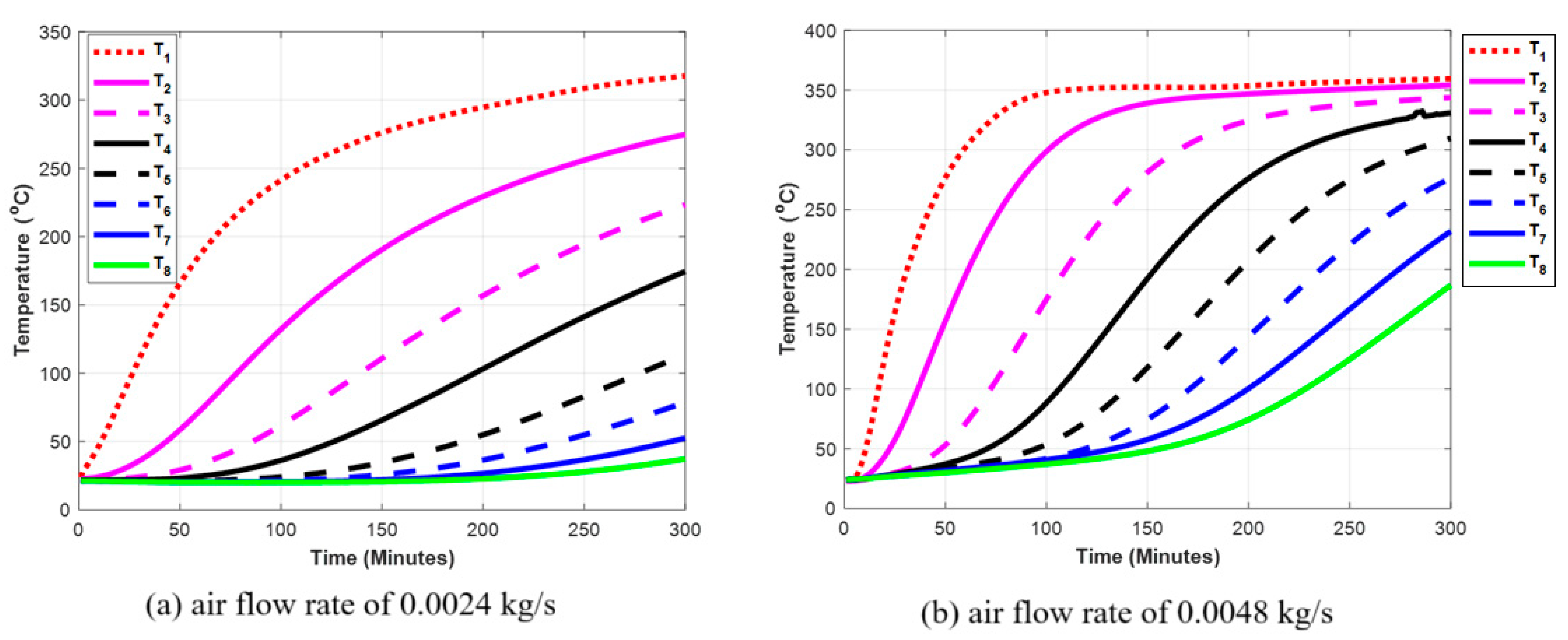
The effects of air mass flow rate on the temperature profiles of a rock bed TES system have been investigated under two different flow regimes. The TES unit was packed with crushed rocks of an average diameter of 3.45 cm and void fraction of 0.42. For easier comparison, two flow rates which are multiples of each other were considered. The input temperature was kept constant. Figure 5 shows the temperature distribution at different bed heights as a measure of charging time. The air flow rate in this case was set to a constant value of 0.0024 and 0.0048 kgs−1. Observations from the two graphs indicate that more stratification occurred in the bed charged with a lower air flow rate for the same duration of time, but more energy was stored using higher flow rates. Doubling the air flow rates doubled the energy in the storage tank. It was observed that an increased air mass flow rate resulted in a decrease in stratification.
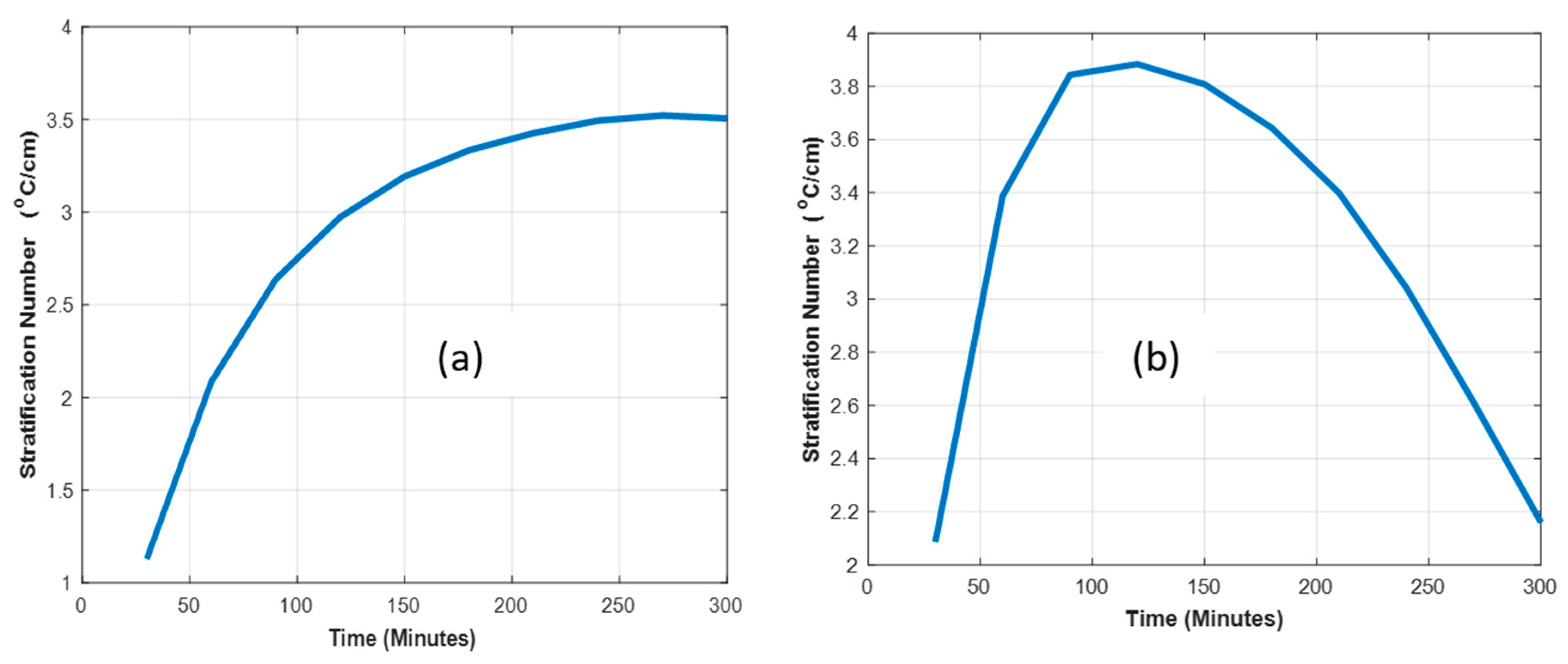
The air mass flow rate strongly affects the cycle capacity factor when supplied at constant temperature conditions. The time lag during the charging process impacts the heat absorption by the heat storage medium. Initially, with a low flow rate of 0.0024 kg/s, the temperature profile as shown in Figure 5a indicates slow temperature growth and a rise with a relatively high stratification pattern compared to Figure 5b. Observing the results after 100 min shows that the top part of Figure 5a is at a temperature of about 270 °C, while the middle part is at about 120 °C, and the bottom is at about 25 °C, as profiled in Figure 1. Observation of the charging profile in Figure 5b with an increased air mass flow rate of 0.0048 kg/s shows the temperatures at the top, middle, and bottom at about 350 °C, 170 °C and 50 °C after a charging period of 100 min. A charging efficiency for the air–rock bed system was estimated to be about 52.0% by using Equation (7). After 300 min of continuing the charging process, the top remained at 350 °C while the bottom temperature increased to about 150 °C, showing a reduction in stratification compared to Figure 5a for the same duration of charging. The temperature profile after 1 h of charging in Figure 5a is similar to the profile after 2 h of charging in Figure 5b. This shows that, for a constant input temperature, doubling the air flow speed through a bed of rocks results in doubling the energy stored. Therefore, it will take only half the time required to fully charge the bed at 0.0024 kg/s when the flow speed is doubled to 0.0048 kg/s. It is also interesting to note that stratification is equal for the same integrated energy input. A higher flow speed produces higher temperatures at the storage bed exit, leading to higher heat loss to the ambient air. As seen from Figure 5a, after 4 h of charging, hot air at about 85 °C was blown out of the storage, and this therefore reduced the system’s efficiency. From these results, we can conclude that the increase in air flow rate shortens the duration to attain a steady-state condition. Computation of the total energy stored after 300 min of charging was about 2.98 kWh and 5.99 kWh, respectively. The stratification numbers were computed by using Equations (5) and (6), and a plot of stratification numbers against time is shown in Figure 6.
In the case of slow flow-rate charging, stratification increases and attains the highest stratification number of 3.5 after 240 min, and it remains almost constant for about 60 min with continued charging, as shown in Figure 6a. The highest stratification was obtained with the highest flow rate after 120 min of charging, with the highest stratification number being 3.88, and after the stratification began to drop with continued charging, as seen from Figure 6b.

3.2. Temperature Profiles of an Oil-Only TES System During the Charging Process

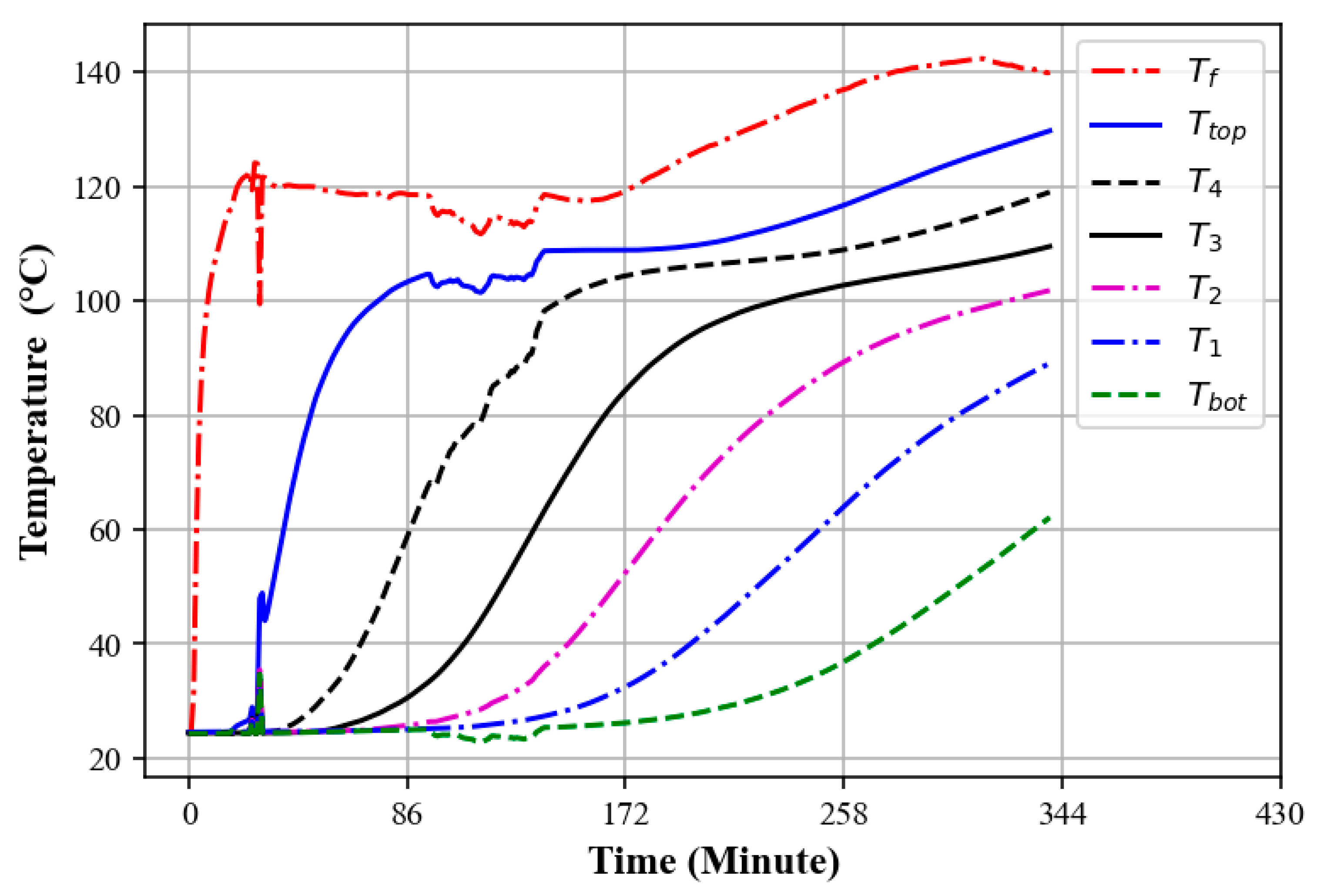
Figure 7 depicts the temperature profiles during the charging of an oil-only TES tank under low-temperature charging conditions. The funnel was raised to a distance of about 3 cm above the level of oil in the tank. As reported by Chaciga et al. [22], the lower the funnel height, the lower the charging temperature, and vice versa. In this case, the overflow began when the temperature in the heating chamber reached approximately 120 °C, and it remained constant for about 1 h while the bottom TES part remained at the initial temperatures. The temperature later started increasing. Towards the end of the experiment, the oil-only heat storage attained a temperature slightly above 140 °C. All thermocouple sensors arranged in the TES tank indicated a gradual rise in temperature as charging continued, and the final energy stored was about 7.10 kWh. Heated oil expanded and overflowed into the heat storage, occurring quickly before achieving higher temperatures. However, this condition allowed for a better stratification pattern with the increase in temperature, as observed in Figure 7. There was a high level of thermal stratification obtained when the barrier level of the charging chamber was increased, and a higher temperature was achieved at the upper layer of the funnel system and storage. The temperature profile at the bottom layer of the storage tank, T 1 , recorded by a thermocouple, continued to increase due to the oil overflow and circulation of heated oil within the storage tank. The temperature drops and peaks at the top were attributed to the position of the sensors and disturbance.

3.3. Temperature Profiles of an Oil–Rock Pebble TES System During the Charging Process

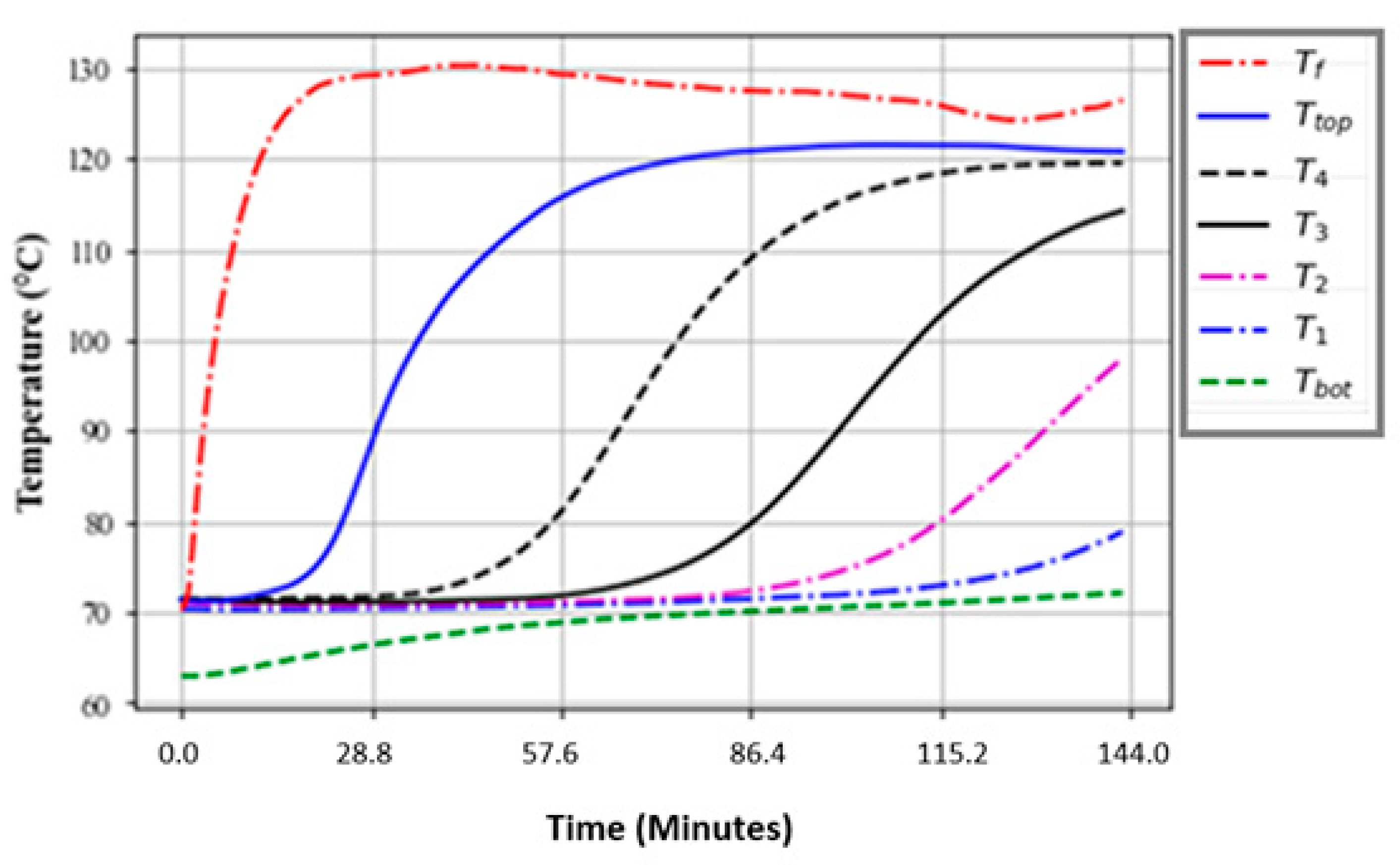
At the start of the charging, the heat storage was at a temperature of about 70 °C from the previous test, as shown in Figure 8. It was observed that the temperature at the top of the funnel increased to about 130 °C in 20 min, while the temperature of the oil in the TES system remained almost constant. In about 1 h, the temperature recorded by the thermocouple Ttop increased to about 120 °C when overflow occurred, allowing the heated oil inside the funnel to naturally circulate. As charging continued, all temperature sensors recorded an increase in values, but the funnel remained nearly constant. The accumulated energy stored in the TES was determined using Equation (1) to be about 4.87 kWh.

3.4. Charging and Discharging Cycle of the Oil–Rock Bed During Heat Retention

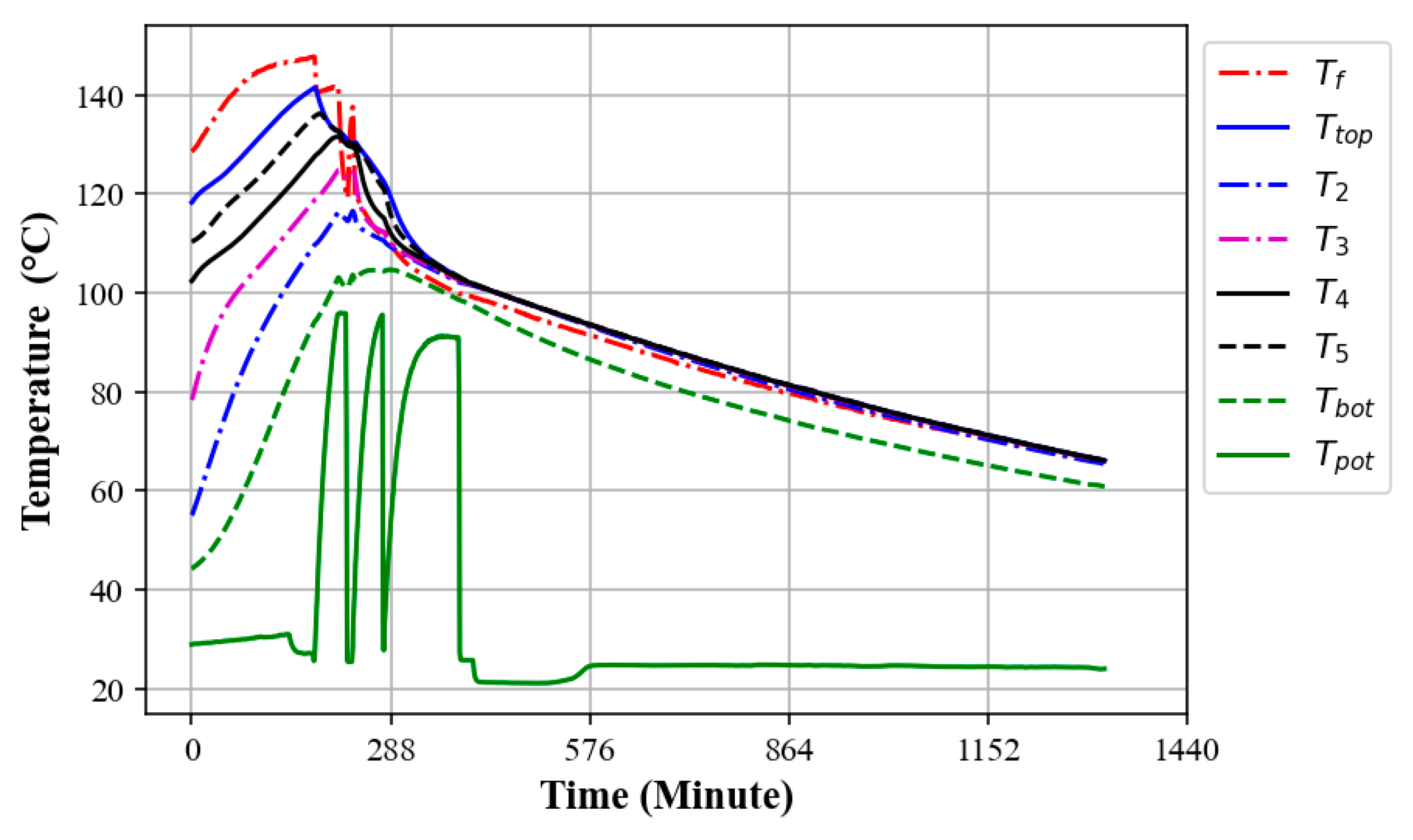
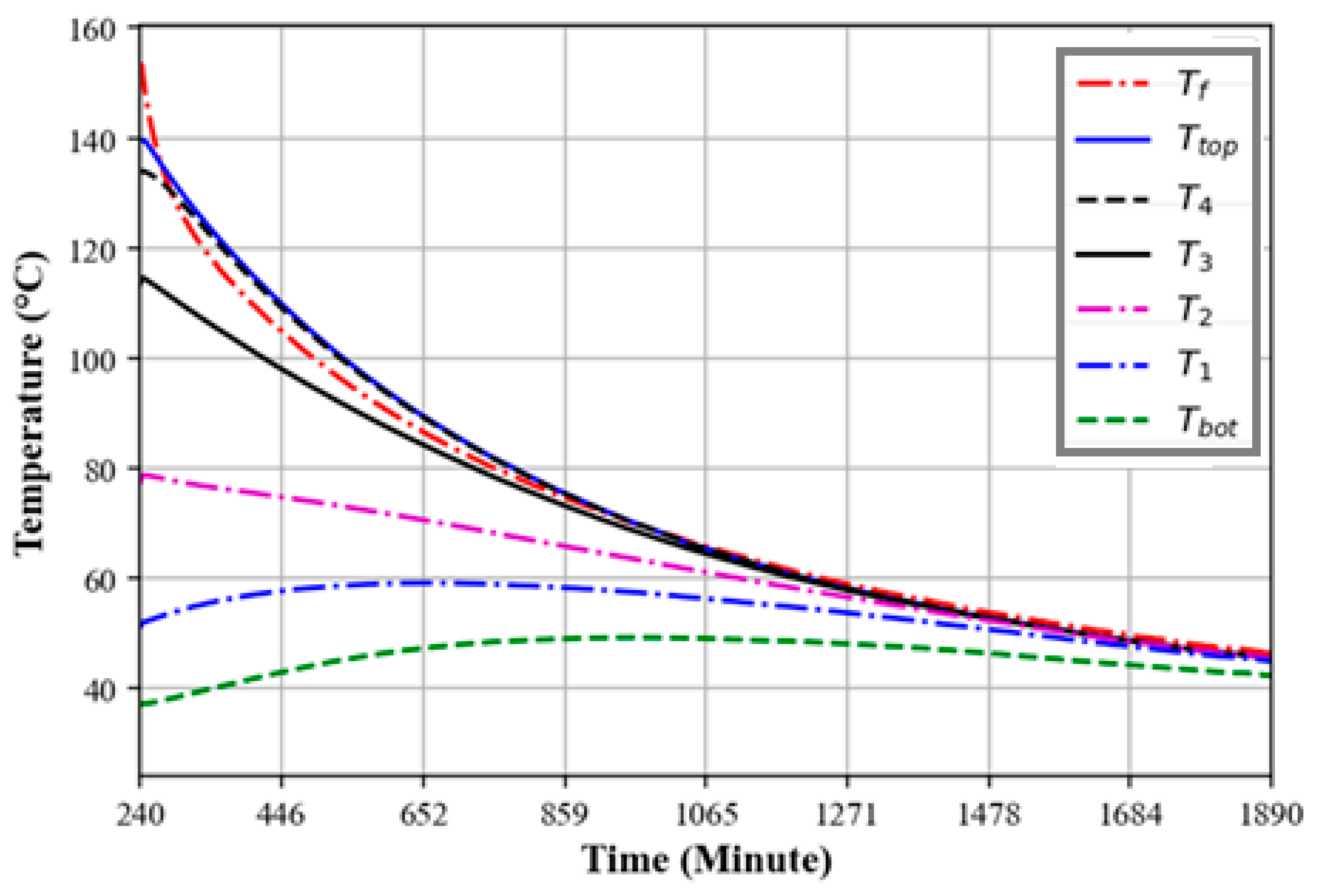
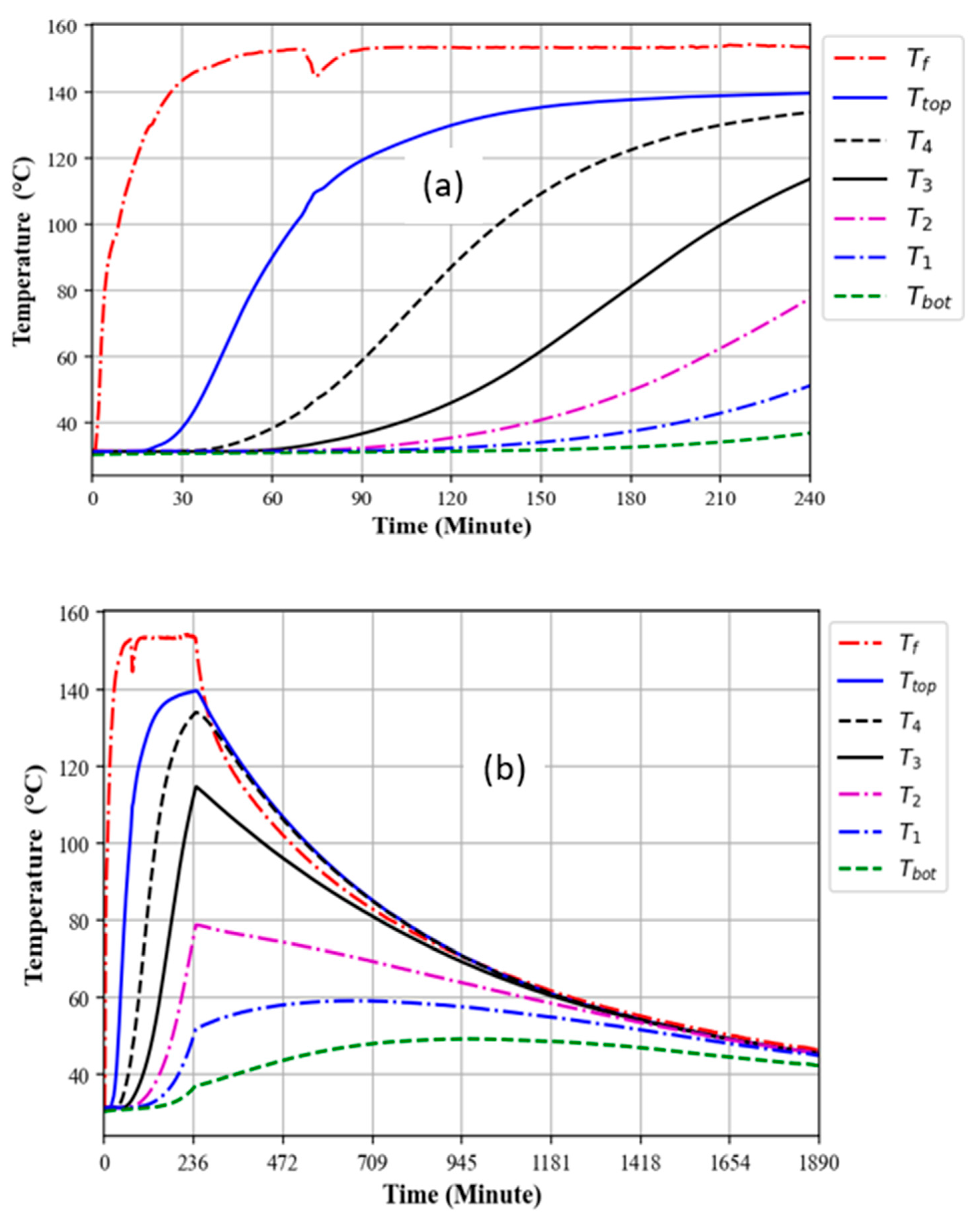
Observations from Figure 9a showed the temperature profiles during charging. In the first 30 min, the temperatures at the top of the funnel increased rapidly, reaching about 142 °C, while the bulk of the tank was still at ambient temperature. As heating continued, the temperature at the top of the tank started to rise, and this was observed to continue down into the lower part of the storage tank. The charging was performed for 240 min with the upper layer of the thermal storage at 140 °C, the bottom at 38 °C, and then charging was stopped. The amount of energy stored in the heat storage system was about 6.21 kWh. The storage system was left over 24 h to observe its heat retention capacity and temperature profiles during this period, which are shown in Figure 9b. The hotter top part’s temperature dropped faster, initially as the lower part’s temperature increased a bit, and thereafter, all temperatures continued to decrease, indicating heat lost to the ambient air. After 1654 min of rest, only about 0.82 kWh remained of the heat stored, showing very high heat loss to the surroundings. The high heat loss was a result of the poor insulation of the system. The charging efficiency of the oil–rock bed system was estimated to be at 64.5 % . This value is comparable with other work reported in the literature [23].

3.5. Thermal Performance of the Oil–Rock Heat Storage and Its Heat Retention

3.5.1. Prolonged Discharge of Heat Storage Through the Water Boiling Test

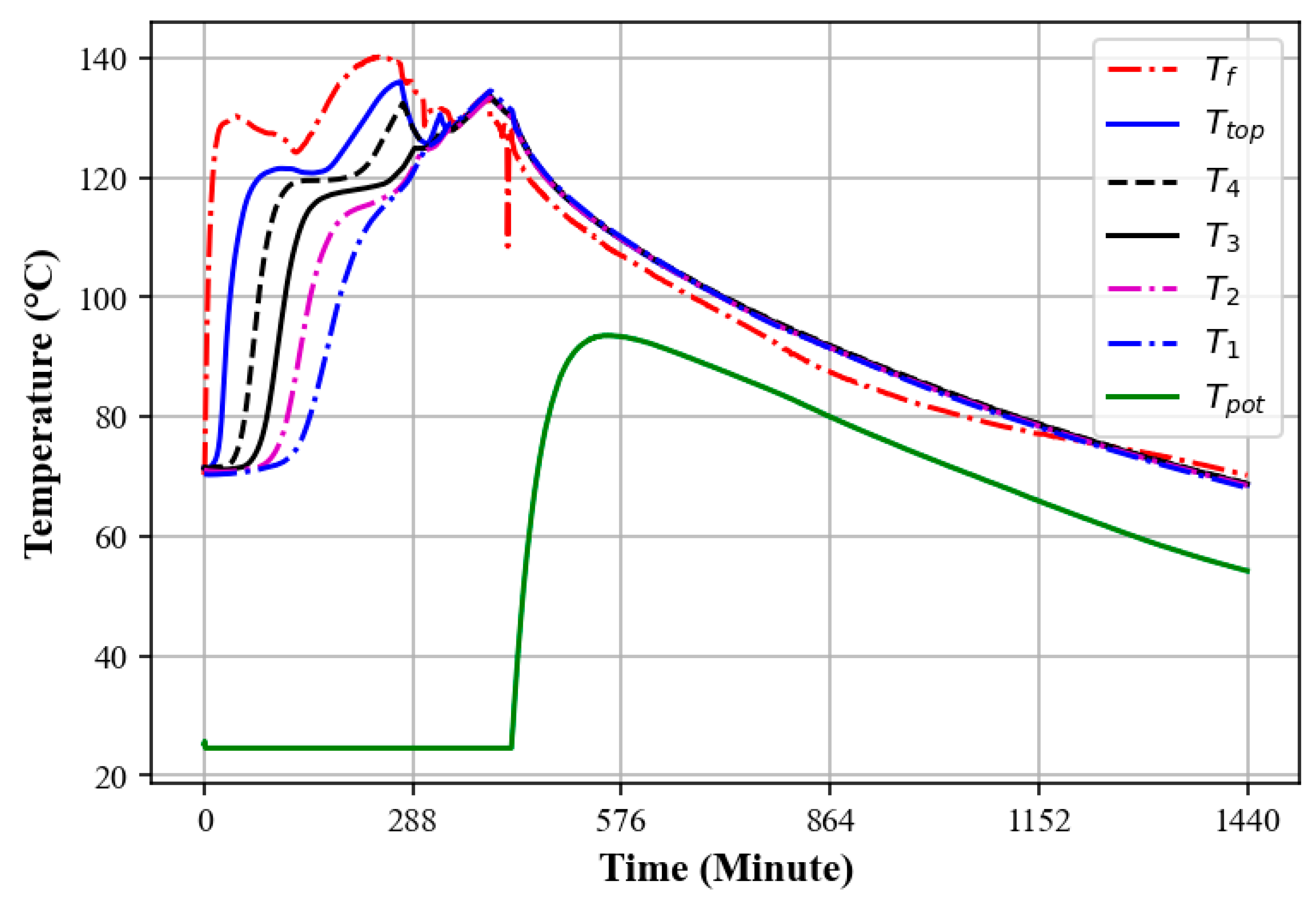
Figure 10 presents a storage tank that was first charged for 280 min to temperatures of 140 °C at the upper part and 120 °C at the bottom before charging was stopped. A water boiling test was carried out on the discharge process. This was performed using a partially charged condition for the heat storage system, with about 4.87 kWh of energy available for heat extraction, as per Equation (1). Then, 10 L of water was added to the pot and left to boil overnight in the storage. This was to observe the extraction profile of the energy stored over a long period of time. The temperature profiles in the cooking pot T p o t show the water temperature against the cooling curve for a duration of over 24 h. 10 L of water boiled in about 35 min. Water heating continued for another 1 h, depicted by the short flat top of constant temperature indicated by the thermocouple, T p o t . The temperature of the heat storage decayed gradually, whereby the temperature fell for a period from 576 min to 1440 min. Water was maintained at about 60 °C for over 14 h by the energy stored in the sensible materials.

3.5.2. Thermal Discharge of Oil–Rock Bed Heat Storage During Multiple Water Boiling Tests

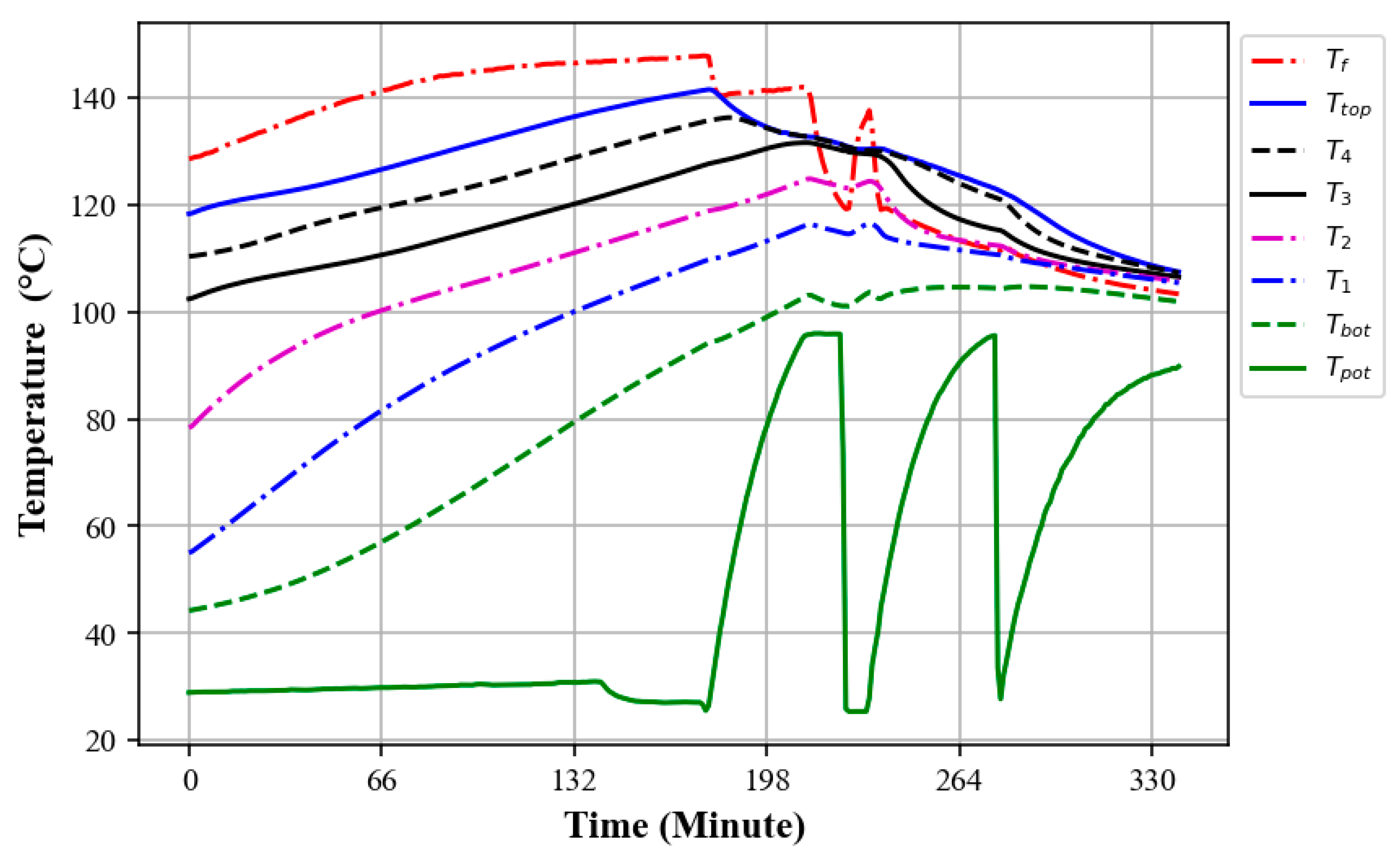
The performance of the system after charging and using it to boil known volumes of water is shown in Figure 11. The heat storage was first charged with temperatures in the funnel, upper, and lower parts of the storage at about 145 °C, 140 °C, and 105 °C, respectively, and charging was stopped to prepare for the discharge process through performing water boiling tests. Different heating rates of the system were measured by performing water boiling tests. At this point 5 L of water was placed in the cooking chamber, and its temperature was monitored by the thermocouple Tw shown in Figure 11. The water was observed to boil after 30 min in the first two tests, and thereafter boiling took a relatively longer period. The energy consumed in each case was about 0.79 kWh, as computed using Equation (3).
The test was repeated again, as depicted in Figure 12. The bed was charged and electric power supply to the heater was switched off. The energy stored in the heat storage was about 4.91 kWh before discharge. A total of 5 L of water at ambient temperature (25 °C) was placed in the cooking chamber, and thermocouple sensors (Tw) were placed inside it to record the temperature every minute. The temperature of the water was observed to increase to the boiling point of water faster in the first two boiling tests. Similar results as observed in Figure 11 were obtained, showing that these results can be reproduced.

3.5.3. Thermal Charging While Extracting Heat at the Same Time

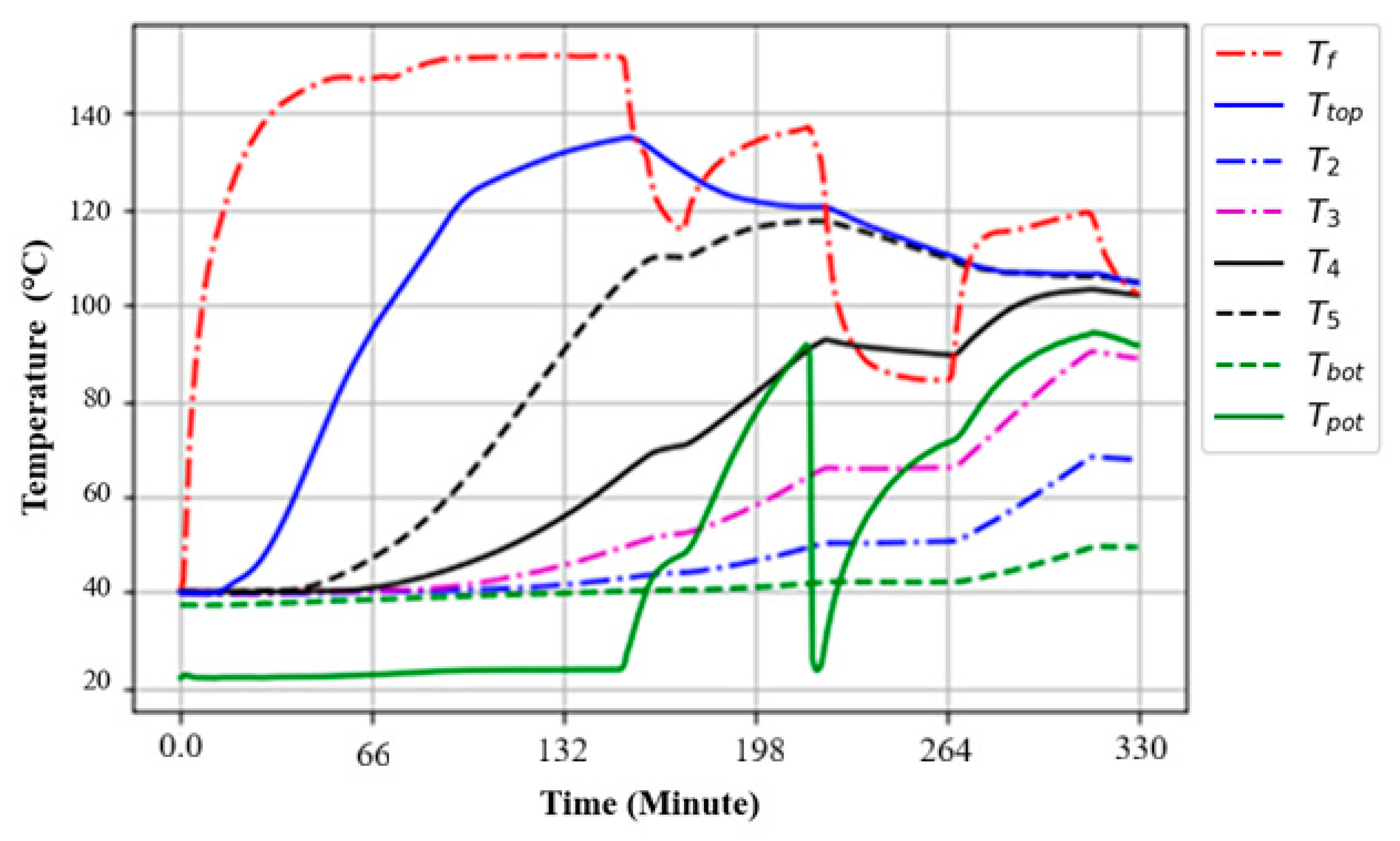
The water boiling test was demonstrated, in this case, while charging the heat storage system, as shown in Figure 13. The temperature in the funnel increased to about 150 °C but the bottom part was still at ambient. At this point, 10 L of water was filled in the pot. Observation shows a drop in the funnel temperature as the temperature of the water increases. The temperature of the heated oil dropped to below the temperature at the top of the storage system before starting to increase again when the water attained its warming temperature, up to boiling. After boiling, the water was replaced with another 10 L of water, and similar drop in the temperature profiles within the heating chamber and the top part of the storage system was observed. This shows that it is possible to cook while charging the storage system, but it affects the quality of heat in the storage system compared to when the system is charged uninterruptedly.

3.6. Heat Retention of the Oil–Rock Bed Heat Storage System

The heat storage tank was charged to a relatively high temperature of 140 °C at the top while the bottom was just below 40 °C. The heating was stopped when the storage was stratified, and the system was left to rest for some time. A temperature drop was observed in the TES tank, which was faster at the hotter top part, as seen in Figure 14. The thermal front decayed in the storage as did the energy available. This shows a relatively high heat loss to the surroundings that may need better insulation if it is to retain heat for a longer period of time.

4. Conclusions and Recommendations

The thermal performance of air–rock bed, oil-only and oil–rock bed sensible heat storage systems have been experimentally tested and analyzed. An air–rock heat storage system can store heat at high temperatures suitable for most cooking applications, but the low thermal conductivity of air and the system design makes it difficult for heat extraction. The rate of charging increases with air flow rates. Higher stratification was observed with slower air flow rates for a given charging period at constant charging temperature. The most energy can be stored in the oil-only system, followed by the oil–rock pebble system, and the least in the air–rock system. The oil–rock system has the potential to store more thermal energy but requires a longer time of about 5 h to fully charge. The oil–rock pebble system is recommended because the materials are readily available at affordable costs with relatively good thermal properties, and the design of the system is suitable for cooking applications. The oil system has advantages over air, in that it is possible to charge and discharge without the need for a force pump, thereby reducing the system’s cost. The oil–rock bed systems can be used for cooking, since the water boiling tests performed showed a relatively faster cooking rate. In addition, the temperature at the top of the funnel can be adjusted by adjusting the funnel heights, thereby controlling the rate of heat extraction and making the system similar to conventional electric and gas stoves. The heat retention test we performed showed a faster loss of thermal stratification and the need for improved insulation if the system is to retain heat for a longer duration. This type of system may be very beneficial for technological advancement and the integration of solar cookers with heat storage that are time-flexible for domestic and community cooking charged by intermittent power, such as solar energy.

Author Contributions

D.O.: Conceptualization, Reviewed and Edited the paper, Wrote the Paper, Funding acquisition, Methodology, Project administration, Resources, Supervision, and Validation. J.C.: Conceptualization, System Design Review, Methodology, System Construction, Performed the Experiments, Data Collection, Result Analysis, Investigation, Methodology, Visualization, Wrote the Paper Draft, Reviewed and Edited the paper. K.N.: Project administration, Funding acquisition, Equipment and Software Acquisitions, Supervision, Validation, Review and Editing of the Paper. O.J.N.: Conceptualization, Methodology, System design review, Funding acquisition, Overall Project administration, Supervision, Validation, Review and Editing of the Paper. All authors have read and agreed to the published version of the manuscript.

Funding

The authors are grateful to the Norwegian Agency for Development Cooperation (NORAD) for their financial support through NORHED II Project—Energy Technology Network (EnergyNET).

Data Availability Statement

The original contributions presented in this study are included in the article. Further inquiries can be directed to the corresponding author.

Acknowledgments

EnergyNET is a research collaboration between the Norwegian University of Science and Technology, Makerere University, and six other universities in East and Southern Africa. The International Science Program ISP, through the UGA01 project.

Conflicts of Interest

The authors declare no conflict of interest.

Nomenclature

Abbreviations
TESThermal Energy Storage
PCMPhase Change Material
SHMSensible heat storage material
HTFHeat Transfer Fluid
MinMinutes
Symbols
hhour
TTemperature
T f Temperature of the funnel
T w Temperature of the water
T t o p Temperature at the top
T b o t Temperature at the bottom
T i n i Initial temperature
T n Initial temperature
T n + 1 Final temperature
V i Initial volume of oil
V n New volume of oil
V w Volume of water
ε Void fraction
E Total energy stored
P Electric power
c p Specific heat capacity
ρ   Density of a substance

References

  1. Energy Institute EI. Statistical Review of World Energy. 2024. Available online: https://www.energyinst.org/statistical-review (accessed on 16 October 2025).
  2. Haselip, J. Scaling Up Investment in Climate Technologies Pathways to Realising Technology Development and Transfer in Support of the Paris Agreement Editor. 2021. Available online: https://unepdtu.org/ (accessed on 14 September 2025).
  3. Bhattacharya, S.C.; Salam, P.A. Low greenhouse gas biomass options for cooking in the developing countries. Biomass Bioenergy 2002, 22, 305–317. [Google Scholar] [CrossRef]
  4. Leary, J.; Leach, M.; Batchelor, S.; Scott, N.; Brown, E. Battery-supported eCooking: A transformative opportunity for 2.6 billion people who still cook with biomass. Energy Policy 2021, 159, 112619. [Google Scholar] [CrossRef]
  5. Redpath, D.A.G.; McIlveen-Wright, D.; Kattakayam, T.; Hewitt, N.J.; Karlowski, J.; Bardi, U. Battery powered electric vehicles charged via solar photovoltaic arrays developed for light agricultural duties in remote hilly areas in the Southern Mediterranean region. J. Clean. Prod. 2011, 19, 2034–2048. [Google Scholar] [CrossRef]
  6. MECS. The State of Access to Modern Energy Cooking Services. 2020. Available online: https://documents1.worldbank.org/curated/en/937141600195758792/pdf/The-State-of-Access-to-Modern-Energy-Cooking-Services.pdf (accessed on 3 August 2023).
  7. Modern Energy Cooking Services MECS. Cooking with Electricity in Uganda: Barriers and Opportunities. 2020. Available online: https://mecs.org.uk/publications/cooking-with-electricity-in-uganda-barriers-and-opportunities/ (accessed on 16 October 2025).
  8. Gullberg, A.T.; Ohlhorst, D.; Schreurs, M. Towards a low carbon energy future—Renewable energy cooperation between Germany and Norway. Renew. Energy 2014, 68, 216–222. [Google Scholar] [CrossRef]
  9. Indora, S.; Kandpal, T.C. Institutional cooking with solar energy: A review. Renew. Sustain. Energy Rev. 2018, 84, 131–154. [Google Scholar] [CrossRef]
  10. Cuce, E.; Cuce, P.M. A comprehensive review on solar cookers. Appl. Energy 2013, 102, 1399–1421. [Google Scholar] [CrossRef]
  11. Yadav, A.K.; Kumar, A.; Sinha, S. A review of concentrated solar power status and challenges in India. Sol. Compass 2024, 12, 100079. [Google Scholar] [CrossRef]
  12. Hussein, H.M.S.; El-Ghetany, H.H.; Nada, S.A. Experimental investigation of novel indirect solar cooker with indoor PCM thermal storage and cooking unit. Energy Convers. Manag. 2008, 49, 2237–2246. [Google Scholar] [CrossRef]
  13. Okello, D.; Foong, C.W.; Nydal, O.J.; Banda, E.J.K. An experimental investigation on the combined use of phase change material and rock particles for high temperature (~350 °C) heat storage. Energy Convers. Manag. 2014, 79, 1–8. [Google Scholar] [CrossRef]
  14. Mawire, A. Performance of Sunflower Oil as a sensible heat storage medium for domestic applications. J. Energy Storage 2016, 5, 1–9. [Google Scholar] [CrossRef]
  15. Esteban, B.; Riba, J.R.; Baquero, G.; Rius, A.; Puig, R. Temperature dependence of density and viscosity of vegetable oils. Biomass Bioenergy 2012, 42, 164–171. [Google Scholar] [CrossRef]
  16. Fasina, O.O.; Colley, Z. Viscosity and specific heat of vegetable oils as a function of temperature: 35 °C to 180 °C. Int. J. Food Prop. 2008, 11, 738–746. [Google Scholar] [CrossRef]
  17. Hoffmann, J.F.; Vaitilingom, G.; Henry, J.-F.; Chirtoc, M.; Olives, R.; Goetz, V.; Py, X. Temperature dependence of thermophysical and rheological properties of seven vegetable oils in view of their use as heat transfer fluids in concentrated solar plants. Sol. Energy Mater. Sol. Cells 2018, 178, 129–138. [Google Scholar] [CrossRef]
  18. Trost, D.; Polcar, A.; Boldor, D.; Nde, D.B.; Wolak, A.; Kumbár, V. Temperature Dependence of Density and Viscosity of Biobutanol-Gasoline Blends. Appl. Sci. 2021, 11, 3172. [Google Scholar] [CrossRef]
  19. Mawire, A.; Taole, S.H.; Van Den Heetkamp, R.R.J. Experimental investigation on simultaneous charging and discharging of an oil storage tank. Energy Convers. Manag. 2013, 65, 245–254. [Google Scholar] [CrossRef]
  20. Watkins, T.; Arroyo, P.; Perry, R.; Wang, R.; Arriaga, O.; Fleming, M.; O’Day, C.; Stone, I.; Sekerak, J.; Mast, D. Insulated Solar Electric Cooking—Tomorrow’s healthy affordable stoves? Dev. Eng. 2017, 2, 47–52. [Google Scholar] [CrossRef]
  21. Batchelor, S.; Talukder, A.R.; Uddin, R.; Mondal, S.K.; Islam, S.; Redoy, R.K.; Hanlin, R.; Khan, M.R. Solar e-cooking: A proposition for solar home system integrated clean cooking. Energies 2018, 11, 2933. [Google Scholar] [CrossRef]
  22. Chaciga, J.; Nyeinga, K.; Okello, D.; Nydal, O.J. Design and experimental analysis on a single tank energy storage system integrated with a cooking unit using funnel system. J. Energy Storage 2024, 79, 110163. [Google Scholar] [CrossRef]
  23. Lugolole, R.; Mawire, A.; Lentswe, K.A.; Okello, D.; Nyeinga, K. Thermal performance comparison of three sensible heat thermal energy storage systems during charging cycles. Sustain. Energy Technol. Assess. 2018, 30, 37–51. [Google Scholar] [CrossRef]
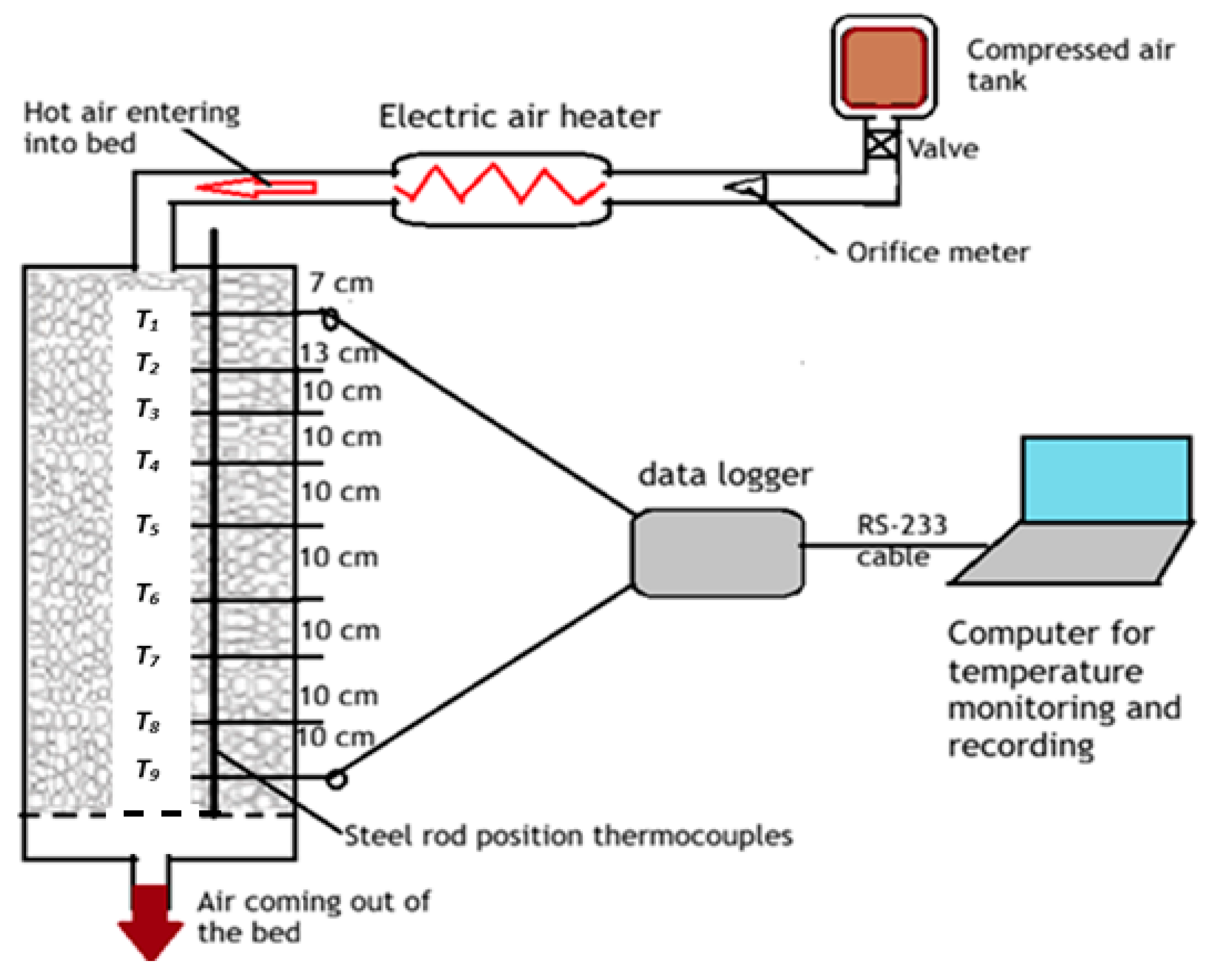
Figure 1. The air–rock bed experimental setup. Modified from [13].
Esa 02 00015 g001
Figure 2. The design of the oil-only and oil–rock pebble systems using a funnel system.
Esa 02 00015 g002
Figure 3. Experimental setup for oil–rock system during charging and discharging process.
Esa 02 00015 g003
Figure 4. The hollow steel pipe used to position the thermocouples at distances of 10 cm apart along the cylindrical TES tank.
Esa 02 00015 g004
Figure 5. (a) Temperature profiles along the bed length at various charging times for a rock bed charged using a flow rate of 0.0024 kg/s continuously for about 4 h, (b) Temperature profile with an air flow rate of 0.0048 kg/s for about 4 h.
Esa 02 00015 g005
Figure 6. Shows stratification plots for the air–rock bed heat storage system where (a) represents a charged storage with air flow mass of 0.0024 kg/s, while (b) represents the stratification pattern charged at 0.0048 kg/s.
Esa 02 00015 g006
Figure 7. Temperature profile showing the charging of an oil-only TES system.
Esa 02 00015 g007
Figure 8. Temperature distribution of the charged oil–rock heat storage tank using a funnel system.
Esa 02 00015 g008
Figure 9. (a) shows the temperature distribution of the heat storage tank during the charging period, (b) shows the profile obtained during the discharging cycle of the storage.
Esa 02 00015 g009
Figure 10. Temperature profile for discharging the heat storage through boiling 5 L of water.
Esa 02 00015 g010
Figure 11. The heat storage was charged to about 145 °C and discharged through boiling 5 L of water several times.
Esa 02 00015 g011
Figure 12. The heat storage was charged to about 145 °C and discharged through boiling 5 L of water three times, as recorded by the thermocouple, T p o t .
Esa 02 00015 g012
Figure 13. Charging the heat storage system while performing a water boiling test.
Esa 02 00015 g013
Figure 14. Heat retention capacity of the oil–rock storage bed after being charged to about 160 °C and left to cool to show its cooling curve.
Esa 02 00015 g014
Table 1. System dimensions and parameters of the thermal properties.
Parameter DescriptionValue
Void fraction (oil–rock system), ε 0.42
Volume of oil (±0.5 L) Volume of oil (±0.5 L) V o 90 L
Total mass of rock in oil–rock bed TES (±0.05 kg), m r 65.0 kg
Height of rock in oil–rock bed TES (±0.05 cm)35.0 cm
Density of thermal oil, ρ o 870 kgm−3
Specific heat capacity of oil (±0.5), c o 1790 Jkg−1K−1
Height of oil/rock bed heat storage tank (±0.05 cm)80.0 cm
Height of air/rock bed heat storage tank (±0.05 cm)90.0 cm
Diameter of oil–rock bed TES unit (±0.05 cm)55.0 cm
Funnel diameter (±0.05 cm)10.0 cm
Diameter of wire mesh guarding funnel (±0.05 cm)15.0 cm
Height of oil above the rock (±0.05 cm)30.0 cm
Free space above oil level (±0.05 cm)15.0 cm
Density of air, ρ a 1.2 kgm−3
Specific heat capacity of air (20 °C), c a 1006 Jkg−1K−1
Specific heat capacity of rock (±0.5), c r 790 Jkg−1K−1
Density of rocks (±0.5 kgm−3), ρ r 2643 kgm−3
Thermal conductivity of rock, k r 3.1 Wm−1K−1
Thermal conductivity of oil, k o 0.118 Wm−1K−1
Thermal conductivity of air, k a 0.026 Wm−1K−1
Diameter cookpot (±0.05 cm)31.5 cm
Height of cookpot (±0.05 cm)20.0 cm
Volume of water, V w 5–10 L
Thermal conductivity of insulating material, k 0.056 Wm−1K−1
Thermal insulation thickness (±0.05 cm)10.0 cm
Disclaimer/Publisher’s Note: The statements, opinions and data contained in all publications are solely those of the individual author(s) and contributor(s) and not of MDPI and/or the editor(s). MDPI and/or the editor(s) disclaim responsibility for any injury to people or property resulting from any ideas, methods, instructions or products referred to in the content.