1. Introduction
Congenital anomalies of the external ear canal in domestic animals are uncommon. External auditory canal atresia (EACA), characterized by the partial or complete closure or absence of the external auditory canal, can be congenital due to incomplete development of the ear canal and possibly middle ear structures [
1,
2,
3,
4,
5,
6,
7,
8,
9,
10].
Congenital EACA has been documented in several canine breeds, including Labrador Retrievers [
10], Wirehaired Pointing Griffon [
8], and American Staffordshire Terrier [
7], but there’s still no evidence that correlates EACA with breed and age. Although all reported cases of congenital EACA have been unilateral, there is no apparent predilection for either side. In contrast, in humans, congenital EACA shows a higher incidence in the right ear than in the left [
7,
11].
Acquired EACA may result from neoplasia, chronic otitis externa, and trauma, leading to separation at the junction of the horizontal and vertical canals while retaining a patent external opening [
5,
11,
12,
13,
14,
15]. Acquired EACA has been reported in both cats and dogs [
12,
13].
Clinical presentation is variable in both congenital and acquired EACA. Patients can either present asymptomatically [
1,
7] or exhibit neurological signs, unilateral pain on ear palpation [
1,
2,
3,
13,
16], and signs of inflammation [
5,
6]. Affected animals commonly show a missing external opening of the auditory canal and a blind-ending vertical canal [
1,
2,
3,
4,
5,
6,
7,
8,
9]. An exception has been described by Philips et al. [
10], which is the only case of congenital EACA located within the horizontal external ear canal. Distinguishing congenital from acquired EACA is clinically important because congenital cases may present later in juvenile animals when debris accumulation and inflammation become clinically significant, whereas acquired atresia is typically associated with a preceding history of chronic otitis or canal injury.
According to previous studies, various surgical techniques have been employed to address both forms of EACA; however, a standardized decision-making process has not been clearly established. The surgical approaches varied between the cases, tailored to their individual presentations, radiography [
2,
3,
5,
13,
14], computed tomography (CT) [
1,
4,
5,
6,
7,
8], and magnetic resonance imaging (MRI) findings [
10], and auditory function test results [
1,
17,
18].
Congenital and acquired EACA, while rare, can significantly impact the auditory function of domestic animals [
1,
17,
18]. Nevertheless, based on previous documented cases, prognosis appeared satisfactory with resolution of clinical signs in most patients following surgical management [
2,
3,
4,
6,
10,
12,
13]. Early diagnosis and individualized surgical management are considered essential to optimize functional outcomes.
The objectives of this case series were to (i) describe the clinical presentation and computed tomography (CT) characteristics of congenital EACA, (ii) detail a vertical ear canal pull-through anastomosis technique, and (iii) report perioperative and long-term outcomes. Given the small sample size, the findings are descriptive and intended to inform clinical decision-making rather than provide definitive comparative evidence.
2. Case Presentation
Both dogs presented were client-owned dogs, and all investigations were conducted as part of clinically indicated procedures. Data collected from medical records included signalment, clinical signs, diagnostic findings, surgical procedures performed, and postoperative outcomes.
Case 1 signalment:
An 8-month-old male entire Caucasian Shepherd dog, weighing 45 kg, was referred with a history of left-sided otalgia of 3 weeks duration. The dog was acquired from a breeder at 8 weeks of age, had been in the current owner’s care since that time, and no episodes of head trauma, bite wounds, or prior ear surgery were reported. Neurological signs, such as head tilt, ataxia, or nystagmus, were not reported. The dog was in good health with no underlying medical conditions and was fully up to date on vaccinations and parasite control treatments.
Physical examination was unremarkable. On otoscopic examination, there was an absence of the left auditory canal opening, and the closed auditory meatus was filled with malodorous brown ceruminous debris. The vertical ear canal was oedematous and painful on palpation. The right ear canal and tympanic membrane were unremarkable. Cytological examination showed a small amount of yeast (Malassezia spp.).
Case 2 signalment:
A 9-month-old male entire Maltese, weighing 2.5 kg, was referred with left-sided otalgia of 1 month duration. The dog was owned since 8 weeks of age, and had no history of trauma or previous ear pathology. He had no underlying medical conditions and was fully up to date on vaccinations and parasite prevention, similar to the prior case. Corticosteroid treatment (prednisolone, [Adelcort; Adelco, Athens, Greece] at 0.5 mg/kg, per os, twice daily, for 1 week) had been administered by the referring veterinarian, without any improvement. No other clinical signs were mentioned. Physical examination was unremarkable. On otoscopic examination, there was an absence of the left auditory canal opening (
Figure 1). A swelling was palpable corresponding to the vertical ear canal. Cytological examination of material collected from the closed auditory meatus revealed the absence of inflammatory cells, bacteria, or yeast. The right ear canal and tympanic membrane were unremarkable.
Case 1 and 2 diagnostic findings:
Preoperative complete blood count and serum biochemistry profile were clinically unremarkable in both dogs.
Computed tomography (CT) of the head was performed, under general anesthesia, using a helical scanner (Revolution ACT GE; General Healthcare Medical Systems, Chicago, IL, USA), acquiring images with a slice thickness of 1.25 mm and a reconstruction interval of 0.625 mm. The examination was performed with thin transverse slices and reconstruction in three planes and three dimensions, covering the entire viscerocranium. A post-contrast study was subsequently obtained following intravenous administration of contrast medium (Omnipaque [Iohexol], 2 mL/kg, intravenously [IV] once; GE Healthcare, Chicago, IL, USA).
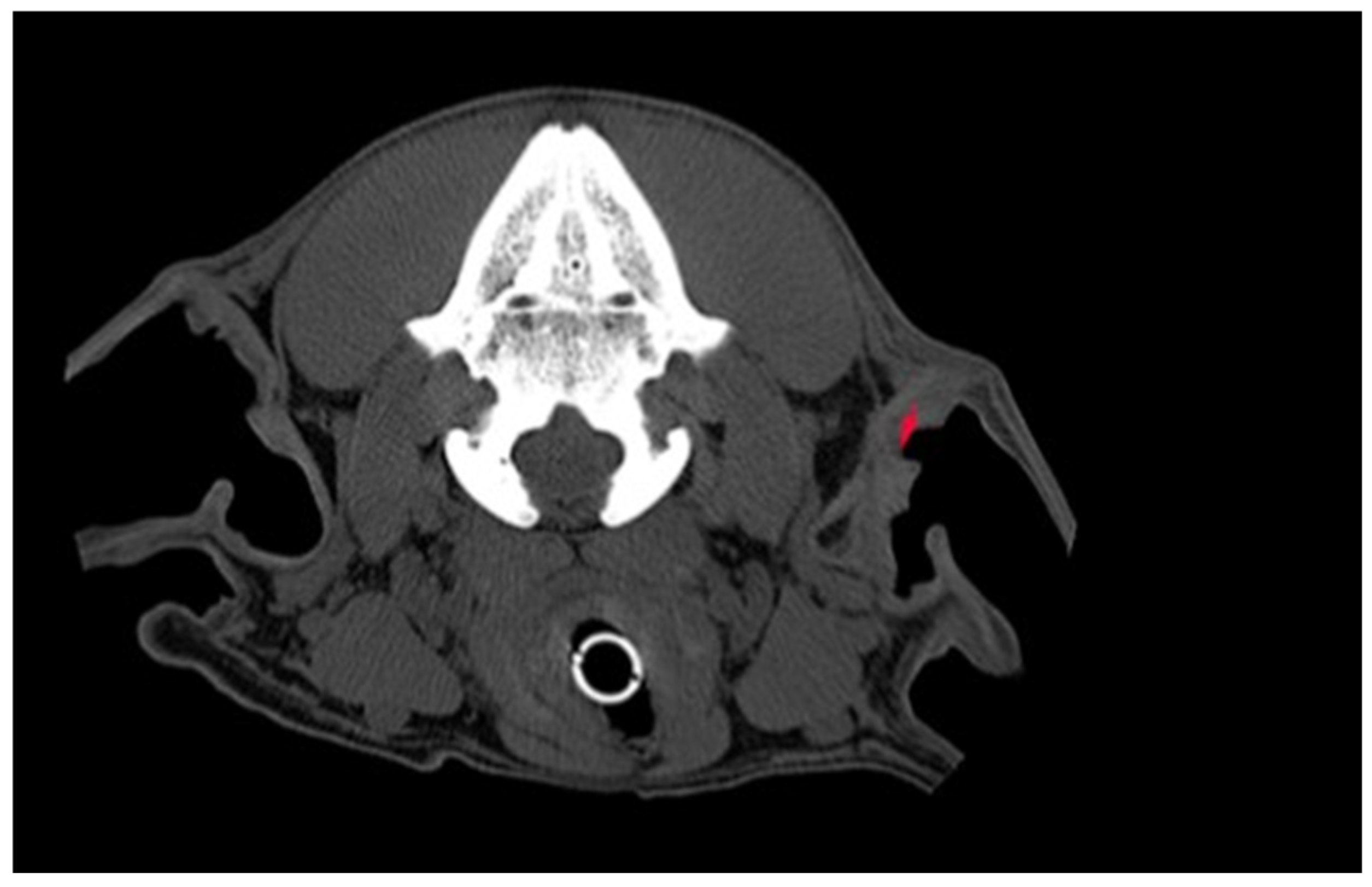
In case 1, CT findings revealed discontinuity of the vertical ear canal with the left external auditory meatus, due to the presence of a soft-tissue membrane measuring approximately 7 mm in thickness (
Figure 2). There was an absence of pneumatization of the left external ear canal, which was entirely filled with a mixed-attenuation material (fluid and soft-tissue attenuating material) that did not show any change in density following injection of the contrast medium. A small amount of similar material was present within the cavity of the left middle ear. The development of the horizontal and vertical canals of the right ear was within normal limits. Aeration of the nasal cavities, nasopharynx, frontal sinuses, and the right external ear canal was within normal limits. Findings were compatible with atresia of the left external auditory canal, with accompanying unilateral otitis externa and otitis media, associated with a congenital growth abnormality.
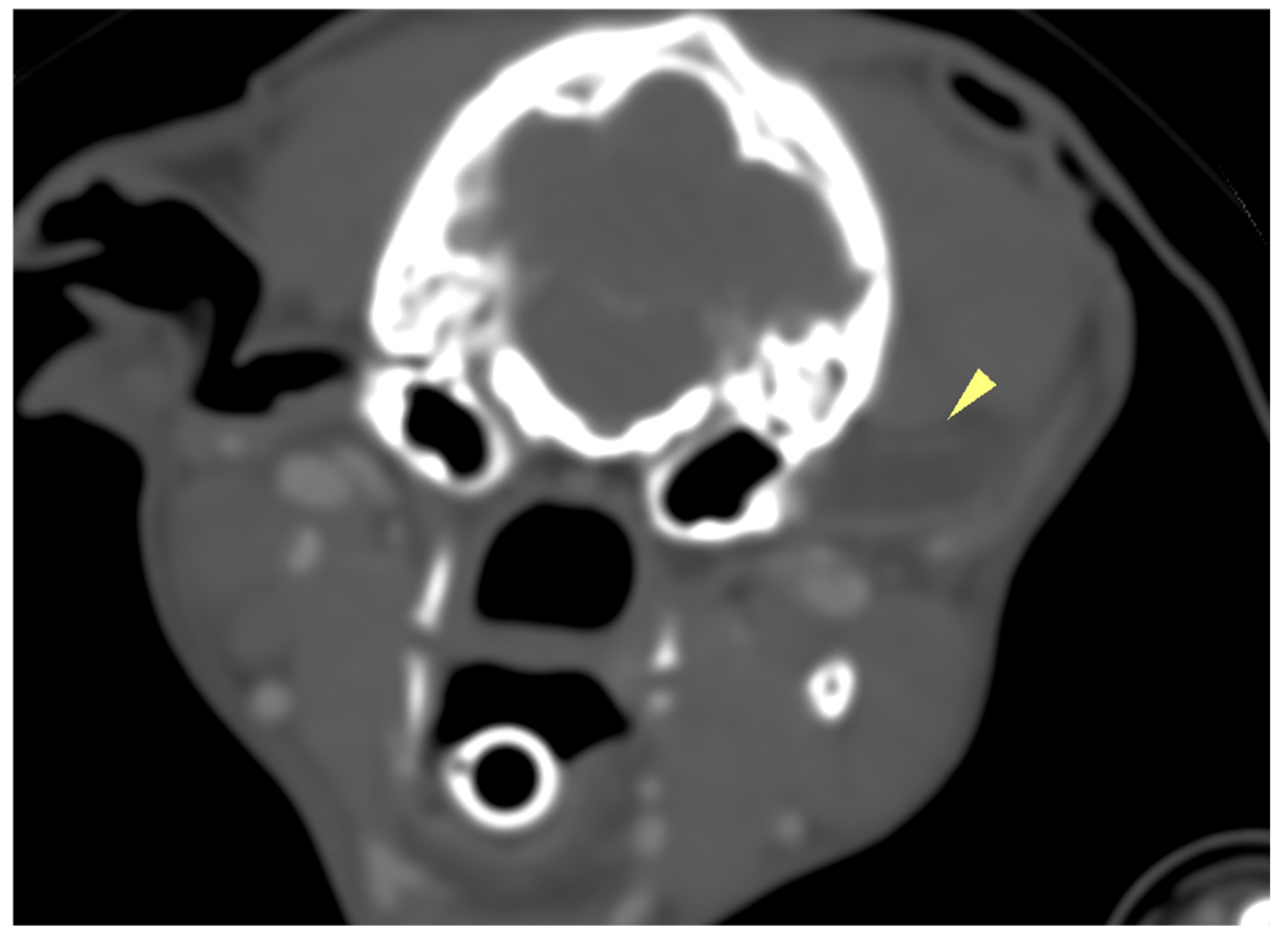
In case 2, CT findings revealed hypopneumatization of the left external ear canal, associated with the presence of intraluminal material exhibiting soft tissue attenuation, without any associated change in attenuation following intravenous contrast medium administration. The continuity between the horizontal portion of the left external ear canal and the auricular pinna could not be visualized (
Figure 3). The contralateral ear canal and associated cavities appeared within normal limits. Pneumatization of the nasal cavities and the nasopharynx was preserved. The changes affecting the left external ear canal were compatible with atresia and secondary left external otitis.
Case 1 and 2 anesthesia and surgical management:
Premedication included dexmedetomidine at 5 μg/kg (Dexdomitor 0.5 mg/mL; Orion Pharma, Espoo, Finland) and morphine (Morfina Cloridrato, Florence, Italy) at 0.2 mg/kg intramuscularly (IM) in case 1, and acepromazine (Acepromazine; Alfasan, Woerden, The Netherlands) at 0.03 mg/kg combined with morfine (Morfina Cloridrato, Florence, Italy) at 0.2 mg/kg IM in case 2. Both dogs were induced with propofol (Propofol; Fresenius Kabi, Athens, Greece) at 1 mg/kg intravenously (IV) to effect. Anesthesia was maintained, after intubation, with isoflurane (Isoflo; Abbott, Maidenhead, UK) in oxygen. Cefuroxime (Zinacef; GlaxoSmithKline, Athens, Greece) at 20 mg/kg IV was administered at induction. A Lactate Ringer’s solution at 5 mL/kg/h, along with a constant rate infusion of fentanyl at 0.1 μg/kg/min (Fentanyl, DEMO, Athens, Greece) were infused in both cases.
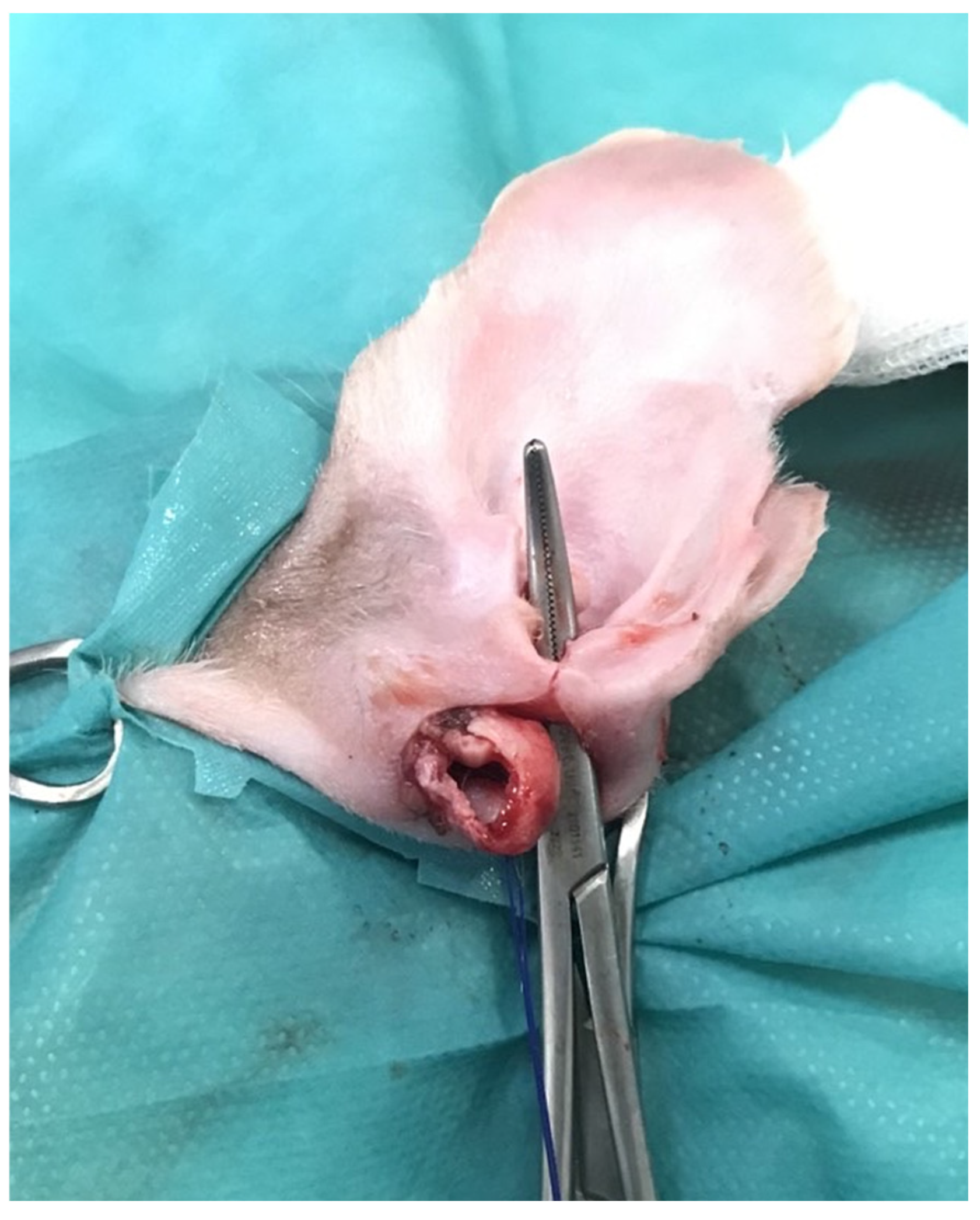
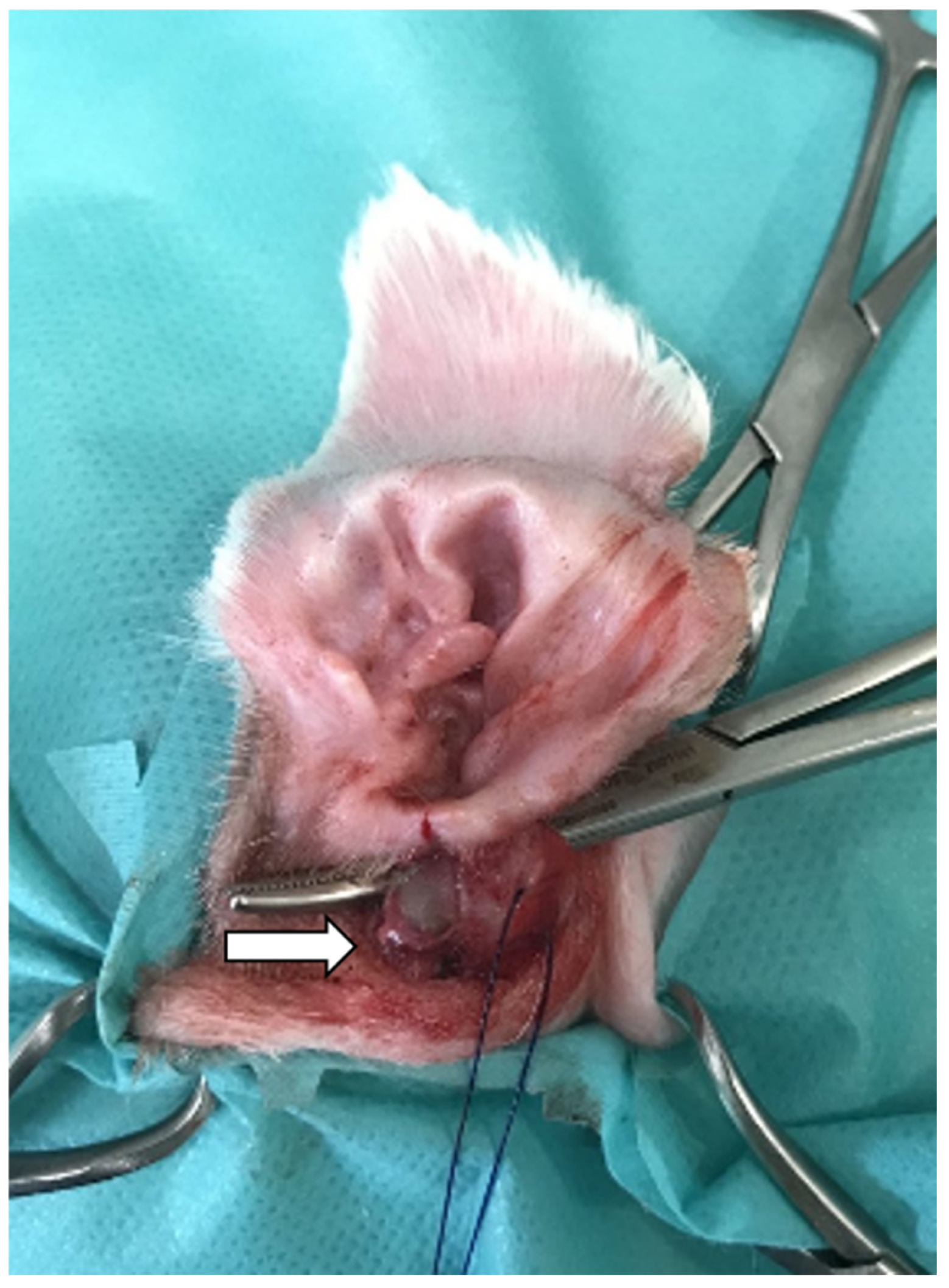
Both dogs were positioned in right lateral recumbency, and the area surrounding the left ear was aseptically prepared. A lateral approach to the ear canal was made. By using a combination of blunt and sharp dissection, the vertical portion of the ear canal was freed from its muscular attachments and exposed (
Figure 4). A circular incision was made to remove the blind-ended vertical ear canal in order to create a patent lumen (
Figure 5).
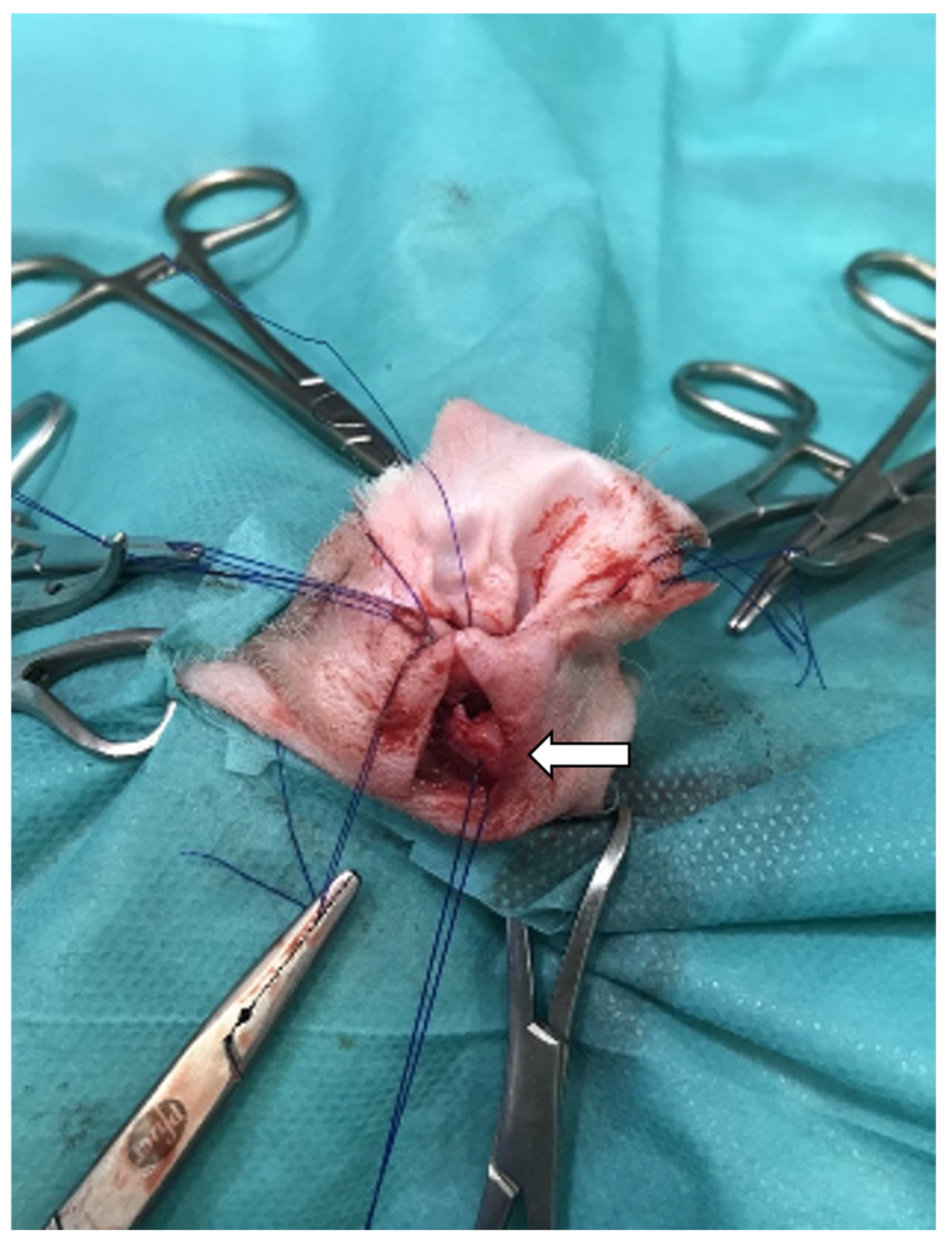
The brown ceruminous content of the canal was removed and flushed with saline. Moreover, in case 1, the bulla was lavaged with sterile saline and aspirated. An elliptical full-thickness incision was made at the level of the anticipated external meatus opening along the ridge of the tragus and the anthelix, matching the size of the opened ear canal (
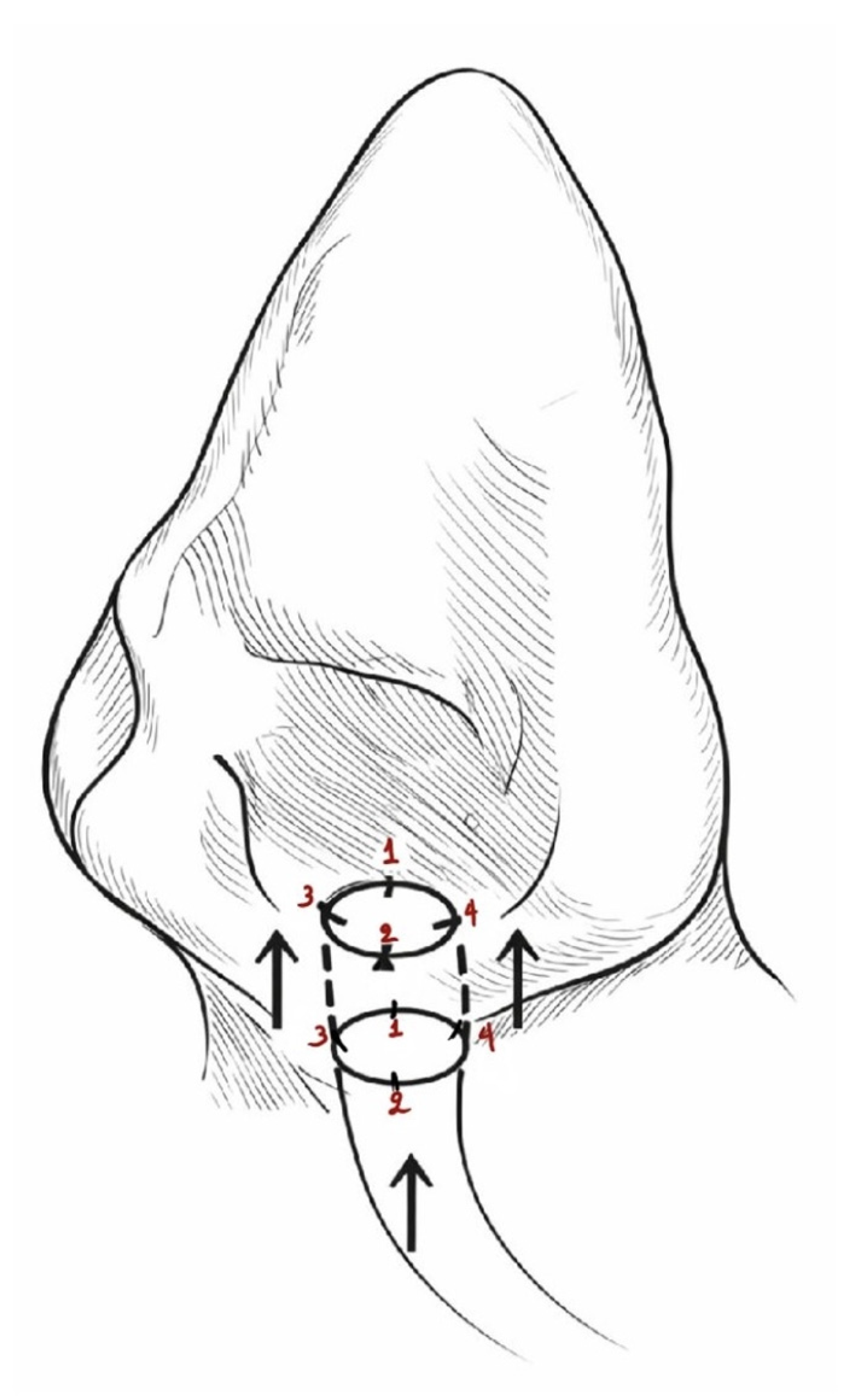
Figure 5). The vertical ear canal was advanced by stay sutures through the incised opening at the acoustic meatus by using a pull-through technique (
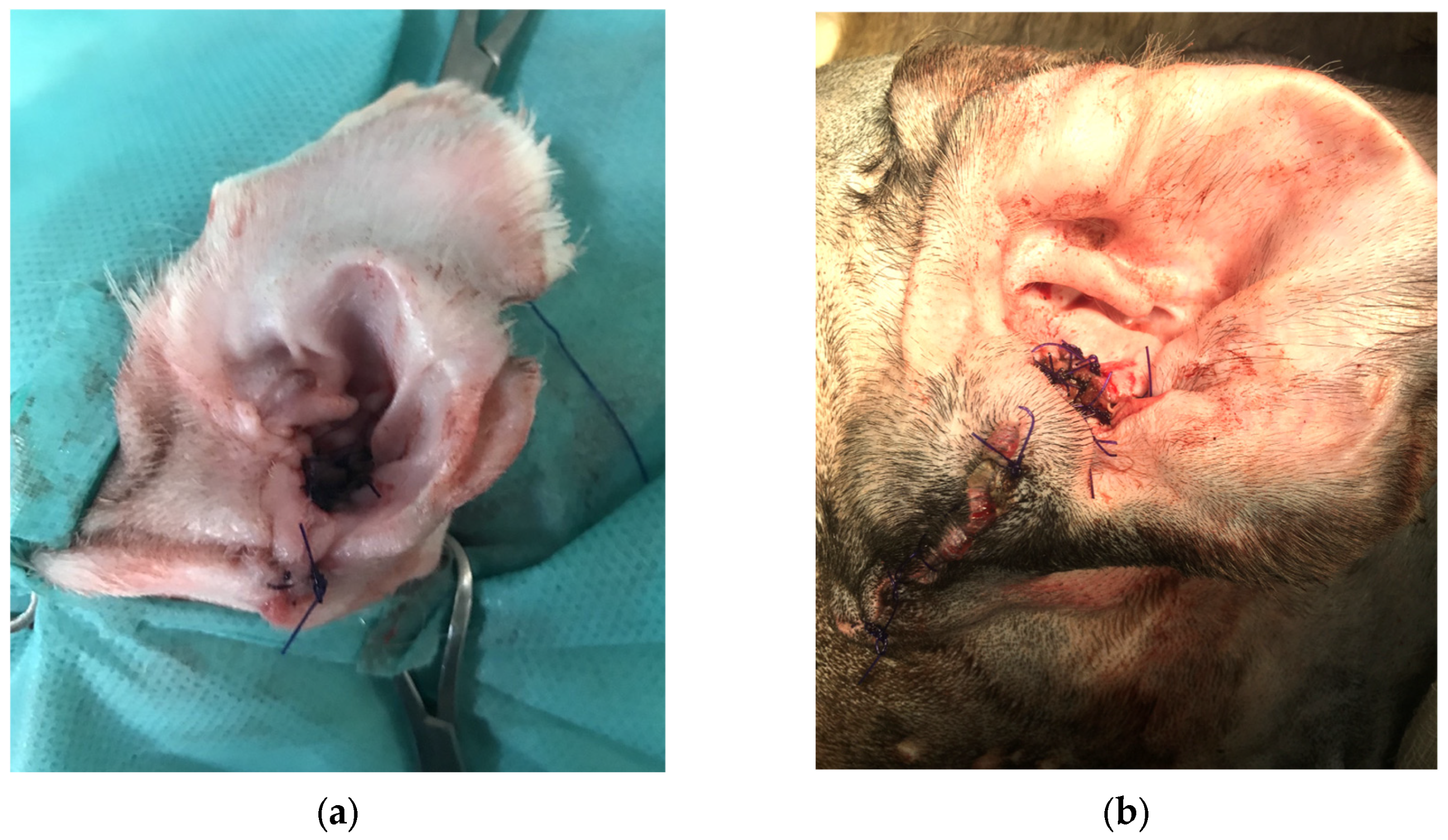
Figure 6). The cartilage and skin of the pinna were anastomosed with the opened vertical ear canal with simple interrupted sutures of polydioxanone 2/0 (case 1) (
Figure 7a) and 4/0 (case 2) (
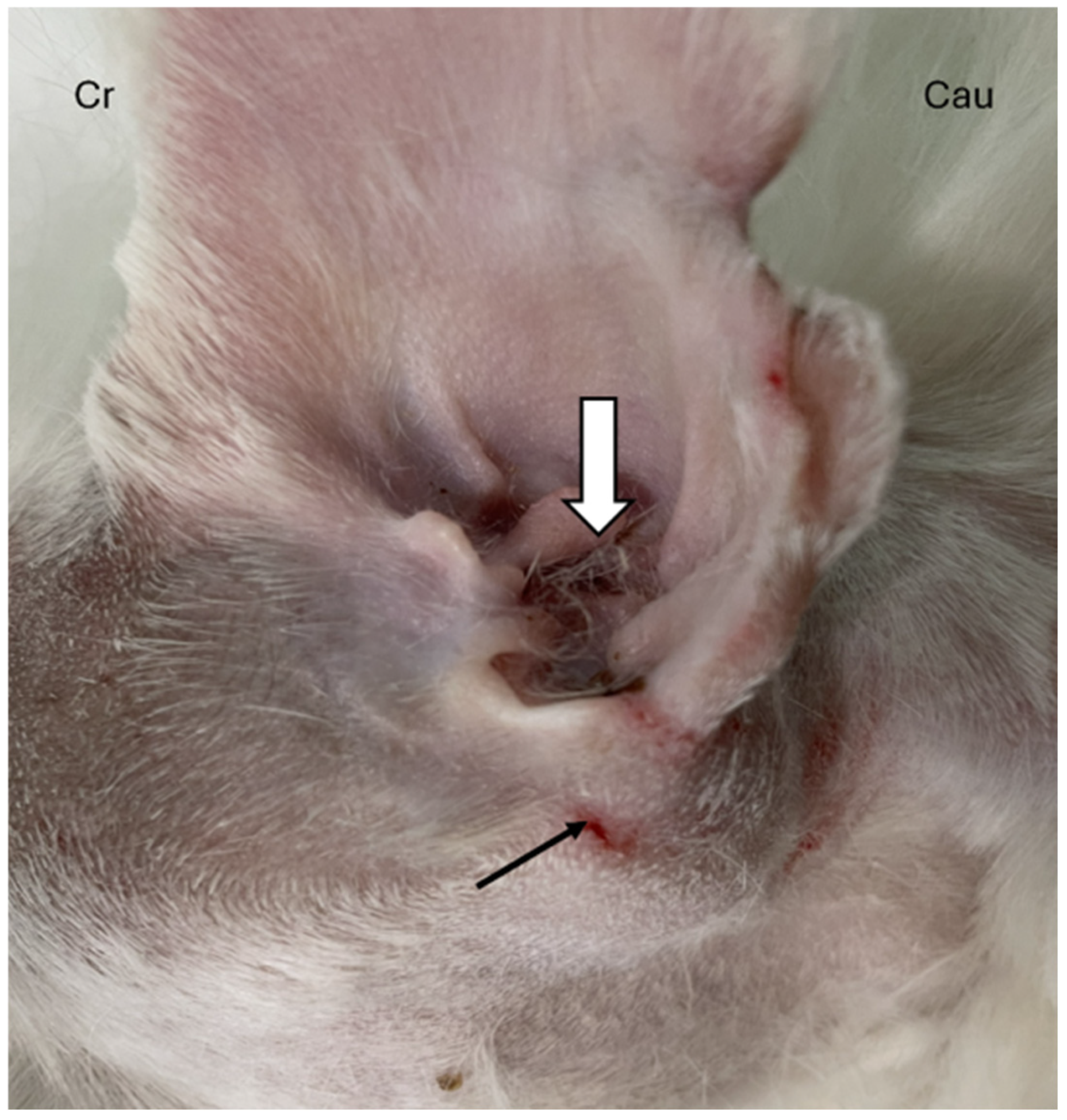
Figure 7b) (PDS, Ethicon Inc., Somerville, NJ, USA). Suturing was initiated by placing interrupted sutures at evenly spaced points to establish correct alignment between the pinna and the vertical ear canal, after which additional sutures were placed sequentially in a circumferential manner until complete apposition was achieved (
Figure 8). All knots were positioned externally to the lumen. The surgical site was lavaged, and skin and subcutaneous tissues were closed routinely.
During surgery, sample collection for cytological examination and culture from the external auditory canal was performed. Cytological examination was unremarkable, and culture for aerobic and anaerobic bacteria was sterile in both cases.
Postoperative treatment included cefuroxime (Zinacef; GlaxoSmithKline, Athens, Greece) at 20 mg/kg, administered IV 2 h after surgery, morphine at 0.1 mg/kg IM at the end of the surgical procedure, meloxicam (Meloxidyl; CEVA, Lenexa, KS, USA) at 0.1 mg/kg per os (PO) once daily for 5 days, and paracetamol (Apotel Plus; UniPharma, Athens, Greece) at 10 mg/kg PO twice daily for 4 days. The patients were also discharged with an Elizabethan collar.
Case 1 and 2 follow-up:
Case 1: Partial suture dehiscence occurred at the skin incision overlying the lateral surface of the vertical ear canal, 5 days postoperatively. The owners reported intermittent rubbing on furniture. It was managed with debridement and suturing by using a simple interrupted horizontal pattern. At the 2-week recheck, otoscopic examination showed that the auditory canal was normal. At the 4-month recheck, the wound remained completely healed, and otalgia and symptoms of discomfort were absent. A slightly narrowed auditory meatus was noted compared with the contralateral. Thereafter, follow-up otoscopy was performed every 6 months, with no evidence of ear pathology up to 5 years after surgery.
Case 2: No early postoperative complications were observed. At the 2-week recheck, otoscopic examination showed a patent external auditory canal. At the 4-month recheck, the wound was completely healed, and otalgia and symptoms of discomfort were absent. Thereafter, follow-up otoscopy was performed every 6 months; no evidence of ear pathology was detected up to 1.5 years after surgery (
Table 1).
3. Discussion
Congenital external auditory canal atresia (EACA) is an uncommon condition in dogs, with only a few reports available in the veterinary literature [
1,
2,
3,
4,
5,
6,
7,
8,
10]. In humans, congenital external auditory canal atresia occurs in approximately 1 out of 10.000–20.000 live births [
14]. In dogs, congenital EACA results from failed ectodermal development or incomplete canalization of the external auditory canal during embryogenesis. The external canal originates from the first branchial groove, which invaginates to form a blind epithelial tube; its medial end contributes to the formation of the tympanic membrane. As development progresses, the canal elongates and becomes enclosed by the auricular and annular cartilages. At birth, the lateral portion of the canal is normally occluded by an epithelial plug, with spontaneous patency typically achieved by 10 days postpartum [
10,
19]. Acquired forms of EACA are most commonly secondary to traumatic insult, particularly at the auriculoannular junction [
12,
13,
14]. In cases of traumatic ear injury, failure to treat the separation between the annular and auricular ear cartilages may result in occlusion of the vertical ear canal and subsequent development of EACA [
9]. Apart from traumatic causes, acquired EACA may develop secondary to neoplastic or chronic inflammatory conditions, notably otitis externa [
5,
13,
14,
15].
According to the available literature, congenital EACA has been described in a few dogs and in one cat [
1,
2,
3,
4,
5,
6,
7,
8,
9,
10]. Reports for acquired EACA have been recorded for eleven dogs [
12,
13,
14,
15]. Traumatic separation of the auricular and annular cartilages has been documented in five cats exhibiting EACA [
12,
20].
Although in the cases described the only clinical sign was otalgia, a wide range of clinical signs has been documented including head tilt [
1,
2,
13], head shaking [
4], downward turning of the ear [
4], aural discomfort [
11], excessive ceruminous discharge and decreased hearing [
6], depression and reluctance to chew food toward the affected side [
2], and aural hemorrhage associated with prior head trauma in cases of acquired EACA [
12]. These signs are commonly associated with inflammatory processes and retention of ceruminous material [
5,
6] within the external ear canal and the tympanic cavity, particularly in cases where the tympanic membrane is compromised. Additional neurological signs that have been mentioned comprise ataxia, nystagmus, strabismus, absence of eyelid closure, drooping of lips and eyelids, and absence of facial muscle contraction when stimuli were applied [
1]. Moreover, in a few cases, patients were asymptomatic and an auricular abnormality was detected incidentally [
1,
7]. In cases of EACA, physical examination typically reveals a blind-ending ear canal [
1,
3,
4,
5,
8,
10]. Pain on palpation occurs in some instances, including both of our cases [
1,
2,
3,
13,
16]. In some of the cases where pain is present, a painful swelling may be detected on examination [
1,
13,
16]. Otoscopic examination typically shows that the external ear canal ends prematurely [
1,
6,
10,
13]. Congenital EACA may not produce obvious clinical signs until later in life in dogs [
2,
4,
6,
7,
8,
10]. One plausible explanation is that cerumen and desquamated epithelial debris can gradually accumulate behind a non-patent opening, eventually leading to marked obstruction and secondary inflammation with more pronounced clinical signs. In addition, maturation of ceruminous gland activity and growth-related changes in canal keratinization may further promote progressive debris retention and delay clinical recognition. This could account for the age at diagnosis in the two dogs reported here. In humans, congenital aural atresia is usually apparent at birth on physical examination, although definitive surgical repair is commonly postponed until early childhood in appropriately selected patients [
11].
Intraoperative samples from the external auditory canal were collected for cytological evaluation and culture. In both dogs, cytology revealed no abnormalities, and no bacterial growth was obtained on culture. These results indicate that the external ear canal failed to undergo postnatal canalization, resulting in a persistently closed and sterile environment. Normally, the external auditory canal becomes patent and is colonized by microbial population shortly after birth, and any subsequent obstruction would typically give rise to infection and inflammation [
1,
4]. The lack of bacteria and cellular debris suggests that the external ear canal never opened and remained sterile until detection of the problem, as postnatally, the canal would normally harbor bacteria that, together with ceruminous material in a closed canal, would be expected to induce inflammation, as in cases of acquired EACA [
3,
5,
14,
21].
Diagnostic imaging techniques, including radiography of the skull, radiographic ear canalography, computed tomography (CT), and magnetic resonance imaging (MRI), have been applied for the identification of EACA. Radiographic evaluation of the skull may demonstrate loss of air density in the ear canal, increased opacity within the tympanic bulla, and thickening of its osseous wall [
2,
3,
13,
14]. Radiographic ear canalography has been employed for evaluating ear canal stenosis and identifying tympanic membrane rupture in cases of acquired ear canal [
12,
21]. Computed tomography (CT) is widely recognized as the most informative imaging modality for assessing ear diseases in companion animals, particularly due to its capacity to render detailed cross-sectional views of both osseous and soft tissue structures [
16,
22]. In cases of EACA, CT provides an effective means of accurately characterizing the ear canal, typically revealing a blind-ending ear canal, including the location and severity of its dilation, and identifying associated secondary changes within the tympanic bulla [
1]. Therefore, CT represents the primary imaging technique in reported cases of congenital EACA [
1,
4,
5,
6,
7,
8] while MRI served as the main diagnostic tool in a single case report [
10].
In this report, CT imaging played a pivotal role in confirming the diagnosis of external auditory canal atresia, defining its anatomical characteristics, and helping in surgical planning. CT was used to define the precise location and extent of the blind-ended segment and to assess the tympanic bullae for evidence of otitis media or other middle ear pathology. In both cases, the atresia was located distally, supporting a canal-preserving approach. Specifically, in both cases, CT defined the EACA location as within the vertical external auditory canal. It has been reported that, except for the vertical canal [
1,
2,
4,
7,
8], EACA can be located within the horizontal canal [
10] as well as at the junction of the horizontal and vertical canals [
1,
12,
13]. The lack of history of trauma and macroscopic signs of prior external injury, the presence of sterile material within the occluded canal, combined with the otoscopic examination and CT findings, collectively supported the diagnosis of a congenital EACA. Where proximal atresia, chronic infection, middle ear involvement, or nonfunctional hearing is present, more invasive procedures such as TECA-LBO may be more appropriate.
Brainstem auditory evoked response (BAER) testing has been reported as a useful diagnostic tool for evaluating hearing assessment in three cases of congenital EACA [
1,
17,
18]. It serves as a noninvasive and objective approach for evaluating auditory pathway integrity in dogs. BAER testing can contribute to the diagnosis of conductive deafness and determine the prognosis of normal hearing after surgical correction of external auditory canal atresia [
18]. BAER testing might also be helpful in investigating sensorineural deafness, which might be affected by inner ear anomalies. These have been reported concurrently with congenital EACA in humans [
18]. In the present report, assessment of hearing with BAER testing was not performed. Hearing impairment was not observed preoperatively. Nevertheless, the owners of both dogs reported that, postoperatively, the patients were moving their affected ears with noise and seemed to respond to sounds. Although BAER was not applied in these cases, it could be considered as a useful diagnostic tool in future similar cases, where feasible.
A variety of surgical approaches have been described for management of external auditory canal atresia in dogs, including total ear canal ablation with lateral bulla osteotomy (TECA-LBO) [
2,
3,
5,
6,
10], horizontal canal ablation and lateral bulla osteotomy [
1], lateral wall resection [
18,
21], vertical canal ablation [
23,
24], direct anastomosis of the vertical and horizontal canals [
12], suturing of the horizontal canal to the skin without addressing the vertical ear canal [
13], and vertical canal-to-external meatus anastomosis via a pull-through technique [
1,
4]. In the feline case of congenital EACA, primary end-to-end anastomosis of the annular and auricular cartilages is documented [
9].
The choice of surgical intervention for EACA remains a complex decision that should be guided by a combination of anatomical, functional, and clinical considerations. Critical factors influencing this decision include whether the condition is congenital or acquired, the anatomical location of the atresia, the extent of structural changes within the external ear canal, and the presence of changes in the middle and inner ear [
6]. Additionally, the auditory function and the presence or absence of neurological deficits, alongside the chronicity of the disease process, should also be considered for the selection of the surgical approach [
1,
6].
In cases where TECA-LBO was selected as the surgical technique, this choice was typically based on the chronicity of symptoms and the presence of structural changes within the tympanic bulla. In addition, in cases of atresia located distally, less invasive techniques, like vertical ear canal ablation, would have been insufficient to adequately open the canal and likely increase the risk of potential complications and requirement for revision surgery [
2,
3,
6,
10]. Horizontal canal ablation and lateral bulla osteotomy have been described in only one case of EACA, located at the junction of the horizontal and vertical ear canal and accompanied by chronic otitis media and the lack of any residual hearing function [
1].
Lateral wall resection and vertical canal ablation have been reported in cases of bilateral congenital EACA accompanied by otitis media and hearing impairment [
18,
21,
23,
24].
Direct anastomosis of the horizontal and vertical canals has been described in two dogs with acquired EACA. This technique provides access to the annular and auricular cartilages through a caudal approach. It is considered technically less demanding than TECA-LBO. However, TECA-LBO could still be performed through the same approach if the primary approach is unsuccessful, allowing it to serve as a salvage procedure [
12]. In five dogs with acquired EACA and an exudate-filled horizontal ear canal, the surgical technique involved suturing of the horizontal canal to the skin, with the vertical canal not being dissected or manipulated [
13]. In a feline case of congenital EACA, primary end-to-end anastomosis of the annular and auricular cartilages was considered as the appropriate technique given the junctional location of the atresia, the short segment of absent canal, and the ability to achieve tension-free apposition after mobilization and debridement [
9].
In the present two cases, the decision to perform a vertical canal-to-external meatus anastomosis using a pull-through approach was supported by the young age of the patients, the absence of neurological deficits, the location of the atresia, the mild changes of the external and middle ear, the short distance between the ear canal and the pinna, and the potential for a remaining conductive auditory ability [
1,
4]. This technique has been previously described by Smidt in 2007 and Beraud in 2012, resulting in total resolution of clinical signs. This is a modification of a pull-through technique first reported by Tirgari in 1986 for the treatment of chronic otitis externa in dogs. This canal-preserving technique was selected over more radical procedures such as TECA-LBO, which, although effective in resolving chronic disease, may be associated with more complications. Preservation of potential hearing function was therefore prioritized, particularly given the animals’ young age and the absence of extensive middle-ear involvement. In both dogs, EACA was not accompanied by chronic inflammation or secondary otitis, and the use of this single surgical technique in both cases should not be assumed to be suitable for every patient with EACA.
In both cases, cytological examination was negative, and bacterial culture yielded no growth. Accordingly, antimicrobial administration was restricted to perioperative prophylaxis, consisting of cefuroxime (Zinacef; GlaxoSmithKline, Athens, Greece) at 20 mg/kg IV at induction of anesthesia and a single repeat dose 2 h postoperatively, with no extended postoperative antimicrobial treatment. This approach reflects the principles of judicious antimicrobial use in companion animals, whereby antimicrobials are reserved for clearly indicated situations and limited duration. Such antimicrobial stewardship is in line with recommendations from the European Medicine Agency, the European Food Safety Authority, and the World Health Organization, which emphasize responsible antimicrobial use within a One Health framework to mitigate the development and spread of antimicrobial resistance [
25,
26,
27].
Complications reported following surgical management of EACA vary regarding the technique employed. In cases where TECA-LBO has been performed, the outcome was favorable, resulting in satisfactory alleviation of clinical symptoms [
2,
3,
6,
10]. The only complication noted was facial nerve neuropraxia, as described by House et al. [
2]. In the one case managed with horizontal canal ablation and lateral bulla osteotomy, no postoperative complications were noted [
1]. In EACA cases managed with vertical canal-to-external meatus anastomosis via a pull-through technique, wound dehiscence, infection, and postoperative canal or stoma stenosis have been reported [
1,
4]. The latter technique was employed in our cases associated with partial wound dehiscence, which likely contributed to the development of mild stenosis. However, both dogs remained asymptomatic during the long-term follow-up period. Across the cases treated either with direct anastomosis of the horizontal and vertical canals or with suturing of the horizontal canal to the skin, no postoperative complications were noted, and the reported outcomes were favorable [
12,
13]. Moreover, cosmetic outcomes, though often underreported, should not be overlooked, as they may influence owner satisfaction and long-term compliance with postoperative care [
1,
4,
6].




 ,
,