

Review

Edible Oils from Health to Sustainability: Influence of the Production Processes in the Quality, Consumption Benefits and Risks


by
Viviane de Souza Silva
1,*,
Luna Valentina Angulo Arias
2,
Franciane Colares Souza Usberti
2,
Rafael Augustus de Oliveira
2 and
Farayde Matta Fakhouri
1
1
Poly2 Group, Department of Materials Science and Engineering, Universitat Politècnica de Catalunya (UPC BarcelonaTech), ESEIAAT, 08222 Terrassa, Spain
2
School of Agricultural Engineering, University of Campinas, Campinas 13083-875, SP, Brazil
*
Author to whom correspondence should be addressed.
Lipidology 2025, 2(4), 21; https://doi.org/10.3390/lipidology2040021
Submission received: 30 September 2025 / Revised: 28 October 2025 / Accepted: 1 November 2025 / Published: 10 November 2025

Abstract

This systematic review examines the impact of vegetable oil consumption, such as extra virgin olive, olive, soybean, palm olein, corn, and camellia seed oils, on both human and animal health, alongside factors influencing oil quality and safety. A variety of studies were included, such as clinical trials, cohort studies, animal experiments, and reports on production methods and contamination (polycyclic aromatic hydrocarbons (PAHs) and heavy metals). The literature search was performed in scientific databases indexed up to September 2025, and risk of bias was assessed using specific tools appropriate for each study design. The findings suggest that, among the oils studied, extra virgin olive oil showed the most consistent benefits, including improvements in endothelial function, lipid profiles, weight management, and reduced mortality in humans. Animal studies corroborate hepatoprotective effects and weight regulation benefits. Oil quality is influenced by genetic, environmental, and technological factors, including cultivar selection, pollination, post-harvest handling, and extraction techniques (cold, hot, DIC, MFA, encapsulation) and refining processes, which can affect both nutritional benefits and contaminant levels. Although contaminants such as PAHs and heavy metals (Cd, Pb, As) are generally below regulatory thresholds, some contexts may present health risks. High-quality vegetable oils confer cardiovascular, metabolic, and hepatic benefits. However, their contribution to public health relies on strict production practices, continuous monitoring of contaminants, and the implementation of technological innovations to ensure both safety and optimal health outcomes.

1. Introduction

Vegetable oils are commonly incorporated into foods for frying, salad dressings, and preservation purposes. Their composition is primarily triacylglycerols (over 98%), along with smaller amounts of bioactive compounds. These oils are particularly susceptible to oxidative processes—including auto-oxidation, photo-oxidation, thermal, and enzymatic reactions—often driven by free radicals or reactive oxygen species [1]. Factors such as fatty acid profile, natural antioxidants, residual impurities, and storage conditions (heat, light, oxygen) significantly influence the rate of oxidation [1].
In recent decades, the worldwide intake of vegetable oils has increased considerably, influenced by the growth of processed food industries, globalization of trade, and dietary recommendations favoring unsaturated over saturated fats [2,3]. This rising consumption highlights the importance of assessing both the nutritional benefits and potential toxicological risks associated with these oils in diverse populations and dietary contexts.
The impact of vegetable oils on health largely depends on their fatty acid composition. Oils high in monounsaturated fats, such as olive oil, or polyunsaturated fats, like soybean and flaxseed oils, supply omega-3 and omega-6 fatty acids, which contribute to anti-inflammatory responses and cardiovascular health [4,5]. However, exposure to contaminants—including polycyclic aromatic hydrocarbons (PAHs) produced during processing and heavy metals like Pb, Cd, Cr, As, and Ni from environmental sources—can pose health hazards even at low levels [6,7].
Industrial refining steps such as bleaching and deodorization, although improving shelf life, may reduce beneficial compounds and promote oxidation. Improper storage further accelerates lipid oxidation, generating aldehydes and ketones linked to cytotoxicity and inflammation [5,8,9].
Given their relevance to cardiometabolic health—in which unsaturated vegetable oils are generally preferable to animal fats like butter, which increase LDL cholesterol [10]—it is critical to examine both their benefits and potential risks. Despite substantial research, evidence remains fragmented across oil types, processing methods, and study designs, complicating consensus [11].
This review critically examines the health impacts of vegetable oil consumption, production methods, and contaminants, integrating evidence from diverse studies to clarify current knowledge and identify key areas for future research.

2. Materials and Methods

2.1. Search Strategy

This systematic review was conducted following methodological principles adapted from Dehghani et al. [12]. Searches were performed in MEDLINE/PubMed, ScienceDirect, and SCOPUS up to 1 September 2025, without restrictions on language or publication date. The search strategy combined controlled vocabulary and free-text terms related to vegetable oil, dietary fat, plant-based fat and health.

2.2. Eligibility Criteria

Studies were included if they met the following criteria:
  • Study type: Randomized controlled trials (parallel or crossover), prospective cohort studies, or experimental studies in animal models.
  • Participants: Humans (adults ≥ 18 years), healthy or with clinical conditions, and animal models (mainly rodents). Studies involving pregnant or lactating women and individuals under 18 years were excluded.
  • Intervention: Oral administration of vegetable oils in any form or dosage, with clear specification of oil type and processing method (e.g., pressing, refining).
  • Vegetable oil production: Studies reporting on raw material and quality control.
  • Outcomes: At least one of the following: body weight control, hepatoprotective effects, gut microbiota modulation, reduction in cardiovascular risk factors, or outcomes related to diabetes mellitus and cancer

2.3. Study Selection

Of the 125 articles initially identified, 35 fulfilled the inclusion criteria and were included in the qualitative synthesis. These consisted of 8 human studies (6 randomized, 2 non-randomized), 2 animal studies, 18 studies focusing on vegetable oil production and processing, and 7 studies evaluating contaminants, including their types, sources, and potential health risks.

2.4. Quality Assessment

The methodological quality of included studies was assessed descriptively. Key criteria included clarity of sample characteristics, intervention details, presence of control groups, follow-up duration, and use of objective outcome measures. Clinical trials were further evaluated for randomization, blinding, and sample size adequacy. Animal studies and descriptive reports on vegetable oil production and contamination were assessed qualitatively, focusing on methodological rigor and reporting completeness.

2.5. Data Synthesis

Due to heterogeneity in populations, oil types, experimental models, and outcomes, a meta-analysis was not feasible. Data were synthesized narratively and descriptively, with studies grouped by outcome type and design (human and animal models), as presented in the Section 3 and in Table 1.

2.6. Risk of Bias Assessments

The risk of bias in human and animal studies was assessed using ROB2, ROBINS-I, and SYRCLE for randomized, non-randomized, and animal studies, respectively. Results were summarized in a table.
  • ROB2 domains: bias due to randomization, deviations from intended interventions, missing data, outcome measurement, and selective reporting.
  • ROBINS-I domains: bias due to confounding, participant selection, intervention/exposure classification, missing data, outcome measurement, and selective reporting.
  • SYRCLE domains: selection bias (randomization and allocation concealment), performance bias (blinding of caretakers/researchers), detection bias (blinding of outcome assessors), attrition bias, and selective reporting.

3. Results

This review included 35 studies that fulfilled the eligibility criteria. The selected investigations evaluated various outcomes, including cardiovascular risk markers, body weight regulation, liver function (Table 1, Figure 1), and potential toxicological hazards such as polycyclic aromatic hydrocarbons (PAHs) and heavy metals. Due to differences in study populations, interventions, and measured endpoints, the results are presented descriptively and structured into four subsections: (Section 3.1) human studies, (Section 3.2) animal studies (Table 1), (Section 3.3) vegetable oil production processes, and (Section 3.4) contamination by PAHs and metals.

3.1. Human Studies

Multiple studies have explored how vegetable oils, especially extra virgin olive oil, affect cardiometabolic health and overall mortality (Table 1). For example, Hernáez et al. [13] examined 47 healthy men who consumed 25 mL of polyphenol-rich extra virgin olive oil daily. The study found improvements in HDL (high density lipoprotein) functionality, including enhanced cholesterol efflux capacity, the formation of larger and more stable HDL particles, and better oxidative status, highlighting the cardiovascular benefits of this oil.
In a randomized, double-blind, crossover trial, Karupaiah et al. [14] compared the effects of soybean oil-based mayonnaise (SB-mayonnaise) and palm olein-based mayonnaise (PO-mayonnaise) in adult participants. After four weeks, SB-mayonnaise consumption resulted in lower total and LDL (low density lipoprotein) levels compared to PO-mayonnaise, although the LDL: HDL ratio and small LDL particle levels remained unchanged. These results indicate that SB-mayonnaise, which is high in linoleic acid, may provide a more favorable lipid profile than PO-mayonnaise.
Estruch et al. [15] conducted a study involving 7447 participants at elevated cardiovascular risk to evaluate the effects of a Mediterranean diet supplemented with either olive oil or nuts, compared to a control diet. During a median follow-up of 4.8 years, participants adhering to the Mediterranean diet exhibited approximately a 30% reduction in the combined incidence of myocardial infarction, stroke, or cardiovascular-related mortality compared to the control group.
Njike et al. [16] conducted a study with 20 participants at increased risk for type 2 diabetes to compare the effects of extra virgin olive oil and refined olive oil, both added to a blueberry smoothie. Results indicated that extra virgin olive oil improved endothelial function, whereas no significant changes in blood pressure were observed. However, the small sample size and brief intervention period may restrict the broader applicability of the findings.
Baer et al. [17] conducted a randomized, crossover, triple-blind trial in 60 adults comparing high-oleic soybean oil (HOSBO), HOSBO + FHSBO (fully hydrogenated soybean oil), soybean oil (SBO), and a palm oil–palm kernel oil mixture (PO + PKO). After 29 days, HOSBO and HOSBO + FHSBO improved lipid profiles compared to PO + PKO, although HOSBO showed higher LDL cholesterol and apoB than SBO. These findings indicate that HOSBO and its blends are viable substitutes for partially hydrogenated oils (PHOs), providing a healthier lipid profile than PO + PKO.
Prospective studies provide stronger evidence. Zhang et al. [10] analyzed data from 521,120 adults aged 50–71 years over a 16-year follow-up. Higher consumption of butter and margarine was associated with increased all-cause mortality, whereas greater intake of vegetable oils, including canola and olive oils, was linked to lower overall mortality, suggesting a protective long-term effect. Similarly, Guasch-Ferré et al. [18] examined 92,383 adults over 28 years, observing 25% deaths. Higher olive oil consumption was associated with reduced mortality from cardiovascular disease, cancer, neurodegenerative conditions, and respiratory diseases. Replacing less healthy fats with olive oil corresponded to an 8% reduction in overall mortality and up to 34% in cause-specific mortality.
Additional long-term evidence comes from Guasch-Ferré et al. [21], who followed 121,119 adults for 24 years to examine the relationship between olive oil consumption and body weight. Higher olive oil intake, particularly when replacing margarine, butter, or other vegetable oils, was associated with reduced weight gain over time, highlighting its potential role in weight management.

3.2. Animal Studies

Experimental studies in animal models support the findings observed in human populations (Table 1). Moral et al. [19] investigated the growth patterns of 818 rats, including both healthy animals and those with carcinogen-induced cancer, under various dietary treatments. Rats consuming diets rich in corn oil exhibited significant increases in body weight and overall mass, whereas those fed extra virgin olive oil maintained healthier body weight levels regardless of health status.
Zhou et al. [20] examined the effects of camellia seed oil versus corn oil on the development of non-alcoholic fatty liver disease in mice. Mice receiving camellia seed oil over an extended period demonstrated improved outcomes, including reduced weight gain, lower hepatic lipid deposition, decreased oxidative stress and liver inflammation, and enhanced liver function, compared to corn oil-fed mice.
High-quality vegetable oils may help limit weight gain and support liver health, corroborating protective effects observed in human studies. Evidence indicates that extra virgin olive oil provides multiple benefits, including improved endothelial function, reduced mortality risk, and better weight management, particularly when replacing less healthy fats. While olive oil is the most studied, comparative trials show that other vegetable oils, such as soybean and palm oil, can also improve lipid profiles and cardiometabolic parameters, highlighting the value of including a variety of high-quality oils in a heart-healthy diet.

3.3. Vegetable Oil Production: Raw Material and Quality Control

The vegetable sources utilized in the extraction of vegetable oils exhibit significant variability, such as avocado, coconut, olive, palm, soy, sunflower seeds. According to the tissue, the extraction method must be specific for the operation conditions and the raw material could affect the quality and the contaminant risks.
Palm oil, derived from the mesocarp of the fruit of Elaeis guineensis, E. oleifera, and their OxG hybrids, is the most extensively produced, traded, and consumed vegetable oil globally. The substance’s notable properties, including its high melting point and resistance to oxidation, have contributed to its extensive utilization in various industrial applications, particularly within the food processing sector in Western countries. In contrast, in regions such as Asia, Africa, and South America, the substance is employed directly for culinary purposes. In terms of composition, palm oil differs from other vegetable oils in its higher proportion of long-chain saturated fatty acids (C12–C18), particularly palmitic acid. This has led to debate about its possible adverse effects on cardiovascular health. The nutritional quality of palm oil is influenced by several factors, including the species of palm utilized, the degree of fruit ripeness, the extracted fraction (mesocarp or kernel) and, notably, the type of processing employed. However, during the refining, bleaching, and deodorization stages of processing, a significant proportion of the bioactive compounds that possess antioxidant and protective properties are often lost, thereby diminishing the nutritional value of the final product [22]. Notwithstanding its oxidative stability and technological functionality, the high content of saturated fatty acids and the formation of deleterious compounds during prolonged reheating (e.g., trans fats and oxidation products) represent the primary anti-nutritional risks associated with this oil, thereby creating a duality between its industrial advantages and the health concerns linked to its regular consumption. The deterioration and the contamination could happen with any raw material and at any step of the productive chain.
Therefore, it is imperative to assess the process parameters and the characteristics of the final product, given that the suitability for human consumption is contingent upon the raw material, the manufacturing process, and the extraction methods employed. Consequently, the final product may contain compounds that are beneficial to health yet unsuitable for consumption due to the formation of antinutritional compounds or contamination of chemical residues from the production chain, such as pesticides and heavy metals.

3.3.1. Quality Control of Vegetable Oils Raw Material Production

From the beginning of the raw material’s production, it is possible to evaluate how the quality or even the cultivar could influence the quality of the vegetable oil. For example, Badia et al. [23] characterized malic enzyme (ME) isoforms present in soybeans (Glycine max L. Merr.) with the aim of identifying metabolic targets to increase oil synthesis in seeds. Soybean seeds contain approximately 20% triacylglycerides, exhibiting a composition that is abundant in polyunsaturated fatty acids. However, the intricacy of metabolic pathways has hindered the optimization of these seeds. The results demonstrated that the plastidial isoform NADP-ME1.1 exhibited a high affinity for malate and NADP and was activated by glutamine, which promoted the generation of pyruvate and NADPH directly at the site of fatty acid biosynthesis. Conversely, the combination of mitochondrial isoforms NAD-ME1 and NAD-ME2.3 demonstrated high catalytic efficiency and positive regulation by metabolites such as citrate, thereby enhancing the provision of precursors for fatty acid synthesis. These findings suggest that the manipulation of specific isoforms may constitute a biotechnological strategy to improve soybean oil yield. Regarding potential hazards, it should be noted that the study did not evaluate the presence of external contaminants. However, it is acknowledged that soybeans cultivated in contaminated soils can accumulate heavy metals (e.g., cadmium, lead) or pesticide residues. This observation highlights the necessity to integrate advances in metabolic engineering with environmental and safety controls. In sum, the research proffers novel perspectives for enhancing the quality and safety of soybean oils through genetic and biochemical optimization.
In another example, Tomé-Rodríguez et al. [24] stated that cultivar exerts a considerable influence on the phenolic composition of virgin olive oil (VOO). The researchers emphasize that genetic factors, fatty acid profile, and fruit moisture condition are pivotal in determining the bioactivity and stability of the oil. Phenolic compounds, predominantly derived from secoiridoids such as oleuropein, ligstroside, oleacein, and oleocanthal, impart organoleptic properties—bitterness, astringency, and pungency—while concurrently conferring health benefits, including antioxidant, antimicrobial, and anti-inflammatory properties. In a similar manner, phenolic variability has been demonstrated to be associated with the fatty acid profile, such that higher levels of C18:1 favor the accumulation of aglycones. Additionally, phenolic variability has been shown to be influenced by the moisture content of the fruit, which has been observed to enhance conversion to oleacein and oleocanthal. With regard to safety, while the study underscores the nutritional benefits and genetic variability, it also emphasizes the necessity of considering the capacity of the phenolic fraction to modulate resistance to oxidation, thereby curtailing the formation of contaminants associated with lipid degradation [24]. These findings demonstrate that virgin olive oil, contingent upon the cultivar and extraction conditions, has the potential to enhance its bioactive compounds and mitigate the risks of oxidative deterioration, which could compromise its quality and safety.
In the context of sunflowers, the quality of the oil extracted is influenced by a multifaceted set of factors; e.g., ecological factors such as pollination play a crucial role in determining the quality of the oil. Despite the prevalent utilization of self-compatible hybrids in contemporary cultivation practices, the exclusion of pollinating insects has been demonstrated to exert a substantial deleterious effect on both the yield and the lipid composition of the seeds. Amarilla et al. [9] conducted field trials in Argentina that demonstrated that the absence of floral visitors led to a 20% reduction in seed set, a 12.3% reduction in seed mass, and a more than 30% reduction in total yield. Additionally, oil content was found to decrease by 5.9%. The results indicated a 6% decrease in oleic acid concentration and a 1.9% increase in linoleic acid. Consequently, the oleic/linoleic ratio, a parameter directly associated with the oxidative stability and cardiovascular benefits of the oil, exhibited a 7.9% decrease. Conversely, the frequency of visits by honeybees and other native insects exhibited a positive correlation with oil content and a healthier fatty acid profile, particularly with regard to increased oleic acid. These results underscore the significance of plant–pollinator interaction, even in self-compatible cultivars, for optimizing yield while preserving the quality parameters and nutritional benefits of sunflower oil.

3.3.2. Influence of Postharvest Handling and Processing of Raw Materials on Vegetable Oil Quality

The postharvest treatments and extraction process can also influence the quality of the final product, which could be conducted in order to avoid the presence of contaminants or could be the cause of the contamination due to the formation of non-nutritious compounds.
Through comparison of the same raw material submitted to different processes of oil production, it is possible to observe the influence of postharvest process in the final product quality.
Cassiday [25] investigated red palm oil (RPO) which differs from refined, bleached, and deodorized (RBD) palm oil by undergoing minimal processing. This limited processing preserves most of its bioactive compounds and retains up to 80% of the carotenoids and vitamin E originally present in the crude oil. In contrast, RBD oil loses most of these compounds and tends to have low concentrations of processing contaminants, such as 3-MCPD and glycidyl esters, which are present in highly refined oils and have the potential to induce toxic effects. According to Cassiday [25], RPO is distinguished by its elevated carotenoid content, comprising β-carotene and α-carotene, which is approximately 15 times greater than that of carrots. This characteristic renders it a significant resource in addressing vitamin A deficiency, particularly in regions with high prevalence of the condition. In addition, the oil contains phytosterols, ubiquinone (coenzyme Q10), squalene, and polyphenols. These components have been linked to antioxidant, anti-inflammatory, and immunomodulatory properties. RPO also exhibits a comparable fatty acid profile to conventional palm oil, a characteristic that confers upon it oxidative stability and semi-solidification at ambient temperature [25]. However, RPO retains a high proportion of long-chain saturated fatty acids, mainly palmitic acid, whose impact on cardiovascular risk remains controversial; furthermore, the main challenge relating to quality is sensory acceptance, as it has an intense color and strong flavor that limit its direct use and acceptance, with it being perceived more as an exotic or niche oil than as an ingredient for mass use.
Furthermore, the extraction method plays a crucial role. The review of Rao et al. [26] addressed the extraction methods, properties and clinical usage of virgin coconut oil (VCO). The several extraction methods strongly influence the oil yield, composition, and quality. The main methods include cold extraction (breaking coconut milk emulsion without heating, preserving bioactive compounds but with low yield), hot extraction (using heat to release oil, which enhances certain lipid effects but reduces antioxidant activity), dry and wet methods (drying and pressing vs. direct extraction from fresh coconut milk using centrifugation, chilling, or fermentation), low-pressure extraction with centrifugation (labor-intensive but efficient in quality preservation), and fermentation (using microbial activity to separate oil). Each method presents trade-offs between efficiency, cost, and nutrient retention. Nevertheless, quality concerns primarily relate to the preservation of antioxidant compounds (polyphenols, tocopherols, lauric acid, squalene) and the avoidance of degradation during processing. Heat-intensive methods may decrease antioxidant capacity, while solvent or microbial processes risk contamination if not carefully controlled. Additionally, factors such as harvesting season, location, and tree age affect oil composition.
On the other hand, for another raw material, Jablaoui et al. [27] compared expansion and Instant Controlled Pressure-Drop (DIC) technologies as thermo-mechanical pretreatments to improve solvent extraction of soybean oil (Glycine max L. Merr.). Soybeans, with an average oil content of 21% and protein content of 40% on a dry basis, are considered to be among the most significant vegetable oil sources on a global scale. The findings indicated that DIC treatment led to a substantial enhancement in extraction yield (247 mg oil/g db), a significant reduction in processing time (35 min compared to 120 min in the expander and 160 min in cracked soybeans), and the preservation of oil quality, characterized by the maintenance of fatty acid and tocopherol profiles that closely resembled those of untreated seeds. Regarding the advantages offered by this technology, greater efficiency and reduced energy consumption are notable benefits. These characteristics contribute to a reduction in the environmental impact of the process. However, it is imperative to acknowledge the inherent risks associated with the extraction process using solvents such as n-hexane. This method entails the potential presence of chemical residues and contaminants in the refined oils, which underscores the necessity for rigorous safety measures and quality control protocols. DIC protocols could be applied to other raw materials, such as sunflower seeds.
While sunflower oil is widely recognized for providing essential fatty acids and bioactive compounds such as tocopherols and phytosterols, the industry faces the challenge of increasing extraction yield without compromising its nutritional and functional quality. Zeaiter et al. [28] proposed Instant Controlled Pressure-Drop (DIC) as an effective technological alternative in cold extraction for sunflower seeds. The high-temperature, short-time (HTST) treatment, which involves the application of pressurized steam followed by instantaneous decompression, has been shown to significantly enhance pressing yield in sunflower seeds. This treatment has been observed to increase pressing yield by up to 46% in linoleic varieties and 33% in oleic varieties. Notably, this process maintains the biochemical composition of the oil and residual cake. Furthermore, statistical optimization of the operating parameters (i.e., steam pressure and treatment time) demonstrated that time exerts a direct effect on yield without compromising quality parameters [28]. This finding reinforces the applicability of the technique in balancing industrial efficiency with the preservation of nutritional properties in vegetable oils. In this context, DIC has emerged as a promising tool for the production of high-quality sunflower oil, with the potential to minimize nutritional losses and avoid the generation of antinutritional compounds associated with processing.
Avocado and almonds are also oil-rich raw materials and are significant sources of vegetable oils due to their high content of mono- and polyunsaturated fatty acids, particularly oleic, linoleic, and palmitic acids. These acids are associated with cardiovascular and metabolic health benefits. However, these matrices present a particular risk of accumulation of lipophilic pesticides used during cultivation. Rajski et al. [29], evaluated multi-residue extraction protocols and clean-up methods for the detection of 113 pesticides in avocados and almonds. The findings indicated that the QuEChERS technique, employing the Z-Sep sorbent, yielded optimal recoveries (70–120%) and minimal matrix interference. The findings indicated that, while oils derived from these raw materials offer bioactive compounds of interest, concerns regarding contamination by pesticide residues persist in terms of nutrition and safety. These compounds have the potential to persist in the lipid fraction and exert toxic effects on consumers. Consequently, the combination of the nutritional richness of oils extracted from avocado and almond with the necessity for strict control of contaminants reflects the duality between benefits and risks in obtaining edible vegetable oils.
Hass avocados are notable for their high lipid content (approximately 31%), which is rich in monounsaturated fatty acids, particularly oleic acid. They also contain bioactive compounds, including phytosterols, carotenoids, and phenols. Daza et al. [30] investigated the encapsulation of Hass avocado oil (Persea americana Mill.) through the complex coacervation method, employing gelatin and sodium alginate. The study’s findings indicated that this method enhances the microbiological and oxidative stability of the oil during storage. This technological approach confers a notable benefit, as it safeguards the oil from lipoperoxidation phenomena that can shorten its shelf life. With regard to potential risks, the study did not directly report on contaminants such as heavy metals or pesticides. However, it is noteworthy that avocados may be susceptible to lipophilic residues and mycotoxins in the biomass utilized for extraction. The study demonstrates the potential of complex coacervation to optimize the quality and safety of Hass avocado oil in food and nutraceutical applications.
One of the critical steps in vegetable oil production is the deodorization process, in which volatile molecules are evaporated at high temperatures that could lead to the oil quality degradation. Thus, the development of innovative technologies capable of improving processes like deodorization without affecting the product quality are being studied. Jamoussi et al. [31] conducted an evaluation on the application of Multi-Flash Autovaporization (MFA) technology in soybean oil refining. The objective of this evaluation was to eliminate volatile compounds responsible for undesirable odors and flavors without compromising its nutritional quality. The raw material utilized in this study was US soybean, which was found to contain a substantial amount of unsaturated fatty acids, predominantly linoleic (C18:2, 52.9%) and oleic (C18:1, 24.1%), in addition to a notable quantity of tocopherols. The primary benefit identified was the preservation of the lipid profile and natural antioxidants, which promotes the nutritional and functional stability of the oil. However, the conventional high-temperature deodorization process has been shown to generate contaminants, including trans fats, 3-monochloropropane-1,2-diol (3-MCPD), and glycidyl esters. These contaminants have been associated with an increased risk of cardiovascular and metabolic diseases. In contrast, the MFA process reduced volatile compounds, including nonanal, decanal, and E-2-hexenal, by up to 90%, without significantly inducing the formation of these contaminants. The study’s findings indicate that the integration of high-pressure saturated steam and instant vacuum cycles constitutes a viable approach to enhance the safety and quality of refined soybean oil. This approach enables a balanced consideration of nutritional benefits alongside the mitigation of reported antinutritional risks and contaminants.

3.3.3. Technological Application of Vegetable Oils and Its Benefits

In order to achieve nutritional benefits, vegetable oils can be used directly to dress salads, to cook foods or as an ingredient in a food preparation. A technological example of vegetable oil application was reported by Flores et al. [32], who conducted an evaluation of the use of high oleic sunflower oil oleogels structured with hydroxymethylcellulose (HPMC) alone or combined with xanthan gum as fat substitutes in hybrid beef burgers. Sunflower oil, the base raw material, provides a lipid profile rich in oleic acid (C18:1) and linoleic acid (C18:2), with recognized cardiovascular benefits due to its unsaturated fraction. The oleogels demonstrated a remarkable capacity to retain over 95% of the oil within their matrix, thereby preserving physical stability. This property enabled the replacement of up to 38% of the animal fat without compromising the technological performance of the oleogels. The study identified several notable benefits, including an enhancement in the nutritional profile of fatty acids. Additionally, there was a reduction in cooking losses, and the sensory attributes of the formulations approached those of pork burgers, in contrast to formulations with coconut oil, which was distinguished by its high saturated fat content. From a risk perspective, the study underscores the necessity of regulating lipid oxidation associated with the high unsaturation of sunflower oil and of averting contaminants derived from refining or polymer migration in structured matrices. In summary, sunflower oil oleogels emerge as a compelling technological approach for reducing saturated fats in hybrid meat products, offering both nutritional and functional benefits without concomitant increases.
Another example was reported by Garcia-Solivelles et al. [33], who evaluated a formulation of hybrid sausages through the replacement of 50% of the animal-based ingredients with textured pea protein and coconut oil as a vegetable lipid source. Coconut oil has been shown to mimic the solid texture of animal fats, a property attributable to its high saturated fatty acid content, which endows the mixture with firmness. Its solid composition at room temperature has been demonstrated to enhance the texture and cohesion of hybrid products, thereby circumventing defects often associated with liquid vegetable oils, such as linseed or sunflower oils. During the processes of drying and fermentation, coconut oil demonstrated enhanced oxidative stability in comparison to pork fat. This observation can be attributed to the higher proportion of saturated fatty acids present in the composition of coconut oil. The hybrids exhibited a distinct volatile compound profile compared to the control, with a heightened abundance of medium-chain fatty acids and their esters (hexanoic, octanoic, decanoic, methyl octanoate, ethyl decanoate), which are characteristic of coconut oil. The incorporation of coconut oil facilitated the reduction in the proportion of animal fat, thereby aligning with the principles of sustainability and the minimization of animal-derived ingredients.

3.3.4. Other Quality Concerns

Another risk associated with food quality and safety of production and processing of vegetable oils is the presence of trace metals. As contamination by heavy metals will be further addressed in Section 3.4, here we present an example of the risk of contamination by vanadium. These trace metals can be incorporated into the final product from raw materials or through contamination during processing. While vanadium is involved in critical physiological processes in moderate amounts—such as insulin-mimetic effects, cholesterol-lowering activity, and the potential for anticancer effects—excessive vanadium can be detrimental to nutrition and cause toxicity. The toxicity of vanadium is dependent upon its oxidation state; the vanadate [V(V)] form is more harmful than the vanadyl [V(IV)] form, as it can inhibit essential enzymes such as Na+/K+-ATPase. Recent studies have indicated the presence of vanadium in concentrations ranging from 1 to 5 μg/kg in vegetable oils and derivatives such as vinegar. This finding, although seemingly negligible, underscores the necessity for highly sensitive analytical techniques to ensure its accurate monitoring [34]. In this context, Temel et al. [34] stated that the application of preconcentration and detection methods, such as ultrasound-assisted extraction and cloud point extraction combined with spectrophotometry, allows for the precise quantification of V(IV) and V(V) in oily and aqueous matrices, thereby contributing to the prevention of toxic risks associated with the consumption of vegetable oils and to the quality control.
Overall, the suitability of vegetable oils for human consumption relies on raw material choice, processing parameters, and effective quality control to balance technological functionality with health safety and to remove or avoid contaminants such as pesticides and trace metals. Table 2 summarizes information about different raw materials and the benefits and risks of their edible oils.

3.4. Contamination by PAHs and Heavy Metals

The data summarized in Table 3 are complemented by Appendix A (Table A1), which provides a broader overview of PAH and heavy metal concentrations in various edible oils reported in the literature.
He et al. [6] conducted a study in China analyzing polycyclic aromatic hydrocarbons (PAHs) in multiple edible oils. Levels in camellia (7.15 μg/kg), peanut (6.44 μg/kg), flaxseed (8.62 μg/kg), corn germ (6.08 μg/kg), and sesame oils (6.30 μg/kg) exceeded 6 μg/kg, surpassing the EU maximum of 2 μg/kg [37] and indicating potential carcinogenic risk. Other oils, such as rapeseed, sunflower, olive, and soybean oils, as well as lard, had PAH concentrations below 6 μg/kg but still above EU limits [38]. Since PAHs are environmental pollutants formed primarily through incomplete combustion, they can enter the human body via ingestion, inhalation, or dermal contact, highlighting diet as a major exposure route [39] (Table 3).
Metals such as Fe, Cu, Ca, Mg, Co, Ni, and Mn can enhance the oxidative degradation of oils, whereas toxic heavy metals including Pb, Cd, and As can accumulate even at low concentrations due to environmental or agricultural sources, such as sewage sludge or waste-derived fertilizers [40] (Table 3). According to Bechar et al. [7], extra virgin olive oil from Morocco contained these metals within permitted limits, though regional environmental conditions, such as polluted irrigation water, industrial emissions, and proximity to mining activities, influenced variations. Similar observations were reported for rice bran oil in Iran, with metal levels approaching U.S. EPA [41] limits, underscoring the importance of ongoing surveillance in potentially contaminated regions [8].
Antoniadis et al. [42] reported elevated concentrations of Ag, As, Cd, Pb, Sb, Tl, and Zn in soils from Greece, with cadmium levels in olives exceeding the EU threshold of 0.05 mg/kg, indicating notable health risks from arsenic and lead exposure (Table 3). Similarly, Tayeb & Movassaghghazani [43] analyzed 60 commercial and traditional olive and corn oil samples in Iran, detecting Pb and Cd below national regulatory limits. Corn oil showed the highest Pb levels, while traditional olive oil presented MOE values for Pb under 10,000, signaling possible concern. Nonetheless, hazard index (HI) values for both metals remained below 1, suggesting minimal non-carcinogenic risk to consumers (Table 3).
Table 3. Contamination of edible oils by PAHs and heavy metals.
AuthorCountryOil(s)* ContaminantsMain Findings
Mohajer et al. [8]IranRice bran oil.Pb, As, Cd, Zn, Cu, Mn.Levels near U.S. EPA thresholds; potential health risk.
Antoniadis et al. [42]GreeceOlives (from contaminated soil).Ag, As, Cd, Pb, Sb, Tl, Zn.Cd > EU limit (0.05 mg/kg); health risks confirmed for As and Pb.
Souza et al. [40]BrazilOlive oil, soybean oil, margarine.Cd, Cu, Cr, Fe, Mn, Ni, V, Zn.Environmental contamination influenced levels; monitoring recommended.
Tayeb & Movassaghghazani [43]IranOlive and corn oils.Cd, Pb.Traditional olive oil presented potential risk (Pb).
He et al. [6]ChinaCamellia, peanut, flaxseed, corn germ, sesame.PAHs.Levels 6–9 μg/kg (all > EU limit of 2 μg/kg); rapeseed, sunflower, olive, soybean < 6 μg/kg but still above limit.
Bechar et al. [7]MoroccoExtra virgin olive oil.Cd, Pb, Cr, Ni, Zn, As, Cu.Levels within legal limits, but regional variation observed.
* Cadmium (Cd), lead (Pb), chromium (Cr), nickel (Ni), zinc (Zn), arsenic (As), copper (Cu), Manganese (Mn), silver (Ag), antimony (Sb), thallium (Tl), nickel (Ni), vanadium (V).
Appendix A (Table A1) complements these findings by summarizing PAH and heavy metal concentrations across a wider range of vegetable oils. Camellia, peanut, flaxseed, and sesame oils consistently exceeded the EU PAH limit of 2 μg/kg, while sunflower, olive, and soybean oils showed lower yet notable levels. Palm and canola oils presented particularly high PAH concentrations (22.6 and 129.3 μg/kg, respectively). Regarding heavy metals, olive, peanut, flaxseed, and sesame oils showed elevated levels of Pb, Cd, and As, sometimes approaching safety thresholds. These results reinforce the influence of environmental and agricultural factors on oil safety and the necessity of ongoing monitoring.
Overall, PAHs and heavy metals were detected in several edible oils. Although most remained below established regulatory limits, certain oils showed higher levels, emphasizing the importance of continuous monitoring to safeguard consumer health.
Even low levels of heavy metals in edible oils pose potential food safety and public health concerns. While investigations by Bechar et al. [7] and Mohajer et al. [8] reported concentrations within permissible limits and deemed carcinogenic risks minimal, the proximity of these values to regulatory thresholds—such as those established by the US EPA—underscores the necessity of ongoing evaluation.
The levels of heavy metals in edible oils are strongly influenced by environmental and agricultural conditions, including contaminated irrigation water, industrial emissions, and soil composition. Antoniadis et al. [42] demonstrated that crops cultivated in polluted soils accumulate higher concentrations of toxic elements; for instance, olives from contaminated soils contained cadmium above EU limits, with notable risks from arsenic and lead exposure. These results underline the critical impact of environmental contamination on the safety of oil-derived food products.
This review emphasizes the dual nature of edible oils: while high-quality oils such as extra virgin olive oil offer cardiovascular, weight, and liver health benefits, contamination with PAHs and heavy metals presents a significant challenge to food safety.
Nutritionally, evidence from large cohort studies and randomized trials indicates that substituting less healthy fats, including butter, margarine, and other refined fats, with olive oil lowers overall and cause-specific mortality [10,18,21]. These results are consistent with current World Health Organization recommendations to limit saturated fat intake to ≤10% of total energy and replace it with unsaturated oils such as olive and canola [44].
Animal studies support these human data, demonstrating that diets supplemented with olive oil help maintain body weight and reduce metabolic damage compared to corn oil, while camellia seed oil offered protection against non-alcoholic fatty liver disease [19,20]. Collectively, these observations reinforce dietary recommendations favoring high-quality vegetable oils over saturated or highly processed fats.
Chronic exposure to trace toxic elements such as cadmium, lead, and arsenic can accumulate in the human body, causing nephrotoxicity, neurodevelopmental alterations [45], and increased cardiovascular risk [46]. Associations between metal exposure and coronary artery calcification highlight the need to integrate environmental pollution control and food safety monitoring into cardiovascular disease prevention [47].
Although oils may contain Pb and Cd, even low levels warrant attention due to potential health implications. Overall, the effects of edible oils depend not only on their fatty acid composition but also on the environmental conditions under which they are produced and processed. From a public health perspective, ensuring both nutritional adequacy and contaminant safety is crucial for maximizing the health benefits of edible oils in chronic disease prevention.

4. Conclusions

Edible oils, particularly extra virgin olive oil, provide significant health benefits, including cardiovascular protection, weight regulation, and hepatoprotective effects, especially when used to replace saturated and refined fats. However, the presence of contaminants such as polycyclic aromatic hydrocarbons and heavy metals—including cadmium, lead, and arsenic—poses potential health risks, including nephrotoxicity, neurodevelopmental alterations, and increased cardiovascular risk. Therefore, while high-quality vegetable oils can be a valuable component of a healthy diet, ensuring their toxicological safety through careful production, monitoring, and regulation is essential to maximize benefits and minimize harms.
Following a comprehensive review of the literature pertaining to the diverse raw materials and methodologies employed in the production of vegetable oils, it can be concluded that the quality and safety of vegetable oils are determined by genetic, environmental, and technological factors that influence both their composition and stability. Advances in metabolic engineering, cultivar selection, and pollination management highlight the importance of raw material traits, while postharvest handling and processing methods dictate nutrient preservation and contaminant risks. Emerging technologies such as Instant Controlled Pressure-Drop, Multi-Flash Autovaporization, and encapsulation offer promising strategies to enhance yield, maintain bioactive compounds, and reduce harmful byproducts. Nevertheless, challenges such as oxidation, solvent residues, pesticide accumulation, and trace metal contamination remain critical concerns. Finally, the technological application of vegetable oils in food reformulation demonstrates their potential to improve nutritional profiles, reduce animal fat consumption, and promote sustainability.

Author Contributions

V.d.S.S. and L.V.A.A.: Conceptualization; methodology; validation.; formal analysis; investigation; resources; data curation; writing—original draft preparation; F.C.S.U., R.A.d.O. and F.M.F.: writing—review and editing visualization. All authors have read and agreed to the published version of the manuscript.

Funding

The research was supported by Ministerio de Ciencia y Innovación, Spain Government PROFOOD, CNS2023-144555 and by the postdoctoral fellowship program at the University of Campinas (UNICAMP).

Institutional Review Board Statement

Not applicable.

Informed Consent Statement

Not applicable.

Data Availability Statement

The original contributions presented in this study are included in the article. Further inquiries can be directed to the corresponding author.

Acknowledgments

The author Farayde Matta Fakhouri is a Serra Hunter Fellow of the Generalitat de Cataluña. Ministry of Science and Innovation for the Project EDIPACK (TED 2021-131020B-100). Grant TED2021-131020B-100 funded by MICIU/AEI/10.13039/501100011033 and as appropriate by European Union NextGeneration EU/PRTR.

Conflicts of Interest

The authors declare no conflicts of interest.

Appendix A

This appendix provides an overview of the concentrations of PAHs and heavy metals reported in the literature for different vegetable oils.
Table A1. PAHs and contaminants in vegetable oils.
OilPAHs (µg/kg)Contaminants (µg/kg)Reference
Camellia7.15NA[6]
Sunflower5.63As 0.55; Ni 1.20; Zn 69.60; Cu 3.23; Pb 0.67; Mn 2.29; V 0.15[6,48]
Olive5.39As 7.65–9.06; Cr 7.12–9.43; Cd 3.14–5.06; Ni 6.14–8.38; Zn 18.15–28.55; Cu 16.52–21.90; Pb 3.14–17.48; Fe 56.12; Mn 6.12[6,7,43,48]
Soybean5.34As 1.58; Pb 1.12; Ni 0.96; Zn 111.09; Cu 4.44; Mn 1.96[6,48]
Peanut6.44As 5–89 *; Cd 6–9 *; Fe 5655–11,323 *; Pb 25–27 *; Zn 2863–8835 *[6,49]
Flaxseed8.62Pb 25.65; Cd 70.03; As 3.10; Al 29,814 *[6,50]
Corn6.08–182.79Pb 19.27–32.40; Cd 4.48–5.77[6,43,51]
Sesame6.31As 64–91 *; Cd 9 *; Fe 15,091–23,664 *; Pb 9–13 *; Zn 3192–6299 *[6,49]
Rice BranNAAs 2.46; Cd 0.07; Ni 0.97; Zn 101.36; Cu 21.08; Pb 2.57; Mn 2.44[48]
Palm22.6As 2.8; Ni 10.08; V 0.55; Cr 5.36; Co 0.21; Cu 17.94; Zn 191.04; Pb 2.01; Mn 26.31[48,51]
Canola129.28As 0.67; Ni 0.27; Cu 9.82; Zn 65.36; Pb 1.03; Mn 0.89[48,52]
Rapeseed4.35Cd 1–7 *; Pb 12–100 *; As 1–10 *; Hg < 5–10 *; Cu 36–55 *; Fe 236–1320 *[6,52]
* Values converted from mg/kg to μg/kg; NA: Not available.

References

  1. Martín-Torres, S.; Ruiz-Castro, L.; Jiménez-Carvelo, A.M.; Cuadros-Rodríguez, L. Applications of multivariate data analysis in shelf life studies of edible vegetal oils—A review of the few past years. Food Packag. Shelf Life 2022, 31, 100790. [Google Scholar] [CrossRef]
  2. Meijaard, E.; Virah-Sawmy, M.; Newing, H.S.; Ingram, V.; Holle, M.J.; Pasmans, T.; Omar, S.; Van den Hombergh, H.; Unus, N.; Fosch, A.; et al. Exploring the Future of Vegetable Oils: Oil Crop Implications—Fats, Forests, Forecasts, and Futures. IUCN; Sustainable Nutrition Scientific Board (SNSB): Gland, Switzerland, 2024. [Google Scholar] [CrossRef]
  3. OECD. OECD-FAO Agricultural Outlook 2021–2030; OECD Publishing: Paris, France, 2021. [Google Scholar] [CrossRef]
  4. Botella-Martínez, C.; Pérez-Álvarez, J.Á.; Sayas-Barberá, E.; Vera CNRd Fernández-López, J.; Viuda-Martos, M. Healthier Oils: A New Scope in the Development of Functional Meat and Dairy Products: A Review. Biomolecules 2023, 13, 778. [Google Scholar] [CrossRef]
  5. Abd El-Hack, M.E.; Aldhalmi, A.K.; Attia, A.I.; Ibrahem, Z.A.; Alshehry, G.; Loutfi, M.; Elolimy, A.A.; El-Kholy, M.S. Effects of including different levels of equal mix of soybean and flaxseed oils in Japanese quail diets on the growth, carcass quality, and blood biomarkers. Poult. Sci. 2024, 103, 104446. [Google Scholar] [CrossRef] [PubMed]
  6. He, H.L.; He, H.; Jin, Q.; Gong, L.; Zhang, L.; Xue, M.; Fan, J.; Wang, S. Occurrence of EU-priority polycyclic aromatic hydrocarbons in edible oils and associated with human health risks in Hangzhou city of China. J. Food Compos. Anal. 2025, 145, 107834. [Google Scholar] [CrossRef]
  7. Bechar, S.; Najimi, C.; Mohamed, K.; Essediya, C.; Nounah, A. Geographical distribution of potentially toxic elements in olive oils from the Fes-Meknes region of Morocco and their health risk assessment. Food Chem. Toxicol. 2025, 203, 115608. [Google Scholar] [CrossRef] [PubMed]
  8. Mohajer, A.; Baghani, A.N.; Sadighara, P.; Ghanati, K.; Nazmara, S. Determination and health risk assessment of heavy metals in imported rice bran oil in Iran. J. Food Compos. Anal. 2020, 86, 103384. [Google Scholar] [CrossRef]
  9. Amarilla, L.D.; Grilli, G.; Huais, P.Y.; Labuckas, D.; Maestri, D.; Ferrarese, M.; Tourn, E.; Szawarski, N.; Grandinetti, G.; Ferreira, M.F.; et al. Pollinators significantly enhance seed set, yields and chemical parameters of oil seed in sunflower crops. Field Crops Res. 2025, 322, 109736. [Google Scholar] [CrossRef]
  10. Zhang, Y.; Zhuang, P.; Wu, F.; He, W.; Mao, L.; Jia, W.; Zhang, Y.; Chen, X.; Jiao, J. Cooking oil/fat consumption and deaths from cardiometabolic diseases and other causes: Prospective analysis of 521,120 individuals. BMC Med. 2021, 19, 92. [Google Scholar] [CrossRef]
  11. Voon, P.T.; Ng, C.M.; Ng, Y.T.; Wong, Y.J.; Yap, S.Y.; Leong, S.L.; Yong, X.S.; Lee, S.W. Health Effects of Various Edible Vegetable Oils: An Umbrella Review. Adv. Nutr. 2024, 15, 100276. [Google Scholar] [CrossRef]
  12. Dehghani, F.; Morvaridzadeh, M.; Pizarro, A.B.; Rouzitalab, T.; Khorshidi, M.; Izadi, A.; Shidfar, F.; Omidi, A.; Heshmati, J. Effect of extra virgin olive oil consumption on glycemic control: A systematic review and meta-analysis. Nutr. Metab. Cardiovasc. Dis. 2021, 31, 1953–1961. [Google Scholar] [CrossRef]
  13. Hernáez, Á.; Fernández-Castillejo, S.; Farràs, M.; Catalán, Ú.; Subirana, I.; Montes, R.; Solà, R.; Muñoz-Aguayo, D.; Gelabert-Gorgues, A.; Díaz-Gil, Ó.; et al. Olive Oil Polyphenols Enhance High-Density Lipoprotein Function in Humans. Arterioscler. Thromb. Vasc. Biol. 2014, 34, 2115–2119. [Google Scholar] [CrossRef] [PubMed]
  14. Karupaiah, T.; Chuah, K.A.; Chinna, K.; Matsuoka, R.; Masuda, Y.; Sundram, K.; Sugano, M. Comparing effects of soybean oil- and palm olein-based mayonnaise consumption on the plasma lipid and lipoprotein profiles in human subjects: A double-blind randomized controlled trial with cross-over design. Lipids Health Dis. 2016, 15, 131. [Google Scholar] [CrossRef] [PubMed]
  15. Estruch, R.; Ros, E.; Salas-Salvadó, J.; Covas, M.I.; Corella, D.; Arós, F.; Gómez-Gracia, E.; Ruiz-Gutiérrez, V.; Fiol, M.; Lapetra, J.; et al. Primary Prevention of Cardiovascular Disease with a Mediterranean Diet Supplemented with Extra-Virgin Olive Oil or Nuts. N. Engl. J. Med. 2018, 378, e34. [Google Scholar] [CrossRef]
  16. Njike, V.Y.; Ayettey, R.; Treu, J.A.; Doughty, K.N.; Katz, D.L. Post-prandial effects of high-polyphenolic extra virgin olive oil on endothelial function in adults at risk for type 2 diabetes: A randomized controlled crossover trial. Int. J. Cardiol. 2021, 330, 171–176. [Google Scholar] [CrossRef]
  17. Baer, D.J.; Henderson, T.; Gebauer, S.K. Consumption of High-Oleic Soybean Oil Improves Lipid and Lipoprotein Profile in Humans Compared to a Palm Oil Blend: A Randomized Controlled Trial. Lipids 2021, 56, 313–325. [Google Scholar] [CrossRef]
  18. Guasch-Ferré, M.; Li, Y.; Willett, W.C.; Sun, Q.; Sampson, L.; Salas-Salvadó, J.; Martínez-González, M.A.; Stampfer, M.J.; Hu, F.B. Consumption of Olive Oil and Risk of Total and Cause-Specific Mortality Among U.S. Adults. J. Am. Coll. Cardiol. 2022, 79, 101–112. [Google Scholar] [CrossRef]
  19. Moral, R.; Kapravelou, G.; Cubedo, M.; Solanas, M.; Escrich, E. Body weight gain and control: Beneficial effect of extra virgin olive oil versus corn oil in an experimental model of mammary cancer. J. Nutr. Biochem. 2024, 125, 109549. [Google Scholar] [CrossRef]
  20. Zhou, Y.; Wang, Z.; Li, J.; Qiu, J.; Wang, Y.; Tao, H.; Shentu, C.; Luo, Y.; Zhao, J.; Xu, T. Camellia seed oil exerts a more gradual influence on the progression of high-fat diet induced NAFLD mice compared to corn oil: Insights from gut microbiota and metabolomics. Food Biosci. 2025, 64, 105960. [Google Scholar] [CrossRef]
  21. Guasch-Ferré, M.; Pacheco, L.S.; Tessier, A.J.; Li, Y.; Willett, W.C.; Sun, Q.; Salas-Salvadó, J.; Martínez-González, M.A.; Stampfer, M.J.; Hu, F.B. Changes in olive oil consumption and long-term body weight changes in 3 United States prospective cohort studies. Am. J. Clin. Nutr. 2025, 121, 1149–1156. [Google Scholar] [CrossRef] [PubMed]
  22. Gesteiro, E.; Galera-Gordo, J.; González-Gross, M. Aceite de palma y salud cardiovascular: Consideraciones para valorar la literatura. Nutr. Hosp. 2018, 35, 1229. [Google Scholar] [CrossRef]
  23. Badia, M.B.; Costa, J.; Zucchetti, J.I.; Pavlovic, T.; Calace, P.; Saigo, M.; Wheeler, M.C. Protein characterization of the soybean malic enzyme family to select metabolic targets for seed oil improvement. Plant Sci. 2025, 360, 112707. [Google Scholar] [CrossRef] [PubMed]
  24. Tomé-Rodríguez, S.; Ledesma-Escobar, C.A.; Miho, H.; Muñoz, C.; Priego-Capote, F. Deciphering the influence of the cultivar on the phenolic content of virgin olive oil. J. Food Compos. Anal. 2024, 129, 106128. [Google Scholar] [CrossRef]
  25. Cassiday, L. Red palm oil. International News on Fats, Oils, and Related Materials. INFORM 2017, 28, 6–10. [Google Scholar] [CrossRef]
  26. Rao, Y.L.; Pai, M.M.; Krishnaprasad, P.R.; Pai, M.V.; Murlimanju, B.V.; Mohan, A.; Prabhu, L.V.; Vadgaonkar, R. Virgin coconut oil—Its methods of extraction, properties and clinical usage: A review. La Clin. Ter. 2024, 175, 83–91. [Google Scholar] [CrossRef]
  27. Jablaoui, C.; Besombes, C.; Jamoussi, B.; Rhazi, L.; Allaf, K. Comparison of expander and Instant Controlled Pressure-Drop DIC technologies as thermomechanical pretreatments in enhancing solvent extraction of vegetal soybean oil. Arab. J. Chem. 2020, 13, 7235–7246. [Google Scholar] [CrossRef]
  28. Zeaiter, A.; Besombes, C.; Rhazi, L.; Haddarah, A.; Hamieh, T.; Allaf, K. How does instant autovaporization deepen the cold press-extraction process of sunflower vegetal oil? J. Food Eng. 2019, 263, 70–78. [Google Scholar] [CrossRef]
  29. Rajski, Ł.; Lozano, A.; Uclés, A.; Ferrer, C.; Fernández-Alba, A.R. Determination of pesticide residues in high oil vegetal commodities by using various multi-residue methods and clean-ups followed by liquid chromatography tandem mass spectrometry. J. Chromatogr. A 2013, 1304, 109–120. [Google Scholar] [CrossRef]
  30. Daza, L.D.; López, D.S.; Montealegre, Á.M.; Eim, V.S.; Sandoval-Aldana, A. Study of the physicochemical properties of hass avocado oil encapsulated by complex coacervation. LWT 2024, 204, 116491. [Google Scholar] [CrossRef]
  31. Jamoussi, B.; Jablaoui, C.; Hajri, A.K.; Chakroun, R.; Al-Mur, B.; Allaf, K. Deodorization process of vegetal soybean oil using Thermomechanical Multi-Flash Autovaporization (MFA). LWT 2022, 167, 113823. [Google Scholar] [CrossRef]
  32. Flores, M.; Belloch, C.; Salvador, A. Sunflower oil oleogels as alternative fat in hybrid meat patties. J. Agric. Food Res. 2025, 19, 101728. [Google Scholar] [CrossRef]
  33. Garcia-Solivelles, S.; Li, L.; Belloch, C.; Flores, M. Effect of partial substitution of animal by vegetal ingredients on the quality of hybrid dry-fermented sausages. Appl. Food Res. 2025, 5, 100823. [Google Scholar] [CrossRef]
  34. Temel, K.N.; Kuş, B.; Gürkan, R. A new ion-pair ultrasound assisted-cloud point extraction approach for determination of trace V(V) and V(IV) in edible vegetal oils and vinegar by spectrophotometry. Microchem. J. 2019, 150, 104139. [Google Scholar] [CrossRef]
  35. Mosquera, J.A.N.; Culluzpuma, A.C.; Llaguno, S.N.S.; Montiel, J.A.P.; Garcia, I.P.V. Estudio de las condiciones del proceso de extracción de aceite de Aguacate (Persea americana) con fines alimenticios en Ecuador. Nutr. Clín. Dietética Hosp. 2021, 41, 94–98. [Google Scholar] [CrossRef]
  36. Savva, S.C.; Kafatos, A. Vegetable Oils: Dietary Importance. In Encyclopedia of Food and Health; Elsevier: Kidlington, UK; Elsevier: Oxford, UK, 2016; pp. 365–372. [Google Scholar] [CrossRef]
  37. Commission Regulation. Commission Regulation (EU) 2023/915 of 25 April 2023 on Maximum Levels for Certain Contaminants in Food and Repealing Regulation (EC) No 1881/2006. 2023. Available online: https://eur-lex.europa.eu/legal-content/EN/TXT/PDF/?uri=CELEX:32023R0915 (accessed on 21 August 2025).
  38. European Union. Official Journal of the European Union. 2021. Available online: https://publications.europa.eu/resource/cellar/783d5a5d-fa7b-11eb-b520-01aa75ed71a1.0006.03 (accessed on 4 July 2025).
  39. Barbosa, F.; Rocha, B.A.; Souza, M.C.O.; Bocato, M.Z.; Azevedo, L.F.; Adeyemi, J.A.; Santana, A.; Campiglia, A.D. Polycyclic aromatic hydrocarbons (PAHs): Updated aspects of their determination, kinetics in the human body, and toxicity. J. Toxicol. Environ. Health Part B 2023, 1, 28–65. [Google Scholar] [CrossRef]
  40. Souza, R.M.D.; Toloza, C.A.T.; Aucélio, R.Q. Fast determination of trace metals in edible oils and fats by inductively coupled plasma mass spectrometry and ultrasonic acidic extraction. J. Trace Elem. Miner. 2022, 1, 100003. [Google Scholar] [CrossRef]
  41. EPA. Environmental Protection Agency (EPA). 2024. Available online: https://www.epa.gov/risk/regional-screening-levels-rsls-generic-tables (accessed on 21 August 2025).
  42. Antoniadis, V.; Thalassinos, G.; Levizou, E.; Wang, J.; Wang, S.L.; Shaheen, S.M.; Rinklebe, J. Hazardous enrichment of toxic elements in soils and olives in the urban zone of Lavrio, Greece, a legacy, millennia-old silver/lead mining area and related health risk assessment. J. Hazard. Mater. 2022, 434, 128906. [Google Scholar] [CrossRef] [PubMed]
  43. Tayeb, J.; Movassaghghazani, M. Assessment of lead and cadmium exposure through olive and corn oil consumption in Gonbad-Kavus, north of Iran: A public health risk analysis. Toxicol. Rep. 2025, 14, 101922. [Google Scholar] [CrossRef] [PubMed]
  44. WHO. World Health Organization (WHO). WHO Updates Guidelines on Fats and Carbohydrates. 2023. Available online: https://www.who.int/news/item/17-07-2023-who-updates-guidelines-on-fats-and-carbohydrates (accessed on 22 August 2025).
  45. Su, R.; Jiang, Y.; Li, W.; Ding, W.; Feng, L. Effects of Prenatal Arsenic, Cadmium, and Manganese Exposure on Neurodevelopment in Children: A Systematic Review and Meta-Analysis. Medicina 2025, 61, 1143. [Google Scholar] [CrossRef] [PubMed]
  46. Lamas, G.A.; Bhatnagar, A.; Jones, M.R.; Mann, K.K.; Nasir, K.; Tellez-Plaza, M.; Ujueta, F.; Navas-Acien, A.; American Heart Association Council on Epidemiology and Prevention; Council on Cardiovascular and Stroke Nursing; et al. Contaminant Metals as Cardiovascular Risk Factors: A Scientific Statement From the American Heart Association. J. Am. Heart Assoc. 2023, 12, e029852. [Google Scholar] [CrossRef]
  47. Martinez-Morata, I.; Schilling, K.; Glabonjat, R.A.; Domingo-Relloso, A.; Mayer, M.; McGraw, K.E.; Galvez Fernandez, M.; Sanchez, T.R.; Nigra, A.E.; Kaufman, J.D.; et al. Association of Urinary Metals With Cardiovascular Disease Incidence and All-Cause Mortality in the Multi-Ethnic Study of Atherosclerosis (MESA). Am. Heart Assoc. 2024, 150, 758–769. [Google Scholar] [CrossRef]
  48. Lin, S.T.; Liao, K.W.; Xuan, T.C.; Chiou, T.Y.; Lin, Z.E.; Lee, W.J. Determination, distribution, and health risk assessment of 12 heavy metals in various edible oils in Taiwan. JSFA Rep. 2024, 4, 175–183. [Google Scholar] [CrossRef]
  49. Mehri, F.; Heshmati, A.; Ghane, E.T.; Khazaei, M.; Mahmudiono, T.; Fakhri, Y. A probabilistic health risk assessment of potentially toxic elements in edible vegetable oils consumed in Hamadan, Iran. BMC Public Health 2024, 24, 218. [Google Scholar] [CrossRef]
  50. Lee, J.G.; Hwang, J.Y.; Lee, H.E.; Kim, T.H.; Choi, J.D.; Gang, G.J. Effects of food processing methods on migration of heavy metals to food. Appl. Biol. Chem. 2019, 62, 64. [Google Scholar] [CrossRef]
  51. Ingenbleek, L.; Veyrand, B.; Adegboye, A.; Hossou, S.E.; Koné, A.Z.; Oyedele, A.D.; Kisito, C.S.; Dembélé, Y.K.; Eyangoh, S.; Verger, P.; et al. Polycyclic aromatic hydrocarbons in foods from the first regional total diet study in Sub-Saharan Africa: Contamination profile and occurrence data. Food Control 2019, 103, 133–144. [Google Scholar] [CrossRef]
  52. Yousefi, M.; Shemshadi, G.; Khorshidian, N.; Ghasemzadeh-Mohammadi, V.; Fakhri, Y.; Hosseini, H.; Khaneghah, A.M. Polycyclic aromatic hydrocarbons (PAHs) content of edible vegetable oils in Iran: A risk assessment study. Food Chem. Toxicol. 2018, 118, 480–489. [Google Scholar] [CrossRef] [PubMed]
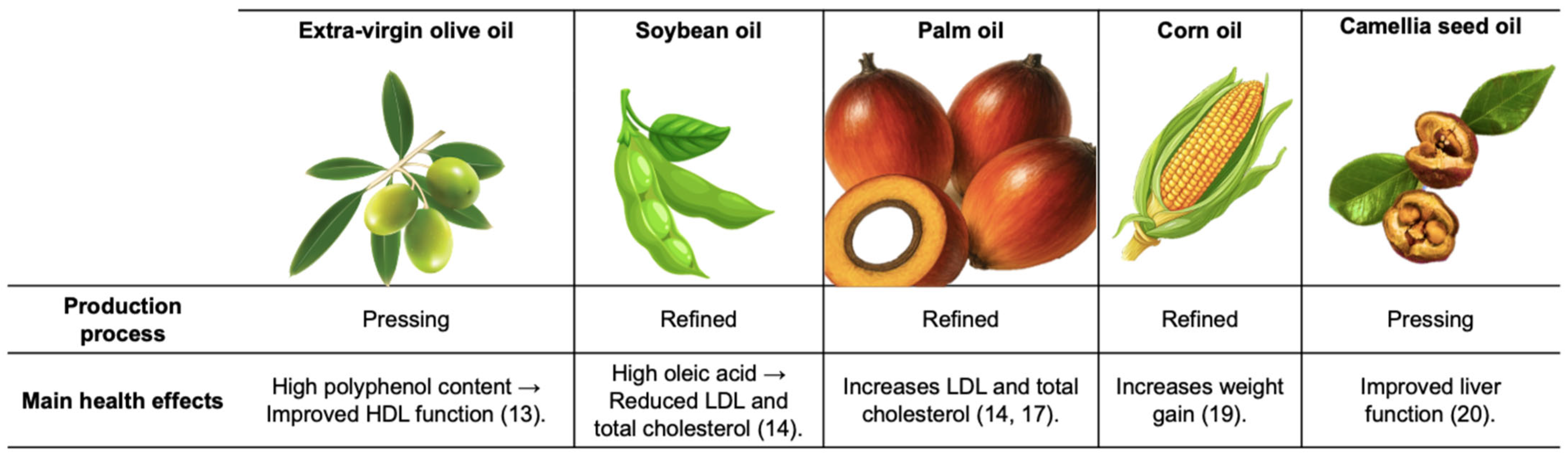
Figure 1. Comparative health and processing characteristics of some edible oils.
Lipidology 02 00021 g001
Table 1. Dietary Fats: Comparisons between sources and their effects on health.
AuthorCountryStudy TypePopulationDurationInterventionMain Findings
Hernáez et al. [13] SpainRandomized47 healthy men.3 weeks per intervention (washout 2 weeks)25 mL/day extra virgin olive oil with low vs. high polyphenol content.High-polyphenol olive oil improved HDL function (cholesterol efflux, HDL composition and fluidity).
Karupaiah et al. [14] MalaysiaRandomized36 healthy adults.4-week periods (washout 2 weeks)Mayonnaise made with soybean oil vs. palm olein.Soybean oil mayonnaise reduced total and LDL cholesterol more than palm olein mayonnaise.
Estruch et al. [15] SpainRandomized7447 adults (55–80 years) at high cardiovascular risk.Median 4.8 yearsMediterranean diet supplemented with extra-virgin olive oil or nuts vs. low-fat control diet.Reduced incidence of major cardiovascular events; Mediterranean diet with unsaturated fats beneficial.
Njike et al. [16] USARandomized,20 adults at risk for type 2 diabetes.50 mL of high-polyphenol extra virgin olive oil.Improved endothelial function; no blood pressure change.
Baer et al. [17] USARandomized60 healthy adults.4-week periods (crossover)High-oleic soybean oils vs. compared to other alternative oils.High-oleic soybean oils improved lipid and lipoprotein profile, lowering total cholesterol and LDL compared to partially hydrogenated oils.
Zhang et al. [10] USAProspective Study521,120 adults, 50–71 years.16 yearsSubstitution of butter/margarine with vegetable oils, including olive oil.Vegetable oils linked to lower mortality.
Guasch-Ferré et al. [18] USAProspective Study92,383 adults.28 years>7 g/day of olive oil.Reduced total and cause-specific mortality.
Moral et al. [19]SpainExperimental Study818 Rats150 to 274 daysCorn oil vs. Olive oil (with extra virgin olive oil + corn oil).Corn oil increased weight gain. Extra virgin olive oil helped control weight gain.
Zhou et al. [20]ChinaExperimental Study15 Mice12 weeksHigh-fat diet + oral camellia seed oil compared with corn oil.Camellia seed oil reduced liver fat, improved liver function and gut microbiota.
Table 2. Raw materials for edible vegetable oil production, its benefits and antinutritional properties.
Author Raw MaterialNutritional/Functional BenefitsAntinutritional Risks/Contaminants
Jamoussi et al. [31]; Badia et al. [23]; Jablaoui et al. [27]SoyPolyunsaturated fatty acids (linoleic, 50–55%), monounsaturated fatty acids (oleic, 20–25%), antioxidant tocopherols; MFA and DIC technologies preserve bioactive compounds.Trans fats, 3-MCPD, glycidyl esters; accumulation of Cd and Pb in contaminated soils.
Daza et al. [30]; Rajski et al. [29]; Neira Mosquera et al. [35]Avocado60–70% oleic acid, carotenoids, phytosterols, and tocopherols; encapsulation and cold pressing preserve stability and bioactive compounds.Persistent lipophilic pesticides; mycotoxins in poorly stored seeds.
Rajski et al. [29]AlmondPredominance of oleic and linoleic acids; high metabolic and functional value; source of antioxidants.Persistent lipophilic pesticides; mycotoxins in poorly stored seeds.
Gesteiro et al. [22]; Cassiday [25]Palm (Conventional, RBD)Oleic C18:1 (35.79) and linoleic C18:2 (14.77) acidsHigh content of palmitic acid (Saturated fatty acids).
Refining, bleaching, and deodorization processes drastically reduce the content of carotenoids, lycopene, xanthophylls, tocopherols, and tocotrienols.
Gesteiro et al. [22]; Cassiday [25]Red Palm (CPO, RPO)High content of carotenoids, tocopherols and tocotrienols, 70% in the form of tocotrienols.High content of palmitic acid (Saturated fatty acids). Strong taste, smell like overripe mushrooms. Free fatty acids (FFA), moisture, trace meals, and other impurities.
Tomé-Rodríguez et al. [24]Olive55–80% oleic acid; phenolic compounds (oleuropein, oleacein, oleocanthal) with antioxidant, anti-inflammatory, and cardioprotective activity.Low risk of lipid oxidation; possible migration of contaminants during extraction if not controlled.
Flores et al. [32]; Zeaiter et al. [28]; Amarilla et al. [9]Sunflower seedProfile rich in oleic and linoleic acid. Development of oleogels could reduce saturated fatty acids in processed food and improve PUFA/SFA ratio.Lipidic oxidation by high unsaturation; contaminants related to the refining process.
Garcia-Solivelles et al. [33]; Savva & Kafatos [36]; Rao et al. [26]CoconutIncrease serum HDL cholesterol more than LDL cholesterol to give a more favorable lipid profile relative to dietary carbohydrates. Mimic the properties of animal fats providing solid like texture.High content of saturated fatty acids. Loss of antioxidants during hot processing, microbial contamination during fermentation, and possible trace metal accumulation (e.g., cadmium, vanadium, lead) if coconuts are grown in contaminated soils.
Disclaimer/Publisher’s Note: The statements, opinions and data contained in all publications are solely those of the individual author(s) and contributor(s) and not of MDPI and/or the editor(s). MDPI and/or the editor(s) disclaim responsibility for any injury to people or property resulting from any ideas, methods, instructions or products referred to in the content.

