Article

Postoperative Pulmonary Complications After Surgery with General Anesthesia

1
School of Medicine, University of Washington, Spokane, WA 99202, USA
2
Department of Mathematics, Gonzaga University, Spokane, WA 99258, USA
3
Providence Sacred Heart Medical Center Department of Anesthesia, Spokane, WA 99204, USA
*
Author to whom correspondence should be addressed.
Anesth. Res. 2026, 3(2), 16; https://doi.org/10.3390/anesthres3020016

Submission received: 17 February 2026 / Revised: 28 May 2026 / Accepted: 1 June 2026 / Published: 15 June 2026

Abstract

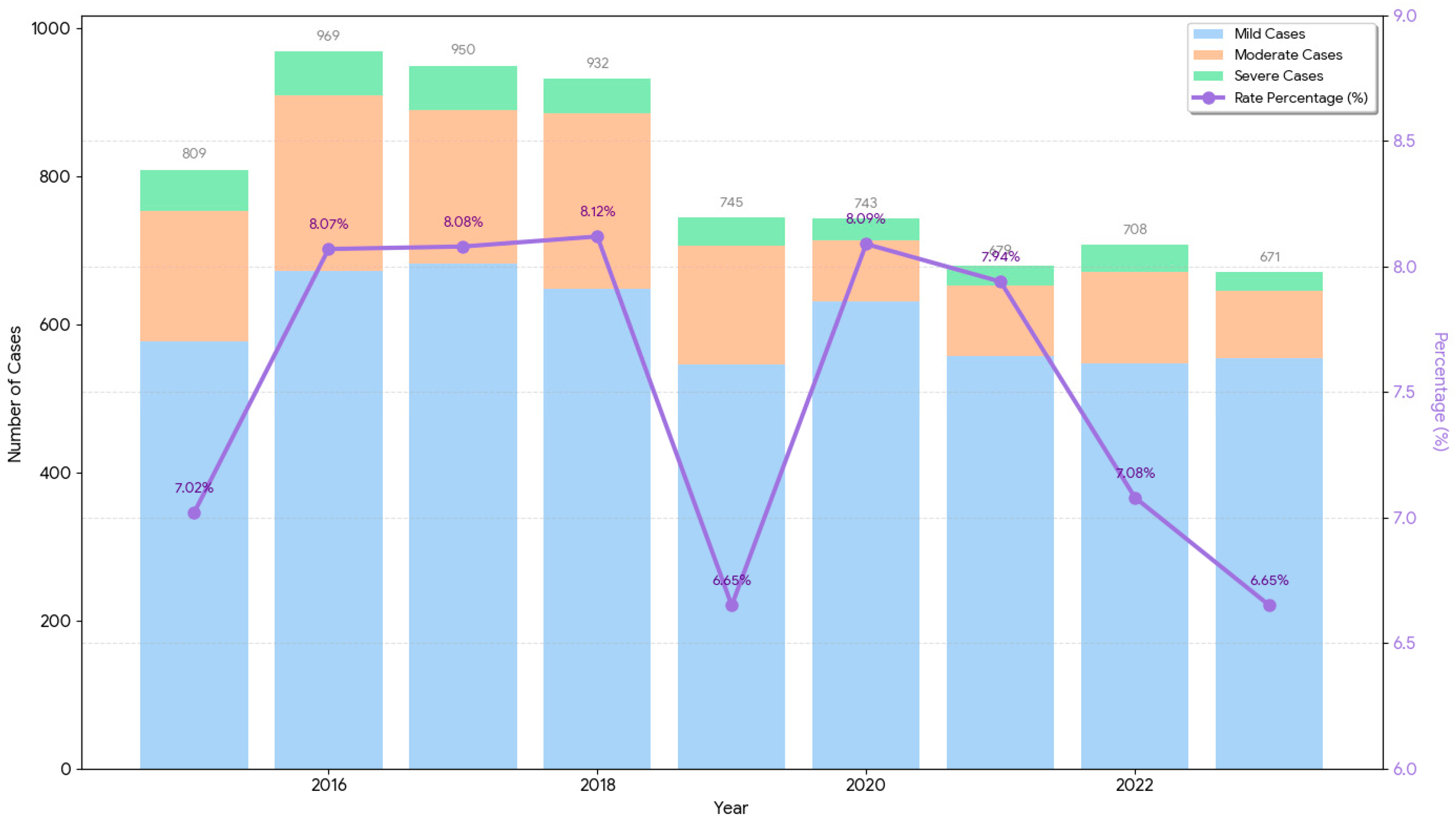
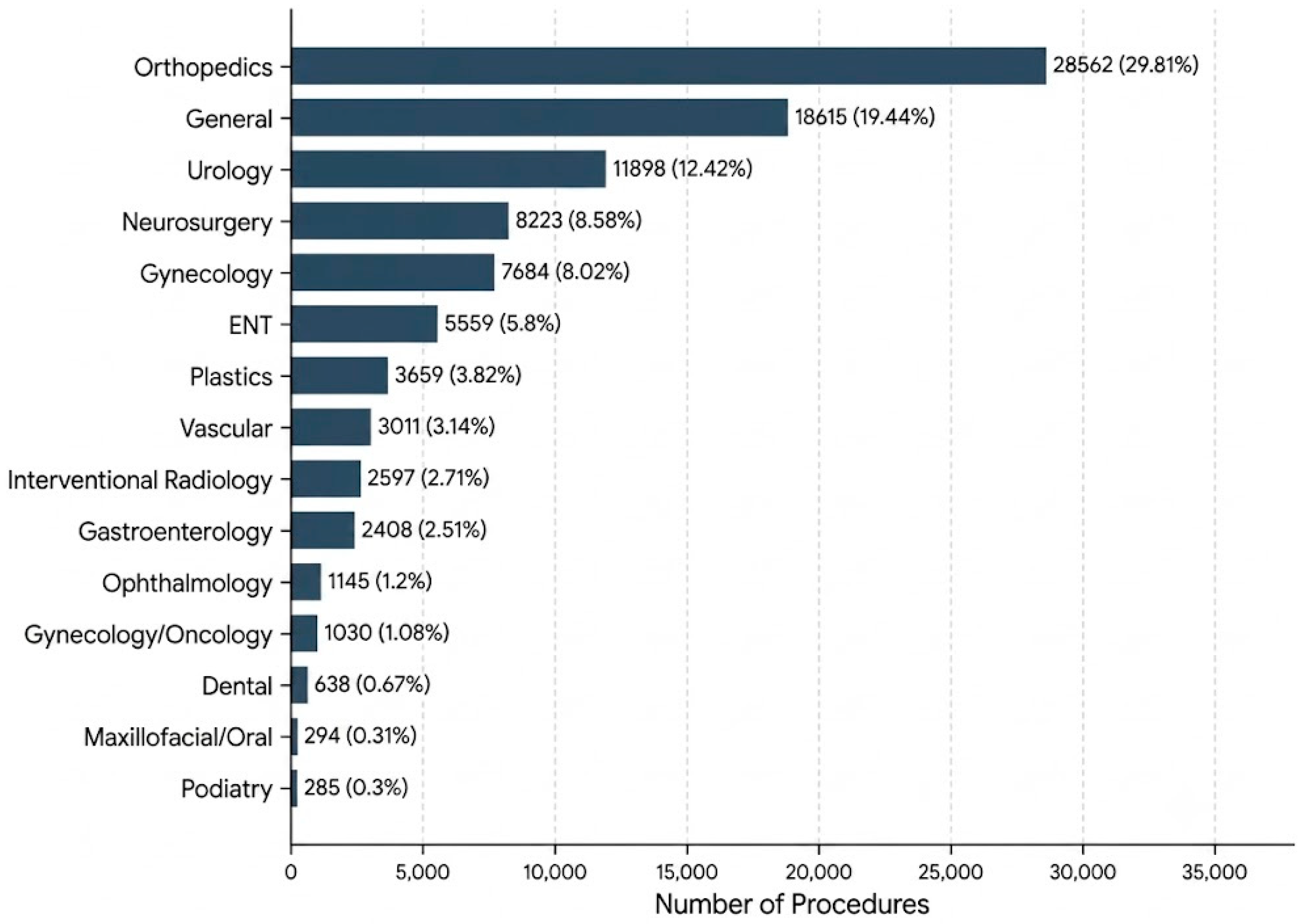
Background/Objectives: Postoperative pulmonary complications (PPCs) significantly contribute to surgical morbidity, mortality, and healthcare costs, yet their definition remains heterogeneous in clinical literature. We aimed to develop and apply a standardized system for defining and measuring PPCs and their severity among a general, low-risk surgical population. Methods: A retrospective, observational design evaluated data from 95,808 adult patients undergoing elective surgery with general anesthesia between 2015 and 2023 at a large tertiary medical center. PPCs were identified using a curated list of ICD-10 codes based on the StEP-COMPAC consensus and were categorized into mild, moderate, or severe based on the intensity of postoperative oxygen delivery. Multivariable logistic and ordinal regression models were utilized to identify risk factors for the occurrence and clinical severity of PPCs. Results: The overall incidence of PPCs was 7.52% (n = 7206), with mild cases accounting for the majority (5.65%), followed by moderate (1.47%), and severe (0.40%) cases. Key risk factors for PPCs included ASA class 3 or 4, OSA, COPD, increased case duration, and the use of home oxygen devices. Higher mean pre-operative oxygen saturation was identified as a protective factor against PPCs. Conclusions: A feasible and promising framework for standardizing PPC measurement using EHR data and interprofessional collaboration is presented for use in ongoing initiatives aimed at reducing rates of PPCs. Identified risk factors may serve as critical triggers for implementing perioperative strategies to mitigate complications in the general surgical population.
Keywords: postoperative pulmonary complications; surgical outcomes; quality improvement; incidence rates; general anesthesia postoperative pulmonary complications; surgical outcomes; quality improvement; incidence rates; general anesthesia