Article

Evaluation of a Comprehensive Approach for the Development of the Field E* Master Curve Using NDT Data

by
Konstantina Georgouli
1,*,
Christina Plati
2 and
Andreas Loizos
2
1
Department of Civil Engineering, School of Engineering, University of the Peloponnese, 26334 Patra, Greece
2
Laboratory of Pavement Engineering, School of Civil Engineering, National Technical University of Athens, 15773 Athens, Greece
*
Author to whom correspondence should be addressed.
NDT 2024, 2(4), 474-486; https://doi.org/10.3390/ndt2040029
Submission received: 11 August 2024 / Revised: 14 October 2024 / Accepted: 22 October 2024 / Published: 24 October 2024

Abstract

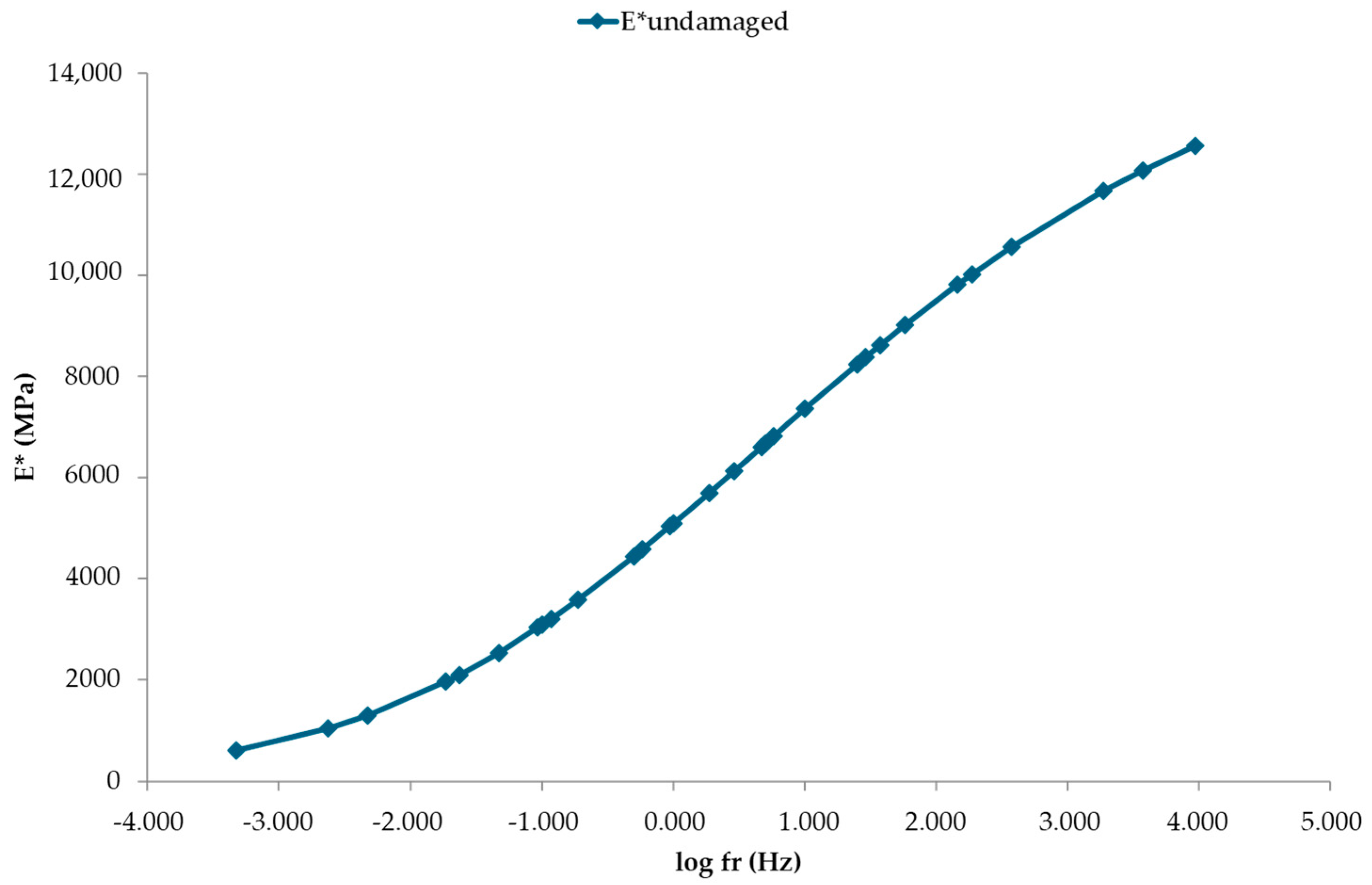
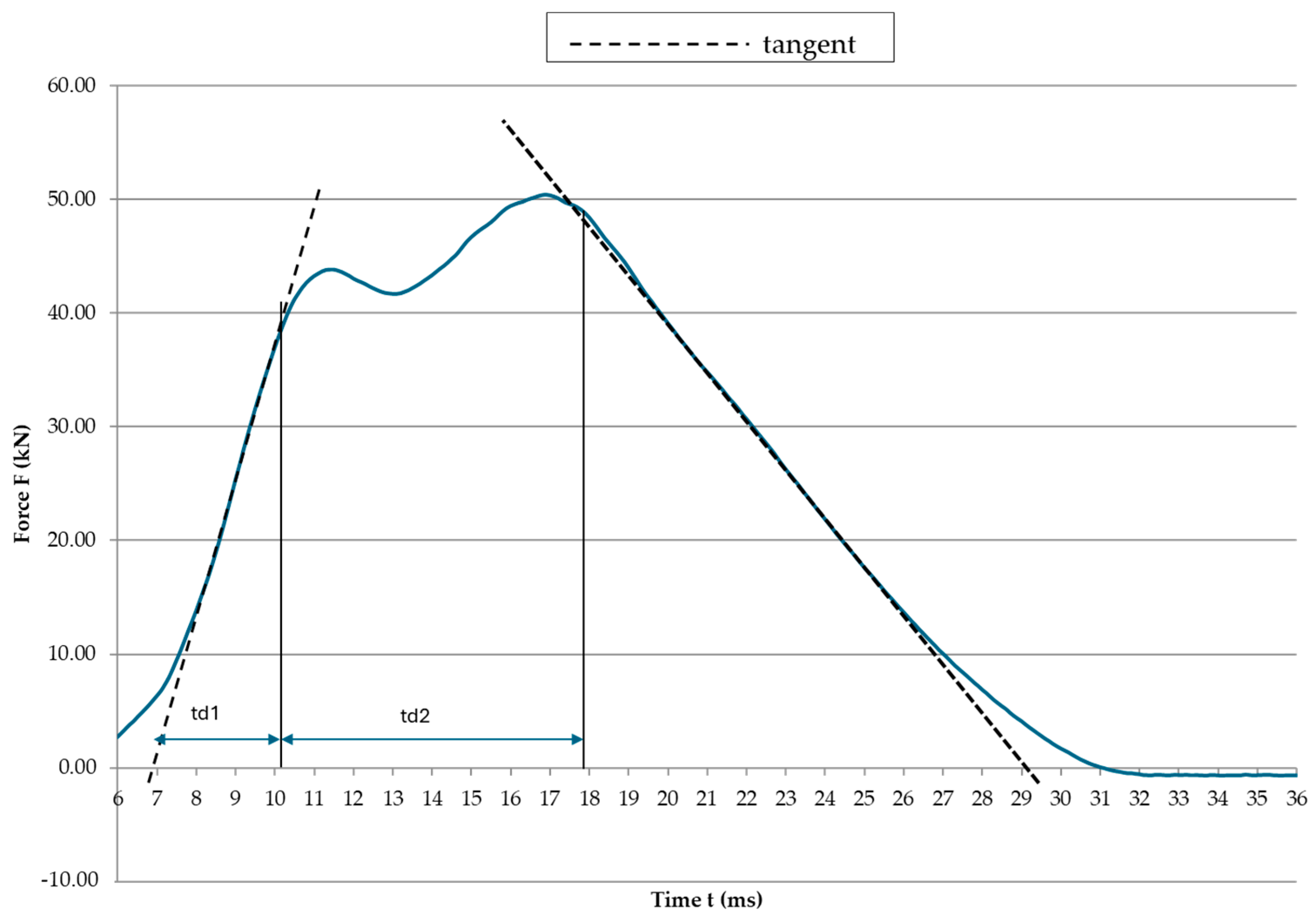
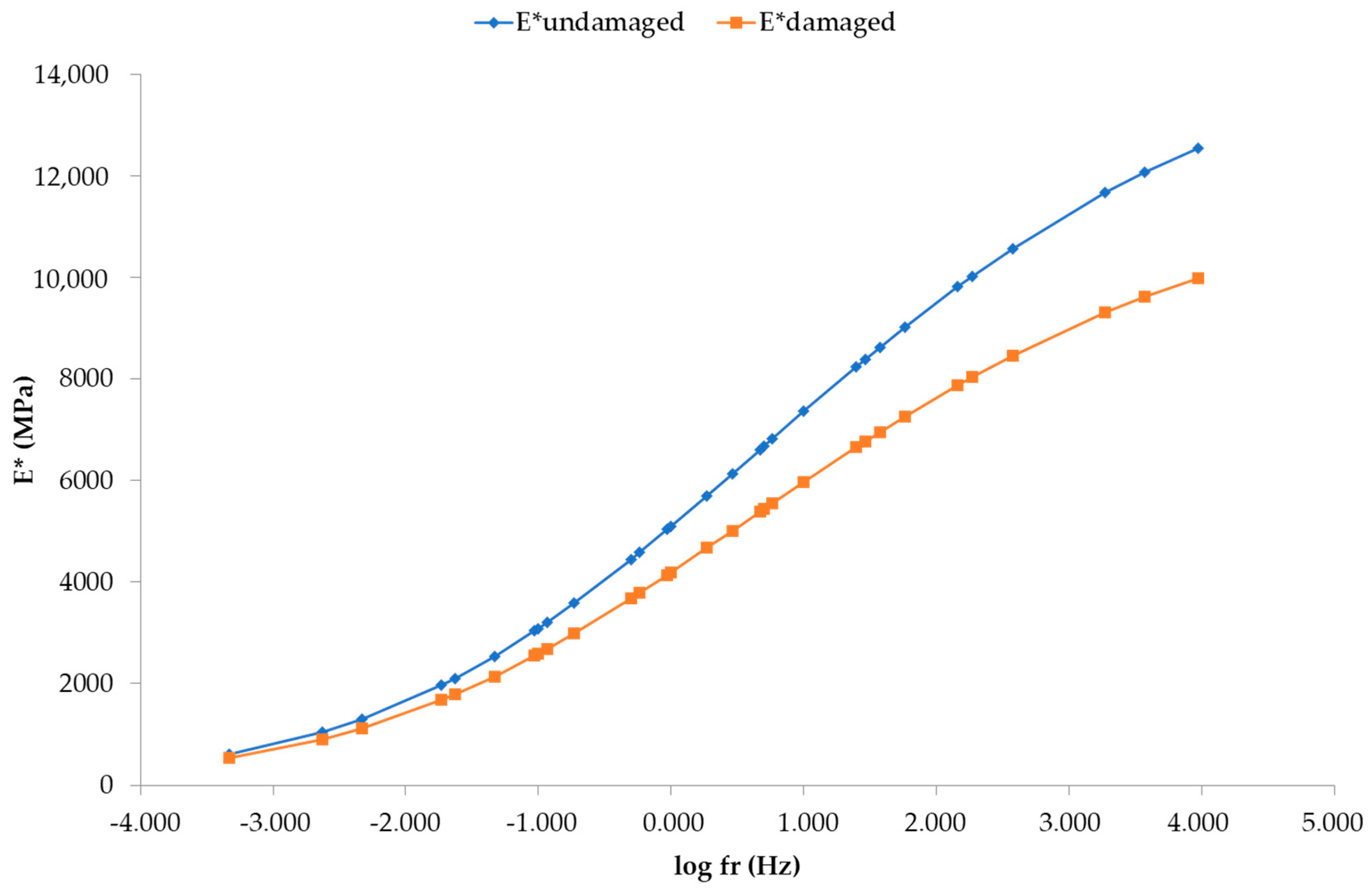
Non-destructive testing (NDT) systems are essential tools and are widely used for assessing the condition and structural integrity of pavement structures without causing any damage. They are cost-effective, provide comprehensive data, and are time efficient. The bearing capacity and structural condition of a flexible pavement depends on several interrelated factors, with asphalt layers stiffness being dominant. Since asphalt mix is a viscoelastic material, its performance can be fully captured by the dynamic modulus master curve. However, in terms of evaluating an in-service pavement, although a dynamic load is applied and the time history of deflections is recorded during testing of FWD, only the peak deflection is considered in the analysis. Therefore, the modulus of stiffness estimated by backcalculation is the modulus of elasticity. While several methods have been introduced for the determination of the field dynamic modulus master curve, the MEPDG approach provides significant advantages in terms of transparency and robustness. This study focuses on evaluating the methodology’s accuracy through an experimental study. The data analysis and validation process showed that routine measurements with the FWD and GPR, within the framework of a pavement monitoring system, can provide valuable input parameters for the evaluation of in-service pavements.
Keywords: dynamic modulus; FWD; GPR; MEPDG; field master curve; algorithm dynamic modulus; FWD; GPR; MEPDG; field master curve; algorithm