Article

Non-Destructive Inspection of Additively Manufactured Classified Components in a Nuclear Installation

Engie Laborelec, 1630 Linkebeek, Belgium
*
Author to whom correspondence should be addressed.
NDT 2024, 2(3), 228-248; https://doi.org/10.3390/ndt2030014
Submission received: 8 April 2024 / Revised: 25 June 2024 / Accepted: 27 June 2024 / Published: 11 July 2024

Abstract

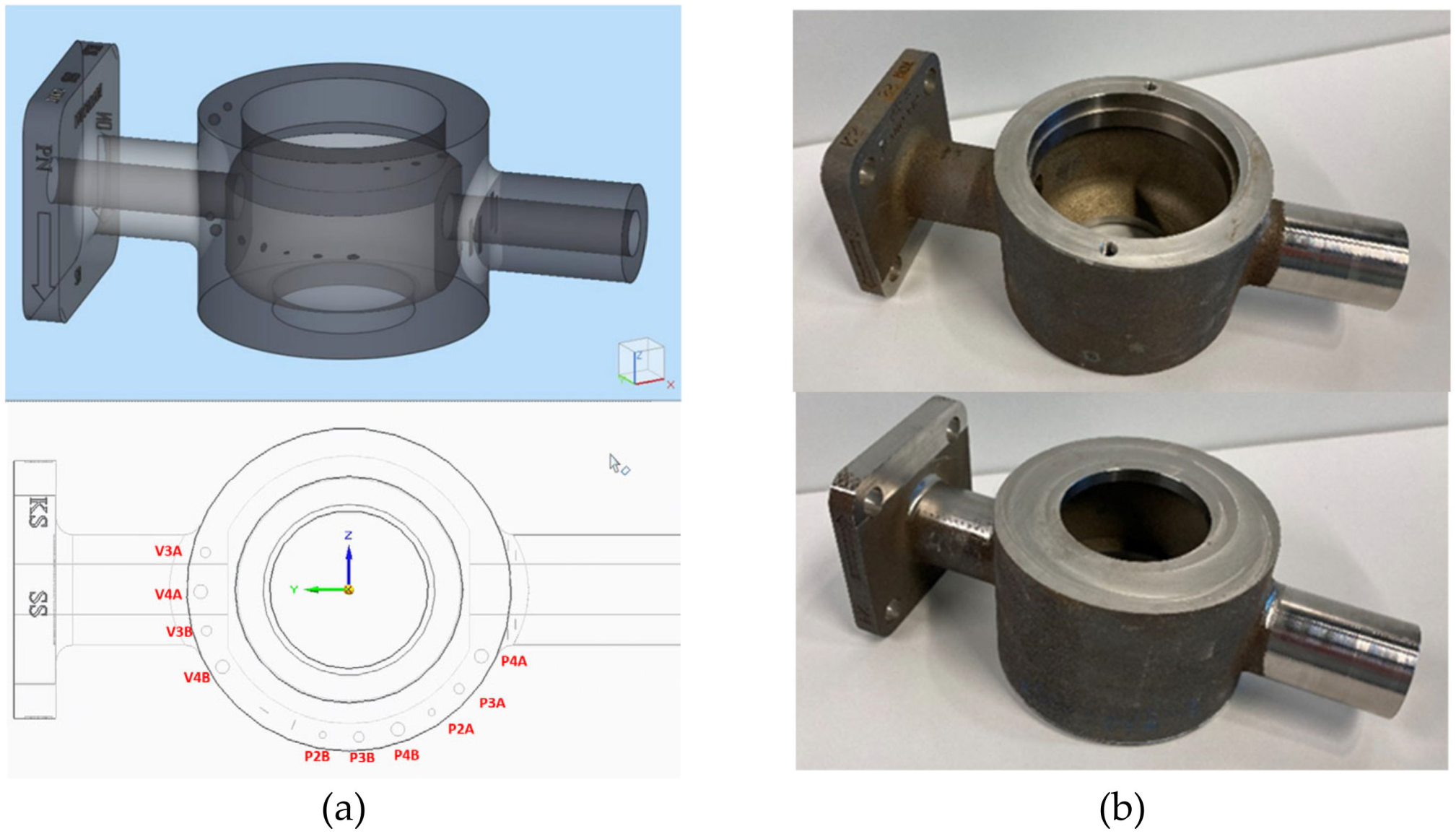
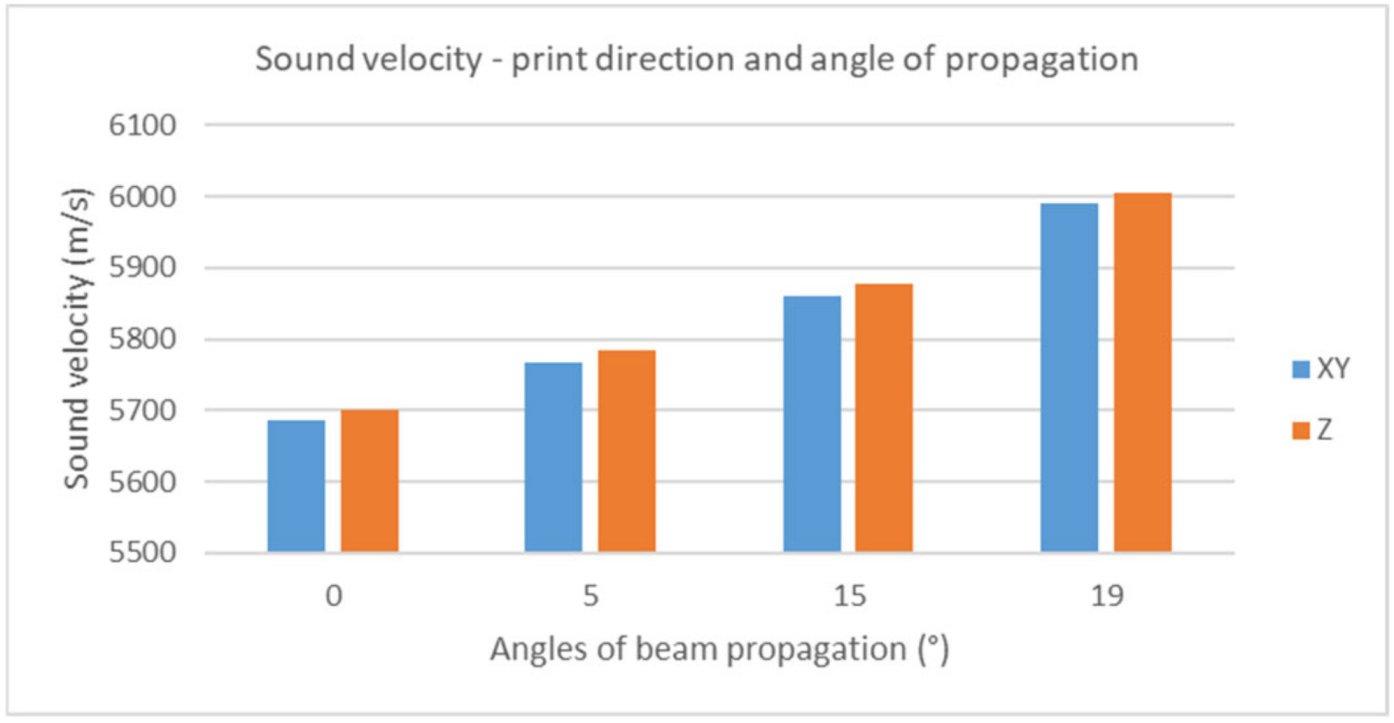
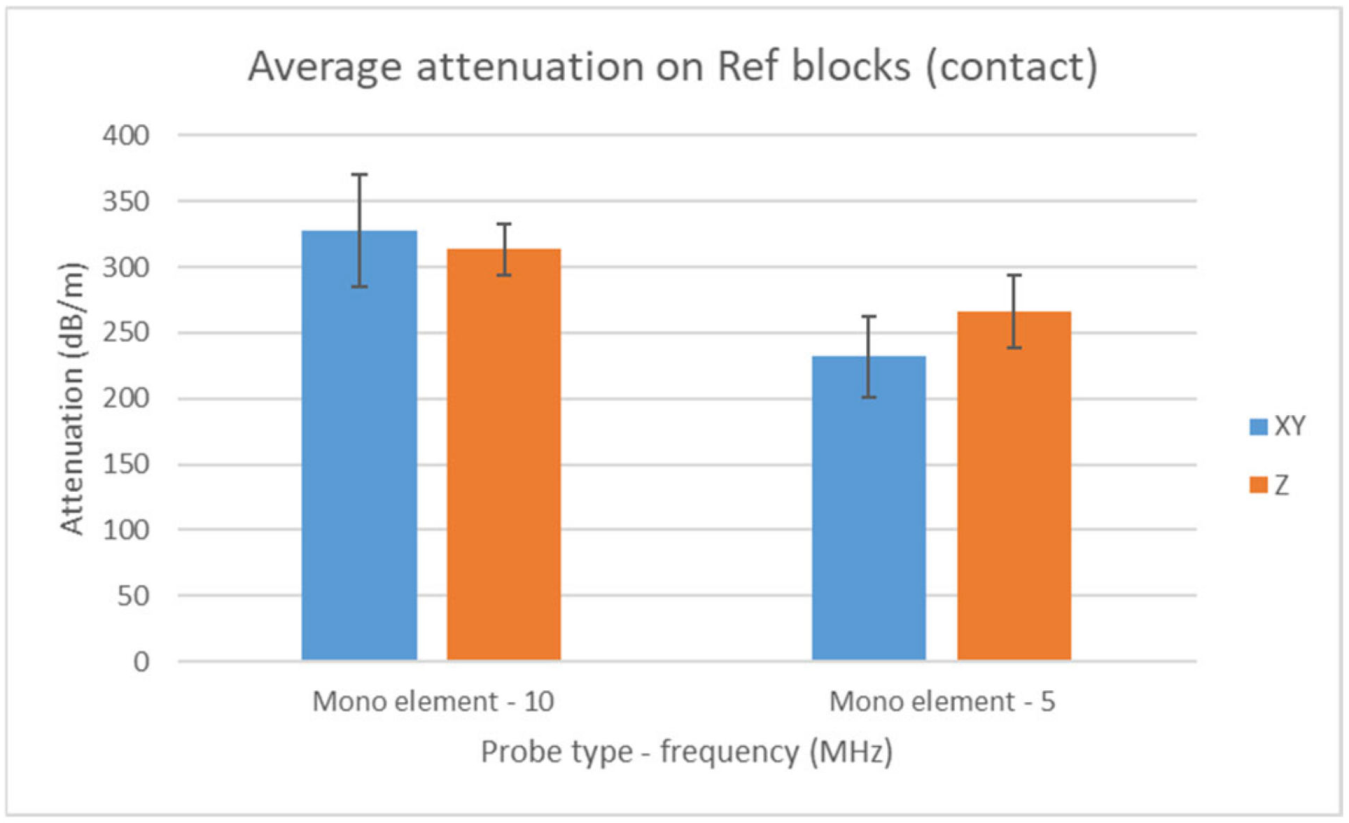
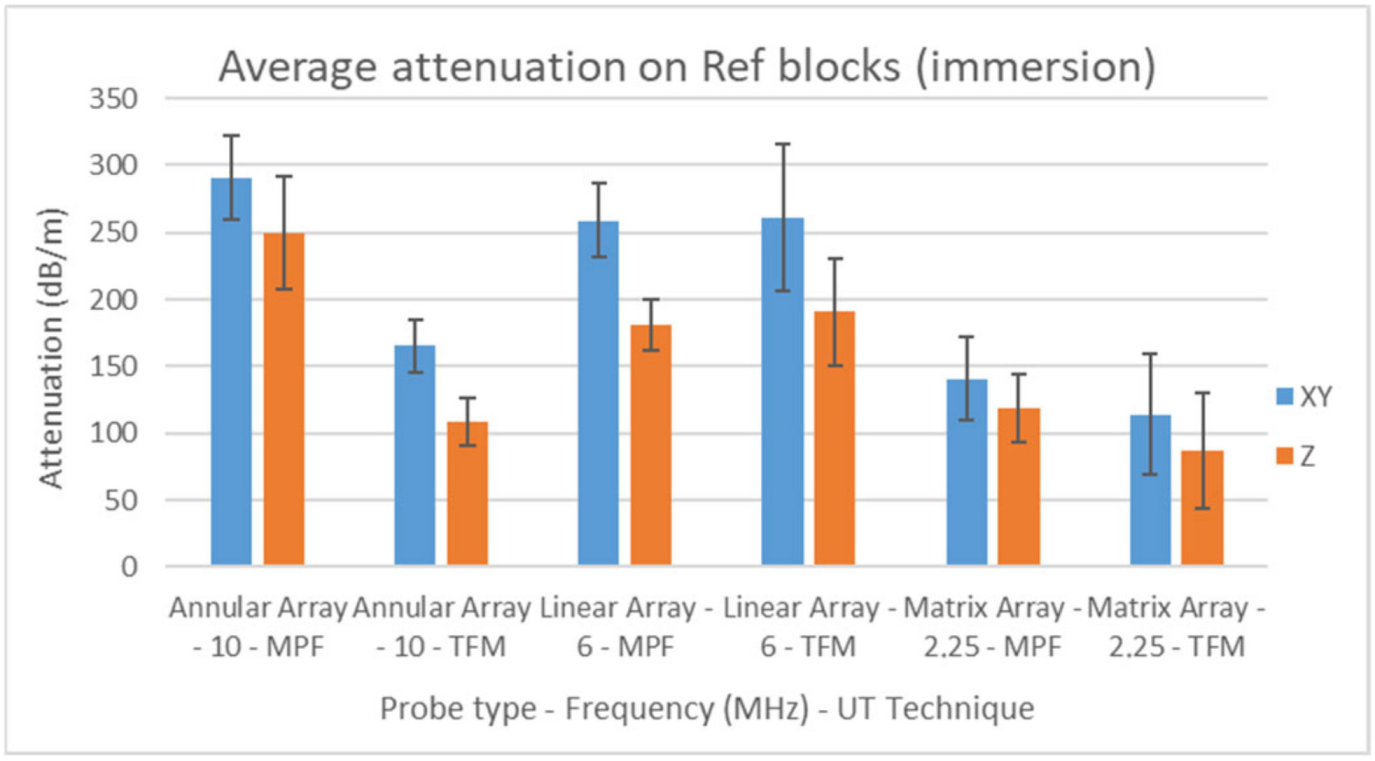
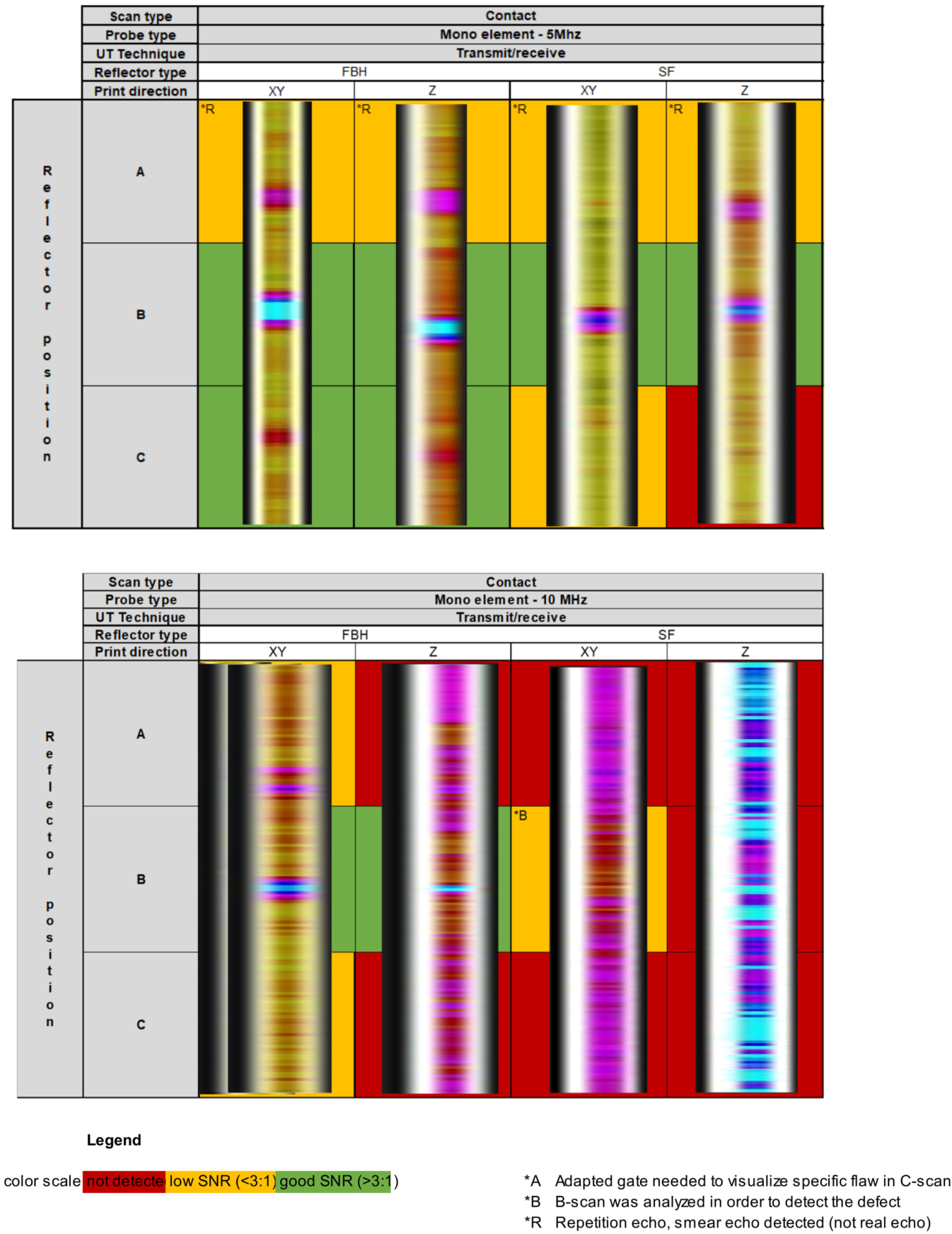
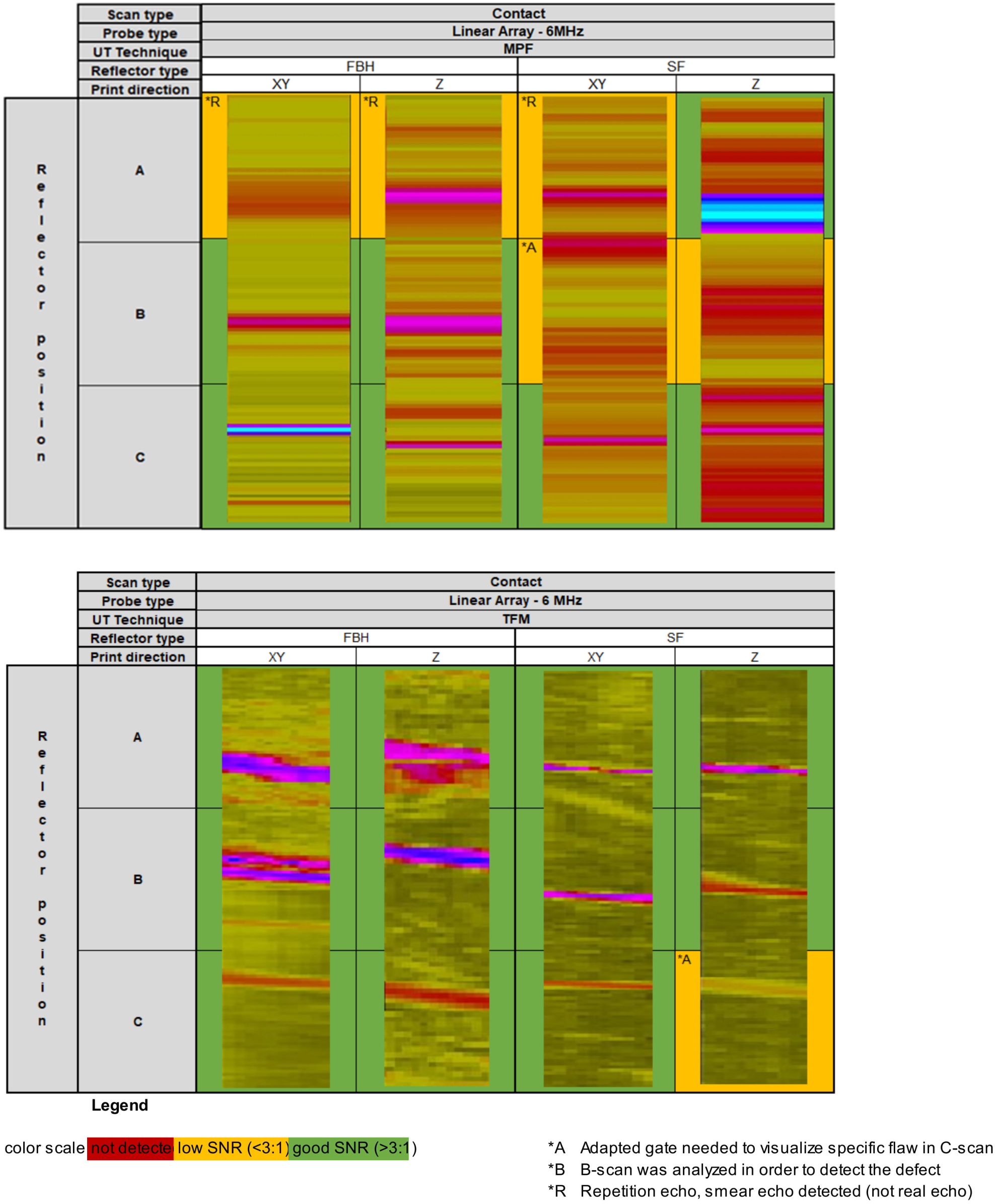
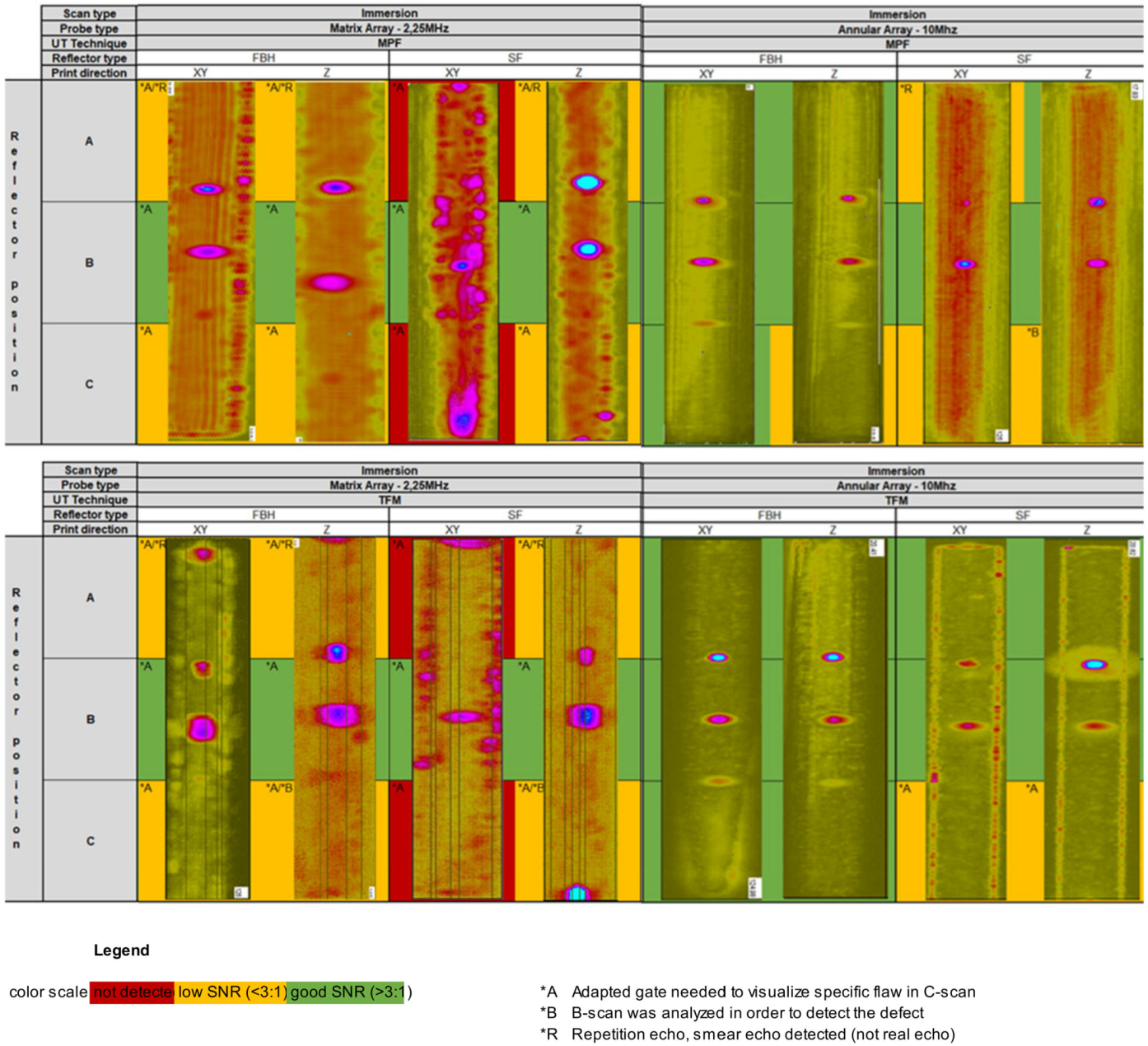
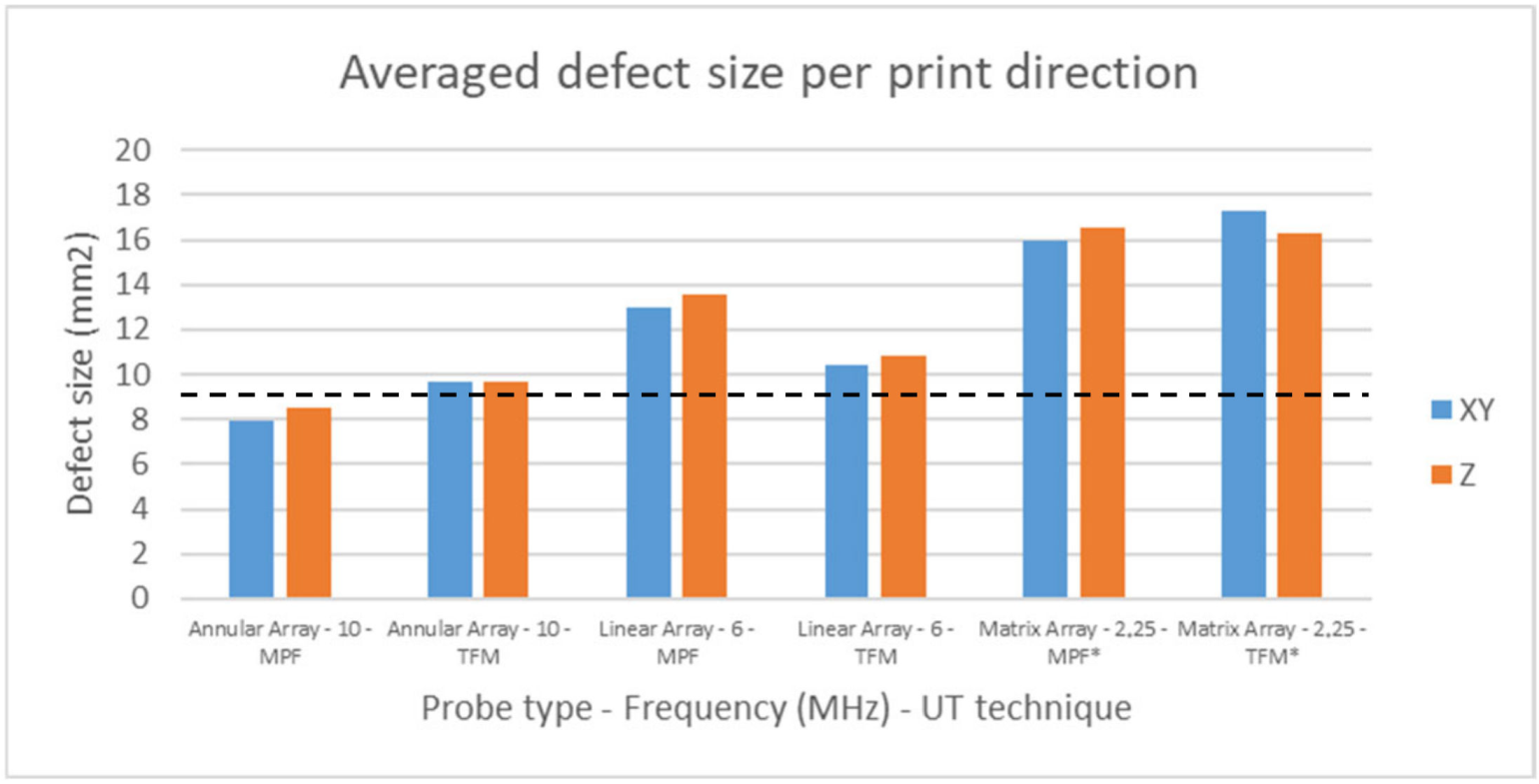
Additive Manufacturing (AM) of parts used in nuclear power plants can solve many issues like those related to obsolescence. Of the gap limiting the use of AM parts in nuclear is the need of reliable non-destructive inspection capable to meet the qualification requirements. Recently, efforts in this direction have been made worldwide within several research projects, like the EU Horizon 2020 NUCOBAM. In the framework of NUCOBAM, this article presents the activity related to the inspection of 316-L AM nuclear parts produced by L-PBF and inspected via advanced ultrasonic (UT) methods, like MultiPoint Focusing (MPF) and Total Focusing Method (TFM). Multiple UT array probes are used, linear, matrix and annular. Emphasis is dedicated to the inspection of classified valve bodies produced with known internal seeding flaws. The analysis of the results shows the effect of AM induced anisotropy on the propagation of the ultrasonic wave characteristics, the sound velocity increased with 3% when the sound beam deviated 15° against the perpendicular axis. The TFM method contributed significantly regarding defect detection, Signal to Noise Ratios (SNR) increased with at least 9 dB compared to the Multi-Point Focusing method. Smaller errors were noticed when examination frequency was increased and TFM was applied. The combination of an annular array with TFM and mechanical scanning demonstrated to be the best approach.
Keywords: NDT; ultrasonic testing (UT); phased array; Full Matrix Capture-Total Focusing Method (FMC-TFM); Additive Manufacturing (AM); nuclear NDT; ultrasonic testing (UT); phased array; Full Matrix Capture-Total Focusing Method (FMC-TFM); Additive Manufacturing (AM); nuclear