
Case Report

Indocyanine Green-Guided Lymphatic Sparing Surgery for Lipedema: A Case Series

Department of Plastic Surgery, University of Pittsburgh Medical Center, University of Pittsburgh, Pittsburgh, PA 15260, USA
*
Author to whom correspondence should be addressed.
Lymphatics 2025, 3(4), 42; https://doi.org/10.3390/lymphatics3040042 (registering DOI)

Submission received: 2 August 2025 / Revised: 27 October 2025 / Accepted: 18 November 2025 / Published: 2 December 2025

Abstract

Background: Lipedema is a progressive adipofascial disorder marked by painful nodular fat deposition that is often mistaken for obesity. While tumescent liposuction reduces limb volume with relative lymphatic safety, persistent large, painful lobules frequently remain, and excisional strategies risk iatrogenic lymphatic injury. We evaluated the application of intraoperative indocyanine green (ICG) lymphography to identify and preserve lymphatic channels during debulking surgery for symptomatic lipedema. Methods: We conducted a single-center case series (University of Pittsburgh Medical Center, July 2023–December 2024) of adults with lipedema refractory to conservative therapy who underwent a selective dermato-lipectomy (lobule/skin excision) with or without tumescent liposuction. Patients with clinical lymphedema or dermal backflow in ICG were excluded. Near-infrared ICG (SPY-PHI) was used for pre-incision mapping and real-time intraoperative guidance; lymphatic trajectories were marked and spared during lobule excision. Primary measures included dermal backflow patterns and lymph node transit time; secondary outcomes were complications and symptom burden (Lymphedema Life Impact Scale, LLIS) through ≥24 months. Results: Eight patients (five female/three male; mean age 49.5 ± 14.4 years; median BMI 52.65 kg/m2) underwent ICG-guided surgery. Preoperatively, linear lymphatic patterns were visualized up to the knee in all patients, but dermal backflow patterns could not be visualized in 83% from the level of the knee to the groin. Still, 67% demonstrated inguinal nodal uptake (mean transit 24 min), suggesting preserved lymphatic transport. All cases achieved intraoperative confirmation of intact lymphatic flow after debulking. The mean liposuction aspirate was 925 ± 250 mL per lower extremity; the mean excision mass was 2209 ± 757 g per lower extremity. Complications included two superficial cellulitis events (25%) and one wound dehiscence (12.5%); no hematomas or skin necrosis occurred. No patient developed clinical or imaging evidence of iatrogenic lymphedema during follow-up. Conclusions: Intraoperative ICG lymphography is a practical adjunct for lymphatic-sparing debulking of symptomatic lipedema, enabling real-time identification and preservation of superficial collectors while addressing focal lobules. This hybrid approach—targeted tumescent liposuction followed by ICG-guided superficial dermato-lipectomy—was associated with meaningful symptom improvement and a low morbidity in this early series.

1. Introduction

Lipedema is a chronic, progressive condition characterized by the disproportionate accumulation of subcutaneous adipose tissue, most commonly in the bilateral lower extremities [1]. Lipedema is commonly mistaken for obesity, and, although in the name, lipedema is not edema. It is characterized by pain, easy bruising, and heaviness that causes significant impairment of patients’ mobility (particularly the knees). The disease is different from obesity. They differ not only through the distribution of adipose tissue (peripheral vs. central). In addition, lipedema does not respond to conservative management, including diets, drugs, or physical activities.
Approximately 10% of women in the population suffer from lipedema, although this rate may be an underestimate [2]. Moreover, men can be affected as well. Controversy exists regarding the pathophysiology of this disease process [3]. While poor lymphatic flow was thought to play a role in lipedema development, recent research has shown, in the early stages, that most patients have normal lymphatic transit. However, advanced cases of lipedema may develop secondary lymphedema [3]. Also known as lipo-lymphedema, symptoms overlap those of late-stage lymphedema, such as tissue fibrosis, fat deposition, and hyperpigmentation, often described as a cobblestone appearance [4,5]. Furthermore, these patients possess an increased risk for skin and soft-tissue infections, which can further exacerbate the disease. Thus, it is imperative to protect these lymphatic structures to prevent the compounding effect of lymphedema symptoms [6].
The management of lipedema poses considerable challenges. Conservative treatments for lipedema are often ineffective, leading to surgical interventions aimed at limb volume reduction. Tumescent liposuction has emerged as a popular treatment option, with multiple studies confirming its efficacy [7,8]. Additionally, in comparison to dry liposuction, tumescent liposuction has a proven safety concerning lymphatic preservation [9,10,11,12,13]. However, although liposuction helps with reducing volume, patients continue to report persistent symptoms of pain.
Alternate surgical approaches which have been established in end-stage lymphedema include whole lobule excision, removing skin and adipose tissue. While this significantly reduces limb volume, it carries a substantial risk of injuring underlying lymphatic channels, leading to iatrogenic lymphedema.
Historically, blue dyes such as isosulfan blue and patent blue have been used—most notably for sentinel lymph node mapping—but their utility is limited to intraoperative, line-of-sight visualization after tissue exposure, and they offer no transcutaneous imaging. Cadaveric studies have likewise employed patent blue to demonstrate lymphatic injury with dry liposuction compared to tumescent techniques. In contrast, near-infrared indocyanine green (ICG) lymphography provides real-time mapping of superficial lymphatics with a tissue penetration of approximately 1–2 cm [12]. To evaluate the safety of skin excision approaches with respect to lymphatic preservation, we examined the intraoperative utility of ICG lymphography to identify and spare lymphatic-containing tissues during targeted excision.

2. Case Description

2.1. Method

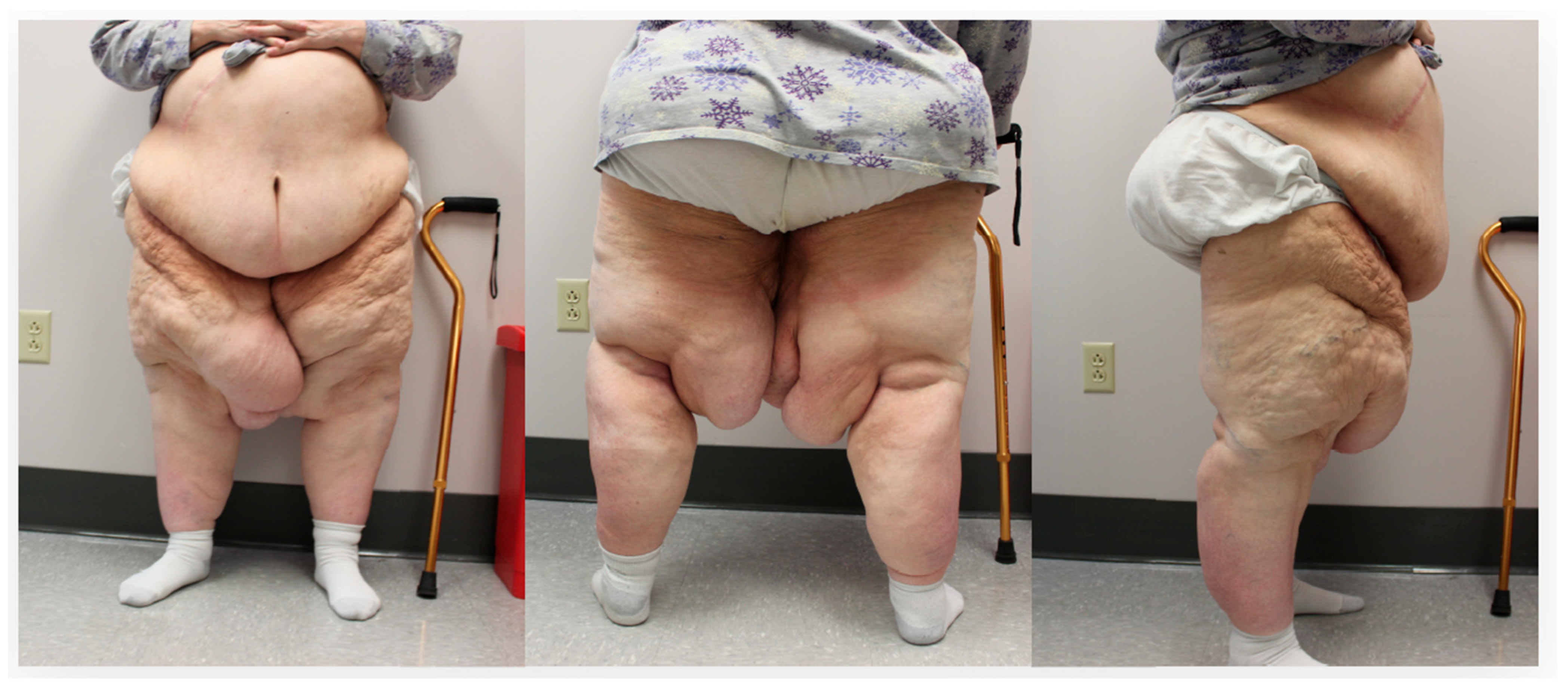
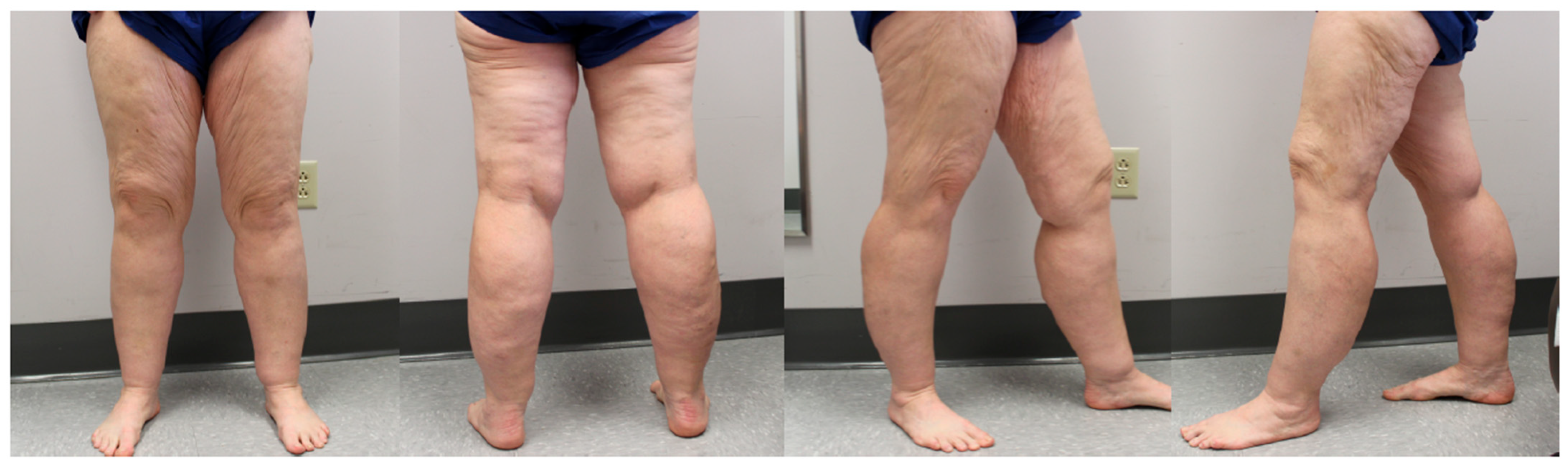
A case series was analyzed at the University of Pittsburgh’s Medical Center (UPMC) between July 2023 and December 2024 on eight patients with lower extremity lipedema undergoing liposuction debulking, direct skin excision, or lobule excision. All patients were offered ICG lymphography of the lower extremities at the same time of surgery, to establish whether the lipedema patients initially had a concomitant dysfunction in lymph flow. Furthermore, ICG lymphography was used intraoperatively to identify, locate, and visualize lymphatic channels during skin excision debulking in order to avoid damaging them. The diagnosis of lipedema was established clinically based on characteristic features: chronic, disproportionate, and bilaterally symmetric adipose deposition of the extremities; painful/adipose nodularity with easy bruising; sparing of the feet with a negative Stemmer sign; and symptoms refractory to conservative therapy. Lymphedema was distinguished by the absence of progressive pitting edema, foot involvement, and skin changes typical of lymphatic insufficiency. When indicated, near-infrared ICG lymphography aided in the differentiation: linear channels (normal/preserved drainage) contrasted with dermal backflow patterns suggestive of lymphatic dysfunction. Lipedema type and lipedema stage were classified as depicted in Table 1 [14], with examples in Figure 1 and Figure 2. Lymphatic drainage pathways and dermal backflow patterns were analyzed in accordance with the MD Anderson Cancer Center (MDACC) staging system. Additionally, the time to visualization of lymphatic drainage to the inguinal lymph node basins was recorded. The inclusion criteria for the study were patients who had a unilateral or bilateral diagnosis of lipedema, and in whom conservative treatment alone had not led to a satisfactory reduction in bulk or clinical symptoms. The exclusion criteria included a diagnosis of lymphedema, or the presence of dermal backflow in ICG imaging. Patients were followed for 1-, 3-, 6-, and 12-month intervals, for a minimum of 2 years postoperatively. Preoperative and postoperative evaluations included complications (including cellulitis, wound dehiscence, seroma, hematoma) and an enquiry about subjective symptoms (such as pain, heaviness, edema, restricted movement, or difficulty with ambulation). Additionally, we utilized the LLIS as a validated, condition-specific instrument for lymphedema-related impairment that suits the longitudinal tracking of function and psychosocial impacts in fat-disorder populations where edema symptoms overlap [15]. This study was approved by the University of Pittsburgh Institutional Review Board (protocol code: 20010040).

ICG Lymphography

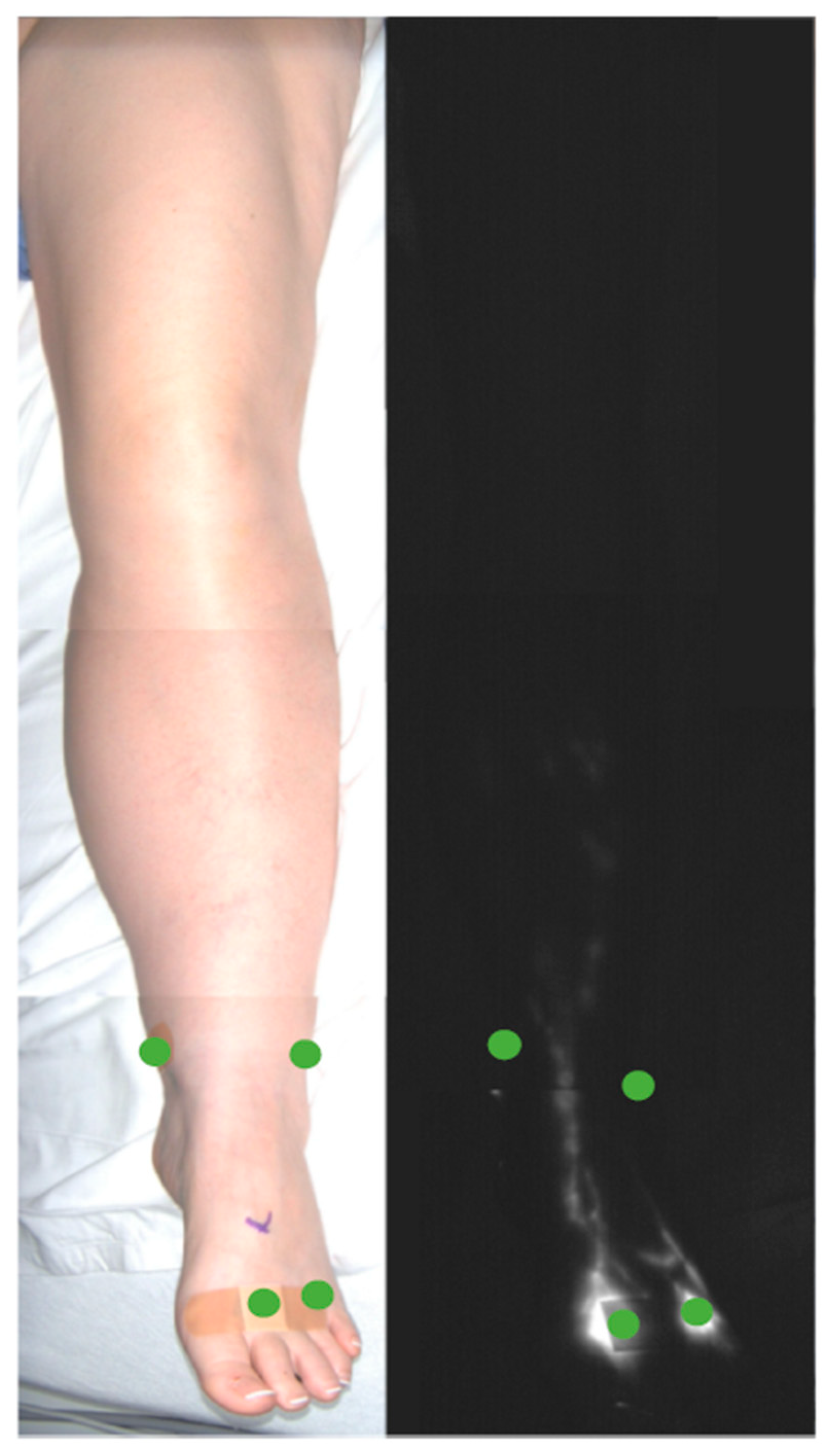
The superficial lymphatic pathways of the lower extremity were visualized using our standardized lymphography protocol. After the induction of anesthesia, ICG (25 mg/vial) was resuspended in 10 mL of sterile water, making a 2.5 mg/mL solution. A total of four intradermal injections were made located at the dorsal first webspace, dorsal third webspace, medial malleolus, and lateral malleolus, with each injection containing 0.1 mL of ICG solution (Figure 3). Near-infrared fluorescence imaging was performed using a SPY portable handheld imaging system (SPY-PHI, Stryker Corporation, Kalamazoo, MI, USA). When injected intradermally, ICG has a high affinity for plasma proteins, resulting in an uptake specific to lymphatic channels. The tracer is excited by the light emitting diode between the wavelengths of 750 and 800 nm, and fluorescence is viewed around the maximum peak of 832 nm. The detector is combined with a light filter with a wavelength below 820 nm, together allowing for accurate visualization of lymphatic pathways with a depth of up to 2 cm. If the fluorescence signal was quickly observed on the limb, the surgeon did not add any massage. However, when the signal remained only at the injection sites, the surgeon massaged the corresponding area for a few seconds. The course of the intradermal lymphatic ducts could be delineated from the ICG fluorescence signal on the skin from the foot up the leg, to the thigh, and finally to the groin. Images were obtained once ICG had stabilized.

2.2. Procedure

Lipedema surgery was designed by the senior surgeon (C.D.L.C.) to protect lymphatic vessels as follows: Presurgical mapping of the superficial lymphatic structures in the lower extremities was performed using ICG lymphography. This was performed in the operating room at the time of surgery with the patient in the lithotomy position. Linear lymphatic channels were marked first on the skin, allowing the surgical incisions to be marked sparing the sites of linear lymphatics.
All procedures were performed in the inpatient setting under general anesthesia.
In cases with combined liposuction, liposuction was performed prior to ICG lymphography. Tumescent liposuction is well described in the literature on lipedema treatment, and, compared with dry liposuction, tumescent liposuction has been demonstrated to preserve lymphatics [10,12,16,17]. Liposuction targeted patients’ symptomatic lipedema nodules prior to excisional debulking using a 3 mm and 4 mm cannula under tumescent local anesthesia. We started with liposuction in selected areas of the deep subcutaneous fat at the base of the lump and the surrounding area, especially the medial aspect of the thigh above and below the lump base, to reshape the thigh, achieving a more symmetrical limb configuration. Starting with liposuction as a first operative stage helps in decreasing the amount of the fat at the base where the surgical flaps can land together with no dissection; this can preserve the blood flow to the skin and helps to maintain healthy nonischemic wound edges followed by surgical excision of the performed lump and minimize the formation of a dog ear deformity at the incisional ends postoperatively [18].
No circumferential suctioning was performed. The tumescent solution consists of 50 mL of 1% lidocaine and 1 mL of 1:1000 epinephrine per liter of lactated Ringer solution, according to the standard treatment as described by Klein et al. The average amount of tumescent local anesthesia solution infiltrated was 1400 (1000–2200) mL; the average blood loss was 1% of the aspirated volume; the time of infiltration varied between 0.5 and 1 h.
Once liposuction was complete, the initial ICG lymphography was performed, and linear patterns of ICG were marked on the skin. If liposuction was not performed, the procedure would begin with ICG lymphography.
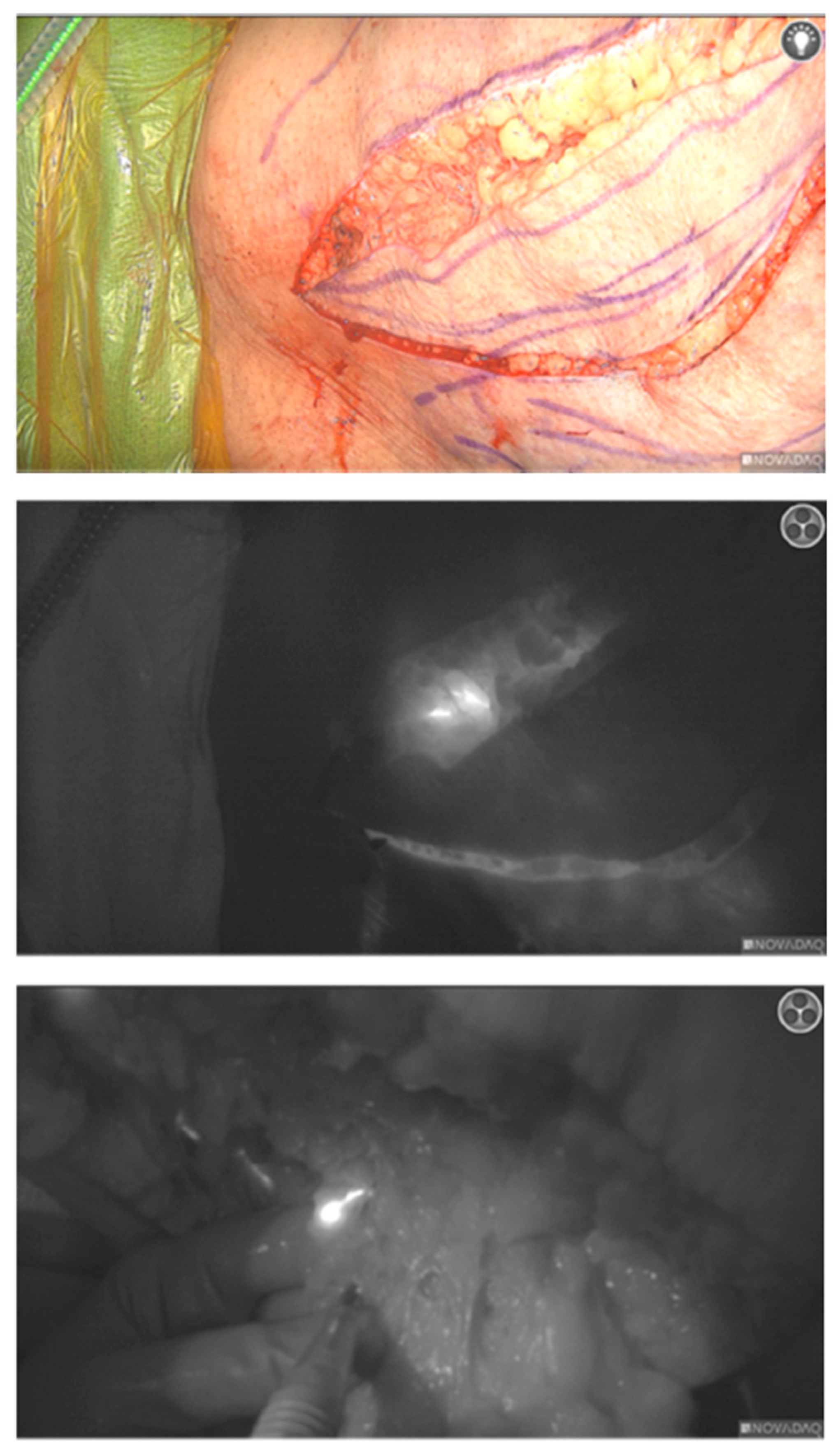
Consistent with liposuction-assisted medial thigh lift principles, we minimized tissue undermining and performed liposuction specifically within the planned excision ellipse to ‘mobilize’ the flap rather than dissect it, thereby preserving the subdermal lymphatic and microvascular networks [18,19]. SPY-PHI was used to visualize the draining lymphatic channels directly beneath skin, and lymphatic channels were tagged with a blue marker (Video S1). We then executed a very superficial dermato-lipectomy just below the dermal layer with an energy device angled toward the skin and parallel to lymphatic vessels at a slow pace to avoid deeper injury; this sequence reduces dead space and the seroma risk described for en-bloc resections in the medial thigh (Video S2).
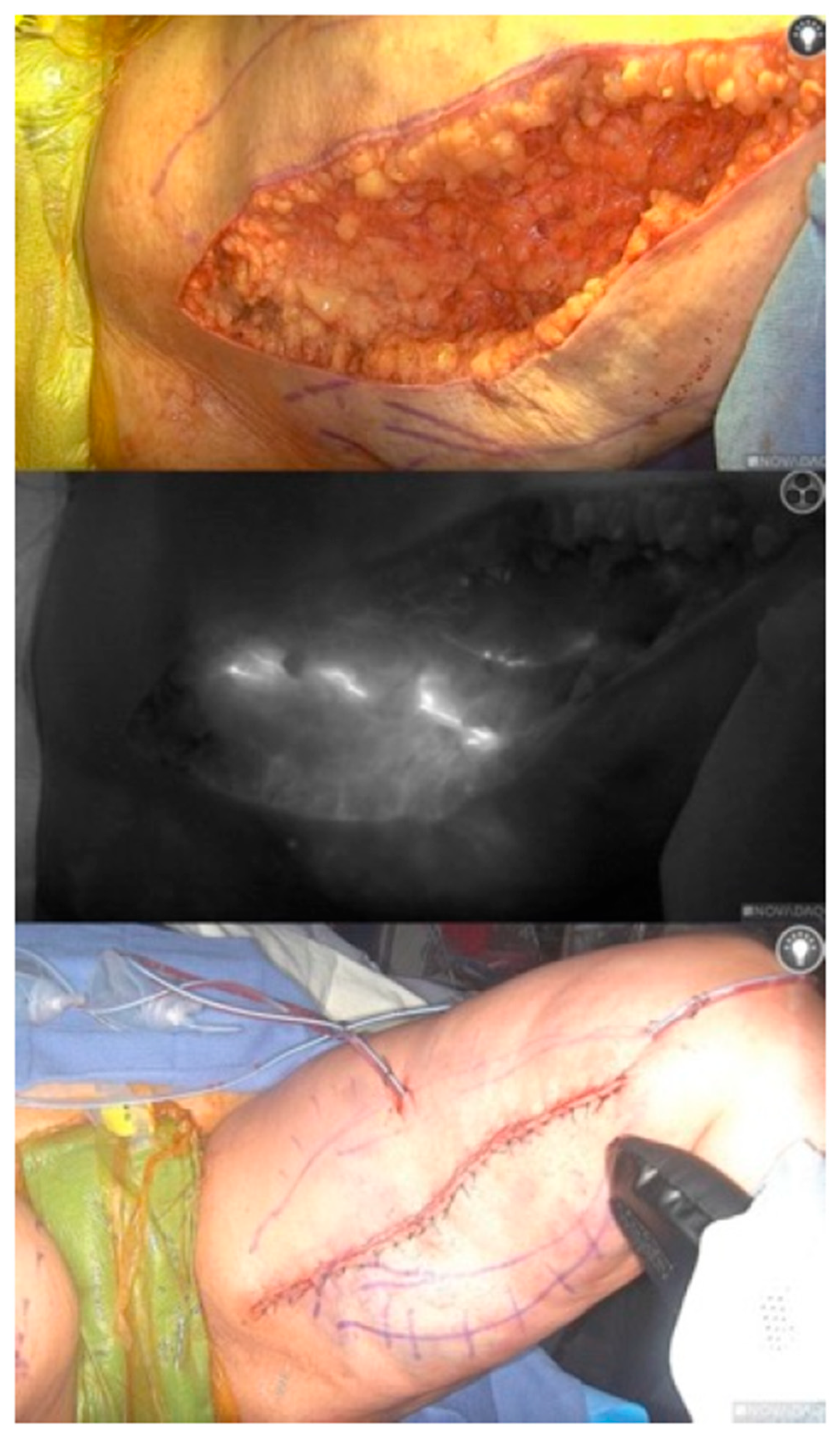
During lobule excision, great care was taken to avoid the removal of lymphatic channels. At the procedure’s end, preservation of patent lymphatic flow in the extremity was confirmed again via SPY-PHI, as seen in Figure 4 and Figure 5. SPY-PHI was also used on the excised mass to confirm that lymphatic channels were not excised with the specimen. The total time of surgery varied between 123 and 196 min (mean 160.28), and the use of ICG/SPY added an extra 15 min to the procedure.
Compression was initiated immediately after surgery with low-elasticity bandages placed in the operating room. The first wound check occurred on the first postoperative visit, on postoperative day 7, to assess wound healing and start measurements for adjustable compression garments after a range of 2 weeks postoperatively. All patients were advised to wear flat compression sleeves during the first 2 months postoperatively, during all hours of the day and taken off at night.

2.3. Results

Eight patients (five female, three male) underwent ICG-guided surgical lipedema treatment (five bilateral, three unilateral). Conservative treatment was performed for an average of 18 +/− 3 months. The average age at the time of surgery was 49.5 ± 14.4 years, ranging from 33 to 70. Overall, the median preoperative BMI was 52.65 kg/m2 (IQR, 5.68 kg/m2). The masses predominantly involved the thigh (n = 11, right: 8, left: 3) and calves (n = 2, right: 1, left: 1). Five patients were unilateral (six lobules), and three patients were bilateral (eight lobules). Four of eight patients had a history of atherosclerotic cardiovascular disease, including hypertension and coronary artery disease. Endocrinopathies were present in a significant number of patients, including diabetes mellitus type 2 (n = 2) and hypothyroidism (n = 3). Six patients had a significant weight loss history (>100 lbs lost in the last year), and three had a history of gastric bypass surgery. Six patients were Caucasian and two were African-American. The characteristics of the patient groups are summarized in Table 2.
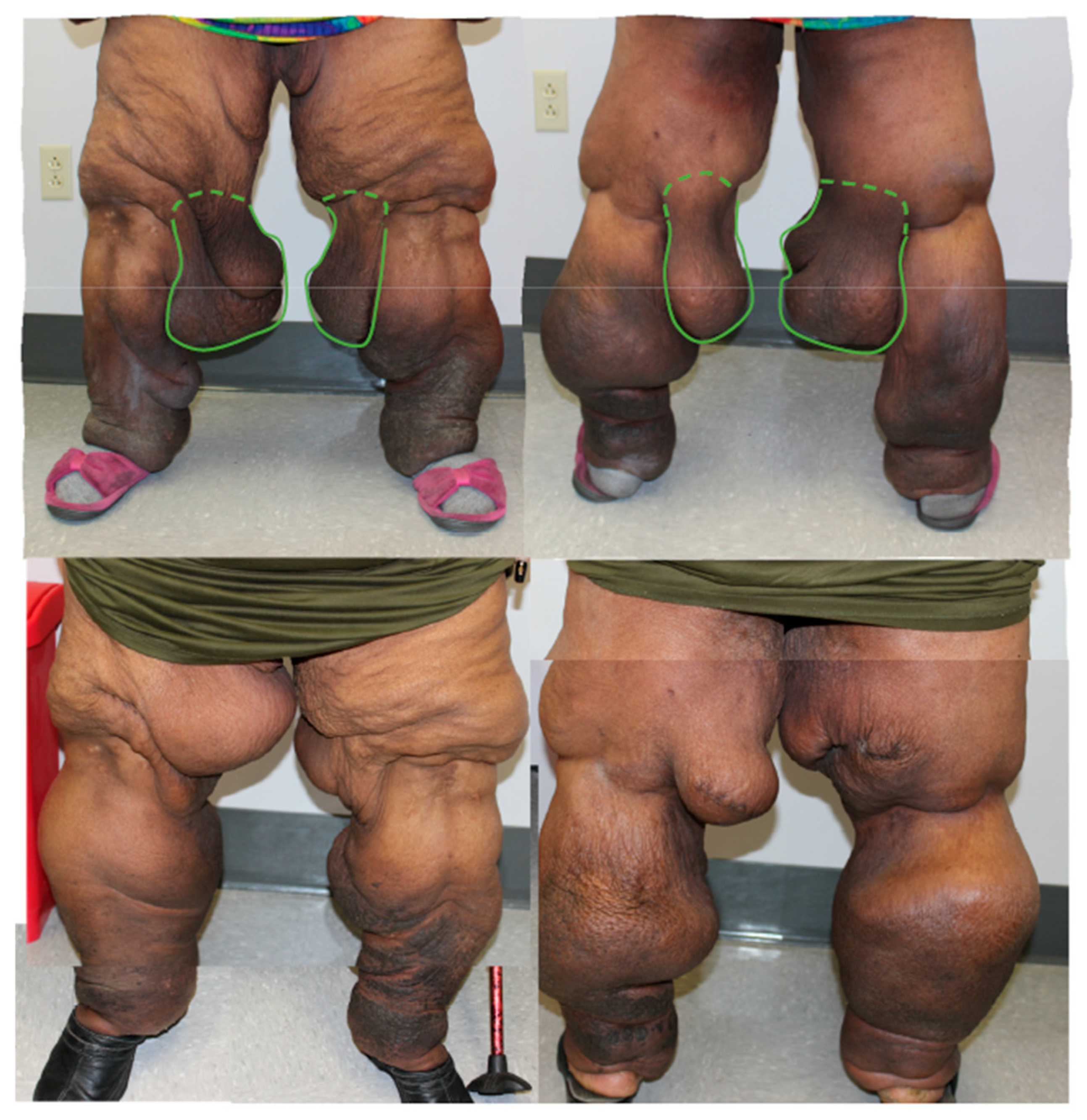
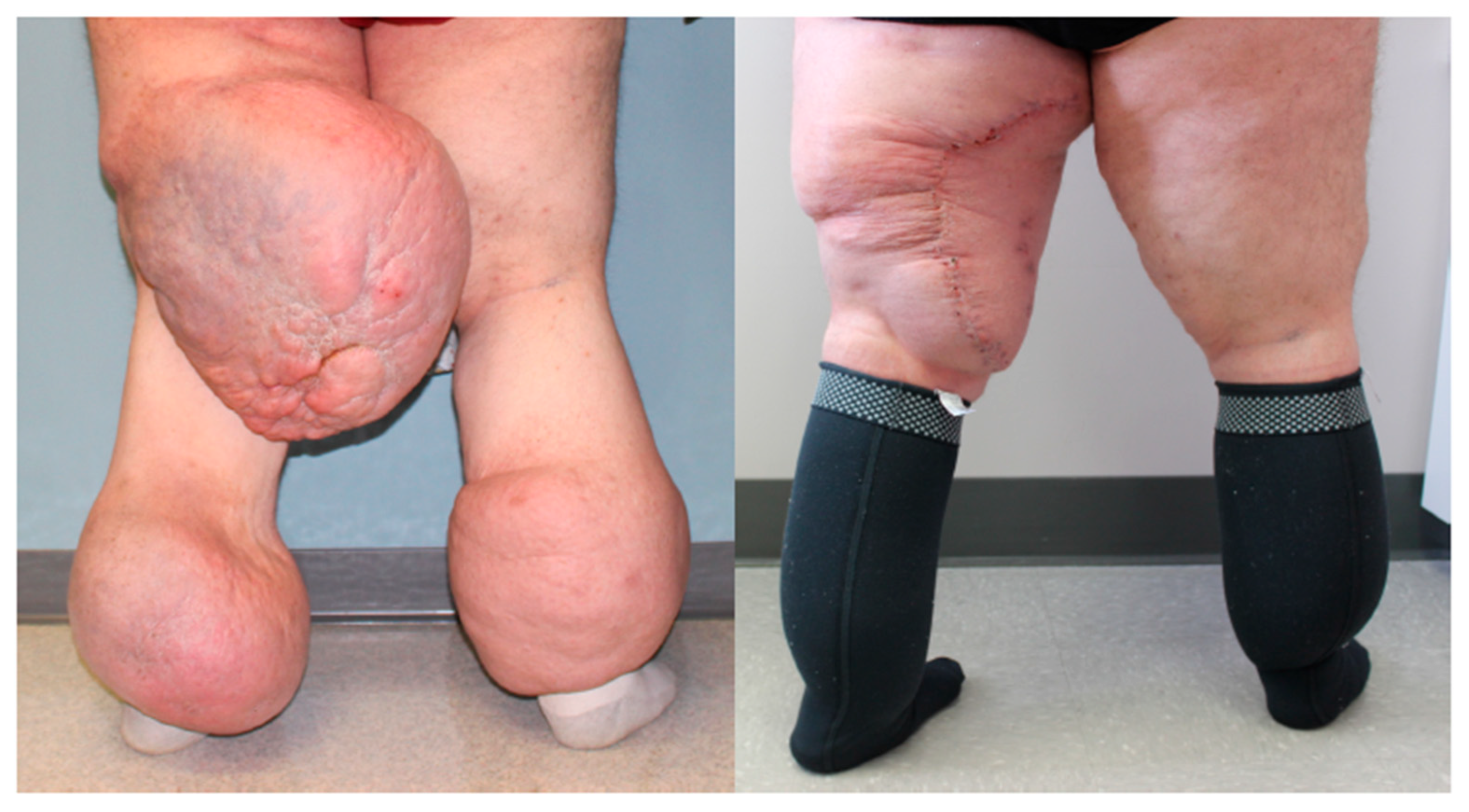
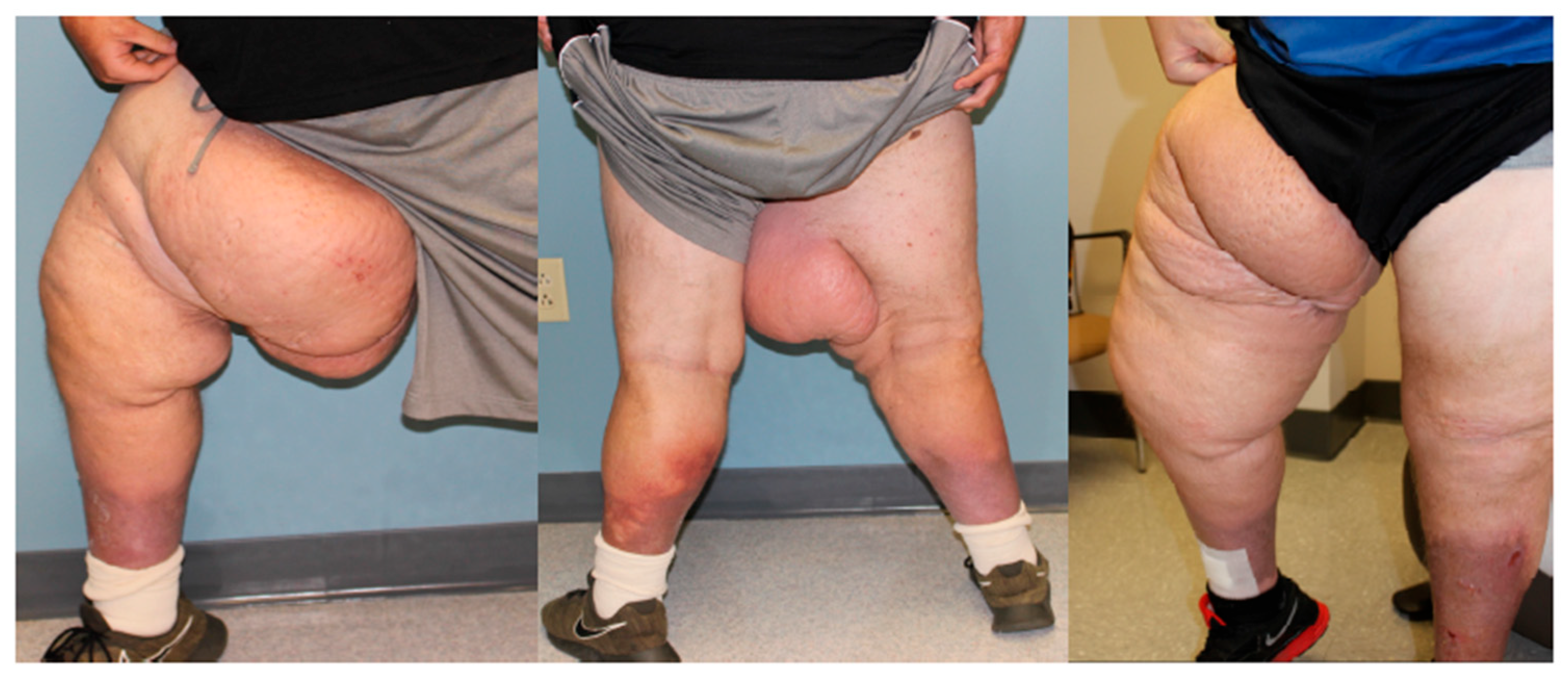
All patients were treated with localized surgical resection (Figure 6). Five patients underwent a resection combined with tumescent liposuction and three patients underwent resection alone. The average total liposuction aspirate for our cohort was 925 +/− 250 mL per leg, and the average liposuction aspirate per lobule was 550. The average weight of lobule resection was 2209 +/− 757 g/leg (mean 1936 g per thigh, 688 g per calve). The average specimen size was 35 cm × 27 cm in the thigh and 27 cm × 20 cm in the calves (Figure 7). Notably, our low seroma and wound-healing complication rates are consistent with medial thighplasty series that combines pre-excision liposuction with superficial resection planes, which has reported substantially fewer seromas and dehiscence events than excision-only approaches [19] (Figure 8).
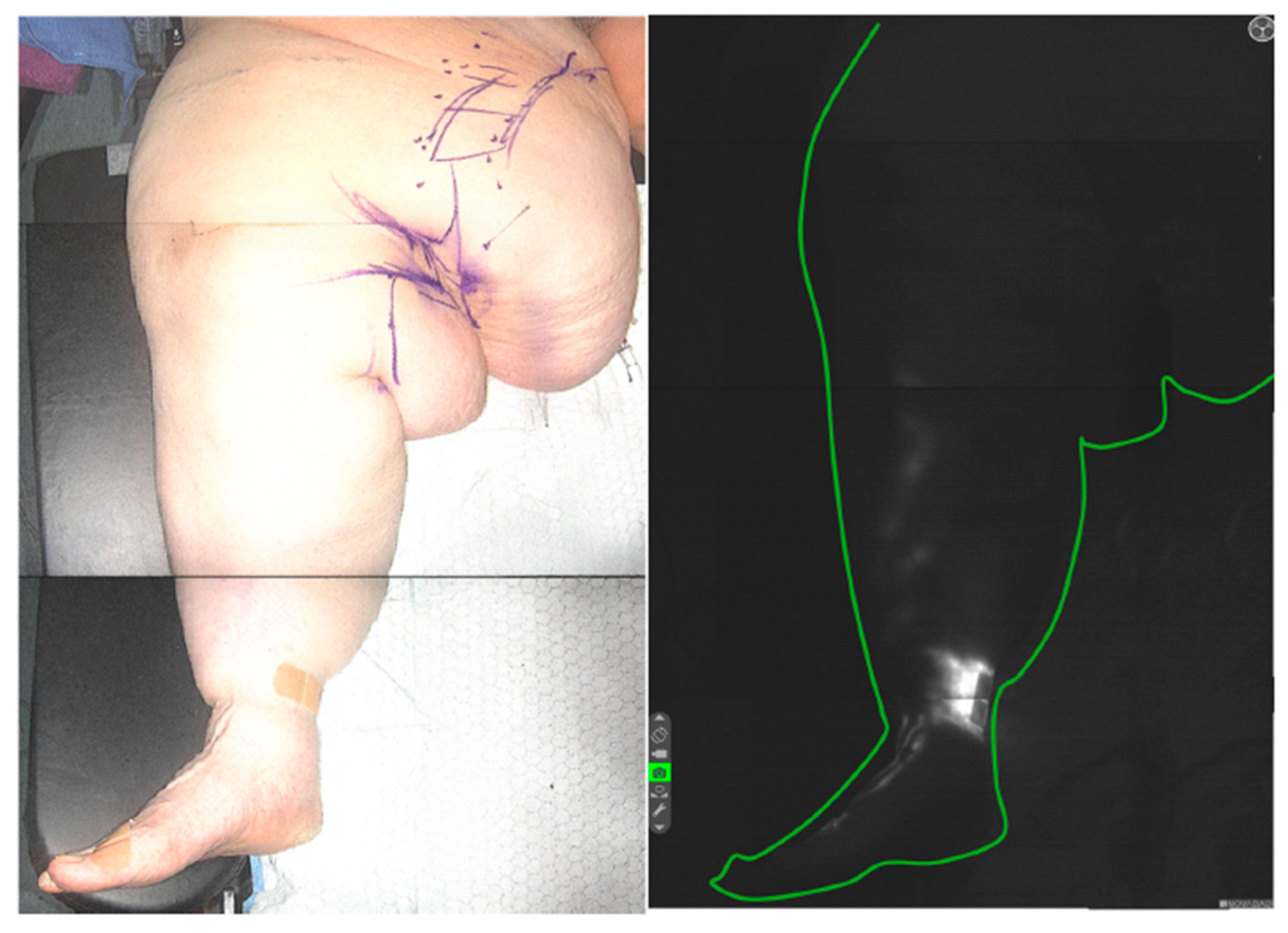
On ICG imaging, normal, linear lymphatic drainage was seen in 100% of patients from the foot and ankle up to the level of the knee preoperatively. Dermal backflow was recorded in one patient. In 83% of extremities, ICG lymphatic drainage was lost at the thigh, presumably traveling deep to soft tissue. Still, 67% of the extremities had positive ICG findings at the inguinal nodes, indicating preserved lymphatic drainage up to those nodes, with an average transit time of 24 min, indicative of preserved deep lymphatic function. All eight patients were diagnosed with no lymphedema on ICG, which showed only linear channels and no dermal backflow. The average lipedema diagnosis was Type II and Stage II; MDACC stage 0 (Figure 9).

3. Discussion

We describe a hybrid, lymphatic-sparing technique for symptomatic lipedema that combines targeted liposuction with selective dermato-lipectomy of painful adipose lobules, guided intraoperatively by indocyanine green (ICG) lymphography. Across eight patients with stage I-IV lipedema (median BMI 52.65), we observed (i) preserved superficial linear lymphatic channels in the distal limb, with consistent nodal uptake in the groin, (ii) limited visualization of more proximal channels prior to debulking, and (iii) clinically meaningful symptom and function improvement without evidence of iatrogenic lymphatic insufficiency during 2-year follow-up.
Questions remain as to why certain patients with lipedema develop massive localized painful lobules [20,21]. The patients in our cohort had no history of secondary lymphedema; however, progressive obesity and the formation of deep skin folds may further impede regional lymphatic flow, promoting lobular overgrowth in dependent areas. While both lipedema and lymphedema can present with lower extremity enlargement, lipedema characteristically spares the feet and presents bilaterally with painful, nodular fat, easy bruising, and resistance to weight loss [14]. In contrast, lymphedema more often begins distally, involves the feet, and is characterized by pitting edema and dermal backflow on lymphographic imaging. Clinical diagnosis remains the gold standard, but adjunctive tools like ICG can aid in cases with diagnostic uncertainty.
The management of lipedema is complex, as conservative options do not stop further growth or deposition of adipose tissue. Treatment focuses on symptom reduction and relief of functional limitations. Liposuction has demonstrated excellent long-term outcomes and safety in regard to lymphatics when using a tumescent solution [12,16,22]. Yet, in advanced disease, liposuction alone is not sufficient to address large pedunculated or focal painful lobules. Conversely, the direct excision of skin and/or subcutaneous tissue risks disrupting lymphatic channels, particularly in the medial thigh and proximal calf where collectors converge, theoretically worsening limb edema in a population already predisposed to lymphatic dysfunction.
All eight patients in our cohort demonstrated normal initial superficial lymphatic drainage from the feet to at least the level of the knee. Proximal channels were not visualized in 83% of extremities until bulk reduction occurred; nevertheless, inguinal nodal uptake was present in 67% (mean transit time ~24 min), indicating preserved transport despite limited proximal line tracing. These observations align with Mackie et al.’s report of partial lymphatic visualization using ICG in lipedema, and with prior accounts that dense adiposity can impede near-infrared signal detection [3]. Thus, non-visualization of channels in advanced adiposity is often technical rather than pathophysiologic. Even in patients with overlapping clinical features of lipedema and lymphedema, we frequently identified intact, linear superficial channels through ICG—supporting the distinction between these entities in early stages [9].
Our findings support the novel intraoperative application of ICG lymphography: after targeted tumescent liposuction of symptomatic lipedema nodules—rather than circumferential debulking of the entire thigh or calf—we proceeded with a selective dermato-lipectomy under real-time ICG guidance. Pre-excisional debulking consistently improved visualization of lymphatic channels buried within adipose tissue and enabled deliberate dissection, which minimized damage. This workflow addressed a known limitation of ICG in patients with substantial adiposity and facilitated consistent identification and protection of critical lymphatic channels.
All patients exhibited improved ambulation and health-related quality of life, reflected by reductions in LLIS scores at 2-year follow-up. Postoperative complications were limited to two episodes of outpatient-managed cellulitis and one episode of wound dehiscence. Importantly, this includes one patient who had an unexpected removal of all drains on postoperative day 2, and who developed a seroma and cellulitis and subsequent partial wound dehiscence. Historical medial thighplasty series have reported overall complication rates of ~40–60% with en-bloc skin resection, with seroma and wound dehiscence predominating [19]. In contrast, liposuction-assisted medial thigh lift (e.g., LAMeT) demonstrates substantially lower seroma and dehiscence rates when broad undermining is avoided and the resection plane remains superficial [18]. Our protocol mitigates this trade-off by pairing focal tumescent liposuction with ICG-guided dermato-lipectomy. Specifically, we (1) debulk only at symptomatic lobules to reduce thickness and improve near-infrared penetration, thereby unmasking lymphatic trajectories, then (2) perform selective dermato-lipectomy with real-time ICG guidance to identify and preserve lymphatic channels and collectors.
ICG has been explored as a diagnostic adjunct to lipedema and to phenotype lymphatic function, typically demonstrating normal linear patterns unless lipolymphedema is present [3]. To our knowledge, intraoperative ICG navigation to preserve lymphatics during dermato-lipectomy for lipedema or thighplasty has not been reported; our series provides early feasibility and safety data for this lymphatic-sparing, hybrid approach. Candidates include patients with refractory, symptomatic lipedema—particularly those with large, painful lobules—who have failed comprehensive conservative therapy. Patients with advanced-stage lymphedema, massive localized lymphedema, or recurrent soft-tissue infections may also be considered when goals include functional restoration and hygiene access, provided careful counseling about risks and postoperative expectations [20,21,23]. Importantly, bariatric surgery is important to be considered prior to surgery, to prevent the risk of recurrence [20,24].
In conclusion, our results highlight the preserved superficial and deep lymphatic function in our cohort, even following surgical interventions such as liposuction and direct adipose tissue excision. Nevertheless, the long-term impact of chronic adipose accumulation on lymphatic microcirculation and the potential progression to lipolymphedema remain unclear. Ongoing longitudinal studies are necessary to determine whether surgical interventions can modify the disease trajectory or improve lymphatic function over time.

4. Conclusions

Although ICG lymphography in our cohort does not appear to aid in the diagnosis of lipedema, our findings suggest it is valuable in excluding lymphedema in patients whose clinical presentation overlaps features of both lipedema and lymphedema. Still, it does have a role as an intraoperative tool to guide dermato-lipectomy of symptomatic areas to preserve lymphatics in patients with lower extremity lipedema.
The limitations of this study include that the study was a retrospective case series that included only eight patients with lower extremity lipedema who underwent debulking surgery. Although the follow-up was at least two years, longer surveillance is needed to assess the durability of lymphatic preservation, recurrence, and functional gains. Furthermore, ICG lymphography primarily depicts superficial collectors and has a limited tissue penetration; in 83% of extremities, proximal channels were not visualized prior to debulking—likely due to subcutaneous thickness—leaving deeper lymphatics potentially unrecognized. The outcome assessment relied heavily on patient-reported measures, which are susceptible to recall and reporting bias, and objective volumetric or lymphatic function metrics were not uniformly collected, as this was a preliminary investigational study for confirming the feasibility of ICG lymphography. Finally, liposuction was intentionally focal rather than circumferential, so aspirate volumes are not comparable to historical series and should not be used as surrogates for treatment intensity. Future work should include multi-center, controlled trials with standardized ICG protocols alongside objective endpoints (e.g., limb volume, bioimpedance, transit analyses) to refine indications and validate lymphatic-sparing strategies.

Supplementary Materials

The following supporting information can be downloaded at https://www.mdpi.com/article/10.3390/lymphatics3040042/s1. Video S1: Intraoperative near-infrared fluorescence imaging after intradermal indocyanine green (ICG) injection demonstrates linear lymphatic channels, indicating preserved lymphatic integrity; gentle blotting with a laparotomy sponge shows no dye extravasation; Video S2: Handheld SPY-guided excision of subcutaneous fat, preserving visible lymphatics stained with ICG fluorescence.

Author Contributions

Conceptualization, M.M. (Michael Mazarei), S.M.S. and D.F.; methodology, M.M. (Meeti Mehta); data curation, M.M. (Michael Mazarei) and S.M.S.; writing—original draft preparation, M.M. (Michael Mazarei) and A.B.; writing—review and editing, A.B., D.F. and C.D.L.C.; supervision, C.D.L.C. All authors have read and agreed to the published version of the manuscript.

Funding

This research received no external funding.

Institutional Review Board Statement

The study was conducted in accordance with the Declaration of Helsinki and approved by the Ethics Committee of The University of Pittsburgh (protocol code 20010040 and approval date 6 March 2020).

Informed Consent Statement

For this retrospective study, consent was waived due to the minimal risk indicated by the IRB ethical board review in this research study.

Data Availability Statement

The original contributions presented in this study are included in the article/Supplementary Material. Further inquiries can be directed to the corresponding author.

Acknowledgments

The authors have reviewed and edited the output and take full responsibility for the content of this publication.

Conflicts of Interest

The authors declare no conflicts of interest.

References

  1. Wold, L.E.; Hines, E.A.; Allen, E.V. Lipedema of the legs; a syndrome characterized by fat legs and edema. Ann. Intern. Med. 1951, 34, 1243–1250. [Google Scholar] [CrossRef]
  2. Buso, G.; Depairon, M.; Tomson, D.; Raffoul, W.; Vettor, R.; Mazzolai, L. Lipedema: A Call to Action! Obesity 2019, 27, 1567–1576. [Google Scholar] [CrossRef]
  3. Mackie, H.; Thompson, B.M.; Suami, H.; Heydon-White, A.; Blackwell, R.; Tisdall Blake, F.; Koelmeyer, L.A. Differentiation of lipoedema from bilateral lower limb lymphoedema by imaging assessment of indocyanine green lymphography. Clin. Obes. 2023, 13, e12588. [Google Scholar] [CrossRef]
  4. Macca, L.; Di Bartolomeo, L.; Guarneri, C. Cobblestone-like Skin. Dermatol. Pract. Concept. 2022, 12, e2022200. [Google Scholar] [CrossRef]
  5. Guarneri, C.; Vaccaro, M. Cobblestone-like skin. CMAJ Can. Med. Assoc. J. 2008, 179, 673–674. [Google Scholar] [CrossRef] [PubMed]
  6. Alshomer, F.; Lee, S.J.; Kim, Y.; Hong, D.W.; Pak, C.J.; Suh, H.P.; Hong, J.P. Lipedema associated with Skin Hypoperfusion and Ulceration: Soft Tissue Debulking Improving Skin Perfusion. Arch. Plast. Surg. 2024, 51, 311–316. [Google Scholar] [CrossRef] [PubMed]
  7. Hamatschek, M.; Knors, H.; Klietz, M.L.; Wiebringhaus, P.; Aitzetmueller, M.; Hirsch, T.; Kueckelhaus, M. Characteristics and Patient Reported Outcome Measures in Lipedema Patients-Establishing a Baseline for Treatment Evaluation in a High-Volume Center. J. Clin. Med. 2022, 11, 2836. [Google Scholar] [CrossRef]
  8. Chen, W.F.; Pandey, S.K.; Lensing, J.N. Does Liposuction for Lymphedema Worsen Lymphatic Injury? Lymphology 2023, 56, 3–12. [Google Scholar] [CrossRef]
  9. Lasso, J.M.; Alonso-Farto, J.C. Indocyanine green-guided liposuction for patients presenting with residual nonpitting edema after lymphovenous anastomosis. J. Plast. Reconstr. Aesthetic Surg. JPRAS 2022, 75, 2482–2492. [Google Scholar] [CrossRef] [PubMed]
  10. Wollina, U.; Heinig, B. Treatment of lipedema by low-volume micro-cannular liposuction in tumescent anesthesia: Results in 111 patients. Dermatol. Ther. 2019, 32, e12820. [Google Scholar] [CrossRef]
  11. Schmeller, W.; Hueppe, M.; Meier-Vollrath, I. Tumescent liposuction in lipoedema yields good long-term results. Br. J. Dermatol. 2012, 166, 161–168. [Google Scholar] [CrossRef]
  12. Schmeller, W.; Meier-Vollrath, I. Tumescent Liposuction: A New and Successful Therapy for Lipedema. J. Cutan. Med. Surg. 2006, 10, 7–10. [Google Scholar] [CrossRef]
  13. Hersant, B.; de Clermont-Tonnerre, E.; Argentino, G.; Bensid, M.; Bensaid, S.; Roccaro, G.; Hermeziu, O.; Murante, A.; La Padula, S.; Meningaud, J.P. Ultrasound Assisted Liposuction with VASER for lower limb lipedema: A single-center cohort of 191 female patients. Plast. Reconstr. Surg. 2021, 10–1097. [Google Scholar] [CrossRef] [PubMed]
  14. van la Parra, R.F.D.; Deconinck, C.; Pirson, G.; Servaes, M.; Fosseprez, P. Lipedema: What we don’t know. J. Plast. Reconstr. Aesthetic Surg. JPRAS 2023, 84, 302–312. [Google Scholar] [CrossRef]
  15. Weiss, J.; Daniel, T. Validation of the Lymphedema Life Impact Scale (LLIS): A condition-specific measurement tool for persons with lymphedema. Lymphology 2015, 48, 128–138. [Google Scholar]
  16. Hoffmann, J.N.; Fertmann, J.P.; Baumeister, R.G.H.; Putz, R.; Frick, A. Tumescent and dry liposuction of lower extremities: Differences in lymph vessel injury. Plast. Reconstr. Surg. 2004, 113, 718–724, discussion 725–726. [Google Scholar] [CrossRef]
  17. van de Pas, C.B.; Boonen, R.S.; Stevens, S.; Willemsen, S.; Valkema, R.; Neumann, M. Does tumescent liposuction damage the lymph vessels in lipoedema patients? Phlebology 2020, 35, 231–236. [Google Scholar] [CrossRef]
  18. Di Pietro, V.; Gianfranco, M.C.; Cervelli, V.; Gentile, P. Medial Thigh Contouring in Massive Weight Loss: A Liposuction-Assisted Medial Thigh Lift. World J. Plast. Surg. 2019, 8, 171–180. [Google Scholar] [CrossRef]
  19. Gusenoff, J.A.; Coon, D.; Nayar, H.; Kling, R.E.; Rubin, J.P. Medial Thigh Lift in the Massive Weight Loss Population: Outcomes and Complications. Plast. Reconstr. Surg. 2015, 135, 98–106. [Google Scholar] [CrossRef] [PubMed]
  20. ElKiran, Y.M.; ElShafei, A.; Morshed, A.M.; Elkiran, Y.Y.; Elmetwally, A.M. Hybrid approach of massive lipolymphedema of the thigh: A novel surgical technique. J. Vasc. Surg. Venous Lymphat. Disord. 2024, 13, 101987. [Google Scholar] [CrossRef] [PubMed]
  21. Kurt, H.; Arnold, C.A.; Payne, J.E.; Miller, M.J.; Skoracki, R.J.; Iwenofu, O.H. Massive localized lymphedema: A clinicopathologic study of 46 patients with an enrichment for multiplicity. Mod. Pathol. 2016, 29, 75–82. [Google Scholar] [CrossRef] [PubMed]
  22. Ciudad, P.; Bustos, V.P.; Escandón, J.M.; Flaherty, E.G.; Mayer, H.F.; Manrique, O.J. Outcomes of liposuction techniques for management of lipedema: A case series and narrative review. Ann. Transl. Med. 2024, 12, 115. [Google Scholar] [CrossRef] [PubMed]
  23. Chopra, K.; Tadisina, K.K.; Brewer, M.; Holton, L.H.; Banda, A.K.; Singh, D.P. Massive localized lymphedema revisited: A quickly rising complication of the obesity epidemic. Ann. Plast. Surg. 2015, 74, 126–132. [Google Scholar] [CrossRef]
  24. Bouillon, V.N.; Hinson, C.S.; Hu, M.; Brooks, R.M. Management of Lipedema Beyond Liposuction: A Case Study. Aesthetic Surg. J. Open Forum 2023, 5, ojad088. [Google Scholar] [CrossRef] [PubMed]
Figure 1. Lower extremities of a patient with Type I, Stage I lipedema. Stage I shows thickening of the subcutaneous tissue with small palpable nodules.
Lymphatics 03 00042 g001
Figure 2. Lower extremities of a patient with Type III, Stage III lipedema. Large nodules and asymmetric over-hanging folds of adipose tissue are noted in the medial thigh and knee. Stage III shows bigger fatty nodules up to walnut-size.
Lymphatics 03 00042 g002
Figure 3. ICG injection points and lymphographic pattern of the left leg of the patient in Figure 1. Partial lymphatic visualization up to the mid-leg; linear pattern until signal is lost. Green dot: Injection site.
Lymphatics 03 00042 g003
Figure 4. ICG-guided lobule excision. Visualization and marking of intact lymphatic channels prior to lobule excision using SPY-PHI.
Lymphatics 03 00042 g004
Figure 5. Confirmation of lymphatic preservation after lipedema tissue removal through visualization of patent ICG flow.
Lymphatics 03 00042 g005
Figure 6. Lower extremities of a patient with huge over-hanging skin–fat lobules in the medial knee after liposuction combined with lobule excision (Type IV, Stage III). On the top are the preoperative photos and on the bottom are the results 6 months after surgery. Green outline denotes symptomatic lobules which were resected bilaterally.
Lymphatics 03 00042 g006
Figure 7. Pre- and postoperative photos after massive left posterior thigh skin–fat lobule excision (Type III, Stage IV). On the left is the preoperative photo and on the right is the result 6 months after surgery.
Lymphatics 03 00042 g007
Figure 8. Pre- and postoperative photos after right upper-medial thigh over-hanging lobule excision (Type II, Stage III). The pedunculated mass can be noted in the posterior view. On the left are the anterior preoperative photo and middle posterior preoperative photo, and on the right is the result 12 months after surgery.
Lymphatics 03 00042 g008
Figure 9. Indocyanine green lymphography findings of a representative patient with lipedema (Type III, Stage III). Linear lymphatics are seen up to the level of the knee, and absent ICG visualized throughout the thigh.
Lymphatics 03 00042 g009
Table 1. Lipedema types and stages, adapted from Van la Parra et al. [14].
Lipedema TypeType IAccumulation of adipose tissue around the hips and buttocks.
Type IIAccumulation of adipose tissue spanning from the hips to the knees.
Type IIIAccumulation of adipose tissue with a hip-to-ankle phenotype.
Type IVAccumulation of adipose tissue with a hip-to-ankle phenotype.
Type VPredominance of fat exclusively in the calf region.
Lipedema StageStage IThickening and softening of the subcutis with small nodules; skin is smooth.
Stage IIThickening and softening of the subcutis with larger nodules due to increased fibrous tissue; skin texture is uneven (‘mattress phenomenon’).
Stage IIIThickening and hardening of the subcutis with large nodules; disfiguring lobules of fat on the inner thighs and inner aspects of the knees/over-hanging masses of tissue.
Stage IVLipolymphedema.
Table 2. Patient characteristics.
CharacteristicMean ± SD (Range)
Age at time of surgery (years)49.5 ± 14.4 (33–70)
Preoperative BMI, median, kg/m252.65 (IQR, 5.68 kg/m2)
ComorbiditiesNumber of patients (%)
Diabetes mellitus2 (25%)
Hypertension4 (50%)
Hypothyroidism3 (37.5%)
Lipedema typeNumber (%)
Type I2 (0%)
Type II2 (66.7%)
Type III3 (33.3%)
Type IV1 (0%)
Type V0 (0%)
Lipedema stageNumber (%)
Stage I2 (16.7%)
Stage II2 (33.3%)
Stage III3 (50.0%)
Stage IV1 (0%)
Preoperative LLIS score, average48
Postoperative LLIS score, average18
ComplicationsNumber of patients (%)
Superficial skin infection2 (25%)
Wound dehiscence1 (12.5%)
Skin necrosis0 (0%)
Hematoma0 (0%)
Abbreviations: BMI = body mass index. LLIS = Lymphedema Life Impact Scale.
Disclaimer/Publisher’s Note: The statements, opinions and data contained in all publications are solely those of the individual author(s) and contributor(s) and not of MDPI and/or the editor(s). MDPI and/or the editor(s) disclaim responsibility for any injury to people or property resulting from any ideas, methods, instructions or products referred to in the content.