
Article

Investigating the Impact of Educational Backgrounds on Medical Students’ Perceptions of Admissions Pathways at the Michael G. DeGroote School of Medicine at McMaster University

by
Michelle Helen Cruickshank
1,*,
Heather Gadalla
1,
Ewaoluwa Akomolafe
1,
Natasha Johnson
1,2 and
Patricia Farrugia
1,3
1
Michael DeGroote School of Medicine, McMaster University, Hamilton, ON L8P 1H6, Canada
2
Division of Pediatrics, McMaster University, Hamilton, ON L8N 3Z5, Canada
3
Division of Orthopaedic Surgery, Department of Surgery, McMaster University, Hamilton, ON L8N 3Z5, Canada
*
Author to whom correspondence should be addressed.
Int. Med. Educ. 2026, 5(1), 15; https://doi.org/10.3390/ime5010015
Submission received: 29 November 2025 / Revised: 7 January 2026 / Accepted: 15 January 2026 / Published: 21 January 2026
(This article belongs to the Special Issue New Advancements in Medical Education)

Abstract

Background: Many Canadian medical schools have introduced equity-focused admissions pathways for Black and Indigenous applicants, yet little is known about how current medical students perceive these policies. Understanding these perceptions is critical to ensuring equity initiatives are effective and well-supported. Methods: We conducted a cross-sectional survey of 95 undergraduate medical students at McMaster University. The survey included Likert-scale, multiple-choice, and open-ended questions assessing attitudes toward Black and Indigenous facilitated admissions pathways. Educational background was categorized by the number of humanities/social science courses taken prior to medical school. Quantitative data were summarized descriptively; qualitative responses were thematically analyzed. Results: Most students supported diversity in medicine and agreed that equity pathways address barriers faced by Black and Indigenous applicants. However, fewer than half felt informed about the purpose of these pathways. Responses highlighted concerns about transparency, fairness, and the possibility that pathways may disproportionately benefit higher-socioeconomic-status applicants. Subgroup trends did not show consistent support among students with greater exposure to humanities/social sciences; some expressed stronger skepticism regarding fairness. Qualitative themes emphasized the need for clearer communication, recognition of socioeconomic barriers, and expansion of equity initiatives. Interpretation: Students broadly valued equity-focused admissions but questioned their implementation and transparency. Concerns about socioeconomic privilege and unclear standards indicate a need for better institutional communication and more inclusive eligibility criteria. Equity pathways should be paired with structured education and clear messaging to foster trust, improve understanding, and align admissions policies with the social accountability mandate of medical education.

1. Introduction

Canadian policy frameworks, including the Truth and Reconciliation Commission’s Calls to Action [1] and the Scarborough Charter on Anti-Black Racism and Black Inclusion [2], call on medical schools to increase Indigenous and Black representation and to implement transparent, accountable, anti-racist policies. In response, several faculties of medicine have adopted equity-focused admissions pathways intended to widen participation, address historical exclusion, and improve the cultural responsiveness of the physician workforce [1,2,3]. While these initiatives are often framed as policy responses, they also intersect with a growing body of higher-education and medical-education scholarship examining how admissions systems negotiate tensions between meritocracy, fairness, and equity-oriented reform [4,5]. These efforts occur against a backdrop in which Canadian medical education has, at various points, explicitly or implicitly excluded Indigenous and Black learners, with downstream consequences for trust in health systems and equitable care [6]. Across higher-education systems more broadly, Black and Indigenous learners continue to experience systemic barriers to access, belonging, and advancement, shaped by intersecting forces including racism, colonial legacies, and socioeconomic stratification [5].
Beyond medical education, colonization across the Americas and the transatlantic slave trade have produced persistent inequities in health, education, and socioeconomic outcomes for Indigenous peoples and the Black diaspora. Medical schools’ historical exclusion of these groups underscores the need for intentional policies that both widen access and build legitimacy. Importantly, research in higher education suggests that the legitimacy of equity-oriented admissions policies depends not only on their design but also on how they are understood and evaluated by institutional stakeholders, including students.

Admissions, Inequality, and Equity-Oriented Reform in Higher Education

A growing body of scholarship across higher education and medical education has examined how selective admissions systems negotiate tensions between meritocracy, fairness, and equity-oriented reform. Prior work has demonstrated that ostensibly neutral admissions criteria, such as standardized testing and traditional academic metrics, often reproduce socioeconomic and racial inequities by privileging applicants with greater access to educational, cultural, and financial capital [7,8]. Within medical education specifically, equity-focused admissions pathways have been introduced to address the historical exclusion of Indigenous and Black learners and to align admissions practices with social accountability mandates. However, existing research has primarily focused on policy design, institutional outcomes, or applicant experiences, with limited attention to how these initiatives are perceived by current medical students [7]. As student perceptions play a critical role in shaping institutional legitimacy and learning environments, understanding how they interpret and evaluate equity-oriented admissions remains an important and underexplored area [9].
Despite recent momentum, misconceptions about equity admissions persist. Analyses of applicant-facing online forums describe claims that such pathways lower standards, confer unfair advantage, or stigmatize successful candidates [10]. However, forum discourse may not reflect the views of current medical students who train alongside peers admitted through these pathways. Understanding how students perceive the purpose, fairness, and transparency of equity pathways matters for three reasons. First, perceived procedural fairness can shape the learning climate, collegial relationships, and professional identity formation. Second, shared understanding of a pathway’s goals and design may influence its legitimacy and sustainability. Third, early identification of concerns can guide targeted communication and education that preserve equity aims while addressing misinformation.
Prior to this study, medical students’ perceptions of Black and Indigenous admissions pathways remained unexplored. This gap is notable given evidence that stakeholder perceptions play a central role in shaping institutional culture and the long-term effectiveness of equity-oriented reforms in higher education. There is limited understanding of how medical students’ educational backgrounds, particularly those with interdisciplinary coursework, influence their perceptions of medical admissions pathways. This study sought to address this gap by exploring these relationships in McMaster University’s medical students in the undergraduate medical education (UGME) program. Our primary objective was to determine the perceptions that current medical students have about Black and Indigenous medical school admissions pathways at McMaster University. Secondary objectives were (i) to examine whether interdisciplinary post-secondary training (e.g., coursework outside biomedical sciences) is associated with perceptions of equity admissions and (ii) to explore whether educational background relates to attitudes toward Indigenous and Black peoples.

2. Methods

This cross-sectional study involved an online survey of undergraduate medical students at McMaster University’s Michael G. DeGroote School of Medicine. The study protocol was approved by the Hamilton Integrated Research Ethics Board (#18141) and McMaster University’s Protocol Review Committee. In accordance with the Ownership, Control, Access, and Possession (OCAP®) principles and the Engagement, Governance, Access, and Protection (EGAP) principles, this study respected the autonomy of Black and Indigenous students to participate in research. Representation from both Black and Indigenous communities was involved in the study design, and opportunities for input were provided regarding how data would be reviewed and shared prior to dissemination.

Data Collection and Analysis

All current medical students enrolled at McMaster University’s Michael G. DeGroote School of Medicine at the time of survey were invited to participate via email from the department’s communications office. There were a total of 647 available students across three cohorts. Participants were considered eligible if they were between the ages of 20–50 and were enrolled in McMaster’s UGME program at the time of survey distribution.
The survey was open from 28 April to 2 June 2025. The survey was developed by the research team based on existing literature of perceptions of diversity in medical school admissions, with modifications for the specific context of McMaster’s UGME Indigenous and Black admission pathways. The anonymous survey included 20 questions; Likert-scale, multiple-choice, and one optional open-ended item (File S1). For assessment of educational background, we were interested in students’ exposure to humanities and social science courses. Thus, our question to determine educational background in the context of this study was the number of courses a student had taken in the humanities and/or social sciences prior to entering medical school. Qualitative responses were thematically analyzed by three independent researchers, who reached consensus on themes before coding the data.
Planned analyses included examining associations between participants’ number of humanities/social sciences courses and survey responses. However, given the small sample size and low response counts within several categories, we anticipated limited statistical power. Therefore, analyses of educational background were treated as exploratory and are presented descriptively and visually rather than with inferential statistical testing.

3. Results

3.1. Demographic Data

Ninety-five medical students across all cohorts at McMaster University responded to the survey. Full respondent demographic information is in Table 1, and educational background information is in Table 2.

3.2. Likert-Scale Responses

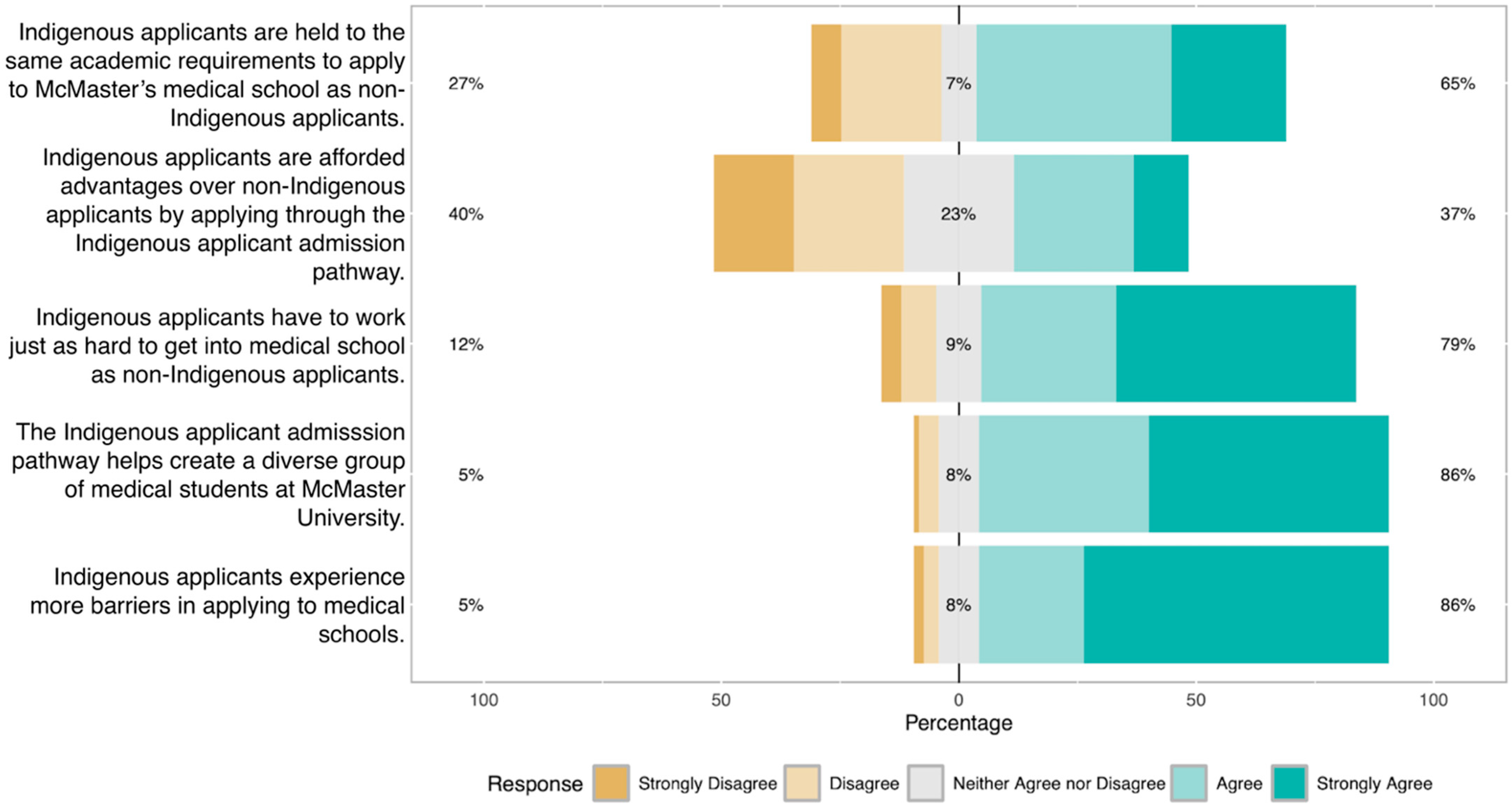
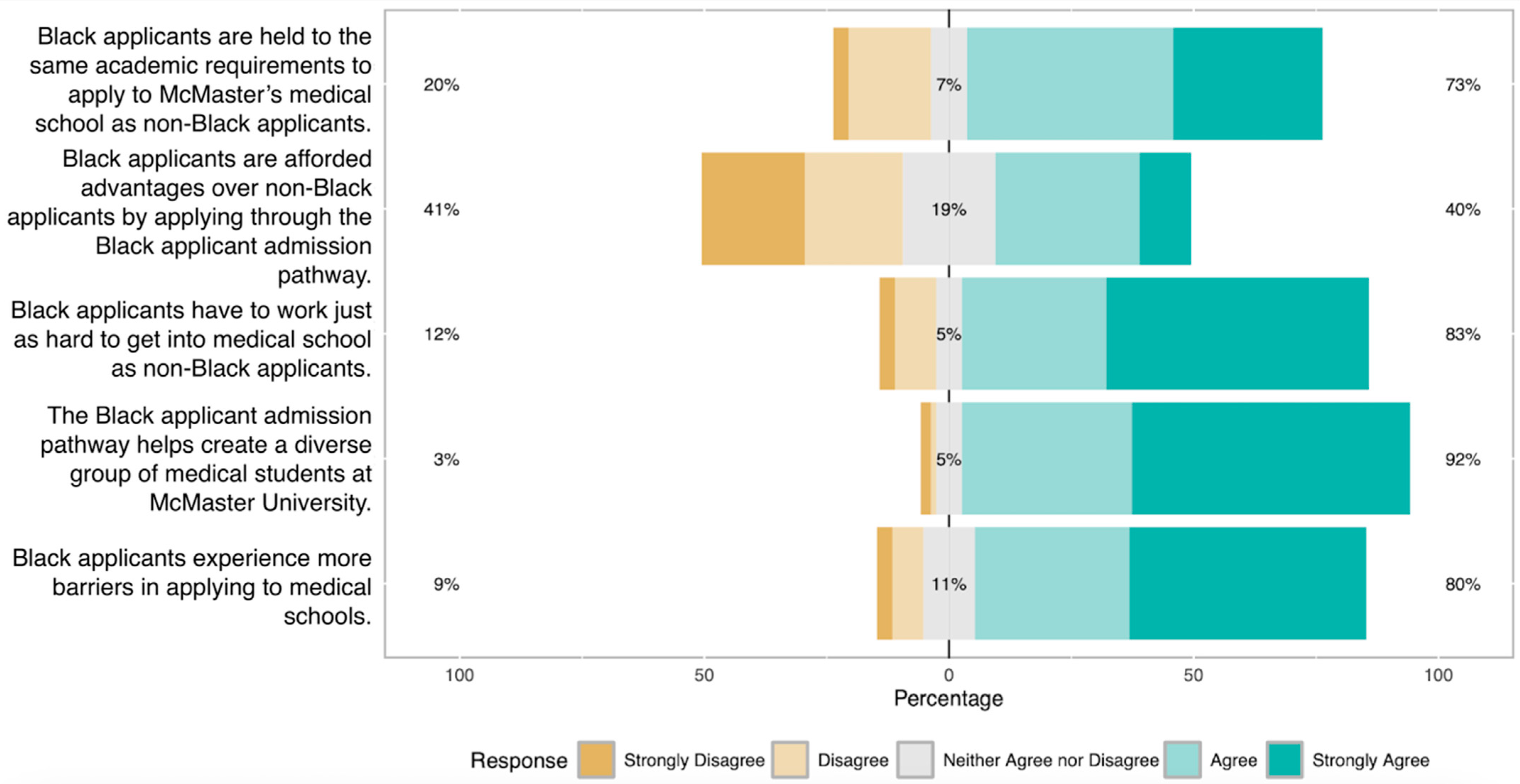
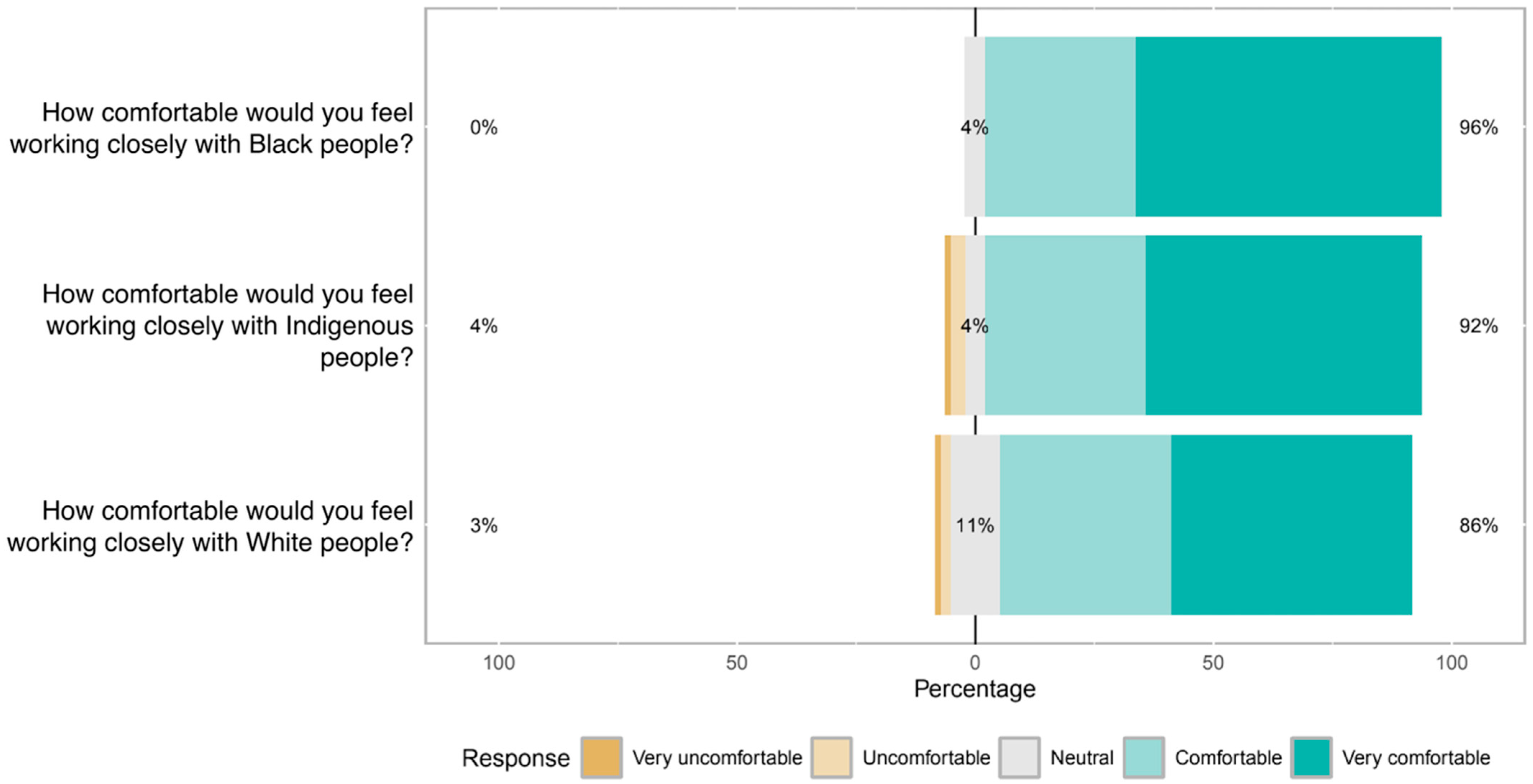
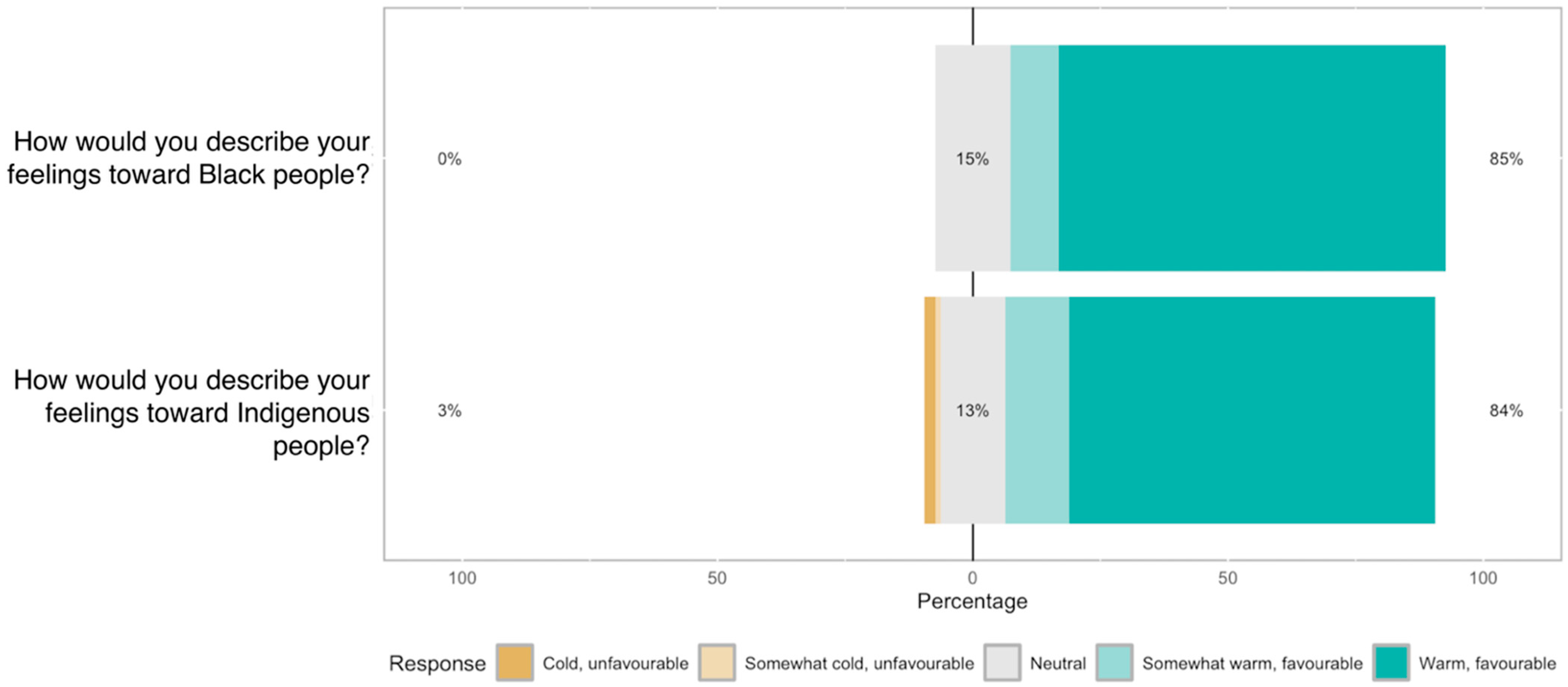
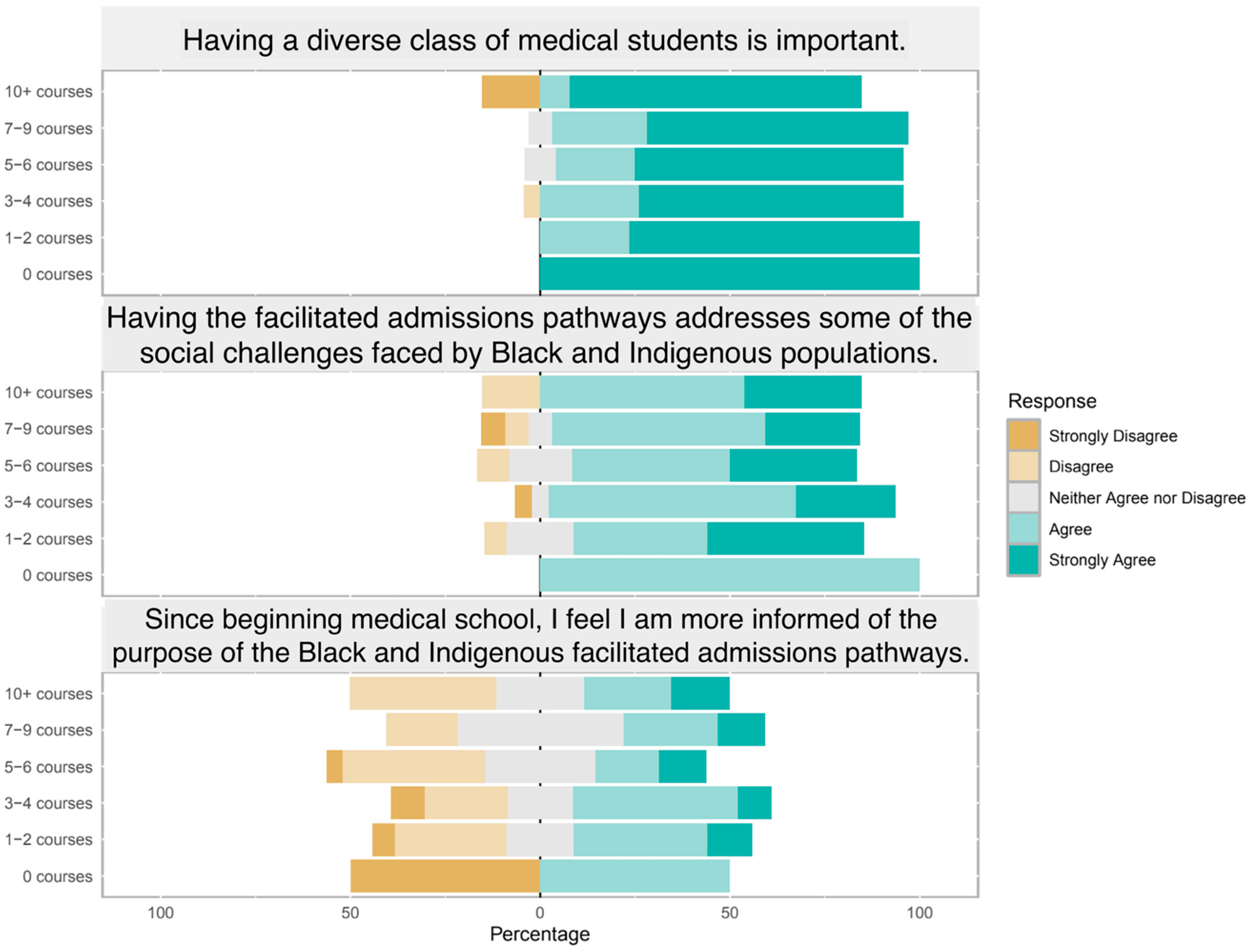
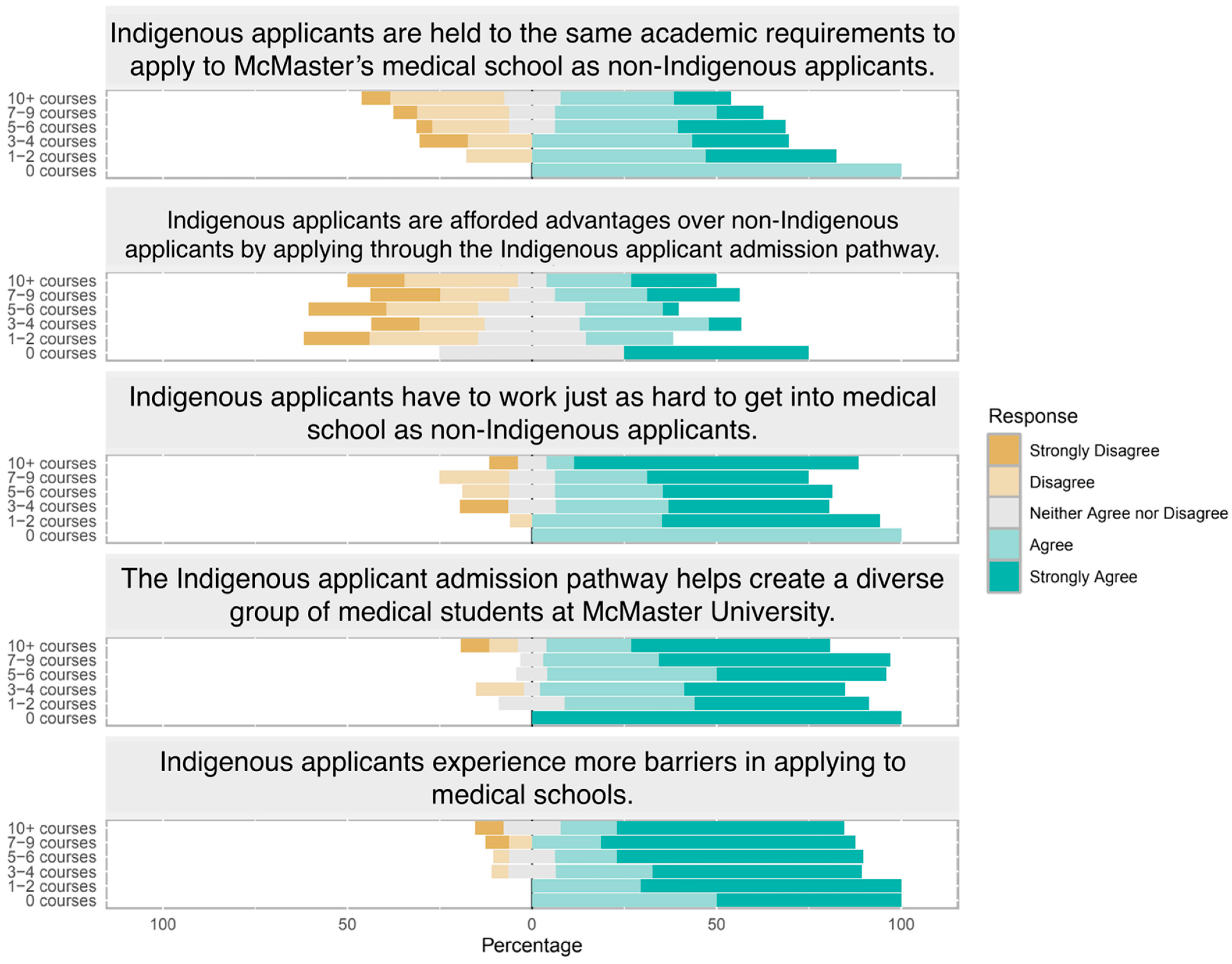
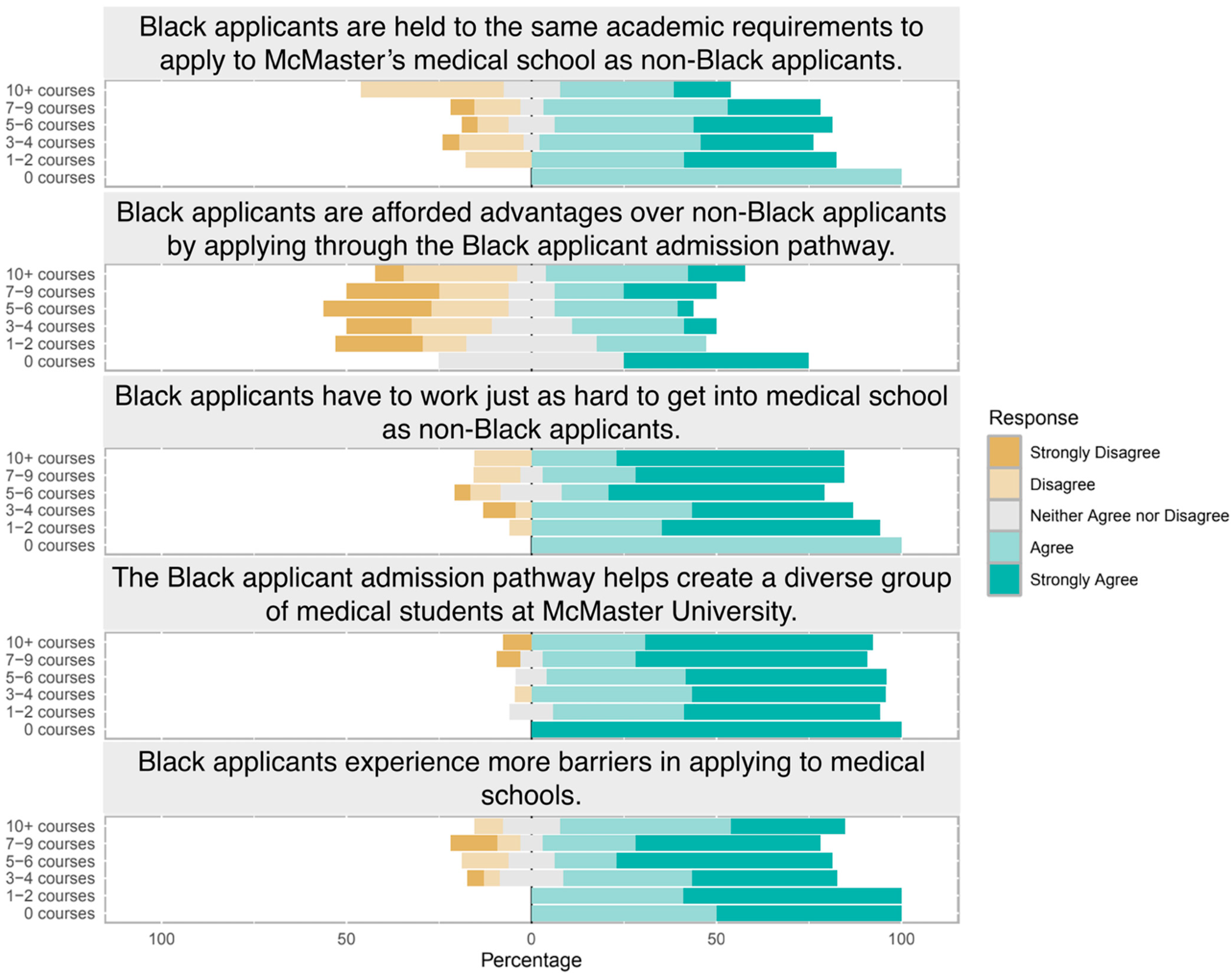
Overall responses to the Likert-scale items are summarized in Figure 1, Figure 2, Figure 3, Figure 4 and Figure 5. Across items, most students agreed or strongly agreed that diversity in medicine is important and that Black and Indigenous admissions pathways help reduce barriers for applicants from these groups (Figure 1 and Figure 2). In contrast, responses were more mixed for items addressing transparency, fairness, and understanding of how the pathways operate, with a substantial minority reporting neutral or disagreeing responses (Figure 3, Figure 4 and Figure 5). Taken together, these patterns suggest broad support for the goals of equity-focused admissions alongside ongoing uncertainty and concern about their implementation and communication.

3.3. Impact of Educational Background

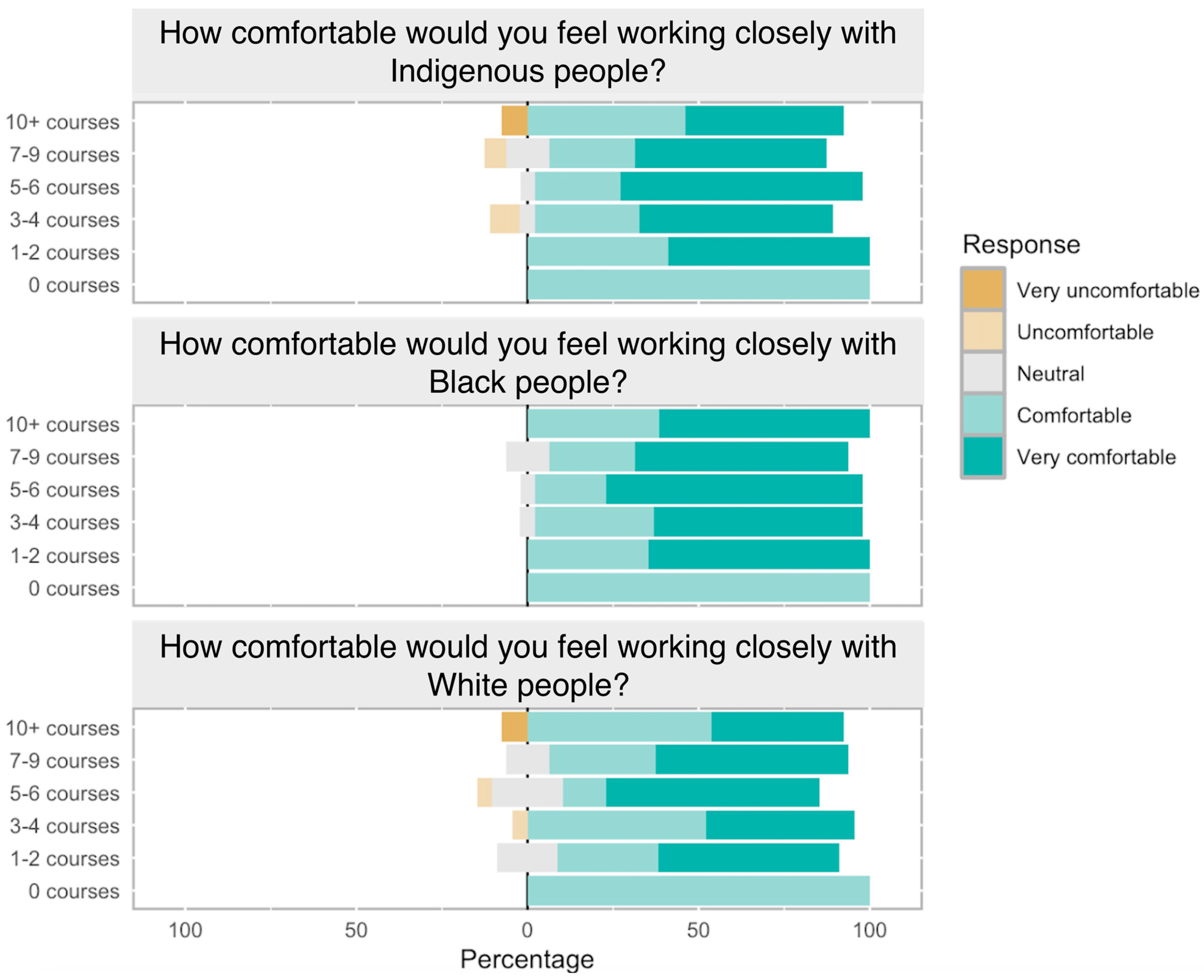
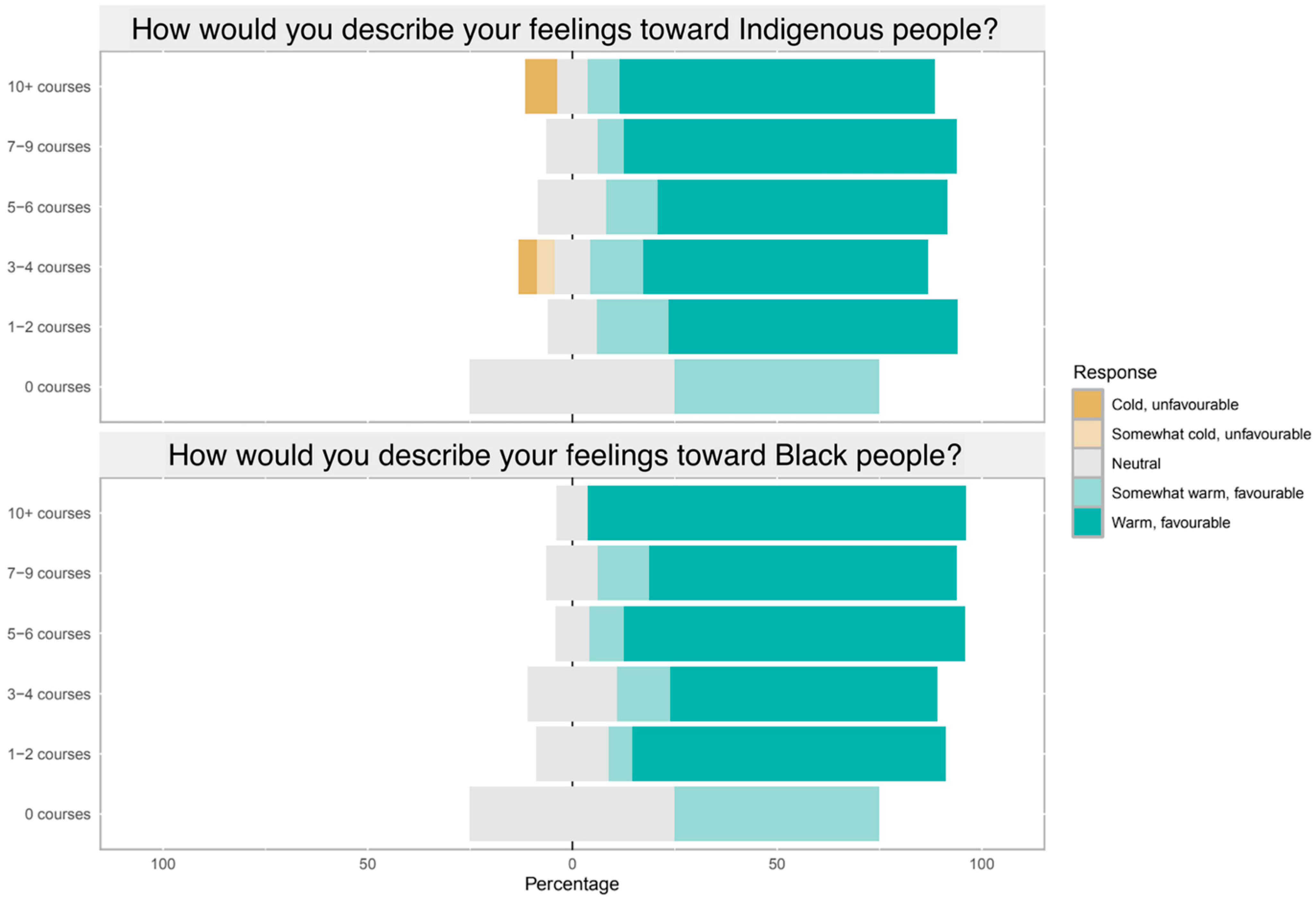
Given that most participants reported some exposure to humanities or social sciences, analyses of secondary outcomes primarily reflected the perspectives of students with interdisciplinary backgrounds. Descriptive statistics and visual presentation of the impact of educational background is presented below (Figure 6, Figure 7, Figure 8, Figure 9 and Figure 10).

3.4. Qualitative Results

We identified three central themes: lack of transparency and communication, perceived unfairness versus social purpose, and socioeconomic/intersectional concerns, which are summarized with exemplar quotations in Table 3, (Q1–13).

3.4.1. Theme 1: Lack of Transparency and Communication

Students broadly supported equity aims but perceived opaque eligibility and standards, limited formal messaging, and inconsistent terminology, which they felt enabled misconceptions (Table 3, Q1–Q3). Confusion centered on eligibility wording (“lived experience” vs. “self-identification”), the role of essays and references, and whether academic thresholds differ (Q1–Q3). Some participants were uncertain about the purpose and impact of the streams; several initially viewed them as cosmetic/quota-oriented and attributed this to limited institutional messaging (Q1–Q3).

3.4.2. Theme 2: Unfairness Versus Social Purpose

Many respondents reframed admissions beyond individual merit toward social accountability, describing pathways as warranted to address inequities and improve patient care, while emphasizing that admitted students face uniform academic standards after matriculation. Students saw pathways as consistent with medicine’s social accountability mandate, provided standards post-admission remain identical (Table 3, Q4–Q9).

3.4.3. Theme 3: Socioeconomic/Intersectional Concerns

Several students worried that current designs may favor relatively affluent applicants within racialized groups. Respondents advocated adding SES-responsive and intersectional criteria (e.g., geography, first-generation status) to target cumulative disadvantage. Proposals included sliding-scale documentation of disadvantage and explicit consideration of compounded barriers (race × SES × geography) (Table 3, Q10–12).

3.4.4. Outlier Views

One outlier among the respondents rejected race-conscious policies outright and questioned their legitimacy (Table 3, Q13).
Collectively, comments pointed to the value of clear institutional communication, brief orientation to pathway purpose and design, and eligibility refinements that integrate SES while maintaining academic standards.

4. Discussion

Our findings highlight a complex tension between perceived fairness, the goals of medical education, and the operationalization of equity. We explored medical students’ perceptions of equity-focused admissions pathways, with particular attention to fairness, transparency, and the role of socioeconomic background. Overall, participants expressed broad support for the goals of equity initiatives, while also raising concerns regarding how these pathways are implemented and communicated.
While student concerns regarding fairness and transparency may initially appear to reflect individual attitudes toward admissions policies, similar tensions between meritocracy and social accountability have been well documented in the medical education literature (ref). Admissions processes in medicine have increasingly been critiqued for relying on ostensibly “neutral” metrics that disproportionately advantage applicants with greater socioeconomic and educational capital, thereby perpetuating structural inequities despite formal commitments to fairness [8,11]. Evidence from Canadian medical school admissions demonstrates differential attainment across multiple stages of the admissions process for applicants from racialized, lower-income, and rural backgrounds [8]. Within this context, equity-focused admissions pathways represent a shift away from individualistic notions of merit toward a model that prioritizes societal health needs and redress of historical exclusion.
While a subset of students expressed concern that race-based pathways could result in preferential treatment, this concern often coexisted with a broader understanding that medical school admissions should serve societal health outcomes, not merely individual meritocracy. Students who invoked the societal purpose of medical education offered a compelling counter-narrative to the fairness argument. Citing evidence that racial concordance between patients and physicians improves outcomes, these participants saw facilitated admissions not as a concession, but as a necessary intervention to address longstanding disparities in healthcare. These views align with existing literature showing that racial concordance between patients and physicians is associated with improved communication, trust, and health outcomes [12]. The concept that diversity in medicine is not just a formality but saves lives needs to be consistently conveyed to new and existing medical trainees and their preceptors alike [13].
While the present study is situated within a Canadian medical school, similar debates surrounding fairness, transparency, and the legitimacy of equity-oriented admissions have been documented in other national contexts. For example, UK research examining admissions to highly selective universities highlights persistent tensions between meritocratic ideals and equity goals, as well as concerns about representativeness and institutional legitimacy [14]. Similar equity-informed and contextual admissions strategies have also been adopted in other professional programs, including law and business, reflecting sector-wide efforts to address access and representation in selective education. Although policy mechanisms differ, these parallels suggest that the challenges identified in our study reflect broader dynamics inherent to selective admissions systems.
Meanwhile, the data suggest growing concern that current models disproportionately benefit more affluent members of racialized communities, potentially leaving the most socioeconomically disadvantaged, including low-income white applicants or marginalized ethnic groups not explicitly covered by the pathways, behind [15]. These observations align with existing literature that critiques diversity policies for being race-conscious but class-blind [16,17]. These concerns align with Bourdieu’s concept of social and cultural capital, whereby access to educational resources, institutional knowledge, and economic security shapes individuals’ ability to navigate selective admissions systems [18]. From this perspective, student critiques reflect recognition that class-based advantages may persist within race-conscious pathways unless socioeconomic disadvantage is explicitly addressed. This worry that equity pathways may benefit relatively privileged individuals within marginalized groups also echoes critiques raised in sociological and policy research [15]. These intra-group disparities point to a desire for admissions policies that consider intersectionality, including the impact of socioeconomic status, geography, and family education history, rather than race or ethnicity alone.
Although equity admissions aim to counteract systemic barriers, they may inadvertently overlook the most structurally disadvantaged applicants without more nuanced eligibility frameworks. Some respondents called for an expanding equity in admissions, to include applicants facing socioeconomic hardship, regardless of race. Others emphasized that diversity should not be defined solely by visible identity markers but should also encompass lived experience, thought, and background. Overall, while participants supported the intent behind the Black and Indigenous pathways, they also expressed a clear desire for improved implementation, communication, and expansion of equity initiatives to ensure they reach those most in need.
Concerns about transparency align with previous literature emphasizing the importance of institutional clarity and communication in equity-focused admissions practices. Equity initiatives require not only structural change but also deliberate engagement with the medical education community to build understanding and support [4,17,19]. Without this, students may default to meritocratic frameworks and perceive equity initiatives as unfair or arbitrary. Moreover, questions regarding the opacity of standards and criteria reflect a challenge in facilitated admissions programs more broadly [3]. Well-intentioned diversity initiatives risk mistrust if institutions fail to clearly articulate their goals, processes, and expected outcomes [3]. Interestingly, criteria required for the facilitated admissions pathways students are publicly available on the UGME website. Several students indicated that the absence of structured education about these initiatives within medical school has left room for misconceptions, contributing to the perception of unfairness. Participants’ call for greater clarity presents an opportunity for medical schools to strengthen their social accountability mandates. Transparent admissions processes, paired with institutional messaging that clearly outlines the justification and design of equity pathways, can help mitigate misconceptions. This includes embedding such messaging into orientation sessions and public-facing admissions materials. Ultimately, improving transparency is not just about correcting misunderstandings, it is a necessary step in building trust and legitimacy for equity-oriented reforms in medical education. These findings align with intersectional critiques cautioning that equity initiatives may reproduce socioeconomic stratification within marginalized groups when class-based disadvantage is not explicitly considered [20].
Our secondary research question examined whether an interdisciplinary postsecondary education influences perceptions of Black and Indigenous admissions pathways, and attitudes toward Black and Indigenous communities. Two participants described their feelings toward Indigenous people as “cold, unfavourable”; one had completed more than 10 and 3–4 humanities/social science courses, respectively. While outliers, these responses echo existing research suggesting that higher education does not necessarily predict more progressive attitudes toward marginalized groups [13,21]. This finding suggests educational background alone may not be the primary driver of negative perceptions, underscoring the need for further research.
Overall, our study assesses novel medical students’ viewpoints at an institutional level and how equity-focused admissions policies are perceived and legitimized within medical training environments.

4.1. Limitations

As with all research, this study has several limitations. First, our response rate was below our ideal sample size of 246 using Slovin’s formula. Social desirability bias may have influenced responses, particularly given the more sensitive topics of race and admissions [22]. Self-selection bias may have occurred, as students with strong opinions about admissions pathways could be overrepresented. However, the survey’s anonymous nature likely reduced this risk. Finally, as the study was conducted at one institution, our findings may not be generalizable across other medical schools in Canada or internationally.

4.2. Future Directions

Based on our findings, we would be interested in creating orientation sessions for new medical students that contain information about the purpose and implementation of the facilitated admissions pathways. We would also consider developing modules for incoming medical students that cover topics such as the history of Black and Indigenous people in Canada, present-day challenges for these groups, and associations between healthcare and socioeconomic status. Future research should extend this work across multiple institutions to examine whether similar patterns of perception emerge in different medical school contexts and admissions models. Studies employing more nuanced operationalizations of educational background, including exposure to equity-focused curricula or qualitative exploration of formative educational experiences, may further clarify how training shapes attitudes toward equity-oriented admissions. Additionally, comparative work across professional programs and national contexts may help distinguish institution-specific concerns from broader dynamics inherent to selective admissions systems.

5. Conclusions

This study highlights the complexity of medical student perceptions surrounding equity-based admissions pathways. While respondents broadly recognized the value of diversity and the importance of addressing systemic barriers faced by Black and Indigenous applicants, concerns emerged regarding transparency, implementation, and socioeconomic disparities within these groups. Participants emphasized that equity in medical admissions should not only consider race but also intersecting factors such as socioeconomic status and lived experience. These findings underscore the need for clearer institutional communication, broader inclusion criteria, and continued efforts to align admissions policies with the social accountability mandates of medical education. Future initiatives should aim to strengthen understanding, trust, and the overall impact of facilitated pathways in advancing equity and representation in medicine.

Supplementary Materials

The following supporting information can be downloaded at: https://www.mdpi.com/article/10.3390/ime5010015/s1, File S1: EBOMAPP Survey.

Author Contributions

Roles according to the CRediT taxonomy are outlined below. M.H.C.: Conceptualization; Methodology; Investigation; Visualization; Writing—original draft, review and editing; Project administration. H.G.: Methodology; Investigation; Formal Analysis; Visualization; Validation Data curation; Writing—original draft, review and editing. E.A.: Methodology; Investigation; Visualization; Writing—original draft, review and editing. N.J.: Supervision; Methodology; Interpretation; Writing—review and editing. P.F.: Supervision; Conceptualization; Interpretation; Writing—review and editing. All authors have read and agreed to the published version of the manuscript.

Funding

This research received no specific grant from any funding agency.

Institutional Review Board Statement

The study was conducted in accordance with the Declaration of Helsinki, and approved by the Hamilton Integrated Research Ethics Board (HiREB) of McMaster University (protocol code #:2025-18191-GRA, and date of approval: 28 February 2025).

Informed Consent Statement

Informed consent was obtained from all subjects involved in the study.

Data Availability Statement

The data presented in this study are available on reasonable request from the corresponding author due to ethical and privacy restrictions associated with human participant research.

Conflicts of Interest

All authors have no conflicts of interest to declare.

References

  1. Government of Canada. Crown-Indigenous Relations and Northern Affairs Canada. Delivering on Truth and Reconciliation Commission Calls to Action. 2018. Available online: https://www.rcaanc-cirnac.gc.ca/eng/1524494530110/1557511412801 (accessed on 6 January 2026).
  2. Scarborough Charter | Scarborough Charter. Available online: https://www.utsc.utoronto.ca/scarborough-charter/ (accessed on 6 January 2026).
  3. Henderson, R.I.; Walker, I.; Myhre, D.; Ward, R.; Crowshoe, L.L. An equity-oriented admissions model for Indigenous student recruitment in an undergraduate medical education program. Can. Med. Educ. J. 2021, 12, e94–e99. [Google Scholar] [CrossRef] [PubMed]
  4. Anachebe, N.F.; Amiri, L.; Goodell, K.; Haynes, D.; Panaccione, R.; Saguil, A.; Terregino, C.A.; Woodson, M.; Royal, K. Approaches to ensure an equitable and fair admissions process for medical training. Commun. Med. 2024, 4, 275. [Google Scholar] [CrossRef] [PubMed]
  5. Shin, Y.B.; Stojcevski, A.; Dupuis-Miller, T.; Kirpalani, A. Racial and Ethnic Diversity in Medical School Admissions in Canada. JAMA Netw. Open 2023, 6, e2324194. [Google Scholar] [CrossRef] [PubMed]
  6. Glauser, W. When Black Medical Students Weren’t Welcome at Queen’s. University Affairs. 2020. Available online: https://universityaffairs.ca/features/when-black-medical-students-werent-welcome-at-queens/ (accessed on 6 January 2026).
  7. Morris, D.B.; Gruppuso, P.A.; McGee, H.A.; Murillo, A.L.; Grover, A.; Adashi, E.Y. Diversity of the National Medical Student Body—Four Decades of Inequities. N. Engl. J. Med. 2021, 384, 1661–1668. [Google Scholar] [CrossRef] [PubMed]
  8. Ngo, T.-A.; Choi, J.; McIntosh, A.; Elma, A.; Grierson, L. Evidence of Differential Attainment in Canadian Medical School Admissions: A Scoping Review. Acad. Med. 2025, 100, 388–399. [Google Scholar] [CrossRef] [PubMed]
  9. Vasquez Guzman, C.E.; Breidenbach, A.L.; Ayala, A.; Song Mayeda, M.; Hasan, R. Perceptions of the medical school learning environment (MSLE) among racially, ethnically, and socially underrepresented minority (RES-URM) medical students. Soc. Sci. Med. 2025, 383, 118363. [Google Scholar] [CrossRef] [PubMed]
  10. Barootes, H.; Huynh, A.; Maracle, M.; Istl, A.; Wang, P.; Kirpalani, A. “Reduced to My Race Once Again”: Perceptions about Underrepresented Minority Medical School Applicants in Canada and the United States. Teach. Learn. Med. 2022, 36, 1–12. [Google Scholar] [CrossRef] [PubMed]
  11. Nguemeni Tiako, M.J.; Ray, V.; South, E.C. Medical Schools as Racialized Organizations: How Race-Neutral Structures Sustain Racial Inequality in Medical Education-a Narrative Review. J. Gen. Intern. Med. 2022, 37, 2259–2266. [Google Scholar] [CrossRef] [PubMed]
  12. Greenwood, B.N.; Hardeman, R.R.; Huang, L.; Sojourner, A. Physician-patient racial concordance and disparities in birthing mortality for newborns. Proc. Natl. Acad. Sci. USA 2020, 117, 21194–21200. [Google Scholar] [CrossRef] [PubMed]
  13. Jetty, A.; Jabbarpour, Y.; Pollack, J.; Huerto, R.; Woo, S.; Petterson, S. Patient-Physician Racial Concordance Associated with Improved Healthcare Use and Lower Healthcare Expenditures in Minority Populations. J. Racial Ethn. Health Disparities 2022, 9, 68–81. [Google Scholar] [CrossRef] [PubMed]
  14. Boliver, V. Exploring Ethnic Inequalities in Admission to Russell Group Universities. Sociology 2016, 50, 247–266. [Google Scholar] [CrossRef] [PubMed]
  15. Mosley, T.J.; Zajdel, R.A.; Alderete, E.; Clayton, J.A.; Heidari, S.; Pérez-Stable, E.J.; Salt, K.; Bernard, M.A. Intersectionality and diversity, equity, and inclusion in the healthcare and scientific workforces. Lancet Reg. Health Am. 2025, 41, 100973. [Google Scholar] [CrossRef] [PubMed]
  16. Peery, D. The Colorblind Ideal in a Race-Conscious Reality: The Case for a New Legal Ideal for Race Relations. Northwest. J. Law. Social. Policy 2011, 6, 473. [Google Scholar]
  17. Richards, J.A.; Rucinski, K.; Stannard, J.P.; Nuelle, C.W.; Cook, J.L. Prospective Assessment of Outcomes After Femoral Condyle Osteochondral Allograft Transplantation with Concurrent Meniscus Allograft Transplantation. Orthop. J. Sports Med. 2024, 12, 23259671241256619. [Google Scholar] [CrossRef] [PubMed]
  18. Bourdieu, P. The Forms of Capital. In Readings in Economic Sociology; John Wiley & Sons, Ltd: Hoboken, NJ, USA, 2002; pp. 280–291. [Google Scholar]
  19. Ogunyemi, D.; Westermeyer, C.; Eghbali, M.; Patel, P.; Struble, S.; Arogyaswamy, S.; Teixeira, A.; Raval, N.; Gentry, M.; Lee, T.; et al. Seeking Equity; Pathway Programs in Liaison Committee on Medical Education Medical Schools for Minoritized Students. J. Med. Educ. Curric. Dev. 2023, 10, 23821205231177181. [Google Scholar] [CrossRef] [PubMed]
  20. Thomas, B.R.; Dockter, N. Affirmative Action and Holistic Review in Medical School Admissions: Where We Have Been and Where We Are Going. Acad. Med. 2019, 94, 473–476. [Google Scholar] [CrossRef] [PubMed]
  21. Jackman, M.R.; Muha, M.J. Education and intergroup attitudes: Moral enlightenment, superficial democratic commitment, or ideological refinement? Am. Sociol. Rev. 1984, 49, 751–769. [Google Scholar] [CrossRef]
  22. Krumpal, I. Determinants of social desirability bias in sensitive surveys: A literature review. Qual. Quant. 2013, 47, 2025–2047. [Google Scholar] [CrossRef]
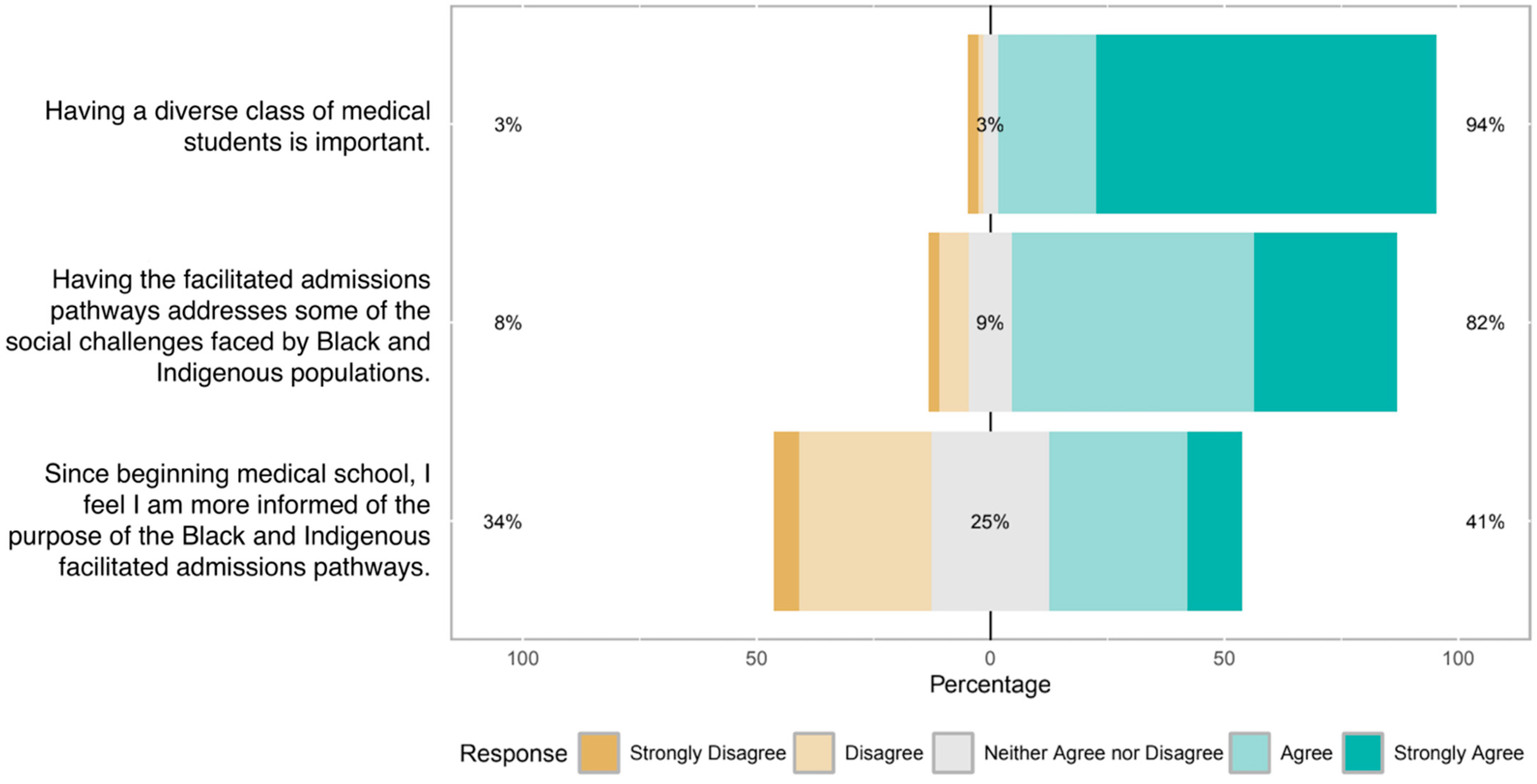
Figure 1. Likert-scale responses (n = 95) of level of agreement with statements about the importance of diversity and representation in medicine, as well as understanding of the purpose of facilitated admission pathways. Responses were collected on a 5-point scale from “strongly disagree” to “strongly agree”.
Ime 05 00015 g001
Figure 2. Likert-scale responses (n = 95) of level of agreement with statements on understanding of the purpose and operation of the facilitated Indigenous applicant admissions pathways.
Ime 05 00015 g002
Figure 3. Likert-scale responses (n = 95) of level of agreement with statements about students’ understanding of the purpose and operation of the facilitated Black applicant admissions pathways.
Ime 05 00015 g003
Figure 4. Likert-scale responses (n = 95) of level of agreement with statements regarding comfort working closely with Black, Indigenous, and White people.
Ime 05 00015 g004
Figure 5. Likert-scale responses (n = 95) of level of agreement with statements about participants’ feelings toward Black and Indigenous people.
Ime 05 00015 g005
Figure 6. Likert-scale responses (n = 95) to statements about the importance of diversity and representation in medicine, as well as understanding of the purpose of facilitated admission pathways, stratified by educational background (number of humanities/social science courses completed prior to medical school).
Ime 05 00015 g006
Figure 7. Likert-scale responses (n = 95) of level of agreement with statements on understanding of the purpose and operation of the facilitated Indigenous applicant admissions pathways, stratified by educational background.
Ime 05 00015 g007
Figure 8. Likert-scale responses (n = 95) of level of agreement with statements on understanding of the purpose and operation of the facilitated Black applicant admissions pathways, stratified by educational background.
Ime 05 00015 g008
Figure 9. Likert-scale responses (n = 95) of level of agreement with statements regarding comfort working closely with Black, Indigenous, and White people, stratified by educational background.
Ime 05 00015 g009
Figure 10. Likert-scale responses (n = 95) of level of agreement with statements about participants’ feelings toward Black and Indigenous people, stratified by educational background.
Ime 05 00015 g010
Table 1. Demographic data of respondents.
Categoryn (%)
Age
20–2227 (28.4%)
23–2551 (53.7%)
26–2813 (13.7%)
29–312 (2.1%)
32–342 (2.1%)
Cohort
C202523 (24.2%)
C202623 (24.2%)
C202749 (51.6%)
Location
First Nations reservation or community1 (1.1%)
Small Town/Village (<10,000)5 (5.3%)
Town (10,000–50,000)9 (9.5%)
Large Town/Small City (50,000–100,000)5 (5.3%)
Mid-Sized City (100,000–500,000)29 (30.5%)
Large City/Urban Center (500,000–1,000,000)18 (18.9%)
Metropolitan Area/Major city (>1,000,000)27 (28.4%)
Other (“country—near small town”)1 (1.1%)
Gender Identity
Woman61 (64.2%)
Man29 (30.5%)
Non-binary1 (1.1%)
Prefer not to answer3 (3.2%)
Other1 (1.1%)
Race/ethnicity
First Nations1 (1.1%)
Métis0
Inuit0
Other Indigenous origins0
East Asian origins21 (22.1%)
South Asian origins17 (17.9%)
Southeast Asian origins5 (5.3%)
West Central Asian origins2 (2.1%)
Other Asian origins0
Middle Eastern origins7 (7.4%)
Black/African American/African Canadian8 (8.4%)
Caribbean origins3 (3.2%)
African origins3 (3.2%)
European/White (Caucasian) origins41 (43.2%)
Latin, Central, and South American origins0
Polynesian0
Prefer not to answer4 (4.2%)
Other (Jewish)2 (2.1%)
Other (Ashkenazi Jewish)1 (1.1%)
Other (North African)1 (1.1%)
Table 2. Educational background of survey respondents.
Number of Humanities and/or Social Sciences Courses Taken Prior to Entering Medical Schooln (%)
0 courses2 (2.1%)
1–2 courses17 (17.9%)
3–4 courses23 (24.2%)
5–6 courses24 (25.3%)
7–9 courses16 (16.8%)
10+ courses13 (13.7%)
Table 3. Thematic analysis of respondents.
ThemeQuote NumberRespondent NumberRepresentative Quote from Participant
Lack of transparency and misconceptions117“What are the standards … and how different are they from other applicants?”
231“The standards by which ‘qualifications’ are judged should be made as uniform as possible.”
3167“No formal insight or education into the purpose of the facilitated pathways, allowing for misconceptions to rule.”
Perceptions of Unfairness and the Purpose of Medical Education415“Medical schools DO NOT exist for applicants … schools exist to serve the needs of the public.”
578“Advantages… aren’t necessarily a bad thing… some groups need that extra lift.”
6138“Anyone who enters via an equity pathway still has to pass medical school…”
764“I deeply value the diversity of our class… safer space for visible minorities.”
831“Diversity is about more than skin color… think the same (politically)…”
9139“Black and Indigenous applicants… much harder… due to systematic, oppressive structures.”
SES and unequal opportunity10158“The Black pathway favours students who are wealthy…”
1164“Many of the individuals that enter our class are of very high SES, including those using the Black and Indigenous pathways.”
12130“…[There] should be a general disenfranchised application pathway. SES is by far the largest factor preventing students from entering medicine.”
Dissenting view1331“This is racial discrimination and should be illegal.”
Disclaimer/Publisher’s Note: The statements, opinions and data contained in all publications are solely those of the individual author(s) and contributor(s) and not of MDPI and/or the editor(s). MDPI and/or the editor(s) disclaim responsibility for any injury to people or property resulting from any ideas, methods, instructions or products referred to in the content.