Article

Evaluation of Anaerobic Co-Digestion of Food Waste Leachates and Dairy Wastes Towards Organic-Load Reduction and Optimization of Biomethane Production


by
Ioannis Kontodimos
1,2,*,
Christos Evaggelou
1,
Anatoli Rontogianni
1,3,
Nikolaos Margaritis
1,
Panagiotis Grammelis
1 and
Maria A. Goula
2
1
Center for Research and Technology Hellas/Chemical Process and Energy Resources Institute (CERTH/CPERI), 4 km N.R Ptolemaidas-Mpodosakeiou Hospital Area, 50200 Ptolemaida, Greece
2
Laboratory of Alternative Fuels and Environmental Catalysis (LAFEC), Chemical Engineering Department, University of Western Macedoni (UOWM), ZEP, 501 50 Kozani, Greece
3
Laboratory of Physical Chemistry and Chemical Processes, Department of Chemical and Environmental Engineer, Technical University of Crete, 73100 Chania, Greece
*
Author to whom correspondence should be addressed.
Submission received: 5 December 2025 / Revised: 16 January 2026 / Accepted: 29 January 2026 / Published: 31 January 2026

Abstract

A rapidly emerging approach within the scientific community involves the utilization of waste streams for renewable energy generation, particularly through biomethane production. A key aspect of this approach lies in the co-digestion of diverse waste streams, which can enhance process efficiency and contribute to a more effective reduction in the organic load. The present study investigates the anaerobic digestion of a mixture of food waste leachates and dairy waste (cheese whey wastewater), with a dual objective: to evaluate the reduction in organic-load efficiency of the mixed substrate and to assess the production of biogas enriched in biomethane content. Three distinct mixing ratios by volume of the two waste streams (25%/75%, 50%/50% and 75%/25%) were subjected to an anaerobic digestion process under the same SIR. The performance of each mixture was assessed in terms of both reduction in organic-load efficiency and biomethane yield, followed by a comparative analysis to identify the optimal mixing ratio. The results indicate that while the organic-load reduction remains consistently effective across all mixing ratios, the biomethane production potential is notably higher for the 25%/75% waste mixture, highlighting it as the most promising configuration for both energy recovery and waste treatment efficiency.

1. Introduction

The demand for effective management of organic waste streams is steadily increasing, driven by the growing volumes of organic waste generated as a result of population growth and prevailing lifestyle patterns [1]. This approach offers several operational and environmental benefits, centering on waste minimization and energy recovery by generating renewable gas.
Waste management via anaerobic co-digestion (AcoD) of food waste streams aligns with circular economy goals and sustainable waste management frameworks. Τhe process exemplifies the principles of the circular economy by converting organic waste into renewable energy [2]. This integrated procedure not only enhances renewable energy production but also promotes sustainable waste management practices that contribute to broader environmental and societal objectives. AcoD could involve the co-digestion of two or more substrates, more commonly sewage sludge, food waste and agricultural residues [3]. Co-digestion improves biogas yield and process stability compared to mono-digestion, while minimizing overall costs and mitigating environmental impacts [4,5].
Additionally, several United Nations Sustainable Development Goals (SDGs) recommend the AcoD process of organic waste management, in order to embrace the 2030 agenda for sustainable development vision. These processes are adopted not only due to the reduction in landfilled waste, corresponding to greenhouse gas reduction, but also the production of sustainable energy [6,7]. The utilization of food and dairy waste for the production of valuable bio-based products aligns with SDG6 (Clean Water and Sanitation), SDG 7 (Affordable and Clean Energy), SDG13 (Climate Action) and SDG15 (Life on Land). As Piadeh F. et al. (2024) state [8], the direct or indirect utilization of organic wastes through AcoD is interconnected with social, technological, economic and environmental perspectives that contribute to all 17 SDGs of the UN.
Optimizing biomethane production via AcoD is a key technology for advancing renewable energy and building circular bio-economy strategies that align with the goals described above. In this context, the present study investigates the anaerobic digestion of a mixture composed of food waste leachates and dairy waste (cheese whey wastewater). The dairy sector holds a significant position in the agricultural economy of most industrialized and developing countries, with a continuously increasing global demand [9]. The European Union is the leading region globally, with 149.4 (MT) dairy products per year (in 2024) [10]. Cheese wastewater (CWW) is a major by-product of dairy processing, generated in substantial amounts and exhibiting diverse properties [11]. As the industry is a significant water consumer and produces highly polluted effluents, the valorization of its waste represents a high-priority target.
Food waste is defined as the use of food meant for consumption by humans for non-consumption purposes, such as the redirection of food to feed animals or the disposal of edible food [12]. Food waste leachates (FWLs) are generated from decomposed food waste and constitute a liquid fraction rich in organic loading, carbohydrates, proteins and lipids [13]. Food waste leachates have long-term environmental impacts on local ecosystems, affecting soil, water and air. Their release into soil and water systems could lead to deep contamination. Moreover, leachate contamination poses severe risks to soil fertility, water quality, and overall ecosystem health [14]. Long-term exposure to pollutants in leachates affects food chain dynamics. Furthermore, the bioaccumulation of heavy metals contained in the leachates has an impact on ecosystem services such as water purification, soil fertility and biodiversity maintenance [15,16]. Greece exhibits a higher rate of food waste generation per inhabitant compared with the European average. In 2023, Greece produced 201kg of food waste per capita [17], while the European equivalent was 130 kg in the same year [18].
In parallel, global dairy waste streams are undergoing significant changes driven by various trends and challenges. Key trends include shifts in production and consumption from the Global North to the Global South, demand for alternative animal milks, and increases in both standardization and ecological concerns associated with intensive dairying [19]. In the European Union (EU), the dairy industry is characterized by its high competitiveness and significant production capabilities. Although the EU is the largest milk producer globally, it faces challenges due to stringent European quality standards for raw milk quota regulations and global trade impacts regarding environmental sustainability matters [20]. The introduction of Dairy 4.0 technologies has leveraged high-technological solutions that aim to transform production processes and enhance sustainability, yet the size of each enterprise has a significant role in the level of adoption of such technologies [21]. In the Greek dairy industry, it is believed that the largest amount of work takes place in small- and medium-sized enterprises (SMEs). Those enterprises face additional challenges in adopting green practices and "Dairy 4.0" technologies, due to factors like logistics and environmental performance. However, key drivers such as governmental pressure and customer demand are pushing these SMEs towards improved environmental sustainability [22]. Based on Stasinakis et al. (2022) [23], EU-27 countries generated an annual 94.3 × 10⁶ m3 of cheese whey wastewater.
Furthermore, the integration of FWL and CWW into co-digestion offers an effective pathway to produce biomethane from waste streams while meeting the sustainability priorities set by the European Biogas Association (EBA). The rapid scale-up of biomethane generation is a central pillar of the EBA’s strategy and is aligned with the European Commission’s ambition to reach 35 bcm biomethane by 2030 [24]. Both FWL and CWW are characterized by high organic loading, making them valuable substrates for enhancing biomethane productivity in the AD process, and thereby contributing to the EU target of reaching 35 bcm of biomethane by 2023 [13,25]. Their composition, which is rich in carbohydrates, proteins and fats, and their continuous generation from food consumption and dairy industries ensure an elevated methane yield and provide a stable feedstock supply [13,26].
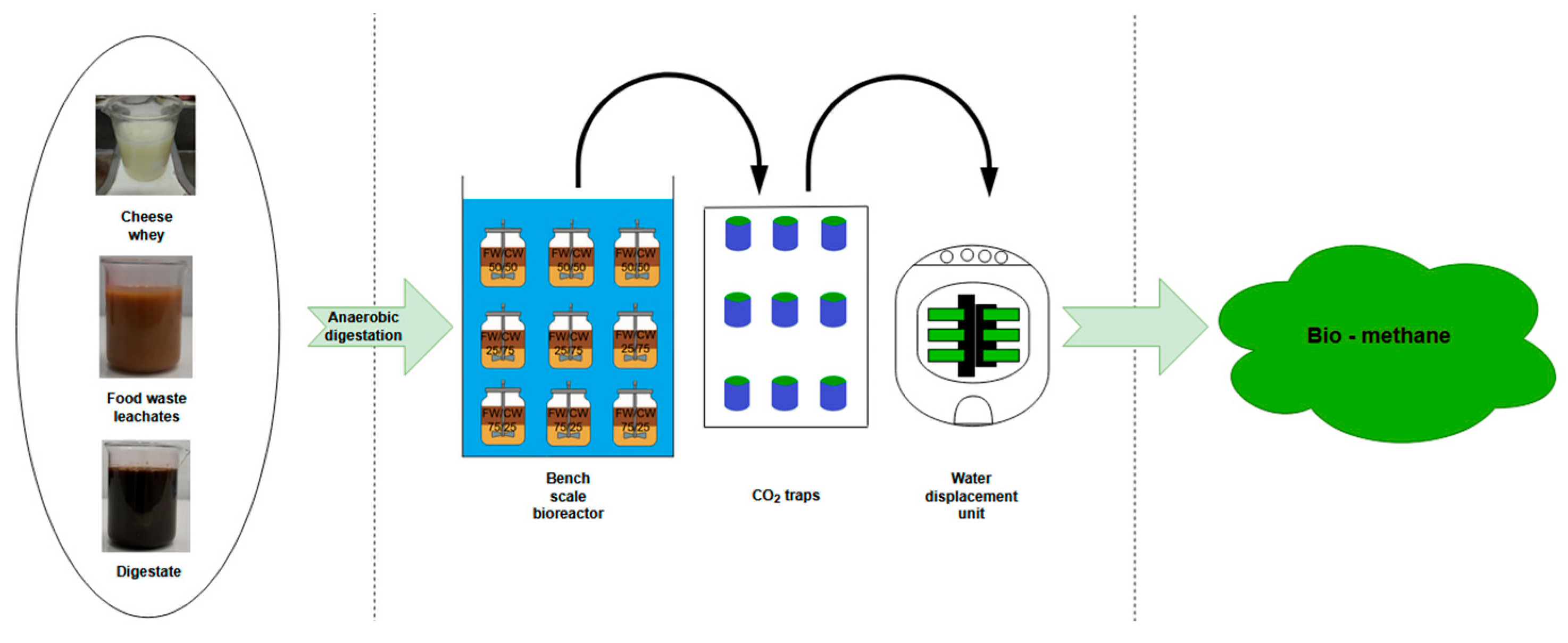
The present study investigates the anaerobic co-digestion of FWL and CWW by evaluating three substrate mixtures with different mixing ratios and the same SIR. The analysis focuses on both organic-load reduction and methane production potential. The novelty of the study lies in the experimental design, where three BMP tests were conducted for each mixture ratio. This approach enables a systematic assessment and documentation of the extent of organic-load reduction and methane yield for each configuration. The ultimate objective is to compare the performance of the different substrate ratios, identify the most efficient and technically viable option, and propose it for application at the laboratory scale and potential upscaling to industrial-scale systems. Figure 1 presents the flow diagram of the overall experimental process.

2. Materials and Methods

Three experimental conditions were tested while maintaining a constant SIR of 0.5. The substrate consisted of FWL and CWW in ratios (based on gram VS) of 25/75, 50/50 and 75/25, respectively. The aforementioned ratios were selected to preserve the co-digestion contribution in the SIR numerator, thereby ensuring comparable organic-loading conditions across all experimental setups. The percentage-of-substrate ratios were expressed as FWL/CWW. Bench-scale tests were performed using AMPTS II (ΒPC Instruments AB Mobilvägen 10 SE-223 62 Lund, Sweden) equipment in triplicate for each condition. The total volume per AMPTS II reactor had a total volume of 500 mL, with a 400 mL working volume and 100 mL headspace. Of the 400 mL working volume, 300 mL was occupied by the inoculum, while the remaining 100 mL consisted of the substrate under investigation. No external pH adjustment was performed, as the inherent buffering capacity of the slightly alkaline inoculum (Table 1) was sufficient to maintain a neutral pH in the mixtures before the experimental process.

2.1. Food Waste Leachates

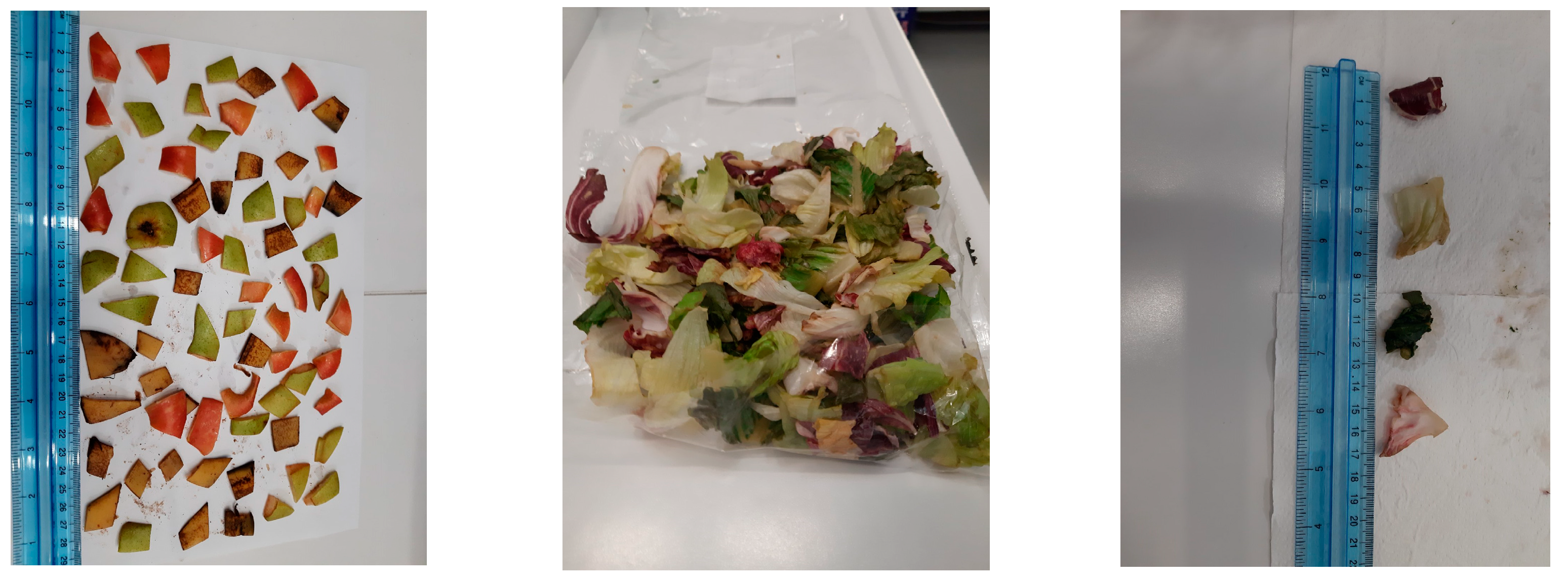
The FWLs were derived from a food waste (FW) mixture consisting of fruits and vegetables. The fruit and vegetable surpluses and leftovers were collected from the canteen of the research center. Prior to storage, the collected FW was sorted and chopped into pieces ranging from 2 to 4 cm, as illustrated in Figure 2. The processed biomass was then transferred into a closed 10L container and stored at 4 °C. This process was maintained until a sufficient volume of liquid fraction (leachate) accumulated.
The FW consisted of a 1:1 (w/w) mixture of vegetables and fruits. Specifically, the vegetable fraction comprised lettuce and cabbage, while the fruit fraction consisted of bananas, apples and pears. Based on the literature [27], the FW material exhibits a rich macromolecular profile, typically containing 12–20% proteins, 52–65% carbohydrates, and 15–35% lipids. The generated leachate was subsequently collected and used as the substrate for the bench-scale BMP tests.
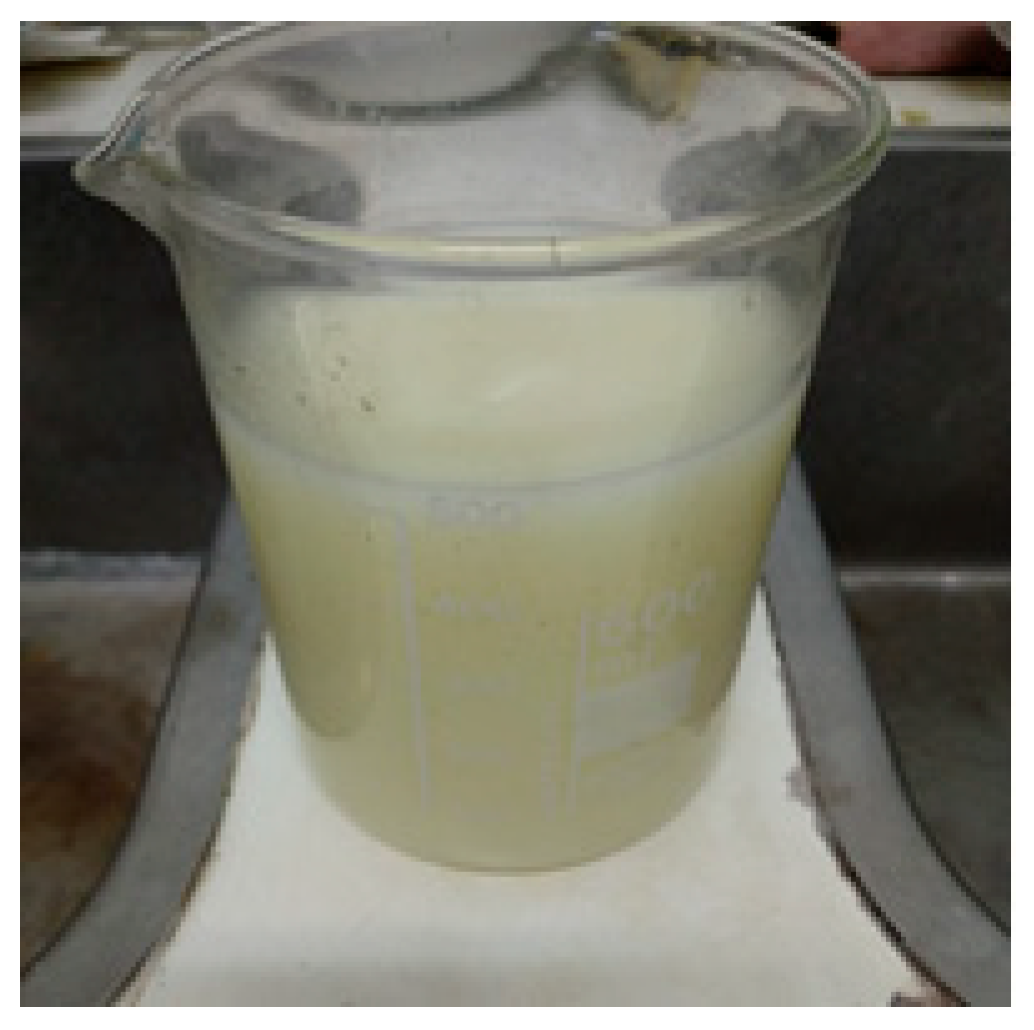
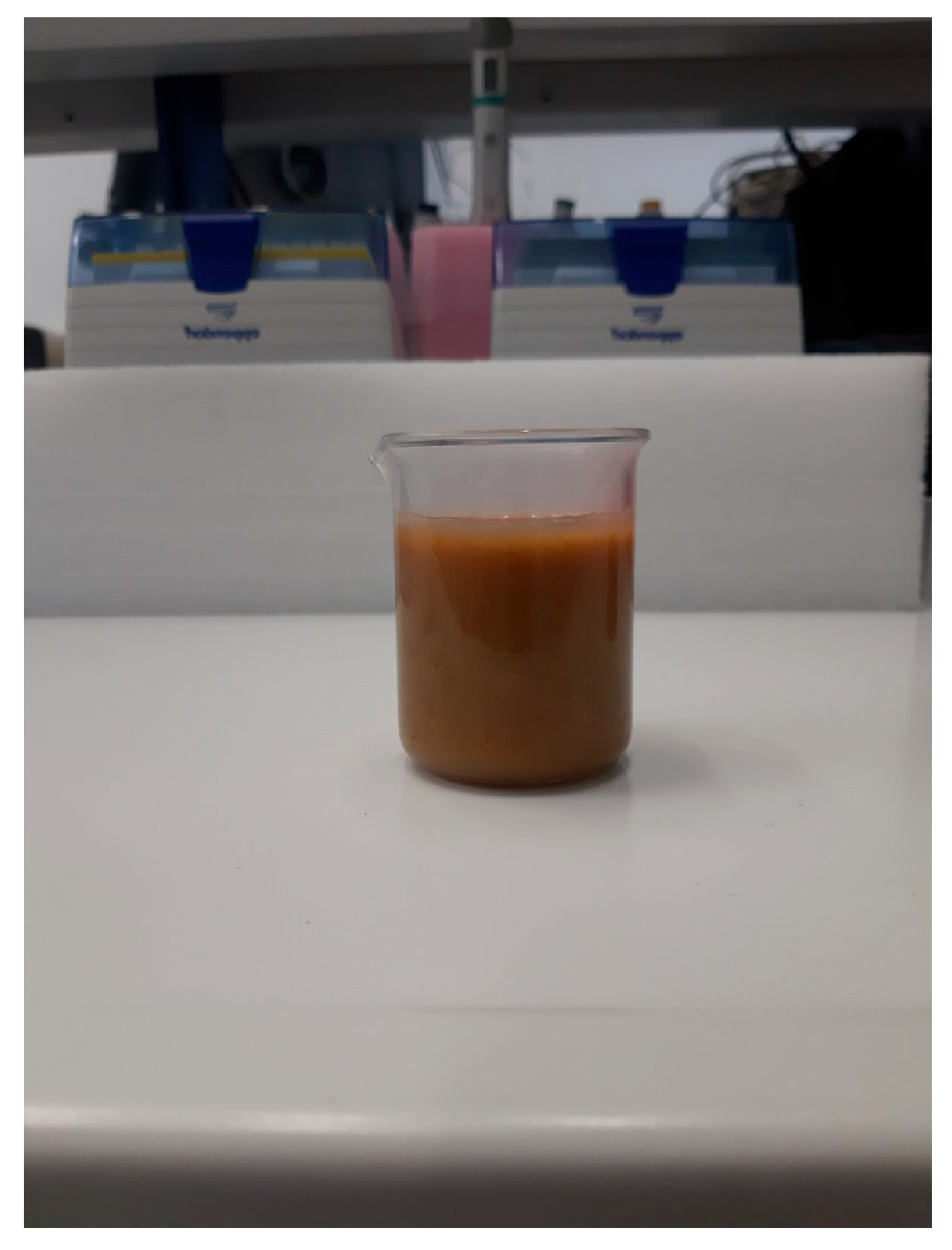
The composition of the FWL was determined based on the pH, chemical oxygen demand (COD), total solids (TSs), volatile solids (VSs), volatile fatty acids (VFAs), ammonium (NH4+) and alkalinity. The results are reported in Table 1, while in Figure 3 the FWL mixture used for the experimental procedure is illustrated.

2.2. Cheese Whey Wastewater

Cheese whey wastewater results from the cheese production process and constitutes the liquid effluent generated during both production and subsequent cleaning operations. This type of waste is a particularly important pollutant, both due to its high organic load and due to its volume. The BOD/COD ratio is over 0.5, which makes cheese whey wastewater an easily biodegradable substrate [25]. In our study, the CWW was obtained from a local cheese factory unit near the city of Kozani, in Western Macedonia. CWW was received in our laboratories and stored at 4 °C. The CWW characteristics are shown in Table 1, while Figure 4 depicts the waste used.
In contrast to FWL, the CWW is characterized by a high concentration of readily biodegradable lactose (4.5–5%) and total carbohydrates (4–5%), with significant lactic acid content (<1%) [28].

2.3. Inoculum

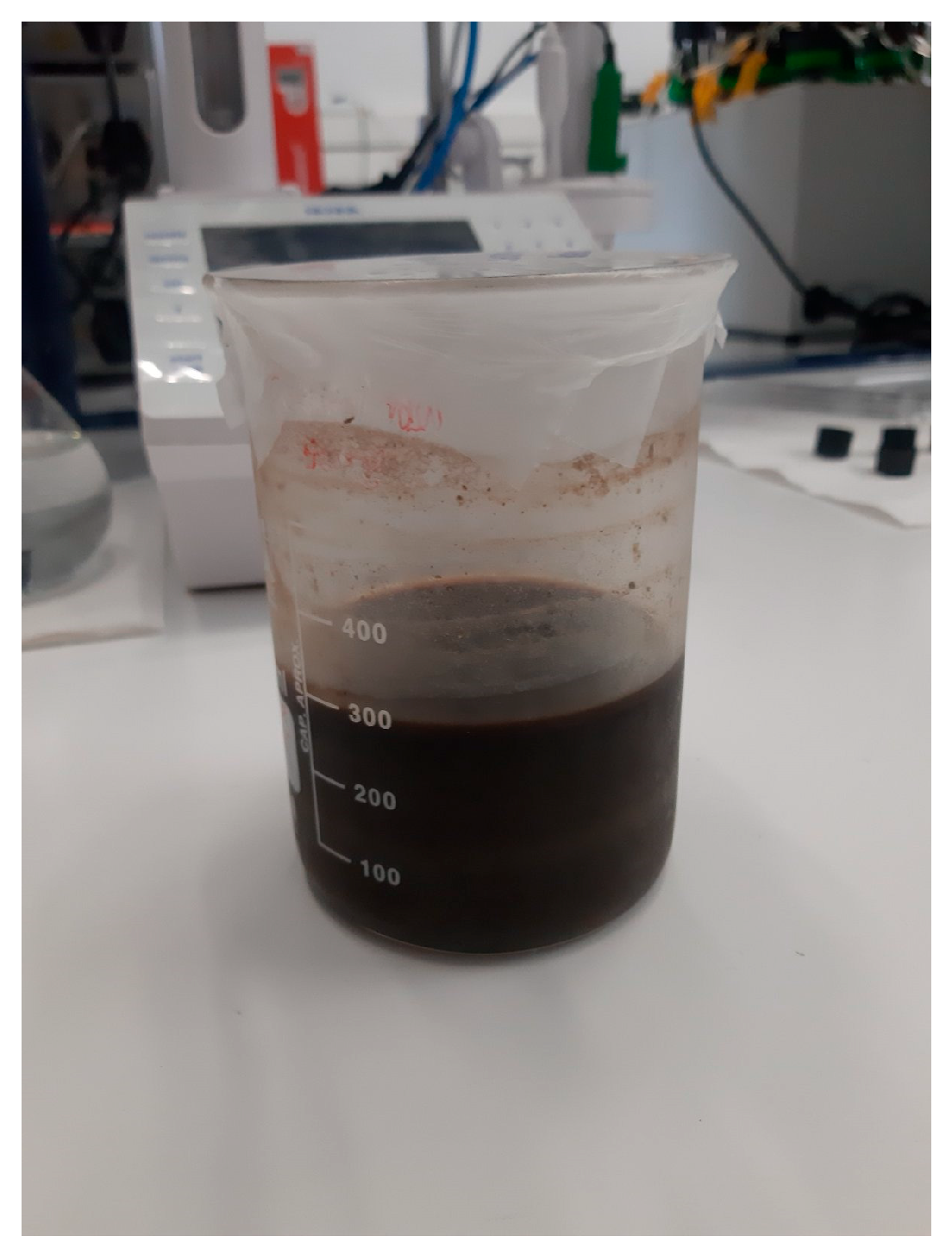
As an inoculum for the BMP assays, anaerobic sludge (AS) was used. The AS obtained from a commercial mesophilic anaerobic digester plant, located in the area of Eordaia (Ptolemaida, Western Macedonia, Greece), was used. The AS was stored and maintained in a 30 L vessel at 25 °C for 10 days [29] to preserve microbial viability [30]. The AS chemical characteristics are illustrated in Table 1, and Figure 5 illustrates a picture of the AS used. Prior to the BMP assays, a pre-conditioning step was performed to minimize the background methane production and acclimatize the inoculum to the experimental conditions. Specifically, the inoculum was incubated at 35 °C for 5 days without feeding (degassing phase) [30,31].

2.4. Analytical Methods

The determinations of TS, VS, COD, TOC, NH4+, alkalinity and pH were carried out according to APHA Standard Methods [32]. TN concentration measurements were performed in accordance with ASTM D8083. The pH was measured using a digital pHmeter (Hanna Instr., HI2260, Woonsocket, RI, USA). The concentration of VFAs was determined based on the proposed method by Mota et al. (2015) [33] and expressed as acetic acid equivalents (HACeq). The COD and NH4+ contents were quantified using a HACH DR2800 spectrophotometer. The quantifications of TOC and TN contents of the materials were performed with a TOC analyzer (TOC-L, Shimadzu, Nishinokyo Kuwabara-cho, Nakagyo-ku, Kyoto 604-8511, Japan).
The composition of the generated biogas was analyzed by means of a microGC (MicroGC 490, Agilent Technologies, Agilent, Santa Clara, CA, USA). Gas sampling was performed on the final day of the test, and samples were collected upstream of the CO2 traps. The biomethane yields of the three experimental conditions were determined using the AMPTS II equipment.

2.5. BMP Assays

The BMP tests were designed according to VDI 4630 [34] and the recommendations of Filler et al. (2019) [31], adopting a Substrate-to-Inoculum ratio (SIR) based on gVSsubstrate to gVSInoculum. Three different conditions of FWL and CWW were placed on the bench-scale reactors and tested on the same SIR (0.5).
The produced biogas from each reactor passed through a 3M NaOH aqueous solution containing thymolphthalein indicator to absorb CO2 and impurities (no replacement was conducted as the saturation was not reached). The tests were carried out under mesophilic conditions (35 +/−2 °C). Prior to the start of the assays, the reactors were flushed with nitrogen gas to achieve anaerobic conditions.
The purified biogas was passed through a flow cell unit (each bottle/reactor is equipped with an individual flow cell), and the gas productivity was measured by water displacement. The produced volumes were automatically normalized to standard conditions by the instrument’s software (v1.2948). The results of the biomethane potential (BMP) assays are expressed as normalized milliliters (Nml) CH4 per gram of VS added. The BMP tests lasted until the daily biomethane production over three sequential days was lower than 1% of the cumulated biomethane generation [31]. The experimental procedure for the co-digestion processes was carried out in the laboratories of CERTH/CPERI in Ptolemaida, Greece. All assays were performed in triplicate.
The experimental protocol and operational parameters of the BMP assays are presented in Table 2.

2.6. Kinetic Analysis

A kinetic study of the three experimental conditions was performed to provide a kinetic interpretation of the BMP assays, applying the Modified Gompertz model as described by Pasciucco et al. [35].
B M P t = A × e x p e x p μ m × e A λ t + 1
where
BMP(t) = cumulative biomethane production at time t,
A = maximum biomethane potential (Nml/g VS added),
μm = maximum biomethane production rate (Nml/g VS added/d),
λ = lag phase duration (d),
t = time (d)
e = exp (1).
The kinetic parameters were estimated by non-linear least-squares regression analysis. These parameters correspond to the lag, exponential, and stationary phases of the anaerobic digestion process, reflecting the typical sigmoidal shape of the growth curve [36]. The quality of the model fit was evaluated using the coefficient of determination (R2).

3. Results

The outcomes of the experimental process can be classified into three distinct analytical levels: (i) the performance of the experimental tests focused on pollutant load reduction, (ii) the efficiency and yield of biomethane production and (iii) the compositional analysis of the produced biogas.

3.1. Physicochemical and Organic-Load Parameters

Anaerobic digestion is widely recognized for its capacity to substantially reduce the organic load of waste streams while simultaneously altering key physicochemical properties, including pH and alkalinity. In the present study, the SIR was kept constant across the three bench-scale experiments, and as a result, only limited fluctuations were observed among the physicochemical parameters at the starting values of each test.
All three substrate mixtures presented near-neutral conditions, with initial pH values ranging from 7.35 to 7.46. Alkalinity values demonstrated similarly narrow variation, falling within the range of 4.9–5.2 g CaCO3/L, while VFAs remained consistently low (1.45–1.49 g HACeq/L). NH4+ concentrations presented slightly greater variability—1.2, 1.6 and 1.7 g/L—although still within a range considered negligible for the purposes of comparative analysis.
With regard to organic load, the TS concentrations ranged narrowly between 18.8 and 19.4 g/L, despite differences in substrate mixing ratios, and the VS concentrations were nearly the same across all experimental setups. The sole parameter presenting a notable degree of variation was COD, for which initial concentrations of 10.8, 12.5, and 14.0 g/L were recorded in the three respective mixtures.
Table 3 presents a consolidated overview of the initial physicochemical characteristics and organic-load indicators for the three bench-scale experiments.
Following completion of the experimental process, a consistent trend was observed across all three waste mixtures. A slight increase in pH values was recorded in each case, indicating a shift in the substrates toward a more basic environment. Concurrently, substantial reductions were noted in alkalinity concentration, VFA content and NH4+ levels.
A key outcome of this study is the pronounced decrease in pollutant load in all three experimental setups. As shown in the table below, TS concentrations were markedly reduced, reaching values between 12.4 and 14.4 g/L across all mixtures. Similarly, VS concentrations decreased substantially, with final values ranging from 3.7 to 5.2 g/L. The effectiveness of the anaerobic digestion process is further demonstrated by the marked reduction in COD, which did not exceed 6.2 g/L in any of the experiments following digestion.
Table 4 summarizes the final physicochemical characteristics and pollutant load parameters for the three waste mixtures after completion of the anaerobic digestion process.

3.2. Biomethane (CH4) Production

The second pillar of this study involves the evaluation of CH4 production, serving as a second level of assessment for the AD process applied to the three waste mixtures. The volume of biomethane produced is governed by several operational and substrate-related factors, one of the most critical being the duration of the digestion process. As previously noted, the experimental retention time was set at 27 days for the mixtures with ratios of 25/75 and 75/25 and at 25 days for the 50/50 mixture.
A key indicator of the efficiency of anaerobic digestion is the total volume of produced biomethane. According to the measurements obtained over the 25–27-day co-digestion period, all three experimental setups produced substantial quantities of biomethane, reaching 1000 Nml in each case.
Table 5 summarizes the biomethane production results obtained from the experimental campaign.
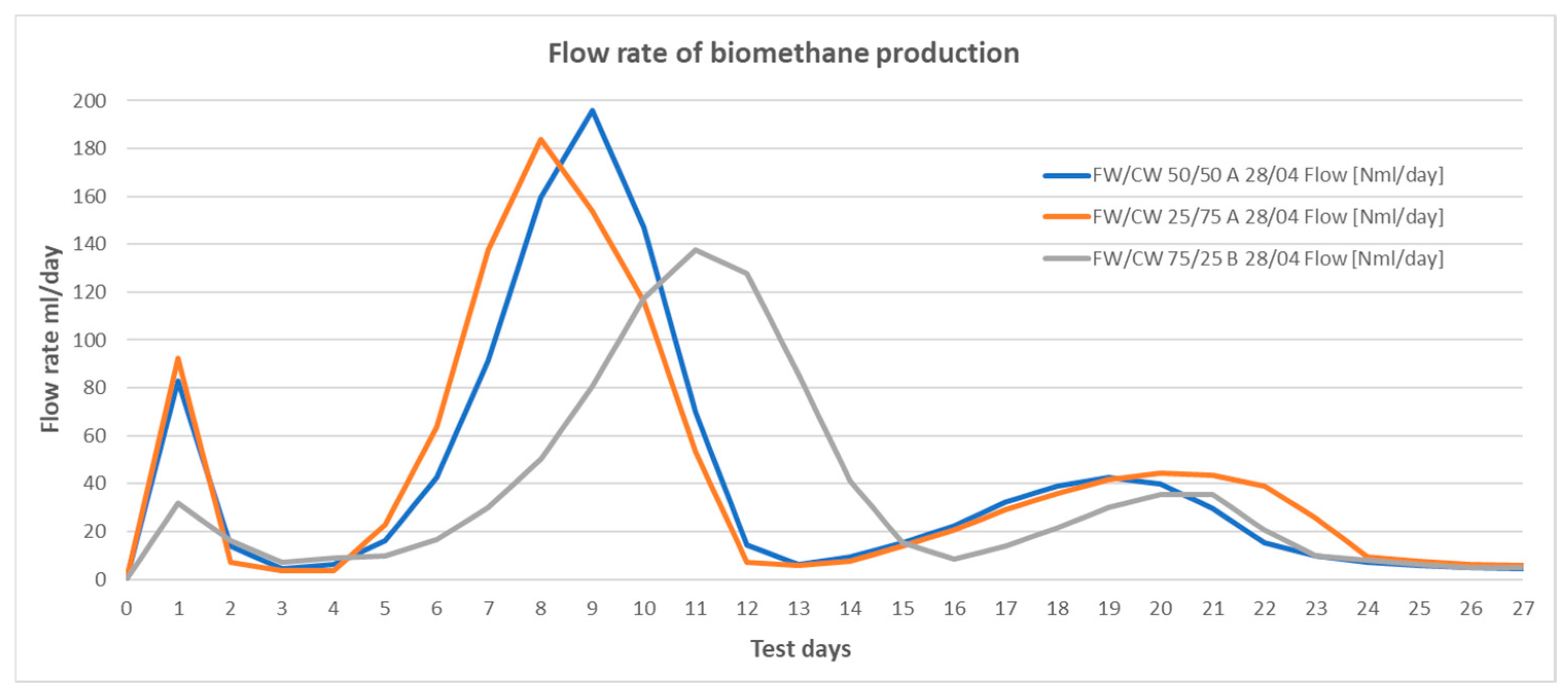
Of particular interest is the daily profile of biomethane production. As illustrated in Figure 6, all three experimental configurations exhibit a broadly similar production pattern, differing only slightly in timing. Each configuration displays two distinct productivity peaks—one at the onset of digestion and a second peak occurring approximately midway through the process. These peaks are followed by two pronounced troughs, including a prolonged period between days 15 and 24, during which biomethane generation decreases substantially, although remaining non-negligible. In the final phase of digestion, production levels stabilize at very low daily biomethane outputs, marking the exhaustion of readily biodegradable substrates.
More specifically, all three mixtures show an initial productivity peak on the very first day. The second peak, which is considerably higher and more sustained, spans days 4 to 12 for the 50/50 and 25/75 mixtures and days 5 to 16 for the 75/25 mixture. Conversely, the final decline led to a minimal production period after day 24 in all cases, indicating a consistent depletion dynamic across mixtures.

3.3. Biogas Composition

The third stage of the evaluation concerns the biogas composition, specifically the methane percentage, which determines the proportion of the gas stream that is energetically recoverable, as well as the concentrations of the remaining gases. The results indicate that, across all three experimental setups, the percentage of methane in the biogas is notably high, confirming the effective conversion of the substrates under anaerobic conditions. In all cases, methane content exceeded 84%, with the lowest value observed for the 50/50 mixture (84.37%) and the highest for the 75/25 mixture (86.25%). On the other hand, the CO2 content is relatively significant, ranging between 11.90% and 13.77%. However, these levels do not impede the effective utilization of the produced biogas. These values highlight the high-quality biogas generated, suitable for efficient energy recovery.
H2S levels were generally low, ranging from 0.030% (300 ppm) in the 25/75 mixture to 0.050% (500 ppm) in the 75/25 mixture.
Table 6 presents the detailed biogas composition measured for each of the three waste mixtures.

4. Discussion

By analyzing the bench-tests’ results and measurements, the anaerobic digestion process can be evaluated through the monitoring of physicochemical parameters and the reduction in organic load; the assessment of gas utilization via monitoring biomethane production; the evaluation of co-digestion performance through calculation of the Synergy Index; and the determination of the anaerobic digestion process’s contribution to overall sustainability and circularity.

4.1. Physicochemical and Organic-Load Parameters

As previously discussed, the anaerobic digestion process induces measurable changes in the physicochemical properties of the treated substrates.
The pH exhibits a moderate increase across all mixtures, ranging from 0.55 for the 50/50 blend to 0.85 for the 25/75 blend. Although this parameter alone does not provide substantial insight, its interpretation becomes meaningful when examined in parallel with the biodegradation of VFAs. The concurrent evaluation of these parameters reveals a clear interaction: the consumption of VFAs during the methanogenesis phase is directly associated with an increase in pH. In this context, the 25/75 mixture demonstrates both the highest pH increase and the highest VFAs biodegradation rate (72.5%). Conversely, the 75/25 mixture exhibits a pH increase of 0.72 units and a VFA reduction of 65.5%, while the 50/50 mixture shows the lowest pH increase and the lowest VFA biodegradation rate (60.3%). A similar trend is observed for ammonium (NH4+) concentration and alkalinity. The 75/25 mixture displays the largest decrease in alkalinity (0.8 g CaCO3/L) and the highest increase in NH4+ concentration (0.8 g/L). On the other hand, the 50/50 mixture presents the smallest alkalinity decrease (0.6 g CaCO3/L) and the lowest NH4+ increase (0.7 g/L). Collectively, these parameters consistently indicate the same pattern regarding the biodegradability of the substrate mixtures. The 25/75 mixture exhibits the most favorable degradation performance, followed closely by the 75/25 mixture, whereas the 50/50 mixture demonstrates the lowest level of biodegradation among the three.
An additional indicator of anaerobic digestion efficiency is the reduction in the organic load of the substrate mixture.
The biodegradation of TS, VS and COD provides a clear assessment of organic-load removal across the three experimental configurations. Overall, the results align with expectations based on the characteristics of the substrates, as both FWL and CWW—the latter to a slightly greater extent—are highly biodegradable. In this context, the 25/75 mixture exhibits a TS reduction of 28.2%, a VS reduction of approximately 69% and a COD reduction of 60.7%. Conversely, the 50/50 mixture, which demonstrated the lowest biodegradation performance in previous analyses, shows a TS reduction of 34.4%, a VS reduction of 60.2% and a COD reduction of 50.4%. For the 75/25 mixture, the reductions in TS, VS and COD were measured at 25.8%, 55.9%, and 52.8%, respectively. These results suggest that the 25/75 mixture demonstrates higher efficiency in terms of organic-load reduction, which can be attributed to the predominance of CWW—known to biodegrade slightly more readily than FWL. However, the comparison between the other two mixtures does not yield a definitive trend: the 50/50 mixture shows higher reductions in solids, whereas the 75/25 mixture exhibits a slightly greater COD reduction. The following table (Table 7) summarizes the variations in physicochemical parameter values after anaerobic digestion for the three experimental configurations.

4.2. Biomethane (CH4) Production

The volumes of biomethane produced, presented above, are not sufficient to support robust and comparable conclusions across all substrate mixtures. A more reliable evaluation can be achieved by normalizing biomethane production to the grams of VS added or the grams of COD removed in each experimental setup. This approach provides a more meaningful metric of process efficiency and enables a clearer correlation with the anaerobic digestion performance.
When assessing yield based on grams of VSadded, the highest value is observed for the 25/75 mixture. Specifically, 616.7 Nml CH4 were produced per gram of VSadded. The corresponding efficiencies for the other mixtures are 579.4 Nml CH4 g−1 VSadded for the 50/50 mixture and 515.0 Nml CH4 g−1 VSadded for the 75/25 mixture. Since the amount of VSadded was kept constant across all experimental ratios—ensuring the same SIR—the 25/75 mixture demonstrates the highest conversion yield, followed by the 50/50 mixture and, lastly, the 75/25 mixture. This ranking is consistent with previous observations indicating that the 25/75 mixture exhibited the highest biodegradability, leading to more extensive degradation of the organic load and, consequently, higher biomethane production. This outcome can be attributed to the characteristics of the initial substrates, as CWW—comprising 75% of the 25/75 mixture—shows greater conversion potential compared to FWL. Table 8 presents the values of CH4 production, expressed as Nml CH4 per gram of VSadded, for each experimental setup.
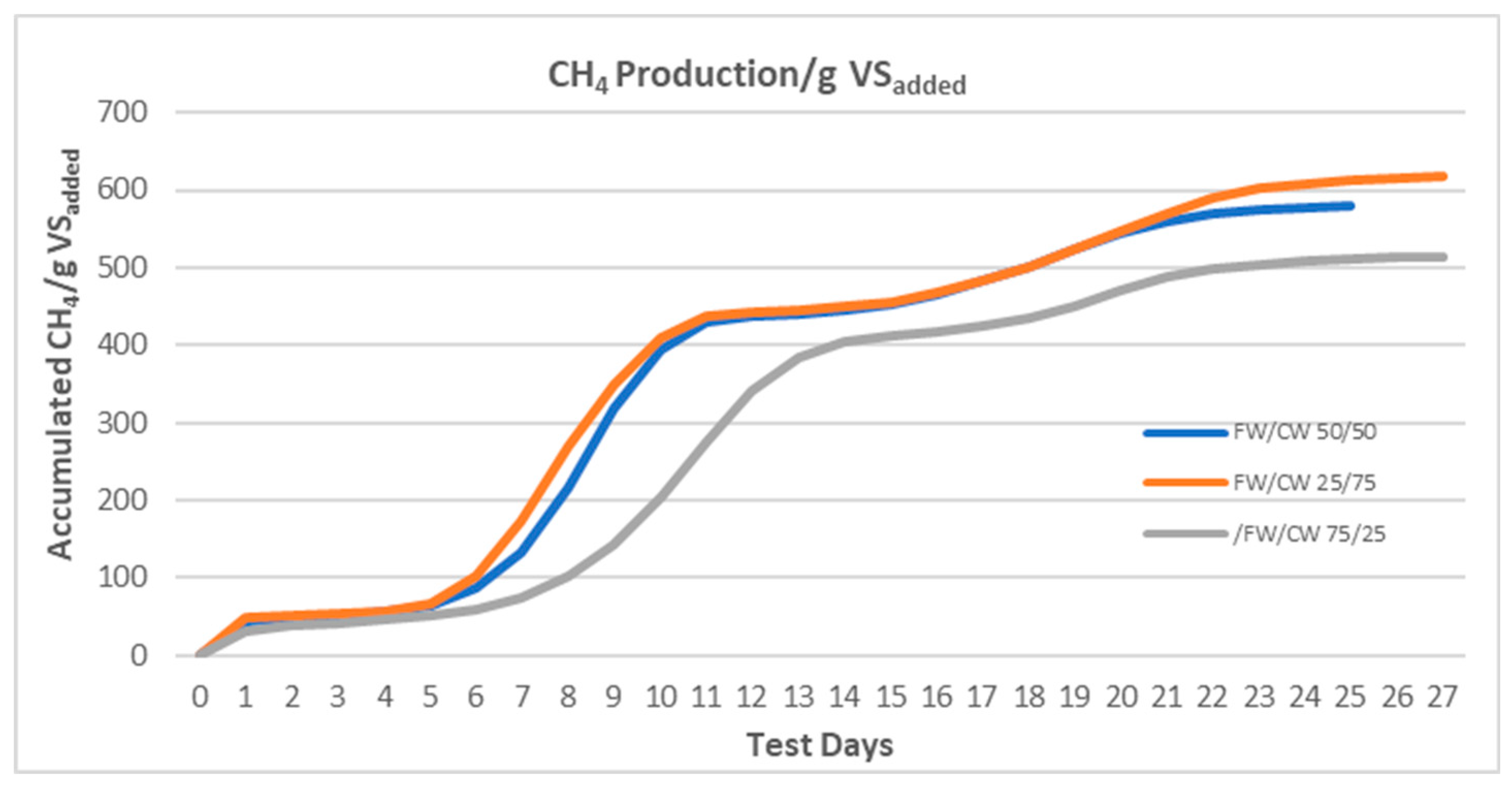
A comparable trend is observed in the fluctuation of biomethane production values expressed per gram of VSadded. The following figure (Figure 7) depicts the variation in these values throughout the anaerobic digestion process for each experimental setup. All three mixtures exhibit a similar pattern, characterized by a pronounced increase between days 5 and 12, indicating that this period corresponds to the highest process efficiency. Thereafter, biomethane production continues to rise, albeit at a reduced rate. In this context, the 25/75 mixture demonstrates the most favorable performance, as reflected in its distinct curve progression, confirming its superior efficiency in biomethane production. Conversely, the 75/25 mixture displays the lowest efficiency, as indicated by the comparatively subdued increase in biomethane production over time.
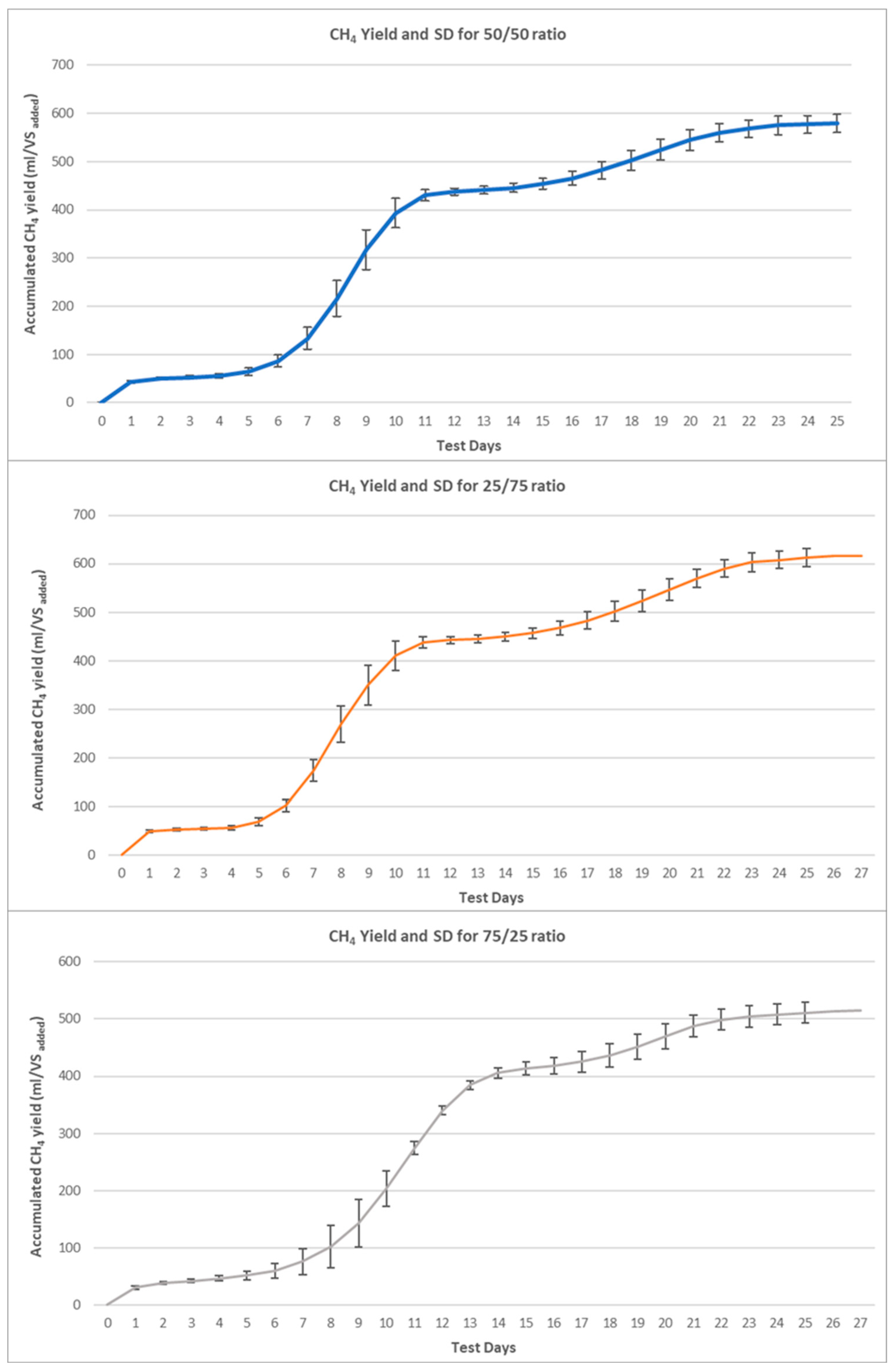
As previously described, three BMP tests were conducted for each substrate ratio in order to ensure the robustness of the results. The following diagrams (Figure 8) present the methane yield achieved, along with the corresponding standard deviation (SD) derived from the three BMP tests for each substrate ratio (50/50, 25/75, and 75/25, respectively).

4.3. Yield Comparison

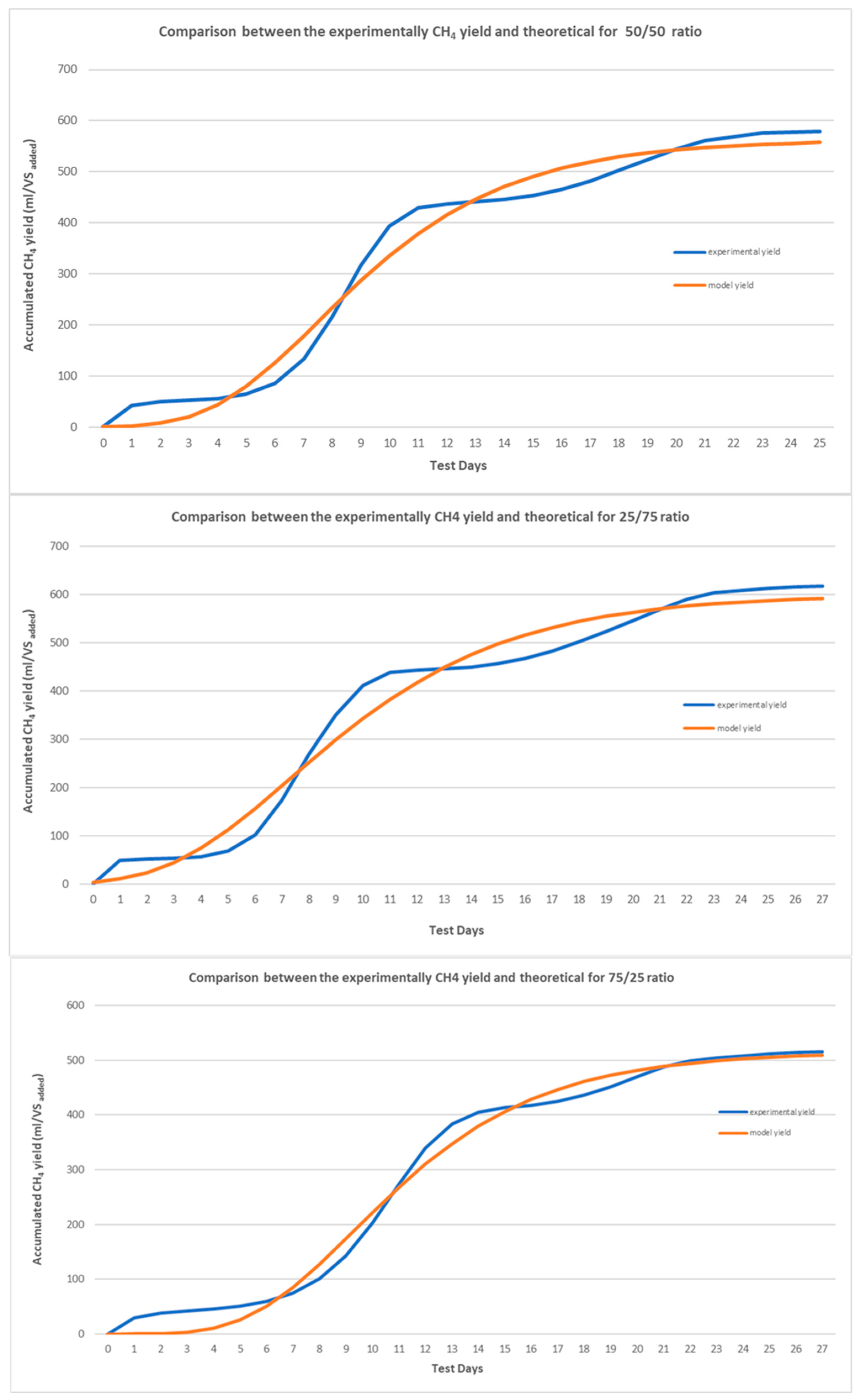
Το accurately evaluate the biodegradation dynamics, the cumulative methane production data were fitted to the Modified Gompertz model using non-linear least-squares regression. This approach was selected over linear regression methods because it allows for the simultaneous and precise estimation of the biologically significant kinetic parameters lag phase (λ) maximum production rate (μm) and biomethane potential (A). The model demonstrated an excellent fit across all experimental conditions, with correlation coefficients (R2) ranging from 0.974 to 0.988, confirming its suitability for describing the anaerobic co-digestion of FWL and CWW.
A clear correlation was observed between the substrate composition and the duration of the lag phase. The mixture with the highest CWW content (25/75) exhibited the shortest adaptation time (λ = 2.8 days). This rapid onset of methanogenesis is attributed to the composition of CWW, which is rich in lactose, a readily soluble carbohydrate that is easily accessible to acidogenic bacteria, facilitating immediate uptake [37]. As the proportion of food waste leachate (FWL) increased, a progressive extension of the lag phase was recorded. The 50/50 mixture showed an intermediate adaptation time of 3.8 days, which further increased to 5.4 days for the high-FWL mixture (75/25). This increasing trend confirms that although FWL is a liquid substrate, it contains a more complex organic load compared to the simple sugars of CWW. Consequently, the microbial consortium required a progressively longer acclimatization period to induce the necessary hydrolytic enzymes as the FWL fraction increased [38].
Regarding the total methane yield, the 25/75 mixture demonstrated the highest methane potential (A = 599.7 NmL/g VS), closely followed by the experimental maximum. This superior yield is attributed to the high biodegradable organic content of CWW. However, despite producing the most biomethane overall, this mixture exhibited a slightly lower production rate (48.3 NmL/g VS/d) compared to the balanced mixture (50/50), possibly due to mild acidification that constrained the reaction velocity. Similarly, the high-FWL mixture (75/25) showed the lowest performance, being limited to a rate of 48.0 NmL/g VS/d and a potential of 514.7 NmL/g VS. This constrained performance is attributed to the slower hydrolysis of the complex organic-matter characteristic of FWL. In contrast, the 50/50 mixture achieved the highest kinetic rate (55.3 NmL/g VS/d), indicating a distinct synergistic effect. Although its final potential was slightly lower (A = 562.6 NmL/g VS) than that of the 25/75 mixture, the optimal balance between the high buffering capacity (alkalinity) of FWL and the readily available sugars of CWW allowed the methanogens to operate at maximum velocity, effectively mitigating the risk of acidification.
Practically, the 50/50 mixture reached the stationary phase by Day 25, two days earlier than the other mixtures (Day 27). Table 9 presents the results of the kinetic study estimated through the Modified Gompertz model.
The following diagrams (Figure 9) illustrate the comparison between the theoretical methane yield, as estimated using the kinetic model, and the experimentally obtained methane yield for the 50/50, 25/75, and 75/25 substrate ratios, respectively.

4.4. Synergy Index Analysis

As illustrated in Table 10, the average specific yield obtained from dairy waste, mainly composed of CW, is 460 mL/g VSadded, while for the FW, an average specific yield of 402.4 mL/g VSadded is presented. As reported by Jo et al. (2024) [39], the evaluation of the AcoD performance is confirmed by the Synergy Index (SI). The SI is defined as the ratio of the measured cumulative methane yield (CMY) to the calculated CMY. The calculated CMY is determined by summing the yields from the mono-digestion of the individual substrates, while the measured CMY is based on experimental values. An SI value lower than 1 indicates an antagonistic effect between the substrates, and higher than 1 suggests a synergetic effect, while an SI equal to 1 shows that the AcoD does not improve (or inhibit) the performance.
To determine the SI for the co-digestion experiments of our study, the methane yields obtained from mono-digestion of each substrate were utilized, as presented in Table 10. The CMYcalc for the three mixing ratios is determined by multiplying the average methane yields reported in the literature for CWW and FW (Table 10) by their corresponding percentage fraction of each assay. Subsequently, the SI for the three bench-scale tests is obtained by dividing the experimental yield (CMYexp) by the CMYcalc.
As presented in Table 11, the SI of CWW and FWL in three different ratios is greater than 1, which confirms the synergetic efficiency of the AcoD of the two substrates. Consistent with the high methane yield, the 25/75 mixture exhibited the highest Synergistic Index (SI) of 1.38, surpassing the other studied ratios.

4.5. Sustainability and Circularity of AcoD

The anaerobic digestion (AD) process provides an efficient pathway for renewable energy generation and resource circularity, especially when implemented on high-organic-loading substrates such as FWL and CWW. AD supports efficient waste management, especially in regions where waste treatment infrastructure is limited or poorly developed, mitigating environmental pollution and improving public health [42]. In addition to biogas/biomethane production of the AD procedure, there was simultaneous generation of nutrient-rich digestate [43] that can replace the use of chemical fertilizers, contributing to several SDGs such as clean energy, climate action and sustainable cities [8]. The adoption of AD systems enables businesses and industries to lower waste disposal while creating new revenue streams through the sales of gas or digestate, providing marketable products, generating economic benefits and enhancing overall resource efficiency [44]. A cooperative study [45] reports that AD outperforms conventional waste treatment methods in terms of GHG savings, energy recovery and nutrient recycling.
AcoD of food waste leachates and dairy wastes holds significant promise for optimizing biomethane production and reducing organic load [46]. This process, through the simultaneous digestion of multiple substrates selected at the appropriate ratio, can result in significant improvement in biomethane yields [47]. Additionally, mono-digestion is often limited by a low carbon-to-nitrogen (C/N) ratio corresponding to a poor carbon content, which leads to a higher prevalence of acidogenic bacteria over methanogens [47]. This imbalance can inhibit methanogenic activity, leading to a reduced methane yield [48,49]. Co-digestion mitigates this by combining dairy wastewater with food waste, which raises the C/N ratio to a more optimal level. A balanced C/N ratio enhances microbial efficiency, resulting in higher biogas production and greater overall stability. Additionally, an optimal carbon-to-nitrogen (C/N) ratio is considered to be critical to both maximizing biomethane yields and minimizing operation and construction costs [48,50]. The variety of C/N ratios, depending on the type of substrate used in co-digestion processes and the appropriate balance of the substrates, leads to a great variety of process effects.
A proper ratio that meets the metabolic needs of microorganisms is typically in the range of 16:1 to 25:1 [50,51]. However, a study states the optimal C/N ratio for AD microorganisms is between 20 and 30 [52]. In addition to the C/N ratio, the COD content and VS concentration are considered crucial factors and are used as a basis to determine the organic loading rate of the digestion process [53]. A study by Duan et al. (2025) [54] reports that through the AD process, the solids could be reduced by 40% and the COD concentration could be removed at a high rate.
Table 12 illustrates insights into the optimal C/N ratio, the COD and VS removal efficiencies and the resulting biomethane yield obtained during co-digestion of various substrates. The outcomes presented in Table 12 highlight the efficiency of the AD procedure in significantly reducing organic load. BMP values ranging between 200 and 522 mL CH4/g VS added indicate moderate to high biomethane yields.
As shown in Table 13, the C/N ratios of the tested mixtures ranged between 17 and 30. Specifically, the 50/50 FWL/CWW mixture obtained a C/N value slightly below the lower bound of the suggested AD range, while the C/N of 30 of the 25/75 mixture reached the upper limit. The C/N ratios in the present study and their effect on the process are verified based on the obtained yield of the FWL and CWW co-digestion procedure. The highest CH4 yield was achieved by the 25/75 mixture, demonstrating the balance for FWL/CWW co-digestion. In contrast, a C/N ratio of 17 exhibits the lowest yield among the three tested conditions, suggesting process inhibition due to nitrogen content.
In light of the above, co-digestion strategies are shown to significantly enhance process stability and energy recovery, supporting the sustainability of the AD procedure in organic-waste valorization and renewable-energy generation.

5. Conclusions

Anaerobic digestion is a process that simultaneously enables the reduction in organic load and the production of usable biogas. Its distinctive feature lies in its dual role: it functions both as a waste treatment method and as a renewable-energy generation process. Furthermore, variations in substrate composition—specifically, the co-digestion of two complementary waste streams—have been demonstrated to enhance process performance and overall efficiency.
The present study addressed these aspects through bench-scale experimental trials, including the evaluation of different waste mixing ratios. Among the tested mixtures, the 25% FW/75% CWW ratio emerged as the most promising. This mixture achieved the highest organic-load reduction (60.7% COD removal) and yielded a high volume of biomethane (1178 Nml) over the experimental period. Additionally, the Synergy Index analysis confirmed that co-digestion outperforms mono-digestion, with the 25/75 mixture exhibiting the most favorable synergistic effects. A similar trend was observed in the evaluation of the C/N ratio, which was calculated as 30:1 for the 25/75 mixture.
Overall, the experimental results provide a solid basis for developing a more comprehensive research plan aimed at conducting larger-scale (laboratory) anaerobic digestion studies. Such work would enable validation of the current findings and could serve as a foundation for future applications, potentially extending to industrial-scale implementation.

Author Contributions

Conceptualization, I.K.; methodology, I.K.; validation, I.K.; investigation, I.K., C.E. and A.R.; data curation, I.K. and C.E.; writing—original draft preparation, I.K., C.E. and A.R.; writing—review and editing, I.K., C.E., A.R., N.M., P.G. and M.A.G.; visualization, I.K.; supervision, P.G. and M.A.G. All authors have read and agreed to the published version of the manuscript.

Funding

This research received no external funding.

Institutional Review Board Statement

Not applicable.

Data Availability Statement

The original contributions presented in this study are included in the article. Further inquiries can be directed to the corresponding author.

Conflicts of Interest

The authors declare no conflicts of interest.

References

  1. Rahman, T.; Deb, N.; Alam, Z.; Moniruzzaman; Miah, S.; Abu Horaira, M.; Kamal, R. Navigating the Contemporary Landscape of Food Waste Management in Developing Countries: A Comprehensive Overview and Prospective Analysis. Heliyon 2024, 10, e33218. [Google Scholar] [CrossRef]
  2. Saha, C.K.; Khatun, M.L.; Nime, J.; Kirtania, K.; Alam, M. Co-Digestion-Based Circular Bio-Economy to Improve Biomethane Generation and Production of Nutrient-Enriched Digestate in Bangladesh. Sustainability 2023, 16, 104. [Google Scholar] [CrossRef]
  3. Azarmanesh, R.; Qaretapeh, M.Z.; Zonoozi, M.H.; Ghiasinejad, H.; Zhang, Y. Anaerobic Co-Digestion of Sewage Sludge with Other Organic Wastes: A Comprehensive Review Focusing on Selection Criteria, Operational Conditions, and Microbiology. Chem. Eng. J. Adv. 2023, 14, 100453. [Google Scholar] [CrossRef]
  4. Mu, L.; Zhang, L.; Zhu, K.; Ma, J.; Ifran, M.; Li, A. Anaerobic Co-Digestion of Sewage Sludge, Food Waste and Yard Waste: Synergistic Enhancement on Process Stability and Biogas Production. Sci. Total. Environ. 2020, 704, 135429. [Google Scholar] [CrossRef] [PubMed]
  5. Chow, W.L.; Chong, S.; Lim, J.W.; Chan, Y.J.; Chong, M.F.; Tiong, T.J.; Chin, J.K.; Pan, G.-T. Anaerobic Co-Digestion of Wastewater Sludge: A Review of Potential Co-Substrates and Operating Factors for Improved Methane Yield. Processes 2020, 8, 39. [Google Scholar] [CrossRef]
  6. FAO. Transforning Food and Agriculture to Achieve The SDGs; FAO: Rome, Italy, 2018. [Google Scholar]
  7. European Commission. Joint Research Centre. Best Available Techniques (BAT) Reference Document for Waste Treatment: Industrial Emissions Directive 2010/75/EU (Integrated Pollution Prevention and Control); Publications Office: Luxembourg, 2018. [Google Scholar]
  8. Piadeh, F.; Offie, I.; Behzadian, K.; Rizzuto, J.P.; Bywater, A.; Córdoba-Pachón, J.-R.; Walker, M. A Critical Review for the Impact of Anaerobic Digestion on the Sustainable Development Goals. J. Environ. Manag. 2024, 349, 119458. [Google Scholar] [CrossRef]
  9. Fiorillo, V.; Amico, B.M. Milk Quality and Economic Sustainability in Dairy Farming: A Systematic Review of Performance Indicators. Dairy 2024, 5, 384–402. [Google Scholar] [CrossRef]
  10. Galica, A. Dairy and Products Annual; E42024-0035; United States Department of Agriculture, Foreign Agricultural Service: Washington, DC, USA, 2024; p. 34. [Google Scholar]
  11. Zhao, L.; Wang, K.; Wang, K.; Zhu, J.; Hu, Z. Nutrient Components, Health Benefits, and Safety of Litchi (Litchi chinensis Sonn.): A Review. Compr. Rev. Food Sci. Food Saf. 2020, 19, 2139–2163. [Google Scholar] [CrossRef]
  12. Gonçalves, C.; Saraiva, S.; Nunes, F.; Saraiva, C. Food Waste in Public Food Service Sector—Surplus and Leftovers. Resources 2023, 12, 120. [Google Scholar] [CrossRef]
  13. Kontodimos, I.; Evaggelou, C.; Margaritis, N.; Grammelis, P.; Goula, M. Dark Fermentation and Anaerobic Digestion for H2 and CH4 Production, from Food Waste Leachates. Methane 2025, 4, 11. [Google Scholar] [CrossRef]
  14. Iravanian, A.; Ravari, S.O. Types of Contamination in Landfills and Effects on The Environment: A Review Study. IOP Conf. Ser. Earth Environ. Sci. 2020, 614, 012083. [Google Scholar] [CrossRef]
  15. Oros, A. Bioaccumulation and Trophic Transfer of Heavy Metals in Marine Fish: Ecological and Ecosystem-Level Impacts. J. Xenobiotics 2025, 15, 59. [Google Scholar] [CrossRef] [PubMed]
  16. Ficetola, G.F.; Poulenard, J.; Sabatier, P.; Messager, E.; Gielly, L.; Leloup, A.; Etienne, D.; Bakke, J.; Malet, E.; Fanget, B.; et al. DNA from Lake Sediments Reveals Long-Term Ecosystem Changes after a Biological Invasion. Sci. Adv. 2018, 4, eaar4292. [Google Scholar] [CrossRef] [PubMed]
  17. Eurostat. Food Waste and Food Waste Prevention—Estimates Print This Page. Statistics Explained. September 2025. Available online: https://ec.europa.eu/eurostat/statistics-explained/index.php?title=Food_waste_and_food_waste_prevention_-_estimates (accessed on 3 November 2025).
  18. Eurostat. 30 Kg of Food Wasted per Person Annually in the EU. 16 October 2025. Available online: https://ec.europa.eu/eurostat/fr/web/products-eurostat-news/w/ddn-20251016-2 (accessed on 11 November 2025).
  19. Bojovic, M.; McGregor, A. A Review of Megatrends in the Global Dairy Sector: What Are the Socioecological Implications? Agric. Hum. Values 2023, 40, 373–394. [Google Scholar] [CrossRef]
  20. Bal-Prylypko, L.; Berezina, L.; Stepasyuk, L.; Cherednichenko, O.; Lialyk, A. Developing dairy farming and improving product quality. Sci. Horizons 2023, 27, 140–151. [Google Scholar] [CrossRef]
  21. Bouamra-Mechemache, Z.; Jongeneel, R.; Réquillart, V. Impact of a Gradual Increase in Milk Quotas on the EU Dairy Sector. Eur. Rev. Agric. Econ. 2008, 35, 461–491. [Google Scholar] [CrossRef]
  22. Ghadge, A.; Kaklamanou, M.; Choudhary, S.; Bourlakis, M. Implementing Environmental Practices within the Greek Dairy Supply Chain: Drivers and Barriers for SMEs. Ind. Manag. Data Syst. 2017, 117, 1995–2014. [Google Scholar] [CrossRef]
  23. Stasinakis, A.S.; Charalambous, P.; Vyrides, I. Dairy Wastewater Management in EU: Produced Amounts, Existing Legislation, Applied Treatment Processes and Future Challenges. J. Environ. Manag. 2022, 303, 114152. [Google Scholar] [CrossRef]
  24. EBA. EBA Activity Report 2022. Available online: https://www.europeanbiogas.eu/publication/eba-activity-report-2022/ (accessed on 24 November 2025).
  25. Carvalho, F.; Prazeres, A.R.; Rivas, J. Cheese whey wastewater: Characterization and treatment. Sci. Total Environ. 2013, 445–446, 385–396. [Google Scholar] [CrossRef]
  26. Maragkaki, A.; Vasileiadis, I.; Fountoulakis, M.; Kyriakou, A.; Lasaridi, K.; Manios, T. Improving Biogas Production from Anaerobic Co-Digestion of Sewage Sludge with a Thermal Dried Mixture of Food Waste, Cheese Whey and Olive Mill Wastewater. Waste Manag. 2018, 71, 644–651. [Google Scholar] [CrossRef]
  27. Kannah, R.Y.; Merrylin, J.; Devi, T.P.; Kavitha, S.; Sivashanmugam, P.; Kumar, G.; Banu, J.R. Food waste valorization: Biofuels and value added product recovery. Bioresour. Technol. Rep. 2020, 11, 100524. [Google Scholar] [CrossRef]
  28. Cruz-Salomón, A.; Ríos-Valdovinos, E.; Pola-Albores, F.; Lagunas-Rivera, S.; Cruz-Rodríguez, R.I.; Cruz-Salomón, K.d.C.; Hernández-Méndez, J.M.E.; Domínguez-Espinosa, M.E. Treatment of Cheese Whey Wastewater Using an Expanded Granular Sludge Bed (EGSB) Bioreactor with Biomethane Production. Processes 2020, 8, 931. [Google Scholar] [CrossRef]
  29. Astals, S.; Koch, K.; Weinrich, S.; Hafner, S.D.; Tait, S.; Peces, M. Impact of Storage Conditions on the Methanogenic Activity of Anaerobic Digestion Inocula. Water 2020, 12, 1321. [Google Scholar] [CrossRef]
  30. Holliger, C.; Alves, M.; Andrade, D.; Angelidaki, I.; Astals, S.; Baier, U.; Bougrier, C.; Buffière, P.; Carballa, M.; de Wilde, V.; et al. Towards a standardization of biomethane potential tests. Water Sci. Technol. 2016, 74, 2515–2522. [Google Scholar] [CrossRef] [PubMed]
  31. Filer, J.; Ding, H.H.; Chang, S. Biochemical Methane Potential (BMP) Assay Method for Anaerobic Digestion Research. Water 2019, 11, 921. [Google Scholar] [CrossRef]
  32. APHA/AWWA/WEF. Standard Methods for the Examination of Water and Wastewater; American Public Health Association: Washington, DC, USA, 2012; p. 541. [Google Scholar]
  33. Mota, V.T.; Santos, F.S.; Araújo, T.A.; Amaral, M.C.S. Evaluation of titration methods for volatile fatty acids measurement: Effect of the bicarbonate interference and feasibility for the monitoring of anaerobic reactors. Water Pract. Technol. 2015, 10, 486–495. [Google Scholar] [CrossRef]
  34. VDI 4630; Fermentation of Organic Materials—Characterization of the Substrate, Sampling, Collection of Material Data, Fer-mentation Tests. VDI: Düsseldorf, Germany, 2016.
  35. Pasciucco, F.; Pasciucco, E.; Castagnoli, A.; Iannelli, R.; Pecorini, I. Comparing the effects of Al-based coagulants in waste activated sludge anaerobic digestion: Methane yield, kinetics and sludge implications. Heliyon 2024, 10, e29282. [Google Scholar] [CrossRef]
  36. Zhang, H.; An, D.; Cao, Y.; Tian, Y.; He, J. Modeling the Methane Production Kinetics of Anaerobic Co-Digestion of Agricultural Wastes Using Sigmoidal Functions. Energies 2021, 14, 258. [Google Scholar] [CrossRef]
  37. Prazeres, A.R.; Carvalho, F.; Rivas, J. Cheese whey management: A review. J. Environ. Manag. 2012, 110, 48–68. [Google Scholar] [CrossRef]
  38. Labatut, R.A.; Angenent, L.T.; Scott, N.R. Biochemical methane potential and biodegradability of complex organic substrates. Bioresour. Technol. 2011, 102, 2255–2264. [Google Scholar] [CrossRef]
  39. Jo, S.; Kadam, R.; Jang, H.; Seo, D.; Park, J. Elucidating Synergetic Effects of Anaerobic Co-Digestion of Slaughterhouse Waste with Livestock Manures. Energies 2024, 17, 3027. [Google Scholar] [CrossRef]
  40. Casallas-Ojeda, M.; Perez-Esteban, N.; Cabeza, I.; Cobo, M.; Olaya-Rincon, M.; Caicedo-Concha, D.M.; Astals, S. Understanding the Acidification Risk of Cheese Whey Anaerobic Digestion under Psychrophilic and Mesophilic Conditions. Heliyon 2024, 10, e26476. [Google Scholar] [CrossRef] [PubMed]
  41. Tomczak, W.; Daniluk, M.; Kujawska, A. Food Waste as Feedstock for Anaerobic Mono-Digestion Process. Appl. Sci. 2024, 14, 10593. [Google Scholar] [CrossRef]
  42. Francini, G.; Lombardi, L.; Freire, F.; Pecorini, I.; Marques, P. Environmental and Cost Life Cycle Analysis of Different Recovery Processes of Organic Fraction of Municipal Solid Waste and Sewage Sludge. Waste Biomass- Valorization 2019, 10, 3613–3634. [Google Scholar] [CrossRef]
  43. DelaVega-Quintero, J.C.; Nuñez-Pérez, J.; Lara-Fiallos, M.; Barba, P.; Burbano-García, J.L.; Espín-Valladares, R. Advances and Challenges in Anaerobic Digestion for Biogas Production: Policy, Technological, and Microbial Perspectives. Processes 2025, 13, 3648. [Google Scholar] [CrossRef]
  44. Mayer, F.; Bhandari, R.; Gäth, S.A.; Himanshu, H.; Stobernack, N. Economic and Environmental Life Cycle Assessment of Organic Waste Treatment by Means of Incineration and Biogasification. Is Source Segregation of Biowaste Justified in Germany? Sci. Total. Environ. 2020, 721, 137731. [Google Scholar] [CrossRef]
  45. Morsink-Georgali, P.-Z.; Kylili, A.; Fokaides, P.A.; Papadopoulos, A.M. Compost versus Biogas Treatment of Sewage Sludge Dilemma Assessment Using Life Cycle Analysis. J. Clean. Prod. 2022, 350, 131490. [Google Scholar] [CrossRef]
  46. Sembera, C.; Macintosh, C.; Astals, S.; Koch, K. Benefits and Drawbacks of Food and Dairy Waste Co-Digestion at a High Organic Loading Rate: A Moosburg WWTP Case Study. Waste Manag. 2019, 95, 217–226. [Google Scholar] [CrossRef]
  47. Jiang, M.; Qiao, W.; Wang, Y.; Zou, T.; Lin, M.; Dong, R. Balancing acidogenesis and methanogenesis metabolism in thermophilic anaerobic digestion of food waste under a high loading rate. Sci. Total. Environ. 2022, 824, 153867. [Google Scholar] [CrossRef]
  48. Uzun, O.; Oter, M.; Ozsefil, I.C.; Doymus, K.; Ince, B.; Ince, O. Maximizing Resource Valorization: Mono- and Co-Digestion of Food and Agricultural Wastes with Insights into Microbial Community Dynamics. Biomass-Convers. Biorefinery 2025, 15, 19525–19541. [Google Scholar] [CrossRef]
  49. Beniche, I.; Hungría, J.; El Bari, H.; Siles, J.A.; Chica, A.F.; Martín, M.A. Effects of C/N Ratio on Anaerobic Co-Digestion of Cabbage, Cauliflower, and Restaurant Food Waste. Biomass Convers. Biorefinery 2021, 11, 2133–2145. [Google Scholar] [CrossRef]
  50. Meegoda, J.N.; Li, B.; Patel, K.; Wang, L.B. A Review of the Processes, Parameters, and Optimization of Anaerobic Digestion. Int. J. Environ. Res. Public Health 2018, 15, 2224. [Google Scholar] [CrossRef]
  51. Rajlakshmi; Jadhav, D.A.; Dutta, S.; Sherpa, K.C.; Jayaswal, K.; Saravanabhupathy, S.; Mohanty, K.T.; Banerjee, R.; Kumar, J.; Rajak, R.C. Co-Digestion Processes of Waste: Status and Perspective. In Bio-Based Materials and Waste for Energy Generation and Resource Management; Elsevier: Amsterdam, The Netherlands, 2023; pp. 207–241. [Google Scholar] [CrossRef]
  52. Halmaciu, I.A.; Ionel, I.; Miutescu, M.C.; Grecu, E. Novel Specifications Regarding Biogas Production from Agriengineering Activities in Romania. AgriEngineering 2024, 6, 3602–3617. [Google Scholar] [CrossRef]
  53. Wu, H.-M.; Li, X.; Chen, J.-N.; Yan, Y.-J.; Kobayashi, T.; Hu, Y.; Zhang, X. Food Waste Anaerobic Digestion Under High Organic Loading Rate: Inhibiting Factors, Mechanisms, and Mitigation Strategies. Processes 2025, 13, 2090. [Google Scholar] [CrossRef]
  54. Duan, Y.; Wang, Z.; Ganeshan, P.; Sar, T.; Xu, S.; Rajendran, K.; Sindhu, R.; Binod, P.; Pandey, A.; Zhang, Z.; et al. Anaerobic digestion in global bio-energy production for sustainable bioeconomy: Potential and research challenges. Renew. Sustain. Energy Rev. 2025, 208, 114985. [Google Scholar] [CrossRef]
  55. Ghaleb, A.A.S.; Kutty, S.R.M.; Salih, G.H.A.; Jagaba, A.H.; Noor, A.; Kumar, V.; Almahbashi, N.M.Y.; Saeed, A.A.H.; Al-Dhawi, B.N.S. Sugarcane Bagasse as a Co-Substrate with Oil-Refinery Biological Sludge for Biogas Production Using Batch Mesophilic Anaerobic Co-Digestion Technology: Effect of Carbon/Nitrogen Ratio. Water 2021, 13, 590. [Google Scholar] [CrossRef]
  56. Ghaleb, A.A.S.; Kutty, S.R.M.; Ho, Y.C.; Jagaba, A.H.; Noor, A.; Al-Sabaeei, A.M.; Kumar, V.; Saeed, A.A.H. Anaerobic Co-Digestion for Oily-Biological Sludge with Sugarcane Bagasse for Biogas Production under Mesophilic Condition. IOP Conf. Ser. Mater. Sci. Eng. 2020, 991, 012084. [Google Scholar] [CrossRef]
  57. Álvarez-Montero, X.; Mercado-Reyes, I.; Valdez-Solórzano, D.; Ordoñez, E.S.; Plaza, E.D.; Peralta-Jaramillo, J. Effect of Temperature and the Carbon-Nitrogen (C/N) Ratio on Methane Production through Anaerobic Co-Digestion of Cattle Manure and Jatropha Seed Cake. Renew. Energy Power Qual. J. 2022, 20, 364–368. [Google Scholar] [CrossRef]
  58. Macias-Corral, M.; Samani, Z.; Hanson, A.; Smith, G.; Funk, P.; Yu, H.; Longworth, J. Anaerobic Digestion of Municipal Solid Waste and Agricultural Waste and the Effect of Co-Digestion with Dairy Cow Manure. Bioresour. Technol. 2008, 99, 8288–8293. [Google Scholar] [CrossRef]
  59. Kumar, M.; Ou, Y.-L.; Lin, J.-G. Co-Composting of Green Waste and Food Waste at Low C/N Ratio. Waste Manag. 2010, 30, 602–609. [Google Scholar] [CrossRef]
  60. Salangsang, M.C.D.; Sekine, M.; Akizuki, S.; Sakai, H.D.; Kurosawa, N.; Toda, T. Effect of Carbon to Nitrogen Ratio of Food Waste and Short Resting Period on Microbial Accumulation during Anaerobic Digestion. Biomass Bioenergy 2022, 162, 106481. [Google Scholar] [CrossRef]
Figure 1. Flow diagram of the experimental process.
Waste 04 00004 g001
Figure 2. FW surpluses and leftovers used for the tests.
Waste 04 00004 g002
Figure 3. FWL substrate used for the assays.
Waste 04 00004 g003
Figure 4. CWW used for the assays.
Waste 04 00004 g004
Figure 5. Inoculum used for trials.
Waste 04 00004 g005
Figure 6. Flow rate of biomethane production.
Waste 04 00004 g006
Figure 7. Accumulated methane production per gram VSadded.
Waste 04 00004 g007
Figure 8. CH4 yield and standard deviation.
Waste 04 00004 g008
Figure 9. Comparisons between the experimental and theoretical CH4 yields.
Waste 04 00004 g009
Table 1. Main characteristics of inoculum (AS), food waste leachates (FWL) and cheese whey wastewater (CWW).
Parameter (Unit)ASFWLCWW
pH (−)8.35.653.34
TS (g/L)16.825.423.1
VS (g/L)10.1219.519.0
Alkalinity (g CaCO3/L)2.85.21.5
VFAs (g HACeq/L)0.4- 1- 1
TOC (g/L)1.99.618.9
COD (g/L)5.323.546.1
TN (g/L)3.50.930.51
NH4+ (g/L)1.40.640.35
1 The VFA content could not be determined by means of potentiometric titration due to the low pH values of the FWL and CWW.
Table 2. Experimental protocol and operational parameters of the BMP assays.
BMP50/5025/7575/25
SIR (g VS/g VS)0.50.50.5
g VS Substrate1.931.911.94
g VS Inoculum4.12
Total Volume (mL)500500500
Working Volume (mL)400400400
HeadspaceFlushed with N2
Mixing RegimeAutomated intermittent mechanical stirring
Temperature (°C)353535
Test Days252727
Stop CriterionDaily production < 1% of cumulative production for 3 consecutive days
Table 3. Starting values of physicochemical and organic-load parameters of bench-scale tests.
Parameter (Unit)50/5025/7575/25
pH (−)7.47.357.46
Alkalinity (g CaCO3/L)5.24.94.9
VFAs (g HACeq/L)1.451.491.45
NH4+ (g/L)1.71.21.6
TS (g/L)18.918.819.4
VS (g/L)11.811.911.8
COD(g/L)12.514.010.8
Table 4. Final values of physicochemical and organic-load parameters of bench-scale test.
Parameter (Unit)50/5025/7575/25
pH (−)7.958.208.18
Alkalinity (g CaCO3/L)4.64.14.2
VFAs (g HACeq/L)0.460.410.50
NH4+ (g/L)2.42.02.3
TS (g/L)12.413.514.4
VS (g/L)4.73.75.2
COD (g/L)6.25.55.1
Table 5. Biomethane production.
Parameter (Unit)50/5025/7575/25
CH4 (Nml)1118.31178.0999.1
Test days (days)252727
Table 6. Biogas composition.
Gas (Unit)50/5025/7575/25
Methane—CH4 (%)84.3785.2586.25
Carbon dioxide—CO2 (%)13.7712.9711.90
Hydrogen Sulfide—H2S (%)0.0400.0300.050
Other gases (%)1.821.751.8
Table 7. Variations in physicochemical parameter values after anaerobic digestion.
Parameter (Unit)50/5025/7575/25
pHraise (−)0.550.850.72
Alkalinityreduction (g CaCO3/L)0.60.80.7
VFAsbiodegradability (%)60.372.565.5
NH4+raise(g/L)0.70.80.7
TSbiodegradability (%)34.428.225.8
VSbiodegradability (%)60.268.955.9
CODbiodegradability (%)50.460.752.8
Table 8. Biomethane production per gram VSadded.
Parameter (Unit)50/5025/7575/25
CH4 (Nml/g VSadded)579.4616.7515.0
Table 9. Kinetic parameters of methane production determined by the Modified Gompertz model for different FWL/CWW co-digestion ratios.
Substrate Ratio (FWL/CWW)BMPexp
(Nml/g VS Added)
A
(Nml/g VS Added)
μm
(Nml/g VS Added/d)
λ (Days)R2
50/50579.4562.655.33.80.978
25/75616.7599.748.32.80.974
75/25515.0514.748.05.40.988
Table 10. Organic loading, conditions and produced yield of dairy waste and food waste by mono-digestion.
SubstrateSIR
(On a VS Basis)
T
(°C)
CH4 YieldReference
CW0.535460.0 mL/g VS[40]
CWaverage 460.0 mL/g VS
FW0.537385.0–627.0 mL/g VS[41]
FW0.535466.0 mL/g VS[41]
FW0.537435.0 mL/g VS[41]
FW0.539329.0 mL/g VS[41]
FWL0.535276.0 mL/g VS[13]
FWaverage 402.4 mL/g VS
Table 11. Synergy Index of AcoD.
AcoDCMYexp
(Nml CH4/g VSadded)
CMYcalc
(Nml CH4/g VSadded)
SI
50/50579.4431.21.34
25/75616.7445.61.38
75/25515.0416.81.23
Table 12. Optimal C/N ratio, COD and VS removal efficiency, and obtained biomethane yield during co-digestion of various organic materials.
Co-Substrate
Digestion
C/N RatioBMP
(mL CH4/g VSadded)
Reference
Municipal Solid Waste with Food Waste20.0–25.0:1~433[51,53]
Oily Biological Sludge with Sugarcane Bagasse30.0:1200.6[55,56]
Municipal Solid Waste with Cow Manure20.0:1414[57,58]
Food Waste & Agricultural Wastes45.0:1~479[49]
Sewage Sludge with Food Waste Leachate15.0:1~498[59,60]
Table 13. C/N ratio of our co-digestion study and the obtained biomethane yield.
Substrate RatioC/NBMP
(Nml CH4/g VSadded)
50/5023.7579.4
25/7530.4616.7
75/2517.0515.0
Disclaimer/Publisher’s Note: The statements, opinions and data contained in all publications are solely those of the individual author(s) and contributor(s) and not of MDPI and/or the editor(s). MDPI and/or the editor(s) disclaim responsibility for any injury to people or property resulting from any ideas, methods, instructions or products referred to in the content.