Article

DL-SLICER: Deep Learning for Satellite-Based Identification of Cities with Enhanced Resemblance

by
Ulzhan Bissarinova
1,
Aidana Tleuken
2,
Sofiya Alimukhambetova
1,
Huseyin Atakan Varol
1 and
Ferhat Karaca
2,*
1
Institute of Smart Systems and Artificial Intelligence, Nazarbayev University, Astana 010000, Kazakhstan
2
Department of Civil Engineering, School of Engineering and Digital Sciences, Nazarbayev University, Astana 010000, Kazakhstan
*
Author to whom correspondence should be addressed.
Buildings 2024, 14(2), 551; https://doi.org/10.3390/buildings14020551

Submission received: 7 December 2023 / Revised: 1 February 2024 / Accepted: 11 February 2024 / Published: 19 February 2024

Abstract

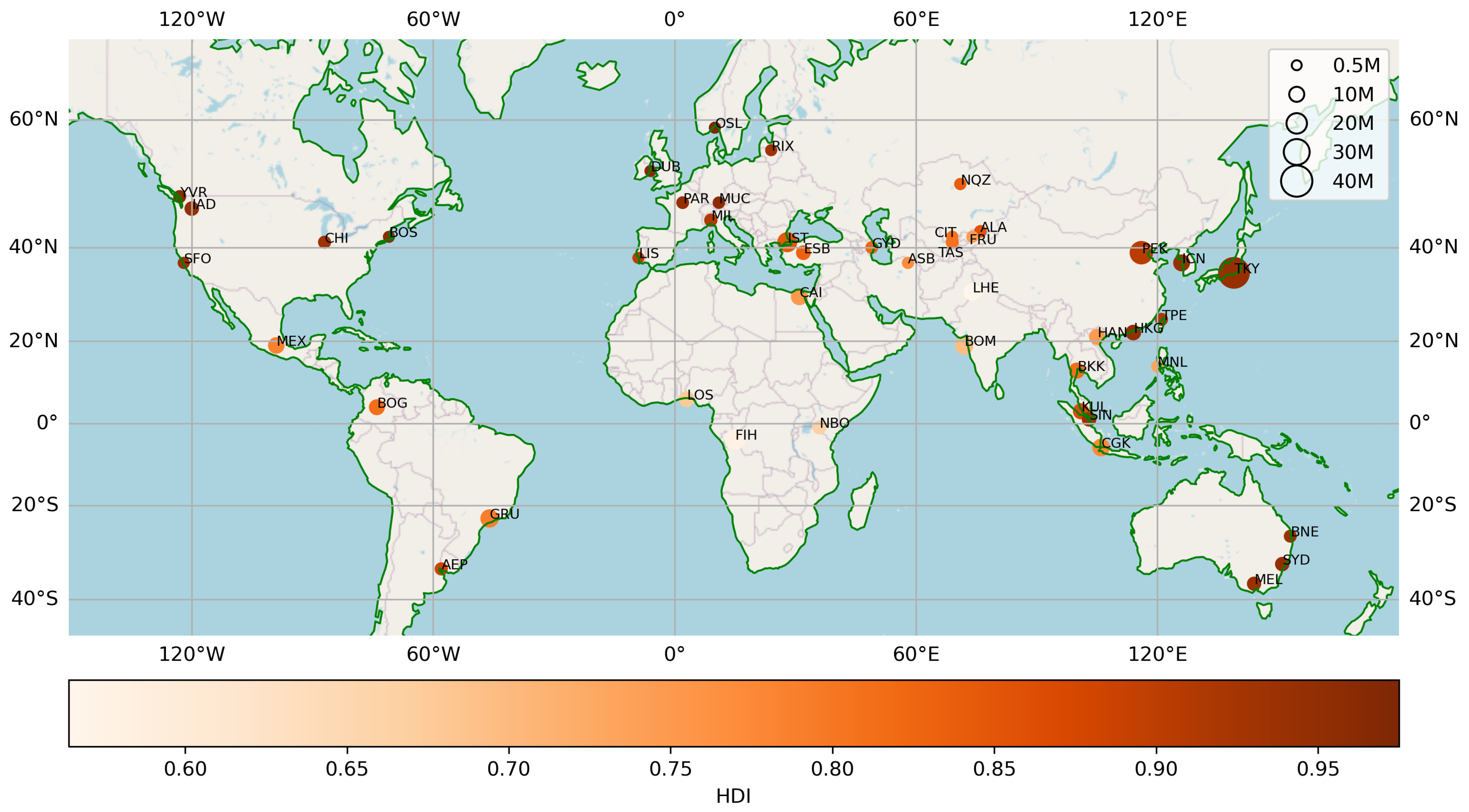
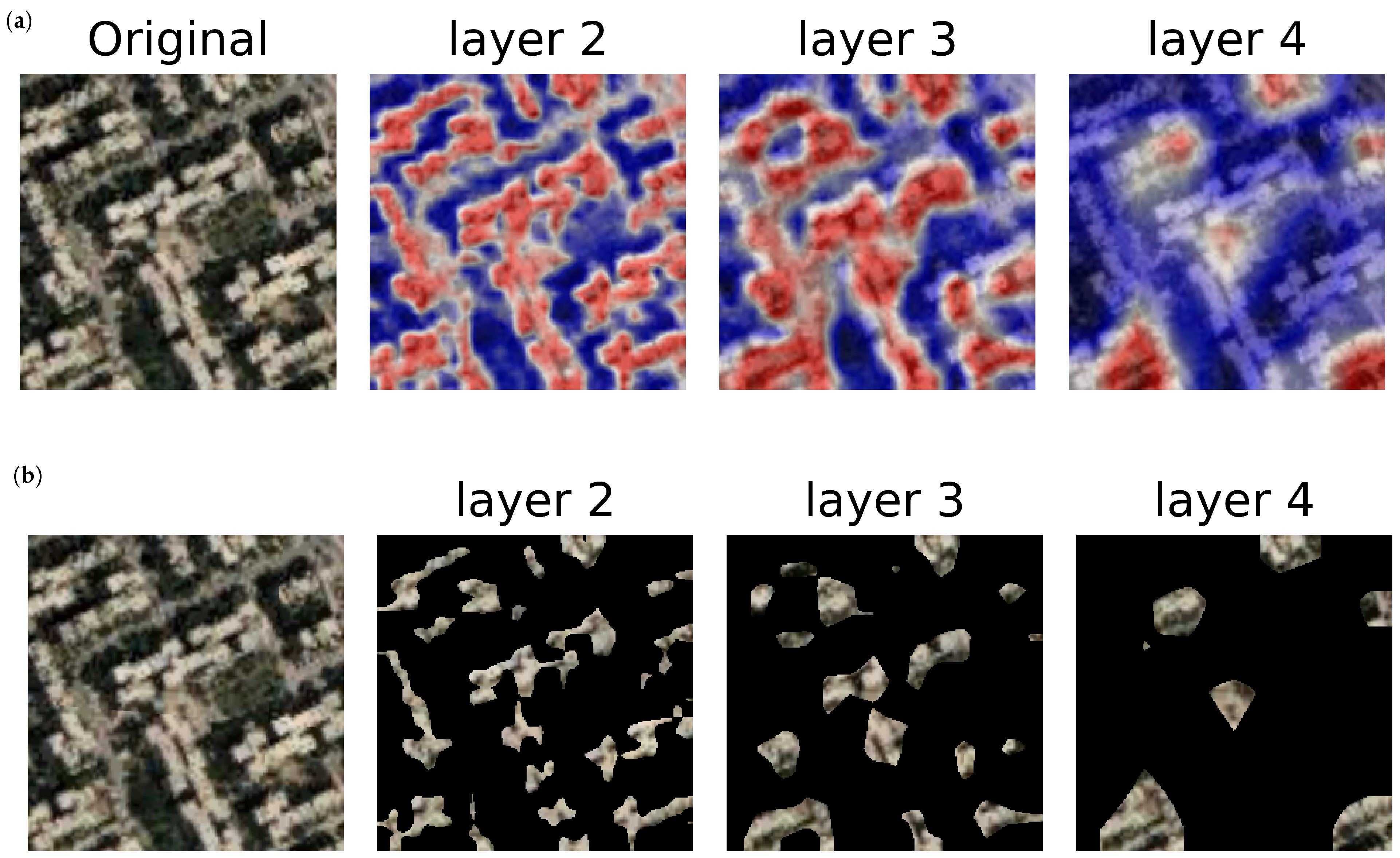
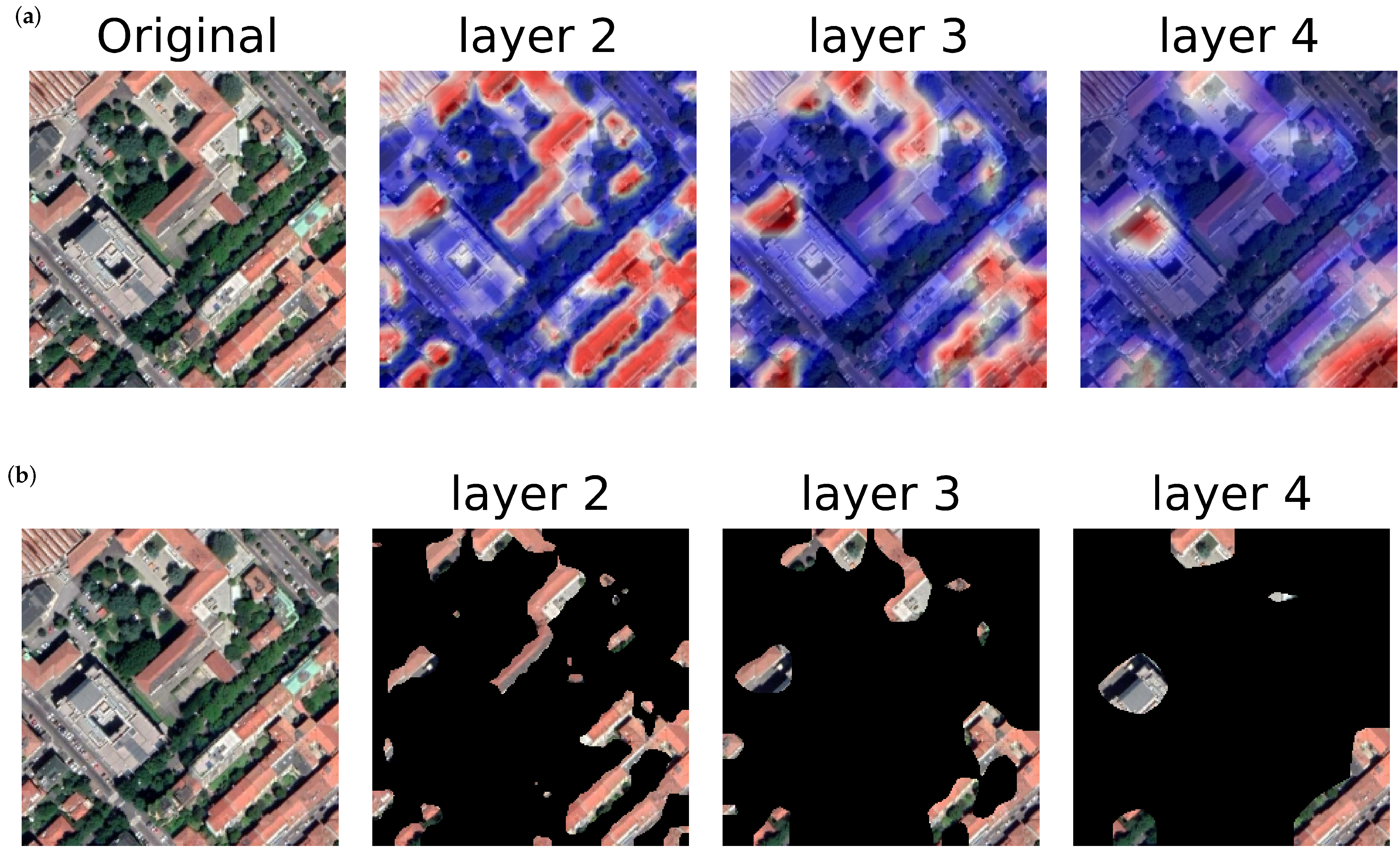
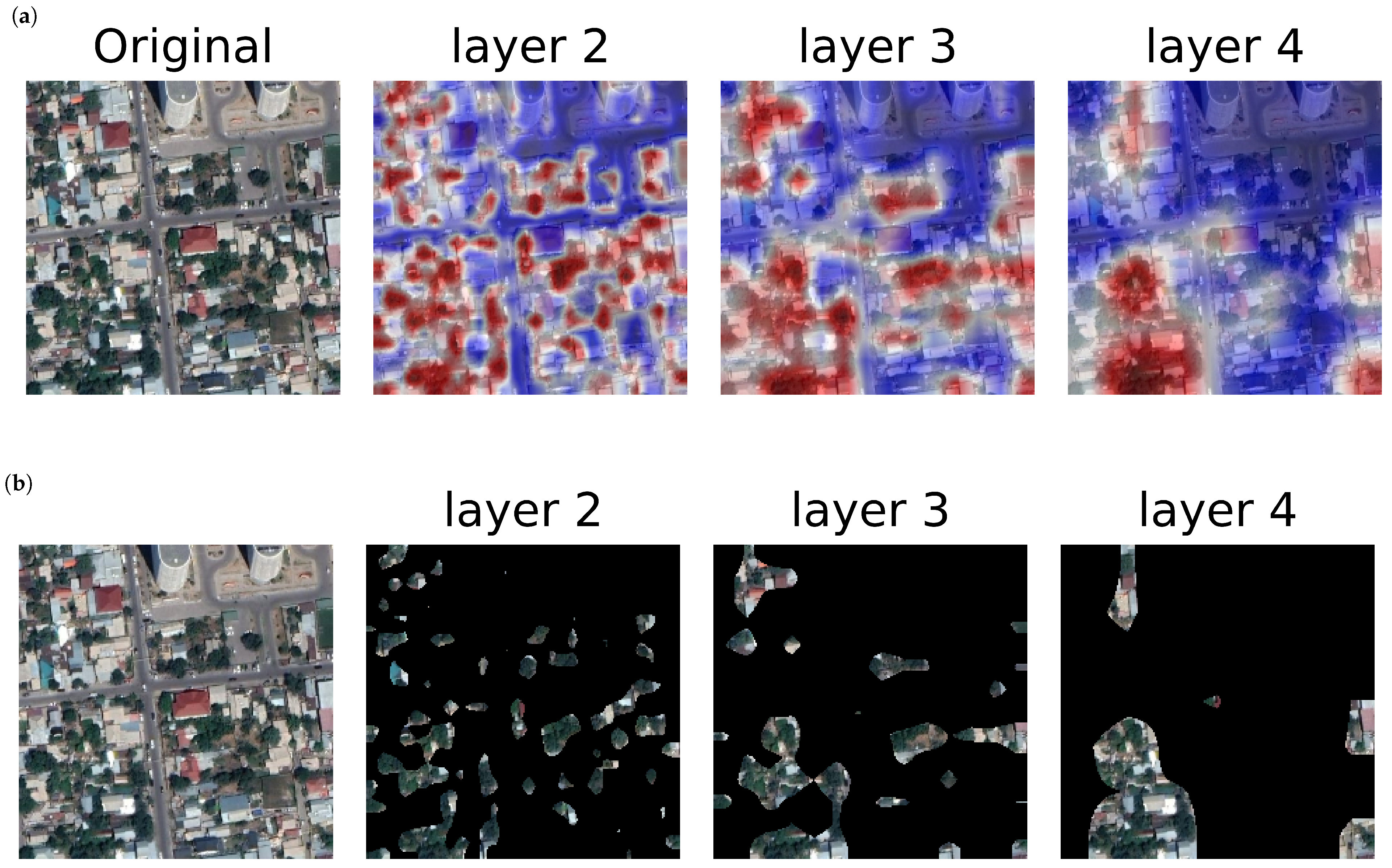
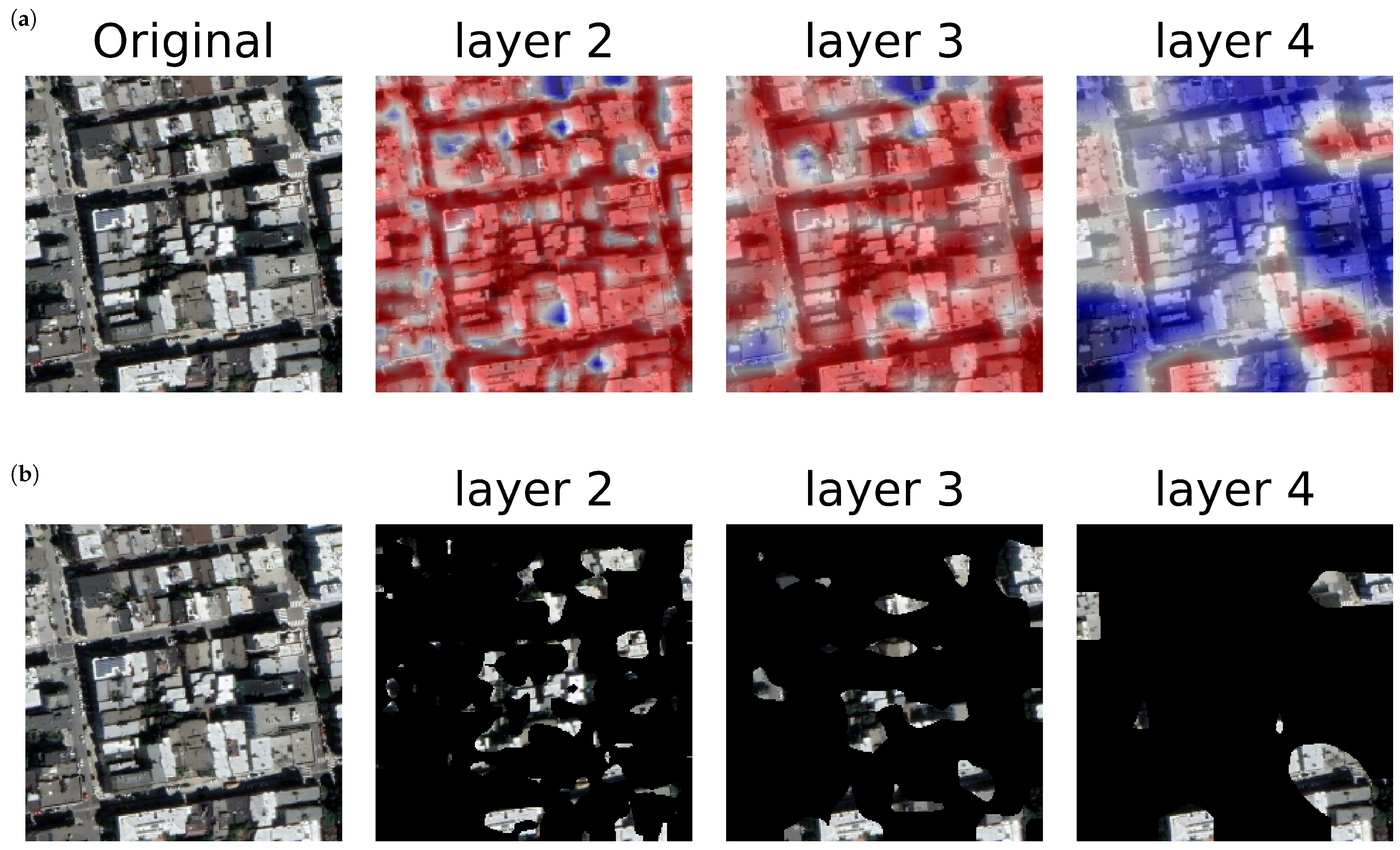
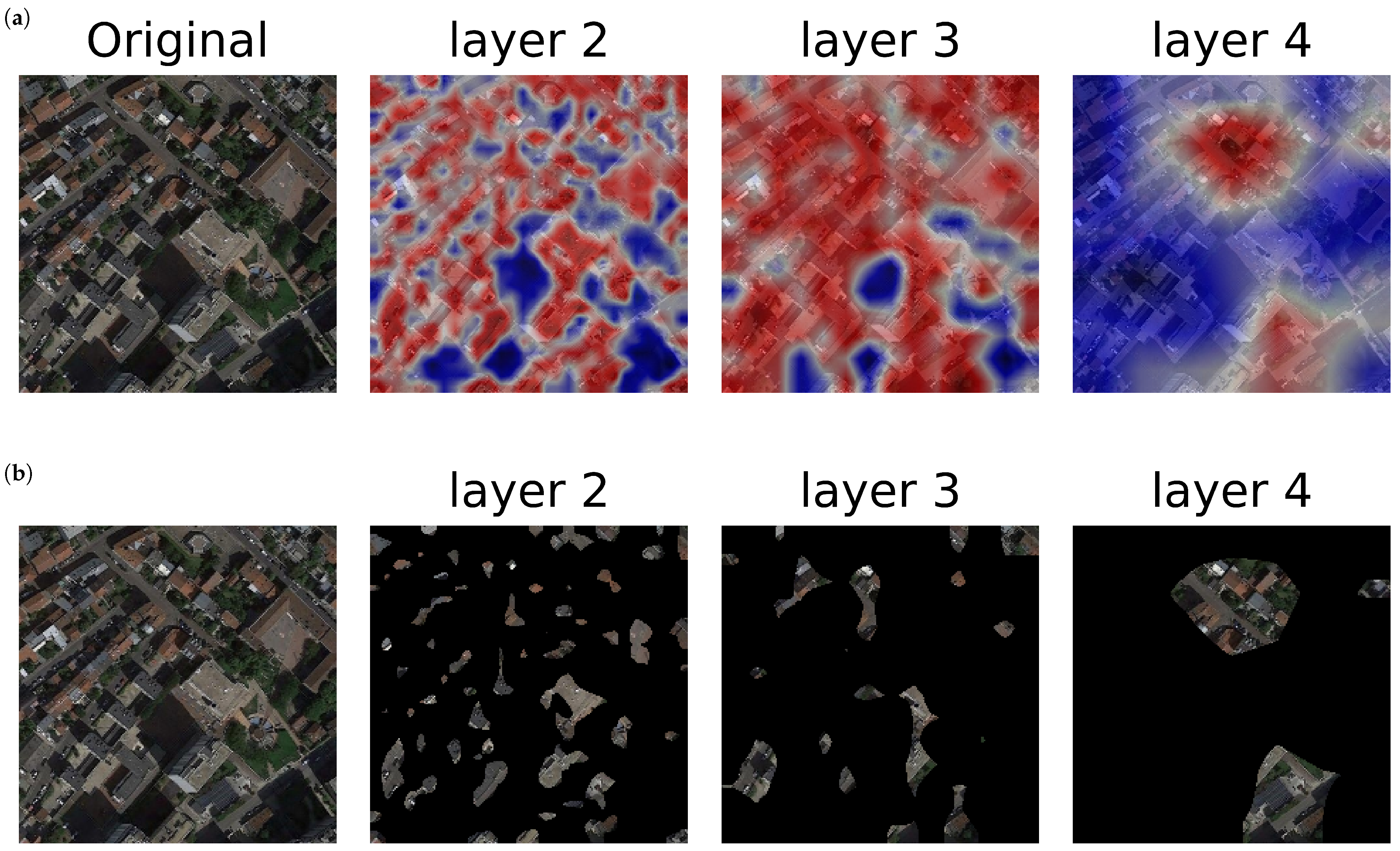
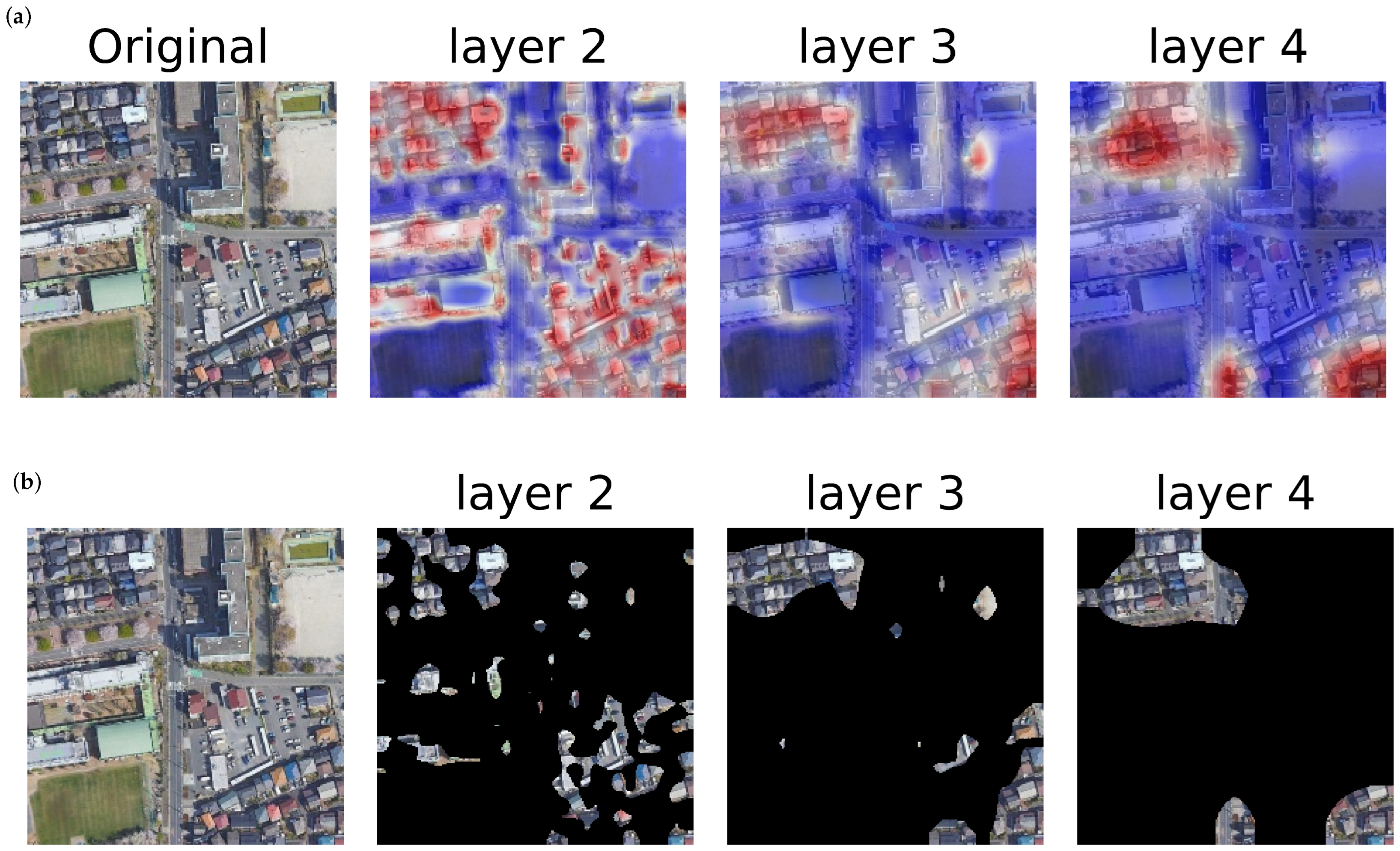
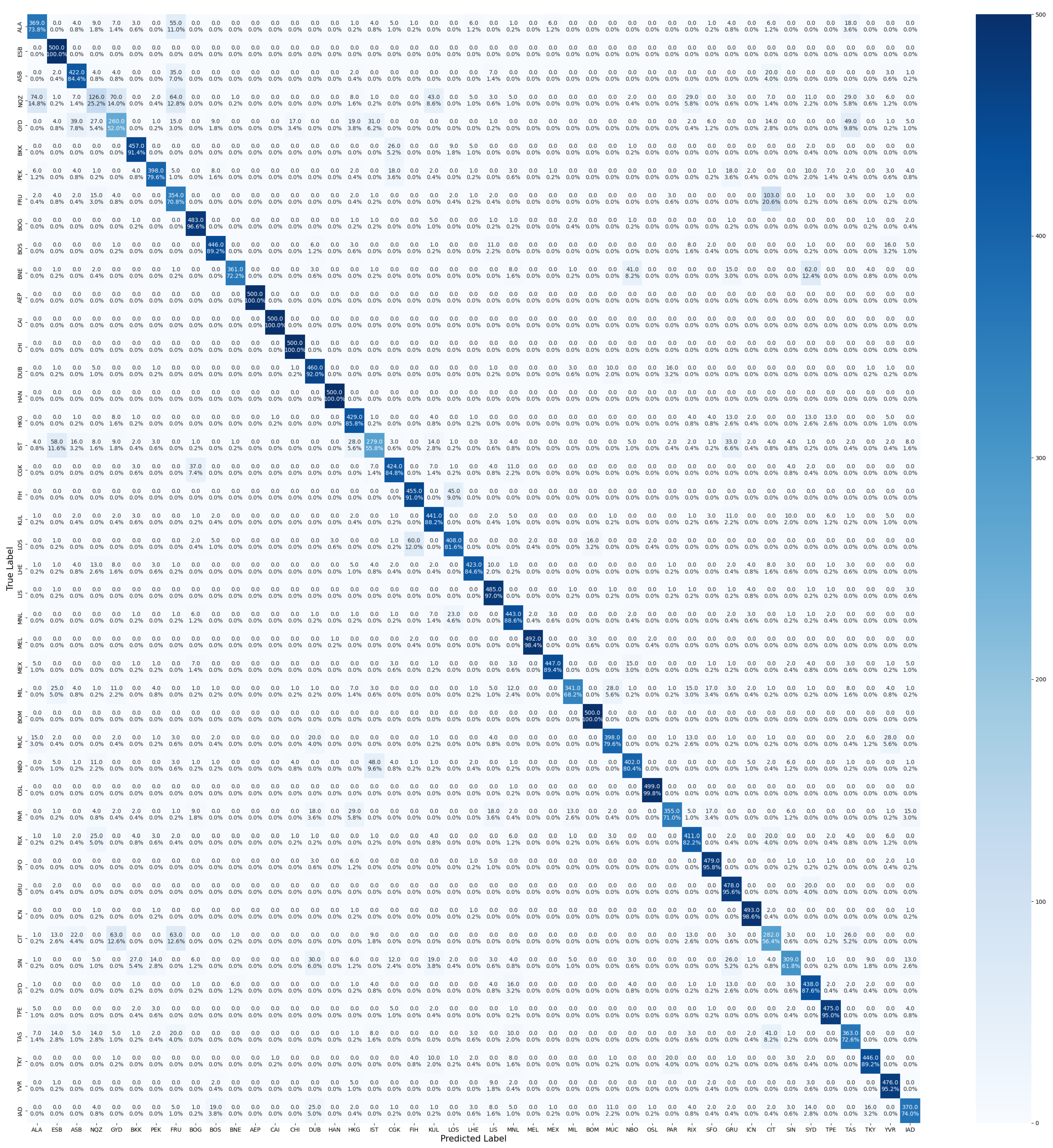
This paper introduces a deep learning (DL) tool capable of classifying cities and revealing the features that characterize each city from a visual perspective. The study utilizes city view data captured from satellites and employs a methodology involving DL-based classification for city identification, along with an Explainable Artificial Intelligence (AI) tool to unveil definitive features of each city considered in this study. The city identification model implemented using the ResNet architecture yielded an overall accuracy of 84%, featuring 45 cities worldwide with varied geographic locations, Human Development Index (HDI), and population sizes. The portraying attributes of urban locations have been investigated using an explanatory visualization tool named Relevance Class Activation Maps (CAM). The methodology and findings presented by the current study enable decision makers, city managers, and policymakers to identify similar cities through satellite data, understand the salient features of the cities, and make decisions based on similarity patterns that can lead to effective solutions in a wide range of objectives such as urban planning, crisis management, and economic policies. Analyzing city similarities is crucial for urban development, transportation strategies, zoning, improvement of living conditions, fostering economic success, shaping social justice policies, and providing data for indices and concepts such as sustainability and smart cities for urban zones sharing similar patterns.
Keywords: city identification; city similarity; urban planning; satellite data; machine learning; deep learning; explainable AI; saliency map city identification; city similarity; urban planning; satellite data; machine learning; deep learning; explainable AI; saliency map