


Abstract
The convergence of artificial intelligence (AI) and organoid technology represents a transformative advance toward precision and predictive medicine. Organoids derived from pluripotent stem cells or patient tissues provide physiologically relevant three-dimensional models that recapitulate key aspects of native organ architecture and function. However, intrinsic biological heterogeneity, high-content imaging outputs, and dynamic spatiotemporal processes pose significant analytical challenges that exceed the capacity of conventional approaches. Recent advances in AI and machine learning enable automated image segmentation, quantitative morphometric profiling, and predictive modeling of organoid growth, differentiation, and therapeutic response, thereby enhancing reproducibility and translational relevance. The integration of multimodal datasets, including imaging, genomics, transcriptomics, epigenomics, proteomics, and metabolomics, has further enabled the development of organoid-based digital twins and in silico disease simulations to optimize personalized therapy. AI-enabled organoid-on-a-chip platforms, cloud-based analytics, and federated learning frameworks are accelerating the emergence of scalable, privacy-preserving, and data-driven biomedical ecosystems. Despite these advances, critical challenges persist, including data standardization, model interpretability, ethical governance, and clinical validation. In contrast to existing reviews that emphasize isolated AI applications, this study proposes a unified translational framework integrating AI-driven image analytics, multi-omics integration, digital twins, and organoid-on-a-chip systems within a precision medicine paradigm. By synthesizing current developments, methodological advances, and emerging trends, this study highlights how AI-powered organoid platforms can bridge experimental biology and clinical decision-making, with broad implications for drug discovery, disease modeling, and regenerative medicine. This review aims to provide a comprehensive overview of artificial intelligence–enabled organoid platforms by integrating advances in image analytics, multi-omics data integration, digital twins, and microphysiological systems, while highlighting their potential applications and future directions in precision medicine, drug discovery, and regenerative healthcare.
1. Introduction
The emergence of three-dimensional (3D), self-organizing tissue systems has marked an important milestone in the advancement of modern biomedical research. In contrast to the conventional two-dimensional (2D) cell cultures, the new tissue systems, referred to as organoids, closely mimic the fundamental features of human organ structure and functional organization. These advancements have provided a more physiologically relevant in vitro system for the investigation of human development, disease mechanisms, and therapy [1]. Organoids grown from pluripotent stem cells, adult stem cells, and patient biopsies closely mimic the fundamental features of native tissues and thus have emerged as an important tool in the field of biomedical research. Organoids have found significant applications in the field of developmental biology, disease modeling, drug discovery, and therapy [2]. The past decade has witnessed major advancements in the field of organoids. These advancements include the development of improved extracellular matrices, synthetic scaffolds, directed differentiation protocols, microfluidics, and long-term culture technologies.
The increasing intricacy and multidimensionality of data generated by organoid systems have posed a major analytical challenge. Organoid systems are inherently associated with the generation of high-content data, including time-lapse imaging, morphodynamics, functional data, and omics data, all of which exhibit significant biological and spatiotemporal heterogeneity. However, the existing analytical tools and approaches may not be sufficiently effective in handling the non-linear interactions and multidimensionality of the data. Artificial intelligence (AI) has rapidly emerged as a revolutionary analytical tool in biomedical sciences. The recent advancements in the field of machine learning (ML), deep learning (DL), generative modeling, and computer vision have enabled the extraction of complex patterns and features from large and multidimensional data sets, often beyond the scope of existing rule-based and human analytical approaches [3]. The ability of AI to integrate feature extraction, non-linear relationship analysis, and multidimensional data analysis makes it particularly relevant in addressing the analytical challenges associated with organoid systems [4].
The integration of AI with organoid technology represents a disruptive paradigm in computational precision medicine. It allows the development of automated image segmentation, quantitative phenotypic profiling, inferring developmental trajectory, quality control, predicting treatment outcomes, and evaluating the reproducibility of experimental data, thus significantly enhancing the interpretability of organoid technology [5].
The amalgamation of AI with organoid technology not only streamlines the process of organoid technology but also enables the translation of complex experimental data into clinically relevant knowledge. AI-based frameworks enable multimodal data integration, thereby transforming organoid platforms from descriptive biological systems into quantitative and predictive analytical tools.
The interplay between AI and organoid biology has also driven innovation in next-generation translational technologies that include digital twins, in silico disease models, cloud-based data ecosystems, and intelligent organoid-on-a-chip technologies that have real-time biosensing capabilities [6]. Such integrated frameworks are expected to play a critical role in simulating disease progression and iteratively optimizing treatment strategies based on patient-specific and personalized models of therapy. As computational models become increasingly refined, their integration with experimental models such as organoid biology will reduce the translational gap between preclinical studies and clinical applications, thereby advancing precision medicine.
Despite rapid advances in both organoid biology and artificial intelligence, a comprehensive synthesis integrating AI-driven image analytics, multi-omics data integration, digital twin technologies, federated learning, and organoid-on-a-chip systems within a unified precision medicine framework remains lacking in the literature. AI-driven organoid biology can be viewed as a multi-step translational workflow involving organoid biology, high-content data acquisition, as well as AI-driven data analytics and interpretation. Patient- or stem cell-derived organoids can be viewed as biologically relevant surrogates that can generate multi-dimensional data ranging from imaging to functional studies as well as multi-omics studies [7]. Furthermore, the application of AI can transform organoid biology into a scalable platform through automated feature extraction, phenotypic classification, and prediction, etc.
The integration of AI with multi-omics and time-resolved imaging enables the development of computational counterparts in the form of organoid-based digital twins that can simulate disease progression and therapeutic response. When combined with organoid-on-a-chip technologies and biosensing, this enables the optimization and adaptive intervention strategies. At the same time, the implementation of cloud infrastructures and federated learning paradigms ensures the secure and privacy-preserving data integration across distributed research environments, thus enhancing the translational pipeline [8].
This review aims to address the critical gap by systematically integrating computational intelligence with 3D organoid biology to present a unified, systems-level roadmap for precision medicine. By critically evaluating methodological advancements, translational readiness, and regulatory considerations, this work delineates how AI-enabled organoid platforms can be harnessed to drive predictive, patient-specific clinical decision-making and accelerate the realization of next-generation precision healthcare.
2. Organoid Technology: Biological Foundations and Advances
Organoid technology has already become an established paradigm of current biomedical research because of its capability to produce three-dimensional (3D), self-organizing tissue models that effectively mimic major structural, cellular, and functional properties of human organs. Organoid models, derived either from pluripotent stem cells, adult stem cells, or tissues of a patient, fill the gap between the traditional two-dimensional (2D) cell cultures and in vivo systems as they recapitulate tissue architecture, lineage diversity, and physiologically relevant cell–cell and cell–matrix interactions. Due to these features, organoids have become widely recognized as powerful systems for studying human development, disease processes, drug action, and individualized approaches to therapy. Recent discoveries in the field of the biology of stem cells, biomaterials, and bioengineering have greatly enhanced the reproducibility of organoid systems, their physiological fidelity, and translatability [9].
2.1. Biological Basis and Self-Organization of Organoids
The basic ability of stem cells to form complex tissue-like structures, which are subject to coordinated proliferation, differentiation, and spatial patterning, is the key element of organoid technology. Organoids are grown from pluripotent stem cells (PSCs), adult stem cells (ASCs), or patient-derived tissues, depending on the advantages of each in addressing the biological question [10]. Organoid self-assembly is initiated when stem cells are cultured within a supportive three-dimensional extracellular matrix environment and exposed to defined biochemical cues that mimic embryonic development and tissue regeneration [11]. The process is regulated by key developmental signaling pathways, including Wnt/β-catenin, Notch, BMP, FGF, and Hedgehog pathways, which coordinate stem cell maintenance, lineage commitment, proliferation, and spatial organization. Successful organoid formation further requires appropriate extracellular matrix support, growth factors, nutrient availability, oxygen diffusion, and controlled physicochemical conditions that facilitate cell–cell and cell–matrix interactions [12]. Under these conditions, stem cells undergo self-organization and morphogenesis, leading to the emergence of tissue-specific architectures that closely resemble their in vivo counterparts. They are activated to differentiate along their lineages and morphogenize by activating developmental signaling pathways and interactions with components of the extracellular matrix, and can recapitulate native tissue architecture and physiology [13]. This self-assembly process allows organoids to mimic human-specific biological functions that are hard to reproduce in conventional in vitro or animal models.
2.2. Classification of Organoids Based on Origin and Application
Organoids may be classified into broad categories based on cellular origin and purpose. Organoids derived from stem cells, and induced pluripotent stem cells (iPSCs) in particular, have been developed as renewable, scalable platforms for investigating early developmental events, congenital disorders, and genetically inherited diseases [14].
Adult or tissue-specific stem cell organoids preserve the original epithelial hierarchy and tissue identity. They are therefore suitable for the study of organ-specific homeostasis, regeneration, and organ-specific physiological responses [15]. Patient-derived tumor organoids (PDTOs) have become the focus of a considerable amount of attention in the context of oncology because they have the potential to maintain intra-tumoral heterogeneity, clonal evolution, and mechanisms of resistance to therapy that are evident in primary tumors [16]. Therefore, PDTOs are effective ex vivo systems of drug sensitivity and personalized therapeutic decision-making.
In addition to classification based on cellular origin, organoids may also be categorized according to the target organ or tissue they recapitulate. These include brain, intestinal, liver, kidney, lung, retinal, cardiac, pancreatic, and tumor organoids, each designed to mimic key structural and functional characteristics of their native tissues [17]. Such organ-specific models have become valuable tools for studying tissue development, disease mechanisms, drug responses, and regenerative medicine applications.
Organoids may further be classified based on the methodology employed for their generation and culture (Figure 1). Conventional extracellular matrix–embedded organoids remain the most widely used approach; however, scaffold-based cultures, air–liquid interface systems, suspension cultures, microfluidic organoid-on-a-chip platforms, and three-dimensional bioprinting technologies have emerged as advanced methodologies for generating physiologically relevant and functionally complex organoid models [18,19].
Figure 1.
Classification of organoids based on cellular source, target organ/tissue, and generation methodology. Organoids are categorized according to their origin (PSC/iPSC-, ASC-, patient-, and tumor-derived), the organ systems they model (e.g., brain, intestine, liver, kidney, lung, retina, heart, pancreas, and tumors), and the culture platforms used for their generation, including matrix-embedded, scaffold-based, air–liquid interface, suspension, organoid-on-a-chip, and 3D bioprinting approaches (Created with BioRender.com).
2.3. Advances in Organoid Culture Systems and Maturation Strategies
There has been a substantial advancement in the methodology that has led to an increase in the physiological relevance and reproducibility of organoid cultures. Synthetically defined hydrogels with controllable mechanical and biochemical characteristics have decreased the use of animal-derived matrices, such as Matrigel, which allows enhanced experimental control and standardization [20]. Using these engineered matrices, one can modulate with exact precision extracellular cues that regulate the stem cell fate and morphogenesis of tissue.
Several organoid culture systems have been developed to support different experimental objectives and levels of tissue complexity. Matrix-embedded cultures, typically utilizing Matrigel or synthetic hydrogel matrices, remain the most widely used approach and provide a three-dimensional microenvironment that facilitates stem cell proliferation, self-organization, and tissue morphogenesis [21]. Suspension culture systems enable the generation of free-floating organoids and are particularly advantageous for large-scale expansion and high-throughput applications [22]. Air–liquid interface (ALI) cultures provide improved oxygenation and support the maintenance of epithelial, stromal, and immune cell interactions, thereby enhancing tissue complexity and physiological relevance [23]. More recently, microfluidic organoid-on-a-chip platforms have enabled dynamic perfusion, controlled biochemical gradients, and real-time monitoring of organoid behavior, further improving the fidelity of in vitro tissue modeling [24].
The expansion platforms based on bioreactors have also promoted the production of large quantities of organoids by enhancing nutrient and oxygen uptake relative to that in the case of stationary cultures. Directed differentiation programs have been refined to produce brain, intestinal, hepatic, renal, and retinal organoids with a higher level of lineage specificity and functional maturation [25]. The complexity and functional potential of organoid systems have also been increased by the use of air-liquid interface culture and controlled luminal fluid flow, especially in the context of the simulation of cancer progression and dynamic disease progression.
2.4. Biological Variability and Translational Limitations
While substantial progress has been achieved, persistent challenges continue to impede the effective translation of organoid platforms into clinical applications. The critical challenge to experimental reproducibility is biological variability arising from donor-specific factors, heterogeneity among stem cell lines, and batch-to-batch variability in culture conditions [26]. In addition, not all organoid models can reach complete tissue maturation, especially of late fetal or adult phenotypes, and are thus constrained by clinical applicability.
Structural limitations, including inadequate vascularization, constrain long-term growth, nutrient diffusion, and physiological remodeling in larger organoid constructs. Interpretive protocols that are labor-intensive, variation efficiencies, and continuous optimization, which must be performed across various types of organoids, are further barriers to scalability. It is necessary to overcome these limitations to enable the clinical application of organoids.
2.5. Necessity of Advanced Computational and AI-Based Analysis
Organoids also naturally produce high-dimensional time-series images, morphological dynamics, lineage signatures, and multi-omics data that are complex and high-dimensional multilayered datasets [27]. This limitation is addressed by artificial intelligence (AI) and deep learning technologies, which enable automated feature extraction, quantitative phenotyping, and the identification of subtle morphological and molecular patterns beyond the capabilities of traditional histological and immunohistochemical analyses [28].
The tools of the analytical framework based on AI can also aid in quality control, culture readout standardization, and objective quantification of organoid phenotypes, which contribute to increasing reproducibility and scalability. With the expanding application of organoid platforms, AI is essential for scalable analysis and translational advancement [29].
2.6. Organoids as AI-Ready Platforms for Precision Medicine
Even though the organoid technology is now in its mature stages, it is becoming more complex biologically and thus requires more advanced analytical methods. Artificial intelligence has ceased to be a complementary element and forms a part of the solution to current restrictions, with the ability to realize the full potential of organoid-based research [30]. The intersection of organoid biology and AI creates a solid platform in the areas of multidimensional information integration, predictive modeling, and clinical translation.
3. Artificial Intelligence Applications in Organoid Research
Artificial intelligence (AI) has emerged as a foundational enabler, transforming organoid research into a quantitative, predictive, and scalable discipline, thereby advancing these systems beyond purely descriptive three-dimensional models. The organoid cultures themselves produce high-dimensional data, such as brightfield and fluorescence images, time-lapse videos, morphometric features, functional outputs, and multi-omics measurements [31]. The complexity of these datasets cannot be effectively addressed using conventional analytical methods in a reproducible and scalable manner. The AI-based approaches based on deep learning, machine learning, and generative modelling offer powerful computational platforms of automated feature detection, pattern recognition, predictive modelling, and experimental optimization (Figure 2), as mentioned in Table 1.
Figure 2.
AI-enabled analytical framework for organoid-based precision medicine. Patient-derived organoids generate diverse multimodal datasets, including high-content imaging, genomics, proteomics, and functional assays. Artificial intelligence and machine learning integrate these heterogeneous data through advanced analytical pipelines to extract biologically meaningful phenotypic signatures. AI-driven phenotypic profiling facilitates molecular signature identification, disease stratification, biomarker discovery, and predictive modeling of therapeutic response and resistance. The resulting insights support patient stratification, therapy selection, and treatment optimization, ultimately accelerating drug discovery, improving predictive accuracy, reducing preclinical attrition, and advancing organoid-based precision medicine.
Table 1.
Representative applications of AI in organoid research.
3.1. AI-Based Image Segmentation and Morphometric Analysis
Direct imaging is the most well-developed and commonly used application of AI in organoid studies. Analysis of the spatial structure and morphogenesis is complex for high content imaging organoids data, because it is characterized by strong structural heterogeneity, a large temporal range, a non-linear morphogenesis process, and variable illumination. Deep learning architectures, including convolutional neural networks (CNNs), U-Net structures, and vision transformers, have been found to be highly accurate in automated organoid segmentation, boundary determination, lumen detection, and branching morphogenesis analysis [39].
Recent studies have reported that U-Net-based and related deep learning architectures can achieve high segmentation performance in organoid imaging datasets, frequently demonstrating Dice similarity coefficients and segmentation accuracies exceeding 85–95% under controlled experimental conditions [40]. Nevertheless, despite their strong analytical performance, most image-segmentation platforms remain at a preclinical research stage of development and have not yet undergone extensive multicenter validation [41]. Variability in imaging modalities, organoid morphology, culture conditions, and annotation standards continues to limit model generalizability and clinical applicability. Consequently, standardized imaging workflows, benchmark datasets, and cross-institutional validation studies remain essential for advancing these technologies toward routine translational and clinical use [42].
AI-driven computational pipelines facilitate robust characterization and quantitative analysis of organoid size through integrated lumen and organoid space metrics, alongside comprehensive evaluation of morphometric complexity, lumen architecture, and spatial cellular organization across individual organoids and entire populations [43]. By mitigating observer bias and providing a tool for high-throughput morphometric profiling, AI-based segmentation has converted an assessment of quality to quantitative phenotyping of organoid imaging. These abilities are advantageous for comparative studies that use genetic perturbations, disease modeling, and pharmacological screening [44].
Despite the performance of image-based AI models, they remain sensitive to differences in imaging protocol and culture conditions or laboratory-specific practices, emphasizing the requirement for standardized data acquisition and cross-site validation approaches.
3.2. Prediction of Organoid Growth and Developmental Trajectories
The analysis of static images, AI makes it possible to predict the dynamics of organoid growth and development. Temporal imaging with recurrent neural networks (RNNs) and long short-term memory (LSTM) models, among other time-sequential deep learning models, enables the prediction of the size expansion, structural regeneration, and differentiation of an organoid [44].
Through these models, essential developmental stages can be identified, aberrant morphogenesis can be predicted, and culture failure or lineage bias can be predicted at an early stage. Predictive growth modeling offers operationalizable data on protocol optimization, such as optimization of differentiation timing, nutrient supplementation, and environmental modulation. The integration of trajectory prediction models is transforming organoid research from a retrospective analytical paradigm into a proactive, predictive experimental framework [45].
These models have a high degree of predictive accuracy but low levels of biological understanding. Hybrid models combining AI predictions with mechanistic or rule-based developmental models are also receiving more attention to achieve explanations and translational confidence.
3.3. AI-Driven Automated Quality Control (QC) of Organoid Cultures
Biological variability and batch-to-batch variation are key impediments to the scalability, reproducibility, and applications of organoid systems for clinical use. AI-based QC pipelines have been established to automatically analyze organoid viability, morphological stability, homogeneity, and experimental suitability.
Machine learning classifiers and ensemble models can quickly discern faulty organoids, find outliers, and measure batch heterogeneity based on both image-derived and functional attributes. Automated QC workflows would be particularly important for clinical-grade organoid biomanufacturing and pharmaceutical screening, where reproducibility and standardization are necessary [46].
By incorporating QC early in the experiments, AI systems decrease the rate of experiment failure downstream, promote reproducibility between labs, and enable large-scale organoid fabrication lines that are suitable for translational and industrial usages.
3.4. AI-Enabled Drug Screening and Phenotypic Profiling
AI-enabled phenotypic profiling has greatly improved the sensitivity and predictiveness of organoid-based drug discovery systems. Deep learning–based classifiers are able to find subtle, multidimensional morphological and functional effects of drug treatment that are often imperceptible to human observers [47].
By clustering phenotypic signatures and connecting these to molecular and functional readouts, AI models also allow accurate classification of drug response/toxicity/resistance patterns with greater resolution. This concept thus better enables hit scoring, reduces false negatives, and enables logical selection of lead candidate compounds before clinic testing.
Integration of AI-phenotypic screening with patient-derived organoids provides a robust platform for personalized therapy selection, enabling prediction of individual drug sensitivity profiles and resistance mechanisms [48]. Studies have further demonstrated the utility of AI-assisted organoid screening platforms in precision oncology and drug discovery. Machine learning and deep learning models have been applied to patient-derived tumor organoids to predict therapeutic responses, identify resistance-associated phenotypes, and prioritize candidate drugs based on multidimensional imaging and molecular datasets [49]. The integration of high-content imaging with transcriptomic and functional readouts has enhanced treatment-response prediction and patient stratification. For example, Huang et al. [50] utilized image-based profiling combined with deep learning to reveal morphological heterogeneity in colorectal cancer organoids, highlighting the ability of AI-assisted imaging platforms to identify clinically relevant phenotypic variations and support precision oncology applications, while Thielen et al. [51] utilized patient-derived organoids for high-throughput screening of novel drug combinations, demonstrating the potential of organoid-based platforms to support precision drug discovery and therapeutic optimization. Nevertheless, challenges remain, including variability in organoid culture protocols, limited annotated datasets, difficulties in cross-laboratory validation, and the limited interpretability of deep learning models, emphasizing the need for explainable and standardized AI frameworks for clinical translation.
3.5. AI-Based Integration of Multi-Omics Data in Organoid Systems
Organoid experiments generally yield data-rich multi-omics datasets, including genomics, transcriptomics, epigenomics, proteomics, and metabolomics measurements, often along with imaging and functional data. Integration of these heterogeneous data layers using an AI approach enables the identification of nonlinear, context-dependent relations that cannot be captured by traditional statistical techniques [52].
Autoencoders, graph-based neural networks, and multimodal fusion architectures are also becoming more common for inferring shared latent representations that couple molecular signatures to morphological or functional phenotypes. This integrative analysis enables biomarker identification, pathway inference, and insights into disease progression and response to therapy in organoid models [53].
AI-enabled multi-omics integration is especially useful in patient-derived tumor organoids as it relates genetic diversity with phenotypic heterogeneity for patient subgrouping and precision oncology applications. Advances in single-cell sequencing, spatial transcriptomics, and integrative multi-omics technologies have further expanded the scope of AI-driven analyses in organoid systems. Several studies have demonstrated that graph neural networks, variational autoencoders, and multimodal deep learning frameworks can effectively integrate heterogeneous datasets to uncover molecular pathways associated with disease progression, therapeutic resistance, and cellular plasticity [54]. For example, Azbukina et al. [55] developed a single-cell multi-omic atlas of midbrain and hindbrain organoids and integrated morphogen screening approaches to characterize cellular heterogeneity and inform organoid engineering, highlighting the power of data-driven multi-omics integration in organoid research. However, challenges remain regarding data harmonization, batch effects, computational complexity, and biological interpretability of integrated models. Furthermore, the lack of standardized analytical pipelines and independently validated datasets continues to limit the reproducibility and clinical translation of AI-enabled multi-omics approaches [56].
Although AI-enabled multi-omics integration has demonstrated considerable potential for biomarker discovery, disease stratification, and therapeutic response prediction, most current applications remain at the proof-of-concept or early translational stage (TRL 3–4) [57]. The successful implementation of digital twin frameworks will require robust integration of longitudinal multi-omics datasets, standardized data processing pipelines, and clinically validated predictive models [58]. Consequently, challenges related to data interoperability, scalability, regulatory acceptance, and real-world clinical validation remain major bottlenecks to widespread adoption.
3.6. Generative Modeling for Synthetic Data Generation and Experimental Simulation
Generative AI models such as Generative Adversarial Networks (GANs) and Variational Autoencoders (VAEs) are promising approaches to deal with the inherent data sparsity and limitations of endpoint experiments in organoid research [59]. Such artificial images and molecular profiles can be used to augment the training data for deep learning systems, in which case biologically realistic models would not be generated.
In addition to augmentation, generative models can also be employed to simulate perturbation effects in silico on endogenous data, helping researchers explore hypothetical experimental conditions (e.g., disease states or drug responses), design experiments with reduced wet-lab burden, and predict pressure response. These capabilities improve reproducibility and speed up the discovery cycle. Stringent biological validation of outputs from generative models is required to avoid model hallucination and promote translational fidelity [60]. Developments in generative AI have expanded its applications beyond data augmentation to include virtual organoid generation, image-to-image translation, missing-data imputation, and prediction of molecular responses under diverse experimental conditions. Several studies have demonstrated that GANs, VAEs, and diffusion-based models can generate high-fidelity synthetic imaging and multi-omics datasets that facilitate model training and hypothesis generation in data-limited settings [61]. For example, GAN-based frameworks have been successfully employed to generate realistic biomedical and organoid imaging datasets for data augmentation and phenotypic analysis, while VAE-based models have been used to reconstruct latent biological representations and predict molecular responses across complex cellular systems [62,63]. Despite these advances, concerns remain regarding the biological validity, reproducibility, and interpretability of synthetic outputs, particularly when models are trained on limited or biased datasets. Consequently, rigorous benchmarking, external validation, and integration with experimental evidence remain essential to ensure the reliability and translational applicability of generative AI approaches in organoid research.
3.7. AI-Driven Real-Time Monitoring and Control in Organoid-on-a-Chip Platforms
As the organoid systems extend to higher-order structures such as organoid-on-a-chip and multi-organoid culture, AI enables real-time monitoring and adaptive control. Through reinforcement learning algorithms, sensors incorporating AI models in combination with computer vision systems allow for the dynamic monitoring of morphological, biochemical, and physiological signals produced in micro-physiological systems.
These AI-guided control systems may also automatically modify perfusion rates, mechanical cues, and biochemical gradients toward the optimal culture condition or drive organoid development into specific phenotypes. When combined with multi-organoid systems, AI can be used for simulating inter-organ communication, drug circulation, and systemic response [64].
These adaptive platforms consequently represent a fundamental step toward an autonomous, self-optimizing organoid laboratory and scalable translational biomedical ecosystems.
High-content organoid images and live-imaging data are analyzed using AI-based segmentation and feature extraction to provide descriptions of morphological properties, including size, lumen formation, and structural complexity. The acquired morphometric features enable phenotypic classification of healthy and disease-related organoids, as well as drug sensitivity/resistance. A predictive modelling algorithm combined longitudinal imaging data to predict growth dynamics and treatment responses of organoids for disease modelling, drug testing, and personalized therapeutic screening [65]. Recent advances in AI-integrated organoid-on-a-chip systems have expanded the capabilities of real-time monitoring and adaptive experimental control. Biosensors, microfluidic devices, and computer vision algorithms enable continuous assessment of physiological and functional parameters. For example, biosensor-integrated microfluidic platforms combined with machine learning algorithms have demonstrated the ability to monitor tissue behavior and dynamically optimize culture conditions [66]. Furthermore, multi-organoid chip systems integrated with AI have shown promise for modelling inter-organ interactions and predicting systemic drug responses [67]. However, challenges related to sensor standardization, data integration, computational complexity, and reproducibility continue to limit widespread implementation.
Despite encouraging experimental demonstrations, AI-driven adaptive control systems and reinforcement learning-based organoid-on-a-chip platforms remain at an early stage of technological development (approximately TRL 2–4) [68]. Most current studies are limited to laboratory-scale proof-of-concept investigations, and few have undergone rigorous validation across diverse organoid models or experimental settings [69]. Key bottlenecks include sensor reliability, platform interoperability, scalability, real-time data processing requirements, and the lack of standardized validation frameworks. Consequently, substantial technological refinement and translational validation will be required before these systems can be routinely deployed in preclinical or clinical applications.
4. AI-Integrated Multi-Omics for Organoid Characterization
Organoid systems inherently capture complex biological heterogeneity arising from dynamic gene expression, spatial organization, cell–cell interactions, and microenvironmental gradients. Single-modality analysis can provide only limited insight into the multilayered regulatory program governing organoid formation, disease development, or treatment response. The addition of multi-omics analyses, such as genomics, transcriptomics, epigenomics, proteomics, and metabolomics, has become essential for the comprehensive characterization of organoids [70].
Nonlinear pattern detection, dimensionality reduction, and multimodal data integration are facilitated by artificial intelligence (AI), which is pivotal for retrieving biologically coherent knowledge from high-dimensional, heterogeneous datasets. Artificial intelligence-embedded multi-omics analyses transform organoids from descriptive experimental systems into predictive and mechanistically interpretable platforms for precision medicine [71].
4.1. Rationale for Multi-Omics Integration in Organoid Systems
Organoids mimic the complexity of the tissue-level that results from coordinated molecular and cellular events across several biological scales. Genomic diversity, transcriptional kinetics, epigenetic controls, protein abundance, and the net flow of metabolites together define organoid states and functional activities. Analysis of single omics layers does not reveal such interdependencies [72].
By integrative multi-omics analyses, organoid biology is viewed from a whole perspective (Figure 3), connecting molecular regulation factors to spatial organization, morphological diversity, and functional activities. However, these datasets are typically high-dimensional and noisy, with the presence of batch effects and non-linear relationships. AI-guided analytical frameworks are particularly well positioned to meet those challenges, theoretically enabling the identification of hidden biological states that play a role in development, disease, and response to therapeutic intervention [73].
Figure 3.
Integrated AI–organoid translational framework for precision medicine. Organoid platforms derived from patient tissues or stem cells generate multidimensional datasets including high-content imaging, functional assays, and multi-omics profiles. Artificial intelligence enables automated image analysis, multimodal data integration, and predictive modeling to interpret these complex datasets. The integrated analytical framework supports the development of digital twins and computational disease models for simulating therapeutic responses. These AI-enabled organoid systems provide a translational bridge between experimental biology and personalized precision medicine.
4.2. AI-Driven Genomic and Transcriptomic Analysis in Organoids
Artificial intelligence (AI) methodology considerably improved the analysis of organoid-related genomic and transcriptomic information. Deep learning (DL) models, autoencoders, and graph-based methods for dimensionality reduction are effective at capturing biologically relevant variation in bulk and single-cell sequencing data.
In organoid model systems, such representations help reveal transcriptional programs that underlie lineage specification and differentiation trajectories, tumour evolution, and drug resistance. Single-cell RNA-seq can be integrated with spatial transcriptomics via AI-based fusion techniques to reconstruct high-resolution gene-expression maps within tissue-like organoid structures [74]. This capacity is especially important for overcoming the intratumoral heterogeneity observed in patient-derived tumor organoids and for following developmental dynamics in stem cell–derived models.
4.3. Epigenomic and Regulatory Network Inference Using AI
Epigenomic profiling also plays a significant role in learning about the controlling steps that determine the development of organoids and pathogenic phenotypes. Pattern recognition of chromatin accessibility, DNA methylation, and histone modification guided by AI can be used to assist with calling regulatory elements, transcription factor activities, or epigenetic states in response to developmental or pathological conditions [75].
Using the epigenomic and transcriptomic frameworks, AI models can impute gene regulatory networks underlying organoid fate decisions and functional specializations. These works illustrate how disease phenotypes and resistance to treatments develop due to changes in regulatory organization, thereby providing opportunities for mechanistic intervention [76].
4.4. Proteomic and Metabolomic Integration for Functional Phenotyping
Protein and small-molecule data from proteomics and metabolomics provide important functional context, capturing post-transcriptional regulation, signaling pathway activation, and metabolic states in organoids. AI-based models have provided strong integration of mass spectrometry-based proteomic and metabolomic data with the upstream genomic and transcriptomic measurements.
In disease-related organoids, such as patient-derived tumors and tissues, AI-facilitated correlation analysis reveals pathway-level rewiring correlated to metabolic reprogramming, drug resistance, and invasion. Integrating morphological and functional phenotypes with proteomic and metabolomic signatures improves the predictive value of organoid-based therapeutic screening and biomarker identification [77]. Recent advances in mass spectrometry, single-cell proteomics, and spatial metabolomics have substantially enhanced the ability to characterize functional heterogeneity within organoid systems. AI-driven analytical frameworks have been increasingly employed to integrate proteomic and metabolomic datasets with imaging and transcriptomic information, enabling the identification of disease-associated pathways, therapeutic response signatures, and metabolic vulnerabilities [78]. In patient-derived tumor organoids, such integrative approaches have facilitated the discovery of biomarkers associated with treatment resistance, tumor progression, and patient-specific drug sensitivity. For example, studies integrating spatial metabolomics, proteomics, and transcriptomics in patient-derived tumor organoids have revealed metabolic adaptations associated with therapeutic resistance and identified candidate biomarkers for precision oncology applications [79]. Nevertheless, proteomic and metabolomic analyses remain challenged by technical variability, data sparsity, and differences in sample preparation and analytical platforms. Furthermore, the integration of multi-layered omics datasets requires sophisticated computational approaches and standardized workflows to ensure reproducibility and biological interpretability [80]. Addressing these limitations will be critical for translating AI-enabled proteomic and metabolomic profiling into clinically actionable precision medicine strategies.
4.5. Multimodal Data Fusion and Network-Based Modeling
One of the most powerful applications of AI in multi-omics organoid studies is multimodal data fusion. Machine learning–based fusion architectures integrate imaging-derived features, molecular profiles, and functional readouts to learn shared latent representations that capture biologically relevant organoid states.
AI models based on interacting networks enable reconstruction of signaling pathways and molecular interaction networks that link structural phenotypes to regulatory mechanisms. This integrative modeling aids the identification of organoid subpopulations with divergent therapeutic sensitivities and provides a mechanistic basis for understanding phenotypic heterogeneity [81].
4.6. Trajectory Inference and Developmental Dynamics
The inference of lineage commitment and transitioning development in organoids is possible through AI-guided trajectory inference algorithms. Longitudinal multi-omics data can be used to generate effective developmental maps using deep learning-based approaches, which can include imaging and functional readouts [82].
The models allow defining bottlenecks of maturation, optimizing the various protocols, and predicting phenotypes in the long run. In the case of disease modeling, the trajectory inference can inform about the dynamics of the pathology and also about the transitions between the states caused by the treatment.
4.7. Biomarker Discovery and Precision Medicine Applications
Multi-omics fusion with the assistance of AI is a novel supercharger of deep profiling of 3D organoid cultures and more. Machine learning techniques can recognize molecular disease progression signals, therapeutic sensitivity, and organoid fitness [83].
These biomarkers allow categorizing patient-derived organoids into subgroups of clinical relevance and choosing individual treatment. Such AI-organoid analytics have the direct correlation of molecular signatures with functional and phenotypic outcomes, which makes the translational application of experimental models in clinical decision-making more robust.
4.8. Challenges and Future Perspectives in Multi-Omics Integration
Although there are major improvements, some problems remain with the multi-omics organoid analysis that has been combined with AI. The limitations of translational confidence still include batch effects, heterogeneity of data quality, poor biological annotation, and interpretability of the model. The results of heterogeneous omics layers analysis, together with imaging and functional data, demand high computing infrastructure and common analytical pipelines [84].
Additional directions should be aimed at improving data harmonization, creating explainable AI, and setting standards to use multi-omics. Such obstacles should be overcome in order to achieve the potential of AI-enabled organoid platforms in precision medicine.
Patient-derived and stem cell–derived organoids generate high-content imaging, functional, and multi-omics datasets. These data are processed using artificial intelligence–based image analysis, multimodal data fusion, and predictive modeling to construct digital twins and guide personalized therapeutic strategies within a precision medicine paradigm [85].
5. Digital Twins for Organoid-Based Precision Medicine
Digital twins have rapidly evolved into a revolutionary paradigm in precision medicine, enabling the creation of dynamic virtual models of living beings that can co-evolve with their real-world counterparts. Digital twins outperform the inanimate models in the organoids in that they are furnished with real-time artificial intelligence (AI) driven predictive modeling within them, since they perform their own experimental observables [86]. By repeatedly integrating longitudinal imaging, multi-omics, functional assays, and microenvironmental data into organoid-based digital twins, it is possible to generate high-quality simulations of disease, predict therapeutic responses, and explore interventions that are difficult or ethically limited in traditional wet-lab or clinical models (Figure 4). This technological intersection leads to the emergence of digital twins as an important interface between experimental organoid systems (and other experimental systems) and patient-specific clinical decision-making [87].
Figure 4.
Overview of organoid-based digital twins in precision medicine. Patient-derived organoids provide multimodal biological data that are integrated using AI/ML frameworks to generate dynamic digital twins. These virtual models support disease modelling, therapeutic response prediction, personalized treatment selection, and experimental optimization. Unlike traditional static simulations, digital twins are continuously updated through real-time data integration, enabling patient-specific predictions and improved precision medicine outcomes.
5.1. Conceptual Framework of Organoid-Based Digital Twins
Digital twins are computerized representations of biological systems that interact dynamically with their physical counterparts and are updated based on received data streams [88]. Digital twins, when integrated into organoid systems, serve as continuously recreated patient avatars based on computational models that are both biologically and dynamically accurate in their behavior. The organoid-based digital copies do not follow the tradition of stationary in silico models. They are automatically self-adjusted and can be used to predict disease progression and treatment effects as time-varying solutions.
This opportunity represents a shift from observance and data analysis toward predictive, and mostly simulation-informed, accuracy-oriented medicine. By optimizing personalized treatment through iterative hypothesis testing and patient-specific biological environments, organoid-based digital twins reduce uncertainty before clinical intervention and increase translational confidence [89].
5.2. Data Foundations and AI-Driven Modeling Strategies
For the development of high-quality organoid-based digital twins, there is a need for the aggregation of multimodal datasets, which include imaging data, transcriptomics, epigenomics, proteomics, and metabolomics data. AI is a key technology for aggregating these heterogeneous data layers into integrated computational knowledge representations.
Organoid development, disease phenotypes, and therapeutic responses in response to nonlinearly interacting features can be modeled using deep learning architectures in association with mechanistic and systems biology models [90]. Digital twins are not static objects but dynamic objects that have predictive power.
5.3. Patient-Specific Digital Twins and Personalized Therapy
A major advantage of the organoid-based digital twin is its ability to model patient-specific biology. Patient-derived organoids (PDOs) preserve the genetic profile, epigenetic signature, and phenotypic diversity of the original patient tissue and thus are appropriate substrates for personalized modelling [91]. AI platforms that combine PDO-based data with clinical patient profiles can develop personalized digital twins that more precisely predict disease progression and response to therapy.
These patient-specific models enable clinicians to explore hypothetical scenarios, evaluate alternative treatment strategies, and optimize therapeutic timing without exposing patients to unnecessary risk [92]. Such capabilities represent a significant advancement toward truly personalized precision medicine. Recent proof-of-concept studies have demonstrated the potential of integrating patient-derived organoids with AI-driven computational models to generate individualized digital twins capable of predicting therapeutic outcomes and disease progression. In oncology, patient-specific digital twin frameworks have been explored using colorectal, pancreatic, breast, and glioblastoma organoid models, where multimodal datasets incorporating genomic, transcriptomic, imaging, and drug-response information were used to simulate treatment efficacy and resistance patterns [93,94]. These approaches have shown promise for optimizing drug selection, identifying effective combination therapies, and reducing trial-and-error treatment strategies. For example, recent studies have combined patient-derived colorectal and pancreatic cancer organoids with AI-driven predictive modelling to simulate treatment responses and identify personalized therapeutic strategies, highlighting the emerging potential of organoid-based digital twins in precision oncology [95]. However, the clinical implementation of organoid-based digital twins remains in its early stages and is challenged by limited longitudinal patient datasets, computational complexity, model validation requirements, and the need for standardized data integration frameworks.
At present, organoid-based digital twins remain at an early stage of technological maturity (approximately TRL 2–4), with most applications confined to experimental and proof-of-concept studies. Although substantial progress has been made in integrating patient-derived organoids, multi-omics data, and AI-driven predictive modeling, key bottlenecks include limited longitudinal datasets, real-time data integration challenges, computational scalability, model interpretability, and regulatory acceptance [33]. Overcoming these barriers will be essential for advancing digital twin technologies from experimental platforms to clinically deployable decision-support systems.
5.4. Applications Across Disease Domains
Organoid bio-digital twins have high translational potential in oncology. Tumor organoids preserve clonal diversity, metastatic abilities, and drug-response patterns of patient tumors. AI-based simulations can model tumor evolution and resistance, and enable rational, data-driven design of personalized combination therapies [96].
Beyond cancer, digital twin systems are also being used more frequently in neurological, gastrointestinal, and infectious disease organoids. Digital twins are used to generate hypotheses, obtain mechanistic knowledge, and optimize therapeutic agents. The simulation of long-term and complex disease phenotypes, which are often difficult to assess experimentally, significantly enhances the translational utility of organoid systems [97].
5.5. Real-Time Feedback, Organoid-on-a-Chip Integration, and Adaptive Control
A major advantage of digital twins is that it brings the opportunity to view in real-time and later give embedded feedback. Biosensor-bearing organ-on-a-chip systems, which also incorporate digital twins, would contain continuously measured physiological data, which would allow re-estimating the model in real-time. Depending on other reinforcement learning and control methods, microenvironmental cues (nutrient, mechanical, and bioactive gradients) can also be manipulated to direct organoid differentiation or growth to a specific state [98].
The closed loop between the physical organoids and their digital twin allows self-controlling experimental regimes with less variability and greater reproducibility and automated optimization of experimental conditions. Recent advances in organoid-on-a-chip technologies have demonstrated the feasibility of integrating biosensors, microfluidic platforms, and AI-driven analytics to establish adaptive feedback-controlled systems. These platforms enable continuous monitoring of physiological parameters such as oxygen levels, nutrient consumption, metabolic activity, and tissue-specific functional outputs, allowing dynamic updates of digital twin models based on real-time experimental observations [99]. Furthermore, machine learning and reinforcement learning algorithms have been explored for optimizing perfusion rates, biochemical gradients, and mechanical stimuli to enhance organoid maturation and functional stability. Such closed-loop systems hold significant promise for disease modeling, drug screening, and personalized therapeutic optimization [100]. However, challenges remain regarding sensor accuracy, interoperability between hardware and computational platforms, scalability, and the validation of adaptive control strategies across different organoid systems. Addressing these limitations will be essential for the development of robust and clinically translatable digital twin-enabled organoid ecosystems.
6. AI-Enhanced Organoid-on-a-Chip and Microphysiological Systems
An important technological advancement in organoid technology is the use of organ-on-a-chip and micro-physiological systems, which integrate 3D tissue models with microengineering to recreate physiologically relevant, in vivo-like conditions. These systems combine microfluidics, biomaterials, perfusion networks, biosensors, and controlled mechanical/chemical stimuli to recreate dynamic tissue microenvironments with high fidelity [101]. Organoid-on-a-chip systems can be integrated with AI to enable active, self-regulating systems that learn and respond in real time, thereby optimizing experimentation on the fly at high throughput. This convergence marks a significant advancement in translational organoid science, bringing together experimental biology and predictive, scalable microphysiological modeling.
6.1. Microfluidic Control of Organoid Microenvironments
Microfluidic organoid-on-a-chip systems can provide highly controlled spatiotemporal variations in key microenvironmental parameters, including nutrient flow/waste diffusion, vascular shear stress, oxygen gradient profiles, and biochemical signaling. This kind of autonomy enables the long-term maturation and functional differentiation of organoids, processes that are difficult to achieve in non-stirring culturing devices [102]. A real-time control of these parameters necessitates continuous capture of imaging and biochemical sensor activity diagrams, which demands advanced computing programs to provide on-site analytics and management.
The inference and adaptive modulation of cultural conditions are performed by AI-based optimization solutions, such as Reinforcement Learning (RL), computer vision models, and self-supervised learning paradigms [103]. These systems can automatically control perfusion rates, adjust chemical stimulants, and help achieve desired physiological conditions through iterative learning and trial-and-error experiments to enhance uniformity and reproducibility.
6.2. AI-Based Imaging and Real-Time Phenotypic Monitoring
Microphysiological platform-length imaging with high resolution enables revolutionary studies of morphology, cellular distribution, and functional dynamics of organoids over time. Computer vision powered by artificial intelligence (AI) plays a central role in deriving biologically meaningful insights from large, complex datasets. Deep learning can identify structural neuropathy, describe dynamic mechanisms of growth, and detect the evidence of early stress or degeneration that is not discernible by the naked eye [104].
Predictive intervention strategies are enabled by real-time monitoring of the phenotype, allowing culture conditions to be adjusted before any negative effect on organoid viability or experimental outcomes occurs. Active feedback has great potential to enhance the accuracy and effectiveness of experiments.
6.3. Modeling Systemic Interactions Using Multi-Organoid Chip Platforms
One of the strongest benefits of AI-based organ-on-a-chip systems is their ability to model systemic physiological interactions. Multi-organoid systems comprising intestinal, liver, heart, brain, or tumour organoids may also recapitulate inter-organ communication, metabolic cross-talk, and drug distribution networks within defined intra-microphysiological units.
AI algorithms that combine multimodal data across interrelated compartments can be used to reconstruct communication networks, predict emerging systems-level behaviours, and pinpoint critical regulatory nodes that underpin therapeutic responses [105]. These emergent properties highlight the translational potential of micro-physiological systems for studying complex, multi-organ diseases, such as metastasis, neurodegeneration, and immune dysregulation.
6.4. Automation and AI-Driven Experimental Optimization
AI-based organoid-on-a-chip models also have the advantage of using automation in the experimental design. Automated robotic systems in conjunction with AI-based feedback control can be used for conducting high-throughput experiments. Some examples of high-throughput experiments include drug screening experiments, toxicity experiments, and genetic perturbation experiments [106]. Learning-based models in reinforcement learning can potentially develop optimal experimental design protocols by learning what is best in terms of sampling schedules, dosing schedules, and perturbation schedules. This may help in reducing manual intervention and errors in experiments in order to accelerate discovery and make it industrially applicable.
6.5. Challenges, Standardization, and Regulatory Considerations
Despite the considerable progress, there are still many obstacles to the extensive use of AI in micro-physiological systems. Issues like chip architecture standardization, interoperability of platforms, and generalization of AI models across labs have not been addressed. Moreover, the combination of multisensory information and coordination of the procedures of data acquisition between sites is essential to cross-site validation and reproducibility [107].
Ethical and regulatory frameworks responding to AI-enhanced automated preclinical research experimentation and decision-making are also a challenge. Validation, transparency, and accountability guidance will be necessary to ensure clinical and regulatory adoption.
6.6. Toward Scalable and Autonomous Microphysiological Ecosystems
Introducing AI into organoid-on-a-chip technologies is a breakthrough to autonomous, scalable, and clinically relevant systems biology platforms. Real-time monitoring, adaptive automation, and systems biology modelling can give organoid assays a higher quality of performance and accuracy, along with increasing the translational utility [108].
Through the connection of systems to create multi-organoid, multi-chip systems, these networks can be used to construct scalable micro-physiological networks to investigate organ-organ crosstalk, systemic drug response, and multiplexed disease phenotypes. Together with cloud computing and federated learning models, these networks have the potential to support applications in distributed data sharing, cross-site validation, and large-scale model training of AI models in a privacy-preserving approach. All these developments together lead to the future of AI-based organoid-on-a-chip systems serving as the basis of translational research and precision medicine.
7. Generative AI and Computational Modeling in Organoid Biology
Generative artificial intelligence (AI) and computational modeling methods are now transforming organoid research by enabling in silico simulation, synthetic data generation, and predictive model-based interpretation of complex biological systems. These developments extend classical machine learning by integrating high-dimensional imaging and multi-omics data to model organoid growth, morphogenesis, and functional activity [109]. In scenarios where data collection is cost, time, and biologically variable-limited, generative AI provides a potent complement to experimental studies for improved reproducibility, rate of discovery, and rationally designed experiments.
7.1. Generative Models for Synthetic Organoid Data Generation
In the field of generative artificial intelligence, generative adversarial networks (GANs) and variational autoencoders (VAEs) have shown great promise in the field of organoid research. These generative artificial intelligence approaches have proven to capture the most important features of organoids, including the formation of a lumen and the growth of the organoids. These generative artificial intelligence approaches learn the data distribution and create synthetic images of organoids that closely resemble the real data collected in the lab [110].
Synthetic data is created through random noise or high-entropy noise created by GANs and VAEs, and it is more useful with time, even with a small amount of labeled data [111]. Augmentation improves the robustness of the deep learning approaches.
7.2. Latent Space Modeling and Mechanistic Insight
Generative models provide a conceptual framework for learning latent biological representations that drive organoid activity. VAEs learn compact, lower-dimensional latent spaces that capture key morphological and molecular characteristics of organoids. Interrogation of these latent dimensions facilitates the identification of key drivers of tissue architecture, differentiation state, and functional phenotype [112].
Such latent space analysis is conducive to in silico experimentation, enabling researchers to explore hypothetical scenarios (e.g., genetic perturbations, microenvironmental cues, variations in differentiation protocols) and evaluate their anticipated impact on organoid structure and function. These features facilitate mechanistic insight, and they minimize reliance on extensive wet lab experiments.
7.3. Multiscale Computational Modeling of Organoid Dynamics
Generative AI is complemented by computational models, which can be used to represent organoid biology at multiscale, between cellular and molecular levels, and tissue levels. Multiscale model systems combine cell dynamics, intracellular signaling networks, and tissue mechanics to model phenomena: self-organization, branching morphogenesis, and lineage differentiation [113].
Combined with AI-assisted parameter tuning, these models are able to predict system-level responses to genetic, biochemical, or pharmacological perturbations. The simulated interactions of individual cells, including proliferation, migration, and fate commitment, and their emergent interactions within the organoid microenvironment, can also be simulated using agent-based models. The integration of these frameworks has facilitated the development of robust and scalable tools for hypothesis testing and predictive biology.
7.4. Generative AI in Drug Discovery and Toxicity Prediction
Generative AI is currently disruptive in the drug discovery and toxicity screening via organoid platforms. Dose–response relationships, off-target effects, and long-term phenotypic responses that are challenging to establish using conventional assays can also be predicted using AI simulations [114].
The combination of imaging, multi-omics, and phenotypic data can be used to generate virtual replicas of organoids in an extensive range of treatment conditions through the use of generative models. These in silico models can be used to rationally select preclinical pipelines and enable rapid evaluation of therapeutic approaches, triage of preclinical candidate drugs, and fine-tuning of dosage schedules before their advancement into the clinic.
The computational modeling and generative AI approaches have faced various challenges in their implementation in the study of organoids. Biologically relevant models are built on the quality and size of the training data set, and the output of the model is validated [115]. The crucial factors that encourage the belief in the predictions made by AI are biological plausibility, model hallucination suppression, and enhanced interpretability, particularly in both translational and clinical applications.
Prospective incorporation of advanced generative AI with mechanistic computational models provides a path to develop organoid platforms that are fully virtualized and enable predictive, scalable, and mechanistically informed searches [116]. These platforms can be transformative in the precision medicine field by giving data-informed platform simulation of disease progression, treatment response, and personalized intervention strategies.
8. Cloud Computing, Federated Learning, and Data Ecosystems
The rapidly growing applications of organoids, trending alongside advances in high-content imaging, multi-omics profiling, and real-time micro-physiological monitoring, have resulted in unprecedented scales of complex, multimodal data. Normal computer infrastructures fall short in handling, analyzing, and interpreting such multilayer datasets [117]. As such, cloud computing and federated learning are integral to modern organoid research ecosystems by providing a basis for scalable, secure, and collaborative data-driven precision biology (Figure 5).
Figure 5.
Cloud computing and federated learning frameworks enable scalable and secure organoid data ecosystems. Cloud computing infrastructures support large-scale storage, processing, and analysis of multimodal organoid datasets, including imaging, multi-omics, and functional readouts. Federated learning enables decentralized AI model training across multiple institutions while keeping sensitive patient-derived data locally secure. These frameworks facilitate collaborative research, improve model robustness through diverse datasets, and ensure compliance with data privacy regulations. Cloud-based analytics and federated learning accelerate scalable, secure, and data-driven organoid research for precision medicine applications.
8.1. Data Explosion and Computational Demands in Organoid Research
Organoid systems will generate various kinds of data, such as longitudinal images, the transcriptome and proteome, functional sensor readouts, and microenvironmental parameters. The grouping of these modalities makes high-dimensional data computationally intensive and analytically complex [118].
The storage, computation, and repetitive calculation requirements to support AI-based organoid studies cannot be met using conventional computing architecture on-site. It is this immense growth of data that necessitates specialized computing schemes capable of scaling, processing heterogeneity, and facilitating online processing, therefore encouraging cloud-based and distributed learning designs.
8.2. Cloud Computing for Scalable Organoid Data Analysis
To store the organoid data, process and query it, high-performance and scalable cloud computing is used to store a large repository of organoid data. These cloud-based systems enable parallel analysis of images, multi-omics on a large scale, and complicated simulations, which are impractical to run on local hardware.
On-demand and dynamic access to computational resources can be used to process high-throughput organoid screens in real-time and can also be used to train deep AI models with hardware-independent performance. Cloud-based infrastructures democratize complex analytics by allowing research teams lacking local computational resources to engage in large-scale organoid data studies, thereby enabling scalability and fostering equitable participation across institutions [119].
8.3. Federated Learning for Privacy-Preserving Collaboration
Federated learning (FL) is a response to the key challenges of utilizing big, heterogeneous data sources in biomedical research, whilst ensuring privacy and being compliant with regulations. In organoid studies, and especially in those involving patient-derived organoids (PDOs), data may be sensitive in the form of clinical and genomic information not available for sharing between institutions [120].
Federated learning allows the decentralized training of a model in which data is kept at the clients and only encrypted model parameters are transferred. This process encourages multi-center cooperation, increases the robustness of models by data diversity, and minimizes bias related to small or homogenous datasets while respecting ethical and legal regulations regarding the protection of data [121].
8.4. Standardization, Interoperability, and FAIR Data Principles
On top of computation and data privacy, cloud-linked ecosystems will play a significant role in facilitating the standardization and accessibility of data. The organoid datasets can be comparable across laboratories and platforms by standardization of their metadata schemas and databases that are compatible with the principles of FAIR (Findable, Accessible, Interoperable, and Reusable) data [122].
Such standardization enables meta-analyses, cross-platform validation, and large-scale benchmarking of AI-based tools, thereby accelerating their translation. Interoperable data ecosystems further enhance reproducibility and facilitate resource evaluation by ensuring that analytical pipelines are traceable and transparent.
8.5. Technical Challenges and Future Infrastructure Needs
Advanced cloud computing and federated learning infrastructures are associated with several technical challenges. Further optimization should be done to the control of data quality, multimodal integration, and effective computational pipelines. The federated learning systems should be able to address issues such as the overhead of communication, model drift, non-homogeneous data distributions, and maintaining synchronous calculation among locations [123].
Addressing these challenges will require advances in infrastructure design, algorithmic robustness, and multidisciplinary collaboration. As more such technologies are developed, it is expected that cloud computing and federated learning can serve as the underpinning of discoveries and translational precision medicine based on secure, scalable, and collaborative organoid data ecosystems.
Cloud-based and federated learning infrastructures support scalable organoid data storage and analysis, enable computationally efficient AI processing, ensure privacy-preserving data security, facilitate multi-center collaboration, and promote standardization and interoperability across organoid research platforms.
9. Applications of AI-Driven Organoid Systems
The development and inclusion of organoid technology combined with artificial intelligence (AI) have significantly broadened the functional utility of these platforms beyond experimental models to predictive, translational, and clinically actionable applications. Thus, patient-specific biology and data-driven analytics can be integrated to identify precise phenotypes, predict therapeutic response or failure, and enable scalable testing using AI-enabled organoid systems, as mentioned in Table 2.
Table 2.
Major applications of AI-driven organoid systems.
9.1. AI-Enabled Drug Discovery and High-Throughput Screening
Drug discovery is the oldest and most significant application of AI-informed organoid platforms. Conventional preclinical screening methods do not always achieve adequate representation of human toxicity and efficacy, leading to high failure rates during clinical development. When combined with AI-driven phenotypic analysis technology, organoids serve as a physiologically relevant model that is sensitive to subtle drug-induced effects along a variety of biological dimensions.
Deep learning–based phenotypic profiling allows for the identification of morphological, functional, and viability correlates in high-content organoid images in an automated fashion. Machine-learning classifiers and clustering algorithms can separate therapeutic responses from early toxicity signals; this enables prioritizing candidate compounds with greater accuracy than current assays [129]. When integrated with multi-omics readouts, AI models provide rational drug triage, as phenotypic changes are correlated with molecular mechanisms underlying the actions.
These features decrease the cost and time burden of experiments, increasing translational promise for AI-assisted organoid screening as a compelling alternative to standard in vitro- and animal-based drug screening platforms.
9.2. Cancer Modeling and Prediction of Therapeutic Resistance
AI-based tumor organoids as advanced models to simulate cancer heterogeneity, clonal evolution, and therapy resistance. Patient-derived tumour organoids maintain the genetic, epigenetic, and phenotypic complexity inherent to primary tumours, acting as a biologically relevant platform for AI-based analysis [130].
Classifiers and trajectory inference models implemented the machine learning technology, and can identify the phenotypic shift induced by treatments, and anticipate the emergence of resistance before relapse in cancer patients. AI models can exploit longitudinal imaging data and genomic or transcriptomic profiles for the reconstruction of tumor evolution pathways and for the simulation of novel treatment options.
This predictive capability can facilitate the optimization of combination therapies, resistance biomarker discovery, and personalized oncology management, thus enhancing the performance of organoid-based AI systems in precision cancer medicine [131].
9.3. Neurological and Infectious Disease Modeling
Beyond oncology, organoid systems based on AI have found broader utility in modeling very complex neurological and infectious diseases. Brain, gut, and airway organoids mimic the tissue-specific architecture and intercellular connections that are challenging to reconstitute using conventional disease models.
AI-backed image analysis and multi-omics integration allow disease-related phenotypes to be detected, dimensionalized pathogenesis to be mapped, and host–pathogen interactions to be resolved at a fine resolution. Machine learning predictions on infectious disease organoids enable a quantitative analysis of pathogen replication, immune response kinetics, and drug activity. Similarly, in neuro-organoids, there are AI tools for the analysis of electrophysiological activity, network development, and pathological neurodevelopment [132]. Applications of these methods facilitate mechanistic insight and therapeutic discovery in diseases that are driven by complex, multiscale biological systems.
9.4. AI-Guided Regenerative Medicine and Tissue Engineering
The development of AI-integrated organoid systems is a growing platform for regenerative medicine. AI models are now also being employed to refine the differentiation protocols of stem cells, forecast maturation profiles, and drive engineering strategies correlating molecular cues with structural and functional phenotypes.
Optimization architectures, using reinforcement learning-based protocols, endow organoid cultures with the capability of being dynamically coupled to biochemical cues, mechanical stimuli, and the microenvironment [133]. These systems can achieve independent control over tissue development toward specific therapeutic outcomes when integrated with organoid-on-a-chip platforms.
These AI-driven strategies increase the reproducibility and functionality of grafts, as well as the possibility for generating transplantable tissue equivalents, which can make organoid-based AI systems attractive tools for regenerative and reparative medicine.
9.5. Personalized Therapy and Precision Medicine
Precision medicine is one of the most revolutionary applications of AI-based organoid systems. Patient-derived organoids (PDOs) are ex vivo models with patient-specific genomic and phenotypical profiles, where therapeutic response can be tested directly.
AI algorithms combine phenotypic data inferred from PDOs with clinical features and multi-omics information to generate predictive platforms that suggest drug combinations and optimal dosing. Digital twin platforms are developing these possibilities by modelling in silico patient-specific evolution of the disease and therapeutic responses [134].
These customized therapies have shown early potential in oncology, rare genetic diseases, and inflammatory conditions with high interpatient variability that requires a personalized approach. Despite their relatively limited clinical penetration, it is widely perceived that AI-driven organoid platforms are set to become the backbone of the next-generation precision medicine [135].
While many technological advancements have been made, AI-enabled organoid applications are at different levels of translational maturity. Phenotypic at image level analysis and drug screening assisted by AI have already reached late preclinical stages of development, while digital twin technologies are mainly proof-of-concept works. Organoid-on-chip systems with AI-driven control have great translational potential but need to be validated on a larger scale and standardized. The establishment of technology readiness levels is critical for systematically advancing experimental innovations toward clinical applicability.
10. Ethical, Regulatory, and Translational Challenges
Combining AI and organoid technology can provide an unprecedented chance to speed up the process of biomedical research and precision medicine. There is ethical and regulatory complexity, as well as complexity of implementation of such hybrid systems. To achieve the responsible innovation, patient safety, and clinical credibility of AI-based organoid platforms, it will be significant to pay routine attention to these factors in a proactive manner [136].
10.1. Data Governance, Privacy, and Consent
One of the most urgent ethical issues in AI-based organoid studies is likely to be data stewardship. In studies of organoids, and especially those involving patient-derived organoids (PDOs), there is a high sensitivity of data in genomics, phenotypes, imaging, and clinical data. The AI models that are trained using such data must be able to uphold the high standards of privacy and transparency, and be able to share the data responsibly.
These data privacy risks of misuse, re-identification, and unauthorized access highlight the need to have secure computational infrastructures like cloud ecosystems and federated learning systems. There are also equally significant consent mechanisms as well as anonymization procedures complying with patient autonomy and still permitting scientific developments [137]. Sustainable clinical translation requires the creation of universal frameworks of governance incorporating innovation and ethical responsibility.
10.2. Algorithmic Bias and Fairness in AI Predictions
There is a significant problem of computational bias in the fairness and reliability of the AI prediction in the organoid systems. Training datasets may be biased when they are neither diverse or reflective of the diversity of genes, demographics, and diseases of the entire patient population. Such constraints can bring about a skewed predictive effect, alternative treatment recommendations, and reduced extrapolation to the population [138].
To decrease the algorithmic bias, the data used to train the algorithm must be critically varied and inclusive, and models must be continuously interrogated and debiased as they are prepared and validated. To ensure reliability on the long-term objective of precision medicine in its entirety, the creation of fairness and equity in AI-based organoid analytics is a pillar of trustworthiness.
10.3. Regulatory Uncertainty and Framework Limitations
The regulatory frameworks governing AI-enhanced organoid platforms remain immature and fragmented. The existing regulatory frameworks of medical devices, in vitro diagnostics, and cell therapies are not highly appropriate to address the hybrid nature of AI-organoid systems that act as living biological models and behave as dynamic computational algorithms.
The challenges that will be associated with regulations will be to establish acceptable accuracy levels, transparency in the model, and maintenance of continuous updates of the algorithm over time. The regulators must also determine the way in which insights created by AI (e.g., treatment advice based on digital twins) can be incorporated into the clinical decision-making process responsibly. Addressing these challenges requires the development of flexible regulatory frameworks capable of accommodating the data-driven and evolving characteristics of AI-enabled biological systems [139].
10.4. Translational Barriers and Clinical Adoption
There are a number of translational obstacles that still stand in the way of clinical introduction of AI-guided organoid technologies. Heterogeneity in protocols for organoid culture, imaging modalities, and multi-omics analyses in different labs precludes standardization of data and generalization of models. Cross-site validation and regulatory clearance are challenging without harmonised experimental and analytical guidelines [140].
The apparent “black box” nature of a lot of AI models may limit the confidence clinicians have in them and facilitate their integration into routine clinical practice. In order to address this discrepancy between computational inferences and clinical action, the implementation of explainable AI-enabled methods that generate interpretable, biologically meaningful outputs is urgently required.
10.5. Alignment with Emerging Regulatory Guidelines
Initial clinical applications of AI-driven organoid systems will rely on the alignment with changing regulatory recommendations, including frameworks suggested to date by regulatory bodies such as the U.S. Food and Drug Administration (FDA) and the European Medicines Agency (EMA) on AI/ML-based Software as a Medical Device (SaMD). These recommendations focus on accountability, constant validation, monitoring of performances, and explainable AI models [141].
The integration of regulatory issues in the early phases of platform development, and not after the fact, will enable a more successful integration of clinical aspects. It will be necessary to implement common validation measures, documentation, and update policies to make it acceptable to regulators and deploy it in the long term in clinical settings.
Although the field of technology advances at a rapid pace, the issue of unresolved problems concerning data standardization, interpretability, governance, and clinical validation still limits the mainstream use of AI-driven organoid platforms. The need to tackle these limitations will involve a coordinated multidisciplinary approach (such as bioengineering, data science, clinical medicine, ethics, and regulatory science) [142].
Future multicenter validation projects, benchmarking initiatives based on standardization, and privacy-preserving computational strategies will play a vital role in proving clinical usefulness and safety. Using ethical control, regulatory fitness, and translational rigor in the design of AI-enabled organoid technologies would allow advancing such technologies with moral prudence to the applications of meaningful use in precision medicine.
11. Future Directions and Emerging Trends
The intersection of artificial intelligence (AI) and organoid technology will only get stronger in the next decade due to the development of computational modeling, biomaterials engineering, automation, and systems biology. With the maturation of both fields, there are several emergent trends that are likely to transform the research on organoids and improve their relevance to the clinic, and speed up the process. All these future directions are aimed at more autonomous, predictive, and actionable organoid platforms.
11.1. Autonomous and Self-Optimizing Organoid Laboratories
A possible future avenue that can potentially transform is to establish autonomous robotic laboratories with high-throughput organoid culture and monitoring that is linked to simple experimental manipulations but lacks frequent human interventions. Such platforms can learn dynamically in situ by combining differentiation protocols, environmental conditions, and assay conditions with reinforcement learning and closed-loop control systems.
These self-optimizing laboratories may reduce the variability of experiments, accelerate protocol development, and make successive learning between experiments possible. Self-organizing organoid platforms may also significantly shorten the duration of an experiment with improved reproducibility and scalability towards drug discovery and toxicity testing [143].
11.2. Advanced Multimodal and Interpretable Data Integration
The upcoming generation of AI models is expected to feature greater dimensions and not be limited to single- or dual-modality analysis, but be more of an inclusive combination of imaging, multi-omics, electrophysiology (patch clamp), mechanics, and metabolism. The multi-modal approaches to learning will assist in the collective interpretation of such heterogeneous data streams in terms of consistent and understandable frameworks.
This development will make it possible to model organoid physiology on a systems level, learn more about disease pathogenesis, and enhance predictive metrics of responsiveness to therapeutic interventions. Both clinical confidence and regulatory acceptance of AI-oriented organoid analytics will be based on the interpretability focus [144].
11.3. Digital Pathology, Sensor Integration, and Real-Time Analytics
Another major new development is the combination of digital pathology instruments with sophisticated sensor networks. High precision imaging modalities and biosensors integrated in organoid-on-a-chip systems will produce lifelong streams of physiological and functional data.
AI-based processing of these data streams will thus facilitate real-time monitoring of system development, early rescue in case of stress or pathological aberrations, and dynamic adjustment of culture conditions. Such dynamic monitoring systems are anticipated to increase experimental precision and enable predictive intervention strategies, in both research and translational practice [145].
11.4. Quantum-Assisted Machine Learning and High-Dimensional Analysis
Quantum computation is poised as a new frontier for speeding up AI with organoids. Quantum-enhanced or quantum-assisted machine learning can provide a significant speed-up in computation times required to analyze the extremely high-dimensional datasets produced by large-scale multi-omics and image-rich organoid platforms.
Despite its nascent stage, quantum-enhanced analytics holds promise for enabling the identification of complex molecular and protein patterns, large-scale biosystem simulations, and predictive modeling of disease progression. Further advances in this domain could pave the way for computationally demanding precision medicine applications [146].
11.5. Clinical Translation and Personalized Precision Medicine
AI-controlled organoid systems will be more extensively used in clinical practice, particularly in the context of on-demand medicine. Personalized organoid masses and predictive modelling and digital twins can increasingly enable risk stratification, treatment choice, and optimization.
The human organoid models with AI assistance may become a potentially effective tool in clinical decision-making processes as these platforms continue to develop and can forecast the specific development and reaction of a patient to therapy. Its use in clinical practice, however, will depend on the later rigorous validation, regulatory clearance, and integration into standard healthcare practice [147].
11.6. Technological Evolution and the Need for Continuous Validation
Some of the tools of analysis may become outdated in the near future due to the emergence of AI technologies and organoid systems. This will require flexibility in platform designs and constant methodological progress in order to guarantee currency.
One of the weaknesses is that there are no multicenter, large-scale clinical validation studies demonstrating the usefulness of AI-endowed organoid systems in clinical practice. To address these gaps, specific investment in benchmarking, longitudinal validation trials, and adaptive regulatory solutions of safe and successful translational implementation is needed [148].
12. Conclusions
The integration of artificial intelligence (AI) with organoid technology is a revolutionary advancement in contemporary biomedicine, providing unprecedented opportunities for modeling human biology with precision, depth, and scale. This review article proves that organoid technology, with its intrinsic capability for recapitulating patient-specific architecture, cellular complexity, and functional dynamics, is an exceptional experimental system for translational research. When combined with AI, which includes deep learning, generative models, multi-omics integration, and digital twin technologies, it is clear that these technologies can transform from simple representations into predictive, mechanistically interpretable models with the capability for informing clinical decisions. The integration of AI with organoid technology can resolve existing challenges, such as variability in culture results, difficulty in understanding high-dimensional data, and limitations in experimental scale. For example, with the use of automated image analysis, trajectory inference, real-time monitoring, and multi-modal data integration, it is clear that AI can enhance reproducibility, accelerate research, and simulate therapeutic responses. New technologies, such as organoid-on-a-chip, federated learning networks, and autonomous experimental platforms, provide a boost for the translational potential of the integration of organoid technology with AI.
Ethical governance, data standardization, and regulatory validation remain essential for responsible adoption. Ensuring model transparency, safeguarding patient-derived data, and harmonizing analytical pipelines will be foundational to clinical integration. The technological readiness of AI-enabled organoid platforms varies considerably. While AI-based image analysis and phenotypic profiling have reached relatively advanced stages of development, digital twins, multi-omics integration frameworks, and adaptive organoid-on-a-chip control systems remain largely at proof-of-concept or early translational stages. Key challenges include data standardization, model interpretability, scalability, and clinical validation, all of which must be addressed to facilitate routine implementation in precision medicine. The fusion of AI and organoid biology establishes a powerful strategy for next-generation precision medicine, with the potential to fundamentally reshape drug development, disease modeling, and individualized therapy. With continued advances in data standardization, regulatory alignment, and clinical validation, AI-driven organoid platforms are positioned to transition from experimental research tools to clinically integrated precision medicine systems within the next decade.
Author Contributions
Conceptualization, M.K.S. and R.S.; writing—original draft preparation, M.K.S., R.S., B.T. and B.K.B.; writing—review and editing, M.K.S., R.S., B.T. and B.K.B. All authors have read and agreed to the published version of the manuscript.
Funding
This research received no external funding.
Data Availability Statement
Not applicable.
Conflicts of Interest
The authors declare no competing interests.
References
- Zheng, L.; Zhan, Y.; Wang, C.; Fan, Q.; Sun, D.; Li, Y.; Xiong, Y. Technological advances and challenges in constructing complex gut organoid systems. Front. Cell Dev. Biol. 2024, 12, 1432744. [Google Scholar] [CrossRef] [Scilit] [PubMed]
- Madan, A.; Saini, R.; Dhiman, N.; Juan, S.H.; Satapathy, M.K. Organoids as next-generation models for tumor heterogeneity, personalized therapy, and cancer research: Advancements, applications, and future directions. Organoids 2025, 4, 23. [Google Scholar] [CrossRef] [Scilit]
- Khan, A.N.; Khan, S.; Ali, A.; Mansoor; Junaid, M.A.; Jameel, A.; Rustam, R.; Aslam, R.; Shah, J. Artificial intelligence in computer science: Evolution, techniques, challenges, and multidisciplinary applications. Sch. J. Eng. Technol. 2025, 13, 246–263. [Google Scholar] [CrossRef] [Scilit]
- Maramraju, S.; Kowalczewski, A.; Kaza, A.; Liu, X.; Singaraju, J.P.; Albert, M.V.; Ma, Z.; Yang, H. AI-organoid integrated systems for biomedical studies and applications. Bioeng. Transl. Med. 2024, 9, e10641. [Google Scholar] [CrossRef] [Scilit] [PubMed]
- Botrugno, O.A.; Bianchi, E.; Bruno, J.M.; Felici, C.; Gallo, G.F.M.; Sommella, E.; De Stefano, P.; Giansanti, V.; Rossella, V.; Lazarevic, D.; et al. Development of a high-throughput 3D culture microfluidic platform for multi-parameter phenotypic and omics profiling of patient-derived organoids. bioRxiv 2024. [Google Scholar] [CrossRef] [Scilit]
- Elfatimi, E.; Lekbach, Y.; Prakash, S.; Karan, S.; Dorotta, J.C.; Garcia, A.; Suoth, B.S.; Maurya, C.; Omorogieva, E.Y.; Ng, S.X.L.; et al. Artificial intelligence-, organoid-, and organ-on-chip-powered models to improve pre-clinical animal testing of vaccines and immunotherapeutics: Potential, progress, and challenges. Front. Artif. Intell. 2025, 8, 1681106. [Google Scholar] [CrossRef] [Scilit] [PubMed]
- Luce, E.; Duclos-Vallée, J.C. Stem cells and organoids: A paradigm shift in preclinical models toward personalized medicine. Pharmaceuticals 2025, 18, 992. [Google Scholar] [CrossRef] [Scilit] [PubMed]
- Alama, M.; Bilala, M.; Ashraf, S.Q.; Omar, N.E.H.; Qadir, J. Digital Twins for Precision Oncology: Modelling Foundations, Clinical Applications, and Open Challenges. Authorea 2025. [Google Scholar] [CrossRef] [Scilit] [PubMed]
- Kumar, R.; Jastrzębska, A.M.; Cucchiarin, M.; Chhillar, N.; Chhillar, M. Computational and stem cell biology: Challenges and future perspectives. In Computational Biology for Stem Cell Research; Academic Press: Cambridge, MA, USA, 2024; pp. 85–104. [Google Scholar] [CrossRef] [Scilit]
- Azar, J.; Bahmad, H.F.; Daher, D.; Moubarak, M.M.; Hadadeh, O.; Monzer, A.; Al Bitar, S.; Jamal, M.; Al-Sayegh, M.; Abou-Kheir, W. The use of stem cell-derived organoids in disease modeling: An update. Int. J. Mol. Sci. 2021, 22, 7667. [Google Scholar] [CrossRef] [Scilit] [PubMed]
- Tanneberger, A.E.; Blomberg, R.; Bilousova, G.; Ryan, A.L.; Magin, C.M. Engineered hydrogel biomaterials facilitate lung progenitor cell differentiation from induced pluripotent stem cells. Am. J. Physiol. Lung Cell Mol. Physiol. 2025, 328, L379–L388. [Google Scholar] [CrossRef] [Scilit] [PubMed]
- Jaiswal, C.; Bhar, B.; Sugihara, S.; Mandal, B.B. Bioengineered in vitro 3D cancer models: A new paradigm in ethical and predictive oncology research toward successful pre-clinical drug screening. Small 2026, 22, e13199. [Google Scholar] [CrossRef] [Scilit] [PubMed]
- Yang, S.; Hu, H.; Kung, H.; Zou, R.; Dai, Y.; Hu, Y.; Wang, T.; Lv, T.; Yu, J.; Li, F. Organoids: The current status and biomedical applications. MedComm 2023, 4, e274. [Google Scholar] [CrossRef] [Scilit] [PubMed]
- Aboul-Soud, M.A.; Alzahrani, A.J.; Mahmoud, A. Induced pluripotent stem cells (iPSCs): Roles in regenerative therapies, disease modelling, and drug screening. Cells 2021, 10, 2319. [Google Scholar] [CrossRef] [Scilit] [PubMed]
- Azim, M.M.; Bhajan, S.K.; Park, J.H.; Abass, K.S.; Rahman, A.; Choi, M.; Choi, J.; Park, S.; Kim, H.J.; Akter, S.; et al. Stem cell-derived organoids for cancer therapy: Precision medicine and drug selection. Int. J. Mol. Sci. 2026, 27, 2954. [Google Scholar] [CrossRef] [Scilit] [PubMed]
- van der Graaff, D.; Seghers, S.; Vanclooster, P.; Deben, C.; Vandamme, T.; Prenen, H. Advancements in research and treatment applications of patient-derived tumor organoids in colorectal cancer. Cancers 2024, 16, 2671. [Google Scholar] [CrossRef] [Scilit] [PubMed]
- Iyer, M. An overview on organoids—Past, present, and future scenarios of organoids. In Fundamentals of Brain Organoids for Neurological Diseases; Elsevier: Amsterdam, The Netherlands, 2026; pp. 3–22. [Google Scholar] [CrossRef] [Scilit]
- Nicolas, G.M.; Chao, U.F.; Ma, S. Organoid engineering techniques for drug discovery and development. In Organoids: Advancements in Drug Discovery and Precision Medicine; World Scientific: Singapore, 2026; pp. 78–118. [Google Scholar] [CrossRef] [Scilit]
- Mostafa, A.; Khalil, S.M.; Shaheraldin, A.A.; Alahmadi, H.A.; Mattar, Y.K.; El-Bahrawy, N.R.; Issa, I.K.; El-Fiki, R.A.; Elazim, N.M.; Attia, A.M.; et al. Organoids as an innovative model for tumor and immune cell interactions: Implications for immunotherapy. In Regenerative Medicine Applications in Chronic Diseases; Springer Nature: Cham, Switzerland, 2026; pp. 121–173. [Google Scholar] [CrossRef] [Scilit]
- Kim, S.; Min, S.; Choi, Y.S.; Jo, S.H.; Jung, J.H.; Han, K.; Kim, J.; An, S.; Ji, Y.W.; Kim, Y.G.; et al. Tissue extracellular matrix hydrogels as alternatives to Matrigel for culturing gastrointestinal organoids. Nat. Commun. 2022, 13, 1692. [Google Scholar] [CrossRef] [Scilit] [PubMed]
- Wolff, L.; Hendrix, S. Rethinking Matrigel: The complex journey to matrix alternatives in organoid culture. Adv. Sci. 2025, 12, e08734. [Google Scholar] [CrossRef] [Scilit] [PubMed]
- Huang, J.; Wang, X.; Ge, S.; Lu, X.; Sun, C. Organoids as sophisticated tools for renal cancer research: Extensive applications and promising prospects. Cell Mol. Bioeng. 2024, 17, 527–548. [Google Scholar] [CrossRef] [Scilit] [PubMed]
- Di Cristo, L.; Sabella, S. Cell cultures at the air–liquid interface and their application in cancer research. In Cancer Cell Culture: Methods and Protocols; Springer: New York, NY, USA, 2023; pp. 41–64. [Google Scholar] [CrossRef] [Scilit] [PubMed]
- Papamichail, L.; Koch, L.S.; Veerman, D.; Broersen, K.; van der Meer, A.D. Organoids-on-a-chip: Microfluidic technology enables culture of organoids with enhanced tissue function and potential for disease modeling. Front. Bioeng. Biotechnol. 2025, 13, 1515340. [Google Scholar] [CrossRef] [Scilit] [PubMed]
- Tang, X.Y.; Wu, S.; Wang, D.; Chu, C.; Hong, Y.; Tao, M.; Hu, H.; Xu, M.; Guo, X.; Liu, Y. Human organoids in basic research and clinical applications. Signal Transduct. Target. Ther. 2022, 7, 168. [Google Scholar] [CrossRef] [Scilit] [PubMed]
- Ziemba, B. Advances in cytotoxicity testing: From in vitro assays to in silico models. Int. J. Mol. Sci. 2025, 26, 11202. [Google Scholar] [CrossRef] [Scilit] [PubMed]
- Taglieri, M.; Di Gregorio, L.; Matis, S.; Uras, C.R.; Ardy, M.; Casati, S.; Marchese, M.; Poggi, A.; Raffaghello, L.; Benelli, R. Colorectal organoids: Models, imaging, omics, therapy, immunology, and ethics. Cells 2025, 14, 457. [Google Scholar] [CrossRef] [Scilit] [PubMed]
- Singh, A.P.; Saxena, R.; Saxena, S. Advancements in cytopathology: New diagnostic insights via molecular and cellular analysis. J. Biochem. Interact. 2025, 12, 8–32. [Google Scholar] [CrossRef] [Scilit]
- Bhattacharya, R.; Bose, D.; Kaur, T.; Patel, R.; Renuka, O.; Rodriguez, R.V. Model organoids: Integrated frameworks for the next frontier of healthcare advancements. Stem Cell Rev. Rep. 2025, 21, 319–336. [Google Scholar] [CrossRef] [Scilit] [PubMed]
- Megalingam, A.; Hassan, M.A.; Rahmat, N.A.; Abd Azi, A.; Yusof, M.H.; Sudhakar, K. Future of intelligence: Emerging roles of organoid and quantum intelligence. In Proceedings of the 2026 Third International Conference on Networking and Communications (ICNWC), Chennai, India, 6–8 April 2026; pp. 1–7. [Google Scholar] [CrossRef] [Scilit]
- Ronzetti, M.; Simeonov, A. A comprehensive update on the application of high-throughput fluorescence imaging for novel drug discovery. Expert Opin. Drug Discov. 2025, 20, 785–797. [Google Scholar] [CrossRef] [Scilit] [PubMed]
- Alani, M.; Jalab, H.A.; Pars, S.; Al-Mhanawi, B.; Taha, R.Z.; Wolvetang, E.J.; Shaker, M.R. Enhanced U-Net-based deep learning model for automated segmentation of organoid images. Bioengineering 2025, 12, 1216. [Google Scholar] [CrossRef] [Scilit] [PubMed]
- Heinzelmann, E.; Piraino, F. AI-enhanced patient-derived cancer organoids: Integrating machine learning for precision oncology. Organoids 2025, 4, 30. [Google Scholar] [CrossRef] [Scilit]
- Dave, R.; Pandey, K.; Patel, R.; Gour, N.; Bhatia, D. Leveraging 3D cell culture and AI technologies for next-generation drug discovery. Cell Biomater. 2025, 1, 100050. [Google Scholar] [CrossRef] [Scilit]
- Møllerhøj, M.B.; Veidal, S.S.; Thrane, K.T.; Oró, D.; Overgaard, A.; Salinas, C.G.; Madsen, M.R.; Pfisterer, L.; Vyberg, M.; Simon, E.; et al. Hepatoprotective effects of semaglutide, lanifibranor, and dietary intervention in a diet-induced obese mouse model of NASH. Clin. Transl. Sci. 2022, 15, 1167–1186. [Google Scholar] [CrossRef] [Scilit] [PubMed]
- Subramanian, I.; Verma, S.; Kumar, S.; Jere, A.; Anamika, K. Multi-omics data integration, interpretation, and its application. Bioinform. Biol. Insights 2020, 14, 1177932219899051. [Google Scholar] [CrossRef] [Scilit] [PubMed]
- van Breugel, B.; Liu, T.; Oglic, D.; van der Schaar, M. Synthetic data in biomedicine via generative artificial intelligence. Nat. Rev. Bioeng. 2024, 2, 991–1004. [Google Scholar] [CrossRef] [Scilit]
- Alghannam, F.; Alayed, M.; Alfihed, S.; Sakr, M.A.; Almutairi, D.; Alshamrani, N.; Al Fayez, N. Recent progress in PDMS-based microfluidics toward integrated organ-on-a-chip biosensors and personalized medicine. Biosensors 2025, 15, 76. [Google Scholar] [CrossRef] [Scilit] [PubMed]
- Qin, Y.; Li, J.; Heng, Y.; Wang, Z.; Wu, D.; Rahman, M.; Hu, P.; Plötz, T.; Hopp, A.; Kurniawan, N.; et al. A knowledge-driven deep learning framework for organoid morphological segmentation and characterization. BMC Biol. 2025, 23, 313. [Google Scholar] [CrossRef] [Scilit] [PubMed]
- Matthews, J.M.; Schuster, B.; Kashaf, S.S.; Liu, P.; Ben-Yishay, R.; Ishay-Ronen, D.; Izumchenko, E.; Shen, L.; Weber, C.R.; Bielski, M.; et al. OrganoID: A versatile deep learning platform for tracking and analysis of single-organoid dynamics. PLoS Comput. Biol. 2022, 18, e1010584. [Google Scholar] [CrossRef] [Scilit] [PubMed]
- Bai, L.; Wu, Y.; Li, G.; Zhang, W.; Zhang, H.; Su, J. AI-enabled organoids: Construction, analysis, and application. Bioact. Mater. 2024, 31, 525–548. [Google Scholar] [CrossRef] [Scilit] [PubMed]
- Piergiovanni, M.; Mennecozzi, M.; Barale-Thomas, E.; Danovi, D.; Dunst, S.; Egan, D.; Fassi, A.; Hartley, M.; Kainz, P.; Koch, K.; et al. Bridging imaging-based in vitro methods from biomedical research to regulatory toxicology. Arch. Toxicol. 2025, 99, 1271–1285. [Google Scholar] [CrossRef] [Scilit] [PubMed]
- Ramesan, S.P.; Poonacha, J.B.; Pathirana, D.; Merkt, S.; Maass, C.; Hasenauer, J.; Reckzeh, E.S. Next-generation discovery: Empowering organoid research with machine learning, artificial intelligence, and mathematical modeling. Trends Biotechnol. 2026. [Google Scholar] [CrossRef] [Scilit] [PubMed]
- Balkhair, O.; Albalushi, H. Artificial intelligence in organoid-based disease modeling: A new frontier in precision medicine. Biomimetics 2025, 10, 845. [Google Scholar] [CrossRef] [Scilit] [PubMed]
- Han, X.; Cai, C.; Deng, W.; Shi, Y.; Li, L.; Wang, C.; Zhang, J.; Rong, M.; Liu, J.; Fang, B.; et al. Landscape of human organoids: Ideal model in clinics and research. Innovation 2024, 5, 100620. [Google Scholar] [CrossRef] [Scilit] [PubMed]
- Strecanska, M.; Sekelova, T.; Smolinska, V.; Kuniakova, M.; Nicodemou, A. Automated manufacturing processes and platforms for large-scale production of clinical-grade mesenchymal stem/stromal cells. Stem Cell Rev. Rep. 2025, 21, 372–389. [Google Scholar] [CrossRef] [Scilit] [PubMed]
- Krentzel, D.; Shorte, S.L.; Zimmer, C. Deep learning in image-based phenotypic drug discovery. Trends Cell Biol. 2023, 33, 538–554. [Google Scholar] [CrossRef] [Scilit] [PubMed]
- Mao, Y.; Shangguan, D.; Huang, Q.; Xiao, L.; Cao, D.; Zhou, H.; Wang, Y.K. Emerging artificial intelligence-driven precision therapies in tumor drug resistance: Recent advances, opportunities, and challenges. Mol. Cancer 2025, 24, 123. [Google Scholar] [CrossRef] [Scilit] [PubMed]
- Spiller, E.R.; Ung, N.; Kim, S.; Patsch, K.; Lau, R.; Strelez, C.; Doshi, C.; Choung, S.; Choi, B.; Juarez Rosales, E.F.; et al. Imaging-based machine learning analysis of patient-derived tumor organoid drug response. Front. Oncol. 2021, 11, 771173. [Google Scholar] [CrossRef] [Scilit] [PubMed]
- Huang, K.; Li, M.; Li, Q.; Chen, Z.; Zhang, Y.; Gu, Z. Image-based profiling and deep learning reveal morphological heterogeneity of colorectal cancer organoids. Comput. Biol. Med. 2024, 173, 108322. [Google Scholar] [CrossRef] [Scilit] [PubMed]
- Thielen, N.; Kuang, C.; Chu, E.; Wei, N. High-throughput screening for novel drug combinations using patient-derived organoids. Biochem. Pharmacol. 2026, 251, 118090. [Google Scholar] [CrossRef] [Scilit] [PubMed]
- Hsu, C.Y.; Askar, S.; Alshkarchy, S.S.; Nayak, P.P.; Attabi, K.A.; Khan, M.A.; Mayan, J.A.; Sharma, M.K.; Islomov, S.; Soleimani Samarkhazan, H. AI-driven multi-omics integration in precision oncology: Bridging the data deluge to clinical decisions. Clin. Exp. Med. 2026, 26, 29. [Google Scholar] [CrossRef] [Scilit] [PubMed]
- Hu, J.; Zhao, Y.; Rao, Q.; Li, G.; Jiao, Z.; Wang, H.; Qu, Y.; Xu, S.; Gu, Z.; Wang, T.; et al. Combining mechanistic quantitative systems pharmacology modeling and patient-derived organoid testing in MET-aberrant non-small cell lung cancer for high-throughput combination efficacy analysis and personalized treatment design. Front. Pharmacol. 2025, 16, 1685468. [Google Scholar] [CrossRef] [Scilit] [PubMed]
- Li, B.; Nabavi, S. A multimodal graph neural network framework for cancer molecular subtype classification. BMC Bioinform. 2024, 25, 27. [Google Scholar] [CrossRef] [Scilit] [PubMed]
- Azbukina, N.; He, Z.; Lin, H.C.; Santel, M.; Kashanian, B.; Maynard, A.; Török, T.; Okamoto, R.; Nikolova, M.T.; Seimiya, M.; et al. Single-cell multi-omic atlas and morphogen screening informs midbrain and hindbrain organoid engineering. Nat. Neurosci. 2026, 1–11. [Google Scholar] [CrossRef] [Scilit] [PubMed]
- Vo, T.H.; Le, N.Q. Toward trustworthy artificial intelligence in multi-omics: A review of reproducibility, stability, and interpretability. Brief. Bioinform. 2026, 27, bbag227. [Google Scholar] [CrossRef] [Scilit] [PubMed]
- Yadav, S.; Mondal, J.; Saha, M. Systems biology approaches for multi omics integration using artificial intelligence. Acad. Biol. 2026, 4, 1. [Google Scholar] [CrossRef] [Scilit]
- Antoun, I.; Alkhayer, A.; Abdelrazik, A.; Eldesouky, M.; Thu, K.M.; Ibrahim, M.; Dhutia, H.; Somani, R.; Ng, G.A. From polygenic risk to digital twins: The future of personalised cardiovascular medicine. Front. Cardiovasc. Med. 2026, 13, 1735094. [Google Scholar] [CrossRef] [Scilit] [PubMed]
- Gao, Q.; Wu, Y.; Mao, Y.; Chen, X.; Geng, Z.; Su, J. Organoids: A new frontier in precision medicine and engineering. Precis. Med. Eng. 2025, 2, 100049. [Google Scholar] [CrossRef] [Scilit]
- Wang, S.; Zhou, X.; Li, C.; Wang, S.; Li, Y.; Tan, T.; Zheng, H. Generative artificial intelligence in medical imaging: Foundations, progress, and clinical translation. Research 2025, 8, 1029. [Google Scholar] [CrossRef] [Scilit] [PubMed]
- Pesapane, F.; D’Amelio, L.; Nicosia, L.; Mallardi, C.; Bozzini, A.; Meneghetti, L.; Carrafiello, G.; Cassano, E.; Santicchia, S. The role of synthetic data and generative AI in breast imaging: Promise, pitfalls, and pathways forward. Diagnostics 2025, 15, 2996. [Google Scholar] [CrossRef] [Scilit] [PubMed]
- Usama, Z.; Alavi, A.; Chan, J. A review on the applications of GANs for 3D medical image analysis. Appl. Sci. 2025, 15, 11219. [Google Scholar] [CrossRef] [Scilit]
- Kopf, A.; Claassen, M. Latent representation learning in biology and translational medicine. Patterns 2021, 2, 100198. [Google Scholar] [CrossRef] [Scilit] [PubMed]
- Ni, B.; Ye, L.; Zhang, Y.; Hu, S.; Lei, W. Advances in humanoid organoid-based research on inter-organ communications during cardiac organogenesis and cardiovascular diseases. J. Transl. Med. 2025, 23, 380. [Google Scholar] [CrossRef] [Scilit] [PubMed]
- Dinakarkumar, Y.; Ganesan, S.K.; John, R.M.; Raj, A.L.; Raja, H.; Selvaraj, A.; Punitha, N.; Alagarsamy, V. Synergistic integration of artificial intelligence, organoid models, and multi-omics technologies in contemporary drug discovery. Adv. Ther. 2025, 9, e00532. [Google Scholar] [CrossRef] [Scilit]
- Ibrahim, M.S.; Kim, M. Artificial intelligence-aided microfluidic cell culture systems. Biosensors 2026, 16, 16. [Google Scholar] [CrossRef] [Scilit] [PubMed]
- Mitchell, C.S.; Yoo, H.I.; Diaz, C.G.; Green, J.J.; Kim, D.H. Human multi-organ-on-a-chip platforms for next-generation drug delivery strategies. Theranostics 2026, 16, 6463. [Google Scholar] [CrossRef] [Scilit] [PubMed]
- Eş, I.; Ece, E.; Hacıosmanoğlu, N.; Güngen, M.A.; Inci, F. Artificial intelligence-assisted organ-on-chip systems. In Smart Organ-on-Chip Devices; Academic Press: Cambridge, MA, USA, 2025; pp. 61–69. [Google Scholar] [CrossRef] [Scilit]
- Jin, X.; Srivastava, P.; Wang, R.; Li, Y.; Beaumariage, J.; Purdy, T.; Dutt, M.V.; Kim, K.; Seshadreesan, K.; Liu, J. Four generations of quantum biomedical sensors. arXiv 2026, arXiv:2603.29944. [Google Scholar]
- Jan, R.; Hussain, A.; Assad, A.; Khurshid, S.; Macha, M.A. Challenges with multi-omics data integration. In Multi-Omics Technology in Human Health and Diseases; Academic Press: Cambridge, MA, USA, 2025; pp. 223–242. [Google Scholar] [CrossRef] [Scilit]
- Bai, L.; Su, J. Artificial intelligence virtual organoids (AIVOs). Bioact. Mater. 2026, 59, 45–68. [Google Scholar] [CrossRef] [Scilit] [PubMed]
- Richiardone, E.; Van den Bossche, V.; Corbet, C. Metabolic studies in organoids: Current applications, opportunities and challenges. Organoids 2022, 1, 85–105. [Google Scholar] [CrossRef] [Scilit]
- Yue, R.; Dutta, A. Computational systems biology in disease modeling and control: Review and perspectives. npj Syst. Biol. Appl. 2022, 8, 37. [Google Scholar] [CrossRef] [Scilit] [PubMed]
- Kumar, D.; Gupta, S.; Gupta, V.; Tanwar, R.; Rani, P.; Bansal, V. Stem cells to organoids: Pioneering the future of regenerative therapies. Stem Cell Rev. Rep. 2025, 22, 118–143. [Google Scholar] [CrossRef] [Scilit] [PubMed]
- Jambhekar, A.; Dhall, A.; Shi, Y. Roles and regulation of histone methylation in animal development. Nat. Rev. Mol. Cell Biol. 2019, 20, 625–641. [Google Scholar] [CrossRef] [Scilit] [PubMed]
- Song, J.; Yang, P.; Chen, C.; Ding, W.; Tillement, O.; Bai, H.; Zhang, S. Targeting epigenetic regulators as a promising avenue to overcome cancer therapy resistance. Signal Transduct. Target. Ther. 2025, 10, 219. [Google Scholar] [CrossRef] [Scilit] [PubMed]
- Groeneveld, K.; Mrowka, R. Combining proteomics and organoid research to unravel the multifunctional complexity of kidney physiology enhances the need for controlled organoid maturation. Organoids 2025, 4, 28. [Google Scholar] [CrossRef] [Scilit]
- Abuhassan, Q.; Al-Ameer, H.J.; Patel, P.N.; Jyothi, S.R.; Singh, G.; Maharana, L.; Arora, V.; Khalikova, N. Integrating multi-omics data and artificial intelligence for personalized medicine in glioblastoma. Clin. Chim. Acta 2026, 588, 120997. [Google Scholar] [CrossRef] [Scilit] [PubMed]
- Singh, H.; Mijakovic, I.; Singh, P. Advances in precision oncology using patient-derived organoids and functional biomaterials. Front. Cell Dev. Biol. 2025, 13, 1670328. [Google Scholar] [CrossRef] [Scilit] [PubMed]
- Baião, A.R.; Cai, Z.; Poulos, R.C.; Robinson, P.J.; Reddel, R.R.; Zhong, Q.; Vinga, S.; Gonçalves, E. A technical review of multi-omics data integration methods: From classical statistical to deep generative approaches. Brief. Bioinform. 2025, 26, bbaf355. [Google Scholar] [CrossRef] [Scilit] [PubMed]
- Wang, L.; Chen, A.; Zhang, D.; He, Z. From cells to organoids: Approaches, regulatory mechanisms, applications, and challenges of organoids. Cells 2025, 14, 1898. [Google Scholar] [CrossRef] [Scilit] [PubMed]
- Velten, B.; Stegle, O. Principles and challenges of modeling temporal and spatial omics data. Nat. Methods 2023, 20, 1462–1474. [Google Scholar] [CrossRef] [Scilit] [PubMed]
- Skubleny, D.; Ahmed, H.; Martins-Filho, S.N.; McLean, D.R.; Schiller, D.E.; Rayat, G.R. Evaluation of a gene expression-based machine learning classifier to discriminate normal from cancer gastric organoids. Organoids 2025, 4, 32. [Google Scholar] [CrossRef] [Scilit]
- Misra, B.B.; Langefeld, C.; Olivier, M.; Cox, L.A. Integrated omics: Tools, advances, and future approaches. J. Mol. Endocrinol. 2019, 62, R21–R45. [Google Scholar] [CrossRef] [Scilit] [PubMed]
- Silva, A.; Vale, N. Digital twins in personalized medicine: Bridging innovation and clinical reality. J. Pers. Med. 2025, 15, 503. [Google Scholar] [CrossRef] [Scilit] [PubMed]
- Chaparro-Cárdenas, S.L.; Ramirez-Bautista, J.A.; Terven, J.; Córdova-Esparza, D.M.; Romero-Gonzalez, J.A.; Ramírez-Pedraza, A.; Chavez-Urbiola, E.A. A technological review of digital twins and artificial intelligence for personalized and predictive healthcare. Healthcare 2025, 13, 1763. [Google Scholar] [CrossRef] [Scilit] [PubMed]
- Lee, H.K.; Qiu, M.; Chen, Y. Artificial intelligence and machine learning in organoid technology. In Organoids: Advancements in Drug Discovery and Precision Medicine; World Scientific: Singapore, 2026; pp. 281–310. [Google Scholar] [CrossRef] [Scilit]
- Subasi, A.; Subasi, M.E. Digital twins in healthcare and biomedicine. In Artificial Intelligence, Big Data, Blockchain, and 5G for the Digital Transformation of the Healthcare Industry; Academic Press: Cambridge, MA, USA, 2024; pp. 365–401. [Google Scholar] [CrossRef] [Scilit]
- Vallée, A. Envisioning the future of personalized medicine: Role and realities of digital twins. J. Med. Internet Res. 2024, 26, e50204. [Google Scholar] [CrossRef] [Scilit] [PubMed]
- Akhtar, Z.B.; Gupta, A.D. Integrative approaches for advancing organoid engineering: From mechanobiology to personalized therapeutics. J. Appl. Artif. Intell. 2024, 5, 1–27. [Google Scholar] [CrossRef] [Scilit]
- Brandi, R.; Palcau, A.C.; Migliano, E.; Strano, S.; Blandino, G. Patient-derived tumour organoids (PDOs) may help oncologists in clinical practice. Pers. Med. 2025, 22, 503–510. [Google Scholar] [CrossRef] [Scilit] [PubMed]
- Foo, M.A.; You, M.; Chan, S.L.; Sethi, G.; Bonney, G.K.; Yong, W.P.; Chow, E.K.; Fong, E.L.; Wang, L.; Goh, B.C. Clinical translation of patient-derived tumour organoids: Bottlenecks and strategies. Biomark. Res. 2022, 10, 10. [Google Scholar] [CrossRef] [Scilit] [PubMed]
- Giansanti, D.; Morelli, S. Exploring the potential of digital twins in cancer treatment: A narrative review of reviews. J. Clin. Med. 2025, 14, 3574. [Google Scholar] [CrossRef] [Scilit] [PubMed]
- Zhang, G.; Zhang, R.; Shu, Z.; Zhao, J.; Yin, L.; Shi, M.; Han, Y. Recent advances and expanding applications of organoid models in unveiling drug ADME profiles. J. Pharm. Anal. 2026, 16, 101676. [Google Scholar] [CrossRef] [Scilit]
- Gout, J.; Ekizce, M.; Roger, E.; Kleger, A. Pancreatic organoids as cancer avatars for true personalized medicine. Adv. Drug Deliv. Rev. 2025, 224, 115642. [Google Scholar] [CrossRef] [Scilit] [PubMed]
- Kumar, A.; Metta, D. AI-driven precision oncology: Predictive biomarker discovery and personalized treatment optimization using genomic data. Int. J. Adv. Res. Publ. Rev. 2024, 1, 21–38. [Google Scholar] [CrossRef]
- Bose, S.; Clevers, H.; Shen, X. Promises and challenges of organoid-guided precision medicine. Med 2021, 2, 1011–1026. [Google Scholar] [CrossRef] [Scilit] [PubMed]
- Ayad, A. Bioinspired NeuroPods: AI-enhanced 4D composite bioprinting revolutionizing brain-on-chip and neural regeneration. Preprints 2025. [Google Scholar] [CrossRef] [Scilit]
- Del Rio, J.S.; Ro, J.; Yoon, H.; Park, T.E.; Cho, Y.K. Integrated technologies for continuous monitoring of organs-on-chips: Current challenges and potential solutions. Biosens. Bioelectron. 2023, 224, 115057. [Google Scholar] [CrossRef] [Scilit] [PubMed]
- Menzani, B.; De Gea, P.; Gidrol, X.; Tubbs, E. Vascularizing organoids-on-chip for perfused and personalized models. Lab Chip 2026, 26, 1798–1819. [Google Scholar] [CrossRef] [Scilit] [PubMed]
- Kang, S.M. Recent advances in microfluidic-based microphysiological systems. BioChip J. 2022, 16, 13–26. [Google Scholar] [CrossRef] [Scilit]
- Konwarh, R. Vascularized organoid-on-chip platforms: Expanding the bioengineering frontiers with microfluidics. Biomater. Connect 2025, 2, 1–10. [Google Scholar] [CrossRef] [Scilit]
- Ogbu, D. Agentic AI in the computer vision domain: Recent advances and prospects. Int. J. Res. Public Rev. 2023, 4, 5102–5120. [Google Scholar] [CrossRef] [Scilit]
- Hof, L.; Moreth, T.; Koch, M.; Liebisch, T.; Kurtz, M.; Tarnick, J.; Lissek, S.M.; Verstegen, M.M.; van der Laan, L.J.; Huch, M.; et al. Long-term live imaging and multiscale analysis identify heterogeneity and core principles of epithelial organoid morphogenesis. BMC Biol. 2021, 19, 37. [Google Scholar] [CrossRef] [Scilit] [PubMed]
- Wang, M.H. Artificial intelligence across the obesity continuum: From mechanistic insights to global precision prevention and therapy. Obesity 2026, 34, 294–316. [Google Scholar] [CrossRef] [Scilit] [PubMed]
- Al-Kabani, A.; Huda, B.; Haddad, J.; Yousuf, M.; Bhurka, F.; Ajaz, F.; Patnaik, R.; Jannati, S.; Banerjee, Y. Exploring experimental models of colorectal cancer: A critical appraisal from 2D cell systems to organoids, humanized mouse avatars, organ-on-chip, CRISPR engineering, and AI-driven platforms—Challenges and opportunities for translational precision oncology. Cancers 2025, 17, 2163. [Google Scholar] [CrossRef] [Scilit] [PubMed]
- Jin, Y.; Zhou, Y.; Xu, Z.; Jin, Z.; Meng, H.; Li, S.; Yan, L.; Wang, H.; Zheng, J.J.; Gao, X.; et al. In silico-driven drug discovery: A paradigm shift for nanomedicine science and industry. Nano Today 2026, 66, 102918. [Google Scholar] [CrossRef] [Scilit]
- Korrapati, C.; Suresh, C.; Raghavan, R. Synthetic biology and AI. In Spatially Variable Genes in Cancer: Development, Progression, and Treatment Response; IGI Global Scientific Publishing: Hershey, PA, USA, 2024; p. 265. [Google Scholar] [CrossRef] [Scilit]
- Gopukumar, S.T.; Dwivedi, D.; Rahamathulla, M.; Ahmed, M.M.; Soni, T.K.; Natarajan, P.G.; Ramkanth, S.; Mitra, A.; Das, U. Multiscale predictive cellular modeling: Integrating hypothesis grammars, digital twins, and multi-omics for in silico oncology and precision theranostics. Preprints 2025. [Google Scholar] [CrossRef] [Scilit]
- Liu, M.; Du, Y.; Cebull, H.L.; Wu, Y.; Mazlout, A.; Kalyanasundaram, A.; Agarwal, R.; Dong, H.; Piccinelli, M.; Oshinski, J.N.; et al. Investigating the role of structural wall stress in aortic growth prognosis in acute uncomplicated type B aortic dissection. Biomech. Model. Mechanobiol. 2026, 25, 11. [Google Scholar] [CrossRef] [Scilit] [PubMed]
- Ardebili, S.; Kargar, M.; Hoseini, N.S. An analytical review of GANs: Technical evolution, architectures, applications, datasets, and challenges. Iran. J. Comput. Sci. 2026, 9, 33. [Google Scholar] [CrossRef] [Scilit]
- Sun, J.; Xiao, Y.; Xie, L.; Qin, D.; Zou, Y.; Liu, Y.; Zhai, Y.; Zhang, M.; Li, T.; Hao, Y.; et al. Multi-scale transcriptomics redefining the tumor immune microenvironment. BioTech 2026, 15, 7. [Google Scholar] [CrossRef] [Scilit] [PubMed]
- Sree, V.D.; Tepole, A.B. Computational systems mechanobiology of growth and remodeling: Integration of tissue mechanics and cell regulatory network dynamics. Curr. Opin. BioMed Eng. 2020, 15, 75–80. [Google Scholar] [CrossRef] [Scilit]
- Aundhia, C.; Parmar, G.; Talele, C.; Shah, N.; Talele, D. Impact of artificial intelligence on drug development and delivery. Curr. Top. Med. Chem. 2025, 25, 1165–1184. [Google Scholar] [CrossRef] [Scilit] [PubMed]
- Ruan, W.; Lyu, Y.; Zhang, J.; Cai, J.; Shu, P.; Ge, Y.; Lu, Y.; Gao, S.; Wang, Y.; Wang, P.; et al. Large language models for bioinformatics. Quant. Biol. 2026, 4, e70014. [Google Scholar] [CrossRef] [Scilit] [PubMed]
- Ballav, S.; Ranjan, A.; Sur, S.; Basu, S. Organoid intelligence: Bridging artificial intelligence for biological computing and neurological applications. In Technologies in Cell Culture: A Journey From Basics to Advanced Applications; IntechOpen: London, UK, 2024; p. 251. [Google Scholar] [CrossRef] [Scilit]
- Kumari, P.; Goel, L. Emerging computational intelligence-based techniques for lung cancer diagnosis and classification on chest CT scan images: A comprehensive survey. Artif. Intell. Rev. 2026, 59, 44. [Google Scholar] [CrossRef] [Scilit]
- Rawas, S.; AlSaeed, D. Quantum-enhanced machine learning for medical image analysis: A hybrid approach. Appl. Comput. Inf. 2026. [Google Scholar] [CrossRef] [Scilit]
- Zirem, Y.; Ledoux, L.; Fournier, I.; Salzet, M. Profiler: An open web platform for multi-omics analysis. Bioinformatics 2026, 42, btaf644. [Google Scholar] [CrossRef] [Scilit] [PubMed]
- Carbajo, R.S.; Palma, J.; Martin-Loeches, I. The next frontier in sepsis: Connected ICU data for real-world clinical decision making. Intensive Care Med. 2026, 52, 301–308. [Google Scholar] [CrossRef] [Scilit] [PubMed]
- Goswami, S.S.; Mondal, S. Data security and privacy concerns in digitized medical services: Implications for malpractice risk management. Spectr. Decis. Mak. Appl. 2026, 3, 212–242. [Google Scholar] [CrossRef] [Scilit]
- Sakthivel, V.; Dharshan, S.S.; Namasivayam, S.K.R.; Arockiaraj, J. Advances in 3D organoids and organ-on-a-chip systems for biomedical research. J. BioMed Mater. Res. Part A 2026, 114, e70028. [Google Scholar] [CrossRef] [Scilit] [PubMed]
- Cao, S.; Shen, G.; Yuan, X.; Zhang, B.; Zheng, D.; Han, Z.; Zhan, Z.; Zhang, W. KG-AsyncFed: Knowledge-sensitivity and generative replay synergized asynchronous federated continual learning framework. Comput. Netw. 2026, 276, 111964. [Google Scholar] [CrossRef] [Scilit]
- Motohashi, S.; Katsuta, E.; Ban, D. Advances and challenges in drug screening for cancer therapy: A comprehensive review. Bioengineering 2025, 12, 1315. [Google Scholar] [CrossRef] [Scilit] [PubMed]
- Soragni, A.; Knudsen, E.S.; O’Connor, T.N.; Tognon, C.E.; Tyner, J.W.; Gini, B.; Kim, D.; Bivona, T.G.; Zang, X.; Witkiewicz, A.K.; et al. Acquired resistance in cancer: Towards targeted therapeutic strategies. Nat. Rev. Cancer 2025, 25, 613–633. [Google Scholar] [CrossRef] [Scilit] [PubMed]
- Xu, M.; Kong, D.; Sun, S.; Wang, Y.; Su, G.; Zhang, S.; Yan, J.; Han, Z.; Li, J.; Zhang, L. Organoids for disease modeling and treatment: State-of-the-art. Exp. Hematol. Oncol. 2026, 15, 10. [Google Scholar] [CrossRef] [Scilit] [PubMed]
- Naniz, M.A.; Askari, M.; Zolfagharian, A.; Bodaghi, M. 4D printing: A cutting-edge platform for biomedical applications. BioMed. Mater. 2022, 17, 062001. [Google Scholar] [CrossRef] [Scilit] [PubMed]
- D’Orsi, L.; Capasso, B.; Lamacchia, G.; Pizzichini, P.; Ferranti, S.; Liverani, A.; Fontana, C.; Panunzi, S.; De Gaetano, A.; Lo Presti, E. Recent advances in artificial intelligence have improved immunotherapy and the use of digital twins to identify the prognosis of patients with solid tumors. Int. J. Mol. Sci. 2024, 25, 11588. [Google Scholar] [CrossRef] [Scilit] [PubMed]
- Raut, K.G.; Chabukswar, A.R.; Jagdale, S.C.; Giri, P.T.; Patil, Y. AI-driven biomarker discovery and validation. In Artificial Intelligence-Driven Precision Medicine for Triple Negative Breast Cancer; Academic Press: Cambridge, MA, USA, 2026; pp. 209–226. [Google Scholar] [CrossRef] [Scilit]
- Fang, J.; Yang, Y.; Xiao, Y.; Lü, P. The evolution of endometriosis research models: A paradigm shift from immortalized cell lines to organoids. Biol. Reprod. 2026, 114, 1186–1198. [Google Scholar] [CrossRef] [Scilit] [PubMed]
- Mirlohi, M.S.; Hamdi, E.; Karimi, M.H.; Salami, S.; Aref, A.R.; Gilzad Kohan, H.; Ghayoor, A.; Seyfoori, A.; Akbari, M. Tumor organoids on a chip and the role of AI in predictive oncology and personalized cancer medicine. Biofabrication 2026, 18, 022005. [Google Scholar] [CrossRef] [Scilit] [PubMed]
- Rather, B.; Kumari, P.; Das, D.; Biswal, S. Ongoing clinical trials on use of brain organoids for neurodevelopmental disorders. In Fundamentals of Brain Organoids for Neurological Diseases; Academic Press: Cambridge, MA, USA, 2026; pp. 113–138. [Google Scholar] [CrossRef] [Scilit]
- Taghizadeh, M.; Taghizadeh, A.; Kim, H.S. Mechanobiological engineering strategies for organoid culture. APL Bioeng. 2025, 9, 031501. [Google Scholar] [CrossRef] [Scilit] [PubMed]
- Moingeon, P.; Chenel, M.; Rousseau, C.; Voisin, E.; Guedj, M. Virtual patients, digital twins and causal disease models: Paving the ground for in silico clinical trials. Drug Discov. Today 2023, 28, 103605. [Google Scholar] [CrossRef] [Scilit] [PubMed]
- Qiao, D.; Wang, R.C.; Wang, Z. Precision oncology: Current landscape, emerging trends, challenges, and future perspectives. Cells 2025, 14, 1804. [Google Scholar] [CrossRef] [Scilit] [PubMed]
- Selvakumar, P.; Anitha, S.; Singh, L.K.; Jackson, P.S.; Yadav, D.; Manjunath, T.C. Addressing ethical and regulatory challenges in AI-driven healthcare. In Deep Learning in Medical Signal and Image Processing; IGI Global Scientific Publishing: Hershey, PA, USA, 2025; pp. 23–44. [Google Scholar] [CrossRef] [Scilit]
- Singh, H.; Singh, A.; Chaudhary, M.K. Empowering patients in healthcare technology: Navigating privacy, power, and ethical progress. In Navigating Privacy, Innovation, and Patient Empowerment Through Ethical Healthcare Technology; IGI Global Scientific Publishing: Hershey, PA, USA, 2025; pp. 351–376. [Google Scholar] [CrossRef] [Scilit]
- Song, Y.; Li, C.; Xing, W.; Lyu, B.; Zhu, W. Investigating perceived fairness of AI prediction systems for math learning: A mixed-methods study with college students. Internet High Educ. 2025, 65, 101000. [Google Scholar] [CrossRef] [Scilit]
- Mirakhori, F.; Niazi, S.K. Harnessing AI/ML in drug and biological products discovery and development: The regulatory perspective. Pharmaceuticals 2025, 18, 47. [Google Scholar] [CrossRef] [Scilit] [PubMed]
- Alves, E.; Gurupadayya, B.M.; Prabhakaran, P. Artificial intelligence in HPLC method development: A critical review of technological integration, limitations, and future directions. Crit. Rev. Anal. Chem. 2025, 1–43. [Google Scholar] [CrossRef] [Scilit] [PubMed]
- Song, X.; Chen, X.; Chen, Q.; Wang, H.; Zhang, T.; Liao, M.Z.; Liu, C.; Yu, H.; Hao, Y.; Gu, G.; et al. Organoids in drug development: From predictive models to regulatory integration. Drug Discov. Today 2026, 31, 104608. [Google Scholar] [CrossRef] [Scilit] [PubMed]
- Joseph, J.S. Balancing innovation and biomedical ethics within National Institutes of Health: Integrative and regulatory reforms for artificial intelligence-driven biotechnology. Biotechnol. Law Rep. 2025, 44, 93–116. [Google Scholar] [CrossRef] [Scilit]
- Soldatov, M.A.; Butova, V.V.; Pashkov, D.; Butakova, M.A.; Medvedev, P.V.; Chernov, A.V.; Soldatov, A.V. Self-driving laboratories for development of new functional materials and optimizing known reactions. Nanomaterials 2021, 11, 619. [Google Scholar] [CrossRef] [Scilit] [PubMed]
- Lipkova, J.; Chen, R.J.; Chen, B.; Lu, M.Y.; Barbieri, M.; Shao, D.; Vaidya, A.J.; Chen, C.; Zhuang, L.; Williamson, D.F.; et al. Artificial intelligence for multimodal data integration in oncology. Cancer Cell. 2022, 40, 1095–1110. [Google Scholar] [CrossRef] [Scilit] [PubMed]
- Hanna, M.G.; Ardon, O.; Reuter, V.E.; Sirintrapun, S.J.; England, C.; Klimstra, D.S.; Hameed, M.R. Integrating digital pathology into clinical practice. Mod. Pathol. 2022, 35, 152–164. [Google Scholar] [CrossRef] [Scilit] [PubMed]
- Sihare, S.R. Dimensionality reduction for data analysis with quantum feature learning. WIREs Data Min. Knowl. Discov. 2025, 15, e1568. [Google Scholar] [CrossRef] [Scilit]
- Franks, P.W.; Cefalu, W.T.; Dennis, J.; Florez, J.C.; Mathieu, C.; Morton, R.W.; Ridderstråle, M.; Sillesen, H.H.; Stehouwer, C.D. Precision medicine for cardiometabolic disease: A framework for clinical translation. Lancet Diabetes Endocrinol. 2023, 11, 822–835. [Google Scholar] [CrossRef] [Scilit] [PubMed]
- Mehra, A.; Starkoff, B.E.; Nickerson, B.S. The evolution of bioimpedance analysis: From traditional methods to wearable technology. Nutrition 2025, 129, 112601. [Google Scholar] [CrossRef] [Scilit] [PubMed]
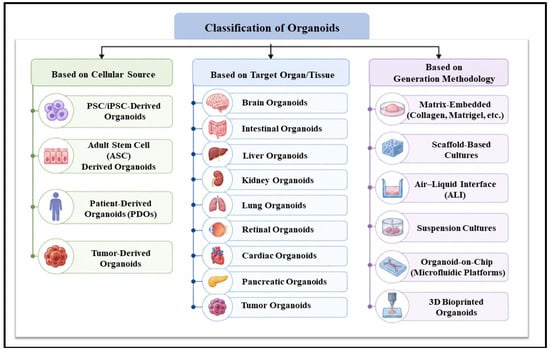
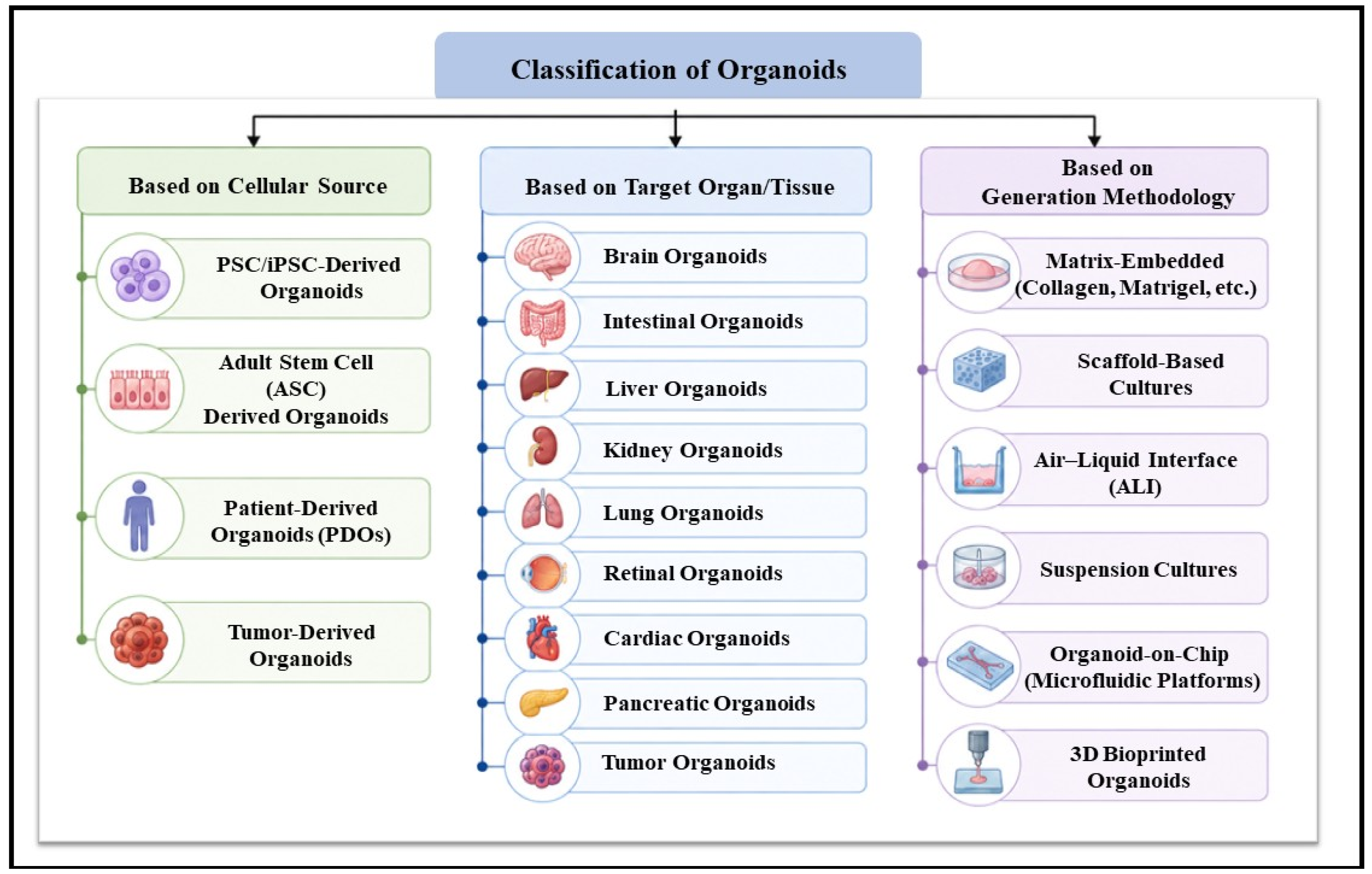
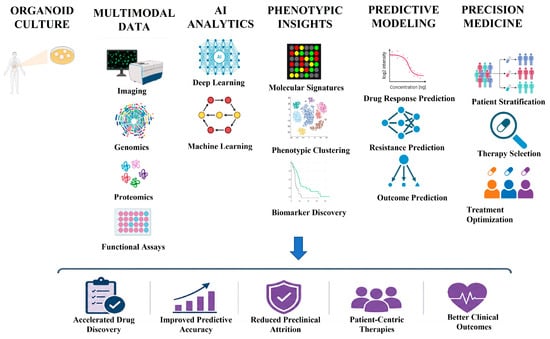
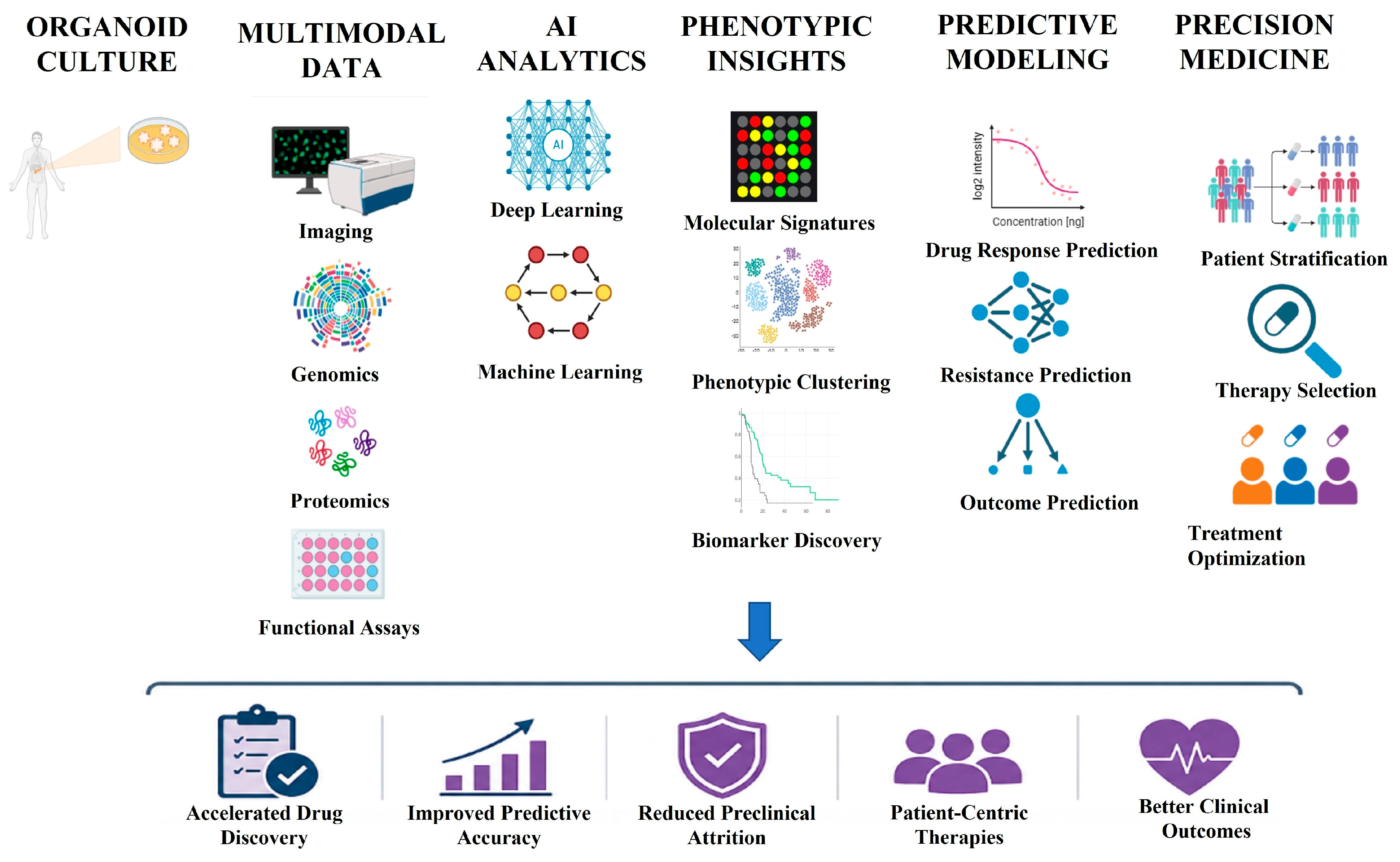
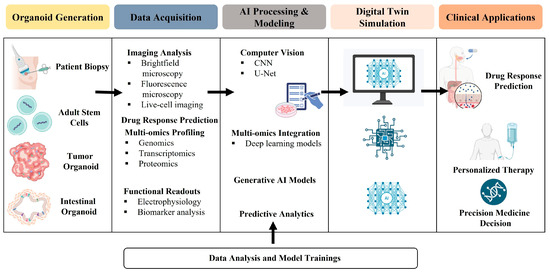
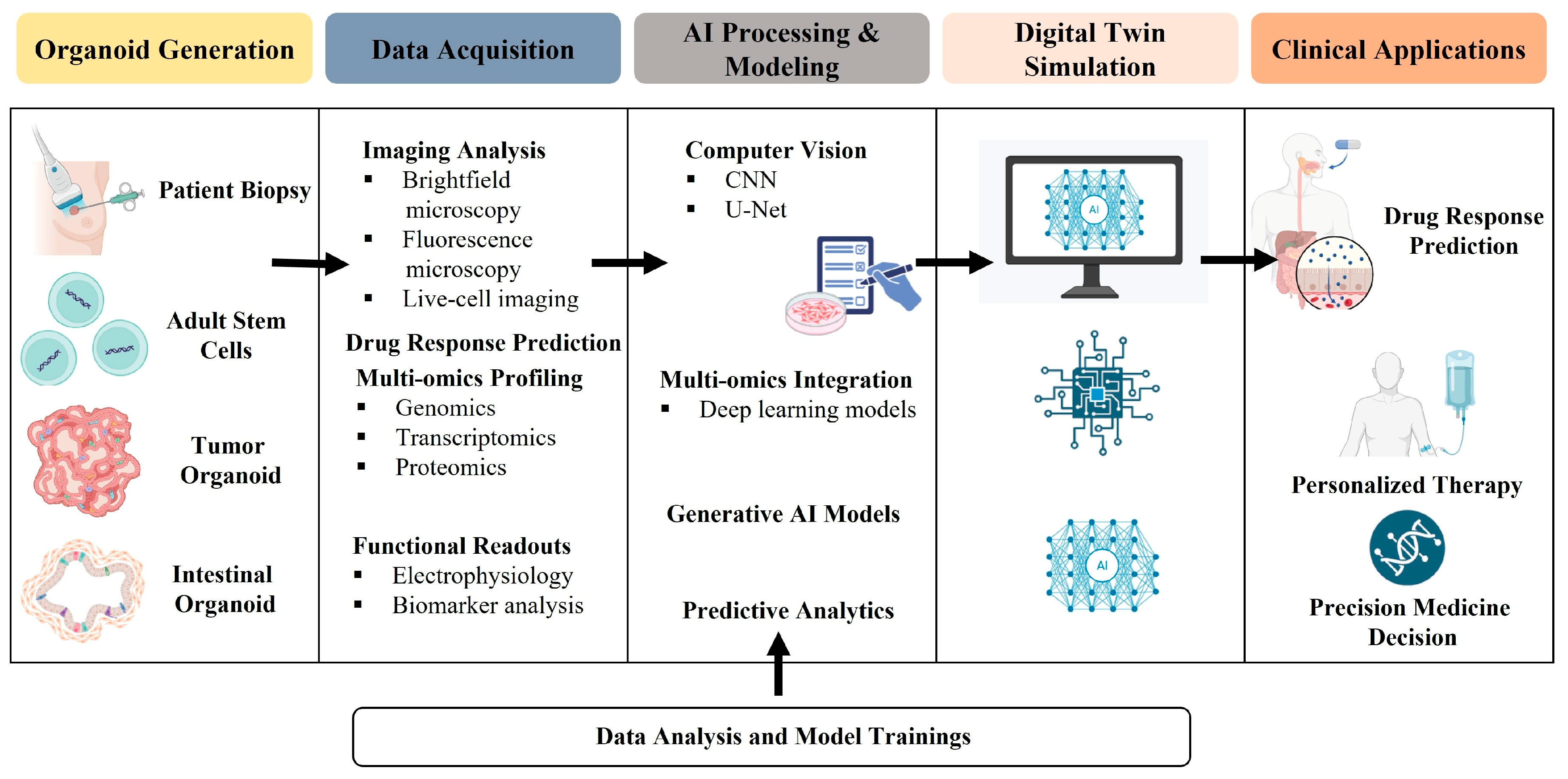
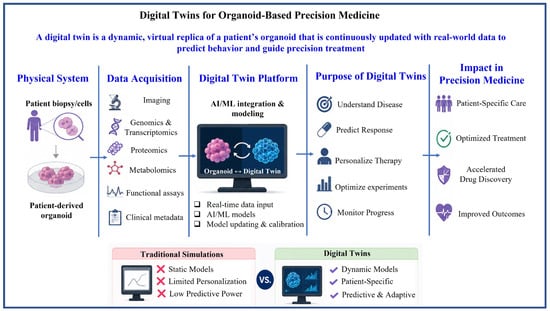
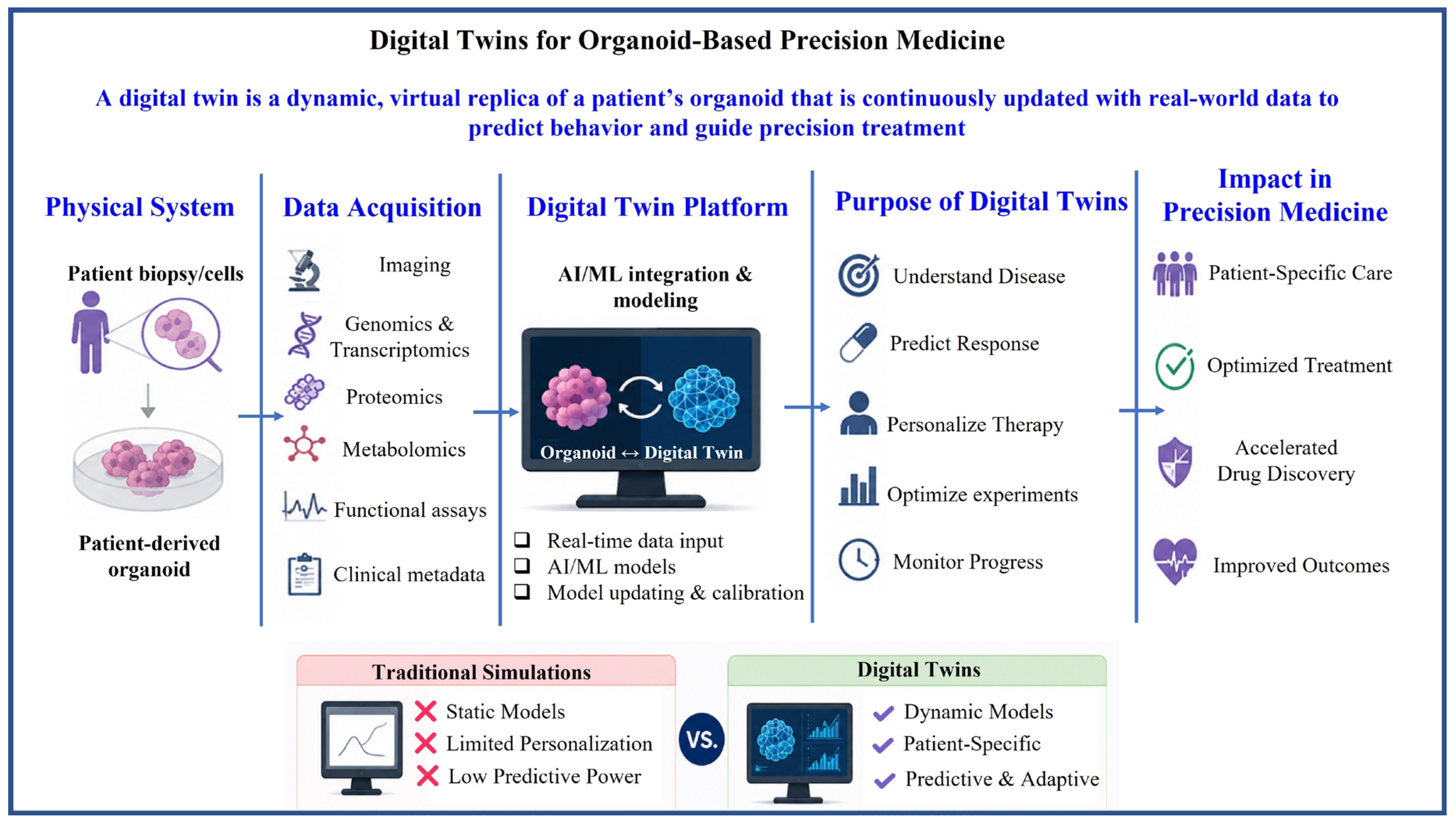
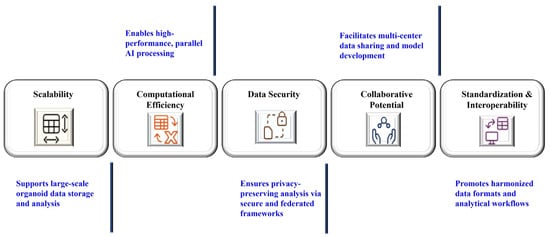
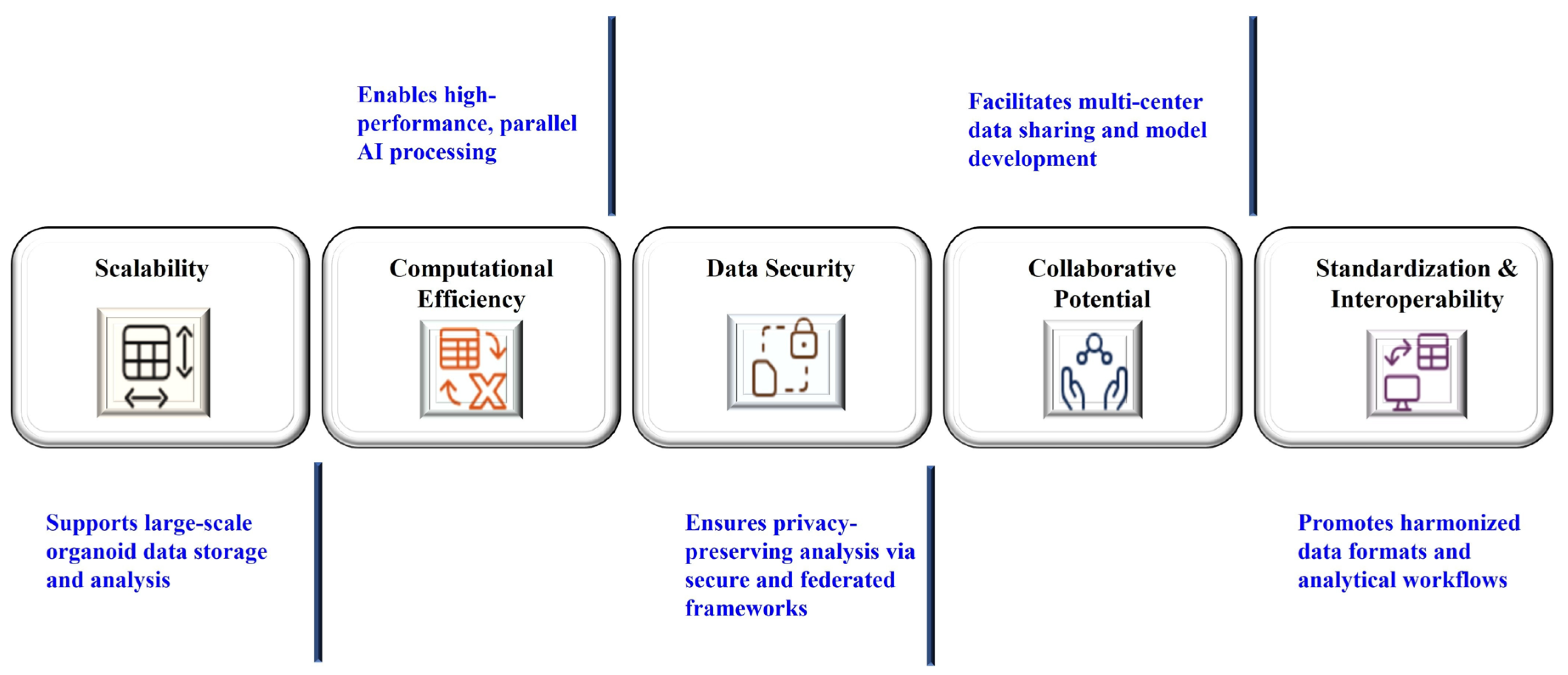

Disclaimer/Publisher’s Note: The statements, opinions and data contained in all publications are solely those of the individual author(s) and contributor(s) and not of MDPI and/or the editor(s). MDPI and/or the editor(s) disclaim responsibility for any injury to people or property resulting from any ideas, methods, instructions or products referred to in the content. |
© 2026 by the authors. Licensee MDPI, Basel, Switzerland. This article is an open access article distributed under the terms and conditions of the Creative Commons Attribution (CC BY) license.