Article

The Influence of Dietary Synbiotic on Agonistic Behavior, Stress, and Brain Monoamines via Modulation of the Microbiota–Gut–Brain Axis in Laying Hens


1
Department of Animal and Veterinary Sciences, Clemson University, Clemson, SC 29634, USA
2
Department of Genetics and Biochemistry, Clemson University, Clemson, SC 29634, USA
3
Animal Behavior and Management, Department of Veterinary Hygiene and Management, Faculty of Veterinary Medicine, Cairo University, Giza 12211, Egypt
*
Author to whom correspondence should be addressed.
Poultry 2024, 3(2), 129-146; https://doi.org/10.3390/poultry3020011

Submission received: 21 March 2024 / Revised: 8 April 2024 / Accepted: 4 May 2024 / Published: 8 May 2024

Abstract

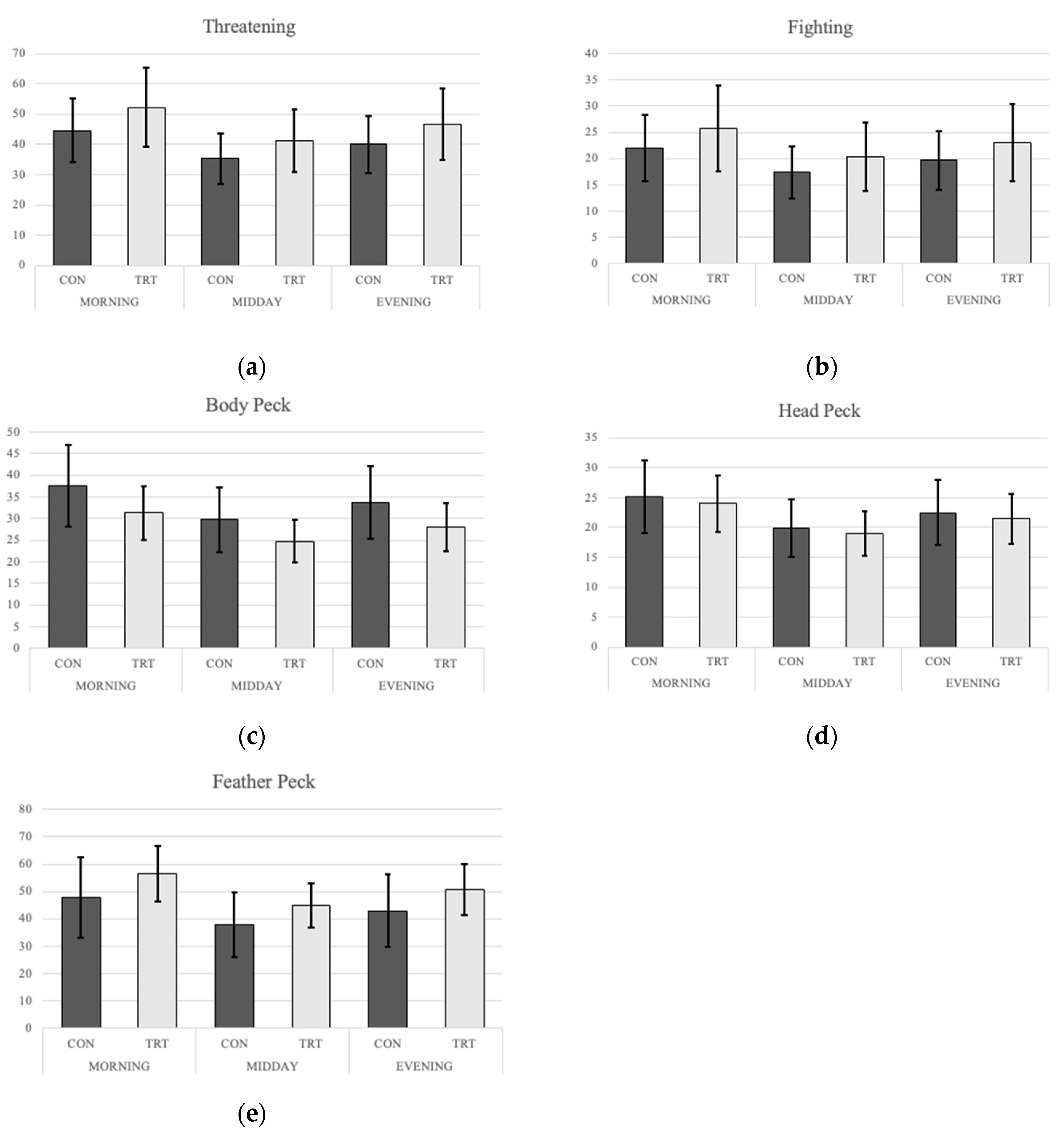
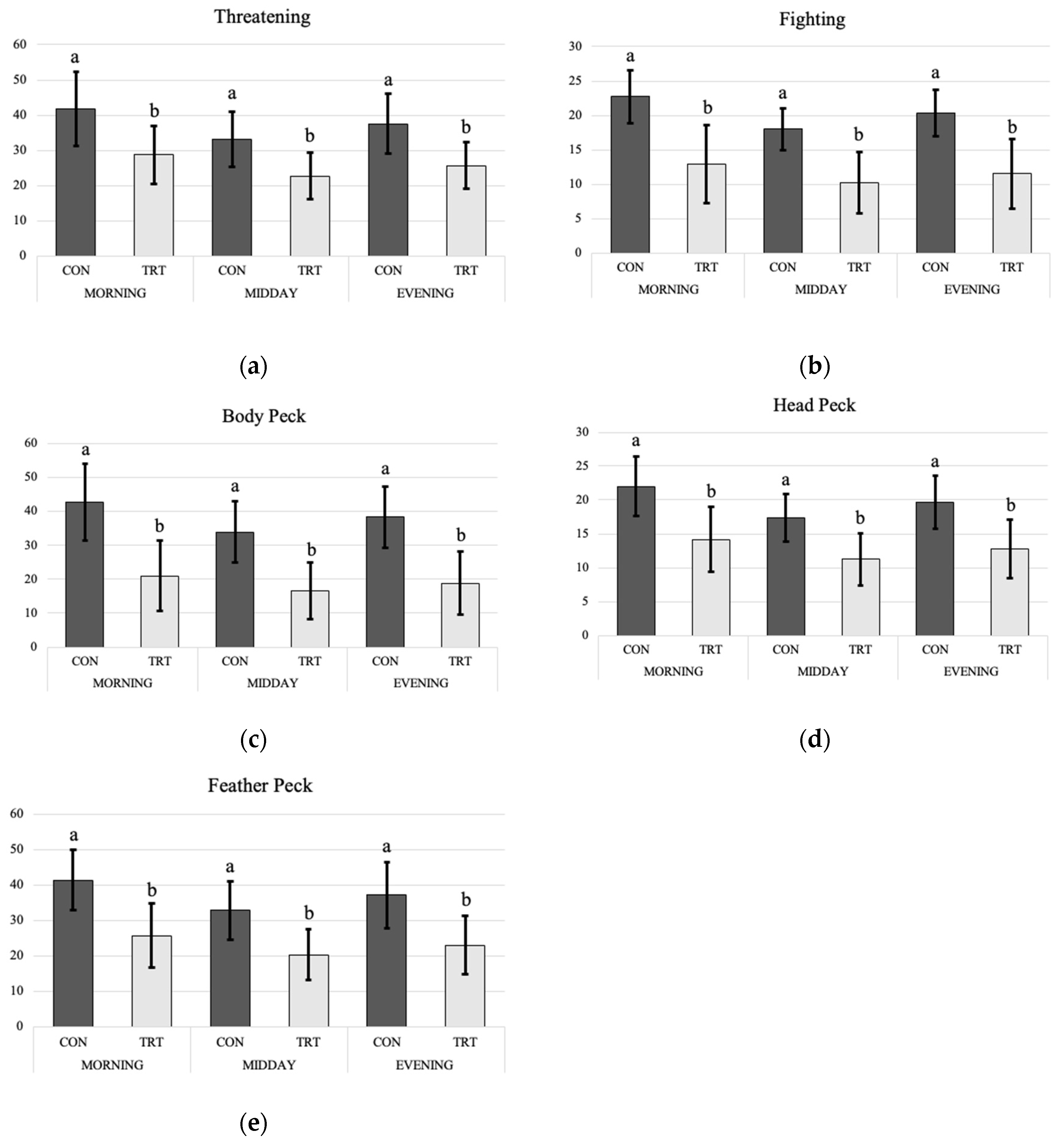
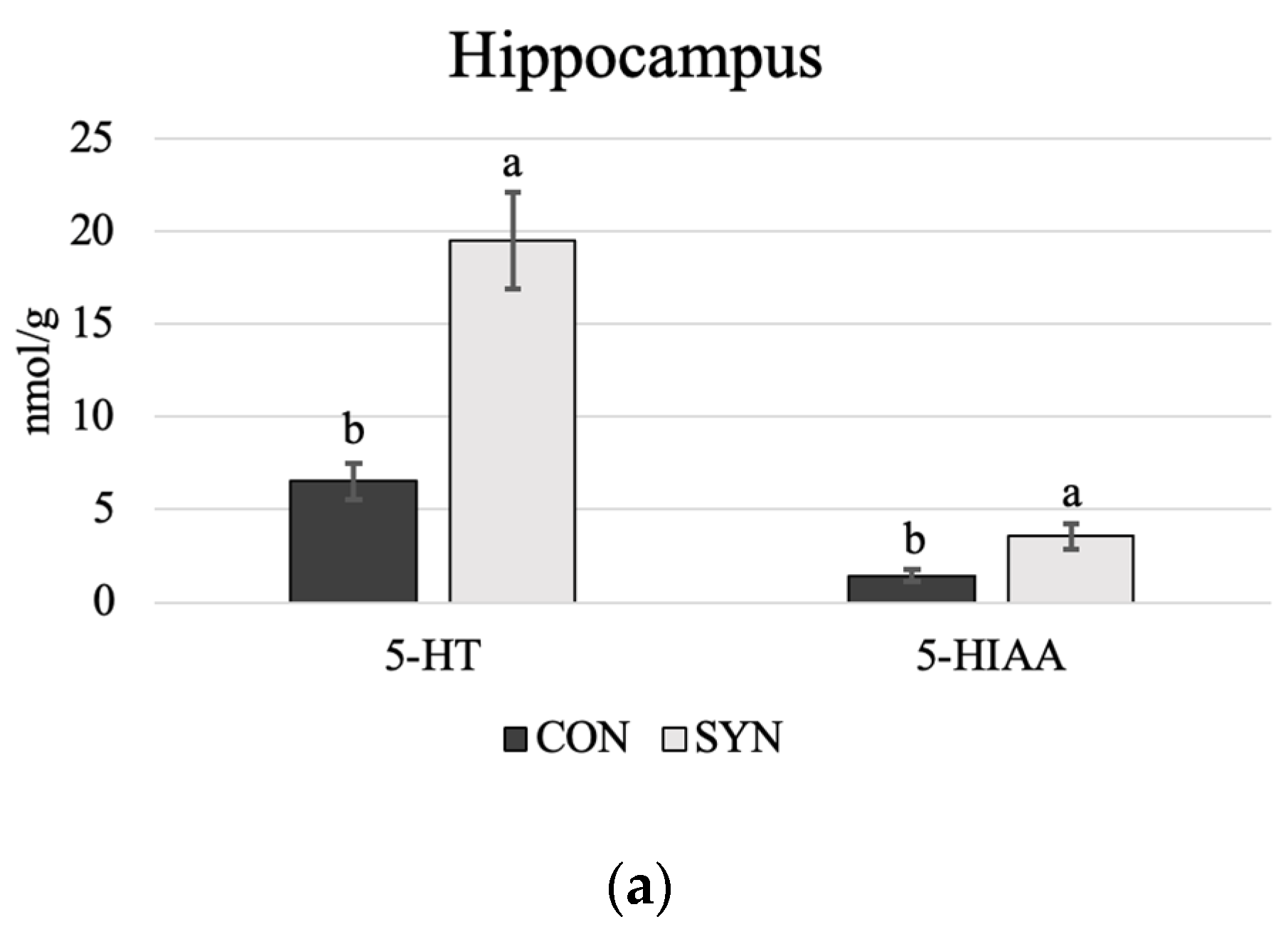
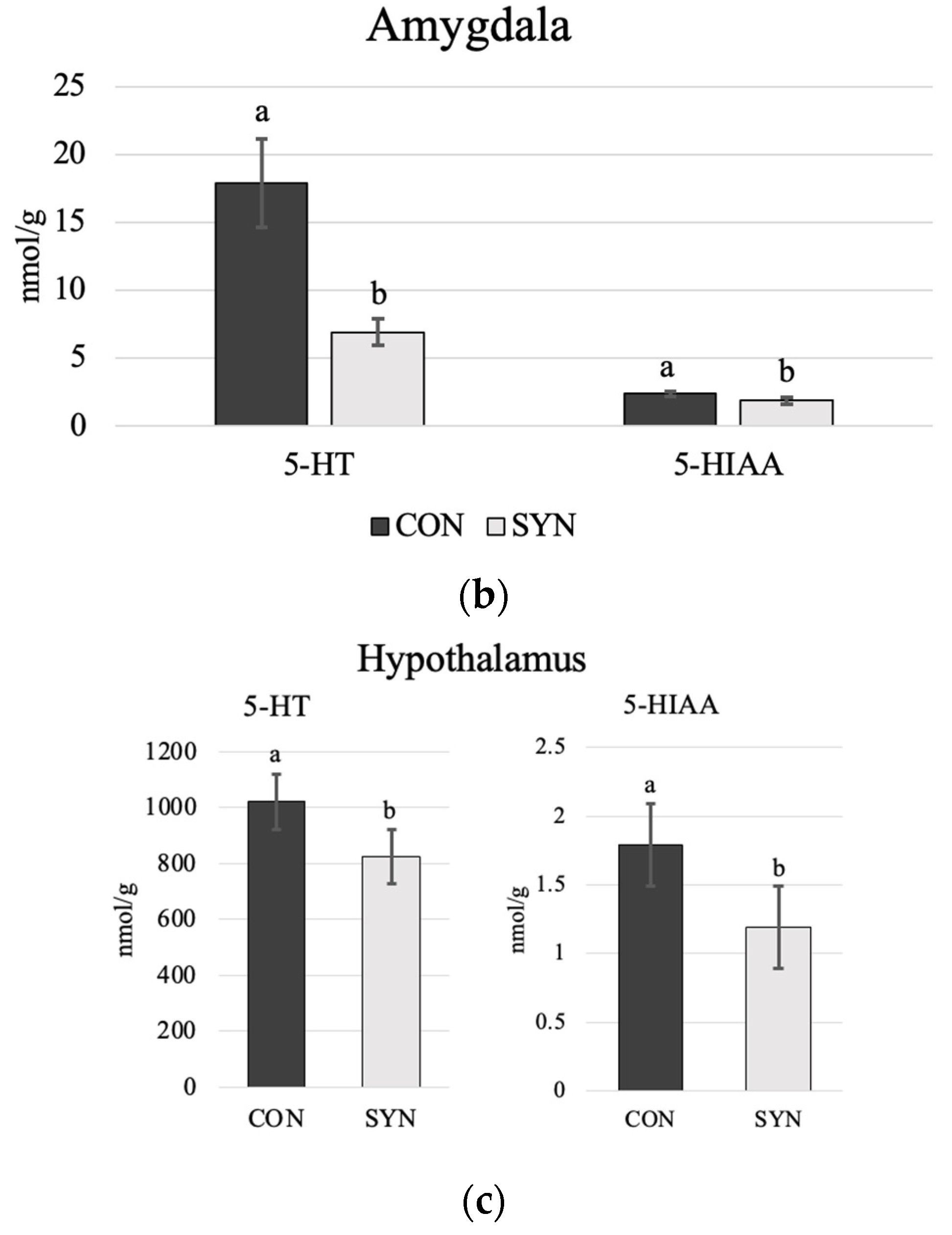
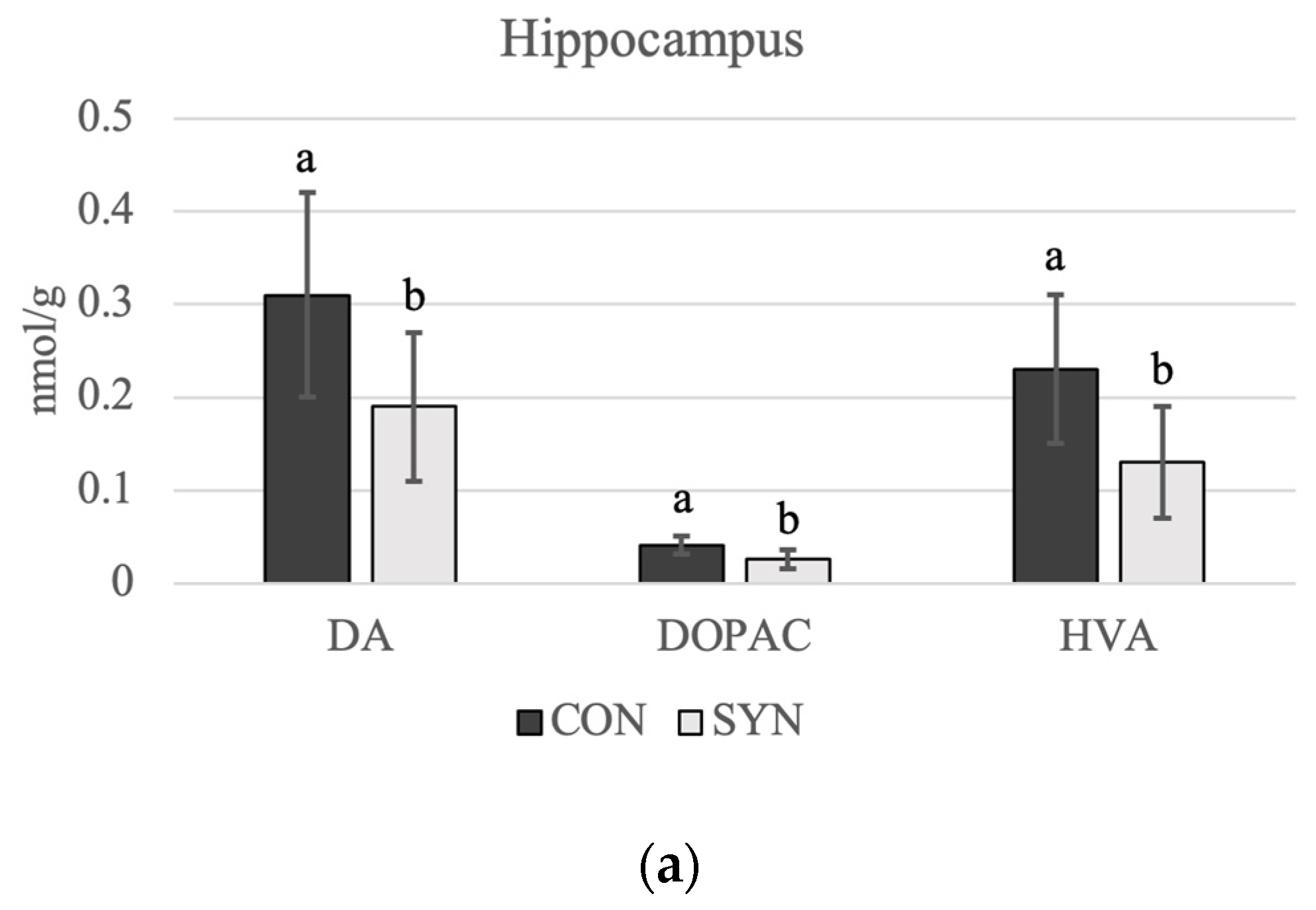
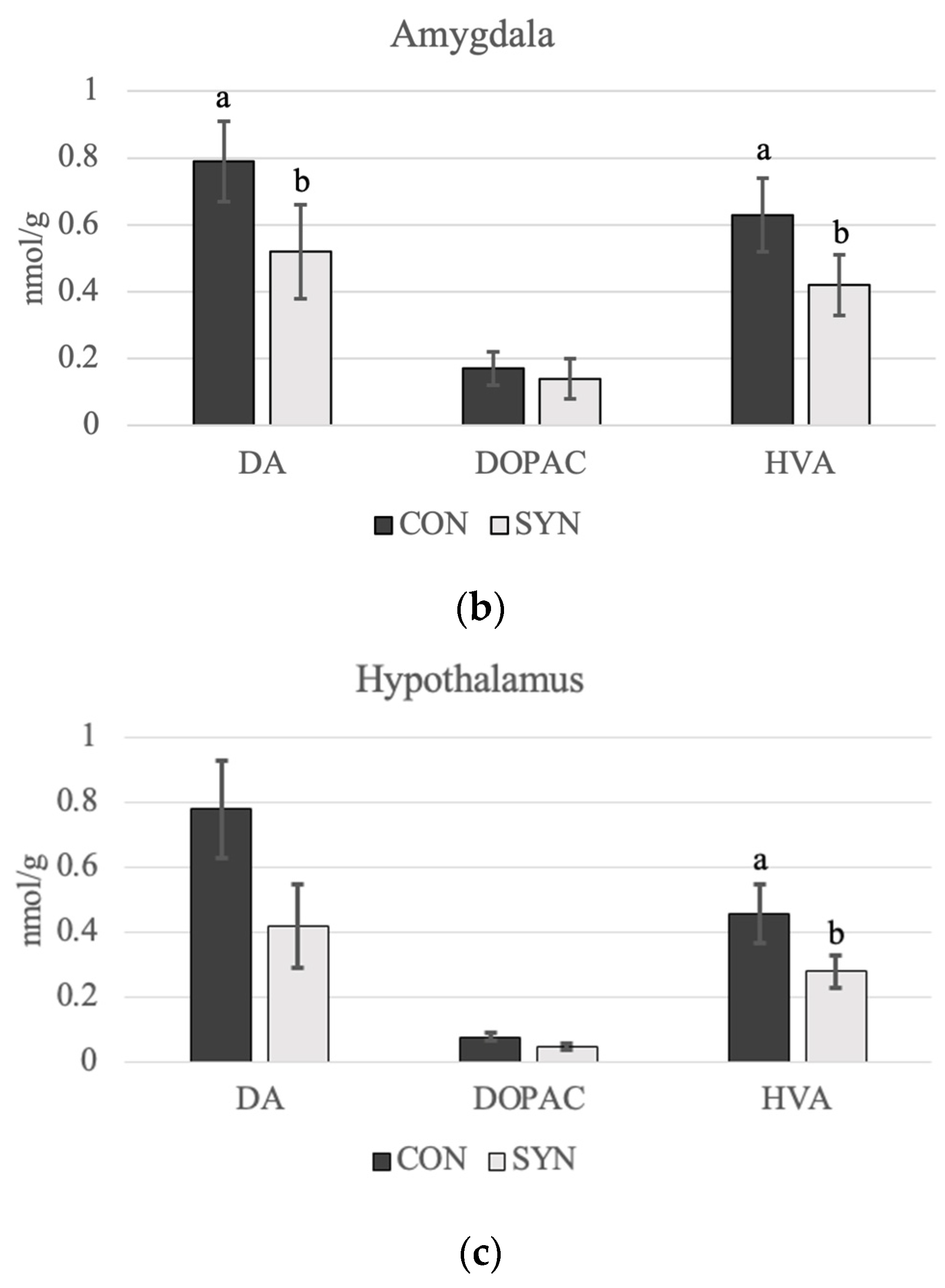
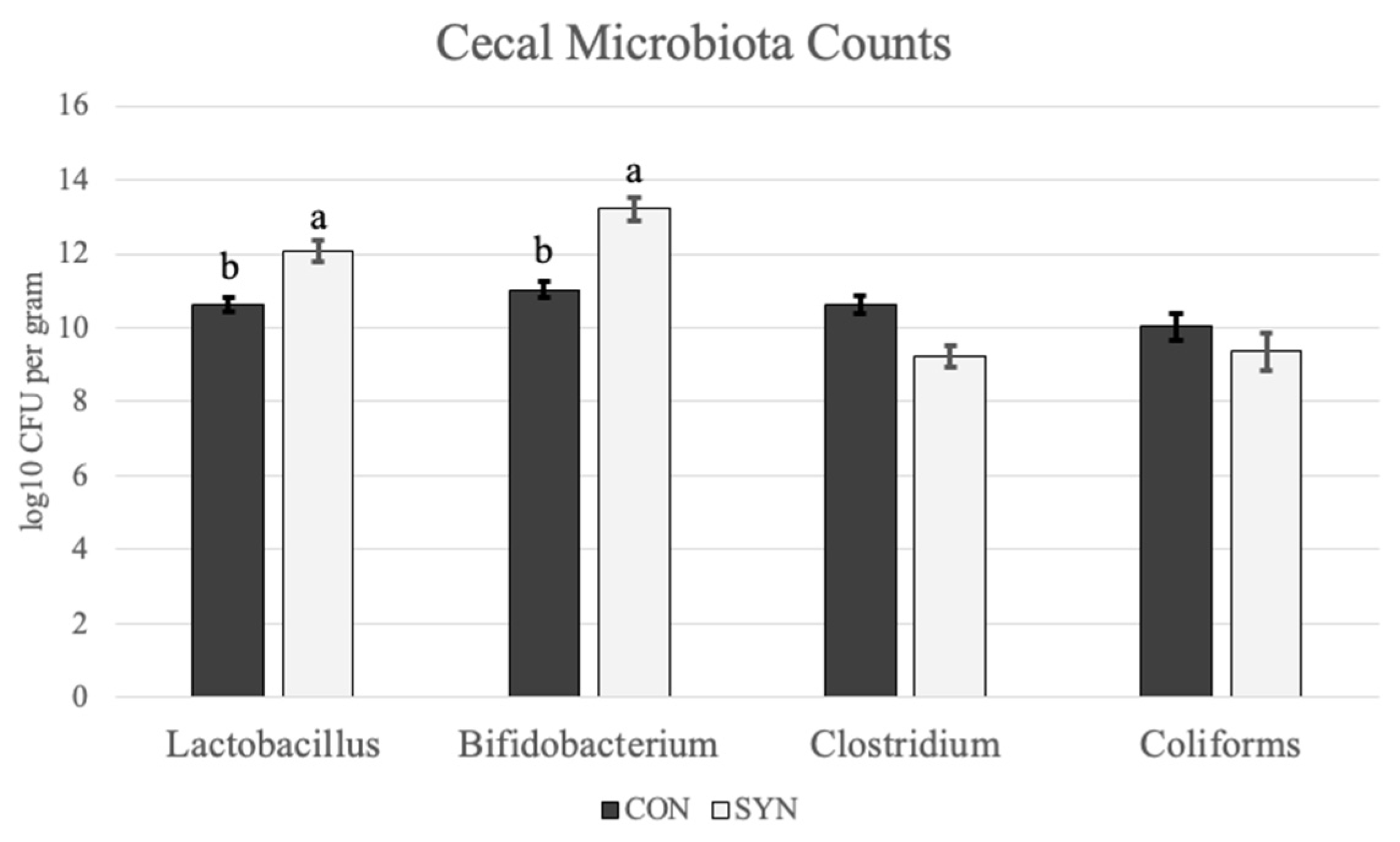
A complex system of neural pathways, collectively known as the microbiota–gut–brain (MGB) axis, interconnects the gut microbiota, the gastrointestinal system, and the brain along with its periphery. Previous studies have demonstrated that modulation of the MGB axis can influence stress-related behaviors such as anxiety. This connection becomes apparent in scenarios like agonistic behavior in laying hens, which is characterized by aggressive head and feather pecks, that can ultimately result in cannibalism and death. The objective was to examine the effects of a dietary synbiotic on agonistic behavior, plasma and brain monoamines, stress parameters, and cecal microbiota counts via modulation of the MGB axis. A total of 396 W36 Hy-Line laying hens were provided at random with a control (CON: basal diet) or treatment (SYN: basal diet supplemented with synbiotic) diet from 50 to 60 weeks old (nine pens/treatment, 22 birds/pen). Blood samples and video recordings (three consecutive days/week) were taken at 50 and 60 weeks. At 60 weeks, three hens/pen were euthanized for brain and cecal microbiota collection. Threatening, fighting, head, body, and feather pecking all occurred less frequently at 60 weeks in the SYN group (p < 0.05). Plasma corticosterone, adrenocorticotropic hormone, dopamine, and serotonin were significantly lower while tryptophan and 5-hydroxyindoleacetic acid were significantly higher in birds from the SYN group (p < 0.05). Significant differences in serotonin, 5-hydroxyindoleacetic acid, dopamine, homovanillic acid, and 3,4-dihydroxyphenylacetic acid were observed in the hypothalamus, hippocampus, and amygdala of the brain. Serotonin and dopamine turnover rates were significantly different in all three regions of the brain (p < 0.05). Cecal counts of Lactobacillus and Bifidobacterium were significantly higher in the SYN group (p < 0.05). Synbiotic supplementation resulted in many significant differences, indicating activation of the serotonergic systems and modulation of both the MGB axis and HPA axis with positive effects on welfare and stress.
Keywords: synbiotics; laying hen; agonistic behavior; microbiota–gut–brain axis; welfare; serotonergic system; dopaminergic system synbiotics; laying hen; agonistic behavior; microbiota–gut–brain axis; welfare; serotonergic system; dopaminergic system