
Intrinsic and Extrinsic Factors for Natural Killer Cells and Their Involvement in Behcet Disease


Abstract
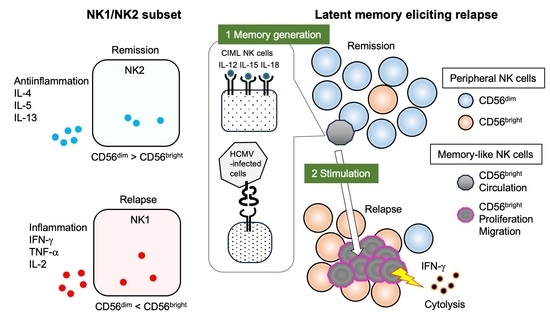
1. Introduction
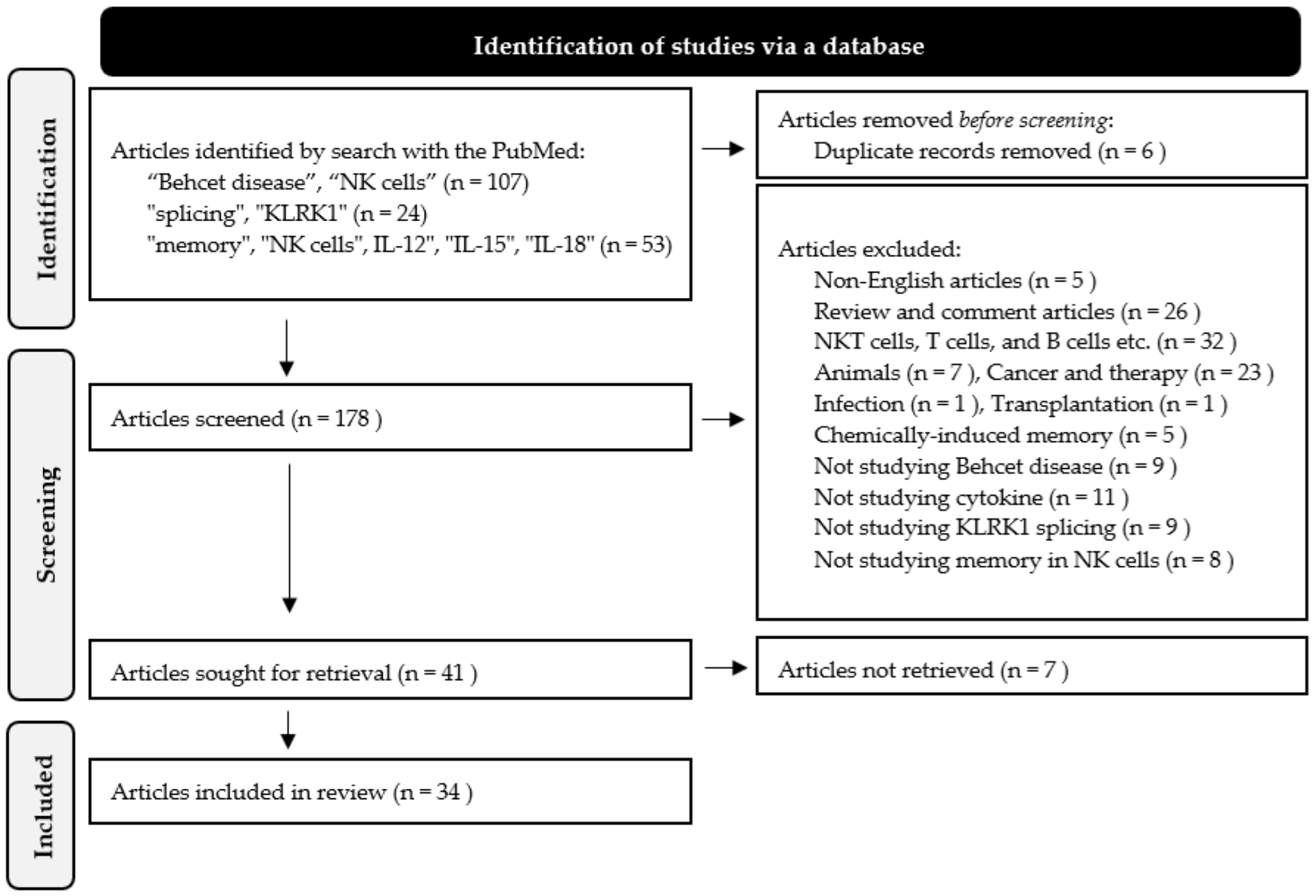
2. Search Methods
3. NK Cells in BD
3.1. Numbers, Cytokine Production, and Cytotoxicity

| Subsets | Source | Group | Cell Numbers | Regulation | References |
|---|---|---|---|---|---|
| Leu7(CD57) Leu11(CD16) | peripheral blood | relapase vs remission | Up | Down: cytotoxicity against K562 | Kaneko F et al. (1985) [36] |
| NK cell activity and numbers | |||||
| CD16+CD56+ | peripheral blood | BD vs HC | Up | Unknown | Suzuki Y et al. (1992) [20] |
| γδT cells and NK cells | |||||
| CD16+CD56+ | peripheral blood | relaspe vs remission | Unknown | Down: cytotoxicity against K562 | Onder M et al. (1994) [38] |
| NK cell cytotoxicity | |||||
| CD16+CD56+ | peripheral blood | BD vs HC | Comparable | Unknown | Saruhan-Direkeneli G et al. (2004) [32] |
| KIR and C-type lectin receptors | |||||
| CD3−CD56+ | bronchoalveolar lavage fluid | BD vs HC | Down | Down: cytotoxicity against K562 | Hamzaoui K et al. (2013) [35] |
| Pulmonary manifestations | |||||
| CD16−CD56+ | peripheral blood | BD vs HC | Up | Unknown | Sakly Y et al. (2014) [31] |
| CD16+CD56+ | peripheral blood | BD vs HC | Up | Unknown | Phenotypic abnormalities of PBMCs |
| CD3−CD56+ | peripheral blood | relapse vs HC | Unknown | Up: TNF-α, IFN-γ (stimulation with PMA/ionomycin) | |
| peripheral blood | relapse vs remission | Unknown | Up: TNF-α, IL-2 (stimulation with PMA/ionomycin) | Kucuksezer UC et al. (2015) [40] | |
| BD patients with uveitis | |||||
| peripheral blood | remission vs HC | Unknown | Up: IL-4 (stimulation with PMA/ionomycin) | ||
| CD16+CD56+ | peripheral blood | BD vs HC | Comparable | Unknown | |
| CD16dimCD56bright | peripheral blood | BD vs HC | Comparable | Unknown | |
| CD16brightCD56dim | peripheral blood | BD vs HC | Comparable | Unknown | Cosan F et al. (2017) [34] |
| CD16+ | peripheral blood | BD vs HC | Unknown | Up: NK1/NK2 (stimulation by phytohemagglutinin) | Subsets and functional activity |
| Up: IFN-γ | |||||
| Down: IL-5, IL-10, IL-17 | |||||
| CD56bright | peripheral blood | relapase vs remission | Down | Up: IFN-γ (stimulation with PMA/ionomycin) | |
| Hasan MS et al. (2017) [37] | |||||
| CD56dim | peripheral blood | relapase vs remission | Down | Unc: Perforin, Granzyme B (stimulation with PMA/ionomycin) | Ciculating NK cells |
| CD3−CD56+ | peripheral blood | BD vs HC | Comparable | Unknown | Bonacini M et al. (2018) [33] |
| NKG2D receptors |
3.2. NK Cell Receptors and Their Ligands
3.2.1. HLA-B and KIRs
3.2.2. MICA and KLRK1 (NKG2D)
3.2.3. HLA-E and KLRD1/KLRC1 (CD94/NKG2A)
3.2.4. Expression of NK Receptors
3.2.5. Other Genetic Factors
4. Regulation of NK Receptor Genes
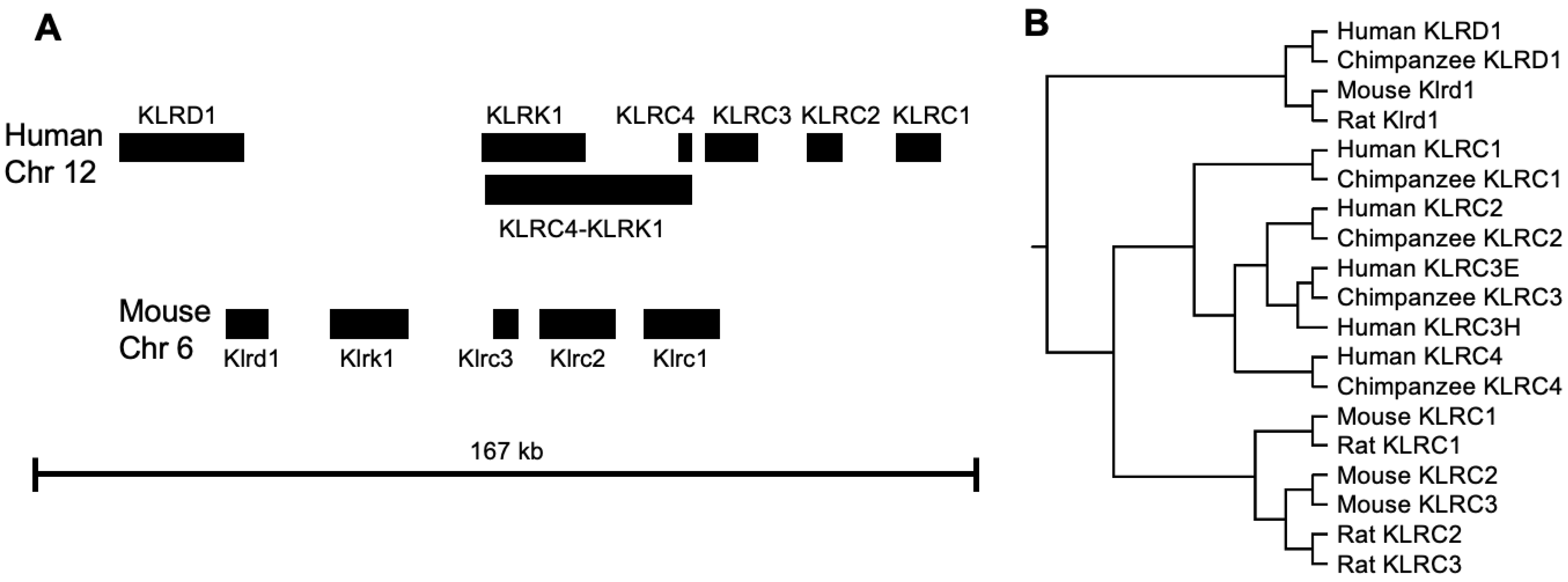
4.1. Genomic Organization and Gene Expression of the NK Complex
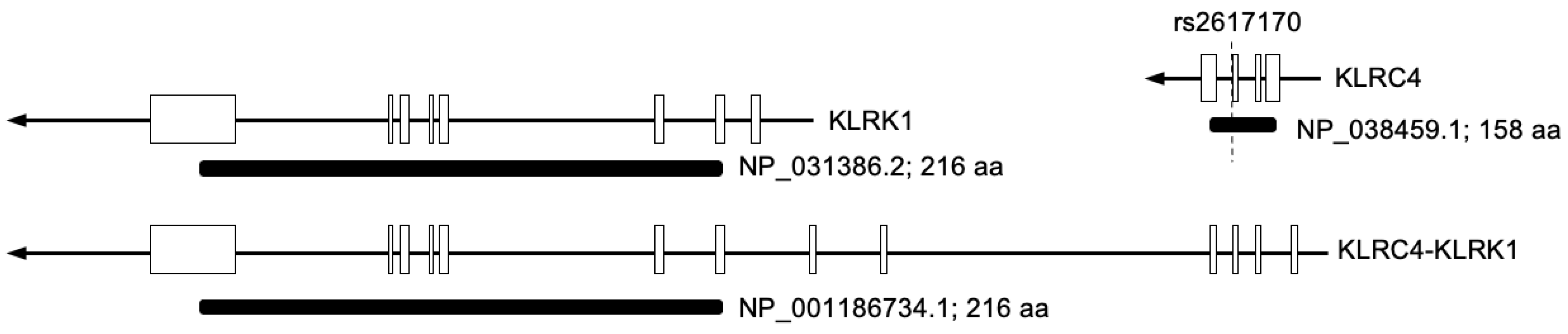
4.2. Splicing of KLRK1 (NKG2D) and Its Function
4.3. KLRK1-KLRC4 Readthrough Gene
4.4. Dysregulation of KLRC4 in BD
4.5. Fucosylation of CD16a
5. Distinct NK Subsets
5.1. Circulating and Tissue-Resident NK Cells
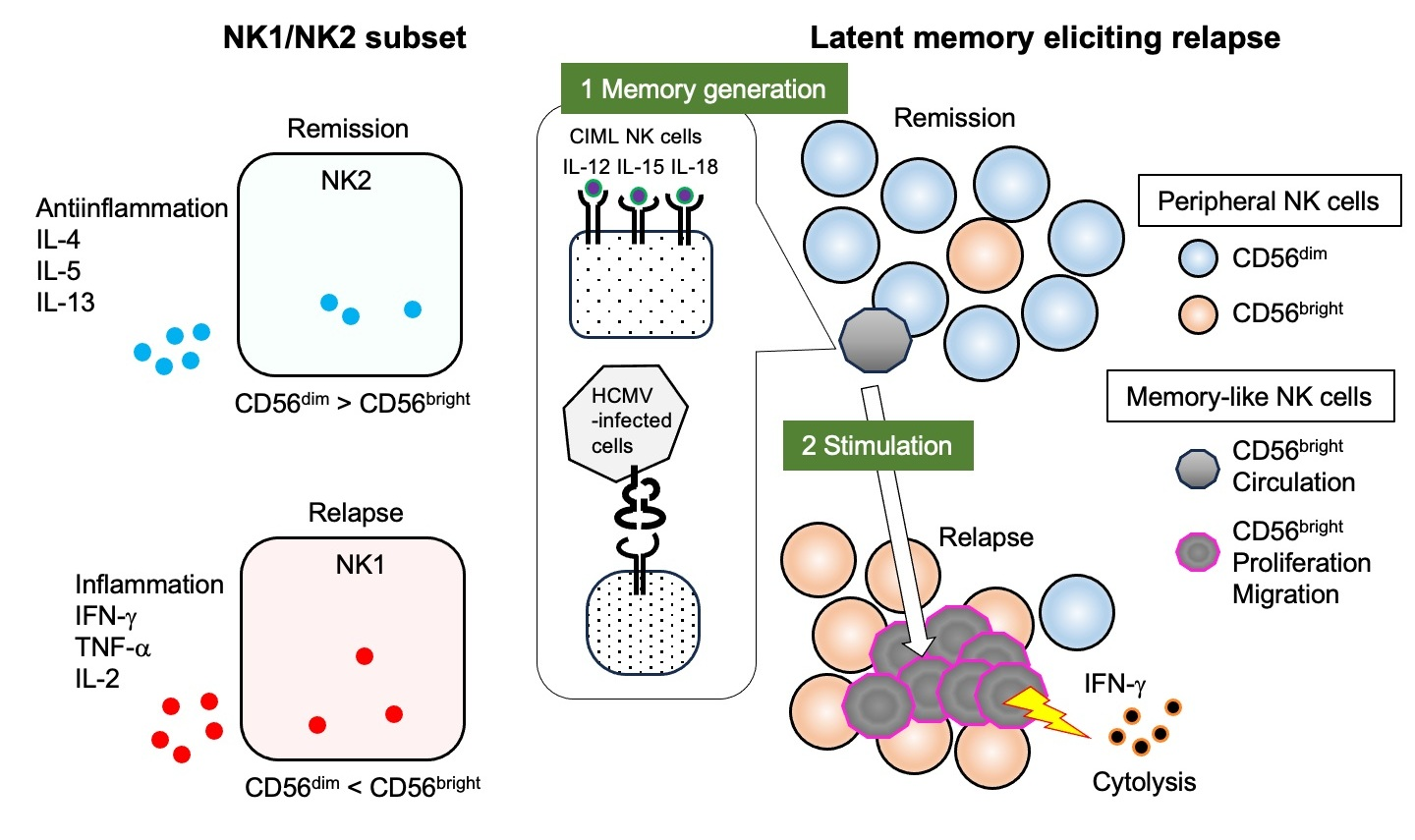
5.2. NK Cell Memory
6. Future Perspectives
7. Conclusions
Funding
Institutional Review Board Statement
Informed Consent Statement
Data Availability Statement
Conflicts of Interest
Abbreviations
| ADCC | Antibody-Dependent Cell-mediated Cytotoxicity |
| BD | Behcet Disease |
| β2m | β2-microglobulin |
| CAGE-seq | Cap Analysis of Gene Expression Sequencing |
| CIML NK cells | Cytokine-Induced memory-like NK cells |
| CITE-seq | Cellular Indexing of Transcriptomes and Epitopes by sequencing |
| GWAS | Genome-Wide Association Study |
| HC | Healthy Control |
| HCMV | Human Cytomegalovirus |
| HLA | Human Leukocyte Antigen |
| IBD | Inflammatory Bowel Disease |
| ICBD | The International Criteria for Behcet’s Disease |
| ITIM | Immunoreceptor Tyrosine-Based Inhibitory Motif |
| KIR | Killer Cell Immunoglobulin-like Receptor |
| MHC-I | Major histocompatibility complex class 1 |
| MICA | Major histocompatibility complex class 1-related protein A |
| NETs | Neutrophil Extracellular Traps |
| NK | Natural Killer |
| NKRM cells | Tissue-Resident Memory-like Natural Killer cells |
| NSV | Nonsynonymous Variant |
| PBMCs | Peripheral Blood Mononuclear Cells |
| PI3K | Phosphatidylinositol 3-Kinase |
| scRNA-seq | Single-Cell RNA Sequencing |
| SNP | Single Nucleotide Polymorphism |
References
- Moghoofei, M.; Pajavand, H.; Shahbazi, R.; Rezaei, M.; Taki, E. The Role of Viral and Bacterial Infections in the Etiology of Behçet’s Disease. J. Clin. Lab. Anal. 2026, 40, e70133. [Google Scholar] [CrossRef] [Scilit]
- Perazzio, S.F.; Andrade, L.E.C.; de Souza, A.W.S. Understanding Behçet’s Disease in the Context of Innate Immunity Activation. Front. Immunol. 2020, 11, 586558. [Google Scholar] [CrossRef] [Scilit]
- Ohno, S.; Ohguchi, M.; Hirose, S.; Matsuda, H.; Wakisaka, A.; Aizawa, M. Close association of HLA-Bw51 with Behcet’s disease. Arch. Ophthalmol. 1982, 100, 1455–1458. [Google Scholar] [CrossRef] [Scilit]
- Mizuki, N.; Meguro, A.; Tohnai, I.; Gül, A.; Ohno, S.; Mizuki, N. Association of Major Histocompatibility Complex Class I Chain-Related Gene A and HLA-B Alleles with Behçet’s Disease in Turkey. Jpn. J. Ophthalmol. 2007, 51, 431–436. [Google Scholar] [CrossRef] [Scilit] [PubMed]
- Remmers, E.F.; Cosan, F.; Kirino, Y.; Ombrello, M.J.; Abaci, N.; Satorius, C.; Le, J.M.; Yang, B.; Korman, B.D.; Cakiris, A.; et al. Genome-wide association study identifies variants in the MHC class I, IL10, and IL23R-IL12RB2 regions associated with Behçet’s disease. Nat. Genet. 2010, 42, 698–702. [Google Scholar] [CrossRef] [Scilit] [PubMed]
- Hughes, T.; Coit, P.; Adler, A.; Yilmaz, V.; Aksu, K.; Düzgün, N.; Keser, G.; Cefle, A.; Yazici, A.; Ergen, A.; et al. Identification of multiple independent susceptibility loci in the HLA region in Behçet’s disease. Nat. Genet. 2013, 45, 319–324. [Google Scholar] [CrossRef] [Scilit] [PubMed]
- Ombrello, M.J.; Kirino, Y.; de Bakker, P.I.; Gül, A.; Kastner, D.L.; Remmers, E.F. Behçet disease-associated MHC class I residues implicate antigen binding and regulation of cell-mediated cytotoxicity. Proc. Natl. Acad. Sci. USA 2014, 111, 8867–8872. [Google Scholar] [CrossRef] [Scilit]
- Kuiper, J.J.; Prinz, J.C.; Stratikos, E.; Kuśnierczyk, P.; Arakawa, A.; Springer, S.; Mintoff, D.; Padjen, I.; Shumnalieva, R.; Vural, S.; et al. EULAR study group MHC-I-opathies. EULAR study group on ‘MHC-I-opathy’: Identifying disease-overarching mechanisms across disciplines and borders. Ann. Rheum. Dis. 2023, 82, 887–896. [Google Scholar] [CrossRef] [Scilit]
- Sota, J.; Ragab, G.; AlMaglouth, I.; Lopalco, G.; Tufan, A.; Direskeneli, H.; Hinojosa-Azaola, A.; Mayrink Giardini, H.A.; Guerriero, S.; Triggianese, P.; et al. Influence of gender on Behçet’s disease phenotype and irreversible organ damage: Data from the International AIDA Network Behçet’s Disease Registry. Jt. Bone Spine 2025, 92, 105819. [Google Scholar] [CrossRef] [Scilit]
- Jo, Y.G.; Ortiz-Fernández, L.; Coit, P.; Yilmaz, V.; Yentür, S.P.; Alibaz-Oner, F.; Aksu, K.; Erken, E.; Düzgün, N.; Keser, G.; et al. Sex-specific analysis in Behcet’s disease reveals higher genetic risk in male patients. J. Autoimmun. 2022, 132, 102882. [Google Scholar] [CrossRef] [Scilit]
- Liu, A.; Su, Y.; Zhu, J.; Li, Y.Y. Disease association study of Autoimmune and autoinflammatory diseases by integrating multi-modal data and hierarchical ontologies. Front. Immunol. 2025, 16, 1575490. [Google Scholar] [CrossRef] [Scilit]
- Davatchi, F.; Assaad-Khalil, S.; Calamia, K.T.; Crook, J.E.; Sadeghi-Abdollahi, B.; Schirmer, M.; Tzellos, T.; Zouboulis, C.C.; Akhlagi, M.; Al-Dalaan, A.; et al. The International Criteria for Behcet’s Disease (ICBD): A collaborative study of 27 countries on the sensitivity and specificity of the new criteria. J. Eur. Acad. Dermatol. Venereol. 2014, 28, 338–347. [Google Scholar]
- Zhan, H.; Cheng, L.; Chen, H.; Liu, Y.; Feng, X.; Li, H.; Li, Z.; Li, Y. Evaluation of inflammatory-thrombosis panel as a diagnostic tool for vascular Behcet’s disease. Clin. Rheumatol. 2025, 44, 1279–1291. [Google Scholar] [CrossRef] [Scilit]
- Sahin, S.; Akoğlu, T.; Direskeneli, H.; Sen, L.S.; Lawrence, R. Neutrophil adhesion to endothelial cells and factors affecting adhesion in patients with Behçet’s disease. Ann. Rheum. Dis. 1996, 55, 128–133. [Google Scholar] [CrossRef] [Scilit]
- Rahman, S.; Daveluy, S. Pathergy Test. In StatPearls [Internet]; StatPearls Publishing LLC: Treasure Island, FL, USA, 2023. [Google Scholar]
- Le Joncour, A.; Martos, R.; Loyau, S.; Lelay, N.; Dossier, A.; Cazes, A.; Fouret, P.; Domont, F.; Papo, T.; Jandrot-Perrus, M.; et al. Critical role of neutrophil extracellular traps (NETs) in patients with Behcet’s disease. Ann. Rheum. Dis. 2019, 78, 1274–1282. [Google Scholar] [CrossRef] [Scilit]
- Wu, Y.; Ning, K.; Huang, Z.; Chen, B.; Chen, J.; Wen, Y.; Bu, J.; Hong, H.; Chen, Q.; Zhang, Z.; et al. NETs-CD44-IL-17A Feedback Loop Drives Th17-Mediated Inflammation in Behcet’s Uveitis. Adv. Sci. 2025, 12, e2411524. [Google Scholar] [CrossRef] [Scilit]
- Hirahara, L.; Takase-Minegishi, K.; Kirino, Y.; Iizuka-Iribe, Y.; Soejima, Y.; Yoshimi, R.; Nakajima, H. The Roles of Monocytes and Macrophages in Behçet’s Disease With Focus on M1 and M2 Polarization. Front. Immunol. 2022, 13, 852297. [Google Scholar] [CrossRef] [Scilit]
- Nakano, H.; Kirino, Y.; Takeno, M.; Higashitani, K.; Nagai, H.; Yoshimi, R.; Yamaguchi, Y.; Kato, I.; Aoki, I.; Nakajima, H. GWAS-identified CCR1 and IL10 loci contribute to M1 macrophage-predominant inflammation in Behcet’s disease. Arthritis Res. Ther. 2018, 20, 124. [Google Scholar] [CrossRef] [Scilit]
- Suzuki, Y.; Hoshi, K.; Matsuda, T.; Mizushima, Y. Increased peripheral blood gamma delta+ T cells and natural killer cells in Behçet’s disease. J. Rheumatol. 1992, 19, 588–592. [Google Scholar]
- Lule, S.; Colpak, A.I.; Balci-Peynircioglu, B.; Gursoy-Ozdemir, Y.; Peker, S.; Kalyoncu, U.; Can, A.; Tekin, N.; Demiralp, D.; Dalkara, T. Behçet Disease serum is immunoreactive to neurofilament medium which share common epitopes to bacterial HSP-65, a putative trigger. J. Autoimmun. 2017, 84, 87–96. [Google Scholar] [CrossRef] [Scilit]
- van der Houwen, T.B.; van Hagen, P.M.; van Laar, J.A.M. Immunopathogenesis of Behçet’s disease and treatment modalities. Semin. Arthritis Rheum. 2022, 52, 151956. [Google Scholar] [CrossRef] [Scilit]
- Hasan, M.S.; Bergmeier, L.A.; Petrushkin, H.; Fortune, F. Gamma Delta (γδ) T Cells and Their Involvement in Behçet’s Disease. J. Immunol. Res. 2015, 2015, 705831. [Google Scholar] [CrossRef] [Scilit]
- Freud, A.G.; Mundy-Bosse, B.L.; Yu, J.; Caligiuri, M.A. The Broad Spectrum of Human Natural Killer Cell Diversity. Immunity 2017, 47, 820–833. [Google Scholar] [CrossRef] [Scilit]
- Gianchecchi, E.; Delfino, D.V.; Fierabracci, A. NK cells in autoimmune diseases: Linking innate and adaptive immune responses. Autoimmun. Rev. 2018, 17, 142–154. [Google Scholar] [CrossRef] [Scilit]
- Reefman, E.; Kay, J.G.; Wood, S.M.; Offenhäuser, C.; Brown, D.L.; Roy, S.; Stanley, A.C.; Low, P.C.; Manderson, A.P.; Stow, J.L. Cytokine secretion is distinct from secretion of cytotoxic granules in NK cells. J. Immunol. 2010, 184, 4852–4862. [Google Scholar] [CrossRef] [Scilit]
- Boudreau, J.E.; Hsu, K.C. Natural killer cell education in human health and disease. Curr. Opin. Immunol. 2018, 50, 102–111. [Google Scholar] [CrossRef] [Scilit]
- Stokic-Trtica, V.; Diefenbach, A.; Klose, C.S.N. NK Cell Development in Times of Innate Lymphoid Cell Diversity. Front. Immunol. 2020, 11, 813. [Google Scholar] [CrossRef] [Scilit]
- Prager, I.; Watzl, C. Mechanisms of natural killer cell-mediated cellular cytotoxicity. J. Leukoc. Biol. 2019, 105, 1319–1329. [Google Scholar] [CrossRef] [Scilit]
- Cohnen, A.; Chiang, S.C.; Stojanovic, A.; Schmidt, H.; Claus, M.; Saftig, P.; Janßen, O.; Cerwenka, A.; Bryceson, Y.T.; Watzl, C. Surface CD107a/LAMP-1 protects natural killer cells from degranulation-associated damage. Blood 2013, 122, 1411–1418. [Google Scholar] [CrossRef] [Scilit]
- Sakly, K.; Lahmar, R.; Nefzi, F.; Hammami, S.; Harzallah, O.; Sakly, N.; Sakly, W.; Hassine, M.; Mahjoub, S.; Ghedira, I.; et al. Phenotypic abnormalities of peripheral blood mononuclear cells in patients with Behçet’s disease and association with HLA-B51 expression. Immunol. Investig. 2014, 43, 463–478. [Google Scholar] [CrossRef] [Scilit]
- Saruhan-Direskeneli, G.; Uyar, F.A.; Cefle, A.; Onder, S.C.; Eksioglu-Demiralp, E.; Kamali, S.; Inanç, M.; Ocal, L.; Gül, A. Expression of KIR and C-type lectin receptors in Behcet’s disease. Rheumatology 2004, 43, 423–427. [Google Scholar] [CrossRef] [Scilit]
- Bonacini, M.; Soriano, A.; Zerbini, A.; Calò, E.; Cimino, L.; Muratore, F.; Fontana, L.; Braglia, L.; Parmeggiani, M.; Salvarani, C.; et al. Higher Frequencies of Lymphocytes Expressing the Natural Killer Group 2D Receptor in Patients with Behcet Disease. Front. Immunol. 2018, 9, 2157. [Google Scholar] [CrossRef] [Scilit] [PubMed]
- Cosan, F.; Aktas Cetin, E.; Akdeniz, N.; Emrence, Z.; Cefle, A.; Deniz, G. Natural Killer Cell Subsets and Their Functional Activity in Behcet’s Disease. Immunol. Investig. 2017, 46, 419–432. [Google Scholar] [CrossRef] [Scilit]
- Hamzaoui, K.; Berraies, A.; Kaabachi, W.; Ammar, J.; Hamzaoui, A. Pulmonary manifestations in Behcet disease: Impaired natural killer cells activity. Multidiscip. Respir. Med. 2013, 8, 29. [Google Scholar] [CrossRef] [Scilit] [PubMed]
- Kaneko, F.; Takahashi, Y.; Muramatsu, R.; Adachi, K.; Miura, Y.; Nakane, A.; Minagawa, T. Natural killer cell numbers and function in peripheral lymphoid cells in Behcet’s disease. Br. J. Dermatol. 1985, 113, 313–318. [Google Scholar] [CrossRef] [Scilit]
- Hasan, M.S.; Ryan, P.L.; Bergmeier, L.A.; Fortune, F. Circulating NK cells and their subsets in Behçet’s disease. Clin. Exp. Immunol. 2017, 188, 311–322. [Google Scholar] [CrossRef] [Scilit]
- Onder, M.; Bozkurt, M.; Gürer, M.A.; Gülekon, A.; Sezgin, P.; Imir, T. Natural cellular cytotoxicity in Behcet’s disease. J. Dermatol. 1994, 21, 239–243. [Google Scholar] [CrossRef] [Scilit]
- Deniz, G.; Akdis, M.; Aktas, E.; Blaser, K.; Akdis, C.A. Human NK1 and NK2 subsets determined by purification of IFN-gamma-secreting and IFN-gamma-nonsecreting NK cells. Eur. J. Immunol. 2002, 32, 879–884. [Google Scholar] [CrossRef] [Scilit]
- Kucuksezer, U.C.; Aktas-Cetin, E.; Bilgic-Gazioglu, S.; Tugal-Tutkun, I.; Gül, A.; Deniz, G. Natural killer cells dominate a Th-1 polarized response in Behcet’s disease patients with uveitis. Clin. Exp. Rheumatol. 2015, 33, S24–S29. [Google Scholar]
- Rebuffet, L.; Melsen, J.E.; Escalière, B.; Basurto-Lozada, D.; Bhandoola, A.; Björkström, N.K.; Bryceson, Y.T.; Castriconi, R.; Cichocki, F.; Colonna, M.; et al. High-dimensional single-cell analysis of human natural killer cell heterogeneity. Nat. Immunol. 2024, 25, 1474–1488. [Google Scholar] [CrossRef] [Scilit] [PubMed]
- Sallakci, N.; Tahrali, I.; Kucuksezer, U.C.; Cetin, E.A.; Gul, A.; Deniz, G. Effect of different cytokines in combination with IL-15 on the expression of activating receptors in NK cells of patients with Behcet’s disease. Immunol. Res. 2022, 70, 654–666. [Google Scholar] [CrossRef] [Scilit]
- Gelmez, M.Y.; Cinar, S.; Cetin, E.A.; Ozcit-Gürel, G.; Babuna-Kobaner, G.; Erdugan, M.; Gul, A.; Akdag-Kose, A.; Deniz, G. Inflammatory status might direct ILC and NK cells to IL-17 expressing ILC3 and NK subsets in Behcet’s disease. Immunol. Lett. 2021, 235, 1–8. [Google Scholar] [CrossRef] [Scilit]
- Montes-Cano, M.A.; Conde-Jaldón, M.; García-Lozano, J.R.; Ortiz-Fernández, L.; Ortego-Centeno, N.; Castillo-Palma, M.J.; Espinosa, G.; Graña-Gil, G.; González-Gay, M.A.; Barnosi-Marín, A.C.; et al. HLA and non-HLA genes in Behçet’s disease: A multicentric study in the Spanish population. Arthritis Res. Ther. 2013, 15, R145. [Google Scholar] [CrossRef] [Scilit]
- Pugh, J.; Nemat-Gorgani, N.; Djaoud, Z.; Guethlein, L.A.; Norman, P.J.; Parham, P. In vitro education of human natural killer cells by KIR3DL1. Life Sci. Alliance 2019, 2, e201900434. [Google Scholar] [CrossRef] [Scilit]
- Sanjanwala, B.; Draghi, M.; Norman, P.J.; Guethlein, L.A.; Parham, P. Polymorphic sites away from the Bw4 epitope that affect interaction of Bw4+ HLA-B with KIR3DL1. J. Immunol. 2008, 181, 6293–6300. [Google Scholar] [CrossRef] [Scilit]
- Petrushkin, H.; Norman, P.J.; Lougee, E.; Parham, P.; Wallace, G.R.; Stanford, M.R.; Fortune, F. KIR3DL1/S1 Allotypes Contribute Differentially to the Development of Behçet Disease. J. Immunol. 2019, 203, 1629–1635. [Google Scholar] [CrossRef] [Scilit]
- Pando, M.J.; Gardiner, C.M.; Gleimer, M.; McQueen, K.L.; Parham, P. The protein made from a common allele of KIR3DL1 (3DL1*004) is poorly expressed at cell surfaces due to substitution at positions 86 in Ig domain 0 and 182 in Ig domain 1. J. Immunol. 2003, 171, 6640–6649. [Google Scholar] [CrossRef] [Scilit]
- Castaño-Núñez, Á.; Montes-Cano, M.A.; García-Lozano, J.R.; Ortego-Centeno, N.; García-Hernández, F.J.; Espinosa, G.; Graña-Gil, G.; Sánchez-Bursón, J.; Juliá, M.R.; Solans, R.; et al. Association of Functional Polymorphisms of KIR3DL1/DS1 with Behçet’s Disease. Front. Immunol. 2019, 10, 2755. [Google Scholar] [CrossRef] [Scilit]
- Saunders, P.M.; Illing, P.T.; Coin, L.; Wong, S.C.; Oates, C.V.L.; Purcell, A.W.; Brooks, A.G. Peptide selectivity of killer cell immunoglobulin-like receptors differs with allotypic variation in HLA class I. J. Immunol. 2025, 214, 747–761. [Google Scholar] [CrossRef] [Scilit]
- Maiers, M.; Louzoun, Y.; Pymm, P.; Vivian, J.P.; Rossjohn, J.; Brooks, A.G.; Saunders, P.M. Prediction of KIR3DL1 and human leukocyte antigen binding. J. Biol. Chem. 2025, 301, 110437. [Google Scholar] [CrossRef] [Scilit]
- López de Castro, J.A. How ERAP1 and ERAP2 Shape the Peptidomes of Disease-Associated MHC-I Proteins. Front Immunol. 2018, 9, 2463. [Google Scholar] [CrossRef] [Scilit]
- Naffaa, M.E.; Hassan, F.; Omar, M.; Abacar, K.; McGonagle, D. The IL-23/IL-17 axis in Behçet’s syndrome pathogenesis: From immunological perspectives to therapeutic implications. Front Immunol. 2026, 17, 1761519. [Google Scholar] [CrossRef] [Scilit]
- Pollock, N.R.; Harrison, G.F.; Norman, P.J. Immunogenomics of Killer Cell Immunoglobulin-Like Receptor (KIR) and HLA Class I: Coevolution and Consequences for Human Health. J. Allergy Clin. Immunol. Pract. 2022, 10, 1763–1775. [Google Scholar] [CrossRef] [Scilit]
- Kikuchi-Maki, A.; Catina, T.L.; Campbell, K.S. Cutting edge: KIR2DL4 transduces signals into human NK cells through association with the Fc receptor gamma protein. J. Immunol. 2005, 174, 3859–3863. [Google Scholar] [CrossRef] [Scilit]
- Rajagopalan, S.; Fu, J.; Long, E.O. Cutting edge: Induction of IFN-gamma production but not cytotoxicity by the killer cell Ig-like receptor KIR2DL4 (CD158d) in resting NK cells. J. Immunol. 2001, 167, 1877–1881. [Google Scholar] [CrossRef] [Scilit]
- Bespalova, O.; Bakleicheva, M.; Ivashchenko, T.; Tral, T.; Tolibova, G.; Kogan, I. Expression of HLA-G and KIR2DL4 receptor in chorionic villous in missed abortion. Gynecol. Endocrinol. 2020, 36, 43–47. [Google Scholar] [CrossRef] [Scilit]
- Rajagopalan, S.; Majumder, S.; Wang, C.; Hibler, W.; Shamsaddini, A.; Gardina, P.; Long, E.O. The fetal trophoblast cell marker HLA-G activates a type I interferon response in primary NK cells through the receptor KIR2DL4. Sci. Signal. 2026, 19, eadv2400. [Google Scholar] [CrossRef] [Scilit]
- Kim, S.J.; Lee, S.; Park, C.; Seo, J.S.; Kim, J.I.; Yu, H.G. Targeted resequencing of candidate genes reveals novel variants associated with severe Behçet’s uveitis. Exp. Mol. Med. 2013, 45, e49. [Google Scholar] [CrossRef] [Scilit]
- Ferrari de Andrade, L.; Tay, R.E.; Pan, D.; Luoma, A.M.; Ito, Y.; Badrinath, S.; Tsoucas, D.; Franz, B.; May KFJr Harvey, C.J.; Kobold, S.; et al. Antibody-mediated inhibition of MICA and MICB shedding promotes NK cell-driven tumor immunity. Science 2018, 359, 1537–1542. [Google Scholar] [CrossRef] [Scilit]
- Wilton, K.M.; Overlee, B.L.; Billadeau, D.D. NKG2D-DAP10 signaling recruits EVL to the cytotoxic synapse to generate F-actin and promote NK cell cytotoxicity. J. Cell Sci. 2019, 133, jcs230508. [Google Scholar] [CrossRef] [Scilit]
- Lanier, L.L. Up on the tightrope: Natural killer cell activation and inhibition. Nat. Immunol. 2008, 9, 495–502. [Google Scholar] [CrossRef] [Scilit]
- Muñoz-Saá, I.; Cambra, A.; Pallarés, L.; Espinosa, G.; Juan, A.; Pujalte, F.; Matamoros, N.; Milà, J.; Julià, M.R. Allelic diversity and affinity variants of MICA are imbalanced in Spanish patients with Behçet’s disease. Scand. J. Immunol. 2006, 64, 77–82. [Google Scholar] [CrossRef] [Scilit]
- Durmanová, V.; Tirpakova, J.; Stuchlikova, M.; Shawkatova, I.; Kuba, D.; Sapak, M.; Buc, M. Characterization of MICA gene polymorphism of HLA complex in the Slovak population. Ann. Hum. Biol. 2011, 38, 570–576. [Google Scholar] [CrossRef] [Scilit]
- Hughes, E.H.; Collins, R.W.; Kondeatis, E.; Wallace, G.R.; Graham, E.M.; Vaughan, R.W.; Stanford, M.R. Associations of major histocompatibility complex class I chain-related molecule polymorphisms with Behcet’s disease in Caucasian patients. Tissue Antigens 2005, 66, 195–199. [Google Scholar] [CrossRef] [Scilit]
- Eyerci, N.; Balkan, E.; Akdeniz, N.; Keleş, S. Association of MICA Alleles and Human Leukocyte Antigen B in Turkish Patients Diagnosed with Behçet’s Disease. Arch. Rheumatol. 2018, 33, 352–357. [Google Scholar] [CrossRef] [Scilit]
- Zhu, W.; Deng, Y.; Wang, J.; Guo, X.; Ding, W.; Chao, J.; Lin, D.; Wang, Y.; Zhou, X. MICA*049, not MICA*009, is associated with Behçet’s disease in a Chinese population. Sci. Rep. 2019, 9, 10856. [Google Scholar] [CrossRef] [Scilit]
- Luo, Q.; Yin, X.; Zhu, Q.; Luo, W.; Liu, R.; Wei, L.; Zou, Y. Two major human phenotypes of MICA molecules and their differential activation to NK cells via NKG2D receptor. Front. Immunol. 2025, 16, 1563872. [Google Scholar] [CrossRef] [Scilit]
- Fisher, J.G.; Doyle, A.D.P.; Graham, L.V.; Khakoo, S.I.; Blunt, M.D. Disruption of the NKG2A:HLA-E Immune Checkpoint Axis to Enhance NK Cell Activation against Cancer. Vaccines 2022, 10, 1993. [Google Scholar] [CrossRef] [Scilit]
- Seo, J.; Park, J.S.; Nam, J.H.; Bang, D.; Sohn, S.; Lee, E.S.; Park, K.S. Association of CD94/NKG2A, CD94/NKG2C, and its ligand HLA-E polymorphisms with Behcet’s disease. Tissue Antigens 2007, 70, 307–313. [Google Scholar] [CrossRef] [Scilit]
- Park, K.S.; Park, J.S.; Nam, J.H.; Bang, D.; Sohn, S.; Lee, E.S. HLA-E*0101 and HLA-G*010101 reduce the risk of Behcet’s disease. Tissue Antigens 2007, 69, 139–144. [Google Scholar] [CrossRef] [Scilit]
- Castaño-Núñez, Á.L.; Montes-Cano, M.A.; García-Lozano, J.R.; Ortego-Centeno, N.; García-Hernández, F.J.; Espinosa, G.; Graña-Gil, G.; Sánchez-Bursón, J.; Juliá, M.R.; Solans, R.; et al. The complex HLA-E-nonapeptide in Behçet disease. Front. Immunol. 2023, 14, 1080047. [Google Scholar] [CrossRef] [Scilit]
- Picard, L.K.; Claus, M.; Fasbender, F.; Watzl, C. Human NK cells responses are enhanced by CD56 engagement. Eur. J. Immunol. 2022, 52, 1441–1451. [Google Scholar] [CrossRef] [Scilit]
- Bexte, T.; Alzubi, J.; Reindl, L.M.; Wendel, P.; Schubert, R.; Salzmann-Manrique, E.; von Metzler, I.; Cathomen, T.; Ullrich, E. CRISPR-Cas9 based gene editing of the immune checkpoint NKG2A enhances NK cell mediated cytotoxicity against multiple myeloma. Oncoimmunology 2022, 11, 2081415. [Google Scholar] [CrossRef] [Scilit]
- Kaulfuss, M.; Mietz, J.; Fabri, A.; Vom Berg, J.; Münz, C.; Chijioke, O. The NK cell checkpoint NKG2A maintains expansion capacity of human NK cells. Sci. Rep. 2023, 13, 10555. [Google Scholar] [CrossRef] [Scilit]
- Mac Donald, A.; Guipouy, D.; Lemieux, W.; Harvey, M.; Bordeleau, L.J.; Guay, D.; Roméro, H.; Li, Y.; Dion, R.; Béland, K.; et al. KLRC1 knockout overcomes HLA-E-mediated inhibition and improves NK cell antitumor activity against solid tumors. Front. Immunol. 2023, 14, 1231916. [Google Scholar] [CrossRef] [Scilit]
- Takeno, M.; Shimoyama, Y.; Kashiwakura, J.; Nagafuchi, H.; Sakane, T.; Suzuki, N. Abnormal killer inhibitory receptor expression on natural killer cells in patients with Behcet’s disease. Rheumatol. Int. 2004, 24, 212–216. [Google Scholar] [CrossRef] [Scilit]
- Alves, E.; McLeish, E.; Blancafort, P.; Coudert, J.D.; Gaudieri, S. Manipulating the NKG2D Receptor-Ligand Axis Using CRISPR: Novel Technologies for Improved Host Immunity. Front. Immunol. 2021, 12, 712722. [Google Scholar] [CrossRef] [Scilit]
- Li, L.; Batliwala, M.; Bouvier, M. ERAP1 enzyme-mediated trimming and structural analyses of MHC I-bound precursor peptides yield novel insights into antigen processing and presentation. J. Biol. Chem. 2019, 294, 18534–18544. [Google Scholar] [CrossRef] [Scilit]
- Kirino, Y.; Bertsias, G.; Ishigatsubo, Y.; Mizuki, N.; Tugal-Tutkun, I.; Seyahi, E.; Ozyazgan, Y.; Sacli, F.S.; Erer, B.; Inoko, H.; et al. Genome-wide association analysis identifies new susceptibility loci for Behçet’s disease and epistasis between HLA-B*51 and ERAP1. Nat. Genet. 2013, 45, 202–207. [Google Scholar] [CrossRef] [Scilit]
- Pepple, K.L.; Lin, P. Targeting Interleukin-23 in the Treatment of Noninfectious Uveitis. Ophthalmology 2018, 125, 1977–1983. [Google Scholar] [CrossRef] [Scilit]
- Yamaguchi, Y.; Takahashi, H.; Satoh, T.; Okazaki, Y.; Mizuki, N.; Takahashi, K.; Ikezawa, Z.; Kuwana, M. Natural killer cells control a T-helper 1 response in patients with Behcet’s disease. Arthritis Res. Ther. 2010, 12, R80. [Google Scholar] [CrossRef] [Scilit]
- Nakamura, J.; Meguro, A.; Ishii, G.; Mihara, T.; Takeuchi, M.; Mizuki, Y.; Yuda, K.; Yamane, T.; Kawagoe, T.; Ota, M.; et al. The association analysis between HLA-A*26 and Behçet’s disease. Sci. Rep. 2019, 9, 4426. [Google Scholar] [CrossRef] [Scilit]
- López-Botet, M.; De Maria, A.; Muntasell, A.; Della Chiesa, M.; Vilches, C. Adaptive NK cell response to human cytomegalovirus: Facts and open issues. Semin. Immunol. 2023, 65, 101706. [Google Scholar] [CrossRef] [Scilit]
- Siemaszko, J.; Marzec-Przyszlak, A.; Bogunia-Kubik, K. Activating NKG2C Receptor: Functional Characteristics and Current Strategies in Clinical Applications. Arch. Immunol. Ther. Exp. 2023, 71, 9. [Google Scholar] [CrossRef] [Scilit]
- Orbelyan, G.A.; Tang, F.; Sally, B.; Solus, J.; Meresse, B.; Ciszewski, C.; Grenier, J.C.; Barreiro, L.B.; Lanier, L.L.; Jabri, B. Human NKG2E is expressed and forms an intracytoplasmic complex with CD94 and DAP12. J. Immunol. 2014, 193, 610–616. [Google Scholar] [CrossRef] [Scilit]
- Kim, D.K.; Kabat, J.; Borrego, F.; Sanni, T.B.; You, C.H.; Coligan, J.E. Human NKG2F is expressed and can associate with DAP12. Mol. Immunol. 2004, 41, 53–62. [Google Scholar] [CrossRef] [Scilit]
- Shum, B.P.; Flodin, L.R.; Muir, D.G.; Rajalingam, R.; Khakoo, S.I.; Cleland, S.; Guethlein, L.A.; Uhrberg, M.; Parham, P. Conservation and variation in human and common chimpanzee CD94 and NKG2 genes. J. Immunol. 2002, 168, 240–252. [Google Scholar] [CrossRef] [Scilit]
- Averdam, A.; Kuhl, H.; Sontag, M.; Becker, T.; Hughes, A.L.; Reinhardt, R.; Walter, L. Genomics and diversity of the common marmoset monkey NK complex. J. Immunol. 2007, 178, 7151–7161. [Google Scholar] [CrossRef] [Scilit]
- Gilfillan, S.; Ho, E.L.; Cella, M.; Yokoyama, W.M.; Colonna, M. NKG2D recruits two distinct adapters to trigger NK cell activation and costimulation. Nat. Immunol. 2002, 3, 1150–1155. [Google Scholar] [CrossRef] [Scilit]
- Wensveen, F.M.; Jelenčić, V.; Polić, B. NKG2D: A Master Regulator of Immune Cell Responsiveness. Front. Immunol. 2018, 9, 441. [Google Scholar] [CrossRef] [Scilit]
- André, P.; Castriconi, R.; Espéli, M.; Anfossi, N.; Juarez, T.; Hue, S.; Conway, H.; Romagné, F.; Dondero, A.; Nanni, M.; et al. Comparative analysis of human NK cell activation induced by NKG2D and natural cytotoxicity receptors. Eur. J. Immunol. 2004, 34, 961–971. [Google Scholar] [CrossRef] [Scilit]
- Aguilar, O.A.; Fong, L.K.; Lanier, L.L. ITAM-based receptors in natural killer cells. Immunol. Rev. 2024, 323, 40–53. [Google Scholar] [CrossRef] [Scilit]
- Karimi, M.A.; Aguilar, O.; Zou, B.; Bachmann, M.H.; Carlyle, J.R.; Baldwin, C.L.; Kambayashi, T. A truncated human NKG2D splice isoform negatively regulates NKG2D-mediated function. J. Immunol. 2014, 193, 2764–2771. [Google Scholar] [CrossRef] [Scilit]
- Caldas, P.; Luz, M.; Baseggio, S.; Andrade, R.; Sobral, D.; Grosso, A.R. Transcription readthrough is prevalent in healthy human tissues and associated with inherent genomic features. Commun. Biol. 2024, 7, 100. [Google Scholar] [CrossRef] [Scilit]
- Padula, M.C.; Leccese, P.; Lascaro, N.; Padula, A.A.; Carbone, T.; Martelli, G.; D’Angelo, S. A First Step for the Molecular Characterization of Neurological Involvement of Behcet Syndrome: An Italian Pivotal Study. J. Mol. Neurosci. 2021, 71, 1284–1289. [Google Scholar] [CrossRef] [Scilit]
- Kucuksezer, U.C.; Aktas Cetin, E.; Esen, F.; Tahrali, I.; Akdeniz, N.; Gelmez, M.Y.; Deniz, G. The Role of Natural Killer Cells in Autoimmune Diseases. Front. Immunol. 2021, 12, 622306. [Google Scholar] [CrossRef] [Scilit]
- Yang, Y.; Tan, H.; Deng, B.; Yu, H.; Su, G.; Hu, J.; Cao, Q.; Yuan, G.; Kijlstra, A.; Yang, P. Genetic polymorphisms of C-type lectin receptors in Behcet’s disease in a Chinese Han population. Sci. Rep. 2017, 7, 5348. [Google Scholar] [CrossRef] [Scilit]
- Lv, X.; Huang, Z.; Li, S.; Xu, X.; Chen, D.; Han, L.; He, Y.; Huang, S.; Wu, H.; Qi, Y.; et al. Correlation of Fut2 and Fut3 Gene Polymorphisms With Inflammatory Bowel Disease In Guangxi Zhuang Population. Int. J. Gen. Med. 2025, 18, 1217–1230. [Google Scholar] [CrossRef] [Scilit]
- Omata, Y.; Aoki, R.; Aoki-Yoshida, A.; Hiemori, K.; Toyoda, A.; Tateno, H.; Suzuki, C.; Takayama, Y. Reduced fucosylation in the distal intestinal epithelium of mice subjected to chronic social defeat stress. Sci. Rep. 2018, 8, 13199. [Google Scholar] [CrossRef] [Scilit]
- Xavier, J.M.; Shahram, F.; Sousa, I.; Davatchi, F.; Matos, M.; Abdollahi, B.S.; Sobral, J.; Nadji, A.; Oliveira, M.; Ghaderibarim, F.; et al. FUT2: Filling the gap between genes and environment in Behçet’s disease? Ann. Rheum. Dis. 2015, 74, 618–624. [Google Scholar] [CrossRef] [Scilit]
- Golay, J.; Andrea, A.E.; Cattaneo, I. Role of Fc Core Fucosylation in the Effector Function of IgG1 Antibodies. Front. Immunol. 2022, 13, 929895. [Google Scholar] [CrossRef] [Scilit] [PubMed]
- Dogra, P.; Rancan, C.; Ma, W.; Toth, M.; Senda, T.; Carpenter, D.J.; Kubota, M.; Matsumoto, R.; Thapa, P.; Szabo, P.A.; et al. Tissue Determinants of Human NK Cell Development, Function, and Residence. Cell 2020, 180, 749–763.e13. [Google Scholar] [CrossRef] [Scilit] [PubMed]
- Charteris, D.G.; Barton, K.; McCartney, A.C.; Lightman, S.L. CD4+ lymphocyte involvement in ocular Behcet’s disease. Autoimmunity 1992, 12, 201–206. [Google Scholar] [CrossRef] [Scilit]
- Torcellan, T.; Friedrich, C.; Doucet-Ladevèze, R.; Ossner, T.; Solé, V.V.; Riedmann, S.; Ugur, M.; Imdahl, F.; Rosshart, S.P.; Arnold, S.J.; et al. Circulating NK cells establish tissue residency upon acute infection of skin and mediate accelerated effector responses to secondary infection. Immunity 2024, 57, 124–140.e7. [Google Scholar] [CrossRef] [Scilit]
- Schuster, I.S.; Sng, X.Y.X.; Lau, C.M.; Powell, D.R.; Weizman, O.E.; Fleming, P.; Neate, G.E.G.; Voigt, V.; Sheppard, S.; Maraskovsky, A.I.; et al. Infection induces tissue-resident memory NK cells that safeguard tissue health. Immunity 2023, 56, 531–546.e6. [Google Scholar] [CrossRef] [Scilit]
- Terrén, I.; Orrantia, A.; Astarloa-Pando, G.; Amarilla-Irusta, A.; Zenarruzabeitia, O.; Borrego, F. Cytokine-Induced Memory-Like NK Cells: From the Basics to Clinical Applications. Front. Immunol. 2022, 13, 884648. [Google Scholar] [CrossRef] [Scilit]
- Pahl, J.H.W.; Cerwenka, A.; Ni, J. Memory-Like NK Cells: Remembering a Previous Activation by Cytokines and NK Cell Receptors. Front. Immunol. 2018, 9, 2796. [Google Scholar] [CrossRef] [Scilit]
- Romee, R.; Schneider, S.E.; Leong, J.W.; Chase, J.M.; Keppel, C.R.; Sullivan, R.P.; Cooper, M.A.; Fehniger, T.A. Cytokine activation induces human memory-like NK cells. Blood 2012, 120, 4751–4760. [Google Scholar] [CrossRef] [Scilit]
- Romee, R.; Rosario, M.; Berrien-Elliott, M.M.; Wagner, J.A.; Jewell, B.A.; Schappe, T.; Leong, J.W.; Abdel-Latif, S.; Schneider, S.E.; Willey, S.; et al. Cytokine-induced memory-like natural killer cells exhibit enhanced responses against myeloid leukemia. Sci. Transl. Med. 2016, 8, 357ra123. [Google Scholar] [CrossRef] [Scilit]
- Carreira-Santos, S.; González-Sánchez, M.; López-Sejas, N.; Hassouneh, F.; González-Fernández, L.; Jorge, I.; Durán, E.; Pera, A.; Vázquez, J.; Solana, R.; et al. Phenotypic, proteomic, and functional analyses of cytokine-induced memory-like NK cells show two distinct subsets based on CD16 expression. Sci. Rep. 2025, 15, 37053. [Google Scholar] [CrossRef] [Scilit] [PubMed]
- Sheppard, S.; Sun, J.C. Virus-specific NK cell memory. J. Exp. Med. 2021, 218, e20201731. [Google Scholar] [CrossRef] [Scilit] [PubMed]
- Gao, F.; Zhou, Z.; Lin, Y.; Shu, G.; Yin, G.; Zhang, T. Biology and Clinical Relevance of HCMV-Associated Adaptive NK Cells. Front. Immunol. 2022, 13, 830396. [Google Scholar] [CrossRef] [Scilit]
- Muccio, L.; Falco, M.; Bertaina, A.; Locatelli, F.; Frassoni, F.; Sivori, S.; Moretta, L.; Moretta, A.; Della Chiesa, M. Late Development of FcεRγneg Adaptive Natural Killer Cells Upon Human Cytomegalovirus Reactivation in Umbilical Cord Blood Transplantation Recipients. Front. Immunol. 2018, 9, 1050. [Google Scholar] [CrossRef] [Scilit]
- Oner, R.I.; Sayıner, S.H.; Akgun, S. Cytomegalovirus Antibody Titers in Patients with Behcet’s Disease. Intern. Med. 2018, 8, 1. [Google Scholar]


| Subsets | Group | Marker | Frequency | Reference |
|---|---|---|---|---|
| CD16+CD56+ | BD vs HC | KLRD1 (CD94) | Up | Saruhan-Direskeneli G et al. (2004) [32] |
| KIR and C-type lectin receptors | ||||
| CD16+ | BD vs HC | LAMP1 (CD107a) | Unc (against K562) | Cosan F et al. (2017) [34] |
| Subsets and functional activity | ||||
| CD3−CD56+ | BD vs HC | KLRK1 (NKG2D) | Up | |
| LAMP1 (CD107a) | Up (against K562) | Bonacini M et al. (2018) [33] | ||
| KLRC1 (NKG2A) | Unc | NKG2D receptors | ||
| FCGR3B (CD16) | Unc | |||
| NCR3 (NKp30) | Unc | |||
| CD16−CD56bright | BD vs HC | KLRK1 (NKG2D) | Unc | |
| BD vs HC | NCR3 (NKp30) | Unc | Gelmez MY et al. (2021) [43] | |
| BD vs HC | NCR2 (NKp44) | Unc | NK subsets | |
| BD vs HC | NCR1 (NKp46) | Unc | ||
| CD16+CD56dim | BD vs HC | KLRK1 (NKG2D) | Unc | |
| BD vs HC | NCR3 (NKp30) | Unc | Gelmez MY et al. (2021) [43] | |
| BD vs HC | NCR2 (NKp44) | Unc | NK subsets | |
| BD vs HC | NCR1 (NKp46) | Unc | ||
| CD3−CD16+ | remission vs HC | KLRK1 (NKG2D) | Up | |
| relapse vs HC | KLRK1 (NKG2D) | Up | ||
| remission vs HC | NCR3 (NKp30) | Unc | ||
| relapse vs HC | NCR3 (NKp30) | Unc | Sallalkci N et al. (2022) [42] | |
| remission vs HC | NCR1 (NKp46) | Up | Activating receptors | |
| relapse vs HC | NCR1 (NKp46) | Up | ||
| remission vs HC | LAMP1 (CD107a) | Down (against K562) | ||
| relapse vs remission | LAMP1 (CD107a) | Up (against K562) |
Disclaimer/Publisher’s Note: The statements, opinions and data contained in all publications are solely those of the individual author(s) and contributor(s) and not of MDPI and/or the editor(s). MDPI and/or the editor(s) disclaim responsibility for any injury to people or property resulting from any ideas, methods, instructions or products referred to in the content. |
© 2026 by the author. Licensee MDPI, Basel, Switzerland. This article is an open access article distributed under the terms and conditions of the Creative Commons Attribution (CC BY) license.
Share and Cite
Omata, Y. Intrinsic and Extrinsic Factors for Natural Killer Cells and Their Involvement in Behcet Disease. Rheumato 2026, 6, 11. https://doi.org/10.3390/rheumato6020011
Omata Y. Intrinsic and Extrinsic Factors for Natural Killer Cells and Their Involvement in Behcet Disease. Rheumato. 2026; 6(2):11. https://doi.org/10.3390/rheumato6020011
Chicago/Turabian StyleOmata, Yasuhiro. 2026. "Intrinsic and Extrinsic Factors for Natural Killer Cells and Their Involvement in Behcet Disease" Rheumato 6, no. 2: 11. https://doi.org/10.3390/rheumato6020011
APA StyleOmata, Y. (2026). Intrinsic and Extrinsic Factors for Natural Killer Cells and Their Involvement in Behcet Disease. Rheumato, 6(2), 11. https://doi.org/10.3390/rheumato6020011