Systematic Review

The Nature and Impact of Postoperative Dietary Counselling Delivered by Dietitians on Clinical Outcomes After Metabolic and Bariatric Surgery: A Systematic Review


by
Aala Alfailakawi
1,2,
Sally Moore
1,*,
Valentine Nlebedim
1 and
Jennifer Bernadette Moore
1,3
1
School of Food Science & Nutrition, University of Leeds, Leeds LS2 9JT, UK
2
Food and Nutrition Administration, Ministry of Health, P.O. Box 5, Kuwait City 13001, Kuwait
3
Institute of Systems, Molecular and Integrative Biology, University of Liverpool, Liverpool L69 7ZB, UK
*
Author to whom correspondence should be addressed.
Dietetics 2026, 5(2), 34; https://doi.org/10.3390/dietetics5020034 (registering DOI)
Submission received: 11 March 2026 / Revised: 29 April 2026 / Accepted: 18 May 2026 / Published: 9 June 2026

Abstract

Obesity prevalence has increased globally, and metabolic bariatric surgery (MBS) is the most effective treatment for severe obesity. However, the impact of postoperative dietary counselling (DC) on clinical outcomes including weight is unclear. This review aims to assess the nature and impact of postoperative DC delivered by dietitians on clinical outcomes in adults undergoing post-MBS, focusing on weight change as the primary outcome, and body composition, nutritional status, biochemical parameters, and complications as secondary outcomes. Five databases (Medline, Embase, Web of Science, CINAHL, and Cochrane Library) were searched for observational studies and randomised controlled trials (RCTs) assessing DC related to weight change. Thirteen studies met the inclusion criteria (five RCTs and eight observational studies), involving 4173 individuals. Eight studies reported no significant difference in weight outcomes between the groups receiving DC and comparison groups. However, secondary outcomes such as nutritional status, complications, and levels of transferrin saturation, vitamin B12, and vitamin D showed improvements with more frequent DC. The components of DC delivered by dietitians varied, including advice on micronutrient supplements, protein intake, physical activity, transition diets, healthy eating, and mindful eating. Evidence supporting the efficacy of postoperative DC in promoting weight loss is limited by short-term assessment and inconsistencies in reporting weight outcomes, highlighting the need for long-term RCTs to ascertain its effectiveness.

1. Introduction

Metabolic and bariatric surgery (MBS) is the most effective treatment for severe obesity compared to nonsurgical interventions, particularly in individuals with a BMI ≥ 40 kg/m2 [1]. Despite its effectiveness, at least 20% of individuals may face complications after MBS such as insufficient weight loss [2], weight recurrence [3], nutritional deficiencies [4], and dumping syndrome [4].
Against these postoperative challenges experienced by some individuals, dietary counselling (DC) plays a role in supporting long-term success after MBS by guiding individuals on how eating may be changed to meet their requirements. Dietary counselling (DC) is a comprehensive way to supporting individuals in modifying their diet to improve health [5]. While many healthcare providers can deliver DC, guidelines throughout Europe [6], the United States [7], and the United Kingdom [8,9] recommend that registered dietitians (RDs) deliver DC for optimal post-MBS patient outcome.
Indeed, DC is considered essential at each stage of MBS to optimise patient health [10]. Preoperatively, DC focuses on the importance of self-care, lifestyle changes, and preparation for post-surgery eating experience, including dietary progression and self-monitoring techniques [11]. Postoperatively, DC should cover hydration, diet progression phases, adherence to supplements, protein intake, intuitive eating, and managing potential complications such as malabsorption and weight recurrence [11].
Despite the critical role of DC in postoperative care, no previous systematic review has specifically focused on its impacts, particularly pertaining to weight and clinical outcomes. Previous reviews have evaluated either the role of multidisciplinary teams (MDTs) [12] or broader perioperative interventions including exercise, lifestyle, nutrition, and psychological support [13]. These reviews did not specifically assess the impact of postoperative DC, leaving its contribution to weight-related outcomes unaddressed. Marshall et al. [12] excluded DC from their meta-analysis as only two of the four identified studies investigated postoperative outcomes. Similarly, Swierz et al. [13] included four randomised controlled trials investigating DC interventions [14,15,16,17]; however, only two involved postoperative DC. Other reviews [18,19] examined broad postoperative behavioural interventions; however, DC was often part of multi-component intervention (e.g., physical activity and peer support), making its specific impact impossible to isolate. These limitations highlight a critical gap in the literature, namely that the impact of postoperative DC sessions as a standalone intervention has been insufficiently explored and needs focused investigation.
Therefore, this systematic review aims to systematically review the literature for RCTs and observational studies that have evaluated the effect of postoperative DC on clinical outcomes. Specifically, we aim to identify and review the available literature to answer the following research questions:
  • What are the effects of postoperative DC sessions on clinical outcomes (body weight, body composition, biochemical parameters, and complications) compared to usual care post-MBS?
  • Is there an effect of DC frequency on body weight and clinical outcomes?
  • What are the typical components of postoperative DC for patients who have undergone MBS?

2. Materials and Methods

This systematic review was undertaken according to the Preferred Reporting Items for Systematic Reviews and Meta-Analysis (PRISMAs) guidelines [20] and was prospectively registered with the International Prospective Register of Systematic Reviews (PROSPERO number: CRD42021265410).

2.1. Search Strategy

A systematic search was conducted in the following five electronic databases: Medline (Ovid), Embase (Ovid), Web of Science, CINAHL, and the Cochrane Library. These databases were chosen for their extensive coverage of clinical trials, biomedical research, and dietetic practices relevant to MBS. When Cochrane Library was searched to identify relevant clinical trials, trial protocols were excluded in favour of full-text, peer-reviewed journal articles. This criterion was applied to ensure the inclusion of only high-quality data and complete results that had undergone rigorous independent evaluation. The search took place between June and July 2021 and was repeated in April 2025 to update if any new literature was published. No date restrictions were applied. The initial search strategy was developed to address the review questions in line with the PICOS approach, with input from an expert librarian (D.A.). We employed a combination of keywords and controlled vocabulary, tailored for each database. For Medline (Ovid), the search included relevant spelling variants and synonyms for both MBS and DC (e.g., “bariatric surgery” OR “obesity surgery” AND “dietary counselling” OR “nutrition advice”). The strategy was then adapted for other databases, and the detailed search strategies for each database can be found in Supplementary Materials Tables S1–S5. The results were filtered for English and Arabic languages. This language selection targets key regions where MBS is common, accounting for potential variations in DC protocols. An additional filter was applied to limit the studies to those done in adult populations.
Reference lists from the included articles, relevant systematic reviews, and dietetic practice guidelines were manually searched for additional relevant articles. We also conducted a citation search in Google Scholar for each included article.

2.2. Eligibility Criteria

The PICOS (Population, Intervention, Comparison, Outcome, Study design) framework [21] guided selection and analysis of the studies. Studies were selected if the population comprised adults who had undergone MBS, the intervention was postoperative DC, and the comparison group received usual/standard care or no intervention. The primary outcome of interest was weight change (e.g., changes in BMI, body weight, %EWL, %TWL, and %EBMIL). Meanwhile, secondary outcomes were evaluated if reported in the included studies. These included: changes in body composition (e.g., fat mass and fat-free mass), nutritional status (e.g., levels of micronutrients), biochemical parameters (e.g., blood glucose and cholesterol), and postoperative complications (e.g., malnutrition and dumping syndrome).

Inclusion and Exclusion Criteria

This review included RCTs and observational studies:
  • Involving adults aged 18 years or older, who were eligible for primary MBS. Eligible participants met the standard BMI criteria (BMI ≥ 40 kg/m2, or ≥35 kg/m2 with obesity-related comorbidities) and underwent procedures including laparoscopic adjustable gastric banding (LAGB), laparoscopic sleeve gastrectomy (LSG), Roux-en-Y gastric bypass (RYGB), one anastomosis gastric bypass (OAGB), or laparoscopic mini gastric bypass (LMGB).
  • To be included, studies were required to:
  • Assess the effect of DC delivered by dietitian for a minimum duration of 12 weeks post-MBS;
  • Compare this intervention to a standard/usual care group or infrequent postoperative DC sessions. The primary outcome of interest across all included studies was weight measurement.
  • Studies were excluded if participants underwent uncommon or older surgical procedures, such as biliopancreatic diversion without a duodenal switch, jejunoileal bypass, endoluminal sleeve, vertical banded gastroplasty, unbanded vertical gastroplasty, non-adjustable banded gastroplasty, banded gastric bypass, and stomach folding. Additionally, non-surgical procedure (e.g., stomach balloons, smart capsules, and endoscopic sleeve gastroplasty) and gastrectomy performed for other reasons (e.g., cancers) were excluded.
  • The review further excluded studies involving paediatric population as well as pregnant or lactating women post-MBS. Regarding the intervention, studies were excluded if the
  • DC was not delivered by a dietitian or if the intervention duration was less than 12 weeks post-MBS. Finally, studies with no comparison group or those with cross-sectional design were excluded.
Dietary counselling, as defined in this review, is an interaction between two individuals. During this interaction, dietary advice is provided for specific health conditions. The goal is to improve health status through adjusting both quantity and quality of an individual’s food intake. A comparison group was required for all studies and was defined as usual or standard care when participants received either no DC, general or minimal (less frequent DC than intervention group), or no verbal dietary advice. The researchers of the included studies were contacted by email when clarification was needed or data reported were incomplete.

2.3. Screening and Quality Assessment

Risk of bias (RoB) in the included studies was assessed using two tools, depending on study design. The Cochrane Risk of Bias 2 tool (RoB 2.0) [22] was used for RCTs. It evaluates the randomisation process, deviations from intervention, outcome measurement, and selection of reported results. Studies were rated as having “some concern” when reporting within the assessed domain was insufficient. Studies were rated as “high risk of bias” when methods associated with high risk were reported, or when key information was missing [21]. For observational studies, we used the Newcastle–Ottawa Scale (NOS) [23], which assesses quality in the following three categories: selection, comparability of cohorts, and assessment of outcomes. The maximum score is nine stars. Studies were categorised as high (7 to 9 stars), moderate (4 to 6), or low (0 to 3). Two independent researchers (A.A. and S.M.) assessed studies for inclusion. Any disagreements were resolved by discussion, with a third researcher (J.B.M) consulted if needed.

2.4. Data Extraction and Synthesis

Data were extracted from the included studies and tabulated in Microsoft Excel for Microsoft 365 (Version 2406 Build 16.0.17726.20078—Redmond, WA, USA). Extracted data included study design, country, participant characteristics, type of surgery, type and duration of intervention, and who delivered it. Data on timing, comparison group, follow-up points, and main findings were also collected. Outcomes of interest included body weight, body composition, biochemical parameters, nutritional status, and complications.
The content and nature of DC sessions were also extracted, including aims, the type of DC, way of delivery (e.g., in-person, telehealth), duration, frequency, micronutrient supplementation advice, protein advice (including recommended levels), physical activity advice, and dietary intake assessment tools.
Following a narrative synthesis approach [24], studies were grouped into comparisons of DC versus usual care, and assessments of DC session frequency. Although a meta-analysis of postoperative weight outcomes was pre-planned conditional on identifying at least five studies with sufficiently homogeneous design, outcome measures, and reporting durations [25], this was not feasible due to substantial study heterogeneity.

3. Results

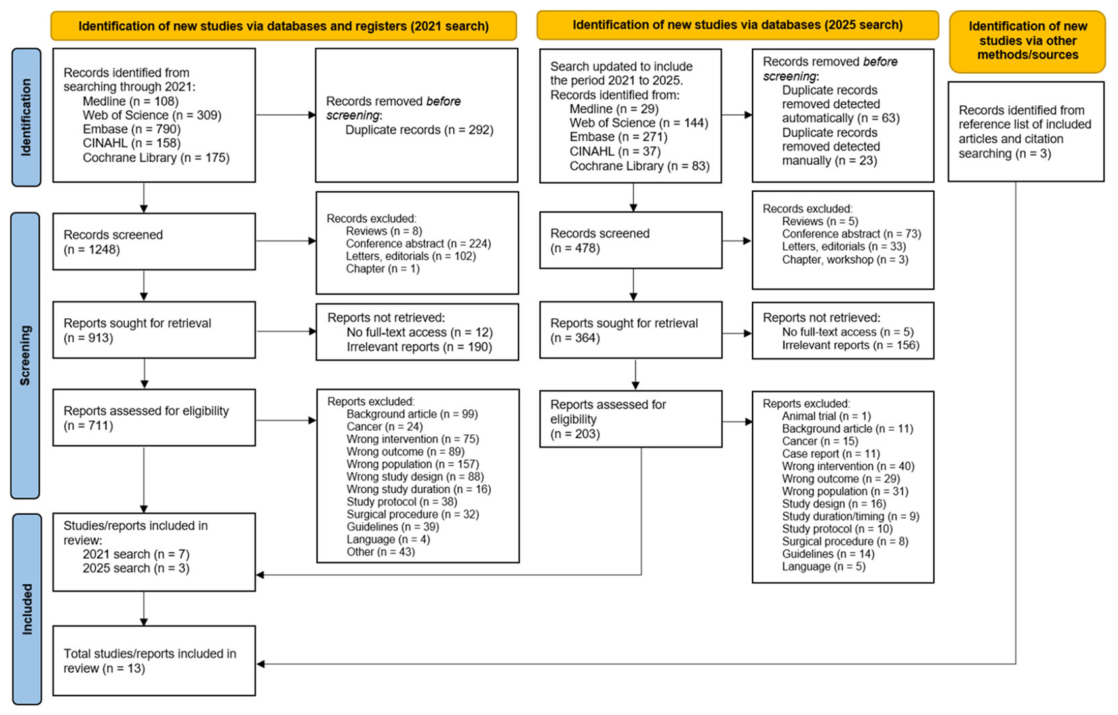
The systematic search initially identified 1540 records in 2021 and an additional 564 records in 2025 (Figure 1). After screening and excluding conference abstracts and other ineligible records, the following 13 studies met the inclusion criteria: seven from the 2021 search, three from the 2025 update, and three identified through reference mining. All included studies examined the effect of DC on individuals post-MBS and measured outcomes of body weight. The primary reason for excluding records was that they were either conference abstracts or letters or editorials, rather than full studies.

3.1. Characteristics of the Included Studies

Of the 13 studies included (Table 1 and Table 2), five were RCTs [17,26,27,28,29], five were retrospective observational studies [30,31,32,33,34], and three were prospective cohort studies [35,36,37]. Studies were predominantly conducted in the United States [17,28,29,31,33], with others from the United Kingdom [26,34], and one study each from Italy [32], France [37], Greece [36], Turkey [30], Israel [35], and India [27].
Sample sizes ranged from 15 [36] to 1335 participants [34], for a total 4173 across studies. Surgical procedures included LSG [30,35,36], RYGB [28,29,33,37], LAGB [34], LMGB [27], and mixed surgical procedures [17,26,31,32]. Data collection periods varied, with six of the included studies assessing the outcomes over 12 months [26,28,29,31,35,36] and three studies over 24 months [17,30,32]. Three studies collected outcomes for longer than 24 months post-MBS [33,34,37]. Only one study collected outcomes for less than 12 months [27].
Notably, weight outcomes were reported in eight different ways across the 13 studies. Specifically, these were reported as: body weight (BW) [27,28,32,37], weight loss (WL) [27,29,37], percentage of weight loss (%WL) [17,32], EWL [28], percentage of EWL (%EWL) [27,28,30,31,32,35,36], percentage of TWL (%TWL) [26,33,35], BMI [26,27,28,29,32,36,37], and percentage of excess BMI loss (%EBMIL) [34] (Supplementary Materials Table S6). Only six studies assessed secondary outcomes such as body composition, biochemical parameters, nutritional status, and postoperative complications [26,29,31,33,34,37] (Supplementary Materials Table S6).

3.2. Dietary Counselling and Postoperative Weight Change

Among the seven studies comparing DC to usual/standard care (Table 1), five reported no significant differences in weight outcomes [17,29,31,32,34], whereas two reported significant greater weight loss (%EWL) in the DC group [28,36]. For example, Kiriakopoulos et al. [36] found mean %EWL of 40 ± 3.8% in the DC group versus 30.2 ± 4.1% in the usual care group. Similarly, Nijamkin and colleagues [28] reported participants who received DC achieved greater EWL than those in the usual care group (25% vs. 13%).
Eight studies assessed weight outcomes by frequency of DC attendance [17,26,27,30,33,34,35,37] (Table 2). Definitions of “frequent” and “infrequent” attendance varied, but generally, frequent attendance involved three to six follow-up DC sessions post-MBS, with some studies including additional support like phone calls, emails, or social media communication. Less frequent attendance to DC sessions was reported in the included studies when participants attended no DC follow-up sessions or only up to three DC sessions after MBS. Significant differences between frequent and infrequent attendees were observed in three studies [27,30,33]. For instance, Batar’s et al. [30] found a positive correlation between the frequency of DC sessions in the first year and EWL in the second year post-MBS. However, in the second year, there was a significant negative correlation between DC sessions and EWL in the second year. Another study by Koffman and colleagues [33] reported higher %TWL in the frequent DC group at both 12 and 36 months post-MBS. Similarly, Nambiar and Zaveri [27] observed better weight outcomes (%EWL and BMI) in participants who were offered 24/7 DC via WhatsApp. Conversely, four studies reported no significant difference between frequent and infrequent attendees of DC sessions [17,34,35,37].

3.3. Dietary Counselling and Effects on Secondary Outcomes

Secondary outcomes were reported in only six of the included studies [26,29,31,33,34,37] and included body composition, biochemical parameters, nutritional status, and postoperative complications. Two studies evaluated body composition changes at 12 months post-MBS and found no differences between the DC and usual care groups [26,29]. This suggests that, within the time frame examined, DC alone may not significantly impact body composition. Two studies assessed biochemical parameters including thiamine and lipid profiles (i.e., total cholesterol, high-density lipoprotein (HDL) cholesterol, low-density lipoprotein (LDL) cholesterol, and triglycerides) [29,31]. While a large retrospective observational study (n = 570) reported significant improvements in thiamine, HDL cholesterol, and triglycerides in the DC group at 3 months post-MBS [31], a smaller RCT (n = 43) found no significant differences between groups [29].
Only one study explicitly measured nutritional status and reported that participants who were non-compliant with DC sessions (defined as those with last two visits were spaced ≥24 months apart) exhibited a higher mean number of nutrient deficiencies compared to compliant participants (4.2 ± 1.9 vs. 2.9 ± 2.0 deficiencies per patient, p-value < 0.01) [37]. Furthermore, the number of deficiencies positively correlated with the time elapsed since the last DC session (r = 0.285, p-value < 0.01). Notably, deficiencies in vitamins B1, B12, and D were more prevalent among participants with prolonged intervals between DC sessions (≥24 months) [37]. These findings underscore the importance of sustained engagement with DC sessions to mitigate micronutrient deficiencies.
The effect of DC sessions on postoperative complications was assessed in three studies after MBS [31,33,34]. These studies evaluated various postoperative complications such as leaks, gastrointestinal bleeding, bowel obstruction, dehydration, vitamin deficiencies, wound infection, and readmissions. In one particular study, patients who received DC were significantly less likely to be readmitted because of diet-related problems, compared to those who received usual care (p-value = 0.004) [31]. However, two studies reported no significant differences between groups in total complications [31,34], suggesting that the effect might be more specific to nutrition-related issues rather than total complication rates. In contrast, another study noted that participants who received intensive DC had a 39% earlier time to first hospitalisation (95% CI: 19–77%) compared to those receiving standard care [33], which could indicate earlier detection or management of complications. Nevertheless, this finding should be interpreted cautiously, as the authors acknowledged potential unmeasured confounding related to differences in patient populations and the non-randomised study design.

3.4. Components of Dietary Counselling

3.4.1. Aim and Content of Dietary Counselling

There was considerable variation in the aims and components of DC delivered across studies (Table 3). Seven studies included transition diet counselling [17,26,29,30,33,35,36], while five focused on healthy eating [17,27,32,35,37]. Four studies advised against carbohydrates, sweets, and fats during DC sessions [17,29,32,37], and two addressed mindful eating and healthy weight loss [31,35].

3.4.2. Session Format, Duration, and Content

All studies delivered DC by a dietitian in one-to-one sessions, except for a single study that provided group counselling [28]. The time spent in DC sessions ranged from 15 [17,26] to 90 min/session [28]. Seven studies included advice on micronutrient supplementation [26,27,28,30,31,35,37]. While nine studies included protein advice [17,26,27,28,29,31,32,35,37], only three specified a 60 g/day target [26,28,31]. Five studies encouraged physical activity to achieve successful weight loss [26,28,30,33,35]. While dietary intakes were measured during the DC sessions in five studies using different dietary assessment tools, e.g., 24 h dietary recall, food diary, and food frequency questionnaires, food intake was not assessed in eight of the evaluated studies [27,29,31,32,33,34,35,36].

3.4.3. Session Delivery Modes and Its Effectiveness

Of the 13 studies, ten delivered DC via one-on-one, face-to-face counselling sessions [17,29,30,31,32,34,35,36,37], while two used remote delivery methods such telephone or WhatsApp [27,33] and one combined in-clinic one-on-one visits with tele-counselling [26]. The studies that employed remote counselling (e.g., mobile and WhatsApp-based counselling) [27,33] reported favourable effects on both primary and secondary outcomes. Meanwhile in-person DC favourable effects were inconsistent among studies. Group counselling DC was reported in a single study [28]. Similarly, the group counselling study [28] demonstrated significant weight loss after 12 months of surgery, reported as EWL. Among studies offering one-on-one counselling, seven of 12 showed positive effects in either primary or secondary outcomes, whereas only one of three studies using remote counselling reported positive effects [33]. The rest of the studies using traditional ways to deliver DC (e.g., clinic visits and phone interviews) had mixed results.

3.5. Quality Assessment and Risk of Bias

Observational studies were evaluated using the Newcastle–Ottawa scale with a maximum of nine stars (see Table 4). Four of these eight studies were rated as high quality, receiving seven or more stars [32,33,35,37], while the remaining four scored of moderate quality, with scores between 4 and 6 stars [30,31,34,36]. In the selection domain, most studies were rated as good. One study was rated as fair due to recruitment from a private hospital, which restricted generalisability [36].
In the comparability domain, only a single study adequately controlled for confounders and was rated as good [35]. Three studies received fair ratings [31,32,37], while four were rated as poor [30,33,34,36]. Poor ratings were due to failure to demonstrate baseline equivalence [33] or adjust for significant differences in baseline characteristics such as higher preoperative weight, BMI, age, or/and obesity-related comorbidities in the DC group [34]. For the outcome assessment, three studies [30,33,37] were rated as good, having followed participants for 12 to 36 months after MBS, with acceptable and well-documented drop-out rates. Other studies [31,32,34,35,36] were rated as fair due to higher drop-out rates and/or missing follow-up information.
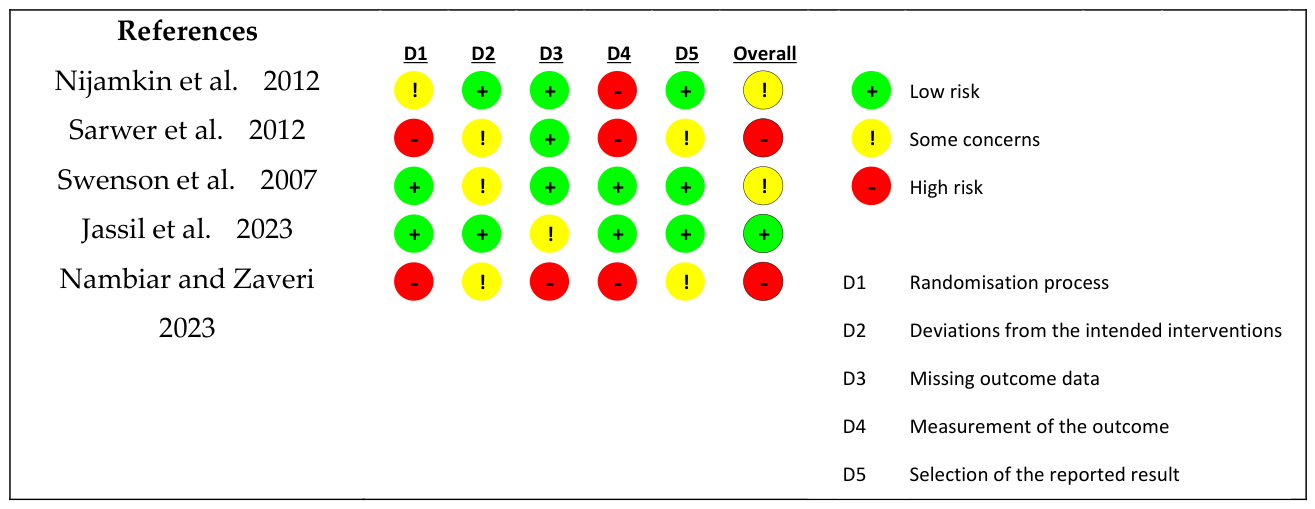
Five RCTs [17,26,27,28,29] were assessed using the Cochrane Risk of Bias 2 (RoB 2) tool [22] (Figure 2). Only one study was considered low risk of bias [26], while the others had either high risk of bias or some concerns. Outcome measurement, in domain D4, was particularly vulnerable to bias across the studies due to their open-label design, which was unavoidable given the nature of DC interventions [17,27,28]. Randomisation assessment, in domain D1, bias was introduced in two out of five studies either because the randomisation method was not described or an inappropriate method was used, further increasing the overall risk of bias [17,27].
Given the limited number of eligible studies, inconsistent metrics and time points for weight outcomes, and the predominance of a high risk of bias in RCTs, a meta-analysis was deemed unreliable and therefore was not conducted (Supplementary Materials Figure S1).

4. Discussion

This systematic review aimed to evaluate the potential effects of postoperative DC compared to usual care on various outcomes following MBS. These outcomes included body weight as the primary outcome, and body composition, biochemical parameters, nutritional status, and complications as secondary outcomes. The association between attendance at DC sessions and postoperative outcomes, compared to infrequent attendance, was also examined.
The majority of the thirteen studies identified by this review reported no significant difference in weight loss between participants receiving DC and those who did not receive it [17,26,29,31,32,34,35,37]. Similarly, secondary outcomes such as body composition and postoperative complications were not different between the two groups [26,29]. However, DC had a significant beneficial effect on patients’ nutritional status and certain biochemical parameters, including thiamine, cholesterol, and triglyceride [31,37]. Notably, thiamine loss after surgery was less in the group counselled by a dietitian compared to the group counselled by a surgeon [31]. Although most studies utilised one-on-one, face-to-face DC delivered by a dietitian, there was variation in the content discussed during DC sessions. In general, the nutritional advice provided was consistent with the ASMBS clinical practice guidelines; however, Kiriakopoulos et al. [36] differed by recommending a longer duration for the postoperative liquid diet (four weeks), without specifying the guideline or evidence on which this recommendation was based. It would have been important to assess the postoperative nutritional status of these patients; however, this was not an outcome of interest in their study.
Our results are in line with previous authors’ assessments of inconsistent findings among the few studies where DC has been considered. Two previous systematic reviews reported inconclusive evidence for the effectiveness of DC sessions [13,19]. Other systematic reviews conducted by Marshall et al. [12] and Rudolph and Hilbert [18] reported improved weight loss post-MBS associated with DC. However, both systematic reviews included only a small number of DC-based interventions, limiting the generalisability of their findings. Even with more studies included in this current systematic review, the beneficial effects on weight outcomes remained inconsistent, although improvements were observed in other clinical parameters such as nutritional status (thiamine), cholesterol, and triglycerides.
To the best of our knowledge, our work is the first to evaluate the nature of DC and effect of frequency of attendance at DC sessions on weight outcomes in participants who had undergone MBS. Among the eight included studies that assessed the impact of DC session attendance, three studies reported that high DC session attendance was associated with significantly greater postoperative weight loss compared to low attendance group [27,30,33]; one of the eight studies found significantly fewer nutrient deficiencies among individuals who adhered to DC sessions [37]. Conversely, the remaining five studies found no statistically significant difference in weight outcomes between the high and low attendance groups. This may be explained by the limited follow-up duration in the majority of these studies, which typically assessed outcomes within the first two years post-MBS. During this period, weight loss is still significantly influenced by the effects of MBS; therefore, participants in the control group will still experience weight loss due to their reduced stomach size after surgery that limits energy intake [38], which may make it difficult to isolate the effect of DC. In addition, the inconsistent effects of adherence to DC sessions on weight outcomes post-MBS may be due to the following several factors: the strong impact of surgery during the first two years, differences in the type of surgical procedure, and variation in the delivery of DC sessions, including their frequency, duration, and content. Further studies should be done with controlling variables to better clarify DC effect on postoperative outcomes.
The delivery mode of DC sessions ranged from face-to-face to remote platforms such as WhatsApp and telephone. This mode of delivery appears to affect patient engagement and intervention “dosage”. Specifically, studies that utilised remote counselling [27,33] reported significant results in patient outcomes in favour of the intervention group compared to face-to-face counselling. While face-to-face visits allow for intensive clinical assessment, remote delivery may improve long-term adherence by addressing accessibility barriers, which is a significant factor in the bariatric population. Through remote modes, a higher number of DC sessions could be provided to patients compared to traditional face-to-face visits. Although the included studies utilised varying frequencies, a trend emerged suggesting that regular, high-frequency counselling via remote modes provides better support for weight maintenance than infrequent sessions. Consequently, remote DC sessions increased patients’ adherence and allowed for frequent interactions that optimise weight outcomes while minimising patient burden.
The effect of DC sessions could not be synthesised quantitatively due to the variability in the number of DC sessions used by individual studies to define frequent versus infrequent attendance to DC sessions. Some results from individual studies, such as those noted by Batar et al. [30], shed light on the effect of adherence to DC sessions. The findings showed that participants who were committed to DC sessions in the first year after MBS had better weight outcomes compared to those who attended fewer DC sessions. Greater adherence to frequent DC sessions may improve patient accountability and motivation, leading to superior weight outcomes. However, further studies are required to realise whether frequent DC sessions promote sustained behavioural change or if adherence is a marker of more motivated participants. Conversely, those who attended more DC sessions in the second year were often participants experiencing complications or who had insufficient weight loss. However, critical questions remain unanswered. For instance, does frequent attendance at DC sessions lead to improved patient outcomes when these outcomes are assessed during in-clinic visits? Does being weighed in the presence of a dietitian have the same impact as self-monitoring? Are participants who care more about their health more likely to attend postoperative DC sessions and consequently lose more weight? Conversely, are participants experiencing insufficient weight loss or weight recurrence less likely to attend DC sessions? Additionally, does the stigma associated with obesity prevent some participants from attending medical visits? These questions highlight the need for further research to comprehensively understand the relationship between frequent DC attendance and weight outcomes post-MBS.
One of the major problems that affected the ability to conduct comparisons among studies that investigated the effect of DC on weight outcomes was that there is no standard way on the best way of reporting weight outcomes post-MBS [39]. Weight change was defined and reported using eight different ways among the 13 included studies within this systematic review, with %EWL and BMI being the most commonly used definitions. Using %EWL has the advantage of being broadly applicable across the literature, as it is a commonly used metric for reporting outcomes [40]. Additionally, many surgeons rely on %EWL projections to set expectations for participants regarding the success of their surgery. However, %TWL has recently become more favoured because it has been shown to correlate more strongly with clinical health outcomes; greater %TWL has been associated significantly with reductions in blood pressure, triglycerides, and fasting glucose post-MBS [41], while %EWL has shown inconsistent associations with comorbidity resolution [41].

Implications for Research and Practice

Our review highlights significant methodological challenges stemming from the wide variability in metrics used to report weight outcomes following MBS. To improve the feasibility of future evidence synthesis, researchers are encouraged to provide the raw data necessary for BMI conversion to facilitate the harmonisation of metrics. In addition, the adoption of standardised metric suggested by clinical practice guidelines is recommended. The American Society for Metabolic and Bariatric Surgery (ASMBS) recommends the use of percentage TWL, which has been shown to correlate more consistently with improvements in cardiometabolic health [39]. Future research should consider the use of %TWL when reporting weight outcomes to enhance comparability across studies and support meta-analysis. In clinical practice, using %TWL as the primary metric may improve the precision of follow-up protocols and patient monitoring. Furthermore, dietitians are encouraged to monitor patients for longer than two years post-MBS, as this period is when weight recurrence is most likely to occur and the initial metabolic effects of surgery may begin to diminish. Furthermore, metabolic and bariatric surgery centres and registries are encouraged to revise reporting standards that align with ASMBS recommendations, thereby ensuring that clinical metrics reflects outcomes most relevant to both patients and healthcare providers.
The findings of our systematic review are limited by the overall risk of bias across the included studies, especially when some studies had differences in baseline characteristics, such as BMI or age, between the intervention and comparison groups, which may influence outcomes. In addition, given that the DC sessions were inherently open-label, this remains a source of potential bias. Consequently, while the results support the beneficial effect of DC sessions on clinical outcomes, the evidence remains suggestive rather than definitive, highlighting the need for more rigorous RCTs with standardised follow-up.

5. Strengths and Limitations

This is the first systematic review that has specifically evaluated postoperative DC for individuals who underwent MBS. An additional strength is that we only included studies that provided DC for more than 12 weeks post-MBS. This is an important period when individuals have fully returned to eating regular food after surgery, making it a critical window to observe the potential effect of DC on clinical outcomes. The main limitation of this systematic review was the few numbers of eligible studies, with the majority of included studies being observational studies that were rated as fair and poor in some domains of quality assessment. Given the limited number of heterogeneous studies included, meta-analysis was not feasible. In addition, there were some concerns or a high risk of bias associated with the included randomised controlled trials. Prominent heterogeneity also existed in the reporting of weight outcomes and the DC delivered, which makes comparison between studies and evidence synthesis challenging. A main observation of the included studies was that most of them had a high attrition rate of participants at the final assessment, resulting in a lower quality of the study.
The variability in “usual care” in the included studies acts as a confounder, particularly where surgeon-led advice overlaps with basic nutritional principles. This lack of standardisation means that control groups receiving basic surgeon-led guidance are not equivalent to those receiving no advice at all, potentially masking the true effect of specialised DC delivered by dietitian. Consequently, the observed treatment effect may be underestimated in studies where the comparison group received some level of nutritional education.
Through capturing all studies evaluating the effect of DC and identifying gaps, this systematic review serves as a first step towards tailoring future research on the impacts of DC sessions delivered by dietitians on MBS clinical outcomes. Ultimately, more trials with the same outcomes are required to facilitate meta-analysis to conclude the impact of DC on health outcomes.

6. Conclusions

In conclusion, this systematic review assessed the effects of DC in comparison to usual care on weight loss, body composition, nutritional status, biochemical parameters, and complications following MBS. The current evidence is not yet adequate to confirm that DC enhances weight loss or reduces post-MBS complications. This is primarily due to the limited number and methodological quality of the included studies, as well as inconsistencies in outcome reporting and short follow-up durations. However, DC might help improve nutritional status, as some studies have suggested. To advance this field, future research should focus on high-quality, long-term randomised controlled trials that use consistent outcome measures, particularly %TWL as the standard, and examine the impact of DC on healthy weight loss and other patient-important outcomes beyond two years after MBS.

Supplementary Materials

The following supporting information can be downloaded at https://www.mdpi.com/article/10.3390/dietetics5020034/s1. Table S1: Search strategy for Medline database via Ovid. Table S2: Search strategy for Embase database via Ovid. Table S3: Search strategy for Cochrane Library. Table S4: Search strategy for Web of Science. Table S5: Search strategy for CINAHL. Table S6: Summary of primary and secondary outcomes of interest examined in studies meeting the inclusion criteria. Table S7: Dietary counselling components found in studies meeting inclusion criteria. Figure S1: Similarity checking for the identified studies to decide of inclusion/exclusion in meta-analysis.

Author Contributions

A.A., S.M. and J.B.M. conceptualised and designed the study. A.A. conducted database searches, screening and data extraction and conducted the analyses. A.A. wrote the initial draft. All authors, A.A., S.M., J.B.M. and V.N., contributed to interpretation and presentation of the results, provided a critical evaluation of the manuscript, and approved the final version. All authors have read and agreed to the published version of the manuscript.

Funding

This research received no external funding.

Institutional Review Board Statement

Not applicable.

Informed Consent Statement

Not applicable.

Data Availability Statement

Data are contained within the article.

Acknowledgments

The authors would like to thank Deirdre Andre the Library Research Support Advisor at the University of Leeds for her support in the way of searching different databases and identifying relevant keywords. Additionally, thanks to the authors of the included articles of this systematic review who responded to the researcher’s questions when information or clarification was needed.

Conflicts of Interest

The authors declare no conflicts of interest.

References

  1. Albaugh, V.L.; Abumrad, N.N. Surgical treatment of obesity. F1000Research 2018, 7, 617. [Google Scholar] [CrossRef]
  2. Rawlins, M.L.; Teel, D., II; Hedgcorth, K.; Maguire, J.P. Revision of Roux-en-Y gastric bypass to distal bypass for failed weight loss. Surg. Obes. Relat. Dis. 2011, 7, 45–49. [Google Scholar] [CrossRef] [PubMed]
  3. Velapati, S.R.; Shah, M.; Kuchkuntla, A.R.; Abu-Dayyeh, B.; Grothe, K.; Hurt, R.T.; Mundi, M.S. Weight regain after bariatric surgery: Prevalence, etiology, and treatment. Curr. Nutr. Rep. 2018, 7, 329–334. [Google Scholar] [CrossRef]
  4. Tack, J.; Deloose, E. Complications of bariatric surgery: Dumping syndrome, reflux and vitamin deficiencies. Best Pract. Res. Clin. Gastroenterol. 2014, 28, 741–749. [Google Scholar] [CrossRef]
  5. Holli, B.; Beto, A. Nutrition Counseling and Education Skills a Guide for Professionals, Enhanced seventh ed.; Jones & Barlett Learning: Burlington, MA, USA, 2018; p. 138. [Google Scholar]
  6. Busetto, L.; Dicker, D.; Azran, C.; Batterham, R.L.; Farpour-Lambert, N.; Fried, M.; Hjelmesaeth, J.; Kinzl, J.; Leitner, D.R.; Makaronidis, J.M.; et al. Practical recommendations of the obesity management task force of the European Association for the Study of Obesity for the post-bariatric surgery medical management. Obes. Facts 2017, 10, 597–632. [Google Scholar] [CrossRef]
  7. Mechanick, J.I.; Apovian, C.; Brethauer, S.; Garvey, W.T.; Joffe, A.M.; Kim, J.; Kushner, R.F.; Lindquist, R.; Pessah-Pollack, R.; Seger, J. Clinical practice guidelines for the perioperative nutrition, metabolic, and nonsurgical support of patients undergoing bariatric procedures–2019 update: Cosponsored by American Association of Clinical Endocrinologists/American College of Endocrinology, The Obesity Society, American Society for Metabolic & Bariatric Surgery, Obesity Medicine Association, and American Society of Anesthesiologists. Surg. Obes. Relat. Dis. 2020, 16, 175–247. [Google Scholar]
  8. O’Kane, M.; Parretti, H.M.; Hughes, C.A.; Sharma, M.; Woodcock, S.; Puplampu, T.; Blakemore, A.I.; Clare, K.; MacMillan, I.; Joyce, J.; et al. Guidelines for the follow-up of patients undergoing bariatric surgery. Clin. Obes. 2016, 6, 210–224. [Google Scholar] [CrossRef]
  9. O’Kane, M.; Parretti, H.M.; Pinkney, J.; Welbourn, R.; Hughes, C.A.; Mok, J.; Walker, N.; Thomas, D.; Devin, J.; Coulman, K.D.; et al. British Obesity and Metabolic Surgery Society Guidelines on perioperative and postoperative biochemical monitoring and micronutrient replacement for patients undergoing bariatric surgery—2020 update. Obes. Rev. 2020, 21, e13087. [Google Scholar] [CrossRef] [PubMed]
  10. Sherf Dagan, S.; Goldenshluger, A.; Globus, I.; Schweiger, C.; Kessler, Y.; Kowen Sandbank, G.; Ben-Porat, T.; Sinai, T. Nutritional recommendations for adult bariatric surgery patients: Clinical practice. Adv. Nutr. 2017, 8, 382–394. [Google Scholar] [CrossRef]
  11. Aills, L.; Blankenship, J.; Buffington, C.; Furtado, M.; Parrott, J. ASMBS allied health nutritional guidelines for the surgical weight loss patient. Surg. Obes. Relat. Dis. 2008, 4, S73–S108. [Google Scholar] [CrossRef] [PubMed]
  12. Marshall, S.; Mackay, H.; Matthews, C.; Maimone, I.R.; Isenring, E. Does intensive multidisciplinary intervention for adults who elect bariatric surgery improve post-operative weight loss, co-morbidities, and quality of life? A systematic review and meta-analysis. Obes. Rev. 2020, 21, e13012. [Google Scholar] [CrossRef]
  13. Swierz, M.J.; Storman, D.; Jasinska, K.W.; Storman, M.; Staskiewicz, W.; Gorecka, M.; Skuza, A.; Tobola, P.; Bala, M.M. Systematic review and meta-analysis of perioperative behavioral lifestyle and nutritional interventions in bariatric surgery: A call for better research and reporting. Surg. Obes. Relat. Dis. 2020, 16, 2088–2104. [Google Scholar] [CrossRef]
  14. Kalarchian, M.A.; Marcus, M.D.; Courcoulas, A.P.; Cheng, Y.; Levine, M.D. Preoperative lifestyle intervention in bariatric surgery: A randomized clinical trial. Surg. Obes. Relat. Dis. 2016, 12, 180–187. [Google Scholar] [CrossRef]
  15. Papalazarou, A.; Yannakoulia, M.; Kavouras, S.A.; Komesidou, V.; Dimitriadis, G.; Papakonstantinou, A.; Sidossis, L.S. Lifestyle intervention favorably affects weight loss and maintenance following obesity surgery. Obesity 2010, 18, 1348–1353. [Google Scholar] [CrossRef]
  16. Parikh, M.; Dasari, M.; McMacken, M.; Ren, C.; Fielding, G.; Ogedegbe, G. Does a preoperative medically supervised weight loss program improve bariatric surgery outcomes? A pilot randomized study. Surg. Endosc. 2012, 26, 853–861. [Google Scholar] [CrossRef]
  17. Sarwer, D.B.; Moore, R.H.; Spitzer, J.C.; Wadden, T.A.; Raper, S.E.; Williams, N.N. A pilot study investigating the efficacy of postoperative dietary counseling to improve outcomes after bariatric surgery. Surg. Obes. Relat. Dis. 2012, 8, 561–568. [Google Scholar] [CrossRef]
  18. Rudolph, A.; Hilbert, A. Post-operative behavioural management in bariatric surgery: A systematic review and meta-analysis of randomized controlled trials. Obes. Rev. 2013, 14, 292–302. [Google Scholar] [CrossRef] [PubMed]
  19. Stewart, F.; Avenell, A. Behavioural interventions for severe obesity before and/or after bariatric surgery: A systematic review and meta-analysis. Obes. Surg. 2016, 26, 1203–1214. [Google Scholar] [CrossRef] [PubMed]
  20. Page, M.J.; McKenzie, J.E.; Bossuyt, P.M.; Boutron, I.; Hoffmann, T.C.; Mulrow, C.D.; Shamseer, L.; Tetzlaff, J.M.; Akl, E.A.; Brennan, S.E.; et al. The PRISMA 2020 statement: An updated guideline for reporting systematic reviews. BMJ 2021, 372, n71. [Google Scholar] [CrossRef] [PubMed]
  21. Chandler, J.; Cumpston, M.; Li, T.; Page, M.J.; Welch, V. Cochrane Handbook for Systematic Reviews of Interventions; Wiley: Hoboken, NJ, USA, 2019; Available online: https://dariososafoula.wordpress.com/wp-content/uploads/2017/01/cochrane-handbook-for-systematic-reviews-of-interventions-2019-1.pdf (accessed on 17 May 2026).
  22. Sterne, J.A.C.; Savovic, J.; Page, M.J.; Elbers, R.G.; Blencowe, N.S.; Boutron, I.; Cates, C.J.; Cheng, H.Y.; Corbett, M.S.; Eldridge, S.M.; et al. RoB 2: A revised tool for assessing risk of bias in randomised trials. BMJ 2019, 366, l4898. [Google Scholar] [CrossRef] [PubMed]
  23. Wells, G.; Shea, B.; O’Connell, D.; Peterson, J.; Welch, V.; Losos, M.; Tugwell, P. The Newcastle-Ottawa Scale (NOS) for Assessing the Quality of Nonrandomised Studies in Meta-Analyses. Available online: http://www.ohri.ca/programs/clinical_epidemiology/oxford.asp (accessed on 18 November 2021).
  24. Popay, J.; Roberts, H.; Sowden, A.; Petticrew, M.; Arai, L.; Rodgers, M.; Britten, N.; Roen, K.; Duffy, S. Guidance on the Conduct of Narrative Synthesis in Systematic Reviews. A Product from the ESRC Methods Programme; Version 1; Lancaster University: Lancaster, UK, 2006; Available online: https://www.academia.edu/16899311/Guidance_on_the_conduct_of_narrative_synthesis_in_systematic_reviews_a_comparison_of_guidance_led_narrative_synthesis_versus_meta_analysis (accessed on 17 May 2026).
  25. Haidich, A.-B. Meta-analysis in medical research. Hippokratia 2010, 14, 29. [Google Scholar]
  26. Jassil, F.C.; Carnemolla, A.; Kingett, H.; Doyle, J.; Kirk, A.; Lewis, N.; Montagut, G.; Marvasti, P.; Boniface, D.; Brown, A.; et al. Impact of nutritional-behavioral and supervised exercise intervention following bariatric surgery: The BARI-LIFESTYLE randomized controlled trial. Obesity 2023, 31, 2031–2042. [Google Scholar] [CrossRef] [PubMed]
  27. Nambiar, V.S.; Zaveri, D. Nutrition health interventions and quality of life following mini gastric bypass surgery—A randomized control trial. Int. J. Diabetes Dev. Ctries. 2023, 44, 313–320. [Google Scholar] [CrossRef]
  28. Nijamkin, M.P.; Campa, A.; Sosa, J.; Baum, M.; Himburg, S.; Johnson, P. Comprehensive nutrition and lifestyle education improves weight loss and physical activity in Hispanic Americans following gastric bypass surgery: A randomized controlled trial. J. Acad. Nutr. Diet. 2012, 112, 382–390. [Google Scholar] [CrossRef]
  29. Swenson, B.R.; Saalwachter Schulman, A.; Edwards, M.J.; Gross, M.P.; Hedrick, T.L.; Weltman, A.L.; Northrup, C.J.; Schirmer, B.D.; Sawyer, R.G. The effect of a low-carbohydrate, high-protein diet on post laparoscopic gastric bypass weight loss: A prospective randomized trial. J. Surg. Res. 2007, 142, 308–313. [Google Scholar] [CrossRef]
  30. Batar, N.; Kermen, S.; Sevdin, S.; Coskun, H.; Guclu, D. Assessment of the correlation between weight status and the frequency of dietician interviews in sleeve gastrectomy patients. Obes. Surg. 2021, 31, 185–193. [Google Scholar] [CrossRef] [PubMed]
  31. Garg, T.; Birge, K.; Ulysses, R.; Azagury, D.; Rivas, H.; Morton, J.M. A postoperative nutritional consult improves bariatric surgery outcomes. Surg. Obes. Relat. Dis. 2016, 12, 1052–1056. [Google Scholar] [CrossRef]
  32. Gradaschi, R.; Molinari, V.; Sukkar, S.G.; De Negri, P.; Adami, G.F.; Camerini, G. Effects of the postoepartive dietetic/behavioral counseling on the weight loss after bariatric surgery. Obes. Surg. 2020, 30, 244–248. [Google Scholar] [CrossRef]
  33. Koffman, L.; Levis, A.W.; Haneuse, S.; Johnson, E.; Bock, S.; McSperitt, D.; Gupta, A.; Arterburn, D. Evaluation of intensive telephonic nutritional and lifestyle counseling to enhance outcomes of bariatric surgery. Obes. Surg. 2022, 32, 133–141. [Google Scholar] [CrossRef] [PubMed]
  34. Singhal, R.; Kitchen, M.; Bridgwater, S.; Super, P. Dietetic-led management of patients undergoing laparoscopic gastric banding: Early results. Surg. Endosc. 2010, 24, 1268–1273. [Google Scholar] [CrossRef]
  35. Kessler, Y.; Olmer, L.; Raziel, A.; Goitein, D.; Dankner, R. Associations of dietitian follow-up counselling visits and physical exercise with weight loss one year after sleeve gastrectomy. Eat. Weight Disord. 2020, 25, 143–150. [Google Scholar] [CrossRef]
  36. Kiriakopoulos, A.; Varounis, C.; Tsakayannis, D.; Linos, D. Laparoscopic sleeve gastrectomy in morbidly obese patients: Technique and short term results. Hormones 2009, 8, 138–143. [Google Scholar] [CrossRef]
  37. Ledoux, S.; Calabrese, D.; Bogard, C.; Dupre, T.; Castel, B.; Msika, S.; Larger, E.; Coupaye, M. Long-term evolution of nutritional deficiencies after gastric bypass: An assessment according to compliance to medical care. Ann. Surg. 2014, 259, 1104–1110. [Google Scholar] [CrossRef]
  38. Miras, A.D.; le Roux, C.W. Mechanisms underlying weight loss after bariatric surgery. Nat. Rev. Gastroenterol. Hepatol. 2013, 10, 575–584. [Google Scholar] [CrossRef] [PubMed]
  39. Brethauer, S.A.; Kim, J.; el Chaar, M.; Papasavas, P.; Eisenberg, D.; Rogers, A.; Ballem, N.; Kligman, M.; Kothari, S.; ASMBS Clinical Issues Committee. Standardized outcomes reporting in metabolic and bariatric surgery. Obes. Surg. 2015, 25, 587–606. [Google Scholar] [CrossRef] [PubMed]
  40. Majid, S.F.; Davis, M.J.; Ajmal, S.; Podkameni, D.; Jain-Spangler, K.; Guerron, A.D.; King, N.; Voellinger, D.C.; Northup, C.J.; Kennedy, C. Current state of the definition and terminology related to weight recurrence after metabolic surgery: Review by the POWER Task Force of the ASMBS. Surg. Obes. Relat. Dis. 2022, 18, 957–963. [Google Scholar] [CrossRef]
  41. Tu, Y.; Pan, Y.; Han, J.; Pan, J.; Zhang, P.; Jia, W.; Bao, Y.; Yu, H. A total weight loss of 25% shows better predictivity in evaluating the efficiency of bariatric surgery. Int. J. Obes. 2021, 45, 396–403. [Google Scholar] [CrossRef] [PubMed]
Figure 1. PRISMA 2020 flow diagram depicting the systematic search and selection criteria of postoperative dietary counselling studies.
Dietetics 05 00034 g001
Figure 2. The risk of bias for the included randomised controlled trials using the Cochrane Risk of Bias 2 tool [17,26,27,28,29].
Dietetics 05 00034 g002
Table 1. Summary of studies investigating dietary counselling vs. usual care post-metabolic and bariatric surgery.
Study,
Country,
Design
Participants, MBS TypeDC Intervention,
Duration, Timing
Comparison Group CareMeasured Outcomes, Follow-Up VisitsWeight OutcomesSecondary Outcomes
Observational studies
Garg et al. [31],
USA,
Retrospective
n = 570, 78% F,
LSG, RYGB, LAGB
5 DC sessions delivered by dietitian and surgeon,
12 m,
post-op
5 visits with surgeon%EWL, biochemical test, readmission, complications,
3m, 6m, 12m
%EWL (p-value < 0.06) §.↓ Readmission rate and improved biochemical parameters favoured dietitian/surgeon group (p-value < 0.001) *.
No significant differences in post-op complications (p-value < 0.43) §.
Gradaschi et al. [32],
Italy,
Retrospective
n = 176, 82% F,
LSG, RYGB
5 DC sessions delivered by dietitian and surgeon,
24 m,
post-op
5 visits with surgeonBW, BMI, EWL,
24 m
No significant differences in weight-loss between groups §.
Better adherence to MBS programme in the intervention group (p-value < 0.01) *.
Kiriakopoulos et al. [36],
Greece,
Prospective
n = 15, 40% F,
LSG
6 DC sessions delivered by dietitian,
12 m,
post-op
4 follow-up calls by nurseBMI, TWL, %EWL, appetite
1m, 3m, 6m, 12m
Eight participants who received regular post-op DC at follow-up did better than the others who did not (n = 7) (% EWL 40.4 ± 3.8 vs. 30.2 ± 4.1, respectively).
Singhal et al. [34],
UK,
Retrospective
n = 1335, 85% F
LAGB
6 dietitian-led DC sessions + 1 surgeon visit + 2 radiologist visits,
24 m,
post-op
6 visits with surgeon and nurse + 1 visit with dietitian + 1 visit with radiologistWL, %EBMIL. Complications
36 m
%EBMIL was initially lower in the dietitian-led group, but this difference disappeared at the end of 24 m (p-value = 0.056) §.No significant difference in complications between groups §.
Randomised controlled trials
Nijamkin et al. [28],
USA,
Unblinded
n = 144, 83% F,
RYGB
6 DC group sessions delivered by multidisciplinary team,
6 m,
Post-op
6 sessions with surgeon + brief printed healthy lifestyle guidelinesEWL, physical activity
6m, 12m
At 12 m DC group achieved greater EWL (25% vs. 13%; p-value < 0.001) *.
Sarwer et al. [17],
USA,
Pilot
Unblinded
n = 84, 63% F,
RYGB, LAGB
8 DC sessions by dietitian,
4 m,
post-op
Standard care (no formal DC sessions; dietitian available as needed)%WL, dietary intake, eating behaviour
24 m
No significant differences in weight loss between groups (p-value < 0.08) §.
Swenson et al. [29],
USA,
Single-blind (investigators)
n = 43, 91% F,
RYGB
4 DC sessions delivered by dietitian (diet: low carb. high prot.),
Pre-: 2 wks,
Post-op: 12 m
4 sessions based on standard heart-healthy dietBody weight (%EWL), height, BMI (%BMIL), body composition, wc, PA, biochemical parameters
12 m
No significant differences in body weight between groups §.Both groups improved their body composition, but no significant differences between groups §.
Abbreviations: AHA: American Heart Association, BMI: body mass index, BW: body weight, carb: carbohydrate, DC: dietary counselling, EBMIL: excess body mass index loss, EWL: excess weight loss, LAGB: laparoscopic adjustable gastric banding, LSG: laparoscopic sleeve gastrectomy, min: minutes, m: months, PA: physical activity, post-op: postoperative, pre-op: preoperative, prot: protein, RYGB: Roux-en-Y Gastric Bypass, TWL: total weight loss, wc: waist circumference, wk: weeks, WL: weight loss, y: years. * statistically significant between groups (p-value < 0.05); § no statistical difference between groups (p-value ≥ 0.05). ↑: increased; ↓: decreased.
Table 2. Summary table of studies reporting on frequency of dietary counselling sessions.
Study,
Country,
Design
Participants, MBS Type DC Intervention,
Duration,
Timing
Comparison Group CareMeasured Outcomes,
Follow-Up Visits
Weight OutcomesSecondary Outcomes
Observational studies
Batar et al. [30],
Turkey,
Retrospective
n = 247,
65% F,
LSG
High attendance to DC sessions (9 sessions) delivered by RD,
24 m,
Pre-/post-op
Low attendance to DC sessions delivered by RD%EWL, number of dietitian clinic visits,
12 m, 18 m, 24 m
As the frequency of dietitian interviews increased in the first year, the amount of EWL increased in the second year (p-value < 0.01).
Kessler et al. [35],
Israel,
Prospective
n = 187,
67% F,
LSG
≥3 sessions with RD
5 m,
Post-op
<3 sessions with RD%EWL, %TWL, QoL,
12 m
No association between the number of frequent DC sessions and weight reduction success §.
Koffman et al. [33],
USA,
Retrospective
n = 955,
78% F,
RYGB
Intensive telephone-based nutritional support programme (19 post-op calls by RD),
44 wk (post-op),
Pre-/post-op
Standard care ≥ 2 sessions with RD%TWL, time to hospitalisation,
12 m, 36 m
Intervention group showed 1.97% greater %TWL at 1 year and 2.2% greater %TWL at 3 years post-op compared to the standard care group *.The intervention group had shorter time to first hospitalisation compared to standard care group (p-value < 0.001) *.
Ledoux et al. [37],
France,
Prospective
n = 144,
90% F,
RYGB
Frequent attendance to follow-up DC sessions (time between 2 sessions < 18 m),
24 m,
Pre-/post-op
Infrequent attendance to follow-up DC sessions (time between 2 sessions ≥ 24 m)BW, dietary intake, nutritional parameters,
6 m, 12 m, 24 m, 36 m
Both groups ↓ BW, BMI, and ↑ weight loss, but no significant differences between groups §.Subjects with infrequent clinic visits had more deficits compared to those with frequent clinic visits (4.2 ± 1.9 vs. 2.9 ± 2.0 deficits per patient, p-value < 0.01).
The number of deficits was positively correlated with the time from last DC session attended (r = 0.285, p-value < 0.01).
Singhal et al. [34],
UK,
Retrospective
n = 1335, 85% F,
LAGB
6 DC sessions with RD,
24 m
Post-op
1 DC session with RDWL, %EBMIL, complications,
3 m, 6 m, 12 m, 24 m, 36 m.
%EBMIL was initially lower in the dietician-led group, but this difference disappeared at the end of 24 months (p-value = 0.056) §. No significant differences in complications §.
Randomised controlled trials
Jassil et al. [26],
UK,
Single-blind
n = 153,
78% F,
RYGB, OAGB, LSG
Standard care + 17 nutritional-behavioural tele-counselling delivered by bariatric dietitians,
12 m,
Post-op
2 sessions of standard care counselling by bariatric dietitian%WL **, BMI, body composition, PA levels, physical function and strength, HRQoL, depressive symptomatology, and comorbidities,
3 m, 6 m, 12 m
No significant differences in %WL and BMI post-surgery between the intervention and control group (p-value = 0.29) §.No significant differences in FM and FFM between the intervention and control group §.
Nambiar and Zaveri [27],
India,
Unblinded
n = 120,
58% F,
LMGB
≥3 DC sessions and personalised nutrition health education material by RD,
3 m,
Pre-/post-op
2–3 DC sessions (standard care)WL, %EWL, medical condition, BMI, QoL,
3 m
↑ WL, ↑ %EWL, and BMI improvement favours the frequent DC group *.
Sarwer et al. [17],
USA,
Pilot unblinded
n = 84,
63% F,
RYGB, LAGB
4–8 DC sessions with RD
4 m,
Pre-/post-op
0–3 DC sessions with RD% WL, dietary intake, eating behaviour,
2 m, 4 m, 6 m, 12 m, 18 m, 24 m
Both groups achieved weight-loss, but not significant differences between the two groups (↑ DC: 20.9% ± 1.8% vs. ↓ DC: 20.6% ± 1.4%) §.
Abbreviations: BMI: body mass index, BW: body weight, C: comparator, DC: dietary counselling, EBMIL: excess body mass index loss, EWL: excess weight loss, FFM: fat-free mass; FM: fat mass; HRQoL: health-related quality of life, I: intervention, LAGB: laparoscopic adjustable gastric banding, LMGB: laparoscopic mini gastric bypass, LSG: laparoscopic sleeve gastrectomy, m: months, OAGB: one anastomosis gastric bypass, PA: physical activity, post-op: postoperative, pre-op: preoperative, QoL: quality of life, RD: registered dietitian, RYGB: Roux-en-Y Gastric Bypass, TWL: total weight loss, wk: weeks, WL: weight loss, y: years. * statistically significant between groups (p-value < 0.05); § no statistical difference between groups (p-value ≥ 0.05); ** percentage of weight loss (%WL) calculated as percentage of total weight loss (%TWL); ↑: increased; ↓: decreased.
Table 3. Components of dietary counselling sessions utilised.
ReferenceNutritional
Objective(s)
Type of DC, Way of DeliveryFrequency of DC
(Duration)
Micronutrient Supplement AdviceProtein
Advice, Recommended Intake (g/d)
Monitoring of Dietary IntakePhysical Activity Advice
Batar et al. [30]Specialised dietitian provided personalised nutrition education on stage diet principles from the ASMBS.One-on-one,
face-to-face,
interview with dietitian
9 sessions
(30–60 min)
NR24 hr food recall
Garg et al. [31]Participants received specific dietary guidance about:
- Mindful eating practices.
One-on-one,
face-to-face,
clinic visits with surgeon+ RD
4 sessions
(NR)
Yes
(60–80)
NRNR
Gradaschi et al. [32]- Improve adherence to a regular diet;
- Promote reduction in glucose and fat consumption;
- Decrease nibbling and grazing;
- Avoid drinking energy beverages;
One-on-one,
face-to-face,
clinic visits with surgeon+ RD or phone interview if they could not attend
4 sessions
(NR)
NRYes
(NR)
NRNR
Jassil et al. [26]- Follow staged-meal progression.
- Self-monitoring of physical activity using Fitbit;
- Self-monitoring of body weight.
One-on-one,
clinic visits + tele-counselling by bariatric dietitians
4 in clinic + 17 by telephone
(15 min)
Yes
≥60
Food diary
Kessler et al. [35]- Post-op dietary recommendations based on a gradual progression of food consistency and types;
- Information on recommended food quantities.
One-on-one,
face-to-face,
dietitian consultation visits
6 sessions
(20 min)
Assessed during DC sessions
(NR)
NR
Kiriakopoulos et al. [36]- Advised following 4 weeks post-op liquid diet.One-on-one,
face-to-face,
DC delivered by dietitian via outpatient clinic
6 sessions
(NR)
NRNRNRNR
Koffman et al. [33]- Progression to solid food;
- Nutritional requirements;
- Fluid intake;
- Long-term weight management;
One-on-one.
telephonic DC
19 callsNRNRNR
Ledoux et al. [37]- Obtain a balanced diet rich in proteins, dairy products, vegetables, and fresh fruits;
- Eat slowly and chew well;
- Limit sweet consumption to avoid food intolerance or dumping syndrome.
One-on-one,
face-to-face,
DC sessions delivered by dietitian
6 sessions
(NR)
Yes
(NR)
24 hr food recallNR
Nambiar and Zaveri [27]DC based on ASMBS 2016 guidelines to cover:
- Weight loss and maintenance;
- Nutrition therapy;
- Identify/manage potential post-op complications;
- Meal plan and substitution lists;
- Information on weight plateau;
- Recommended regular follow-up.
One-on-one (WhatsApp and in-person) + educational material (email and platform),
online and offline
3 sessions + 24/7 WhatsApp
(NR)
Yes
(NR)
NRNR
Nijamkin et al. [28]DC by MDT focus on dietary recommendations, behaviour modification strategies, emotional support, and lifelong supplementation.Group counselling,
face-to-face,
presented in lecture format
6 sessions
(90 min)
Yes
(minimum 60–70)
24 hr food recall
Sarwer et al. [17]- Assist in transitioning through the 4 phases of the post-op diet (liquid/pureed/soft/regular);
- Improve adherence to the regular diet, reduce sugar and fat intake, and decrease overeating, vomiting, and dumping syndrome.
One-on-one,
face-to-face or phone interview,
post-op DC sessions delivered by dietitian
8 post-op sessions every other week until 4 months
(15 min)
NRYes
(NR)
FFQNR
Singhal et al. [34]- Intensive follow-up with dietitian;
- Discussed staged-meal progression.
One-on-one,
face-to-face,
post-op DC sessions delivered by RD
7 sessions
(NR)
NRNRNRNR
Swenson et al. [29]- Low carbohydrate intake, high protein intake, and moderate fat intake;
- Carbohydrate cravings elimination for 2 weeks in accordance with the South Beach Diet plan (semi-solid phase);
- Provided written diet instructions, examples of foods to eat and avoid, and sample meal plans.
One-on-one,
face-to-face,
pre- and post-op DC sessions delivered by dietitian
6 sessions
(NR)
NRYes
(NR)
NRNot mentioned within the counselling but assessed
Abbreviations: %EBMIL: percent excess BMI loss; %EWL: percent excess weight loss; %TWL: percent total weight loss; %WL: percent weight loss; ASMBS: American Society for Metabolic and Bariatric Surgery; BW: body weight; DC: dietary counselling; FFQ: food frequency questionnaire; hr: hour; MDT: multidisciplinary team; min: minutes; NR: not reported; post-op: postoperative; pre-op: preoperative; RD: registered dietitian. √: discussed during dietary counselling sessions.
Table 4. The Newcastle–Ottawa quality assessment scale for observational studies.
StudySelection *Comparability **Outcome ***Total Scores
12341123
Batar et al. [30]--6
Garg et al. [31]--6
Gradaschi et al. [32]-7
Kessler et al. [35]-✸✸-7
Kiriakopoulos et al. [36]----4
Koffman et al. [33]-7
Ledoux et al. [37]8
Singhal et al. [34]---5
Notes: * 1—representativeness of the exposed cohort. 2—selection of the non-exposed cohort. 3—ascertainment of exposure. 4—demonstration that the outcome of interest was not present at start of study. ** 1—comparability of cohorts based on the design or analysis controlled for confounders. *** 1—assessment of outcome. 2—was follow-up long enough for outcomes to occur. 3—adequacy of follow-up of cohorts. ✸: points/stars awarded.
Disclaimer/Publisher’s Note: The statements, opinions and data contained in all publications are solely those of the individual author(s) and contributor(s) and not of MDPI and/or the editor(s). MDPI and/or the editor(s) disclaim responsibility for any injury to people or property resulting from any ideas, methods, instructions or products referred to in the content.