Proceeding Paper

The CHIARA Project: Addressing Women’s Mental Health and Safety in US–Mexico Border States †

Metabolism of Cities Living Lab, Center for Human Dynamics in the Mobile Age, San Diego State University, 5500 Campanile Drive, San Diego, CA 92182, USA
*
Author to whom correspondence should be addressed.
Presented at the 3rd International One Health Conference, Athens, Greece, 15–17 October 2024.
Med. Sci. Forum 2025, 33(1), 6; https://doi.org/10.3390/msf2025033006
Published: 22 December 2025
(This article belongs to the Proceedings of The 3rd International One Health Conference)

Abstract

The CHIARA Project investigates women’s mental health and vulnerability to sex trafficking in the U.S.–Mexico border states (California, Arizona, Texas, and New Mexico). A mixed-methods design was employed, combining qualitative content analysis of media, legal, and policy documents with quantitative analyses of secondary datasets from health institutions, the National Human Trafficking Hotline, the Polaris Project, and the U.S. Census Bureau. Data were cleaned, integrated, and examined through descriptive statistics, regression models, and correlation matrices using R Studio, complemented by visualizations to identify patterns and hotspots. Results show a strong association between higher crime rates, reported trafficking cases, and the prevalence of mental health disorders such as PTSD, depression, and anxiety among women. California and Texas consistently reported higher trafficking cases and mental health burdens, while regression analyses highlighted poverty, limited education, and gender inequality as significant predictors of vulnerability. These findings underscore the interplay between socioeconomic conditions and gender-specific exploitation at the border. By linking mental health and trafficking indicators, the study provides actionable insights for community leaders, policymakers, and healthcare providers, emphasizing the need for trauma-informed care, targeted prevention strategies, and policies that address both structural inequities and survivor rehabilitation.

1. Introduction

The CHIARA Project addresses the complex and multifaceted challenges faced by women living in US–Mexico border states by developing an advanced dashboard system to identify and address hotspot injustices, specific areas and conditions where severe and frequent violations of sex trafficking are most prevalent. This research specifically focuses on mental health and human trafficking, providing a data-driven approach designed to empower community leaders, policymakers, and healthcare providers with actionable information. Conducted in the present day, the study reflects the ongoing and evolving issues in these border states, which have persisted for decades, and aims to deliver current insights and develop solutions that are both immediate and sustainable.
US–Mexico border states are uniquely impacted by a convergence of social, economic, and political factors, including poverty, limited education, gender inequality, and restricted access to healthcare, that create conditions in which women are especially vulnerable to significant stress and danger [1]. These regions are critical areas for focused research and intervention due to the disproportionate challenges women face related to mental health and human trafficking. Environmental stressors, such as poverty, crime, and limited access to mental health services, are compounded by the complexities of border security policies, making these areas hotspots for both mental health issues and human trafficking. Understanding these is essential for developing targeted interventions that can improve the quality of life and safety for women in these regions.
Women in US–Mexico border states are exposed to a unique set of stressors that significantly impact their mental health and safety. High rates of poverty, crime, and inadequate healthcare exacerbate mental health issues, while the prevalence of human trafficking remains a severe concern, with border states often serving as critical points for such activities [1]. This research explores whether border security policies inadvertently contribute to the incidence of human trafficking, further complicating the safety landscape for women in these regions. Globally, border regions are characterized by higher incidences of crime, including human trafficking, and in the context of the US–Mexico border, statistics indicate that women are disproportionately affected. Studies have shown that border states have higher rates of reported mental health issues and human trafficking cases compared to non-border areas [2], underscoring the importance of targeted research and intervention in these regions.
This study specifically investigates why women in border states experience a higher incidence of human trafficking compared to non-border areas and examines the impact of border security policies on the prevalence of trafficking. It also explores whether women in these regions are more likely to suffer from mental health issues due to environmental stressors and whether access to mental health services differs between border states and other areas. By leveraging data-driven insights and advanced analytical tools, the Chiara Project aims to shed light on these critical issues and propose actionable solutions to enhance the well-being and safety of women in US–Mexico border states.

2. Human Trafficking: A Global and National Crisis

Human trafficking is one of the most urgent human rights challenges worldwide, with the United States playing a prominent role as both a destination and transit country for victims. This crime involves the exploitation of vulnerable individuals through coercion, fraud, or force, often for purposes such as labor, sex, or other forms of exploitation [3]. This section delves into the prevalence and incidence of human trafficking in the United States, focusing on reported cases, victim demographics, and the various methods traffickers use to control and exploit their victims.

2.1. Prevalence of Human Trafficking in the United States

The United States is recognized as a major hub for human trafficking, both as a destination and a transit country. Federal reports estimate that between 14,500 and 17,500 individuals are trafficked into the U.S. each year [4]. However, these figures do not capture the full extent of human trafficking within the country’s borders. The National Human Trafficking Hotline, a vital source for trafficking and responding to trafficking incidents, reported 10,949 cases in 2018 alone [5]. This number likely represents only a fraction of the actual cases, as human trafficking is often underreported due to its hidden nature. California, in particular. stands out as a major site for human trafficking in the U.S., reporting 1656 cases in 2018. These cases included 1226 instances of sex trafficking, 151 of labor trafficking, and 110 cases involving both [6]. The remaining cases were unspecified, indicating challenges in data collection and the complexities of accurately categorizing each case. The prevalence of human trafficking in states like California, with large populations and proximity to international borders, underscores the importance of targeted interventions in these areas [7].

2.2. Victim Demographics: Age, Ethnicity, and Nationality

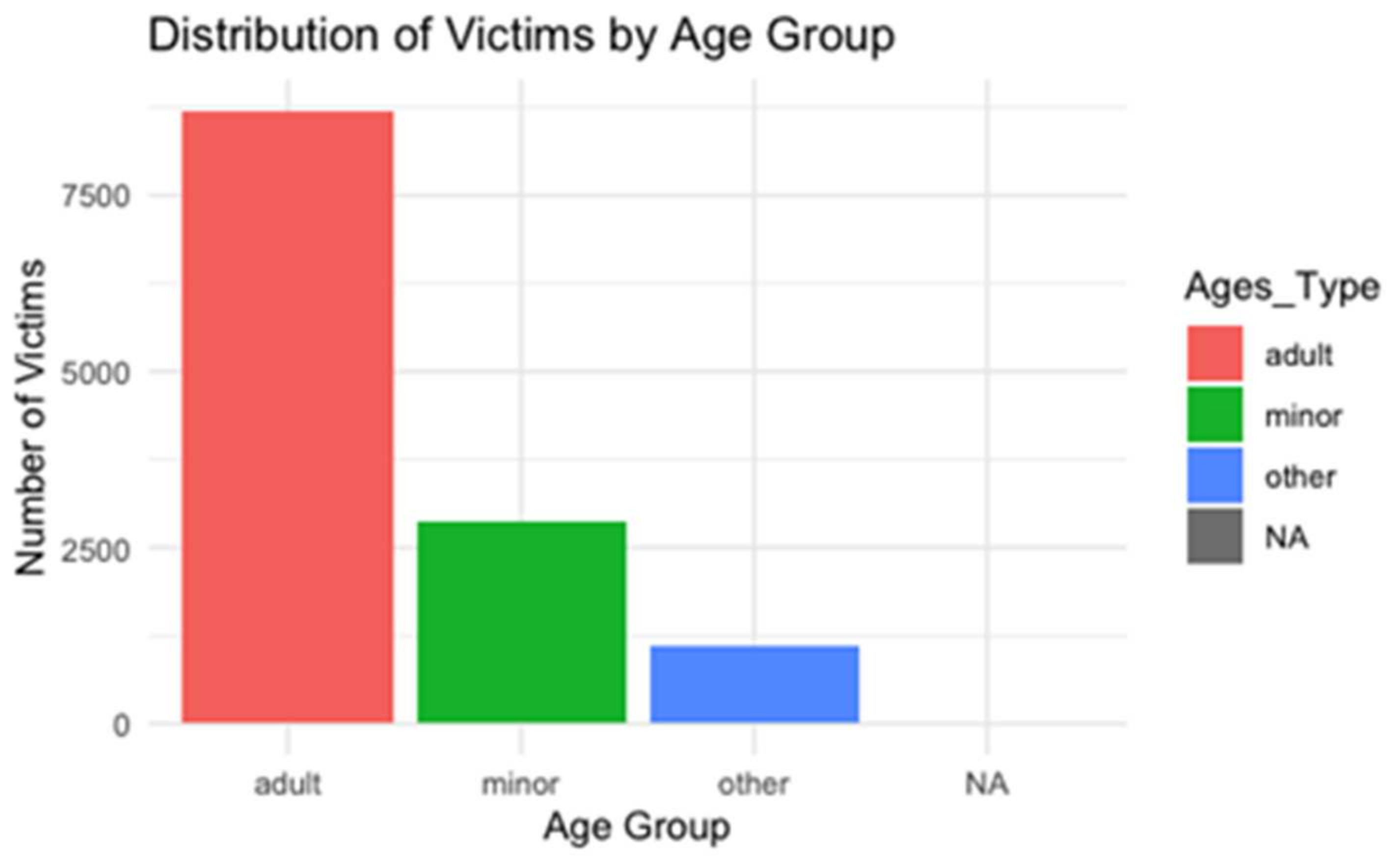
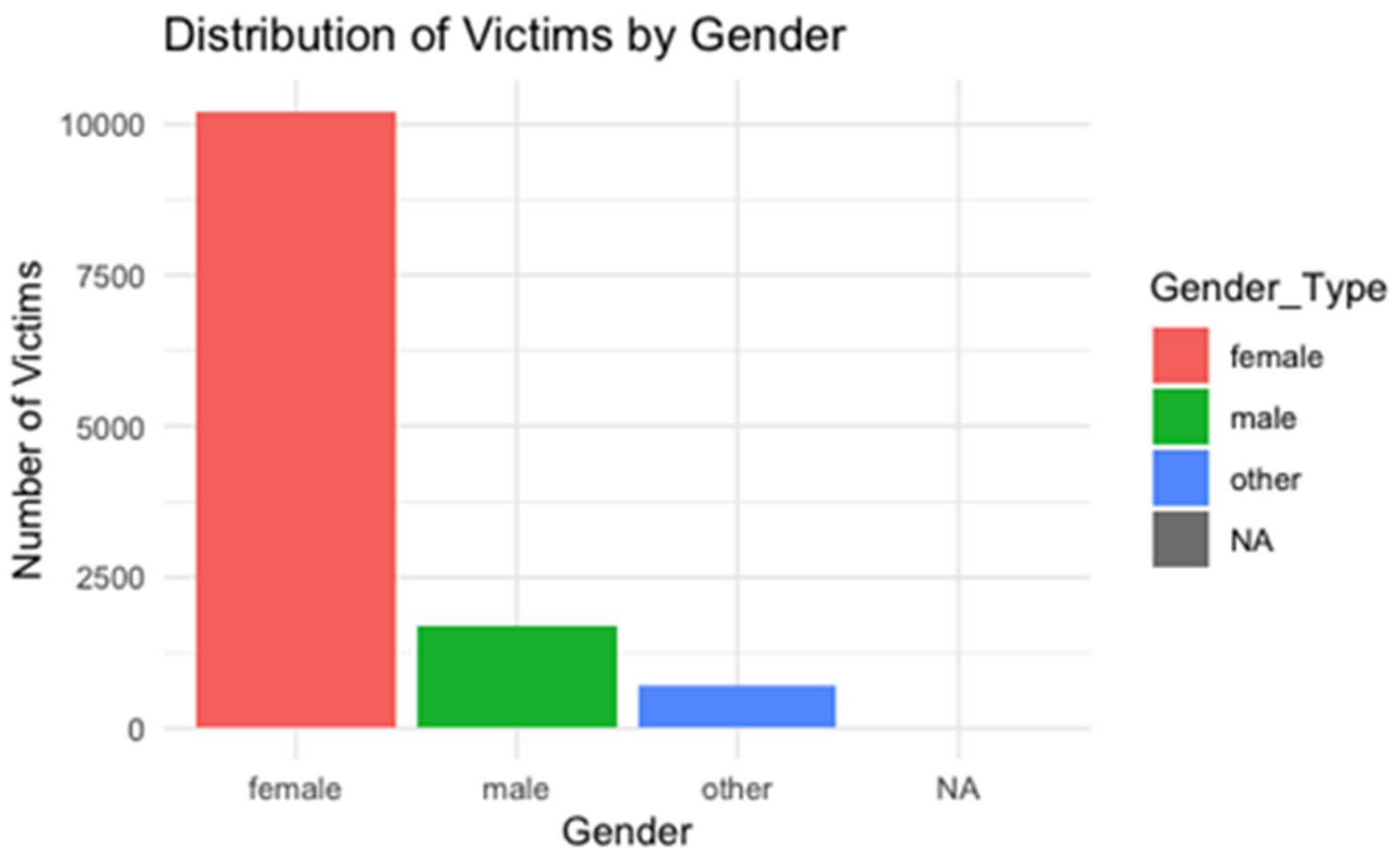
Trafficking in the U.S. affects a diverse range of individuals, including both U.S. citizens and foreign nationals, often exploited through false pretenses or coercion [8]. Vulnerability is heightened by factors such as poverty, lack of education, and histories of abuse and/or addiction [9]. Domestic sex trafficking frequently impacts runaway or homeless youth with past abuse, who are targeted with promises of stability [10]. Children, who make up a significant portion of trafficking victims, are often exploited for sexual purposes or forced labor, with family members being involved in such cases more frequently than with adults [11]. The average age of trafficking victims is 27, with many between 19 and 33 years old, and there is a troubling rise in cases involving infants. Children are trafficked for slightly longer periods on average (2.2 years) compared to adults (2 years), resulting in severe psychological and physical consequences [12] (see Figure 1 and Figure 2).

2.3. Methods of Control and Exploitation

Traffickers use a variety of methods to control and exploit their victims, with these tactics vary based on the victim’s age and the type of trafficking involved. For adult victims, common methods of control include restrictions on movement and psychological abuse, which ensures compliance and reduces the likelihood of escape [4]. In contrast, children are more frequently controlled through physical abuse and the use of psychoactive substances, reflecting their heightened vulnerability [6]. The methods often correlate with the sectors into which victims are trafficked. Adults, for example, are more likely to be trafficked into sectors like agriculture and manufacturing, while children are often trafficked into begging, peddling, and illicit activities [5]. This sectoral distribution highlights the exploitative nature of trafficking, with traffickers placing victims in industries where they can extract maximum profit with minimal risk of detection.

2.4. The Role of Border Control in Human Trafficking

Border control plays a crucial role in human trafficking, with nearly 80% of international trafficking journeys passing through official border control points such as airports and land border crossings [10]. This statistic underscores the importance of border agencies in identifying and assisting potential trafficking victims. However, traffickers often use official channels to move victims, complicating detection efforts [5]. Female victims are more likely than male victims to be trafficked through official border control points, with 84% of women in the CTDC sample crossing through these points compared to 73% of men [11]. Conversely, children are less likely to be trafficked through official border points, with only 56% of trafficked children crossing through these channels. This suggests that traffickers may use more clandestine routes for trafficking children, making detection and intervention more difficult [11]. Victims trafficked through official border points often face different forms of control compared to those trafficked through unofficial routes. For example, those crossing through official points are more likely to be controlled through debt bondage, threats and restrictions on movement. In contrast, victims trafficked through unofficial routes are more likely to have their documents confiscated or destroyed, making escape or seeking help more challenging [12].

2.5. Human Trafficking in the Context of U.S. Border Policies

The connection between human trafficking and U.S. border policies has become more apparent. The U.S.–Mexico border has experienced a rise in trafficking cases partly due to policies like “catch-and-release,” reinstated by the Biden Administration, which critics argue increase trafficking risks by allowing migrants to enter without thorough vetting [8]. In fiscal year 2021, nearly 2 million migrant apprehensions were reported at the border, with over 400,000 additional migrants evading capture. Among these were unaccompanied minors, who are highly vulnerable to trafficking [13]. According to a study, 60% of Latin American children crossing alone or with smugglers are captured by cartels for exploitation in child pornography or drug trafficking [14]. The increased migrant flow has overwhelmed federal and local agencies, making it challenging to identify and assist trafficking victims. Consequently, there has been a rise in trafficking cases, particularly involving children exploited by sophisticated transnational syndicates, which use them to facilitate the entry of single adult males, often smuggling the children back across the border afterward [8,9].

2.6. Economic Factors of Human Trafficking

Socioeconomic factors, including income, education, and employment, play a crucial role in determining an individual’s susceptibility to trafficking. Those from lower socioeconomic backgrounds are disproportionately targeted by traffickers, who exploit their lack of resources and opportunities [1]. Poverty is a central factor, creating a cycle of vulnerability that traffickers exploit by promising better job opportunities or higher wages, which often turn out to be deceptive [5]. This exploitation is further compounded by limited access to education, which restricts individuals’ employment prospects and increases their vulnerability to traffickers’ false promises of lucrative jobs abroad or in other regions [4].
Gender inequality also significantly heightens the risk of trafficking, particularly for women and girls, who make up 71% of trafficking victims globally [3]. Disparities in education, employment opportunities, and legal rights leave women and girls more vulnerable to exploitation. Moreover, legal systems that penalize trafficking victims for unlawful acts they were coerced into committing exacerbate their plight. It is vital for governments to recognize that traffickers are responsible for these acts and to implement measures to expunge criminal records of victims when appropriate. Additionally, state-sponsored trafficking further complicates the issue, as governments may be involved in exploiting their own citizens. This form of trafficking uses threats, coercion, and the withdrawal of public benefits to maintain control over vulnerable populations [12].

3. Impact on Mental Health

Mental health encompasses emotional, psychological, and social well-being, influencing how individuals think, feel, and behave. It plays a critical role in managing stress, relating to others, and making decisions. Among survivors of human trafficking, mental health challenges are prevalent and often severe, stemming from the trauma endured during and before trafficking.

3.1. Prevalence of Mental Health Issues

Survivors of trafficking frequently exhibit mental health disorders such as depression, anxiety, PTSD, and self-harm behaviors. Studies in England revealed that 78% of women and 40% of men who survived trafficking reported symptoms of depression, anxiety, and PTSD [15]. Similarly, research in the Greater Mekong Subregion found that probable depression and PTSD affected significant percentages of trafficked individuals, including 61% of men, 67% of women, and 57% of children [16].

3.2. Contributing Factors

The trauma experienced during trafficking exacerbated pre-existing mental health issues and created new ones. Factors such as pre-trafficking abuse, violence during trafficking, and social isolation contribute to the heightened vulnerability of these individuals [17]. Furthermore, traffickers often target individuals with existing mental health challenges, using manipulative tactics to exploit their vulnerabilities [18].

3.3. Access to Mental Health Services

Access to mental health services is critical for trafficking survivors, yet it is often limited. Despite the high incidence of mental health disorders among survivors, interventions tailored to their needs are scarce, particularly in low-resource settings. There is a pressing need for evidence-based psychological therapies like trauma-focused cognitive behavioral therapy (TF-CBT) and narrative exposure therapy (NET) [19]. However, addressing social stressors such as unstable housing and insecure immigration status is essential before initiating trauma-focused therapy [20]. Resources such as the National Trafficking Hotline play a crucial role in supporting survivors by providing 24/7 access to services and support through toll-free phone lines, SMS text lines, and online chat functions. The Office on Trafficking in Persons further assists by offering guidance on accessing mental health benefits for foreign nationals who have experienced trafficking. Moreover, the Online Directory of Crime Victim Services, managed by The U.S. Department of Justice identifies local organizations that provide mental health treatment for trafficking survivors, ensuring that these individuals receive the comprehensive care they need to heal and rebuild their lives.

3.4. Impact of Mental Health on Daily Life

Mental health disorders significantly impact the daily lives of trafficking survivors, often leading to long-term emotional numbness, memory loss, and a sense of powerlessness [21]. These issues can perpetuate cycles of victimization, affecting interpersonal relationships and the survivor’s ability to reintegrate into society. Survivors of trafficking often struggle with coping mechanisms, as highlighted by The Midnight Mission. Without the skills to manage daily stressors, many turn to substance abuse as a means of self-medication. The stress and anxiety stemming from their experiences frequently lead to significant behavioral health challenges, including addiction [22].

3.5. Current Interventions and Policies

Current interventions for trafficking survivors’ mental health are limited, with no comprehensive evaluations of their effectiveness. The World Health Organization recommends clinical guidelines for trauma victims, but implementation remains inconsistent [19]. There is a critical need for policies that ensure access to mental health services and address the complex needs of trafficking survivors, including legal and social support [15]. According to Preble Street, 68% of trafficking victims in the United States are seen by a healthcare provider during their exploitation, yet these individuals often remain undetected in these settings [23]. The failure to identify trafficking victims in healthcare environments underscores the need for more comprehensive, trauma-informed care and training for healthcare providers. The Medical Safe Haven program by Dignity Health [24] is a prime example of an initiative designed to address this gap. The program offers holistic, trauma-informed health services to survivors of trafficking and provides training for current and future healthcare providers, equipping them with the tools to recognize and respond to trafficking situations effectively.

4. Methodology

The primary focus of this study is to explore the mental health challenges and the prevalence of sex trafficking among women in the US–Mexico border states, specifically California, Arizona, Texas and New Mexico. The study aims to identify and analyze the factors that contribute to the high incidence of mental health issues and human trafficking in these states. By understanding these dynamics, the study seeks to provide actionable insights for community leaders, policymakers, and healthcare providers.

4.1. Research Design

This study adopts a mixed-methods approach, integrating qualitative and quantitative analyses to provide a comprehensive understanding of the factors contributing to human trafficking and the associated mental health challenges along the US–Mexico border. The qualitative analysis involves a content analysis of media reports, legal documents, and policy papers to uncover how narratives surrounding trafficking influence public perception and policy decisions. This analysis seeks to identify patterns in language and framing that reflect societal attitudes and the impact of various interventions [23,25]. Complementing this, the quantitative analysis employs descriptive statistics to quantify key indicators, such as the number of reported trafficking cases [6,9] and the prevalence of mental health disorders among survivors [23]. Regression analysis is then used to explore the relationships between variables, shedding light on the socioeconomic and demographic factors that increase vulnerability to trafficking [26]. Together, these methods provide a multidimensional view of the issue, offering valuable insights for policymakers and stakeholders.

4.2. Data Collection

A thorough review of existing literature was conducted, focusing on women’s sex trafficking and mental health on the border states. This review included studies and reports from health institutions, government agencies, and academic research concerning the US–Mexico border. Data analyzed from various sources encompassed several key areas: mental health data was obtained from healthcare databases and mental health organizations to assess the prevalence of conditions like depression, anxiety, and PTSD among women in these regions [23,25]. Human trafficking data, including reported cases of sex trafficking, was gathered from the National Human Trafficking Hotline, law enforcement agencies, and non-governmental organizations like the Polaris Project [6,9]. Additionally, socioeconomic and environmental data were collected, focusing on indicators such as crime rates sourced from the U.S. Census Bureau, local government reports, and other relevant databases [24,26]. This information has been collected in a unique repository and analyzed with database querying and text analysis. This multi-faceted approach ensures comprehensiveness. Understanding of the interplay between socioeconomic factors, mental health, and human trafficking in border regions.

5. Data Analysis

5.1. Data Cleaning and Preparation

The collected data underwent a thorough cleaning process to ensure accuracy, reliability, and consistency. Duplicates were removed, missing values addressed, and data formats standardized across all sources. The cleaned data was then integrated into a unified dataset, aligning indicators like mental health, trafficking incidents, and socioeconomic factors for consistent comparison. After integration, the data was categorized into relevant groups, such as mental health indicators and trafficking incidents, to streamline analysis. This structured preparation allowed for more focused exploration of how variables like education and income correlate with human trafficking, ensuring the dataset was ready for in-depth analysis.

5.2. Statistical Analysis: R Studio

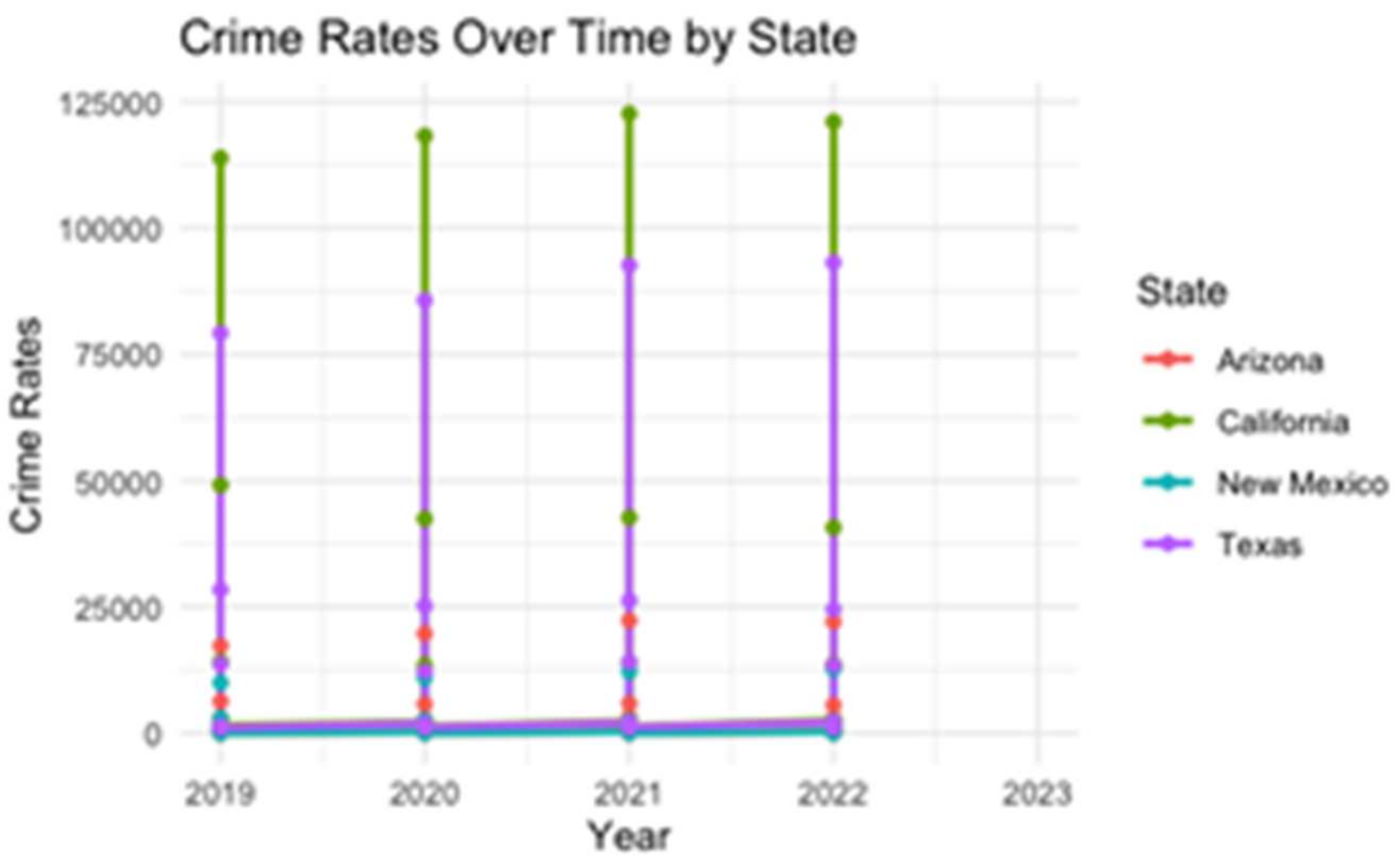
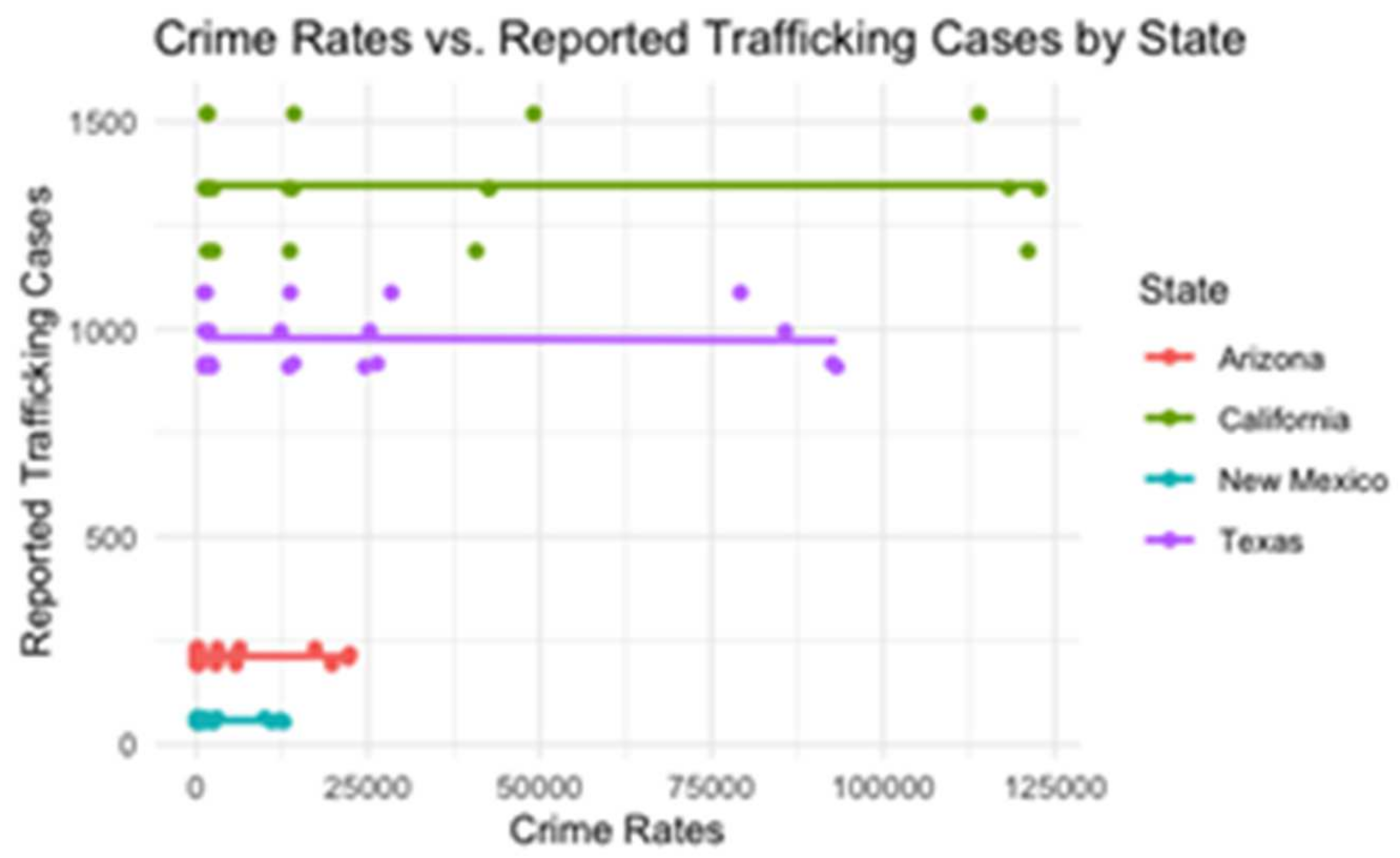
The statistical analysis, conducted using R Studio 2024, examined relationships between crime rates, trafficking cases, and mental health disorders across U.S. states like California, Arizona, Texas, and New Mexico. The first part focused on tracking changes in crime rates over time and comparing them to trafficking incidents, using line plots to visualize crime trends and scatter plots with regression lines to identify correlations between crime rates and trafficking. The analysis also explored how living in high-crime areas may predict mental health issues, particularly trauma and stress, and examined whether states with higher trafficking rates experience greater mental health challenges. The second part analyzed the demographics of trafficking victims, using bar plots to show the distribution by gender and age, highlighting differences in victimization patterns. A correlation study was conducted to explore relationships between variables like trafficking cases, crime rates, and mental health disorder percentages, with a heatmap visualizing these correlations. The heatmap provided a clear representation of how these factors interrelate, offering deeper insights into human trafficking’s impact on mental health.

5.3. Figures, Tables, and Schemes

Figure 3 shows that Texas and California consistently have significantly higher crime rates, with Texas peaking at 125,000 annually, while Arizona and New Mexico remain lower and more stable.
Figure 4 shows that states with higher crime rates, such as California and Texas, report more trafficking cases, while Arizona and New Mexico report fewer, suggesting a positive correlation between crime rates and human trafficking prevalence.
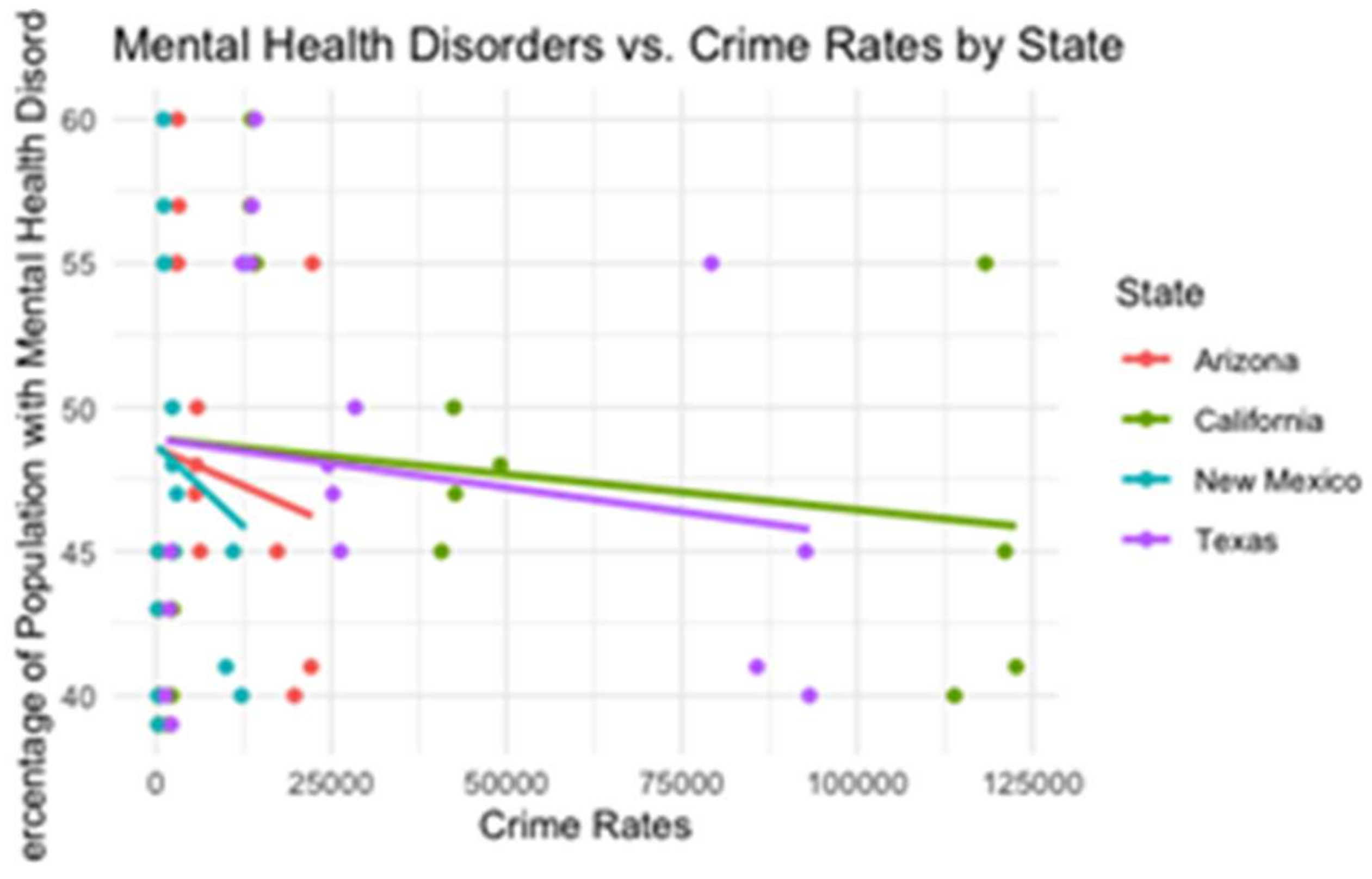
Figure 5 shows a weak negative correlation where higher crime rates in California and Texas are associated with slightly lower percentages of mental health disorders, though the variability suggests crime rates are not a strong predictor.
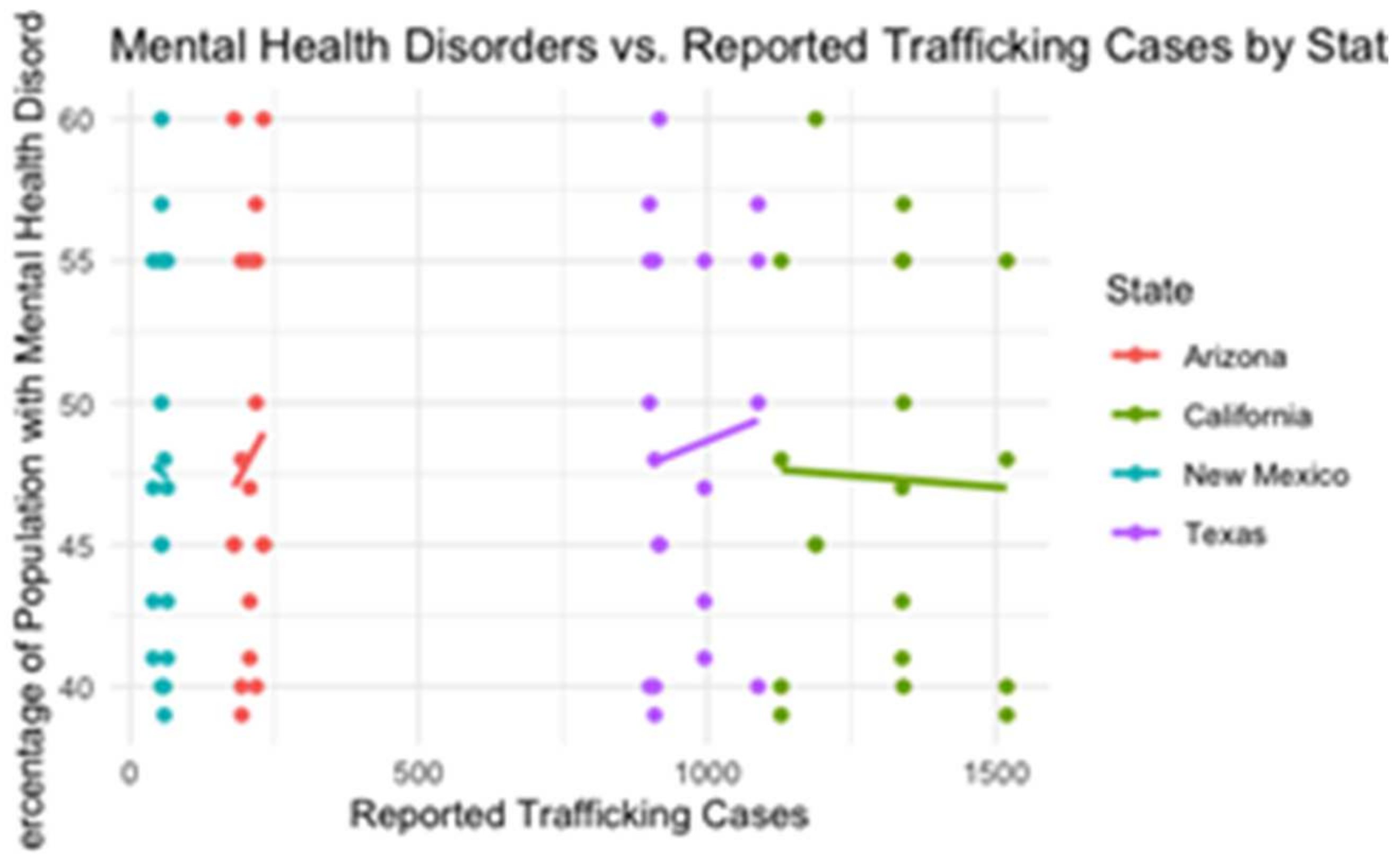
Figure 6 shows mixed trends, with Texas displaying a slight positive correlation and California the opposite, while scattered data points highlight high variability, suggesting trafficking cases are not strong predictors of mental health disorders.
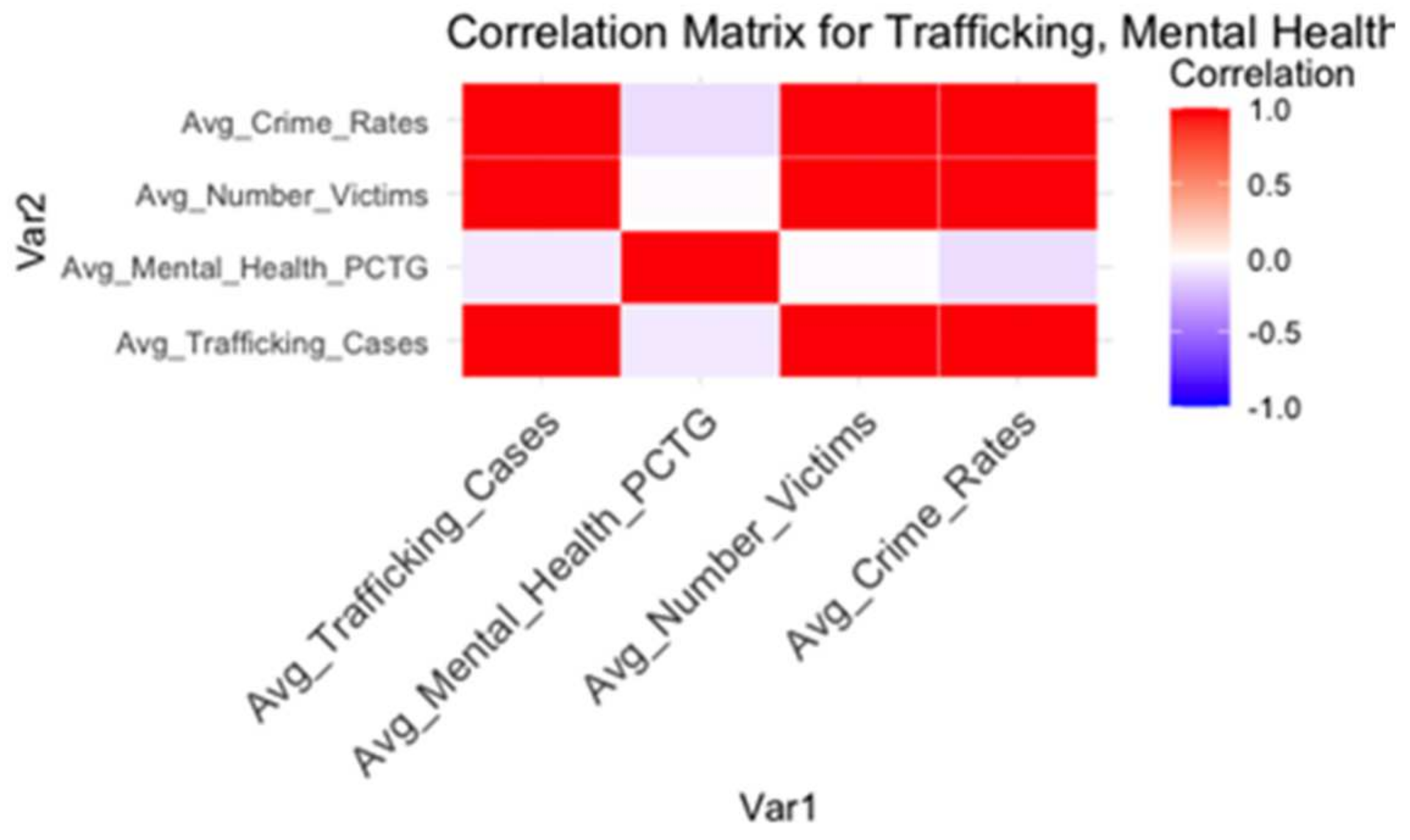
Figure 7 shows the correlation matrix shows a strong positive relationship among crime rates, trafficking cases, number of victims, and mental health concerns, indicating these variables tend to rise together in states with higher crime rates.

6. Conclusions

The precision of the spatial analysis is also dependent on the resolution of the GIS data used, with lower-resolution data potentially leading to less accurate hotspot mapping. This study faces several limitations, primarily related to data availability and quality. Human trafficking cases are often underreported [6], which creates gaps that may underestimate the true prevalence of the phenomenon and bias findings toward areas with better reporting mechanisms. The reliance on secondary data sources further constrains the conclusions, as the accuracy and completeness of these datasets can vary [9]. This reliance may lead to systematic bias if certain populations, such as undocumented migrants or rural communities, are underrepresented in official statistics. Additionally, the focus on specific U.S.–Mexico border states means that, while the insights are valuable, they may not be fully generalizable to other border contexts or regions with different socioeconomic and political dynamics [23]. The use of cross-sectional data also represents a snapshot in time, which may not fully capture the dynamic and evolving nature of trafficking networks or mental health outcomes [25]. Finally, the precision of the spatial analysis depends on the resolution of the GIS data; lower-resolution datasets may obscure micro-level variations, potentially mask localized hotspots and lead to less targeted policy recommendations. To address these challenges, future studies should incorporate longitudinal datasets, engage with community-based reporting mechanisms, and employ higher-resolution GIS tools to enhance accuracy, reduce bias, and strengthen the reliability of findings.
Future research would benefit from incorporating longitudinal data to better capture evolving trends in trafficking and mental health outcomes over time, thereby reducing the limitations of cross-sectional snapshots [23]. Expanding the dataset to include additional U.S. border states beyond California, Arizona, Texas, and New Mexico is critical, as states such as Nevada and Louisiana serve as transit corridors where trafficking networks intersect, potentially revealing different demographic and socioeconomic patterns [6]. Future studies should also apply advanced predictive modeling techniques, such as machine learning, to identify hidden correlations between socioeconomic indicators, victim demographics, and mental health vulnerabilities, thus strengthening early warning systems and policy planning [25]. Equally important, evaluating the impact of border security policies on trafficking flows is necessary to clarify how enforcement measures, asylum procedures, or detention practices influence women’s exposure to exploitation [13]. Methodologically, integrating real-time GIS data could enable dynamic hotspot mapping that is responsive to shifting migration flows and trafficking networks, providing stakeholders with actionable intelligence. Community engagement should be central to future research. This requires not only validating quantitative results through participatory approaches but also addressing barriers such as stigma, fear of retaliation, and mistrust of institutions. Ethical strategies include ensuring confidentiality, obtaining informed consent, and building partnerships with trusted local organizations, such as medical safe haven programs, that can act as intermediaries [24]. Such approaches would empower survivors and communities, ensuring research outputs translate into locally grounded, trauma-informed, and socially responsible interventions.

Research Direction

As part of our future research efforts, we have developed and published a GIS-based survey designed specifically for women and girls to answer questions related to trafficking and mental health. This survey will not only gather critical information about their experiences but will also allow us to geographically locate and pinpoint the areas where these issues are most prevalent. By mapping where the survey responses are coming from, researchers can gain a more precise understanding of how trafficking and mental health challenges are distributed across cities and specific regions, thus offering a localized view of the problem. Engaging with local communities through this survey will also help validate the findings and provide qualitative data, adding richness to the analysis. This community-based approach, combined with quantitative and spatial data, will allow for a more holistic and grounded understanding of the issues faced by women in border states [24]. Ultimately, these future research directions aim to provide actionable insights that can inform policies, improve services for survivors, and help mitigate the impact of human trafficking and related mental health challenges.

Author Contributions

Conceptualization, G.F., S.M. and D.V.; methodology, G.F. and S.M.; software, G.F. and S.M.; validation, G.F. and S.M.; formal analysis, G.F. and S.M.; investigation, G.F. and S.M.; resources, G.F. and S.M.; data curation, G.F. and S.M.; writing—original draft preparation, G.F. and S.M.; writing—review and editing, G.F., S.M. and D.V.; visualization, G.F. and S.M.; supervision, G.F. and D.V.; project administration, G.F. and D.V. All authors have read and agreed to the published version of the manuscript.

Funding

This research received no external funding.

Institutional Review Board Statement

Not applicable.

Informed Consent Statement

Not applicable.

Data Availability Statement

Data available upon request.

Acknowledgments

Special thanks to the Metabolism of Cities Living Lab at San Diego State University research team and NGOs, government, and academics for providing required data to make this study possible.

Conflicts of Interest

The authors declare no conflicts of interest.

References

  1. AchieveCE. How Socioeconomic Factors Contribute to Human Trafficking. Available online: https://achievece.com/blog/how-socioeconomic-factors-contribute-to-human-trafficking# (accessed on 29 August 2025).
  2. Migration Data Portal. Human Trafficking. Migration Data Portal. Published 31 July 2024. Available online: https://www.migrationdataportal.org/themes/human-trafficking (accessed on 29 August 2025).
  3. United Nations Office on Drugs and Crime (UNODC). Global Report on Trafficking in Persons 2020; UNODC: Vienna, Austria, 2020; Available online: https://www.unodc.org/unodc/en/human-trafficking/global-report-on-trafficking-in-persons.html (accessed on 29 August 2025).
  4. U.S. Department of State. Trafficking in Persons Report 2019; U.S. Department of State: Washington, DC, USA, 2019. Available online: https://www.state.gov/reports/2019-trafficking-in-persons-report/ (accessed on 29 August 2025).
  5. Polaris. Individuals with Disabilities May Face Increased Risk of Human Trafficking. Published 3 December 2019. Available online: https://polarisproject.org/blog/2018/08/individuals-with-disabilities-may-face-increased-risk-of-human-trafficking/ (accessed on 29 August 2025).
  6. National Human Trafficking Hotline. National Human Trafficking Hotline: Facts and Statistics. 2019. Available online: https://humantraffickinghotline.org/states (accessed on 29 August 2025).
  7. California Attorney General Office. Human Trafficking in California: Statistics and Analysis; California DOJ: Sacramento, CA, USA, 2019. Available online: https://oag.ca.gov/human-trafficking (accessed on 29 August 2025).
  8. World Migration Report 2020. Available online: https://publications.iom.int/system/files/pdf/wmr_2020.pdf (accessed on 29 August 2025).
  9. Polaris Project. National Human Trafficking Hotline: Analysis of Data. 2021. Available online: https://polarisproject.org/human-trafficking (accessed on 29 August 2025).
  10. National Center for Missing & Exploited Children. The Child Victim Identification Program. 2019. Available online: https://www.missingkids.org/theissues/trafficking (accessed on 29 August 2025).
  11. CTDC. Human Trafficking Data: Age of Victims. Counter-Trafficking Data Collaborative. 2020. Available online: https://www.ctdatacollaborative.org/story/age-victims-children-and-adults (accessed on 29 August 2025).
  12. International Organization for Migration (IOM). Counter-Trafficking Data Collaborative: Victim Demographics. 2020. Available online: https://migrationnetwork.un.org/practice/counter-trafficking-data-collaborative-ctdc (accessed on 29 August 2025).
  13. U.S. Customs and Border Protection (CBP). Human Trafficking and U.S. Border Enforcement. 2021. Available online: https://www.cbp.gov/border-security/human-trafficking (accessed on 29 August 2025).
  14. Coalition Against Trafficking in Women. The Role of U.S. Border Policies in Human Trafficking. 2020. Available online: https://www.catwinternational.org/ (accessed on 29 August 2025).
  15. Altun, S.; Abas, M.; Zimmerman, C.; Howard, L.M.; Oram, S. Mental Health and Human Trafficking: Responding to Survivors’ Needs. BJPsych Int. 2017, 14, 21–23. Available online: https://www.ncbi.nlm.nih.gov/pmc/articles/PMC5618827/ (accessed on 29 August 2025). [CrossRef] [PubMed]
  16. Kiss, L.; Yun, K.; Pocock, N.; Zimmerman, C. Exploitation, Violence, and Suicide Risk Among Child and Adolescent Survivors of Human Trafficking in the Greater Mekong Subregion. JAMA Pediatr. 2015, 169, e152278. [Google Scholar] [CrossRef] [PubMed]
  17. Ottisova, L.; Hemmings, S.; Howard, L.M.; Zimmerman, C.; Oram, S. Prevalence and risk of violence and the mental, physical and sexual health problems associated with human trafficking: An updated systematic review. Epidemiol. Psychiatr. Sci. 2016, 25, 317–341. [Google Scholar] [CrossRef] [PubMed]
  18. Freedom United. Modern Slavery and Human Trafficking. 2022. Available online: https://www.freedomunited.org/modern-slavery/ (accessed on 29 August 2025).
  19. World Health Organization. Mental Health Action Plan 2013–2020; WHO: Geneva, Switzerland, 2013; Available online: https://apps.who.int/iris/handle/10665/89966 (accessed on 29 August 2025).
  20. Domoney, J.; Howard, L.M.; Abas, M.; Broadbent, M.; Oram, S. Mental health service responses to human trafficking: A qualitative study of professionals’ experiences of providing care. BMC Psychiatry 2015, 15, 289. [Google Scholar] [CrossRef] [PubMed]
  21. Chon, K. Mental Health Resources for Human Trafficking Survivors and Allies. Administration for Children & Families. Available online: https://acf.gov/archive/blog/2021/10/mental-health-resources-human-trafficking-survivors-and-allies (accessed on 29 August 2025).
  22. Midnight Mission. How Mental Health Is Affected by Human Trafficking. Available online: https://www.midnightmission.org/how-mental-health-is-affected-by-human-trafficking/ (accessed on 29 August 2025).
  23. Preble Street. Preble Street Anti-Trafficking Services. 2023. Available online: https://www.preblestreet.org/what-we-do/anti-trafficking-services/ (accessed on 29 August 2025).
  24. Dignity Health. A Safe Haven for Survivors of Human Trafficking (Medical Safe Haven Program). Available online: https://www.foreverycalifornian.org/a-safe-haven-for-survivors-of-human-trafficking/ (accessed on 29 August 2025).
  25. American Psychological Association (APA). Human Trafficking and Its Psychological Effects on Women and Girls. Published 24 April 2023. Available online: https://www.apa.org/topics/women-girls/trafficking-women-girls (accessed on 29 August 2025).
  26. U.S. Census Bureau. American Community Survey 5-Year Data (2009–2023); U.S. Census Bureau: Washington, DC, USA, 2020. Available online: https://www.census.gov/data/developers/data-sets/acs-5year.html (accessed on 29 August 2025).
Figure 1. This figure shows that the most affected by trafficking are adults.
Msf 33 00006 g001
Figure 2. This figure shows that the most affected by trafficking are females.
Msf 33 00006 g002
Figure 3. This figure shows how Texas and California consistently exhibit significantly higher crime rates compared to Arizona and New Mexico. Texas has the highest crime rate (125,000 annually), Arizona and New Mexico maintain lower and more stable rates, and Texas and California experience consistent large spikes.
Msf 33 00006 g003
Figure 4. This plot suggests that states with higher crime rates (California and Texas) also tend to report more trafficking cases, indicating a positive correlation. Arizona and New Mexico, with lower crime rates, have few trafficking cases reported. Implying crime rate may be associated with the prevalence of human trafficking in certain states.
Msf 33 00006 g004
Figure 5. This figure shows a trend that suggests a slight negative correlation (higher crime rate, lower percentage of mental health disorders), though correlation seems weak. For California and Texas, the lines slope down, suggesting a decrease in mental health disorder percentages with higher crime rates. Distribution of points suggests a lot of variability; crime rates may not be a strong predictor of mental health disorders.
Msf 33 00006 g005
Figure 6. The figure’s trends remain unclear; Texas shows a slight positive correlation (as trafficking cases increase, so do mental health disorders), while California shows the opposite. Scattered data points indicate a lot of variability, suggesting that trafficking cases are not strong predictors of mental health disorders.
Msf 33 00006 g006
Figure 7. The correlation matrix shows there is a strong relationship between crime rates, the number of victims, reported trafficking cases, and mental health percentages. These variables tend to rise together, indicating that states with high crime rates are likely to also experience higher numbers of trafficking cases, victims, and mental health concerns among survivors.
Msf 33 00006 g007
Disclaimer/Publisher’s Note: The statements, opinions and data contained in all publications are solely those of the individual author(s) and contributor(s) and not of MDPI and/or the editor(s). MDPI and/or the editor(s) disclaim responsibility for any injury to people or property resulting from any ideas, methods, instructions or products referred to in the content.