Proceeding Paper

Fish-Based Pureed Baby Foods: A Preliminary Scientific Literature Review on Their Metal(loid) Levels and Limited Availability on the Spanish Market †

by
Ana M. Solivella-Poveda
,
Marta Rodríguez
,
Marcos Rodríguez-Estrada
,
Marina Cano-Lamadrid
and
Esther Sendra
*
Instituto de Investigación e Innovación Agroalimentaria y Agroambiental (CIAGRO-UMH), Universidad Miguel Hernández, Carretera de Beniel, km 3.2, 03312 Orihuela, Alicante, Spain
*
Author to whom correspondence should be addressed.
Presented at the 6th International Electronic Conference on Foods, 28–30 October 2025; Available online: https://sciforum.net/event/foods2025.
Biol. Life Sci. Forum 2026, 56(1), 23; https://doi.org/10.3390/blsf2026056023
Published: 18 March 2026
(This article belongs to the Proceedings of The 6th International Electronic Conference on Foods)

Abstract

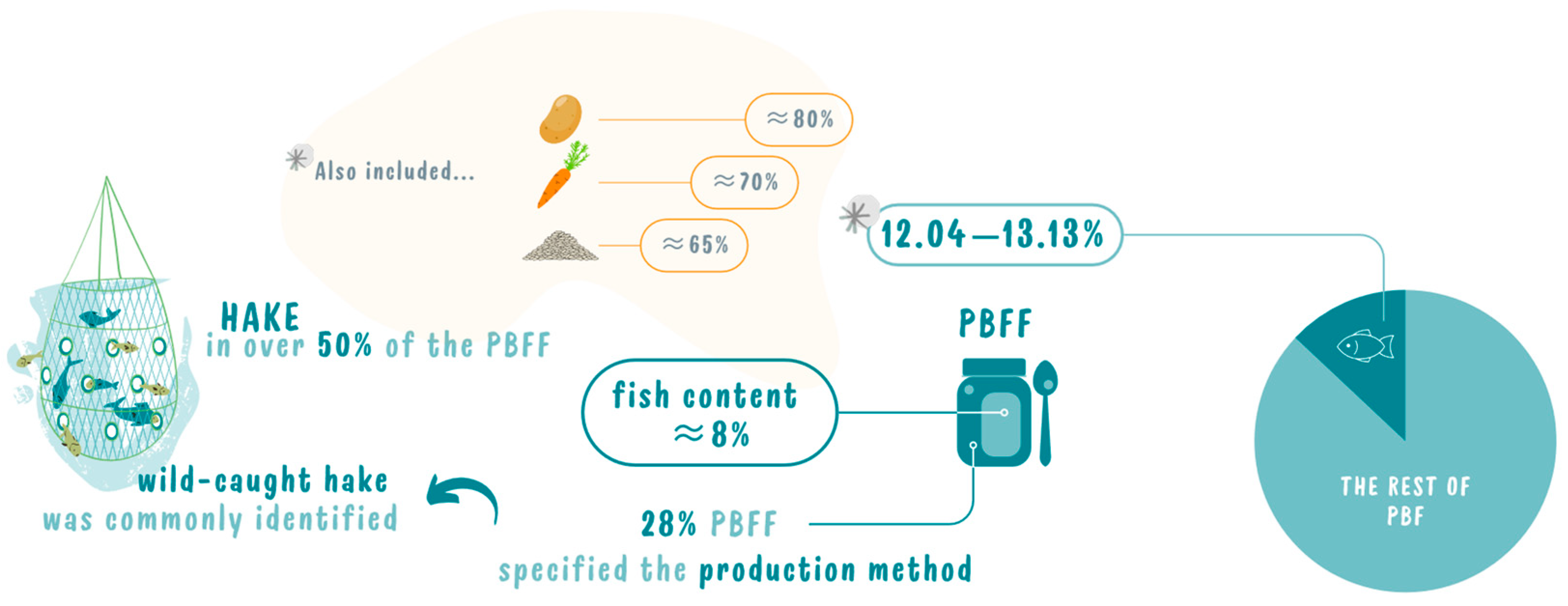
Fish is recommended in early childhood mainly because of its omega-3 fatty acid content. However, it can be a source of metal(loid)s, which pose a health risk. The main objective of this study was to conduct a literature review on metal(loid) levels in pureed baby foods (PBFs). To support and contextualize the information obtained on fish-based PBFs, an evaluation of the labelling information on fish-based PBFs marketed in Spain was carried out. Fish-based PBFs accounted for only 12.04% to 13.13% of the total supply of PBFs, with a fish content around 8%, revealing a nutritional deficiency. According to the studies reviewed (n = 11), fish-based PBFs had the highest levels of As and Hg, which should be minimized.

1. Introduction

Child food safety has become a growing concern for society as a whole, exacerbated by the particular vulnerability of infants and young children to food contaminants, due to their higher consumption in relation to body weight and the ongoing development of their metabolic and detoxification systems [1]. These non-essential elements include heavy metals and metalloids, collectively referred to as “metal(loid)s”. During early childhood, with the introduction of solid foods into the diet (especially white fish, small oily fish, rice and potatoes), exposure to some of these elements increases dramatically. This has been linked to negative short- and long-term health effects, which may affect neurological development, among other aspects [1]. Arsenic (As), cadmium (Cd), lead (Pb) and mercury (Hg) are among the priority toxic elements on the list of the United States Agency for Toxic Substances and Disease Registry [2].
Some studies have observed that, over time, there has been a decrease in the average levels of some of these contaminants in biological samples obtained from children (specifically blood samples) [2]. However, these levels are still considered worrisome, as the presence of metal(loid)s in children should be as low as reasonably possible and, therefore, their concentration in food should be as close to zero as possible, in line with the so-called Closer to Zero strategy [3].
Given that there are many dietary options available for infants and young children, including commercial and homemade baby foods, the controversy over baby food safety is notable [4,5,6], compounded by disparities in regulatory standards between regions.
Given the need to establish a solid scientific basis for the presence of these contaminants in baby foods, recent research has focused on determining their presence in pureed baby foods (PBFs). Fish-based PBFs have been less included in research samples [7], despite scientific evidence of the benefits of fish consumption during childhood for neurological development (mainly related to their content of long-chain polyunsaturated fatty acids, mainly from the omega-3 series), as well as the risk of dietary exposure to methylmercury, with fish being the main source of exposure. Therefore, in order to maintain a balance between the risks and benefits of fish consumption, food safety authorities have published statements on the benefits of fish consumption compared to the risks of methylmercury in fish, as well as consumption recommendations, specifically limiting the daily intake of fish species with high mercury content, such as bluefin tuna (Thunnus thynnus) [8,9]. Therefore, given the research gap regarding food safety in fish-based baby foods, knowing the range of fish-based PBFs available to the infant population, as well as the average data on the metal(loid) content in them, may be of great interest in contributing to improving infant food safety. In this context, given that the production system is a determining factor in the accumulation of contaminants in fish, and that Spain is considered the leading aquaculture producer in the European Union, characterizing the supply of fish-based products in Spain could help establish a baseline for future research [10]. However, it is important to note the need for greater transparency in labelling to strengthen progress in this area, as the labelling of these products frequently omits the method used to obtain the raw materials, specifically the fish.
Therefore, the main objective was to compile and evaluate the information available in the scientific literature by reviewing the concentration of metal(loid)s in PBFs and their possible implications for health. At the same time, a descriptive task was conducted to assess the current situation on the Spanish market for PBFs, specifically those made from fish, as well as their labelling.

2. Materials and Methods

2.1. A Characterization of the Range of Fish-Based PBFs on the Spanish Market

The five main super- or hypermarkets in Spain were selected, covering a wide range of PBF jars. The offers of these products were compiled in February 2025 by category: fish, meat, vegetables and fruit. This compilation was based on a primarily digital methodology, using the e-commerce platforms of the selected supermarket and hypermarket chains. To verify the representativeness of the sample, on-site verification was carried out at the respective physical establishments closest to the Vega Baja region (Alicante, Spain), given that the Institute for Agri-Food and Environmental Research and Innovation (CIAGRO-UMH) is located in this region. The labelling information was collected using the technical information available on the official websites of these chains. The proportion of each of these categories in the total range of these types of products was calculated and, similarly, the percentage of each species of fish in the total range of fish-based PBFs was calculated. For jars containing fish, labelling data were recorded for the species, the proportion in the formulation and type of production, as well as the presence of other ingredients that could contribute to the presence of metal(loid)s.
It should be noted that the concept of “fish-based pureed baby foods” refers to commercially available pureed products intended for infants over six months of age and young children, in which fish is included as one of the ingredients. In this regard, there is no standardized or regulatory classification for fish-based PBFs as a separate product category.

2.2. Scientific Literature Review on Metal(loid) Levels in PBFs

The methodology of an exploratory review was followed, in accordance with the PRISMA extension for exploratory reviews (PRISMA-ScR) (Figure 1). The PRISMA 2020 guidelines and checklist were followed. In April 2025, a literature search was conducted in the Web of Science database using the following keyword combinations: heavy metals AND baby AND food; metalloids AND baby AND food; metalloid AND heavy metals AND baby AND food; metalloid AND pureed AND baby AND food; heavy metals AND pureed AND baby AND food, in all search fields and covering the period from 2018 to 2025.
A total of eleven studies that met the following eligibility criteria were selected: English as the language of publication, an experimental and/or observational study design, a comparison between different metal(loid)s in PBFs as the study exposure variable, and an analysis of metal(loid)s in PBFs as the study outcome variable.
After compiling the information from the different articles, a simple arithmetic mean was calculated for the mean concentrations reported in the individual studies included in each category (fish, meat, vegetables, and fruit). When the selected studies provided ranges instead of mean values, these were not included in the mathematical calculation but were compared with the averages obtained. It was observed that the results were presented in different units. To address this, the same units were used: mg/kg. At the same time, the form of expression was maintained: wet weight (ww). When it was not possible to convert dry weight to ww or exact numerical values were not available, these data were not included in the average of the data from the different studies.

3. Results and Discussion

3.1. Limited Availability of Fish-Based PBFs on Spanish Market and Open Pathways

The study of the PBFFs available on the Spanish market found that these types of products accounted for only 12.04–13.13% of the total PBFs, with a fish content around 8% (Figure 2). This low proportion, both in terms of the supply and fish content in the formulations, contrasts with the scientific evidence supporting the consumption of fish during childhood in relation to the benefits linked to neurodevelopment, mainly due to its content of long-chain polyunsaturated fatty acids (LC-PUFAs), especially those of the ω-3 series [9]. Of the total supply of PBFFs, hake accounted for around 50%, and only 28% had specifications on their labelling regarding the method of fish production, frequently identifying wild hake (Figure 2). In this regard, although there are many factors that complicate the association between the production method and contaminant levels (species, size, age, type of feed, habitat, etc.), certain studies have reported higher concentrations of metal(loid)s such as As and Hg in wild fish (0.06 and 3.26 μg/g, respectively) than those in farmed fish (0.038 and 1.23 μg/g) [11], which is particularly important when focusing on the most vulnerable sections of the population to the effects of these non-essential elements. Likewise, the selection of farmed fish could be a more sustainable strategy from the point of view of the Spanish food industry, given that Spain is the leading aquaculture producer in the European Union [10].
Therefore, the development of infant foods with higher fish contents could be of interest in ensuring health benefits for the target population. For the formulation and development of these products, it is advisable to carefully select both the species (based mainly on Hg concentrations, specifically methylmercury) and the production method, in the first case opting for those at the bottom of the food chain, given the process of biomagnification through this succession of relationships between living organisms, and in the second case favouring aquaculture, given the control it allows over the aquatic environment (water quality management and advanced filtration systems), feeding during fish rearing, and the location of the fish [12,13]. In this regard, the use of species such as salmon could be interesting given that it is one of the species identified as having low mercury concentrations (herring, salmon, and trout) and is widely produced using farming systems and taking into account the inherent characteristics of fatty fish in terms of their omega-3 fatty acid content. Although hake is not identified as one of the species with the highest mercury concentrations (shark, swordfish, and marlin), this species is generally wild [9].
However, although this study focuses on metal(loid) contents, a comprehensive view must be maintained. Therefore, the possible presence in fish of other compounds potentially toxic to humans and the environment, such as antibiotics, should be considered, since some of these are permitted in marine aquaculture, regulated by Regulation (EU) No. 37/2010 [11].
In addition to fish, PBFs also contain other ingredients that can increase metal(loid) intake, such as rice, present in 65% of fish-based PBFs, carrots, present in 70%, and potatoes, present in 80% (Figure 2). Rice is often included in PBFs due to its low allergenic potential. According to the opinion issued by the EFSA Technical Panel on Contaminants in the Food Chain in 2009 on possible health risks related to As contamination in food, rice and rice-based products have particularly high concentrations of As [14]. In this regard, research has shown that rice-based products could introduce a significant concentration of inorganic arsenic (i-As) into the diets of infants and young children [15,16]. Given its carcinogenicity and worrying results on neurodevelopment [17], it is necessary to enforce regulatory limits for this contaminant in infant foods, in accordance with Commission Regulation (EU) 2023/915 (0.020 mg/kg), and to reduce its presence as much as possible, in line with the Closer to Zero strategy. Roots and tubers, such as carrots and potatoes, respectively, are often included in baby foods due to their contributions of antioxidant bioactive compounds and fibre contents. However, they are also a source of other contaminants in infant foods, notably Cd and Pb, which can cause adverse health effects in children, such as developmental neurotoxicity and renal toxicity [18,19,20].

3.2. Scientific Literature Review on Metal(loid) Levels in PBFs

Among the selected articles, 54.55% analysed fish-based PBFs; however, Chekri et al. (2019) and Pereira et al. (2020) [4,15] included fish-based PBFs in the “prepared foods” category, providing a value that took into account other types of baby foods, so the data collected in these studies were not taken into account in the calculations of the average concentrations of the different elements for the fish category. These concentrations were approximately 0.2735 and 0.0084 mg/kg for As (n = 2) and Hg (n = 2), respectively, the highest among the four categories (meat, fish, vegetables and fruit). Meli et al. (2024) [21] detailed the concentrations of these two elements in baby foods based on different fish species, finding the highest concentrations of As in products containing salmon (Salmo salar), followed by those containing sea bream (Sparus aurata) and then sea bass (Dicentrarchus labrax). In the case of Hg, the concentrations were more similar among these products (around 0.0068 mg/kg). Chekri et al. (2019) [15] also detailed the concentrations of As in baby foods with different fish species, finding higher amounts in those made with cod (Gadus morhua), followed by tropical sole (Solea solea), hake (Merluccius merluccius) and salmon, with concentrations (0.0780 mg/kg) close to those described by Meli et al. (2024) [21] (0.0900 mg/kg) (Table S1). In this regard, factors such as the geographical area of origin of the fish (different levels of industrialization and water renewal rates) [22,23], food processing, and combination of different ingredients can influence the concentration and bioavailability of metal(loid)s [24,25]. It is therefore necessary to carry out more individualized analyses to determine the influence of the fish inclusion on the levels of metal(loid)s in this type of product, as well as to develop strategies for selecting this raw material.
The highest concentrations of Cd and Pb were found in meat-based PBFs, at approximately 0.0300 and 0.1700 mg/kg, respectively. It should be noted that, among the selected literature, only average data for these elements were available in the article by González-Suárez et al. (2022) [26]. Likewise, Cd and Pb concentrations were higher in vegetable- (n = 2, for both elements) and fruit-based (n = 3; n = 2, respectively) foods than those in fish ones. These heavy metals, namely, Pb, predominate in roots. In this regard, Parker et al. (2022) [27] determined the concentrations of these contaminants in fruit-based purees and different vegetables, specifically legumes, roots and grains, finding the highest Pb content in the root category (0.0158 mg/kg). The highest concentrations of Cd were found in grain-based foods, followed by fruit and root vegetables. Cantoral et al. (2024) [28] reported a Pb concentration in carrot puree expressed on a dry weight basis of less than 0.0025 mg/kg. This may be related to the state of root development, soil and growing conditions, as well as pre-treatment of the vegetable or the method of processing the final product [29,30], not to mention the variability between the same types of products.
Except in the case of Pb, all these values were within the range of concentrations provided by Henríquez-Hernández et al. (2023), both for fish- and meat-based baby foods [31]. These authors also emphasized that fish-based purees had higher concentrations of As and Hg. Furthermore, as they differentiated between name and store brands, they observed higher concentrations of Hg in name brands, possibly due to higher proportions of fish. In contrast, the highest concentrations of As were found in store brands, which could be related to the inclusion of other ingredients that act as sources of this contaminant, such as rice. In this regard, Jallad (2018) [32] analysed the total and species content of As in fruit-based baby food jars, some of which contained rice, finding higher concentrations of As in those with rice, predominantly in its inorganic form, specifically As (III).
There are other non-essential elements that also raise concerns among experts, including aluminium (Al) and nickel (Ni). The highest average concentrations of both elements were found in vegetable-based foods (n = 2; n = 3, respectively), followed by meat, fruit (n = 3; n = 5, respectively) and, finally, fish (n = 1; n = 3, respectively). However, there are notable differences between studies, especially for Al, as the values reported by González-Suárez et al. (2022) and Henríquez-Hernández et al. (2023) were higher than those determined by Chekri et al. (2019) and Meli et al. (2024) [15,21,26,31]. Specifically, in vegetables, a value of 8.22 mg/kg was found in a baby food based on mixed boiled vegetables [26], compared to 0.575 mg/kg in a vegetable-based ready-to-eat baby meal [15]. The aforementioned differences may be related, as explicitly mentioned by González-Suárez et al. (2022), to the origin of the raw materials and the increase in the levels of some contaminants over the years [26]. However, in the specific case of the meat category, Meli et al. (2024) reported lower levels of Al compared to those recorded by González-Suárez et al. (2022) and Henríquez-Hernández et al. (2023) [21,26,31]. Therefore, these differences may also be a consequence of the methodology used for sample preparation and analytical technique or possible contamination during processing. It is also important to consider the complexity of these products, in which, together with processing methods, the raw material combinations and their proportions also influence the contaminant load.
With regard to nickel, in the case of fish-based products, the concentrations were similar among the selected studies [5,7,21], falling between the minimum (0.0131 mg/kg) and maximum (0.2025 mg/kg) levels reported by Henríquez-Hernández et al. (2023) [31]. The same was true for the fruit category [5,15,21,26], with Ni levels ranging from 0.0043 to 0.2449 mg/kg [31]. For meat products, the minimum and maximum values recorded by Henríquez-Hernández et al. (2023) were 0.0191 and 0.3101 mg/kg, respectively, with the levels determined by Ajala et al. (2020), González-Suárez et al. (2022) and Meli et al. (2024) within this range [21,26,31,33]. Ajala et al. (2020) expressed the values in dry weight, so the comparison with the other articles may be overestimated [33]. However, the levels were lower than those reported by González-Suárez et al. (2022) (0.17 mg/kg) and Meli et al. (2024) (0.086 mg/kg) [21,26]. In vegetable-based products, the highest concentrations were reported by González-Suárez et al. (2022) (0.8700 mg/kg), as in the case of Al [26].
Of the eleven articles selected, only one analysed homemade PBFs [5], with the Ni levels being mostly similar to those published by the main authors of that article in a study on commercial products [4], ruling out packaging as the main source of contamination [4].
Finally, when comparing As levels with the maximum limits established in European legislation for the category of infant foods, the As levels reported in the selected studies generally correspond to the total As; however, the legislation establishes maximum limits for inorganic As (0.020 mg/kg), so it is not comparable. This highlights the need to expand the existing data by emphasizing the analysis of As speciation. In the case of Cd, it was the maximum values recorded by Henríquez-Hernández et al. (2023) [31] for name-brand fish-based and name- and store-brand chicken-based foods that exceeded the maximum residue level allowed (0.040 mg/kg) [34]. The same occurred with Pb as did with Cd in fish-based foods. In the case of the meat category, it was the name-brand chicken and store-brand beef foods that exceeded 0.020 mg/kg, along with the meat-based products studied by González-Suárez et al. (2022) [26,34]. The Pb levels reported by these authors for vegetable- and fruit-based products also exceeded this limit, in line with the upper values determined by Henríquez Hernández et al. (2023) for fruit-based products [31]. Finally, only the concentrations reported by González-Suárez et al. (2022) [26] for vegetable-based foods exceeded the maximum legislative limit for Ni in baby foods (0.50 mg/kg) [34].
Eighty-two percent of the selected studies determined the estimated daily intakes (EDIs) of the non-essential elements and compared them to safety limits, such as the Tolerable Daily Intake (TDI), Provisional Tolerable Weekly Intake (PTWI) or Reference Dose (RfD), recommended by entities such as the EFSA, Codex Alimentarius Commission FAO/WHO, US Environmental Protection Agency (EPA) and California Office of Environmental Health Hazard Assessment (Cal/OEHHA). Three of the nine studies that analysed the risk associated with the consumption of baby food found possible health risks for children. Taking into account the evolution of body weight and the energy requirements of infants and young children, there is considerable dietary variability during the transition from breast milk or formula to the introduction of solid foods. Therefore, researchers carry out segmentation by age to assess risk, assigning a diet to each group.
Thus, using the maximum concentrations of Ni, Pereira et al. (2020) [4] obtained percentages greater than 100% of the TDI for the 2-year-old age group (EDI > 13 µg kg−1 bw day−1 [35]) (assuming fruit consumption after meals, rather than dessert consumption), which could pose a health risk to this population. Furthermore, based on the comparison with the TDI recommended by the EFSA in 2015 (2.8 µg kg−1 bw day−1) and considering the worst-case scenario (maximum Ni determined concentrations), the EDI exceeded 100% of the TDI in the 6-month age groups and, as also reported by Pereira et al. (2022) [5] in their analysis of homemade baby food, in the 1- and 2-year-old age groups. Likewise, based on the average Ni concentrations and maintaining the acceptable limits of the EFSA (2015b) [36] as a reference, the EDI also exceeded 100% of the TDI for the 2-year-old age group [4,5]. In line with this, González-Suarez et al. (2022) [26] recommended avoiding the consumption of the vegetable- and meat-based baby foods analysed, due to excessive Cd intake with a contribution percentage to the TWI of 124% (EFSA, 2011) [37]. Likewise, the EDI derived from the consumption of those containing vegetables exceeded the Ni TDI according to the EFSA (2015b) [36] (436%). Pappalardo et al. (2020) [7] emphasized the case of As and Hg, since the EDI obtained from the consumption of fish-based baby foods reached values close to the recommended maximum tolerable limits [14,19].
Taking into account the higher levels of Hg found in name-brand baby foods [31], the acute hazard indicator (aHI) exceeded one, and therefore name-brand baby foods could pose a risk of acute poisoning. In line with this, Parker et al. (2022) [27] showed that the hazard quotient (HQ), obtained from the average daily dose and the RfD or TDI, was also above the limit (HQ > 1) in grain-based baby foods for the age groups under 1 year, 1- < 2 years and 2- < 3 years (being higher in the two older age groups) for As, based on the average and maximum concentrations. The hazard index (HI), which takes into account the HQs of the different food categories, also showed a certain risk in terms of exposure to As in children under 1 year, assuming average concentrations, and in children aged 1- < 2 years in the worst-case scenario. In the case of Pb, the HQ was also higher than 1 in grain- and root-based products for the two older age ranges. However, in children under 1 year, the risk was identified based on the worst-case scenario. For fruit-based products, the risk was identified as only a potential risk, based on the maximum concentrations for the groups between 1 and <3 years. These results could be a reflection of the dietary diversification, during which new food consumption increases, which may lead to higher exposure to non-essential elements for the older age groups.
With regard to cancer-related risks, only Parker et al. (2022) [27], using the values established by the EPA for As and by the Cal/OEHHA for Pb as criteria, reported an increase in the combined lifetime cancer risk (ILCR > 1∙10−6) resulting from the consumption of fruit, grain and root-based baby foods, mainly derived from the total ILCR for As.
The choice of different reference values in each study is generally based on the geographical context; for example, studies conducted in Europe systematically prioritize the limits established by the EFSA. The updating of toxicological criteria and conservatism also have an influence, as some studies opt for specific frameworks seeking greater protection for sensitive populations. In addition, the availability of data per substance is also a key factor; in cases where there are no specific regional regulations, the authors refer to the Codex Alimentarius (FAO/WHO). It is also worth mentioning the comparability between the resulting risk assessment estimates; despite the use of different reference values, the articles use the same mathematical logic and universal interpretation thresholds, i.e., the same cut-off points to identify levels of health concern.

4. Conclusions

This study highlighted the limited supply of fish-based PBFs on the Spanish market, as well as the low proportion of fish in their formulations, despite scientific evidence supporting the early intake of ω-3 LC-PUFAs. Therefore, for future developments, it is proposed to increase the fish contents in these products, opting for farmed fish, in order to meet nutritional needs and limit the risk of metal(loid)s in children. The literature review showed the heterogeneity of studies that have determined metal(loid)s levels in PBFs and the risk of exposure. Fish-based FBFs contained higher concentrations of Hg and As. Therefore, regulatory and research efforts should focus on optimizing nutritional profiles and contaminant levels, especially As and Hg, in fish-based infant foods. It would also be advisable to further investigate the presence of metal(loid)s in these foods, without forgetting the speciation of As and Hg, in order to improve the scientific basis supporting the development of safer infant foods.
Finally, it is important to acknowledge the limitations inherent in this study. The review was restricted to a limited number of recent studies (n = 11), highlighting the current scarcity of the literature and the urgent need to generate new primary data in this field. This limitation in the number of reports, coupled with methodological heterogeneity, made it difficult to conduct a more in-depth quantitative analysis that fully integrated factors such as geographical origin. In this regard, consolidating knowledge in this field will require future, more comprehensive reviews that use more databases, cover longer time periods, and employ combinations of alternative keywords to maximize the collection of evidence. Likewise, significant variability was observed in the risk assessments (different age groups and total diet study methodologies). Therefore, future research should prioritize standardization in data reporting and stratify results, thereby allowing for more robust analyses.

Supplementary Materials

The following supporting information can be downloaded at: https://www.mdpi.com/article/10.3390/blsf2026056023/s1, Table S1: Heavy metals and metalloids concentration in different pureed baby foods.

Author Contributions

Conceptualization, A.M.S.-P., M.C.-L. and E.S.; methodology, M.C.-L. and E.S.; validation, A.M.S.-P., M.R., M.R.-E., M.C.-L. and E.S.; writing—original draft preparation, A.M.S.-P.; writing—review and editing, M.R., M.R.-E., M.C.-L. and E.S. All authors have read and agreed to the published version of the manuscript.

Funding

This research received no external funding.

Institutional Review Board Statement

Not applicable.

Informed Consent Statement

Not applicable.

Data Availability Statement

Data are contained within the article and Supplementary Materials.

Acknowledgments

The author Ana M. Solivella-Poveda was funded by the Ayudas a la contratación de personal investigador en formación grant from the Universidad Miguel Hernández de Elche (line code 04-541-6-2025-0153-N).

Conflicts of Interest

The authors declare no conflicts of interest.

References

  1. Notario-Barandiaran, L.; Morales, E.; Vioque, J.; Martinez-Gracia, C.; Santaella-Pascual, M.; Suarez-Martinez, C.; Garcia-Marcos, L.; Karagas, M.R.; Signes-Pastor, A.J.; Candel-Torralba, M.; et al. Urinary concentrations of non-essential and essential elements during weaning in infants from the NELA cohort in Spain. Environ. Res. 2024, 263, 119989. [Google Scholar] [CrossRef]
  2. Khan, M. Trends of Laboratory-Detected Heavy Metals in Children: Solutions for Heavy Metal Contamination in Infant Food Products. Food Nutr. Sci. 2023, 14, 791–811. [Google Scholar] [CrossRef]
  3. Closer to Zero: Reducing Childhood Exposure to Contaminants from Foods. Available online: https://www.fda.gov/food/environmental-contaminants-food/closer-zero-reducing-childhood-exposure-contaminants-foods (accessed on 14 September 2025).
  4. Pereira, A.M.; Silva, L.J.; Simões, B.D.; Lino, C.; Pena, A. Exposure to nickel through commercial premade baby foods: Is there any risk? J. Food Compos. Anal. 2020, 92, 103541. [Google Scholar] [CrossRef]
  5. Pereira, A.M.; Leal, P.A.; Silva, L.J.; Pena, A. Risk assessment of nickel through Portuguese homemade baby foods. J. Food Compos. Anal. 2022, 114, 104855. [Google Scholar] [CrossRef]
  6. Roman, S.; Sanchez-Siles, L. A closer look at infant food safety: A comprehensive review comparing contaminants across different food sources. Food Control 2024, 169, 111018. [Google Scholar] [CrossRef]
  7. Pappalardo, A.M.; Copat, C.; Raffa, A.; Rossitto, L.; Grasso, A.; Fiore, M.; Ferrante, M.; Ferrito, V. Fish-Based Baby Food Concern—From Species Authentication to Exposure Risk Assessment. Molecules 2020, 25, 3961. [Google Scholar] [CrossRef]
  8. Recommendations for Fish Consumption due to Mercury Presence. Available online: https://www.aesan.gob.es/AECOSAN/web/seguridad_alimentaria/ampliacion/mercurio.htm (accessed on 14 September 2025).
  9. European Food Safety Authority (EFSA). Statement on the benefits of fish/seafood consumption compared to the risks of methylmercury in fish/seafood. EFSA J. 2015, 13, 3982. [Google Scholar] [CrossRef]
  10. Planificación Estratégica del Ministerio de Agricultura, Pesca y Alimentación (MAPA). Available online: https://www.mapa.gob.es/es/alimentacion/planes-y-estrategias (accessed on 14 September 2025).
  11. Casanova-Martínez, I.; Hernández-López, E.; Signes-Pastor, A.; Sendra, E.; Carbonell-Barrachina, Á.; Cano-Lamadrid, M. Abiotic pollutant concentrations in fish: A comparative review of wild-caught and aquaculture sources. Food Control 2025, 174, 111220. [Google Scholar] [CrossRef]
  12. Brodziak-Dopierała, B.; Fischer, A. Analysis of the Mercury Content in Fish for Human Consumption in Poland. Toxics 2023, 11, 717. [Google Scholar] [CrossRef]
  13. ThinkinAzul. Acuicultura Sostenible, Inteligente y de Presión—ThinkinAzul. Available online: https://cvalenciana.thinkinazul.csic.es/programa/acuicultura-sostenible-inteligente-y-de-precision/ (accessed on 14 September 2025).
  14. European Food Safety Authority (EFSA). Scientific Opinion on Arsenic in Food. EFSA J. 2009, 7, 1315. [Google Scholar] [CrossRef]
  15. Chekri, R.; Le Calvez, E.; Zinck, J.; Leblanc, J.-C.; Sirot, V.; Hulin, M.; Noël, L.; Guérin, T. Trace element contents in foods from the first French total diet study on infants and toddlers. J. Food Compos. Anal. 2019, 78, 108–120. [Google Scholar] [CrossRef]
  16. Signes-Pastor, A.J.; Carey, M.; Meharg, A.A. Inorganic arsenic in rice-based products for infants and young children. Food Chem. 2014, 191, 128–134. [Google Scholar] [CrossRef]
  17. EFSA Panel on Contaminants in the Food Chain (CONTAM); Schrenk, D.; Bignami, M.; Bodin, L.; Chipman, J.K.; del Mazo, J.; Grasl-Kraupp, B.; Hogstrand, C.; Hoogenboom, L.; Leblanc, J.; et al. Update of the risk assessment of inorganic arsenic in food. EFSA J. 2024, 22, e8488. [Google Scholar] [CrossRef]
  18. European Food Safety Authority (EFSA). Scientific Opinion on Lead in Food. EFSA J. 2010, 8, 1570. [Google Scholar] [CrossRef]
  19. European Food Safety Authority (EFSA). Cadmium dietary exposure in the European population. EFSA J. 2012, 10, 2551. [Google Scholar] [CrossRef]
  20. Houlihan, J.; Brody, C. What’s in My Baby’s Food? 2019. Available online: https://hbbf.org/sites/default/files/2022-12/BabyFoodReport_ENGLISH_R6_0.pdf (accessed on 14 September 2025).
  21. Meli, M.A.; Desideri, D.; Sisti, D.; Fagiolino, I.; Roselli, C. Chemical characterization of baby food consumed in Italy. PLoS ONE 2024, 19, e0297158. [Google Scholar] [CrossRef]
  22. Maeyouf, H.; Khattab, R.A.; Temraz, T.; Sami, M.; Ali, I.; Imanova, G. Heavy metal contamination in seawater, sediments, algae, and fish from Susah and Tobruk, Mediterranean Sea. Water Environ. Res. 2025, 97, e70091. [Google Scholar] [CrossRef] [PubMed]
  23. Chen, Y.; Zheng, L.; Chen, X.; Hu, J.; Li, C.; Zhang, L.; Cheng, H. Distribution of mercury and methylmercury in aquacultured fish in special waters formed by coal mining subsidence. Ecotoxicol. Environ. Saf. 2024, 280, 116546. [Google Scholar] [CrossRef] [PubMed]
  24. Costa, F.; Mieiro, C.; Pereira, M.; Coelho, J. Mercury bioaccessibility in fish and seafood: Effect of method, cooking and trophic level on consumption risk assessment. Mar. Pollut. Bull. 2022, 179, 113736. [Google Scholar] [CrossRef]
  25. Milea, Ș.-A.; Lazăr, N.-N.; Simionov, I.-A.; Petrea, Ș.-M.; Călmuc, M.; Călmuc, V.; Georgescu, P.-L.; Iticescu, C. Effects of cooking methods and co-ingested foods on mercury bioaccessibility in pontic shad (Alosa immaculata). Curr. Res. Food Sci. 2023, 7, 100599. [Google Scholar] [CrossRef] [PubMed]
  26. González-Suárez, S.; Paz-Montelongo, S.; Niebla-Canelo, D.; Alejandro-Vega, S.; González-Weller, D.; Rubio-Armendáriz, C.; Hardisson, A.; Gutiérrez-Fernández, Á.J. Baby Food Jars as a Dietary Source of Essential (K, Na, Ca, Mg, Fe, Zn, Cu, Co, Mo, Mn) and Toxic Elements (Al, Cd, Pb, B, Ba, V, Sr, Li, Ni). Appl. Sci. 2022, 12, 8044. [Google Scholar] [CrossRef]
  27. Parker, G.H.; Gillie, C.E.; Miller, J.V.; Badger, D.E.; Kreider, M.L. Human health risk assessment of arsenic, cadmium, lead, and mercury ingestion from baby foods. Toxicol. Rep. 2022, 9, 238–249. [Google Scholar] [CrossRef] [PubMed]
  28. Cantoral, A.; Betanzos-Robledo, L.; Collado-López, S.; García-Martínez, B.A.; Lamadrid-Figueroa, H.; Mariscal-Moreno, R.M.; Díaz-Ruiz, A.; Ríos, C.; Téllez-Rojo, M.M. Lead Levels in the Most Consumed Mexican Foods: First Monitoring Effort. Toxics 2024, 12, 318. [Google Scholar] [CrossRef]
  29. Manegabe, B.J.; Msagati, T.A.; Ojutalayo, A.A.; Ntabugi, M.-M.K.; Dewar, J.B.; De Bryun, K. Assessment of heavy metals pollution in vegetables grown on irrigated soil and their potential threat to human health and global food security. Hyg. Environ. Health Adv. 2025, 14, 100129. [Google Scholar] [CrossRef]
  30. Özcan, M.M.; Yılmaz, F.G.; Kulluk, D.A. The accumulation of element and heavy metal concentrations in different parts of some carrot and radish types. Environ. Monit. Assess. 2023, 195, 754. [Google Scholar] [CrossRef]
  31. Henríquez-Hernández, L.A.; Acosta-Dacal, A.C.; Boada, L.D.; Zumbado, M.; Serra-Majem, L.; Luzardo, O.P. Concentration of Essential, Toxic, and Rare Earth Elements in Ready-to-Eat Baby Purees from the Spanish Market. Nutrients 2023, 15, 3251. [Google Scholar] [CrossRef]
  32. Jallad, K.N. The Hazards of a Ubiquitary Metalloid, Arsenic, Hiding in Infant Diets: Detection, Speciation, Exposure, and Risk Assessment. Biol. Trace Element Res. 2018, 190, 11–23. [Google Scholar] [CrossRef] [PubMed]
  33. Ajala, L.O.; Obasi, N.A.; Okafor, M.C.; Onwukeme, V.I. Risk Assessment of Metal(Loid)s Exposed to Infants via Consumption of Weaning Foods from Different Supermarkets in Sheffield, UK. Biol. Trace Element Res. 2020, 199, 1664–1673. [Google Scholar] [CrossRef] [PubMed]
  34. European Commission. Commission Regulation (EU) 2023/915 of 25 April 2023 on maximum levels for certain contaminants in food and repealing Regulation (EC) No 1881/2006. Off. J. Eur. Union 2023, 119, 103–157. [Google Scholar]
  35. EFSA Panel on Contaminants in the Food Chain (CONTAM); Schrenk, D.; Bignami, M.; Bodin, L.; Chipman, J.K.; Del Mazo, J.; Grasl-Kraupp, B.; Hogstrand, C.; Hoogenboom, L.; Leblanc, J.; et al. Update of the risk assessment of nickel in food and drinking water. EFSA J. 2020, 18, 6268. [Google Scholar] [CrossRef]
  36. European Food Safety Authority (EFSA). Scientific Opinion on the risks to public health related to the presence of nickel in food and drinking water. EFSA J. 2015, 13, 4002. [Google Scholar] [CrossRef]
  37. European Food Safety Authority (EFSA). Statement on tolerable weekly intake for cadmium. EFSA J. 2011, 9, 1975. [Google Scholar] [CrossRef]
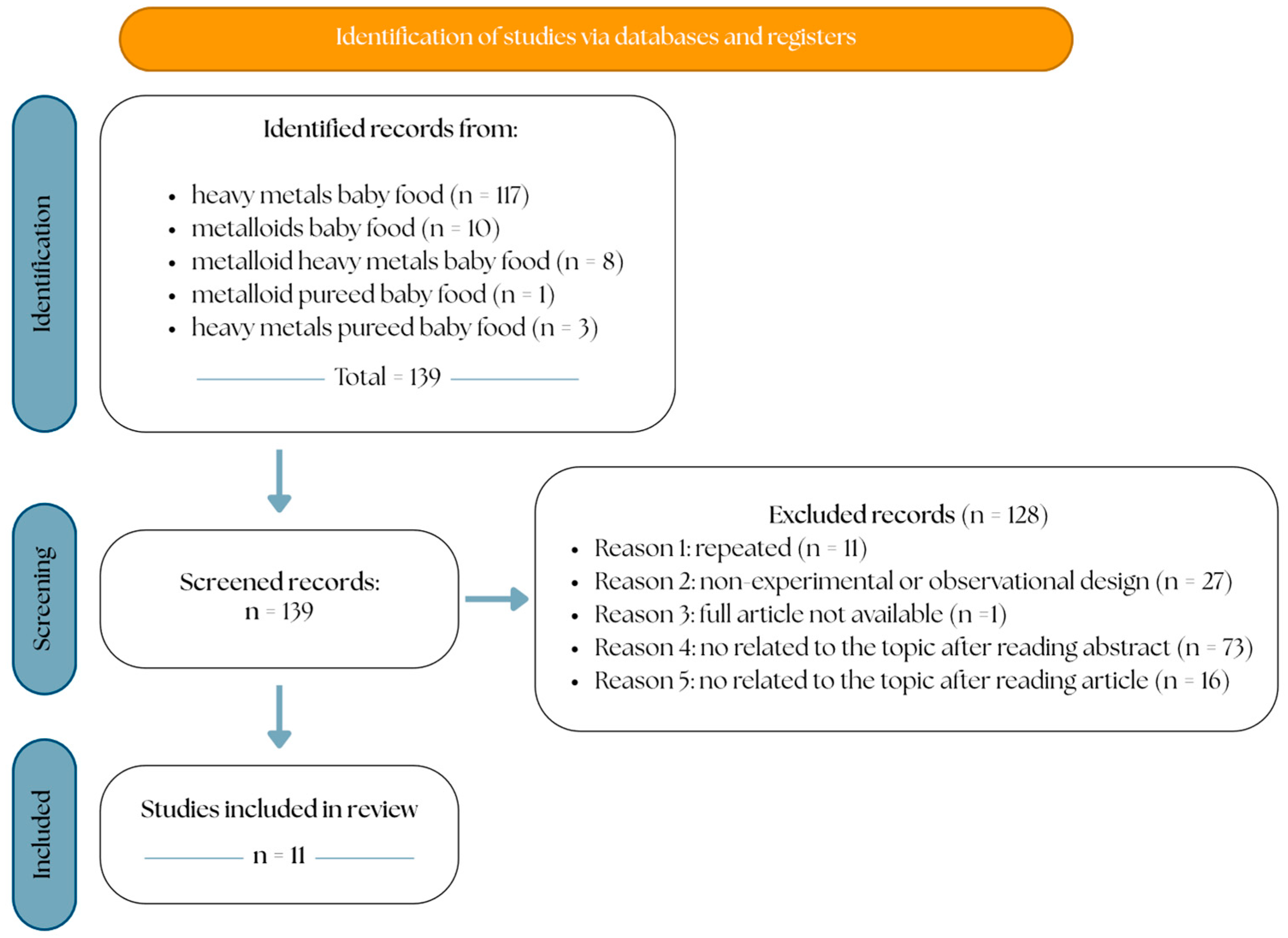
Figure 1. PRISMA process for selecting eligible studies.
Blsf 56 00023 g001
Figure 2. Characterization of range of fish-based PBFs on Spanish market. PBFs: pureed baby foods; PBFFs: fish-based pureed baby foods.
Blsf 56 00023 g002
Disclaimer/Publisher’s Note: The statements, opinions and data contained in all publications are solely those of the individual author(s) and contributor(s) and not of MDPI and/or the editor(s). MDPI and/or the editor(s) disclaim responsibility for any injury to people or property resulting from any ideas, methods, instructions or products referred to in the content.