Article

The Failure of Pulmonary Oxygen Exchange in Severe Viral Lung Disease: Pneumolysis

by
Gustavo Zubieta-Calleja
1,
Felipe de Jesús Montelongo
2,3,
Manuel Gabriel Romo Sanchez
3,
Michele Samaja
4,* and
Natalia Zubieta-DeUrioste
1
1
High Altitude Pulmonary and Pathology Institute (HAPPI-IPPA), La Paz 55, Bolivia
2
Hospital General Las Américas Instituto de Salud del Estado de Mexico, IMSS-Bienestar, Hospital General de Zona 197, IMSS, Ciudad de Mexico 55076, Mexico
3
Hospital General Las Américas Instituto de Salud del Estado de Mexico, IMSS-Bienestar, Ciudad de Mexico 55076, Mexico
4
Department of Health Science, University of Milan, I-20142 Milan, Italy
*
Author to whom correspondence should be addressed.
Submission received: 29 December 2025 / Revised: 3 March 2026 / Accepted: 16 March 2026 / Published: 27 March 2026

Abstract

Background: Severe lung compromise from COVID-19, ARDS, and recently AH3N2 can progress to life-threatening hypoxia. Past experience led to standardized protocols that assumed similarity to SARS-CoV. Methods: COVID-19 pathophysiology and histopathological lung biopsy photomicrographs are analyzed. Results: Pneumolysis is defined as progressive alveolar–capillary destruction resulting from SARS-CoV-2 attack on pneumocytes. In the final stages preceding pneumolysis, molecular mechanisms in the lungs include apoptosis in alveolar epithelial type I and II cells, compromising alveolar regeneration, and necrosis, resulting in leakage of intracellular contents and amplifying inflammation. Pyroptosis, driven by inflammasome activity, further disrupts alveolar integrity in ARDS. Histopathological findings include Masson bodies, alveolar-coating cells with nuclear atypia, reactive pneumocytes and reparative fibrosis, intra-alveolar hemorrhage, moderate inflammatory infiltrates and abscesses, microthrombi, hyaline membrane remnants, and emphysema. The three theoretical pathophysiological stages of progressive hypoxemia (silent hypoxemia, gasping, and death zone) are shown. Conclusions: Silent hypoxemia rapidly progresses to critical hypoxemia. This progression results from progressive pneumolysis, inflammation, immune overexpression, autoimmunity, and HAPE-type edema, leading to acute pulmonary insufficiency. Long-lasting COVID-19 can result in fibrosis and, as a compensatory mechanism, polierythrocythemia. The proposed treatment (based on tolerance to hypoxia and the hemoglobin factor) includes prompt oxygen administration, control of inflammatory and immune responses, antibiotics, rehydration, erythropoietin and platelet aggregation inhibitors.

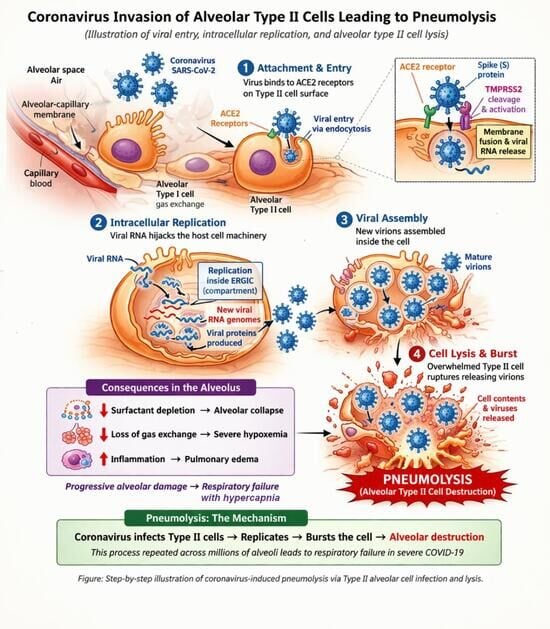
Graphical Abstract

1. Introduction

Coronavirus disease 2019 (COVID-19), caused by infection with the coronavirus (CoV-2), surprised the world with the first cases in Wuhan, China. It has been referred to as the most significant public health crisis since World War II [1]. Patients presented with variable flu-like symptoms, including headaches, muscle pain, weakness, diarrhea, and dry cough, which could rapidly progress to critical hypoxemia and subsequent death [2]. The first lung CAT scans were quite alarming, as multiple areas of the lungs showed severe compromise. It was immediately referred to as SARS-CoV-2 pneumonia, assuming that it was the same pathology as SARS-CoV-1 [3]. Severe cases with SpO2 < 90% at sea level were placed on ventilators. Unfortunately, and quite surprisingly, between 50% and 88.7% of those intubated and on ventilators died; however, this last percentage was later modified, showing only a 3.3% survival, 24.5% death, and 72.2% remaining hospitalized [4]. Understandably, this was quite alarming and showed that this disease was very aggressive in about 5% of those infected, with irreversible lung damage classified as pneumonia [5]. As of 13 April 2024, the final report COVID-Coronavirus Statistics—Worldometer reported 704,753,890 infected people worldwide, with 7,010,681 deaths [6]. Pneumonia in COVID-19 has been previously questioned [7].
The term pneumolysis, more commonly pneumonolysis, originated in the early 20th century. It was used in thoracic surgery to free fibrotic tissue adhering to the parietal pleura from the lung pleura, thereby inducing lung collapse in pulmonary tuberculosis. A more common term for this procedure was plombage (also known as decortication). Plombage fell into disfavor in the 1940s with the advent of tuberculosis-treating medication [8,9].
To avoid confusion, an alternative terminology for pneumolysis in COVID-19 could be pulmolysis or pulmonolysis, based on the Latin word pulmo (lung). Perhaps this will end up being the right terminology, but for the moment, we suggest continuing with pneumolysis based on Greek semantics.
The concept of pneumolysis is of transcendental importance for understanding this highly aggressive viral pathology that is changing our world in terms of everyday life, the economy, and global health. Our view of how COVID-19 lung damage occurs and our pathological findings can help improve the fatal outcomes of this devastating pathology.

2. Pneumonia

Pneumonia or pneumonitis is classically defined as an acute disease marked by inflammation of lung tissue, infiltration of alveoli and often bronchioles with white blood cells (such as neutrophils) and fibrinous exudate, fever, chills, cough, difficulty breathing, fatigue, chest pain, and reduced lung expansion, and it is typically caused by an infectious agent (such as a bacterium, virus, or fungus) (Merriam-Webster Dictionary). Notice that the suffix “itis” denotes inflammation.
Pneumonia’s first known use dates back to Hippocrates (460–370 BC) [10], coming from the Greek word πνεύμων (pneúmōn), meaning “lung” [11]. It is evident that, at the time, the term pneumonia was based solely on clinical and/or pathological findings. The classical symptomatology included intense chest pain (as if being stabbed), bloody sputum, and shortness of breath [12].
From a pathologist’s point of view, there were four stages: consolidation; red hepatization, with red blood cells, neutrophils, and fibrin present in the pulmonary alveoli; followed by gray hepatization, in which the red blood cells were broken down, leaving a fibrinosuppurative exudate; and finally, resolution.
There was no radiology at the time, as it was invented by Roentgen in 1895 and became an important diagnostic tool, even for visualizing ventilator-associated pneumonia. Pneumonia was commonly classified into three types: bronchopneumonia (Staphylococcus aureus), lobar or alveolar pneumonia (Streptococcus), and interstitial pneumonia (viral or mycoplasma). Currently, in autopsy studies, the classification includes community-acquired pneumonia (CAP) or hospital-acquired pneumonia (HAP). The annual incidence of pneumonia was last estimated by the WHO in 2008 at 450 million cases and 4 million deaths [13].
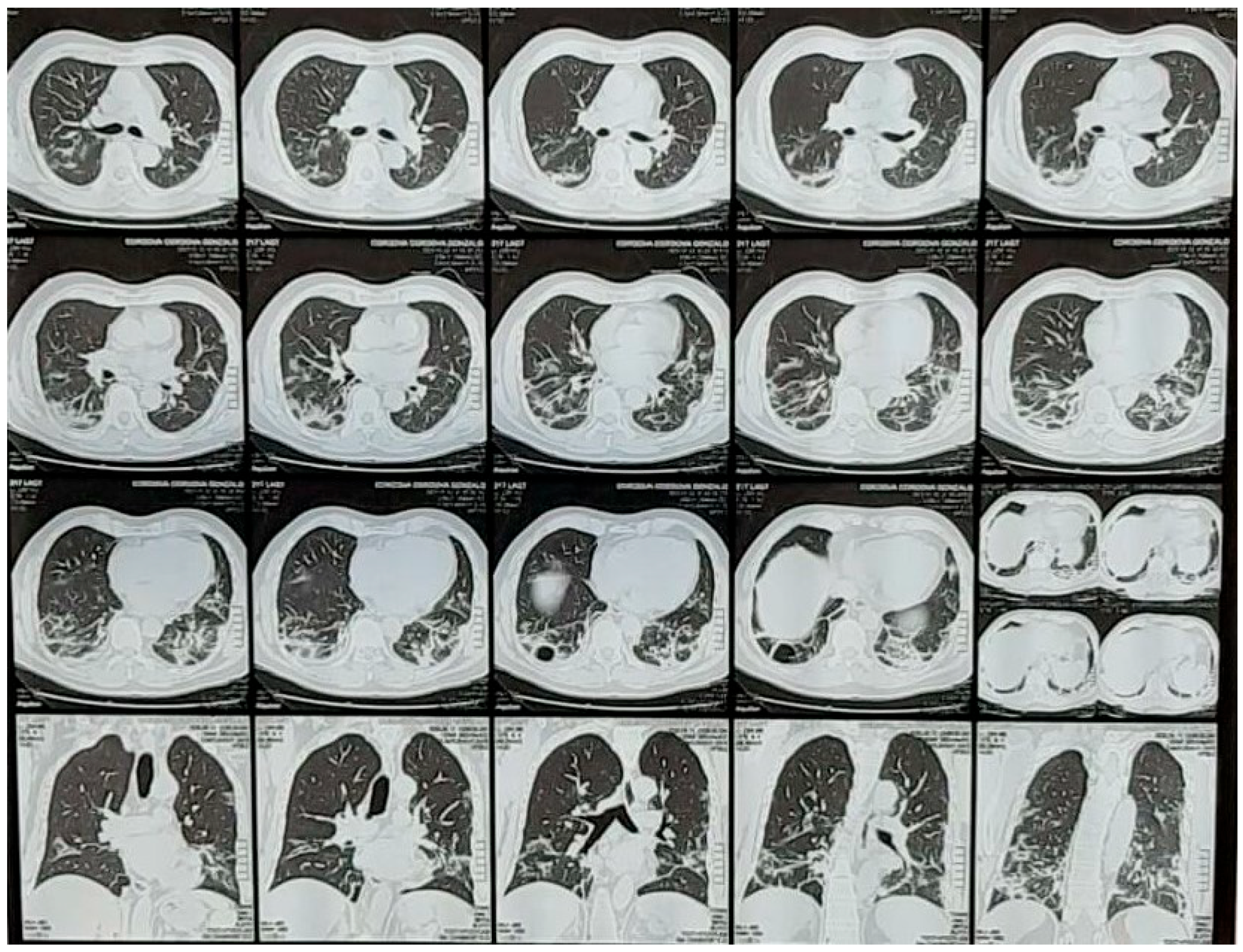
In 2019, the COVID-19 CAT scan compromise presented a distinct pathology (Figure 1). Some authors noted that it was different but did not fully understand it and suggested autopsies be performed [7]. Several autopsy studies of COVID-19 show fibrotic, bullae-filled, necrotic lung tissue, clearly distinct from SARS-CoV-1, which is more hemorrhagic (personal communication by Paolo Pelosi). Others reported diffuse alveolar damage (DAD) [14], chronic lung inflammation, and edema in the bronchial mucosa, with some finding thromboembolic events [15,16].

3. Pneumolysis

COVID-19, an overly aggressive disease, new to humankind, made us question whether it was truly a type of pneumonia. For this reason, the first author coined a new terminology to describe the disease more accurately, explain the pathophysiology of silent hypoxemia present in COVID-19, and hence improve the focus of treatment [17,18]. The term “pneumolysis”, based on Greek etymology pneumo = lung and lysis = destruction, was first used and proposed during the International Conference on Coronavirus Viral Genomics in India online on 7–10 June 2020, attributed to Dr. Paolo Pelosi, an Italian intensivist and world-renown mechanical ventilation expert [19]. The term “lysis” in the Merriam-Webster dictionary is defined as “a process of disintegration or dissolution (as of cells)”.

3.1. Definition

Consequently, we propose the following definition:
Pneumolysis is an acute infectious disease characterized by inoculation of coronavirus-2 RNA or other viruses into pneumocytes, intracellular viral replication, and pneumocyte destruction (generally not compromising the bronchioles), accompanied by inflammation, edema, capillary vasodilation, hyaline membrane formation, microabscesses, and nuclear atypia. It presents with a nonproductive cough, initial silent hypoxemia, sudden onset of difficulty breathing, fatigue, tachycardia, and rapid progression to reduced lung gas-exchange area and subsequent fibrosis. The first known use was on 13 June 2020.

3.2. Incidence

The COVID-19 pandemic is asymptomatic in 75% of the population and symptomatic in 25%, with multiple disease variants and case fatality rates of about 2–3%, mostly due to severe pulmonary compromise [20].

3.3. Symptomatology

Patients with lung compromise during the COVID-19 pandemic can present with silent hypoxemia (SpO2 < 95% at sea level, SpO2 < 85% at 3600 m), shortness of breath with mild exercise, fever, tachycardia, tachypnea, hyperventilation, intercostal, muscular, and diaphragmatic fatigue, the sensation of drowning, gasping, and subsequent death.
Other symptomatology in other organs can likewise be present, as we have affirmed that SARS-CoV-2 produces not only pneumolysis [17] but also multiple diseases in other organs and even endothelitis, causing endothelial damage [21], and possibly the formation of thrombus, generated in the ACE-2 receptor coronavirus binding [22].

3.4. Diagnosis

Diagnosis is based on the presence of a pandemic, SpO2 < 90%, (PaO2 < 60 mmHg at sea level, and lower at higher altitudes), a CT scan showing typical multiple area compromise, ground-glass images, crazy ground paving, consolidation areas [23], a positive reverse-transcription polymerase chain reaction (RT-PCR) test, PCR, and possibly ELISA with the presence of M and G antibodies. With the latter, false negatives were reported, so they should be interpreted cautiously [24]. Chest CT has the highest sensitivity for COVID-19 diagnosis [25].

3.5. Differential Diagnosis

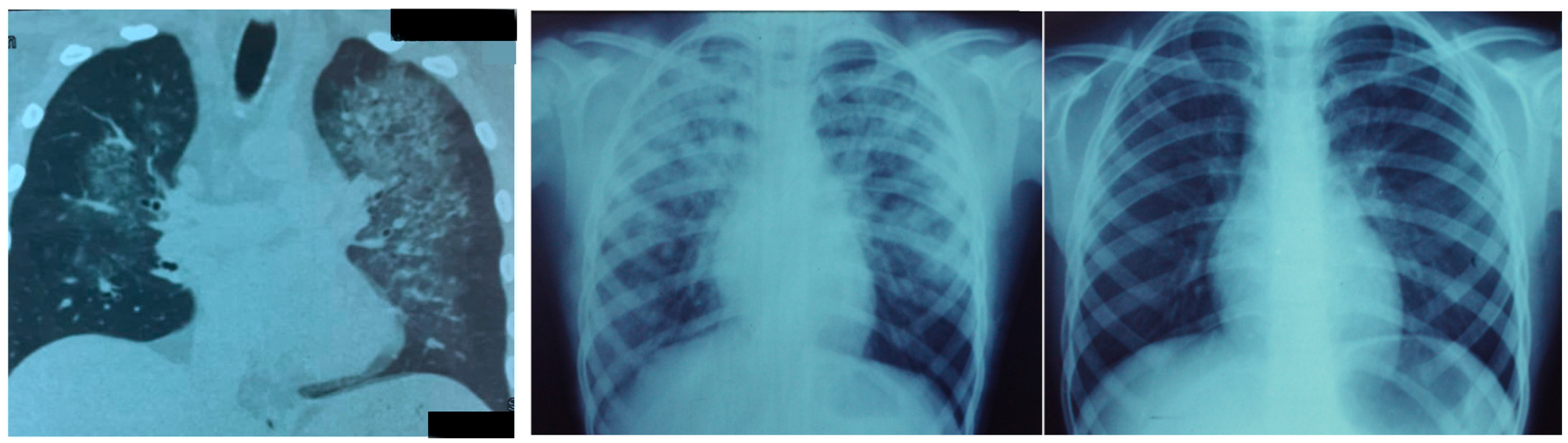
This “new” pathology differs from high-altitude pulmonary edema (HAPE), which occurs during rapid ascent to high altitude in some individuals (Figure 2).
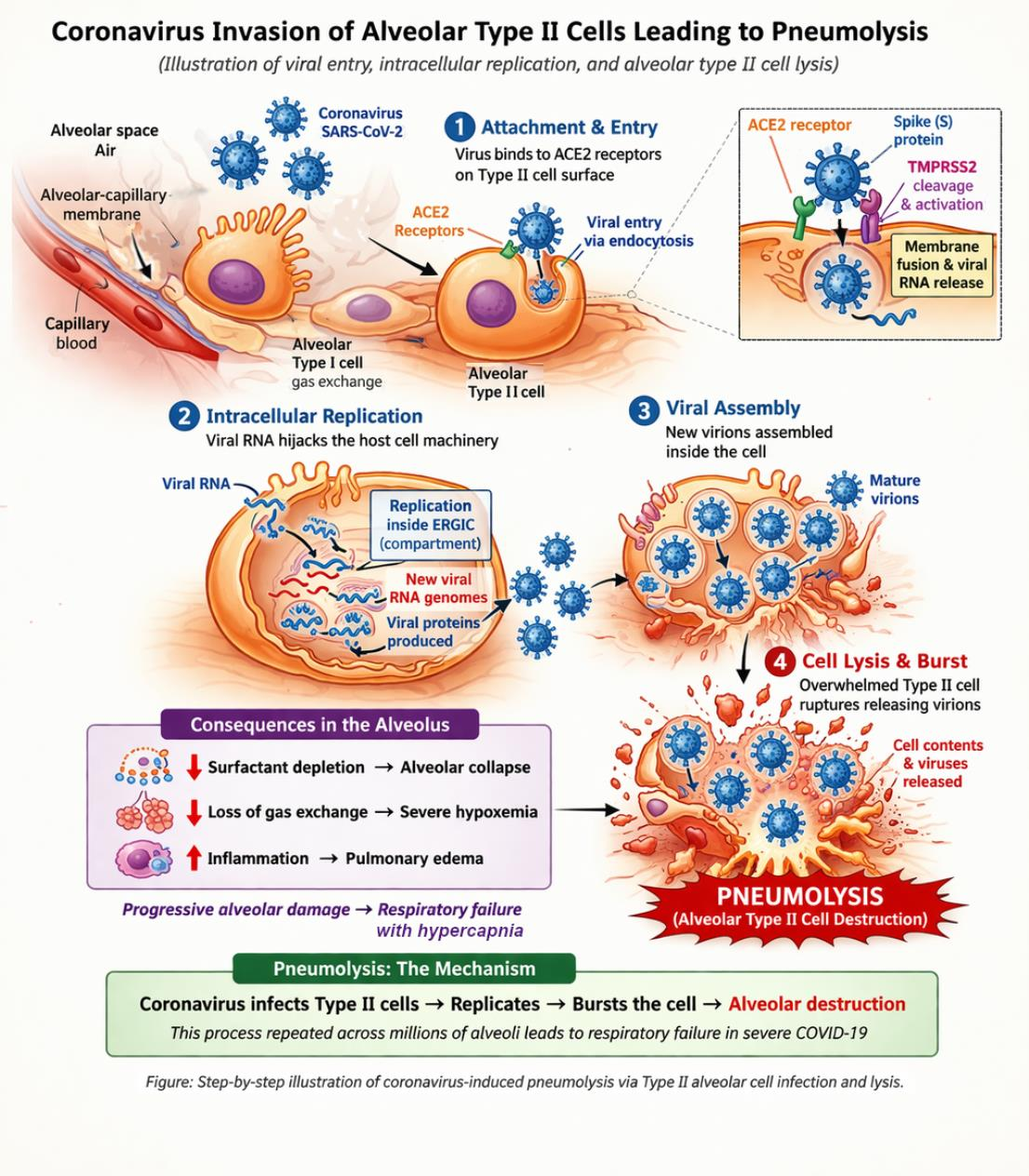
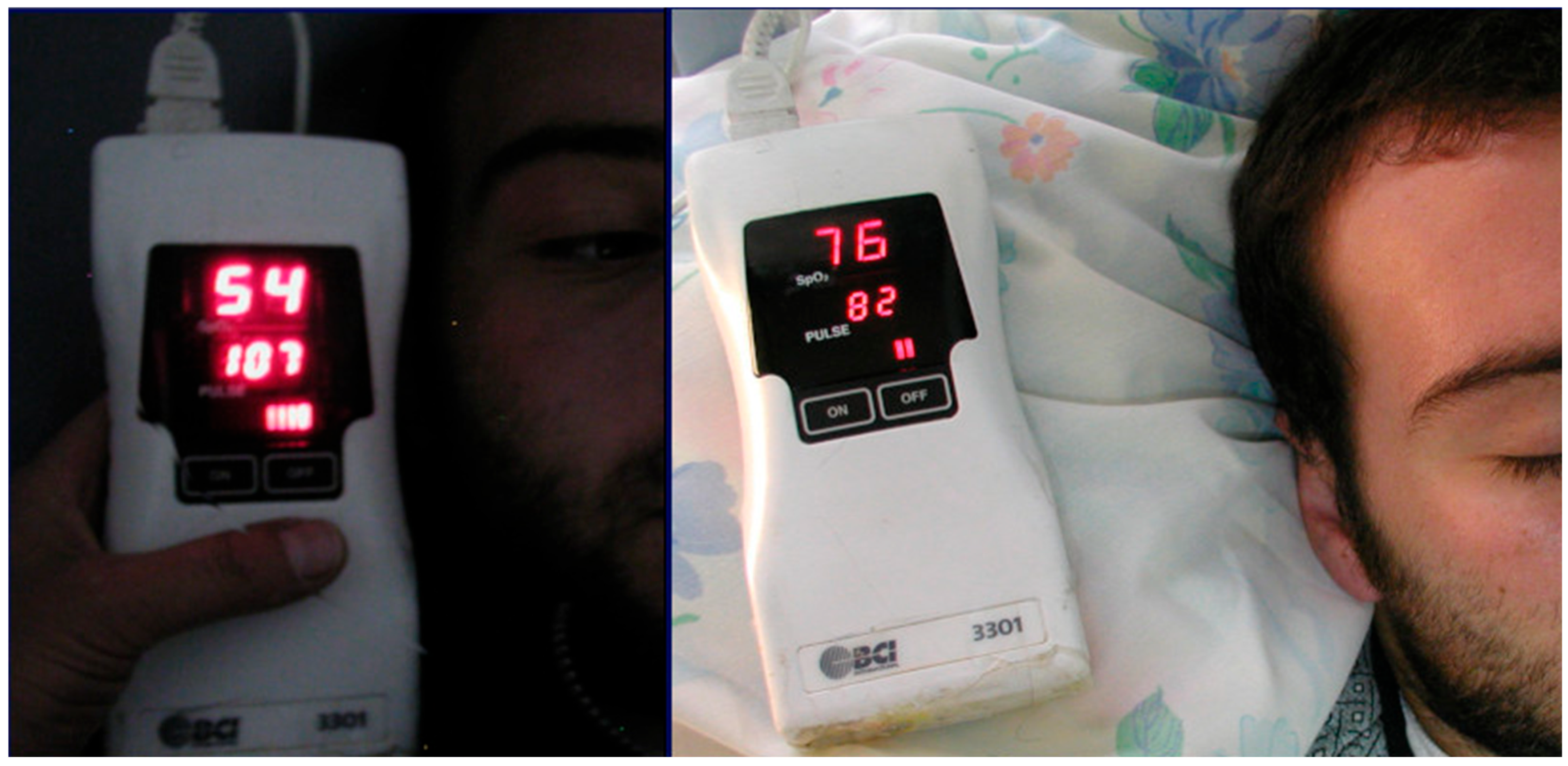
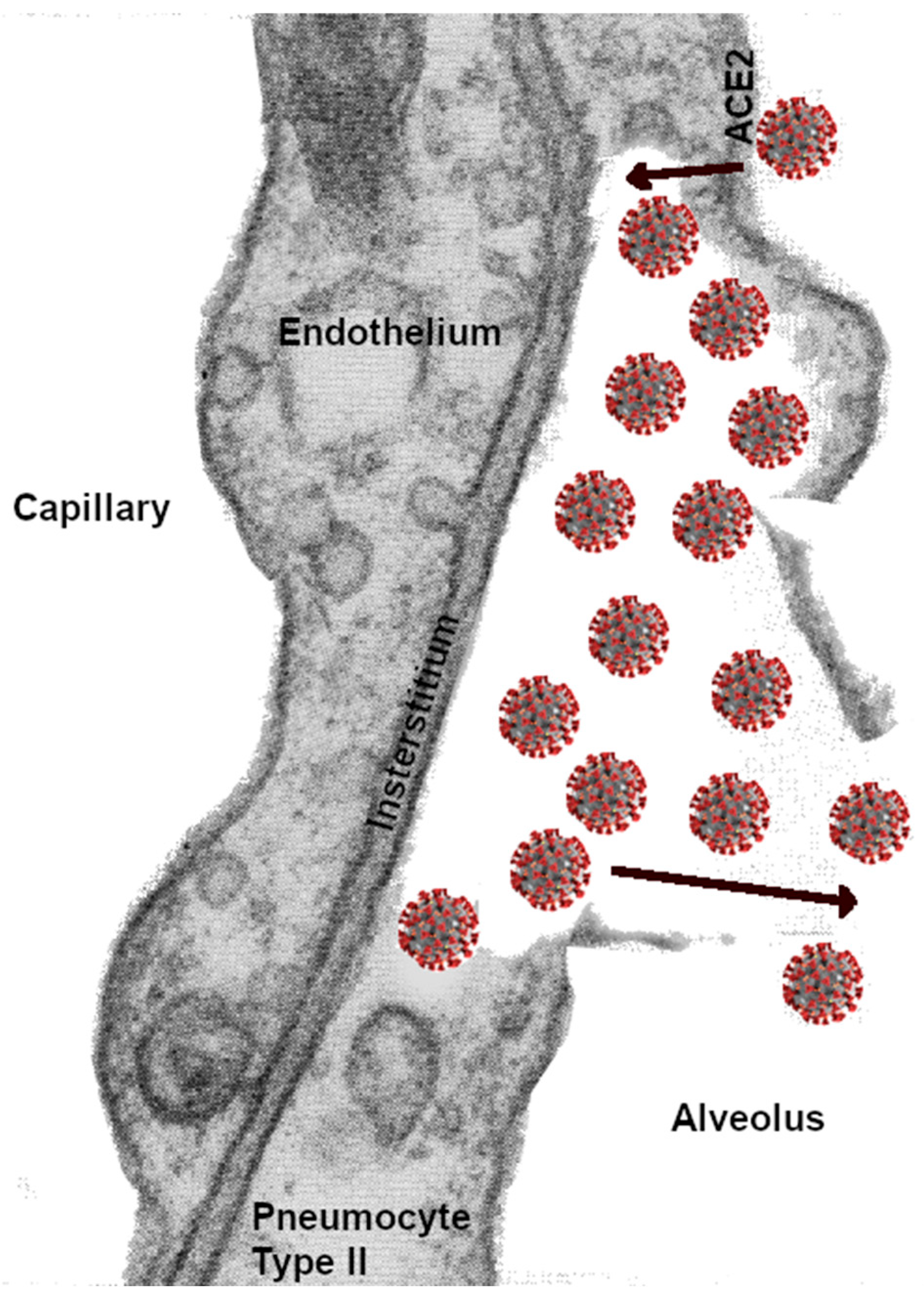
Morphological (histopathological and radiological) and functional findings of COVID-19 and acute interstitial pneumonia, acute respiratory distress syndrome (ARDS), and high-altitude pulmonary edema (HAPE) share common clinical traits but have peculiar pathophysiological features [26]. HAPE patients can present for consultation with a PaO2 as low as 30 mmHg, even walking in from the city of La Paz (3500 m) (Figure 3). Appropriate treatment leads to complete resolution and reabsorption of lung edema, typically within 2 days in children and sometimes lasting several days in adults [27]. In pneumolysis, lung pneumocytes are destroyed, followed by inflammation, HAPE-type edema, and minor hemorrhage, resulting in severe lung damage, as diagrammatically depicted in Figure 4. HAPE-type edema may be present.
Because pneumolysis significantly reduces the gas-exchange surface, morphological (histopathological and radiological) and functional findings of COVID-19 and acute interstitial pneumonia, acute respiratory distress syndrome (ARDS), and high-altitude pulmonary edema (HAPE) share common clinical traits but have peculiar pathophysiological features [26]. Consequently, it is as if the patient were breathing at high altitude, with some values even reaching those observed at the summit of Mt. Everest [18,28,29]. The remaining normal lung tissue can develop edema as a result of extreme hypoxia, pulmonary hypertension, and stress failure of capillaries [27].
COVID-19 pneumonia is a distinct pathology characterized by a “gray hepatization” type of lung compromise, with a much heavier weight observed in autopsies due to severe fluid retention from edema.
Differentiating it from H1N1 influenza, which presented in 2009, is likewise important [30]. COVID-19 had a significantly less productive cough than H1N1. Fatigue, GI symptoms, and myalgia were more prominent in patients with COVID-19 than in those with H1N1. Transaminase, lactate dehydrogenase, and troponin I levels were significantly lower in patients with COVID-19. In terms of imaging characteristics, ground-glass opacities on chest CT scans were more common in patients with COVID-19 [30].

3.6. Similarities and Differences Between COVID-19 and Tuberculosis (TB)

COVID-19 is a fast-track production of emphysema-type lesions, as it destroys alveoli without time for remodeling and adaptation. It creates bullae (Figure 1) and small cavities similar to those seen in TB. These bullae were also present in previous biopsies [31]. Mycobacterium tuberculosis proliferates inside alveolar macrophages and eventually kills the cells [32]. The tuberculosis attack is intracellular, making treatment difficult and requiring long-term therapy for up to a year. The infected macrophages produce cytokines and chemokines that attract other phagocytic cells, including monocytes, other alveolar macrophages, and neutrophils, which eventually form a nodular granulomatous structure called the tubercle [33]. However, this takes quite a bit of time. In COVID-19, there is no time, as the intracellular coronavirus bio-attack is fast. The same phagocytic cells are, however, present in COVID-19, as described below. Adaptation to survival within the disease takes time. The high-altitude adaptation formula shows a typical hematopoietic time frame in response to ascent to a fixed high altitude [34], which requires 40 days for an optimal increase in hematocrit at 3600 m (12,000 ft.).

4. COVID-19 Pathology

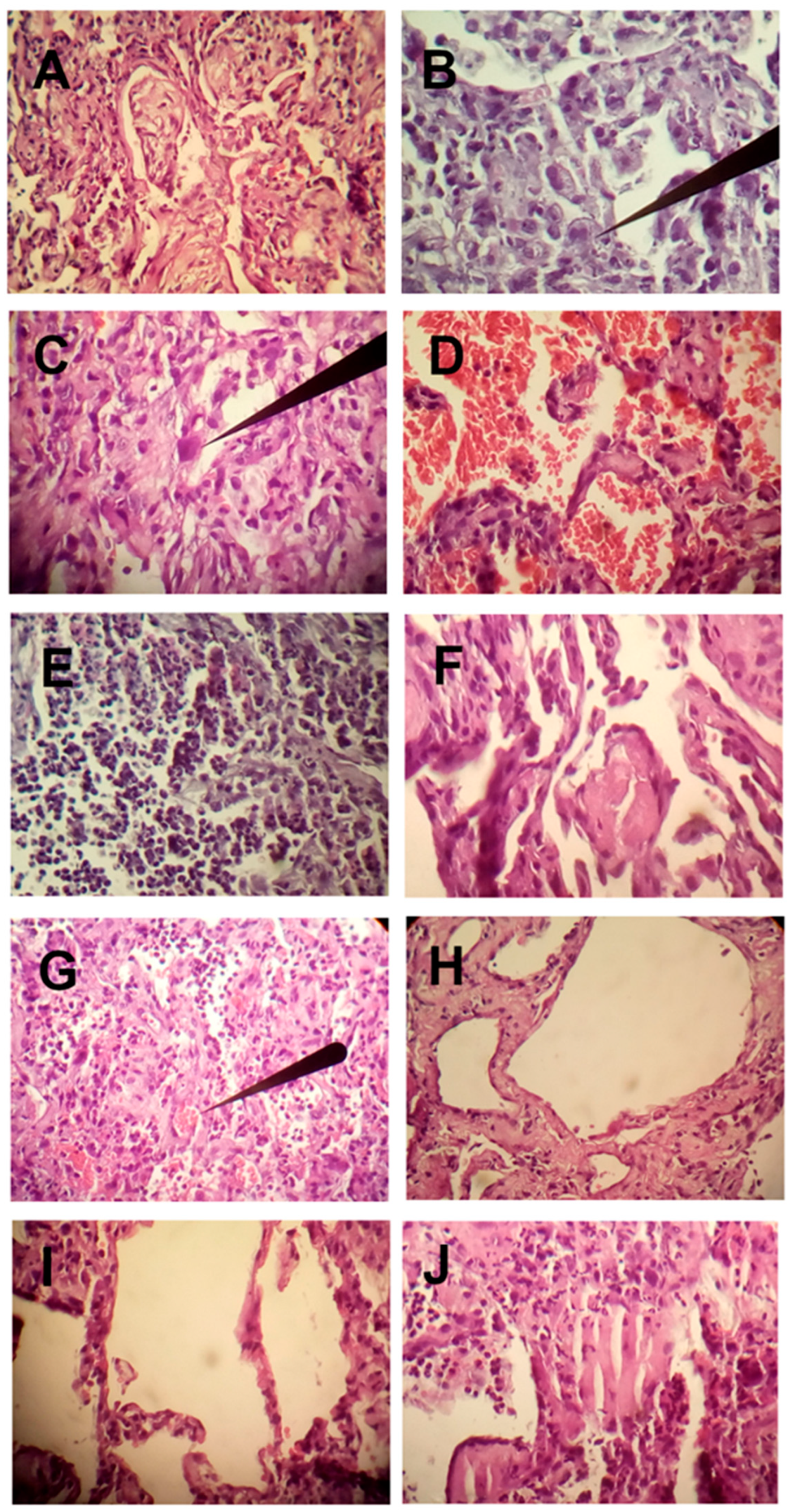
The histopathological findings of 19 patients who died from severe pneumolysis resulting from COVID-19 and adult respiratory distress syndrome in the intensive care unit of the General Hospital of Ecatepec, of the Health Institute of the State of Mexico, Mexico, are presented as preliminary findings (Figure 5). The time from initiation of mechanical ventilation to death averaged 16 days. Ultrasound-guided lung biopsies were performed immediately postmortem. The most important manifestation at the time of death, in addition to refractory hypoxemia, was CO2 retention (hypercapnia), with an average arterial blood gas CO2 of 90 mmHg (torr), confirming the pathophysiology (Figure 6 at sea level and Figure 7 at high altitude). Among the most important histopathological findings, as shown by the following photomicrographs, were changes associated with diffuse alveolar damage (DAD). This is a general term used in relation to ARDS [35], but since we are now dealing with a new highly lethal pathology, a more precise terminology is required. This is what we define as pneumolysis, an inflammatory process characterized by lung tissue derangement with alveolar collapse, hyaline tissue formation, microhemorrhages, microabscesses possibly due to superinfection, infiltration of polymorphonuclear cells and monocytes, and a repair process with organizational changes in fibrinoid deposits, early fibroblastic interstitial fibrosis, and Masson’s bodies. Additionally, fibroblast proliferation and collagen deposition with intense septal and para-septal reparative fibrosis can be observed, which significantly thicken the alveoli and explain the decreased gas-exchange area and hypercapnia in pneumolysis. Other authors have found the virus only in the acute initial stage of lung compromise and not in the progressive late stage, where there was an immune response that possibly cleared the virus [36]. However, in our studies, the presence of reactive pneumocytes with nuclear atypia (nucleomegaly, hyperchromasia) is striking [28], indirectly indicative of active viral replication, even at the time of death. This is a very important observation, as it shows the pneumocytes, due to SARS-CoV-2 aggression, with RNA inoculation within and changing the metabolite production code to replicate itself. This means that either the emergency cellular condition gives rise to nuclear.
Alterations or the virus itself alters the nuclei, which needs to be further investigated. The replication process is carried out in the lysosomes, the endoplasmic reticulum, and the Golgi complex [37]. Likewise, there are heterogeneous areas of alveolar rupture. These changes were observed in 100% of patients. Other findings included intra-alveolar hemorrhage in 54% of the patients and microabscesses by bacteria, fungi, and other opportunists such as pneumocystis in 50% of the patients, a finding of great importance since it was thought that most of the patients had died from pneumonia associated with mechanical ventilation. Likewise, microthrombi were found in 37% of the patients, which is not consistent with previous studies. It should be noted that 100% of the patients had prophylactic anticoagulation at the time of death.
We can conclude that the patients presented an active process of cell destruction (pneumolysis) due to active viral replication, with persistent infiltration of inflammatory cells and a continuous repair process but with reactive fibrotic activity that was so intense that it ultimately led to death. Furthermore, these multiple findings, with superimposed opportunistic infections, complicated the evolution of the disease.
Pathologic studies using post-mortem transbronchial lung cryobiopsies showed the presence of “pneumocyte loss with discontinuation of the alveolar epithelial lining, hyaline membranes, intra-alveolar fibrinous exudate, early fibroblastic interstitial fibrosis, obliteration of the alveolar structure by fibrosis, type 2 pneumocyte hyperplasia and atypia, Mallory-like intracytoplasmic inclusions in type 2 pneumocytes, micro-honeycombing, foci of bronchopneumonia, vasculitis or vascular thrombosis” [38]. They also refer to the lesions as diffuse alveolar damage (DAD) with three phases: (1) early/exudative-phase, (2) mid/proliferative-phase, and (3) late/fibrous-phase DAD with honeycombing. We believe honeycombing in this disease results from pneumolysis, as in a comparative fast-track emphysema. DAD has a similar histological overlap, but we propose a mechanistic distinction in pneumolysis, in which these lesions refer to direct viral cytopathic alveolar injury and/or immune-mediated pneumocyte destruction.
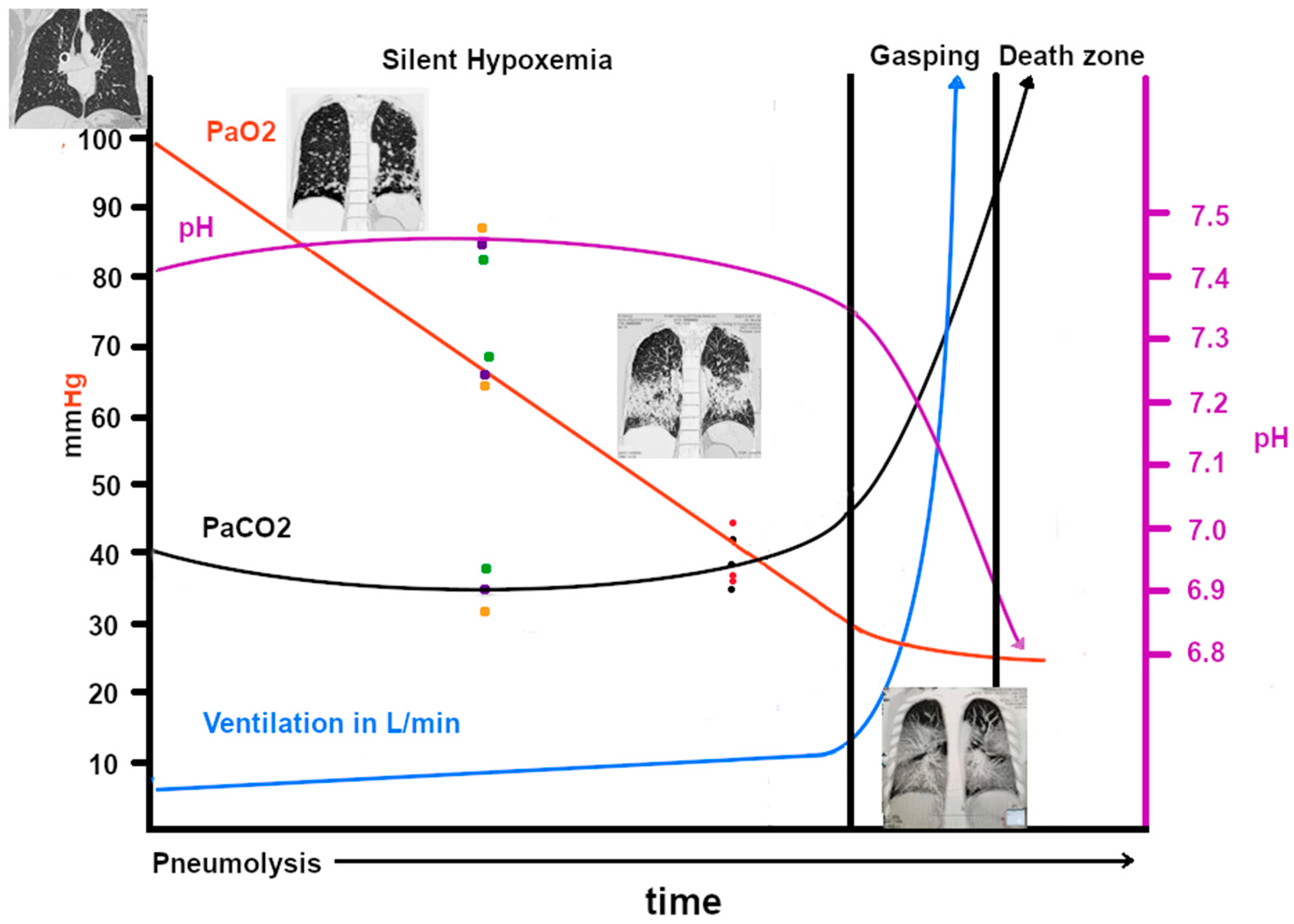
Figure 7. This graph, developed by both Zubieta authors, shows the probable blood gases, acid–base, ventilation, and hypoxemia evolution in COVID-19 disease at sea level. Note that the pH scale is on the right and the PaO2, PaCO2 and ventilation scales are on the left. The CT scan images (courtesy of Centro de Estudios Tomográficos CET La Paz, Bolivia) show how, as the disease spreads throughout the lungs, the gas-exchange compromise increases, thereby reducing the oxygen transport through the alveolar–capillary membrane. The green, black, and yellow dots represent actual blood gases obtained from https://www.youtube.com/watch?v=_KMLW8eO0q0 (accessed on 28 December 2025) by Dr. Shiv Kumar Singh. The black and red dots are from [39].
Oxygen 06 00007 g007
A gel-like fluid has been found in autopsy lung samples, and the presence of hyaluronan has been reported [40]. This substance is a semiflexible, high-molecular-weight polymer chain. It would apparently be highly hydroscopic (able to absorb 1000 times its molecular weight) and induce edema. The latter macroscopically resembles a purple hepatization, suggesting pneumonia. In contrast, COVID-19 autopsy lungs show extensive fibrous tissue and many bullae in a brownish lung. They have shown three main phenotypes for respiratory management on CT: (1) multiple, focal, possibly over-perfused ground-glass opacities; (2) inhomogeneously distributed atelectasis; and (3) a patchy, ARDS-like pattern [31].

4.1. Molecular Mechanisms Underlying Pneumolysis

In healthy lungs, a delicate balance exists between proteases that break down proteins and antiproteases that inhibit these enzymes [41]. This balance contributes to maintaining integrity and function because proteases are critical for cell regeneration, repair, and homeostasis, while antiproteases control the activity of proteases. A shift in this balance toward increased expression and activity of proteases finally leads to inflammation and fibrosis, as observed in COPD [42], emphysema [43] and ARDS [44]. Among proteases, relevant roles have been identified for cathepsin S [45] and type II transmembrane serine protease [46], which also activate a variety of respiratory viruses that enhance the rate of viral infection, as in SARS-CoV-2 infections [47]. Activated neutrophils and macrophages contribute to the disruption of the protease–antiprotease balance by releasing proteases or inhibiting antiproteases as follows: (a) elastases, a major inflammatory group of proteases, present in the airways of patients with cystic fibrosis, COPD, bronchiectasis, and bronchopulmonary dysplasia [48]; (b) cathepsin G, which disrupts innate defenses hindering the host’s ability to clear bacteria like Pseudomonas aeruginosa [49]; (c) matrix metalloproteinases, zinc-dependent enzymes that break down proteins in the extracellular matrix such as elastin and collagen [50]; (d) inhibition of the antiprotease Secretory Leukocyte Protease Inhibitor, especially in mucosal secretions [51]; and (e) inactivation of α1- antitrypsin, as observed in smokers.
Pulmonary diseases are often characterized by excessive release of reactive oxygen species (ROS) and reactive nitrogen species (RNS) [52]. The consequent redox imbalance is both an outcome and a cause of chronic and acute pulmonary diseases and is a key step in a vicious cycle whereby the redox imbalance amplifies and strengthens pulmonary tissue damage. Although originating from various sources such as NADPH oxidases [53], in lungs, the main sources of the redox imbalance are mitochondria [54] and activated inflammatory cells [55]. The observation that two of the three major lipid classes of the inner mitochondrial membrane, PC, PE, and cardiolipin [56] are significantly altered in pulmonary diseases (Morano et al., submitted) strongly supports a pivotal role for mitochondria. Notably, CoQ, a key lipid component of the mitochondrial electron transport chain, has also emerged as one of the most affected lipid classes not only in COPD and ARDS (Morano et al., submitted) but also in COVID-19 [57]. Mitochondria are central to both acute and chronic oxygen sensing and adaptation [58], in part through their role in ROS release. A detrimental feedback loop is established when damaged mitochondria increase ROS production, which, in turn, promotes lipid peroxidation and further mitochondrial damage. Besides directly oxidizing lipids, proteins, and nucleic acids, ROS and RNS are well known to activate pivotal redox-sensitive signaling pathways that compromise cell integrity and disrupt tissue homeostasis.
Multiple intersecting forms of regulated cell death are implicated in pulmonary tissue damage that regulate not only pneumolysis but also immune responses, apoptosis, epithelial repair, fibrosis, and vascular remodeling.
Inflammation and cytokine storms are key contributors to acute pulmonary diseases such as ARDS and COVID-19 [59]. The Nuclear Factor kappa-light-chain-enhancer of activated B cells (NF-κB) pathway is a key regulator of inflammation that can be triggered not only by oxidative stress but also by cytokines and pathogens through mediators such as TNF-α, IL-1β, IL-6, and IL-8. Central to acute lung injury, ARDS, and chronic inflammatory lung diseases, NF-κB is well known to induce transcription of pro-inflammatory cytokines, chemokines, and adhesion molecules, thereby exacerbating damage from the cytokine storm [60]. Increased vascular permeability and infiltration of immune cells, such as neutrophils and macrophages, contribute to the lung’s release of ROS, RNS, and proteases, establishing a self-perpetuating cycle of injury [61]. The cytokine storm may also activate the Janus Kinase/Signal Transducers and Activators of Transcription (JAK/STAT) pathway, which drives transcription of genes involved in immune cell activation and proliferation and participates in the activation of interferons and interleukins in viral infections, inflammation, and interstitial lung disease [62].
The Mitogen-Activated Protein Kinase (MAPK) family cascade, a series of protein kinases that transmit signals from the cell’s surface to the nucleus, ultimately affecting gene expression and cellular behavior, regulates a wide range of cellular processes, including cell growth, differentiation, and apoptosis [59]. Such cascades include ERK, p38, and JNK and are involved in inflammatory responses, oxidative-stress-induced damage, and epithelial repair [60].
The PI3K/AKT/mTOR pathway promotes cell survival, metabolism, and autophagy by inhibiting apoptosis [61]. However, chronic activation of this pathway may contribute to pathological remodeling and fibrosis [62]. Notably, the PI3K/AKT/mTOR pathway is directly activated by hypoxia, a common feature of most pulmonary diseases [63].
Transforming Growth Factor Beta (TGF-β) is a key mediator of pulmonary fibrosis, promoting fibroblast activation, extracellular matrix deposition, and epithelial–mesenchymal transition [64]. A key factor in post-injury remodeling, uncontrolled TGF-β activation is strongly implicated in pulmonary fibrosis [65] and may lead to pulmonary arterial hypertension [66].
Cell fate, regeneration, and development are controlled by WNT/β-catenin signaling, which regulates epithelial repair, fibroblast activation, and epithelial–mesenchymal transition [67]. Following lung injury, disruption of alveolar epithelial type II cell proliferation and differentiation skews regenerative responses toward pathological outcomes such as fibrosis or emphysema [68]. These maladaptive repair pathways are frequently mediated by sustained activation and crosstalk between TGF-β and Wnt/β-catenin signaling. Consistent with this, Wnt/β-catenin signaling is upregulated in pulmonary fibrosis and is thought to drive aberrant epithelial repair and fibroblast persistence [69].
Involved in epithelial regeneration, immune regulation, and fibrosis, Notch signaling regulates cell differentiation and survival, making it a pivotal mediator in fibrosis, vascular remodeling, and angiogenesis, especially in chronic lung diseases [70].
Endothelial injury leads to microvascular rarefaction, barrier breakdown, and alveolar flooding. These changes magnify gas-exchange dysfunction in both ARDS and emphysema, contributing to pneumolysis.
The antioxidant defense in injured pulmonary tissue is primarily mediated by the Nuclear Factor Erythroid 2–Related Factor 2 (Nrf2) pathway, which induces the expression of detoxifying and antioxidant enzymes [71]. Nrf2 expression is downregulated in chronic pulmonary diseases.
The final stages preceding pneumolysis in the lungs include apoptosis in alveolar epithelial type I and II cells, which compromises alveolar regeneration; necrosis, which results in leakage of intracellular contents and amplifies inflammation; and pyroptosis driven by inflammasome activity, which further disrupts alveolar integrity in ARDS. Emerging evidence also implicates ferroptosis, characterized by GPX4 inactivation and lipid peroxidation, as a contributor to lung cell death in ARDS and other inflammatory lung diseases. Cell lysis releases DAMPs—such as mitochondrial DNA and HMGB1—which act as endogenous danger signals, perpetuating inflammation and alveolar damage.

4.2. Superimposed Inflammatory Reaction “Cytokine Storm”

The inflammatory process in COVID-19 has been extensively reported. It is characterized by exuberant production of pro-inflammatory cytokines, significant cellular and humoral responses, and extensive tissue injury, collectively referred to as the “cytokine storm” [20,72,73,74]. Furthermore, apoptosis of endothelial and epithelial cells, increased vascular permeability, and exaggerated T cell and macrophage responses attempt viral clearance [75]. Mast cells release inflammatory mediators, including histamine, leukotrienes, and neutral proteases, which also appear to be involved in generating lung injury [76].

4.3. “Reactive Autoimmune Response”

Once SARS-CoV-2 enters a pneumocyte and becomes an intracellular pathogen, the immune system attempts to attack it, but because it cannot be phagocytosed as if it were a bacterium in the interstitium (i.e., Mycobacterium tuberculosis), the immune attack becomes imperiled. Furthermore, as the new SARS-CoV-2, with its capsule, exits the cell, the immune system confuses structures, and an autoimmune reaction ensues [77,78]. This gives rise to many other pathogenic processes, such as arthritis. The actual lysis of the pneumocytes may occur as an autoimmune-type reaction [78] due to the cytokine storm in which the immune system tries to reach the SARS-CoV-2 within the cells, and in its attempt to destroy them, it also destroys the pneumocyte. Furthermore, it has been said that SARS-CoV-2 exits the pneumocyte where it is being reproduced via exocytosis, i.e., the opposite of phagocytosis. As it is being expelled, carrying with it some cell wall, it generates an autoimmune response that later creates the lysis of the pneumocytes. Some authors have found evidence of autoimmune disorders in COVID-19 [73,79]. In autopsy studies, CD8+ T cell-mediated cytotoxicity (autoimmune-related) has been found in the lung and other organs [80].
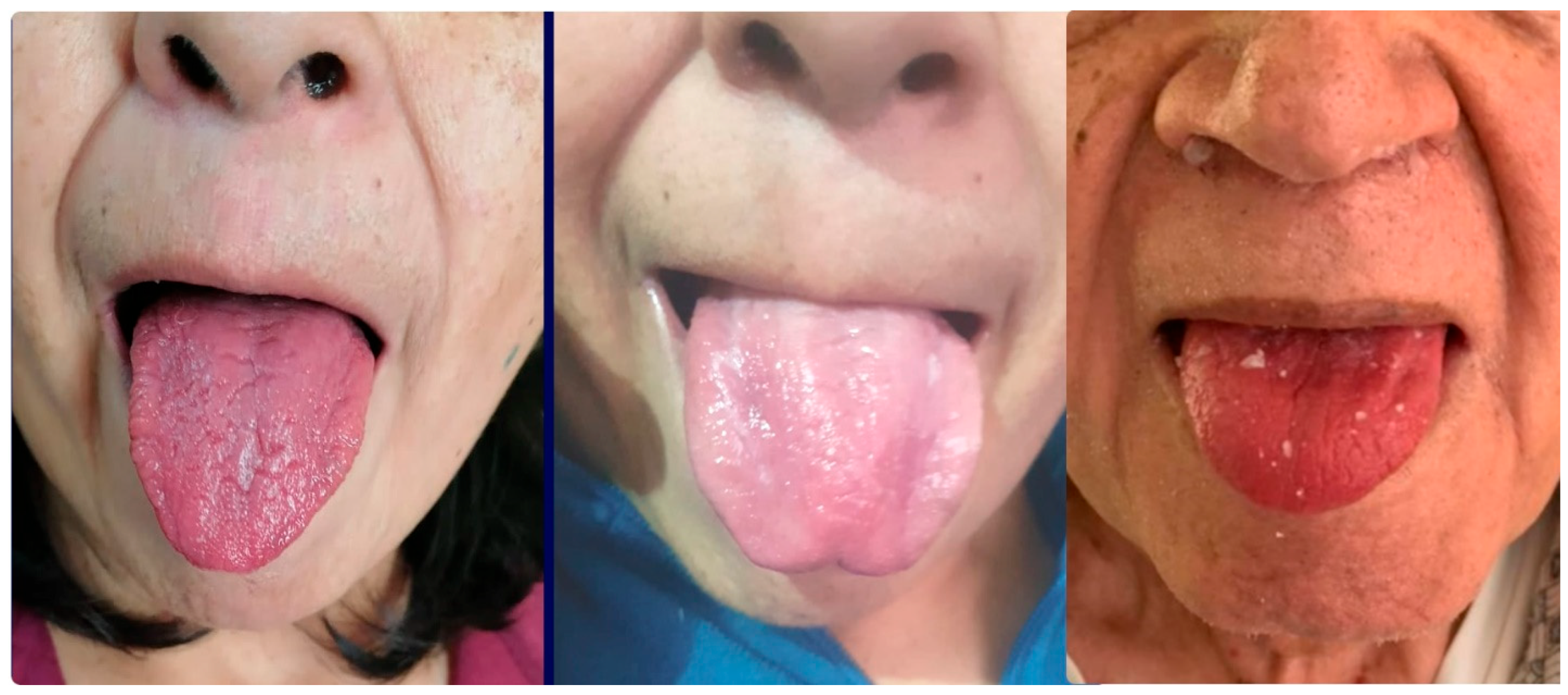
Kawasaki disease, originally described in children, is a form of acute febrile systemic childhood vasculitis that has recently been found to be associated with COVID-19 [81,82] One of our patients presented with cough, dyspnea, and an SpO2 of 70% (at 3600 m). Her tongue had a peculiar color similar to that seen in Kawasaki disease (Figure 6). We concluded she had vasculitis and was started on aspirin at 500 mg per day [83], along with oxygen, antibiotics, and analgesics. She evolved favorably.
This would explain why corticosteroid therapy yields very favorable results, as it reduces the autoimmune attack. This raises the possibility that pulsed immunosuppressive treatments could, at a certain stage, limit pneumolysis, a subject to be studied.

5. COVID-19 Pathophysiology

COVID-19 patients often show a predominance of pneumolysis in the lower lobes of both lungs. The probable explanation may relate to aerodynamics and lung elasticity, which initially respond by distending the lower lobes on inhalation due to diaphragmatic contraction and the direct orientation of the main bronchi, thereby directing SARS-CoV-2 to the base of the lungs. COVID-19 lung injury involves direct viral epithelial cell damage and thrombotic and inflammatory reactions. There are differences between ARDS and COVID-19 lung injury in aspects of aeration distribution, perfusion, and pulmonary vascular responses [84]. It has been established that angiotensin-converting enzyme 2 (ACE-2) is the cellular receptor for severe acute respiratory syndrome–coronavirus (SARS-CoV) and the new coronavirus (SARS-CoV-2) [85]. SARS-CoV-2 enters type 2 pneumocytes [86], and since these cells are next to type 1 pneumocytes and sustain them, they are destroyed, and the whole alveolar structure is seriously compromised, as evidenced in several studies. The possible pathophysiological responses have been described in a paper entitled “Pneumolysis and Silent Hypoxemia” [18]. Figure 7 shows the pathophysiologic changes in COVID-19. Some newspaper interviews and publications in a local bulletin in La Paz, Bolivia, have informed the public about this new terminology and its implications [28].
Furthermore, as the pneumocytes are highly specialized cells that are elongated so as to reduce the width of the cell for an adequate oxygen and carbon dioxide diffusion distance, and as the SARS-CoV-2 is reproducing inside, they can impede oxygen transfer by altering diffusion.
However, as the disease progresses, all three hypoxia-producing conditions are present (diffusion, ventilation/perfusion inequality, and, above all, shunts), and it is for this reason that supplementary oxygen is unable to raise the SpO2 to normal levels (98% at sea level and 90% at 3500 m of altitude). Carbon dioxide (20 times more diffusible than oxygen) can still be adequately ventilated and expelled despite the significant reduction in the oxygen exchange surface (Figure 6). However, when the lung exchange surface is seriously compromised, the lung is unable to eliminate excess carbon dioxide [87], and this is when gasping occurs (Figure 6). It is essential to observe that the SpO2 falls linearly as the expansion of the pneumocyte invasion of SARS-CoV-2 evolves. We initially thought it would be a curve; however, based on actual blood gas data, it was concluded that it was most probably linear.
Displacement of the oxygen saturation curve resulting from the Bohr effect is not so significant in our criteria, although it may aid in the delivery of oxygen to tissues. However, since there is pneumolysis, the problem is the capture of oxygen in the lungs. However, an increased hematocrit, such as that present at high altitude, becomes a great advantage and may explain the lower death rates observed at high altitude.
Originally, we also observed that there were not many changes in pH or PaCO2 in the “silent hypoxemia” phase [18], with mild hyperventilation as also described by [39]. The latter points out fundamental aspects; however, the whole picture is incomplete. In our experience, high-altitude residents at 3600 m (as at any altitude) actually live with a permanent “silent hypoxemia”. With this experience, we are able to propose the explanation of the baffling “silent hypoxemia” in COVID-19. It is for this reason that we postulate that during acute hypoxemia with the impossibility of raising PaO2 and SpO2, a fundamental solution in order to save lives would be to use of extracorporeal oxygenation [18] and the administration of erythropoietin.

Pathophysiology at High Altitude

COVID-19 presented a “lagged” response of presentation in practically all high-altitude cities of the world. Mortality has also been shown to be lower at high altitude [88,89]. This can be explained by several factors. A higher hematocrit at high altitude resulting from life in a chronic hypoxic environment can possibly be protective, as oxygen administration can deliver more oxygen with full hemoglobin saturation, which is not possible at sea level with a lower hemoglobin level [90]. This “oxygen reserve pool” (ORP) in high-altitude high-hemoglobin blood is, in our criteria, a survival mechanism, since the oxygen content is much higher than at sea level. An oxygen dissociation curve study comparing a normal high-altitude resident (Ht of 43%) and a patient with polyerythrocythemia (Ht = 71%) shows this increment in ORP (see Figure 4 in [91]). In COVID-19, the critically low hypoxia levels can be “buffered” if there is more hemoglobin. Erythropoietin is also elevated at high altitude and plays a protective role in the lungs but also in endothelial cells, the brain, the heart, and other tissues [92,93]. Additionally, high-altitude residents, due to their constant exposure to chronic hypoxia, have a higher tolerance to hypoxia [91] and even extended longevity [94].
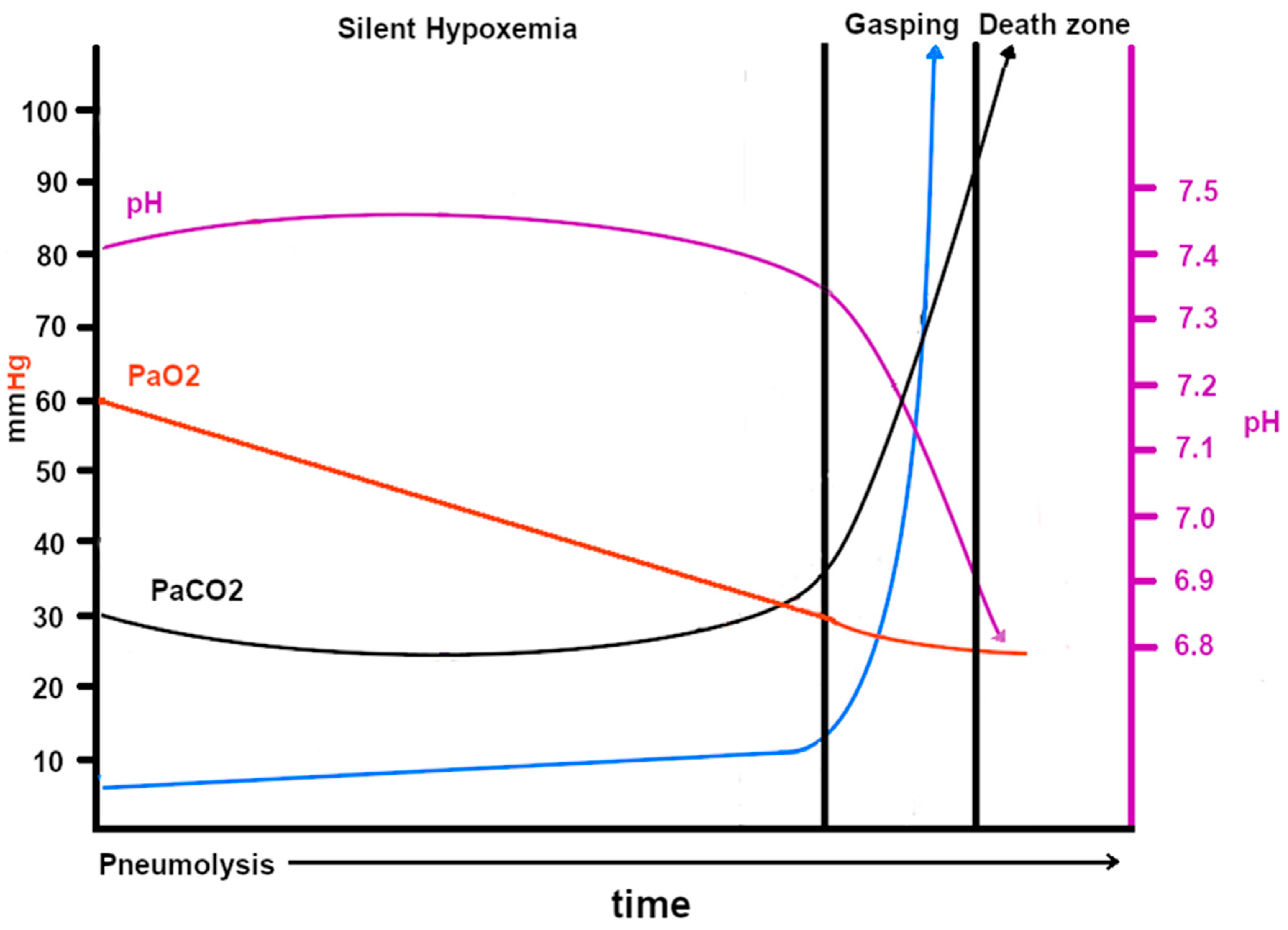
The pathophysiology of COVID-19 at high altitude is shown in Figure 8, where the starting PaO2 is 60 mmHg at 3500 m. The descent to critical hypoxia is not as steep as at sea level. This could help explain the lower incidence of COVID-19-related deaths at high altitudes.

6. Pneumolysis Treatment

The transcendental deduction is that intubation and high PEEP pressures in already-friable and fragile lung tissue can give rise to adverse outcomes. They can produce alveolar rupture and the formation of bullae, which are evident radiologically and in autopsy studies. Hence, non-invasive high-flow oxygen, which reduces respiratory dead space and induces a resting lung, can be more effective in treating the acute phase, provided that lung destruction is not so extensively disseminated.
The alterations produced by the gradual progression of the disease from silent hypoxemia to gasping to death pathophysiologically result from the formation of intra-pulmonary shunts (also due to pneumocyte destruction), uneven ventilation/perfusion, and alterations in diffusion. All three pathological functional alterations contribute to the progressively increasing hypoxia. This seems to be the reason that, in severe COVID-19 cases, even 100% Fractional Inspired Oxygen Pressure (FIO2) administered via nasal cannula or mask is insufficient to normalize a severely decreased PaO2. High-flow nasal cannulas are a good alternative [95] if applied early, with the objective of reducing the baby lung effect [96] and the formation of what we describe as a HAPE-type edema in normal lung tissue in COVID-19 [18]. Passive immunotherapeutic interventions such as Interferon, vaccines, convalescent plasma therapy, different antibodies and immunotherapy have been suggested [97]. Treatment should include corticosteroids started as soon as the SpO2 drops and if typical COVID-19 lesions in the lung are observed on the CAT scan [98].
Diverse degrees of pulmonary fibrosis in a significant number of survivors and the subsequent need for therapies commonly used at sea level, such as supplemental oxygen via concentrators, will be of great importance. We and others have also suggested the use of erythropoietin in the treatment of severe pneumolysis cases [92,93] because it can help improve oxygen transport to tissues within the compromised oxygen transport triad (pneumo-dynamic pump, hemo-dynamic pump, and hemoglobin) described previously [90]. Several other authors have also suggested using erythropoietin not only to increase red blood cells, hematocrit, and hemoglobin but also for its neuroprotective effects in tissues such as the heart, vessels, and brain [92]. Furthermore, increased hemoglobin is a fundamental factor in hypoxia tolerance, as previously described in the formula Tolerance to hypoxia = Hb/PaCO2 × 3.01. This formula states that higher hemoglobin and lower PaCO2 confer greater tolerance to hypoxia [91]. The first two authors have used human recombinant erythropoietin at 4000 IU to treat several COVID-19 patients at high altitude, with favorable recovery and no complications.
The use of mechanical ventilators in the treatment of COVID-19 can be pretty detrimental. Pneumolysis, as a hypothesis-generating or exploratory therapeutic consideration, can, with the concepts proposed herein, explain the aggravating condition observed in the use of ventilators during COVID-19. Because it is not a volume- or pressure-related ventilation issue, it would be wiser to use a heart–lung machine instead until the autoimmune process is controlled and the inflammation is reduced.
Finally, it is suggested that the term severe acute respiratory syndrome (SARS) could be dropped in COVID-19, as it refers to a different pathology than that present in SARS-CoV infections. A more appropriate and distinguishing term could be Severe Acute Pneumolysis Syndrome (SAPS-CoV-2).

7. Post-COVID-19 Sequelae

Pneumolysis also explains the pulmonary fibrosis that develops in patients who survive, leaving them with permanent respiratory insufficiency that can progress to polycythemia as a compensatory response [99]. This deduction is based on experience with previously termed chronic mountain sickness, which others have wrongly defined as “loss of adaptation.” Quite the contrary, we define it as an adaptation in patients with respiratory and/or cardiac disease in a chronic hypoxic environment [100]. The extent of recovery depends on the degree of pneumolysis and fibrotic tissue. The greater the extent of fibrosis, the lower the resting PaO2 and SpO2, which can fall significantly during exercise, thereby becoming a limiting factor. Recovery based on respiratory physiotherapy is recommended. However, when pneumolysis is present, the possibility of improvement seems limited. There is a possibility that stem cells in alveolar tissues may be able to regenerate alveoli [101], which could explain some adequate recovery in people who have suffered pneumolysis. This needs to be further studied. It is also highly possible that emphysema and barrel-chest shapes may develop (the latter in an attempt to compensate for respiratory insufficiency). Pulmonary hypertension may also develop in an attempt to increase lung perfusion.

8. Limitations and Projections

We fully concur that large-scale clinical studies would be necessary to rigorously validate or refute this hypothesis and to clarify its clinical relevance. While the declining incidence of acute COVID-19 cases may limit opportunities for such investigations in that specific setting, we suggest that similar pathophysiological mechanisms could be explored in other lung viral pathologies, such as SARS-CoV-1 in the 2002–2004 outbreak. Severe cases of influenza A(H1N1) pdm09 or influenza A(H3N2) have been reported since September 2025, with some cases evolving to death due to severe lung compromise. Indeed, establishing potential mechanistic parallels between COVID-19-associated lung injury and these pathologies represents one of the broader scientific motivations of our research initiative.

9. Conclusions

The description of pneumolysis is fundamental to understanding pulmonary involvement in COVID-19. It helps explain progressive silent hypoxemia, the ineffectiveness of intubation in most patients, rapid progression to severe gasping, and, ultimately, death. Lung biopsies from 19 postmortem patients, together with the pathophysiological analysis performed, suggest an active process of lung cell destruction (pneumolysis) due to viral replication in COVID-19, associated with persistent infiltration of inflammatory cells and a continuous repair process, with intense reactive fibrotic activity and superimposed opportunistic infections that ultimately lead to death. Only 54% of the patients presented intra-alveolar hemorrhage, and only 37% presented microthrombi. Photos of the Kawasaki-like COVID-19 tongue are shown.
Pneumolysis also helps explain post-disease fibrosis, residual respiratory insufficiency, and exercise limitation (as sequelae). This concept can signify important progress in pulmonological descriptions of this type of viral aggression to the lungs, which is useful during this pandemic and possibly during future ones.

10. Future Directions

Future research should aim to validate pneumolysis as a common pathological basis across various viral pneumonias. It should conduct prospective, multicenter studies that integrate histopathology, advanced imaging, and molecular virology. Long-term studies are essential to clarify how viral replication, immune injury, and faulty repair timelines are linked. Special focus should be placed on biomarkers that can forecast the shift from reversible damage to permanent fibrosis. Therapeutically, this approach supports developing and timing interventions that suppress viral cytopathic effects, reduce harmful inflammation, and prevent abnormal fibrogenesis rather than relying mainly on late-stage ventilatory support. Additionally, applying the pneumolysis model to post-acute complications and future pandemics could improve patient stratification, guide rehabilitation, and enhance preparedness for new respiratory viral threats.

Author Contributions

G.Z.-C.: writing—original draft, conceptualization, formal analysis, methodology, visualization. N.Z.-D.: writing—review and editing, formal analysis, methodology. F.d.J.M.: biopsies, pathological photomicrographs, and writing—pathological findings. M.G.R.S.: pathology preparation and writing—pathological findings. M.S.: writing—review and validation. All authors have read and agreed to the published version of the manuscript.

Funding

This research did not receive any specific grant from funding agencies in the public, commercial, or not-for-profit sectors.

Data Availability Statement

No data available.

Acknowledgments

We acknowledge the late Gustavo Zubieta-Castillo, our mentor. We also thank Lucrecia DeUrioste and Rafaela Zubieta-DeUrioste for their collaboration and suggestions.

Conflicts of Interest

The authors declare no conflicts of interest.

References

  1. Mitra, P.; Misra, S.; Sharma, P. COVID-19 Pandemic in India: What Lies Ahead. Indian J. Clin. Biochem. 2020, 35, 380–381. [Google Scholar] [CrossRef]
  2. Lin, L.; Lu, L.; Cao, W.; Li, T. Hypothesis for potential pathogenesis of SARS-CoV-2 infection-a review of immune changes in patients with viral pneumonia. Emerg. Microbes Infect. 2020, 9, 727–732. [Google Scholar] [CrossRef]
  3. Adhikari, S.P.; Meng, S.; Wu, Y.-J.; Mao, Y.-P.; Ye, R.-X.; Wang, Q.-Z.; Sun, C.; Sylvia, S.; Rozelle, S.; Shou, H. Epidemiology, causes, clinical manifestation and diagnosis, prevention and control of coronavirus disease (COVID-19) during the early outbreak period: A scoping review. Infect. Dis. Poverty 2020, 9, 29. [Google Scholar] [CrossRef]
  4. Richardson, S.; Hirsch, J.S.; Narasimhan, M.; Crawford, J.M.; McGinn, T.; Davidson, K.W.; the Northwell COVID-19 Research Consortium; Barnaby, D.P.; Becker, L.B.; Chelico, J.D.; et al. Presenting Characteristics, Comorbidities, and Outcomes among 5700 Patients Hospitalized with COVID-19 in the New York City Area. JAMA—J. Am. Med. Assoc. 2020, 323, 2052–2059. [Google Scholar] [CrossRef]
  5. Sohrabi, C.; Alsafi, Z.; O’Neill, N.; Khan, M.; Kerwan, A.; Al-Jabir, A.; Iosifidis, C.; Agha, R. World Health Organization declares global emergency: A review of the 2019 novel coronavirus (COVID-19). Int. J. Surg. 2020, 76, 71–76. [Google Scholar] [CrossRef]
  6. COVID—Coronavirus Statistics—Worldometer [Internet]. Available online: https://www.worldometers.info/coronavirus/ (accessed on 19 December 2025).
  7. Pomara, C.; Li Volti, G.; Cappello, F. COVID-19 Deaths: Are We Sure It Is Pneumonia? Please, Autopsy, Autopsy, Autopsy! J. Clin. Med. 2020, 9, 1259. [Google Scholar] [CrossRef]
  8. Daniel, T.M. The history of tuberculosis. Respir. Med. 2006, 100, 1862–1870. [Google Scholar] [CrossRef]
  9. Braimbridge, M.V. The history of thoracoscopic surgery. Ann. Thorac. Surg. 1993, 56, 610–614. [Google Scholar] [CrossRef]
  10. Feigin, R. (Ed.) Textbook of Pediatric Infectious Diseases, 5th ed.; W.B. Saunders: Philadelphia, PA, USA, 2004; 299p. [Google Scholar]
  11. Stevenson, A. Oxford Distionary of English; Oxford University Press: Oxford, UK, 2010; 1369p. [Google Scholar]
  12. Periselneris, J.N.; Brown, J.S.; José, R.J. Pneumonia. Medicine 2020, 48, 351–355. [Google Scholar] [CrossRef]
  13. Bartolf, A.; Cosgrove, C. Pneumonia. Medicine 2016, 44, 373–377. [Google Scholar] [CrossRef]
  14. Erjefält, J.S.; de Souza Xavier Costa, N.; Jönsson, J.; Cozzolino, O.; Dantas, K.C.; Clausson, C.M.; Siddhuraj, P.; Lindö, C.; Alyamani, M.; Lombardi, S.C.F.S.; et al. Diffuse alveolar damage patterns reflect the immunological and molecular heterogeneity in fatal COVID-19. EBioMedicine 2022, 83, 104229. Available online: https://pubmed.ncbi.nlm.nih.gov/36027872/ (accessed on 15 March 2026). [CrossRef]
  15. Barton, L.M.; Duval, E.J.; Stroberg, E.; Ghosh, S.; Mukhopadhyay, S. COVID-19 Autopsies, Oklahoma, USA. Am. J. Clin. Pathol. 2020, 153, 725–733. [Google Scholar] [CrossRef]
  16. Wichmann, D.; Sperhake, J.P.; Lütgehetmann, M.; Steurer, S.; Edler, C.; Heinemann, A.; Heinrich, F.; Mushumba, H.; Kniep, I.; Schröder, A.S.; et al. Autopsy Findings and Venous Thromboembolism in Patients with COVID-19: A Prospective Cohort Study. Ann. Intern. Med. 2020, 173, 268–277. [Google Scholar] [CrossRef]
  17. Zubieta-Calleja, G.R.; Zubieta-DeUrioste, N.; Venkatesh, T.; Das, K.; Soliz, J. COVID-19 and Pneumolysis Simulating Extreme High-altitude Exposure with Altered Oxygen Transport Physiology; Multiple Diseases, and Scarce Need of Ventilators: Andean Condor’s-eye-view. Rev. Recent Clin. Trials 2020, 15, 347–359. [Google Scholar] [CrossRef]
  18. Zubieta-Calleja, G.; Zubieta-DeUrioste, N. Pneumolysis and “Silent Hypoxemia” in COVID-19. Indian J. Clin. Biochem. 2020, 36, 112–116. [Google Scholar] [CrossRef]
  19. Zubieta-Calleja, G. Pneumolysis in COVID-19 Lung Disease, 1st Mention 9 June 2020. Youtube. 2020. Available online: https://www.youtube.com/watch?v=ioqzgGDCtGY&t=8s (accessed on 28 December 2025).
  20. Madabhavi, I.; Sarkar, M.; Kadakol, N. COVID-19: A review. Monaldi Arch. Chest Dis. 2020, 90. [Google Scholar] [CrossRef]
  21. Ackermann, M.; Verleden, S.E.; Kuehnel, M.; Haverich, A.; Welte, T.; Laenger, F.; Vanstapel, A.; Werlein, C.; Stark, H.; Tzankov, A.; et al. Pulmonary Vascular Endothelialitis, Thrombosis, and Angiogenesis in COVID-19. N. Engl. J. Med. 2020, 383, 120–128. [Google Scholar] [CrossRef]
  22. Teuwen, L.-A.; Geldhof, V.; Pasut, A.; Carmeliet, P. COVID-19: The vasculature unleashed. Nat. Rev. Immunol. 2020, 20, 389–391. [Google Scholar] [CrossRef]
  23. Pan, F.; Ye, T.; Sun, P.; Gui, S.; Liang, B.; Li, L.; Zheng, D.; Wang, J.; Hesketh, R.L.; Yang, L.; et al. Time Course of Lung Changes on Chest CT During Recovery from 2019 Novel Coronavirus (COVID-19) Pneumonia. Radiology 2020, 295, 715–721. [Google Scholar] [CrossRef]
  24. Xie, X.; Zhong, Z.; Zhao, W.; Zheng, C.; Wang, F.; Liu, J. Chest CT for Typical Coronavirus Disease 2019 (COVID-19) Pneumonia: Relationship to Negative RT-PCR Testing. Radiology 2020, 296, E41–E45. [Google Scholar] [CrossRef]
  25. Ai, T.; Yang, Z.; Hou, H.; Zhan, C.; Chen, C.; Lv, W.; Tao, Q.; Sun, Z.; Xia, L. Correlation of Chest CT and RT-PCR Testing for Coronavirus Disease 2019 (COVID-19) in China: A Report of 1014 Cases. Radiology 2020, 296, E32–E40. [Google Scholar] [CrossRef]
  26. Zubieta-Calleja, G.R.; Zubieta-DeUrioste, N.; de Jesús Montelongo, F.; Sanchez, M.G.R.; Campoverdi, A.F.; Rocco, P.R.M.; Battaglini, D.; Ball, L.; Pelosi, P. Morphological and functional findings in COVID-19 lung disease as compared to Pneumonia, ARDS, and High-Altitude Pulmonary Edema. Respir. Physiol. Neurobiol. 2023, 309, 104000. [Google Scholar] [CrossRef]
  27. Zubieta-Calleja, G.R.; Zubieta-Castillo, G. High Altitude Pathology at 12,000 ft; Papiro: La Paz, Bolivia, 1989. [Google Scholar]
  28. Zubieta-Calleja, G.; Zubieta-DeUrioste, N. El COVID-19 y las complicaciones Pulmonares: Neumólisis y Baja tolerancia a la Hipoxia. Com. Nac. Bioética 2020, 3, 27–30. [Google Scholar]
  29. Grocott, M.P.W.; Martin, D.S.; Levett, D.Z.H.; McMorrow, R.; Windsor, J.; Montgomery, H.E. Arterial blood gases and oxygen content in climbers on Mount Everest. N. Engl. J. Med. 2009, 360, 140–149. [Google Scholar] [CrossRef]
  30. Tang, X.; Du, R.H.; Wang, R.; Cao, T.Z.; Guan, L.L.; Yang, C.Q.; Zhu, Q.; Hu, M.; Li, X.Y.; Li, Y.; et al. Comparison of Hospitalized Patients with ARDS Caused by COVID-19 and H1N1. Chest 2020, 158, 195–205. [Google Scholar] [CrossRef]
  31. Robba, C.; Battaglini, D.; Ball, L.; Patroniti, N.; Loconte, M.; Brunetti, I.; Vena, A.; Giacobbe, D.R.; Bassetti, M.; Rocco, P.R.M.; et al. Distinct phenotypes require distinct respiratory management strategies in severe COVID-19. Respir. Physiol. Neurobiol. 2020, 279, 103455. Available online: https://pubmed.ncbi.nlm.nih.gov/32437877/ (accessed on 26 December 2021). [CrossRef]
  32. Serafino Wani, R.L. Tuberculosis 2: Pathophysiology and microbiology of pulmonary tuberculosis. South Sudan Med. J. 2013, 6, 9–12. [Google Scholar]
  33. Pai, M.; Behr, M.A.; Dowdy, D.; Dheda, K.; Divangahi, M.; Boehme, C.C.; Ginsberg, A.; Swaminathan, S.; Spielman, M.; Getahun, H.; et al. Tuberculosis. Nat. Rev. Dis. Primers 2016, 2, 16076. [Google Scholar] [CrossRef]
  34. Zubieta-Calleja, G.R.; Paulev, P.E.; Zubieta-Calleja, L.; Zubieta-Castillo, G. Altitude adaptation through hematocrit changes. J. Physiol. Pharmacol. 2007, 58, 811–818. [Google Scholar]
  35. Petitjeans, F.; Pichot, C.; Ghignone, M.; Quintin, L. Early severe acute respiratory distress syndrome: What’s going on? Part I: Pathophysiology. Anaesthesiol. Intensive Ther. 2016, 48, 314–338. [Google Scholar] [CrossRef]
  36. Sauter, J.L.; Baine, M.K.; Butnor, K.J.; Buonocore, D.J.; Chang, J.C.; Jungbluth, A.A.; Szabolcs, M.J.; Morjaria, S.; Mount, S.L.; Rekhtman, N.; et al. Insights into pathogenesis of fatal COVID-19 pneumonia from histopathology with immunohistochemical and viral RNA studies. Histopathology 2020, 77, 915–925. [Google Scholar] [CrossRef]
  37. Sureda, A.; Alizadeh, J.; Nabavi, S.F.; Berindan-Neagoe, I.; Cismaru, C.A.; Jeandet, P.; Łos, M.J.; Clementi, E.; Nabavi, S.M.; Ghavami, S. Endoplasmic reticulum as a potential therapeutic target for COVID-19 infection management? Eur. J. Pharmacol. 2020, 882, 173288. [Google Scholar] [CrossRef]
  38. Barisione, E.; Grillo, F.; Ball, L.; Bianchi, R.; Grosso, M.; Pelosi, P.; Patroniti, N.A.; De Lucia, A.; Orengo, G.; Gratarola, A.; et al. Fibrotic progression and radiologic correlation in matched lung samples from COVID-19 post-mortems. Virchows Arch. 2021, 478, 471–485. [Google Scholar] [CrossRef]
  39. Tobin, M.J.; Laghi, F.; Jubran, A. Why COVID-19 Silent Hypoxemia is Baffling to Physicians. Am J Respir Crit Care Med. 2020, 202, 356–360. [Google Scholar] [CrossRef] [PubMed]
  40. Hellman, U.; Karlsson, M.G.; Engström-Laurent, A.; Cajander, S.; Dorofte, L.; Ahlm, C.; Laurent, C.; Blomberg, A. Presence of hyaluronan in lung alveoli in severe COVID-19: An opening for new treatment options? J. Biol. Chem. 2020, 295, 15418–15422. [Google Scholar] [CrossRef]
  41. Meyer, M.; Jaspers, I. Respiratory protease/antiprotease balance determines susceptibility to viral infection and can be modified by nutritional antioxidants. Am. J. Physiol. Lung Cell. Mol. Physiol. 2015, 308, L1189. Available online: https://pmc.ncbi.nlm.nih.gov/articles/PMC4587599/ (accessed on 19 December 2025). [CrossRef]
  42. Kersul, A.L.; Iglesias, A.; Ríos, Á.; Noguera, A.; Forteza, A.; Serra, E.; Agusti, A.; Cosio, B.G. Mecanismos moleculares de inflamación durante las agudizaciones de la enfermedad pulmonar obstructiva crónica. Arch. Bronconeumol. 2011, 47, 176–183. Available online: https://pubmed.ncbi.nlm.nih.gov/21454005/ (accessed on 19 December 2025). [CrossRef]
  43. Abboud, R.T.; Vimalanathan, S. Pathogenesis of COPD. Part I. The role of protease-antiprotease imbalance in emphysema [State of the Art Series. Chronic obstructive pulmonary disease in high- and low-income countries. Edited by G. Marks and M. Chan-Yeung. Number 3 in the series]. Int. J. Tuberc. Lung Dis. 2008, 12, 361. [Google Scholar]
  44. Shaver, C.M. Targeting Protease Activity to Interrupt Acute Respiratory Distress Syndrome Pathogenesis. Am. J. Respir. Crit. Care Med. 2022, 205, 739. Available online: https://pmc.ncbi.nlm.nih.gov/articles/PMC9836212/ (accessed on 19 December 2025). [CrossRef]
  45. McKelvey, M.C.; Abladey, A.A.; Small, D.M.; Doherty, D.F.; Williams, R.; Scott, A.; Spek, C.A.; Borensztajn, K.S.; Leslie Holsinger, L.; Booth, R.; et al. Cathepsin S Contributes to Lung Inflammation in Acute Respiratory Distress Syndrome. Am. J. Respir. Crit. Care Med. 2022, 205, 769–782. [Google Scholar] [CrossRef]
  46. Murza, A.; Dion, S.P.; Boudreault, P.L.; Désilets, A.; Leduc, R.; Marsault, É. Inhibitors of type II transmembrane serine proteases in the treatment of diseases of the respiratory tract—A review of patent literature. Expert Opin. Ther. Pat. 2020, 30, 807–824. Available online: https://www.tandfonline.com/doi/pdf/10.1080/13543776.2020.1817390?needAccess=true (accessed on 19 December 2025). [CrossRef] [PubMed]
  47. Barros de Lima, G.; Nencioni, E.; Thimoteo, F.; Perea, C.; Pinto, R.F.A.; Sasaki, S.D. TMPRSS2 as a Key Player in Viral Pathogenesis: Influenza and Coronaviruses. Biomolecules 2025, 15, 75. Available online: https://www.mdpi.com/2218-273X/15/1/75/htm (accessed on 19 December 2025). [CrossRef] [PubMed]
  48. Voynow, J.A.; Shinbashi, M. Neutrophil Elastase and Chronic Lung Disease. Biomolecules 2021, 11, 1065. Available online: https://www.mdpi.com/2218-273X/11/8/1065/htm (accessed on 19 December 2025). [CrossRef] [PubMed]
  49. Farberman, M.M.; Akers, K.T.; Malone, J.P.; Erdman-Gilmore, P.; Townsend, R.R.; Ferkol, T. Airway proteins involved in bacterial clearance susceptible to cathepsin G proteolysis. Eur. Respir. J. 2010, 35, 410–417. Available online: https://publications.ersnet.org/content/erj/35/2/410 (accessed on 19 December 2025). [CrossRef]
  50. Churg, A.; Zhou, S.; Wright, J.L. Matrix metalloproteinases in COPD. Eur. Respir. J. 2011, 39, 197–209. Available online: https://publications.ersnet.org/content/erj/39/1/197 (accessed on 19 December 2025). [CrossRef]
  51. McGarry, N.; Greene, C.M.; McElvaney, N.G.; Weldon, S.; Taggart, C.C. The Ability of Secretory Leukocyte Protease Inhibitor to Inhibit Apoptosis in Monocytes Is Independent of Its Antiprotease Activity. J. Immunol. Res. 2015, 2015, 507315. [Google Scholar] [CrossRef]
  52. Duca, L.; Ottolenghi, S.; Coppola, S.; Rinaldo, R.; Dei Cas, M.; Rubino, F.M.; Paroni, R.; Samaja, M.; Chiumello, D.A.; Motta, I. Differential Redox State and Iron Regulation in Chronic Obstructive Pulmonary Disease, Acute Respiratory Distress Syndrome and Coronavirus Disease 2019. Antioxidants 2021, 10, 1460. Available online: https://www.mdpi.com/2076-3921/10/9/1460/htm (accessed on 19 December 2025). [CrossRef]
  53. Frazziano, G.; Champion, H.C.; Pagano, P.J. NADPH oxidase-derived ROS and the regulation of pulmonary vessel tone. Am. J. Physiol. Circ. Physiol. 2012, 302, 2166–2177. [Google Scholar] [CrossRef]
  54. Cloonan, S.M.; Choi, A.M.K. Mitochondria in lung disease. J. Clin. Investig. 2016, 126, 809–820. [Google Scholar] [CrossRef]
  55. Barnes, P.J. Inflammatory mechanisms in patients with chronic obstructive pulmonary disease. J. Allergy Clin. Immunol. 2016, 138, 16–27. Available online: https://www.sciencedirect.com/science/article/abs/pii/S0091674916303621 (accessed on 19 December 2025). [CrossRef]
  56. Horvath, S.E.; Daum, G. Lipids of mitochondria. Prog. Lipid Res. 2013, 52, 590–614. Available online: https://www.sciencedirect.com/science/article/abs/pii/S0163782713000519 (accessed on 19 December 2025). [CrossRef] [PubMed]
  57. Dei Cas, M.; Ottolenghi, S.; Morano, C.; Rinaldo, R.; Roda, G.; Chiumello, D.; Centanni, S.; Samaja, M.; Paroni, R. Link between serum lipid signature and prognostic factors in COVID-19 patients. Sci. Rep. 2021, 11, 21633. Available online: https://www.nature.com/articles/s41598-021-00755-z (accessed on 19 December 2025). [CrossRef] [PubMed]
  58. Pak, O.; Nolte, A.; Knoepp, F.; Giordano, L.; Pecina, P.; Hüttemann, M.; Grossman, L.I.; Weissmann, N.; Sommer, N. Mitochondrial oxygen sensing of acute hypoxia in specialized cells—Is there a unifying mechanism? Biochim. Biophys. Acta (BBA)—Bioenerg. 2022, 1863, 148911. Available online: https://www.sciencedirect.com/science/article/pii/S0005272822003814 (accessed on 19 December 2025). [CrossRef] [PubMed]
  59. Liu, X.; Zhao, W.; Peng, Y.; Liu, N.; Liu, Q. The relationship between MAPK signaling pathways and osteogenic differentiation of periodontal ligament stem cells: A literature review. PeerJ 2025, 13, e19193. Available online: https://peerj.com/articles/19193 (accessed on 23 December 2025). [CrossRef]
  60. García-Hernández, L.; García-Ortega, M.B.; Ruiz-Alcalá, G.; Carrillo, E.; Marchal, J.A.; García, M.Á. The p38 MAPK Components and Modulators as Biomarkers and Molecular Targets in Cancer. Int. J. Mol. Sci. 2021, 23, 370. Available online: https://pmc.ncbi.nlm.nih.gov/articles/PMC8745478/ (accessed on 23 December 2025). [CrossRef]
  61. Liu, R.; Chen, Y.; Liu, G.; Li, C.; Song, Y.; Cao, Z.; Li, W.; Hu, J.; Lu, C.; Liu, Y. PI3K/AKT pathway as a key link modulates the multidrug resistance of cancers. Cell Death Dis. 2020, 11, 797. Available online: https://www.nature.com/articles/s41419-020-02998-6 (accessed on 23 December 2025). [CrossRef]
  62. Wang, J.; Hu, K.; Cai, X.; Yang, B.; He, Q.; Wang, J.; Weng, Q. Targeting PI3K/AKT signaling for treatment of idiopathic pulmonary fibrosis. Acta Pharm. Sin. B 2022, 12, 18–32. Available online: https://www.sciencedirect.com/science/article/pii/S2211383521002719?utm_source=chatgpt.com (accessed on 23 December 2025). [CrossRef]
  63. Deng, H.; Chen, Y.; Li, P.; Hang, Q.; Zhang, P.; Jin, Y.; Chen, M. PI3K/AKT/mTOR pathway, hypoxia, and glucose metabolism: Potential targets to overcome radioresistance in small cell lung cancer. Cancer Pathog. Ther. 2022, 1, 56. Available online: https://pmc.ncbi.nlm.nih.gov/articles/PMC10846321/ (accessed on 23 December 2025). [CrossRef]
  64. Li, W.; Xie, Y.; Chen, Z.; Cao, D.; Wang, Y. Epithelial–mesenchymal transition in pulmonary fibrosis: Molecular mechanisms and emerging therapeutic strategies. Front. Med. 2025, 12, 1658001. [Google Scholar] [CrossRef]
  65. Frangogiannis, N.G. Transforming growth factor–β in tissue fibrosis. J. Exp. Med. 2020, 217, e20190103. Available online: https://pmc.ncbi.nlm.nih.gov/articles/PMC7062524/ (accessed on 23 December 2025). [CrossRef]
  66. Stump, B.; Waxman, A.B. Pulmonary Arterial Hypertension and TGF-β Superfamily Signaling: Focus on Sotatercept. BioDrugs 2024, 38, 743–753. Available online: https://link.springer.com/article/10.1007/s40259-024-00680-3 (accessed on 23 December 2025). [CrossRef]
  67. Niehrs, C. The complex world of WNT receptor signalling. Nat. Rev. Mol. Cell Biol. 2012, 13, 767–779. Available online: https://www.nature.com/articles/nrm3470 (accessed on 23 December 2025). [CrossRef] [PubMed]
  68. Parimon, T.; Yao, C.; Stripp, B.R.; Noble, P.W.; Chen, P. Alveolar Epithelial Type II Cells as Drivers of Lung Fibrosis in Idiopathic Pulmonary Fibrosis. Int. J. Mol. Sci. 2020, 21, 2269. Available online: https://pubmed.ncbi.nlm.nih.gov/32218238/ (accessed on 23 December 2025). [CrossRef] [PubMed]
  69. Chilosi, M.; Poletti, V.; Zamò, A.; Lestani, M.; Montagna, L.; Piccoli, P.; Pedron, S.; Bertaso, M.; Scarpa, A.; Murer, B.; et al. Aberrant Wnt/β-Catenin Pathway Activation in Idiopathic Pulmonary Fibrosis. Am. J. Pathol. 2003, 162, 1495–1502. Available online: https://www.sciencedirect.com/science/article/pii/S0002944010642824 (accessed on 23 December 2025). [CrossRef] [PubMed]
  70. Radtke, F.; MacDonald, H.R.; Tacchini-Cottier, F. Regulation of innate and adaptive immunity by Notch. Nat. Rev. Immunol. 2013, 13, 427–437. Available online: https://www.nature.com/articles/nri3445 (accessed on 23 December 2025). [CrossRef]
  71. Cho, H.Y.; Reddy, S.P.; Kleeberger, S.R. Nrf2 defends the lung from oxidative stress. Antioxid. Redox Signal. 2006, 8, 76–87. Available online: https://pubmed.ncbi.nlm.nih.gov/16487040/ (accessed on 23 December 2025).
  72. Bikdeli, B.; Madhavan, M.V.; Jimenez, D.; Chuich, T.; Dreyfus, I.; Driggin, E.; Ageno, W.; Madjid, M.; Guo, Y.; Tang, L.V.; et al. COVID-19 and Thrombotic or Thromboembolic Disease: Implications for Prevention, Antithrombotic Therapy, and Follow-up. J. Am. Coll. Cardiol. 2020, 75, 2950–2973. [Google Scholar]
  73. Diamanti, A.P.; Rosado, M.M.; Pioli, C.; Sesti, G.; Laganà, B. Cytokine release syndrome in COVID-19 patients, a new scenario for an old concern: The fragile balance between infections and autoimmunity. Int. J. Mol. Sci. 2020, 21, 3330. [Google Scholar] [CrossRef]
  74. Pedersen, S.F.; Ho, Y.-C. SARS-CoV-2: A Storm is Raging. J. Clin. Investig. 2020, 130, 2202–2205. [Google Scholar]
  75. Channappanavar, R.; Perlman, S. Pathogenic human coronavirus infections: Causes and consequences of cytokine storm and immunopathology. Semin. Immunopathol. 2017, 39, 529–539. [Google Scholar] [CrossRef]
  76. Theoharides, T.C.; Alysandratos, K.D.; Angelidou, A.; Delivanis, D.A.; Sismanopoulos, N.; Zhang, B.; Asadi, S.; Vasiadi, M.; Weng, Z.; Miniati, A.; et al. Mast cells and inflammation. Biochim. Biophys. Acta—Mol. Basis Dis. 2012, 1822, 21–33. [Google Scholar]
  77. Dalakas, M.C. Guillain-Barré syndrome: The first documented COVID-19-triggered autoimmune neurologic disease: More to come with myositis in the offing. Neurol. Neuroimmunol. Neuroinflamm. 2020, 7, e781. [Google Scholar] [CrossRef] [PubMed]
  78. Galeotti, C.; Bayry, J. Autoimmune and inflammatory diseases following COVID-19. Nat. Rev. Rheumatol. 2020, 16, 413–414. [Google Scholar] [CrossRef] [PubMed]
  79. Woodruff, M.C.; Ramonell, R.P.; Nguyen, D.C.; Cashman, K.S.; Saini, A.S.; Haddad, N.S.; Ley, A.M.; Kyu, S.; Howell, J.C.; Ozturk, T.; et al. Extrafollicular B cell responses correlate with neutralizing antibodies and morbidity in COVID-19. Nat. Immunol. 2020, 21, 1506–1516. [Google Scholar] [CrossRef]
  80. Ehrenfeld, M.; Tincani, A.; Andreoli, L.; Cattalini, M.; Greenbaum, A.; Kanduc, D.; Alijotas-Reig, J.; Zinserling, V.; Semenova, N.; Amital, H.; et al. COVID-19 and autoimmunity. Autoimmun. Rev. 2020, 19, 102597. [Google Scholar] [CrossRef]
  81. Ouldali, N.; Pouletty, M.; Mariani, P.; Beyler, C.; Blachier, A.; Bonacorsi, S.; Danis, K.; Chomton, M.; Maurice, L.; Le Bourgeois, F.; et al. Emergence of Kawasaki disease related to SARS-CoV-2 infection in an epicentre of the French COVID-19 epidemic: A time-series analysis. Lancet Child Adolesc. Health 2020, 4, 662–668. [Google Scholar]
  82. Toubiana, J.; Poirault, C.; Corsia, A.; Bajolle, F.; Fourgeaud, J.; Angoulvant, F.; Debray, A.; Basmaci, R.; Salvador, E.; Biscardi, S.; et al. Kawasaki-like multisystem inflammatory syndrome in children during the COVID-19 pandemic in Paris, France: Prospective observational study. BMJ 2020, 369, m2094. [Google Scholar] [CrossRef]
  83. Chow, J.H.; Khanna, A.K.; Kethireddy, S.; Yamane, D.; Levine, A.; Jackson, A.M.; McCurdy, M.T.; Tabatabai, A.; Kumar, G.; Park, P.; et al. Aspirin Use Is Associated with Decreased Mechanical Ventilation, Intensive Care Unit Admission, and In-Hospital Mortality in Hospitalized Patients with Coronavirus Disease 2019. Anesth. Analg. 2021, 132, 930–941. Available online: https://journals.lww.com/10.1213/ANE.0000000000005292 (accessed on 13 April 2021).
  84. Ball, L.; Silva, P.L.; Giacobbe, D.R.; Bassetti, M.; Zubieta-Calleja, G.R.; Rocco, P.R.M.; Pelosi, P. Understanding the pathophysiology of typical acute respiratory distress syndrome and severe COVID-19. Expert Rev. Respir. Med. 2022, 16, 437–446. Available online: https://pubmed.ncbi.nlm.nih.gov/35341424/ (accessed on 20 December 2025). [CrossRef]
  85. Yan, R.; Zhang, Y.; Li, Y.; Xia, L.; Guo, Y.; Zhou, Q. Structural basis for the recognition of SARS-CoV-2 by full-length human ACE2. Science 2020, 367, 1444–1448. [Google Scholar]
  86. Mason, R.J. Pathogenesis of COVID-19 from a cell biology perspective. Eur. Respir. J. 2020, 55, 2000607. [Google Scholar] [CrossRef]
  87. Miserocchi, G.; Rezoagli, E.; Muñoz-Del-Carpio-Toia, A.; Paricahua-Yucra, L.P.; Zubieta-DeUrioste, N.; Zubieta-Calleja, G.; Beretta, E. Modelling lung diffusion-perfusion limitation in mechanically ventilated SARS-CoV-2 patients. Front. Physiol. 2024, 15, 1408531. Available online: https://pubmed.ncbi.nlm.nih.gov/39072215/ (accessed on 20 December 2025). [CrossRef] [PubMed]
  88. Zubieta-Calleja, G.; Merino-Luna, A.; Zubieta-Deurioste, N.; Armijo-Subieta, N.F.; Soliz, J.; Arias-Reyes, C.; Escalante-Kanashiro, R.; Carmona-Suazo, J.A.; Lopez-Bascope, A.; Calle-Aracena, J.M.; et al. Re: “Mortality Attributed to COVID-19 in High-Altitude Populations” by Woolcott and Bergman. High Alt. Med. Biol. 2021, 22, 102–104. Available online: https://sage.cnpereading.com/paragraph/article/?doi=10.1089%2Fham.2020.0195 (accessed on 19 December 2025). [CrossRef] [PubMed]
  89. DeUrioste, N.; Reyes, C.; Sanchez, L.; Subieta, N.; Luna, A.; Solarte, I.; Kanashiro, R.; Suazo, J.; Poma, E.M.; Aguilar, R.; et al. COVID-19 Mortality Is Attenuated at High Tropical and Subtropical Altitude: An Observational Study of a Database Covering Five Latin American Countries. Med. Res. Arch. 2023, 11. Available online: https://esmed.org/MRA/mra/article/view/4299 (accessed on 13 January 2024).
  90. Zubieta-Calleja, G.; Zubieta-DeUrioste, N. The Oxygen Transport Triad in High-Altitude Pulmonary Edema: A Perspective from the High Andes. Int. J. Environ. Res. Public Health 2021, 18, 7619. Available online: https://www.mdpi.com/1660-4601/18/14/7619/htm (accessed on 20 July 2021). [PubMed]
  91. Zubieta-Calleja, G.R.; Ardaya, G.; Zubieta, N.; Paulev, P.E.; Castillo, G.Z. Tolerance to Hypoxia. J. Fisiol. 2013, 59, 65–71. Available online: https://zuniv.net/pub/TolerancetoHypoxiaFiziol.pdf (accessed on 19 December 2025).
  92. Ehrenreich, H.; Weissenborn, K.; Begemann, M.; Busch, M.; Vieta, E.; Miskowiak, K.W. Erythropoietin as candidate for supportive treatment of severe COVID-19. Mol. Med. 2020, 26, 58. [Google Scholar] [CrossRef]
  93. Soliz, J.; Schneider-Gasser, E.M.; Arias-Reyes, C.; Aliaga-Raduan, F.; Poma-Machicao, L.; Zubieta-Calleja, G.; Furuya, W.I.; Trevizan-Baú, P.; Dhingra, R.R.; Dutschmann, M. Coping with hypoxemia: Could erythropoietin (EPO) be an adjuvant treatment of COVID-19? Respir. Physiol. Neurobiol. 2020, 279, 103476. [Google Scholar] [CrossRef]
  94. Zubieta-Calleja, G.; Zubieta-DeUrioste, N. Extended longevity at high altitude: Benefits of exposure to chronic hypoxia. BLDE Univ. J. Health Sci. 2017, 2, 80–90. [Google Scholar]
  95. Geng, S.; Mei, Q.; Zhu, C.; Yang, T.; Yang, Y.; Fang, X.; Pan, A. High flow nasal cannula is a good treatment option for COVID-19. Heart Lung 2020, 49, 444–445. [Google Scholar] [CrossRef]
  96. Gattinoni, L.; Marini, J.J.; Pesenti, A.; Quintel, M.; Mancebo, J.; Brochard, L. The “baby lung” became an adult. Intensive Care Med. 2016, 42, 663–673. [Google Scholar]
  97. Owji, H.; Negahdaripour, M.; Hajighahramani, N. Immunotherapeutic approaches to curtail COVID-19. Int. Immunopharmacol. 2020, 88, 106924. Available online: https://pubmed.ncbi.nlm.nih.gov/32877828/ (accessed on 20 December 2025). [CrossRef]
  98. van Paassen, J.; Vos, J.S.; Hoekstra, E.M.; Neumann, K.M.I.; Boot, P.C.; Arbous, S.M. Corticosteroid use in COVID-19 patients: A systematic review and meta-analysis on clinical outcomes. Crit. Care 2020, 24, 696. Available online: https://pmc.ncbi.nlm.nih.gov/articles/PMC7735177/ (accessed on 20 December 2025). [CrossRef]
  99. Zubieta-Castillo, G.R.; Zubieta-Calleja, G.R.; Zubieta-Calleja, L. Chronic mountain sickness: The reaction of physical disorders to chronic hypoxia. J. Physiol. Pharmacol. 2006, 57, 431–442. [Google Scholar]
  100. Zubieta-Calleja, G. Redefining chronic mountain sickness: Insights from high-altitude research and clinical experience. Med. Rev. 2024, 5, 44–65. Available online: https://www.degruyter.com/document/doi/10.1515/mr-2024-0036/html?lang=en (accessed on 12 October 2024). [CrossRef]
  101. Schilders, K.A.A.; Eenjes, E.; Riet Svan Poot, A.A.; Stamatialis, D.; Truckenmüller, R.; Hiemstra, P.; Rottier, R. Regeneration of the lung: Lung stem cells and the development of lung mimicking devices. Respir. Res. 2016, 17, 44. [Google Scholar] [CrossRef]
Figure 1. CT scan of a typical patient with COVID-19 lung disease. Courtesy of Centro de Estudios Tomográficos (CET) La Paz, Bolivia. Pneumolysis can be so severe that even bullae can be formed (3rd row, middle frame).
Oxygen 06 00007 g001
Figure 2. High-altitude pulmonary edema. (Left) Chest CT scan, where a patchy, irregular distribution of edema is shown in both lung areas. (Middle) X-rays showing a full blown HAPE. (Right) Results 48 h after, showing full clearance of edema from both lungs.
Oxygen 06 00007 g002
Figure 3. This European patient presented with severe HAPE after attempting to climb Mount Huayna Potosi (6088 m, 19,973 ft) shortly after arriving in La Paz. (Left), at the moment of arrival at our institute in the middle of the night (photo dark but showing the low saturation levels), with an SpO2 of 54% and a PaO2 of 30 mmHg (similar to that found on the summit of Mt. Everest). His breathing was not dyspneic, similar to “silent hypoxemia”. (Right), the next day after initial treatment. He fully recovered in a couple of days and went back home to play intensive sports as though nothing had happened.
Oxygen 06 00007 g003
Figure 4. Diagram depicting a possible scenario of SARS-CoV-2 reproduction within type II pneumocytes, inducing the rupture of the cellular wall and exodus of the coronavirus with replicated RNA, which migrate to infect other pneumocytes. The rupture of the pneumocyte wall would likewise induce alveolar capillary vasodilatation and possible entrance into the circulation and adhesion to endothelial ACE-2 receptors, resulting in coagulopathies. Coughing spreads the virus to other lung segments in both lungs and reduces the alveolar gas-exchange surface area.
Oxygen 06 00007 g004
Figure 5. (A) Masson bodies. Note the hyaline border fixed to the alveolar walls. (B) Intra-alveolar macrophages (arrow). (C) Alveolar coating cells with nuclear atypia, reactive pneumocytes, and reparative fibrosis (arrow). (D) Intra-alveolar hemorrhage. Presence of intra-alveolar and septal interstitial polymorphonuclear cells. Note the thickening of the intra-alveolar septum with moderate inflammatory infiltrates. (E) Intra-alveolar abscesses. (F) Fibrinoid deposits. (G) Microthrombus (arrow). (H) Intense septal fibrosis. Note, in the lower part of the larger alveoli, the presence of a remnant of a hyaline membrane. (I) Area of alveolar rupture (emphysema). (J) infiltrated by pneumocystis (opportunistic infection). Photo and pathological analyses were performed by Dr. Felipe de Jesus Montelongo (Head Intensive Care) and Dr. Manuel Gabriel Romo Sanchez (Pulmonary Pathology specialist) from the Hospital General de Ecatepec Las Americas, ISEM, México.
Oxygen 06 00007 g005
Figure 6. (Left) The tongue of a female COVID-19 patient at 3500 m (La Paz, Bolivia), seven days after symptom onset, with a distinctive color resembling the tongue in Kawasaki’s Disease, classically described as a “strawberry tongue,” associated with vasculitis. (Middle) The same patient, two weeks later, showing evolution after treatment and gradual recovery from pneumolysis. (Right) The tongue of a male COVID-19 patient at 2500 m (Cochabamba, Bolivia), five days after symptom onset. The first was a 55-year-old patient who survived, and the second was an 89-year-old patient who had undergone colon cancer surgery 1 year earlier and passed away.
Oxygen 06 00007 g006
Figure 8. This graph shows the probable blood gases, acid–base, ventilation, and hypoxemia evolution in COVID-19 disease at 3500 m (12,000 ft) of altitude, where the normal PaO2 is 60 mmHg and the normal SpO2 is 88–92%. Notice that the gradual PaO2 decrease slope is much lower and is, hence, related to a higher tolerance to hypoxia than at sea level (with a lower PaCO2 = 30 mmHg), which becomes an advantage for survival until immunity ensues. The death rates from COVID-19 are much lower at high altitudes than at sea level. The blue arrow is ventilation.
Oxygen 06 00007 g008
Disclaimer/Publisher’s Note: The statements, opinions and data contained in all publications are solely those of the individual author(s) and contributor(s) and not of MDPI and/or the editor(s). MDPI and/or the editor(s) disclaim responsibility for any injury to people or property resulting from any ideas, methods, instructions or products referred to in the content.