1. Introduction
Engineering education is at a turning point shaped by two dynamics that are unfolding in parallel and are increasingly intertwined: the effective integration of sustainability (through the Sustainable Development Goals (SDGs) [
1]) and the rapid incorporation of artificial intelligence (AI) tools into learning, design, and problem-solving processes. Both dynamics challenge traditional content-transmission models and call for competency-based approaches that prioritise ethical responsibility, societal impact, and decision-making under real constraints [
2,
3].
In engineering practice, efficiency has historically been associated with technical optimisation and performance maximisation. However, sustainability frameworks expand this notion to include environmental, social, and long-term resilience criteria. In line with Industry 5.0 and human-centred perspectives, sustainability now operates as a cross-cutting design principle that reshapes acceptable trade-offs in engineering decision-making [
2]. Despite this conceptual shift, the effective integration of SDGs into engineering education remains challenging. Students often recognise their relevance but struggle to translate them into operational design requirements and validated impact.
Active methodologies such as Problem-Based Learning (PBL) and Challenge-Based Learning (CBL) have been proposed as suitable pedagogical strategies for addressing this translation gap. By placing students in ambiguous, open-ended scenarios that require structured reasoning and justification, these approaches approximate professional engineering practice and foster deeper engagement [
4,
5,
6].
Simultaneously, generative AI tools have become normalised in academic workflows. Students increasingly rely on AI for ideation, structuring solutions, drafting documentation, and supporting technical tasks. While AI may enhance productivity and creative exploration, its integration raises pedagogical and ethical questions regarding critical thinking and accountability [
2]. Recent studies suggest promising synergies between AI-supported design challenges and SDG-oriented learning [
7,
8,
9], yet empirical evidence remains limited on how students actually use AI under realistic, time-bounded constraints and how this use interacts with sustainability-based decision criteria.
University hackathons constitute a particularly relevant environment for examining these issues [
10]. As intensive, time-constrained, challenge-based experiences, they require teams to generate, justify, and communicate feasible solutions under pressure. In this sense, hackathons can be understood as micro-laboratories of decision-making, where rapid exploration must be balanced with feasibility, justification, and impact validation. INDUSHack, organised at the School of Industrial Engineering (ETSII) of the Universitat Politècnica de València (UPV), explicitly integrates SDG evaluation into its assessment process, creating a setting where sustainability must be operationalised rather than merely acknowledged.
Within this context, the present study adopts an empirical approach based on survey data collected before, during, and after the 2025 edition of INDUSHack. The aim is to analyse how students operationalise SDG criteria in a challenge-based learning environment, and how AI tools are used to support this process. In doing so, the study explores how technological support and sustainability considerations shape students’ design processes when working under real-time constraints.
This study contributes to the literature in three main ways. First, it provides empirical evidence from a short, intensive CBL format, complementing existing research that has predominantly examined semester-long interventions. Second, it analyses the interaction between AI use and SDG operationalisation within the same real-time design process, rather than treating them as separate pedagogical dimensions. Third, it combines students’ self-reported perceptions with expert committee evaluations, offering a more grounded view of how sustainability criteria evolve from conceptual recognition to operational design considerations within time-constrained contexts.
The study addresses the following research questions:
RQ1: How do students operationalise the SDGs in their projects, and what difficulties emerge when translating SDG principles into concrete design criteria and decision justifications?
RQ2: How do students incorporate AI tools during INDUSHack to support this process, and how do they perceive its influence on their design process?
The remainder of this article is structured as follows:
Section 2 reviews the relevant literature;
Section 3 presents the methodology and study design;
Section 4 reports the results;
Section 5 discusses the findings; and
Section 6 concludes the paper.
3. Methodology
This section presents the methodological framework used to study AI use and SDG integration in INDUSHack. It describes the event context and participants, details the survey instruments administered at three moments of the hackathon, and explains the data analysis strategy used to connect each survey item with the graphical evidence reported in the Results Section. This study adopted a descriptive exploratory research design aimed at examining patterns of AI use and SDG integration within a Challenge-Based Learning (CBL) engineering hackathon. The objective was not to establish causal relationships or measure controlled learning gains, but rather to identify usage trends, perceived benefits and limitations, and recurring patterns in how sustainability criteria were incorporated into design decisions. The analysis, therefore, focuses on self-reported perceptions, behavioural tendencies, and integration dynamics observed under real-time, time-constrained conditions, providing an empirical snapshot of how AI and SDGs interact within an authentic challenge-based environment. As such, the study does not aim to measure objective performance outcomes, and findings should be interpreted as reflecting participants’ perceived experiences rather than validated effects. In line with this exploratory approach and considering the sample size, the analysis focuses on descriptive patterns rather than inferential statistical modelling.
3.1. Context
INDUSHack is an annual Challenge-Based Learning (CBL) initiative organised by the School of Industrial Engineering (ETSII) of the Universitat Politècnica de València (UPV). Now in its fourth edition, the event is conceived as an intensive experiential learning environment aimed at fostering innovation, hands-on problem solving, and social awareness in engineering education. INDUSHack is sustained through continued university–industry collaboration, with approximately six partner companies and fourteen company chairs supporting and sponsoring the event year after year, contributing to the definition of challenges, mentoring capacity and the feasibility of its organisation.
Each edition typically attracts around 120 students; however, participation is capped at 60 undergraduate and master’s students due to logistical constraints and to preserve the educational quality of the experience. This controlled cohort size enables closer mentoring, richer feedback cycles and more meaningful interaction with technical and communication support staff while maintaining the intensity and teamwork dynamics characteristic of hackathon formats. From its inception, INDUSHack has sought to bridge academic learning with professional practice, strengthen university–industry collaboration, and promote interdisciplinary teamwork.
The study reported in this article was conducted during INDUSHack. The hackathon consisted of an intensive 11-h working session in which students, organised in teams of four, were required to define a problem, explore alternative solutions and deliver a technically coherent proposal within a highly time-constrained setting. Throughout the event, participants received support from technical and communication mentors, whose role was not to provide predefined solutions but to guide reflection, structure the design process and encourage consideration of social, ethical and sustainability-related implications. Although the event’s primary focus was innovation and the practical application of academic knowledge, all challenges were explicitly aligned with the Sustainable Development Goals (SDGs) and sustainability criteria were formally incorporated into the evaluation process. This setting therefore provided a suitable empirical context to analyse how students integrate sustainability considerations into their design decisions and how AI tools are used as cognitive and organisational support within a non-routine, challenge-based learning environment.
3.2. Participants
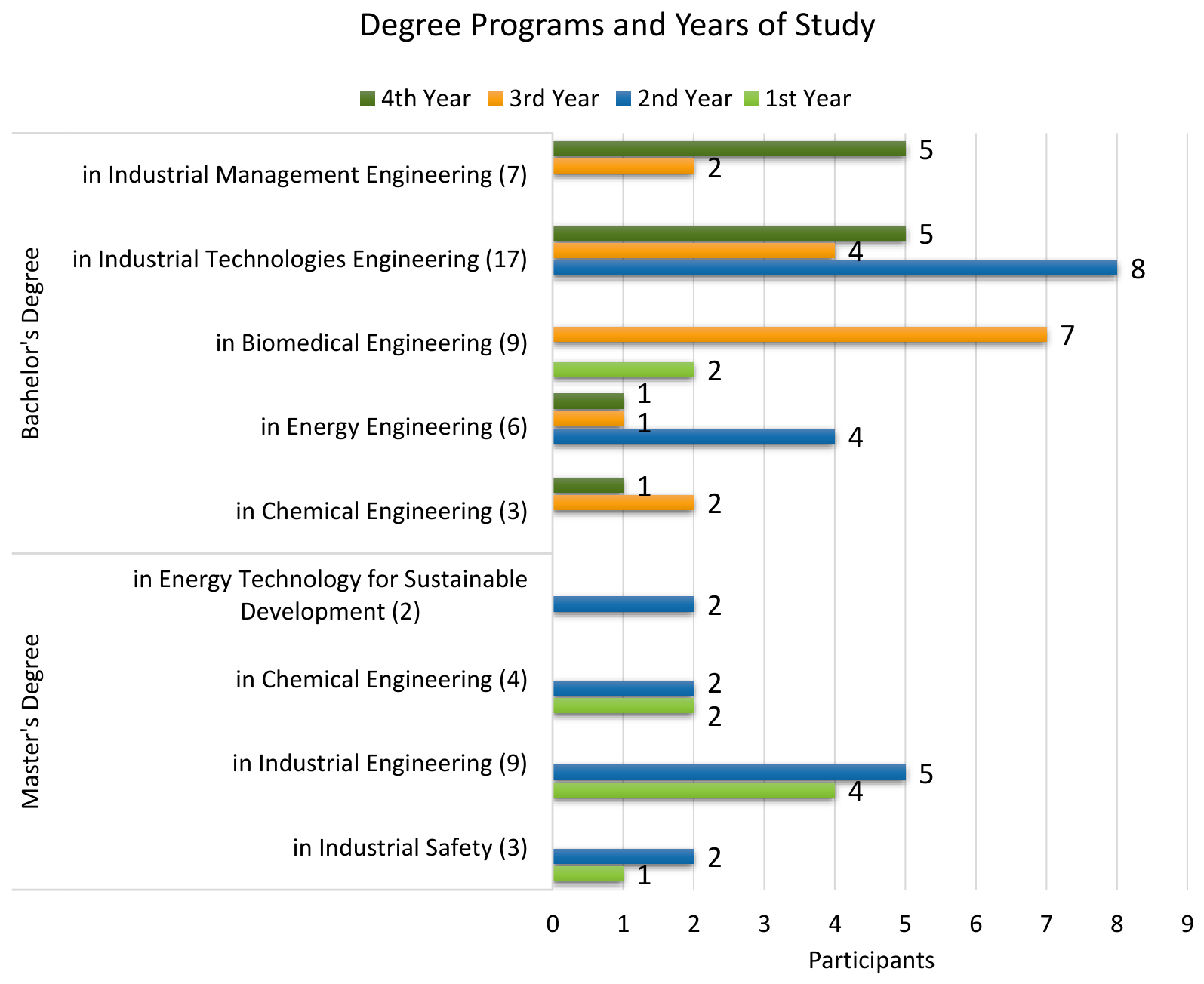
The study sample consisted of 60 undergraduate and master’s students enrolled in engineering programs at UPV. Participants came from diverse academic disciplines, including Industrial Technologies Engineering, Industrial Management Engineering, Biomedical Engineering, Energy Engineering, Chemical Engineering, Industrial Engineering, and Industrial Safety, reflecting the multidisciplinary nature of the learning environment.
Students were distributed across different academic stages, from first-year undergraduate to master’s-level participants, enabling the analysis of learning processes across varying levels of academic experience. The distribution by degree programme and academic year is shown in
Figure 1.
Regarding demographic characteristics and prior experience, the cohort included students from different age groups and genders, with most participants reporting little or no previous involvement in hackathon-style activities (
Figure 2). This limited prior exposure supports the interpretation of the results as reflecting authentic learning behaviours and knowledge acquisition processes within a challenge-based learning context.
Participation in the study was voluntary and anonymous. All participants provided informed consent prior to completing the surveys. Data were analysed in aggregated form to prevent individual identification, in accordance with institutional ethical guidelines.
3.3. Instruments
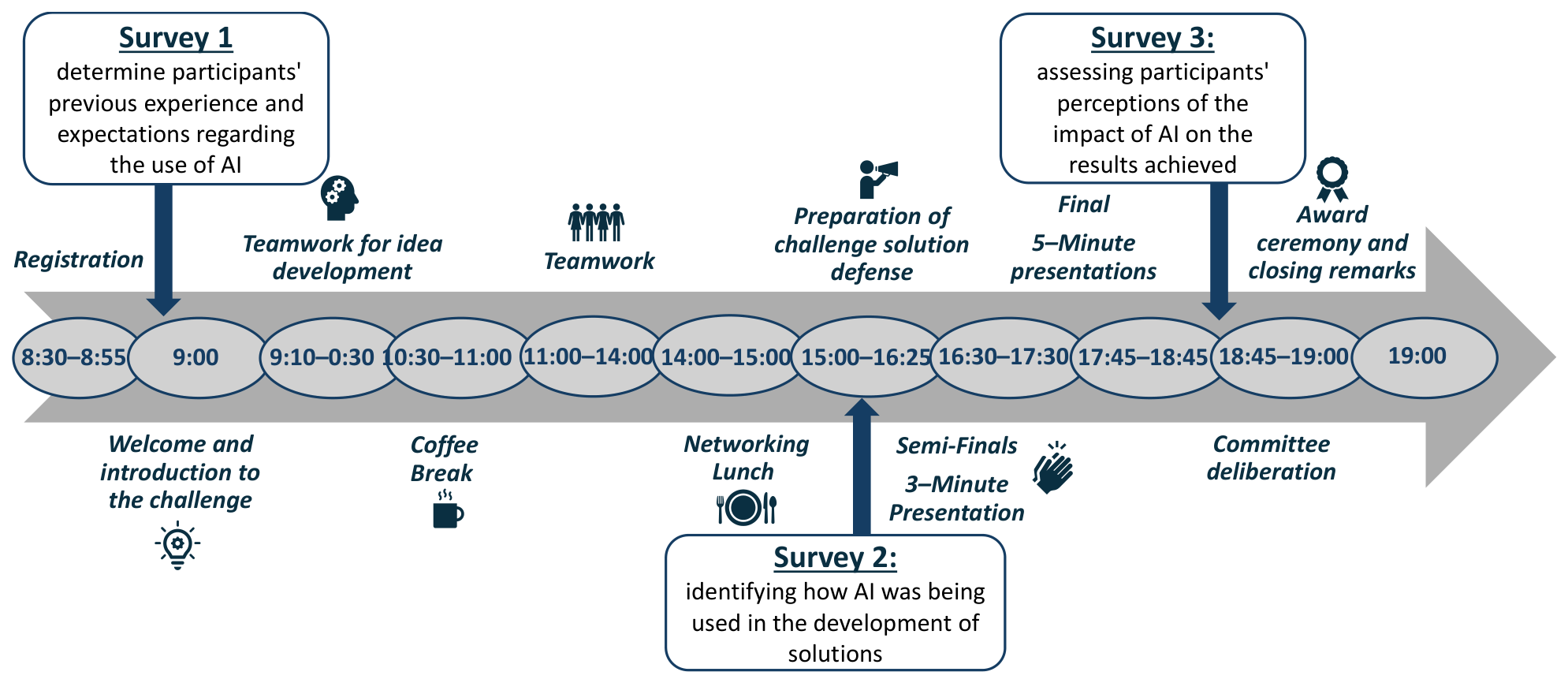
Data collection was embedded at three key moments during the event (
Figure 3). A pre-event survey (Survey 1) was administered during registration to capture participants’ baseline profile, including prior experience and expectations regarding AI tools, as well as familiarity with the SDGs and previous sustainability-related project experience. A mid-event survey (Survey 2) was conducted during solution development to document actual AI usage (tools, phases and tasks) and the ongoing integration of SDGs into design decisions (identification, difficulty, validation approaches and mentoring influence). Finally, a post-event survey (Survey 3) was administered after the final presentations to assess perceived outcomes, including the impact of AI on creativity, quality, and time efficiency, as well as sustainability-related learning, perceived transfer, and barriers. Survey 3 was complemented by an expert committee evaluation focused on clarity and SDG contribution.
3.4. Data Analysis
The instruments were organised into three surveys administered at different stages, covering both AI-related dimensions (expectations, usage and perceived impact) and SDG-related dimensions (familiarity, integration during design, learning and transfer), complemented by an expert committee evaluation.
Survey data were analysed using descriptive statistics, including frequencies and percentages for each survey item. When relevant, results were disaggregated by demographic variables such as gender and age group in order to explore potential differences in patterns of AI use and SDG integration. The analysis was primarily descriptive and exploratory in nature, consistent with the scope and sample size of the study. All results are reported in aggregated graphical form in the Results Section.
Table 1 provides a comprehensive overview of all survey questions, grouped by survey and thematic block, and indicates the corresponding figures in which each item is reported in the Results section.
Table 1.
Comprehensive mapping of the survey instruments, preserving the exact wording of each item and linking every question to the corresponding figure where its results are reported. This table provides methodological traceability between survey items (S1–S3) and the graphical evidence presented in the Results Section.
Table 1.
Comprehensive mapping of the survey instruments, preserving the exact wording of each item and linking every question to the corresponding figure where its results are reported. This table provides methodological traceability between survey items (S1–S3) and the graphical evidence presented in the Results Section.
| Block | No. | Question | Figure | Survey |
|---|
| Demographic data | 1 | Degree Programs and Years of Study | Figure 1 | S1 |
| | 2 | Gender | Figure 2 | S1 |
| | 3 | Age | Figure 2 | S1 |
| | 4 | Have you participated in a hackathon before? | Figure 2 | S1 |
| Expectations (AI) | 5 | Do you have previous experience with AI tools? | Figure 4 | S1 |
| | 6 | Which of these AI tools do you know or have used before? | Figure 5 | S1 |
| | 7 | Do you think AI can help you solve problems in this hackathon? | Figure 9 | S1 |
| | 8 | In which stages do you think you could use AI in the hackathon? | Figure 9 | S1 |
| Expectations (SDGs) | 9 | How familiar are you with the Sustainable Development Goals (SDGs)? | Figure 4 | S1 |
| | 10 | Have you ever worked on a project that considers the SDGs? | Figure 5 | S1 |
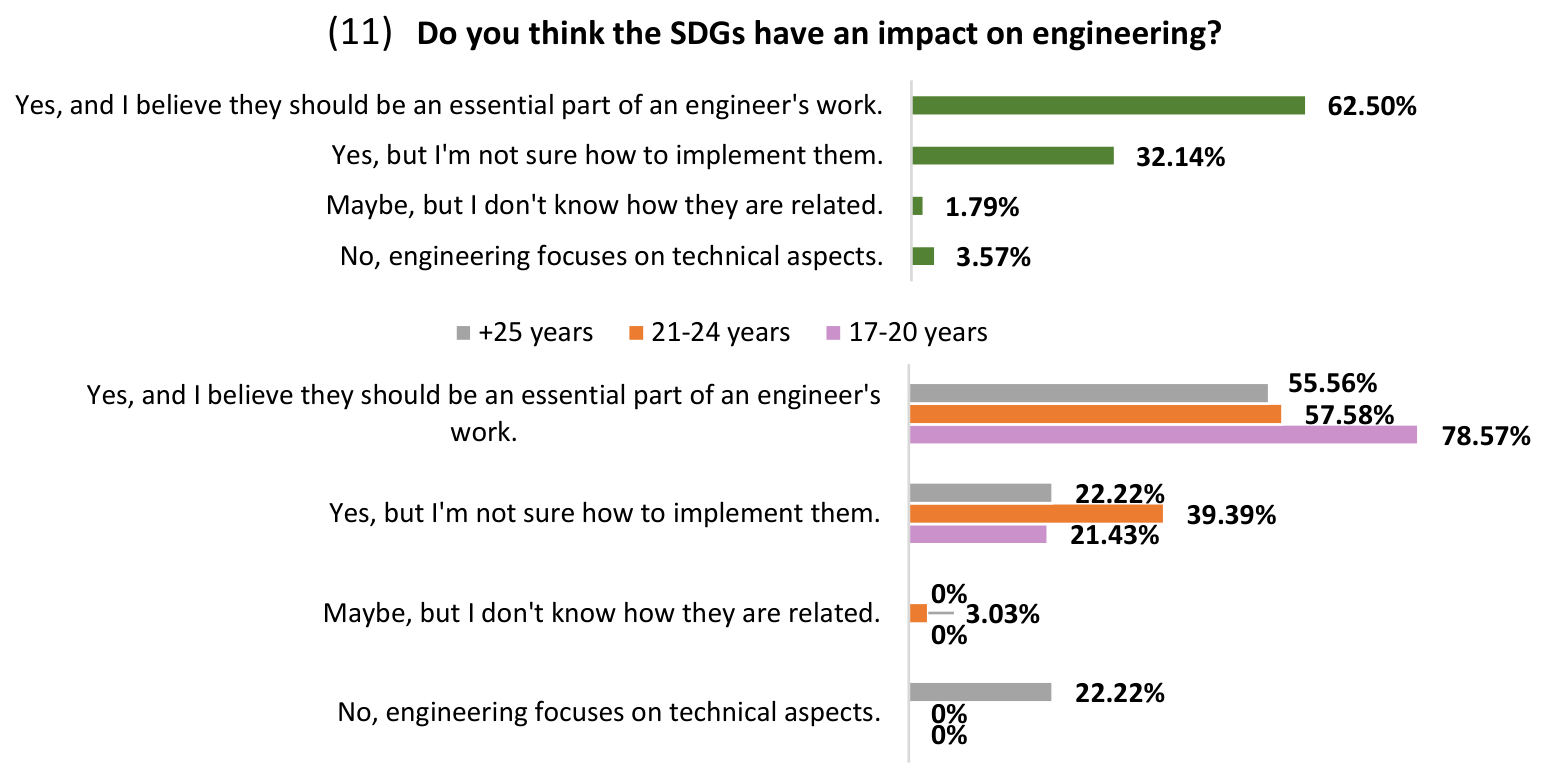
| | 11 | Do you think the SDGs have an impact on engineering? | Figure 10 | S1 |
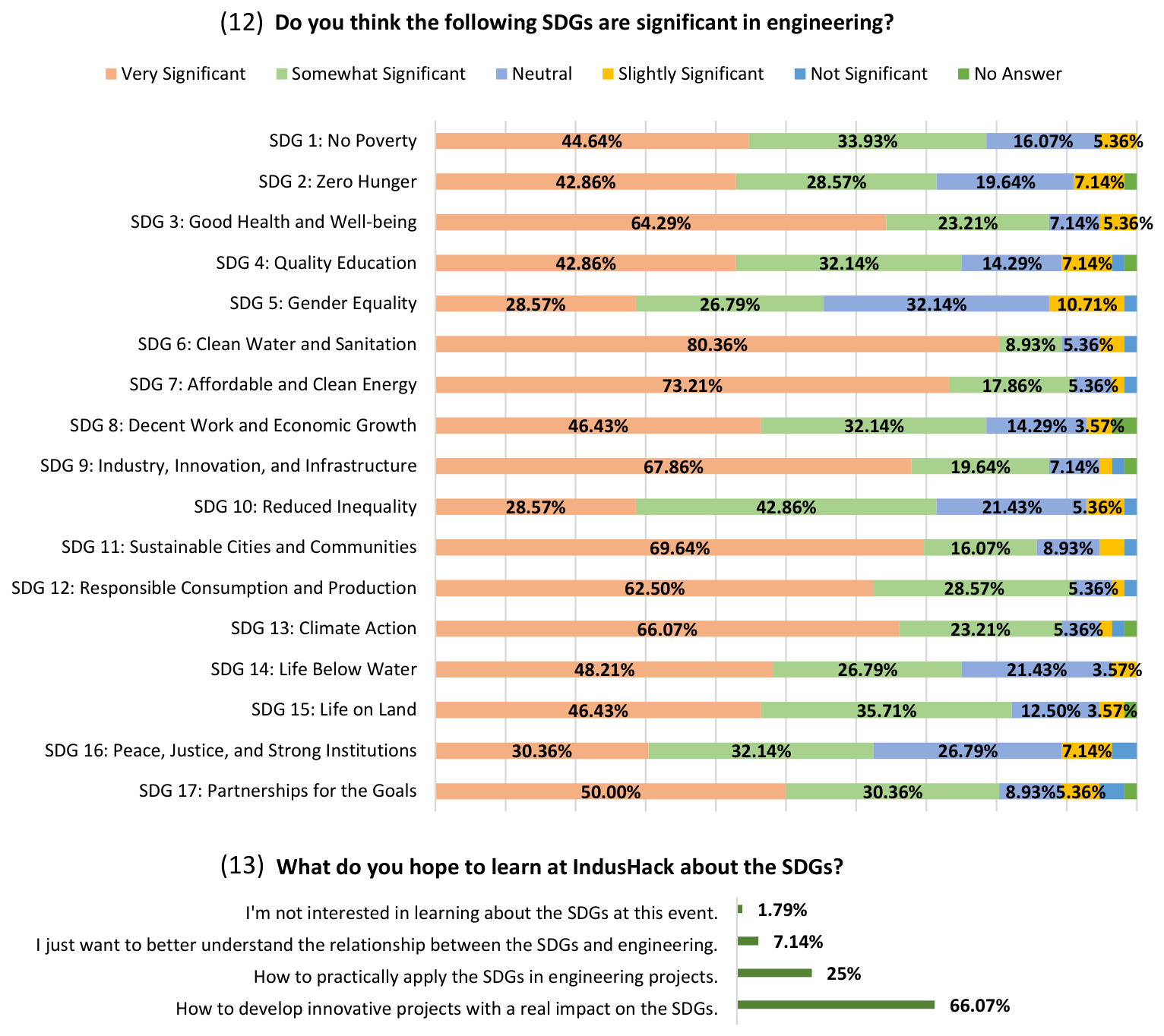
| | 12 | Do you think the following SDGs are significant in engineering? | Figure 11 | S1 |
| | 13 | What do you hope to learn at IndusHack about the SDGs? | Figure 11 | S1 |
| Usage (AI) | 14 | Have you used AI in your hackathon solution? | Figure 6 | S2 |
| | 15 | What AI tools have you used? | Figure 6 | S2 |
| | 16 | In which phase of the hackathon did you use AI? | Figure 7 | S2 |
| | 17 | What have you used AI for? | Figure 8 | S2 |
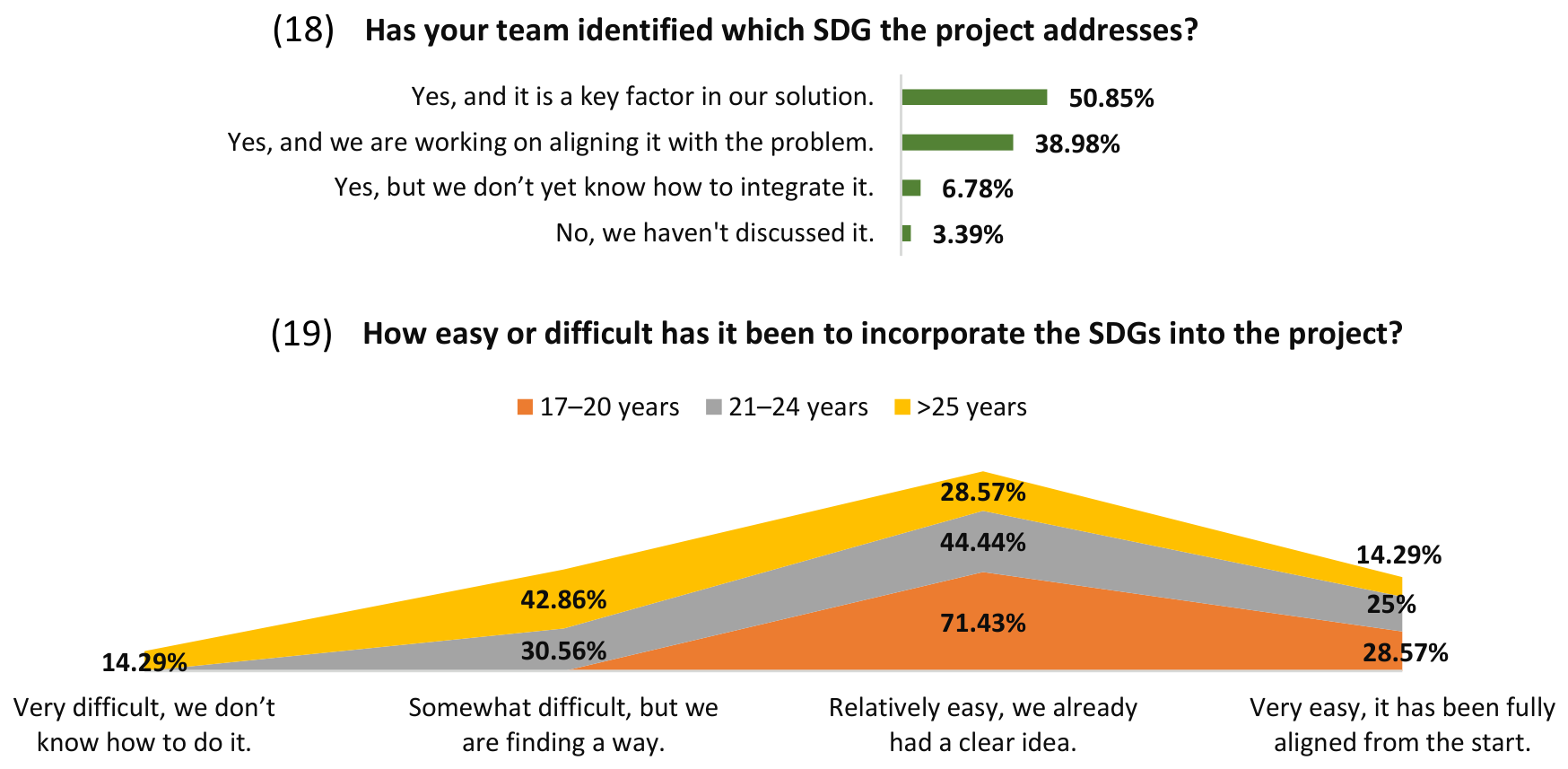
| Usage (SDGs) | 18 | Has your team identified which SDG the project addresses? | Figure 12 | S2 |
| | 19 | How easy or difficult has it been to incorporate the SDGs into the project? | Figure 12 | S2 |
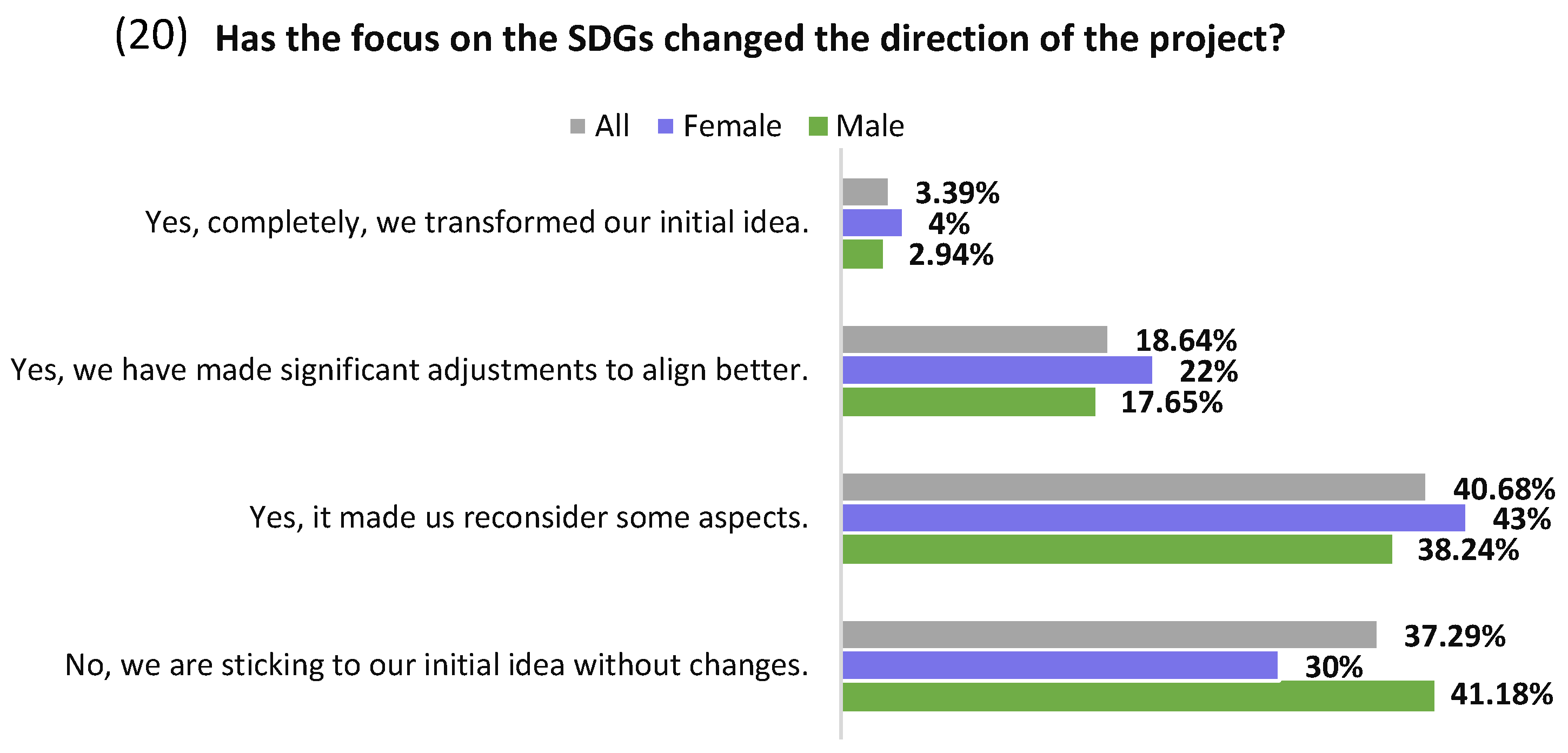
| | 20 | Has the focus on the SDGs changed the direction of the project? | Figure 13 | S2 |
| | 21 | How are you validating that the project has a real impact on the SDGs? | Figure 14 | S2 |
| | 22 | Which SDG do you think your project is MAINLY addressing? | Figure 16 | S2 |
| | 23 | How much have the mentors influenced the integration of the SDGs into your project? | Figure 16 | S2 |
| | 24 | Up to this point in the hackathon, how has your perspective on the SDGs in engineering changed? | Figure 16 | S2 |
| Impact (AI) | 25 | How would you rate the impact of AI on the creativity of the solution? | Figure 15 | S3 |
| | 26 | Do you think AI has improved the quality of your solution? | Figure 15 | S3 |
| | 27 | What impact do you think AI had on the creativity of the solution? | Figure 17 | S3 |
| | 28 | How do you think AI influenced the time it took to develop the solution? | Figure 17 | S3 |
| | 29 | Would you recommend using AI in future hackathons? | Figure 18 | S3 |
| | 30 | Do you have any suggestions for improving AI use? | - | S3 |
| Impact (SDGs) | 31 | How would you rate your learning about the SDGs during the hackathon? | Figure 15 | S3 |
| | 32 | How do you plan to apply what you learned at IndusHack in your professional future? | Figure 18 | S3 |
| | 33 | Do you think hackathons like IndusHack are a good way to learn about the SDGs in engineering? | Figure 18 | S3 |
| | 34 | Do you think companies should integrate the SDGs into their business strategy? | Figure 19 | S3 |
| | 35 | Do you think SDG training should be mandatory in engineering curricula? | Figure 19 | S3 |
| | 36 | Have you identified concrete opportunities to apply the SDGs in future projects outside the hackathon? | Figure 19 | S3 |
| | 37 | What has been the biggest challenge you’ve faced when incorporating the SDGs into the project? | Figure 19 | S3 |
| Expert committee | 38 | Clarity and structure of the idea | Figure 20 | S3 |
| | 39 | Contribution to the SDGs | Figure 20 | S3 |
| | 40 | SDGs directly addressed | Figure 21 | S3 |
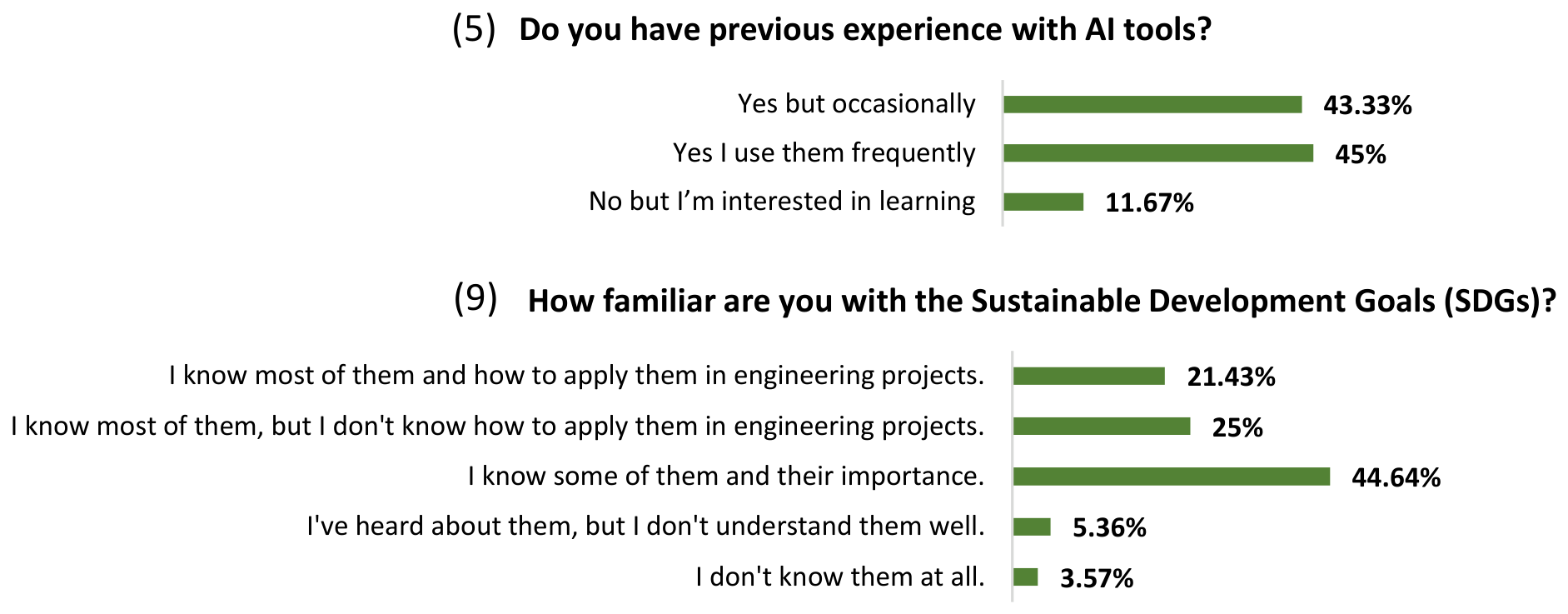
Figure 4.
Survey 1: Prior experience with artificial intelligence tools (5) and familiarity with the Sustainable Development Goals (SDGs) (9).
Figure 4.
Survey 1: Prior experience with artificial intelligence tools (5) and familiarity with the Sustainable Development Goals (SDGs) (9).
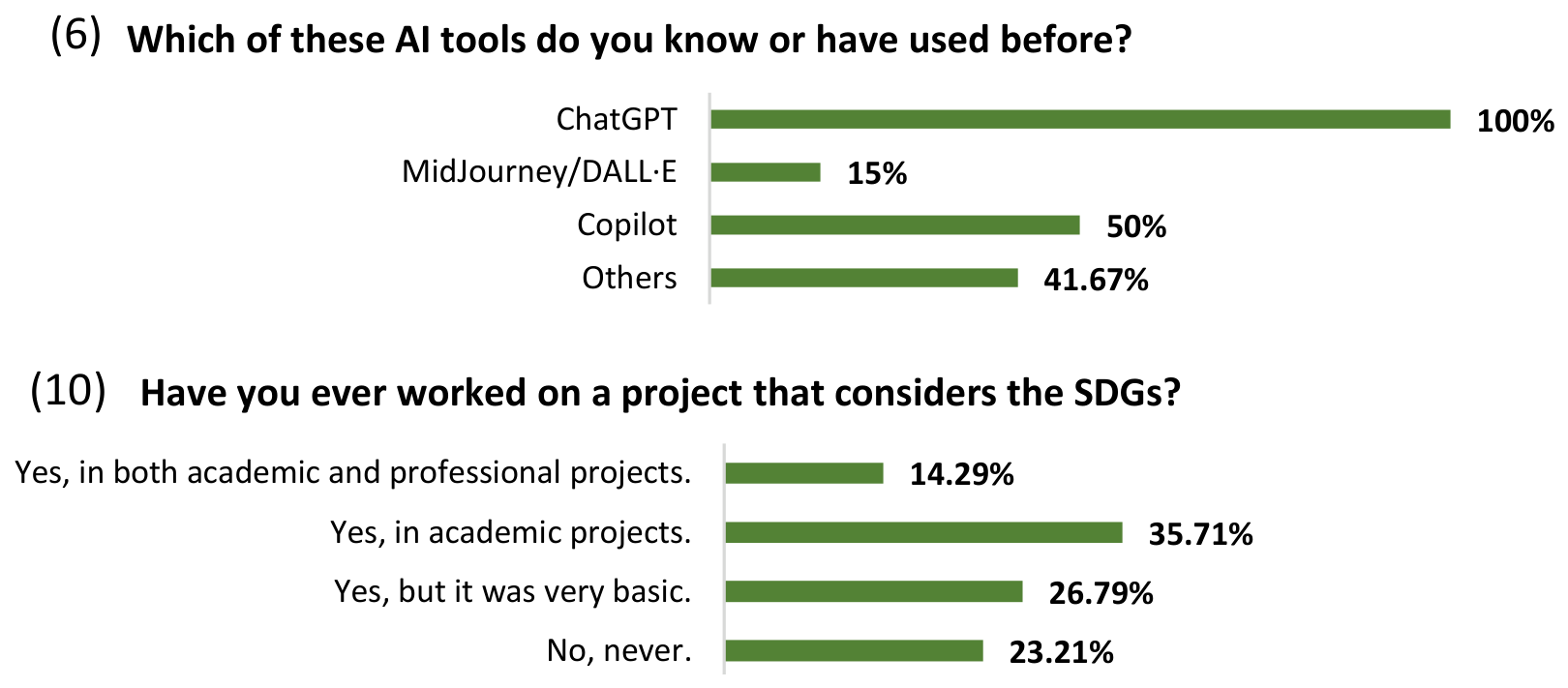
Figure 5.
Survey 1: Artificial intelligence tools known or used by participants (6) and previous experience applying the Sustainable Development Goals (SDGs) in projects (10).
Figure 5.
Survey 1: Artificial intelligence tools known or used by participants (6) and previous experience applying the Sustainable Development Goals (SDGs) in projects (10).
Figure 6.
Survey 2: (14) Proportion of participants who reported using AI in their hackathon solution; (15) AI tools used during the hackathon. Source: Own elaboration.
Figure 6.
Survey 2: (14) Proportion of participants who reported using AI in their hackathon solution; (15) AI tools used during the hackathon. Source: Own elaboration.
Figure 7.
Survey 2: Phases of AI use during INDUSHack (16). Source: Own elaboration.
Figure 7.
Survey 2: Phases of AI use during INDUSHack (16). Source: Own elaboration.
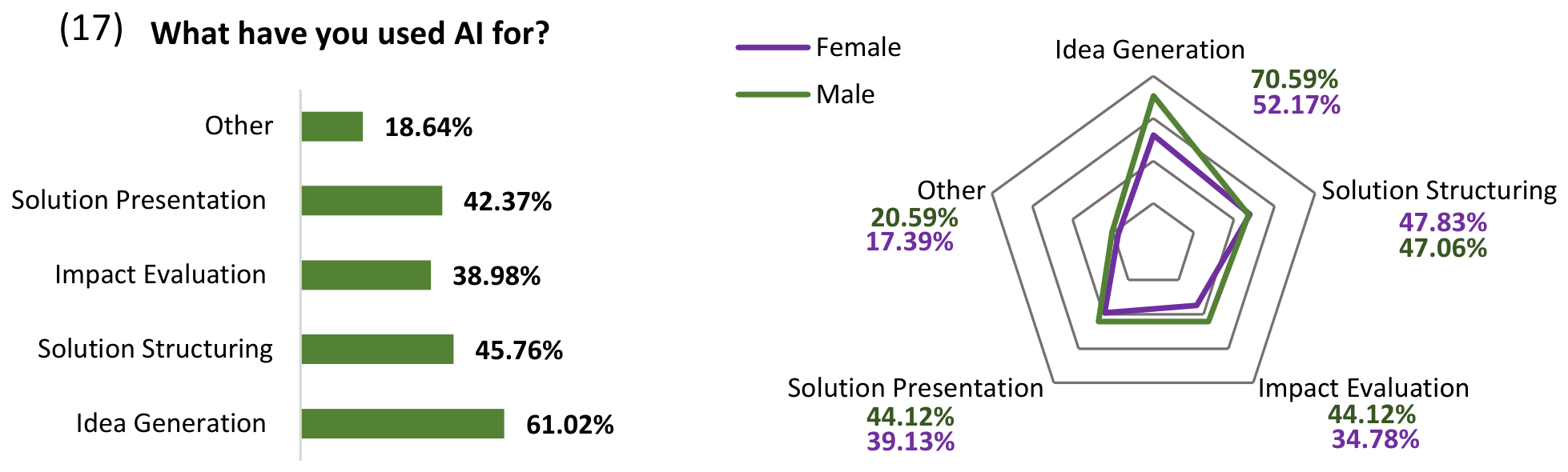
Figure 8.
Survey 2: Main purposes for using AI during INDUSHack (17).
Figure 8.
Survey 2: Main purposes for using AI during INDUSHack (17).
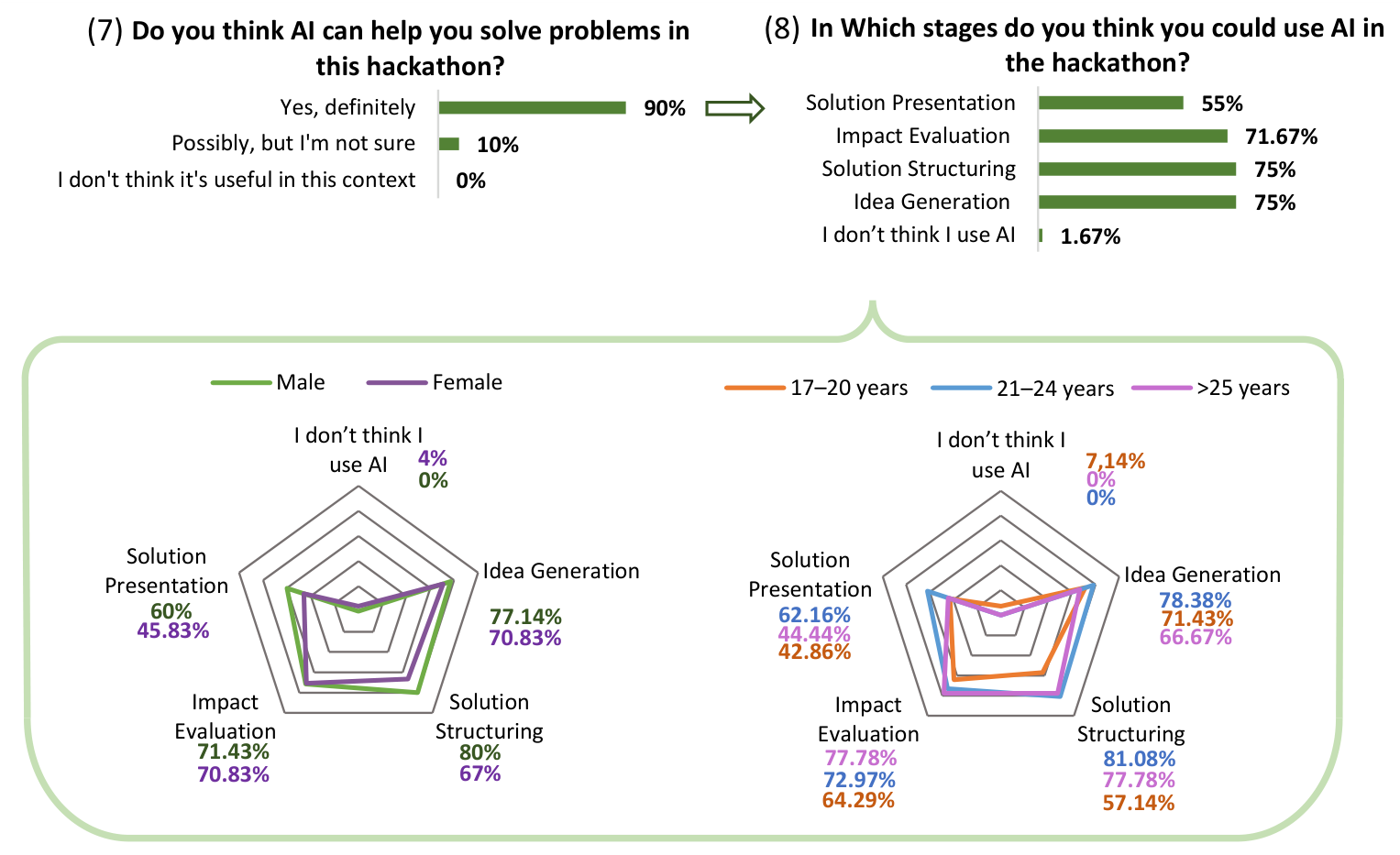
Figure 9.
Survey 1: Expectations regarding AI (7–8).
Figure 9.
Survey 1: Expectations regarding AI (7–8).
Figure 10.
Survey 1: Perceived relevance of SDGs in engineering (11).
Figure 10.
Survey 1: Perceived relevance of SDGs in engineering (11).
Figure 11.
Survey 1: SDGs considered significant in engineering (12) and expectations about SDG learning (13).
Figure 11.
Survey 1: SDGs considered significant in engineering (12) and expectations about SDG learning (13).
Figure 12.
Survey 2: Identification of the SDG addressed by the project (18) and perceived difficulty of SDG integration (19).
Figure 12.
Survey 2: Identification of the SDG addressed by the project (18) and perceived difficulty of SDG integration (19).
Figure 13.
Survey 2: Perceived influence of SDG focus on the direction of the project (20).
Figure 13.
Survey 2: Perceived influence of SDG focus on the direction of the project (20).
Figure 14.
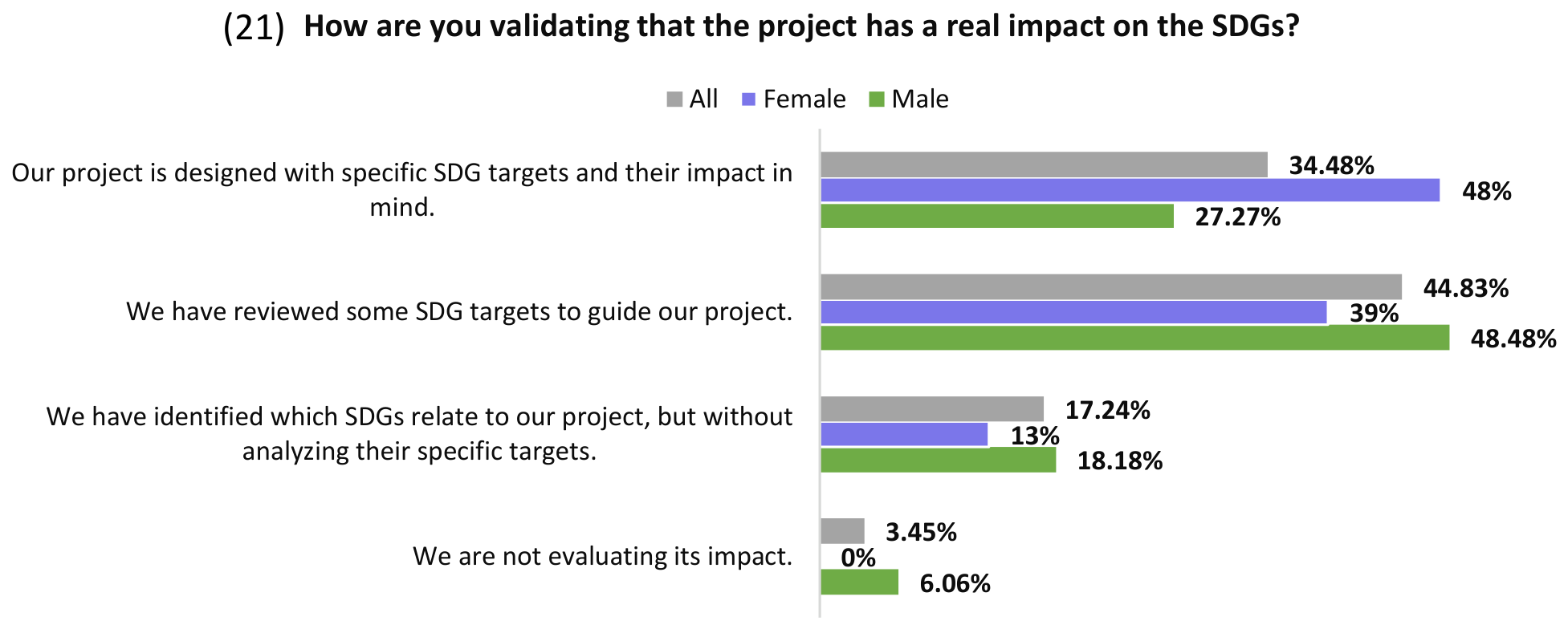
Survey 2: Validation of the project’s real impact on the SDGs (21).
Figure 14.
Survey 2: Validation of the project’s real impact on the SDGs (21).
Figure 15.
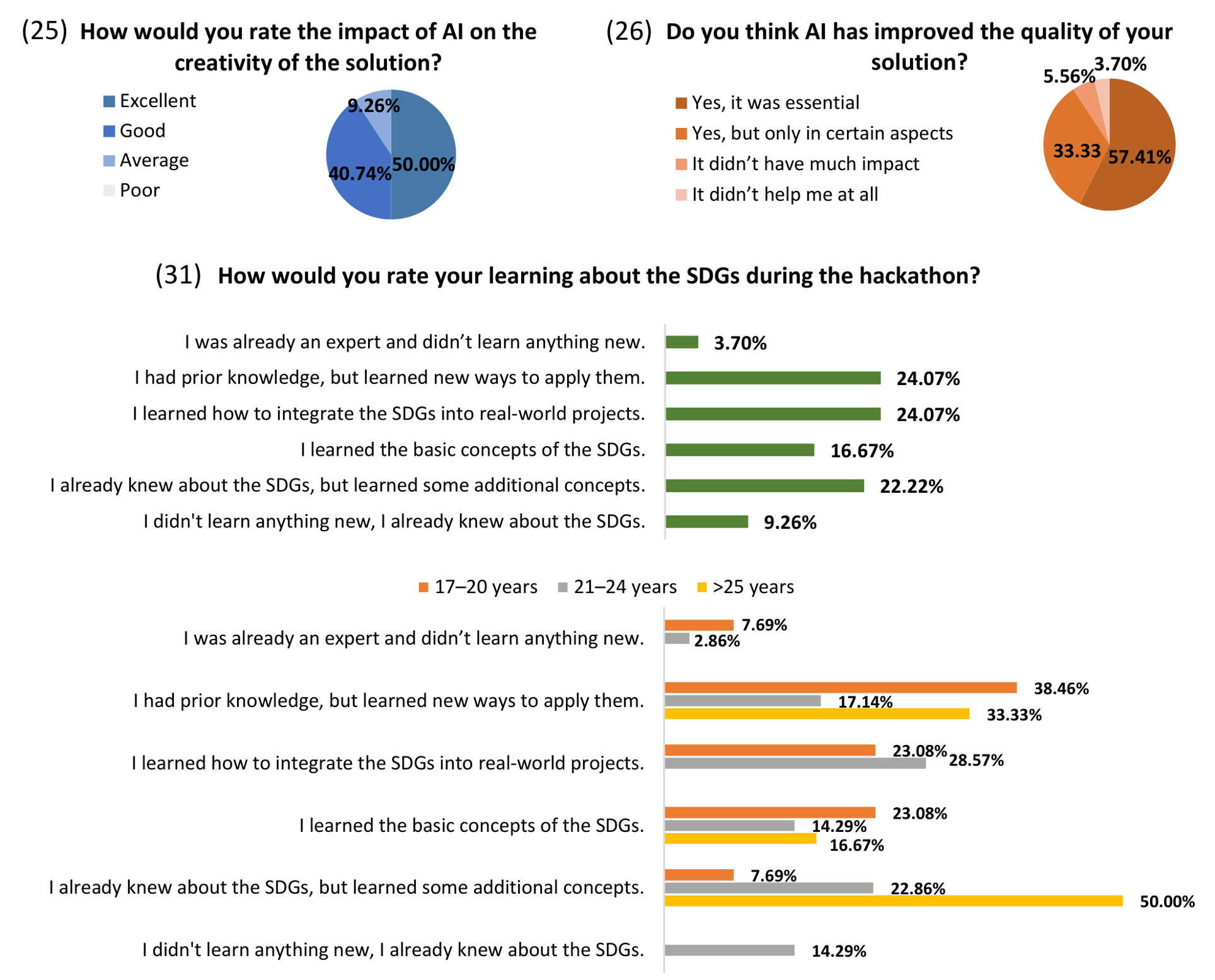
Survey 3: Perceived AI impact (creativity and quality) and SDG learning (25–26, 31).
Figure 15.
Survey 3: Perceived AI impact (creativity and quality) and SDG learning (25–26, 31).
Figure 16.
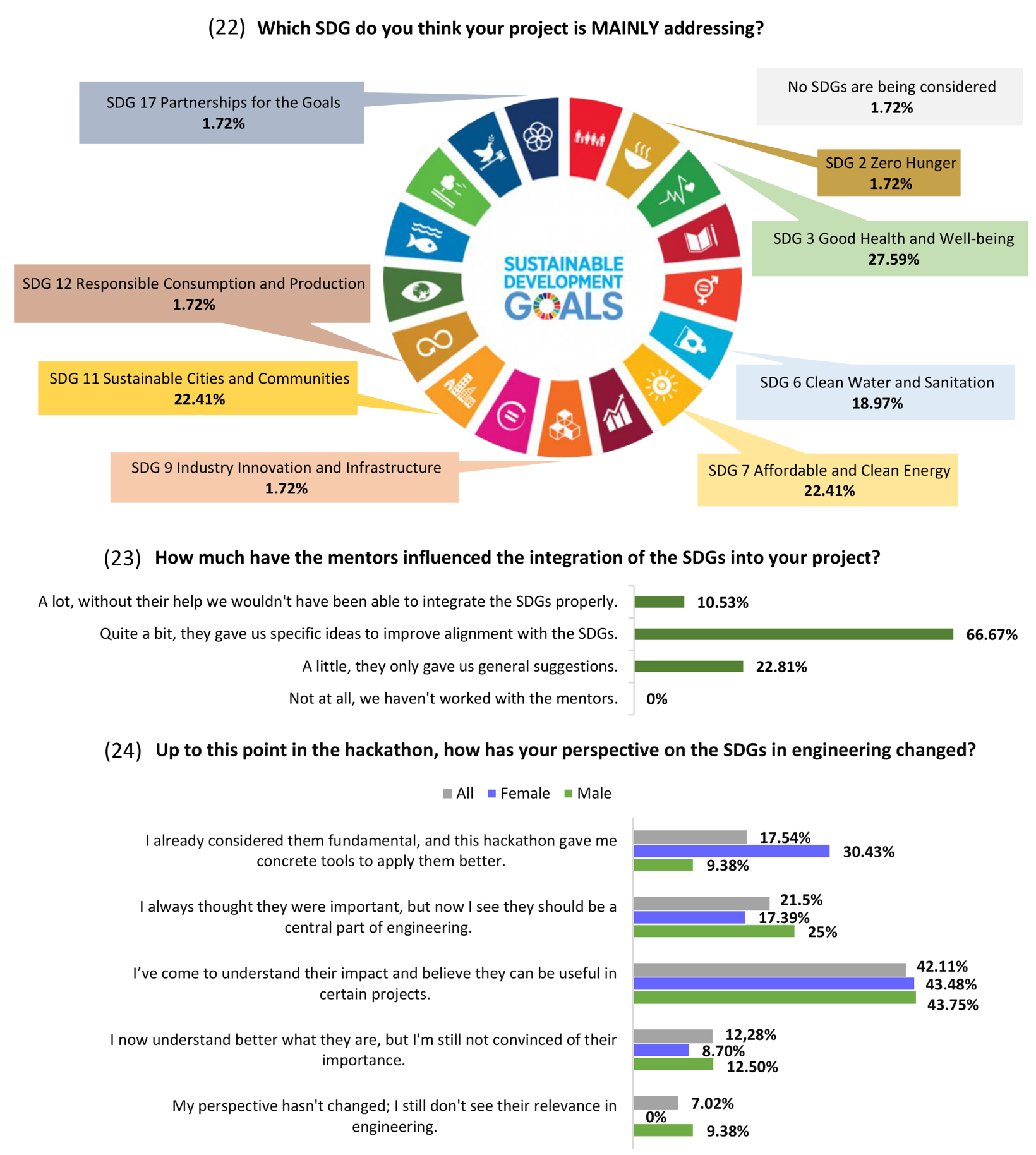
Survey 2: SDG integration during the challenge (22–24).
Figure 16.
Survey 2: SDG integration during the challenge (22–24).
Figure 17.
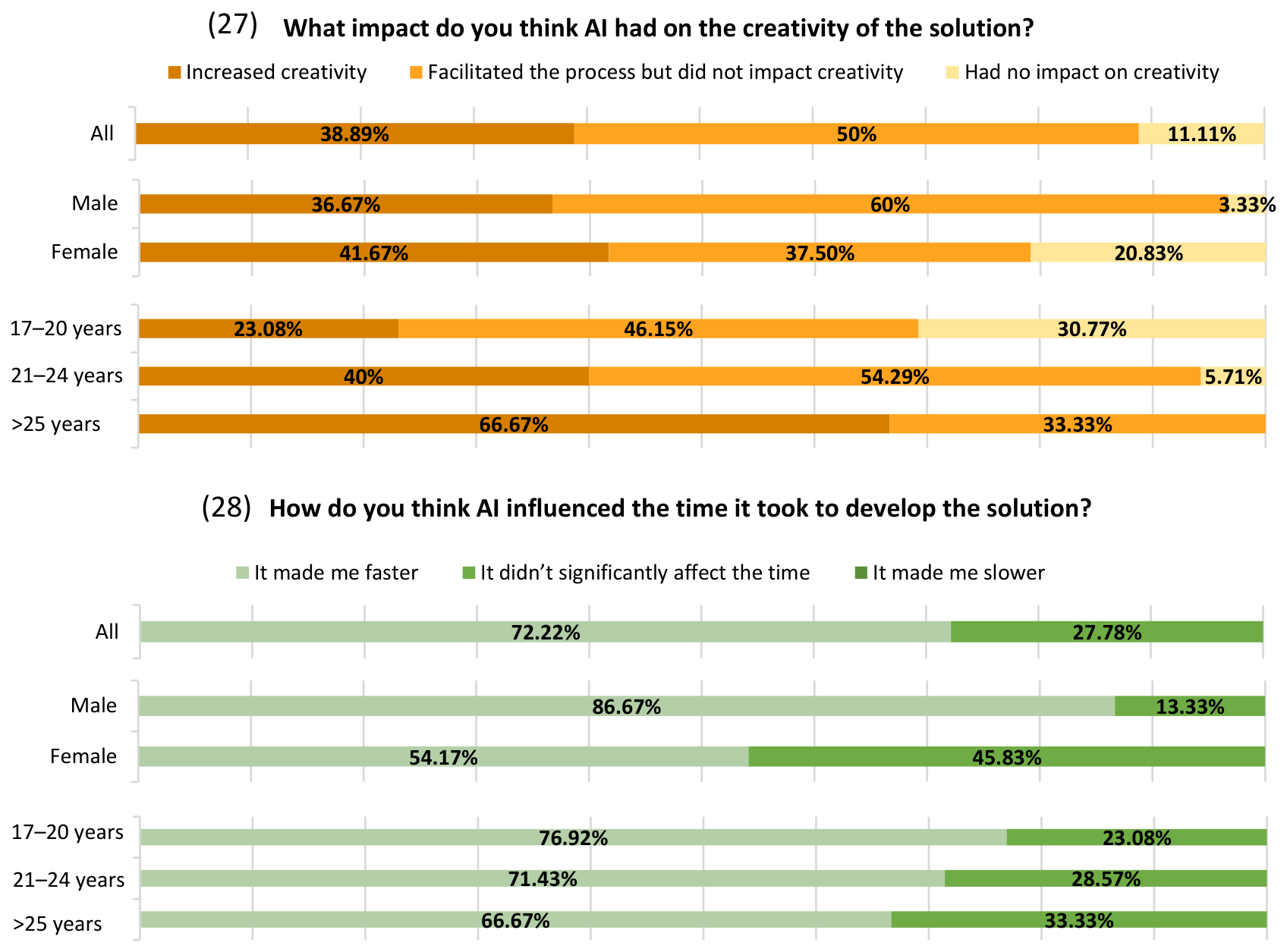
Survey 3: Perceived AI impact on creativity (27) and time required (28).
Figure 17.
Survey 3: Perceived AI impact on creativity (27) and time required (28).
Figure 18.
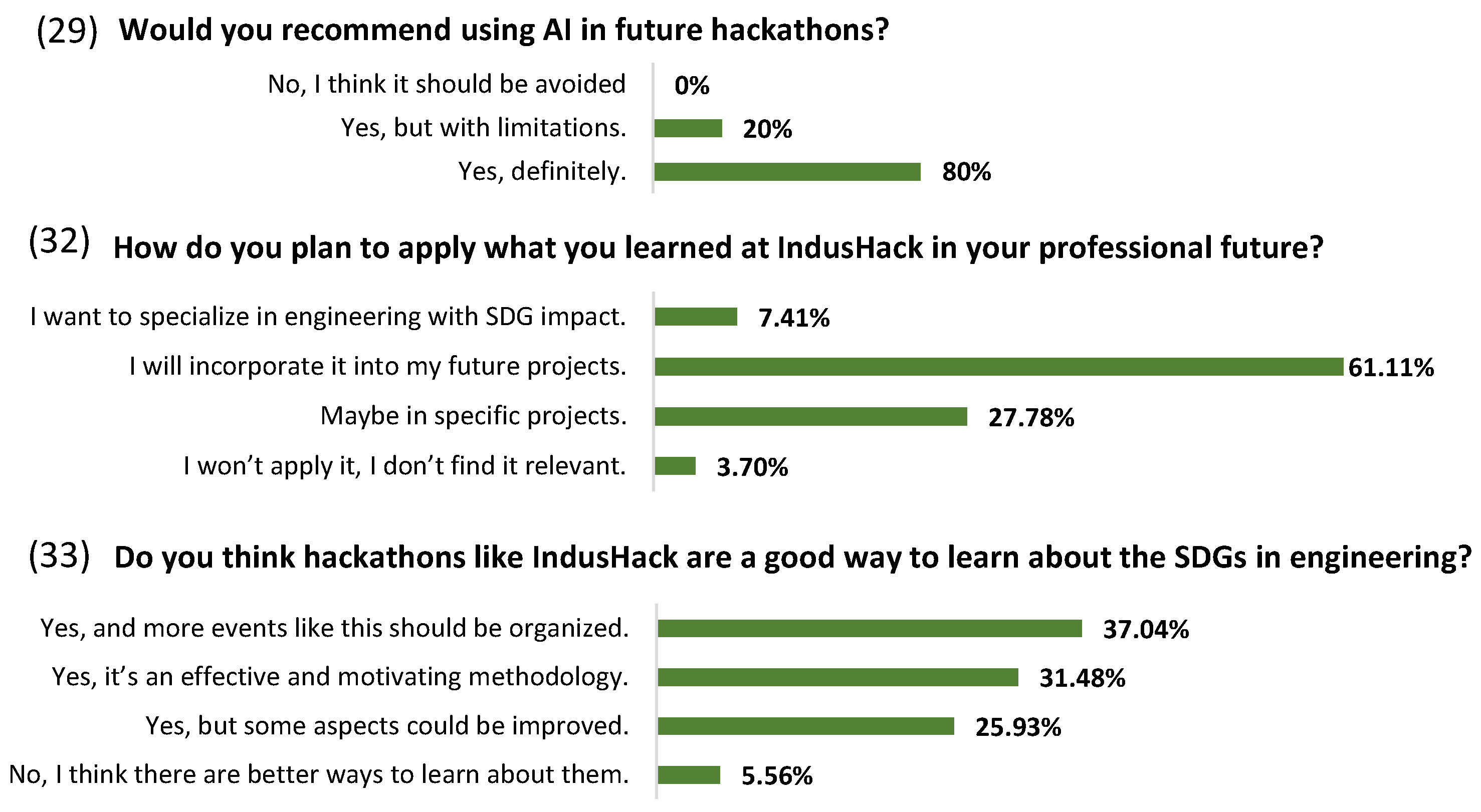
Survey 3: Students’ post-event reflections on SDG learning, future application, and perceptions of hackathons (29, 32–33).
Figure 18.
Survey 3: Students’ post-event reflections on SDG learning, future application, and perceptions of hackathons (29, 32–33).
Figure 19.
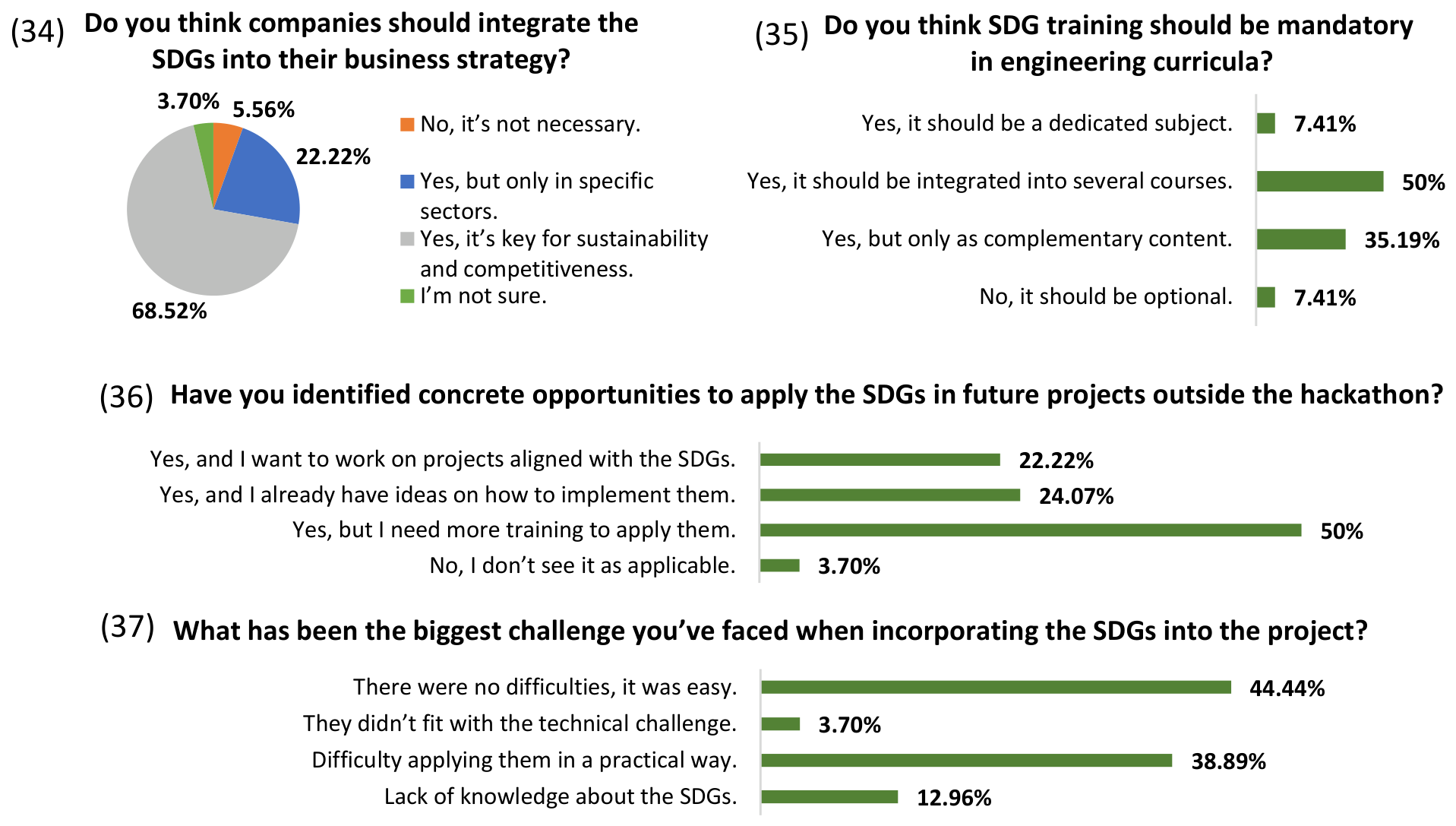
Survey 3: Students’ post-event reflections on SDGs in professional practice and curricula, and barriers to SDG integration (34–37).
Figure 19.
Survey 3: Students’ post-event reflections on SDGs in professional practice and curricula, and barriers to SDG integration (34–37).
Figure 20.
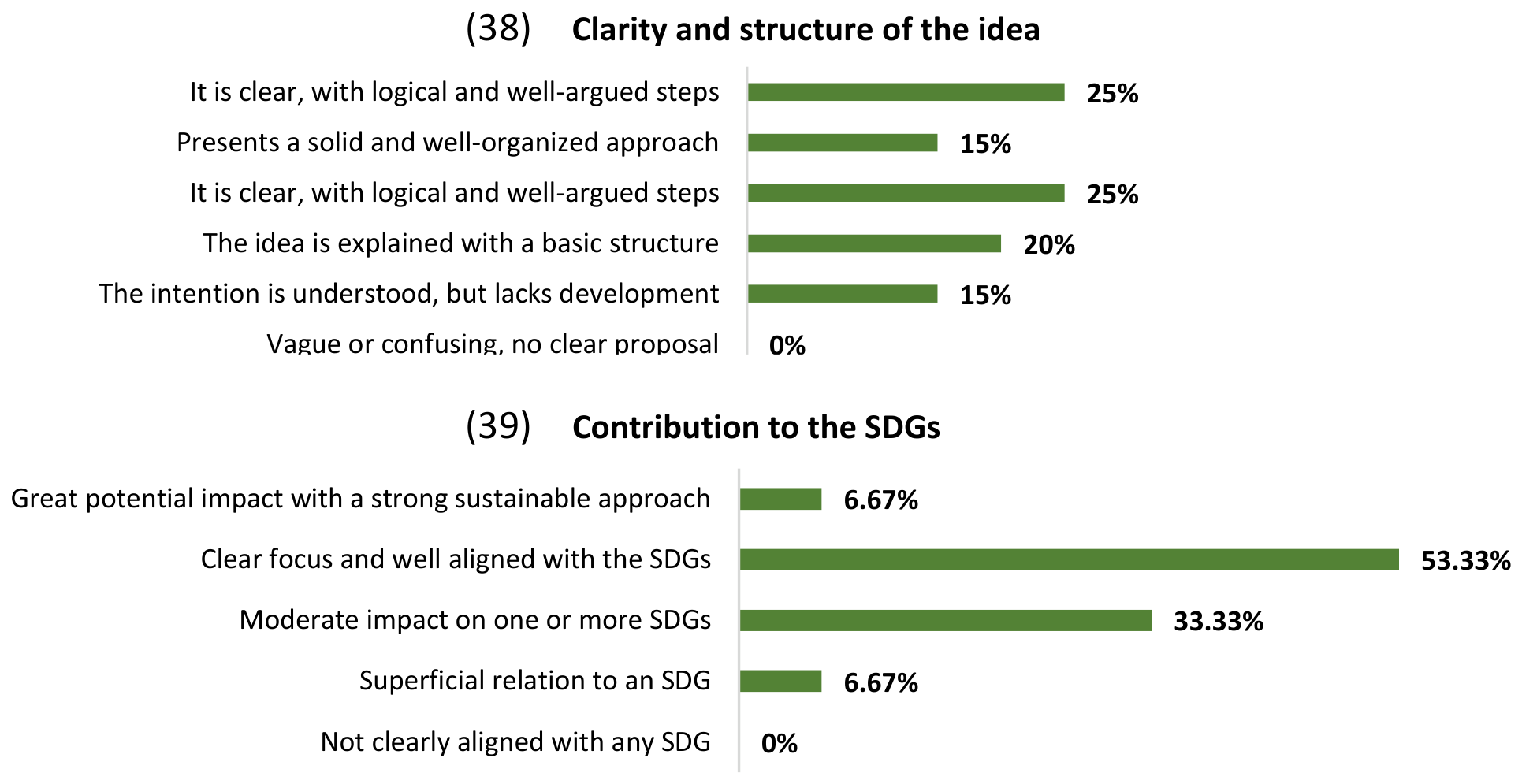
Expert committee evaluation (Survey 3): (38) clarity and structure of the proposed solution; (39) contribution of the proposal to the SDGs.
Figure 20.
Expert committee evaluation (Survey 3): (38) clarity and structure of the proposed solution; (39) contribution of the proposal to the SDGs.
Figure 21.
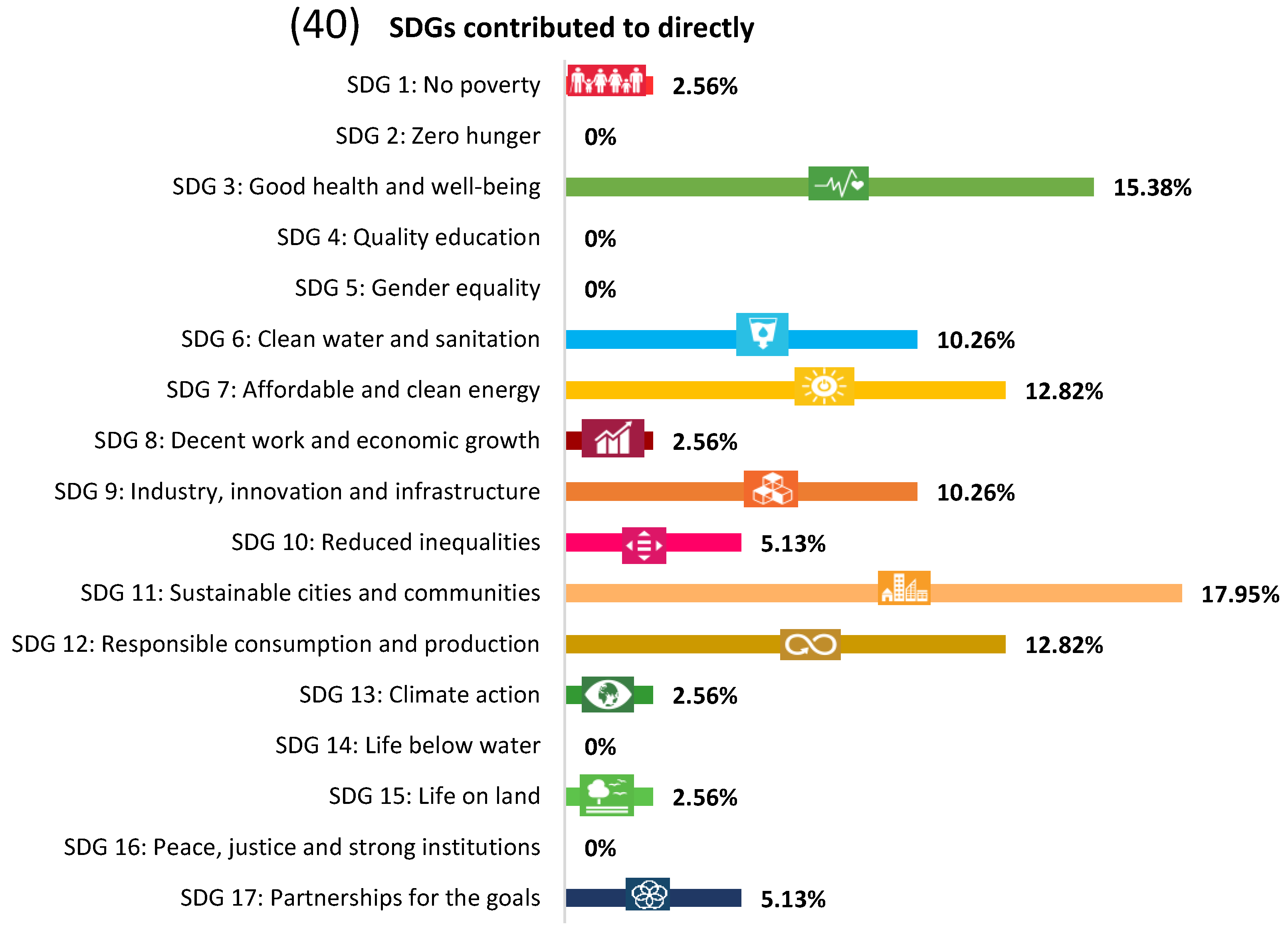
Expert committee evaluation (Survey 3): (40) SDGs directly addressed by the proposal.
Figure 21.
Expert committee evaluation (Survey 3): (40) SDGs directly addressed by the proposal.
3.5. Expert Committee Evaluation
The final evaluation of the projects was conducted by an expert committee composed of 13 faculty members from different areas of knowledge, all with experience in engineering and sustainability, and without direct academic relationships with the participating students. The purpose of this evaluation was to provide an external perspective on the quality of the proposals and their alignment with the Sustainable Development Goals (SDGs).
To enhance consistency and reduce subjectivity, the evaluation was guided by predefined criteria (e.g., clarity of the idea, coherence of the solution, and contribution to the SDGs) and supported by a brief guideline for evaluators. Projects were reviewed collectively by the committee, and the use of common criteria contributed to a balanced and coherent assessment across teams, reducing the influence of individual bias.
4. Results
This section synthesizes the main findings derived from the graphical evidence and survey responses collected before, during, and after the hackathon. It is organized into several subsections that mirror the sequence of measurement moments and analytical focuses: first, participants’ baseline profile regarding AI familiarity and SDG awareness is described (
Section 4.1); second, patterns of AI use across the hackathon are reported (
Section 4.2); third, the integration of SDGs into the design process is examined (
Section 4.3); fourth, the complementary role of AI within the integration workflow is discussed (
Section 4.4); finally, perceived impact and learning outcomes (including post-event reflections and the expert committee’s evaluation) are summarized (
Section 4.5,
Section 4.6 and
Section 4.7).
4.1. Baseline: Preparation and Starting Point (AI + SDGs)
To characterise students’ starting point—both in relation to Artificial Intelligence (AI) tools and their prior knowledge and experience with the Sustainable Development Goals (SDGs)—an initial survey was administered during registration, before teamwork began. This ‘pre-event’ measurement allows for better interpretation of subsequent results, as it establishes the level of familiarity, technological adoption, and sustainability background with which participants approach the challenge.
Figure 4 presents the results of the pre-event survey related to participants’ prior experience with artificial intelligence and their level of familiarity with the Sustainable Development Goals (SDGs), providing an overview of the baseline profile before the start of the challenge.
Complementarily,
Figure 5 details the artificial intelligence tools known or used by participants and their previous experience applying the SDGs in academic or professional projects, making visible the gap between general awareness and practical implementation.
The cohort showed a high level of prior exposure to AI tools. A large majority reported using AI either frequently (45%) or occasionally (43.33%), while only 11.67% indicated no previous use, though even this group expressed interest in learning. This suggests that, for most participants, AI already forms part of their typical academic workflow, reducing the entry barrier for integrating AI-supported practices during the hackathon. Consistent with this, the tool landscape was strongly dominated by text-based systems: ChatGPT was known/used by all respondents (100%), followed by Copilot (50%) and a heterogeneous set of other tools (41.67%). In contrast, image-generation tools such as Midjourney or DALL·E were far less common (15%), indicating that participants’ prior experience was primarily oriented toward conversational and code-assistance applications rather than visual generative AI.
Regarding sustainability, responses reveal broad awareness of the SDG framework but a less uniform ability to operationalise it in engineering contexts. The largest share of participants (44.64%) reported knowing some SDGs and understanding their importance, while 25% stated they knew most of them but were unsure how to apply them within engineering projects; 21.43% declared both high familiarity and the ability to apply SDGs in engineering settings. Only small minorities reported limited understanding (5.36%) or no knowledge at all (3.57%). However, when asked about practical experience, the data confirm a noticeable implementation gap: 35.71% had considered SDGs in academic projects, 26.79% had done so only at a very basic level, and 23.21% had never incorporated them; only 14.29% reported experience in both academic and professional contexts. Taken together, these findings depict a starting point where AI use is already normalized and relatively homogeneous across participants, whereas SDG knowledge is widespread but application-oriented experience varies substantially. This baseline supports an event design (and subsequent analysis) that emphasises not introductory AI literacy, but rather the strategic use of AI for structured reasoning and evidence-building, alongside scaffolding that translates SDGs from a conceptual reference into engineering requirements, criteria, and verifiable impact considerations.
4.2. AI Use Across the Hackathon
The analysis of AI usage during INDUSHack reveals an almost universal adoption of these tools within the challenge-based learning environment. According to the mid-event survey, 96.61% of participants reported using AI at some point during the hackathon (
Figure 6), confirming that AI has become a normalised and readily accessible component of students’ problem-solving workflows. In this sense, the event does not primarily reflect a process of technological familiarisation, but rather an exploration of how AI is strategically integrated into complex tasks under strict time constraints.
The AI ecosystem was strongly dominated by text-based tools: ChatGPT was the most frequently used platform (93.22%), while other tools, such as Copilot or image-generation systems, were used only marginally (
Figure 6).
AI use was not evenly distributed across all phases of the hackathon (
Figure 7). Instead, it concentrated on specific stages of the workflow that require high cognitive effort under uncertainty. Participants reported using AI mainly during the development phase (68.33%) and, to a slightly lesser extent, during the initial phase (56.67%), whereas usage decreased in the final phase (36.67%). This temporal pattern suggests that AI was primarily leveraged to accelerate early exploration and support mid-process consolidation, rather than to automate final deliverables.
Regarding specific purposes, the most frequent applications were idea generation (61.02%), solution structuring (45.76%), and impact evaluation (38.98%) (
Figure 8). This distribution reinforces the interpretation of AI as a tool for expanding and organising reasoning rather than replacing technical judgement. Under the intense time pressure characteristic of hackathons, AI served as an external scaffold, helping students manage complexity, reduce cognitive load, and maintain progress across parallel tasks such as exploring alternatives, structuring information, and preparing coherent justifications.
These observed usage patterns are consistent with participants’ initial expectations captured before the event (
Figure 9). Most students anticipated using AI primarily for idea generation (75%) and solution structuring (75%), followed closely by impact evaluation (71.67%), suggesting a strong alignment between projected and actual integration within the hackathon workflow.
4.3. SDG Integration During Design
The results show that SDG integration evolved from early recognition to progressive operationalisation during the hackathon. As illustrated in
Figure 10, a strong majority of students already considered the SDGs relevant to engineering practice, with 62.50% affirming that they should be an essential part of an engineer’s work. However, prior experience in applying them was considerably lower, revealing an initial gap between awareness and implementation.
During the development phase (
Figure 11), most teams were able to identify the SDG addressed by their project (over 90%), yet impact validation proved more challenging. Only 27.27% reported designing their proposal explicitly around specific SDG targets and measurable impact, while 48.48% limited integration to reviewing targets without fully embedding them into decision criteria. This confirms that the main difficulty was not “naming” SDGs, but translating them into verifiable design constraints.
Mentoring and external evaluation played a decisive role in this transition. As shown in
Figure 11, more than 75% of participants acknowledged that mentors significantly influenced SDG integration. Furthermore, the requirement to justify sustainability alignment before an expert committee (
Figure 12) reduced superficial references and mitigated potential greenwashing tendencies, compelling teams to articulate concrete contributions.
Overall, the findings indicate that within a challenge-based learning environment, the SDGs were progressively transformed from a declarative sustainability framework into a design constraint shaping technical decisions. This transformation, however, required structured guidance and accountability mechanisms to bridge the gap between conceptual recognition and operational impact.
4.4. AI Integration
Artificial Intelligence was widely adopted during the hackathon, confirming its normalised presence in students’ problem-solving workflows. As shown in
Figure 13, 96.61% of participants reported using AI in the development of their solution, indicating that the event did not function as a space for technological familiarisation, but rather as a context for strategic integration under time pressure. This aligns with research on explainable AI, which highlights the need for transparency to support accountable decision making [
24].
AI use was not evenly distributed across phases. Most participants reported employing AI during the development stage (68.33%) and during the initial ideation phase (56.67%), while usage decreased in the final presentation stage (36.67%) (
Figure 13). This pattern suggests that AI primarily supported exploratory reasoning and structural consolidation rather than final output production.
Regarding purpose (
Figure 14), AI was mainly used for idea generation (61.02%), solution structuring (45.76%), and impact evaluation (38.98%). These distributions reinforce the interpretation of AI as a cognitive scaffold that expands and organises reasoning instead of replacing technical judgement. Under the intense time constraints characteristic of challenge-based learning environments, AI appears to reduce cognitive load and accelerate iterative refinement processes.
However, integration remained largely tool-centred and text-based, with ChatGPT dominating usage (over 90%), while image-generation and alternative platforms were marginal. This concentration suggests that students relied primarily on conversational and analytical support rather than multimodal generative exploration.
Overall, AI functioned as an enabling mechanism that enhanced creativity and efficiency during critical design phases, but its educational value depended on how strategically it was embedded within the workflow rather than on mere access to the tool.
4.5. Perceived Impact and Learning Outcomes
The perceived impact results reveal a differentiated but complementary role of AI and SDGs within the challenge-based learning experience. As shown in
Figure 15, 90.74% of participants rated the impact of AI on creativity as good or excellent, and 90.74% also reported that AI improved the quality of their solution, either essentially (33.33%) or in certain aspects (57.41%). In addition, 72.22% indicated that AI helped them complete the task more quickly (
Figure 17), reinforcing the perception of AI as an efficiency and creativity enhancer under time pressure.
In contrast, the SDG dimension was associated less with efficiency and more with purpose and learning. According to
Figure 15, a substantial proportion of students reported learning how to integrate SDGs into real-world projects (24.07%) or discovering new ways to apply previously known concepts (24.07%). Furthermore, most participants acknowledged that the focus on SDGs influenced project direction (
Figure 16), confirming that sustainability acted as a reflective and orienting framework rather than as a productivity tool.
However, SDG integration required structured guidance. Mentoring played a decisive role in aligning proposals with sustainability criteria: 66.67% of participants reported that mentors influenced SDG integration “quite a bit” by providing specific ideas, and a further 10.53% stated that, without mentors, they would not have been able to integrate the SDGs properly (
Figure 16). This contrast suggests that AI adoption was largely autonomous and tool-driven, whereas SDG integration depended more heavily on scaffolding and evaluative feedback.
As shown in
Figure 17, minor descriptive differences emerged across gender and age groups in perceived AI impact and time efficiency. Female participants more frequently reported that AI increased creativity (41.67% vs. 36.67% for male participants), while younger students more often perceived AI as accelerating development time (76.92% in the 17–20 group vs. 71.43% in 21–24 and 66.67% in >25). However, these variations were limited in magnitude and did not substantially modify the overall trends observed in the sample.
Taken together, the results indicate a complementary dynamic: AI was primarily perceived as enhancing creativity and efficiency, whereas SDGs strengthened purpose, reflection, and sustainability awareness. The combined presence of both dimensions within the same learning environment appears to support not only performance optimisation but also value-oriented design thinking.
4.6. Students’ Post-Event Reflections
Students’ reflections after the hackathon are captured through Survey 3, focusing on perceived learning, future application of the Sustainable Development Goals (SDGs), and attitudes towards sustainability-oriented education. As shown in
Figure 18, students reported a strong intention to transfer SDG-related learning beyond the hackathon context. In particular, 61.11% of participants stated that they plan to incorporate what they learned into future projects, while an additional 7.41% expressed a desire to specialise professionally in engineering with SDG impact. A smaller proportion indicated that they might apply this knowledge only in specific projects (27.78%), whereas only 3.70% reported not finding such application relevant.
In addition, students evaluated the hackathon format itself as a learning methodology for sustainability. As reflected in
Figure 18, 68.52% of respondents considered that hackathons are an effective and motivating way to learn about the SDGs in engineering, with a further 25.93% acknowledging their potential while suggesting room for improvement. Only 5.56% of students expressed scepticism about the suitability of this type of activity for SDG learning.
Further reflections relate to students’ views on the institutional and professional role of sustainability, as well as the difficulties encountered during the challenge. As illustrated in
Figure 19, a large majority of participants (68.52%) agreed that companies should integrate the SDGs into their business strategies as a key factor for sustainability and competitiveness, while only 5.56% considered such integration unnecessary. Regarding engineering education, half of the respondents (50%) supported integrating SDG-related training across several courses, and an additional 7.41% advocated for a dedicated subject, whereas 35.19% preferred it as complementary content.
When asked about concrete opportunities to apply the SDGs beyond the hackathon, 24.07% of students reported already having ideas for implementation, and 22.22% expressed a desire to work on projects aligned with the SDGs, while 50% indicated that they would require further training to do so. Finally, the main barrier identified when integrating the SDGs into the project was the difficulty of applying them in a practical way (38.89%), followed by a lack of specific knowledge about the SDGs (12.96%). Notably, 44.44% of participants reported that they did not experience significant difficulties when incorporating sustainability criteria.
4.7. Expert Committee Evaluation
Expert committee evaluation was used to provide an external assessment of the final proposals and to complement self-reported evidence with an independent perspective.
Figure 20 and
Figure 21 summarise the committee’s ratings, focusing on (i) the clarity and structure of the proposed solutions and (ii) their contribution to the SDGs, including the SDGs directly addressed by each proposal.
As shown in
Figure 20, the committee generally rated the solutions as well-structured and aligned with sustainability objectives, supporting the overall consistency observed in students’ self-reported learning and design decisions. Importantly, these external ratings suggest that SDG integration was not merely declarative, but visible in the way teams articulated, organised, and justified their proposals.
Figure 21 complements this assessment by detailing the SDGs identified as being directly addressed by the final projects. The distribution of SDGs suggests that teams converged on a subset of goals that are more readily actionable within an engineering hackathon context, while other SDGs were less frequently targeted. Taken together, committee-based evaluation strengthens the external validity of the study and points to a potential gap between students’ intentions and the depth of operational SDG integration achieved in the final deliverables.
5. Discussion
This discussion is organised around the two research questions posed in the Introduction. RQ1 examined how students operationalise the SDGs in their projects and what difficulties emerge when translating SDG principles into concrete design criteria and decision justifications. RQ2 explored how students incorporate AI tools during INDUSHack to support this process, and how they perceive its influence on their design process (e.g., creativity, solution quality, and time efficiency).
RQ1 (SDG operationalisation and challenges). With respect to sustainability, the findings suggest a persistent translation gap between SDG awareness and operational integration. Teams were generally able to identify an SDG alignment for their projects; however, fewer were able to embed SDGs as measurable targets and decision criteria, and impact validation emerged as the main difficulty. This implies that, in short and intensive formats, the challenge is not motivating students to value the SDGs, but supporting them in converting SDG principles into verifiable engineering requirements, indicators, and justification narratives. Mentoring and the expert committee evaluation appear to be decisive for this operationalisation step, as they introduce structured feedback and accountability that can reduce superficial SDG references and encourage evidence-based argumentation. These findings are consistent with previous work in challenge-based engineering education, where the integration of AI and SDGs has been associated with improvements in creativity, decision-making, and sustainability awareness [
8]. However, our results suggest that, despite this increased awareness, students still face difficulties in translating SDG principles into measurable design criteria. This is also in line with research on hackathon-based learning, which highlights its effectiveness for rapid ideation and engagement, but also points to limitations related to time constraints and the depth of solution development [
25]. This interpretation is further supported by recent work on SDG integration in engineering education, which emphasises that sustainability-related competences require intentional alignment between learning activities, professional contexts, and assessment practices. From this perspective, the difficulties observed in INDUSHack do not necessarily reflect a lack of student engagement with sustainability, but rather the need for pedagogical structures that help students transform broad SDG aspirations into technically grounded and assessable design decisions [
26].
RQ2 (AI as a supporting tool and perceived effects). The results indicate that AI use was highly normalised among participants and concentrated in the early and mid-development phases, where uncertainty and time pressure are highest. Students primarily relied on AI for idea generation and solution structuring, suggesting that AI functioned as a cognitive scaffold to expand the design space, organise information, and sustain progress rather than to automate final deliverables. Consistent with this workflow role, participants reported a high perceived impact of AI on creativity and quality, and a substantial share perceived time savings, reinforcing the interpretation of AI as a supporting tool that facilitates reasoning and productivity within the SDG-oriented design process. Importantly, the dominance of text-based tools (particularly ChatGPT) suggests that perceived benefits were mainly linked to conversational support for ideation and organisation, not to multimodal generation. This pattern is consistent with recent evidence from open, distance, and blended learning contexts, where students report high familiarity with AI tools, a marked preference for ChatGPT, and frequent use of AI for answering questions, supporting self-learning, organising academic work, and saving time [
27]. In line with technology adoption studies in blended learning, these findings also suggest that students’ use of generative AI is strongly connected to its perceived usefulness for improving task performance and managing learning demands [
28]. Similarly, recent studies on generative AI in engineering education emphasize its role in enhancing productivity, creativity, and efficiency while also highlighting challenges related to ethical use and overreliance [
16]. However, these perceived benefits should be interpreted cautiously. Evidence from studies on AI-supported academic writing suggests that AI use does not automatically translate into higher overall quality; rather, it may redistribute specific writing resources, such as lexical choice, cohesion, and organisation, depending on how the tool is used within the learning process [
29]. This supports the need to distinguish between AI as a scaffold for student reasoning and AI as a crutch that may reduce authorship, critical engagement, or authentic agency [
30]. Taken together, these findings highlight a complementary dynamic: SDG integration shapes purpose and constraints in the design process but requires explicit scaffolding to become operational and defensible, whereas AI can facilitate rapid exploration and structured reasoning during design. In this context, AI acts as a supporting tool rather than an end in itself, helping students navigate complexity but not replacing the need for guidance in translating sustainability principles into verifiable engineering criteria. These results also point to ethical and pedagogical considerations (especially fairness, transparency, and verification) that should accompany AI-supported challenge-based learning so that efficiency gains do not compromise critical judgment or the credibility of sustainability claims. Therefore, the educational value of AI-supported challenge-based learning depends not only on students’ individual choices, but also on the institutional conditions that shape responsible use. Recent reviews argue that ethical and effective engagement with generative AI requires coordinated interventions across curriculum integration, policy and governance, faculty development, student-centred strategies, assessment adaptation, and technological infrastructure [
31]. For short, intensive formats such as INDUSHack, this implies that explicit guidance on acceptable AI use, verification of AI-generated outputs, transparency in decision-making, and critical AI literacy should be embedded into the activity design rather than treated as external recommendations.
5.1. Curricular Implications and Integration into Traditional Academic Programmes
The findings also have implications for the design of future curricula, including questionnaires during the hackathon, and therefore reflect participants’ perceptions of AI use, learning, and SDG integration rather than objective measures of opportunities to translate them into technical requirements, measurable indicators, and justified design decisions. This is particularly relevant because participants were generally able to identify SDG alignment, but found it more difficult to validate impact and embed sustainability criteria into the structure of their solutions. From a curricular perspective, this suggests that SDG training should not be limited to isolated introductory sessions or complementary content, but progressively embedded across project-based subjects, design courses, innovation modules, and final-year projects.
In practical terms, curricula could incorporate short challenge-based activities in which students are required to map selected SDG targets to engineering constraints, define impact indicators, justify trade-offs, and critically assess feasibility. SDGs were recognised as relevant to engineering, although their integration appeared to remain uneven: teams could generally identify SDG alignment while operationalising it. AI literacy, verification routines, and responsible prompting practices should be part of engineering design education. The combination of SDG rubrics, AI-use guidelines, mentoring checkpoints, and external evaluation could help students develop more robust socio-technical reasoning while maintaining accountability for the final decision.
The hackathon format could be integrated into the traditional academic programme through different complementary models. First, it could be incorporated as an intensive module within existing engineering courses, particularly in subjects related to design, innovation, sustainability, industrial organisation, energy systems, or project management. In this model, the hackathon would function as an applied synthesis activity in which students use course knowledge to address an open-ended challenge. Second, it could be implemented as a transversal activity shared by several subjects or degree programmes, promoting interdisciplinary collaboration around sustainability-oriented problems. Third, it could be linked to bachelor’s and master’s theses by helping students identify project ideas, define sustainability criteria, or test early-stage concepts before developing them in greater depth. Finally, it could remain a complementary or co-curricular activity, but with formal academic recognition through participation credits, micro-credentials, or assessment rubrics aligned with programme learning outcomes.
For such integration to be educationally coherent, the hackathon should be connected to the curriculum through three phases: a preparatory phase introducing the challenge, the relevant SDG targets, AI-use guidelines, and evaluation criteria; an intensive challenge phase focused on teamwork, mentoring, prototyping, and justification; and a post-event phase in which students reflect on the quality of their proposal, the validity of their sustainability claims, and the role played by AI in the design process. This structure would allow the motivational benefits of hackathons to be preserved while addressing one of their main limitations: the limited time available for technical depth and impact validation.
5.2. Limitations
These findings should be interpreted in light of the study’s methodological scope. The data are based on self-reported responses collected through questionnaires during the hackathon, and therefore reflect participants’ perceptions of AI use, learning, and SDG integration rather than objective measures of actual performance or outcomes. While this approach provides valuable insight into students’ experiences and decision-making processes, it may be subject to biases such as subjective interpretation, social desirability, or overestimation of effects. Consequently, the reported impacts should be understood as perceived effects rather than validated outcomes.
6. Conclusions
This study explored the combined role of AI tools and the Sustainable Development Goals (SDGs) in a challenge-based learning hackathon setting. The results suggest four main conclusions. First, AI use was highly normalised among participants and was primarily perceived as a cognitive scaffold that supports ideation, structuring, and efficiency under time constraints rather than as a mechanism for automating final outputs. Second, SDGs were recognised as relevant to engineering, although their integration appeared to remain uneven: teams could generally identify an SDG alignment, while operationalising that alignment into targets, indicators, and verifiable impact criteria was more challenging. Third, mentoring and the expert committee evaluation appeared to function as accountability mechanisms that supported coherence and reduced the risk of superficial SDG references by requiring explicit justification of sustainability contributions. Fourth, students’ post-event responses suggest positive transfer intentions and favourable perceptions of hackathons as a motivating format for learning sustainability-oriented engineering practices.
From an educational perspective, these findings suggest that AI and SDGs can be mutually reinforcing when embedded with appropriate scaffolding: AI appears to support structured reasoning and rapid iteration, while SDGs can orient design decisions toward purpose and societal relevance. In this sense, the integration of AI and SDGs in engineering education should not be understood merely as a technological upgrade, but as a pedagogical design choice that requires intentional scaffolding, accountability structures, and the development of critical AI literacy.
For future implementations, we recommend (i) providing structured guidance for responsible and strategic AI use (e.g., prompting templates and verification checkpoints), (ii) strengthening SDG operationalisation through rubrics that map SDG targets to design requirements and impact indicators, and (iii) incorporating external feedback (e.g., committees or stakeholders) to increase accountability and the quality of sustainability claims.
This study has limitations, including reliance on self-reported survey data, a single-event design, and a limited sample size, which constrain generalisability and prevent causal claims about learning gains. In addition, potential measurement error associated with self-reported instruments should be considered when interpreting the results. Future work should include multi-cohort replications, objective performance measures, and comparative designs to better quantify how AI-supported workflows and SDG scaffolding influence the quality of engineering solutions and sustainability impact reasoning.
Future work should include multi-cohort replications, objective performance measures, and comparative designs to better quantify how AI-supported workflows and SDG scaffolding influence the quality of engineering solutions and sustainability impact reasoning. In particular, future studies could incorporate more detailed external expert evaluation, rubric-based assessment of SDG integration, and longitudinal tracking of learning outcomes to better capture actual performance and impact.
These implications are particularly relevant for curriculum design in polytechnic schools. The results suggest that oriented hackathons can serve as curricular bridges between theoretical instruction and professional engineering practice, provided they are linked to learning outcomes, supported by mentoring, assessed using sustainability-oriented rubrics, and followed by structured reflection. This type of hackathon could be integrated into traditional academic programmes as an intensive module within existing engineering courses, as a transversal activity shared by several subjects or degree programmes, as a preparatory experience for bachelor’s and master’s theses, or as a formally recognised complementary learning activity. In all cases, its educational value would depend on connecting the event to a preparatory phase, the intensive challenge itself, and a post-event reflection stage in which students critically analyse the technical feasibility, SDG alignment, and AI-supported reasoning behind their proposals. In this way, hackathons may complement traditional academic programmes as flexible pedagogical formats that reinforce project-based learning and interdisciplinary collaboration.