1. Introduction
Spatial quality research is inherently interdisciplinary, positioned at the intersection of architecture, urban design, environmental psychology and spatial cognition. These constructs have been conceptualized through partially overlapping theoretical traditions, including spatial qualities [
1,
2], urban design qualities [
3], visual landscape quality [
4,
5,
6], and environmental cognition and preference [
7,
8,
9]. Despite terminological diversity, these approaches converge on a shared concern with how space is perceived, interpreted and evaluated. Empirical research has demonstrated a notable degree of consistency in how attributes such as legibility, coherence, connectivity, complexity, openness, transparency, distinctiveness and human scale influence spatial experience and environmental judgment [
3,
10,
11,
12,
13,
14]. Such findings suggest that spatial perception is shaped by recurrent perceptual regularities rather than purely subjective preference [
15], reinforcing the analytical legitimacy of spatial qualities as structured constructs.
Contemporary research has increasingly operationalized these concerns through digital and computational tools, including GIS-based metrics, visibility and ‘isovist’ analysis, immersive virtual environments, multisensory simulations and AI-driven semantic and visual assessment [
16,
17,
18,
19,
20]. Configurational methods such as Space Syntax have generated valuable insights into movement, accessibility and visibility by quantifying properties such as connectivity, integration and depth [
21,
22]. Although conceptual foundations of spatial quality research are well established, particularly in perceptual preference [
23], environmental cognition [
22,
24], and urban form–experience relationships [
25,
26,
27], methodological approaches to integrative operationalization remain uneven and discipline-specific. Environmental psychology has long emphasized construct refinement, conceptual clarity and scale sensitivity when translating perceptual constructs into empirical instruments [
7,
10,
28,
29]. Despite the breadth of research on spatial perception and quality, a critical limitation persists across disciplines: existing approaches remain conceptually and methodologically fragmented, operating with partially incompatible terminologies, analytical units and evaluation criteria. While configurational, cognitive and perceptual frameworks each provide valuable insights into specific dimensions of spatial experience; they rarely converge into a systematically aligned set of constructs that can be consistently defined, differentiated and operationalized within architectural analysis and design processes. This fragmentation is particularly evident in the absence of a clearly defined set of spatial qualities grounded in the relational properties of the built environment, through which spatial cognition can be meaningfully translated into architectural analysis and design. Consequently, spatial qualities remain inconsistently defined and applied, functioning either as abstract theoretical descriptors or as context-specific indicators, rather than as a coherent analytical framework linking perceptual cognitive principles with design-operable structures. The present study addresses this gap by proposing a relational and multi-scalar taxonomy of spatial qualities, developed through literature synthesis and expert calibration and empirically tested as a shared analytical language within studio-based architectural education. The contribution of this study, therefore, lies not in introducing new concepts, but in structuring and operationalizing existing ones into a coherent and transferable analytical framework capable of bridging disciplinary perspectives and supporting design reasoning.
This gap becomes particularly visible within studio-based architectural education. Spatial qualities function not only as analytical descriptors, but as pedagogical mediators between theory, observation and design action. Studio-based learning depends fundamentally on students’ ability to perceive, interpret and articulate spatial conditions [
30,
31]; yet, these competencies are often implicitly assumed rather than explicitly structured, calibrated or assessed. As architectural education has increasingly incorporated social–scientific, policy-oriented and data-driven approaches, the role of three-dimensional spatial reasoning and perceptual judgment [
32] has become less clearly articulated within pedagogical frameworks. Recent debates, therefore, call for renewed attention to design-based forms of knowledge that cultivate spatial literacy, perceptual awareness and critical interpretation of urban environments [
33]. In this context, spatial qualities offer a productive interface through which perceptual and cognitive constructs can be translated into a shared analytical language that supports reflective learning and structured design reasoning. Positioned at the intersection of architectural theory, spatial cognition and studio pedagogy, the present study investigates whether a structured taxonomy of spatial qualities can function as a multi-scalar and collaborative analytical framework within studio-based learning. Rather than proposing a new metric system, this research focuses on relational and perceptual constructs that can be articulated, differentiated and mobilized within design processes. This study integrates expert-based construct synthesis, in situ spatial analysis, visual coding of student drawings and quantitative testing in live master-level (MA) and bachelor-level (BA) studio settings located in Košanćićev venac and Dorćol. This enables examination across two differentiated urban contexts and educational levels.
This study addresses three research questions, formulated as analytical expectations regarding the multi-scalar consistency, relational coherence, and cross-level operability of spatial quality constructs: (RQ1) Multi-scalarity: Can spatial quality constructs be consistently identified and differentiated across detail, architectural and urban scales? (RQ2) Interdisciplinary integration: Can spatial quality constructs be operationalized as a relational and analytically coherent instrument that bridges architectural design practice and cognitive theory, addressing the fragmented operationalization of spatial qualities across disciplines? (RQ3) Inclusive operability: Does the framework function compare across educational levels, supporting level-independent articulation of spatial reasoning within studio-based learning?
By empirically testing structural coherence, cross-scale distribution and level comparability, this study evaluates the extent to which spatial qualities can operate as a transferable analytical language. This language complements established configurational and computational methods while strengthening spatial literacy, interdisciplinary translation and collaborative engagement in architectural education.
2. Theoretical Background: Spatial Qualities, Cognition and Studio Pedagogy
Spatial qualities are conceptualized as structured relational conditions through which spatial configuration mediates perceptual engagement, orientation, anticipation and movement. Rather than subjective impressions or purely formal attributes, they are understood as analytically operable constructs that link environmental configuration and cognitive processing [
34,
35]. Research in environmental psychology demonstrates that environmental preference and spatial comprehension are grounded in recurrent perceptual mechanisms rather than arbitrary aesthetic judgment [
1,
7,
9,
24]. Within architectural theory and urban design, these mechanisms correspond to configurational and compositional properties that enable navigation, interpretation and spatial understanding [
3,
10]. Spatial evaluation, therefore, emerges from structural compatibility between environmental organization and cognitive functioning [
15,
36]. Translating cognitive constructs into architectural analysis requires focusing not on metric abstraction but on relational properties such as adjacency, sequence, visibility, enclosure and depth. These properties are experientially apprehended yet intentionally shaped through spatial composition [
37,
38]. Recognition of such structures depends on disciplinary literacy and perceptual expertise, justifying expert-informed construct identification [
39,
40]. Accordingly, the present framework synthesizes influential scholarship across architecture, urban design, environmental psychology and geography [
3,
7,
10,
15,
36,
41] to establish spatial qualities as analytical descriptors capable of operating across perceptual, configurational and pedagogical dimensions.
While these approaches collectively advance the understanding of spatial perception and evaluation, they operate at different levels of abstraction and with distinct analytical priorities. Configurational methods such as Space Syntax provide formalized and quantifiable models of spatial relations [
21,
42], and yet primarily address structural properties of space rather than their articulation as perceptual constructs within design processes. Research in environmental cognition and cognitive mapping focuses on internal representations, navigation and decision making [
43,
44,
45], offering insight into how space is mentally processed, but with limited direct translation into architectural analytical frameworks. Studies of environmental preference identify recurrent perceptual regularities and evaluative patterns [
7,
15], and yet tend to operate at the level of affective response rather than structured spatial articulation. Phenomenological approaches, in turn, emphasize embodied and experiential dimensions of space, foregrounding meaning and sensory perception [
46,
47,
48,
49], but remain less frequently operationalized within systematic analytical models. The phenomenological perspective reinforces the interpretation of spatial qualities as perceptual and experiential constructs, while highlighting the need for their systematic articulation within architectural analysis. Positioned in relation to these traditions, the present study seeks to integrate their insights by structuring spatial qualities as relational, allocentric constructs grounded in the physical environment. These qualities are operationalized as design-relevant analytical variables. In doing so, it shifts the focus from isolated interpretative or measurable aspects of space toward a coherent framework that enables the identification, differentiation and application of spatial qualities within architectural analysis and studio-based learning.
Spatial Qualities in Studio Pedagogy
Within studio-based architectural education, spatial reasoning constitutes a core dimension of design competence, shaping how students interpret site conditions, structure spatial relations and articulate architectural form [
30]. However, the articulation of spatial knowledge often unfolds through iterative critique, tacit judgment and project immersion rather than through explicitly defined analytical vocabularies. As a result, spatial reasoning may remain experientially grounded yet analytically under-specified. Educational frameworks emphasize relational and multi-scalar understanding as fundamental to architectural and planning education [
50,
51]. These frameworks position spatial awareness not merely as perceptual sensitivity, but as the capacity to navigate interactions between territorial, urban and architectural scales. Translating such competencies into structured pedagogical instruments requires constructs that are sufficiently precise to be communicated, differentiated and applied across varying project contexts. Research in design pedagogy has explored strategies aimed at strengthening analytical transparency within studio environments, including structured reflection, research-integrated design processes and evidence-based approaches [
33,
52,
53]. While these approaches contribute to methodological rigor, fewer studies have examined whether specific spatial constructs can be empirically tested for clarity, differentiation and operability within studio settings [
30,
31]. The question, therefore, shifts from whether spatial reasoning is important to how it can be operationalized through shared analytical descriptors capable of supporting explicit forms of architectural interpretation and representation.
3. Materials and Methods
3.1. Research Design
The study followed a sequential exploratory mixed-methods design in which literature-based and expert-calibrated construct synthesis preceded quantitative testing and illustrative qualitative interpretation. The research integrated expert-based development of spatial quality constructs, visual coding of student work and statistical analysis to examine structural coherence, scalar operability and pedagogical applicability. The study was conducted within accredited design studios at the University of Belgrade, Faculty of Architecture, and aligned with competencies articulated in the UNESCO-UIA Charter and AESOP Core Curriculum [
50,
51].
The study was structured in two sequential and interrelated stages. The first stage developed a theoretically coherent and context-sensitive taxonomy of spatial quality constructs through literature-informed synthesis and site-based analytical examination. The second stage empirically tested the framework through a questionnaire administered to BA and MA students working on studio projects located in Košanćićev venac and Dorćol, two areas within Belgrade’s historic core. By engaging two academic levels operating on distinct urban sites, the design introduced controlled contextual variation to examine the analytical robustness of the framework beyond a single-project condition. Participation was voluntary, informed consent was obtained from all respondents, and responses had no impact on academic assessment. The study followed standard ethical principles for educational research.
3.2. Construct Development and Expert Calibration
To address the terminological fragmentation of spatial qualities across architecture, urban design, environmental psychology and geography [
3,
7,
24,
41], the first phase focused on expert-led construct synthesis. The authors conducted an iterative process of literature cross-referencing combined with in situ spatial analysis of Košanćićev venac and Dorćol. Analytical procedures included systematic observation, analytical sketching and relational mapping of street geometry, building alignment, visual axes, plot morphology and functional distribution. This process functioned as expert calibration, aligning literature-derived constructs with site-based spatial analysis through progressive refinement. This refinement was based on their consistency, distinctiveness and applicability across observed spatial contexts. The literature synthesis focused on contemporary research in spatial qualities and related fields in order to capture current conceptual and methodological developments and was structured as a focused construct-oriented review aimed at identifying recurring spatial attributes for subsequent calibration and empirical testing. As a result, 33 spatial quality variables were defined and organized into five conceptually related clusters according to their dominant modes of spatial manifestation. This calibrated clustering structure established the analytical framework that was subsequently subjected to empirical evaluation.
3.3. Participants and Data Collection
The empirical phase involved 69 students enrolled in MA and BA studio courses conducted in distinct urban contexts, enabling the comparative examination of the framework across educational levels and spatial settings. This approach is consistent with cohort-scale empirical investigations commonly reported in architectural education research [
54,
55,
56,
57]. This phase operationalizes the research questions that focused on the multi-scalar consistency, relational coherence and cross-level operability of spatial quality constructs. The questionnaire was organized into five spatial quality clusters, each containing a subset of related constructs. Students were instructed to complete the cluster most relevant to their design project, with the option to respond to additional clusters where applicable. For each spatial quality, respondents completed a five-part sequence (see
Table 1). The questionnaire structure reflects the operationalization of spatial qualities as analytical constructs, whereby each construct is systematically translated into complementary dimensions of conceptual clarity (Q1), spatial anchoring (Q2), analytical usability (Q3), conceptual differentiation (Q4), and reflective interpretation (Q5), enabling their empirical evaluation within design contexts.
Respondents evaluated multiple spatial qualities; therefore, the analytical unit in statistical procedures for construct-level measures (Q1, Q3 and Q4) was each spatial quality response rather than the individual participant. Responses are, therefore, not fully independent, and the analysis was conducted at the construct level to examine patterns of activation in line with the exploratory scope of the study. Accordingly, responses were treated as spatial quality-level observations for exploratory calibration, while cluster-level patterns were examined where relevant. Results are, therefore, interpreted primarily at the construct level rather than as independent participant-level effects. Visual data collected in Q2 were analyzed as individual observations, with each submission treated as a separate unit. This enabled the analysis of scalar and drawing-type distributions independent of construct-level response structure. Although the cohort included 55 bachelor-level and 14 master-level students, master-level participants contributed responses across multiple clusters, resulting in a more balanced distribution of construct-level observations across educational levels than enrollment numbers alone would suggest. The number of responses per cluster ranged between 15 and 32, reflecting differences in selection patterns. The distribution of participants reflects structural differences between the study programs. Master-level studios operate as parallel site-specific units (approximately 15 students per studio), each assigned to distinct urban locations, whereas bachelor-level studios engage the entire cohort on a shared site within a single studio framework. Consequently, the MA sample derives from a single site-specific studio, while the BA sample represents a larger generational cohort working within one common urban block. This accounts for the numerical imbalance while preserving internal coherence within each studio context. Bachelor students developed projects in Dorćol, while master students addressed Kosančićev venac. Both sites are situated within Belgrade’s historic core but differ in spatial configuration, project scale and programmatic constraints. This contextual variation introduces differences in urban morphology and assignment structure. It allows for an assessment of whether the taxonomy maintains construct clarity and analytical consistency across distinct environments. All participants had engaged with their respective sites throughout the semester prior to questionnaire administration. The questionnaire was distributed digitally via Google Forms during a scheduled studio session at the second colloquium, once projects had reached sufficient development to support reflective evaluation. Average completion time per cluster was approximately 10–15 min.
3.4. Visual Coding and Scalar Classification
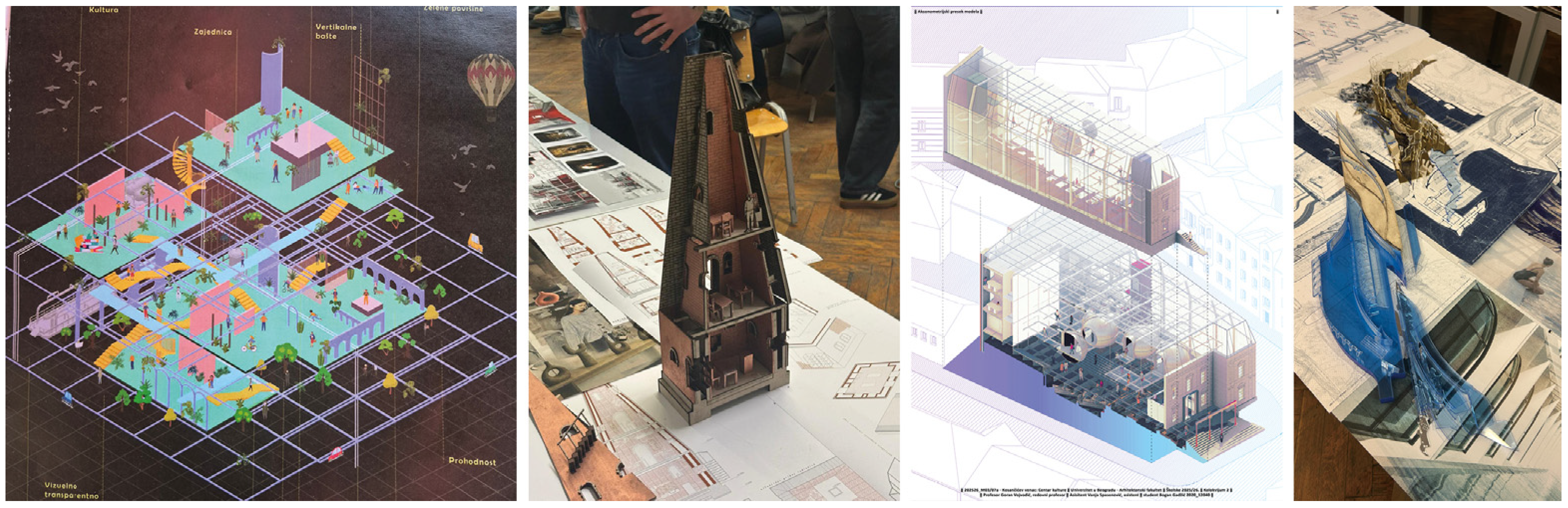
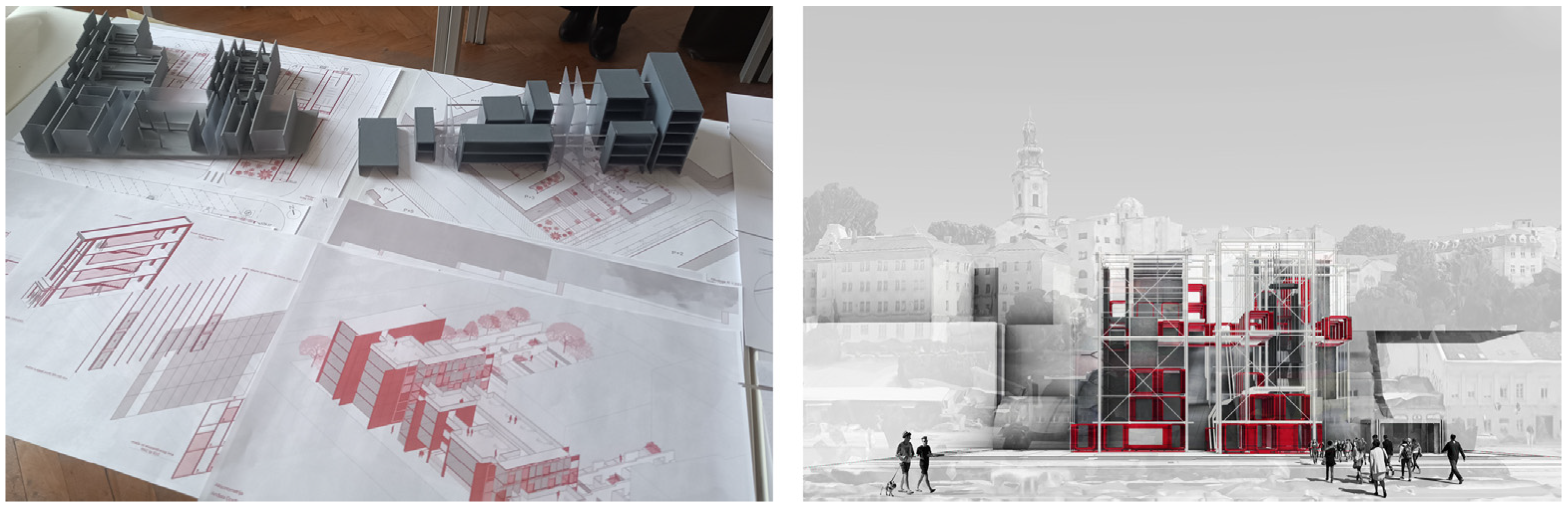
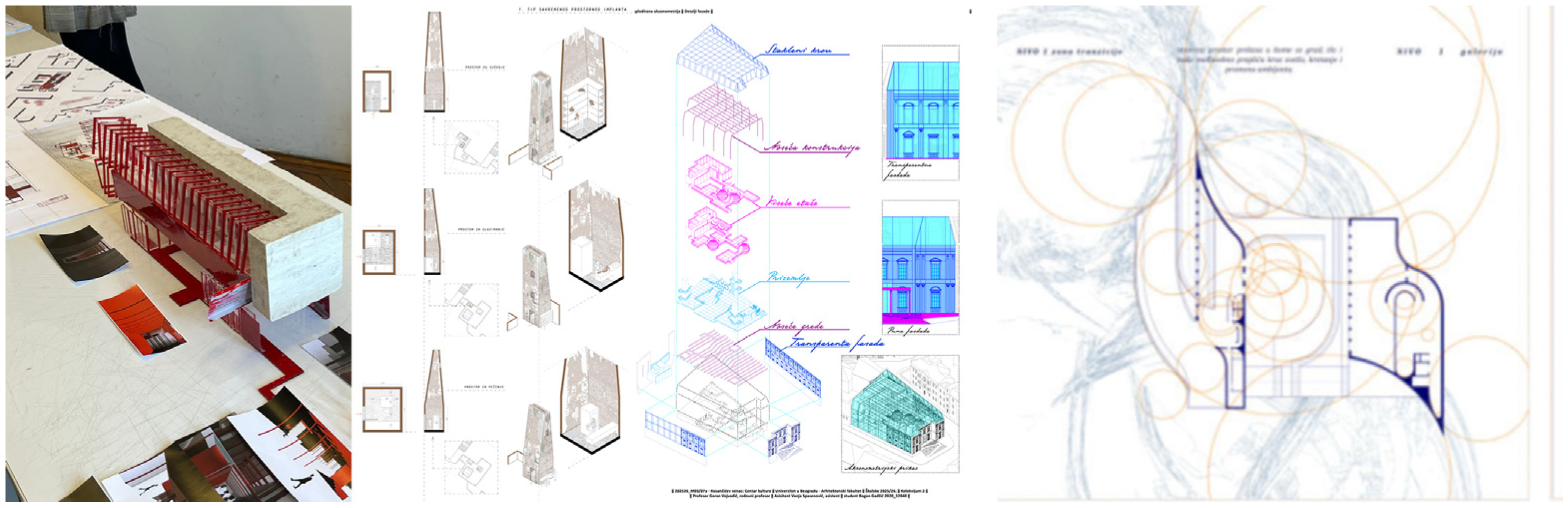
Students uploaded drawings explicitly linked to selected spatial quality constructs, collected through Q2 as a spatial anchoring mechanism designed to ground abstract constructs in project-based representation. Each submission was manually reviewed and coded by the authors according to representational scale (detail, architectural, urban) and drawing type (site plan, floorplan, section, ambient, diagram, physical model and axonometric drawing). This was based on explicit visual content and conventional architectural representation criteria, enabling cross-scale distribution analysis. Given that each drawing was already associated with a named spatial quality by the respondent, no secondary construct coding was required, reducing interpretative bias at the coding stage. Coding procedures focused on scale attribution and cluster alignment to ensure consistency across participants and analytical comparability across sites. Given that representational scale and drawing type are conventionally defined and visually explicit categories within architectural practice, classification did not require interpretative judgment beyond formal identification. This step established the scalar dataset used for subsequent distributional and inferential testing.
3.5. Quantitative Analysis
Quantitative analyses were used to examine (1) construct clarity, (2) operational activation, (3) conceptual differentiation and (4) contextual operability of the proposed spatial quality taxonomy within architectural studio education. Because each spatial quality was evaluated independently, analyses focused on the constructs’ distributional and relational patterns. Comparative analyses between bachelor and master cohorts were performed to assess level-independent applicability.
Construct clarity and operational activation were examined through responses to the Likert-scale items assessing clarity of definition (Q1) and usability in analysis and design (Q3). For each spatial quality, descriptive ordinal statistics, including medians, interquartile ranges and response distributions, were calculated at the total-sample level in order to identify general trends in perceived comprehensibility and practical application. To investigate whether definitional clarity relates to operational activation, Spearman rank-order correlations were computed between Q1 and Q3 for each spatial quality [
58]. These correlations were interpreted as indicators of whether clearly articulated constructs are more likely to be mobilized within students’ design processes. Differences between bachelor and master cohorts in clarity and usability ratings were examined using Mann–Whitney U tests, given the ordinal nature of the data and group independence, consistent with analytical approaches commonly applied in architecture and higher education survey research [
59]. Group-level comparisons are reported selectively where statistically meaningful differences were identified.
Conceptual differentiation was analyzed using responses to the categorical item assessing perceived overlap in distinguishing spatial qualities in practice (Q4). Frequency distributions were calculated for the total sample to identify recurring patterns of conceptual proximity between constructs. Cross-tabulation procedures were used to examine systematic associations between specific spatial qualities and reported differentiation difficulties. Chi-square tests of independence were applied to determine whether observed overlap patterns exceeded random distribution, consistent with established contingency analysis approaches in survey-based educational research [
59,
60,
61]. Where expected cell counts were limited, exact estimation procedures were used in accordance with standard contingency analysis guidelines. Comparative analyses between BA and MA cohorts were conducted to evaluate whether differentiation patterns varied across educational levels, with group differences reported where statistically significant.
Scalar operability was examined by relating spatial qualities to the declared representational scale derived from the visual submissions (Q2), coded as interior, architectural or urban. Cross-tabulations and chi-square tests of independence were applied to evaluate whether particular spatial qualities demonstrated structured cross-scale articulation rather than random occurrence across representational levels. These analyses were performed at the total-sample level to establish overall distributional tendencies, while additional comparisons between bachelor and master cohorts were conducted to assess potential differences in scalar manifestation patterns. Open-ended responses (Q5) and visual submissions (Q2) were reviewed to contextualize quantitative findings and provide interpretative support for identified patterns of clarity, differentiation and application. Open-ended responses were analyzed through thematic grouping conducted by the authors based on the iterative reading and inductive identification of recurring patterns related to construct calibration and differentiation. Responses were manually examined in relation to associated drawings and their drawing scale, allowing links between verbal interpretations and representational outputs to be established. All responses were included in the analysis and used to support the quantitative results interpretatively.
Statistical analyses were conducted using IBM SPSS Statistics (Version 23, IBM Corp., Armonk, NY, USA). Given the exploratory and construct calibration focus of the study, statistical analyses emphasize distributional tendencies and relational patterns rather than population-level generalization. Results are presented sequentially, beginning with total-sample distributional and relational findings, followed by selective reporting of group comparisons where statistically meaningful differences were observed. Within this analytical framework, reliability and validity were addressed through the consistency and coherence of observed relational patterns. Reliability was examined through the stability of response distributions across constructs and clusters and the alignment between conceptual clarity (Q1) and analytical usability (Q3). Validity was supported through literature-informed construct development and expert calibration (Phase 1) and further reinforced through triangulation of ordinal ratings (Q1, Q3), visual representations (Q2) and qualitative responses (Q5), providing a methodologically grounded basis for interpreting the findings.
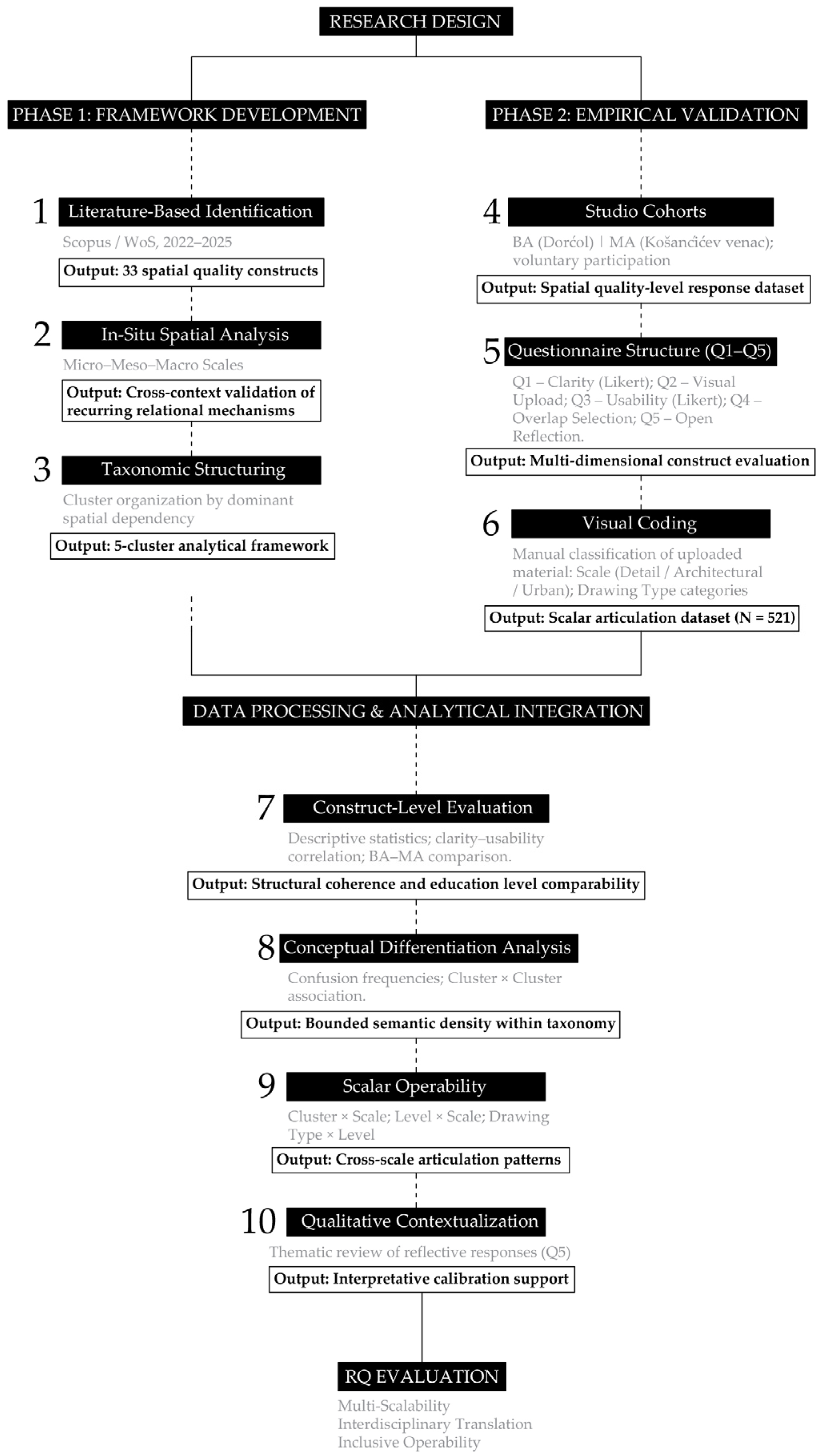
Figure 1 provides a comprehensive overview of all research phases and clarifies the relationship between theoretical construct development, statistical analysis and the interpretation of results.
4. Results from Phase 1
4.1. Structured Literature Synthesis and Identification of Spatial Qualities
The expert-led phase began with a structured synthesis of contemporary research in architecture and urban design to identify spatial qualities associated with perceptual, configurational and experiential dimensions. Given the fragmentation of terminology across disciplines, the review aimed to consolidate spatial qualities that appear consistently across contemporary analytical frameworks rather than reproduce isolated disciplinary taxonomies. The synthesis prioritized conceptual relevance and cross-disciplinary comparability. To ensure breadth and comparability, the literature search combined individual spatial quality terms (e.g., continuity, legibility, rhythm, adaptability) with broader analytical keywords such as spatial quality, urban design quality and public space quality. These terms were cross-referenced with commonly used perceptual cognitive descriptors (e.g., environmental perception, imageability), morphological descriptors (e.g., urban morphology, spatial configuration), and performance-oriented descriptors (e.g., walkability, connectivity, wayfinding). The search focused on peer-reviewed studies published between 2022 and 2025 in order to capture current analytical emphases and methodological trends in spatial quality research. This time frame reflects increased methodological diversification and a stronger emphasis on the operationalization of spatial quality constructs in contemporary research. Spatial qualities were identified through a literature synthesis approach aligned with the multi-phase research design of construct development followed by empirical testing. Searches were conducted across major academic databases in architecture and urban studies (Scopus and Web of Science) and limited to peer-reviewed publications in English. Sources were selected through targeted cross-referencing and iterative refinement, guided by their conceptual relevance to the operationalization of spatial qualities. Following abstract screening, studies were retained if they (1) explicitly operationalized and named spatial qualities, (2) were grounded in architectural or urban contexts, and (3) demonstrated empirical or analytical applicability to spatial evaluation. Conceptual contributions lacking operational relevance and studies addressing purely technical performance metrics were excluded. This process resulted in a focused corpus of 30 studies, which were reviewed to identify recurring constructs, terminological overlaps, and dominant analytical emphases. This analysis identified a set of 33 spatial qualities recurrently referenced in recent scholarship.
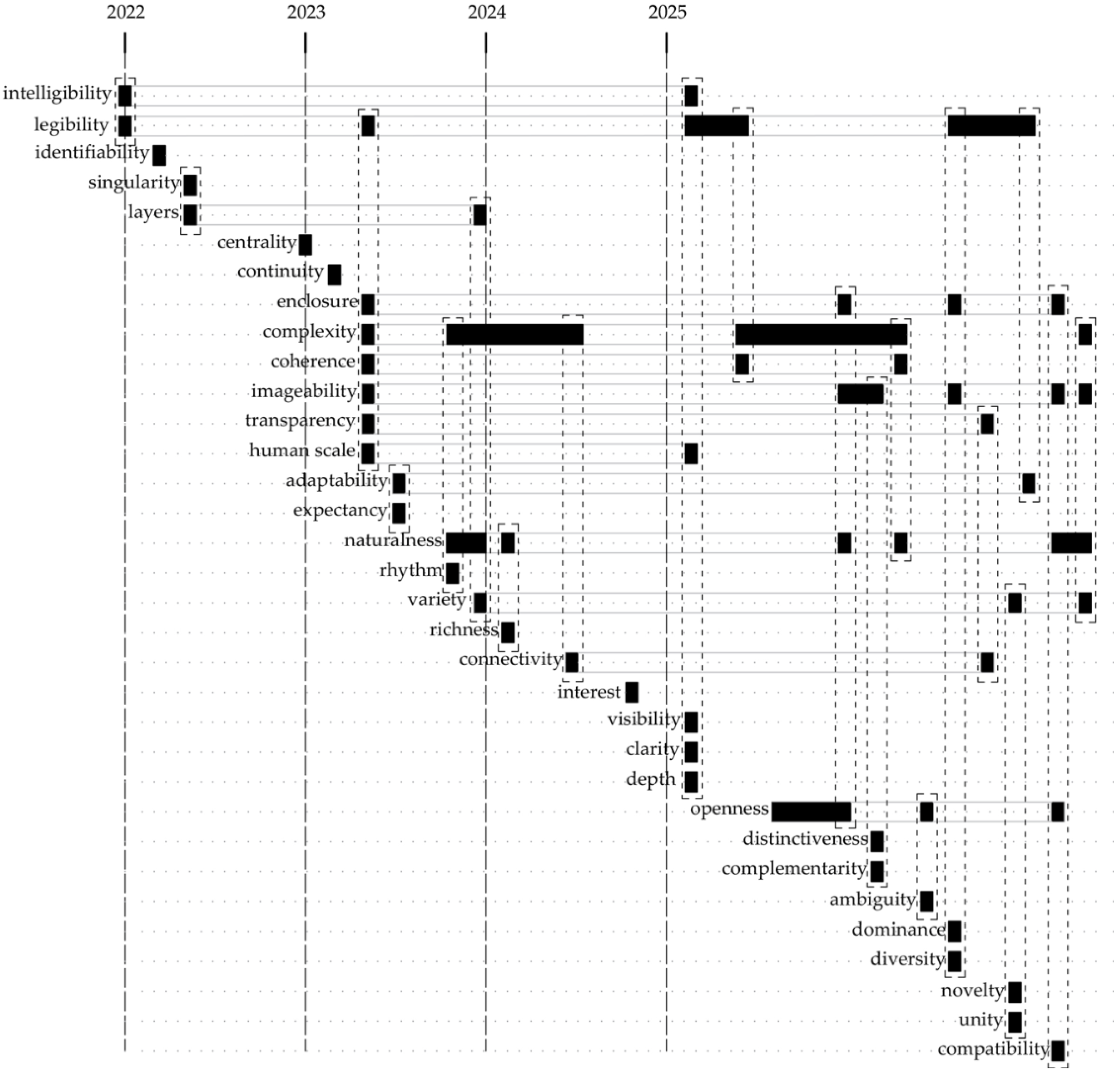
Figure 2 illustrates both the frequency and co-occurrence of spatial quality constructs across the reviewed literature. Earlier studies (2022–2023) tend to address spatial qualities in isolated or paired relationships, focusing on limited subsets of attributes. In contrast, more recent research (2024–2025) demonstrates a shift toward comprehensive analytical approaches, where multiple spatial qualities are examined simultaneously, often in groupings of five or more constructs. This progression indicates increasing methodological integration in the study of spatial qualities, while also revealing persistent variability in how constructs are selected, combined and defined. The observed expansion from pairwise to multi-construct analysis supports the identification of a fragmented yet evolving conceptual field in which relational complexity is increasing but terminological and structural consistency remain limited. The full construct–source mapping is provided in
Appendix A.1. This consolidated construct pool provided the conceptual foundation for the subsequent empirical reading of spatial manifestations across two distinct urban locations, enabling the contextual calibration and comparative evaluation of the proposed taxonomy.
4.2. In Situ Empirical Detection of Spatial Qualities
The in situ empirical investigation examined how spatial qualities become perceptible through relational mechanisms operating across micro, meso and macro scales in two urban contexts: Košanćićev venac and a selected urban block in Dorćol. The two locations corresponded to different studio levels, with Košanćićev venac addressed in the master-level studio as a spatially, morphologically and historically layered urban area, while the Dorćol site, developed in the bachelor-level studio, encompassed a more spatially contained urban block exhibiting comparable relational attributes at a reduced scale. Rather than treating spatial qualities as isolated descriptors, the analysis focused on directly observable configurations through which perceptual, morphological, temporal and cognitive effects emerge.
4.2.1. Micro Scale: Sectional Proportion and Immediate Spatial Experience
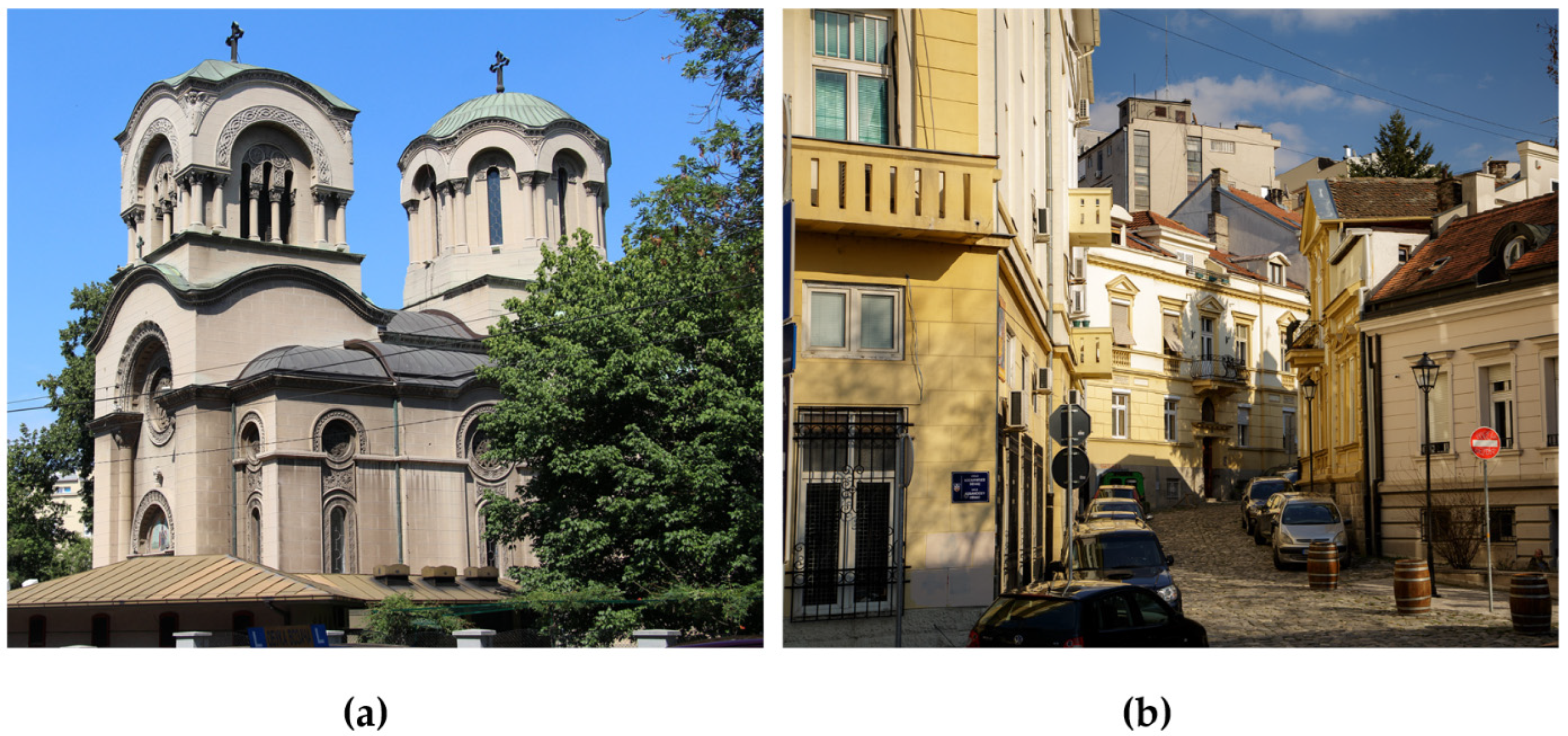
At the micro scale, spatial perception is structured primarily through street geometry, façade articulation and the ratio between street width and building height. In Košanćićev venac, narrow and irregular street sections with pronounced façade height–width ratios reinforce enclosure, depth and human scale. Sequential revelation along curved or elongated streets produces expectancy and rhythm, while articulated façades contribute to visual richness and layering. In Dorćol, sectional differentiation is more pronounced between primary and secondary streets. Along secondary streets surrounding the block, the ratio between street width and building height ranges approximately from 1:1 to 1:1.5–2, supporting enclosure and pedestrian-scale perception. In contrast, Cara Dušana Street exhibits a more open proportion (approximately 1:0.5), producing reduced vertical containment and stronger linear continuity. The tree-lined corridor along Cara Dušana reinforces rhythm and boundary clarity, while uniform façade sequences are periodically interrupted by significant landmarks such as the Church of Alexander Nevski (
Figure 3a). Unlike Košanćićev venac, where perception is structured through framed vistas and topographic modulation (
Figure 3b), Dorćol relies on axial continuity and repetition.
4.2.2. Meso Scale: Compositional Structure and Relational Organization
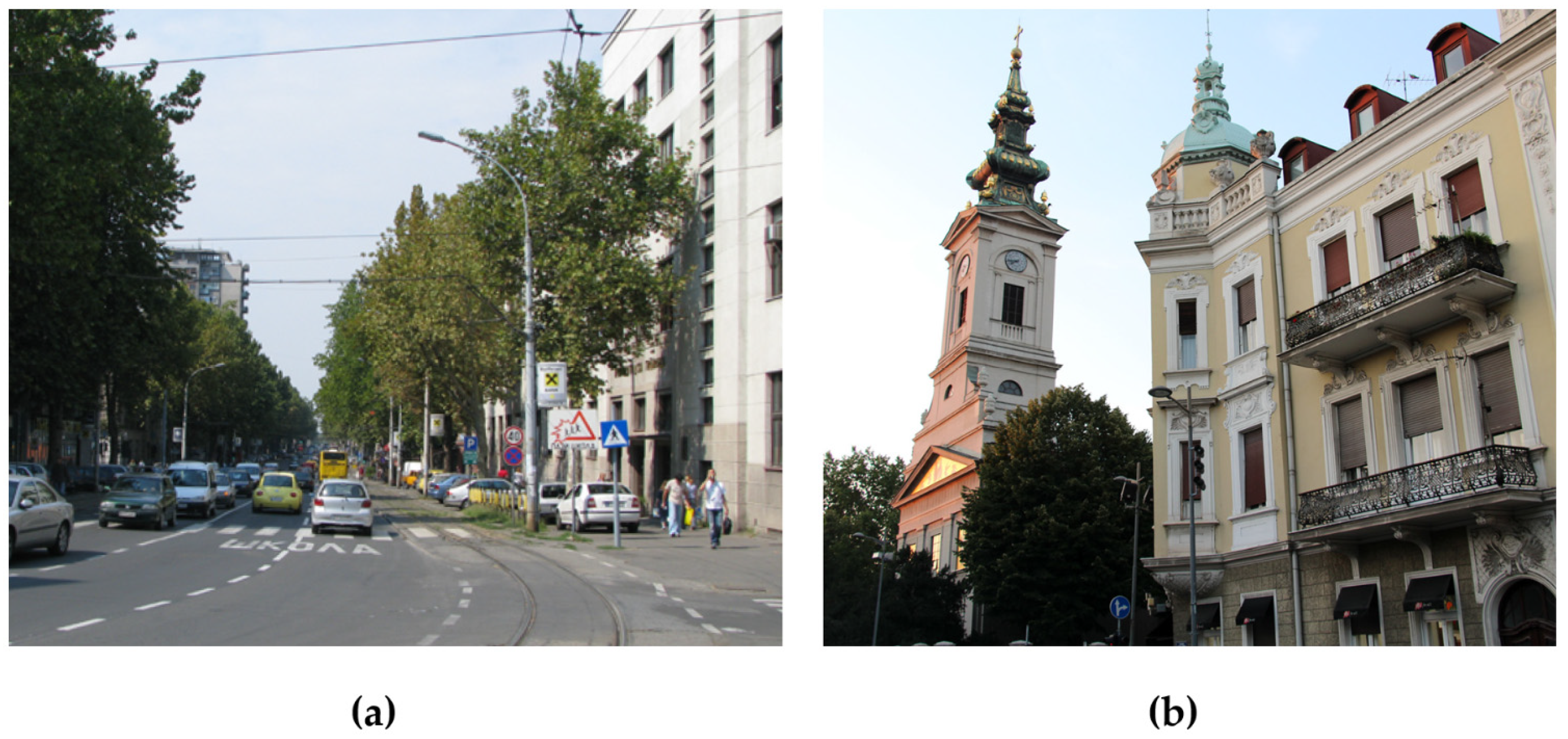
At the meso scale, spatial qualities emerge through plot organization, building–building setback relationships, landmark positioning and functional distribution. In Dorćol, compositional clarity is articulated through the contrast between a stable perimeter of 3- to 6-storey residential buildings along Cara Dušana street (
Figure 4a) and substandard single-storey structures within the block interior, identified as potential transformation sites within the studio framework (
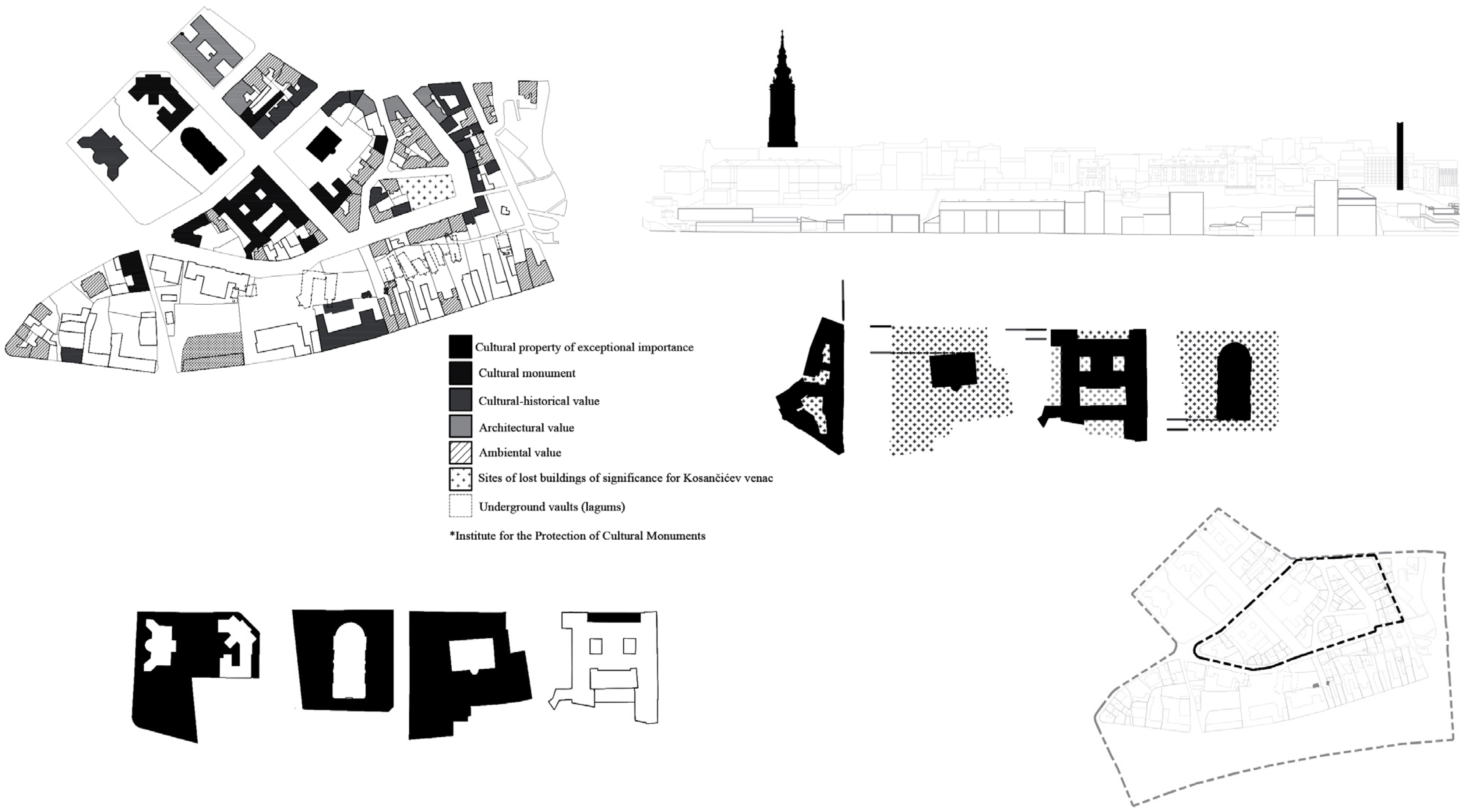
Figure 4a). In Košanćićev venac, differentiation between building and setback lines, combined with landmark concentration (e.g., Saborna Church, Residence of Princess Ljubica), reinforces focality, centrality and legibility. Historical stratification and vertical differentiation, including subterranean layers, intensify complexity, layering and experiential density (
Figure 4b). This distinction reinforces enclosure along the street edge while introducing adaptability, diversity and structural variability within the block core. Institutional buildings of distinct typology, such as the Museum of Science and Technology, deviate from the dominant building line, reinforcing centrality and perceptual emphasis from the pedestrian perspective. The proximity of Skenderbeg Park and the First Belgrade Gymnasium contributes to functional stratification, supporting complementarity and compatibility across residential, cultural, educational and recreational programs.
4.2.3. Macro Scale: Urban Positioning and Interpretive Structure
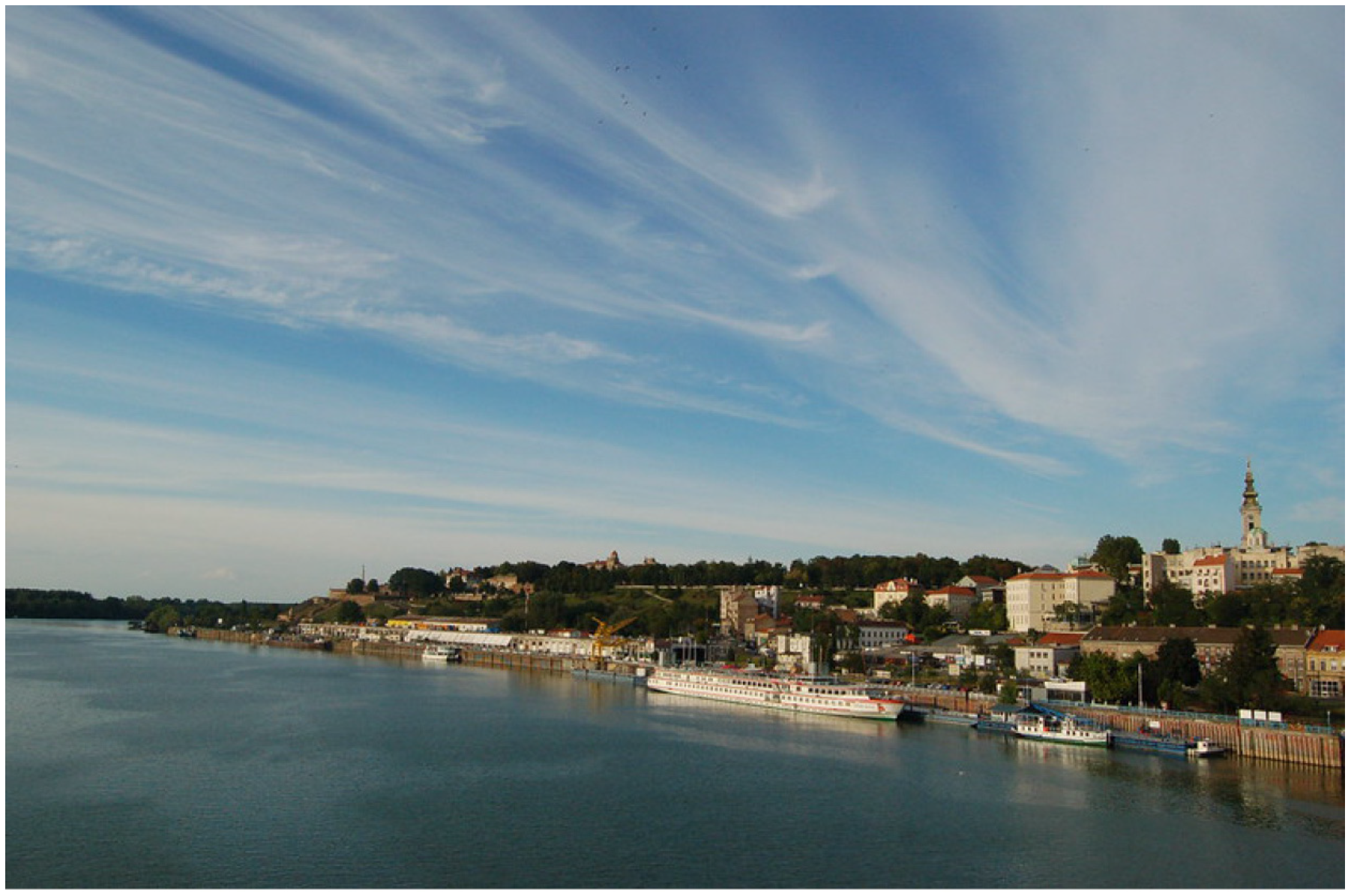
At the macro scale, spatial qualities operate predominantly at the cognitive and interpretive level. Košanćićev venac, positioned along elevated terrain overlooking the Sava River, establishes panoramic connectivity and symbolic prominence within Belgrade’s historic core (
Figure 5). Directed visual corridors and landmark visibility support imageability, intelligibility and distinctiveness within the broader urban system. Dorćol’s macro structure is organized around the prominence of Cara Dušana Street and its intersection with Kralja Petra Street, historically associated with the early development of the area. This axial prominence reinforces connectivity and linear intelligibility within the city. Architectural heterogeneity resulting from successive Ottoman, Austro-Hungarian and modern development phases contributes to stylistic layering and diversity, supporting cognitive recognition and urban identity formation.
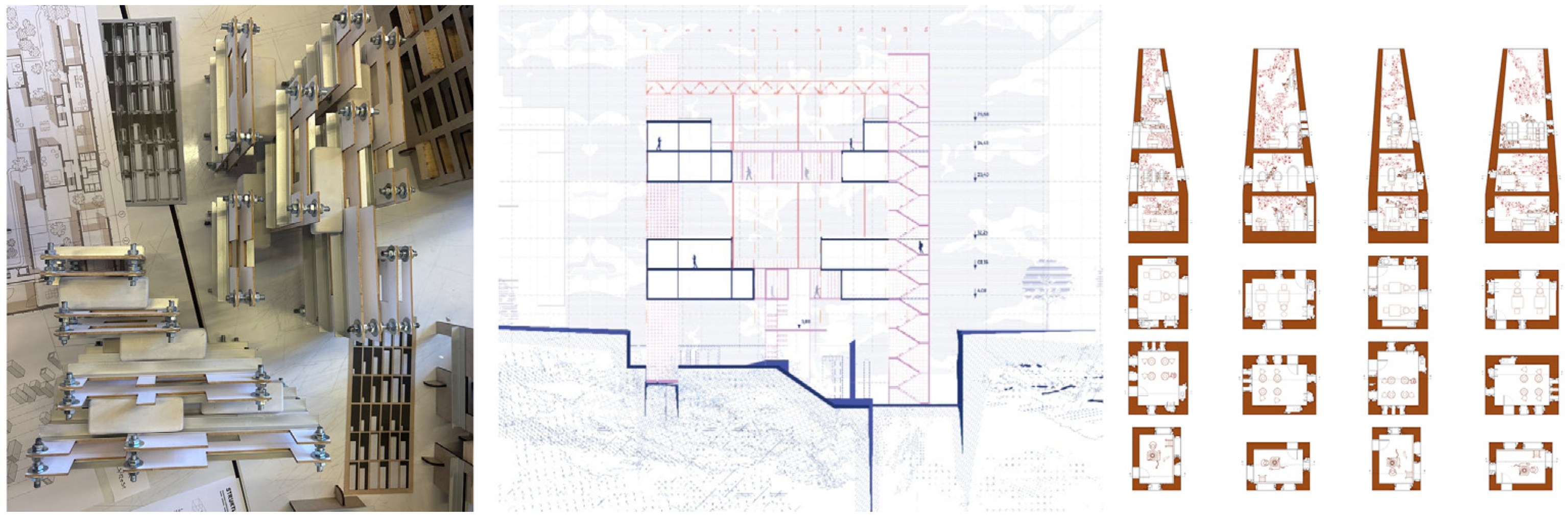
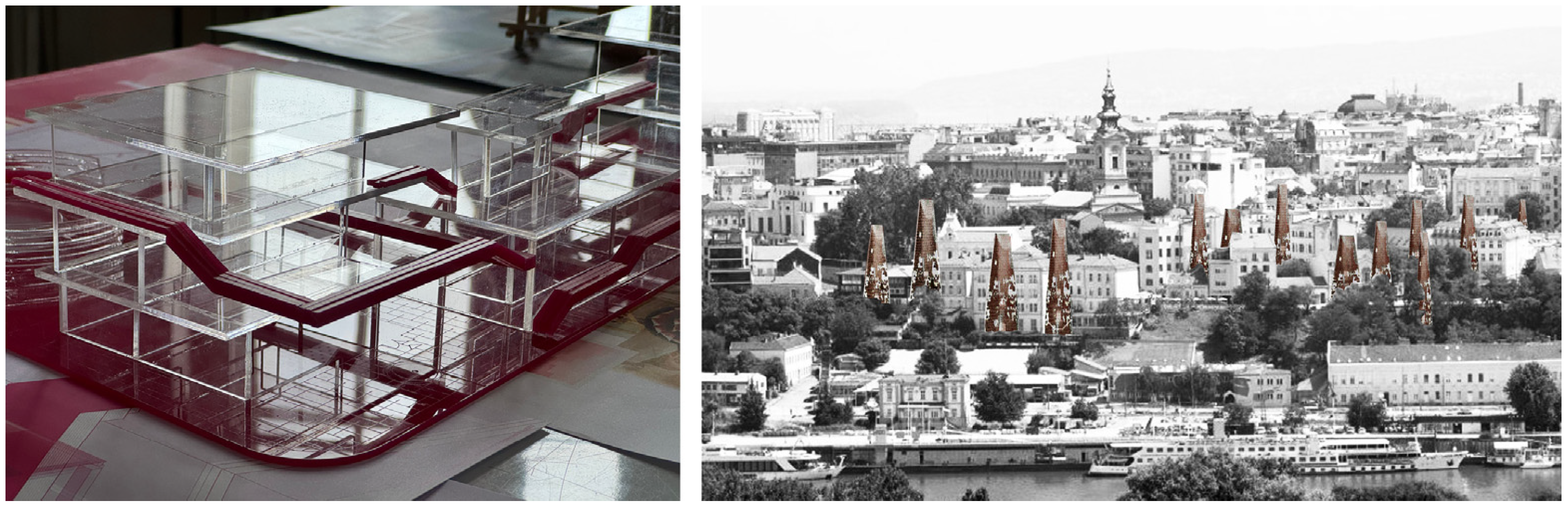
Across all contexts and scales, recurring manifestation mechanisms were identified through analytical sketching and relational mapping (see
Figure 6): sectional proportion and street geometry; building–building setback differentiation; landmark structuring; relational built-open configurations; functional stratification; historical layering; and serial repetition with controlled variation. While Košanćićev venac foregrounds topographic modulation and landmark concentration, Dorćol emphasizes axial continuity and block-scale transformation. The recurrence of comparable relational mechanisms across distinct spatial conditions supports the cross-context robustness of the identified spatial qualities. It provides the empirical foundation for subsequent taxonomic structuring.
4.3. Cross-Context Taxonomic Structuring of Spatial Qualities
The spatial qualities identified through literature synthesis and comparative in situ analysis do not function as isolated attributes but emerge through recurring relational and design mechanisms observable across both contexts. This section consolidates these mechanisms into a structured analytical taxonomy. Spatial qualities are organized according to their dominant mode of manifestation while acknowledging that many operate across multiple perceptual and configurational domains. Individual qualities are grounded in the literature, while their grouping emerged from analysis of their manifestation in real spatial contexts and was refined through interpretative synthesis. The resulting categories, therefore, reflect empirically observed patterns rather than predefined theoretical constructs.
The first category comprises form-related qualities, grounded primarily in geometric and volumetric conditions and their immediate perceptual impact. Visibility, depth, enclosure, human scale, dominance and singularity arise through sectional proportion, façade articulation, volumetric contrast and landmark prominence. These qualities are stabilized through consistent height–width ratios, skyline articulation, and material accumulation that reinforce perceptual character.
The second category includes composition-related qualities, which depend on relational alignment and spatial configuration rather than isolated form. Coherence, unity, continuity, centrality, connectivity, legibility, compatibility and complementarity emerge through building–building setback relationships, nodal hierarchy, plot organization and structured pedestrian routes. These mechanisms organize spatial hierarchy and reinforce legibility across scales.
The third category addresses structural variability and experiential density, encompassing qualities derived from heterogeneity, layering and cumulative perceptual complexity. Complexity, intricacy, richness, diversity, variety, layering and interest manifest through functional coexistence, stylistic differentiation and historical stratification. These qualities are captured incrementally as spatial conditions shift through movement and multi-level spatial reading.
The fourth category comprises temporal and kinesthetic qualities, unfolding through sequential perception and embodied progression. Expectancy, ambiguity, novelty, rhythm, transparency and aspects of depth are structured through repetition with variation, controlled permeability, and the modulation of spatial release. These qualities depend on movement continuity and perceptual anticipation.
The fifth category includes cognitive and interpretive qualities, which stabilize mental representation and urban identity. Identifiability, distinctiveness, imageability, intelligibility and adaptability are reinforced through landmark structuring, symbolic layering, differentiated functional zones and adaptive reuse. These qualities operate predominantly at the level of spatial interpretation and long-term recognition.
This five-part taxonomy does not imply rigid separation between categories; rather, it provides an operational structuring principle grounded in recurring cross-context mechanisms. The classification establishes the analytical framework presented in
Table 2 and forms the basis for subsequent empirical testing.
6. Discussion
This study examined whether a consolidated taxonomy of spatial qualities can operate as a structured analytical language within studio-based architectural education. By integrating literature synthesis (Phase 1) with empirical evaluation across two studio contexts (Phase 2), the findings address multi-scalarity (RQ1), interdisciplinary integration (RQ2), and inclusive operability across educational levels (RQ3). Rather than proposing a new metric system, the research evaluates whether perceptual and relational constructs can be coherently structured, differentiated and mobilized within design reasoning. Pedagogical implications are, therefore, interpreted as emerging from observed patterns of construct activation, representational use, and cross-level comparability rather than as independently measured educational outcomes.
6.1. Multi-Scalability (RQ1)
The results indicate that spatial quality constructs can be consistently identified and differentiated across detail, architectural and urban scales. Cluster-specific scalar tendencies were not arbitrary but reflected the conceptual orientation of each category. Composition-related qualities were most frequently articulated at architectural scale, structural variability and temporal/kinesthetic constructs demonstrated stronger presence at interior/detail levels, and form-related qualities showed comparatively higher urban anchoring. These patterns suggest that scale is not externally imposed, but embedded within the relational logic of the taxonomy itself. Rather than functioning solely as a predefined analytical framework, scale may be understood as an emergent property of perceptual constructs. In this sense, the results support a relational understanding of scale as an inherent property of spatial organization, consistent with configurational and perceptual approaches to spatial cognition [
21,
24], as well as recent multi-scalar analyses of urban complexity [
62]. Students did not merely label constructs; they translated them into scale-specific representational decisions. This indicates that spatial qualities operate not only as descriptive categories, but as generative mechanisms within design reasoning, guiding the selection and development of representational strategies. Differences between bachelor and master cohorts further reinforce this interpretation. While BA work concentrated more strongly on architectural articulation, MA submissions demonstrated broader cross-scale engagement, integrating urban positioning and sectional depth. This progression suggests a developmental expansion of scalar reasoning, where increased design experience enables the more complex integration of spatial relations across scales rather than a shift in conceptual understanding of the constructs. Importantly, qualitative responses framed reported difficulties in terms of representational calibration and spatial positioning rather than conceptual misunderstanding. This distinction is significant as it indicates that challenges arise primarily at the level of translation from concept to representation rather than at the level of conceptual clarity, reinforcing the internal coherence of the taxonomy. Multi-scalarity, therefore, emerges as an inherent property of the framework: spatial qualities remain conceptually stable while accommodating differentiated scalar articulation.
6.2. Interdisciplinary Integration (RQ2)
The findings indicate the structural coherence and conceptual clarity of the taxonomy as an integrative analytical instrument. Across constructs, high clarity ratings were accompanied by corresponding levels of operational activation, indicating that definitional intelligibility translates into design use. Constructs perceived as clearer were more readily mobilized within studio reasoning, suggesting that the framework effectively bridges cognitive theory and architectural representation within a unified methodological structure. This relationship between clarity and activation is particularly significant in relation to existing research in environmental cognition and design theory. The translation of perceptual constructs into operative design tools has long been identified as a critical challenge [
7] and remains evident in recent attempts to quantify and operationalize spatial qualities through empirical and computational approaches [
63]. The results suggest that, when constructs are sufficiently defined and differentiated, they can function as actionable components within design processes rather than remaining at the level of theoretical descriptors, which is in line with recent efforts to translate perceptual attributes into measurable spatial variables [
64,
65].
Conceptual differentiation remained structured rather than diffuse. Overlap patterns were concentrated among theoretically adjacent constructs and largely contained within cluster boundaries, indicating internal relational stability rather than terminological fragmentation. Open-ended responses further clarify this distinction: reported challenges centered on calibration (e.g., regulating layering, avoiding over-complexity) and distinguishing nuanced conceptual pairs (e.g., variety–diversity), not on misunderstanding foundational definitions. This pattern suggests that the framework does not eliminate conceptual complexity, but reorganizes it into a manageable and relationally structured system, where difficulty arises from fine-grained distinctions rather than from systemic ambiguity, consistent with recent studies examining the relationship between compositional structure and perceptual evaluation in architecture [
66]. Taken together, these findings suggest that the taxonomy addresses the interdisciplinary fragmentation identified in the literature. By organizing constructs derived from environmental cognition, urban morphology and architectural theory into a relational and operational framework, it suggests the potential of a shared analytical vocabulary capable of functioning across disciplinary perspectives. Rather than reducing spatial complexity, the framework provides a coherent methodological structure through which that complexity can be systematically articulated and examined. This positions the taxonomy not as a reductive classification system, but as a mediating structure that preserves complexity while enhancing analytical clarity, which is a central challenge in interdisciplinary spatial research. The consistency between clarity (Q1) and usability (Q3), together with the structured distribution of conceptual overlap (Q4), further indicates the internal coherence of the framework, supporting its analytical reliability at the level of construct activation and differentiation.
From a methodological perspective, the convergence of quantitative (Q1, Q3), relational (Q4), and qualitative (Q5) findings reinforces the robustness of this interpretation, as multiple data sources consistently indicate the same pattern of structured coherence. This triangulated consistency strengthens the argument that the observed relationships are not incidental, but reflect the underlying organization of the proposed framework.
6.3. Inclusive Operability (RQ3)
The framework operates comparably across educational levels while allowing developmental differentiation in spatial reasoning. Construct clarity and usability were largely level-independent, indicating shared conceptual comprehension across cohorts. Where differences emerged, they were localized and confined to a limited subset of structurally regulative and cognitive constructs. Moderate-to-large effect sizes suggest developmental calibration rather than structural divergence. In all significant cases, MA students demonstrated slightly higher integration of relational constructs, reflecting expanded structural–cognitive articulation rather than altered understanding. More pronounced differences appeared in representational strategy. BA submissions relied predominantly on physical models and floorplans, emphasizing perceptual–operational articulation at the architectural scale. MA work more frequently employed sections, ambient representations and site-scale drawings, indicating broader contextual and relational integration. These patterns suggest progressive expansion of spatial reasoning with educational advancement, while maintaining a shared conceptual base. Importantly, the observed level-independence in construct clarity (Q1) and usability (Q3) indicates that the core conceptual framework is accessible across different levels of expertise, while differences in representation (Q2) reflect variation in application rather than in conceptual understanding. This distinction provides empirical support for interpreting the framework as enabling a shared conceptual ground, within which students at different levels can operate using comparable analytical terms while expressing different degrees of spatial complexity. In this sense, the findings align with pedagogical approaches that emphasize the importance of shared analytical vocabularies and interdisciplinary design thinking in studio education [
50,
51,
52,
53]. The framework, therefore, demonstrates inclusive operability in terms of level-independent conceptual access: it enables the articulation of spatial qualities while accommodating developmental growth in scalar and relational complexity. This interpretation is based on observed comparability in construct use rather than on direct measurement of pedagogical inclusivity and should be understood as an analytical condition that may support more equitable forms of participation in studio settings. Rather than claiming direct evidence of inclusivity, the results indicate that the framework establishes conditions of shared conceptual clarity and consistent usability under which more balanced participation and structured dialogue may occur. These conditions should be further examined in future pedagogical research.
7. Conclusions
The findings of this study should be interpreted in light of several limitations. The sample is limited in size and reflects a cohort-based structure with unequal enrollment across educational levels. In addition, the study is conducted within a single institutional context, which constrains the generalizability of the results. Despite these limitations, the construct-level organization of the dataset enables the identification of relational patterns within the proposed framework across multiple clusters. The integration of quantitative, visual and qualitative components further reinforces the consistency of the findings, supporting the assessment of reliability and validity through methodological triangulation.
Based on these findings, the taxonomy is positioned as a response to the conceptual and methodological fragmentation in the definition and operationalization of spatial qualities, suggesting its potential to function as a collaborative analytical language rather than a prescriptive evaluation tool. By structuring spatial qualities as relational and multi-scalar constructs, the framework supports the alignment of perceptual, configurational and cognitive dimensions within a coherent analytical system and enables their application within architectural analysis and design reasoning. Given the exploratory scope of the study, its pedagogical implications should be interpreted with caution. While the findings indicate the potential transferability of the framework, its applicability across diverse educational and institutional settings requires further empirical examination. In this sense, the framework can be understood as a transferable analytical instrument capable of structuring spatial interpretation across scales and educational levels and whose robustness should be tested in broader academic and professional contexts.