


Abstract
Plastic pollution has emerged as a major environmental concern due to its persistence and widespread accumulation in terrestrial ecosystems. The extensive utilization of plastics across a diverse range of products, from packaging to healthcare, construction, and transportation, poses a significant risk due to their enduring and non-biodegradable nature. Micro/nanoplastics (MNPs) derived either from the fragmentation of larger plastics or direct release are increasingly detected in agricultural soils, where they interact with plant systems. In addition, chronic exposure of MNPs alters soil structure, microbial diversity, and nutrient cycling, further impacting agroecosystem functioning. Plants have been shown to absorb MNPs mostly from contaminated soil and irrigated water through their root systems, allowing their subsequent translocation to aerial tissues. MNPs can enter plants through the aquaporins, apoplast pathways, crack entry modes, and leaf stomata, disrupting nutrient uptake, photosynthesis, and growth processes, ultimately affecting crop productivity and quality, while their accumulation in edible tissues raises concerns regarding food safety and trophic transfer. To address these challenges, it is crucial to have standard detection methods for identifying MNPs and to bridge the gap for further mitigation. This review further discussed effective mitigation strategies, including nanomaterial and phytohormone-based interventions under increasing plastic contamination.
1. Introduction
Over the past few decades, the enormous use of plastic has led the way to the ‘Plastic Age’ era. However, it is difficult to provide precise estimates of annual plastic pollution due to variability among sources. The total amount of plastic waste produced globally in 1950 was 2 million tons, which has increased tremendously to 268 million tons in 2022 and is projected to double by 2040 [1]. Evidence suggests that the increasing prevalence of MNPs may contribute to a projected 5 to 15% drop in crop output in future decades [2]. Plastics occur in diverse forms, including packaging bags, plastic bottles, agricultural mulch films, and other consumer products composed of high-molecular-weight polymers such as polystyrene (PS), polypropylene (PP), and polyvinyl chloride (PVC) [3]. Among the various MNP polymers detected in the environment, PS has been reported as the most prevalent type found in the oceans [4]. Notably, only around 5% of plastic waste is recycled, leading to the large-scale accumulation of plastics in landfills and the aquatic environment each year [5].
Microplastics (MPs) are a heterogeneous group of polymer-based particles. Their size classification remains non-standardized across the literature; some studies further categorize MPs into large MPs (1–5 mm) and small MPs (0.5–1 mm), while most authors agree that MPs are particles smaller than 5 mm, which can further undergo fragmentation to form nanoplastics (NPs) smaller than the size of 100 nm. Based on their origin, MPs are generally categorized into primary MPs that are produced from household products, cosmetics, 3D printing materials, and resin particles, and secondary MPs, which arise from the degradation and fragmentation of larger plastic debris through processes including ultraviolet radiation, thermal stress, microbial activity, atmospheric exposure, reactive species and mechanical abrasion [6,7]. The main sources of micro/nanoplastics (MNPs) in the environment are either direct emission or through the gradual breakdown of bulk plastic waste [8]. Inadequate plastic waste management and disposal practices have consequently led to widespread plastic pollution, exerting detrimental effects across multiple sectors, with agriculture being particularly vulnerable.
The annual loading of MNPs introduced into agricultural soil is projected to surpass the total mass of MNPs currently present in marine environments [9]. Available evidence indicates that terrestrial systems contain MNP concentrations approximately 4- to 23-fold higher than those reported for aquatic systems [5]. The introduction of MNPs into the soil system is largely unavoidable and occurs through multiple anthropogenic pathways, including land application of sewage sludge, the use of contaminated irrigation water, and the extensive deployment of plastic-based agricultural inputs such as mulch film and fertilizers [10]. Globally, agricultural plastic usage is estimated at approximately 12.5 million tons, of which plastic mulching contributes nearly 4 million tons [11]. The accumulation of MNPs in soil matrices has been shown to adversely affect crop performance by altering soil pH and disrupting microbial community structure and function, which are critical for nutrient cycling, soil aeration, and plant health [12]. Furthermore, MNPs can interact with soil organic matter and persist for a prolonged period, potentially spanning centuries, leading to long-term modifications in soil physicochemical properties and increasing the risk of vertical transport into groundwater systems [13].
The uptake of MNPs by crop plants is a multifaceted process influenced by soil physicochemical properties, plant anatomical features, and the intrinsic characteristics of plastic polymer materials [14]. MNPs can enter plant systems primarily through root tissues via mechanisms such as endocytosis, apoplastic transport, or penetration at sites of lateral root emergence, as well as through foliar pathways involving stomata and cuticular surfaces [15]. Although MNPs with relatively larger particle sizes, ranging from 2 to 5 mm, are generally considered too large to penetrate the cell walls of healthy root tissue, their presence in the rhizosphere can adversely affect plant growth and survival by inducing root tissue damage and obstructing cell wall pores, thereby impairing nutrient and water uptake [16]. The accumulation of MNPs within plant tissues has been associated with a range of toxicological responses, including growth inhibition, disruption of photosynthetic processes, enhanced generation of reactive oxygen species (ROS), lipid peroxidation, and alterations in enzymatic and metabolic activities, ultimately posing risks to plant physiological integrity [17].
MNPs can translocate within plant systems, accumulate in tissues, and subsequently enter the food web, thereby posing potential risks to natural ecosystems and, through biomagnification across successive trophic levels, to human health [18]. The accumulation of MNPs in aquatic organisms, particularly seafood, raises significant concerns regarding adverse human health outcomes. In humans, exposure may occur through inhalation of airborne plastic particulates, which can penetrate the respiratory system and, depending on particle size and surface characteristics, translocate across biological barriers such as the gastrointestinal epithelium, eventually entering the systemic circulation [19].
As a focused reference resource, this review synthesizes the current knowledge on the sources and distribution of MNPs in agroecosystems and critically evaluates the mechanisms governing their uptake, transport and accumulation in plants. Collectively, it aims to enhance understanding of plant–MNP interactions and to elucidate the environmental fate and ecological implications of MNPs within terrestrial ecosystems. Although increasing evidence of MNP-induced phytotoxicity has been reported, effective mitigation strategies are still poorly developed, and studies are mostly limited to descriptive assessments rather than application-oriented approaches. In this respect, the current review fills an important gap by systematically discussing novel mitigation strategies, including plant growth regulators and engineered nanomaterials, which have not been thoroughly discussed in the previous literature.
2. Source and Identification of Micro/Nanoplastics in the Agri Sector
The presence of MNPs in agricultural systems has become a major environmental concern due to their persistence and detrimental effects on soil–plant ecosystems. Understanding the source, extraction, and identification of MNPs is crucial to precisely assess their environmental fate, bioavailability, and ecological risks in agroecosystems.
2.1. Sources of Micro/Nanoplastics
Over the past six decades, plastics have developed into highly versatile materials with diverse physicochemical properties and extensive applications. However, persistence and fragmentation of these materials have led to the widespread occurrence of MNPs in terrestrial ecosystems, particularly in agricultural soil. MNP contamination in the soil originates from multiple sources, including the extensive use of plastic mulch films, compost amendments, municipal solid waste, plastic-coated fertilizers, atmospheric fallout, and the land application of biosolids such as sewage sludge and anaerobic digestates [20], as depicted in Figure 1.
Figure 1.
Schematic representation of major sources of micro/nanoplastics, their ecological impact, effect on plants, human health risks and existing knowledge gaps.
Plastic film mulching is widely adopted in intensive agricultural systems to conserve soil moisture, regulate soil temperature, and suppress weed growth. However, large-scale field investigations have revealed that incomplete removal and continuous fragmentation of aged films lead to long-term accumulation of plastic films in soil. For instance, the cotton growing region in Xinjiang Province, China, exhibited an average plastic film residue of 259 kg ha−1, with localized accumulations exceeding 381 kg ha−1 [21]. The ultra-thin nature of agricultural mulch films, typically ranging from 8 to 50 µm, renders their complete removal from soil matrices technically challenging. Moreover, mechanized farming practices and the continued use of thin plastic films exacerbate the generation and persistence of residual plastic fragments in agricultural soils. The accumulation of plastic residues disrupts soil physical structure and nutrient transport processes, adversely affecting seed germination, root development, and overall plant performance. In addition, plastic residue can promote soil salinization and serve as the vector for the accumulation and release of toxic additives and degradation products, including phthalate esters, aldehydes, and ketones [22]. Consequently, the so-called “White Revolution” associated with plastic mulching practices has increasingly transformed into “White pollution”, posing a significant threat to soil health and agroecosystem sustainability [10]. Beyond agricultural inputs, additional sources also contribute substantially to MNP contamination. These include atmospheric fallout, ship-derived plastic waste in aquatic systems, fibre shedding from synthetic textiles during laundering, tire wear particles, industrial processes such as thermal cutting of PS, and the degradation of plastic materials used in agricultural activities, including polyethylene (PE), polyurethane, and PS-based foils and films [23]. A dynamic and bidirectional exchange of plastic particles exists between the two major ecosystems, aquatic and terrestrial. Terrestrial inputs, primarily via surface runoff from streams and rivers, transport plastic debris into marine environments, whereas the land application of sewage sludge represents a significant pathway for the transfer of MNPs from aquatic systems back into agricultural soils [24]. Agricultural practices, including the use of organic amendments such as compost and biosolid, along with the degradation of plastic mulching films, contribute substantially to MNP accumulation in soils. These inputs are estimated to generate approximately 63,000 to 430,000 and 300,000 to 430,000 tonnes of MNPs in agricultural lands across Europe and North America, respectively, a trend largely attributed to the extensive use of nearly 50% of treated sewage sludge in farming systems [25]. Biosolids have been reported to contain MNPs composed of multiple polymer types, with PE being the most dominant. In Australia, agroecosystems are estimated to receive between 2800 and 19,000 tonnes of MNPs annually through biosolid applications [26]. Similarly, compost has been shown to contain concentrations of MNPs as high as 1200 mg/kg [13]. The diversity of plastic polymers and associated additives used in agricultural practices results in considerable variability in their toxicological behaviour and ecological risks to plants and soil-dwelling organisms. Once introduced into soils, plastics can be redistributed to aquatic environments through erosion and surface runoff, reinforcing their environmental persistence and mobility.
Despite increasing evidence of MNP contamination being reported, it is still very challenging to identify the exact sources and transport pathways of MNPs in agricultural environments. Source tracking is complicated by the co-occurrence of multiple plastic inputs, ongoing fragmentation processes, environmental weathering, and agricultural practices. Moreover, plastics are subject to ageing processes that influence morphology, surface chemistry, and polymer characteristics, which make the differentiation between primary and secondary sources difficult. These limitations indicate the need for standardized source tracking frameworks that integrate polymer fingerprinting, isotopic approaches, and spatial monitoring to gain a better understanding of the environmental fate and origin of MNPs in agroecosystems.
2.2. Sample Pretreatment and Extraction Approaches
Pretreatment of environmental samples, such as soils, compost, biosolids, and plant tissues, is needed to remove organic matter and mineral impurities while maintaining the integrity of plastic particles. Generally, MNP extraction consists of sample drying, sieving to eliminate larger particles, organic matter removal, filtration using meshes of various sizes, oven drying of the filters, and polymer identification [27]. Some common pretreatment methods include density separation, chemical digestion, enzymatic digestion and filtration. Soil and sediment samples are often separated by density using saturated salt solutions such as NaCl, ZnCl2 and NaI. These methods allow low-density polymers to float while heavy particles settle down. However, the effectiveness of this technique is highly dependent on polymer density and soil type [28]. Chemical digestion procedures are commonly used to remove organic contaminants from environmental matrices. Commonly employed digesting agents include hydrogen peroxide (H2O2), Fenton’s reagent, potassium hydroxide (KOH) and nitric acid (HNO3), depending on the sample type and the desired polymer stability. KOH-based alkaline digestion is very useful for biological and plant tissues because of its capacity to dissolve organic material while causing minimal damage to the plastic polymers [29]. In contrast, strong acidic treatments can alter or destroy particular polymer types, making subsequent spectroscopic analysis incompatible. Enzymatic digestion techniques, such as cellulase, proteinase and lipase, provide better selectivity and polymer preservation, although they are often more expensive and time-consuming [30]. The enzymatic degradation of plastics poses both challenges and potential for sustainable plastic waste management. Challenges include slow breakdown rates due to the high durability of carbon–carbon bonds, as well as the hydrophobic properties of the many plastic polymers that make them resistant to enzyme attack [31]. On the other hand, enzymatic degradation generates harmless end products such as CO2, H2O and biomass, without generating chemically harmful byproducts, which aligns with environmental sustainability goals [32].
As a result, the extraction and digestion techniques must be carefully chosen based on the sample matrix, polymer composition and desired analytical methods.
2.3. Identification and Characterization Techniques
Following sample pretreatment, multiple analytical methods are employed for the identification and characterization of MNPs. Accurate identification of MNPs is critical for elucidating their environmental behaviour, transport, bioavailability, and ecological impacts in agricultural systems and for developing effective strategies for their removal from soil matrices. Table 1 summarizes the analytical approaches employed for the identification of MNPs across different soil types. Conventional identification methods include visual sorting for larger MPs between 1 and 5 mm, followed by non-destructive microscopic and spectroscopic techniques such as Fourier transform infrared spectroscopy (FTIR) and Raman spectroscopy for polymer characterization. FTIR identifies small particles as 10–20 µm, but Raman spectroscopy has superior spatial resolution and can detect NPs. However, fluorescence interference and complicated environmental matrices can impair analytical accuracy [33].
In addition, chemical analytical techniques, including Pyrolysis–Gas Chromatography–Mass Spectrometry and Gas Chromatography–Mass Spectrometry, are utilized for detailed compositional analysis and quantitative determination of polymer types. These methods are highly sensitive but require destructive sample processing and extensive preparation. Recent advancements in analytical methodologies have further enabled the detection, uptake and accumulation of MNPs in plant tissues, employing techniques such as confocal laser scanning microscopy, X-ray computed nano-tomography coupled with dark-field hyperspectral imaging, Transmission Electron Microscopy (TEM) and Scanning Electron Microscopy (SEM) [34,35].
Despite significant advances in analytical methods, reliable detection of MNPs in soil and plant matrices remains analytically challenging due to the complexity of environmental samples, extremely small plastic particles, and susceptibility to contamination during sample processing. Therefore, the establishment of balanced pretreatment, identification, and quantification frameworks remains crucial for advancing research on the contamination of MNPs in agricultural systems.
Table 1.
Summary of micro/nanoplastics detected in different soil types.
3. Fate of Micro/Nanoplastics in Terrestrial Plants
The escalating occurrence of MNPs in agroecosystems has intensified concerns regarding their interactions with terrestrial plants. Although plants are sessile organisms, they possess specialized morphological structures such as leaf stomata and root pores, fissures and cracks that enable gas exchange and nutrient acquisition from the surrounding environment. MNPs may enter plant systems predominantly through root uptake, where they can infiltrate via root pores or damaged cell walls. Their internalization is mediated through processes such as endocytosis and apoplastic transport, enabling movement across root tissues and subsequent translocation through the vascular system (Figure 2). Xylem tissues play a crucial role in facilitating the uptake and long-distance transport of MNPs within plants, suggesting that plant species and intrinsic physiological traits can substantially influence MNP accumulation and distribution [8]. Furthermore, soil physicochemical properties, including cation composition, ionic strength, mineral content, and pH, critically regulate the mobility and bioavailability of MNPs in soil–plant systems, thereby affecting their transport and fate in natural environments [46].
Figure 2.
An overview and general principle of uptake, translocation, and accumulation pathways of micro/nanoplastics in a plant system. (a) Transverse cross-section of the leaf showing entry of micro/nanoplastics through stomata, cuticle penetration and wounds. (b) Transverse cross-section of the root showing entry of micro/nanoplastics through cell wall pores or crack entry via apoplastic and symplastic pathways. (c) Transverse cross-section of the stem showing upward translocation of micro/nanoplastics along with water current.
3.1. Mechanism of Uptake and Transport of Micro/Nanoplastics in Plants
The uptake and transport of MNPs in plants are governed by a complex interplay between plant physiological characteristics and particle-specific factors. Among these factors, particle size, surface charge, shape, hydrophobicity, and concentration of MNPs play decisive roles in determining the dominant uptake pathway, extent of translocation, and accumulation patterns [47]. In general, smaller plastic particles exhibit greater mobility and internalization efficiency than larger particles due to their compatibility with the pore dimensions of the plant cell wall and membrane transport processes. In contrast, larger particles are often retained on root surfaces, within apoplastic spaces, or in epidermal tissues, thereby limiting long-distance transport [14]. However, uptake thresholds are not absolute and may vary depending on plant species, root anatomy, environmental conditions, and particle surface chemistry.
Plastic polymers, with relatively larger size and higher molecular weight, are generally unable to penetrate the cellulose-rich plant cell wall. However, recent evidence suggests that fragmentation of larger plastic particles into nanoscale forms may enhance their interaction with cellular membranes [48]. Although aquaporins primarily function as water transport channels, some studies propose that aquaporin-regulated water fluxes may indirectly influence MNP uptake by altering membrane permeability and facilitating particle movement toward cellular entry sites [49]. Nevertheless, direct transport of MNPs through aquaporin channels remains speculative due to poor size limitations and requires further experimental validation. Evidence suggests that MNPs may enter plant tissues through both active and passive mechanisms, although the efficiency of these pathways differs according to particle properties. Smaller particles (<50–100 nm) are more likely to cross cell wall pores or undergo vesicle-mediated uptake, whereas larger particles are predominantly restricted to extracellular or intercellular regions [6]. In terrestrial plant systems, the uptake and translocation of MNPs are strongly influenced by surface charge and polarity, which influence their adsorption to root surfaces through electrostatic interactions. For instance, negatively charged NPs of size 55 nm were able to penetrate vascular tissues and generally display greater apoplastic mobility, whereas positively charged NPs tend to adhere strongly to mucilage and epidermal surfaces, reducing internal transport [34].
Among the proposed uptake pathways, root-mediated uptake is considered the predominant route for entry of MNPs into terrestrial plants. At the soil–root interface, root hairs secrete mucilage and organic acids that create a reactive microenvironment favouring the adsorption of MNPs onto root surfaces [50]. Particles may move through intercellular spaces via the apoplastic pathway or cross the plasma membrane into the symplastic pathway. The extent of transport depends strongly on particle size and the integrity of anatomical barriers such as the casparian strip [51]. MNPs may bypass these barriers when the casparian strips are incompletely developed or through discontinuities formed during lateral root emergence or epidermal cell separation [52]. Pronounced fluorescence signals observed near lateral root fissures in wheat and lettuce roots support the role of these structural openings as major entry points for particles of size 50–100 nm [53]. Confocal microscopy of wheat root cross-sections further confirmed that the vascular tissues of the roots and stems are the primary sites of accumulation for MNPs entering through root cracks. Once particles reach the xylem, transpiration-driven flow facilitates their upward transport toward aerial tissues [35].
Multiple entry pathways for MNPs into terrestrial plants have been proposed. Among these, foliar uptake through stomata represents an additional, but comparatively variable, route for MNP entry into leaf tissues. Airborne MNPs can accumulate onto the leaf surfaces and become entrapped within trichomes, stomatal apertures and cuticular structures, thereby providing a potential pathway for their internalization into plant leaves [52]. However, the efficiency of this pathway is strongly influenced by particle size, surface characteristics and environmental conditions. Smaller NPs are more likely to penetrate stomatal openings, whereas larger particles are typically retained on the leaf surface or cuticle. In addition, environmental factors, such as humidity, wind velocity, leaf wettability and stomatal opening, also influence uptake efficiency. It has been reported that MNPs account for nearly 28% of the total particulate matter adhered to leaf surfaces, highlighting terrestrial vegetation as an important transient sink for atmospheric MNPs [54]. Experimental observations using fluorescently labelled PS NPs of size 22–24 nm with varying surface charges demonstrated their aggregation on maize leaf surfaces, entry through stomatal openings and subsequent transport via vascular bundles [55]. Furthermore, SEM and TEM analyses provided the first direct visual evidence of PS NP uptake in plants, confirming that particles approximately 93.6 nm in size can be absorbed by lettuce leaves through stomata and subsequently translocated basipetally to the roots [47]. Consequently, foliar uptake varies considerably among plant species, where smaller MNPs are more likely to penetrate stomatal pores, whereas relatively larger particles are typically retained on the leaf surface. Environmental aggregation may further reduce stomatal penetration, indicating that foliar uptake is not universally efficient across plant species and environmental conditions.
Endocytosis has been discovered as a key cellular process that allows internalization of MNPs into plant cells from the external environment. In this process, the uptake of MNPs primarily occurs through clathrin-mediated and clathrin-independent endocytic mechanisms involving vesicle formation at the plasma membrane, allowing the transport of MNPs from the apoplastic region into the intracellular space [26]. Following cellular internalization, MNPs can migrate through cytoplasmic connections, enabling their movement into the endodermal region and subsequent translocation toward the vascular tissues [56]. Evidence from a research study demonstrated that PS nanobeads of sizes 20 and 40 nm were readily internalized via endocytosis, whereas 100 nm particles were not detected intracellularly in Nicotiana tabacum BY-2 cell cultures, suggesting a size-dependent limitation of endocytic vesicles in accommodating larger plastic particles [52]. These findings suggest that endocytosis is likely to happen for smaller MNPs, while larger particles rely more heavily on apoplastic movement and structural discontinuities for entry.
3.2. Translocation and Bioaccumulation of Micro/Nanoplastics in Plants
The mechanisms governing the absorption and translocation of MNPs in plants have emerged as an important focus of recent research. Following entry into the plant tissues, MNPs can be translocated to the aerial organs through the vascular system and are largely regulated by vascular connectivity and transpiration intensity [17]. In most cases, roots act as the primary accumulation sites, while only a relatively small fraction of particles is transported to aerial tissues. A recent study confirmed the bioaccumulation and translocation of 100 nm of PS NPs in Lepidium sativum at concentrations ranging from an environmentally realistic 10 µg/L to a high of 100 mg/L. Quantification results further showed that the majority of particles were retained in the root while only 13 to 18% of root-associated particles were translocated in stems and leaves [14]. Root sequestration is often associated with adsorption onto cell walls, entrapment within apoplastic spaces, and aggregation within cortical tissues.
The xylem, which primarily mediates the upward transport of water and dissolved solutes from roots to shoots, is considered the main conduit for the ascent of associated MNP contaminants. The current understanding suggests that plastic particles may enter the xylem after traversing the root epidermis and cortical layers in both primary and secondary roots. Subsequently, they cross the pericycle and reach the central vascular cylinder, from where they can be transported to above-ground tissues [57]. Transpiration-driven mass flow plays a pivotal role in regulating the uptake and long-distance transport of MNPs in plants. The generation of negative pressure within vascular tissues, particularly in the xylem, facilitates the continuous upward movement of water and suspended particles, thereby promoting the integral migration of MNPs throughout the plant body [58]. Experimental studies using PS beads as model MNPs have provided direct evidence of their internalization and spatial distribution within plant tissues. In Triticum aestivum and Lactuca sativa, PS beads were detected along the lateral root cap and within the apical meristem, indicating their ability to traverse root tissues and access the stele [49]. These findings support the hypothesis that, once inside the vascular cylinder, MNPs can be translocated from root to shoot via the transpiration stream. Smaller MNPs are more readily mobilized within vascular tissues, whereas larger particles tend to accumulate within intercellular spaces or remain confined to roots.
The distribution and accumulation of MNPs across different plant organs are influenced by both plastic particle concentration and surface charge characteristics. For instance, positively charged MNPs tend to accumulate at comparatively lower levels within root tips and display stronger adhesion to negatively charged root surfaces and mucilage, whereas negatively charged MNPs exhibit greater mobility and are predominantly localized within the apoplastic spaces and xylem tissues of plant organs [34]. Nevertheless, larger particles are not entirely excluded from systemic movement. In agreement with these observations, PS particles of 500 nm and 700 nm have been reported to accumulate within the intercellular spaces of the calyx cross-section and to be distributed in the stem and leaf tissues of cucumber plants, suggesting that transport can still occur under certain conditions through vascular discontinuities or mechanical openings [59]. These findings indicate that uptake and transport are governed by probabilistic rather than absolute size thresholds.
Accumulation patterns further depend on plant species, tissue architecture, exposure duration and environmental conditions. In several studies, MNPs accumulated preferentially within vascular tissues, intercellular spaces, root tips, and stomatal regions, often forming heterogeneous aggregates [14,53]. Moreover, ultrastructural analyses have revealed the presence of NPs as small as 25 nm within the cell nucleus, indicating that a nano-sized fraction of plastic particles may enter the nuclear envelope (karyotheca). This raises concerns regarding their potential to disrupt nuclear architecture and chromosome integrity, thereby causing genotoxic effects, as demonstrated in Allium cepa [35]. Such observations highlight the capacity of nanoscale plastics to cross multiple cellular barriers and interfere with fundamental physiological processes.
Overall, existing research shows that the uptake, transport and bioaccumulation of MNPs are not governed by a single universal mechanism. Instead, these processes arise from dynamic interactions between particle physicochemical properties, plant anatomical characteristics, and environmental conditions. As a result, future research should prioritize mechanistic studies under environmentally realistic exposure scenarios to establish clearer size thresholds, identify dominating absorption pathways across plant species, and improve our understanding of long-term accumulation behaviour in agroecosystems.
4. Impact of Micro/Nanoplastics on Agroecosystems
Agroecosystems are especially vulnerable to contamination by MNPs and represent an important interface between agricultural food production and the environment. These emerging contaminants are introduced into agroecosystems through a variety of pathways, including the application of sewage sludge and biosolids, fragmentation of plastic mulching materials, irrigation with treated or untreated water and air deposition [60]. Compelling data suggest that MNPs are ubiquitous pollutants in agricultural systems that may have a negative impact on soil quality, plant physiological processes, and crop productivity, thereby posing an indirect risk to human health. In soils, MNPs may disrupt microbial community structure and interfere with nutrient cycling, ultimately reducing plant growth and yield [61]. Furthermore, the accumulation of MNPs in edible plant tissues raises significant concerns regarding food safety and the potential for long-term human exposure through dietary intake and bioaccumulation. This section synthesizes current knowledge on the effects of MNPs on key components of agroecosystems, with particular emphasis on soil health and plant performance.
4.1. Impact on Soil
MNPs have been increasingly recognized as emerging contaminants capable of substantially modifying the physical, chemical, and biological properties of soils. These alterations can impair soil functionality and its ability to sustain plant growth by disrupting nutrient availability, root development, microbial interactions, and soil–plant feedback mechanisms, ultimately affecting terrestrial ecosystem processes and hydrological cycles [62].
With respect to soil physical properties, MNPs have been shown to affect bulk density, aggregate stability, and soil–water dynamics. Changes in soil bulk density induced by MNPs are particularly complex and context-dependent. For instance, the incorporation of common plastic polymers such as high-density PE, PP, and PS into loamy sandy soils resulted in a reduction in bulk density within 5 weeks, accompanied by notable modifications in soil structure and functional attributes [63]. Soil aggregate stability, a critical determinant of infiltration capacity, aeration, and root penetration, has also been reported to decline in MNP-contaminated soil [64]. Similarly, the widespread use of plastic mulch films in agricultural systems has been associated with poor aggregate structure, reduced soil aeration, and decreased water permeability, collectively exerting an adverse effect on root development and overall plant performance [21]. Since soil pore architecture governs water retention and movement, MNP contamination may further disrupt soil hydraulic properties, including the infiltration rate, water-holding capacity, and hydraulic conductivity, primarily through pore blockage [65]. Consequently, MNP-induced modifications in soil hydrological behaviour driven by variations in polymer type, concentration, particle size, and morphology may exert unforeseen impacts on agroecosystem functioning, as summarized in Table 2.
Table 2.
Impact of various plastic polymers on soil.
Soil chemical properties, including pH, nutrient availability, contaminant transport capacity, and enzymatic activity, are also susceptible to MNPs’ interference. Soil pH is a fundamental regulator of nutrient solubility and mobility, and the effects of MNPs on soil pH are strongly dependent on soil characteristics and plastic loading levels [51]. In addition to pH, soil mineral composition, both essential determinants of soil fertility and crop productivity, has been identified as a key factor governing the transport and fate of MNPs. These properties collectively modulate surface charge dynamics and interfacial interactions between soil particles and plastic debris, thereby governing the mobility of MNPs within the soil matrix [72]. Emerging evidence further indicates that MNPs can interfere with soil organic matter turnover and nitrogen cycling, resulting in shifts in nutrient availability that may ultimately constrain plant growth [25]. Moreover, MNPs may function as carriers for heavy metals (HMs), enhancing their persistence and mobility within soils and increasing the likelihood of plant uptake. For instance, a positive association between the abundance of MNPs and cadmium concentrations has been documented in industrially contaminated soils [71]. Collectively, these findings highlight the importance of systematically evaluating the interactive effects of aged MNPs and co-occurring HMs on soil functionality. Soil enzymes, which are central to nutrient cycling, organic matter decomposition, and detoxification pathways, may be particularly vulnerable to the accumulation of MNPs associated with contaminants. Disruption of enzymatic activities could impair microbial functioning and nutrient turnover, with cascading consequences for soil health and agricultural sustainability [73].
The biological integrity of soils encompassing both soil fauna and microbial communities is likewise negatively influenced by MNP contamination. Earthworms, commonly employed as bioindicators of soil health, exhibit increased mortality, growth inhibition and oxidative stress responses when exposed to elevated concentrations of MNPs [48]. Soil microorganisms, which play a pivotal role in organic matter decomposition and nutrient cycling, are particularly vulnerable to plastic pollution. Several studies have demonstrated that exposure to MNPs can reduce microbial biomass and metabolic activity [74]. For instance, low-density PE and PVC at concentrations ranging from 1 to 5 percent significantly decreased bacterial richness and diversity after 50 days of incubation [75]. Similarly, reductions in ammonia-oxidizing bacterial abundance and nitrite reductase gene copy numbers were reported in clay loam soils treated with low-density PE at concentrations of 0.10, 0.50, 1, 3, 6, and 18 percent over 30 days [76]. For evaluating the difference between pristine and aged plastic particles, an experiment was conducted using pristine PE MPs and aged PE MPs with a concentration of 500 mg/kg dry weight for 14 days in soil. Aged MPs tend to alter soil biological properties by causing more severe intestinal damage and increasing cell membrane osmotic pressure in earthworms. Metabolic studies indicated further disruptions in energy metabolism, including protein catabolism, amino acid imbalance, and cellular structural damage. Overall, the results show that environmentally aged MPs have a higher hazardous potential toward soil organisms than pristine particles [77].
Despite growing evidence of the multifaceted impacts of MNPs on soil systems, substantial knowledge gaps remain regarding the extent to which soil chemistry, texture, structure, and functional processes are altered under varying environmental conditions. Furthermore, many studies employ excessively high concentrations of MNPs that may not accurately represent field conditions, limiting ecological relevance and cross-study comparability. Therefore, the establishment of a standardized monitoring framework and environmentally relevant exposure models is essential to better understand MNP contamination and associated soil–water dynamics, which is essential to support sustainable soil management and long-term agricultural productivity.
4.2. Impact on Plants
MNPs can influence plants either directly through root uptake and foliar deposition, or indirectly via soil-mediated pathways. Their effects on plant performances are commonly evaluated using physiological and growth-related indicators, including seed germination, biomass accumulation, plant height, leaf area, root development, soluble sugar content, chlorophyll concentration, and photosynthetic efficiency [56]. Importantly, age MNPs often exhibit greater surface roughness, oxidation, and adsorption capacity for co-contaminants than pristine particles, thereby modifying their mobility, bioavailability, and phytotoxic behaviour in plant–soil systems [78]. Numerous studies have demonstrated that MNP exposure adversely affects seed germination, biomass production, and photosynthetic activity, as illustrated in Figure 3.
Figure 3.
Schematic presentation of the toxic effects of micro/nanoplastics on plants. (a) Impact of micro/nanoplastics on plant physiology and biochemistry. (b) Effect of MNPs inside a plant cell showing entry of MNPs in the cell, disruption of the cell membrane and dysfunction of ion channel transporter, inhibition of respiratory dehydrogenases and electron transport chain, ATPase complex and generation of ROS, disruption of chloroplast and photosystem, inhibition of DNA replication in nucleus, protein damage and other organelle damage due to excess production of ROS leading to cell death.
MNPs can indirectly affect plants by altering soil properties and rhizosphere functioning. The accumulation of MNPs led to modifications in soil structure, porosity, water retention, nutrient dynamics, and microbial community composition, thereby influencing plant growth and nutrient acquisition. In Phaseolus vulgaris L., grown in soil amended with 1.5%, 2.0%, and 2.5% MPs, a significant reduction in root biomass was observed [79]. This was associated with not only direct particle exposure but also with impaired soil physical conditions and nutrient transport. In another study, Ammophila arenaria seedlings exposed to plastic microbeads (MBs) resulted in reduced root length and biomass, likely due to altered soil physical properties and disruption of the rhizosphere microbial community [80]. Aged MNPs may intensify these indirect effects because weathered surfaces possess greater adsorption capacity, thereby increasing contaminants’ mobility and bioavailability in soils [81].
Direct phytotoxicity primarily arises from the uptake and accumulation of MNPs within roots, vascular tissues, and aerial organs. Plant growth inhibition by MNPs has frequently been attributed to delayed seed germination, primarily resulting from physical blockage of seed coat pores and subsequent impairment of water uptake [51]. MNP accumulation on seed surfaces and within early root tissues restricts water absorption, thereby retarding germination and root elongation [37]. For instance, a significant reduction was reported in the germination rate of Lepidium sativum following 8 h of exposure to MNPs compared with untreated controls [82]. This reduced germination capacity was largely ascribed to the obstruction of seed pores and root hairs by plastic particles [83]. Similarly, the root length in Allium cepa decreased by approximately 41.5% after 72 h of exposure to PS NPs, which accumulated within root tissues and disrupted water and nutrient uptake [35]. Comparable inhibitory effects on above- and below-ground biomass were reported in wheat across both vegetative and reproductive growth stages [84]. MNP exposure has also been shown to induce structural alterations in root epidermal cells, leading to swelling in the root maturation zone and reduced efficiency of water uptake and nutrient transport via root hair [34].
Following internalization, MNPs can accumulate within root epidermal tissues, vascular bundles, and intercellular spaces, leading to structural and physiological disturbance. High-density PE, PP, and polyamide particles significantly reduced root growth and fruit biomass in Allium fistulosum (spring onions), whereas low-density PE MPs and biodegradable plastics negatively affected plant height, tiller number and grain formation in Triticum aestivum [49]. Shoot growth suppression under MNP stress has been linked to impaired cell-to-cell connectivity in roots and restricted translocation of nutrients to aerial tissues [17]. Moreover, transcriptomic analyses indicate that MNPs can downregulate genes associated with plant growth and development, thereby limiting biomass accumulation [85]. Exposure to NPs also reduced leaf biomass in Vigna radiata following 14 days of treatment with PS nanobeads at concentrations ranging from 10 to 100 mg/kg−1 dry soil [86]. In maize, bioaccumulation of MNPs in the rhizosphere resulted in nearly 50% reductions in plant biomass and height, accompanied by substantial declines in transpiration rate and nitrogen content [49]. Transcriptome profiling further revealed that MNP exposure interferes with rice growth by disrupting signal transduction pathways, phenylalanine metabolism, and the expression of transport proteins involved in water and nutrient movement [56]. Beyond growth inhibition, MNP exposure negatively affects plant nutritional quality. A reduction was observed in essential amino acids, including leucine, isoleucine, valine, lysine, threonine, and tryptophan, in lettuce exposed to PS NPs [47]. Additionally, semi-essential and non-essential amino acids such as serine, proline, tyrosine, arginine, aspartate, ornithine, and asparagine were also markedly reduced, indicating disruptions in multiple metabolic pathways responsible for amino acid biosynthesis.
The accumulation of MNPs in leaf tissues has pronounced consequences for photosynthetic performance. A concentration-dependent decline in chl a and b content in lettuce treated with PE MNPs has been demonstrated [87]. Concurrently, the photosynthetic rate, stomatal conductance and transpiration were significantly reduced while intercellular CO2 concentration increased. MNP exposure has also been reported to impair chlorophyll fluorescence parameters, including electron transport rate, photochemical quenching, photosystem II activity, and non-photochemical quenching [8]. These alterations collectively reduced the quantum efficiency of photosystem II reaction centres [85]. In aquatic photoautotrophs such as Scenedesmus and Chlorella, 20 nm PS NPs inhibited photosynthesis, likely due to shading effects that limited light penetration [82]. Similarly, Lactuca sativa exposed to PVC MNPs ranging from 100 nm to 150 mm in size exhibited reduced photosynthetic capacity over a 14-day exposure period [88]. MNP exposure disrupts cellular redox homeostasis by interfering with electron transport chains in chloroplasts and mitochondria, leading to the excessive generation of ROS, including superoxide radicals (O2•−), hydrogen peroxide (H2O2), hydroxyl radicals (OH.) and singlet oxygen (1O2) [72]. Furthermore, interactions of MNPs with cellular membranes can alter membrane permeability, which can generate calcium imbalance and activate NADPH oxidases, which further enhance ROS generation [86].
While basal ROS levels are essential for regulating cellular proliferation and differentiation, excessive ROS production under MNP stress induces oxidative damage, DNA lesions, and dysregulation of programmed cell death [85]. Elevated H2O2 accumulation has been observed in Lepidium sativum following PE exposure and PVC-treated plants after prolonged exposure, reflecting its dual role as a signalling molecule and as a substrate for multiple oxidative enzymes [88]. The diverse negative impacts of different MNPs on plant species are summarized in Table 3.
Table 3.
Bioaccumulation and effect of micro/nanoplastics on plants.
Genotoxicity effects represent another critical aspect of MNPs’ phytotoxicity. Using the mitotic index and micronucleus assays, it was demonstrated that exposure to MPs at concentrations 10, 50, and 100 mg L−1 of size 100 nm induced genotoxicity and oxidative stress in Vicia faba [89]. A similar cytogenetic abnormality, including reduced mitotic index and increased micronucleus formation, were reported in Allium cepa root meristems exposed to 50 nm NPs [35]. MNP-induced chromosomal aberrations and spindle damage have also been associated with the downregulation of the cell cycle regulator cdc2, leading to cell cycle arrest and genotoxicity in Allium cepa L. [5]. Particle size plays a crucial role: larger MNPs tend to accumulate in the cytoplasm, whereas smaller NPs of 30 nm can penetrate the nucleus and disrupt chromatin structure and function [91].
To mitigate MNP-induced oxidative stress, plants activate multiple defence mechanisms, including physical barriers and antioxidant systems [92]. Both enzymatic antioxidants, such as SOD, POD and CAT, and non-enzymatic antioxidants, including glutathione (GSH) and ascorbic acid (ASA), contribute to ROS scavenging under MNP exposure [48]. A significant increase in SOD activity was observed in Vicia faba roots following exposure to MPs of varying sizes, 5 μm and 100 nm, and concentrations, 10, 50 and 100 mg L−1, likely reflecting enhanced ROS production [89]. In rice, low concentrations of PS NPs stimulated SOD activity, whereas higher concentrations suppressed enzyme activity, indicating a threshold-dependent response [56]. Excessive MNP accumulation can induce an oxidative burst and structural damage to antioxidant enzymes, thereby reducing their activity and overwhelming the plant’s detoxification capacity [8]. CAT activity, which is essential for H2O2 detoxification, was significantly reduced in cucumber plants exposed to larger-sized PS NPs, highlighting the size and concentration-dependent toxicity of MNPs [54]. Overall, these findings demonstrate that MNP-induced phytotoxicity is strongly influenced by particle size, concentration, polymer type, and plant species, underscoring the complexity of plant responses to plastic contamination in terrestrial ecosystems.
5. Ecological Fate of Micro/Nanoplastics
The ecological fate of MNPs is governed by a series of interconnected processes, including environmental input, transformation in the environment and their fate within organisms. They continuously migrate and transfer among different environmental compartments, and there is almost no final endpoint for their disappearance [93]. Their ultimate destinations are mainly the sediments of various environmental media and terrestrial soils. Recent studies indicate that the behaviour of MNPs is highly dynamic and strongly influenced by their physicochemical properties, environmental conditions, and interaction with organic matter and microbial communities [94]. Due to their persistence, the sequestered plastics may re-enter the ecological cycle after hundreds or even thousands of years due to natural disturbances or human activities, posing a persistent environmental problem [95]. The ecological fate of MNPs has been extensively examined with respect to their pathways of environmental entry, transport and distribution dynamics, and transformation and degradation processes, as well as their ultimate accumulation and persistence in different ecological niches.
MNPs enter terrestrial and aquatic ecosystems through multiple primary and secondary sources. Major plastic debris enters terrestrial environments through multiple routes, including mulching, sewage sludge, wastewater irrigation, atmospheric deposition, landfill leachates, and degradation of agricultural plastics [96]. In aquatic environments, rivers, industrial effluents, and direct ingestion by marine organisms facilitate their movement through aquatic food chains [72]. Atmospheric transport further contributes to the global dispersal of MNPs, enabling their deposition even in remote and extreme ecosystems such as polar and alpine regions [10]. MNPs have been detected in deep-sea sediments of the Western Pacific at a depth of 4601–5732 m, with reported concentrations of up to 240 plastic pieces per kg−1 of dry sediment, while coral reef ecosystems in Xisha Islands of the South China Sea exhibit contamination ranging from 0.2 to 45.2 items L−1 [88]. Their presence in remote cryospheric systems further highlights the ability of atmospheric currents to transport plastic particles over long distances [97]. Recent evidence also suggests that cross-media transport between atmosphere, soil, freshwater, and marine systems plays a crucial role in determining their environmental fate [98].
Following environmental release, MNPs undergo extensive redistribution through wind, sedimentation, soil percolation, and trophic movement. Their transport behaviour depends strongly on particle size, density, shape, surface charge, and degree of weathering [12]. NPs, owing to their extremely small size and high surface-area-to-volume-ratio, exhibit greater mobility through soil pores, groundwater systems, and biological membranes than larger MPs [72]. In terrestrial ecosystems, soil fauna and agricultural practices facilitate the movement of MNPs into deeper soil layers. In aquatic systems, numerous marine organisms ingest MPs and transport co-contaminants across trophic levels, raising concerns regarding pollutant transfer and biomagnification within food webs [99]. Environmental ageing and biofilm formation significantly alter particle density and hydrophobicity, thereby influencing aggregation, deposition, and resuspension processes [100]. Biofouling can increase particle density and promote sinking into benthic environments, enhancing long-term sediment accumulation [101]. Additionally, MNPs can act as vectors for contaminants including HMs, antibiotics, pesticides and persistent organic pollutants. Weathered plastics often show a greater ability to adsorb these contaminants and facilitate their transport from one environment to another [102].
After entering the environment, MNPs undergo continuous transformation through physical, chemical and biological weathering processes. Environmental ageing is increasingly recognized as a critical determinant of MNPs’ fate and behaviour, as most environmental particles exist in an aged and transformed state rather than in their original form [103]. Mechanical abrasion, ultraviolet radiation, thermal oxidation, hydrolysis, and microbial activity progressively fragment larger plastics into smaller and more reactive particles [96]. Recent studies further report that aged MNPs exhibit different ecotoxicological behaviour compared with pristine particles, as ageing alters surface chemistry, charge distribution, and adsorption capacity [104]. Environmental factors such as UV intensity, salinity, pH, temperature, and dissolved organic matter strongly influence ageing kinetics and transformation pathways [105]. Although the biodegradation of certain polymers by bacteria, fungi, and algae has been reported, degradation rates under natural environmental conditions remain extremely slow [96]. Consequently, incomplete degradation frequently results in further fragmentation and generation of secondary NPs rather than complete mineralization [106]. However, the persistence of aged and fragmented particles still enables their long-term accumulation in soils, sediments, and living organisms.
The ultimate environmental fate of MNPs involves their long-term accumulation in soils, sediments, aquatic ecosystems and biota. Sediments are considered a major sink for MNPs as sedimentation and biofouling facilitate particle deposition [51,99]. Agricultural soil also functions as an important reservoir due to repeated inputs from mulching films, biosolids, composts, and wastewater irrigation [21]. The persistence of MNPs enables their incorporation into ecological food webs through ingestion by soil fauna, benthic organisms, zooplankton, and many more. Trophic transfer of plastic particles has been documented across terrestrial and aquatic ecosystems, raising concerns regarding ecological biomagnification and food web contamination [107]. In addition to direct particle transfer, colonized plastics may function as vectors for invasive microorganisms and pathogenic species, facilitating their dissemination across ecosystems [108]. MNPs also provide surfaces for specialized microbial assemblages, collectively termed the ‘plastisphere’ [84]. These plastisphere-associated communities can alter nutrient cycling, organic matter and pollutant transformation processes. Recent evidence suggests that plastisphere interactions may further influence MNP persistence, aggregation behaviour, and ecological interactions [109]. Despite substantial advances, understanding of the long-term ecological fate of MNPs remains incomplete, particularly regarding MNPs’ transformation pathways, environmental half-lives, and climate-driven redistribution processes. Despite growing attention, understanding of the ecological fate of MNPs, including their transformation, transport, accumulation, and environmental interactions, remains limited. Their persistence and potential ecological risks highlight the need for advanced monitoring approaches, harmonized assessment protocols, and integrative risk evaluation frameworks. Strengthening knowledge on the environmental fate of MNPs is essential for informing regulatory policies and improving plastic management strategies in an increasingly plastic-impacted world.
Human Health Risk
The widespread accumulation of MNPs in agricultural soil makes their interactions with plants inevitable. Plants are primary producers with a crucial role in the terrestrial food chain, which has led to significant concern regarding potential risks to human health through trophic transfer. A major route of human exposure to MNPs occurs through ingestion of contaminated food and water. A large portion of inhaled MNPs, particularly thin fibres, can be deposited in alveoli, alveolar ducts, and terminal bronchioles, causing chronic inflammation and fibrosis [110]. Plant-based foods are critical sources of nutrition for humans, delivering key nutrients required for optimal health. However, research revealed that plants could uptake MNPs from the environment, with NPs and tiny MPs absorbed by lettuce, radish, wheat, and corn, even at the seedling stage [111]. Conti et al. (2020) [112] further examined the presence of MNPs in edible fruits like apples and European pears, as well as in vegetables including lettuce, broccoli, carrot and potato. It was observed that fruits and vegetables have a mean concentration of MPs in the range of 1–4 µm, with 190.000–196.000 particles/g fresh weight and 51.000–126.000 particles/g fresh weight, respectively [112]. These investigations showed that MNPs can be absorbed by plant roots and transferred to shoots and leaves. The presence of MNPs in edible plant parts raises concerns regarding potential human exposure through contaminated foods. Additionally, MNPs can cross biological barriers due to their small size and accumulate in various organs and tissues, such as the colon, liver, lungs, kidneys, placenta and circulation, even in the frontal cortex and cerebrospinal fluid of the brain [113]. Moreover, MNPs have been found to accumulate substantially more in the brains of Alzheimer’s patients than in healthy persons, indicating that MNPs may have neurotoxic effects and play a role in neurodegenerative illnesses [114]. MNPs can generate ROS by altering mitochondrial membrane integrity, which further causes protein oxidation, lipid peroxidation, DNA damage and genotoxicity [115]. Evidence from animal models indicates that MNP exposure may induce hepatic changes resembling those seen in human metabolic dysfunction-associated steatotic liver disease and metabolic dysfunction-associated steatohepatitis [116].
Given the rapid increase in MNP contamination and its detrimental impacts on human health, there is an urgent need to reduce the sources of plastic pollution and develop effective mitigation strategies to minimize the associated ecological and human health risks, thereby protecting environmental and public well-being.
6. Exogenous Approaches for Mitigation of Micro/Nanoplastic Toxicity in Plant Systems
Recent investigations have revealed several complementary strategies for mitigating phytotoxicity induced by MNPs and related soil dysfunction. These approaches primarily involve the application of plant growth regulators, engineered nanomaterials, nutrient-based interventions, and beneficial plant–microbe interactions, which collectively regulate oxidative stress by limiting uptake of MNPs, restoring hormonal balance and improving physiological resilience in plants. However, the effectiveness of these strategies is highly dependent on concentrations, plant species, polymer type, and environmental conditions.
6.1. Nanomaterial-Based Mitigation Strategies
Engineered nanomaterials have shown considerable potential in alleviating the toxicity of MNPs by reducing particle uptake and improving antioxidant defence systems. It has been studied that zinc oxide nanoparticles in fragrant rice promoted particle aggregation, thereby reducing plastic absorption while improving metabolic pathways and preserving grain aromatic quality through increased 2-acetyl-1-pyrroline production [117]. Similarly, MnFe2O4 nanomaterials were used in maize and soybean, where foliar application of nanomaterials improved antioxidant coordination, photosynthetic efficiency and flavonoid-based stress mitigation under MNP toxicity in soybean, whereas soil application of nanomaterials in maize alleviated toxicity by restoring the nitrogen assimilation and TCA cycle intermediates [118]. These findings suggest that mitigation efficiency depends not only on nanomaterial properties but also on delivery methods. Additionally, in poplar plants, co-application of multi-walled carbon nanotubes reduced PS NP-induced toxicity during poplar micropropagation by lowering particle adhesion, restoring hormonal balance, and reactivating vascular differentiation pathways [119]. Although such studies demonstrate the potential of nanomaterials as modulators of MNP stress, concerns regarding nanomaterial persistence, secondary toxicity, and long-term environmental impacts remain insufficiently explored.
6.2. Plant Growth Regulator and Nutrient-Based Interventions
Plant growth regulators have emerged as a promising tool for enhancing plant tolerance to MNP stress through the regulation of antioxidant systems, hormonal signalling, and membrane transport pathways. Exogenous application of 50 nM brassinosteroids significantly decreased PS NP accumulation in edible tissues in tomato plants and improved growth by regulating aquaporin-related genes involved in water transport and activating fatty acid and amino acid metabolism pathways [120]. Strigolactone treatment in Zea mays also reduced PS NP accumulation through modulation of hormone signalling networks, mitogen-activated protein kinase pathways, ABC transporters, and amino acid biosynthesis [121]. Likewise, exogenous melatonin application in wheat restricted PS NP uptake and translocation by altering the expression of membrane transporter genes PIP1.2, PIP2, PIP3 and TIP2.9 in leaves, as well as PIP1.2, PIP1.5, PIP2, and TIP2.9 genes in roots, while simultaneously strengthening antioxidant defence and ROS scavenging capacity [122]. Nutrient-based interventions and antioxidant molecules have also demonstrated protective effects against MNP-induced toxicity. It was shown that selenium application in kale enhanced antioxidant defence, restored hormonal equilibrium, improved photosynthetic pigment accumulation, and stimulated phytochemical synthesis, ultimately promoting plant growth under exposure to MNPs [123]. Similarly, the combined application of zinc and auxin alleviated positively charged PS NP toxicity in rice through restoration of redox balance and enhancement of tetrapyrrole biosynthesis [124]. In maize, foliar application of extracellular ATP (1 mM) alleviated toxicity by enhancing antioxidant defence and downregulating aquaporin genes (ZmNIP4:1 and ZmNIP1:2), thereby reducing PS NP accumulation [125]. Glutathione (GSH), a central regulator of cellular redox homeostasis, has also been shown to mitigate PET- and HDPE-induced toxicity in Oryza sativa [126]. Elevated GSH levels enhanced ROS scavenging, protected photosynthetic machinery, and maintained ionic homeostasis by reducing ROS-induced cation efflux, particularly of K+ and Ca2+. These findings highlight that phytohormone regulators and nutrients may alleviate the toxicity of MNPs by coordinating redox homeostasis, membrane transport, and stress-responsive signalling pathways.
6.3. Microbe-Mediated Rhizosphere Modulation
Microbe-mediated rhizosphere modulation is the dynamic interaction between plants and soil microbes that affects root zone chemistry, structure and functionality. Beneficial microorganisms in the rhizosphere serve a critical role in increasing nutrient availability, boosting stress resilience, and regulating plant physiological responses. Di-2-ethylhexyl phthalate (DEHP), an engineered chemical widely used as a plasticizer, has also been reported to influence plant–plastic interactions. In lettuce, DEHP reduced submicron plastic accumulation by limiting root uptake, while simultaneously alleviating oxidative damage and associated metabolic disruptions. Moreover, DEHP modulated the rhizosphere microbiome by promoting specific bacterial taxa, thereby mitigating submicron plastic-induced microbial dysbiosis in contaminated agroecosystems [127]. Plant–microbe interactions are also significantly impacted by soil contaminated with MNPs. Depending on the type of polymer, it has been demonstrated that Arbuscular mycorrhizal fungi (AMF) differentially regulate the uptake and toxicity of MNPs in lettuce. AMF promoted plant development by regulating zeatin production and nucleotide metabolism, which decreased PET accumulation and phytotoxicity. On the other hand, AMF increased the absorption of PP and PS, resulting in growth repression and metabolic inhibition [128]. These contrasting responses indicate that AMF-mediated mitigation is highly polymer-specific and dependent on rhizosphere interactions.
Although these mitigation approaches demonstrate promising potential, current evidence is largely derived from short-term laboratory or hydroponic studies conducted under controlled conditions and often at unrealistically high MNP concentrations. Critical knowledge gaps remain regarding long-term environmental safety, nanomaterial persistence and scalability under field conditions. Overall, integrating nanotechnology, plant growth regulators, and microbiome-based approaches may provide a sustainable solution for reducing MNP toxicity in agroecosystems, although careful evaluation of their environmental feasibility and biosafety is essential before large-scale agricultural implementation.
7. Conclusions and Future Prospects
MNPs in agricultural ecosystems represent an emerging environmental stressor with far-reaching implications for plant health, food safety, and ecosystem functioning. Their potential to disrupt nutrient cycling, alter plant metabolic processes, and modify soil microbial communities underscores the urgency of identifying and mitigating sources of plastic contamination within agroecosystems. Although research on the uptake, translocation, and accumulation of MNPs in plants is steadily increasing, a comprehensive understanding of their effects on plant physiology, soil properties, and broader environmental processes remains limited.
Advancing knowledge of MNP soil–plant interactions is essential for the development of effective mitigation strategies that safeguard both environmental integrity and agricultural productivity. Future research should prioritize elucidating the mechanistic pathways governing MNP uptake, translocation, and accumulation in plant systems. The application of advanced analytical approaches, including high-resolution nanoscale imaging and spectroscopic techniques, will be crucial in resolving the precise entry routes and intracellular fate of MNPs. In parallel, molecular and omics-based tools may provide critical insights into plant perception, signalling, and adaptive responses to MNPs at cellular and genetic levels, thereby aiding in the identification of tolerance mechanisms and toxicity mitigation strategies.
Equally important is the need to investigate the interactive effects of MNPs with co-occurring environmental stressors, such as climate change, heavy metal contamination, and agrochemical inputs. Understanding whether these factors act synergistically or antagonistically to influence MNPs’ bioavailability and toxicity will be vital for accurately predicting their long-term ecological and agronomic consequences. Furthermore, exploring the potential of plant breeding and genetic engineering approaches to enhance resilience against MNP-induced stress and to limit their accumulation warrants focused attention.
From a management and policy standpoint, the implementation of sustainable agricultural practices and the establishment of robust regulatory frameworks are imperative to reduce plastic inputs into agricultural soils. The adoption of biodegradable plastic alternatives, coupled with improved waste management and recycling strategies, may substantially help mitigate MNP contamination and promote long-term soil health and agroecosystem sustainability.
Author Contributions
A.S. and P.K. conceptualized, corrected, and finalized the manuscript. V. prepared and wrote this review article. N., D.C. and R.V. designed and helped in writing the manuscript. All authors have read and agreed to the published version of the manuscript.
Funding
The authors are thankful to the University Grant Commission (UGC), NTA Ref. No. 231610021410, New Delhi, and the University of Lucknow, Lucknow, India, for providing financial assistance to Varsha during this work. The authors (A.S. and R.V.) are thankful to the Council of Science & Technology, Uttar Pradesh (CST-UP; Letter No. CST/D-1506 dated 26 October 2023), Lucknow, India, and the University of Lucknow, India, for providing financial assistance.
Institutional Review Board Statement
This article does not contain any studies with human participants performed by any of the authors.
Data Availability Statement
No new data were created or analyzed in this study. Data sharing is not applicable to this article.
Conflicts of Interest
All authors declare that they have no commercial, personal, political, or other potential conflicts of interest related to the submitted manuscript.
Abbreviations
| MNPs | Micro/Nanoplastics |
| MPs | Microplastics |
| NPs | Nanoplastics |
| PS | Polystyrene |
| PP | Polypropylene |
| PVC | Polyvinyl chloride |
| PE | Polyethylene |
| ROS | Reactive oxygen species |
| SEM | Scanning electron microscopy |
| TEM | Transmission electron microscopy |
| PS NPs | Polystyrene nanoplastics |
| HMs | Heavy metals |
| SOD | Superoxide dismutase |
| POD | Peroxidase |
| CAT | Catalase |
| GST | Glutathione |
| ATP | Adenosine triphosphate |
| DEHP | Di-2-ethylhexyl phthalate |
| AMF | Arbuscular mycorrhizal fungi |
| SL | Strigolactone |
| PET | Polyethylene terephthalate |
| LDPE | Low-density polyethylene |
| HDPE | High-density polyethylene |
References
- Houssini, K.; Li, J.; Tan, Q. Complexities of the global plastics supply chain revealed in a trade-linked material flow analysis. Commun. Earth Environ. 2025, 6, 257. [Google Scholar] [CrossRef] [Scilit]
- Khan, H.U.; Munim, A.; Farooq, M.U.; Ishaq, N.; Waqar, M.A. Impacts of Microplastic Pollution on Soil Ecosystems and Agricultural Productivity. Int. J. Sci. Res. Sci. Eng. Technol. 2025, 12, 454–468. [Google Scholar] [CrossRef] [Scilit]
- He, L.; Wu, D.; Rong, H.; Li, M.; Tong, M.; Kim, H. Influence of nano-and microplastic particles on the transport and deposition behaviors of bacteria in quartz sand. Environ. Sci. Technol. 2018, 52, 11555–11563. [Google Scholar] [CrossRef] [Scilit] [PubMed]
- Kalčíková, G. Aquatic vascular plants–A forgotten piece of nature in microplastic research. Environ. Pollut. 2020, 262, 114354. [Google Scholar] [CrossRef] [Scilit] [PubMed]
- Maity, S.; Chatterjee, A.; Guchhait, R.; De, S.; Pramanick, K. Cytogenotoxic potential of a hazardous material, polystyrene microparticles on Allium cepa L. J. Hazard. Mater. 2020, 385, 121560. [Google Scholar] [CrossRef] [Scilit] [PubMed]
- Yu, Z.F.; Song, S.; Xu, X.L.; Ma, Q.; Lu, Y. Sources, migration, accumulation and influence of microplastics in terrestrial plant communities. Environ. Exp. Bot. 2021, 192, 104635. [Google Scholar] [CrossRef] [Scilit]
- Ren, X.; Yin, S.; Wang, L.; Tang, J. Microplastics in plant-microbes-soil system: A review on recent studies. Sci. Total Environ. 2022, 816, 151523. [Google Scholar] [CrossRef] [Scilit] [PubMed]
- Wang, W.; Yuan, W.; Xu, E.G.; Li, L.; Zhang, H.; Yang, Y. Uptake, translocation, and biological impacts of micro (nano) plastics in terrestrial plants: Progress and prospects. Environ. Res. 2022, 203, 111867. [Google Scholar] [CrossRef] [Scilit] [PubMed]
- Wang, F.; Zhang, X.; Zhang, S.; Zhang, S.; Sun, Y. Interactions of microplastics and cadmium on plant growth and arbuscular mycorrhizal fungal communities in an agricultural soil. Chemosphere 2020, 254, 126791. [Google Scholar] [CrossRef] [Scilit] [PubMed]
- Huang, Y.; Liu, Q.; Jia, W.; Yan, C.; Wang, J. Agricultural plastic mulching as a source of microplastics in the terrestrial environment. Environ. Pollut. 2020, 260, 114096. [Google Scholar] [CrossRef] [Scilit] [PubMed]
- Khalid, N.; Aqeel, M.; Noman, A.; Rizvi, Z.F. Impact of plastic mulching as a major source of microplastics in agroecosystems. J. Hazard. Mater. 2023, 445, 130455. [Google Scholar] [CrossRef] [Scilit] [PubMed]
- Nagar, V.; Mavry, B.; Aseri, V.; Singh, A.; Awasthi, K.K.; Awasthi, G.; Sankhla, M.S. Accumulation and Toxicity of Nanoplastics in Photosynthetic-Species. Macromol. Symp. 2024, 413, 2300034. [Google Scholar] [CrossRef] [Scilit]
- Allouzi, M.M.A.; Tang, D.Y.Y.; Chew, K.W.; Rinklebe, J.; Bolan, N.; Allouzi, S.M.A.; Show, P.L. Micro (nano) plastic pollution: The ecological influence on soil-plant system and human health. Sci. Total Environ. 2021, 788, 147815. [Google Scholar] [CrossRef] [Scilit] [PubMed]
- Sahai, H.; Bueno, M.J.M.; del Mar Gómez-Ramos, M.; Fernández-Alba, A.R.; Hernando, M.D. Quantification of nanoplastic uptake and distribution in the root, stem and leaves of the edible herb Lepidum sativum. Sci. Total Environ. 2024, 912, 168903. [Google Scholar] [CrossRef] [Scilit] [PubMed]
- Li, L.; Zhou, Q.; Yin, N.; Tu, C.; Luo, Y. Uptake and accumulation of microplastics in an edible plant. Chin. Sci. Bull. 2019, 64, 928–934. [Google Scholar] [CrossRef] [Scilit]
- Xing, L.; Zhang, Y.; Chang, S.; Tao, L.; Su, G. Uptake, accumulation and translocation of traditional and novel organophosphate esters by rice seedlings in the presence of micro (nano)-polystyrene plastics: Effects of concentration and size of particles. Sci. Total Environ. 2023, 898, 165534. [Google Scholar] [CrossRef] [Scilit] [PubMed]
- Boots, B.; Russell, C.W.; Green, D.S. Effects of microplastics in soil ecosystems: Above and below ground. Environ. Sci. Technol. 2019, 53, 11496–11506. [Google Scholar] [CrossRef] [Scilit] [PubMed]
- Prata, J.C.; Da Costa, J.P.; Lopes, I.; Duarte, A.C.; Rocha-Santos, T. Environmental exposure to microplastics: An overview on possible human health effects. Sci. Total Environ. 2020, 702, 134455. [Google Scholar] [CrossRef] [Scilit] [PubMed]
- Saad, D.; Ndlovu, M.; Ramaremisa, G.; Tutu, H.; Sillanpää, M. Characteristics of microplastics in sediment of the Vaal River, South Africa: Implications on bioavailability and toxicity. Int. J. Environ. Sci. Technol. 2024, 21, 43–50. [Google Scholar] [CrossRef] [Scilit]
- Corradini, F.; Meza, P.; Eguiluz, R.; Casado, F.; Huerta-Lwanga, E.; Geissen, V. Evidence of microplastic accumulation in agricultural soils from sewage sludge disposal. Sci. Total Environ. 2019, 671, 411–420. [Google Scholar] [CrossRef] [Scilit] [PubMed]
- Qi, R.; Jones, D.L.; Li, Z.; Liu, Q.; Yan, C. Behavior of microplastics and plastic film residues in the soil environment: A critical review. Sci. Total Environ. 2020, 703, 134722. [Google Scholar] [CrossRef] [Scilit] [PubMed]
- Maddela, N.R.; Ramakrishnan, B.; Kadiyala, T.; Venkateswarlu, K.; Megharaj, M. Do microplastics and nanoplastics pose risks to biota in agricultural ecosystems? Soil Syst. 2023, 7, 19. [Google Scholar] [CrossRef] [Scilit]
- Tiwari, N.; Santhiya, D.; Sharma, J.G. Microbial remediation of micro-nano plastics: Current knowledge and future trends. Environ. Pollut. 2020, 265, 115044. [Google Scholar] [CrossRef] [Scilit] [PubMed]
- Liu, Y.; Ben, Y.; Che, R.; Peng, C.; Li, J.; Wang, F. Uptake, transport and accumulation of micro-and nano-plastics in terrestrial plants and health risk associated with their transfer to food chain-A mini review. Sci. Total Environ. 2023, 902, 166045. [Google Scholar] [CrossRef] [Scilit] [PubMed]
- Dong, Y.; Gao, M.; Qiu, W.; Song, Z. Effect of microplastics and arsenic on nutrients and microorganisms in rice rhizosphere soil. Ecotoxicol. Environ. Saf. 2021, 211, 111899. [Google Scholar] [CrossRef] [Scilit] [PubMed]
- Ng, E.L.; Lwanga, E.H.; Eldridge, S.M.; Johnston, P.; Hu, H.W.; Geissen, V.; Chen, D. An overview of microplastic and nanoplastic pollution in agroecosystems. Sci. Total Environ. 2018, 627, 1377–1388. [Google Scholar] [CrossRef] [Scilit] [PubMed]
- Larrea, G.; Elustondo, D.; Durán, A. Extraction methods of microplastics in environmental matrices: A comparative review. Molecules 2025, 30, 3178. [Google Scholar] [CrossRef] [Scilit] [PubMed]
- Gran, A.; Vidal-Barrachina, D.; Casado-Coy, N.; Encizo-Cuartas, D.; Masó-Herrero, S.; Sanz-Lazaro, C. Comparing methods for optimising microplastic extraction in sediment through density separation. Environ. Pollut. 2025, 383, 126894. [Google Scholar] [CrossRef] [Scilit] [PubMed]
- Tuuri, E.M.; Gascooke, J.R.; Leterme, S.C. Efficacy of chemical digestion methods to reveal undamaged microplastics from planktonic samples. Sci. Total Environ. 2024, 947, 174279. [Google Scholar] [CrossRef] [Scilit] [PubMed]
- Suresh, V.; Shams, R.; Dash, K.K.; Shaikh, A.M.; Béla, K. Comprehensive review on enzymatic polymer degradation: A sustainable solution for plastics. J. Agric. Food Res. 2025, 20, 101788. [Google Scholar] [CrossRef] [Scilit]
- Mohanan, N.; Montazer, Z.; Sharma, P.K.; Levin, D.B. Microbial and enzymatic degradation of synthetic plastics. Front. Microbiol. 2020, 11, 580709. [Google Scholar] [CrossRef] [Scilit] [PubMed]
- Guan, G.; Ren, W.; Huo, S.; Zou, B.; Qian, J.; Wang, F.; Ma, A.; Zhuang, G.; Xu, L. Photocatalytic and Enzymatic Degradation of Microplastics: Current Status, Comparison, and Combination. Catalysts 2025, 15, 1015. [Google Scholar] [CrossRef] [Scilit]
- Vasudeva, M.; Warrier, A.K.; Kartha, V.B.; Unnikrishnan, V.K. Advances in microplastic characterization: Spectroscopic techniques and heavy metal adsorption insights. TrAC Trends Anal. Chem. 2025, 183, 118111. [Google Scholar] [CrossRef] [Scilit]
- Sun, X.D.; Yuan, X.Z.; Jia, Y.; Feng, L.J.; Zhu, F.P.; Dong, S.S.; Liu, J.; Kong, X.; Tian, H.; Duan, J.L.; et al. Differentially charged nanoplastics demonstrate distinct accumulation in Arabidopsis thaliana. Nat. Nanotechnol. 2020, 15, 755–760. [Google Scholar] [CrossRef] [Scilit] [PubMed]
- Giorgetti, L.; Spanò, C.; Muccifora, S.; Bottega, S.; Barbieri, F.; Bellani, L.; Castiglione, M.R. Exploring the interaction between polystyrene nanoplastics and Allium cepa during germination: Internalization in root cells, induction of toxicity and oxidative stress. Plant Physiol. Biochem. 2020, 149, 170–177. [Google Scholar] [CrossRef] [Scilit] [PubMed]
- Fuller, S.; Gautam, A. A procedure for measuring microplastics using pressurized fluid extraction. Environ. Sci. Technol. 2016, 50, 5774–5780. [Google Scholar] [CrossRef] [Scilit] [PubMed]
- Scheurer, M.; Bigalke, M. Microplastics in Swiss floodplain soils. Environ. Sci. Technol. 2018, 52, 3591–3598. [Google Scholar] [CrossRef] [Scilit] [PubMed]
- Zhou, Q.; Zhang, H.; Fu, C.; Zhou, Y.; Dai, Z.; Li, Y.; Tu, C.; Luo, Y. The distribution and morphology of microplastics in coastal soils adjacent to the Bohai Sea and the Yellow Sea. Geoderma 2018, 322, 201–208. [Google Scholar] [CrossRef] [Scilit]
- Lv, W.; Zhou, W.; Lu, S.; Huang, W.; Yuan, Q.; Tian, M.; Lv, W.; He, D. Microplastic pollution in rice-fish co-culture system: A report of three farmland stations in Shanghai, China. Sci. Total Environ. 2019, 652, 1209–1218. [Google Scholar] [CrossRef] [Scilit] [PubMed]
- Liu, M.; Lu, S.; Song, Y.; Lei, L.; Hu, J.; Lv, W.; Zhou, W.; Cao, C.; Shi, H.; Yang, X.; et al. Microplastic and mesoplastic pollution in farmland soils in suburbs of Shanghai, China. Environ. Pollut. 2018, 242, 855–862. [Google Scholar] [CrossRef] [Scilit] [PubMed]
- Zhang, G.S.; Liu, Y.F. The distribution of microplastics in soil aggregate fractions in southwestern China. Sci. Total Environ. 2018, 642, 12–20. [Google Scholar] [CrossRef] [Scilit] [PubMed]
- Chai, B.; Wei, Q.; She, Y.; Lu, G.; Dang, Z.; Yin, H. Soil microplastic pollution in an e-waste dismantling zone of China. Waste Manag. 2020, 118, 291–301. [Google Scholar] [CrossRef] [Scilit] [PubMed]
- Huerta Lwanga, E.; Gertsen, H.; Gooren, H.; Peters, P.; Salánki, T.; Van Der Ploeg, M.; Besseling, E.; Koelmans, A.A.; Geissen, V. Microplastics in the terrestrial ecosystem: Implications for Lumbricus terrestris (Oligochaeta, Lumbricidae). Environ. Sci. Technol. 2016, 50, 2685–2691. [Google Scholar] [CrossRef] [Scilit] [PubMed]
- Beriot, N.; Peek, J.; Zornoza, R.; Geissen, V.; Lwanga, E.H. Low density-microplastics detected in sheep faeces and soil: A case study from the intensive vegetable farming in Southeast Spain. Sci. Total Environ. 2021, 755, 142653. [Google Scholar] [CrossRef] [Scilit] [PubMed]
- Kim, S.K.; Kim, J.S.; Lee, H.; Lee, H.J. Abundance and characteristics of microplastics in soils with different agricultural practices: Importance of sources with internal origin and environmental fate. J. Hazard. Mater. 2021, 403, 123997. [Google Scholar] [CrossRef] [Scilit] [PubMed]
- Wu, X.; Lyu, X.; Li, Z.; Gao, B.; Zeng, X.; Wu, J.; Sun, Y. Transport of polystyrene nanoplastics in natural soils: Effect of soil properties, ionic strength and cation type. Sci. Total Environ. 2020, 707, 136065. [Google Scholar] [CrossRef] [Scilit] [PubMed]
- Lian, J.; Liu, W.; Meng, L.; Wu, J.; Chao, L.; Zeb, A.; Sun, Y. Foliar-applied polystyrene nanoplastics (PSNPs) reduce the growth and nutritional quality of lettuce (Lactuca sativa L.). Environ. Pollut. 2021, 280, 116978. [Google Scholar] [CrossRef] [Scilit] [PubMed]
- Dehghanian, Z.; Lajayer, B.A.; Biglari, Z.; Nayeri, S.; Ahmadabadi, M.; Taghipour, L.; Senapathi, V.; Astatkie, T.; Price, G.W. Micro (nano) plastics uptake, toxicity and detoxification in plants: Challenges and prospects. Ecotoxicol. Environ. Saf. 2023, 268, 115676. [Google Scholar] [CrossRef] [Scilit] [PubMed]
- Okeke, E.S.; Chukwudozie, K.I.; Addey, C.I.; Okoro, J.O.; Ezeorba, T.P.C.; Atakpa, E.O.; Okoye, C.O.; Nwuche, C.O. Micro and nanoplastics ravaging our agroecosystem: A review of occurrence, fate, ecological impacts, detection, remediation, and prospects. Heliyon 2023, 9, e13296. [Google Scholar] [CrossRef] [Scilit] [PubMed]
- Lin, Z.; Xu, D.; Zhao, Y.; Sheng, B.; Wu, Z.; Wen, X.; Zhou, J.; Chen, G.; Lv, J.; Wang, J.; et al. Micro/Nanoplastics in plantation agricultural products: Behavior process, phytotoxicity under biotic and abiotic stresses, and controlling strategies. J. Nanobiotechnol. 2025, 23, 231. [Google Scholar] [CrossRef] [Scilit] [PubMed]
- Wang, W.; Ge, J.; Yu, X.; Li, H. Environmental fate and impacts of microplastics in soil ecosystems: Progress and perspective. Sci. Total Environ. 2020, 708, 134841. [Google Scholar] [CrossRef] [Scilit] [PubMed]
- Yu, Z.; Xu, X.; Guo, L.; Jin, R.; Lu, Y. Uptake and transport of micro/nanoplastics in terrestrial plants: Detection, mechanisms, and influencing factors. Sci. Total Environ. 2024, 907, 168155. [Google Scholar] [CrossRef] [Scilit] [PubMed]
- Li, Z.; Li, R.; Li, Q.; Zhou, J.; Wang, G. Physiological response of cucumber (Cucumis sativus L.) leaves to polystyrene nanoplastics pollution. Chemosphere 2020, 255, 127041. [Google Scholar] [CrossRef] [Scilit] [PubMed]
- Liu, K.; Wang, X.; Song, Z.; Wei, N.; Li, D. Terrestrial plants as a potential temporary sink of atmospheric microplastics during transport. Sci. Total Environ. 2020, 742, 140523. [Google Scholar] [CrossRef] [Scilit]
- Sun, H.; Lei, C.; Xu, J.; Li, R. Foliar uptake and leaf-to-root translocation of nanoplastics with different coating charge in maize plants. J. Hazard. Mater. 2021, 416, 125854. [Google Scholar] [CrossRef] [Scilit] [PubMed]
- Lu, S.; Huo, Z.; Niu, T.; Zhu, W.; Wang, J.; Wu, D.; He, C.; Wang, Y.; Zou, L.; Sheng, L. Molecular mechanisms of toxicity and detoxification in rice (Oryza sativa L.) exposed to polystyrene nanoplastics. Plant Physiol. Biochem. 2023, 199, 107605. [Google Scholar] [CrossRef] [Scilit] [PubMed]
- Azeem, I.; Adeel, M.; Ahmad, M.A.; Shakoor, N.; Jiangcuo, G.D.; Azeem, K.; Ishfaq, M.; Shakoor, A.; Ayaz, M.; Xu, M.; et al. Uptake and accumulation of nano/microplastics in plants: A critical review. Nanomaterials 2021, 11, 2935. [Google Scholar] [CrossRef] [Scilit] [PubMed]
- Bansal, M.; Santhiya, D.; Sharma, J.G. Mechanistic understanding on the uptake of micro-nano plastics by plants and its phytoremediation. Environ. Sci. Pollut. Res. 2024, 31, 8354–8368. [Google Scholar] [CrossRef] [Scilit] [PubMed]
- Li, Z.; Li, Q.; Li, R.; Zhou, J.; Wang, G. The distribution and impact of polystyrene nanoplastics on cucumber plants. Environ. Sci. Pollut. Res. 2021, 28, 16042–16053. [Google Scholar] [CrossRef] [Scilit] [PubMed]
- Kumar, V.; Singh, E.; Singh, S.; Pandey, A.; Bhargava, P.C. Micro-and nano-plastics (MNPs) as emerging pollutant in ground water: Environmental impact, potential risks, limitations and way forward towards sustainable management. Chem. Eng. J. 2023, 459, 141568. [Google Scholar] [CrossRef] [Scilit]
- de Souza Machado, A.A.; Lau, C.W.; Kloas, W.; Bergmann, J.; Bachelier, J.B.; Faltin, E.; Becker, R.; Görlich, A.A.; Rillig, M.C. Microplastics can change soil properties and affect plant performance. Environ. Sci. Technol. 2019, 53, 6044–6052. [Google Scholar] [CrossRef] [Scilit] [PubMed]
- de Souza Machado, A.A.; Kloas, W.; Zarfl, C.; Hempel, S.; Rillig, M.C. Microplastics as an emerging threat to terrestrial ecosystems. Glob. Change Biol. 2018, 24, 1405–1416. [Google Scholar] [CrossRef] [Scilit] [PubMed]
- de Souza Machado, A.A.; Lau, C.W.; Till, J.; Kloas, W.; Lehmann, A.; Becker, R.; Rillig, M.C. Impacts of microplastics on the soil biophysical environment. Environ. Sci. Technol. 2018, 52, 9656–9665. [Google Scholar] [CrossRef] [Scilit] [PubMed]
- Salam, M.; Zheng, H.; Liu, Y.; Zaib, A.; Rehman, S.A.U.; Riaz, N.; Eliw, M.; Hayat, F.; Li, H.; Wang, F. Effects of micro (nano) plastics on soil nutrient cycling: State of the knowledge. J. Environ. Manag. 2023, 344, 118437. [Google Scholar] [CrossRef] [Scilit] [PubMed]
- Fu, Q.; Zhao, H.; Li, T.; Hou, R.; Liu, D.; Ji, Y.; Zhou, Z.; Yang, L. Effects of biochar addition on soil hydraulic properties before and after freezing-thawing. Catena 2019, 176, 112–124. [Google Scholar] [CrossRef] [Scilit]
- Zang, H.; Zhou, J.; Marshall, M.R.; Chadwick, D.R.; Wen, Y.; Jones, D.L. Microplastics in the agroecosystem: Are they an emerging threat to the plant-soil system? Soil Biol. Biochem. 2020, 148, 107926. [Google Scholar] [CrossRef] [Scilit]
- Fei, Y.; Huang, S.; Zhang, H.; Tong, Y.; Wen, D.; Xia, X.; Wang, H.; Luo, Y.; Barceló, D. Response of soil enzyme activities and bacterial communities to the accumulation of microplastics in an acid cropped soil. Sci. Total Environ. 2020, 707, 135634. [Google Scholar] [CrossRef] [Scilit] [PubMed]
- Qi, Y.; Ossowicki, A.; Yang, X.; Lwanga, E.H.; Dini-Andreote, F.; Geissen, V.; Garbeva, P. Effects of plastic mulch film residues on wheat rhizosphere and soil properties. J. Hazard. Mater. 2020, 387, 121711. [Google Scholar] [CrossRef] [Scilit] [PubMed]
- Judy, J.D.; Williams, M.; Gregg, A.; Oliver, D.; Kumar, A.; Kookana, R.; Kirby, J.K. Microplastics in municipal mixed-waste organic outputs induce minimal short to long-term toxicity in key terrestrial biota. Environ. Pollut. 2019, 252, 522–531. [Google Scholar] [CrossRef] [Scilit] [PubMed]
- Zhu, B.K.; Fang, Y.M.; Zhu, D.; Christie, P.; Ke, X.; Zhu, Y.G. Exposure to nanoplastics disturbs the gut microbiome in the soil oligochaete Enchytraeus crypticus. Environ. Pollut. 2018, 239, 408–415. [Google Scholar] [CrossRef] [Scilit] [PubMed]
- Zhou, C.Q.; Lu, C.H.; Mai, L.; Bao, L.J.; Liu, L.Y.; Zeng, E.Y. Response of rice (Oryza sativa L.) roots to nanoplastic treatment at seedling stage. J. Hazard. Mater. 2021, 401, 123412. [Google Scholar] [CrossRef] [Scilit] [PubMed]
- Gupta, C.; Kaushik, S.; Himanshu; Jain, S.; Dhanwani, I.; Mansi; Garg, S.; Paul, A.; Pant, P.; Gupta, N. Bioaccumulation and toxicity of polystyrene nanoplastics on marine and terrestrial organisms with possible remediation strategies: A review. Environ. Adv. 2022, 8, 100227. [Google Scholar] [CrossRef] [Scilit]
- Seo, Y.; Zhou, Z.; Lai, Y.; Chen, G.; Pembleton, K.; Wang, S.; He, J.Z.; Song, P. Micro-and nanoplastics in agricultural soils: Assessing impacts and navigating mitigation. Sci. Total Environ. 2024, 931, 172951. [Google Scholar] [CrossRef] [Scilit] [PubMed]
- Martínez-García, L.B.; Korthals, G.; Brussaard, L.; Jørgensen, H.B.; De Deyn, G.B. Organic management and cover crop species steer soil microbial community structure and functionality along with soil organic matter properties. Agric. Ecosyst. Environ. 2018, 263, 7–17. [Google Scholar] [CrossRef] [Scilit]
- Yi, M.; Zhou, S.; Zhang, L.; Ding, S. The effects of three different microplastics on enzyme activities and microbial communities in soil. Water Environ. Res. 2021, 93, 24–32. [Google Scholar] [CrossRef] [Scilit] [PubMed]
- Gao, B.; Yao, H.; Li, Y.; Zhu, Y. Microplastic addition alters the microbial community structure and stimulates soil carbon dioxide emissions in vegetable-growing soil. Environ. Toxicol. Chem. 2021, 40, 352–365. [Google Scholar] [CrossRef] [Scilit] [PubMed]
- Jiang, X.; Cao, J.; Ye, Z.; Klobucar, G.; Li, M. Microplastics-back to reality: Impact of pristine and aged microplastics in soil on earthworm Eisenia fetida under environmentally relevant conditions. Environ. Sci. Technol. 2023, 57, 16788–16799. [Google Scholar] [CrossRef] [Scilit] [PubMed]
- Liu, J.; Zhang, T.; Tian, L.; Liu, X.; Qi, Z.; Ma, Y.; Ji, R.; Chen, W. Aging significantly affects mobility and contaminant-mobilizing ability of nanoplastics in saturated loamy sand. Environ. Sci. Technol. 2019, 53, 5805–5815. [Google Scholar] [CrossRef] [Scilit] [PubMed]
- Meng, F.; Yang, X.; Riksen, M.; Xu, M.; Geissen, V. Response of common bean (Phaseolus vulgaris L.) growth to soil contaminated with microplastics. Sci. Total Environ. 2021, 755, 142516. [Google Scholar] [CrossRef] [Scilit] [PubMed]
- Menicagli, V.; Balestri, E.; Vallerini, F.; Castelli, A.; Lardicci, C. Adverse effects of non-biodegradable and compostable plastic bags on the establishment of coastal dune vegetation: First experimental evidences. Environ. Pollut. 2019, 252, 188–195. [Google Scholar] [CrossRef] [Scilit] [PubMed]
- Li, Y.; Feng, L.; Wang, S.; Song, C. Aging of Microplastics and Nanoplastics Induced by Advanced Oxidation Processes in Wastewater Treatment and Their Biological Toxicity: A Systematic Review. Microorganisms 2026, 14, 812. [Google Scholar] [CrossRef] [Scilit] [PubMed]
- Bosker, T.; Bouwman, L.J.; Brun, N.R.; Behrens, P.; Vijver, M.G. Microplastics accumulate on pores in seed capsule and delay germination and root growth of the terrestrial vascular plant Lepidium sativum. Chemosphere 2019, 226, 774–781. [Google Scholar] [CrossRef] [Scilit] [PubMed]
- Verma, D.K.; Patel, S.; Kushwah, K.S. Effects of nanoparticles on seed germination, growth, phytotoxicity and crop improvement. Agric. Rev. 2021, 42, 1–11. [Google Scholar] [CrossRef] [Scilit]
- Zhou, J.; Wen, Y.; Marshall, M.R.; Zhao, J.; Gui, H.; Yang, Y.; Zeng, Z.; Jones, D.L.; Zang, H. Microplastics as an emerging threat to plant and soil health in agroecosystems. Sci. Total Environ. 2021, 787, 147444. [Google Scholar] [CrossRef] [Scilit]
- Zhang, Z.; Cui, Q.; Chen, L.; Zhu, X.; Zhao, S.; Duan, C.; Zhang, X.; Song, D.; Fang, L. A critical review of microplastics in the soil-plant system: Distribution, uptake, phytotoxicity and prevention. J. Hazard. Mater. 2022, 424, 127750. [Google Scholar] [CrossRef] [Scilit] [PubMed]
- Chae, Y.; An, Y.J. Nanoplastic ingestion induces behavioral disorders in terrestrial snails: Trophic transfer effects via vascular plants. Environ. Sci. Nano 2020, 7, 975–983. [Google Scholar] [CrossRef] [Scilit]
- Gao, M.; Liu, Y.; Dong, Y.; Song, Z. Effect of polyethylene particles on dibutyl phthalate toxicity in lettuce (Lactuca sativa L.). J. Hazard. Mater. 2021, 401, 123422. [Google Scholar] [CrossRef] [Scilit] [PubMed]
- Mateos-Cárdenas, A.; van Pelt, F.N.; O’Halloran, J.; Jansen, M.A. Adsorption, uptake and toxicity of micro-and nanoplastics: Effects on terrestrial plants and aquatic macrophytes. Environ. Pollut. 2021, 284, 117183. [Google Scholar] [CrossRef] [Scilit] [PubMed]
- Jiang, X.; Chen, H.; Liao, Y.; Ye, Z.; Li, M.; Klobučar, G. Ecotoxicity and genotoxicity of polystyrene microplastics on higher plant Vicia faba. Environ. Pollut. 2019, 250, 831–838. [Google Scholar] [CrossRef] [Scilit] [PubMed]
- Pignattelli, S.; Broccoli, A.; Renzi, M. Physiological responses of garden cress (L. sativum) to different types of microplastics. Sci. Total Environ. 2020, 727, 138609. [Google Scholar] [CrossRef] [Scilit] [PubMed]
- Wang, L.; Wu, W.M.; Bolan, N.S.; Tsang, D.C.; Li, Y.; Qin, M.; Hou, D. Environmental fate, toxicity and risk management strategies of nanoplastics in the environment: Current status and future perspectives. J. Hazard. Mater. 2021, 401, 123415. [Google Scholar] [CrossRef] [Scilit] [PubMed]
- Gao, M.; Liu, Y.; Song, Z. Effects of polyethylene microplastic on the phytotoxicity of di-n-butyl phthalate in lettuce (Lactuca sativa L. var. ramosa Hort). Chemosphere 2019, 237, 124482. [Google Scholar] [CrossRef] [Scilit] [PubMed]
- Zhang, Q.; Wang, Q.; Xu, J.; Liu, J. Detection and Fate of Microplastics and Nanoplastics and Technologies for Their Removal. Molecules 2026, 31, 613. [Google Scholar] [CrossRef] [Scilit] [PubMed]
- Jaszczyszyn, K.; Kiedrzyńska, E.; Matuszewska, D.; Xue, J.; Kiedrzyński, M. Micro (nano) plastics in the total environment–A holistic review. Sci. Total Environ. 2025, 988, 179806. [Google Scholar] [CrossRef] [Scilit] [PubMed]
- Manikandan, S.; Preethi, B.; Deena, S.R.; Vijayan, D.S.; Subbaiya, R.; Vickram, S.; Karmegam, N.; Kim, W.; Govarthanan, M. Systematic assessment of mechanisms, developments, innovative solutions, and future perspectives of microplastics and ecotoxicity–a review. Adv. Sustain. Syst. 2024, 8, 2400294. [Google Scholar] [CrossRef] [Scilit]
- Peng, J.; Wang, J.; Cai, L. Current understanding of microplastics in the environment: Occurrence, fate, risks, and what we should do. Integr. Environ. Assess. Manag. 2017, 13, 476–482. [Google Scholar] [CrossRef] [Scilit] [PubMed]
- Liu, Z.; Ying, S.; Jiang, Y.; Takeuchi, H.; Huang, Y. Environmental carriers for metal nanoparticles: Transport, fate, and eco-risks. Rev. Environ. Contam. Toxicol. 2023, 261, 23. [Google Scholar] [CrossRef] [Scilit]
- Razzaque, A.S.; Melesse, A.M. Global Insights into Micro-and Nanoplastic Pollution in Surface Water: A Review. Hydrology 2025, 12, 265. [Google Scholar] [CrossRef] [Scilit]
- Sharma, S.; Chatterjee, S. Microplastic pollution, a threat to marine ecosystem and human health: A short review. Environ. Sci. Pollut. Res. 2017, 24, 21530–21547. [Google Scholar] [CrossRef] [Scilit] [PubMed]
- Salehi, M.; Pincus, L.N.; Deng, B.; Peters, C.A. Microplastics: From intrinsic properties to environmental fate. Environ. Eng. Sci. 2024, 41, 425–435. [Google Scholar] [CrossRef] [Scilit]
- Halsband, C. Effects of biofouling on the sinking behavior of microplastics in aquatic environments. In Handbook of Microplastics in the Environment; Springer International Publishing: Cham, Switzerland, 2021; pp. 1–13. [Google Scholar] [CrossRef] [Scilit]
- Huang, Y.; Dang, F.; Wang, Y. Chemical reactivity of weathered nanoplastics and their interactions with heavy metals. Environ. Sci. Nano 2025, 12, 219–231. [Google Scholar] [CrossRef] [Scilit]
- Ali, N.; Liu, W.; Zeb, A.; Shi, R.; Lian, Y.; Wang, Q.; Wang, J.; Li, J.; Zheng, Z.; Liu, J.; et al. Environmental fate, aging, toxicity and potential remediation strategies of microplastics in soil environment: Current progress and future perspectives. Sci. Total Environ. 2024, 906, 167785. [Google Scholar] [CrossRef] [Scilit] [PubMed]
- Wang, Y.; Zhao, J.; Fu, Z.; Guan, D.; Zhang, D.; Zhang, H.; Zhang, Q.; Xie, J.; Sun, Y.; Wang, D. Innovative overview of the occurrence, aging characteristics, and ecological toxicity of microplastics in environmental media. Environ. Pollut. 2024, 346, 123623. [Google Scholar] [CrossRef] [Scilit] [PubMed]
- Shi, Y.; Shi, L.; Huang, H.; Ye, K.; Yang, L.; Wang, Z.; Sun, Y.; Li, D.; Shi, Y.; Xiao, L.; et al. Analysis of aged microplastics: A review. Environ. Chem. Lett. 2024, 22, 1861–1888. [Google Scholar] [CrossRef] [Scilit]
- Arif, Y.; Mir, A.R.; Zieliński, P.; Hayat, S.; Bajguz, A. Microplastics and nanoplastics: Source, behavior, remediation, and multi-level environmental impact. J. Environ. Manag. 2024, 356, 120618. [Google Scholar] [CrossRef] [Scilit] [PubMed]
- Saikumar, S.; Mani, R.; Ganesan, M.; Dhinakarasamy, I.; Palanisami, T.; Gopal, D. Trophic transfer and their impact of microplastics on estuarine food chain model. J. Hazard. Mater. 2024, 464, 132927. [Google Scholar] [CrossRef] [Scilit] [PubMed]
- Keswani, A.; Oliver, D.M.; Gutierrez, T.; Quilliam, R.S. Microbial hitchhikers on marine plastic debris: Human exposure risks at bathing waters and beach environments. Mar. Environ. Res. 2016, 118, 10–19. [Google Scholar] [CrossRef] [Scilit] [PubMed]
- Yu, Y.; Zhang, L.; Zhuang, Z.; Zhuang, Q.; Dong, S.; Zhao, X.; Mao, L. Nanoplastics in soil plastisphere: Occurrence, bio-interactions and environmental risks. Nano Today 2024, 58, 102409. [Google Scholar] [CrossRef] [Scilit]
- Ali, N.; Katsouli, J.; Marczylo, E.L.; Gant, T.W.; Wright, S.; De La Serna, J.B. The potential impacts of micro-and-nano plastics on various organ systems in humans. EBioMedicine 2024, 99, 104901. [Google Scholar] [CrossRef] [Scilit] [PubMed]
- Liang, Y.; Cao, X.; Mo, A.; Jiang, J.; Zhang, Y.; Gao, W.; He, D. Micro (nano) plastics in plant-derived food: Source, contamination pathways and human exposure risks. TrAC Trends Anal. Chem. 2023, 165, 117138. [Google Scholar] [CrossRef] [Scilit]
- Conti, G.O.; Ferrante, M.; Banni, M.; Favara, C.; Nicolosi, I.; Cristaldi, A.; Fiore, M.; Zuccarello, P. Micro-and nano-plastics in edible fruit and vegetables. The first diet risks assessment for the general population. Environ. Res. 2020, 187, 109677. [Google Scholar] [CrossRef] [Scilit] [PubMed]
- Anik, A.H.; Oishy, M.N.; Murshed, M.F.; Abdullah, R.B.; Khan, M.R. Distribution and health impacts of micro-and nanoplastics (MNPs) in human organs: Accumulation, translocation, and toxicity–A systematic review of current evidence. J. Hazard. Mater. Plast. 2025, 1, 100002. [Google Scholar] [CrossRef] [Scilit]
- Ma, Q.; Lei, J.; Pang, Y.; Shen, Y.; Zhang, T. Neurotoxicity of Micro-and Nanoplastics: A Comprehensive Review of Central Nervous System Impacts. Environ. Health 2025, 4, 4–24. [Google Scholar] [CrossRef] [Scilit] [PubMed]
- Chen, T.H.; Chu, I.T.; Chang, R.Y.; Wang, H.C.; Chung, C.J.; Tsai, T.H.; Chou, C.K. Microplastics induce mitochondrial dysfunction and accelerate cardiovascular pathogenesis. Arch. Toxicol. 2026, 100, 1699–1711. [Google Scholar] [CrossRef] [Scilit] [PubMed]
- Yilmaz, Y.; Simsek, C.; Ucdal, M.; Kaya, E. Microplastics and nanoplastics: Emerging drivers of liver damage and metabolic dysfunction. Hepatol. Forum 2025, 6, 199. [Google Scholar] [CrossRef] [Scilit] [PubMed]
- Imran, M.; Junaid, M.; Shafiq, S.; Liu, S.; Chen, X.; Wang, J.; Tang, X. Multiomics analysis reveals a substantial decrease in nanoplastics uptake and associated impacts by nano zinc oxide in fragrant rice (Oryza sativa L.). J. Hazard. Mater. 2024, 474, 134640. [Google Scholar] [CrossRef] [Scilit] [PubMed]
- Feng, Y.; Zhao, E.; Yan, B.; Wang, B.; Liang, H.; Fan, S.; Gu, X. Root architecture-informed nano-remediation strategy for nanoplastics toxicity in maize and soybean. Plant Physiol. Biochem. 2025, 230, 110756. [Google Scholar] [CrossRef] [Scilit] [PubMed]
- Zhang, B.; Zhang, S.; Wang, S.; Dong, H.; Dong, Y.; Yang, S.; Wang, J. Mitigation of microplastic-induced phytotoxicity in poplar micropropagation by multi-walled carbon nanotubes. J. Hazard. Mater. 2025, 496, 139381. [Google Scholar] [CrossRef] [Scilit] [PubMed]
- Gao, M.; Wang, Z.; Jia, Z.; Zhang, H.; Wang, T. Brassinosteroids alleviate nanoplastic toxicity in edible plants by activating antioxidant defence systems and suppressing nanoplastic uptake. Environ. Int. 2023, 174, 107901. [Google Scholar] [CrossRef] [Scilit] [PubMed]
- Li, Q.; Zhang, B.; Liu, W.; Zou, H. Strigolactones alleviate the toxicity of polystyrene nanoplastics (PS-NPs) in maize (Zea mays L.). Sci. Total Environ. 2024, 918, 170626. [Google Scholar] [CrossRef] [Scilit] [PubMed]
- Li, S.; Guo, J.; Wang, T.; Gong, L.; Liu, F.; Brestic, M.; Liu, S.; Song, F.; Li, X. Melatonin reduces nanoplastic uptake, translocation, and toxicity in wheat. J. Pineal Res. 2021, 71, e12761. [Google Scholar] [CrossRef] [Scilit] [PubMed]
- Tong, M.; Zhai, K.; Duan, Y.; Xia, W.; Zhao, B.; Zhang, L.; Chu, J.; Yao, X. Selenium alleviates the adverse effects of microplastics on kale by regulating photosynthesis, redox homeostasis, secondary metabolism and hormones. Food Chem. 2024, 450, 139349. [Google Scholar] [CrossRef] [Scilit] [PubMed]
- Xu, N.; Song, Y.; Zheng, C.; Li, S.; Yang, Z.; Jiang, M. Indole-3-acetic acid and zinc synergistically mitigate positively charged nanoplastic-induced damage in rice. J. Hazard. Mater. 2023, 455, 131637. [Google Scholar] [CrossRef] [Scilit] [PubMed]
- Han, T.; Wang, L.; Jiang, Q.; Wang, M.; Wang, C.; Wang, M.; Zhao, J.; Tian, S.; Liu, C.; Yang, Y.; et al. Extracellular adenosine triphosphate (eATP) alleviates phytotoxicity of nanoplastics in maize (Zea mays L.) plants. Environ. Exp. Bot. 2024, 226, 105879. [Google Scholar] [CrossRef] [Scilit]
- Chen, F.; Aqeel, M.; Khalid, N.; Irshad, M.K.; Farhat, F.; Nazir, A.; Ma, J.; Akhtar, M.S.; Eldesoky, G.E.; Aljuwayid, A.M.; et al. Glutathione treatment suppresses the adverse effects of microplastics in rice. Chemosphere 2023, 322, 138079. [Google Scholar] [CrossRef] [Scilit] [PubMed]
- Wang, Y.; Wang, F.; Xiang, L.; Liao, M.; Wang, M.; Bian, Y.; Jiang, X.; Naidu, R.; Rillig, M.C.; Amelung, W. Co-exposure of di (2-ethylhexyl) phthalate (DEHP) decreased the submicron plastic stress in soil–plant system. Eco-Environ. Health 2025, 4, 100184. [Google Scholar] [CrossRef] [Scilit] [PubMed]
- Li, X.; Shi, F.; Zhou, M.; Su, H.; Liu, X.; Wei, Y.; Wang, F. Arbuscular mycorrhizal fungi change toxic effects of different types of microplastics on Lactuca sativa L. by influencing plant metabolic processes. Ecotoxicol. Environ. Saf. 2025, 307, 119443. [Google Scholar] [CrossRef] [Scilit] [PubMed]
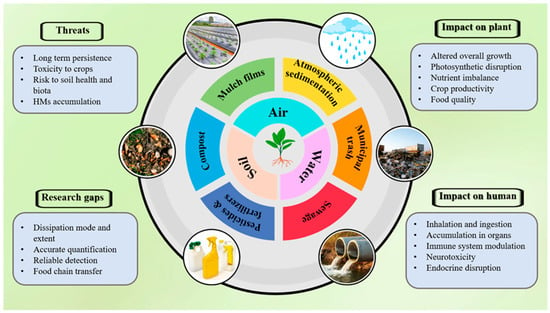
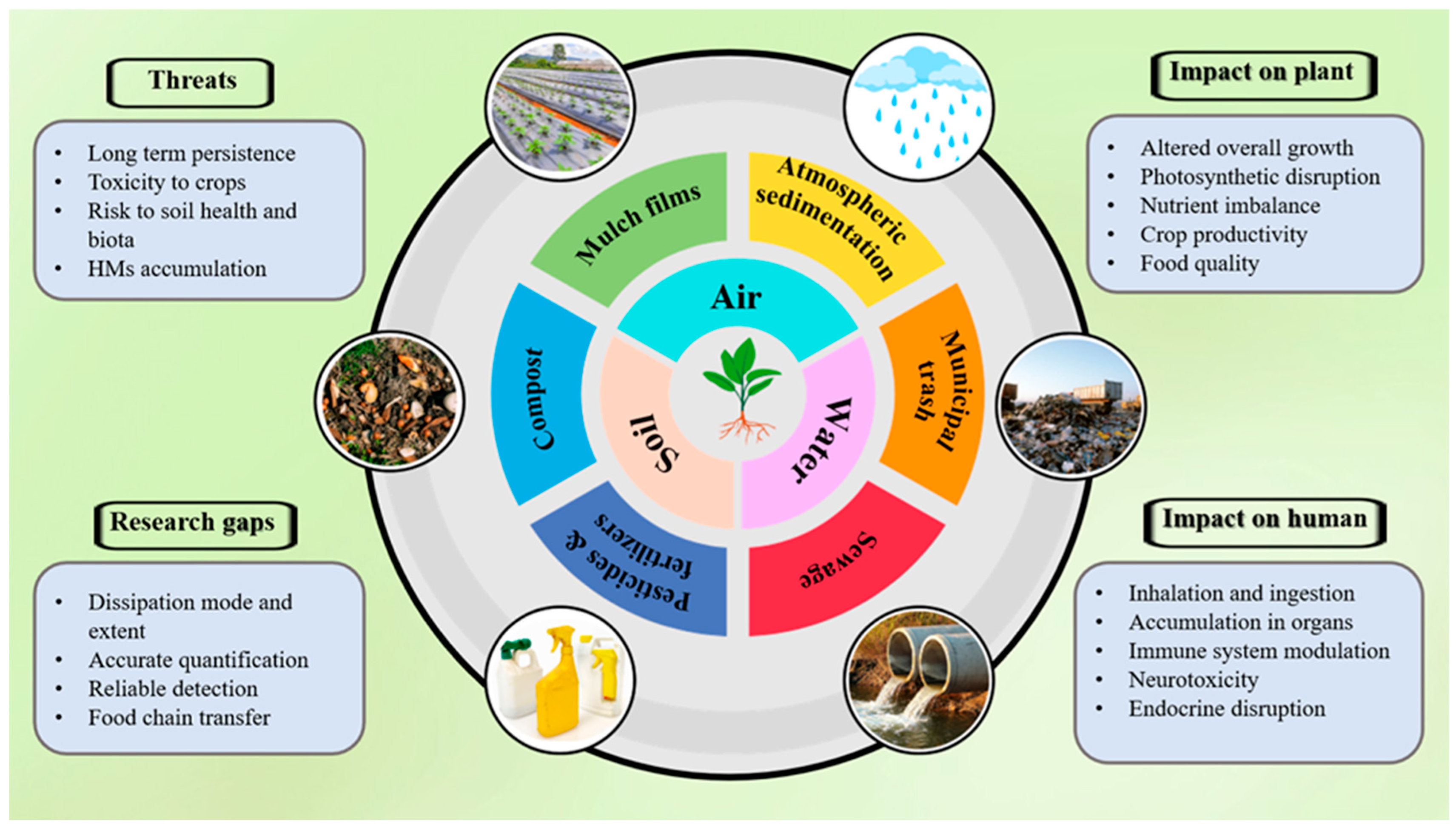
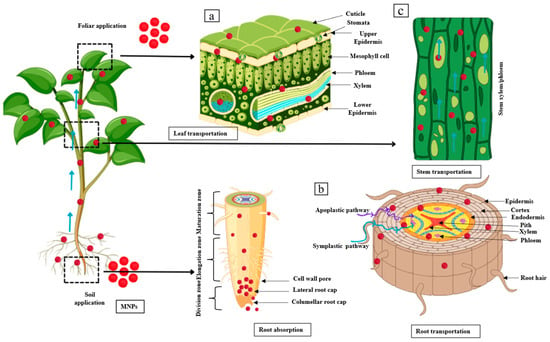
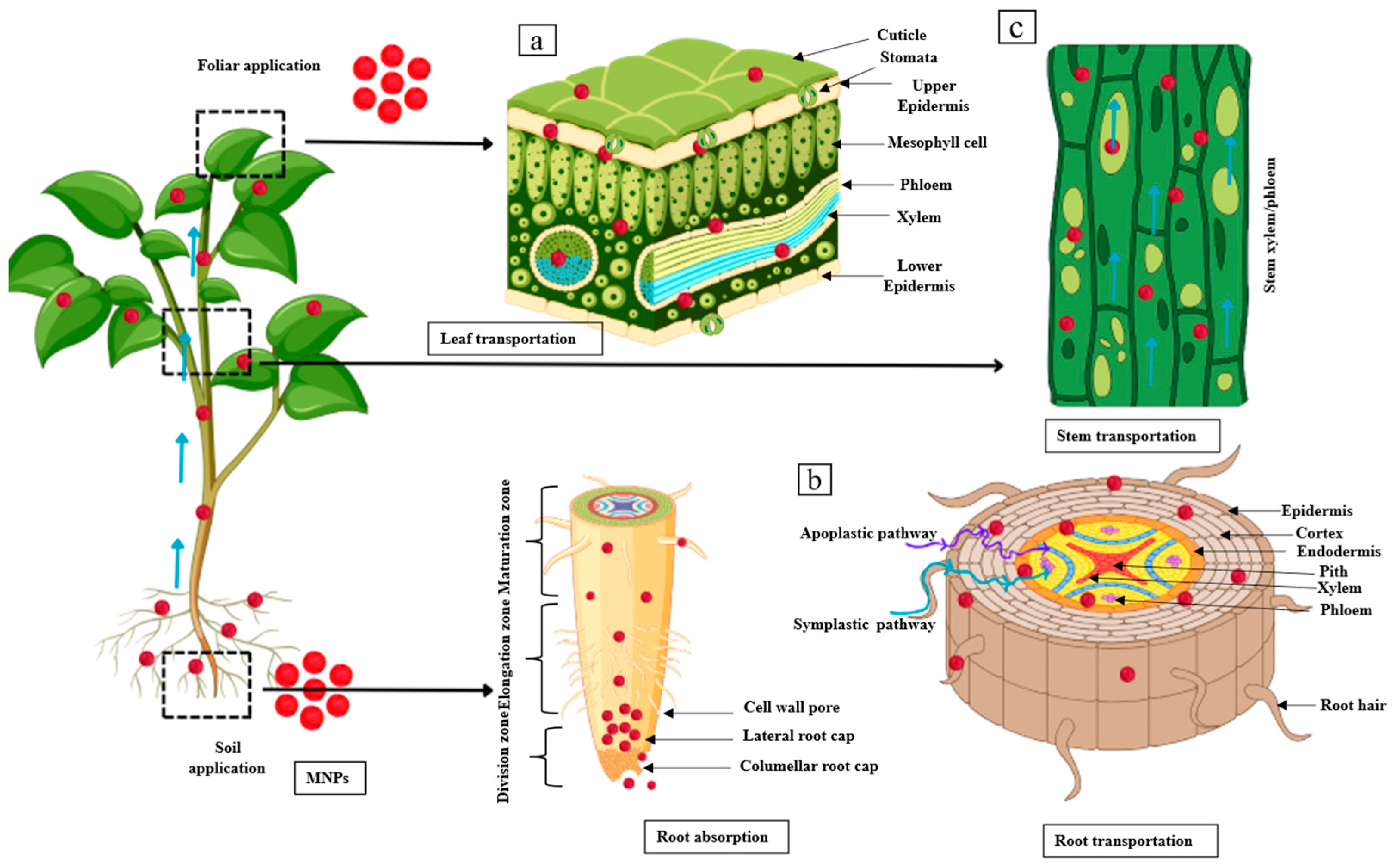
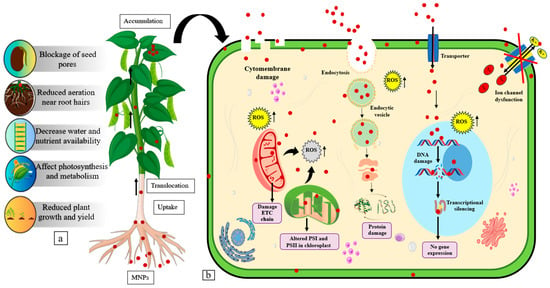
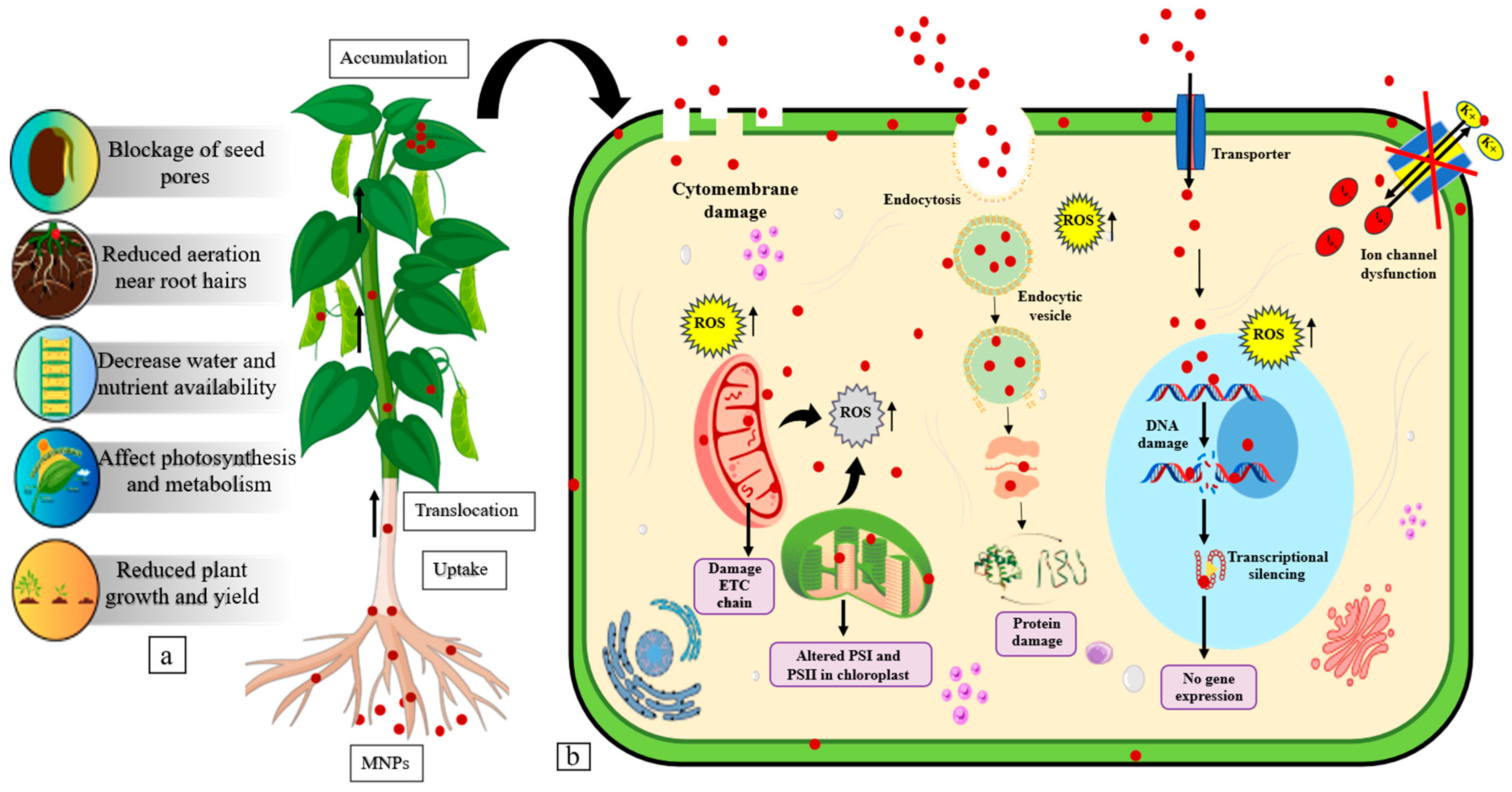

Disclaimer/Publisher’s Note: The statements, opinions and data contained in all publications are solely those of the individual author(s) and contributor(s) and not of MDPI and/or the editor(s). MDPI and/or the editor(s) disclaim responsibility for any injury to people or property resulting from any ideas, methods, instructions or products referred to in the content. |
© 2026 by the authors. Licensee MDPI, Basel, Switzerland. This article is an open access article distributed under the terms and conditions of the Creative Commons Attribution (CC BY) license.