1. Introduction
The worldwide buildup of plastic waste has become one of the most urgent environmental problems of the 21st century. Because they are durable, affordable, and versatile, plastics—especially polystyrene (PS)—are extensively used in industrial and consumer products. However, these same traits also make them environmentally persistent; PS resists natural breakdown, fragmenting into microplastics that contaminate land and water. Recent data indicate that about 30% of landfill waste is plastic, with nearly 80% of ocean pollution stemming from land sources [
1]. Because traditional mechanical and chemical recycling methods often require significant energy or produce secondary pollutants, there is a pressing need for sustainable, “green” options, such as microbial bioremediation [
2].
Through processes such as weathering, photolysis, and microbial decay, plastic waste fragments into microplastics (MPs) and nanoplastics (NPs), leading to their persistent accumulation across global ecosystems [
3]. Plastic waste harms ecosystems and living organisms, disrupts food chains, accumulates in animals and humans, and increases toxicity by absorbing harmful substances.
Polystyrene (PS) is often viewed as non-biodegradable because it breaks down extremely slowly in natural environments; as a result, PS can remain as solid waste for long periods. Consequently, cultivated soils rich in fungi, microbes, and invertebrates show less than 1% degradation of polystyrene after 90 days, with no significant increase in the degradation rate thereafter [
4]. Furthermore, it has been reported that a polystyrene sheet buried in soil for 32 years showed no signs of deterioration [
5].
Microbial degradation offers a promising pathway for the breakdown of complex polymers. This process generally involves four sequential stages: (1) biodeterioration, where microbial biofilms modify the polymer surface; (2) biofragmentation, the enzymatic cleavage of polymer chains into oligomers and monomers; (3) assimilation, the integration of these molecules into microbial cells; and (4) mineralization, the final conversion into metabolic byproducts such as CO2 and H2O.
Although various bacterial and fungal strains have been identified as capable of degrading plastics, the gastrointestinal tract of aquatic organisms remains a largely unexplored source of specialized microbiota. Fish guts, in particular, offer a unique anaerobic or microaerobic environment where specialized bacteria have evolved to break down complex organic matter and, increasingly, ingested microplastics.
Among the Enterobacteriaceae, the genus
Hafnia has recently gained attention for its metabolic versatility. Recent studies have highlighted the potential of the gut microbiota of common carp (
Cyprinus carpio), a resilient and widespread species, as a source of new plastic-degrading strains. As a benthic omnivore,
C. carpio is particularly susceptible to ingesting sedimented microplastics; recent field studies have reported 100% ingestion rates in wild populations, with polystyrene (PS) consistently identified as a dominant polymer in their gastrointestinal tracts [
6,
7]. This persistent exposure suggests that the carp gut provides a unique selective environment in which specialized bacteria may have evolved enzymatic pathways to metabolize synthetic polymers. While species such as
Stenotrophomonas indicatrix, from the gut of plastivorous insects, have shown a high capacity for PS breakdown [
8], the specific mechanisms and enzymatic pathways of
Hafnia strains remain underexplored. While many studies have successfully isolated PS-degrading microbes from soil, landfills, and marine environments, the potential of the freshwater gastrointestinal tract (GIT) remains significantly under-represented in the literature.
This study addresses this gap by investigating the unique ecological niche of the Common Carp (Cyprinus carpio). As an omnivorous bottom-feeder, C. carpio constantly ingests microplastics that accumulate in benthic sediments. This continuous exposure within the complex, high-density microbial environment of the fish gut creates an “evolutionary incubator.” We hypothesize that this environment favors the selection of specialized microbiota that have evolved the enzymatic machinery necessary to utilize complex synthetic polymers as carbon sources.
To the best of our knowledge, this research represents the first isolation and genomic characterization of Hafnia paralvei (strain UUNT_MP29) as a potent polystyrene degrader, expanding the known metabolic repertoire of this genus. Although the genus Hafnia is a well-known constituent of gut flora, its role in the degradation of synthetic polymers has not been established previously.
The scope of this work is comprehensive, bridging the gap between macroscopic observation and molecular mechanism. We employ a multi-disciplinary approach that includes:
High-resolution taxonomic identification via whole-genome sequencing (WGS) to distinguish the isolate from closely related species.
Gravimetric and kinetic analysis to quantify the rate and efficiency of degradation.
Surface and thermal characterization (FTIR, SEM, and TGA) to provide physical evidence of microbial chain scission and oxidative attack.
Bioinformatic metabolic reconstruction to identify the specific genomic homologs, such as alcohol dehydrogenases and oxygenases, that facilitate the biochemical transformation of polystyrene.
By integrating these techniques, this study not only introduces a novel bacterial candidate for bioremediation but also provides a detailed metabolic blueprint of how gut-derived microbes adapt to anthropogenic pollutants.
2. Materials and Methods
A detailed method for isolating bacterial species from the gastrointestinal tract (GIT) of
C. carpio is provided in our previous work [
9]. Briefly, fish samples were weighed, cut, and dissected, while the intestines were cleaned and homogenized. Serial dilutions were prepared and plated on MRS agar plates (Institute of Virology, Vaccines and Sera “Torlak”, Belgrade, Serbia). The colonies that grew were selected and purified twice, and a glycerol stock was made. The samples were stored at −80 °C for future experiments.
2.1. Clear-Zone Formation
A clear zone (halo) assay was performed in mineral salt medium (MSM) with an emulsified polystyrene (PS) overlay to detect extracellular depolymerization. Polystyrene (500 mg) was dissolved in dichloromethane and homogenized in 100 mL of distilled water containing 0.1% Tween 80. After removing the solvent, a stable PS suspension was created. Molten MSM agar was mixed with 1 wt.% PS emulsion was poured over pre-solidified MSM agar base plates. A 10 µL suspension of
Hafnia cells (10
8 CFU/mL) was spot-inoculated onto the center of each plate and incubated at 30 °C for 14 days. The appearance of a translucent halo indicated degradation [
10].
All used chemicals were purchased from Sigma-Aldrich (Burlington, MA, USA)
2.2. Bioinformatics Analysis
A local sequence similarity search was conducted using the BLASTP 2.16.0 local alignment tool with default parameters [
11,
12]. CLUSTAL O (1.2.4) multiple sequence alignment was performed using the Align tool from UniProt [
13]. AlphaFold2 prediction was performed using ColabFold [
14]. Molecular graphics and protein analyses were carried out with UCSF ChimeraX 1.11 [
13,
15].
2.3. Preparation of PS Film
The PS film was prepared using a slightly modified version of the reported method [
16]. The PS film strips were cut to 1.0 cm × 1.0 cm and stored in desiccators until further use.
2.4. Biodegradation Experiments and Determination of Viable Cells
The PS films were incubated with Hafnia paralvei UUNT_29 MP for a total period of 32 days. To monitor the progression of degradation, samples were recovered at two key intervals:
Biodegradation experiments were conducted in MSM with PS film strips as an alternative carbon source for bacterial growth. Experiments were performed in triplicate in 250 mL conical flasks containing 100 mL of MSM, with PS film strips added at 24 h intervals up to 96 h. The negative control consisted of a PS film incubated in MSM without a bacterial inoculum. An overnight culture of H. paralvei UUNT_MP29 was inoculated at 1% (v/v) into 100 mL of MRS (108 CFU/mL) and incubated at 22 °C with constant shaking at 150 rpm. The total viable count (TVC) was measured on MRS plates every 4 days over 32 days. Plates were incubated at 37 °C for 48 h, and colonies were expressed as colony-forming units (CFU).
2.5. Percentages of the Weight Loss of PS Film Strips
PS film strips were collected every 4 days for 32 days. The collected samples were rewashed 3 times in distilled water and then dried overnight at 60 °C. The strips were weighed using a 4-digit analytical balance. Three control samples (PS with biofilm and parent PS) were included in the harvesting process to reduce experimental error due to the loss of small strips during sample collection. The weight loss was calculated using Equation (1).
where W
0 is the initial weight of the PS film strip, and W
t is the residual weight at time t. The gathered weight-loss data were further analyzed to determine the PS consumption rate for each bacterial species and the half-life of the PS film.
The susceptibility of PS to microbial attack by
Hafnia paralvei UUNT_29MP was quantitatively evaluated using a first-order kinetic model. This model is commonly used in biodegradation studies to describe the rate of mass loss over time, assuming that the degradation rate is proportional to the available substrate concentration [
17].
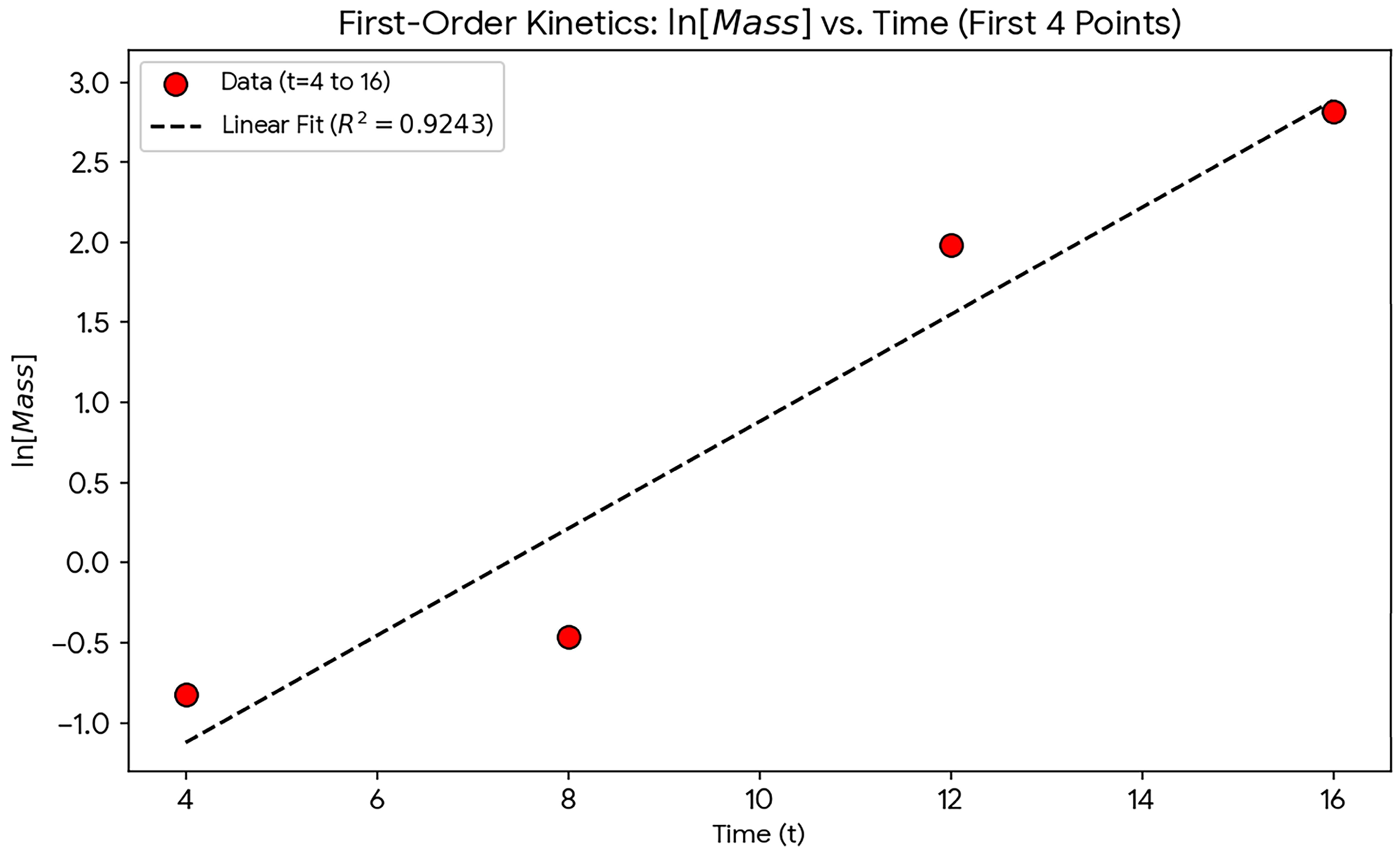
The linear regression of ln[Mass] versus time, t, M
t, was performed during the most active period (Days 4–16). The linear fit is described by Equation (2):
Mt—mass at time t, M0—initial mass, t—time.
2.6. FTIR Spectroscopy
Fourier-transform infrared spectroscopy (FTIR) was used to analyze the functional groups in pristine PS and Hafnia-treated PS samples (after 32 days). The analysis was conducted using a Nicolet iS10 spectrometer (Thermo Scientific, Waltham, MA, USA) in attenuated total reflectance (ATR) mode, with a single-bounce 45° Golden Gate ATR accessory featuring a diamond crystal and a DTGS detector. FTIR spectra were recorded at a resolution of 4 cm−1 with ATR correction. The FTIR system was equipped with OMNIC 25.1 software and collected spectra over the wavelength range of 4000–500 cm−1.
Quantitative Assessment
To quantify the extent of degradation, the Carbonyl Index (CI) was calculated using the following ratio:
The value of 0.3235 confirms a significant buildup of oxygenated species. These results clearly show that the Hafnia paralvei UUNT_29 MP effectively starts the breakdown and oxidation of the polystyrene chain.
2.7. Scanning Electron Microscopy (SEM) Analysis
The morphological evolution of the PS surface was monitored using Scanning Electron Microscopy (SEM). Samples from Day 0, Day 16, and Day 32 were gold-coated and examined at various magnifications (350× to 10,000×) to visualize:
- a.
Bacterial attachment and colonization.
- b.
Surface erosion, pit formation, and mechanical deformation.
- c.
Biofilm architecture and extracellular matrix development
JSM-6390 scanning electron microscope (SEM) (JEOL, Tokyo, Japan) at 10 kV at three time points was used for analysis. Before analysis, the samples were fixed for 48 h in 2.5% glutaraldehyde, then rinsed in four different solutions: 3% acetic acid; 3% acetic acid mixed with 25% ethanol in a 1:1 (v/v) ratio; 3 wt.% acetic acid mixed with 50 wt% ethanol in a 1:1 (v/v) ratio, and 70% ethanol. All samples were washed in each solution for 15 min, then stored in 70% ethanol. All chemicals were purchased from Sigma-Aldrich (St. Louis, MO, USA). The samples were then air-dried on Petri dishes at room temperature for at least 24 h. Subsequently, the samples were sputtered with 10 nm of gold and mounted on aluminum stubs for loading into the microscope. Images of the samples were recorded in randomly selected fields. Before analysis, polystyrene film samples were coated with gold.
2.8. Thermal Analysis
The thermal decomposition behavior was evaluated using thermogravimetric (TG) and derivative thermogravimetric (DTG) analyses. TG analysis identified the onset decomposition temperature (Tonset) and residual mass. DTG analysis determined the temperature of maximum weight loss (Tmax) and the degradation rate (%/°C), aiding understanding of changes in molecular weight distribution. An SDT 2960 instrument with platinum crucibles was used for these tests. The experiments were conducted over the temperature range of 30–600 °C at a constant heating rate of 10 °C/min in N2 at a flow rate of 85 ± 5 mL/min.
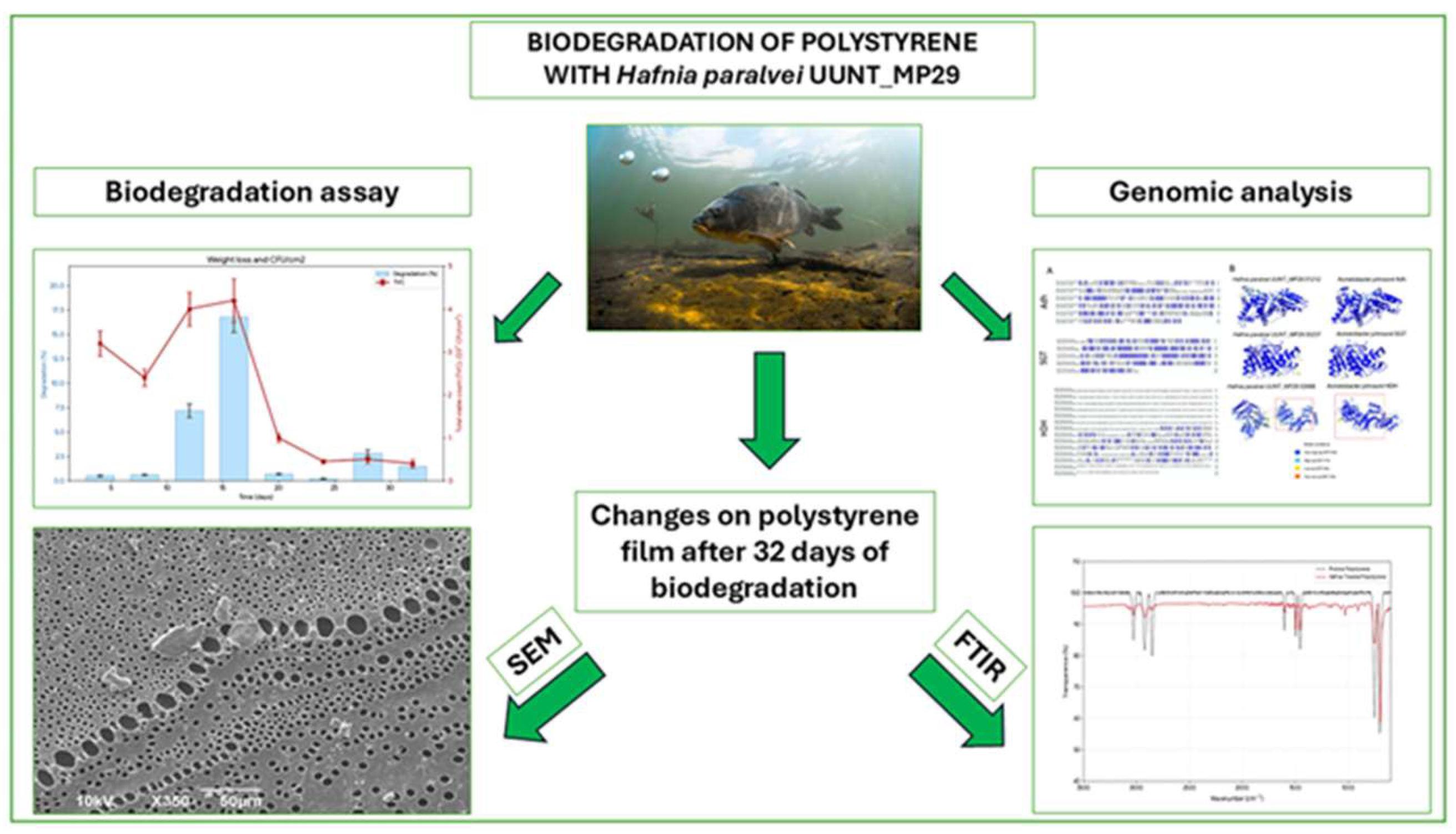
The integration of these analytical techniques—ranging from microbial isolation and genomic screening to precise kinetic and structural characterization—provides a comprehensive overview of the plastic degradation process. The complete methodological pipeline used in this study is summarized in
Figure 1.
2.9. Statistical Analysis
All experiments were performed in triplicate (n = 3), and the results are expressed as the mean ± standard deviation. Statistical significance was evaluated using one-way ANOVA followed by Tukey’s post hoc test, with a p-value < 0.05 considered significant. Kinetic parameters and correlation coefficients (R2) were calculated using Origin software 2025b.
3. Results
3.1. Isolation and Identification of Autochthonous Hafnia Strain from the GIT of Cyprinus Carpio
The unique strain
H. paralvei UUNT_MP29 was isolated from the gastrointestinal tract (GIT) of
Cyprinus carpio based on its potential to biodegrade polystyrene (PS). Initial identification via 16S rRNA analysis was validated by whole-genome sequencing (WGS) [
9]. The sequence has been deposited in NCBI (
https://www.ncbi.nlm.nih.gov/biosample/?term=SAMN44705351, accessed on 30 March 2026).
To elucidate the molecular basis of its degradative capacity, we identified homologs of key genes involved in plastic biodegradation, using
Acinetobacter johnsonii as a reference [
18].
Initial Oxidation: A putative AlkB homolog (UUNT_MP29_02841) was identified, though it exhibited low sequence identity (<25%).
Downstream Metabolism: Significant structural conservation was found for Alcohol Dehydrogenase (Adh) (UUNT_MP29_01212) and Sterol Glycosyltransferase (SGT) (UUNT_MP29_00237), with the latter showing over 50% sequence identity.
Mineralization: A bifunctional aspartokinase/homoserine dehydrogenase (HDH) (UUNT_MP29_03998) was confirmed, with its C-terminal HDH domain showing strong structural alignment with the reference. This structural conservation suggests that while the primary sequences have drifted, the functional catalytic pockets required for processing hydrophobic intermediates remain highly preserved.
3.2. Validation of Polystyrene Biodegradation via Clear Zone Assay
Functional screening confirmed the genomic predictions.
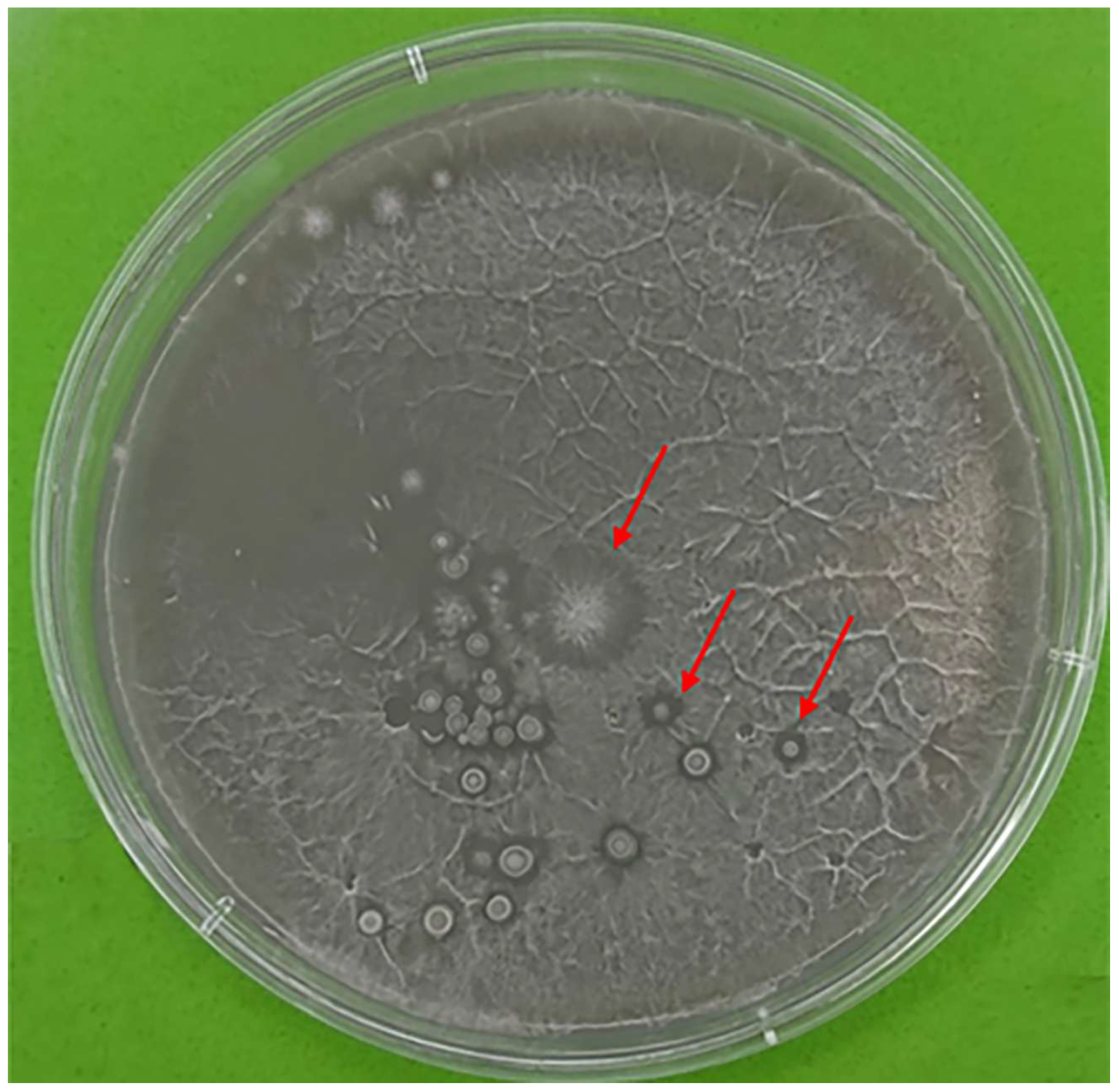
H. paralvei UUNT_MP29 produced a clear zone of 4.2 ± 0.1 mm after 14 days of incubation (
Figure 2). This “halo” effect indicates the secretion of extracellular enzymes that hydrolyze insoluble PS particles into soluble monomers or oligomers, reducing the turbidity of the agar medium. This 4.2 mm zone is notably robust compared to many wild-type soil isolates reported in the literature, which often require longer incubation periods to achieve visible clearing.
3.3. Bioinformatics Analysis
We aimed to identify homologs of key genes involved in plastic degradation, which encode AlkB, Adh, HDH, and SGT, in the genome of
H. paralvei UUNT_MP29. For reference sequences, we used proteins from
Acinetobacter johnsonii, known for its potential role in plastic biodegradation [
18]. All predicted proteins encoded by the
H. paralvei UUNT_MP29 genome were compared to sequences of AlkB (GenBank: AZN63878.1), Adh (GenBank: WP_126036734.1), HDH (GenBank: WQE01215.1), and SGT (GenBank: QQV08118.1) using the local alignment tool BLASTP [
11,
12].
Only one protein, UUNT_MP29 02841, encoded by
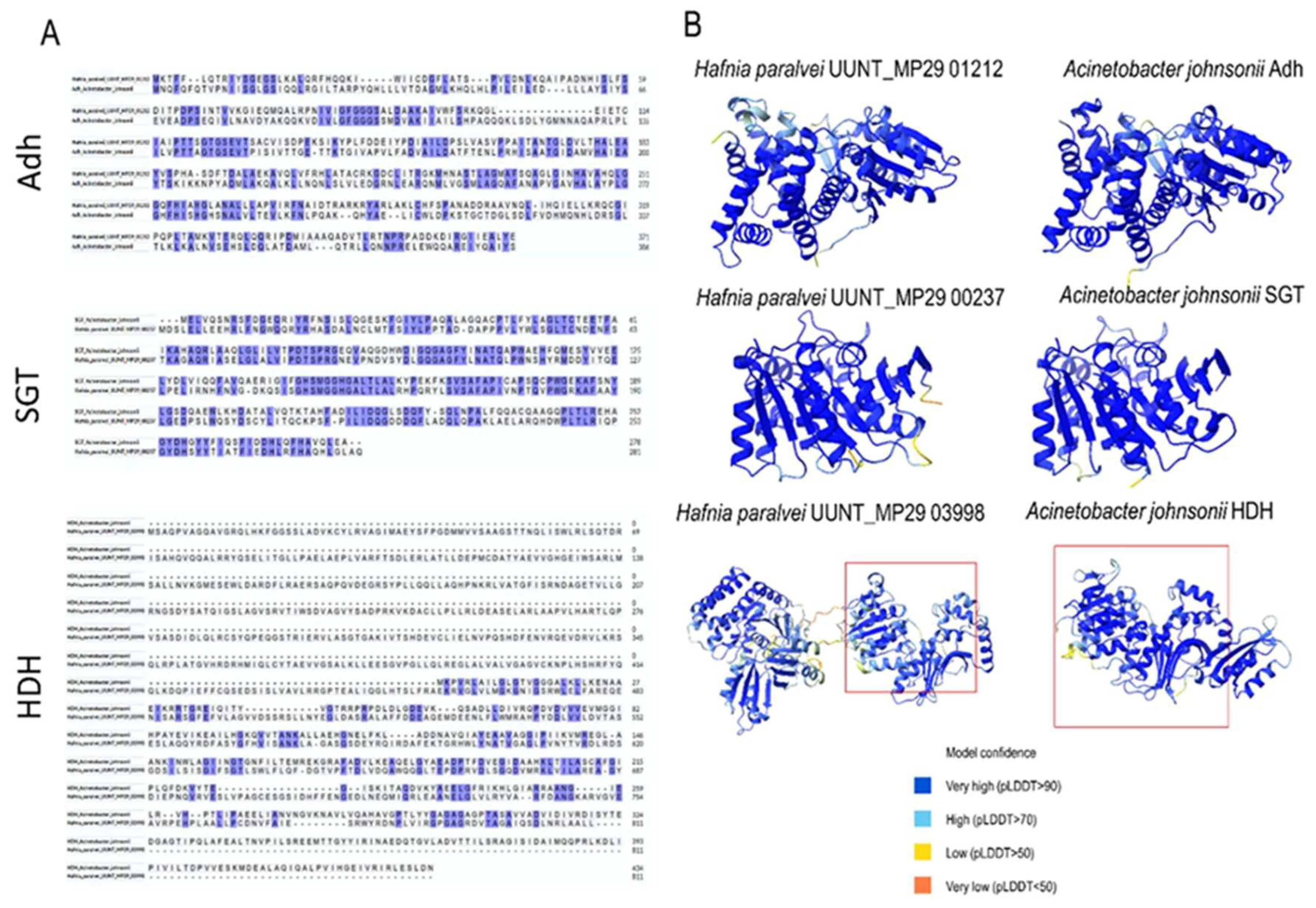
H. paralvei UUNT_MP29, is partially aligned with AlkB, showing relatively low similarity—the full-length alignment of AlkB with UUNT_MP29 02841 exhibited less than 25% identity, and structural comparison revealed no significant similarity. A few proteins aligned with the Adh sequence; among them, UUNT_MP29 01212 had the highest score. When aligning the complete amino acid sequence, UUNT_MP29 01212 demonstrated approximately 32% identity at the primary sequence level (
Figure 3, panel A), while the predicted three-dimensional structures showed a high degree of similarity (
Figure 3, panels B).
A similar outcome was observed for the BLASTP search against SGT: several proteins aligned, with UUNT_MP29 00237 having a significantly higher score than the others, surpassing 50% sequence identity (
Figure 3A). The predicted three-dimensional structure of this protein was nearly identical to the reference (
Figure 3B). For HDH, two proteins showed similar alignment scores, with UUNT_MP29 03998 achieving the highest. Both
H. paralvei proteins were labeled as bifunctional aspartokinase/homoserine dehydrogenases. According to the InterPro database, these proteins are predicted to contain an N-terminal aspartokinase domain (InterPro ID: IPR041743) and a C-terminal homoserine dehydrogenase domain (InterPro ID: IPR001342). As expected, the HDH sequence from
A. johnsonii aligned with the C-terminal domain of UUNT_MP29 03998 (
Figure 3A), which is also strongly supported by the predicted structural similarity (
Figure 3B).
A—Alignment of primary amino acid sequences of the homologous proteins: Adh (A. johnsonii) and UUNT_MP29_01212; SGT (A. johnsonii) and UUNT_MP29_00237; HDH (A. johnsonii) and UUNT_MP29_03998, performed using CLUSTAL O (1.2.4).
Although a protein in H. paralvei UUNT_MP29 showing high similarity to AlkB has not been identified at either the primary or tertiary structure level, the presence of structurally similar homologs of Adh, HDH, and SGT suggests that H. paralvei UUNT_MP29 may play a role in a microbiota consortium involved in PS degradation.
3.4. Biodegradation Study
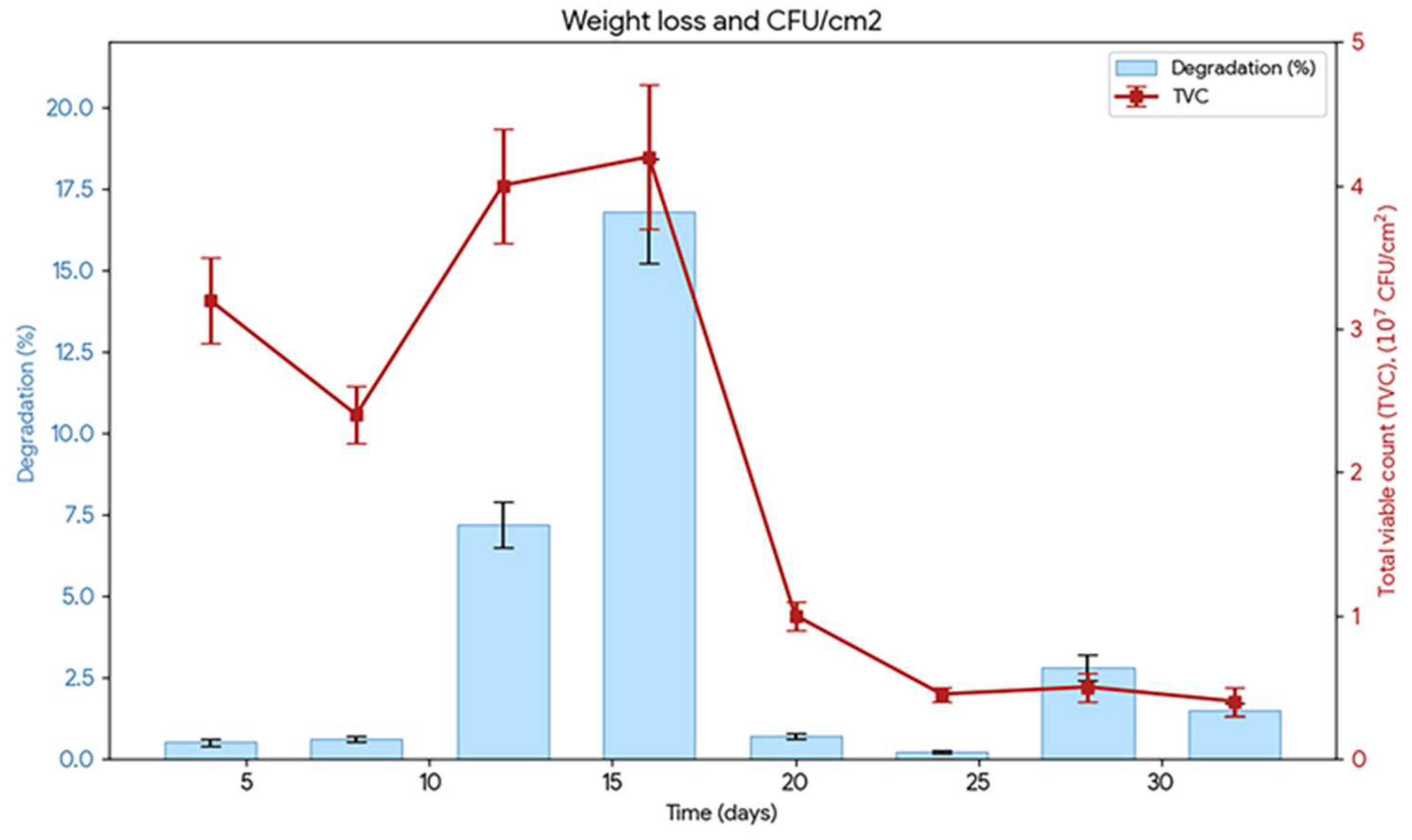
The relationship between total viable count (TVC) and PS weight loss (
Figure 4) reveals a synchronized “boom-and-bust” metabolic cycle.
Adaptation (Days 0–8): A lag phase with negligible degradation (<1%), likely representing the time required for surface colonization and enzyme induction.
Peak Activity (Days 12–16): TVC peaked at 4.2 × 10⁷ CFU cm−2 on Day 16, directly coinciding with a maximum degradation of 16.8%. This rapid weight loss confirms that the strain effectively utilizes PS as a primary carbon source.
Decline (Days 20–32): A typical population crash followed, likely due to the exhaustion of easily accessible amorphous regions or the accumulation of metabolic intermediates.
The degradation followed first-order kinetics (R
2 = 0.9243) with a rate constant (k) of 0.2078 day
−1, which is exceptionally high for polystyrene biodegradation (
Figure 5).
3.5. Fourier Transform Infrared Analysis (FTIR)
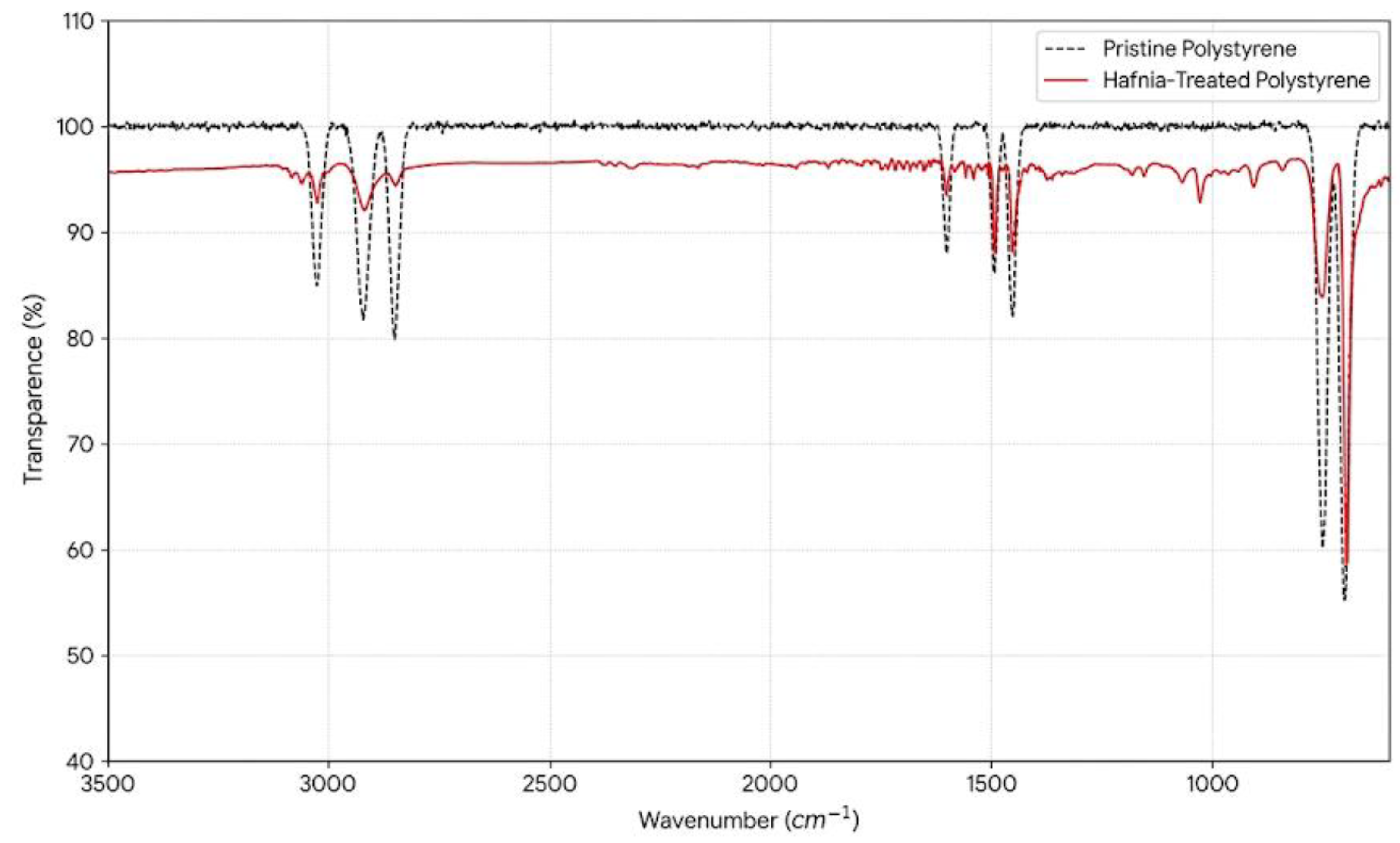
FTIR spectra (
Figure 6) provided chemical “footprints” of this process. Treated samples showed a marked reduction in the characteristic C-H stretching (3000–2800 cm
−1) and aromatic C=C stretching (600–1450 cm
−1) bands. Crucially, the emergence of peaks in the 1710–1740 cm
−1 region indicated the formation of carbonyl groups (ketones and carboxylic acids). The calculated Carbonyl Index of 0.3235 confirms an oxidative degradation pathway that transforms the hydrophobic polymer into a more hydrophilic, oxygenated state.
3.6. SEM Analysis
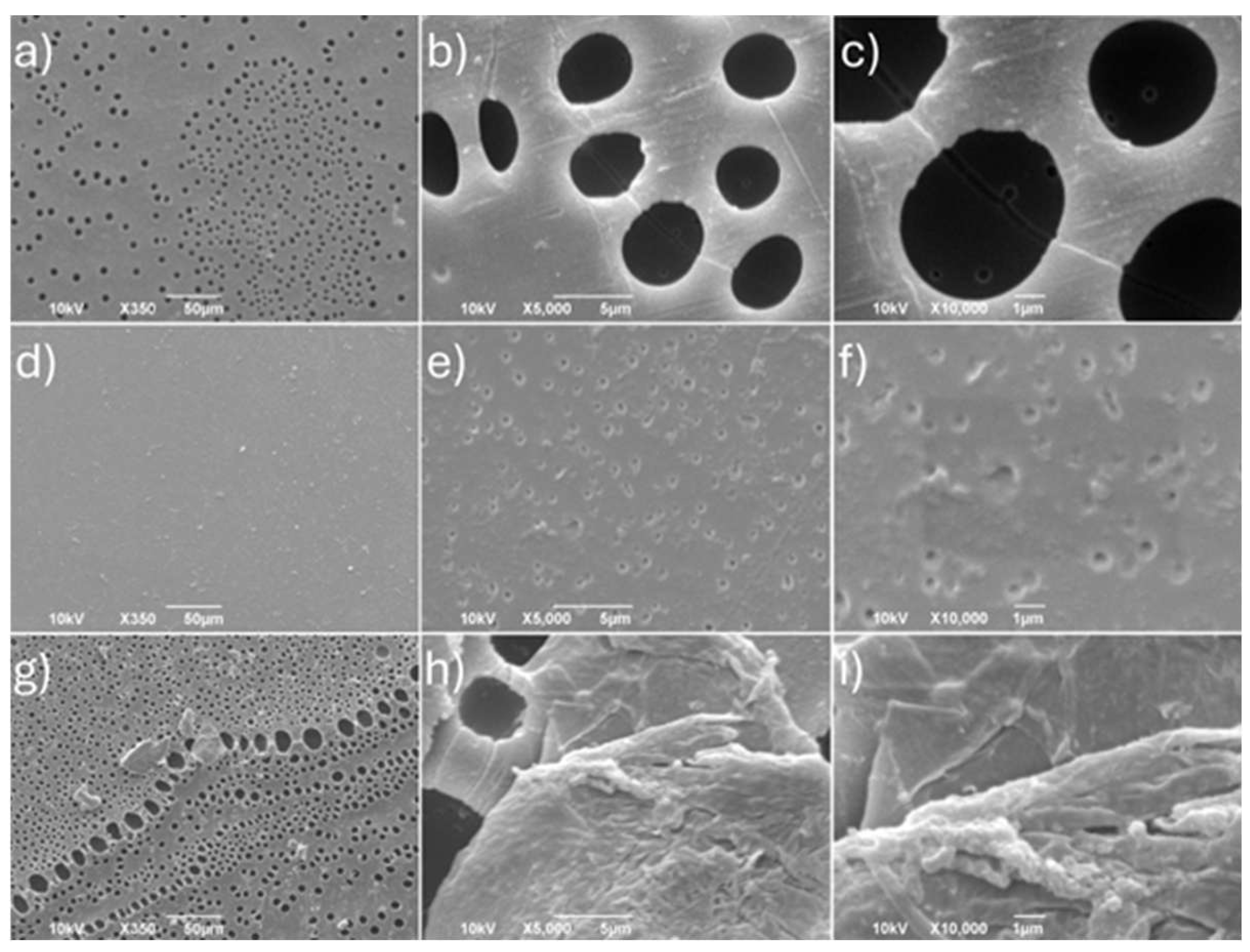
The physical impact of the observed chemical changes was visualized using SEM micrographs (
Figure 7). The control sample exhibited a pristine surface with uniform micropores and sharp, well-defined boundaries. By Day 16, this morphology began to shift, showing significant pore occlusion by bacterial biomass and a noticeable “softening” of the polymer’s geometric features. This trend culminated on Day 32, revealing severe surface deformation, fragmentation, and the development of deep erosion grooves. The presence of a mature biofilm across these erosion zones suggests the creation of a localized, high-concentration enzymatic environment. This proximity likely facilitates the efficient breakdown of synthetic polymer chains, thereby directly correlating physical degradation with the strain’s metabolic activity.
3.7. Thermal Analysis (TGA/DTG)
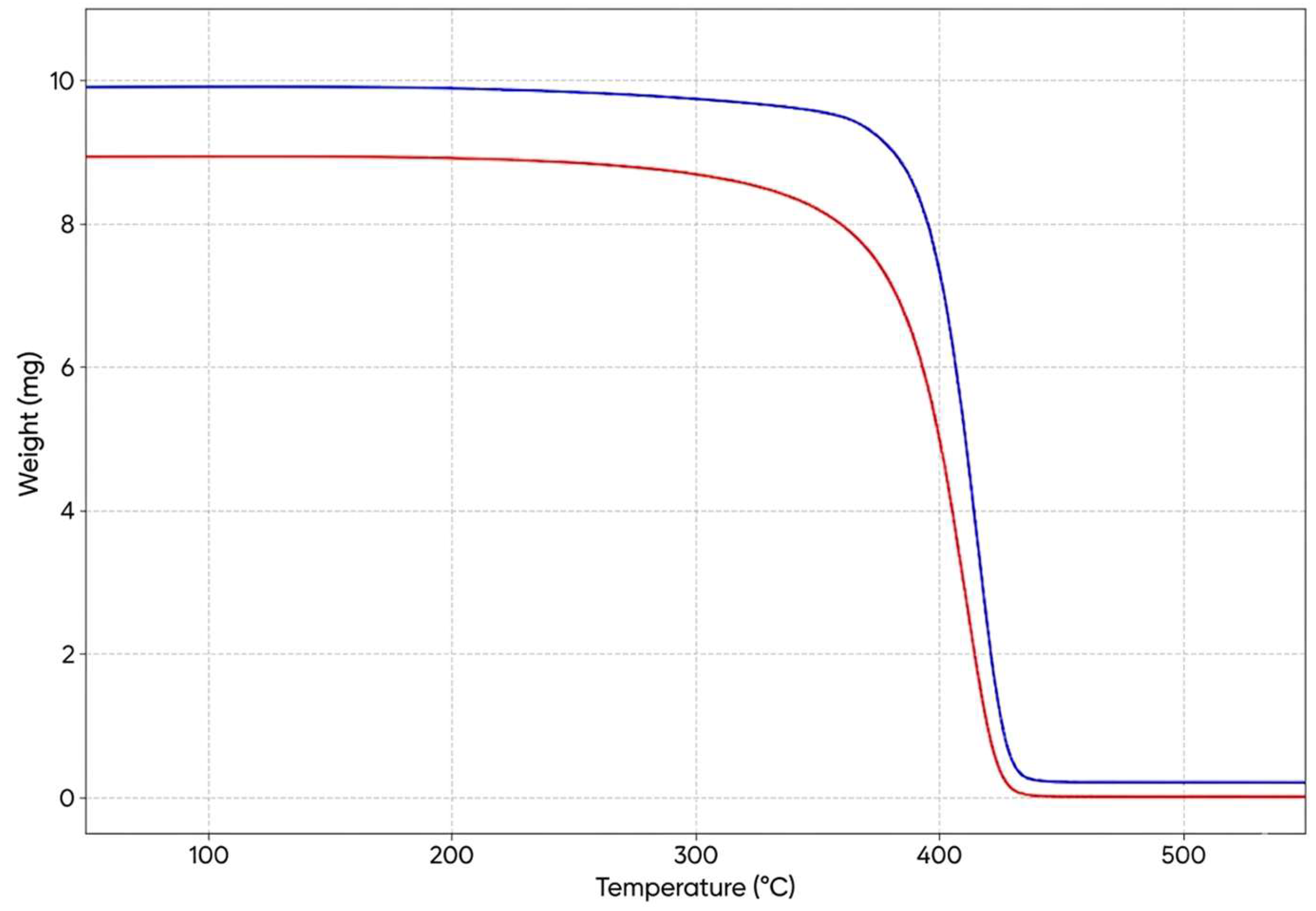
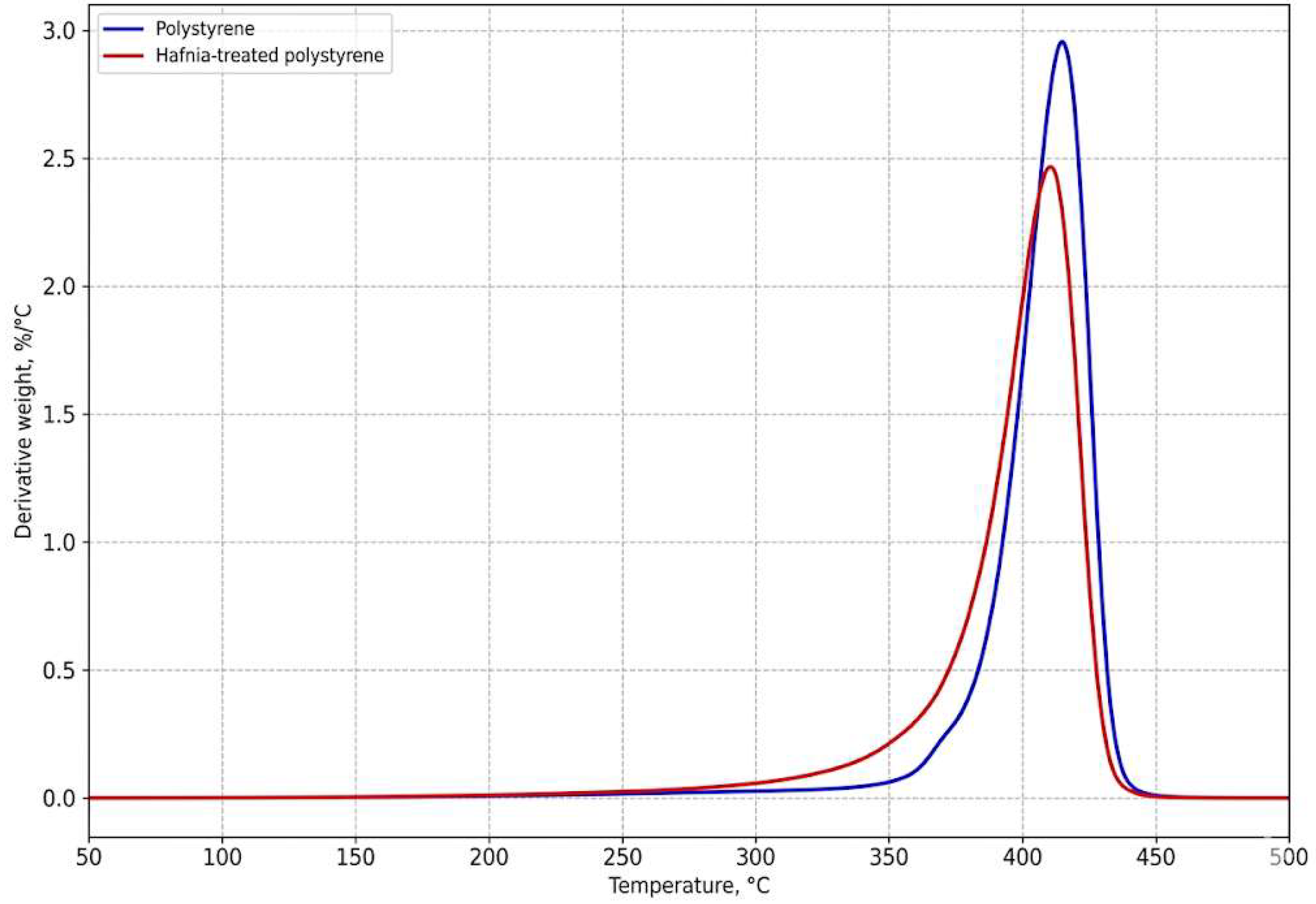
Thermogravimetric analysis (
Figure 8 and
Figure 9) was used to quantify the structural weakening of the PS matrix after microbial treatment. The results showed a significant reduction in thermal stability, with the onset temperature (T
onset) decreasing by 10.8 °C, from 395.5 °C in the control to 384.7 °C in the treated sample. Furthermore, the derivative thermogravimetric (DTG) peak for the treated polymer was noticeably broader and lower in intensity than that of the control. This peak broadening, together with the reduced decomposition temperature, indicates significant chain scission and increased polydispersity within the polymer. These altered decomposition kinetics provide quantitative evidence that the microbial activity of
H. paralvei effectively compromised the long-chain structural integrity of the polystyrene.
4. Discussion
4.1. Isolation and Genomic Identification of PS-Degrading H. paralvei UUNT_MP29
The isolation of Hafnia paralvei UUNT_MP29 from the gastrointestinal tract (GIT) of Cyprinus carpio highlights the growing importance of aquatic microbiomes as sources of plastic-degrading microorganisms. While members of the genus Hafnia are usually considered opportunistic pathogens or common gut bacteria, identifying UUNT_MP29 as a potential degrader of polystyrene (PS) suggests a specialized metabolic adaptation to environmental pollutants. The GIT of freshwater fish like C. carpio creates a unique microenvironment. As omnivorous bottom-feeders, carp often encounter microplastics that settle in benthic sediments. The presence of UUNT_MP29 suggests that the fish gut may serve as an “evolutionary incubator”. In this unique environment, high microbial density and continuous exposure to ingested polymers promote the development of specialized strains. These microbes eventually evolve the capacity to break down complex hydrocarbons for use as carbon sources. This aligns with recent trends in bioremediation research that are shifting from soil-based isolates to the specialized flora of plastic-ingesting marine and freshwater organisms.
The dual-method approach used for identification—initial 16S rRNA sequencing followed by whole-genome sequencing (WGS) validation—ensures high taxonomic resolution. Distinguishing
H. paralvei from its close relative,
H. alvei, can be difficult using 16S rRNA alone due to high sequence similarity. By employing WGS, as we described in previous work [
9], the study provides a solid genomic basis for exploring the specific enzymatic pathways responsible for PS degradation.
4.2. Validation of PS Biodegradation via Clear Zone Assay
The formation of a clear zone measuring 4.2 ± 0.1 mm around
H. paralvei UUNT_MP29 colonies on PS-impregnated agar is a clear indicator of extracellular plastic-degrading activity. This “halo” effect serves as the standard qualitative benchmark for identifying microbes capable of using complex polymers as a primary carbon source. The observed clearing suggests that UUNT_MP29 produces and secretes specific extracellular hydrolases or oxygenases. PS is characterized by a high-molecular-weight carbon-carbon (C-C) backbone and bulky hydrophobic phenyl groups, making it exceptionally resistant to natural decay. The transition from a turbid agar emulsion to a clear zone implies a fundamental structural change: (1) Biofilm attachment: the strain likely secretes surfactants or utilizes cell-surface proteins to adhere to the hydrophobic PS particles; (2) Extracellular cleavage: secreted enzymes target the polymer chains, breaking long-chain hydrocarbons into smaller oligomers and monomers; (3) Solubilization: ss the molecular weight decreases, the once-insoluble particles become water-soluble metabolic intermediates, which are then transported across the bacterial cell membrane for further mineralization via the β-oxidation pathway [
19] or the TCA cycle [
20].
Commonly studied genera such as
Bacillus and
Pseudomonas often serve as benchmarks for plastic degradation. For example, many
Bacillus strains (e.g.,
B. cereus and
B. megaterium) show significant weight loss over 30–60 days, but their initial clearing zone formation on PS-agar is usually less noticeable in the first two weeks. Some studies have found that only a small portion (~3%) of PS-utilizing isolates actually produce a measurable clear zone, as the polymer’s high molecular weight often restricts extracellular enzyme access [
21].
4.3. Bioinformatics Analysis
No specific enzymes targeting PS, an aromatic thermoplastic with a C–C backbone, have been reported to date. However, although the biodegradation rate is slow compared to organic matter [
22], several microbial strains and communities have been shown to break down PS by using it as their sole carbon source [
23,
24,
25]. The biochemical mechanisms behind these processes are complex and are still being studied. A recent study identified a microbial community from landfill soil capable of degrading PS, indicating a possible biodegradation pathway [
26]. It is suggested that two linked strains,
Lysinibacillus sp. PS-L and
Pseudomonas sp. PS-P, possess key enzymes in the early stages of biodegradation, including alkane 1-monooxygenase (AlkB) and alcohol dehydrogenase (Adh). AlkB, which catalyzes alkane hydroxylation, has been associated with PS biodegradation in multiple studies [
3,
18,
27]. Adh oxidizes hydroxyl groups to carbonyl groups and has also been linked to PS breakdown [
18,
28].
Based on PS metabolite analysis, a metabolic pathway for further plastic degradation has been proposed, beginning with styrene, which is converted into phenylacetic acid by styrene monooxygenase, styrene-oxide isomerase, and phenylacetaldehyde dehydrogenase (encoded by the
feaB gene). Phenylacetic acid is then transformed into benzoic acid through benzoylformate decarboxylase (
mdlC and
mdlD genes). Ultimately, benzoic acid is converted into catechol via the actions of dihydroxycyclohexadiene carboxylate dehydrogenase (
xylL) and benzoyl hydroxylase (
xylX). In another study, increased gene expression of homoserine dehydrogenase (HDH) and S-formylglutathione hydrolase (SGT) was observed in
Pseudomonas aeruginosa DSM50071, a bacterium that may also degrade PS [
29].
The identification of functional homologs for AlkB, Adh, SGT, and HDH in the genome of H. paralvei UUNT_MP29 offers a detailed view of the strain’s potential metabolic machinery. While the primary sequence identity varies, the high level of three-dimensional (3D) structural conservation indicates that UUNT_MP29 has the necessary enzymatic structure to process intermediates derived from polystyrene. Alkane monooxygenase (AlkB) and the initiation of degradation. The low sequence identity (<25%) and lack of structural similarity for the AlkB homolog (UUNT_MP29 02841) suggest that H. paralvei may employ an alternative mechanism for the initial oxidation of the PS chain. Although AlkB is a well-known marker for alkane and polymer hydroxylation in genera like Pseudomonas, its absence in a highly functional strain such as UUNT_MP29 indicates the presence of non-canonical oxygenases. This discovery underscores the diversity of microbial strategies for breaking down the C-C backbone; UUNT_MP29 might depend on different classes of monooxygenases or cytochrome P450 systems that were not identified in the A. johnsonii reference sequence.
In contrast to the initial oxidation step, the downstream metabolic enzymes exhibited remarkable structural conservation:
Alcohol Dehydrogenase (Adh): Despite a moderate primary sequence identity (32%) for UUNT_MP29 01212, the high structural similarity (
Figure 3B) is critical. In polymer degradation, Adh converts alcohols—formed by the initial oxidation of the hydrocarbon chain—into aldehydes or ketones. The structural alignment suggests that the active-site geometry is preserved, thereby allowing the enzyme to process bulky intermediate metabolites effectively.
Sterol Glycosyltransferase (SGT): The high sequence identity (>50%) and nearly identical 3D structure of UUNT_MP29 00237 are particularly noteworthy. SGTs are often involved in modifying hydrophobic molecules, potentially increasing their solubility or facilitating their transport across the cell membrane. The presence of such a highly conserved SGT suggests a specialized role in handling the hydrophobic aromatic residues typical of polystyrene.
Homoserine Dehydrogenase (HDH): The identification of the bifunctional aspartokinase/homoserine dehydrogenase (UUNT_MP29 03998) aligns with the metabolic flexibility of the Hafniaceae family. The strong structural support for the C-terminal HDH domain indicates that once PS is broken down into smaller organic acids or alcohols, they are efficiently funneled into central metabolic pathways, such as the TCA cycle, via these highly conserved dehydrogenases.
These results underscore a fundamental principle in protein evolution: structure is more conserved than sequence. The ability of UUNT_MP29 to form clear zones on PS agar (4.2 mm) is likely driven by these structurally optimized enzymes. The high structural similarity across Adh, SGT, and HDH suggests that while the primary amino acid sequence has drifted, the functional “pockets” required for catalysis have been maintained or refined for the degradation of complex substrates within the gut environment of C. carpio.
In another study, increased gene expression of homoserine dehydrogenase (HDH) and S-formylglutathione hydrolase (SGT) was observed in
Pseudomonas aeruginosa DSM50071, a bacterium that may also degrade PS. Furthermore, recent insights into polymer dynamics suggest that substrate availability is driven by intrinsic material properties. For instance, residual compressive stresses within semicrystalline plastics can trigger phase separation. This process expels low-molecular-weight amorphous polymer droplets to the surface, making them more accessible for microbial attack [
30]. These amorphous polymer micropollutants (APMPs) are structurally distinct and significantly more vulnerable to the types of oxidative and enzymatic attacks we observed in our isolate [
30]. The identification of functional homologs for AlkB, Adh, SGT, and HDH in the genome of
H. paralvei UUNT_MP29 offers a detailed view of the strain’s potential metabolic machinery.
4.4. Biodegradation Study
The temporal relationship between the Total Viable Count (TVC) of H. paralvei UUNT_MP29 and the gravimetric weight loss of polystyrene clearly demonstrates a biologically mediated degradation process. The 32-day study shows a highly synchronized “boom-and-bust” cycle in which polymer mineralization is directly linked to the expansion of the microbial population.
Phase I: The Lag and Colonization Phase (Days 0–12). The first 8 to 12 days, marked by a slight decrease in TVC and minimal degradation (<1%), represent a critical period for biofilm formation and metabolic adaptation. PS is a highly hydrophobic substrate with a high glass transition temperature, making it difficult for aqueous enzymes to access. During this stage, H. paralvei likely undergoes a transcriptomic shift, increasing the production of biosurfactants and extracellular enzymes (e.g., esterases or the conserved Adh/SGT homologs identified in the WGS analysis). The dip in TVC suggests a stringent selection process in which only cells that successfully adhere to the PS surface survive to initiate depolymerization.
Phase II: The Peak Metabolic Phase (Days 12–16). The sharp increase in TVC, reaching 4.2 × 10
7 CFU cm
−2 on Day 16, coincides exactly with the maximum degradation of 16.8%. This synchronization confirms that
H. paralvei UUNT_MP29 is not only surviving on the polymer but also actively using PS as its primary carbon and energy source. A 16.8% weight loss over 16 days is considerably higher than many reported values for other known degraders, such as
Pseudomonas or
Rhodococcus, which typically take 30 to 60 days [
31] to achieve a similar mass reduction. This “metabolic burst” indicates that once the initial barrier of the C-C backbone is broken, the strain efficiently breaks down the resulting oligomers.
Phase III: Population decline and residual enzyme activity (Days 20–32). The rapid decrease in viability after Day 16 is typical in closed-system (in vitro) biodegradation. Several factors likely contribute to this “crash”: exhaustion of amorphous regions, bacteria usually target the “soft spots” or amorphous regions of the polymer first. When these are depleted, leaving only the highly crystalline structure, the energy required for further breakdown may surpass the energy gained. Accumulation of metabolites contributes to the rapid breakdown of PS, leading to a buildup of acidic intermediates or aromatic byproducts (e.g., styrene monomers or benzoic acid), which may inhibit microbial growth at high concentrations. Interestingly, the slight increase in degradation (~3%) observed on Day 28, despite low TVC, suggests that residual extracellular enzymes remain active in the medium even after the parent cells have entered the death phase. This indicates that the enzymes produced by H. paralvei are durable and can continue hydrolyzing the polymer independently of living cells for a limited time.
The strong correlation between microbial density and weight loss (with an expected high R2) confirms that the degradation results from active biological mineralization rather than abiotic leaching or physical erosion. The ability of H. paralvei UUNT_MP29 to achieve nearly 17% degradation in such a short period makes it an excellent candidate for biotechnological applications, especially in high-rate bioreactor systems for plastic waste management.
4.5. FTIR Spectroscopic Analysis: Confirmation of Chemical Transformation and Oxidative Degradation
The FTIR spectra reveal significant changes in the chemical fingerprint of the polystyrene following a 32-day incubation with H. paralvei UUNT_MP29. These shifts indicate microbial attack on the stable C-C backbone and the aromatic substituents.
The pristine PS (control) spectrum exhibits the classic absorption bands associated with its molecular structure. Following microbial treatment, a notable decrease in the intensity of several key peaks is observed:
3000–2800 cm−1 region: This region corresponds to the C-H stretching vibrations of the aliphatic backbone and aromatic ring. The marked attenuation of these peaks suggests a reduction in the polymer’s overall hydrocarbon content, indicating cleavage of the long-chain backbone into smaller fragments.
1600–1450 cm−1 region: These peaks are associated with C=C aromatic ring stretching. The visible decrease in transmittance in this area indicates that the microbial enzymatic system, potentially involving the structurally conserved SGT or oxygenases identified in the genomic analysis, is actively modifying or opening the aromatic rings.
750 and 690 cm−1 region: The sharp peaks at the lower wavenumbers indicate out-of-plane C-H bending in the mono-substituted benzene rings. Their significant reduction further confirms that the side chains of the polystyrene matrix are modified or removed during biodegradation.
Appearance of New Functional Groups
The spectrum of the Hafnia-treated PS shows broader, shallower signals in regions where the untreated PS is inactive. The slight baseline shift and the appearance of minor peaks around 1700–1750 cm−1 can be attributed to the formation of carbonyl groups (C=O). This indicates oxidative degradation, suggesting that the initial step of microbial attack involves oxygenating the hydrophobic polymer chain, thereby making it more hydrophilic and more vulnerable to further enzymatic hydrolysis.
The overall “smoothing” and reduction in the treated spectrum relative to the pristine control (dashed line) suggest a decrease in the polymer surface’s crystallinity and molecular density. These results match the 16.8% weight loss and the 4.2 mm clearing zones reported earlier. The biochemical changes observed support a multi-step degradation process: initial oxidation of the chain, followed by enzymatic cleavage of aromatic and aliphatic bonds, and finally the mineralization of the polymer into metabolic intermediates.
4.6. SEM Analysis: Visualizing Surface Erosion, Biofilm Architecture, and Mechanical Deterioration
The scanning electron microscopy (SEM) observations (
Figure 7) provide direct evidence of the mechanical and structural breakdown of the polystyrene (PS) film. The evolution from a highly ordered, porous surface to a severely deformed and fragmented landscape confirms that
H. paralvei UUNT_MP29 not only colonizes the surface but also actively consumes the polymer framework.
The control PS film (Day 0) exhibits a pristine, engineered morphology with uniform circular micropores and smooth boundaries. By Day 16, the “softening” of these geometric features and the occlusion of pores suggest the successful establishment of a conditioning film. The transition observed here—where sharp edges become irregular—correlates with the peak metabolic phase and the previously noted 16.8% weight loss. The filling of pores with biomass indicates that the bacteria prioritize these high-surface-area regions for initial attachment, likely utilizing them as sheltered microenvironments for concentrated enzymatic secretion.
The SEM micrographs on Day 32 show a complete loss of the original polymer architecture. The appearance of flaky, multilayered structures and deep erosion grooves is a hallmark of advanced biodeterioration. This physical fragmentation is the macroscale result of the “clearing” mechanism observed in the agar assays; as extracellular enzymes hydrolyze the C-C backbone, the film’s structural integrity collapses. The widespread presence of organic matter and mature biofilms across these erosion zones suggests a self-reinforcing degradation cycle in which the biofilm maintains a localized, high-concentration enzymatic environment directly at the polymer-microbe interface.
The integration of SEM and FTIR data (Carbonyl Index of 0.3235) offers insight into a mechanistic model for UUNT_MP29 activity. The oxidative pathway, as indicated by the FTIR “chemical footprints” (an increase in C=O groups), helps the surface change from hydrophobic and smooth to more hydrophilic and “pitted”. Visible pits and grooves represent areas where oxidized fragments have been successfully cleaved and mineralized.
The close spatial proximity of dense bacterial colonies to these deep cracks (
Figure 7g-i) strongly supports the hypothesis that
H. paralvei UUNT_MP29 secretes specialized extracellular enzymes (such as the Adh and SGT homologs identified via BLASTP) to facilitate the digestion of long-chain hydrocarbons into bioavailable fragments.
4.7. Thermogravimetric Insights: Quantifying Structural Destabilization and Kinetic Shifts
Figure 7 and
Figure 8 provide macroscopic evidence of the molecular changes caused by
Hafnia paralvei UUNT_MP29. By examining the polymer’s response to thermal stress, we can quantify the extent to which microbial activity has compromised the structural integrity of the PS matrix. The shifts in thermal decomposition parameters act as physical indicators of the biochemical degradation previously shown by FTIR and SEM. The reduction in thermal stability is directly attributable to the strain’s ability to create “weak points” in the otherwise durable PS backbone.
The significant 10.8 °C decrease in the onset decomposition temperature (Tonset)—from 395.5 °C in the control to 384.7 °C in the treated sample—clearly indicates polymer chain scission. In pure PS, high thermal stability results from strong C-C bonds in the aliphatic backbone and the stabilizing effect of pendant phenyl groups. The observed decrease in Tonset suggests that extracellular enzymatic activity has broken down long-chain polymers into shorter fragments—oligomers (chain scission). Shorter chains require less thermal energy to vaporize, which lowers the decomposition temperature. Additionally, there is increased oxidative vulnerability: the addition of oxygen-containing functional groups, as evidenced by a rise in the Carbonyl Index in the FTIR data, creates thermally unstable “weak links”. Carbonyl and hydroperoxide groups act as initiation sites for thermal degradation, leading to earlier scission than in the original nonpolar hydrocarbon bonds.
The DTG profiles provide deeper insight into the polymer’s uniformity after microbial treatment. The shift in the maximum weight-loss rate (Tmax) from 415.55 °C to 411.00 °C indicates a reduction in the energy required for complete depolymerization. Notably, the broadening of the DTG peak and the decrease in peak intensity (from 2.95%/°C to 2.46%/°C) are significant. In polymer science, a sharp, intense DTG peak generally signifies a consistent molecular weight distribution. The observed broadening in the Hafnia-treated sample suggests: (1) microbial attack is likely uneven, creating a varied mix of polymer fragments; (2) changes in decomposition kinetics. The presence of partially degraded intermediates and biofilms on the surface alters the rate at which decomposition gases are released, resulting in a more gradual mass loss over a broader temperature range.
The physical indicators of degradation—specifically chain scission and increased oxidative vulnerability—provide a mechanistic basis for the significant mass loss observed in this study. While thermal analysis quantifies the internal structural compromise of the PS matrix, placing these results within the broader landscape of microbial polystyrene degradation highlights the unique performance of the UUNT_MP29 strain. As shown in
Table 1, the 16.76% weight loss achieved by
Hafnia paralvei is particularly notable given the experiment’s timeframe.
4.8. Initiation of Oxidative Attack in the Absence of Canonical AlkB
A central question in the biodegradation of chemically inert polymers such as polystyrene is how the initial oxidative step is initiated, a process typically attributed to the AlkB (alkane hydroxylase) system. Genomic analysis of H. paralvei UUNT_MP29 identified an AlkB-like homolog (UUNT_MP29_02841), but its primary sequence identity is notably low (<25%). While this low similarity represents a departure from canonical models, it does not preclude functional activity or the existence of a robust initiation mechanism.
First, the initiation of PS degradation may depend more on 3D structural conservation than on primary sequence identity. Recent studies have shown that catalytic pockets in oxidative enzymes often retain their three-dimensional architecture. Key active-site residues, such as the critical di-iron center, remain preserved despite substantial drift in the primary amino acid sequence. This structural conservation allows the enzyme to maintain its function even when the sequence similarity is low.
Second, the absence of a high-efficiency AlkB suggests that H. paralvei UUNT_MP29 utilizes alternative oxidative enzyme families. The genome contains several candidates, including cytochrome P450 monooxygenases and non-heme iron-dependent oxygenases, which catalyze the hydroxylation of recalcitrant hydrocarbons. These systems often possess broad substrate specificity, allowing them to initiate oxidative attack by inserting oxygen atoms into the C–H bonds of the polystyrene chain. This creates the necessary hydroxyl groups required for downstream metabolism by the highly conserved alcohol dehydrogenases (Adh) and hydroxybutyrate dehydrogenases (HDH) identified in our genomic analysis.
Finally, our experimental data provide robust, albeit indirect, evidence of effective oxidative initiation despite the low homology with alkB. The rapid rise in the Carbonyl Index (0.3235) and the significant 10.8 °C reduction in thermal stability (Tonset) confirm that the polymer is undergoing substantial chemical transformation. Furthermore, the formation of mature biofilms by Day 16 suggests that extracellularly secreted factors—such as laccases or extracellular peroxidases—may act synergistically to facilitate initial surface oxidation, thereby rendering the polymer more susceptible to the strain’s intracellular enzymatic machinery. By integrating these genomic and chemical findings, we propose a more plausible model in which the first-step oxidation is driven by a combination of structurally conserved non-canonical oxygenases and synergistic extracellular activity.
4.9. Broader Impacts and Future Directions for Large-Scale Bioremediation
The practical application of Hafnia paralvei UUNT_MP29 is envisioned through its integration into specialized bioreactor systems for treating microplastic-laden industrial effluents. By using Moving Bed Biofilm Reactors (MBBRs) or stirred-tank bioreactors, the strain’s rapid degradation kinetics can be harnessed in a controlled environment. From an ecotoxicological perspective, this localized treatment is vital: by degrading polymers at the source, we mitigate the risk of microplastic ingestion by lower-trophic-level organisms, thereby preventing the bioaccumulation of synthetic debris and associated chemical additives throughout the aquatic food web.
This approach addresses two critical challenges: it ensures process biosafety by containing the opportunistic strain within a closed-loop system, and it maintains optimal metabolic activity through controlled nutrient dosing. However, achieving complete mineralization requires addressing metabolic bottlenecks. Future strategies will focus on developing synthetic microbial consortia where H. paralvei UUNT_MP29 serves as the primary “deconstructor”. These “designer communities” are essential not only for efficiency but for ecosystem stability, ensuring that intermediate metabolites—which can sometimes be more mobile or toxic than the parent polymer—are fully converted into benign biomass or CO2 before being released into natural water bodies.
4.10. Future Perspectives
The discovery of Hafnia paralvei UUNT_MP29 as a high-efficiency polystyrene (PS) degrader opens several avenues for addressing the global plastic crisis through biological means. To advance from laboratory-scale discovery to viable biotechnological applications, several critical areas must be addressed:
Multi-Omic Integration for Pathway Elucidation. While genomic analysis identified potential homologs of PS degraders, the relatively low sequence identity among canonical enzymes suggests that H. paralvei may employ non-conventional metabolic pathways. Future studies will use transcriptomic and proteomic profiling under PS-induced stress to pinpoint the specific upregulated enzymes—such as non-canonical oxygenases or cytochrome P450 systems—responsible for the initial oxidative cleavage of the polymer backbone.
High-Resolution Structural and Kinetic Mapping. To provide a more granular understanding of polymer chain scission, future characterization will incorporate Gel Permeation Chromatography (GPC) to track changes in molecular weight distribution and polydispersity. Additionally, X-ray Diffraction (XRD) and Differential Scanning Calorimetry (DSC) will be employed to quantify how microbial attack selectively alters the crystalline versus amorphous regions of the polymer. These data will allow for the development of more complex thermodynamic models to predict degradation rates under varying environmental conditions.
Simulated Environmental Systems. To enhance the translational relevance of these findings, future work will involve trials in simulated environmental systems. These experiments are designed to evaluate the strain’s stability and competitive fitness against indigenous microbiota in non-sterile conditions, providing a more realistic assessment of its potential for bioaugmentation in industrial wastewater treatment plants (WWTPs).
Development of Synthetic Microbial Consortia. Complete mineralization—the conversion of PS into CO2 and H2O—is often more efficiently achieved by microbial communities than by single isolates. Future research will explore the synergy between H. paralvei UUNT_MP29 and other plastic-associated microorganisms. By designing a synthetic consortium, we aim to leverage “metabolic cross-feeding,” in which H. paralvei initiates primary degradation and partner strains metabolize the resulting intermediates, such as organic acids and alcohols. This complete metabolic breakdown is a critical ecotoxicological safeguard, preventing the accumulation of partially degraded polymer fragments that may possess higher environmental mobility or biological toxicity than the parent material.
Engineering for Scalability and Biosafety. Translating these findings into practical bioremediation requires moving from batch cultures to engineered systems. We envision designing specialized biofilm bioreactors, such as Moving Bed Biofilm Reactors (MBBR), to maximize surface area for microbial-polymer interactions. Furthermore, given the opportunistic nature of some Hafnia species, future work must prioritize biosafety. The use of contained, “closed-loop” systems will be investigated to ensure high-efficiency degradation of industrial wastewater or sewage sludge while preventing the unintended release of the strain into natural ecosystems. This containment strategy preserves local microbial biodiversity while ensuring that treated effluents are free of microplastic pollutants before they enter aquatic food webs.
Optimization of Pre-treatments. To further accelerate degradation, the integration of mild physical or chemical pre-treatments (e.g., photo-oxidation or thermal aging) will be explored. Synergizing these abiotic processes with the robust metabolic activity of H. paralvei UUNT_MP29 could significantly shorten the residence time required to complete the breakdown of high-density plastic waste.
5. Conclusions
The integrated analytical data from this study confirm that the novel bacterial isolate, Hafnia paralvei UUNT_MP29, effectively initiates the biodeterioration and partial mineralization of polystyrene (PS). This degradation follows a distinct oxidative pathway in which the microbe overcomes the polymer’s inherent hydrophobicity by introducing oxygen-containing functional groups. This initial step facilitates subsequent enzymatic attack on the hydrocarbon backbone.
Chemical analysis via FTIR spectroscopy provided definitive evidence of this biotransformation, specifically through the formation of ketones and carboxylic acids (1710–1740 cm−1). The resulting Carbonyl Index of 0.3235 serves as a chemical “fingerprint” for the successful transition of the inert polymer into oxygenated intermediates. These chemical changes were accompanied by significant micro-morphological deterioration. SEM imaging revealed a transition from a pristine, patterned surface to a heavily eroded landscape by Day 32, where mature biofilms were directly associated with localized pitting and structural collapse.
Furthermore, microbial activity fundamentally weakened the polymer’s structural integrity. This was evidenced by a 10.8 °C drop in the onset decomposition temperature (Tonset), suggesting the formation of microbially induced “weak links” that lower the energy required for thermal scission. The broadening and reduced intensity of DTG peaks further confirm the cleavage of long-chain molecules into a diverse distribution of smaller fragments. Collectively, these findings demonstrate that H. paralvei UUNT_MP29, a unique isolate from the fish gastrointestinal tract, possesses the robust enzymatic machinery required to compromise the stability of persistent synthetic polymers.