1. Introduction
The widespread use and improper disposal of single-use plastics has increased the amount of plastic litter in the environment [
1]. In 2022, about 200 metric tons of plastic ended up in landfills or the environment [
2,
3]. As they are disposed of inappropriately, plastics reach not only terrestrial environments, but also rivers and, eventually, the ocean [
4,
5].
In the environment, plastics break down by weathering into smaller particles (<5 mm) known as microplastics (MPs). According to Sarkar et al. (2021; [
4]), the mismanagement of plastic waste leads to the accumulation of MPs in the environment. These particles have been detected in soil [
6] air, freshwater systems [
7], oceans [
8], and even in remote places such as the Antarctic [
9], as well as in organisms [
10] all over the world. MPs can be transported between environmental compartments [
11] and may enter the food chain; wind may deposit MPs over plants and other surfaces (including soil); urban water runoff may introduce MPs to aquatic and other terrestrial systems; and animals, such as birds, may transport them from site to site [
12]. Studies have shown that microplastics have detrimental effects on organisms such as fish [
13] and rotifers [
14]. Furthermore, wild organisms in the aquatic food web (from zooplankton up to marine mammals) ingest and accumulate these particles [
15,
16,
17,
18], increasing the importance of studying MPs in the environment.
Even if microplastics are ubiquitous, microplastics research has mainly focused on marine environments, as indicated in a 2018 review by Blettler and collaborators [
19]; they found 440 papers related to marine environments, and 106 on freshwater systems, from which 71 of the studies refer to North America. In contrast, six studies were from Mexican aquatic systems. Up to 2022, only one study on microplastics from a Mexican freshwater system had been reported [
20]; more studies on MPs in freshwater systems (Lago de Cuitzeo y Pátzcuaro, Valle de Bravo reservoir [Cutzamala River system], and Río Tijuana [binational river]) have been published since [
15,
21,
22].
The Río Bravo/Grande, a natural border between Mexico and the United States, flows through agricultural, residential, and industrial zones, providing water for fishing, agriculture, drinking, and energy production from its headwaters in Colorado (U.S.A.) to the Gulf of Mexico (3034 km). The climate, in the Ciudad Juárez–El Paso region, is semi-arid with extreme temperature variations throughout the year (<27 to 46 °C; temperature may vary within 10 to 20 °C during the day). Annual precipitation yields around 220 to 266.7 mm. The rainy season is from June to September (summer), but extreme rain events occasionally occur, flooding the city. Runoff from different city areas is discharged in arroyos connected to the Río Bravo/Grande or directly into it. Additionally, dust and sandstorms are frequent in this region, which can contribute to microplastics’ dispersion. Dust and sandstorms are more common from March to May [
23,
24].
Despite the Río Bravo/Grande’s political, economic, and ecological importance (it has been proclaimed as a natural monument by the Secretaría de Medio Ambiente y Recursos Naturales “SEMARNAT”), to date there are no published scientific articles about MP detection along this river basin, even though microplastics have been found in the air in this region: up to 474.38 particles/m
2/day were detected in Ciudad Juárez’s air in 2021 [
25].
This work aims to detect the presence of microplastics in a river managed by two countries in the Ciudad Juarez (Mexico)–El Paso (U.S.) region, for ecotoxicological and policy regulation purposes, among others. Data from this research will provide environmentally relevant concentrations of these particles in water and sediment from the Río Bravo/Grande.
4. Discussion
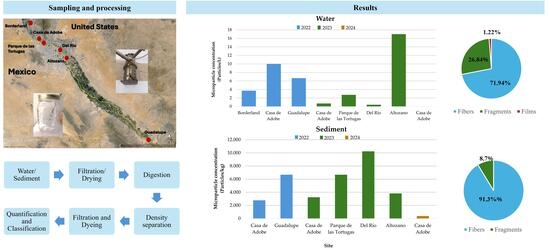
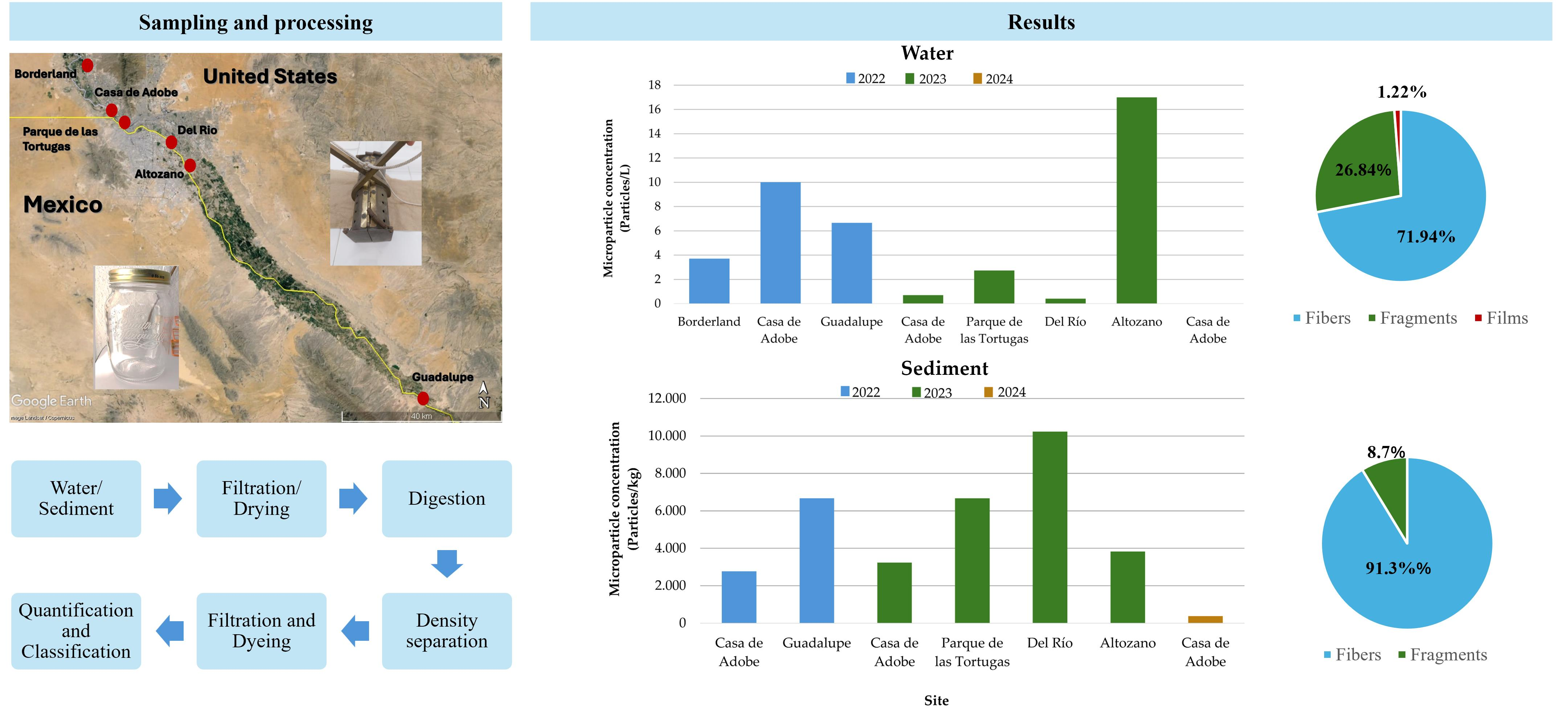
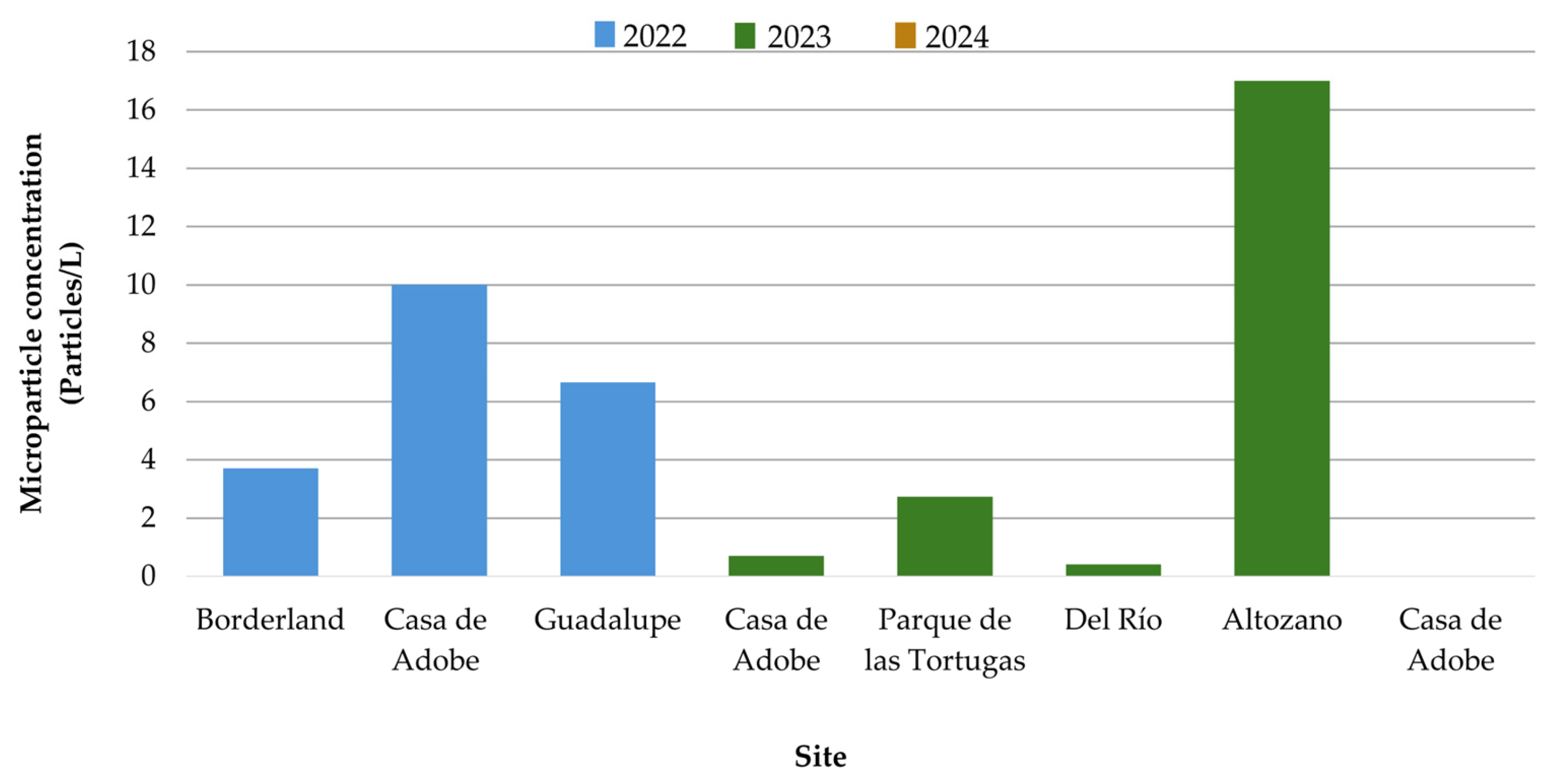
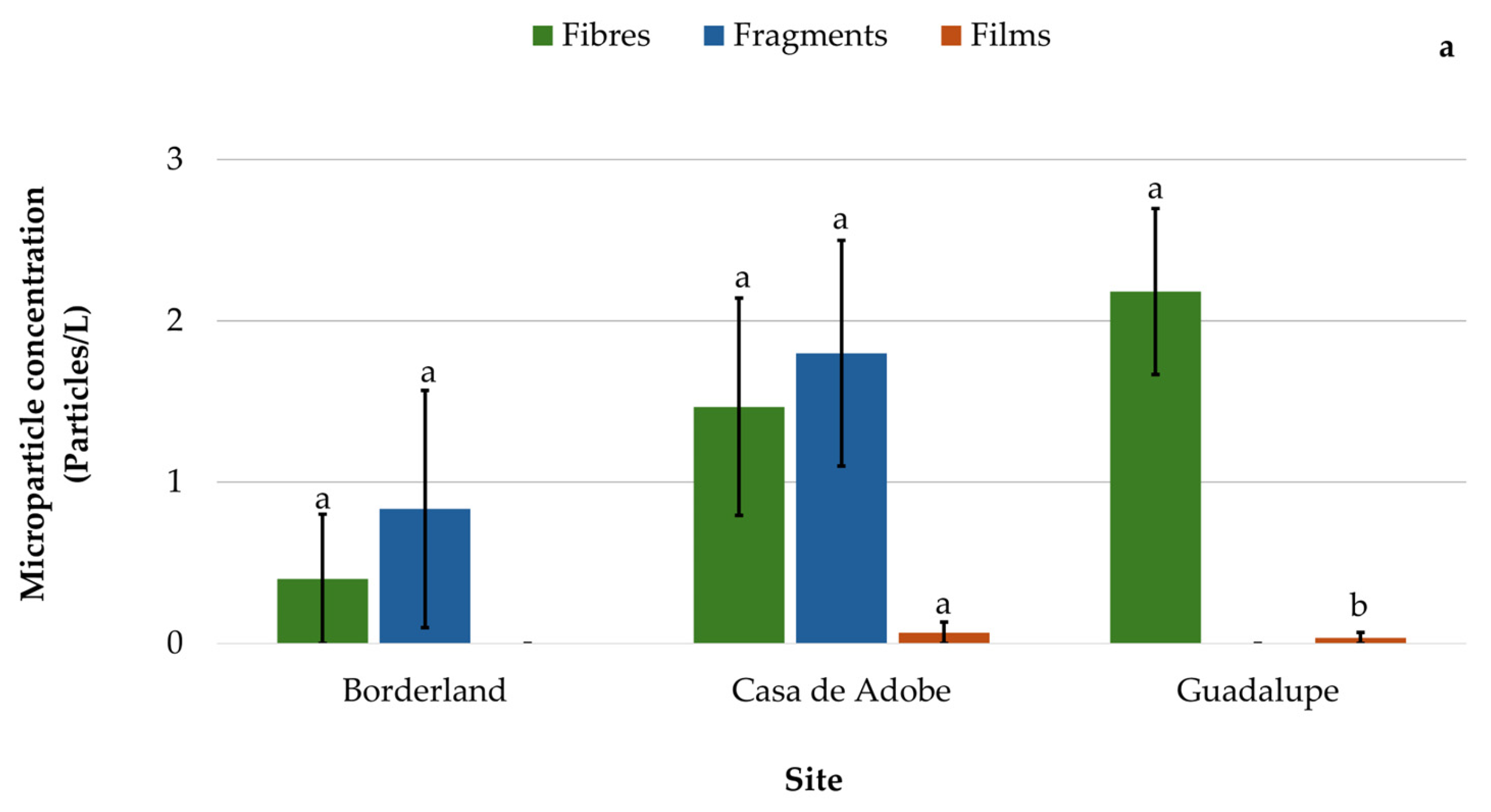
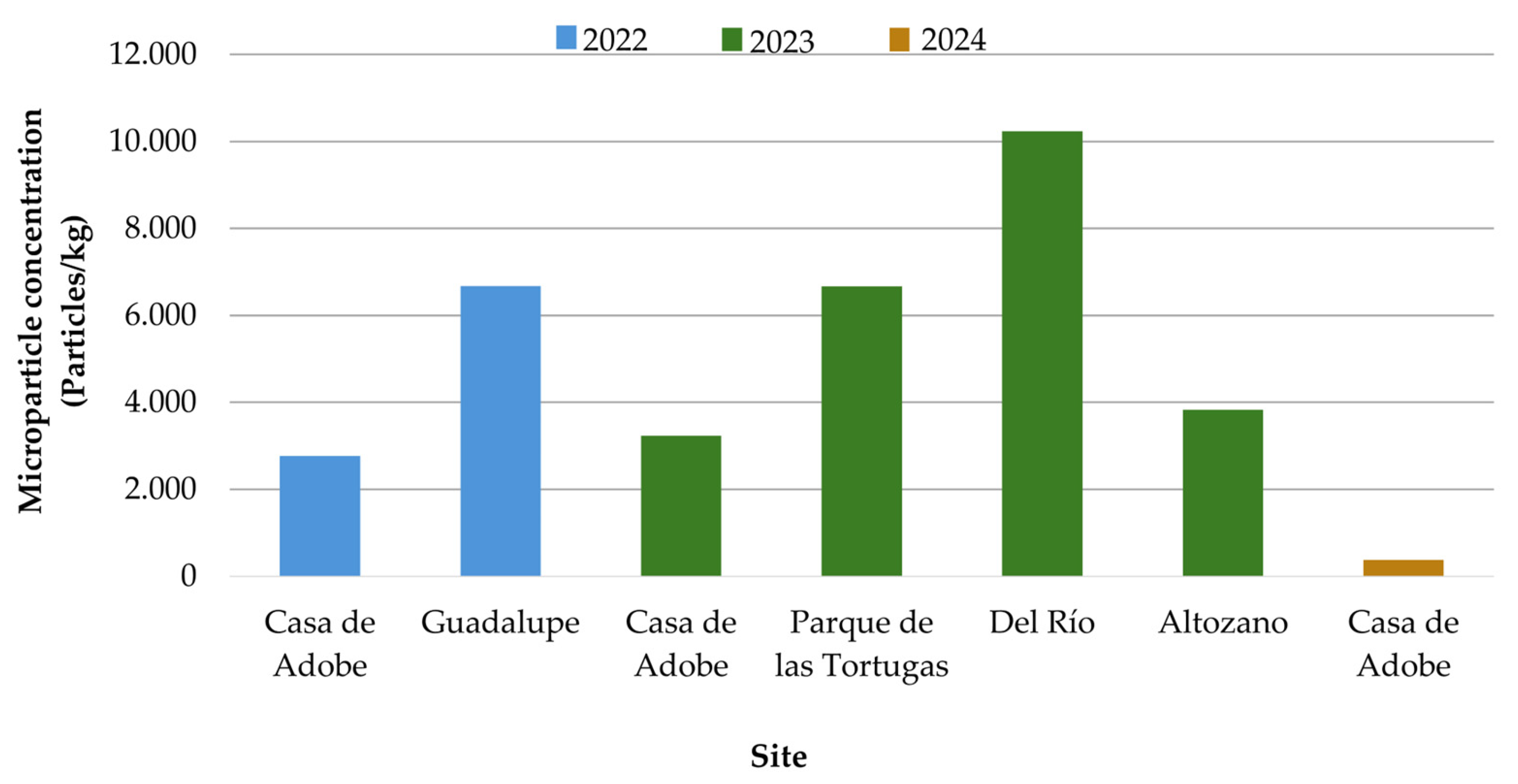
The abundance of microparticles in water (0.4–17 particles/L) and sediments (2.8 × 10
3–1.0 × 10
4 particles/kg) detected in this study (
Table A13), as well as the particle shapes (fibres, fragments, and films), could be associated with multiple factors such as those described in the literature for other rivers: plastic waste, economic activities such as agricultural and industrial practices, urbanization, untreated wastewater, wastewater treatment plants (WWTPs) discharges, atmospheric deposition [
3,
7], river flow rates, and sampling times (e.g., during the rainy season [
35]).
To identify possible MP sources in this portion of the Río Bravo/Grande, the following factors must be considered: (1) the main activities near the Río Bravo/Grande, specifically on the Juarez–El Paso border (mainly agriculture and manufacturing industries) [
36,
37]; (2) the strict environmental regulations that prohibit or limited waste and wastewater discharges into the river by manufacturing industries along the U.S.A–Mexico without a permit [
38,
39]; (3) the river water management stipulations set by international treaties such as the 1906 treaty for the Equitable Distribution of the Waters of the Río Bravo/Grande [
40]; and (4) climate [
23].
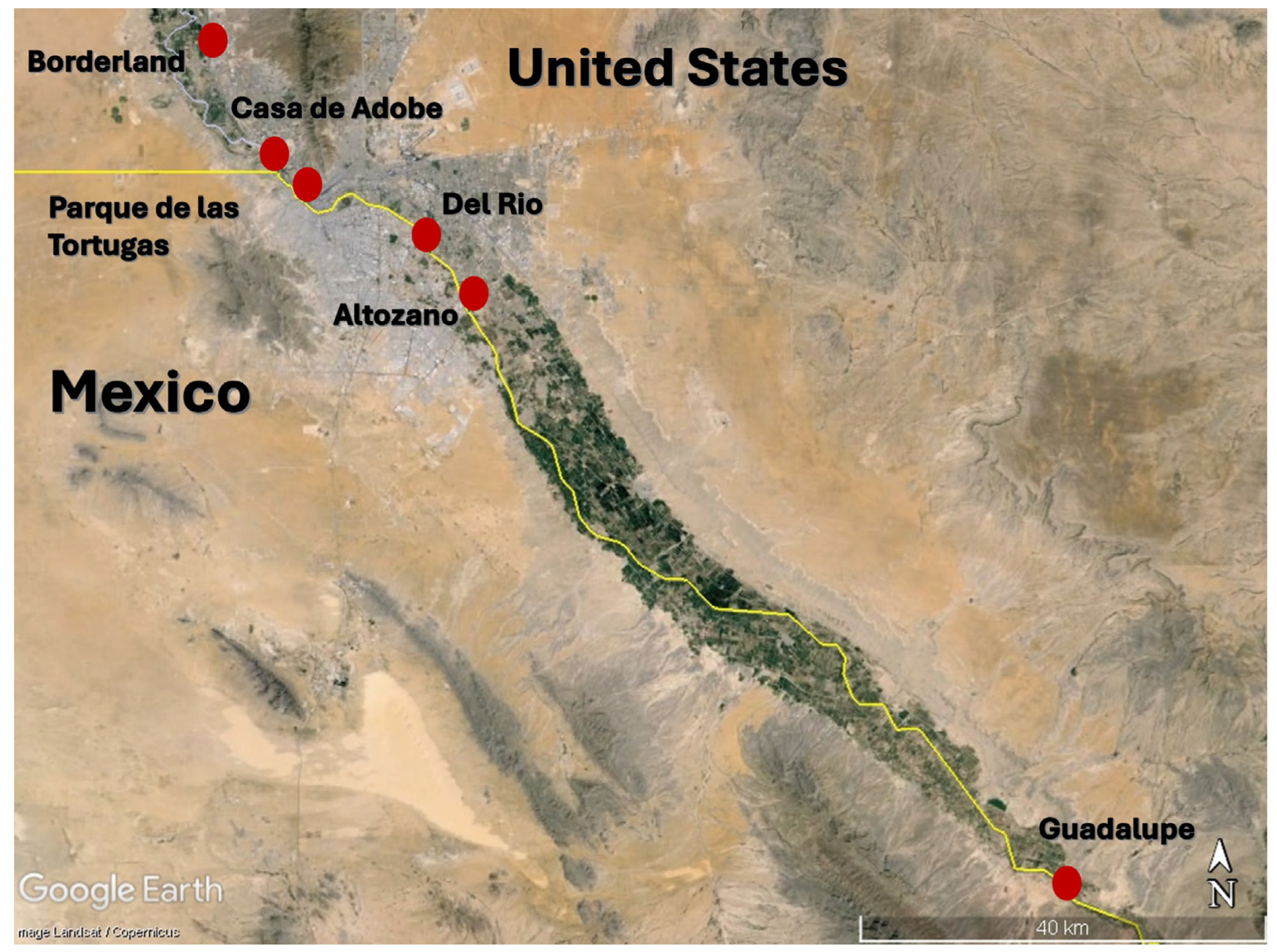
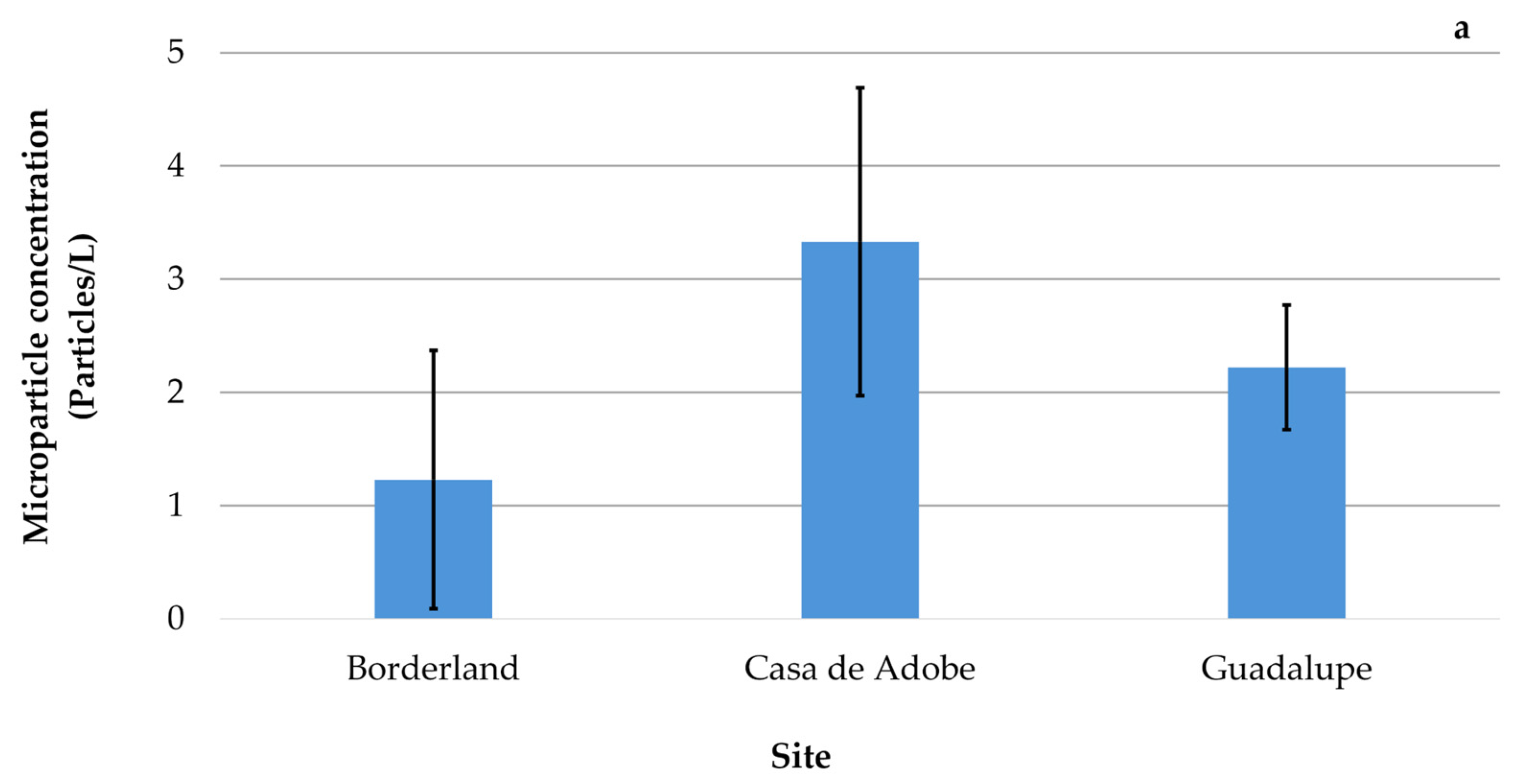
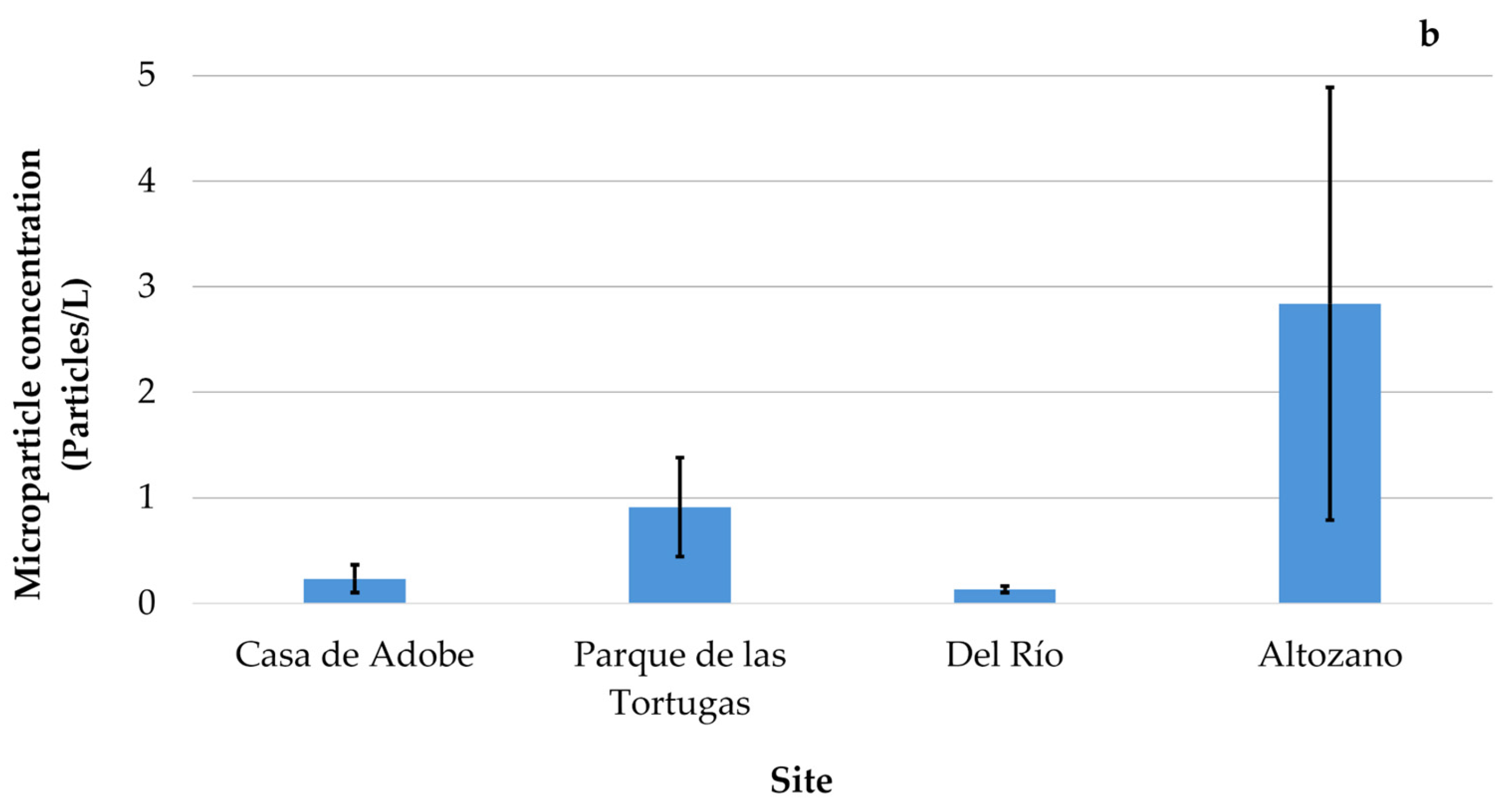
It was interesting to note the similarity in average microparticle concentration in water among sites in 2022 and 2023 despite the difference in sampling times, and even though urbanization and economic activities vary along the river: Borderland, in El Paso, TX, is near an urban and industrial area, while Casa de Adobe’s surroundings include brick factories as well as residential areas; moreover, it is located 0.56 km below Northwest WWTP (El Paso, TX)’s discharge into the river, and the American Dam (water diversion to Mexico) [
40]. The river flow decreases before the Parque las Tortugas site due to the “Acequia Madre” diversion, which drains water to supply farmland areas [
41]; this site is surrounded by roads at both border sides. Del Rio is located in an urbanized zone, but there may be an input of treated wastewater 8.84 km upstream of this site from the Haskell WWTP; Altozano is near an industrial zone at the Mexican border, while Guadalupe sampling site represents a rural area focused on agriculture at both border sides.
Similarities in microparticles may reflect hydrodynamic sorting, where flow velocity influences the retention of specific particle sizes. As seen in
Table A14, the flow and depth at Borderland (<7.8 m
3/s and <0.45 m, respectively) [
42] were greater than those at Casa de Adobe (0.3 m
3/s and 0.3 m, respectively) [
27] and Guadalupe (<0.5 m
3/s and 0.29 m, respectively) [
42], but 64% of the particles found at Borderland fell within the 12–150 µm range, while at Casa de Adobe, 70% fell within the 15–408 µm range, and at Guadalupe, 66% fell within the 18–628 µm range; overall, Borderland particles were smaller in size, which may facilitate their dispersion with the river current at this site [
43].
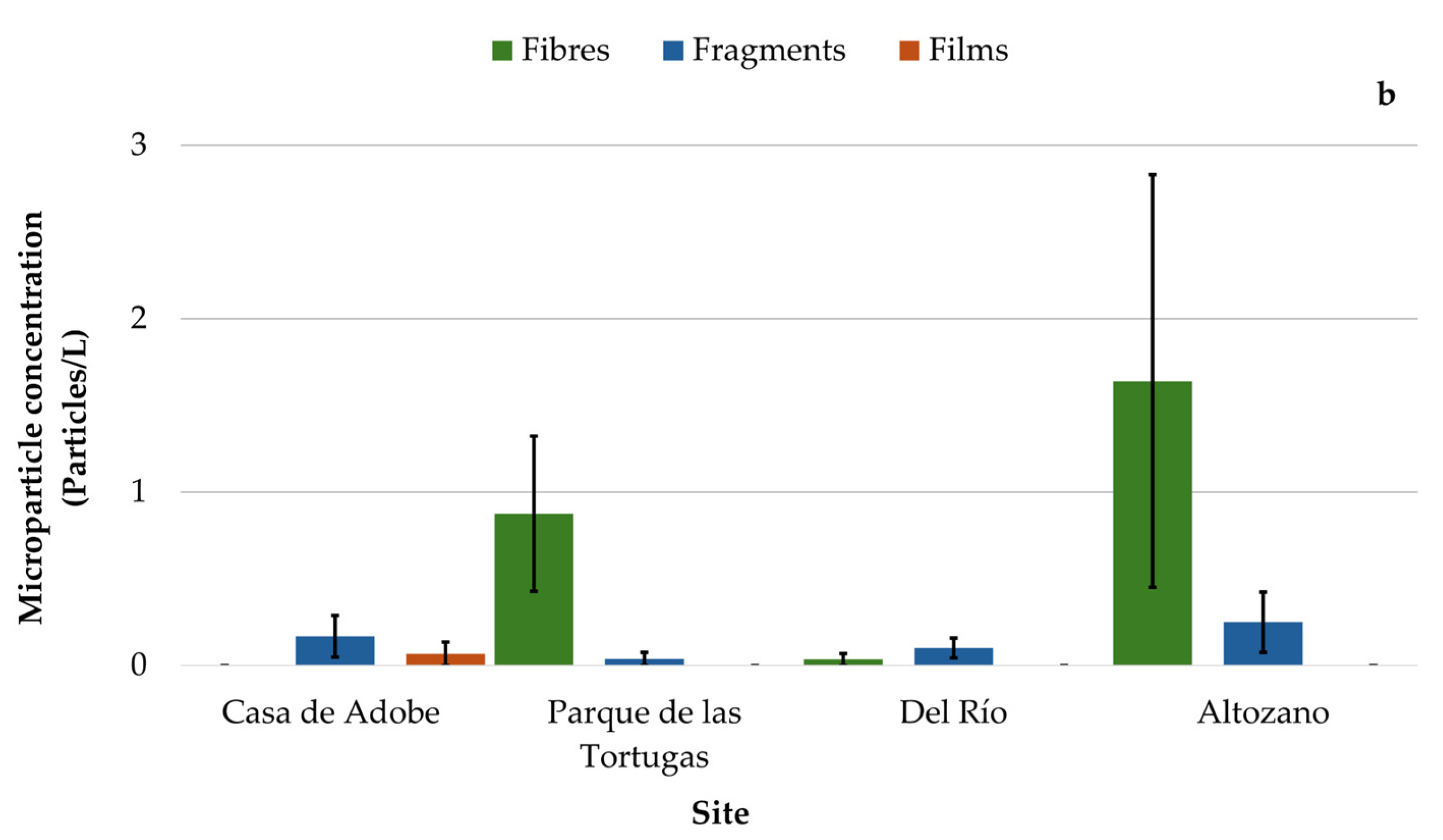
Similar microparticle concentrations (0.13–5.67 particles/L on average) were detected at sites sampled in 2023. However, there is not enough data to correlate the concentration similarity with the water flow, even though Casa de Adobe and Parque de Las Tortugas had similar flow (4.15 m
3/s and <5 m
3/s, respectively); there was no information available about flow near the Altozano or Del Rio sites. The nearest IBWC monitoring station to Del Rio is about 4.4 km to the east, but only two measurements of flow are registered (<0.5 m
3/s on 6 December 2022, and 215.54 m
3/s on 19 July 2023 [
27]), while the last registered flow at Altozano (17.47 m
3/s) was in May of 2023, five months before our sampling time.
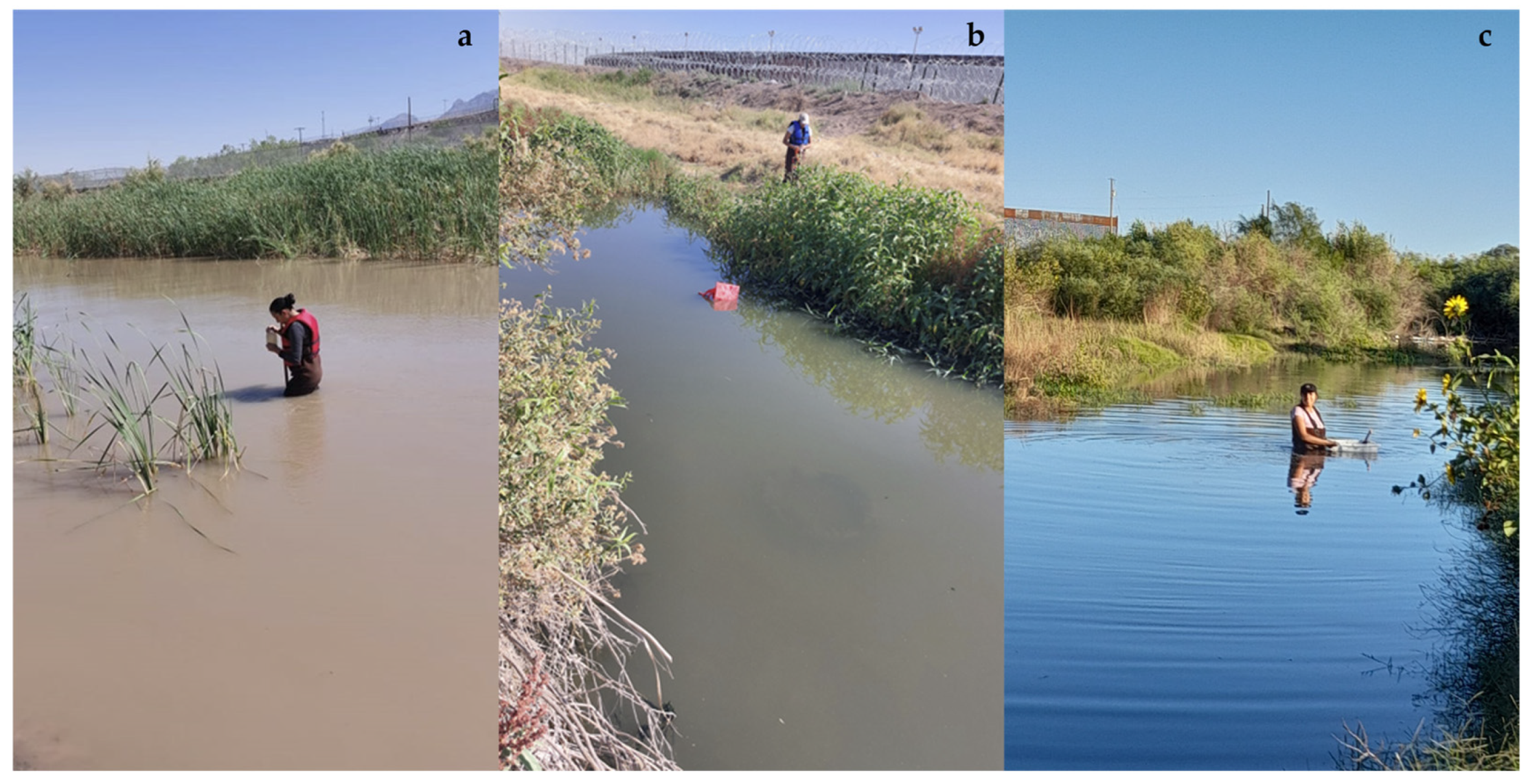
Figure 12 presents a visual reference of the water level at three of the sampled sites. The only similarity among sites sampled in 2023 is the location of WWTPs (Northwest, Haskel, and Bustamante plants) and the runoff discharge below the International Reservoir (about 0.8 km upstream of Parque de Las Tortugas) in the surroundings of the sampling sites (0.56 to 8.34 km). These plants may release water to the river basin during the year, especially when river water is kept at upstream dams such as Elephant Butte, contributing to MPs’ release into the environment [
44].
Other rivers associated with urban, industrial, and agricultural zones show similar ranges of MPs in water to the ones found in this study: Ding et al. [
45] detected concentrations of 3.67–10.7 particles/L in the Wei River in China (in the section flowing through Ningxia, Shaanxi, and Gansu), and in Poland [
46] a study detected 1.6–2.55 particles/L in the Vistula River. However, the conditions of water flow and population size in the surroundings of the aforementioned rivers (
Table A15) differ from those recorded in the Río Bravo/Grande and in the El Paso–Juárez metroplex, respectively. Other variables such as waste management, microplastics in other matrices (air and soil), and wastewater discharge into the mentioned rivers must be considered in addition to the hydrogeographic and demographic characteristics to determine MPs’ presence in surface water systems. Other factors, such as the sampling, processing, and identification methods, must be taken into consideration to explain the wide variation in the reported concentrations.
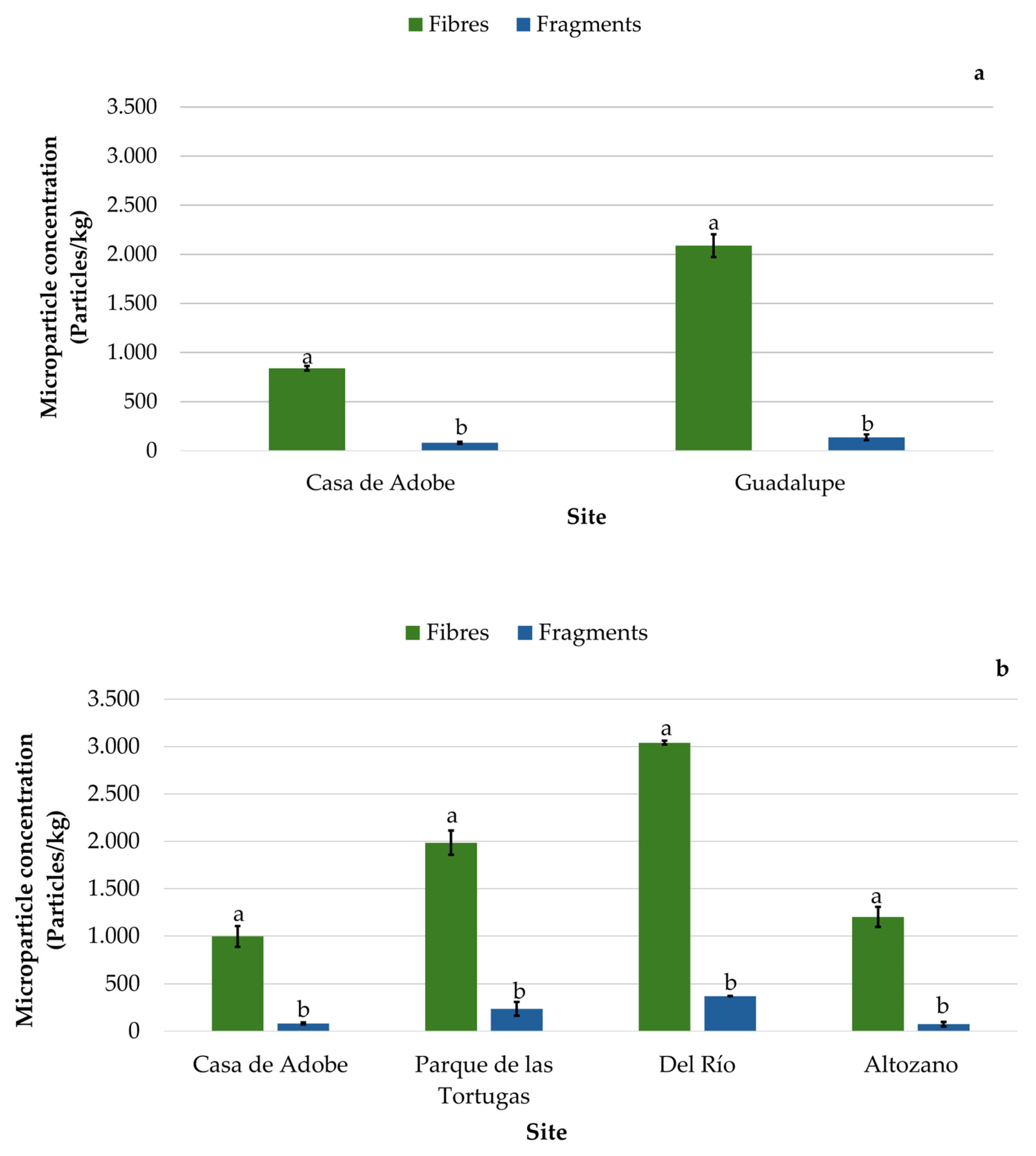
Looking at the shapes of particles found in the Río Bravo/Grande, the amount of fibres detected (71.94%) is consistent with studies in other rivers, such as (1) the Wei River, where 61.95% of the total registered microplastics were fibres [
44]; (2) the Sinos River in Brazil, with 89.4% [
29]; (3) the Fenghua River in China, with 9–83% of the particles [
47], and (4) 96% in the Ganges River [
7]. Other studies also report foams, pellets/spheres, and films [
45,
48]; foams and pellets/spheres were not detected in the water or in sediment samples collected at the Río Bravo/Grande.
Fibre abundance can be linked to the presence of treated and untreated wastewater in natural water bodies, since the mechanical fragmentation of clothes in washing machines has been described as a source of microfibres [
44,
47]. Previous reports state that there are wastewater and treated wastewater discharges into the river at the El Paso, Texas (EE.UU.) side [
38,
49], as well as urban runoff and unexpected occasional wastewater discharges at the city of Juárez, Chihuahua (México) side [
50]. Moreover, in 2021 and 2022, the northwest wastewater treatment plant at El Paso, Texas (U.S.), released 1.25 billion gallons of wastewater into the river [
51]. Even though it has been found that wastewater treatment plants such as those at Todos los Santos Bay inBaja California, Mexico remove microplastics during the treatment process, fibres are still the predominant shape in the effluent of these plants [
52].
Another source of fibres in the Río Bravo/Grande at the El Paso–Juárez metroplex could be atmospheric deposition, as both cities experience frequent dust storms [
23]. Although MPs in the air have not been as explored as much as in water, research has shown that they can be transported by air [
53].
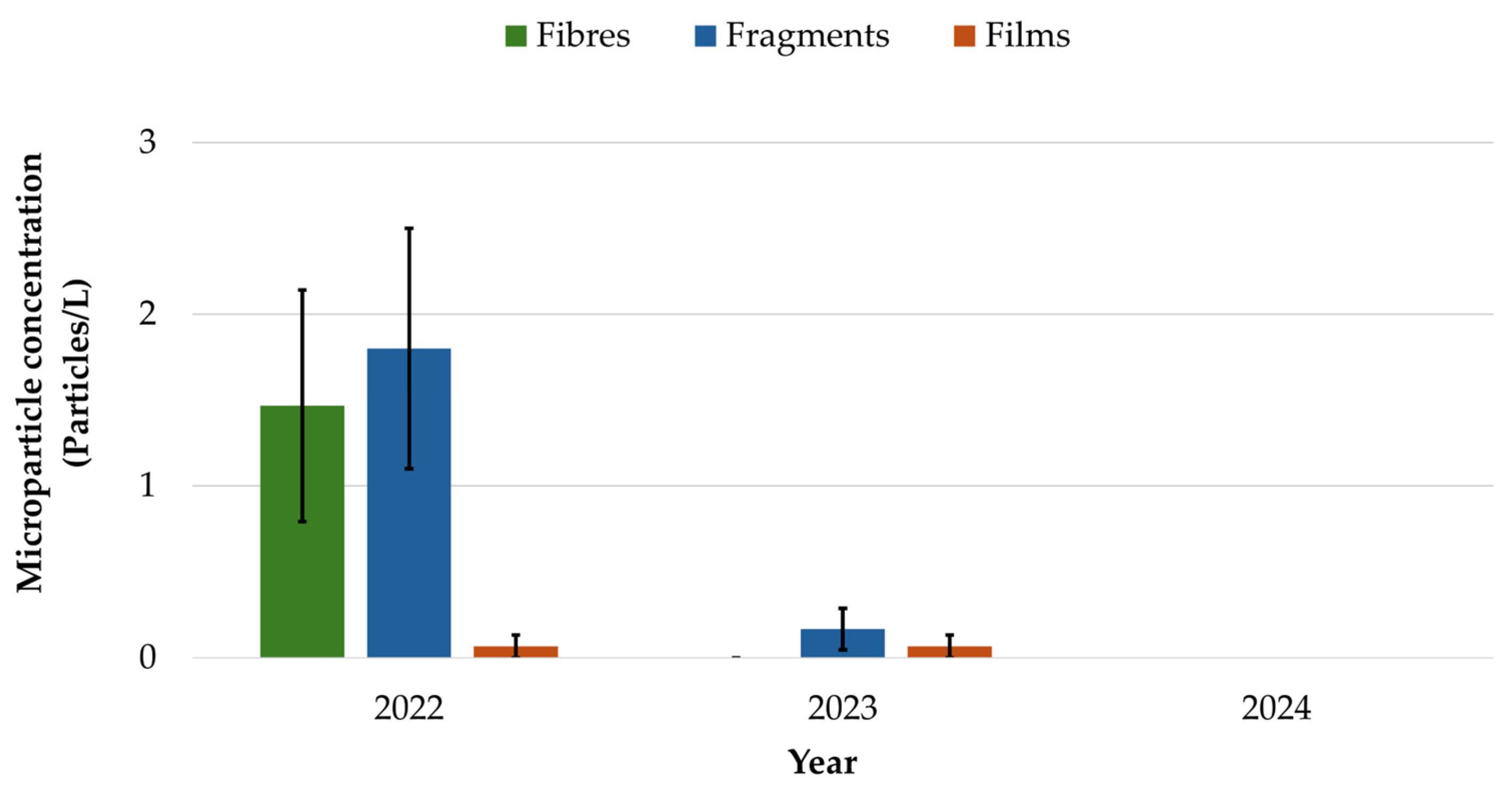
The presence of MP fragments and films in the environment is associated with the degradation of large pieces of plastic debris, such as plastic bags, packaging, plastic bottles, and tyre wear particles, and with agricultural practices [
48,
54]. Thus, urban runoff and atmospheric deposition may introduce these particles into the Río Bravo/Grande since urban runoff is discharged in the river by natural land slope and wind flows through the El Paso–Juárez metroplex throughout the year. This assumption is supported by Sun et al. [
55], who concluded that the amount of microplastic fragments deposited by air in urban spaces was 1.7 to 12 times higher than those discharged in treated wastewater. Moreover, our team noticed the presence of numerous instances of plastic waste in and around the river (
Figure 11) during sampling, which could be the main source of these particles.
Studies in river water and sediment show that there is a tendency for sediments to have a greater concentration of MPs than water [
7,
48], which supports the idea that sediments act as MP reservoirs [
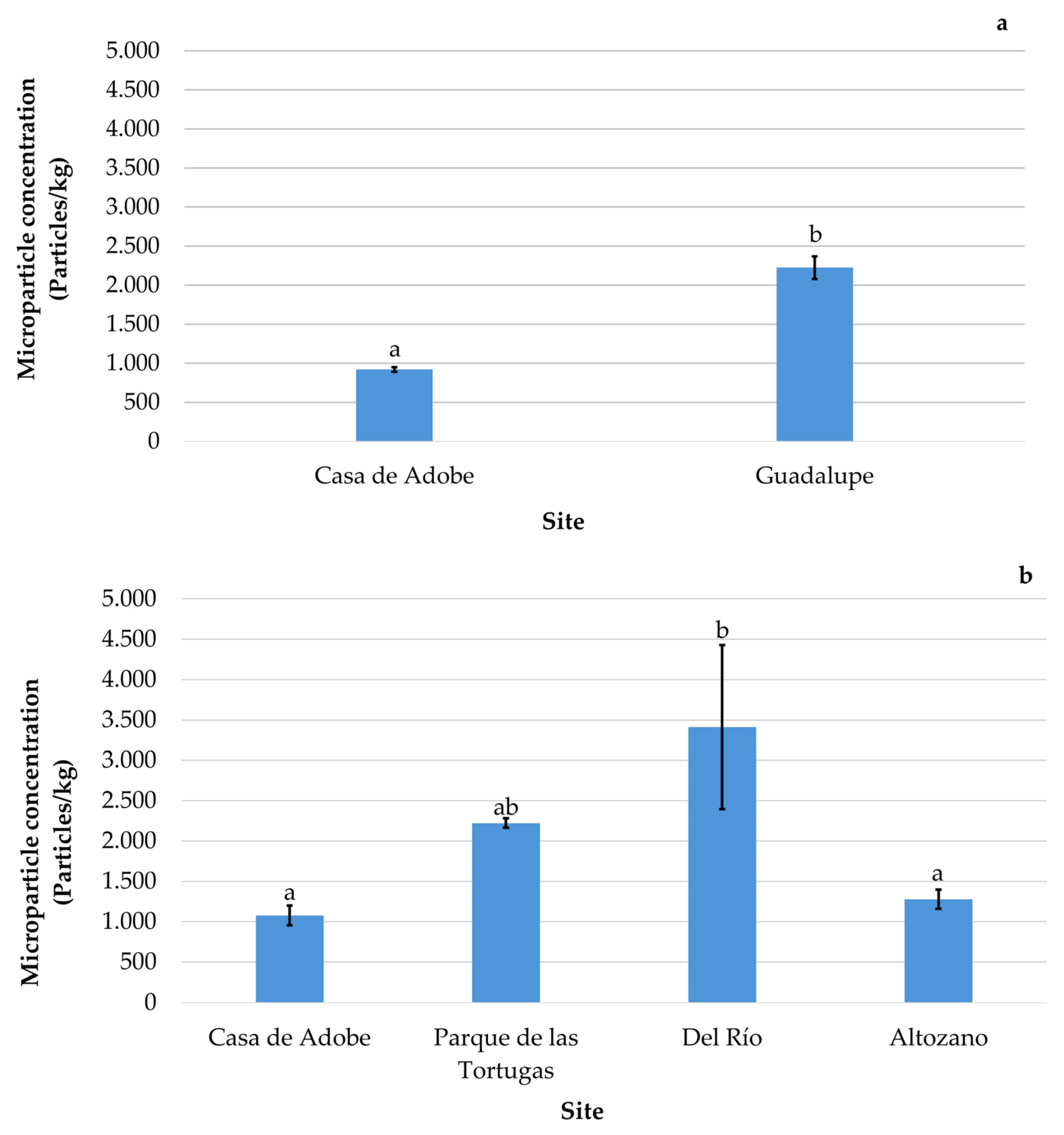
56]. In the present study, this tendency is supported since Del Rio had the lowest MP concentration in water (0.4 particles/L) but the highest concentration in sediments (10,234.83 particles/kg), and a similar pattern was observed in the rest of the sites (
Table A13).
It is important to note that microplastics in sediments have a different dynamic than those in water, as MPs in sediments tend to accumulate and only be resuspended when there are disturbances in the sediments, such as a raining event or increased flow [
43]. The Río Bravo/Grande at the El Paso–Juárez metroplex is subjected to disturbances at least once a year, when Elephant Butte water is released and diverted to México. Considering this, the differences between the concentrations in sediments from the 2022 sites (Casa de Adobe and Guadalupe) can be due to flow and depth, given that both variables were lower in Guadalupe (low sediment disturbance) and microparticle concentration was higher in comparison to Casa de Adobe. Moreover, Casa de Adobe is near the international floodgates that control the flow of water from the U.S.A. into Mexico, while Guadalupe is located at about 105 km from this point. In the case of the sites sampled in 2023 (Casa de Adobe, Parque de las Tortugas, Del Rio, and Altozano), a similar situation was observed, as Parque de las Tortugas had the lowest levels in terms of both flow and depth, but the highest microparticle concentration.
Sediments in other parts of the world have also shown considerable concentrations of microplastics. The Amazon, Solimões, and Negro Rivers (up- and downstream of Manaos, Brazil) had concentrations within the same range as the ones in this study (417–8178 particles/kg) [
57]; it is interesting to note that the population of Manaos at the time of monitoring (2011) was about the same as Juárez in 2020: 2,063,689 vs. 1,561,000, respectively. Just as in water, the conditions of each river are diverse (
Table A15).
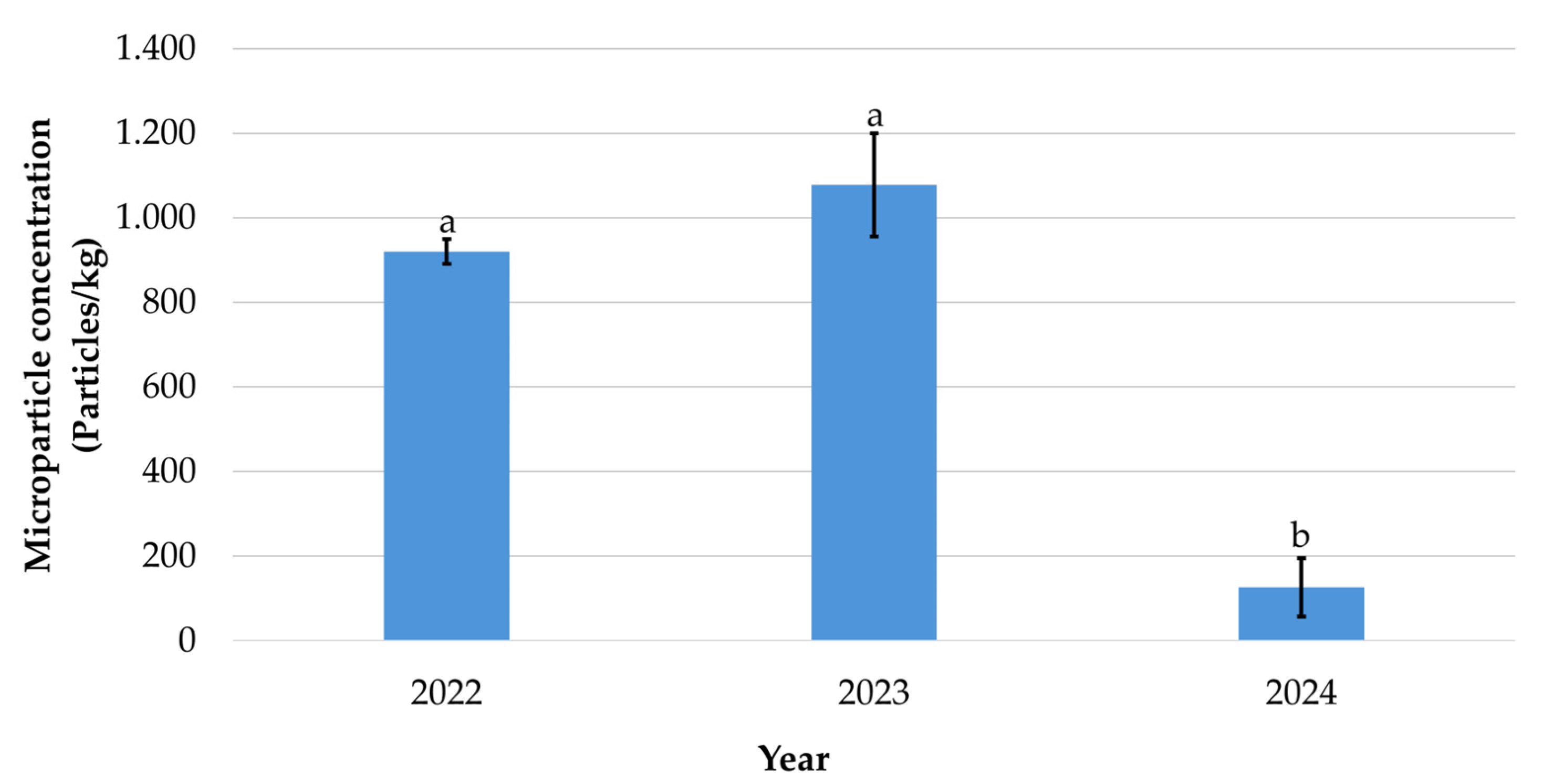
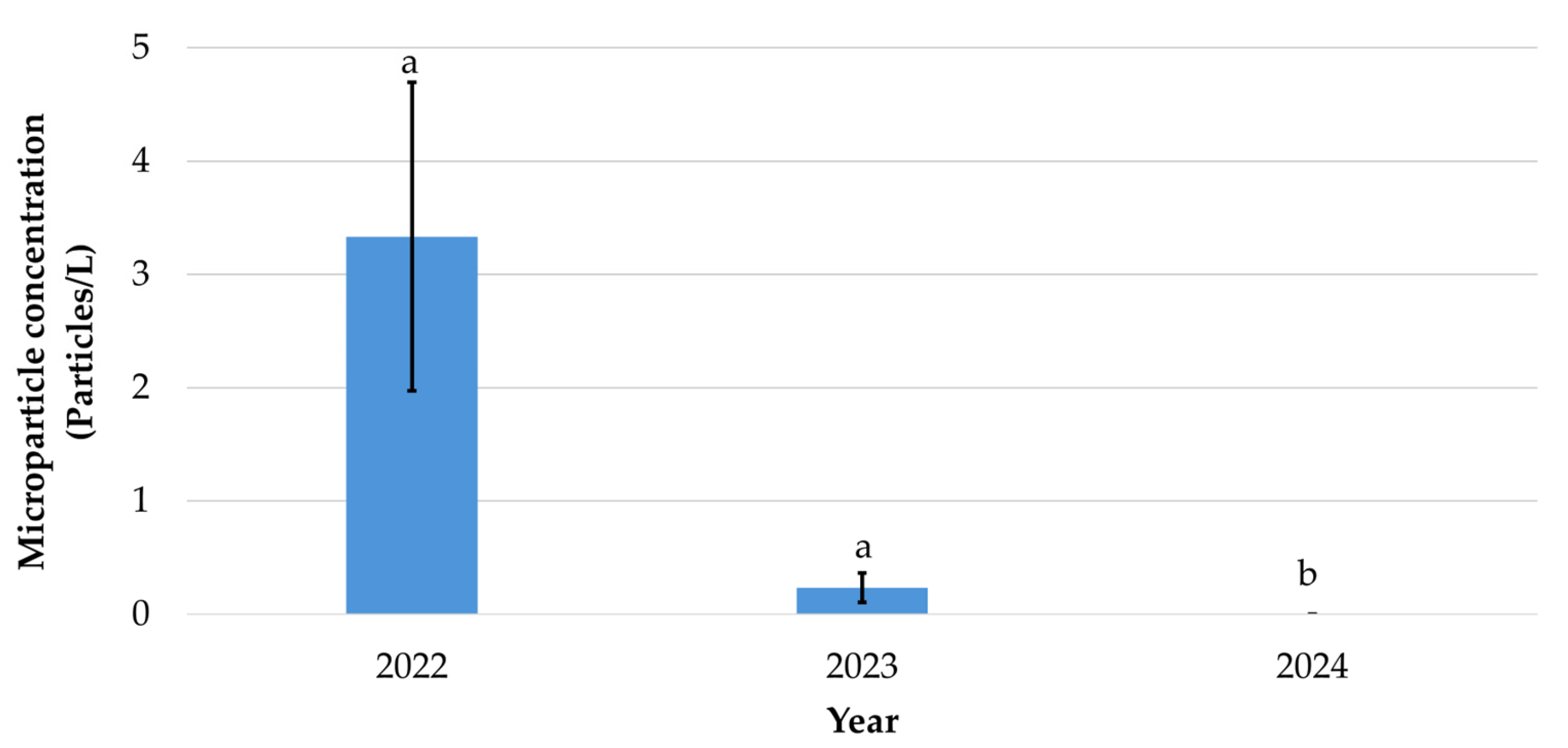
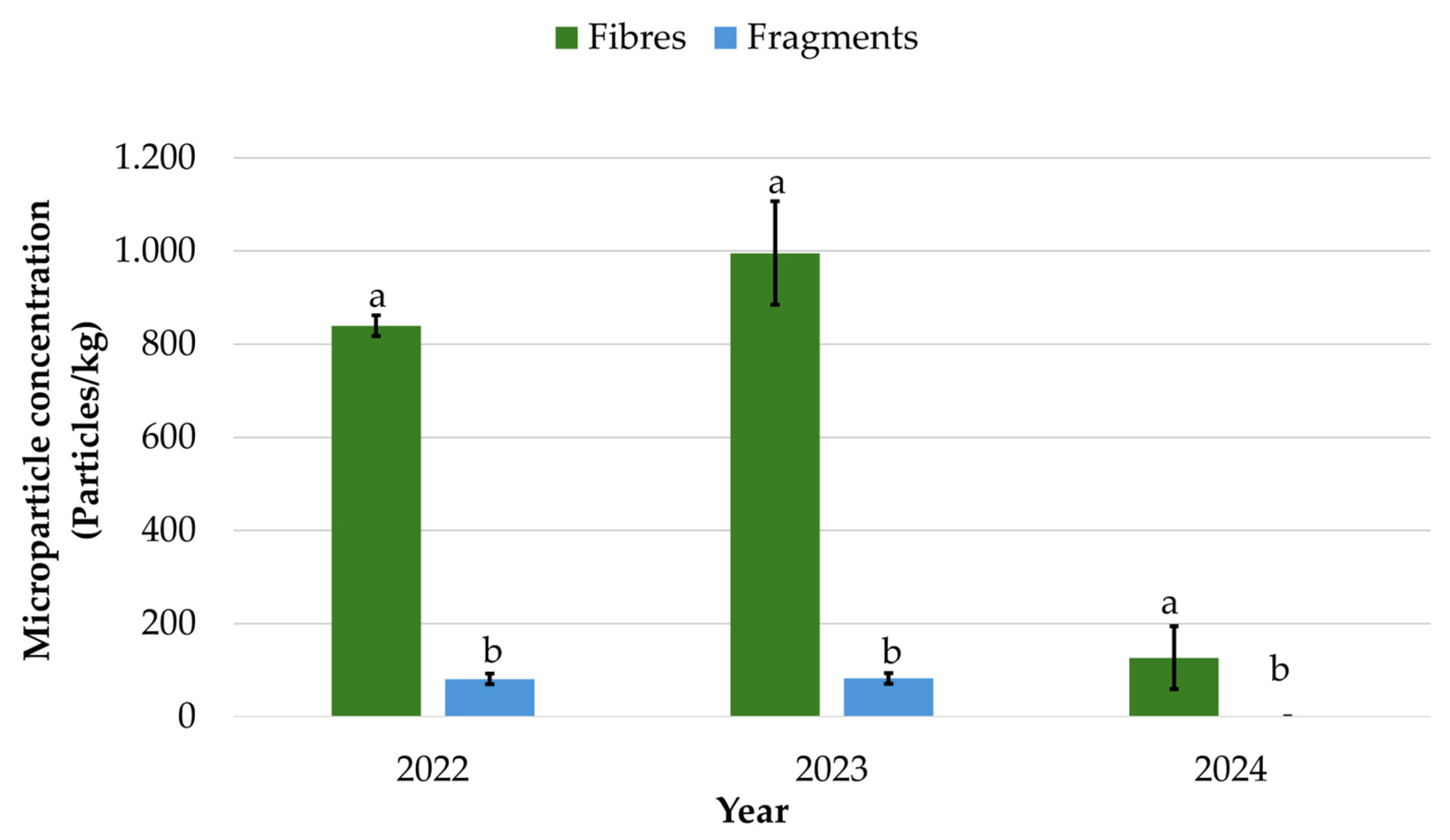
The data obtained from the Río Bravo/Grande water and sediments collected at Casa de Adobe in three different years (2022–2024) indicate that average microparticle concentration may vary through time. There may be several reasons for these variations, such as rain events occurring days before sampling, resuspension from sediments due to people looking for a place to fish or fishing with a net near the sampling site during sampling, or due to flow variations (floodgates were closed during sampling in 2022 but open in 2023 and 2024).