Article

First Metagenomic Shotgun Sequencing Report on the Microbiome of Local Goat and Sheep Raw Milk in Benin for Dairy Valorization


by
Yvette Adje
1,
Philippe Sessou
1,*,
Konstantinos Tegopoulos
2,
Yaovi Mahuton Gildas Hounmanou
1,3,
Nikistratos Siskos
2,
Ioanna Farmakioti
2,
Paulin Azokpota
4,
Souaïbou Farougou
1,
Lamine Baba-Moussa
5,
George Skavdis
2 and
Maria E. Grigoriou
2
1
Laboratory of Research in Applied Biology, Polytechnic School of Abomey-Calavi, University of Abomey-Calavi, Abomey-Calavi 01 BP 2009, Benin
2
Department of Molecular Biology and Genetics, Faculty of Health Sciences, Democritus University of Thrace, 68100 Alexandroupolis, Greece
3
Department of Veterinary and Animal Sciences, University of Copenhagen, 1870 Frederiksberg, Denmark
4
Laboratory of Food Science and Technology, University of Abomey-Calavi, Jericho-Cotonou 03 BP 2819, Benin
5
Laboratory of Biochemistry and Molecular Typing in Microbiology, Department of Biochemistry and Cell Biology, Faculty of Science and Technology, University of Abomey-Calavi, Abomey-Calavi 05 BP 1604, Benin
*
Author to whom correspondence should be addressed.
Submission received: 17 September 2025 / Revised: 5 November 2025 / Accepted: 19 November 2025 / Published: 4 December 2025

Abstract

Background/Objectives: Goat and sheep farming is an important agro-economic resource in Benin. However, their milk is both underutilized and insufficiently characterized, which limits the development of innovative dairy products and raises concerns about its safety. Against this backdrop, our pioneering study set out to investigate, for the first time in Benin and using an advanced metagenomic approach, the microbial diversity present in goat and sheep raw milk. The aim was to lay the groundwork for safer and more efficient dairy valorization. Methods: To achieve this, metagenomic DNA was extracted from 20 pooled milk samples representing both animal species, followed by shotgun sequencing. Results: Analyses revealed seven dominant phyla: Bacillota (17.44–27.23%), Pseudomonadota (12.39–15.55%), Campylobacterota (3.65–5.29%), Actinomycetota (1.47–6.03%), Spirochaetota (1.14–2.02%), Apicomplexa (0.28–0.50%), and Bacteroidota (0.17–0.22%) in the raw milk of both species. However, their proportions differ. Bacillota, which was the most dominant in both types of milk, was significantly more abundant in goat (27.23 ± 5.33) than in sheep milk (17.44 ± 8.44). In sheep milk, Enterobacteriaceae (11.36 ± 5.79) were the most predominant family, followed by Streptococcaceae (5.57 ± 2.29) and Staphylococcaceae (4.51 ± 3.63). Goat milk, on the other hand, presents a different hierarchy. Streptococcaceae (6.65 ± 2.19) and Staphylococcaceae (6.43 ± 2.33) were the most abundant families, surpassing Enterobacteriaceae (5.33 ± 1.66). The genus Escherichia was the most abundant in sheep milk (6.18 ± 5.33). The genera Staphylococcus (4.50 ± 3.63) and Streptococcus (5.05 ± 1.98) were also present. In contrast, in goat milk, the genera Streptococcus (6.54 ± 2.35) and Staphylococcus (6.42 ± 2.32) were the most dominant, while the average abundance of Escherichia was much lower (1.98 ± 1.28). In terms of species, Sheep milk was dominated by Escherichia coli (6.14 ± 5.28) and Staphylococcus aureus (5.17 ± 2.28) while Klebsiella pneumoniae (2.82 ± 1.72), Streptococcus pneumoniae (1.92 ± 1.36), and Campylobacter coli (1.52 ± 1.27) were also found. In addition to a relatively high abundance of Staphylococcus aureus (6.40 ± 2.45), goat milk was characterized by the presence of Corynebacterium praerotentium (5.32 ± 2.28) and Clostridium perfringens (3.39 ± 2.09). Additional pathogens identified included Clostridioides difficile (1.17–2.00%), Clostridium botulinum (0.27–0.43%), Listeria monocytogenes, Mycobacterium tuberculosis, Helicobacter pylori (0.36–0.62%), Salmonella enterica (0.22–0.26%). As for fungi, Ascomycota were predominant, with the presence of Aspergillus fumigatus, Saccharomyces cerevisiae, Trichophyton mentagrophytes, and Candida auris. Moreover, lactic acid bacteria with technological interest such as Oenococcus oeni (0.60–0.97%), Levilactobacillus namurensis (0.25–0.44%), Lactobacillus agrestimuris, and Lacticaseibacillus rhamnosus were also detected. Conclusions: These findings provide essential insights into the technological potential and health risks associated with these milks, which are key to developing safer and more efficient local dairy value chains.

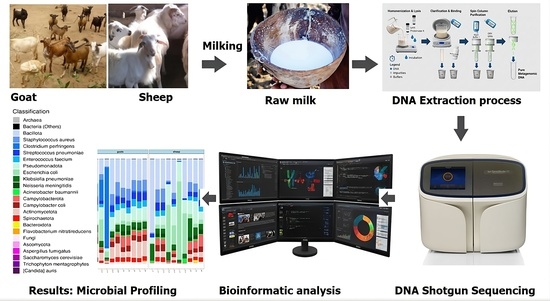
Graphical Abstract

1. Introduction

Agriculture is a cornerstone of Benin’s economy, contributing significantly to its gross domestic product and supporting the livelihoods of a large portion of the population [1]. Within this important sector, livestock farming stands out as a key pillar, not only generating income for rural households but also providing essential animal protein for the nation’s food security [2]. Traditionally, large ruminant farming especially cattle has been dominant, playing a major role in both meat and milk production in Benin. However, small ruminants such as goats and sheep are increasingly important, representing an untapped resource for diversifying the food supply and boosting farmers’ incomes [3]. Although their role is often highlighted in terms of meat production, their milk also represents a valuable resource. According to FAO statistics (FAOSTAT), goat milk production in Benin rose significantly, from 26,339 tonnes in 2019 to 38,433 tonnes in 2022. A similar trend is observed for sheep milk, although detailed data remain limited [4]. Goat and sheep milk, essential for sustenance in several regions around the world, represent a prime alternative to cow’s milk [3]. Their nutritional profile, characterized by a higher content of quality proteins, calcium, phosphorus, and B vitamins (notably B12), makes them particularly beneficial foods [5,6]. It is this richness, combined with a distinctive flavor, that has fostered their historical use in the production of many dairy products [7]. Globally, goat and sheep milk are highly valued, playing an integral role in culinary and economic traditions. In Europe, for example, goat milk is the basis for renowned cheeses such as Crottin de Chavignol in France [8], while sheep milk is essential for Greek Feta and Italian Pecorino, both internationally acclaimed [9,10]. In US, goat milk products including cheese and yogurt are growing in popularity in niche markets [11]. Across Asia, goat milk yogurt and other fermented products are appreciated for their nutritional and sensory qualities. Small ruminant milk is also well integrated into African diets, with countries like Tunisia, Morocco, and Ethiopia using it in traditional recipes, producing artisanal cheeses and fermented milk highly valued for their nutritional content and sustainability [9]. This valorization not only diversifies food options for consumers but also stimulates local economies and enhances farmers’ incomes.
Despite increasing production, the potential of goat and sheep milk in Benin remains largely underexploited. Currently, a significant proportion of this milk is consumed raw, with limited processing into value-added dairy products [12]. This lack of development hinders its full economic and nutritional impact, often due to limited awareness of its benefits, processing methods, and the opportunities provided by derivative products, especially fermented dairy. Moreover, Beninese scientific literature on milk microbiology has historically focused on cattle milk, relying on traditional culture-based methods that fail to capture the complexity and richness of the entire microbiome. This study represents a major shift as the first to investigate the microbial diversity of goat and sheep milk in Benin. Its originality lies not only in focusing on these species within the Beninese context for the first time but also in applying a shotgun metagenomic sequencing approach. This cutting-edge technology enables a comprehensive and unbiased characterization of the microbiome, detecting uncultivable microorganisms and providing a complete overview of potential pathogens as well as technologically and probiotic-relevant species. This innovative approach is important for unlocking the value of these local milks, laying the scientific foundation for safe, sustainable, and innovative goat and sheep dairy value chains that can contribute to both food security and economic growth in Benin.

2. Materials and Methods

2.1. Study Area and Sample Collection

The study was conducted in the communes of Lalo, Bonou, Ketou, Bante, and Djougou in Benin. These areas were selected based on their agro-ecological and livestock farming relevance to ensure a representative overview of small ruminant production systems across the country. Each commune was chosen for its distinctive agro-ecological characteristics: humid southeastern zones (Lalo, Bonou, Kétou) featuring integrated farming systems, the central transitional zone (Bante) known for semi-extensive livestock production, and the more arid northwestern zone (Djougou) where extensive small ruminant farming is predominant. An essential inclusion criterion was the confirmed and significant presence of goat and sheep populations in these areas, ensuring the availability of relevant milk samples for comprehensive microbiological analysis. Reports from the Ministry of Agriculture, Livestock and Fisheries (MAEP) of Benin and FAOSTAT data [4] support the concentration of these herds in these production zones. On the other hand, other regions of Benin were excluded from our study because they did not meet the criteria required for our targeted focus on small ruminants. For example, northern departments such as Alibori and Borgou were excluded due to the overwhelming dominance of cattle farming, accounting for more than 60% of the national cattle herd. Likewise, large urban centers like Cotonou and Porto-Novo were not included because of the very limited small ruminant farming in these areas. This selective approach allowed the study to concentrate on regions where goat and sheep milk breeding is most relevant.
Milk samples were collected directly on-farm, following standard milking procedures. Prior permission was obtained from all farm owners before sample collection. As this study did not involve any experimental procedures and was based purely on routine farming activities, no approval from an animal ethics committee was required. The milk collection complied fully with animal welfare and hygiene regulations applicable to the farms. In total, milk samples were collected from twenty farms distributed across the five selected communes. In each area, four different farms were sampled: two «Djallonké» goat farms and two «Djallonké» sheep farms. For each herd, pooled milk samples were obtained by combining milk from five individual animals. Particular attention was paid to the lactation stage of the animals, with samples collected only from females between 0 and 3 months postpartum. This criterion ensured consistency among samples regarding the animals’ physiological state, reducing variation due to lactation and strengthening the reliability of the subsequent microbiological analyses.

2.2. Metagenomic DNA Extraction

To analyse the microbial diversity, metagenomic DNA was isolated from twenty pooled milk samples of 25 mL. DNA extraction was carried out using the NucleoSpin® Food kit (Macherey-Nagel GmbH & Co., Düren, Germany), in accordance with the protocol described by Anihouvi et al. [13]. DNA concentration was determined using a NanoDrop 2000c spectrophotometer (Thermo Fisher Scientific, Waltham, MA, USA) while DNA purity was evaluated based on both the A260/280 ratio, indicative of protein contamination, and the A260/230 ratio, which reflects the presence of organic compounds or salts.

2.3. Library Preparation and Next Generation Sequencing

Genomic libraries were prepared using 100 ng of metagenomic DNA per sample. DNA fragmentation was performed enzymatically with the Ion Shear™ Plus Reagents (Thermo Fisher Scientific, Waltham, MA, USA), targeting an approximate library size of 200 bp. The fragmentation process was carried out at 37 °C for 15 min according to the manufacturer’s guidelines. Fragmented DNA was then purified using the AMPure XP Beads (Beckman Coulter, Krefeld, Germany) at a volume ratio of 1.8× (beads/sample). Subsequently, nick repair and adapter ligation were performed using the Ion Plus Fragment Library kit (Thermo Fisher Scientific, Waltham, MA, USA) along with the Ion Xpress Barcode Adapters (Thermo Fisher Scientific, Waltham, MA, USA), following the manufacturer’s guidelines. The ligated DNA was again purified using the AMPure XP Beads (Beckman Coulter, Krefeld, Germany) at a volume ratio of 1.4× (beads/sample), followed by size selection using E-Gel® SizeSelect™ 2% Agarose Gel (Thermo Fisher Scientific, Waltham, MA, USA). DNA concentration of each library was then quantified via Real-Time qPCR with the Ion Universal Library Quantitation Kit (Thermo Fisher Scientific, Waltham, MA, USA), in accordance with the manufacturer’s instructions. Each library was then dilluted to 60 pM and then combined into a single pool and loaded onto the Ion Chef System (Thermo Fisher Scientific, Waltham, MA, USA) for template preparation. Finally, sequencing was performed with the Ion Torrent GeneStudio S5 (Thermo Fisher Scientific, Waltham, MA, USA). All procedures were carried out at the Laboratory of Developmental Biology & Molecular Neurobiology, Department of Molecular Biology & Genetics, Democritus University of Thrace, Alexandroupolis, Greece.

2.4. Data Analysis

To characterize the microbial communities present in goat and sheep milk, we performed taxonomic profiling of shotgun metagenomic reads using Kraken v2.1.2. For this purpose, we relied on a custom reference database. This database integrates reference genomes from RefSeq as well as high-quality, non-redundant metagenome-assembled genomes (MAGs) recovered from milk microbiota samples. MAGs were selected based on a completeness threshold of at least 90% and contamination ≤ 5%. They were then dereplicated using dRep v3.4.2 with specific parameters (–pa 0.90 –sa 0.95 –nc 0.30 –cm larger), in order to retain only unique, high-quality genomes. To tailor the database to milk-associated microbial communities, the MAGs were also dereplicated against the Unified Human Gastrointestinal Genome (UHGG) catalog and dairy-related genome catalogs, when available. The final set of dereplicated genomes was added to the Kraken database using the kraken2-build in Kraken2 v2.17.
Kraken2 was run with a confidence threshold of 0.1 to minimize incorrect assignments. Species-level abundance estimates were refined using Bracken v2.8.0, and the taxonomic results were converted into BIOM format using Kraken-biom v1.2.0. The resulting BIOM table was merged with sample metadata and used to build a phyloseq object in R v4.1.3. To ensure robust data interpretation, a series of quality filters was applied to the phyloseq object. Taxa were retained only if they exhibited a relative abundance of at least 0.1% in at least 5% of the samples. Potential contaminants, including reads classified as host (Capra hircus or Ovis aries), human, or environmental sequences, were removed. A 30 million reads target was set during sequencing and after raw reads filtration we maintained an average sequencing depth of 20 Million reads per sample. This resulted in a curated phyloseq object containing 8782 microbial taxa. Microbial community composition was assessed using alpha diversity measures (e.g., Shannon index) and beta diversity metrics (Bray–Curtis dissimilarity), with visualizations generated using the R v4.1.3 packages ggplot2 and ggpubr. Differences in community structure across host species (goat vs. sheep), farm sites, and sample types were evaluated using PERMANOVA via the adonis function from the R vegan package. To identify taxa with differential abundance between host species or other metadata variables, we applied ANCOM-BC (v2.1) to species-level abundance tables. Differential abundance results were interpreted in the context of microbes known to be associated with milk and potential dairy contaminants. All analyses were performed using R v4.1.3 and python3.14 on the Danish Life Sciences HPC Computerome high-performance computing review (https://computerome.dk/).

3. Results

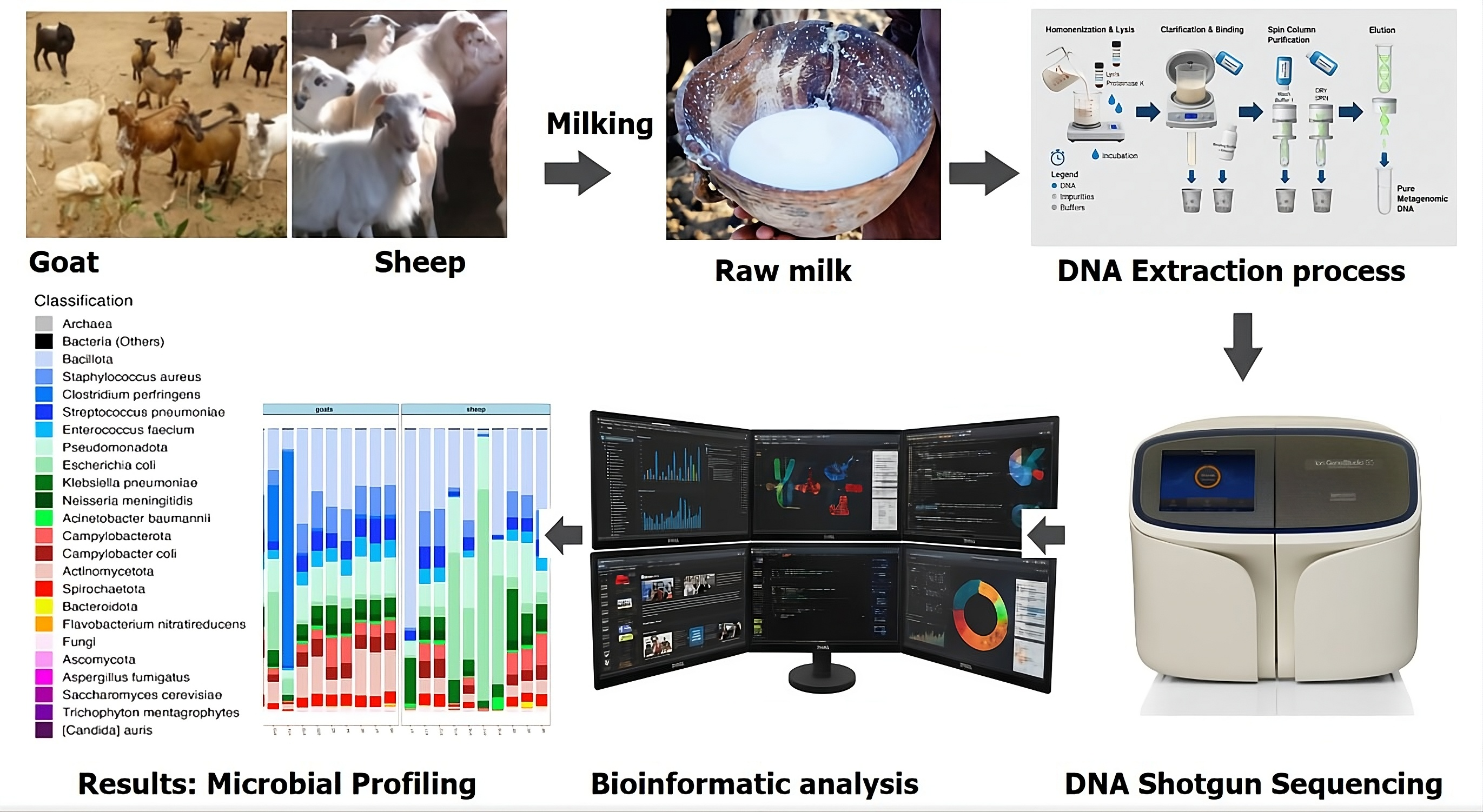
Goat and sheep farming represents an underutilized agro-economic resource in Benin. Although their milk is traditionally used on a small scale, it lacks in-depth scientific characterization. This lack of analysis not only hinders the development of innovative dairy products but also raises concerns about their sanitary safety. In this context, our pioneering study aimed to explore, for the first time in Benin, the microbial diversity of goat and sheep milk using shotgun approach. This research seeks to lay the groundwork for safer and more efficient dairy valorization. The results from DNA sequencing of twenty pooled raw milk samples from goat and sheep collected from five geographic areas revealed that both types of milk are predominantly dominated by archaea, bacteria, and fungi. Regardless of the type of milk, the most abundant bacterial phyla, listed in descending order, include Bacillota, Pseudomonadota, Campylobacterota (including Campylobacter coli), Actinomycetota, Spirochaetota, and Bacteroidota. Among the Bacillota, the most dominant species are Staphylococcus aureus, Clostridium perfringens, Streptococcus pneumoniae, and Enterococcus faecium. Among the Pseudomonadota, the most prevalent species are Escherichia coli, Klebsiella pneumoniae, Neisseria meningitidis, and Acinetobacter baumannii. The fungi identified in these milks are primarily Ascomycota, including Aspergillus fumigatus, Saccharomyces cerevisiae, Trichophyton mentagrophytes, and Candida auris (Figure 1).
When considering the type of milk, the most abundant phyla in the sheep milk are Bacillota (17.44 ± 8.44), Pseudomonadota (15.55 ± 4.20), Campylobacterota (3.65 ± 3.13), Actinomycetota (1.47 ± 1.18), Spirochaetota (1.14 ± 0.95), Apicomplexa (0.28 ± 0.23), and Bacteroidota (0.22 ± 0.21). In goat milk, the most dominant phyla are Bacillota (27.23 ± 5.33), Pseudomonadota (12.39 ± 1.98), Actinomycetota (6.03 ± 3.63), Campylobacterota (5.29 ± 1.47), Spirochaetota (2.02 ± 1.10), Apicomplexa (0.50 ± 1.38), and Bacteroidota (0.17 ± 1.28). According to these data, sheep and goat milk share the same seven phyla, but in different proportions. Bacillota is the most dominant phylum in both milks, although it is significantly more abundant in goats (27.23 ± 5.33) than in sheep (17.44 ± 8.44). Conversely, Pseudomonadota is more abundant in sheep. Other phyla, such as Actinomycetota and Campylobacterota, are also more concentrated in goats. Additionally, the generally lower standard deviations in goat milk indicate a more homogeneous microbial composition compared to sheep milk.
The most dominant families in sheep milk in Benin are Enterobacteriaceae (11.36 ± 5.79), Streptococcaceae (5.57 ± 2.29), Staphylococcaceae (4.51 ± 3.63), Bacillaceae (2.18 ± 1.24), Campylobacteraceae (1.67 ± 1.38), Enterococcaceae (1.59 ± 1.28), Lactobacillaceae (1.41 ± 1.00), Peptostreptococcaceae (1.17 ± 0.98), Arcobacteraceae (1.06 ± 0.93), and Neisseriaceae (1.02 ± 0.87). Other non-negligible families present in sheep milk are Helicobacteraceae (0.92 ± 0.81), Brachyspiraceae (0.86 ± 0.72), Moraxellaceae (0.60 ± 0.41), and Eggerthellaceae (0.58 ± 0.49). In goat milk, the abundant families are Streptococcaceae (6.65 ± 2.19), Staphylococcaceae (6.43 ± 2.33), Enterobacteriaceae (5.33 ± 1.66), Corynebacteriaceae (4.32 ± 2.57), Clostridiaceae (4.23 ± 5.00), Enterococcaceae (3.21 ± 1.22), Campylobacteraceae (2.96 ± 1.11), Bacillaceae (2.26 ± 0.82), Peptostreptococcaceae (2.00 ± 0.77), Methylocystaceae (1.97 ± 1.25), Brachyspiraceae (1.50 ± 0.51), Neisseriaceae (1.29 ± 0.55), Helicobacteraceae (1.24 ± 0.54), Lactobacillaceae (1.15 ± 0.75), and Arcobacteraceae (1.10 ± 0.66). The minor but not negligible families are Eggerthellaceae (0.94 ± 0.37), Moraxellaceae (0.77 ± 0.29), Sutterellaceae (0.69 ± 0.23), Anaplasmataceae (0.59 ± 0.22), and Babesiidae (0.50 ± 0.20). Comparing the bacterial families of sheep and goat milk, although several families are common to both types of milk, their order of dominance and abundance differ. In sheep milk, Enterobacteriaceae are by far the most abundant (11.36 ± 5.79), followed by Streptococcaceae and Staphylococcaceae. In contrast, in goat milk, Streptococcaceae and Staphylococcaceae are more dominant, with higher values (6.65 ± 2.19 and 6.43 ± 2.33, respectively), while Enterobacteriaceae are less abundant (5.33 ± 1.66).
At the genus level, the most dominant in sheep milk were Escherichia (6.18 ± 5.33), Streptococcus (5.05 ± 1.98), Staphylococcus (4.50 ± 3.63), Klebsiella (3.19 ± 1.47), Bacillus (1.85 ± 1.10), Campylobacter (1.67 ± 1.38), Enterococcus (1.59 ± 1.28), Clostridioides (1.17 ± 0.98), and Neisseria (1.02 ± 0.87). Other minor but not negligible genera encountered were Oenococcus (0.97 ± 0.88), Aliarcobacter (0.95 ± 0.84), Helicobacter (0.92 ± 0.81), Shigella (0.89 ± 0.96), Brachyspira (0.86 ± 0.72), Enterobacter (0.73 ± 0.71), Acinetobacter (0.60 ± 0.41), and Lactococcus (0.52 ± 0.72). As for goat milk, the dominant genera were Streptococcus (6.54 ± 2.35), Staphylococcus (6.42 ± 2.32), Corynebacterium (4.32 ± 2.57), Clostridium (4.22 ± 4.99), Enterococcus (3.21 ± 1.22), Campylobacter (2.96 ± 1.11), Klebsiella (2.67 ± 0.67), Clostridioides (2.00 ± 0.77), Escherichia (1.98 ± 1.28), Methylopila (1.96 ± 1.25), Bacillus (1.74 ± 0.61), Brachyspira (1.50 ± 0.51), Neisseria (1.29 ± 0.55), Helicobacter (1.24 ± 0.54). The minor groups were represented by Aliarcobacter (0.95 ± 0.61), Acinetobacter (0.74 ± 0.28), Parasutterella (0.69 ± 0.23), Oenococcus (0.60 ± 0.77), Anaplasma (0.59 ± 0.23), Adlercreutzia (0.58 ± 0.23), Neobacillus (0.52 ± 0.20), and Babesia (0.50 ± 0.20). Analysis of this data reveals that the two types of milk share a large number of bacterial genera, but their order of dominance and abundance differ. In sheep milk, Escherichia is the most abundant genus followed closely by Streptococcus and Staphylococcus. In contrast, in goat milk, Streptococcus and Staphylococcus are the most dominant genera, with abundances higher than that of Escherichia, whose average is much lower than in sheep milk.
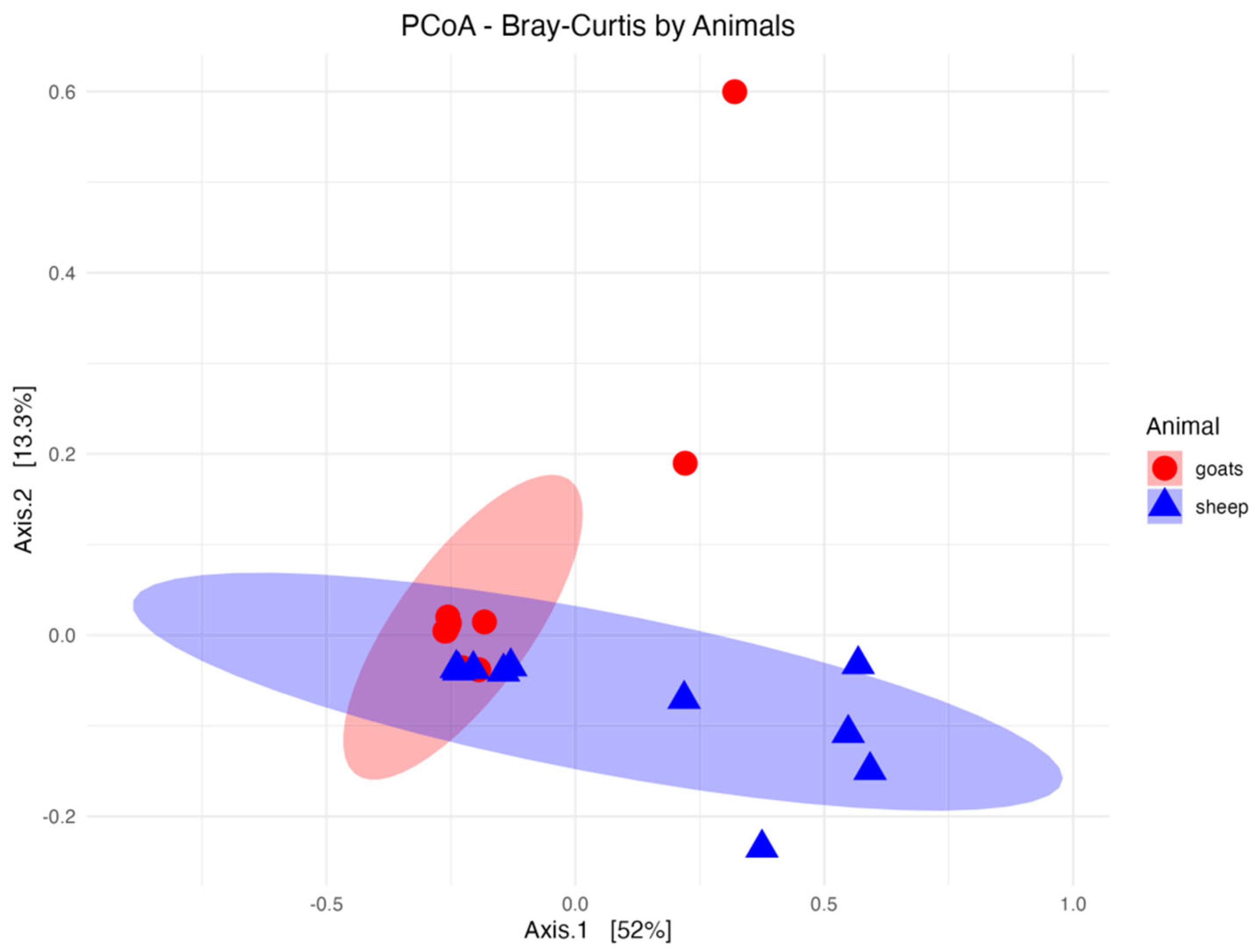
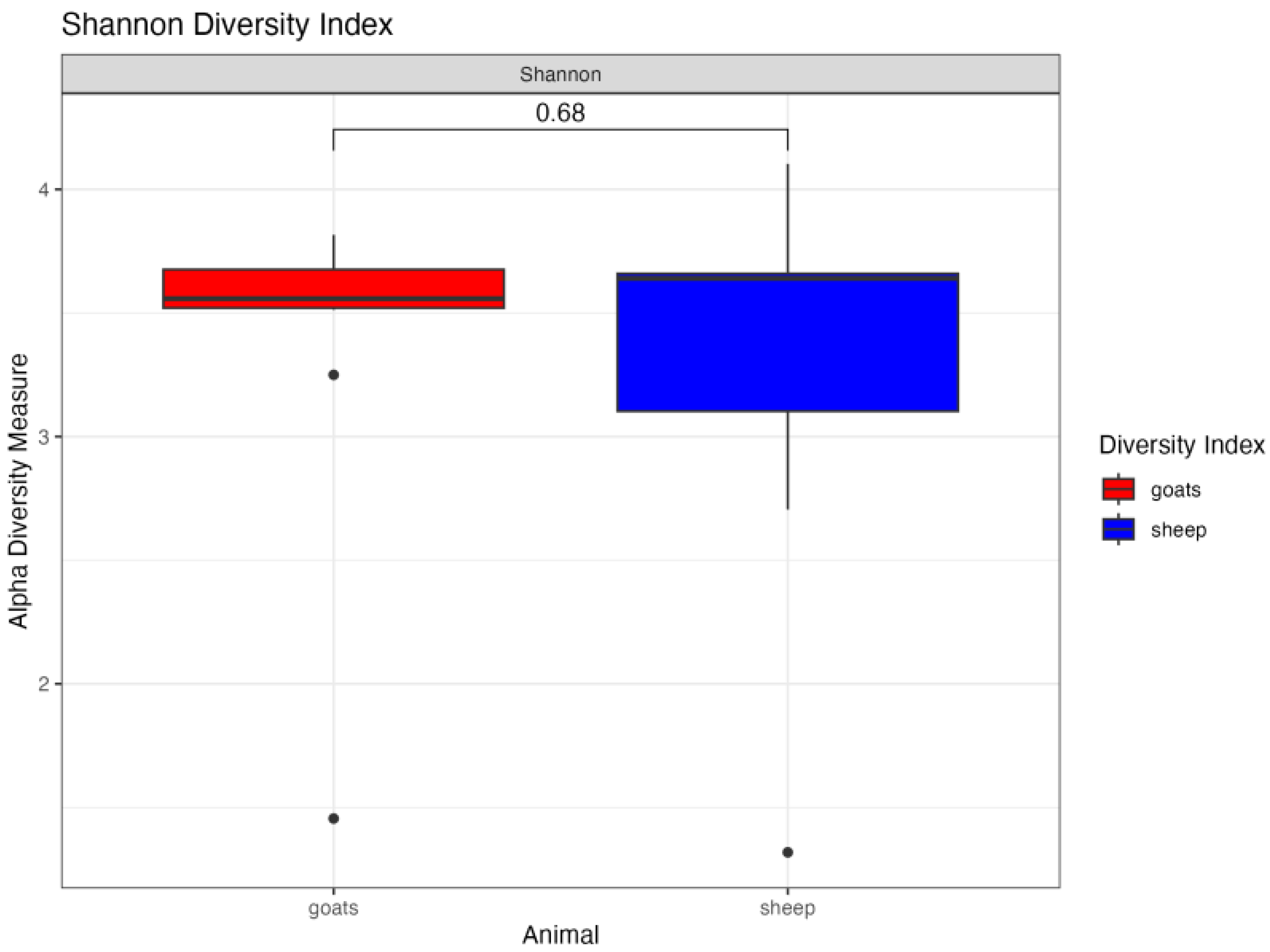
At the species level, the most dominant in sheep milk were Escherichia coli (6.14 ± 5.28), Staphylococcus aureus (5.17 ± 2.28), Klebsiella pneumoniae (2.82 ± 1.72), Streptococcus pneumoniae (1.92 ± 1.36), Campylobacter coli (1.52 ± 1.27), Enterococcus faecium (1.39 ± 1.16), Streptococcus sanguinis (1.31 ± 0.84), Clostridioides difficile (1.17 ± 0.98), Neisseria meningitidis (1.02 ± 0.87), Oenococcus oeni (0.97 ± 0.88), Staphylococcus haemolyticus (0.95 ± 0.84), Anaerotrabae tropharium (0.92 ± 0.81), Streptococcus infantarius (0.71 ± 1.02), Shigella sonnei (0.64 ± 0.52), Brachyspira hyodysenteriae (0.63 ± 0.52) and Helicobacter pylori (0.62 ± 0.55). In goat milk, the dominant species were Staphylococcus aureus (6.40 ± 2.45), Corynebacterium praerotentium (5.32 ± 2.28), Clostridium perfringens (3.39 ± 2.09), Streptococcus pneumoniae (3.31 ± 1.38), Enterococcus faecium (2.92 ± 1.01), Campylobacter coli (2.69 ± 1.01), Klebsiella pneumoniae (2.53 ± 1.21), Streptococcus sanguinus (2.29 ± 0.77), Clostridioides difficile (2.00 ± 0.86), Escherichia coli (1.97 ± 1.27), Methylopila jiangsuensis (1.86 ± 1.22), Neisseria meningitidis (1.29 ± 0.55), Brachyspira hampsonii (1.20 ± 0.47), Bacillus sp. VT-16-54 (0.98 ± 0.41), Aliarcobacter tropharium (0.92 ± 0.59), Helicobacter equorum (0.87 ± 0.35), Parasutterella maris (0.60 ± 0.22), Oenococcus oeni (0.60 ± 0.77), Anaplasma phagocytophilum (0.59 ± 0.23), Adlercreutzia agermustirium (0.58 ± 0.23), Staphylococcus pseudoxylosus (0.55 ± 0.75), Staphylococcus haemolyticus (0.55 ± 0.20), Bacillus cereus (0.53 ± 0.40), and Neobacillus minor (0.52 ± 0.19). Some important pathogenic species like Listeria monocytogenes, Bacillus anthracis, Clostridium botulinum, Mycobacterium tuberculosis and lactobacilli are also present in this milk (Table 1). Lactic acid bacteria like Oenococcus oeni, Levilactobacillus namurensis, Lactobacillus agrestimuris and Lacticaseibacillus rhamnosus are also present in this milk. Analysis of these microfloras reveals notable differences between sheep and goat milk, although both share a profile of potentially pathogenic bacteria. Indeed, sheep milk is dominated significantly (p < 0.05) by Escherichia coli and Staphylococcus aureus. Goat milk presents a slightly different composition. Although Staphylococcus aureus is also the most abundant species, Corynebacterium praerotentium and Clostridium perfringens (significantly higher at (p < 0.001) are dominant. Furthermore, higher concentrations of Clostridioides difficile are observed than in sheep milk. The PCoA plot analysis (Figure 2) showed a clear separation of microbial communities between goat and sheep milk. The goat milk samples form a tight, distinct cluster, indicating a homogeneous microbial composition among them. In contrast, the sheep milk samples (blue triangles) group in a separate area but show greater dispersion, suggesting more variability. This clear distinction demonstrates that the animal species is a key determinant of the milk’s microbial composition. A few outliers are also present, one for the goat milk and two for the sheep milk, which have unique microbial compositions compared to the rest of their groups. The alpha diversity analysis showing the taxonomic richness and evenness of microbial communities in goat and sheep milk samples using the Shannon index (Figure 3) indicates that the median microbial diversity of the milk is very similar for both groups, around 3.5. Although the median values are close, the index shows greater variability in microbial diversity in sheep milk compared to the more homogeneous and tightly clustered diversity of goat milk. A comparison reveals no statistically significant difference in alpha diversity between the microbial communities of goat and sheep milk.

4. Discussion

Small ruminant milk, particularly from goats and sheep, is an essential food resource in many parts of the world, including West Africa. Its rich nutrient composition makes it a vital source of protein and essential minerals for local populations [14,15]. However, this inherent richness also makes it an ideal medium for microbial proliferation, raising crucial questions about its sanitary safety. The present study is the first to characterize the microbiome of goat and sheep milk in Benin using shotgun sequencing. The analysis of the results revealed interesting similarities and specificities compared to studies conducted in other regions of the world, highlighting the potential and sanitary challenges associated with these types of milk. Indeed, in sheep milk samples, the dominant phyla were Bacillota, Pseudomonadota, and Campylobacterota with Enterobacteriaceae, Streptococcaceae, and Staphylococcaceae as the most prevalent families. Key genera included Escherichia, Streptococcus, and Staphylococcus with Escherichia coli, Staphylococcus aureus, and Klebsiella pneumoniae as the most dominant. Comparing the results from our shotgun sequencing of sheep milk to those of Biçer et al. [16] on sheep milk samples from Merino, Lacaune, and Assaf breeds in Konya, Turkey and on healthy Assaf sheep of Zamora, Spain [17], which primarily uses 16S rRNA gene sequencing, we observe significant differences in the observed microbial communities. In these studies from Turkey and Spain, Bacillota (formerly Firmicutes) and Actinomycetota (formerly Actinobacteria) were the most dominant phyla followed by Pseudomonadota (formerly Proteobacteria), and Bacteroidetes. This aligns with a common expectation for milk microbiota, as it often contains bacteria associated with the udder’s surface and lactic acid bacteria used in fermentation. However, in the studied sheep milk, while Bacillota was the most abundant phylum, Pseudomonadota and Campylobacterota were also highly prevalent. The high abundance of Enterobacteriaceae and genera such as Escherichia and Klebsiella in our study suggests potential environmental contamination or differences in hygiene practices, which is a common finding in raw milk from certain regions [18]. The presence of Campylobacterota and species like Campylobacter coli is another notable difference. This phylum is often associated with gastrointestinal tracts and can be a sign of fecal contamination. The literature explored did not report such a high abundance of these taxa, which further emphasizes the unique microbial profile of the Benin sheep milk [19]. While there is some overlap in the presence of common milk microbiota like Staphylococcus and Streptococcus, the overall composition of Benin sheep milk is distinct.
In the goat milk samples from our study, dominant phyla were Bacillota (formerly Firmicutes), Pseudomonadota (formerly Proteobacteria), and Actinomycetota (formerly Actinobacteria). This is broadly consistent with the literature, which also identifies Proteobacteria, Firmicutes, Bacteroidetes, and Actinobacteria as the most abundant phyla in goat milk [18,20,21,22]. Bacillota (Firmicutes) is a major player in our study (27.23%). This is also the case in the studies by Zhang et al. [20] and Li et al. [18], where Firmicutes represents 19.06% and a significant portion, respectively. The predominance of this phylum is often associated with the presence of lactic acid bacteria, which are important for fermentation. Pseudomonadota is also very abundant in our samples (12.39%). This observation is largely confirmed by previous reports, where Proteobacteria is often the most dominant phylum, reaching up to 83.24% in Guanzhong goat milk [20] or 68.33% in Xinjiang [21]. Actinomycetota (Actinobacteria), present at 6.03%, is also well represented in the work of other authors, particularly in the Slovak study by Lauková et al. [23], where it is even the dominant phylum (62.8%). The comparison at finer taxonomic levels reveals specificities related to geography and analysis methods. Our work revealed the presence of dominant potential pathogens such as Staphylococcus aureus (6.40%), Corynebacterium praerotentium (5.32%), and Clostridium perfringens (3.39%), as well as bacteria of medical interest like Klebsiella pneumoniae and Escherichia coli. The 16S sequencing, more limited than shotgun, performed by other authors reported the presence of certain genera such as Staphylococcus [20,23] or Corynebacterium [22], without specifying the species. Globally, the dominant genera reported vary considerably. Indeed, Acinetobacter and Pseudomonas are very abundant in Chinese studies [18,20], while Curtobacterium is the most prevalent genus in Slovakia [23]. Our study, on the other hand, highlights the dominance of Streptococcus and Staphylococcus. This heterogeneity underscores the influence of environmental factors, farming practices, and hygiene on the composition of the milk microbiota. Our study allows for a deeper understanding of the microbial diversity of goat milk and the presence of specific bacteria that could be important for health or dairy processing. The variability of results between studies also highlights the importance of geographic factors and production conditions.

4.1. Safety of the Investigated Milk Samples

Both products contain several potential pathogenic microorganisms, including Acinetobacter baumannii, Clostridioides difficile, Campylobacter coli, Chlamydia abortus, Campylobacter jejuni, Campylobacter lari, Clostridium botulinum, Clostridium perfringens, Klebsiella pneumoniae, Escherichia coli, Listeria monocytogenes, Mycobacterium tuberculosis, Helicobacter pylori, Streptococcus pneumoniae, Staphylococcus aureus, Salmonella enterica, Shigella sonnei, and Staphylococcus haemolyticus. The presence of such a wide diversity of pathogenic microorganisms in the investigated milk poses a major public health threat to consumers. Indeed, numerous studies have already highlighted the presence in small ruminants’ milk of some pathogenic bacteria of major public health concern, such as Listeria monocytogenes, Salmonella spp., and Staphylococcus aureus [14,24,25,26,27]. These micoorganisms are responsible for many foodborne outbreaks and diseases ranging from benign gastrointestinal issues to severe, even fatal, systemic infections [27,28,29,30]. Milk and dairy products have been identified as the source of several human listeriosis epidemics [31]. Ingesting milk contaminated with L. monocytogenes can lead to listeriosis, a serious infection with a high mortality rate of 20% to 30%, making it particularly dangerous for vulnerable populations such as pregnant women, newborns, and immunocompromised individuals [24,29,31,32]. Additionally, ingesting milk contaminated with Staphylococcus aureus can cause acute food poisoning due to staphylococcal enterotoxins, which are a major cause of foodborne outbreaks worldwide [24,26,33,34].
Beyond the usual contaminants, the concomitant detection of pathogens less frequently reported in the previous works on direct-consumption milk, such as Mycobacterium tuberculosis, Chlamydia abortus, Helicobacter pylori, Bacillus cereus, Bacillus anthracis, and Clostridioides difficile, is particularly remarkable and suggests more complex sanitary challenges. Indeed, the presence of Mycobacterium tuberculosis is a critical finding. This microorganism, the agent of tuberculosis, can be transmitted to humans by ingesting raw milk from infected animals, representing a major public health issue [35,36]. The socioeconomic impact of tuberculosis is colossal, with an estimated 31.8 million deaths between 2020 and 2050 globally, leading to estimated economic losses of 17.5 trillion US dollars [37], which makes milk pasteurization absolutely imperative for prevention.
The detection of Helicobacter pylori in our samples is consistent with several studies where its prevalence in raw milk varies between 4.7% and 16% for sheep in Iran [38,39,40], 13.3% and 8.7% in Iran [38,41], 58% in the Czech Republic [42], and 25.6% in Italy [40]. Infection with this bacterium is a major cause of gastric ulcers and long-term stomach cancers, which highlights the risks associated with consuming raw milk [43].
The identification of Chlamydia abortus in goat and sheep milk is a significant public health finding. This bacterium is the agent responsible for enzootic abortion of ewes (EAE), a major cause of infectious abortions in small ruminants worldwide, similar to other well-known pathogens like Campylobacter sp. or Listeria sp. [44,45]. Animal infection is characterized by late-term abortions caused by the colonization and progressive damage to the placenta [46]. In humans, transmission primarily occurs through the consumption of unpasteurized dairy products or undercooked meat, as well as by direct contact with infected animal tissues, such as aborted fetuses or placentas. Infection with C. abortus is particularly serious for pregnant women, as it can cause severe pneumonia and miscarriages [47]. The detection of this pathogen in Beninese milk once again confirms that raw milk is a serious transmission vector and underscores the urgency of sanitary measures to prevent zoonotic risks in the region.
The detection of Bacillus cereus represents a significant health risk. As an opportunistic pathogen, B. cereus is a major agent of food poisoning, causing diarrheal and emetic syndromes [48]. It can also be an opportunistic human pathogen that causes gastrointestinal diseases, bacteremia, endocarditis, respiratory and urinary tract infections, endophthalmitis, and meningitis [49,50]. This bacterium can contaminate many raw foods, including milk, and can survive in processed products due to failures in hygiene or pasteurization processes. Its impact is global: in Europe, it ranks as the fifth most common etiological agent of foodborne outbreaks and caused hundreds of outbreaks in the United States between 1998 and 2015 [48,51].
The identification of Bacillus anthracis in the present work is of great interest since this pathogen is responsible for anthrax, a deadly disease that poses a major public health concern for humans and animals. Its spores are exceptionally resistant and can survive for years in the environment [52]. Naturally present in soils, the bacterium spreads to livestock such as sheep and goats when they consume contaminated pasture, plants, or water. Once infected, these animals can transmit the disease to humans through the ingestion of contaminated products. Human contamination usually occurs through contact with infected animals or their products. People can contract the disease by inhaling spores or by eating contaminated food or drinking contaminated water [53,54]. B. anthracis can lead to three clinical forms of anthrax: cutaneous, pulmonary, and gastrointestinal. Although gastrointestinal anthrax is rarely reported, it can be caused by the consumption of undercooked meat or contaminated raw milk [55,56]. It is estimated that 20,000 to 100,000 human cases of anthrax occur worldwide each year [57,58].
Clostridium perfringens was detected in our raw goat and sheep milk like in many studies with high prevalence in sheep and goats in Asia [59] and Pakistan [60]. This microorganism is classified according to different types of toxins (A, B, C, D, F, and G) that can cause food poisoning which manifests as diarrhea, nausea, and abdominal pain 8 to 24 h after consumption in humans ingesting contaminated milk. These toxins are also associated with more serious diseases such as necrotizing enteritis. The presence of this bacterium highlights the importance of rigorous hygiene during milking and good herd management practices. For these reasons, and due to the risk of potentially serious diseases, the consumption of raw milk is not recommended [56].
Apart from this C. perfringens, Clostridium botulinum was also identified. This bacterium is responsible for botulism, a neuroparalytic disease that is often fatal. It produces the botulinum neurotoxin, considered one of the most deadly substances for humans, with a lethal dose of just a few nanograms. Foodborne botulism, the classic form of the disease, is triggered by ingesting food that already contains the toxin. Once in the body, the toxin passes through the digestive system and causes clinical symptoms. These signs include double vision, a dry mouth, difficulty swallowing (dysphagia) or speaking (dysphonia), and paralysis of the limbs. This paralysis can quickly extend to the respiratory muscles, leading to respiratory failure and, in the most severe cases, death [61].
Campylobacter spp. is one of the most common pathogens responsible for human gastroenteritis worldwide. These bacteria can contaminate milk and dairy products, primarily through fecal contamination [19]. Exposure to Campylobacter through the ingestion of contaminated food causes a zoonotic disease called campylobacteriosis. Common symptoms include abdominal cramps, diarrhea (often bloody), vomiting, nausea, headaches, and fever [62]. Although the majority of cases are benign, the infection can lead to serious post-infectious complications, such as sepsis, reactive arthritis, or irritable bowel syndrome [19]. In humans, C. jejuni is notably associated with reactive arthritis, neonatal sepsis, and septic abortions. Campylobacter species can adhere to intestinal epithelial cells, produce toxins, and compromise the gut barrier function to evade immune responses [62]. Our results are consistent with those of a study conducted in Jordan, where a prevalence of over 10% was observed in goat and ewe milk [31].
Our results also revealed bacteria of clinical importance, such as Klebsiella pneumoniae and Acinetobacter baumannii, which are opportunistic pathogens often multi-drug resistant to antibiotics [63]. Klebsiella pneumoniae is a bacterium responsible for human infections and is considered one of the most critical microorganisms due to its multi-drug resistance (MDR) globally. This pathogen is found in the human digestive, urinary, and respiratory tracts and can cause septic infection. It is frequently associated with pneumonia and mastitis in dairy animals. The detection of Klebsiella pneumoniae in our raw goat and sheep milk samples corroborates the results of Tsakali et al. [64].
The detection of Clostridioides difficile (C. difficile), formerly known as Clostridium difficile, should be taken seriously. The infection it causes is the most common cause of diarrhea after antibiotic prescription and one of the most common hospital-acquired infections [65]. Traditionally considered an intestinal bacterium in young humans and animals, recent studies have extended its scope to the “One Health” concept, detecting it in various environments such as soil, water, and different foods. Furthermore, C. difficile is also associated with food poisoning, with symptoms ranging from benign diarrhea to life-threatening pseudomembranous colitis [44]. In severe cases, the infection can be fatal. In 2017, there were approximately 15,512 reported cases of C. difficile infection in the United States. The prevalence of C. difficile infection (CDI) in some Asian countries was 12.40% [66]. C. difficile spores have been identified in various environments, such as slaughterhouses, soil, water sources, and in food products like meat, seafood, vegetables, and dairy products [67].
The entire spectrum of identified pathogens that can cause gastroenteritis with serious complications, diarrheal and emetic syndromes, ulcers, and cancer, confirms that raw small ruminant milk in Benin presents a zoonotic risk to human health [48,61,62]. Contamination by these bacteria underscores the importance of rigorous hygiene throughout the production chain, from milking to storage. The only viable option to neutralize these risks is a rigorous and validated heat treatment that eliminates all microbial forms, including spores. Simple classic pasteurization may be insufficient, as many pathogens can survive or develop resistance to it. The use of ultra-high temperature (UHT) sterilization is imperative to ensure the safety of the final product. This treatment must be supplemented by strict microbiological quality control before and after processing, as well as by improved herd management and hygiene practices on farms [28].

4.2. Technological Potential and Beneficial Microorganisms Identified from Studied Milk Samples

The identification of several lactic acid bacteria (LAB) such as Oenococcus oeni, Levilactobacillus namurensis (formerly Lactobacillus namurensis), Lactobacillus agrestimuris, and Lacticaseibacillus rhamnosus in the goat and sheep milk samples from Benin is a significant finding. These bacteria are well-known for their crucial roles in food fermentation and their potential contributions to the overall health and safety of milk products. Oenococcus oeni is particularly renowned for its role in the malolactic fermentation (MLF) of wine, but it is not naturally found in milk. Its ability to convert malic acid to lactic acid contributes to the characteristic flavor profile and microbial stability of fermented foods by reducing acidity and inhibiting the growth of spoilage organisms [68,69,70,71]. This micoorganism exhibits antihypertensive and antioxidant activities [70]. The presence of O. oeni in raw goat and sheep milk are specific to them and suggests potential for developing unique fermented products with desirable sensory attributes and extended shelf life. The Lactobacillus and Lacticaseibacillus genera, represented here by Levilactobacillus namurensis, Lactobacillus agrestimuris, and Lacticaseibacillus rhamnosus, are prominent players in traditional dairy fermentations worldwide. These bacteria are known for their ability to produce lactic acid, which lowers the pH and contributes to curd formation and preservation [72]. Beyond acidification, many strains within these genera exhibit probiotic properties, potentially offering health benefits such as improved gut health, enhanced nutrient absorption, and modulation of the immune system [73]. Their presence indicates a natural microbiota that could be harnessed for the production of traditional fermented milks, potentially contributing to food security and offering health advantages [74]. The findings align with global observations regarding the technological importance of these genera in dairy fermentation processes [28]. However, it is critical to reiterate that the mere presence of these beneficial bacteria does not inherently guarantee the sanitary safety of the raw milk. While they contribute to a more favorable microbial environment by lowering pH and producing bacteriocins that can inhibit pathogens, their positive impact can be overwhelmed by high loads of dangerous contaminants, as discussed in the previous section. Therefore, while these identified LAB represent a valuable resource for traditional dairy practices and potential health benefits, robust processing methods remain indispensable to mitigate the risks posed by co-occurring pathogens.

5. Conclusions

This study provides the first shotgun sequencing characterization of goat and sheep milk microbiota in Benin, revealing both promising and concerning findings. The microbial profiles showed expected phyla such as Bacillota, Pseudomonadota, and Actinomycetota, but also unique features including a high abundance of Campylobacterota, suggesting possible fecal contamination. Several pathogenic bacteria of major public health concern were detected, including Listeria monocytogenes, Salmonella enterica, Staphylococcus aureus, Escherichia coli, Mycobacterium tuberculosis, Clostridium botulinum, and Bacillus anthracis, along with clinical species like Klebsiella pneumoniae and Acinetobacter baumannii. The presence of these microorganisms underscores the zoonotic risks associated with consuming raw small ruminant milk, which can cause foodborne illnesses ranging from mild gastrointestinal issues to life-threatening diseases such as listeriosis, tuberculosis, anthrax, or botulism. Standard pasteurization may not be sufficient to eliminate these hazards, making ultra-high temperature (UHT) sterilization, strict hygiene practices, and continuous microbiological monitoring indispensable for consumer safety. At the same time, the study highlights beneficial lactic acid bacteria (LAB) such as Oenococcus oeni, Levilactobacillus namurensis, Lactobacillus agrestimuris, and Lacticaseibacillus rhamnosus. These bacteria are known for their roles in fermentation, flavor development, preservation, and possible probiotic health benefits. Particularly, the detection of O. oeni, a microorganism typically associated with wine fermentation, suggests opportunities for novel dairy innovations. Thus, while Beninese goat and sheep milk represent a valuable resource with potential to support food security and functional dairy development, ensuring its safe consumption requires robust processing technologies and improved hygiene throughout the production chain.

Author Contributions

Conceptualization, Y.A. and P.S.; methodology, Y.A. and P.S.; software, Y.A., K.T. and Y.M.G.H.; validation, Y.A., K.T., N.S., I.F., M.E.G. and P.S.; formal analysis, Y.A., Y.M.G.H. and K.T.; investigation, Y.A. and P.S.; resources, P.S. and M.E.G.; data curation, Y.A., Y.M.G.H. and K.T.; writing—original draft preparation, Y.A.; writing—review and editing, Y.A., P.S., K.T., Y.M.G.H., N.S., I.F., P.A., L.B.-M., S.F., G.S. and M.E.G.; supervision, P.S.; project administration, P.S. and M.E.G.; funding acquisition, P.S. and M.E.G. All authors have read and agreed to the published version of the manuscript.

Funding

This study was funded by European Commission through the Erasmus+ KA171 83016 project. Use of the HPC for analysis was covered by the Innovation Fund Denmark (IFD) under the umbrella of the JPIAMR (Joint Programming Initiative on Antimicrobial Resistance, Research Project: 15 February 2022–14 February 2025 attributed to Dr Hounmanou.

Institutional Review Board Statement

In the context of our study which involved collecting milk samples from farms, the milking process was part of standard animal husbandry practices adhering to conventional livestock management and animal welfare standards. This was therefore a routine milking procedure that did not involve any experimental protocol. Consequently, the study was exempt from requiring approval or review by an ethics committee. No experimental treatments or interventions were applied to the animals, and the milk collection did not pose any additional risk or ethical concerns beyond normal farming activities. Thus, within the framework of our research, an exemption from ethical committee approval was applicable.

Informed Consent Statement

Not applicable.

Data Availability Statement

Due to privacy, the raw data supporting the reported results are not publicly available. However, all relevant aggregate data and findings can be requested to the corresponding author.

Acknowledgments

The authors are grateful to European Union for funding this research.

Conflicts of Interest

The authors declare no conflicts of interest.

References

  1. Komagbe, G.S.; Dossou, A.; Seko Orou, B.M.-T.; Sessou, P.; Azokpota, P.; Youssao, I.; Hounhouigan, J.; Scippo, M.-L.; Clinquart, A.; Mahillon, J.; et al. State of the art of breeding, milking, and milk processing for the production of curdled milk and Wagashi Gassirè in Benin: Practices favoring the contamination of its dairy products. Front. Sustain. Food Syst. 2023, 6, 1050592. [Google Scholar] [CrossRef]
  2. Dossou, A.; Seko, B.M.T.; Komagbe, G.; Sessou, P.; Youssao, A.K.I.; Farougou, S.; Hounhouigan, J.; Mongbo, R.; Poncelet, M.; Madode, Y.; et al. Processing and preservation methods of Wagashi Gassirè, a traditional cheese produced in Benin. Heliyon 2022, 8, e10605. [Google Scholar] [CrossRef]
  3. Icoutchika, K.-L.M.; Ahozonlin, M.C.; Mitchikpe, C.E.S.; Bouraima, O.F.; Aboh, A.B.; Dossa, L.H. Socio-Economic Determinants of Goat Milk Consumption by Rural Households in the Niger Valley of Benin and Implications for the development of a smallholder dairy goat program. Front. Sustain. Food Syst. 2022, 6, 901293. [Google Scholar] [CrossRef]
  4. FAOSTAT. Données sur la Production Animale. 2024. Available online: https://www.fao.org/faostat (accessed on 25 April 2025).
  5. Prosser, C.G. Compositional functional characteristics of goat milk relevance as a base for infant formula. J. Food Sci. 2021, 86, 257–265. [Google Scholar] [CrossRef]
  6. ALKaisy, Q.H.; Al-Saadi, J.S.; Al-Rikabi, A.K.J.; Altemimi, A.B.; Hesarinejad, M.A.; Abedelmaksoud, T.G. Exploring the health benefits and functional properties of goat milk proteins. Food Sci. Nutr. 2023, 11, 5641–5656. [Google Scholar] [CrossRef] [PubMed]
  7. Chen, L.; Bagnicka, E.; Chen, H.; Shu, G. Health potential of fermented goat dairy products: Composition comparison with fermented cow milk, probiotics selection, health benefits and mechanisms. Food Funct. 2023, 14, 3423–3436. [Google Scholar] [CrossRef] [PubMed]
  8. Allais-Bonnet, A.; Richard, C.; André, M.; Gelin, V.; Deloche, M.-C.; Lamadon, A.; Morin, G.; Mandon-Pepin, B.; Canon, E.; Thepot, D.; et al. CRISPR/Cas9-editing of PRNP in Alpine goats. Vet. Res. 2025, 56, 11. [Google Scholar] [CrossRef]
  9. Benyahia, F.A.; Bouali, A.; Meghzili, B.; Foufou, E.; Saadi, S.; El-Mechta, L.; Zitoun, O.A. Review of the main traditional cheese-making in the Mediterranean basin. J. Ethn. Food 2025, 12, 31. [Google Scholar] [CrossRef]
  10. Bagnoli, D.; Pannella, G.; Vergalito, F.; Coppola, F.; Messia, M.C.; Succi, M. Influence of the Mefite D’Ansanto Valley on the chemical characteristics and microbial consortia of raw sheep milk for the production of Pecorino Carmasciano cheese. Food Biosci. 2025, 66, 106254. [Google Scholar] [CrossRef]
  11. Milani, F.X.; Wendorff, W.L. Goat and sheep production in the United States (USA). Small Rumin. Res. 2011, 101, 134–139. [Google Scholar] [CrossRef]
  12. Challaton, K.P.; Boko, K.C.; Akouedegni, C.G.; Alowanou, G.G.; Houndonougbo, P.V.; Hounzangbé-Adoté, M.S. Elevage traditionnel des caprins au Bénin: Pratiques et contraintes sanitaires. Rev. Elev. Méd. Vét. Pays Trop. 2022, 75, 9–17. [Google Scholar] [CrossRef]
  13. Anihouvi, D.G.H.; Henriet, O.; Kpoclou, Y.E.; Scippo, M.L.; Hounhouigan, D.J.; Anihouvi, V.B.; Mahillon, J. Bacterial diversity of smoked smoked-dried fish from West Africa: A metagenomic approach. J. Food Process. Preserv. 2021, 45, e15919. [Google Scholar] [CrossRef]
  14. Cavicchioli, V.Q.; Scatamburlo, T.M.; Yamazi, A.K.; Pieri, F.A.; Nero, L.A. Occurrence of Salmonella, Listeria monocytogenes, and enterotoxigenic Staphylococcus in goat milk from small and medium-sized farms located in Minas Gerais State, Brazil. J. Dairy Sci. 2015, 98, 8386–8390. [Google Scholar] [CrossRef]
  15. Quijada, N.M.; Schmitz-Esser, S.; Zwirzitz, B.; Guse, C.; Strachan, C.R.; Wagner, M.; Wetzels, S.U.; Selberherr, E.; Dzieciol, M. Austrian Raw-Milk Hard-Cheese Ripening Involves Successional Dynamics of Non-Inoculated Bacteria and Fungi. Foods 2020, 9, 1851. [Google Scholar] [CrossRef]
  16. Biçer, Y.; Telli, A.E.; Sönmez, G.; Telli, N.; Uçar, G. Comparison of microbiota and volatile organic compounds in milk from different sheep breeds. J. Dairy Sci. 2021, 104, 12303–12311. [Google Scholar] [CrossRef] [PubMed]
  17. Esteban-Blanco, C.; Gutiérrez-Gil, B.; Puente-Sánchez, F.; Marina, H.; Tamames, J.; Acedo, A.; Arranz, J.J. Microbiota characterization of sheep milk and its association with somatic cell count using 16S rRNA gene sequencing. J. Anim. Breed. Genet. 2020, 137, 73–83. [Google Scholar] [CrossRef] [PubMed]
  18. Li, N.; Wang, Y.; You, C.; Ren, J.; Chen, W.; Zheng, H.; Liu, Z. Variation in Raw Milk Microbiota Throughout 12 Months and the Impact of Weather Conditions. Sci. Rep. 2018, 8, 2371. [Google Scholar] [CrossRef] [PubMed]
  19. Taghizadeh, M.; Nematollahi, A.; Bashiry, M.; Javanmardi, F.; Mousavi, M.; Hosseini, H. The global prevalence of Campylobacter spp. in milk: Asystematic review meta-analysis. Int. Dairy J. 2022, 133, 105423. [Google Scholar] [CrossRef]
  20. Zhang, F.; Wang, Z.; Lei, F.; Wang, B.; Jiang, S.; Peng, Q.; Zhang, J.; Shao, Y. Bacterial diversity in goat milk from the Guanzhong area of China. J. Dairy Sci. 2017, 100, 7812–7824. [Google Scholar] [CrossRef]
  21. Luo, B.; Dong, F.; Liu, Y.; Du, J.; Sun, H.; Ni, Y.; Zhang, Y. Insights into the microbiota of raw milk from seven breeds animals distributing in Xinjiang China. Front. Microbiol. 2024, 15, 1382286. [Google Scholar] [CrossRef]
  22. Kamilari, E.; Anagnostopoulos, D.A.; Papademas, P.; Efthymiou, M.; Tretiak, S.; Tsaltas, D. Snapshot of Cyprus Raw Goat Milk Bacterial Diversity via 16S rDNA High-Throughput Sequencing; Impact of Cold Storage Conditions. Fermentation 2020, 6, 100. [Google Scholar] [CrossRef]
  23. Lauková, A.; Micenková, L.; Grešáková, Ľ.; Maďarová, M.; Simonová, M.P.; Focková, V.; Ščerbová, J. Microbiome Associated with Slovak Raw Goat Milk, Trace Minerals, and Vitamin E Content. Int. J. Food Sci. 2022, 30, 4595473. [Google Scholar] [CrossRef]
  24. Gonzales-Barron, U.; Gonçalves-Tenório, A.; Rodrigues, V.; Cadavez, V. Foodborne pathogens in raw milk and cheese of sheep and goat origin: A meta-analysis approach. Curr. Opin. Food Sci. 2017, 18, 7–13. [Google Scholar] [CrossRef]
  25. Sepahvand, F.; Rashidian, E.; Jaydari, A.; Rahimi, H. Prevalence of Listeria monocytogenes in raw milk of healthy sheep and goats. Vet. Med. Int. 2022, 3206172. [Google Scholar] [CrossRef]
  26. Lee, S.H.I.; Cappato, L.P.; Guimarães, J.T.; Balthazar, C.F.; Rocha, R.S.; Franco, L.T.; da Cruz, A.G.; Corassin, C.H.; de Oliveira, C.A.F. Listeria monocytogenes in Milk: Occurrence and Recent Advances in Methods for Inactivation. Beverages 2019, 5, 14. [Google Scholar] [CrossRef]
  27. Oluwafemi, Y.D.; Igere, B.E.; Ekundayo, T.C.; Ijabadeniyi, O.A. Prevalence of Listeria monocytogenes in milk in Africa: A generalized logistic mixed-effects and meta-regression modelling. Sci. Rep. 2023, 13, 12646. [Google Scholar] [CrossRef] [PubMed]
  28. van den Brom, R.; de Jong, A.; van Engelen, E.; Heuvelink, A.; Vellema, P. Zoonotic risks of pathogens from sheep and their milk borne transmission. Small Rumin. Res. 2020, 189, 106123. [Google Scholar] [CrossRef] [PubMed]
  29. Ebadifar, A.M.; Jaydari, A.; Shams, N.; Rahimi, H. Prevalence of Listeria monocytogenes in raw milk of healthy cattle in Lorestan Province (Iran) by PCR. J. Adv. Biomed. Sci. 2022, 12. [Google Scholar] [CrossRef]
  30. Accettulli, A.; d’Amelio, A. Spoilage of milk and dairy products. In The Microbiological Quality of Food, 2nd ed.; Bevilacqua, A., Corbo, M.R., Sinigaglia, M., Eds.; Woodhead Publishing: Cambridge, UK, 2025; pp. 197–220. [Google Scholar] [CrossRef]
  31. Obaidat, M.M.; AlShehabat, I.A. High multidrug resistance of Listeria monocytogenes and association with water sources in sheep and goat dairy flocks in Jordan. Prev. Vet. Med. 2023, 215, 105922. [Google Scholar] [CrossRef]
  32. Sarfraz, M.; Ashraf, Y.; Ashraf, S. A review: Prevalence and antimicrobial susceptibility profile of Listeria species in milk products. Matrix Sci. Med. 2017, 1, 3–9. [Google Scholar] [CrossRef]
  33. Grispoldi, L.; Karama, M.; Armani, A.; Hadjicharalambous, C.; Cenci-Goga, B.T. Staphylococcus aureus enterotoxin in food of animal origin and staphylococcal food poisoning risk assessment from farm to table. Ital. J. Anim. Sci. 2021, 20, 677–690. [Google Scholar] [CrossRef]
  34. Amagliani, G.; Petruzzelli, A.; Carloni, E.; Tonucci, F.; Foglini, M.; Micci, E.; Ricci, M.; Di Lullo, S.; Rotundo, L.; Brandi, G. Presence of Escherichia coli O157, Salmonella spp., and Listeria monocytogenes in raw ovine milk destined for cheese production and evaluation of the equivalence between the analytical methods applied. Foodborne Pathog. Dis. 2016, 13, 626–632. [Google Scholar] [CrossRef]
  35. Dibessa, Z.A. Review on epidemiology and public health importance of goat tuberculosis in Ethiopia. Vet. Med. Int. 2020, 2020, 8898874. [Google Scholar] [CrossRef]
  36. Martinez, L.; Gray, D.M.; Botha, M.; Nel, M.; Chaya, S.; Jacobs, C.; Workman, L.; Nicol, M.P.; Zar, H.J. The long-term impact of early-life tuberculosis disease on child health: A prospective birth cohort study. Am. J. Respir. Crit. Care Med. 2023, 207, 1019–1029. [Google Scholar] [CrossRef] [PubMed]
  37. Silva, S.; Arinaminpathy, N.; Atun, R.; Goosby, E.; Reid, M. Economic impact of tuberculosis mortality in 120 countries and the cost of not achieving the Sustainable Development Goals tuberculosis targets: A full-income analysis. Lancet Glob. Health 2021, 9, e1372–e1379. [Google Scholar] [CrossRef] [PubMed]
  38. Rahimi, E.; Kazemi Kheirabadi, E. Detection of Helicobacter pylori in bovine, buffalo, camel, ovine, and caprine milk in Iran. Foodborne Pathog. Dis. 2012, 9, 453–456. [Google Scholar] [CrossRef] [PubMed]
  39. Momtaz, H.; Dabiri, H.; Souod, N.; Gholami, M. Study of Helicobacter pylori genotype status in cows, sheep, goats and human beings. BMC Gastroenterol. 2014, 14, 61. [Google Scholar] [CrossRef]
  40. Quaglia, N.C.; Dambrosio, A.; Normanno, G.; Parisi, A.; Patrono, R.; Ranieri, G.; Rella, A.; Celano, G.V. High occurrence of Helicobacter pylori in raw goat, sheep and cow milk inferred by glmM gene: A risk of food-borne infection? Int. J. Food Microbiol. 2008, 124, 43–47. [Google Scholar] [CrossRef]
  41. Talaei, R.; Souod, N.; Momtaz, H.; Dabiri, H. Milk of livestock as a possible transmission route of Helicobacter pylori infection. Gastroenterol. Hepatol. Bed Bench 2015, 8 (Suppl. 1), S30–S36. [Google Scholar]
  42. Furmančíková, P.; Šťástková, Z.; Navrátilová, P.; Bednářová, I.; Vořáčková, M.D. Prevalence and detection of Helicobacter pylori in raw cows’ and goats’ milk in selected farms in the Czech Republic. J. Food Nutr. Res. 2022, 61, 192–197. [Google Scholar]
  43. Reyes, V.E. Helicobacter pylori and Its Role in Gastric Cancer. Microorganisms 2023, 11, 1312. [Google Scholar] [CrossRef] [PubMed]
  44. Fayez, M.; El-Ghareeb, W.R.; Elmoslemany, A.; Alsunaini, S.J.; Alkafafy, M.; Alzahrani, O.M.; Mahmoud, S.F.; Elsohaby, I. Genotyping and Antimicrobial Susceptibility of Clostridium perfringens and Clostridioides difficile in Camel Minced Meat. Pathogens 2021, 10, 1640. [Google Scholar] [CrossRef] [PubMed]
  45. Nogarol, C.; Marchino, M.; Scala, S.; Belvedere, M.; Renna, G.; Vitale, N.; Mandola, M.L. Seroprevalence and Risk Factors Associated with Chlamydia abortus Infection in Sheep and Goats in North-Western Italy. Animals 2024, 14, 291. [Google Scholar] [CrossRef]
  46. Turin, L.; Surini, S.; Wheelhouse, N.; Rocchi, M.S. Recent advances and public health implications for environmental exposure to Chlamydia abortus: From enzootic to zoonotic disease. Vet. Res. 2022, 53, 37. [Google Scholar] [CrossRef]
  47. Zhang, H.; Zhang, Z.; Li, Y.; Li, W.; Jin, Y.; Li, Z.; Zhou, J.; Tong, D. Seroprevalence of Chlamydia abortus and Brucella spp. and risk factors for Chlamydia abortus in pigs from China. Acta Trop. 2023, 248, 107050. [Google Scholar] [CrossRef] [PubMed]
  48. Sornchuer, P.; Saninjuk, K.; Amonyingcharoen, S.; Ruangtong, J.; Thongsepee, N.; Martviset, P.; Chantree, P.; Sangpairoj, K. Whole Genome Sequencing Reveals Antimicrobial Resistance and Virulence Genes of Both Pathogenic and Non-Pathogenic B. cereus Group Isolates from Foodstuffs in Thailand. Antibiotics 2024, 13, 245. [Google Scholar] [CrossRef]
  49. Ehling-Schulz, M.; Koehler, T.M.; Lereclus, D. The Bacillus cereus Group: Bacillus Species with Pathogenic Potential. Microbiol. Spectr. 2019, 7. [Google Scholar] [CrossRef]
  50. Monareng, N.J.; Ncube, K.T.; van Rooi, C.; Modiba, M.C.; Mtileni, B. A Systematic Review on Microbial Profiling Techniques in Goat Milk: Implications for Probiotics and Shelf-Life. Int. J. Mol. Sci. 2025, 26, 5551. [Google Scholar] [CrossRef]
  51. Farina, D.; Bianco, A.; Manzulli, V.; Castellana, S.; Parisi, A.; Caruso, M.; Fraccalvieri, R.; Serrecchia, L.; Rondinone, V.; Pace, L.; et al. Antimicrobial and Phylogenomic Characterization of Bacillus cereus Group Strains Isolated from Different Food Sources in Italy. Antibiotics 2024, 13, 898. [Google Scholar] [CrossRef]
  52. Olani, A.; Galante, D.; Lakew, M.; Wakjira, B.S.; Mekonnen, G.A.; Rufael, T.; Teklemariam, T.; Kumilachew, W.; Dejene, S.; Woldemeskel, A.; et al. Identification of Bacillus anthracis Strains from Animal Cases in Ethiopia and Genetic Characterization by Whole-Genome Sequencing. Pathogens 2025, 14, 39. [Google Scholar] [CrossRef]
  53. Islam, M.M.; Shahid, M.A.H.; Nazir, K.H.M.N.H. Molecular Characterization of Bacillus anthracis from Selected Districts of Bangladesh. Acta Microbiol. Hell. 2025, 70, 17. [Google Scholar] [CrossRef]
  54. CDC. About Anthrax. 2025. Available online: https://www.cdc.gov/anthrax/about/index.html (accessed on 25 February 2025).
  55. Logue, C.M.; Barbieri, N.L.; Nielsen, D.W. Pathogens of food animals: Sources, characteristics, human risk, and methods of detection. Adv. Food Nutr. Res. 2017, 82, 277–365. [Google Scholar] [CrossRef]
  56. Dos Santos, R.A.N.; Abdel-Nour, J.; McAuley, C.; Moore, S.C.; Fegan, N.; Fox, E.M. Clostridium perfringens associated with dairy farm systems show diverse genotypes. Int. J. Food Microbiol. 2022, 382, 109933. [Google Scholar] [CrossRef] [PubMed]
  57. Katani, R.; Schilling, M.A.; Lyimo, B.; Eblate, E.; Martin, A.; Tonui, T.; Cattadori, I.M.; Francesconi, S.C.; Estes, A.B.; Rentsch, D.; et al. Identification of Bacillus anthracis, Brucella spp., and Coxiella burnetii DNA signatures from bushmeat. Sci. Rep. 2021, 11, 14876. [Google Scholar] [CrossRef]
  58. Salauddin, M. Chapter 8—Anthrax. In Neglected Zoonoses and Antimicrobial Resistance: Impact on One Health and Sustainable Development Goals; Academic Press: Cambridge, MA, USA, 2025; pp. 145–166. [Google Scholar] [CrossRef]
  59. Tan, W.X.; Ye, T.; Zhang, Q.M.; Zhang, M.; Chen, X.T.; Tang, L.Y.; Yang, M.T.; Jiang, J.; Zhao, Q. Prevalence of Clostridium perfringens in sheep (Ovis aries) and goat (Capra hircus) populations across Asia: A systematic review and meta-analysis. Res. Vet. Sci. 2025, 187, 105605. [Google Scholar] [CrossRef]
  60. Mohiuddin, M.; Iqbal, Z.; Siddique, A.; Liao, S.; Salamat, M.K.F.; Qi, N.; Din, A.M.; Sun, M. Prevalence, Genotypic and Phenotypic Characterization and Antibiotic Resistance Profile of Clostridium perfringens Type A and D Isolated from Feces of Sheep (Ovis aries) and Goats (Capra hircus) in Punjab, Pakistan. Toxins 2020, 12, 657. [Google Scholar] [CrossRef] [PubMed]
  61. Abdel-Moein, K.A.; Hamza, D.A. Occurrence of human pathogenic Clostridium botulinum among healthy dairy animals: An emerging public health hazard. Pathog. Glob. Health 2016, 110, 25–29. [Google Scholar] [CrossRef] [PubMed][Green Version]
  62. Ocejo, M.; Oporto, B.; Hurtado, A. Occurrence of Campylobacter jejuni and Campylobacter coli in Cattle and Sheep in Northern Spain and Changes in Antimicrobial Resistance in Two Studies 10-years Apart. Pathogens 2019, 8, 98. [Google Scholar] [CrossRef]
  63. Wareth, G.; Neubauer, H. The Animal-foods-environment interface of Klebsiella pneumoniae in Germany: An observational study on pathogenicity, resistance development and the current situation. Vet. Res. 2021, 52, 16. [Google Scholar] [CrossRef]
  64. Tsakali, E.; Tsantes, A.G.; Houhoula, D.; Laliotis, G.P.; Batrinou, A.; Halvatsiotis, P.; Tsantes, A.E. The Detection of Bacterial Pathogens, including Emerging Klebsiella pneumoniae, Associated with Mastitis in the Milk of Ruminant Species. Appl. Sci. 2023, 13, 11484. [Google Scholar] [CrossRef]
  65. Tsai, C.S.; Hung, Y.P.; Lee, J.C.; Syue, L.S.; Hsueh, P.R.; Ko, W.C. Clostridioides difficile infection: An emerging zoonosis? Expert. Rev. Anti-Infect. Ther. 2021, 19, 1543–1552. [Google Scholar] [CrossRef]
  66. van Werkhoven, C.H.; Ducher, A.; Berkell, M.; Mysara, M.; Lammens, C.; Torre-Cisneros, J.; Rodriguez-Bano, J.; Herghea, D.; Cornely, O.A.; Biehl, L.M.; et al. Incidence and predictive biomarkers of Clostridioides difficile infection in hospitalized patients receiving broad-spectrum antibiotics. Nat. Commun. 2021, 12, 2240–2310. [Google Scholar] [CrossRef]
  67. Rui, W.; Li, X.; Li, Y.; Meng, L.; Yang, J. Clostridioides difficile contamination in the food chain: Detection, prevention and control strategies. Food Biosci. 2024, 58, 103680. [Google Scholar] [CrossRef]
  68. Balmaseda, A.; Rozès, N.; Bordons, A.; Reguant, C. Simulated lees of different yeast species modify the performance of malolactic fermentation by Oenococcus oeni in wine-like medium. Food Microbiol. 2021, 99, 103839. [Google Scholar] [CrossRef] [PubMed]
  69. Toraño, P.; Oyón-Ardoiz, M.; Manjón, E.; Escribano-Bailón, M.T.; Bordons, A.; García-Estévez, I.; Rozès, N.; Reguant, C. Different composition of mannoprotein extracts and their beneficial effects on Oenococcus oeni and wine malolactic fermentation. Int. J. Food Microbiol. 2025, 442, 1–15. [Google Scholar] [CrossRef] [PubMed]
  70. Kristof, I.; Ledesma, S.C.; Apud, G.R.; Vera, N.R.; Aredes Fernández, P.A. Oenococcus oeni allows the increase of antihypertensive and antioxidant activities in apple cider. Helyon 2023, 9, e16806. [Google Scholar] [CrossRef]
  71. Zhu, Y.; Hong, X.; Xu, Z.; Liu, S.; Shi, K. Bioprospecting Indigenous Oenococcus oeni Strains from Chinese Wine Regions: Multivariate Screening for Stress Tolerance and Aromatic Competence. Foods 2025, 14, 1207. [Google Scholar] [CrossRef]
  72. Kantachote, D.; Ratanaburee, A.; Sukhoom, A.; Sumpradit, T.; Asavaroungpipop, N. Use of γ-aminobutyric acid producing lactic acid bacteria as starters to reduce biogenic amines and cholesterol in Thai fermented pork sausage (Nham) and their distribution during fermentation. LWT 2016, 70, 171–177. [Google Scholar] [CrossRef]
  73. Anumudu, C.K.; Miri, T.; Onyeaka, H. Multifunctional Applications of Lactic Acid Bacteria: Enhancing Safety, Quality, and Nutritional Value in Foods and Fermented Beverages. Foods 2024, 13, 3714. [Google Scholar] [CrossRef]
  74. Mathur, H.; Beresford, T.P.; Cotter, P.D. Health Benefits of Lactic Acid Bacteria (LAB) Fermentates. Nutrients 2020, 12, 1679. [Google Scholar] [CrossRef]
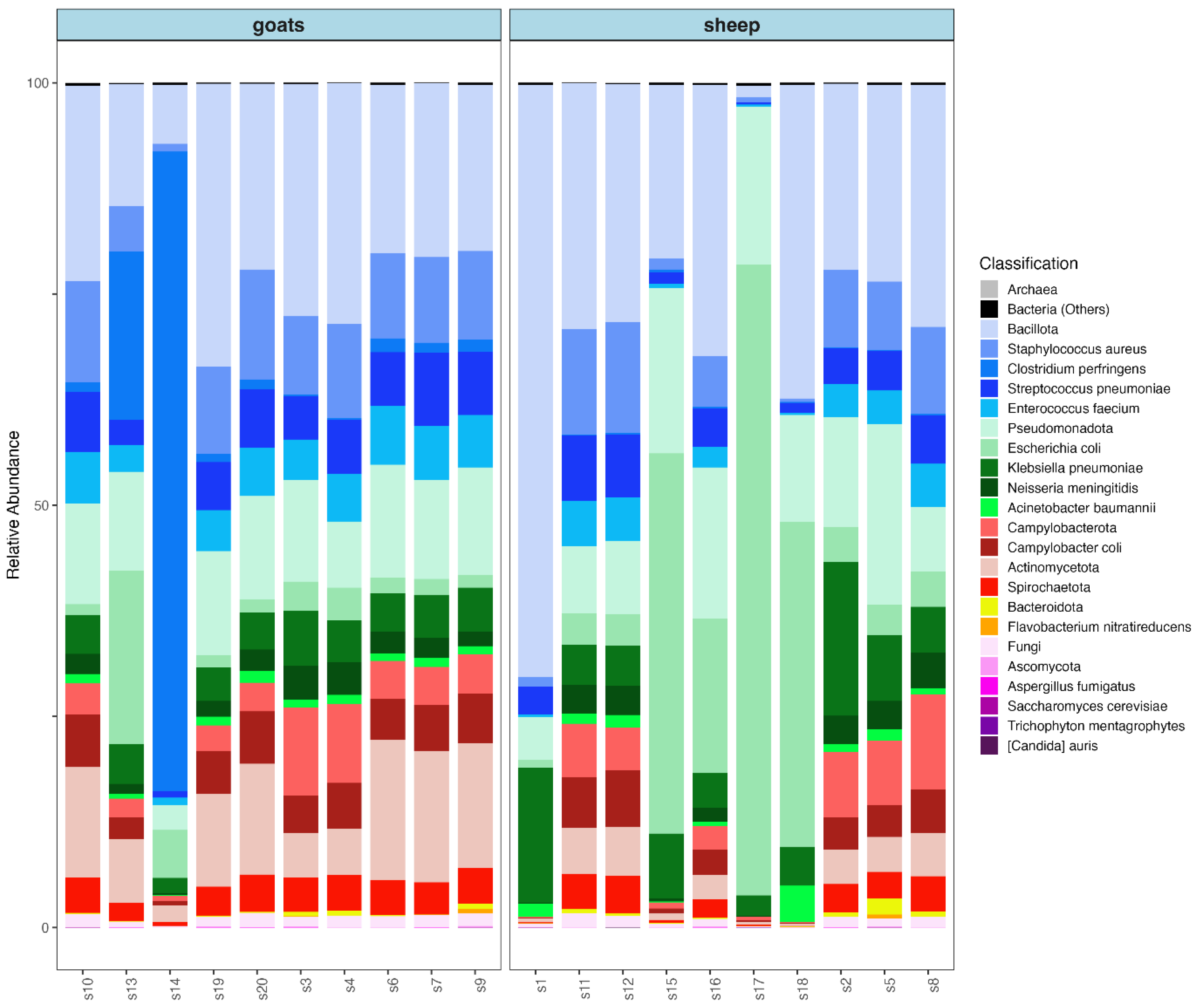
Figure 1. Relative abundances of major microorganisms in milk from small ruminants.
Dna 05 00058 g001
Figure 2. Principal Coordinate Analysis visualizing the differences in microbial communities between sheep and goat milk samples.
Dna 05 00058 g002
Figure 3. Microbial diversity of sheep and goat milk samples.
Dna 05 00058 g003
Table 1. Relative abundance (mean ± standard deviation) comparison of some major microorganisms in the milk of the two animal species.
GoatSheep
MicroorganismsN = 10N = 10p-Value
Clostridioides difficile2.00 (0.96) a1.17 (1.18) a0.089
Campylobacter coli2.69 (1.26) a1.52 (1.55) a0.089
Chlamydia abortus0.01 (0.01) a0.00 (0.00) a0.6
Campylobacter jejuni0.15 (0.09) a0.08 (0.08) a0.12
Campylobacter lari0.08 (0.04) a 0.04 (0.04) a 0.029
Clostridium botulinum0.43 (0.14) a0.27 (0.29) a0.2
Clostridium perfringens3.39 (2.00) a0.05 (0.04) b<0.001
Klebsiella pneumoniae2.53 (0.86) a2.82 (2.00) a0.7
Escherichia coli1.97 (2.22) a6.14 (7.03) b0.029
Listeria monocytogenes0.05 (0.03) a0.03 (0.02) a0.2
Mycobacterium tuberculosis0.05 (0.03) a0.03 (0.02) a0.089
Levilactobacillus namurensis0.43 (0.21) a0.25 (0.24) a0.089
Oenococcus oeni0.60 (1.01) a0.97 (1.06) a0.8
Helicobacter pylori0.36 (0.66) a0.62 (0.61) a0.7
Lactobacillus agrestimuris0.05 (0.03) a0.03 (0.03) a0.3
Lacticaseibacillus rhamnosus0.02 (0.02) a0.01 (0.01) a0.3
Streptococcus pneumoniae3.31 (1.64) a1.92 (1.71) a0.2
Staphylococcus aureus6.40 (3.10) a5.17 (2.37) a0.089
Salmonella enterica0.26 (0.10) a0.22 (0.08) a0.4
Means in the table with different letters in the row are significantly different.
Disclaimer/Publisher’s Note: The statements, opinions and data contained in all publications are solely those of the individual author(s) and contributor(s) and not of MDPI and/or the editor(s). MDPI and/or the editor(s) disclaim responsibility for any injury to people or property resulting from any ideas, methods, instructions or products referred to in the content.