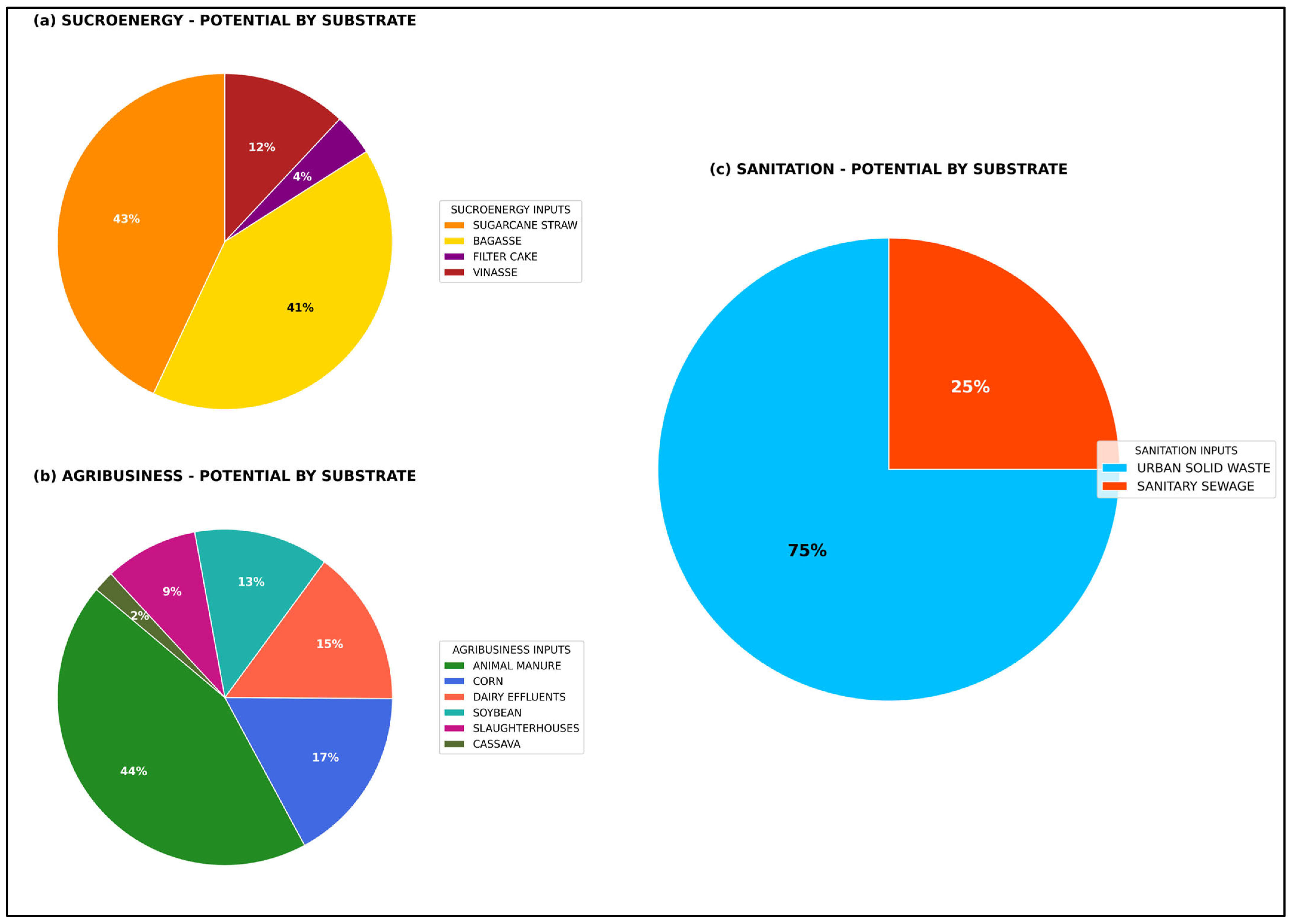
The consolidated results indicate a national technical potential for biogas production of approximately 80–85 billion Nm
3/year, consistent with ABiogás’ technical assessment for the 2019 base year and with the association’s later mapping [
1]. This corresponds to approximately 44.7 billion Nm
3/year of biomethane and roughly 173.762 GWh/year of electricity if fully utilized in cogeneration, which represents a continuous average power of 19.8 GW [
8]. In comparison, that electric output would be equivalent to about a quarter of Brazil’s total electricity supply in 2022 (≈694–703 TWh) [
15]. The ABiogás 2024 technical note reiterates the scale of this potential by reporting the theoretical biomethane potential of approximately 120 million Nm
3/day (≈43.8 billion Nm
3/year) [
17]. In thermal terms (using the lower heating value of methane), this biomethane potential exceeds 1600 PJ/year, enough to replace approximately 66% of the country’s diesel sales (67.4 million m
3) [
18], or if fully converted to power, to supply a similar share (31.8%) of national electricity demand via thermoelectric plants [
9].
3.1. Potential by Substrate Origin
Sugarcane Sector: Brazil processes approximately 600–650 million tons of sugarcane annually (2019–2021 harvests), producing substantial volumes of byproducts suitable for anaerobic digestion. Currently, the Brazilian sugar–energy sector is undergoing a paradigm shift, transitioning from conventional ethanol-sugar mills to integrated energy biorefineries. In this circular economy model, anaerobic digestion plays a central role by converting environmental liabilities (vinasse and filter cake) into high-value assets. Beyond generating electricity for self-consumption, these biorefineries produce biomethane to fuel dedicated gas-powered or dual-fuel agricultural machinery, thereby displacing fossil diesel consumption. This substitution closes the carbon cycle, generating decarbonization credits (CBIOs) under the RenovaBio program. Recent studies confirm that such integration can increase the energy output of a standard mill by up to 30% without expanding the planted area [
20].
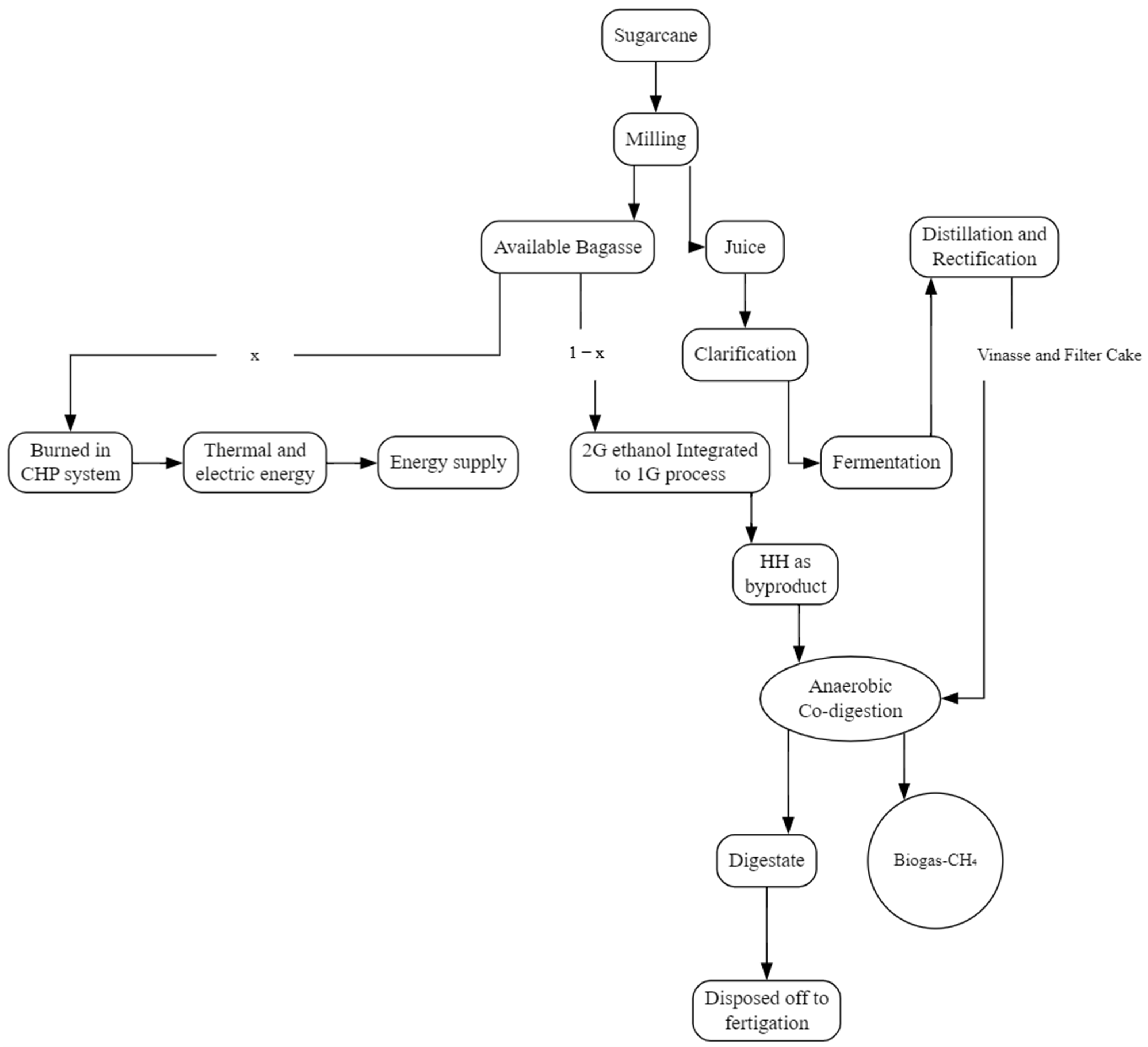
The main byproduct of this industry is vinasse, the liquid residue from ethanol distillation (see
Figure 2). With a typical ratio of 10–15 L of vinasse per liter of ethanol, the sugar and ethanol industry produces tens of billions of liters of vinasse each year, containing a high organic load (COD) from the fermented juice. Estimates by ABiogás attribute approximately 17 billion Nm
3/year of biogas potential to vinasse in the sugarcane sector [
8]. Anaerobic digestion technologies (such as UASB reactors followed by lagoons) allow the conversion of vinasse into biogas, and several sugar mills are already testing or implementing this usage [
21].
Another significant byproduct is the filtering cake (solid residue from cane juice filtration), which contributes approximately 5 billion Nm3/year to the sector’s biogas potential. Filter cake has a considerable organic matter and moisture content, making it ideal for anaerobic digestion, especially when co-digested with vinasse or other effluents to balance nutrients.
Additionally, sugarcane straw (dry tips and leaves) and bagasse (the fibrous residue from milling) are abundant lignocellulosic substrates. Traditionally, bagasse is combusted at mills for cogeneration of electricity and steam, a well-established practice [
22]. However, from a theoretical viewpoint, if these residues were directed to anaerobic digestion (with pretreatment to solubilize cellulose), they could generate additional biogas. ABiogás estimated about 16 billion Nm
3/year from straw and 1.7 billion Nm
3/year from bagasse, in a hypothetical anaerobic digestion scenario [
8]. The sugarcane sector accounts for roughly 40% of Brazil’s biogas potential—noticeably concentrated in vinasse (≈40% of the sugarcane sector’s biogas), followed by straw (~40%), filter cake (~12%), and bagasse (~4%), according to estimated shares. It is worth noting that, in practice, bagasse and part of the straw are already used for energy via combustion. However, vinasse, which represents the largest fraction by volume, is still mostly used for fertigation but can serve as a feedstock for energy biorefineries. Pioneer projects, such as Cocal (São Paulo), have implemented biogas/biomethane plants utilizing vinasse and filter cake, highlighting the great latent potential of the sector [
2].
Other agro-industries (Grains, Food, Agricultural Processing): Beyond sugarcane, Brazilian agribusiness provides various residues and effluents suitable for biogas production. A highlight is the grain chain: Brazil is a global leader in soybean production (over 120 million tons/year) and a major producer of corn (over 100 million tons/year). Although much of the residual biomass [
23] from these crops remains in the field (crop residues) or is used as animal feed, there are components with high bioenergy potential. For soybeans, the hull is identified as a promising substrate—it accounts for about 2% of the grain weight and can be digested after suitable processing. ABiogás considered soybean hull an excellent option for co-digestion (due to its structural carbon content, which complements wet effluents), attributing about 5.0 billion Nm
3/year of biogas to soybean hull at the national level [
24]. Corn, in addition to harvest residues, is used for ethanol production at flex-fuel plants; its effluents (corn vinasse) and rejected silage can be digested. The estimated biogas potential associated with corn (residues and effluents) is 6.6 billion Nm
3/year [
25]. Another important agricultural feedstock is cassava: its processing for starch and flour generates manipueira, a liquid with an extremely high organic load and toxic compounds (linamarin) [
26]. If anaerobically treated, manipueira produces biogas; although national cassava production is lower, about 0.66 billion Nm
3/year is attributed to cassava effluent utilization [
8,
27].
In the food industry, slaughterhouses and dairy industries are noteworthy [
28,
29]. Animal processing effluents (blood, wash water) and dairy byproducts (whey, organic residues) have significant organic loads [
30]. ABiogás grouped these in the agro-industrial category, estimating about 3.6 billion Nm
3/year from slaughterhouses and 5.7 billion Nm
3/year from dairy effluents [
8]. Moreover, residues from fruit processing (orange peel, fruit pulp, sugarcane bagasse at juice plants, etc.) can be digested in producing regions (such as the citrus belt in São Paulo). While not quantified separately in the potential table, fruit residues are included in the 19% of agro-industrial potential not detailed in the above groups. In summary, the entire agro-industrial sector (excluding sugarcane) represents approximately 38.4 billion Nm
3/year of biogas. About two-thirds of this comes from livestock residues (discussed below) and one-third from crop and plant industry residues (soybean ~5 billion, corn ~6.6 billion, cassava ~0.7 billion, fruits and others <1 billion, totaling ≈12–13 billion Nm
3/year) [
1].
Livestock (Animal Manure): Brazilian livestock, among the world’s largest, generates vast volumes of organic manure—a valuable biogas source when treated in digesters. The country has the world’s largest cattle herd (~218 million head in 2021), as well as significant swine (~41 million) and poultry (1.5 billion broiler chickens housed/year) inventories, especially in the South Region [
8]. However, the fraction practically usable depends on the management system: typically, intensive swine farming is the most favorable, as pigs are raised in confined facilities, enabling almost complete collection of liquid manure. Digester technology in swine farms is well-established in Brazil—thousands of units utilize the gas for energy or controlled burning, particularly in Paraná, Santa Catarina, and Mato Grosso. According to ABiogás, swine manure has a potential of ~7–10 billion Nm
3/year of biogas (part of the 16.8 billion generically referred to as “animal manure”) [
31]. Cattle raising, in turn, faces the challenge that most beef cattle are raised on pasture, spreading manure, which hampers collection. Nonetheless, there is potential from the feedlot segment (about 5–10% of beef cattle undergo short-term feedlotting) and especially from dairy cattle, where animals in intensive systems generate manure in barns. Assuming partial confinement, ABiogás estimated approximately 5–6 billion Nm
3/year of gas from cattle manure (mainly from dairy and feedlot cattle) within the national potential. For poultry farming (broilers and layers), manure with a high solids content (poultry litter) can be digested with suitable systems (requiring water addition or co-digestion) [
32]. The potential from poultry manure was quantified at approximately ~5 billion Nm
3/year [
1]. Adding these sources, the total livestock (swine, cattle, and poultry) contributes approximately 16.8 billion Nm
3/year of biogas. This amount assumes broad utilization, which in practice depends on incentive policies and technical assistance to help rural producers adopt digesters (e.g., through low-carbon agriculture programs such as ABC+) [
33].
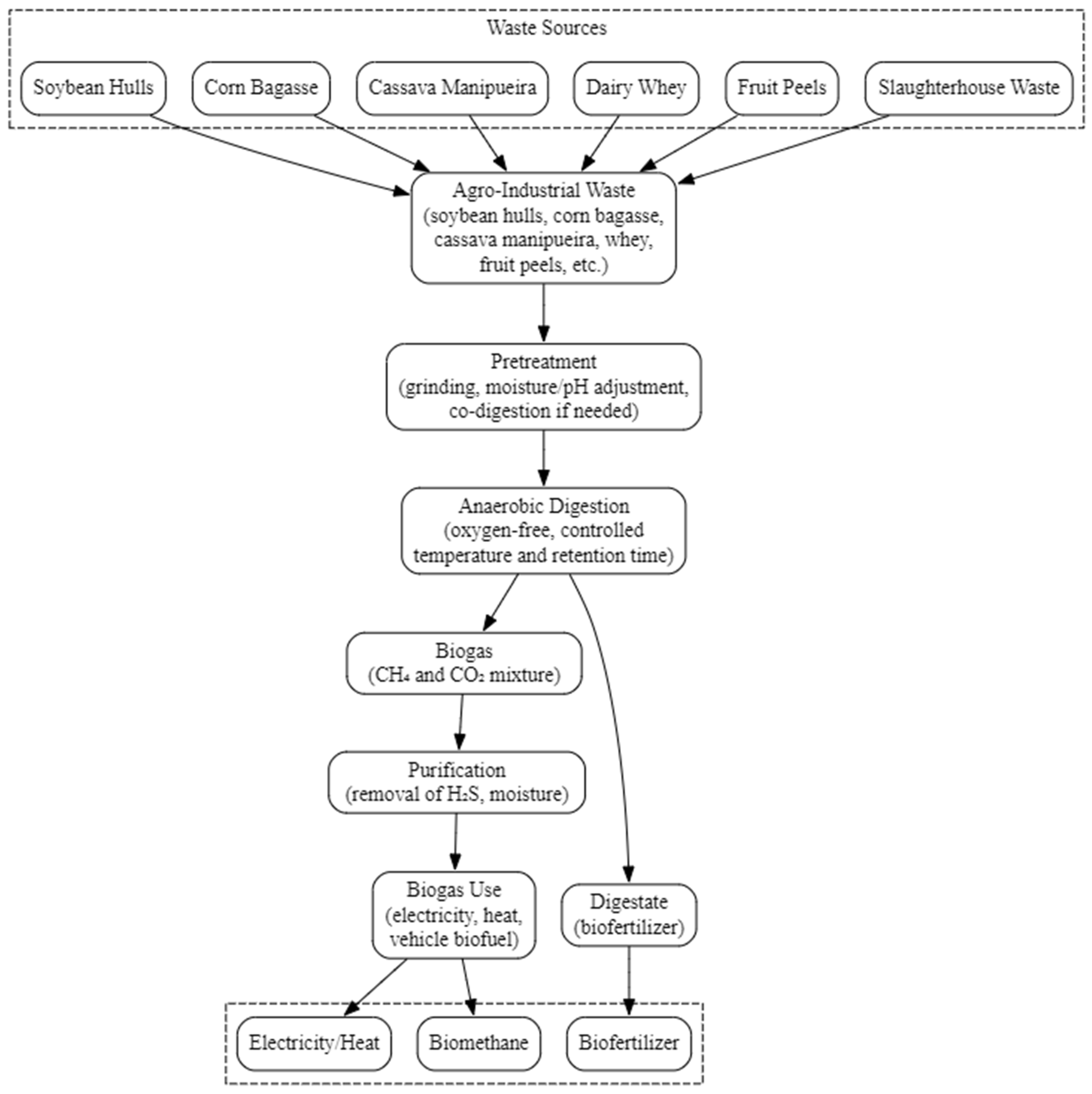
Figure 3 illustrates the unified process for agro-industrial residues in Brazil, categorizing liquid streams (vinasse, whey, slaughterhouse effluents, manipueira, and swine slurry) and high-solids streams (soybean hull, filter cake, poultry litter, and rejected silages). Liquids undergo screening/equalization (and DAF when needed), while high-solids receive size/thermal-alkaline pretreatment; both meet in a co-digestion tank to balance C/N and alkalinity. Biogas is desulfurized and either used in CHP or upgraded to biomethane; digestate is separated and returned as fertigation/compost, with effluent polishing where required.
Urban Residues (Organic MSW and Sewage): Brazil’s increasing urbanization generates a steady flow of municipal solid waste (MSW) and domestic sewage. The organic fraction of household MSW (from food scraps, pruning, non-recyclable paper, etc.) typically accounts for 50–60% by weight of the collected waste. In 2020, the country generated about 80 million tons of MSW, of which ~50% was potentially biodegradable organic material (but less than 2% was separated for composting or digestion) [
34]. In the potential scenario considered here, it is assumed that all collected organic MSW could be treated anaerobically (via dedicated biogas plants or landfill capture). This remains a largely unexplored potential, requiring the large-scale, selective collection of organic waste or the operation of mixed-waste sorting centers to supply digesters. Regionalized estimates show that, for example, Amazonas state (due to the population concentration in Manaus) holds over 56% of the North’s biogas potential from urban waste alone. Nationally, solid urban organic waste could generate about 4–5 billion Nm
3/year of biogas (value included in the sanitation category in
Table 3). Sewage sludge from municipal wastewater treatment plants (WWTPs) is another substrate. Only about 50% of Brazil’s population has treated sewage, and even in existing WWTPs, sludge is not always anaerobically stabilized. If all current WWTPs adopted anaerobic digestion of sludge, biogas potential would be on the order of 1–2 billion Nm
3/year. Therefore, combining organic MSW + WWTP sludge, the sanitation category reaches ~6.8 billion Nm
3/year in the ABiogás estimate [
8]. While modest compared to the agricultural and sugarcane sectors, this is significant for urban environments: its use would mitigate uncontrolled methane emissions at open dumps/landfills and WWTPs and provide energy for the cities themselves [
35].
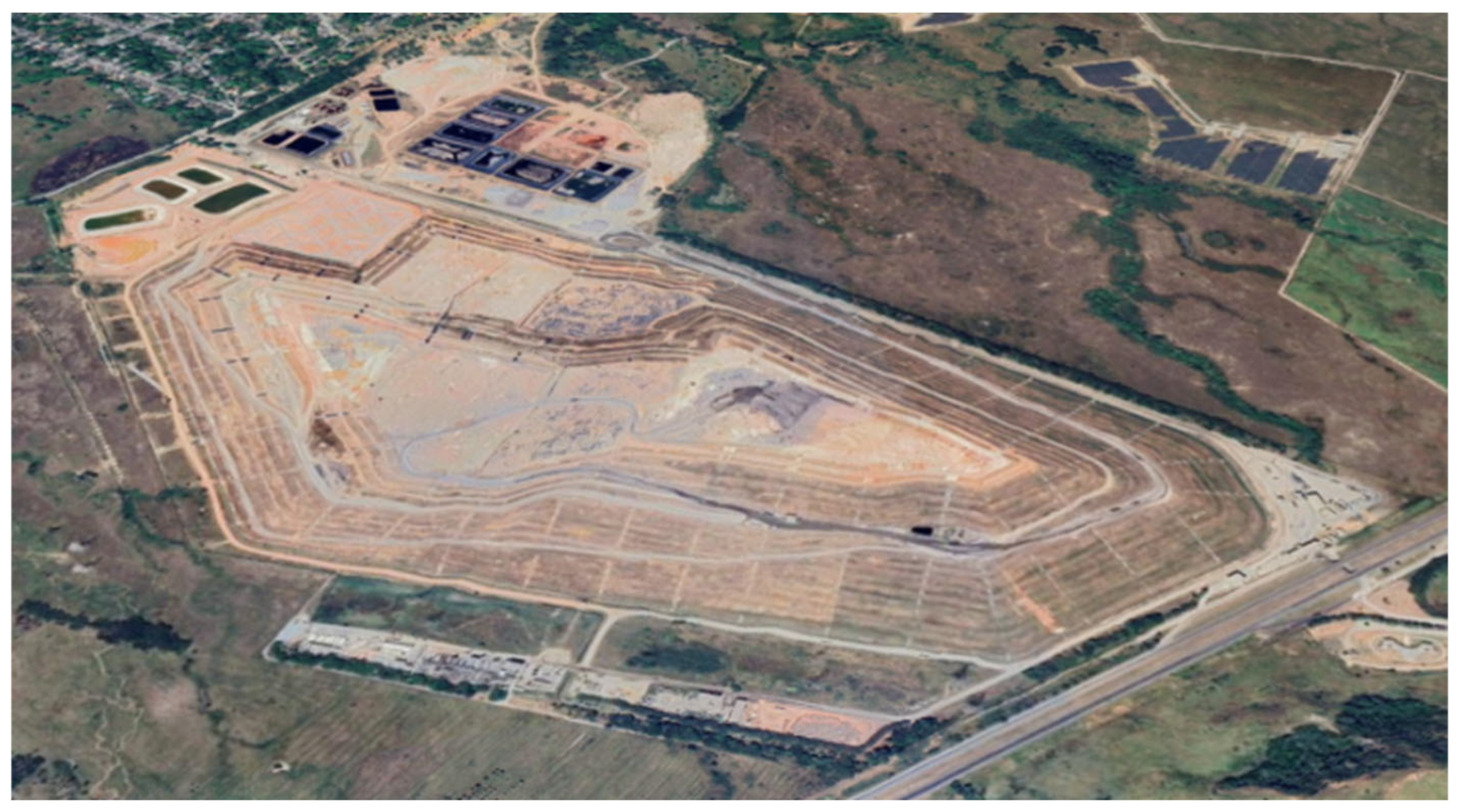
Landfill gas: Complementing the above, existing sanitary landfills are current sources of biogas (landfill gas) that can be captured. Several large-scale landfills (São Paulo, Rio de Janeiro, Curitiba, Salvador, etc.) are already equipped with biogas extraction systems, often flaring the gas or generating electricity. Landfill gas potential depends on the previously deposited MSW mass and the residual methane generation rate over the years. In potential estimates, landfill biogas is included in the sanitation category, but it is worth highlighting separately: studies indicate that 25–30% of Brazil’s biomethane in the short term could come from the utilization of existing and future landfills [
36]. For example, the Santa Rosa landfill in Seropédica, Rio de Janeiro (see
Figure 4) itself can produce tens of millions of Nm
3/year of biogas. With current technologies, landfill gas can be purified to biomethane and injected into the natural gas grid—as already happens in commercial projects (e.g., the Caieiras landfill in São Paulo, where biomethane has been injected since 2019). Thus, landfills are a concentrated and short-term source for expanding biogas/biomethane production, although they remain a finite resource (linked to waste flow) [
37].
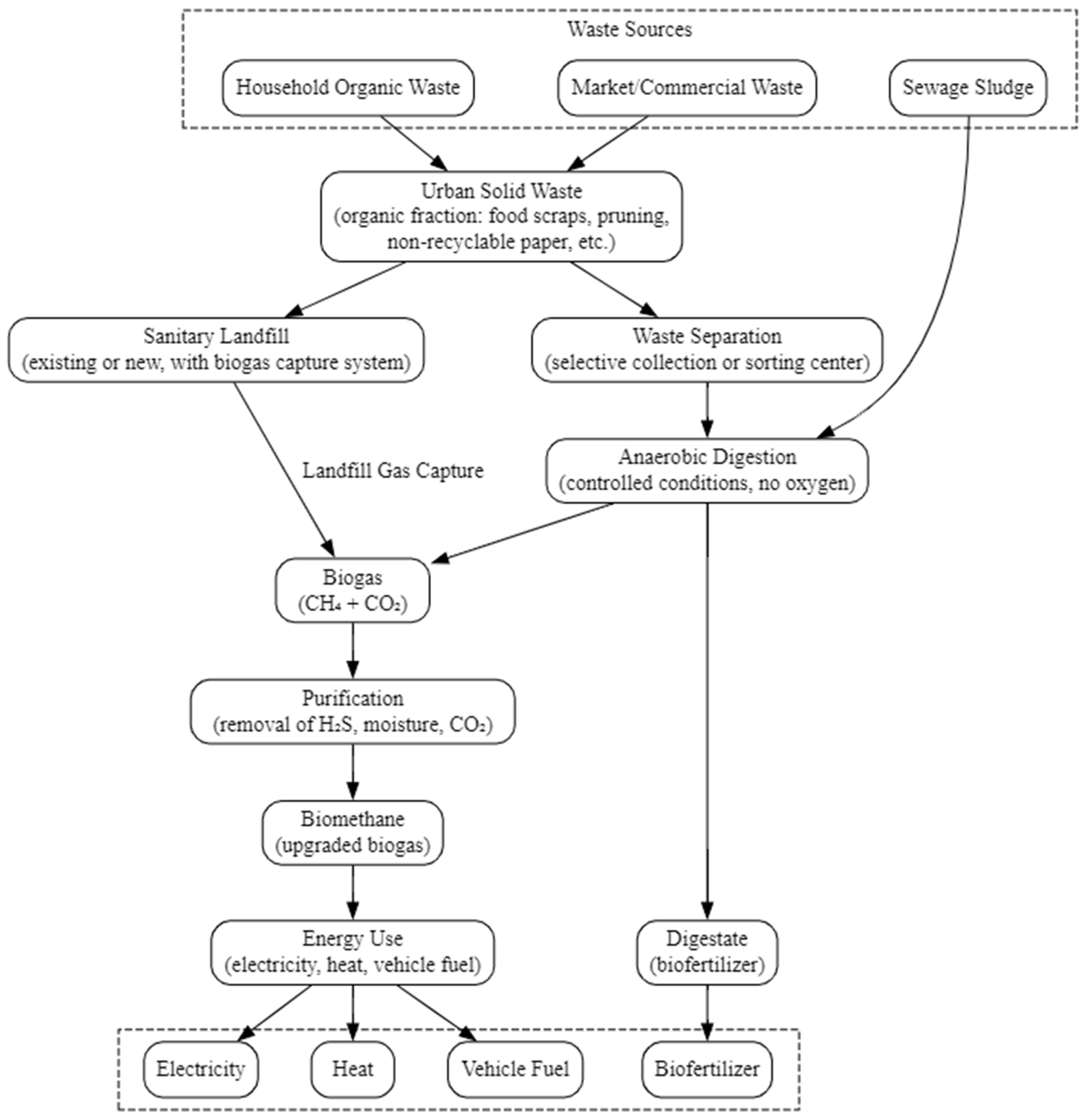
Figure 5 synthesizes the waste-to-biogas chain for Brazil’s urban context, linking the main sources (household organic waste, market/commercial waste, and sewage sludge) to two complementary routes: selective collection or sorting of the organic fraction of MSW followed by controlled anaerobic digestion, and sanitary landfills equipped with gas-captured systems for legacy and ongoing waste. In both cases, the product is raw biogas, which is cleaned and either used directly in CHP/boilers or upgraded to biomethane (see
Section 3.3) for vehicle fuel or grid injection. The solid–liquid residue from digestion is returned as a digestate/biofertilizer, closing nutrient loops in urban agriculture.
In summary, the origin of Brazil’s biogas potential is primarily agri-livestock, accounting for approximately 78% of the potential, which comprises sugarcane residues (47%) and agro-industrial/livestock residues (31%). Urban and sanitation residues account for ~8–10% of the remainder. This reflects the country’s specialization as a major agricultural and livestock producer but also highlights that the development of biogas projects in rural areas will be essential for realizing most of this potential. The following section examines the regional and geographic distribution of this potential [
8].
3.2. Geographical Distribution of Potential
There is considerable regional variation in biogas potential in Brazil, reflecting differences in agricultural and livestock production as well as waste generation among the country’s regions. According to ABiogás studies, the Southeast Region accounts for the largest share—approximately 46%—of the national potential. This is mainly due to the intense sugarcane production in São Paulo and Minas Gerais, combined with the substantial cattle herds and food industry presence in these states. It is estimated that the Southeast alone could generate around 39 billion Nm
3/year of biogas, of which 26.5 billion Nm
3 stem from the sugarcane sector, 8.7 billion Nm
3 from agro-industrial residues (including animal waste), and 3.2 billion Nm
3 from sanitation. This amount would be equivalent, if utilized, to about 83.4 thousand GWh/year of electricity or roughly 20.4 billion Nm
3/year of gaseous fuel (biomethane) just in the Southeast [
2].
Next, the Central-West and South regions are also prominent, accounting for approximately 22% and 20% of the national potential, respectively. Central-West (especially Mato Grosso, Goiás, and Mato Grosso do Sul) aggregates a large portion of livestock residues (intensive cattle farming and integrated swine production) and grain cultivation (soybeans, corn)—the region is estimated to have around 18–19 billion Nm
3/year of biogas potential. The South (Paraná, Santa Catarina, Rio Grande do Sul) concentrates Brazil’s swine and poultry production, as well as sugarcane in Paraná. The South’s potential is approximately 16–17 billion Nm
3/year, with notable highlights for Paraná (a large producer of swine, chicken, and sugarcane) and Santa Catarina (a major producer of swine and poultry) [
2].
The Northeast and North regions, in turn, have smaller shares of potential, accounting for approximately 11% of the total (with about 9% in the Northeast and 3% in the North). In the Northeast, significant sugarcane production hubs (Alagoas, Pernambuco, Paraíba, Rio Grande do Norte) and major cattle herds (Bahia, Maranhão) contribute to the potential—estimated at about 7–8 billion Nm3/year distributed among several northeastern states. The North, with less intensive livestock farming, sees biogas potential mainly from urban waste (e.g., Manaus, Belém) and local crop production (cassava, açaí, and others), yielding around 2.5–3 billion Nm3/year.
At the state level, variation is also significant.
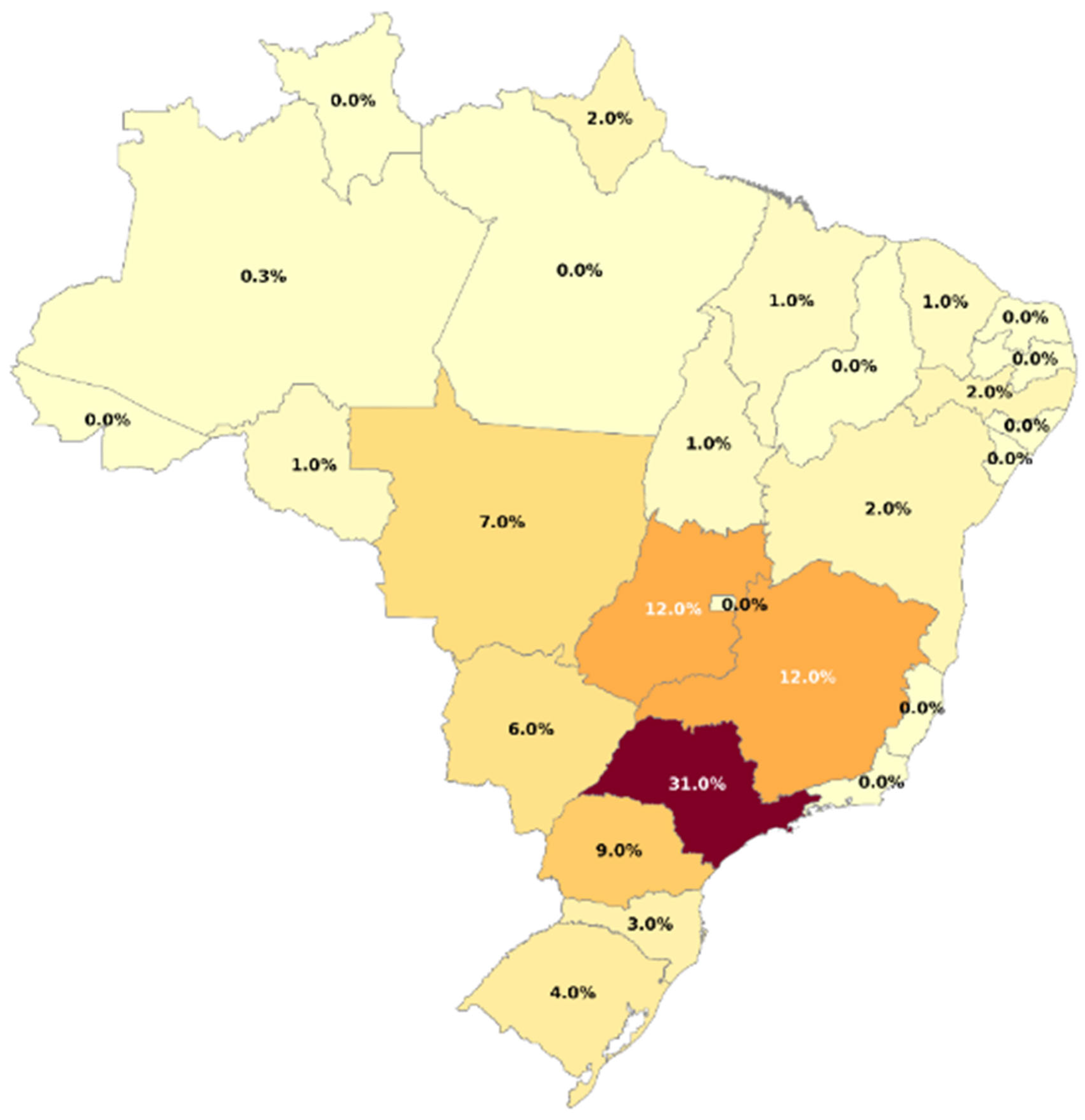
Figure 6 and
Table 5 show the estimated representation of each state in the national biogas potential. São Paulo leads by far, accounting for approximately 31% of the total potential [
3], reflecting its more than 150 sugarcane mills, millions of cattle, and extensive urban landfills. Minas Gerais and Goiás follow, each contributing around 12%, driven by the combination of sugarcane (especially in the Triângulo Mineiro and southern Goiás) and livestock (dairy/beef cattle). Paraná (noted for swine, poultry, and sugarcane) accounts for about 9%, with Mato Grosso (~7%) and Mato Grosso do Sul (~6%) rounding out the six main contributors. Rio Grande do Sul (~4%) and Santa Catarina (~3%) have smaller shares, as do Bahia, Pernambuco, and other northeastern states (2% or less each). In general, São Paulo, Minas Gerais, Goiás, Paraná, and Mato Grosso together encompass over two-thirds of the total potential—indicating where biogas/biomethane project implementation may yield the greatest quantitative returns. However, opportunities are distributed across virtually all federal units (by 2021, 20 states already had operational biogas plants, including newcomers such as Alagoas and Rondônia) [
4].
From the perspective of energy planning, this heterogeneous geographic distribution of biogas is an advantage, as it enables decentralized generation near distributed demand centers (rural zones and interior cities), thereby strengthening regional energy security. For example, in the South, biogas can meet thermal demands in agribusiness and reduce reliance on coal/diesel for local power generation. In the Northeast, it can complement wind/solar intermittency with firm generation, leveraging local agricultural residues (such as nuts, sugarcane, and fruits). In Central-West, biogas/biomethane can facilitate inland use of gas, currently restricted by limited infrastructure—the abundance of feedstock may enable renewable gas for transportation and agroindustry far from pipelines. Recent public policies, such as the federal “Metano Zero” program (2022), emphasize the importance of biogas in expanding the natural gas market inland and reducing regional inequalities in access to clean energy [
3].
As seen in
Figure 6 and
Table 5, São Paulo é is the epicenter of Brazil’s biogas potential, followed by the center-south and central-west states. Nonetheless, all regions possess considerable resources to be developed. Optimal investment allocation should consider this distribution: large-scale projects tend to concentrate in the highest-potential states (e.g., sugarcane plants in SP or MS, swine hubs in PR/SC), while medium and small projects can proliferate across various states meeting specific niches (medium-sized landfills, dairy cooperatives, and corn ethanol plants).
3.3. Biogas Upgrading
As seen in
Figure 3 and
Figure 5, biogas upgrading is a crucial step in its effective utilization as a vehicle fuel or for direct grid injection. It is essential to note that to be considered “biomethane,” a biogas must contain at least 90% methane (CH
4) [
38]. Typically, biogas consists of about 50–75% methane and 25–50% carbon dioxide (CO
2), along with other gases that may include water vapor (H
2O), nitrogen (N
2), oxygen (O
2), and hydrogen sulfide (H
2S), depending on its origin. Among these impurities, H
2S poses the most significant operational challenge due to its high corrosivity to metal components and toxicity. In combined Heat and Power (CHP) engines, H
2S concentrations typically must be reduced to below 100–200 ppm to prevent acidification of the lubricating oil and damage to pistons; however, for extended equipment longevity, limits below 10 ppm are recommended. For biomethane injection into the natural gas grid or use as vehicle fuel, requirements are far stricter. The ANP, through resolution No. 886/2022 [
39] establishes a maximum limit of 5–10 mg/m
3 for biomethane. Consequently, a dedicated desulfurization step (using techniques such as iron sponge adsorption, biological trickling filter, or activated carbon) is mandatory before the main CO
2 separation process to protect upgrading membranes and catalysts from poisoning.
After the upgrading process, most gases other than CH
4 are substantially reduced, and the methane concentration can reach approximately 96%, depending on the purification technology used [
40].
Water scrubbing—or physical absorption, as described by [
41]—is one of the most widely used technologies to reduce the CO
2 and H
2S content of biogas. The process relies on the differential solubility of gases in water, whereby CO
2 and H
2S are preferentially absorbed compared with methane. The operation takes place in an absorption column, where the biogas meets a stream of water, promoting the capture of impurities. The saturated water is then regenerated and reused.
The advantages of this method include moderate upfront costs, broad commercial adoption, and a low environmental footprint, since no chemical solvents are used. However, it has limitations such as methane losses of roughly 3–5%, the need for regular maintenance, and energy consumption for gas pressurization and water recirculation. This process is widely applied in small- and medium-scale biomethane plants.
Another method is chemical absorption [
42], which uses alkaline solutions—such as amines—that react chemically with CO
2, capturing it with high efficiency. The process occurs in an absorption column, where the chemical solution encounters the biogas and removes impurities. The solution is then regenerated by heating, releasing the CO
2, and allowing the solvent to be reused. This method is highly efficient, producing biomethane with a purity above 95–99%. Its flexibility enables application at different production scales. However, it presents challenges, including high operating costs due to the thermal energy required for solvent regeneration, degradation of chemical reagents, and waste treatment. It is widely adopted in large-scale plants.
An alternative technique is pressure swing adsorption (PSA) [
43]. It relies on the ability of adsorbent materials—such as activated carbon or zeolites—to selectively capture CO
2 and other impurities. The process operates in alternating high- and low-pressure cycles, allowing for the efficient separation of methane. This technology is advantageous due to its high efficiency in removing CO
2, enabling the production of biomethane with a purity of approximately 96–98%. It can also remove small amounts of oxygen and nitrogen. However, it has limitations, such as methane losses of roughly 2–10% and sensitivity to H
2S, requiring a pretreatment step to remove this compound from the biogas and prevent damage to the adsorbents.
The membrane separation process [
44] uses semipermeable membranes that enable the selective passage of certain molecules—such as CO
2, H
2S, and water vapor—while retaining methane. The process can involve multiple stages to achieve a methane purity of about 95–98%. Among its advantages are a low energy consumption rate (0.3–0.5 kWh per m
3 of treated biogas), a modular design, and simple maintenance. Nevertheless, upfront costs can be high, and methane losses may occur if the system is not optimized. This method is ideal for compact plants that require flexibility.
Finally, there is another method called cryogenic separation [
45], which exploits the different boiling points of biogas components by cooling the gas to extremely low temperatures to liquefy CO
2 and separate it from methane. This process enables the production of biomethane with a purity of about 98%, in addition to recovering CO
2 of commercial quality.
Despite its high efficiency, this method presents several challenges, including high energy consumption (equivalent to approximately 10% of the energy content of the biomethane produced), high upfront costs, and the need for pretreatment to prevent ice formation. This approach is therefore more suitable for large-scale plants [
40,
46].
The choice of biogas upgrading method depends on several factors, including production scale, operating costs, desired efficiency, and the intended end use of the biomethane. Processes such as PSA and membrane separation are suitable for smaller plants, whereas chemical absorption (amine scrubbing) and cryogenic separation are more appropriate for large-scale facilities [
14,
47].
In the Brazilian context, biomethane production has gained significant relevance as a cleaner and more sustainable energy source. In the face of rapidly growing energy demand and the urgency to reduce the transport sector’s climate impact, biomethane production has increased, leveraging the country’s large fleet of compressed natural gas (CNG) vehicles, as natural gas can be replaced by biomethane [
48,
49].
In this context, analyzing data provided by the ANP is crucial for understanding the impact and evolution of biomethane production in Brazil. These data enable the assessment of installed capacity, production growth, and market trends, providing a basis for developing further strategies in the sector.
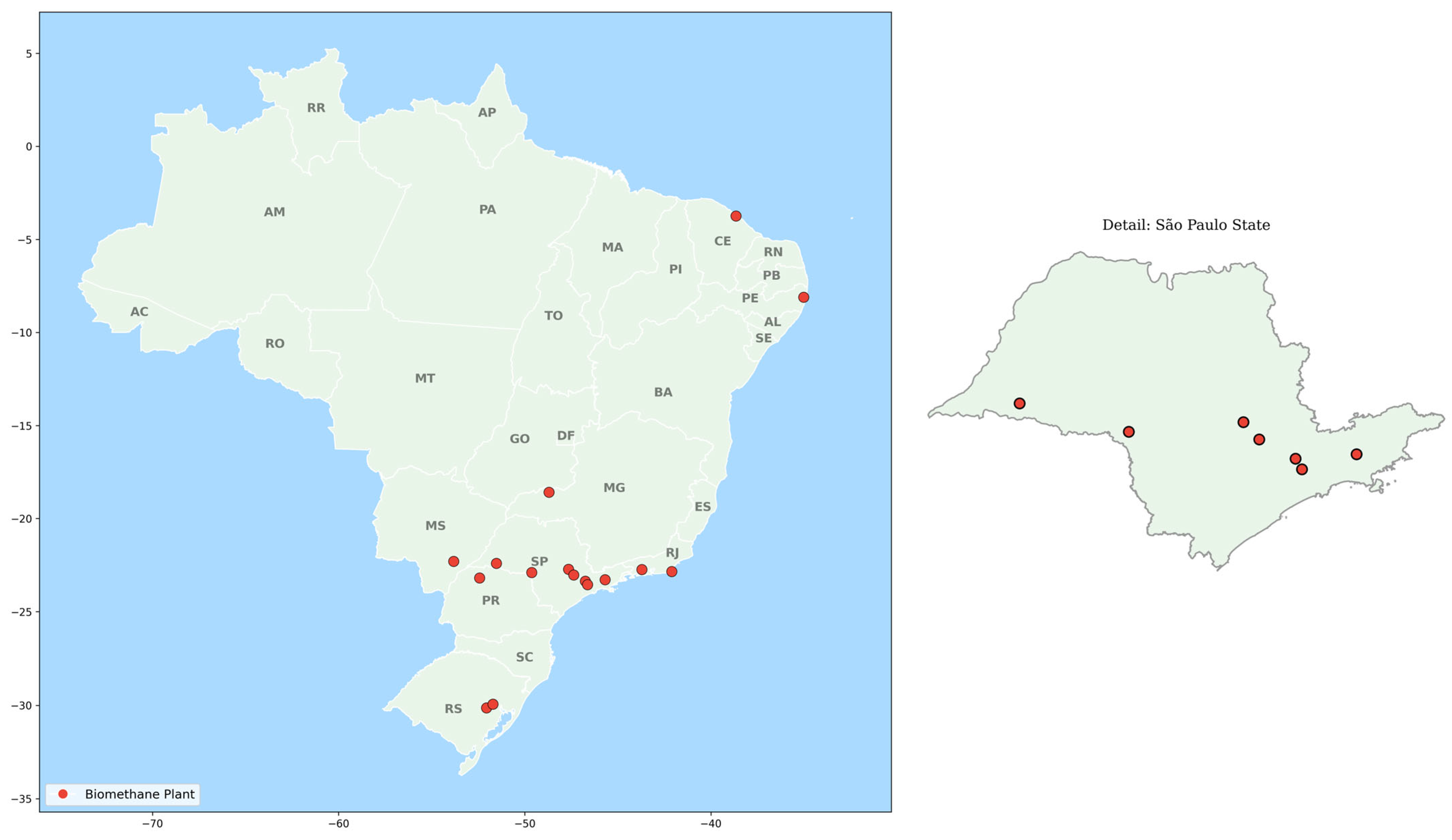
According to the ANP, by October 2025, there were 16 companies authorized to produce biomethane in Brazil, with an installed capacity of approximately 989,321 Nm
3 per day. Additionally, 38 companies were in the authorization process, with a potential production capacity of approximately 1,418,542 Nm
3 per day.
Figure 7 illustrates the locations of the biomethane plants authorized to produce and market in Brazil, while
Table 6 presents relevant information about them.
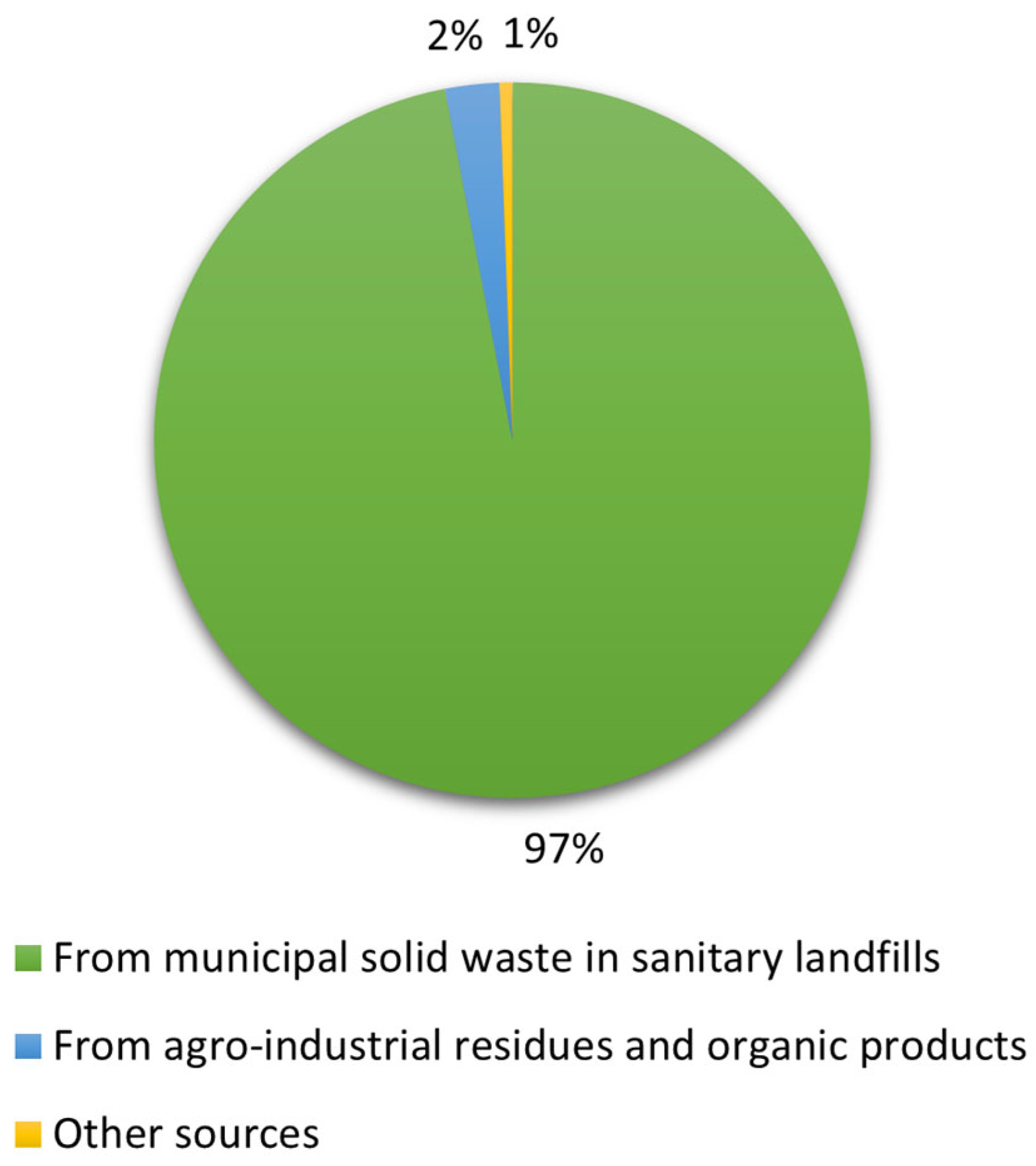
Figure 8 summarizes the distribution of biomethane producers by feedstock based on ANP records. The landscape is overwhelmingly landfill-based: ~97% of authorized producers source biogas from municipal solid waste in sanitary landfills, while only about 2% derive it from agro-industrial residues and organic products, and around 1% from other sources. This pattern reflects the rapid, urban-centered roll-out of sanitation projects compared with slower, more fragmented deployments in agro-industrial settings.
3.4. Economic Assessment and Cost Competitiveness
While the technical potential for biogas in Brazil is estimated at roughly 84.6 billion Nm3/year, the translation of this volume into actual market supply is constrained by economic factors. This section analyzes the economic viability of biogas production across different scales and substrates, distinguishing between theoretical availability and commercially feasible projects.
To ensure a consistent comparison of economic indicators across different studies and technologies, a data harmonization process was applied to the literature sources reviewed. Since original studies often report costs in different currencies, base years, and discount rates, the following criteria were adopted to construct the reported cost ranges:
Currency conversion: Costs originally reported in Brazilian Real (BRL) were converted to US Dollars (USD) using an average exchange rate of 5.20 BRL/USD, representative of the 2023–2024 period, to reflect current international purchasing power.
Inflation adjustment: Values from older technical reports [
8] were adjusted for inflation using the Brazilian IPCA index up to December 2024 to represent real 2025 terms.
Boundary Conditions: The Levelized Cost of Energy (LCOE) values assume a Weighted Average Cost of Capital (WACC) of 8–10% p.a. in real terms, which is standard for renewable infrastructure projects in Brazil consistent with the methodology adopted by the Energy Research Office [
12]. The analysis assumes a project lifespan of 20 years for landfills and large biorefineries, and 15 years for smaller agricultural digesters.
Scope: The reported LCOE includes CAPEX and OPEX but excludes potential revenues from CBIOs to isolate the pure generation costs
The economic viability of biogas projects varies significantly depending on the scale and substrate as summarized in
Table 7.
The data reveals a clear dichotomy in the Brazilian market. On one hand, large-scale projects associated with the sugar–energy sector and sanitary landfills present an LCOE between USD 27–75/MWh. Specifically, recent simulations for optimized sugarcane biorefineries indicate that co-digestion for vinasse and filter-cake can achieve LCOE values as low as USD 27/MWh [
20], making them highly competitive against natural gas prices.
On the other hand, small-scale agricultural systems (particularly swine farms <75 kW) face LCOE values often exceeding USD 100/MWh due to the high CAPEX per installed kW. For these decentralized producers, viability relies strictly on the distributed generation (DG) regulatory framework [
54] to offset retail tariffs, and increasingly on the sale of CBIOs. This economic gap explains why, despite the massive technical potential of animal manure, current commercial production is significantly oriented to landfills and large agro-industries.
For biomethane production, the choice of upgrading technology significantly impacts the final cost of biomethane. The trade-off between capital expenditure, operational costs and methane recovery efficiency are detailed in
Table 8.
While water scrubbing is a low-CAPEX entry point, its high specific electricity consumption exposes operational costs to grid tariff volatility. In contrast, PSA has consolidated as a leading technology in Brazil due to its balance between moderate CAPEX and low operational complexity. However, PSA systems typically exhibit higher methane loss, which represents a double economic penalty: lost revenue from unsold biomethane and potential environmental costs.
For projects targeting regulated pipeline injection or high-value industrial clients requiring >99% purity, chemical scrubbing becomes technically superior despite its higher operational cost. Furthermore, the negligible methane loss of amine systems maximizes the generation of CBIOs under RenovaBio, as fewer fugitive emissions improve the Life Cycle Assessment (LCA) scores of the biofuel. Thus, the technology with the lowest upgrading cost is not always the most profitable when carbon revenues are factored in.
3.5. Historical Trends, Scenarios, and Barriers
In recent years, Brazil’s biogas sector has experienced rapid growth, albeit starting from a low baseline. As mentioned previously, national biogas production jumped from about 1.12 billion Nm
3 in 2017 to 2.3 billion Nm
3 in 2021, more than doubling in just four years. This increase was accompanied by a greater number of operating plants, from 332 cataloged plants in 2014 to 755 in 2021. This recent expansion is due to several factors: higher awareness and corporate interest in bioenergy projects, the availability of more efficient technologies (such as biogas-fueled generators and membrane separation for biomethane upgrading), incentives like DG tariffs, and the emergence of CBIOs (via RenovaBio). Indirect benefits such as biofertilizer production and reduced local pollution also add value [
4].
Nevertheless, the gap compared to technical potential remains immense—by 2021, only ~2.7% of theoretical potential was being produced [
5]. Conservative projections suggest that effective use may increase to approximately 10–15% of potential by 2030 under favorable market conditions. For example, the “Brasil Energia para o Brasil” (BEP) program identified a short-term potential of ~10.8 billion Nm
3/year of biogas that can be achieved in the coming years with identified investments [
4]. Likewise, studies by the Empresa de Pesquisa Energética—EPE (2023) suggest Brazil could produce over 30 million m
3/day of biomethane by 2030 (~11 billion m
3/year, equal to 25% of current natural gas demand) if economic barriers are overcome [
36]. In an optimistic scenario with robust policies, annual biomethane production could reach around 20 billion m
3 by the mid-2030s [
57], or 35–40% of technical potential. This “maximum” scenario presupposes a strong expansion of projects, especially in the sugarcane sector and major landfills, and could even enable biomethane exports (studies estimate approximately 2.1 GW of exportable energy in such a scenario).
Official energy planning is starting to incorporate biogas. The PDE 2031 (Ten-Year Expansion Plan) projects the installation of 400 MW of electric biogas plants by 2031, with most of these projects being associated with the sugarcane industry. The plan highlights, for instance, the recovery of 3.9 billion Nm
3/year of biogas from vinasse and filter cake alone, which would represent 2.3 GW of generated power or substitute 3.5 billion liters of diesel. This volume of biogas would cover much of the agricultural diesel needs in the cane sector (which consumed about 2.5 billion liters in 2018). In other words, a scenario is envisioned in which rural biomethane supplies agricultural equipment and trucks, creating a sustainable cycle within agribusiness [
2].
However, realizing these projections depends on overcoming a set of technical, economic, and regulatory barriers that still limit the sector. From a technical perspective, while anaerobic digestion is established, challenges remain in integrating new substrates (e.g., straw/bagasse requires pretreatment) and enabling small-scale plants at low unit cost. The lack of standardization and qualified personnel to operate rural digesters is also a reported limitation. Furthermore, scaling up projects faces the logistical challenge of collecting dispersed residues (such as manure in pastures or non-separated household organic waste) [
4].
On the economic side, project profitability can be fragile without effective support mechanisms. Historically, electricity sales alone seldom covered investments unless incentivized tariffs or local heat use (cogeneration) were available. Currently, diversified revenue streams—such as sales of vehicle/industrial biomethane, carbon credits, and biofertilizers—have improved project feasibility; however, many still face challenges in accessing credit. According to the BNDES, only about USD
$70 million had been financed for agro-industrial biogas projects by 2020, which is modest in relation to sectoral needs [
8]. The cost of biomethane production has declined (estimates in cane regions suggest costs as low as USD
$0.12/Nm
3 for vinasse biomethane, highly competitive) [
10]. Still, competition with subsidized fossil fuels (e.g., diesel) and lack of broad carbon pricing often result in payback periods longer than desirable. Therefore, economic incentives—such as minimum prices, subsidized interest rates, or payment for environmental services (methane avoidance)—are deemed essential to accelerate projects.
Recent regulatory advances have occurred, but the framework remains complex. Until a few years ago, there were no clear rules for injecting biomethane into natural gas grids or for moving biogas through private pipelines. The approval of the Gas Law (Law 14.134/2021) and subsequent decrees, alongside ANP resolutions (ANP 885/2022 and 886/2022), have begun to unlock this scenario, allowing the use of urban-derived biomethane (previously, only agricultural sources were allowed) [
8]. Decree 11.003/2022 established the Federal Strategy for biogas and biomethane (Metano Zero Program), formally integrating these into climate policy [
1]. However, regulatory gaps persist: many states still lack specific rules for local biomethane distribution, biogas plant environmental permitting is often bureaucratic, and tax treatment does not always equally favor biomethane versus natural gas. Institute 17 (BEP) identified barriers, including insufficient standards for grid injection, a lack of rules for small private pipelines, and difficulty classifying biodigesters as waste treatment, a necessity aligned with the sanitation framework. Some of these are being addressed (e.g., ICMS tax agreements allow states to exempt biogas/biomethane). Still, the regulatory environment remains complex and requires harmonization across energy, environmental, and agricultural sectors [
1].
The trend scenario for 2025–2030 is continued strong growth, yet still well below the total potential. A conservative scenario sees annual production reaching 5–6 billion Nm3 in 2025 and possibly 10 billion Nm3 in 2030, depending on carbon policy. An optimistic scenario with strong government and private support could climb to 20–30% of potential (i.e., ~20 billion Nm3/year) by 2030. Still, even the optimistic horizon falls below the 84.6 billion Nm3 technical ceiling, meaning that the “maximum potential” is long-term and implies major structural changes (universal sanitation with digestion, nearly every cane plant producing biomethane).
Finally, it is worth noting that the global drive for clean energy and gas security (sharpened by the 2022 energy crisis) has boosted interest in biogas/biomethane. By joining the Global Methane Pledge (COP26), Brazil has committed to reducing methane emissions by 30% by 2030—a goal unlikely to be achieved without massive biogas development, which is precisely the means to capture methane from waste before it is emitted. Accordingly, growing intersectoral mobilization (by governments, agencies, and companies) is expected to remove remaining barriers and convert Brazil’s enormous technical potential into concrete projects over the coming decades.
3.6. Environmental Benefits: Emission Reduction and Air Quality
The valorization of biogas offers significant environmental benefits, both globally (in terms of climate change) and locally (in terms of air quality). First, the energetic use of biogas prevents methane (CH4) released from organic residues from being directly emitted into the atmosphere. Methane is a greenhouse gas with a 100-year Global Warming Potential (GWP100) approximately 28 times higher than CO2, meaning that even small reductions in CH4 emissions have a considerable climate impact. In Brazil, where a large proportion of methane emissions come from agro-livestock residues (manure decomposition, vinasse in ponds, sanitary landfills), the capture and combustion (or use) of biogas is an effective mitigation strategy for GHGs. Estimates suggest that utilizing the full biogas potential (84.6 billion Nm3/year) would prevent up to 800 million tons of CO2-equivalent emissions annually (considering both the un-emitted CH4 and the fossil CO2 avoided)—a figure approaching half of Brazil’s total annual emissions. Even though this is a theoretical scenario, every cubic meter of biogas used instead of released avoids about 0.5 kg CH4 emitted to the atmosphere, or ≈14 kg CO2-equivalent mitigated per m3 (considering CH4 oxidized to carbon-neutral CO2 upon combustion). Therefore, biogas projects generate significant CBIOs, either in voluntary mechanisms or emerging regulatory markets (RenovaBio: for every 1000 Nm3 of biomethane used in transport, ~0.5–0.6 CBIOs are credited for carbon reduction).
In addition, by replacing fossil fuels (such as diesel, LPG, natural gas, and coal) with biogas/biomethane, there is a double climate benefit: methane is avoided, and those fuels no longer release fossil CO
2 emissions. For instance, truck or bus fleets powered by biomethane are almost carbon neutral (exhaust CO
2 is biogenic and recaptured in crop cycles), in contrast to diesel, which adds fossil CO
2 to the atmosphere. This substitution also improves local air quality: engines and boilers running on biogas/biomethane emit significantly fewer harmful atmospheric pollutants compared to combustion of solid or liquid fuels. In vehicular applications, tests show reductions of 80–90% in NO
x and particulate matter (PM) emissions when substituting diesel with gas [
4]. For example, a city bus running on biomethane can emit up to 90% less PM and NO
x compared to current Proconve P7 limits (Euro V equivalent) [
58]. Gas engines also virtually eliminate SO
2 emissions, as biomethane is nearly sulfur-free after filtration, unlike diesel, which retains sulfur. Even ultra-low sulfur diesel (S10) contains 10 ppm, which can generate sulfate microparticles. Lower particulate and NO
x emissions result in cleaner air and reduced respiratory health issues, especially in urban centers and confined spaces (factories, greenhouses) where biogas burners can replace oil-fired generators.
Another pollutant mitigated is unburned methane: in landfills or intensive livestock operations, diffuse methane often escapes; directing it to engines or flares destroys over 98% of CH4. Moreover, controlled biogas combustion in well-adjusted engines yields low CO (carbon monoxide) and VOC (volatile organic compounds) emissions—comparable or even lower than those of natural gas engines. While gas engines also produce some NOx and particles (from high-temperature combustion and lubricants), absolute emissions are vastly lower. In industrial boilers, switching from heavy fuel oil or coal to biogas practically eliminates soot and drastically reduces NOx (due to cleaner combustion). In summary, biogas is a significantly cleaner energy source, not only in terms of carbon emissions but also in terms of local pollutants, directly supporting Brazil’s climate commitments (NDC, RenovaBio) and air quality regulations.
Beyond gases, there are benefits in controlling odor and disease vectors, as digesters prevent the uncontrolled release of foul-smelling gases from organic residues (such as hydrogen sulfide, ammonia, and amines) and stabilize the organic matter, thereby lowering the proliferation of flies and pathogens. The resulting digestate, when used as a biofertilizer, replaces synthetic fertilizers and improves soil quality, thereby closing nutrient cycles—another indirect environmental benefit. For example, pig farm digestate application has prevented nitrate contamination of groundwater in Santa Catarina and reduced the need for commercial fertilizers (whose production emits CO2).
In numerical terms, case studies illustrate these gains: a biogas project at a major slaughterhouse cut GHG emissions by ~100,000 tons of CO
2/year and eliminated odor complaints; a landfill biomethane plant (São Paulo) replaced 14 million liters of diesel/year and reportedly slashed CO
2 by 90% and NO
x/PM by 80–90% on the transport routes it serves [
59]. These examples reinforce that biogas is not only renewable energy, but also an effective solution for environmental sanitation and pollution control. Overall, if Brazil achieves a production of 10 billion Nm
3/year of biomethane, it would avoid approximately 200 million tons of CO
2-equivalent annually (methane avoidance + fossil CO
2 replacement) and remove air pollutants equivalent to replacing millions of diesel vehicles with natural gas for transportation [
60].
Thus, promoting biogas directly supports climate and clean air policy. Brazil has included biomethane in its National Policy on Biofuels (RenovaBio) specifically for its “carbon-neutral effect” and its potential to generate more decarbonization credits than ethanol or biodiesel. Monetizing emission reductions via CBIOs and carbon markets internalizes these environmental benefits as economic incentives, thereby accelerating the adoption of biogas. Investing in biogas in Brazil is doubly advantageous: it supports the Paris Agreement’s GHG reduction goals and improves local quality of life by reducing air pollutants and odors, especially in intensive rural areas and urban outskirts near landfills or treatment stations.
It is important to note that these figures represent a gross mitigation potential based on standard emission factors. A full LCA would be required to determine the net carbon footprint of specific projects, accounting for construction, transport and operational variations, which is beyond the scope of this national inventory.
3.7. Public Policies and Incentive Instruments
The development of biogas and biomethane in Brazil has been driven by a set of public policies, government programs, and market instruments established in recent years. These mechanisms aim to recognize the benefits of biogas and remove barriers to its expansion, whether through financial incentives, mandatory targets, or regulatory improvements.
A key milestone is the National Biofuels Policy (RenovaBio), created by Law 13.576/2017 and operational since 2019. RenovaBio sets annual decarbonization targets for the fuel sector and introduces a system of tradable CBIOs. Biogas is incorporated into RenovaBio through vehicular biomethane, which is classified as a biofuel substitute for natural gas vehicles. Producers of biomethane can obtain certification by the ANP (National Agency of Petroleum, Natural Gas, and Biofuels). They may issue CBIOs proportional to the reduction in greenhouse gas emissions relative to the replaced fossil fuel (life cycle analysis). Due to its “practically neutral carbon footprint”—and even negative, when from residue—biomethane receives high environmental efficiency scores, resulting in more CBIOs per energy unit than ethanol or biodiesel [
2]. This translates into additional revenue for biomethane projects, enhancing their economic feasibility. Additionally, RenovaBio creates a demand signal, as fuel distributors must acquire CBIOs to meet regulatory goals, indirectly stimulating a greater supply of biomethane in the transportation sector. In 2022, the first certified biomethane project issued CBIOs, paving the way for others to follow.
Another pillar is the newly launched National Biogas and Biomethane Program (PNBB), also known as the “Metano Zero” strategy, established in December 2022 (Decree 11.003/22) as part of Brazil’s commitment to the global methane pledge [
1]. This federal program aims principally to “promote methane emission reductions” and “the sustainable use of biogas and biomethane as energy sources” [
1]. To achieve this, it coordinates actions among ministries (Mines and Energy, Environment, Agriculture, and Regional Development). It provides incentives such as facilitated credit (through the ABC+ Plan and others), tax exemptions, and support for innovative projects. One axis of the Zero Methane initiative was allocating resources from the Climate Fund and BNDES to finance biomethane plants in landfills and agro-industries. For example, in 2022, BNDES launched the “Finem Biogás e Biometano” [
61] credit line with reduced rates for biodigestion and purification equipment. There were also initiatives for recognizing exemplary projects and disseminating knowledge (manuals, biogas atlases). Although the results are still preliminary, the PNBB signals a federal priority and could become a catalyst for investments, depending on the continuity of funding and the execution of its guidelines.
Regarding tax and financial incentives, several have been mentioned. Various states have exempted ICMS tax on biogas and biomethane (via CONFAZ agreements, e.g., ICMS Agreement 24/2016 implemented in MT, BA, CE), equating it with other renewable sources. Federally, since 2022, biomethane used as vehicle fuel has also been exempted from PIS/COFINS taxes (Provisional Measure 1.100/2022), promoting competitiveness against natural gas. Banco do Brasil and BNDES have established specific rural credit lines under the ABC Plan (Low Carbon Agriculture) to finance on-farm biodigesters, offering subsidized interest rates (ABC Biogas). However, there are reports that many producers still face obstacles in accessing credit (due to a lack of guarantees and low awareness among financial agents), so the effectiveness of these instruments depends on the broader dissemination and simplified procedures [
1].
In the power sector, DG regulation has been a key factor in the proliferation of biogas projects. ANEEL Resolution 482/2012 (updated by RN 687/2015 and, more recently, by Law 14.300/2022) allowed micro and mini-renewable power plants (<5 MW) to offset energy in electricity bills. This was especially beneficial for rural producers and small agro-industries with biodigesters, who could inject surplus electricity into the grid. Many pig farms, for example, have installed generators of 100–500 kW and nearly eliminated power costs by utilizing biogas, thanks to the credit system established by Res. 482. The new Law 14.300/2022 preserved these incentives for systems connected by 2023 (with a transition until 2045), ensuring rule stability. Biogas projects may also benefit from “wire use” in energy cooperatives or rural condominiums, enabling shared energy savings. This DG framework has been fundamental for the viability of small-scale projects (<1 MW), which rarely compete in centralized energy auctions.
A further front is the natural gas market. With the opening set forth by the New Gas Law, a greater diversity of suppliers and buyers is anticipated, enabling biomethane producers to negotiate directly with industrial customers or local distributors. Successful cases already exist, such as agreements between ethanol plants and piped gas concessionaires supplying biomethane via pipelines (e.g., GasBrasiliano in SP, which purchases landfill and cane biomethane). To encourage this, the ANP updated biomethane quality standards and its network interconnection rules. Moreover, the ongoing discussion about a regulated carbon market in Brazil (Emissions Trading System or sectoral credits) could include avoided methane as an eligible asset, substantially increasing the value of biogas projects—though still incipient, pilot projects and legislative proposals are now underway.
Lastly, numerous states have instituted local biogas/biomethane policies. For instance, Paraná launched the “RenovaPR” program in 2019 to promote renewable energy on farms (with a biogas focus), and São Paulo’s biogas/biomethane program provides ICMS tax waivers and financing through “Desenvolve SP”. Such local initiatives complement federal programs, tailored to regional needs. Policy integration across the energy, environment, and agribusiness sectors is fundamental. As Lemos et al. (2024) suggest, it is necessary to place biogas and biomethane on the strategic agenda for Brazil’s energy and environmental sectors, with economic incentives and technological outreach to make them a genuine priority for energy transition [
62].
In summary, the public policy and incentive ecosystem for biogas and biomethane in Brazil has strengthened since 2017: RenovaBio, the National Methane Zero Policy, regulatory adaptations (ANP, ANEEL), carbon credits, and regional programs form a robust base. Next steps include the full implementation of the PNBB (by translating it into projects), simplifying permitting and rules where necessary, expanding dedicated credit lines (possibly leveraging PAC renewables incentives), and investing in training and outreach to broaden adoption. The convergence of these measures should reduce perceived risk and cost, thereby attracting private investment—a necessary condition to scale Brazil’s biogas production from a few billion Nm3 to tens of billions Nm3/year.




 ,
,