Review

The Role of Language Barriers on Hospital Outcomes in Culturally and Linguistically Diverse Patients following Trauma Admission


1
Department of General Surgical Specialties, The Royal Melbourne Hospital, Melbourne, VIC 3050, Australia
2
Department of Surgical Oncology, Peter MacCallum Cancer Centre, Melbourne, VIC 3000, Australia
3
Geelong Clinical School, Deakin University, Geelong, VIC 3220, Australia
4
Department of Medical Education, Melbourne Medical School, The University of Melbourne, Melbourne, VIC 3000, Australia
5
Royal Melbourne Clinical School, Melbourne Medical School, The University of Melbourne, Melbourne, VIC 3052, Australia
*
Author to whom correspondence should be addressed.
Trauma Care 2024, 4(2), 107-119; https://doi.org/10.3390/traumacare4020010

Submission received: 24 February 2024 / Revised: 18 March 2024 / Accepted: 3 April 2024 / Published: 6 April 2024

Abstract

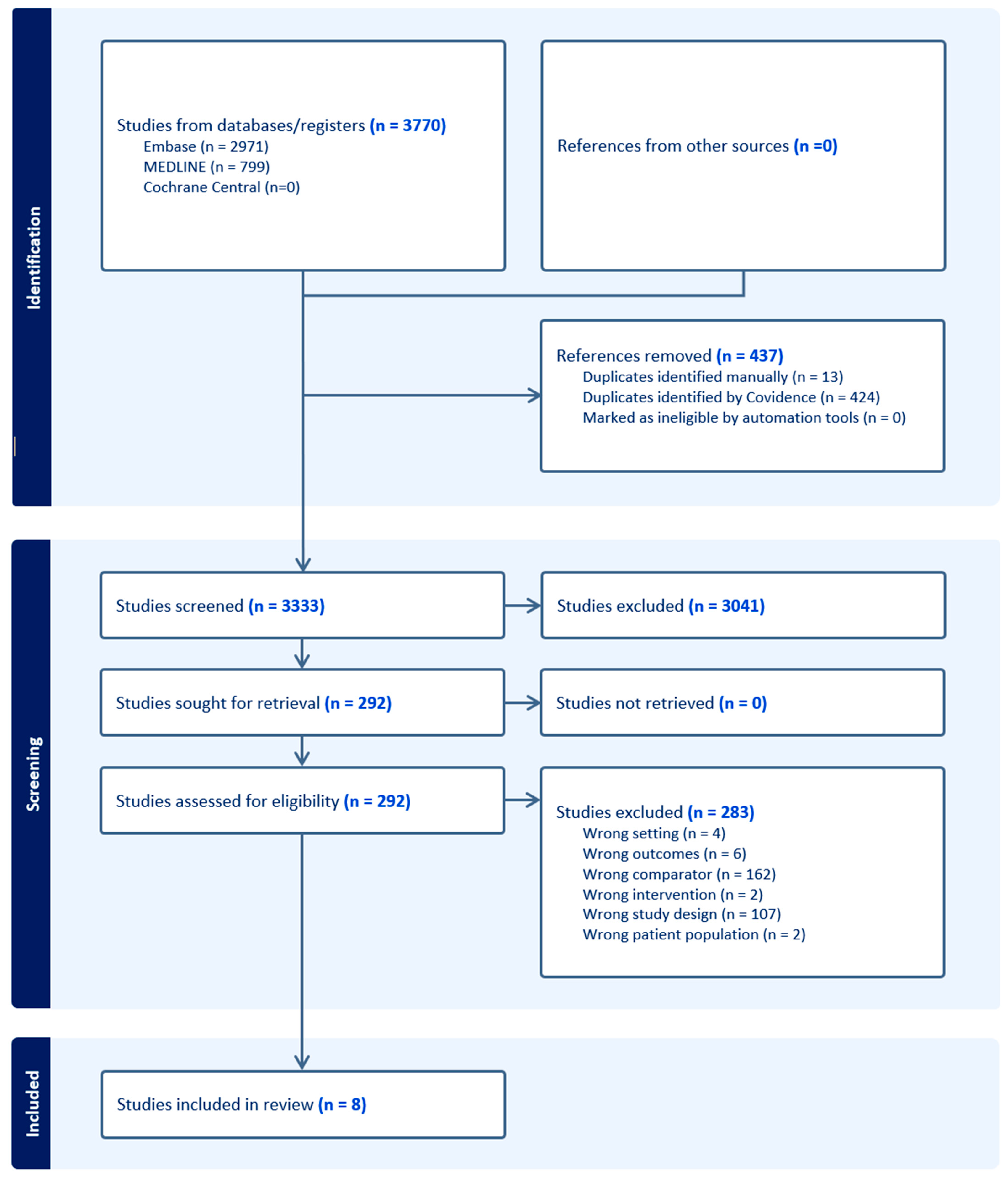
(1) Background: Patients who experience acute traumatic injury requiring hospitalisation represent a vulnerable population. The trauma patient often experiences multi-system injuries and complex physiology. Additionally, there are complex socio-ecological issues that impact the care and outcomes of trauma patients. Of interest, culturally and linguistically diverse populations with language barriers experience worse outcomes in trauma settings. This scoping review evaluates the current evidence on language barriers in this population and the influences on outcomes for trauma patients. (2) Methods: A scoping review was performed following a computer-assisted search of the Medline, Embase and Cochrane Central databases. Papers that evaluated the impact of the language barrier in culturally and linguistically diverse populations and outcomes in acute trauma settings were included. (3) Results: A literature search identified eight articles that were eligible for inclusion. Overall, there was no robust evidence to suggest that such populations were disadvantaged in terms of length of hospital stay and overall mortality. However, studies did identify that these populations were at higher risk of disability and poor mental health outcomes, experienced communication barriers more often and had lower social functioning. (4) Conclusions: This scoping review demonstrates that individuals admitted due to trauma who are from culturally and linguistically diverse backgrounds experience more significant disadvantages concerning psychological and functional outcomes. It is posited this is due to their inability to communicate their complex needs in trauma, however more robust and rigorous research is required to better characterise this effect.
Keywords: trauma; traumatic injury; culturally and linguistically diverse patients; language barrier; ethnic minority trauma; traumatic injury; culturally and linguistically diverse patients; language barrier; ethnic minority