


Abstract
Background/Objectives: The performance of musical wind instruments imposes significant neuromuscular and biomechanical demands on the stomatognathic system. Depending on the mouthpiece type, wind instruments are divided into four classes, which may have distinct impacts on the instrumentalists’ quality of life. This study aimed to evaluate musicians’ self-perception regarding the impact caused by wind instruments practice on oral health-related quality of life (OHRQoL), jaw functional limitations, and chronic pain. Methods: A cross-sectional observational study was conducted among 71 wind instrumentalists (52% female; mean age 24.16 years; mean practice history of 12.8 years) using the Oral Health Impact Profile-14 (OHIP-14), the Jaw Functional Limitation Scale (JFLS), and the Graded Chronic Pain Scale (GCPS). Data were analyzed using the Statistical Package for the Social Sciences (SPSS), with statistical significance set at p < 0.05. Results: Musicians in Class 1 (clarinet/saxophone) and Class 4 (transverse flute) reported the worst OHRQoL and chronic pain scores. Orofacial pain in the jaw, temple, or ear was reported by 66% of the participants. Joint sounds (36%) and closed jaw locking (26%) showed a significant association with female gender; however, this relationship is highly confounded by the strong female clustering in Class 4 (85%) and Class 1 (63%). Behavioral and practice habits significantly influenced outcomes: higher daily study duration (mean 170.31 min), the absence of relaxation exercises, and a willingness to endure physical discomfort for technical progress (73.2%) were significantly associated with lower quality of life and greater functional limitations (mastication and mobility). Performance anxiety, warm-up exercises, and practice intensity peaks showed no significant relationships with OHRQoL. Conclusions: Wind instrument practice severely impacts jaw function and musicians’ well-being. These findings underscore the need for interdisciplinary preventive interventions, including targeted ergonomic training, structured rest protocols, and jaw relaxation exercises, alongside oral public health initiatives that recognize wind musicians as an occupationally vulnerable group.
1. Introduction
Musical instrument performance is a deeply rooted global tradition, spanning professional, semi-professional, and amateur levels. A significant number of individuals participate in this practice through philharmonic and community bands worldwide. However, musicians frequently encounter physical complications arising from repetitive movements, which can impair both professional performance and activities of daily living. These issues carry broader implications for quality of life, as well as economic, social, and cultural expectations [1,2,3,4].
Wind instrumentalists, in particular, represent a vulnerable cohort susceptible to orofacial alterations due to the intensive demands placed on the facial and mandibular musculature [3,4,5,6,7,8,9]. Such practice may lead to various soft tissue injuries, including mucosal ulcerations, focal dystonia of the facial muscles, prosthetic instability, herpes labialis, or xerostomia [3,5,6]. The embouchure—the physiological interface between the musician and the instrument—relies on the complex coordination of key anatomical structures, primarily the tongue, teeth, labial muscles, and cheeks [10,11].
The systematic classification of musical instruments, based on the Hornbostel–Sachs system and adapted by Henrique [12], identifies four primary categories according to the mechanism of sound production: (i) aerophones, where sound is generated by air vibration (for example: flute, saxophone, or bassoon); (ii) chordophones, involving the vibration of tensioned strings (for example: violin or harp); (iii) idiophones, where the instrument’s body itself produces sound without external tension (for example: triangle or cymbal); and (iv) membranophones, which rely on a stretched membrane for sound generation (for example: snare drum and timpani).
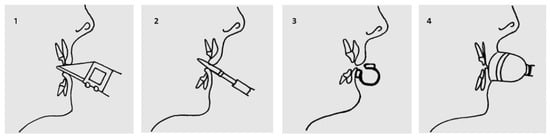
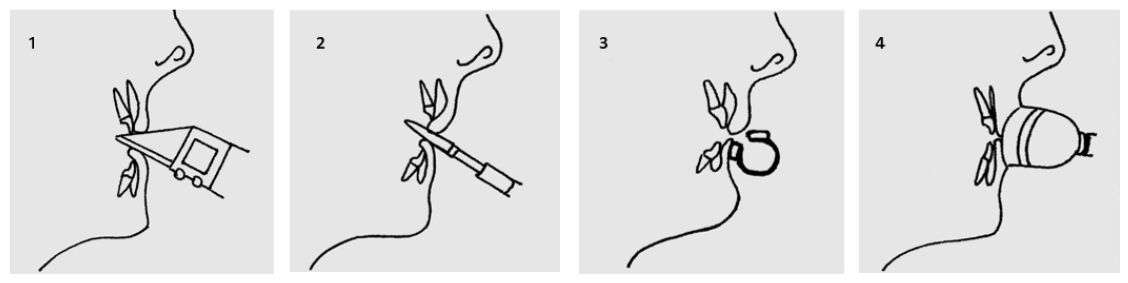
Regarding aerophones, Strayer [13] proposed a taxonomy based on the type of embouchure involved. This framework was further refined by Clemente [14], who subdivided these instruments into four distinct classes based on their interaction with the oral cavity, as illustrated in Figure 1:
Figure 1.
Types of mouthpieces and their biomechanical interaction with the oral cavity during musical performance (embouchure type) adapted from Yeo [3].
- Class 1: Single-reed instruments (e.g., clarinet, saxophone), further categorized into Division 1 or 2 based on the angle of inclination.
- Class 2: Double-reed instruments (e.g., oboe, bassoon), also subdivided into Division 1 or 2 depending on the inclination.
- Class 3: Brass instruments with a metal mouthpiece, where classification into Division 1 or 2 depends on the mouthpiece dimensions.
- Class 4: Instruments with a restricted mouth opening (e.g., flute), categorized into Division 1 or 2 based on the instrument’s inclination.
According to Grammatopoulos [15], specific classes of wind instruments induce distinct dentofacial alterations. For instance, Class 1 instruments are associated with a reduction in overjet and an increase in overbite; Class 2 instruments may cause an increase in overjet and a reduction in overbite; Class 3 instruments are linked to a reduction in both overjet and overbite; and Class 4 instruments predominantly lead to an increased overjet.
Professional musical practice represents a substantial neuromuscular and psychological challenge, requiring exceptional speed, consistency, and endurance [16,17]. During performance, the stomatognathic system is subjected to significant biomechanical forces. Engelman [18] demonstrated that pressure exerted on the anterior teeth and lips can reach up to 500 g. The magnitude of this effort depends on the specific instrument, the musician’s psychological state, the technical demands of the repertoire, and individual muscle resistance.
The prolonged use of musical instruments—whether wind-based or specific string instruments held between the shoulder and the jaw—can overload the masticatory musculature and the orofacial skeletal system. This overload constitutes a significant risk factor for the development or exacerbation of Temporomandibular Disorders (TMD) [19,20]. Meanwhile, the literature suggests a robust correlation between wind instrument practice and TMD [17,20,21,22].
It has recently been shown that, among music students, the presence of temporomandibular disorders (TMDs) and headaches is strongly associated with high levels of anxiety [8]. These findings highlight the importance of contextualizing these individuals’ occupational conditions from a biopsychosocial perspective, justifying the need to investigate how emotional state is reflected in physical health and artistic performance.
Despite the growing interest in musicians’ occupational health, there remains a critical shortage of studies investigating the development of injuries caused by intensive practice in wind instrumentalists. Such conditions not only jeopardize the health of the practitioner but can also severely impair technical proficiency and artistic performance [21].
All these changes make it imperative to analyze the impact on musicians’ quality of life (QoL) caused by the practice of wind instruments, highlighting the relevance of the present study, so this research study aims to assess the practitioners’ perception of wind instrument impact on their oral cavity and QoL by analyzing the following specific topics:
- Does the age and gender of practitioners influence their oral health quality of life?
- Does any instrument group influence oral health quality of life?
- Do regular practice or intensity peaks influence oral health quality of life?
- How does the number of practice hours correlate with oral health quality of life and the onset of pain?
- What is the relationship between participants willing to endure physical discomfort or pain due to excessive study and oral health quality of life? Do they have more functional limitations and chronic pain?
- Do warm-up/relaxation exercises influence oral health quality of life?
- Does taking breaks during daily practice influence oral health quality of life?
2. Materials and Methods
2.1. Study Design and Ethical Considerations
A cross-sectional, and observational study was conducted. The study protocol was approved by the Ethics Committee of University Fernando Pessoa (Porto, Portugal) under reference no. MIMD-26062020. The research was performed in accordance with the Declaration of Helsinki. All participants (or their legal guardians) provided informed consent before participating in the study.
2.2. Participants and Recruitment
The study population consisted of wind instrument players recruited from various musical bands in the Douro Litoral region of Portugal. Recruitment was performed through a non-probability convenience sampling method. Inclusion criteria were: (1) active practice of a wind instrument and (2) voluntary agreement to participate. Conversely, candidates who were not active players and individuals who did not complete the multi-part questionnaire in full were excluded from the study. Participants were given access to the study through both online and printed versions of the assessment tools.
2.3. Data Collection and Instrumentation
Data were collected using a multi-part questionnaire designed to assess the impact of wind instrument practice on oral health, and in accordance with the classification proposed by Strayer [13] for the type of mouthpiece used in wind instruments:
- Sociodemographic and Professional Survey: Designed to characterize the musicians’ careers, including total years of practice, average daily/weekly practice hours, instrument type/changes, and the frequency of rest breaks during study sessions.
- Oral Health Impact Profile (OHIP-14): The validated Portuguese version was used to measure the impact of oral health on quality of life [23].
- Temporomandibular Disorders Screening: Specific items from the Research Diagnostic Criteria for Temporomandibular Disorders (RDC/TMD) Portuguese version (Axis 1-C1 and Axis 1-C1/R1) were integrated to screen for symptoms related to the stomatognathic system.
- Clinical Indices: The Modified Gingival Index and the DMFT Index (Decayed, Missing, and Filled Teeth) were employed to assess gingival health and dental caries history, respectively.
2.4. Statistical Analysis
Data analysis was conducted using IBM SPSS Statistics (version 30.0). Descriptive statistics were calculated for all variables. The Shapiro–Wilk test was used to assess data normality. Inferential analysis included:
- Independent t-tests and Mann–Whitney U tests for comparisons between two groups.
- Chi-Square tests (χ2) for categorical data.
- Pearson or Spearman correlation for assessing relationships between continuous variables.
Statistical significance was defined as p < 0.05. Results are presented through descriptive tables and graphical representations.
3. Results
Participant Demographics and Practice Habits
The study cohort comprised 71 participants (52% female) with a mean age of 24.16 years. Following Clemente’s classification [14], instrumentalists were categorized according to their respective instrument classes. Participants reported an average of 12.8 years of practice, with 17 individuals having transitioned to a different instrument during their careers.
Regarding daily practice, the mean duration was 170.31 min. While 74.6% (n = 53) of participants reported taking breaks during practice, only 54.9% (n = 39) performed warm-up exercises, and 61.9% (n = 44) did not engage in relaxation techniques. Although most participants (n = 39) maintained a consistent practice schedule throughout the year, 81.7% (n = 58) reported increased anxiety during performances or assessments. Notably, 73.2% (n = 52) of the sample expressed a willingness to endure physical discomfort or pain to achieve technical or musical progress.
As demonstrated in Table 1, several variables significantly influenced QoL scores. Instrument classification was a primary factor, particularly within Class 4 (which yielded the highest scores) and Class 1. Both classes showed a significant prevalence of “Psychological Disability” and “Social Disability.” Regarding study habits, participants who reported taking breaks during practice sessions exhibited higher scores, indicating a lower QoL. Furthermore, a positive correlation was observed between daily study duration and QoL scores; specifically, as the average number of minutes studied per day increased, QoL decreased.
Table 1.
Variables that influence the quality of life.
Attitudinal factors also played a role: participants willing to endure physical discomfort or pain for the sake of technical and musical development reported higher scores, reflecting poorer QoL, with a focus on psychological discomfort and physical pain. Additionally, the absence of relaxation exercises was statistically significant, particularly concerning physical and psychological disabilities. Finally, localized pain (jaw, temple, or ear) was associated with diminished QoL, specifically impacting the dimensions of psychological discomfort and disability.
Data in Table 2 indicate that the type of instrument played significantly influences the onset of chronic pain, with a more pronounced effect observed among Class 1 musicians. The absence of relaxation exercises also emerged as a key variable affecting the Graded Chronic Pain Scale (GCPS), with higher scores reported by individuals who do not perform these exercises. Regarding the correlation between years of professional practice and the GCPS, a weak negative correlation was observed; this suggests that chronic pain intensity tends to decrease as the number of years of practice increases.
Table 2.
Variables that influence the Graded Chronic Pain Scale.
Table 3 details the findings regarding the Jaw Functional Limitation Scale (JFLS) and its specific dimensions. Factors significantly influencing the Mobility domain included the type of instrument played, the absence of warm-up routines, and the presence of orofacial pain (jaw, temple, or ear).
Table 3.
Variables influencing the Jaw Functional Limitation Scale.
In the Chewing dimension, limitations were associated with daily practice duration, the frequency of rest breaks, and the willingness to endure physical discomfort for musical development. Furthermore, a history of orofacial pain was identified as a significant factor affecting Communication.
Regarding pain prevalence, 66% of participants reported unilateral orofacial pain (jaw, temple, or ear), with an average onset of 31 months prior to the study. Among those experiencing pain within the 30 days preceding the survey, 50% described intermittent symptoms (appearing and disappearing), while 46% reported no current episodes during that specific timeframe.
Additionally, 39% of the sample reported headaches, including the temporal region, within the last 30 days, with a mean symptom duration of 19 months.
Table 4 summarizes the prevalence of temporomandibular joint (TMJ) symptoms. Joint sounds were reported by 36% of participants; among these, 30% could not specify the affected side, while 26% reported bilateral involvement. A statistically significant gender predilection was observed, with females being more frequently affected (p < 0.05). Closed jaw locking was reported by 26% of the sample, 65% of whom were unable to specify the side. Similar to joint sounds, this condition showed a significant association with female gender.
Table 4.
Symptom Questionnaire.
Among participants confirming a locked jaw, 47% reported that the interference was severe enough to impair mastication. Within this subgroup, 24% experienced transient locking (momentary blockage followed by unlocking) in the 30 days prior to the survey, and one participant reported an active locked state during the evaluation.
Regarding open jaw locking, 19% of participants confirmed the condition. Notably, 91% of these individuals required specific maneuvers—such as resting, shifting, or manual manipulation—to achieve jaw closure.
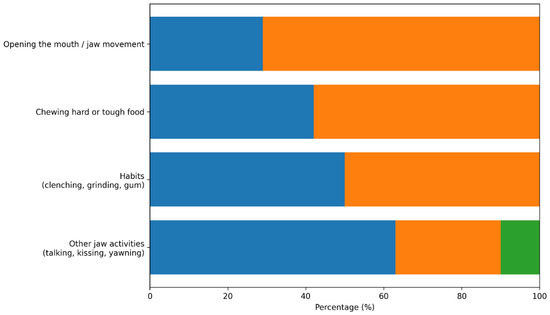
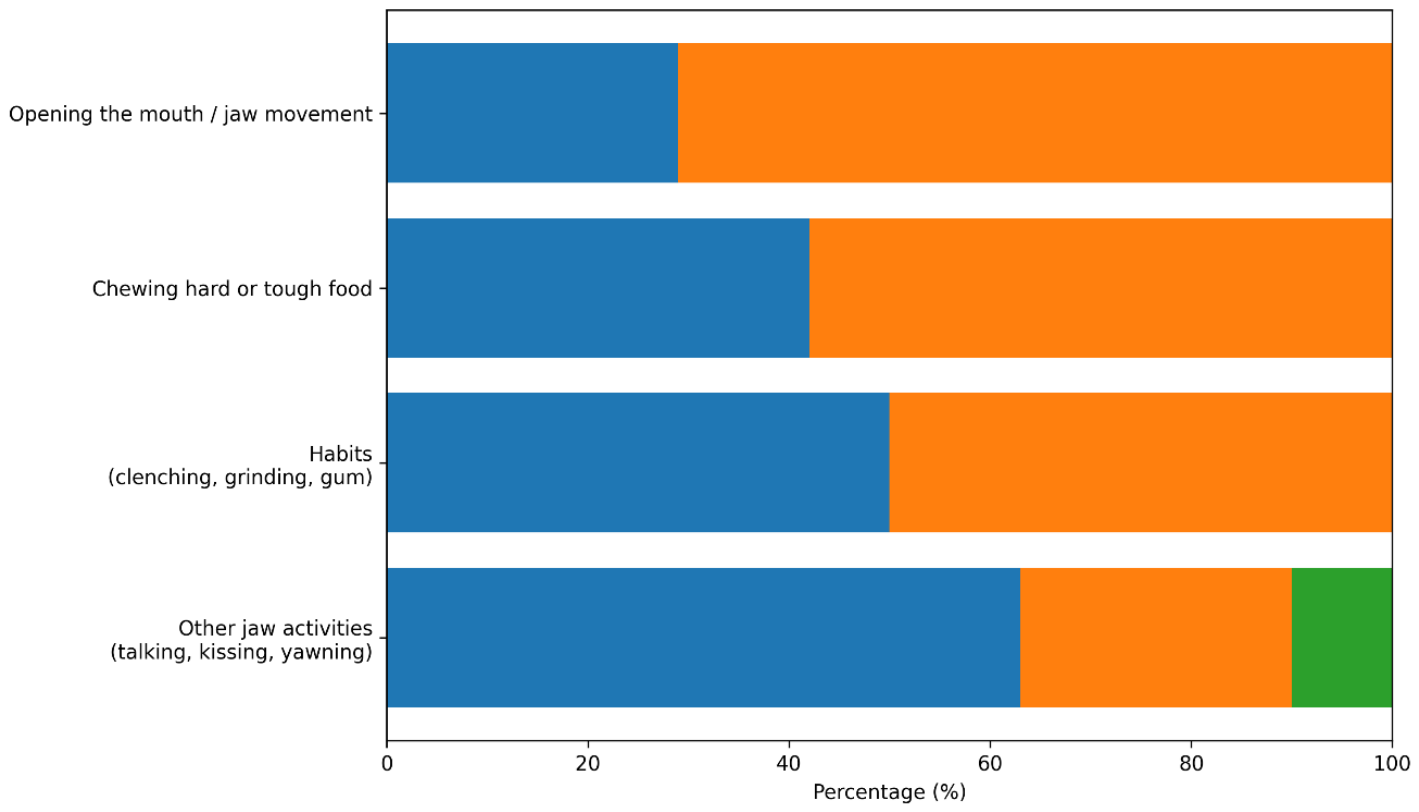
As illustrated in Figure 2, 42% of participants reported that masticating hard or tough foods exacerbated their pain levels, whereas 71% stated that mandibular movements (opening the mouth or lateral/forward protrusion) did not affect pain. Regarding parafunctional habits—including teeth clenching, bruxism (grinding), or chewing gum—50% of the sample perceived an alteration in pain intensity. Similarly, 63% reported pain modulation during functional activities such as speaking, kissing, or yawning.
Figure 2.
Prevalence of Pain by Jaw activity (yes—blue, no—orange and non-response—green).
Correlation analysis revealed that all scales utilized in this study significantly impacted the Oral Health Impact Profile (OHIP) scores, reflecting a direct influence on Quality of Life (Table 5). In contrast, variables such as age, practice patterns (regular vs. peak-intensity sessions), and anxiety levels showed no statistically significant association with QoL. Furthermore, the performance of warm-up exercises was not found to be associated with the reported outcomes.
Table 5.
Correlation between OHIP-14 and the evaluated variables (Pearson correlation).
4. Discussion
Playing wind instruments can lead to significant musculoskeletal, occlusal, and joint-related sequelae [7,8,11,16,17,24,25,26]. These changes often impair the practitioner’s QoL through symptoms such as excessive fatigue, myalgia, TMJ clicking, or even mandibular locking. Our statistical analysis identified several influential factors: the specific instrument played, the omission of relaxation exercises, the willingness to endure pain for musical proficiency, and the average daily practice duration.
Regarding instrument type, participants in Class 4 (Transverse Flute) and Class 1 (Clarinet and Saxophone) reported the lowest QoL. These groups presented a marked female predominance (85% in Class 4 and 63% in Class 1). This convergence requires a nuanced interpretation, as biological sex and instrument mechanics act as major confounding variables.
From a sociocultural perspective, gender stereotypes heavily influence instrument choice [27], clustering female musicians into specific classes like the flute. Biomechanically, Class 4 involves a highly asymmetric playing posture and sustained activation of the craniomandibular muscles, which may inherently trigger more symptoms, regardless of gender.
Concurrently, distinct biological factors cannot be ruled out; the literature suggests that females exhibit higher rates of temporomandibular disorders due to estrogen receptor influences on joint tissues, greater generalized joint laxity, and central pain modulation differences [28]. Furthermore, sociocultural conditioning may lead to higher rates of self-reported symptoms and health-seeking behaviors in women compared to men [29,30]. Given our sample size (n = 71), we cannot statistically decouple biological sex from the intrinsic mechanical demands of the chosen instrument class, which constitutes a limitation that future larger-scale studies must address using multivariable regression models.
The relatively low average age of our cohort (24.16 years) reflects the demographic reality of many local community bands, which typically integrate young musicians. Although performance and assessment anxiety were highly prevalent among participants (81.7%), our analysis did not identify a statistically significant correlation between stress levels, musical experience, and overall QoL. However, the weak negative correlation observed between years of practice and chronic pain intensity suggests that experienced musicians may develop technical adaptation and psychological habituation to practice-related stress, even though the biomechanical impact remains.
The specific instrument played also influenced all other evaluated scales. This aligns with findings by van Selms [31], which suggest that the distinct technical demands of different instruments result in a varied spectrum of symptoms. Furthermore, the absence of relaxation exercises was significantly associated with physical and psychological disability, increased chronic pain intensity, and reduced joint mobility, as proposed by Rodríguez-Gude C et al.’s study [32]. This underscores the necessity of muscle relaxation to mitigate tension, anxiety, stiffness, and pain.
On average, participants began their musical practice 153 months prior to the study, while symptoms such as otalgia (ear pain) emerged approximately 31 months ago. This timeline suggests that symptoms often manifest after the initial learning phase, once musicians integrate into professional or community bands. Although the negative correlation between years of practice and the onset of chronic pain was weak, it supports the observations of another studies [7,33], which found that musicians with fewer years of orchestral experience report more health-related QoL issues.
While our symptom scores were higher than those reported in another study [29], this discrepancy may be due to our younger cohort and exclusive focus on wind instrumentalists. The prevalence of painful symptoms associated with TMD is high among musicians; a recent study of 492 professional musicians and students revealed that 19.5% tested positive for painful TMD, with the condition found to predominantly affect young women with less professional experience [7]. In comparison, our findings regarding wind instrument players suggest that orofacial overload leads to 66% of musicians reporting episodes of pain in the jaw, temple, or ear. Factors such as malocclusion and dental irregularities can negatively impact the embouchure, where greater malocclusion correlates with decreased comfort and performance [10].
Our results regarding joint sounds (reported by 42% of participants) are consistent with the studies by Stechman Neto [34] and Rios [35]. As shown in Figure 2, routine activities such as mastication or mouth opening exacerbated pain. This highlights the impact of wind instrument practice on the functional movements of the jaw, affecting chewing, mobility, and communication—a finding corroborated by the positive correlation between the Maxillary Functional Limitation, Graduated Chronic Pain, and OHIP scales.
Furthermore, ergonomic factors such as posture during practice must be considered. According to Gotouda [36], inappropriate posture can strain the musculature and the TMJ. Therefore, longitudinal monitoring by instructors during musical training is essential to correct harmful habits.
In response to the high prevalence of orofacial pain (66%) and temporomandibular joint disorders observed in this group, transdisciplinary interventions are required that integrate dentistry, physiotherapy and occupational health, as proposed in other studies [37,38,39], with an emphasis on:
- Training in ergonomics and posture: Musicians should receive early training on asymmetric muscle strain. Physiotherapists should carry out ergonomic assessments to adjust the position of instruments, supports or body braces, thereby minimising the biomechanical load on the stomatognathic system.
- Scheduled rest protocols: promoting structured rehearsals with strict rest protocols during periods of more intense study: a 5 min micro-break every 30 min of continuous playing, incorporating gentle neck stretches and mandibular alignment movements.
- Physiotherapy and jaw exercises: Preventive jaw exercises should be incorporated into the musician’s daily routine. These include symmetrical and controlled mouth opening in front of a mirror (to prevent deviations), isometric jaw stabilisation exercises, and intra-oral and extra-oral self-massage of the masseter and temporal muscles after practice, to reduce hypertonicity.
From the perspective of public health and dental practice, these findings highlight the need to classify professional and amateur musicians as an occupationally vulnerable group. Dentists should systematically examine patients who play wind instruments to detect signs of TMD, whilst public health policies should fund educational workshops in music conservatoires and community philharmonic orchestras to promote preventive care before irreversible functional limitations occur.
Although a negative correlation has been observed between years of practice and the intensity of chronic pain (GCPS), this phenomenon may be attributed to technical adaptation and psychological habituation in more experienced musicians. Nevertheless, all evidence suggests that it is essential to distinguish between the perception of pain and functional integrity, as the biomechanical impact accumulated over years of practice can result in functional changes and musculoskeletal sequelae (such as temporomandibular joint dysfunction or occlusal changes), which manifest even when reported pain levels are lower.
Factors such as the specific mechanics of the instrument, the high number of hours of daily practice, and a predisposition to tolerate physical discomfort in the pursuit of technical progress are directly associated with poorer quality of life and greater functional limitations of the jaw [7,32].
The association found between physical symptoms and emotional factors supports the findings of Akkor et al. [8], who demonstrated a significant correlation between high levels of anxiety, temporomandibular disorders (TMDs) and headaches in music students. This interrelationship suggests that orofacial pain and headaches in this population may not stem exclusively from biomechanical strain or instrument positioning, but may potentially be exacerbated by stress and performance anxiety.
Limitations and Future Directions
A primary methodological limitation of this study involves the utilization of a non-probability convenience sampling method paired with a relatively small sample size (n = 71), which inherently compromises the generalization of the data to the broader population of wind instrumentalists. Furthermore, due to the absence of an a priori statistical power calculation, potential sampling biases inherent to convenience sampling must be explicitly acknowledged, warranting caution when interpreting the scope of these findings.
Notably, data collection occurred during a period (June to December 2020) of restricted musical activity due to external circumstances (e.g., the reduction in philharmonic band activities due COVID-19), leading to a reduction in practice and training hours, which may have biased the results. Additionally, psychological and social variables were not fully controlled.
Consequently, effective intervention and prevention strategies should not be limited to physical or ergonomic approaches; it is therefore imperative to include mental health support programmes and stress management techniques in musicians’ academic routines.
It is imperative that both performers and musical organizations implement adaptive strategies to minimize the physical impact of long-term practice, as proposed by Rodríguez-Gude C et al. [32].
The literature review revealed a scarcity of systematic research integrating “wind instruments,” “quality of life,” and “oral health.” Most existing studies focus narrowly on TMJ dysfunction or occlusion. Future research should adopt a more holistic approach to assess how wind instrument practice affects the overall QoL of musicians.
5. Conclusions
In conclusion, this study demonstrates that both the type of instrument (notably Class 1 and 4) and the practitioner’s gender significantly influence musicians’ well-being. While female participants reported lower QoL, this relationship involves a complex interplay between biological susceptibility and instrument-specific biomechanical demands. Although an increase in years of practice is associated with greater cumulative functional implications, perceived pain intensity may decrease through technical adaptation. These effects can be mitigated by relaxation exercises and structured breaks, whereas warm-up routines and practice patterns showed no statistical significance. Finally, a ‘no pain, no gain’ attitude was strongly correlated with diminished QoL, underscoring the urgent need for targeted ergonomic and preventive interventions in musical training.
Author Contributions
Conceptualization, A.P.C. and J.F.-B.; methodology, A.P.C. and J.F.-B.; software, A.P.C.; validation, J.F.-B.; formal analysis, A.P.C.; investigation, A.P.C.; data curation, A.P.C.; writing—original draft preparation, A.P.C.; writing—review and editing, J.F.-B.; visualization, A.P.C.; supervision, J.F.-B.; project administration, J.F.-B. All authors have read and agreed to the published version of the manuscript.
Funding
This research received no external funding.
Institutional Review Board Statement
The study was conducted in accordance with the Declaration of Helsinki and approved by the Institutional Ethics Committee of University Fernando Pessoa (MIMD-26062020 and 25 June 2020).
Informed Consent Statement
Informed consent was obtained from all subjects involved in the study.
Data Availability Statement
The original contributions presented in this study are included in the article. Further inquiries can be directed to the corresponding author.
Acknowledgments
The graphical abstract was created with the assistance of generative Artificial Intelligence [ChatGPT]. The authors have reviewed and edited the final output to ensure it accurately reflects the scientific content of the study.
Conflicts of Interest
The authors declare no conflicts of interest.
Abbreviations
The following abbreviations are used in this manuscript:
| DMFT | Index of Decayed, Missing, and Filled Teeth |
| GCPS | Graded Chronic Pain Scale |
| JFLS | Jaw Functional Limitation Scale |
| OHIP QoL | Oral Health Impact Profile Quality of Life |
| TMJ | Temporomandibular Joint |
References
- Czech, N.P.; Alt, K.W. Wind Instruments and Oral Health: Challenges Faced by Professional Wind Musicians. Dent. J. 2024, 12, 306. [Google Scholar] [CrossRef] [Scilit]
- Moon, H. Wind Instrument Performance and Oral Health: A Performing Arts Medicine Perspective. Int. J. Clin. Prev. Dent. 2024, 20, 117–122. [Google Scholar] [CrossRef] [Scilit]
- Yeo, D.K.; Pham, T.P.; Baker, J.; Porters, S.A. Specific orofacial problems experienced by musicians. Aust. Dent. J. 2002, 47, 2–11. [Google Scholar] [CrossRef] [Scilit] [PubMed]
- Frias-Bulhosa, J. Impactos oro-faciais associados à utilização de instrumentos musicais. Rev. Port. Estomatol. Med. Dent. Cir. Maxilofac. 2012, 53, 108–116. [Google Scholar] [CrossRef] [Scilit]
- Barkvoll, P.; Attramadal, A. Recurrent herpes labialis in a military brass band. Eur. J. Oral Sci. 1987, 95, 256–258. [Google Scholar] [CrossRef] [Scilit]
- Gambichler, T.; Boms, S.; Freitag, M. Contact dermatitis and other skin conditions in instrumental musicians. BMC Dermatol. 2004, 4, 3. [Google Scholar] [CrossRef] [Scilit]
- Z’Graggen, S.; Ettlin, D.A.; Alessandri, E.; Z’Graggen, W.J.; Schimmel, M. Prevalence of Painful Temporomandibular Disorder Symptoms Among Professional and Student Musicians: An Online Survey. J. Oral Rehabil. 2025, 52, 9–16. [Google Scholar] [CrossRef] [Scilit] [PubMed]
- Akkor, H.Ö.; Singer, E.A.; Bas, B. Temporomandibular disorders and headaches in music education students: Associations with anxiety. Occup. Med. 2026, 76, 64–70. [Google Scholar] [CrossRef] [Scilit] [PubMed]
- Glória, J.C.; Balestra, A.A.; Iasbik, N.S.; Douglas-de-Oliveira, D.W.; Flecha, O.D.; Gonçalves, P.F. Prevalence of Orofacial Changes in Wind Instrumentalists: A Cross-Sectional Pilot Study in Brazil. Med. Probl. Perform. Art. 2018, 33, 1–5. [Google Scholar] [CrossRef] [Scilit]
- van der Weijden, F.N.; Kuitert, R.B.; Berkhout, F.R.U.; van der Weijden, G.A. Influence of tooth position on wind instrumentalists’ performance and embouchure comfort: A systematic review. J. Orofac. Orthop. 2018, 79, 205–218. [Google Scholar] [CrossRef] [Scilit]
- Hernández, R.L.; Arias-Luxán, S.; Sauro, S.; Lanuza, A. The Influence of Wind Musical Instruments on the Orofacial System. Diagnostics 2024, 14, 2342. [Google Scholar] [CrossRef] [Scilit]
- Henrique, L. Instrumentos Musicais, 6th ed.; Fundação Calouste Gulbenkian Pub.: Lisboa, Portugal, 2008. [Google Scholar]
- Strayer, E.R. Musical instruments as an aid in the treatment of muscle defects and perversions. Angle Orthod. 1939, 9, 18–27. [Google Scholar] [CrossRef]
- Clemente, M.; Mendes, J.; Moreira, A.; Bernardes, G.; Van Twillert, H.; Ferreira, A.; Amarante, J.M. A new classification of wind instruments: Orofacial considerations. J. Oral Biol. Craniofac. Res. 2019, 9, 268–276. [Google Scholar] [CrossRef] [Scilit] [PubMed]
- Grammatopoulos, E.; White, A.P.; Dhopatkar, A. Effects of playing a wind instrument on the occlusion. Am. J. Orthod. Dentofac. Orthop. 2012, 141, 138–145. [Google Scholar] [CrossRef] [Scilit]
- Fragelli, T.; Carvalho, G.; Pinho, D. Lesões em músicos: Quando a dor supera a arte. Rev. Neurocienc. 2008, 16, 303–309. [Google Scholar] [CrossRef] [Scilit]
- Głowacka, A.; Matthews-Kozanecka, M.; Kawala, M.; Kawala, B. The impact of the long-term playing of musical instruments on the stomatognathic system—Review. Adv. Clin. Exp. Med. 2014, 23, 143–146. [Google Scholar] [CrossRef] [Scilit]
- Engelman, J.A. Measurement of perioral pressures during playing of musical wind instruments. Am. J. Orthod. 1965, 51, 856–864. [Google Scholar] [CrossRef] [Scilit]
- Marschner, F.; Sokolowski, A.; Sokolowski, A.; Biermann, J.; Wiegand, A. Orofacial pain and oral health-related quality of life in woodwind and cello musicians in German orchestras: An online based questionnaire study. J. Occup. Med. Toxicol. 2025, 20, 19. [Google Scholar] [CrossRef] [Scilit] [PubMed]
- Almeida, F.; Pinho, J.C.; Coimbra, D.; Pais-Clemente, M.; Santos, N. Biomecânica da articulação temporomandibular numa população de cantores. Rev. Port. Estomatol. Med. Dent. Cir. Maxilofac. 2013, 54, 131–136. [Google Scholar] [CrossRef] [Scilit]
- Lacerda, F.; Barbosa, C.; Pereira, S.; Manso, M.C. Estudo de prevalência das disfunções temporomandibulares articulares em estudantes de instrumentos de sopro. Rev. Port. Estomatol. Med. Dent. Cir. Maxilofac. 2015, 56, 25–33. [Google Scholar] [CrossRef] [Scilit]
- Nishiyama, A.; Tsuchida, E. Relationship Between Wind Instrument Playing Habits and Symptoms of Temporomandibular Disorders in Non-Professional Musicians. Open Dent. J. 2016, 10, 411–416. [Google Scholar] [CrossRef] [Scilit]
- Afonso, A.; Silva, I.; Meneses, R.; Frias-Bulhosa, J. Qualidade de vida relacionada com a saúde oral: Validação portuguesa de OHIP-14. Psicol. Saúde Doenças 2017, 18, 374–388. [Google Scholar] [CrossRef] [Scilit]
- Adeyemi, T.E.; Otuyemi, O.D. The effects of playing wind musical instruments on the occlusal characteristics in a Northern Nigerian Population. Niger. Postgrad. Med. J. 2019, 26, 152–157. [Google Scholar] [CrossRef] [Scilit]
- Clemente, M.P.; Moreira, A.; Morais, C.; Amarante, J.M.; Ferreira, A.P.; Mendes, J. Tooth Position in Wind Instrument Players: Dentofacial Cephalometric Analysis. Int. J. Environ. Res. Public. Health 2021, 18, 4306. [Google Scholar] [CrossRef] [Scilit]
- Macovei, G.; Minea, R.; Dumitraș, I.T.; Precup, C.A.; Baroiu, L.; Nechifor, A.; Armencia, A.O.; Lese, A.C. Changes in Dento-Facial Morphology Induced by Wind Instruments, in Professional Musicians and Physical Exercises That Can Prevent or Improve Them—A Systematic Review. Life 2023, 13, 1528. [Google Scholar] [CrossRef] [Scilit] [PubMed]
- Dias, D. A Escolha do Instrumento e os Estereótipos de Gênero: Relação com a Perspectiva Ecológica de Brofenbrenner. Master’s Thesis, Escola Superior de Artes Aplicadas, Instituto Politécnico de Castelo Branco, Castelo Branco, Portugal, 2013. Available online: https://www.academia.edu/9945773/A_Escolha_do_Instrumento_e_os_Estere%C3%B3tipos_de_G%C3%A9nero_Rela%C3%A7%C3%A3o_com_a_Perspetiva_Ecol%C3%B3gica_de_Brofenbrenner (accessed on 8 December 2025).
- Niessen, L.C.; Gibson, G.; Kinnunen, T.H. Women’s oral health: Why sex and gender matter. Dent. Clin. N. Am. 2013, 57, 181–194. [Google Scholar] [CrossRef] [Scilit] [PubMed]
- Dahl, K.E.; Wang, N.J.; Skau, I.; Ohrn, K. Oral health-related quality of life and associated factors in Norwegian adults. Acta Odontol. Scand. 2011, 69, 208–214. [Google Scholar] [CrossRef] [Scilit]
- Einarson, S.; Gerdin, E.W.; Hugoson, A. Oral health impact on quality of life in an adult Swedish population. Acta Odontol. Scand. 2009, 67, 85–93. [Google Scholar] [CrossRef] [Scilit]
- van Selms, M.K.A.; Wiegers, J.W.; van der Meer, H.A.; Ahlberg, J.; Lobbezoo, F.; Visscher, C.M. Temporomandibular disorders, pain in the neck and shoulder area, and headache among musicians. J. Oral Rehabil. 2020, 47, 132–142. [Google Scholar] [CrossRef] [Scilit] [PubMed]
- Rodríguez-Gude, C.; Taboada-Iglesias, Y.; Pino-Juste, M. Prevention of cervical and mandibular dysfunction in wind musicians: A randomized controlled trial. Int. J. Occup. Saf. Ergon. 2026, 32, 601–608. [Google Scholar] [CrossRef] [Scilit]
- Cappellaro, J.; Beber, B.C. Vocal Tract Discomfort and Voice-Related Quality of Life in Wind Instrumentalists. J. Voice 2018, 32, 314–318. [Google Scholar] [CrossRef] [Scilit] [PubMed]
- Stechman Neto, J.; Almeida, C.; Bradasch, E.R.; Corteletti, L.C.B.J.; Silvério, K.C.; Pontes, M.M.A.; Marques, J.M. Ocorrência de sinais e sintomas de disfunção temporomandibular em músicos. Rev. Soc. Bras. Fonoaudiol. 2009, 14, 362–366. [Google Scholar] [CrossRef] [Scilit]
- Rios, G.; Valentim, A.F.; Telson, Y.C.; Teixeira, R.E.; Motta, A.R. Queixas de disfunção temporomandibular em musicistas. Rev. CEFAC 2024, 26, e2824. [Google Scholar] [CrossRef] [Scilit]
- Gotouda, A.; Yamaguchi, T.; Okada, K.; Matsuki, T.; Gotouda, S.; Inoue, N. Influence of playing wind instruments on activity of masticatory muscles. J. Oral Rehabil. 2007, 34, 645–651. [Google Scholar] [CrossRef] [Scilit]
- Wolff, A.L.; Ling, D.I.; Casey, E.K.; Toresdahl, B.G.; Gellhorn, A.C. Feasibility and impact of a musculoskeletal health for musicians (MHM) program for musician students: A randomized controlled pilot study. J. Hand Ther. 2021, 34, 159–165. [Google Scholar] [CrossRef] [Scilit]
- Rodríguez-Gude, C.; Taboada-Iglesias, Y.; Pino-Juste, M. Design and assessment of a musculoskeletal injury prevention programme for wind players. Work 2025, 80, 1876–1885. [Google Scholar] [CrossRef] [Scilit] [PubMed]
- de Sá, J.S.N.; da Silva Cavalheiro, L.M.N.; Silva, C.S.D.M. The Impact of an Orofacial Muscle Strengthening Program on Temporomandibular Muscles and on the Performance of Wind Instrumentalists. J. Oral Rehabil. 2025, 52, 275–288. [Google Scholar] [CrossRef] [Scilit] [PubMed]

Disclaimer/Publisher’s Note: The statements, opinions and data contained in all publications are solely those of the individual author(s) and contributor(s) and not of MDPI and/or the editor(s). MDPI and/or the editor(s) disclaim responsibility for any injury to people or property resulting from any ideas, methods, instructions or products referred to in the content. |
© 2026 by the authors. Licensee MDPI, Basel, Switzerland. This article is an open access article distributed under the terms and conditions of the Creative Commons Attribution (CC BY) license.