Review

Decision Rules for Measurement Results in Testing and Medical Laboratories with ISO Accreditation Requirements


Italian Society of Clinical Pathology and Laboratory Medicine, National Quality Commission, I-31033 Castelfranco Veneto, TV, Italy
Metrology 2026, 6(2), 40; https://doi.org/10.3390/metrology6020040 (registering DOI)
Submission received: 10 April 2026 / Revised: 4 June 2026 / Accepted: 11 June 2026 / Published: 13 June 2026

Abstract

The work of the laboratories does not end with the measurement or examination results. However, there are significant differences between medical laboratories and testing laboratories in how they handle results. Comparing the two approaches, useful insights can be gained regarding both metrological concepts and the practice of activities. Testing laboratories have always been confronted with the interpretation of measurement results to make decisions, in relation to the intended users of test reports, based on threshold values and measurement uncertainty. In medical laboratories, the approach is quite different. For ISO 15189 accreditation requirements recipients of test results are given interpretive criteria provided by reference intervals, decision limits and differences from previous results. Constantly improving guidelines are available for this. However, critical points emerge that laboratories must take into account, involving both formal and content aspects. Some of these critical issues have been highlighted in the official SIPMeL recommendations. The laboratories can choose different criteria for interpreting test results: either relying primarily on measurement uncertainty or aligning as closely as possible with medical decision-making.

1. Introduction: The Measurement Results and the Decisions

The relationship between ISO 17025 and ISO 15189, between testing laboratories (particularly chemical, microbiological, and toxicological laboratories) and medical laboratories, is complex. In some countries, medical laboratories can obtain either ISO 17025 or ISO 15189 accreditation. Some ISO 17025-accredited laboratories expand their activities into the medical sector and obtain ISO 15189 accreditation. In several cases, for the same examinations. Even if the issue is practical in nature, it is also theoretical, as it prompts speculative reflections on the nature of laboratory activities and their metrological classification. There are similarities and differences between laboratories in the two categories in terms of measurement uncertainty [1].
Both testing laboratories accredited under ISO 17025 and medical laboratories accredited under ISO 15189 must estimate measurement uncertainty and provide criteria for interpreting measurement results in the form of limits. But they must act in diametrically opposite ways. ISO requires testing and calibration laboratories to convey, along with the result, a sense of uncertainty—a doubt (according to the new definition)—on the basis of which a decision must still be made. Conversely, ISO requires medical laboratories to convey to physicians and patients a sense of certainty—a sufficiently solid basis on which to make clinical decisions, investigate or treat, and move forward (Table 1).
The laboratories involved in each of these two categories are usually unaware of what is required of the other side. However, by comparing the two approaches, facing each other, useful insights can be gained regarding both metrological concepts and the conscious practice of laboratory activities.

2. Results of Measurements in Testing Laboratories

Testing laboratories are well aware of the challenge of interpreting results. When seeking ISO 17025 accreditation, they learn that they must define decision-making rules for the results of each test, communicate these rules to clients requesting a statement of conformity, document the level of risk considered for each rule, and apply the rule even when using standards for calibration. ISO accreditation is based on the guidelines of ISO Guide 98, Part 4 [4], largely derived from the American Society of Mechanical Engineers. (ASME) [5] and Joint Committee for Guides in Metrology (JCGM) [6] documents, where we find the definitions of decision rules, coverage intervals, tolerance intervals, acceptance intervals, and guard bands.
The ILAC G8 document [7] has undergone a substantial revision to assist laboratories in applying decision-making rules when issuing statements of conformity as required by the 2017 edition of ISO/IEC 17025. ILAC G8 provides an overview for assessors, regulatory authorities, and clients regarding the application of decision-making rules.
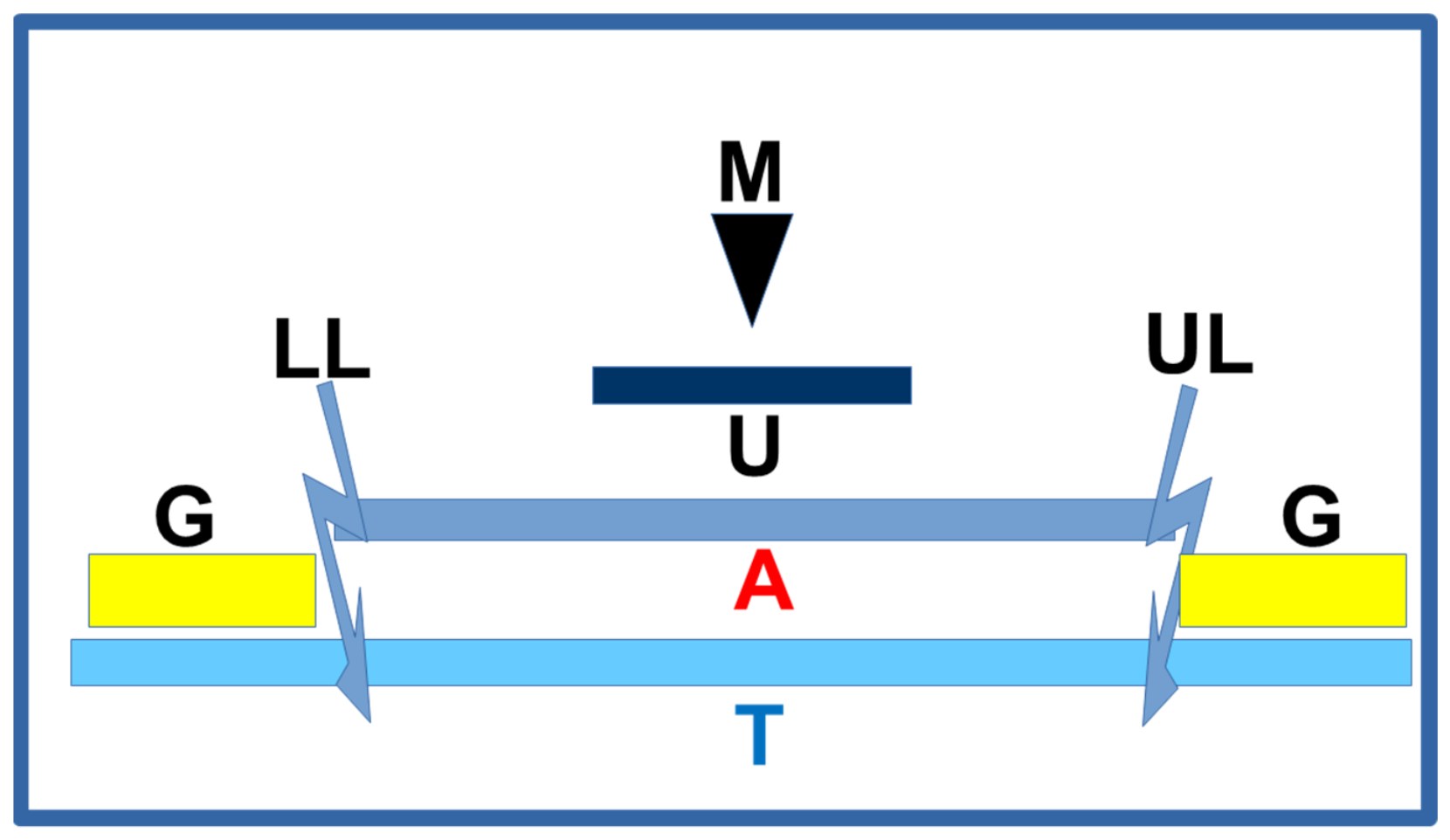
It should be noted that the decision rule takes measurement uncertainty into account, that the concept of “tolerance” differs from that used in statistics (unfortunately), and that the “safety margin” consists of an interval added to the acceptance interval when the risk of false rejections is considered high (Figure 1).
Further authoritative guidance on decision-making rules is provided in the EURACHEM document [8], which includes the concept of a “guard band” and uses the term “specification” as a synonym for “tolerance.” EURACHEM distinguishes between “simple acceptance,” acceptance with a “guard band,” “conditional” or “inconclusive” acceptance (which ILAC calls “non-binary”), and finally “two-step” acceptance. The “guard band” is typically a multiple of the uncertainty, chosen based on the probability of the risk of accepting incorrect decisions. For example, 1.64 for a 5% risk, 2.33 for a 1% risk. However, other risk values may be considered, including a multiple of zero—that is, simple acceptance or “shared risk”.
The ISO, EURACHEM, and ILAC approach provides a framework that is strictly correct from a formal and probabilistic standpoint. However, it focuses on the general value, completely disregarding the weight of each risk and the real-world significance—whether material, economic, or ethical, in the case of human beings.

3. Limits in Medical Laboratories: Reference Intervals

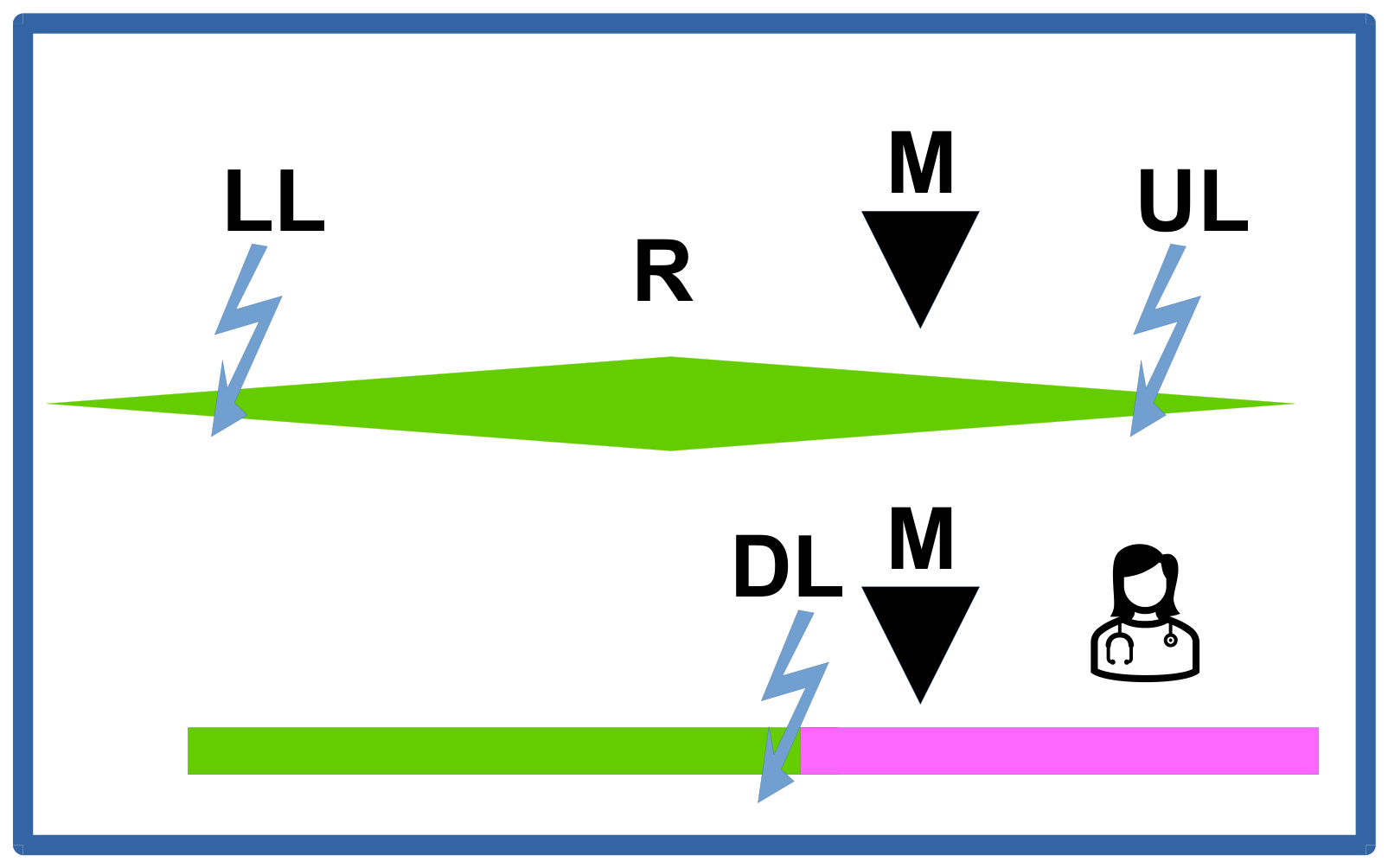
In medical laboratories, practitioners deal daily with the practical, ethical, and economic implications of the risks inherent in decision-making. The most basic level involves attempting to extrapolate the results to a population of individuals free of disease, often incorrectly referred to as “healthy” or “normal” (Figure 2). One variation in the first level worth mentioning is to use the same individual being examined as a reference for themselves, drawing on previous results or refined interpretations of sequential results. This approach, which is highly regarded in the literature in its most recent and sophisticated forms, still awaits an assessment of its real-world applicability in laboratories before it can be considered for inclusion in standard protocols. The second step involves categorizing the results into intervals for which the risk of disease—and even the recommendation for prevention or treatment—has been established based on targeted and approved clinical studies.
Clause 7.3.5 of ISO 15189:2022 [3] is entirely devoted to biological reference intervals (RIs) and clinical decision limits (DLs). Both must be defined and communicated to users; they must reflect the patient population served by the laboratory, taking into account the risk to patients.
In ISO 15189 RIs are not limited to numerical quantitative results. They must also be defined and reported for binary results (such as the presence or absence of a characteristic, e.g., a genetic trait). For binary results, the RI is the characteristic itself.
If the RIs are provided by the manufacturer of the devices, systems, and reagents, they must be verified. If the population from which they are derived has been verified and deemed acceptable by the laboratory, then they may be used; otherwise, they may not. RIs and DLs must be reviewed periodically, and whenever changes are made to a test or a sample collection method, users must be notified of each change.
Medical laboratories can use the Clinical & Laboratory Standards Institute (CLSI) guidelines for RIs. The CLSI document EP44 (Establishing Reference Intervals) [9]—which replaces CLSI EP28-A3c [10] from 2010—separates the establishment of RIs from their validation, a process covered by the subsequent CLSI EP45 [11].
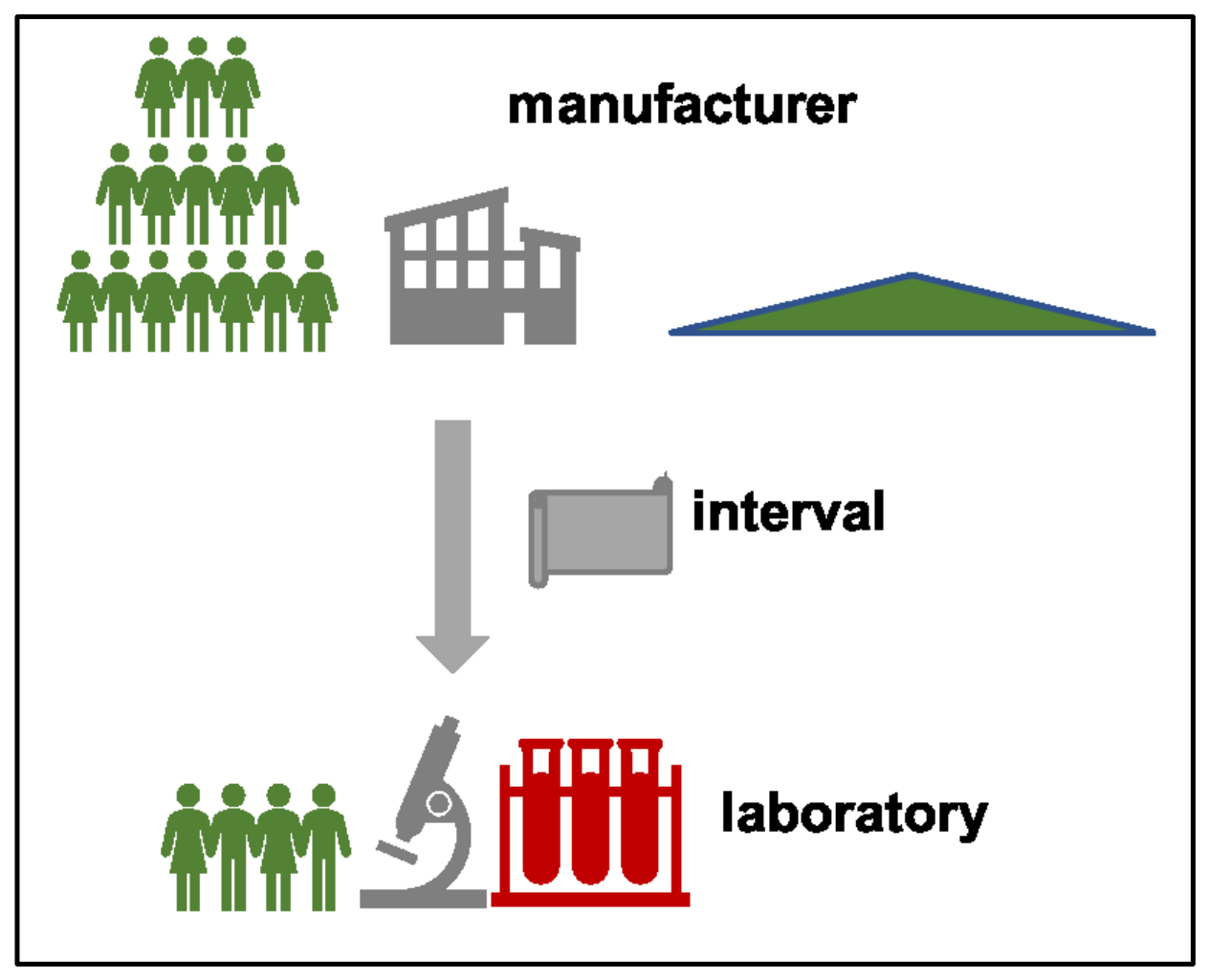
The production of RIs involves researchers and developers (including both manufacturers and laboratories that develop in-house tests). The verification of RIs, however, is the responsibility of laboratories (Figure 3).
CLSI retains the traditional approach: it uses observational, measurement, or calculation results from reference individuals, and then calculates the central interval of values (for example, the 95% central interval).
CLSI describes “health-associated” intervals, using either “a priori” or “a posteriori” sampling methods. “A priori” refers to the selection of individuals before sample collection, while “a posteriori” refers to the selection of reference individuals after sample collection.
According to CLSI, intervals can also be continuous, covariate-based, or univariate, with smoothed lines—either graphically or by calculation—to represent a continuous function, such as age.
A critical aspect of the process is the number of subjects. According to CLSI [9,10,11], a study with only 120 subjects (traditional method) is considered small; it is preferable to include several hundred subjects or even more. However, for certain tests and/or specific populations (such as pediatrics), recruitment may be very difficult. Small studies, even those based on as few as 60 or 80 subjects, may still provide useful guidance. The number of subjects influences how results are analyzed. Percentiles estimated using nonparametric methods require a minimum amount of data for calculation. Removing outliers from the results requires more data, as does subdividing the data into subgroups, such as by sex or age.
CLSI describes a sophisticated partitioning mechanism that also employs multiple regression analysis (MRA) or analysis of variance (ANOVA), resulting in up to fifteen partitioning factors.
For the statistical analysis of reference values, CLSI distinguishes between a nonparametric method, a parametric method, and a robust method.
Parametric quantile-quantile (PQQ) methods use the relationship between two quantiles: the values (or their transformations) and the z-scores of the standard Gaussian distribution [12,13]. CLSI considers these methods appealing because, while statistically rigorous, they do not require specialized software or statistical expertise, but can be performed using simple spreadsheets [14]. For the robust method, however, the support of a biostatistician is considered necessary.
CLSI provides specific guidelines for reporting intervals. In the absence of differences by stratification factors, a single interval may be reported, accompanied by basic information on the study conducted: instrument and testing method, number and anatomical location of samples, number of subjects, inclusion and exclusion criteria, subject preparation (such as fasting status and posture), time of day samples were collected, proportion of subjects by sex, age group, and race and/or ethnicity. The 95% central confidence interval is reported, as well as the 99% interval, along with confidence intervals for the interval limits, while the median, the 25th percentile, and the 75th percentile of the distribution can provide information on normality or asymmetry.
The SIPMeL M2-2 Recommendations document identifies several limitations of the CLSI method, both for clinical laboratories that develop in-house methods (LDTs) and for the manufacturers of instruments and consumables themselves [15].
Conducting original, study-specific research on a per-exam basis is extremely complicated, time-consuming, uncertain, labor-intensive, and costly for many reasons. It requires the recruitment of a very large number of subjects, who must undergo thorough screening even before sample collection, as well as highly advanced statistical expertise, in addition to expertise in measurement technology and medicine. Sample collection requires time and dedicated, skilled human resources, which come at a significant cost. The same applies to storage, transport, and handling.
The concept of “good health” suffers from a well-known lack of clarity in its definition. The concept of “race” or “ethnicity” is useless or even harmful [16,17]. Separating different groups by race/ethnicity, age, social status, and so on is far from easy. It is difficult to apply selection and classification criteria, but it is also difficult to determine which group a single patient undergoing laboratory tests belongs to (Figure 4).
The studies analyzed in the review and in the Recommendations have shown not only that RIs based on specific groups of individuals are not suitable for individuals belonging to other groups, but that the reverse is also true. Figure 4 aims to highlight a concept that is not always intuitive: when an individual visits a doctor or a laboratory, it is not always easy to assign them to a specific ethnic, geographic, or social group. This becomes increasingly difficult with population mobility.
The regression statistics required for the “quantile-quantile” method are questioned by the CLSI itself. The “robust” approach (“double-weighted” predictive interval) is recommended by some sources [18], but criticized by others [19], who question its applicability in typical medical laboratories.
The SIPMeL M2-2 Recommendation [15] does not intend to categorically reject the establishment of RIs outright. It raises doubts as to whether creating new RIs is within the financial and professional capabilities of laboratories and manufacturers, and, on the other hand, whether the RIs are truly effective for classifying the results of laboratory tests for individual patients. RIs and DLs, stripped of their function of classifying results into categories, may still retain value for describing the method used for the test, alongside the test name and units of measurement.
CLSI aims to clearly distinguish between the establishment of RIs and their use in the clinical laboratory by separating them into two different guidelines. EP45 is intended to replace the verification of reference intervals previously included in EP28-A3c. CLSI provides guidance on the various experimental studies, the number of samples to be collected, and the evaluation of results, and adds verification of intervals using indirect methods. Accepting a proposed RI (e.g., from the manufacturer) requires an understanding of the comparability of the test methods, the patient population, and pre-test factors.
According to CLSI, there are three types of direct experimental protocols: a small-scale binomial validation study involving a small number of reference subjects (only 20); a large-scale validation study involving a larger number of subjects (e.g., 60); and method transfer via comparison and regression. All three suffer from limitations. The small study may overlook the lower variance in the laboratory population compared to the candidate, leading to a false acceptance of an overly broad interval. The larger study requires more samples and more advanced statistical analysis. Finally, the comparison between methods ignores possible differences between the laboratory population and the population used for the proposed RI.
CLSI endorses the concept of verification through indirect methods [20,21,22,23,24,25,26]. These are methods that utilize previously obtained laboratory results intended for a different purpose (such as routine screening, diagnosis, and treatment monitoring). Risks include the inclusion of heterogeneous populations, a lack of medical information, difficulty in obtaining historical data, the complexity of data analysis, and a lack of “normal” reference data for specialized tests such as hormone assays [27].
In fact, indirect methods have evolved from first-generation methods (such as those of Hoffmann [28] and Bhattacharya [29]) to second-generation methods, including Kosmic’s truncated maximum likelihood [30], truncated minimum chi-square [31], and refineR [32].
The SIPMeL Recommendations [15] noted that CLSI guidelines on RIs have been available for a long time, yet daily laboratory practice appears to have taken a different direction. In many cases, clinical laboratories use RIs provided by the manufacturer in the instructions for use.
The CLSI guidelines have several shortcomings. The design of the proposed studies is burdensome and conceptually complex, and there is a lack of critical reflection on their feasibility. Too much reliance is placed on the comparison of methods, and the guidelines fail to account for the difficulty and cost of such studies, which are, in fact, used very rarely. The organizational burdens and costs are unsustainable for most laboratories [33,34].
Indirect methods are likely still underutilized, even in CLSI guidelines. On the contrary, there is a wealth of scientific literature on the subject. They are suitable, at the very least, for larger laboratories, to confirm or adjust the ranges currently in use [35].
As an alternative to the reference ranges established by manufacturers or large laboratories, the use of regionally harmonized reference ranges has been proposed [36,37]. This article does not discuss the advantages and limitations of this approach, which is interesting but not available in many countries or for many tests due to the need to meet stringent prerequisites [38]. SIPMeL M2-2, like CLSI EP45, does not yet propose this solution, partly because it is not available in the relevant geographic area.
Finally, CLSI does not address the handling of RIs in the presentation of test results, particularly in the digital messages generated by computer systems.

4. The Real World as a Source of Medical Information

ISO 15189:2022 (clause 7.3.5) [3] requires laboratories to define and periodically review RIs in relation to the population served by the laboratory. To meet these requirements, the “indirect” approach is much more suitable than the traditional “direct” approach, provided that (following CLSI EP45 definition [11]) the analyzed dataset is sufficiently large, as is the case in larger centralized laboratories.
The topic of “real-world data” goes far beyond the issue of RIs.
ISO approved (June 2025) the draft of the 18727 document [39]. Initiatives based on real-world data (RWD) are raising expectations for improving the efficiency of clinical research and the development of new drugs. They are being taken seriously by agencies such as the FDA [40,41,42]. ISO 18727 defines real-world data (RWD) as data related to a patient’s health status collected regularly from a variety of sources.
To use indirect methods for verifying, confirming, or modifying RIs, it is necessary to move beyond the outdated notion that RIs should describe “health” or “the absence of disease.” A large database and sophisticated statistical data processing capabilities are required. Only larger laboratories can use indirect methods. Other laboratories have no choice but to ensure the traceability of their methods to enable comparison of results with those of the manufacturer or large laboratories.
RIs can be presented as a description of the prevalence of results in the population served by the laboratory, confirmation of the units of measurement used and the calibration of the method, and a basis for establishing clinical decision limits. The SIPMeL M2-2 Recommendations [15] include references to various real-world studies on RIs.

5. Intervals in Hematological Counts: A Deviation from the General Rule?

The revision of CLSI Document H20 (Differential Leukocyte Count and Evaluation of Instrumental Methods) [43] complements CLSI Document H26 (Automated Hematology Analyzers) [44] and appears to deviate from the general rule upheld by other CLSI guidelines.
According to the CLSI guidelines for hematology, unlike some immunological and chemistry tests, hematology cell counters should not rely on RIs provided by the manufacturer. Manufacturers may provide information, but each laboratory must review the data based on its own patient population. CLSI returns to the classic protocol with at least 120 samples from apparently healthy individuals, with values within the established limits for complete blood count and differential parameters, examined within four hours of collection. These can be stratified by ethnicity and gender, as well as by neonatal and pediatric age groups.
The CLSI H20 recommendations consider only leukocytes found in healthy (non-diseased) individuals, namely neutrophils (segmented), neutrophils (band forms), lymphocytes (normal), lymphocytes (reactive forms), monocytes, eosinophils, and basophils. If a cell does not fall into these groups, it is reported as abnormal, suspicious, or unclassified, or as nucleated red blood cells (NRBCs). In spite of the methods for selecting individuals and performing statistical calculations, CLSI H20 includes a discussion of clinical sensitivity and specificity based on RIs. It is still unclear to many specialists that applying a predefined 95% threshold does not allow for the estimation of clinical specificity and that selecting only “healthy” individuals does not allow for the estimation of clinical sensitivity.
Weyand advocated for the elimination of race-based reference ranges in hematology [16].

6. Significant Thresholds for Individual Variations

There has recently been a great deal of activity in scientific research regarding the topic of personalized RIs. ISO 15189 does not address this in the section on intervals and limits, but in other sections, such as 7.4.1.2 regarding the review and reporting of results, and 7.4.1.7(d)(4) regarding trends in results or significant changes over time [3]. In contrast, CLSI is very attentive to this topic, so much so that it has dedicated the entire EP33 guideline to it [45].
The most recent proposals are highly sophisticated and promising, focusing on personalized and predictive reference ranges, as well as the homeostatic reference point (HSP) [46,47,48]. However, there is still debate regarding the context, the resources required, and the applicability of these models to medical laboratories in general [49,50].

7. Limits of Medical Laboratory Results: Clinical Decision-Making Levels

Clause 7.3.5 of ISO 15189:2022 [3] pairs DLs with RIs (Figure 2). Decision limits are the subject of an extensive body of literature, which this note does not intend to review comprehensively. An effective set of principles with practical guidelines for application of DLs is provided by an IFCC document, which is not recent but remains valid [51].
The IFCC compares RIs and DLs on a point-by-point basis. Intervals typically consist of two values, are derived from a disease-free population selected from the general population, define a central interval (usually 95%), are established by laboratory experts, and enjoy broad consensus. In contrast, DLs provide a single threshold value; they are valid for a specific clinical condition, derived from a population of patients; they are based on clinical outcome studies, guidelines, and consensus values, using ROC curves and predictive values, developed by clinicians and laboratory experts—with a predominance of clinicians—but with consensus that is not always fully established.
The IFCC believes that the development of diagnostic guidelines requires the active involvement of clinicians and laboratory professionals, a clear definition of the clinical question (and the clinical decision) to be addressed, the level of clinical reliability required to answer the question, and, finally, mechanisms for the implementation of these guidelines at the national and international levels.
There are many examples of DLs; some are listed in the SIPMeL Recommendations. A basic example concerns hemoglobin, which can drop to 130–120 g/L in cases of anemia, or 70 g/L for transfusion, while the reference intervals (RI) range from 140 to 175 g/L.2 [52]. Of particular interest is the experience of those who have derived decision thresholds by studying real-world decisions recorded in medical records [53]. All clinicians are familiar with the recommendations regarding cardiovascular risk associated with lipid levels [54,55,56]. For tumor markers, the issue is very complicated and not made any easier by the manufacturers [57].

8. An Overview of the Limits on Measurement Results in Laboratories

The context in which medical laboratories and testing laboratories operate has a profound impact on how measurement results are handled and presented. Testing laboratories place a heavy emphasis on statistics based on measurement uncertainty, allowing room for subjective considerations regarding economics and ethics only when applying safeguard bands. Medical laboratories, on the other hand, prioritize ethics and economics, especially when establishing clinical decision limits.
Limitations: this article is not a comprehensive review of all sources, including experimental ones, but aims to draw attention to some key sources of guidelines and encourage laboratories to critically review even well-established practices. The article devotes less space to testing laboratories than to medical laboratories. The decision limits addressed by ISO 17025, ISO Guide 99-4, and Eurachem are based on sound statistical principles, are simpler, and have been less criticized in the literature, whereas those in ISO 15189 are more problematic and have been more heavily criticized.
The SIPMeL M2-2 recommendations provide a wealth of information on RIs and DLs, distilling this information into practical guidelines for medical laboratories (Table 2). ISO 15189-accredited medical laboratories need to distinguish RIs from DLs and to avoid treating RIs as diagnostic thresholds. Dichotomization (healthy or sick) has been identified as the main flaw in the traditional use of RIs [36].
The weakness of medical laboratories becomes apparent when they must rely on RIs for a “healthy state” or at least “absence of disease.” Generating RIs correctly is very difficult and costly. Only a few entities are capable of doing so. The medical laboratory can only verify that the proposed RIs are sufficiently appropriate for the population served. But it must do so by following authoritative international guidelines.
RIs are misused when they are treated as decision thresholds. Patient selection and applied statistics should prevent this approach. In the absence of clinical decision thresholds, RIs can be useful for comparing results from different laboratories, reinforcing the definition of the test performed alongside its name and units of measurement. One cannot ask for more.
In conclusion, laboratories should be aware that they can choose different ways to communicate to users the criteria for interpreting test results: either relying primarily on measurement uncertainty (as laboratories do under ISO 17025) or aligning as closely as possible with medical decision-making (as prescribed by ISO 15189), by identifying RIs with the characteristics described in authoritative guidelines or, preferably, by proposing LDs. This should be done while maintaining RIs in connection with the issues of result traceability and units of measurement, as well as inter-population variability. The source of RIs must be chosen with great care, exploring the available alternatives. The method for locally verifying the proposed RIs must also be chosen carefully, without neglecting approaches based on real-world data. Furthermore, constant attention should be paid to the evolution of scientific knowledge and to the direct relationship with users in order to reduce the risk of purely “dichotomous” decision-making.

Funding

This research received no external funding.

Data Availability Statement

Data is contained within the article.

Acknowledgments

We thank members of the SIPMeL National Quality Commission, SIPMeL GdS-Informatics, SIPMeL GdS-Evidence-Based Laboratory Medicine, and SIPMeL GdS-Healthcare Management for their close involvement in the development of the SIPMeL M2 Recommendations, Part 2.

Conflicts of Interest

The author declares no conflicts of interest.

Abbreviations

The following abbreviations are used in this manuscript:
ISOInternational Organization for Standardization
IECInternational Electrotechnical Commission
SIPMeLItalian Society of Clinical Pathology and Laboratory Medicine
EURACHEMnetwork of organisations in Europe with the objective of establishing a system for the international traceability of chemical measurements
ILACInternational Laboratory Accreditation Cooperation
CLSIClinical & Laboratory Standards Institute
LDTin-house developed methods
RWDreal-world data
FDAU.S. Food and Drug Administration
NRBCsnucleated red blood cells
HSPhomeostatic reference point
ASMEAmerican Society of Mechanical Engineers
JCGMJoint Committee for Guides in Metrology
RIreference interval
DLclinical decision limit

References

  1. Possolo, A. Measurement uncertainty redefined. Metrologia 2025, 62, 042101. [Google Scholar] [CrossRef]
  2. ISO/IEC 17025:2017; General Requirements for the Competence of Testing and Calibration Laboratories. International Organization for Standardization: Geneva, Switzerland, 2017.
  3. ISO 15189:2022; Medical Laboratories—Requirements for Quality and Competence. International Organization for Standardization: Geneva Switzerland, 2022.
  4. ISO/IEC Guide 98-4:2012; Uncertainty of Measurement—Part 4: Role of Measurement Uncertainty in Conformity Assessment. International Organization for Standardization: Geneva Switzerland, 2012.
  5. ASME B89.7.3.1:2001; Guidelines for Decision Rules: Considering Measurement Uncertainty in Determining Conformance to Specifications. American Society of Mechanical Engineers: New York, NY, USA, 2001.
  6. JCGM 106:2012; Evaluation of Measurement Data—The Role of Measurement Uncertainty in Conformity Assessment. Joint Committee for Guides in Metrology, BIPM: Sèvres, France, 2012. [CrossRef]
  7. ILAC-G8:09; Guidelines on Decision Rules and Statements of Conformity. ILAC: Newton, SA, Australia, 2019.
  8. Williams, A.; Magnusson, B. (Eds.) Eurachem/CITAC Guide: Use of Uncertainty Information in Compliance Assessment, 2nd ed.; Eurachem: Bucharest, Romania, 2021; ISBN 978-0-948926-38-9. Available online: https://www.eurachem.org (accessed on 9 April 2026).
  9. CLSI EP44; Establishing Reference Intervals, 4th ed. Clinical and Laboratory Standards Institute: Malvern, PA, USA, 2000.
  10. CLSI EP28; Defining, Establishing, and Verifying Reference Intervals in the Clinical Laboratory. Clinical and Laboratory Standards Institute: Malvern, PA, USA, 2010.
  11. CLSI EP45; Implementation of Reference Intervals in the Medical Laboratory, 4th ed. Clinical and Laboratory Standards Institute: Malvern, PA, USA, 2000.
  12. Hawkins, D.M.; Esquivel, R.N. A Quantile–Quantile toolbox for reference intervals. J. Appl. Lab. Med. 2024, 9, 357–370. [Google Scholar] [CrossRef] [PubMed]
  13. Hawkins, D.M. Quantile-Quantile Methodology—Detailed Results. arXiv 2023, arXiv:2303.03215. Available online: https://arxiv.org/pdf/2303.03215 (accessed on 9 April 2026).
  14. Hawkins, D.M. Quantile–Quantile Toolbox. J. Appl. Lab. Med. 2024, 9, 1073–1074. [Google Scholar] [CrossRef] [PubMed]
  15. SIPMeL M2 Recommendations for Medical Laboratory ISO 15189 Accreditation—Requirements for Relationships with Patients and Treating Physicians, Part Two: Intervals and Limits. 2026. Available online: https://www.sipmel.it/it/lineeguida/approvate/123225 (accessed on 9 April 2026). [CrossRef]
  16. Weyand, A.C.; McGann, P.T. Eliminating race-based reference ranges in haematology: A call to action. Lancet Haematol. 2021, 8, e462–e466. [Google Scholar] [CrossRef] [PubMed]
  17. Timbrell, N.E. The Role and Limitations of the Reference Interval Within Clinical Chemistry and Its Reliability for Disease Detection. Br. J. Biomed. Sci. 2024, 81, 12339. [Google Scholar] [CrossRef]
  18. Horn, P.S.; Pesce, A.J. Reference Intervals: A User’s Guide; AACC Press: Washington, DC, USA, 2005. [Google Scholar]
  19. Ceriotti, F. Reference Intervals: A User’s Guide. Paul S. Horn and Amadeo J. Pesce. Washington, DC: AACC Press, 2005, 115 pp., $61.00 ($49.00 AACC members), softcover (CD-ROM included). ISBN 1-59425-035-9. Clin. Chem. 2006, 52, 544–545. [Google Scholar] [CrossRef]
  20. Zierk, J.; Metzler, M.; Rauh, M. Data mining of pediatric reference intervals. Lab. Med. 2021, 45, 311–317. [Google Scholar] [CrossRef]
  21. Jones, G.R.D.; Haeckel, R.; Loh, T.P.; Sikaris, K.; Streichert, T.; Katayev, A.; Barth, J.H.; Ozarda, Y. Indirect methods for reference interval determination—Review and recommendations. Clin. Chem. Lab. Med. 2018, 57, 20–29. [Google Scholar] [CrossRef]
  22. Haeckel, R.; Wosniok, W.; Streichert, T. Review of potentials and limitations of indirect approaches for estimating reference limits/intervals of quantitative procedures in laboratory medicine. Lab. Med. 2021, 45, 35–53. [Google Scholar] [CrossRef]
  23. Sikaris, K. Separating disease and health for indirect reference intervals. Lab. Med. 2021, 45, 55–68. [Google Scholar] [CrossRef]
  24. Haeckel, R.; Adeli, K.; Jones, G.; Sikaris, K.; Wosniok, W. Definitions and major prerequisites of direct and indirect approaches for estimating reference limits. Clin. Chem. Lab. Med. 2023, 61, 402–406. [Google Scholar] [CrossRef]
  25. Doyle, K.; Bunch, D.R. Reference intervals: Past, present, and future. Crit. Rev. Clin. Lab. Sci. 2023, 60, 466–482. [Google Scholar] [CrossRef]
  26. Ma, S.; Yu, J.; Qin, X.; Liu, J. Current status and challenges in establishing reference intervals based on real-world data. Crit. Rev. Clin. Lab. Sci. 2023, 60, 427–441. [Google Scholar] [CrossRef]
  27. Ammer, T.; Schützenmeister, A.; Prokosch, H.-U.; Zierk, J.; Rank, C.M.; Rauh, M. RIbench: A proposed benchmark for the standardized evaluation of indirect methods for reference interval estimation. Clin. Chem. 2022, 68, 1410–1424. [Google Scholar] [CrossRef] [PubMed]
  28. Hoffmann, R.G. Statistics in the practice of medicine. JAMA 1963, 185, 864–873. [Google Scholar] [CrossRef] [PubMed]
  29. Bhattacharya, C.G. A simple method of resolution of a distribution into gaussian components. Biometrics 1967, 23, 115–135. [Google Scholar] [CrossRef]
  30. Zierk, J.; Arzideh, F.; Kapsner, L.A.; Prokosch, H.-U.; Metzler, M.; Rauh, M. Reference interval estimation from mixed distributions using truncation points and the kolmogorov-smirnov distance (kosmic). Sci. Rep. 2020, 10, 1704. [Google Scholar] [CrossRef]
  31. Wosniok, W.; Haeckel, R. A new indirect estimation of reference intervals: Truncated minimum chi-square (TMC) approach. Clin. Chem. Lab. Med. 2019, 57, 1933–1947. [Google Scholar] [CrossRef] [PubMed]
  32. Ammer, T.; Schützenmeister, A.; Prokosch, H.-U.; Rauh, M.; Rank, C.M.; Zierk, J. RefineR: A novel algorithm for reference interval estimation from real-world data. Sci. Rep. 2021, 11, 16023. [Google Scholar] [CrossRef]
  33. Pradella, M.; Cesana, B.M. Evitare rischi, errori e costi dei confronti—Measurements in Medical Laboratories: Avoiding Risks, Errors and Costs of Comparisons. Tutto Misure 2024, 65–67. [Google Scholar] [CrossRef]
  34. Cesana, B.M.; Antonelli, P.; Ferraro, S. Critical appraisal of the CLSI guideline EP09c “measurement procedure comparison and bias estimation using patient samples”. Clin. Chem. Lab. Med. 2024, 63, 507–514. [Google Scholar] [CrossRef]
  35. Patel, S.; Verma, N.; Padhi, P.; Shah, S.; Nanda, R.; Mohapatra, E. An Approach to Re-evaluate the Reference Cutoff of the Parameters of Newborn Screening: An Observational Study. Cureus 2023, 15, e45139. [Google Scholar] [CrossRef]
  36. Badrick, T.; El-Khoury, J.M.; Theodorsson, E. Laboratory reference intervals—History and modern approaches for improved utility. Scand. J. Clin. Lab. Investig. 2025, 85, 229–241. [Google Scholar] [CrossRef] [PubMed]
  37. RCPA Standardardised Pathology Informatics in Australia (SPIA). Chemical Pathology Harmonised Reference Intervals. Royal College of Pathologists of Australasia. 2025. Available online: https://www.rcpa.edu.au/Manuals/RCPA-Manual/General-Information/IG/Table-6-Harmonised-reference-intervals-for-chem (accessed on 9 April 2026).
  38. Ceriotti, F. Prerequisites for use of common reference intervals. Clin. Biochem. Rev. 2007, 28, 115–121. [Google Scholar]
  39. ISO/CD TR 18727; Health Informatics—Quality Management of Health Data in the Real World—A Case Study. International Organization for Standardization: Geneva, Switzerland, 2026. Available online: https://www.iso.org/standard/85414.html (accessed on 9 April 2026).
  40. Framework for FDA’s Real–World Evidence Program. 2018. Available online: https://www.fda.gov/media/120060/download (accessed on 9 April 2026).
  41. U.S. Food and Drug Administration. Real-World Evidence. 2025. Available online: https://www.fda.gov/science-research/science-and-research-special-topics/real-world-evidence (accessed on 9 April 2026).
  42. Klonoff, D.C. The New FDA Real-World Evidence Program to Support Development of Drugs and Biologics. J. Diabetes Sci. Technol. 2020, 14, 345–349. [Google Scholar] [CrossRef] [PubMed] [PubMed Central]
  43. CLSI H20; Reference Leukocyte (WBC) Differential Count (Proportional) and Evaluation of Instrumental Methods, 3rd ed. Clinical and Laboratory Standards Institute: Malvern, PA, USA, 2026.
  44. CLSI H26-A2; Validation, Verification, and Quality Assurance of Automated Hematology Analyzers; Approved Standard—Second Edition. Clinical and Laboratory Standards Institute: Malvern, PA, USA, 2010.
  45. CLSI EP33; Use of Delta Checks in the Medical Laboratory, 2nd ed. Clinical and Laboratory Standards Institute: Malvern, PA, USA, 2023.
  46. Coskun, A.; Sandberg, S.; Unsal, I.; Yavuz, F.; Cavusoglu, C.; Serteser, M.; Kilercik, M.; Aarsand, A. Personalized reference intervals—Statistical approaches and considerations. Clin. Chem. Lab. Med. (CCLM) 2022, 60, 629–635. [Google Scholar] [CrossRef]
  47. Coskun, A. Prediction interval: A powerful statistical tool for monitoring patients and analytical systems. Biochem. Med. 2024, 34, 020101. [Google Scholar] [CrossRef] [PubMed]
  48. Coskun, A.; Plebani, M. Reference intervals in value-based laboratory medicine: A shift from single-point measurements to metabolic variation-based models. Clin. Chem. Lab. Med. 2025, 63, 2140–2148. [Google Scholar] [CrossRef] [PubMed]
  49. Coskun, A.; Plebani, M. Personalized reference intervals based on biological variation: A critical evaluation of strengths and limitations. Clin. Chem. Lab. Med. 2026, 64, e143–e145. [Google Scholar] [CrossRef]
  50. Wosniok, W.; Haeckel, R. The conventional reference interval model: A historical framework? Clin. Chem. Lab. Med. 2026, 64, e141–e142. [Google Scholar] [CrossRef]
  51. Ozarda, Y.; Sikaris, K.; Streichert, T.; Macri, J.; on behalf of IFCC Committee on Reference intervals and Decision Limits (C-RIDL). Distinguishing reference intervals and clinical decision limits—A review by the IFCC Committee on Reference Intervals and Decision Limits. Crit. Rev. Clin. Lab. Sci. 2018, 55, 420–431. [Google Scholar] [CrossRef] [PubMed]
  52. Ceriotti, F.; Henny, J. “Are my Laboratory Results Normal?” Considerations to be Made Concerning Reference Intervals and Decision Limits. EJIFCC 2008, 19, 106–114. [Google Scholar]
  53. Hyohdoh, Y.; Hatakeyama, Y.; Okuhara, Y. A simple method to identify real-world clinical decision intervals of laboratory tests from clinical data. Inform. Med. Unlocked 2021, 23, 100512. [Google Scholar] [CrossRef]
  54. Poli, A.; Catapano, A.L.; Corsini, A.; Manzato, E.; Werba, J.P.; Catena, G.; Cetin, I.; Cicero, A.F.G.; Cignarella, A.; Colivicchi, F.; et al. LDL-cholesterol control in the primary prevention of cardiovascular diseases: An expert opinion for clinicians and health professionals. Nutr. Metab. Cardiovasc. Dis. 2023, 33, 245–257. [Google Scholar] [CrossRef] [PubMed]
  55. Abbasi, J. What to Know About the New Lipid Guidelines. JAMA 2026, 335, 1285. [Google Scholar] [CrossRef]
  56. Wiggins, B.S.; Barac, A.; Benziger, C.P.; Blumenthal, R.S.; Cibotti-Sun, M.; Moore, M.M.; Morris, P.B. 2026 Dyslipidemia Guideline-at-a-Glance. JACC 2026, 87, 2617–2623. [Google Scholar] [CrossRef]
  57. Nah, E.-H.; Cho, S.; Park, H.; Kim, S.; Kwon, E.; Cho, H.-I. Establishment and validation of reference intervals for tumor markers (AFP, CEA, CA19-9, CA15-3, CA125, PSA, HE4, Cyfra 21-1, and ProGRP) in primary care centers in Korea: A cross-sectional retrospective study. Health Sci. Rep. 2023, 6, e1107. [Google Scholar] [CrossRef]
Figure 1. Decision-making rules for testing laboratories seeking ISO 17025 accreditation, following ISO Guide 98-4 and ILAC G8. (M: measurement result; U: uncertainty; LL and UL: lower and upper limit; A: acceptance; T: tolerance; G: guard band).
Metrology 06 00040 g001
Figure 2. Decision-making rules for medical laboratories undergoing ISO 15189 accreditation (Clause 7.3.5) [3]. (M: measurement result; DL: decision limit; R: reference values; LL and UL: lower and upper limits of the reference interval).
Metrology 06 00040 g002
Figure 3. The transfer of reference intervals from the manufacturer to the laboratory.
Metrology 06 00040 g003
Figure 4. The difficulty of assigning an individual to a specific cluster.
Metrology 06 00040 g004
Table 1. ISO rules for decisions based on laboratory measurement or examination results: a comparison between ISO 17025 [2] and ISO 15189 [3].
ISO 17025ISO 15189
3.7 decision rule: …describes how measurement uncertainty is accounted for when stating conformity with a specified requirement
7.1.3 … a statement of conformity to a specification or standard for the test or calibration (e.g., pass/fail, in-tolerance/out-of-tolerance) the specification or standard, … the decision rule selected shall be communicated to, and agreed with, the customer.
7.8.6.1 When a statement of conformity to a specification or standard is provided, the laboratory shall document the decision rule employed, taking into account the level of risk (such as false accept and false reject and statistical assumptions)…
7.8.6.2 The laboratory shall report on the statement of conformity, … c) the decision rule applied …
A.2.3 … — the use of an appropriate decision rule to establish conformity;
3.2 biological reference interval: … interval of the distribution of values taken from a biological reference population. …commonly defined as the central 95% interval. … In some cases, … would be less than or equal to “x”. Note 4 to entry: Terms such as ‘normal range’, ‘normal values’, and ‘clinical range’ are ambiguous and therefore discouraged.
3.3 clinical decision limit: examination (3.8) result that indicates a higher risk of adverse clinical outcomes, or is diagnostic for the presence of a specific disease …
7.3.5 … Biological reference values, provided by the manufacturer, can be used by the laboratory, if the population base of these values is verified …
7.4.1.6 Requirements for reports: … h) biological reference intervals, clinical decision limits, likelihood ratios or diagrams/nomograms supporting clinical decision …
Note: There is an error in ISO 15189 Table B.2 (Comparison between ISO/IEC 17025:2017 and this document). ISO 15189 7.3.5 should be compared with ISO 17025 3.7, 7.1.3, 7.8.6.1, 7.8.6.2, A.2.3, while the table appears to be missing ISO 17025 links.
Table 2. Some points excerpted from the SIPMeL M2-2 Recommendations [14].
5. Reference intervals and clinical decision limits should remain distinct. Intervals cannot be linked to clinical sensitivity and specificity, decision limits are linked to at least one disease condition.
6. Traditional studies on reference intervals, the “large-scale verification” and “transfer by comparison” methods are appropriate for manufacturers and large institutions, but are not advisable to the typical medical laboratory.
7. The medical laboratory may acquire proposed intervals from other qualified laboratories or manufacturers and verify them by recognized methods.
8. The laboratories with fewer resources are recommended the small-scale binomial method described by CLSI EP28 and EP45.
9. For medical laboratories performing a high volume of examinations, equipped with appropriate computer tools, the “indirect” methods are recommended, that is, methods based on data obtained from the so-called “real world,” as described in ISO 18727.
10. The medical laboratory is recommended to accompany test results preferentially with decision limits of ISO 15189 7.3.5, proposed by recognized and authoritative guides.
11. To use decision limits of ISO 15189 7.3.5, laboratories take care to harmonize the results with the methods considered in the guides.
12. Estimating clinical performance of examinations (ISO 15189 3.31validation: significance, sensitivity, specificity) requires defined thresholds or decision limits (ISO 15189 7.3.5).
13. To use decision limits of ISO 15189 7.3.5, laboratories agree with key user physicians on the diagnostic performance (sensitivity, specificity, predictive values) of the examination.
Disclaimer/Publisher’s Note: The statements, opinions and data contained in all publications are solely those of the individual author(s) and contributor(s) and not of MDPI and/or the editor(s). MDPI and/or the editor(s) disclaim responsibility for any injury to people or property resulting from any ideas, methods, instructions or products referred to in the content.