
Review

The Role of Resilience in Chronic and End-Stage Kidney Disease with a Focus on Peritoneal Dialysis
by
Noor Al-deen Shahin
1,*,
Lauren Peccoralo
2,3,
Holly Koncicki
1 and
Priya Deshpande
1
1
Barbara T. Murphy Division of Nephrology, Department of Medicine, Icahn School of Medicine at Mount Sinai Hospital: 1 Gustave L. Levy Place, New York, NY 10029, USA
2
Division of General Internal Medicine, Department of Medicine, Icahn School of Medicine at Mount Sinai Hospital: 1 Gustave L. Levy Place, New York, NY 10029, USA
3
Office of Well-Being and Resilience, Icahn School of Medicine at Mount Sinai Hospital: 1 Gustave L. Levy Place, New York, NY 10029, USA
*
Author to whom correspondence should be addressed.
Kidney Dial. 2025, 5(3), 30; https://doi.org/10.3390/kidneydial5030030

Submission received: 16 April 2025 / Revised: 17 June 2025 / Accepted: 19 June 2025 / Published: 2 July 2025

Abstract

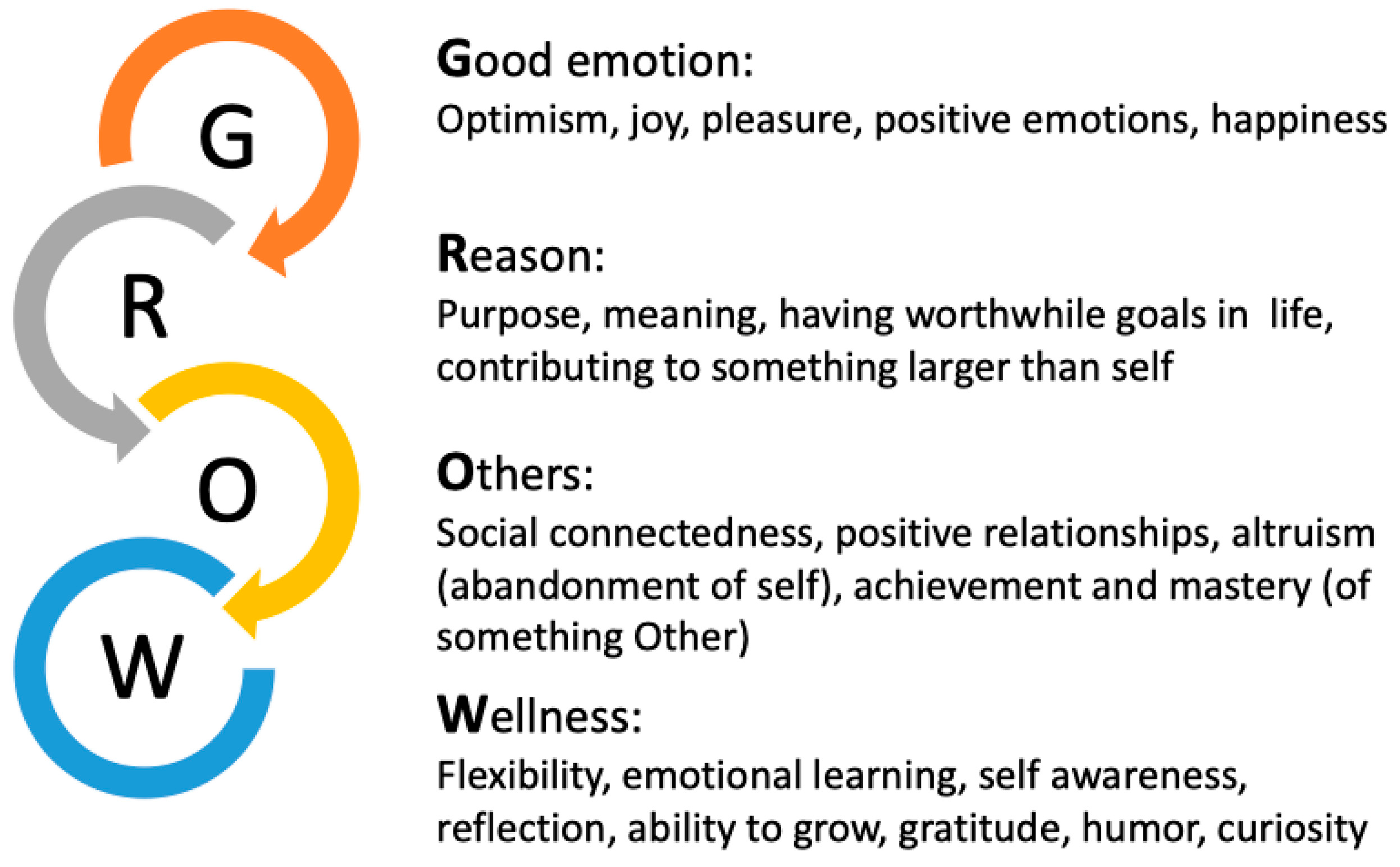
Resilience, the ability to adapt and thrive in the face of adversity, is an essential yet under-recognized determinant of outcomes in patients with chronic kidney disease (CKD) and end-stage kidney disease (ESKD), particularly those undergoing home-based peritoneal dialysis (PD). While studies have shown that PD can enhance autonomy and quality of life compared to in-center hemodialysis (IHD), it also places substantial emotional, physical and self-management demands on patients. Despite this, resilience is rarely assessed or systematically supported in PD care. This narrative review highlights the importance of resilience in CKD and dialysis populations and extends its application to the unique psychosocial challenges faced by PD patients. This review also introduces psychological frameworks of resilience, in particular the GROW model (Good emotions, Reason and purpose, Others and connections, Wellness flexibility), as tools for clinicians to support PD patients in developing optimism, purpose, strong social networks, and emotional adaptability. We also explore how routine, longitudinal assessment of resilience using validated tools can help improve patient well-being, treatment adherence, and long-term outcomes.
Keywords: optimism; purpose; social connection; well-being; wellness; adaptability; adversity; self-efficacy; quality-of-life; peritoneal dialysis optimism; purpose; social connection; well-being; wellness; adaptability; adversity; self-efficacy; quality-of-life; peritoneal dialysis