
Article

VIVA Project: Multidimensional Vulnerability Profiles in Institutionalized Older Adults During the Late COVID-19 Period

by
Elena Moreno-Guillamont
1,
Carmen I. Sáez-Lleó
2,
María Auxiliadora Dea-Ayuela
3 and
Jose M. Soriano
2,4,*
1
Sociosanitary Pharmacy Services, Universal and Public Health Department, Valencian Government, 46015 Valencia, Spain
2
Food & Health Lab, Institute of Materials Science, University of Valencia, 46980 Paterna, Spain
3
Department of Pharmacy, Faculty of Health Sciences, CEU Cardenal Herrera University, 46115 Alfara del Patriarca, Spain
4
Joint Research Unit on Endocrinology, Nutrition and Clinical Dietetics, Health Research Institute La Fe-University of Valencia, 46026 Valencia, Spain
*
Author to whom correspondence should be addressed.
COVID 2026, 6(7), 109; https://doi.org/10.3390/covid6070109 (registering DOI)
Submission received: 12 May 2026 / Revised: 21 June 2026 / Accepted: 23 June 2026 / Published: 25 June 2026
(This article belongs to the Section COVID Public Health and Epidemiology)

Abstract

Background/Objectives: The health status of institutionalized older adults is determined by the interaction of functional, cognitive, nutritional, anthropometric, and biochemical factors, which may not be adequately captured through single-domain assessments. Within the framework of the VIVA Project (Vulnerability Index: Valencia institutionalized Adults), this study aimed to characterize institutionalized older adults during the COVID-19 pandemic using an integrated multidimensional approach and to explore clinically interpretable vulnerability profiles. Methods: This cross-sectional study included 124 residents from 10 nursing homes of Valencia, Spain. Data were obtained from institutional records and included age, sex, body mass index (BMI), Barthel Index, Mini-Examination of Cognition (MEC), Tinetti scale, Mini Nutritional Assessment-Short Form (MNA-SF), and biochemical markers related to protein status, lipid metabolism, micronutrient availability, and renal function. An exploratory VIVA multidimensional index was constructed from nine standardized variables, and k-means clustering was applied to these variables rather than to a single summed score to identify residents’ phenotypes. An exploratory logistic regression model was used to assess the internal discrimination of the high-vulnerability phenotype. Results: The cohort showed marked heterogeneity across functional, cognitive, nutritional, anthropometric, and biochemical domains. Cluster analysis identified three clinically interpretable phenotypes ranging from lower to higher vulnerability. Functional impairment, particularly the Barthel Index and Tinetti score, was the main driver of separation between phenotypes, while biochemical markers contributed to refining profile discrimination. The exploratory logistic regression model showed high internal discrimination for the high-vulnerability phenotype, supporting the internal coherence of the integrated framework. Conclusions: An integrated multidimensional framework may be useful for characterizing vulnerability among institutionalized older adults and supporting risk stratification in long-term care settings. The logistic regression findings, including the high AUC, should be interpreted only as evidence of internal discrimination and internal coherence of the exploratory construct, not as evidence of external validity, reproducibility, diagnostic accuracy, or future predictive utility.

1. Introduction

Institutionalized older adults represent one of the most clinically vulnerable populations in long-term care settings because health status in this group is shaped by the coexistence of functional dependence, cognitive impairment, nutritional risk, multimorbidity, and metabolic alterations [1]. For this reason, the assessment of residents should not rely on isolated indicators, but rather on a multidimensional approach capable of capturing the interaction among clinical domains that jointly determine vulnerability [2]. In this context, the VIVA (Vulnerability Index: Valencia institutionalized Adults) Project was conceived as an integrated research initiative aimed at developing a multidimensional framework for the evaluation of vulnerability in institutionalized older adults of Valencia, Spain, during the COVID-19 pandemic. The project was designed to move beyond single-domain assessments by combining functional, cognitive, nutritional, anthropometric, and biochemical information into a unified approach that could better reflect the complexity of health status in nursing home residents. Functional capacity is a central component of geriatric assessment because it reflects independence in activities of daily living and is strongly associated with morbidity, quality of life, and care needs [3]. In parallel, balance and gait performance provides relevant information on mobility limitation and fall risk, while cognitive screening contributes to the identification of residents with reduced self-care capacity or greater need for supervision [4]. Nutritional status is another major determinant of health in institutionalized populations, as undernutrition, poor intake, and changes in body composition may coexist with overweight, obesity, and chronic diseases [5]. Biochemical markers such as albumin, total proteins, transferrin, lipid parameters, renal function indicators and selected micronutrients can complement functional and anthropometric evaluation by providing objective information on protein status, metabolic balance, and potential nutritional deficits [6]. Together, these domains offer a clinically richer representation of vulnerability than any single measure alone.
During the COVID-19 period, long-term care facilities faced major organizational challenges, including infection-control measures, altered care routines, and reductions in social interaction [7]. In this context, multidimensional health assessment became even more relevant. However, beyond the pandemic setting itself, there remains a broader need for integrated approaches able to summarize the complexity of resident status and to identify clinically meaningful patterns within institutionalized populations [8]. Most studies in nursing homes have focused on isolated domains, such as functional decline, nutritional status, or laboratory abnormalities, rather than examining their combined structure [9]. Approaches based on integrated profiles may provide a more holistic and realistic representation of vulnerability and may help identify subgroups of residents with distinct clinical needs [10]. This is particularly important because residents with similar chronological age or diagnosis profiles may differ substantially in function, nutrition, and biochemical reserve. Several validated frailty and vulnerability instruments already exist for older adults, including multidomain tools that incorporate functional, cognitive, nutritional, social, and clinical components. The present study was not designed to replace these established instruments. Rather, the VIVA framework was conceived as an exploratory, data-driven approach using routinely available institutional records to describe multidimensional vulnerability profiles in nursing home residents. Its aim was to complement, not substitute, validated frailty scales by integrating functional, cognitive, nutritional, anthropometric, and biochemical information within a clustering-based framework. Therefore, the aim of the present study was to characterize the anthropometric, functional, cognitive, nutritional and biochemical profile of institutionalized older adults in Valencia, Spain, during the late COVID-19 period and to explore an integrated vulnerability framework capable of identifying clinically interpretable phenotypes within this population.

2. Materials and Methods

2.1. Study Design and Setting

This cross-sectional observational study, conducted within the VIVA (Vulnerability Index: Valencia Institutionalized Adults) Project, analyzed institutionalized older adults living in 10 residential care facilities managed by the Valencian Government Department of Social Services in Valencia, Spain. Data collection spanned June 2022 to June 2023. This period was therefore considered a late COVID-19 period rather than a fully post-pandemic context, because long-term care facilities still maintained infection-prevention practices, vaccination monitoring, surveillance procedures, and residual organizational adaptations that may have influenced care routines. The primary objectives were to comprehensively characterize the anthropometric, functional, cognitive, nutritional, and biochemical profiles of participating residents during the COVID-19 pandemic and to explore multidimensional vulnerability phenotypes through unsupervised clustering analysis.

2.2. Participants

The final analytical sample included 124 institutionalized older adults (73 women [58.9%], 51 men [41.1%]; mean age 82.16 ± 7.42 years; range 65–96 years). Participants met the following inclusion criteria: (1) age ≥ 65 years; (2) current residency in one of the participating facilities for at least 3 months prior to data collection; (3) availability of institutional medical records containing ≥70% of core variables required for integrated analysis across anthropometric, functional/cognitive, or nutritional domains; and (4) no acute severe illness requiring hospitalization within the preceding 30 days. Exclusion criteria comprised: (1) age < 65 years; (2) impaired cognitive ability that prevents understanding and signing the informed consent; (3) prescription of a therapeutic or restrictive diet, active cancer treatment or palliative care-only status; and (4) incomplete records lacking demographic identifiers or primary domain data. Because written informed consent was required according to the approved ethics protocol, residents with cognitive impairment severe enough to prevent understanding and signing informed consent may have been underrepresented. This selection process may have biased the sample toward less cognitively impaired and potentially less vulnerable residents. All data were anonymized prior to statistical analysis through removal of personal identifiers.

2.3. Data Sources and Collection Procedure

Data were systematically extracted from institutional electronic medical maintained by each care facility. Trained research coordinators reviewed each participant’s complete medical and nursing records, transferring variables onto standardized data collection forms with predefined coding protocols to ensure consistency across sites. Data quality was verified through source data verification, in which 10% of randomly selected records (n = 12) were independently reviewed by a second researcher, achieving a 97.3% agreement rate.

2.4. Variable Definition and Organization

Variables were organized into five clinically relevant domains reflecting geriatric assessment standards: (i) Demographic domain: Age (years) and biological sex (female/male), (ii) Anthropometric domain [11]: Body weight (kg), height (cm), body mass index (BMI; kg/m2, calculated as weight/height2), (iii) Functional and cognitive domain: Barthel Index of Activities of Daily Living (0–100; higher scores = greater independence) [12], Mini-Examination of Cognition (MEC; 0–35) [13,14], Tinetti Balance and Gait Scale (0–28; lower scores = higher fall risk) [15], Norton Scale for pressure injury risk (9–20) [16], (iv) Nutritional domain: Mini Nutritional Assessment-Short Form (MNA-SF; 0–14) [17,18] and (v) Biochemical domain: Serum total proteins and albumin (g/dL), transferrin (mg/dL), total/HDL/LDL cholesterol and triglycerides (mg/dL), lymphocyte count (cells/μL), creatinine and uric acid (mg/dL), vitamin D (ng/mL), iron (μg/dL), vitamin B12 (pg/mL), folate (ng/mL). The biochemical variables were obtained from routine institutional medical records and should therefore be interpreted as complementary exploratory markers rather than as a complete nutritional, inflammatory, or metabolic assessment. Markers of inflammation, short-term nutritional status, calcium–phosphate metabolism, parathyroid hormone, repeated vitamin D measurements, and detailed micronutrient panels were not available.

2.5. Standardized Assessment Instruments

All instruments followed validated administration protocols. The Barthel Index (0–100) evaluates 10 basic activities of daily living, categorized post hoc as <20 (total dependence), 20–60 (severe), 61–90 (moderate), 91–99 (slight), 100 (independent). Mini-Examination of Cognition (MEC; 0–35) is a Spanish cognitive screening instrument based on the Mini-Mental State Examination framework. Tinetti Scale (0–28) assesses balance/gait with cutoffs <18 (high fall risk), 18–24 (moderate), ≥25 (low). MNA-SF (0–14; ≤11 = malnutrition risk, 12–14 = normal) screens six malnutrition indicators in community/residential elderly. Norton Scale (9–20) predicts pressure ulcer risk.

2.6. VIVA Integrated Vulnerability Index

The VIVA index, constructed for exploratory analysis, integrated nine z-score-standardized variables (mean = 0, SD = 1; protective variables reverse-coded): age, Barthel Index, MEC, Tinetti score, MNA-SF, BMI, total serum proteins, albumin, and creatinine.

2.7. Clustering and Exploratory Internal Discrimination

Unsupervised k-means clustering was applied to the standardized variables included in the exploratory VIVA framework, rather than to a single composite score. The variables included age, Barthel Index, MEC, Tinetti score, MNA-SF, BMI, total serum proteins, albumin, and creatinine, with protective variables reverse-coded so that higher standardized values reflected greater vulnerability. The optimal number of clusters was explored using the silhouette index, elbow method, gap statistic, and clinical interpretability. A subsequent exploratory logistic regression model was fitted to assess the internal discrimination of the cluster-derived high-vulnerability phenotype. Because the outcome was derived from clusters based on overlapping variables, this analysis was interpreted only as evidence of internal coherence and internal discrimination of the cluster solution, and not as external predictive validity, clinical prediction, or diagnostic utility. Of the 124 participants included in the analytical sample, all 124 had sufficient in-formation on the nine variables included in the VIVA clustering framework and were therefore retained in the clustering analysis. No participant was excluded from the clustering procedure because of incomplete data on the clustering variables.

2.8. Statistical Analysis

All statistical analyses were conducted using R version 4.3.1 (R Foundation for Statistical Computing, Vienna, Austria), with the packages tidyverse version 2.0.0, cluster version 2.1.4, stats version 4.3.1, gplots version 3.2.0, ComplexHeatmap version 2.16.0, and ggplot2 version 3.5.1. Continuous variables were summarized as mean ± standard deviation (SD) or median and interquartile range (IQR), according to their distribution, while categorical variables were expressed as absolute and relative frequencies, n (%). Normality was assessed through visual inspection of histograms and Q–Q plots, complemented by the Shapiro–Wilk test when appropriate Missing data were handled using available-case analysis for descriptive analyses of each variable. For the clustering procedure, all 124 participants had sufficient information on the nine VIVA variables and were included in the final cluster solution. Variables included in the integrated VIVA index were standardized as z-scores, and protective variables were reverse-coded so that higher values indicated greater vulnerability. Unsupervised k-means clustering was applied to the standardized VIVA variables using the kmeans() function in R with Euclidean distance, 50 random starts, and a maximum of 100 iterations. These parameters were used to reduce the risk of convergence to a local optimum. The optimal number of clusters was explored using the silhouette index, elbow method, gap statistic, and clinical interpretability. Comparisons across vulnerability clusters were performed using one-way analysis of variance (ANOVA) for normally distributed continuous variables and the Kruskal–Wallis test for non-normally distributed variables. Categorical variables were compared using the χ2 test or Fisher’s exact test when expected cell counts were low. When global tests were significant, post hoc pairwise comparisons were considered exploratory. No formal correction for multiple testing was applied because all cluster comparisons were considered exploratory. Therefore, p-values should be interpreted descriptively and cautiously rather than as confirmatory evidence. An exploratory logistic regression model was fitted to assess the internal discrimination of the high-vulnerability phenotype versus the remaining clusters. Model performance was summarized using the area under the receiver operating characteristic curve (AUC). Because the outcome was derived from clustering based on overlapping variables, this analysis was interpreted as evidence of internal coherence rather than external predictive validity. Statistical significance was set at α = 0.05, and all analyses were considered exploratory.

2.9. AI-Assisted Tools

Perplexity AI web platform, accessed in April 2026, was used only for editorial support, language refinement, and preliminary suggestions regarding figure formatting. It was not used for data analysis, statistical modelling, figure generation from original data, interpretation of results, or manuscript authorship. All analyses and final figures were generated by the authors using R version 4.3.1.

2.10. Ethical Approval and Informed Consent

The study was conducted in accordance with the Declaration of Helsinki and approved by the Research Ethics Committee of the University of Valencia (reference: 1640722). Written informed consent was obtained from all participants before enrollment. All data were anonymized prior to analysis, and personal identifiers were removed to protect confidentiality.

3. Results

3.1. Anthropometric Characteristics

The study population included 124 institutionalized older adults from 10 nursing care facilities of Valencia. Women accounted for 73 participants (58.87%), while men accounted for 51 (41.13%). The mean age of the cohort was 82.16 ± 7.42 years, with the sample concentrated mainly in the very old age range. Anthropometric data were consistent with a group profile of overweight on average, although substantial interindividual variability was present. Mean body weight was 71.19 ± 14.56 kg; mean height was 1.59 ± 0.11 m, and mean BMI was 28.17 ± 5.56 kg/m2. Previous weight (71.27 ± 14.24 kg) was similar to current weight at the group level. Overall, the anthropometric profile indicates that excess body weight was common with substantial interindividual variability across the cohort.

3.2. Functional and Cognitive Profile

For functional status, the mean Barthel Index for the total sample was 68.90 ± 31.26, indicating moderate dependence in activities of daily living. When analyzed by sex, men showed a higher Barthel score than women, with values of 74.02 ± 31.56 and 65.30 ± 30.78, respectively, based on 48 men and 70 women with available data. This pattern suggests that men were, on average, more functionally independent than women, although the large standard deviations in both groups indicate wide interindividual variability.
For cognitive status, cognitive performance assessed with the MEC was moderately preserved at the group level, with a mean of 29.42 ± 8.64. By sex, men scored 32.02 ± 8.71 and women scored 27.52 ± 7.76, using all available observations for each group, specifically 48 men and 66 women. These values indicate a better cognitive profile among men, although the dispersion of scores shows that cognitive status was not uniform within either sex. The distribution of MEC scores suggests heterogeneous cognitive status within the study population.
Mobility and balance, evaluated with the Tinetti scale, were clearly compromised across the cohort. The overall Tinetti score was 19.23 ± 9.11, consistent with gait and balance impairment and, consequently, with increased fall risk. When separated by sex, men obtained a mean score of 20.61 ± 8.93 and women obtained a score of 18.24 ± 8.90, based on 49 men and 68 women with available records. Although the difference was modest, the pattern again points to slightly better performance among men. These results indicate reduced mobility and balance performance in an important proportion of the cohort.
For pressure injury risk, the Norton scale can be reported as a complementary marker in the subgroup with available data. The mean Norton score was 19.50 ± 3.42 in men and 16.38 ± 3.10 in women, suggesting a more compromised profile among women in this subset. Because Norton scale data were available for only a limited subset of participants, these results should be interpreted cautiously. Nevertheless, the observed scores suggest a less favorable pressure-injury risk profile among women in this subgroup.

3.3. Biochemical Profile

The biochemical profile of the cohort showed moderate heterogeneity across the markers analyzed, with several descriptive sex-related differences that helped refine the clinical characterization of the sample (Table 1). Overall, the biochemical findings indicate a relatively preserved protein profile at the group level, variable lipid values, and heterogeneous micronutrient status across participants. Protein-related markers were broadly similar in men and women, whereas selected lipid and micronutrient-related variables showed wider dispersion and more evident descriptive differences by sex. Overall, the biochemical domain contributed complementary information to the anthropometric and functional findings. These markers provide complementary information for multidimensional characterization of the cohort.
Serum total proteins were 6.18 ± 0.58 g/dL in the overall sample, with nearly identical mean values in men and women (6.19 ± 0.62 and 6.18 ± 0.56 g/dL, respectively). Albumin levels were 3.64 ± 0.38 g/dL overall, with similar values in men and women (3.65 ± 0.37 vs. 3.63 ± 0.39 g/dL). Transferrin showed greater dispersion, with a mean of 207.62 ± 53.62 mg/dL in the total cohort, 203.93 ± 53.11 mg/dL in men, and 210.11 ± 54.45 mg/dL in women. The lipid profile also showed substantial interindividual variability. Mean total cholesterol was 161.32 ± 37.56 mg/dL in the total sample; HDL cholesterol was 45.24 ± 18.50 mg/dL; LDL cholesterol was 98.42 ± 29.61 mg/dL, and triglycerides were 123.97 ± 64.38 mg/dL. Selected lipid parameters differed descriptively by sex, but these comparisons should be interpreted cautiously.
Markers related to immune and micronutrient status also showed wide variability. Lymphocyte values were 15.35 ± 16.94 in the whole cohort; vitamin D values were 24.76 ± 15.78 ng/mL; iron values were 65.14 ± 30.56 µg/dL; vitamin B12 levels were 339.37 ± 158.07 pg/mL, and folate was 7.55 ± 8.31 ng/mL. Together, these markers support a heterogeneous biochemical and nutritional profile within the cohort.

3.4. Integrated Vulnerability Index and Derived Phenotypes

An exploratory integrated vulnerability framework was constructed to summarize the multidimensional profile of each resident. The exploratory framework incorporated variables from the functional, nutritional, anthropometric, and biochemical domains, including age, Barthel Index, MEC, Tinetti score, MNA-SF, BMI, total proteins, albumin, and creatinine. After standardization, the direction of protective variables was reversed so that higher scores reflected greater vulnerability. K-means clustering of the nine standardized VIVA framework variables identified three clinically interpretable phenotypes (Figure 1). The clustering analysis included all 124 participants; no residents were excluded because of incomplete data on the clustering variables. The final cluster sizes were low vulnerability, n = 45; intermediate vulnerability, n = 46; and high vulnerability, n = 33.
The low-vulnerability cluster was characterized by younger age, better functional performance, higher balance and gait scores, and a more favorable protein-related biochemical profile. In this group, the mean age was 76.33 ± 7.55 years, the Barthel Index was 89.37 ± 15.26, the Tinetti score was 24.73 ± 4.99, the MNA-SF score was 12.31 ± 1.46, the mean BMI was 29.14 ± 5.77 kg/m2, total proteins were 6.66 ± 0.51 g/dL, albumin was 3.95 ± 0.32 g/dL, and creatinine was 0.89 ± 0.25 mg/dL.
The intermediate-vulnerability cluster showed an older but functionally more preserved profile, with less favorable nutritional and biochemical values than the low-vulnerability group. The mean age in this cluster was 87.91 ± 7.96 years; the Barthel Index was 79.57 ± 19.04; the Tinetti score was 22.41 ± 4.74; the MNA-SF score was 11.20 ± 2.00; BMI was 27.01 ± 6.02 kg/m2; total proteins were 5.79 ± 0.41 g/dL; albumin was 3.43 ± 0.28 g/dL, and creatinine was 1.18 ± 0.74 mg/dL.
The high-vulnerability cluster showed the poorest functional and nutritional profile. Its defining features were a markedly lower Barthel Index (28.45 ± 20.09), a much lower Tinetti score (7.59 ± 6.35), and a lower MNA-SF score (9.62 ± 3.05). This group also showed total proteins of 6.06 ± 0.41 g/dL, an albumin level of 3.49 ± 0.29 g/dL, a BMI of 27.85 ± 6.64 kg/m2, and a creatinine level of 0.90 ± 0.33 mg/dL. These findings indicate a less favorable multidimensional profile in the high-vulnerability cluster.
Overall, the cluster structure suggests that vulnerability in this population was primarily determined by functional impairment and nutritional compromise, particularly Barthel Index, Tinetti score, and MNA-SF, while biochemical variables, especially albumin and total proteins, provided complementary but secondary information for phenotypic characterization. The integrated framework provides a compact summary of the multidimensional vulnerability pattern observed in institutionalized older adults.
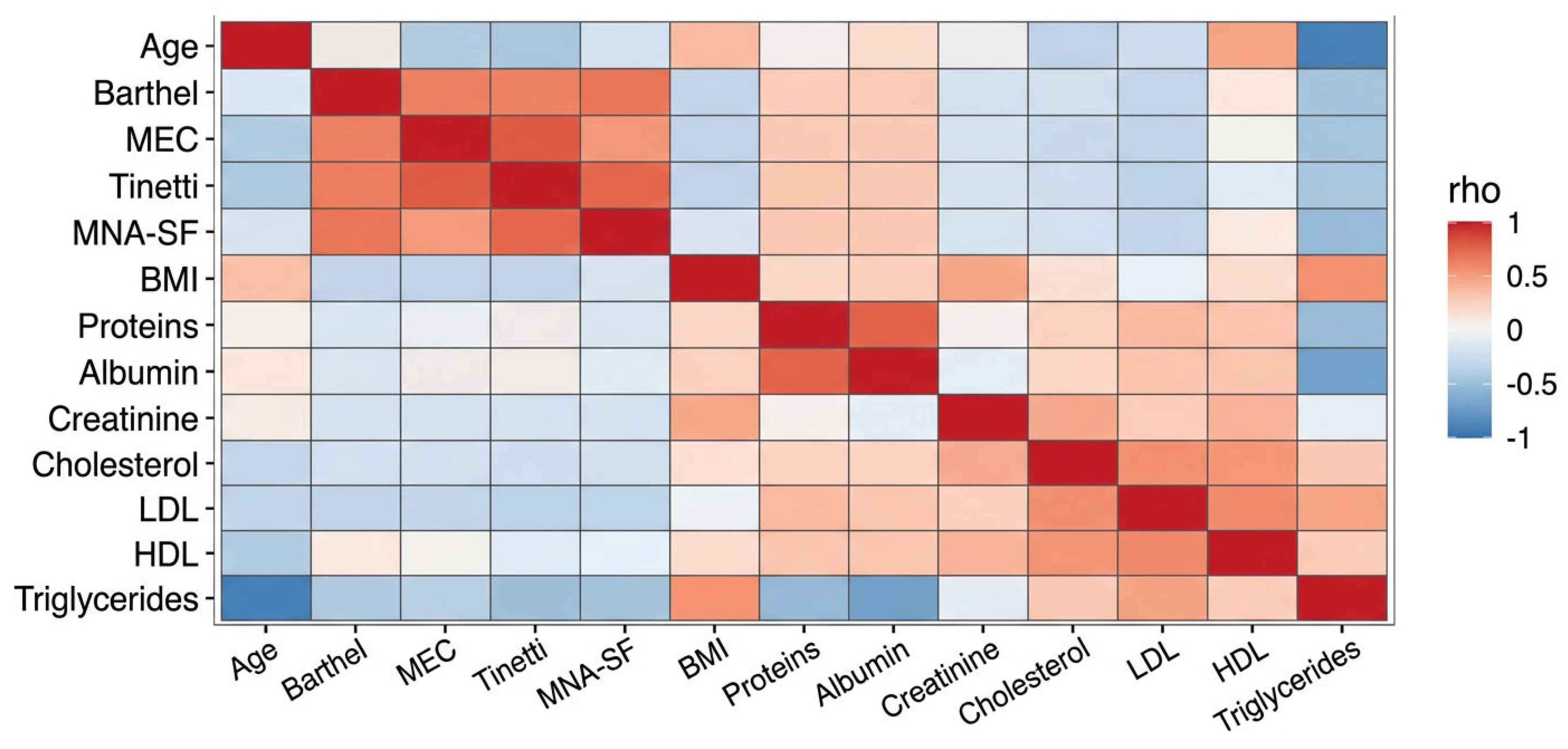
The correlation structure among the main functional, cognitive, anthropometric, nutritional, and biochemical variables was further explored using a Spearman correlation heatmap (Figure 2). This analysis showed the direction and magnitude of associations among the variables included in the multidimensional characterization, supporting the interpretation of vulnerability as an integrated construct rather than as a set of isolated indicators.
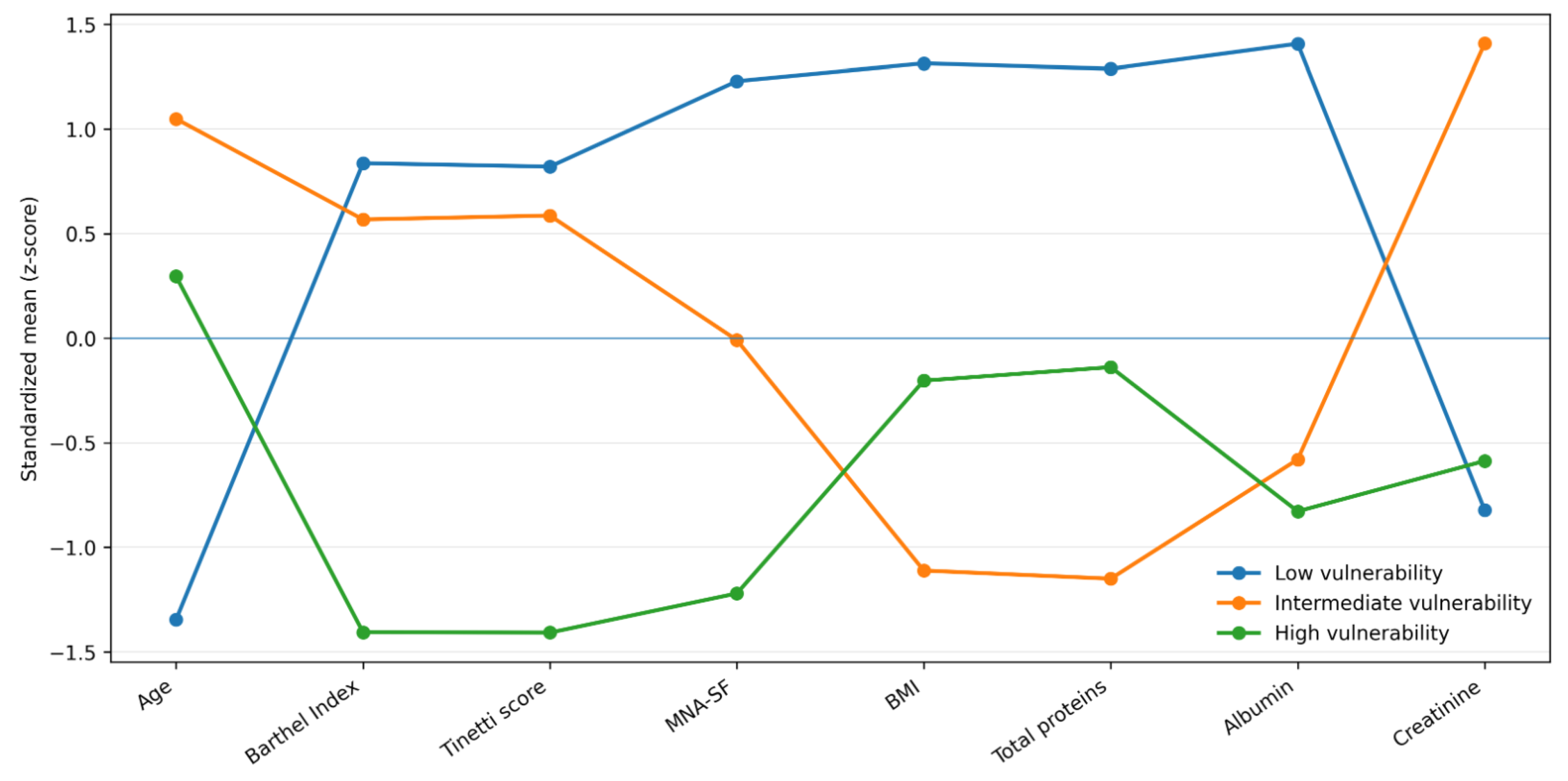
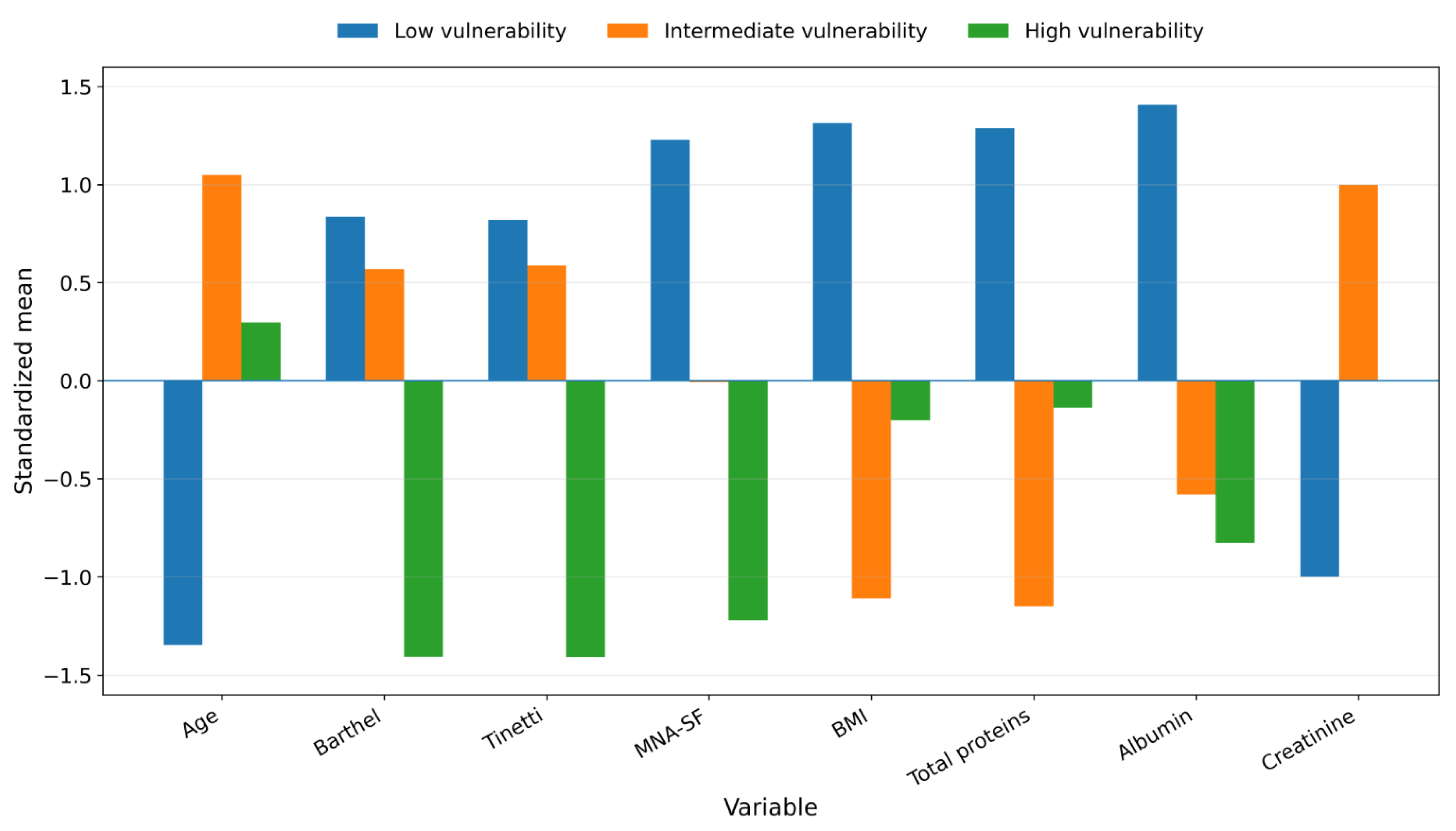
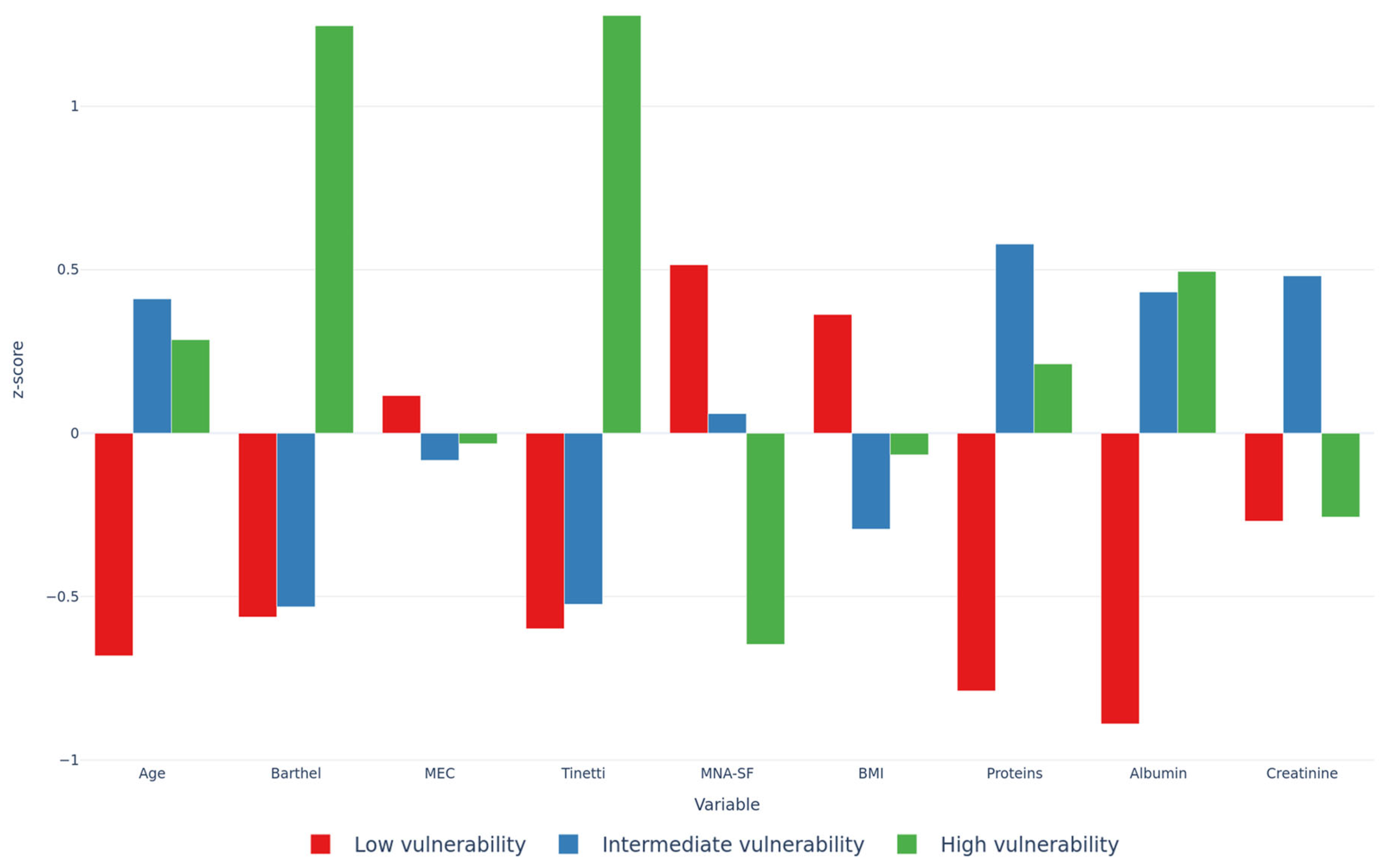
Figure 3 and Figure 4 provide complementary standardized views of the separation between phenotypes. Figure 3 shows the standardized cluster profile across the main variables included in the exploratory VIVA framework, allowing comparison across variables measured on different original scales. This representation showed clearer separation of the high-vulnerability phenotype, particularly for Barthel Index, Tinetti score, and MNA-SF. Figure 4 complements this analysis by showing grouped standardized mean values across the integrated vulnerability variables, reinforcing the pattern of a low-vulnerability cluster with a more favorable multidimensional profile and a high-vulnerability cluster characterized mainly by poorer functional and nutritional status.
The standardized plots showed moderate overlap between clusters, indicating that the phenotypes should not be interpreted as fully discrete clinical categories. Separation was clearest for the high-vulnerability phenotype, particularly for Barthel Index, Tinetti score, and MNA-SF, whereas the low- and intermediate-vulnerability groups showed partial overlap across several biochemical and anthropometric variables. Therefore, the three-cluster solution should be interpreted as an exploratory stratification of multidimensional vulnerability rather than as a definitive classification system.
Table 2 summarizes the main variables across the three vulnerability clusters. The high-vulnerability cluster showed markedly lower Barthel Index, Tinetti score, and MNA-SF values, supporting the central role of functional impairment and nutritional risk in cluster separation. Biochemical variables, particularly total proteins and albumin, also differed across clusters and contributed complementary information to the multidimensional characterization. Because the comparisons were exploratory and no formal correction for multiple testing was applied, p-values should be interpreted descriptively and cautiously rather than as confirmatory evidence.
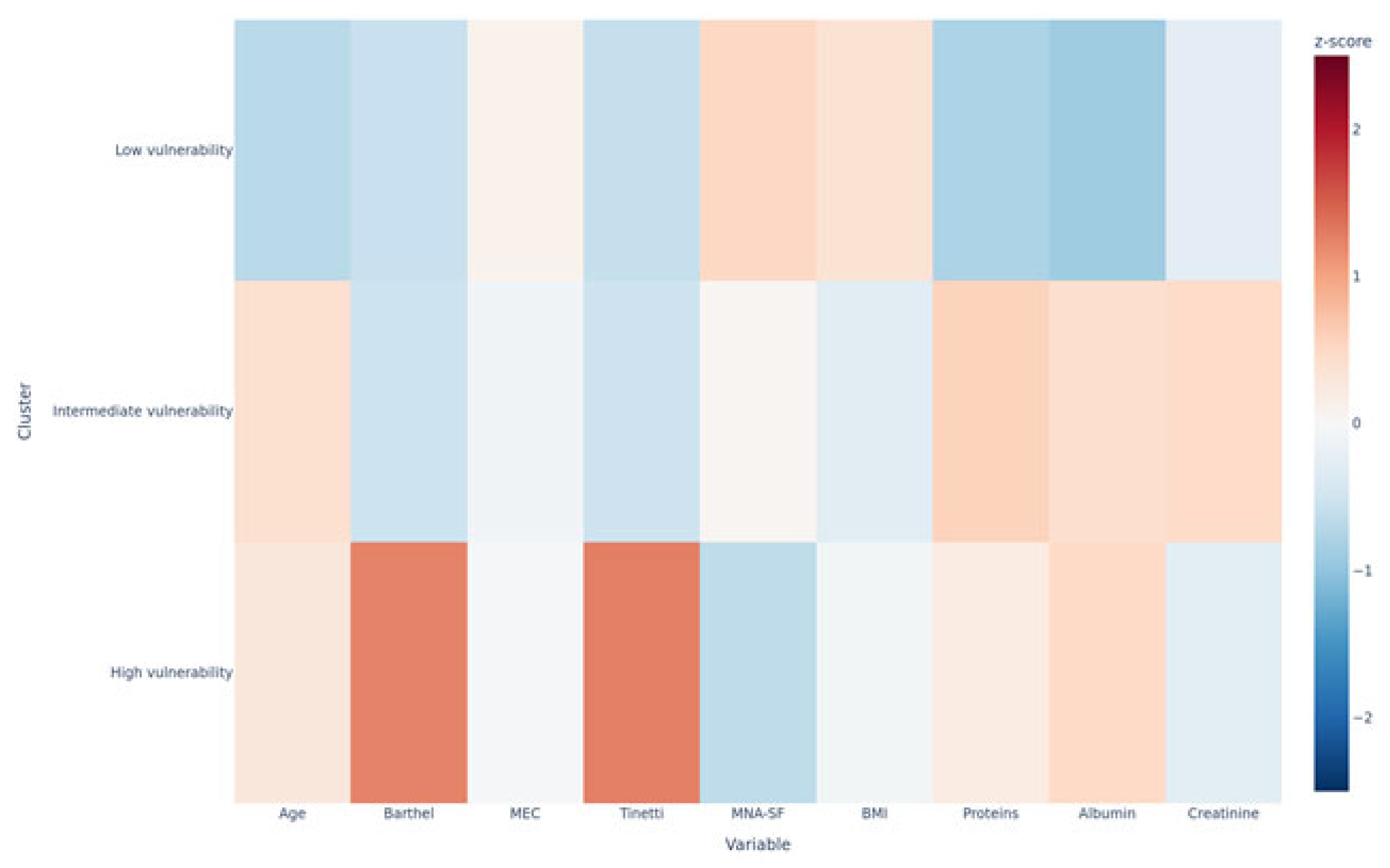
The additional cluster comparison in Figure 5 provided a complementary summary of the differences observed across the integrated vulnerability domains. The overall pattern was consistent with the previous figures and reinforced the separation between the three phenotypes.
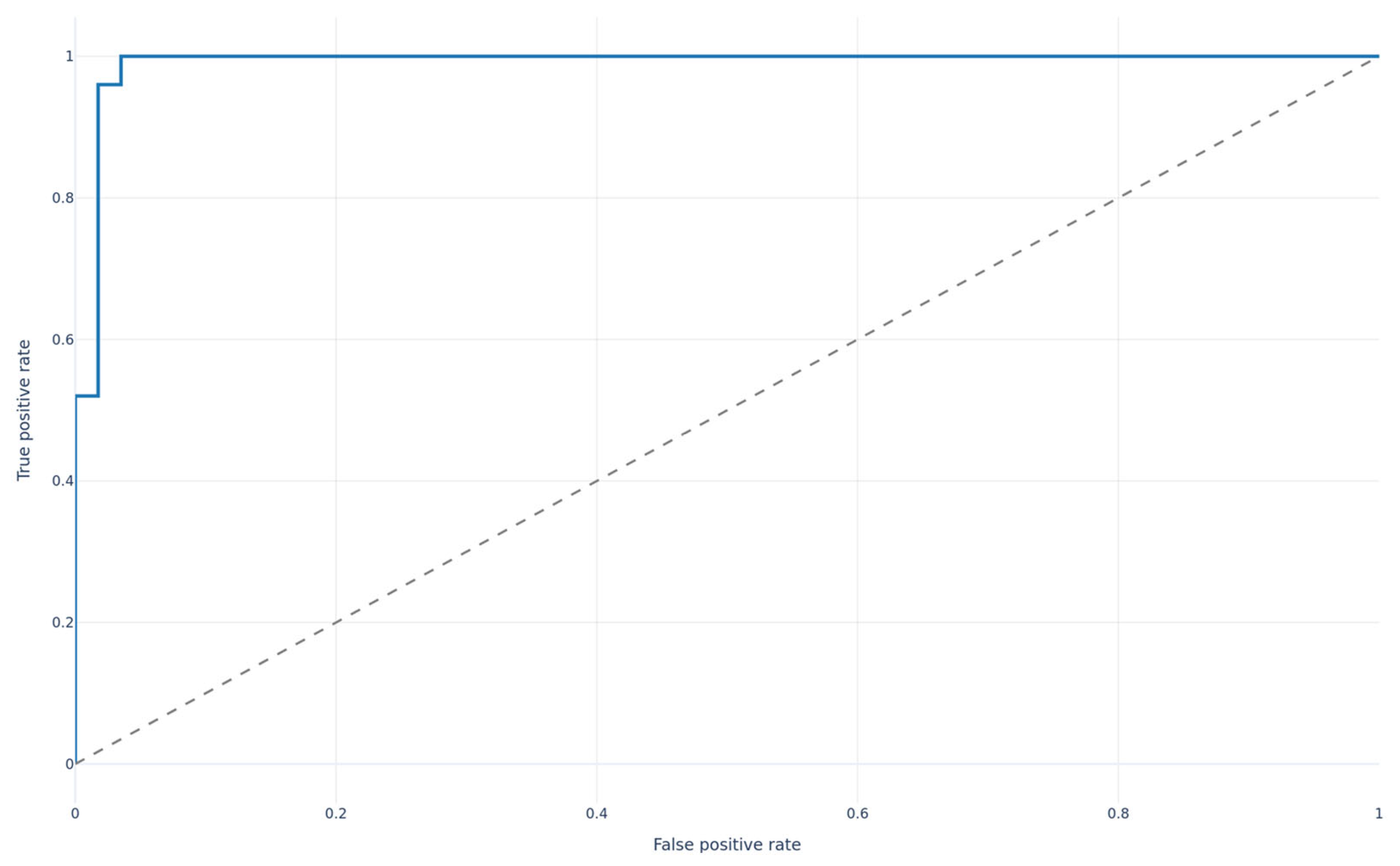
An exploratory logistic regression analysis was performed to assess the internal discrimination of the cluster-derived high-vulnerability phenotype. The model (Figure 6) showed very high cross-validated discrimination (AUC = 0.99). However, this result should be interpreted with caution because the outcome was derived from phenotypes constructed using overlapping variables. Therefore, the high AUC should be understood only as evidence of internal discrimination and internal coherence of the cluster-derived phenotype; it should not be interpreted as evidence of external validity, reproducibility, diagnostic accuracy, clinical utility, or future predictive performance.
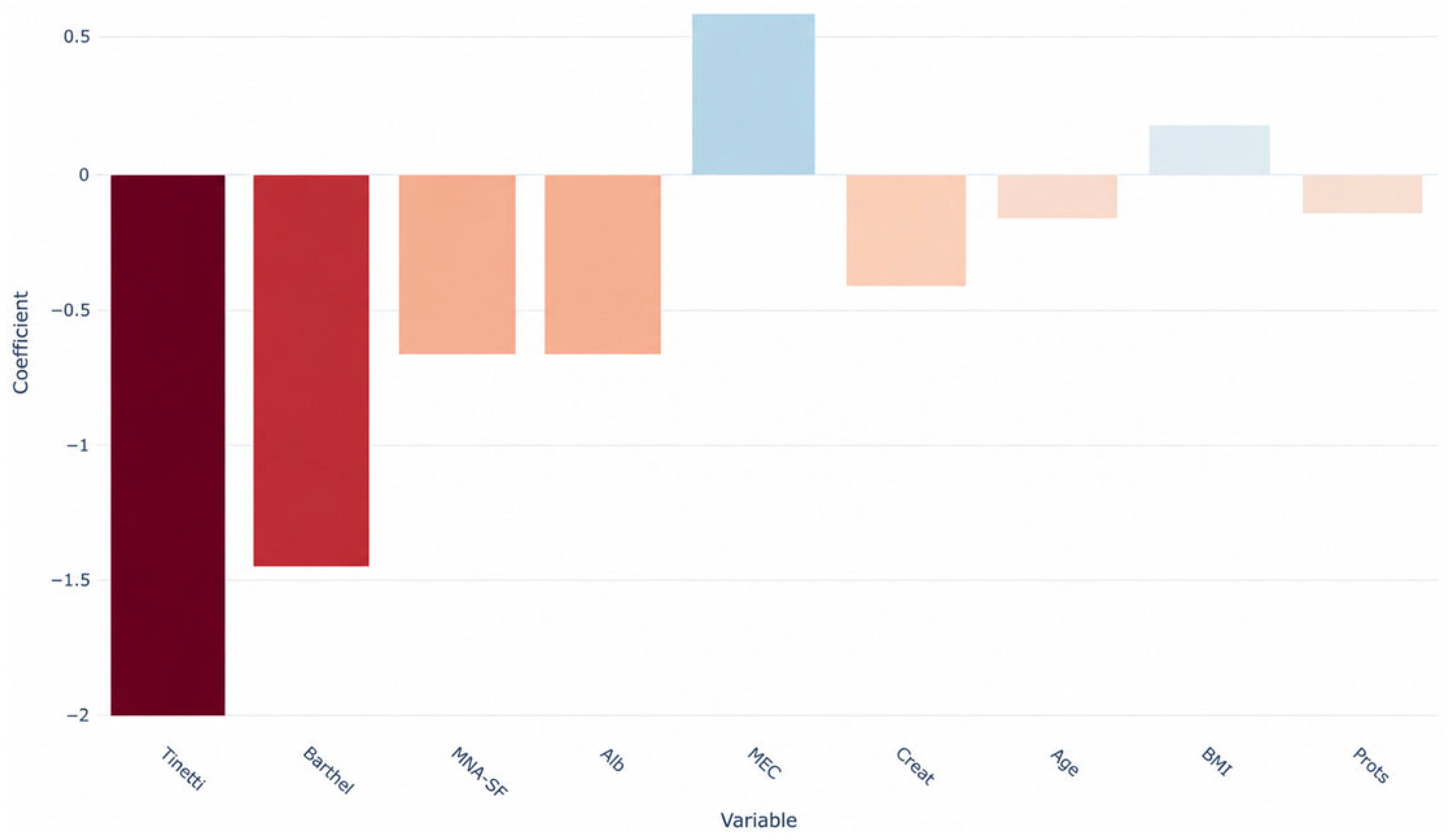
The Barthel Index and Tinetti score emerged as the strongest contributors to classification, followed by MNA-SF, albumin, and creatinine, whereas age, BMI, MEC, and total proteins showed more modest contributions. As summarized in Figure 7, functional variables dominated the classification of the high-vulnerability phenotype, whereas biochemical markers provided secondary and complementary discriminatory refinement. In this sense, the supervised model complements rather than replaces the clustering analysis and supports the clinical interpretability of the derived phenotypes.

4. Discussion

4.1. Constructing the VIVA Index

Equal weighting was used to avoid imposing subjective assumptions about the rel-ative importance of each domain in an exploratory framework. However, BMI and cre-atinine are clinically complex variables because both low and high values may indicate vulnerability depending on the clinical context. A low BMI may reflect undernutrition, whereas a high BMI may reflect obesity-related risk; similarly, low creatinine may reflect reduced muscle mass, whereas high creatinine may indicate renal impairment. Therefore, their linear coding should be considered a simplification, and future versions of the framework should consider non-linear or clinically categorized transformations. The term “VIVA framework” refers to an exploratory multidimensional construct based on these nine standardized variables. Clustering was not performed on a single summed composite score, but on the standardized variables included in the framework. Therefore, VIVA should not be interpreted as a validated single-score index, diagnostic instrument, or replacement for established frailty scales. Although alternative cluster solutions were explored, the three-cluster solution was retained because it provided the best balance between quantitative criteria and clinical interpretability. The silhouette index showed a modest advantage for k = 3 compared with alternative solutions, while the elbow and gap-statistic criteria did not indicate a clearly superior alternative. Clinically, the three-cluster model yielded interpretable phenotypes corresponding to lower, intermediate, and higher vulnerability. Solutions with fewer clusters tended to merge clinically distinct residents, whereas solutions with more clusters produced smaller subgroups without a clear additional clinical interpretation.
The finding that the low-vulnerability cluster showed the highest mean BMI should be interpreted cautiously. Rather than demonstrating an obesity paradox, this pattern suggests that BMI alone is insufficient to characterize vulnerability in institutionalized older adults and should be interpreted together with functional, nutritional, and biochemical indicators. Because direct measures of body composition, muscle mass, inflammatory status, and dietary intake were not available, no conclusions can be drawn regarding muscle mass preservation, sarcopenic obesity, or specific micronutrient-related mechanisms. The exploratory logistic regression analysis showed high in-ternal discrimination of the cluster-derived high-vulnerability phenotype. However, because the outcome was derived from clusters constructed using overlapping varia-bles, this analysis should be interpreted as evidence of internal coherence of the VIVA framework rather than as external predictive validation or clinical diagnostic perfor-mance. Overall, these findings suggest that multidimensional assessment may help de-scribe clinically meaningful vulnerability patterns in long-term care settings and may support future risk-stratification research. The VIVA framework should be considered exploratory and complementary to validated frailty instruments, rather than a replace-ment for them. External validation in larger, independent, and preferably longitudinal cohorts is required to assess reproducibility and any future predictive utility before the VIVA framework can be considered for clinical prediction or routine decision-making; future studies should also include body-composition measures, inflammatory markers, and more detailed nutritional assessment. Future versions of the VIVA framework should incorporate inflammatory and short-term nutritional markers, repeated vitamin D assessment, body-composition measures, comorbidity burden, polypharmacy, circadian and sleep-related indicators, dietary intake, physical activity, rehabilitation exposure, and social determinants to improve the biological and contextual characterization of vulnerability. The complexity of aging in institutional settings demands a multidimensional approach to understanding health status and vulnerability, especially in emergency situations such as the COVID-19 pandemic. Single-domain assessments, whether anthropometric, functional, cognitive, or biochemical, provide incomplete pictures of resident health and risk. Our exploratory study of 124 institutionalized older adults in Valencia provides an integrated descriptive contribution to this integrated perspective, synthesizing measurements across five interconnected domains that collectively define the “multidimensional vulnerability profile” characteristic of long-term care populations. Institutionalized older adults represent a distinct epidemiological population with particular vulnerability characteristics. Frailty, defined as a syndrome of age-associated physiological decline resulting in increased vulnerability to stressors, affects substantial proportions of residential care older adults. However, frailty conceptualization has evolved beyond simple phenotypic classification to include recognition that physical decline, cognitive impairment, nutritional compromise, and biochemical alterations interact synergistically to determine health trajectories and outcomes. The VIVA framework also overlaps conceptually with established frailty instruments, such as the Edmonton Frail Scale and other multidomain frailty tools. This overlap is expected because vulnerability in institutionalized older adults is intrinsically multidimensional and involves functional, cognitive, nutritional, clinical, and social domains. However, VIVA differs from these validated instruments in its exploratory and data-driven nature, its use of clustering-derived phenotypes, and its inclusion of routinely available biochemical markers together with functional, cognitive, nutritional, and anthropometric variables. Therefore, VIVA should be considered complementary to validated frailty scales and useful for descriptive phenotyping and hypothesis generation, rather than as a substitute for established clinical frailty assessment.

4.2. Anthropometric Viewpoint

Our cohort showed a mean BMI of 28.17 ± 5.56 kg/m2, indicating an overweight profile at the group level according to standard BMI categories [19]. However, the wide variability observed in body weight and BMI suggest substantial heterogeneity among institutionalized older adults. This finding is consistent with previous studies showing that long-term care populations may include residents with undernutrition, normal weight, overweight, and obesity within the same institutional setting [20,21]. Therefore, BMI should not be interpreted as an isolated marker of vulnerability, but rather as one component of a broader multidimensional assessment. In the cluster analysis, the low-vulnerability group showed a relatively higher BMI together with better functional performance, higher MNA-SF scores, and more favorable protein-related biochemical markers. This pattern may appear compatible with the so-called obesity paradox described in some older adult populations [22,23]. However, in the present study, this finding should be interpreted cautiously. The data do not demonstrate a protective effect of higher BMI. Rather, they suggest that BMI alone is insufficient to characterize vulnerability in institutionalized older adults and should be interpreted together with functional, nutritional, and biochemical indicators. This caution is particularly important because BMI does not distinguish between fat mass, lean mass, fluid retention, or changes in body composition [24,25]. In older adults, similar BMI values may reflect very different physiological conditions, including preserved muscle mass, increased adiposity, sarcopenic obesity, or disease-related body-composition changes [26,27]. In the present study, direct measures of body composition, such as fat mass, muscle mass, calf circumference, handgrip strength, or bioelectrical impedance analysis, were not available. Therefore, no conclusions can be drawn regarding muscle mass preservation, sarcopenic obesity, or the protective role of overweight in this cohort. The anthropometric findings should therefore be interpreted as descriptive and hypothesis-generating. They reinforce the need to move beyond BMI alone when assessing vulnerability in nursing home residents. Future studies should incorporate direct body-composition measures and functional strength indicators to clarify whether BMI-related patterns reflect nutritional reserve, adiposity, muscle preservation, fluid imbalance, or metabolic risk [28,29]. Within the VIVA framework, anthropometry provides useful contextual information, but its interpretation depends on integration with functional, nutritional, cognitive, and biochemical domains.

4.3. Functional Viewpoint

Functional capacity represents the primary determinant of independence, quality of life, and institutionalization trajectories in older populations [29]. Our study included activities of daily living using the Barthel Index and balance and gait using the Tinetti test, complemented by cognitive, nutritional, anthropometric, and biochemical variables [2]. This multidimensional functional assessment captures the integrated physical capabilities required for independence and wellbeing.
The Barthel Index, measuring personal care activities and mobility, demonstrated substantial variation in our cohort. Functional status diversity within institutional populations reflects heterogeneous trajectories to care facility admission and varying progression of chronic diseases. A comprehensive review of functional impairment associations with frailty by Mello et al. [30] identified functional incapacity as one of the primary factors associated with frailty in elderly persons, indicating that functional assessment provides essential phenotypic information for vulnerability stratification.
Gait speed represents a “vital sign” in geriatric assessment, with substantial prognostic significance. A comprehensive study examining 99 older adults aged ≥ 70 years classified according to Fried frailty phenotype found that shorter stride length at fast pace distinguished the transition from non-frail to prefrail status (odds ratio = 0.92, 95% CI: 0.88–0.96 per 1 cm shorter stride length) [31]. This finding demonstrates that subtle gait alterations precede overt frailty phenotype identification, suggesting that quantitative gait assessment may enable earlier vulnerability detection.
Our study’s utilization of the Tinetti balance and gait test—which systematically assesses static balance, dynamic balance during gait, and coordinated turning—captures fall risk through performance-based measurement. The prognostic significance of Tinetti scores was demonstrated in research examining 156 institutionalized older adults in Castellón, Spain, where frailty detection devices identified direct relationships between greater functional dependence and higher fall risk, as well as between higher comorbidity and increased fall risk [32]. Adequate nutritional status was associated with lower fall risk, establishing connections between anthropometric-nutritional and functional-mobility domains.
A comprehensive study of physical activity and energy expenditure in 30 institutionalized older adults found that walking outdoors led to shorter walking times, higher energy expenditure, and increased perceived effort, while overweight individuals expended more energy in both settings [33]. Cognitive status did not significantly impact walking preferences, suggesting that functional capacity—rather than cognitive status alone—determines mobility phenotypes in institutionalized populations.
The relationship between anthropometric measures and functional capacity demonstrates bidirectional causality: anthropometric status influences functional capacity, while functional limitations contribute to anthropometric changes. The Chilean study [20] of institutionalized older adults found that people who were overweight, aged 70 years or older, had low educational level, and cognitive impairment were positively associated with dependency (functional limitation). Remarkably, the strongest associations with bedridden status were not having any level of schooling and having cognitive impairment, indicating that cognitive rather than purely anthropometric factors drive severe functional decline in institutional settings.
An Israeli cross-sectional analysis of 1619 elderly individuals found that specific obesity phenotypes demonstrated dramatically different associations with functional impairment: individuals with abdominal obesity (high waist circumference but BMI < 30 kg/m2) showed the strongest association between frailty and disability, with odds ratios as high as 69.26 (95% CI, 10.58–453.55) for frail subjects [34]. This finding underscores that body fat distribution—central/abdominal adiposity—creates greater functional vulnerability than diffuse obesity or BMI elevation alone.
In our study, the Barthel Index and Tinetti score were the main functional variables contributing to the separation of vulnerability phenotypes. This finding supports the central role of functional dependence, mobility limitation, and fall risk in the multidimensional characterization of institutionalized older adults. Rather than representing isolated indicators, functional impairment should be interpreted as a core component of vulnerability, closely interacting with nutritional status, cognitive performance, and biochemical reserve. Our results are consistent with previous evidence showing that functional dependence is highly prevalent in nursing home residents and is associated with increased care needs and adverse health outcomes.

4.4. Cognitive Viewpoint

Cognitive status represents a fundamental determinant of independence, quality of life, and capacity for self-care decision-making in institutionalized older adults. Dementia and cognitive impairment are highly prevalent in institutional populations. A Spanish study [35] of 113 nursing home residents in Galicia found that when participants were divided according to cognitive status (Cognitively Intact, Mild Cognitive Impairment, or All-Cause Dementia), cognitive groups demonstrated significant differences in depressive symptomatology and nutritional status parameters including vitamin A and D, albumin, selenium, and uric acid. Strikingly, higher serum levels of vitamin A, vitamin D, transthyretin, albumin, selenium, and uric acid showed positive associations with better cognitive status, while higher BMI showed negative association with cognitive status—demonstrating that nutritional-biochemical parameters correlate with cognitive phenotypes.
Our study’s cognitive assessment documented the prevalence and severity of cognitive impairment according to standardized scoring systems. The Portuguese study [36] was significantly associated with nutritional risk: residents with cognitive impairment showed substantially higher rates of malnutrition and at-risk status. Among older adults reporting no or little appetite—strongly associated with cognitive decline—odds ratios for malnutrition reached 6.5 (95% CI 2.7, 15.3). A comprehensive analysis of cognitive impairment in institutionalized elderly examined 157 psychogeriatric patients (46.5% dementia, 43.9% schizophrenia, 9.6% other conditions) [37]. Within this cohort, phase angle (derived from bioelectrical impedance analysis)—a marker of cell membrane integrity and nutritional status—demonstrated clinical utility as an independent indicator of survival. Mortality increased with age, frailty, and dependence, with the risk of death significantly lower (56.5%) in patients with schizophrenia versus dementia (89%), indicating that dementia diagnosis carries substantially higher mortality risk than other psychiatric conditions in institutional settings.
Cognitive impairment and functional limitations interact synergistically to determine vulnerability in institutional populations. A longitudinal analysis of 130 elderly people with cognitive impairment from the Frailty in Brazilian Older Adults (FIBRA) study found that among older adults with cognitive impairment 49.3% were frail, 37.6% were pre-frail, and 13.10% were robust [38]. Importantly, cognitive impairment significantly amplified frailty risk beyond the baseline effects of age or comorbidity. Research examining cognitive status, anxiety, depression, and frailty in senior women (mean age: 74.4 years) found that lower Montreal Cognitive Assessment scores were associated with a higher probability of frailty (odds ratio = 0.78; 95% CI: 0.63–0.96, p = 0.016), with a MoCA cutoff ≤ 26 demonstrating a sensitivity of 69% and a specificity of 50% for detecting high frailty risk [39]. Additionally, higher Beck anxiety inventory and Geriatric Depression Scale scores were associated with frailty (OR = 1.12; 95% CI: 1.02–1.22, p = 0.0134 and OR = 1.39; 95% CI: 1.05–1.84, p = 0.0201, respectively).
The relationship between cognitive status and nutritional parameters demonstrates important mechanistic connections. Our study’s documentation of albumin, proteins, and micronutrient markers in association with cognitive assessment reflects recognition that nutritional status fundamentally influences cognitive function in older adults. In the Spanish nursing home study examining cognitive status and nutritional markers, multinomial logistic regression revealed positive associations between better cognitive status and higher concentrations of vitamins A and D, transthyretin, albumin, selenium, and uric acid [36]. Conversely, higher BMI showed negative association with cognitive status. These relationships suggest that specific micronutrients—antioxidant vitamins (A, D), the iron transport protein transthyretin, the liver protein albumin, and the mineral selenium—exert protective effects on cognitive function through diverse mechanisms including antioxidant protection against oxidative stress, neuroprotection, and support of neuroinflammatory regulation.
The COVID-19 pandemic created unprecedented disruptions to cognitive stimulation and social engagement in institutionalized populations. A study comparing older adults in pre- and post-COVID periods involving 3388 elderly individuals found that the COVID-19 pandemic independently affected cognitive status [40]. Significant declines in cognitive function were observed during the pandemic period, with effects persisting in the post-pandemic period, suggesting lasting cognitive impact from prolonged social isolation and lifestyle restrictions.

4.5. Nutritional Viewpoint

Nutritional status, as assessed by the MNA or MNA-SF, should be considered a key component of vulnerability in institutionalized older adults, since malnutrition and nutritional risk are common but often underrecognized in long-term care settings. In this context, the use of the MNA/MNA-SF in the present study can be regarded as best practice for institutional screening, particularly because it helps identify nutritional problems that may not be apparent from BMI alone, especially in residents who appear overweight or obese but may still have inadequate protein and energy intake, reduce lean mass, and feature consistent with sarcopenic obesity. At the same time, nutritional assessment in this population remains complex, as different diagnostic criteria may yield substantially different prevalence estimates. In psychogeriatric institutionalized patients, for example, malnutrition prevalence [41] ranged from 25% using ESPEN criteria to 41.3% using GLIM-SMMI, with poor agreement between ESPEN and GLIM but excellent agreement among GLIM-based definitions, suggesting that case identification depends strongly on the framework applied. Importantly, phenotypic criteria such as muscle mass, fat mass, and strength appeared to carry greater diagnostic weight than etiologic criteria, and phase angle derived from bioelectrical impedance analysis showed potential as a useful monitoring marker. Taken together, these findings reinforce that the MNA/MNA-SF is a practical and clinically meaningful first-line screening tool, but its interpretation is strengthened when integrated with anthropometric, functional, and biochemical measures within a broader multidimensional assessment framework.

4.6. Biochemical Viewpoint

Our study’s measurement of total proteins and albumin represents a central component of biochemical nutritional assessment. Serum albumin, synthesized by the liver with a half-life of approximately 20 days, reflects intermediate-term nutritional and inflammatory status and is commonly interpreted together with clinical and functional information rather than as an isolated nutritional marker [34]. In the present cohort, albumin and total serum proteins provided complementary information to anthropometric, functional, cognitive, and nutritional variables, providing complementary but secondary information for the multidimensional characterization of vulnerability.
The prognostic significance of albumin in institutionalized populations is substantial. Research examining multiple malnutrition diagnostic criteria found that albumin levels contributed to the differentiation between malnourished and non-malnourished individuals when integrated with body composition and functional criteria [41]. These findings support the interpretation of albumin as part of a broader vulnerability profile rather than as a stand-alone diagnostic marker. A comprehensive toolkit for healthcare professionals managing low muscle mass and malnutrition emphasized that low muscle mass and malnutrition may occur across the full BMI spectrum, including in individuals with normal weight, overweight, or obesity [42]. This is particularly relevant in institutionalized older adults, in whom excess body weight may coexist with reduced functional reserve, poor dietary intake, and protein-related nutritional compromise. Although prealbumin was not available in the present dataset, albumin and total serum proteins provided complementary information on protein-related nutritional status. Previous studies have shown that transthyretin may reflect short-term nutritional changes and may be associated with cognitive status in institutionalized older adults [36]. In the present study, the available protein-related markers therefore contributed to the interpretation of nutritional reserve, while avoiding overinterpretation of markers not included in the dataset. Lipid profiles, including total cholesterol, HDL cholesterol, LDL cholesterol, and triglycerides, provide additional information on cardiovascular risk and metabolic status. In our cohort, lipid parameters showed substantial interindividual variability and descriptive sex-related differences, with women showing higher total cholesterol, HDL cholesterol, LDL cholesterol, and triglyceride values than men. These differences may reflect the influence of age, sex, comorbidity, medication use, and post-menopausal metabolic changes. Previous studies have also suggested that pandemic-related lifestyle disruption and reduced activity may contribute to changes in metabolic indicators among older adults [38]. Although inflammatory markers such as C-reactive protein were not available in the present dataset, previous studies suggest that systemic inflammation may contribute to frailty, sarcopenia, and functional decline in institutionalized older adults [43]. Elevated inflammatory status may interact with nutritional compromise and reduced physical activity, contributing to muscle catabolism and functional deterioration. Accordingly, future studies should consider incorporating inflammatory markers together with nutritional, anthropometric, and functional variables to strengthen multidimensional vulnerability assessment. Creatinine was included in the VIVA index as a biochemical marker related to renal function and, indirectly, muscle mass. However, its interpretation in older adults requires caution because creatinine concentration is influenced by both muscle mass and renal function. Low creatinine may reflect reduced muscle mass, whereas elevated creatinine may indicate impaired renal function rather than preserved muscle reserve. Therefore, creatinine should be interpreted in combination with functional indicators, anthropometric characteristics, and other biochemical markers. In the present study, creatinine helped refine the cluster profiles, particularly by contributing to the distinction between biochemical and functional vulnerability patterns. Overall, the biochemical domain added clinically relevant information to the integrated vulnerability framework. Protein-related markers, lipid parameters, micronutrient indicators, and creatinine did not replace functional and nutritional assessment, but they helped refine the interpretation of resident profiles. In this sense, the biochemical findings support the need for multidimensional assessment in institutionalized older adults, where vulnerability may emerge from the combined effects of functional impairment, nutritional compromise, metabolic alteration, and reduced physiological reserve. The biochemical domain should be interpreted cautiously. Although routinely available markers such as albumin, total proteins, creatinine, lipid parameters, vitamin D, iron, vitamin B12, and folate provided complementary information for multidimensional characterization, they do not represent a complete assessment of nutritional, inflammatory, or metabolic vulnerability. In particular, short-term nutritional markers such as prealbumin or retinol-binding protein, inflammatory markers such as C-reactive protein or interleukin-6, and repeated vitamin D measurements were not available. Therefore, the biochemical component of the VIVA framework should be considered exploratory and complementary rather than a robust standalone biological assessment of vulnerability. In addition, pandemic-related disruptions may have affected circadian and sleep-related regulation through reduced exposure to natural light, altered daily routines, decreased daytime activity, reduced social synchronization, and changes in facility-level schedules. These factors may have influenced functional, cognitive, nutritional, and biochemical outcomes in institutionalized older adults. Because sleep quality, rest-activity rhythms, light exposure, daytime activity, and facility-level routines were not available in the present dataset, their potential contribution to the observed vulnerability profiles could not be assessed.
The relative contribution of the domains suggests that the derived vulnerability phenotypes were driven predominantly by functional and nutritional measures rather than by biochemical markers alone. The Barthel Index, Tinetti score, and MNA-SF showed the clearest gradients across clusters, whereas biochemical variables showed smaller or more heterogeneous differences. Therefore, biochemical markers should be interpreted as complementary descriptors that refine the multidimensional characterization of residents, rather than as primary determinants of the cluster structure.
The high AUC observed in the exploratory logistic regression model should be interpreted strictly as internal discrimination of the cluster-derived high-vulnerability phenotype. Because the outcome was constructed from clusters generated using overlapping variables, the model does not provide evidence of external validity, reproducibility, diagnostic accuracy, clinical utility, or future predictive utility of the VIVA framework. External validation in independent cohorts, preferably with longitudinal outcomes such as hospitalization, mortality, functional decline, or incident malnutrition, is required before any predictive or clinical use can be considered.

4.7. Strengths and Limitations

A strength of this study is the integration of anthropometric, functional, cognitive, nutritional, and biochemical information in a single multidimensional framework for the characterization of institutionalized older adults. This approach provides a broader description of resident vulnerability than single-domain assessments and allows the identification of clinically interpretable profiles within a long-term care population. However, several limitations should be acknowledged. First, the cross-sectional design prevents causal inference and does not allow assessment of temporal changes in vulnerability. Second, no pre-pandemic comparison group or longitudinal pre-pandemic measurements were available. Therefore, the study cannot determine whether the observed vulnerability profiles reflected pre-existing resident characteristics or changes associated with the pandemic period. Pandemic-related factors, including infection-control restrictions, reduced social interaction, altered rehabilitation routines, changes in staff availability, modifications in dietary or clinical care practices, and facility-level care disruptions, may have influenced functional, cognitive, nutritional, and biochemical outcomes. Third, information on comorbidity burden, polypharmacy, medication classes, circadian rhythm, sleep quality, light exposure, daytime activity patterns, rest-activity rhythms, physical activity, dietary intake, rehabilitation exposure, facility-level routines, and social determinants was not available. Circadian and sleep-related disruption may be particularly relevant in institutionalized older adults because altered light exposure, reduced social synchronization, changes in daily routines, and sleep disturbance may influence mobility, cognition, appetite, nutritional intake, endocrine and immune regulation, vitamin D status, and overall vulnerability. Consequently, residual confounding related to circadian disruption, sleep quality, light exposure, pre-existing frailty, comorbidities, medication use, and facility-level care practices cannot be excluded. Fourth, the biochemical domain was limited to routinely available laboratory markers and did not include inflammatory markers such as C-reactive protein or interleukin-6, short-term nutritional markers such as prealbumin or retinol-binding protein, repeated vitamin D measurements, parathyroid hormone, calcium–phosphate metabolism, body-composition measures, or detailed micronutrient assessment. Finally, the VIVA framework was developed as an exploratory construct, and the logistic regression analysis should be interpreted as evidence of internal coherence and internal discrimination rather than external predictive validation. In addition, although the VIVA framework overlaps with established frailty instruments, it has not been externally validated against tools such as the Edmonton Frail Scale or other validated frailty indices. Therefore, its findings should be interpreted as exploratory phenotyping rather than as a formal frailty classification. External validation in larger, independent, and preferably longitudinal cohorts is required before clinical implementation can be considered.

5. Conclusions

This exploratory cross-sectional study suggests that an integrated multidimensional approach may be useful for characterizing vulnerability among institutionalized older adults. By combining anthropometric, functional, cognitive, nutritional, and biochemical information, the VIVA framework identified three clinically interpretable vulnerability phenotypes within a heterogeneous cohort of 124 residents. The cluster structure suggested that functional impairment, particularly lower Barthel Index and Tinetti scores, was the main factor separating the high-vulnerability phenotype from the remaining groups. Nutritional and biochemical variables, including MNA-SF, albumin, total proteins, BMI, and creatinine, contributed additional information for refining the multidimensional characterization of resident profiles.

Author Contributions

Conceptualization, methodology, validation, formal analysis, investigation, data curation, visualization, and supervision, E.M.-G., C.I.S.-L., M.A.D.-A. and J.M.S.; writing—original draft preparation, E.M.-G., C.I.S.-L. and J.M.S.; writing—review and editing, M.A.D.-A. All authors have read and agreed to the published version of the manuscript.

Funding

This research received no external funding.

Institutional Review Board Statement

This study was conducted in accordance with the Declaration of Helsinki and was approved by the Ethics Committee for Research of the University of Valencia (Reference: 1640722 with 3 July 2021 as date of approval).

Informed Consent Statement

Informed consent was obtained from all subjects involved in the study. Written informed consent has been obtained from the patients to publish this paper.

Data Availability Statement

The original contributions presented in the study are included in the article. Further inquiries can be directed to Elena Moreno-Guillamont.

Acknowledgments

During the preparation of this manuscript, the authors used Perplexity AI (web-based version, accessed in April 2026) only as an auxiliary tool for editorial support, language refinement, and preliminary figure-formatting suggestions. All statistical analyses and final figures were generated by the authors using R version 4.3.1. The authors reviewed and verified all content and take full responsibility for the final version of the manuscript.

Conflicts of Interest

The authors declare no conflicts of interest.

References

  1. Moreno-Guillamont, E.; Tatay, A.M.; Tripiana Rallo, M.; Auxiliadora Dea-Ayuela, M.; San Onofre, N.; Soriano, J.M. Nutritional Assessment of the Elderly Population with COVID-19: A Systematic Review. COVID 2026, 6, 3. [Google Scholar] [CrossRef]
  2. Fried, L.P.; Ferrucci, L.; Darer, J.; Williamson, J.D.; Anderson, G. Untangling the concepts of disability, frailty, and comorbidity: Implications for improved targeting and care. J. Gerontol. A 2004, 59, 255–263. [Google Scholar] [CrossRef]
  3. Katz, S.; Ford, A.B.; Moskowitz, R.W.; Jackson, B.A.; Jaffe, M.W. Studies of illness in the aged. The index of ADL: A standardized measure of biological and psychosocial function. JAMA 1963, 185, 914–919. [Google Scholar] [CrossRef] [PubMed]
  4. Montero-Odasso, M.; Verghese, J.; Beauchet, O.; Hausdorff, J.M. Gait and cognition: A complementary approach to understanding brain function and the risk of falling. J. Am. Geriatr. Soc. 2012, 60, 2127–2136. [Google Scholar] [CrossRef] [PubMed]
  5. Lesourd, B. Nutritional factors and immunological ageing. Proc. Nutr. Soc. 2006, 65, 319–325. [Google Scholar] [CrossRef] [PubMed]
  6. Don, B.R.; Kaysen, G. POOR NUTRITIONAL STATUS AND INFLAMMATION: Serum albumin: Relationship to inflammation and nutrition. Semin. Dial. 2004, 17, 432–437. [Google Scholar] [CrossRef] [PubMed]
  7. Li, Y.; Temkin-Greener, H.; Gao, S.; Cai, X. COVID-19 infections and deaths among Connecticut Nursing Home Residents: Facility Correlates. J. Am. Geriatr. Soc. 2020, 68, 1899–1906. [Google Scholar] [CrossRef] [PubMed]
  8. Cesari, M.; Calvani, R.; Marzetti, E. Frailty in Older Persons. Clin. Geriatr. Med. 2017, 33, 293–303. [Google Scholar] [CrossRef] [PubMed]
  9. Rockwood, K.; Mitnitski, A. Frailty in relation to the accumulation of deficits. J. Gerontol. A Biol. Sci. Med. Sci. 2007, 62, 722–727. [Google Scholar] [CrossRef] [PubMed]
  10. Salive, M.E. Multimorbidity in older adults. Epidemiol. Rev. 2013, 35, 75–83. [Google Scholar] [CrossRef] [PubMed]
  11. Cabañas Armesilla, M.D.; Marrodán Serrano, M.D.; Soriano del Castillo, J.M. Manual de Antropometría Aplicada a la Salud para el Certificado de la Sociedad Internacional para la Antropometría Aplicada al Deporte y la Salud (SIAnADS); Universitat de Valencia: Valencia, Spain, 2026. [Google Scholar]
  12. Mahoney, F.I.; Barthel, D.W. Functional evaluation: The Barthel Index. Md. State Med. J. 1965, 14, 61–65. [Google Scholar] [PubMed]
  13. Folstein, M.F.; Folstein, S.E.; McHugh, P.R. “Mini-mental state”: A practical method for grading the cognitive state of patients for the clinician. J. Psychiatr. Res. 1975, 12, 189–198. [Google Scholar] [CrossRef] [PubMed]
  14. Lobo, A.; Ezquerra, J.; Gómez Burgada, F.; Sala, J.M.; Seva Díaz, A. El Mini-Examen Cognoscitivo: Un test sencillo, práctico, para detectar alteraciones intelectuales en pacientes médicos. Actas Luso-Esp. Neurol. Psiquiatr. Cienc. Afines 1979, 7, 189–202. [Google Scholar] [PubMed]
  15. Tinetti, M.E. Performance-oriented assessment of mobility problems in elderly patients. J. Am. Geriatr. Soc. 1986, 34, 119–126. [Google Scholar] [CrossRef] [PubMed]
  16. Mortenson, W.B.; Miller, W.C.; SCIRE Research Team. A review of scales for assessing the risk of developing a pressure ulcer in individuals with SCI. Spinal Cord 2008, 46, 168–175. [Google Scholar] [CrossRef] [PubMed]
  17. Rubenstein, L.Z.; Harker, J.O.; Salvà, A.; Guigoz, Y.; Vellas, B. Screening for undernutrition in geriatric practice: Developing the Short-Form Mini Nutritional Assessment (MNA-SF). J. Gerontol. A Biol. Sci. Med. Sci. 2001, 56, M366–M372. [Google Scholar] [CrossRef] [PubMed]
  18. Kaiser, M.J.; Bauer, J.M.; Ramsch, C.; Uter, W.; Guigoz, Y.; Cederholm, T.; Thomas, D.R.; Anthony, P.; Charlton, K.E.; Maggio, M.; et al. Validation of the Mini Nutritional Assessment Short-Form (MNA-SF): A practical tool for identification of nutritional status. J. Nutr. Health Aging 2009, 13, 782–788. [Google Scholar] [CrossRef] [PubMed]
  19. World Health Organization. Obesity: Preventing and Managing the Global Epidemic: Report of a WHO Consultation; WHO Technical Report Series, No. 894; World Health Organization: Geneva, Switzerland, 2000; Available online: https://iris.who.int/items/933e09aa-64f9-46e9-8dbb-78d8cddf1a3d (accessed on 8 May 2026).
  20. Valenzuela Villasante, A.C.; Lera Marques, L.; Albala Brevis, C.; Marquez Jara, C. Nutritional Status of Institutionalized Elderly and Its Relationship with Functional Status During 2019. Rev. Med. Chile 2024, 152, 360–375. [Google Scholar] [CrossRef] [PubMed]
  21. Naito, E.; Kato-Kataoka, A.; Hayashi, N.; Kurakawa, T.; Naito, T.; Moriyama-Ohara, K.; Kano, M.; Matsumoto, S.; Tsuji, H.; Fukuda, R. Effect of long-term consumption of Lacticaseibacillus paracasei strain Shirota-fermented milk on weight loss in the institutionalized oldest old: An exploratory study. Biosci. Microbiota Food Health 2025, 44, 205–214. [Google Scholar] [CrossRef] [PubMed]
  22. Fujii, H.; Kodani, E.; Kaneko, T.; Nakamura, H.; Tamura, Y.; Sasabe, H. One-year body weight loss and gain as independent predictors of frailty-related outcomes and mortality in an aging Japanese population. Sci. Rep. 2026, 16, 7778. [Google Scholar] [CrossRef] [PubMed]
  23. AlFehaidi, A.A.A.H.Z.; Khan, S.; Abdelrahman, R.; Ahel, N.T.; Shine, P.; De Ramos, M.D.; Skairjeh, N.M.; Khan, S.A.; Al-Saadi, R.K. Predictors of malnutrition among older residents in Qatari long-term care facilities: A retrospective study. BMC Nutr. 2024, 10, 23. [Google Scholar] [CrossRef] [PubMed]
  24. European Association for the Study of Obesity (EASO). European Association for the Study of Obesity Position Statement on the Diagnosis and Management of Obesity in Older Adults. Obes. Facts 2025, 1–16. [Google Scholar] [CrossRef] [PubMed]
  25. Tomasiewicz, A.; Jankowska-Polańska, B.; Makuch, S.; Polański, J.; Tański, W. Body Composition by Bioelectrical Impedance Analysis: Associations with Nutritional Status, Functional Limitations, and Chronic Diseases in Older Adults. Nutrients 2026, 18, 969. [Google Scholar] [CrossRef] [PubMed]
  26. Formisano, E.; Di Cino, E.; Nicosia, E.; Pasta, A.; Paccione, G.; Sukkar, A.A.; Pisciotta, L.; Sukkar, S.G. Prevalence of Dysphagia and Its Health Implications Among Elderly Residents in Long-Term Care Facilities in the Liguria Region (Italy): An Observational Cohort Study. Nutrients 2025, 17, 3268. [Google Scholar] [CrossRef] [PubMed]
  27. Rodríguez-Rodríguez, S.; Oviedo, G.R.; López-de-Celis, C.; Bosch-Sabater, J.; Jovell-Fernández, E.; Pérez-Bellmunt, A.; Cuadra-Llopart, L.; Rodríguez-Sanz, J. Stay Active, Stay Healthy: A Cross-Sectional View of the Impact of Physical Activity Levels on Health Parameters of Older Adults Institutionalized in Nursing Homes of Barcelona. Life 2025, 15, 412. [Google Scholar] [CrossRef] [PubMed]
  28. Fernandes, C.F.; Machado, K.P.; Bertoldi, A.D.; Bielemann, R.M.; Gonzalez, M.C.; Demarco, F.F. Trajectory of Body Mass Index and Frailty Among Older People in Southern Brazil: A Longitudinal Study. Nutrients 2026, 18, 218. [Google Scholar] [CrossRef] [PubMed]
  29. Angulo, J.; El Assar, M.; Álvarez-Bustos, A.; Rodríguez-Mañas, L. Physical Activity and Exercise: Strategies to Manage Frailty. Redox Biol. 2020, 35, 101513. [Google Scholar] [CrossRef] [PubMed]
  30. Mello, A.D.C.; Engstrom, E.M.; Alves, L.C. Health-Related and Socio-Demographic Factors Associated with Frailty in the Elderly: A Systematic Literature Review. Cad. Saúde Pública 2014, 30, 1143–1168. [Google Scholar] [CrossRef]
  31. Valeriano-Paños, E.; Moro-Tejedor, M.N.; Santamaria-Martin, M.J.; Vega-Albala, S.; Valeriano-Paños, M.; Velarde-García, J.F.; Roche-Seruendo, L.E. Linking Motor and Cognitive Decline in Aging: Gait Variability and Working Memory as Early Markers of Frailty. Healthcare 2025, 13, 3201. [Google Scholar] [CrossRef] [PubMed]
  32. Martí-Marco, E.; Vera-Remartínez, E.J.; Esteve-Clavero, A.; Carmona-Fortuño, I.; Flores-Saldaña, M.; Vila-Pascual, J.; Barba-Muñoz, M.; Molés-Julio, M.P. Detection of Falls and Frailty in Older Adults with Oldfry: Associated Risk Factors. Sensors 2025, 25, 2964. [Google Scholar] [CrossRef] [PubMed]
  33. Obeso-Benítez, P.; Martínez-Piédrola, R.M.; Serrada-Tejeda, S.; Hernández-Hernández, L.; García-González, Ó.; Sánchez-Herrera-Baeza, P.; Pérez-de-Heredia-Torres, M. Use of Wearables in Frail Institutionalized Older Adults While Ambulating in Different Environments. Appl. Sci. 2024, 14, 5158. [Google Scholar] [CrossRef]
  34. Buch, A.; Carmeli, E.; Shefer, G.; Keinan-Boker, L.; Berner, Y.; Marcus, Y.; Goldsmith, R.; Stern, N. Cognitive Impairment and the Association between Frailty and Functional Deficits Are Linked to Abdominal Obesity in the Elderly. Maturitas 2018, 114, 46–53. [Google Scholar] [CrossRef] [PubMed]
  35. Leirós, M.; Amenedo, E.; Rodríguez, M.; Pazo-Álvarez, P.; Franco, L.; Leis, R.; Martínez-Olmos, M.-Á.; Arce, C.; NUTRIAGE Study Researchers. Cognitive Status and Nutritional Markers in a Sample of Institutionalized Elderly People. Front. Aging Neurosci. 2022, 14, 880405. [Google Scholar] [CrossRef] [PubMed]
  36. Madeira, T.; Peixoto-Plácido, C.; Sousa-Santos, N.; Santos, O.; Alarcão, V.; Goulão, B.; Mendonça, N.; Nicola, P.J.; Yngve, A.; Bye, A.; et al. Malnutrition among Older Adults Living in Portuguese Nursing Homes: The PEN-3S Study. Public Health Nutr. 2019, 22, 486–497. [Google Scholar] [CrossRef] [PubMed]
  37. Barrera Ortega, S.; Redondo del Río, P.; Carreño Enciso, L.; de la Cruz Marcos, S.; Massia, M.N.; de Mateo Silleras, B. Phase Angle as a Prognostic Indicator of Survival in Institutionalized Psychogeriatric Patients. Nutrients 2023, 15, 2139. [Google Scholar] [CrossRef] [PubMed]
  38. Santana, B.R.F.; Borim, F.S.A.; de Assumpção, D.; Neri, A.L.; Yassuda, M.S. Frailty and Functional Status among Older Adults with Cognitive Impairment: Data from the Second Wave of the FIBRA Study. Dement. Neuropsychol. 2024, 18, e20230051. [Google Scholar] [CrossRef] [PubMed]
  39. Kodintcev, A.N.; Izmozherova, N.V.; Popov, A.A.; Volkova, L.I. Assessment Indexes of Cognitive Status, Anxiety and Depression in Senior Women with Different Severity of Frailty. Russ. Neurol. J. 2024, 29, 36–45. [Google Scholar] [CrossRef]
  40. Pavlidou, E.; Papadopoulou, S.K.; Antasouras, G.; Spanoudaki, M.; Mentzelou, M.; Dimoliani, S.; Tsourouflis, G.; Psara, E.; Vorvolakos, T.; Dakanalis, A.; et al. Evaluating the Sociodemographic, Anthropometric and Lifestyle Parameters, Depression, Quality of Life, Cognitive Status, Physical Activity, and Mediterranean Diet Adherence of Older Adults in Pre- and Post-Covid-19 Periods: A Comparative Cross-Sectional Study. Psychol. Health 2024, 39, 2013–2038. [Google Scholar] [CrossRef] [PubMed]
  41. de Mateo Silleras, B.; Barrera Ortega, S.; Carreño Enciso, L.; de la Cruz Marcos, S.; Redondo del Río, P. Prevalence of Malnutrition in a Group of Institutionalized Psychogeriatric Patients Using Different Diagnostic Criteria. Nutrients 2024, 16, 1116. [Google Scholar] [CrossRef] [PubMed]
  42. Prado, C.M.; Landi, F.; Chew, S.T.H.; Atherton, P.J.; Molinger, J.; Ruck, T.; Gonzalez, M.C. Advances in Muscle Health and Nutrition: A Toolkit for Healthcare Professionals. Clin. Nutr. 2022, 41, 2244–2263. [Google Scholar] [CrossRef] [PubMed]
  43. El Assar, M.; Álvarez-Bustos, A.; Sosa, P.; Angulo, J.; Rodríguez-Mañas, L. Effect of Physical Activity/Exercise on Oxidative Stress and Inflammation in Muscle and Vascular Aging. Int. J. Mol. Sci. 2022, 23, 8713. [Google Scholar] [CrossRef] [PubMed]
Figure 1. Cluster heatmap of integrated vulnerability. Heatmap of standardized cluster means across the integrated vulnerability variables, showing gradients in functional, nutritional, anthropometric, and biochemical domains.
Covid 06 00109 g001
Figure 2. Spearman correlation heatmap showing the direction and magnitude of associations among the main functional, cognitive, anthropometric, nutritional, and biochemical variables.
Covid 06 00109 g002
Figure 3. Standardized cluster separation across key variables. Standardized mean profile of the main variables included in the exploratory VIVA framework by vulnerability cluster. Values are shown as z-scores to allow comparison across variables measured on different original scales.
Covid 06 00109 g003
Figure 4. Standardized mean profile of vulnerability clusters. Grouped bar chart showing standardized mean values across the integrated vulnerability variables by low-, intermediate-, and high-vulnerability clusters.
Covid 06 00109 g004
Figure 5. Complementary heatmap comparison of cluster-level differences across the integrated vulnerability domains. Heatmap summary of standardized cluster means highlighting the pattern of differences among the three phenotypes.
Covid 06 00109 g005
Figure 6. Internal discrimination of cluster-derived high vulnerability. Cross-validated ROC curve of the exploratory logistic regression model used to assess the internal discrimination of the cluster-derived high-vulnerability phenotype. The solid line represents the ROC curve of the model, whereas the dashed diagonal line represents the reference line of no discrimination, corresponding to random classification. Because the outcome was derived from the same multidimensional framework used to construct the cluster solution, this analysis should not be interpreted as external predictive validation.
Covid 06 00109 g006
Figure 7. Variable contributions to the internal discrimination model. Bar chart of standardized logistic regression coefficients for the cluster-derived high-vulnerability phenotype. Bar colors represent the direction and relative magnitude of the standardized coefficients, with darker red tones indicating stronger negative coefficients and lighter blue tones indicating positive coefficients. These coefficients describe internal discrimination within the exploratory VIVA framework and should not be interpreted as externally validated predictors.
Covid 06 00109 g007
Table 1. Biochemical characteristics of the study population.
VariableUnitValid nTotalMenWomen
Total proteinsg/dL1156.18 ± 0.586.19 ± 0.626.18 ± 0.56
Albuming/dL1183.64 ± 0.383.65 ± 0.373.63 ± 0.39
Transferrinmg/dL72207.62 ± 53.62203.93 ± 53.11210.11 ± 54.45
Total cholesterolmg/dL120161.32 ± 37.56153.68 ± 41.37166.79 ± 33.84
HDL cholesterolmg/dL10845.24 ± 18.5042.12 ± 9.6347.15 ± 22.10
LDL cholesterolmg/dL9198.42 ± 29.6195.56 ± 35.94100.13 ± 25.30
Triglyceridesmg/dL108123.97 ± 64.38109.14 ± 53.47133.41 ± 69.19
Creatininemg/dL1171.43 ± 3.681.29 ± 2.061.53 ± 4.52
Uric acidmg/dL976.38 ± 7.767.91 ± 12.475.48 ± 1.81
Lymphocytescells/µL11515.35 ± 16.9413.30 ± 13.6116.87 ± 19.00
Vitamin Dng/mL7424.76 ± 15.7825.56 ± 20.4224.24 ± 12.12
Ironµg/dL8365.14 ± 30.5673.26 ± 36.7760.30 ± 25.35
Vitamin B12pg/mL59339.37 ± 158.07337.86 ± 164.27340.09 ± 157.18
Folateng/mL557.55 ± 8.317.01 ± 5.417.79 ± 9.38
Note: Values are presented as mean ± SD. Valid n refers to the total number of available observations for each variable. Lymphocytes are reported as cells/µL, according to the spreadsheet label; if the original laboratory reports use a different unit, this should be corrected accordingly.
Table 2. Comparison of main variables across vulnerability clusters.
VariableValid nLow Vulnerability (n = 45)Intermediate Vulnerability (n = 46)High Vulnerability (n = 33)Exploratory p-Value
Age, years11376.33 ± 7.5587.91 ± 7.9683.68 ± 9.14<0.001
Barthel Index, score11889.37 ± 15.2679.57 ± 19.0428.45 ± 20.09<0.001
MEC, score11430.49 ± 4.3430.00 ± 9.9827.16 ± 10.240.239
Tinetti score, score11724.73 ± 4.9922.41 ± 4.747.59 ± 6.35<0.001
MNA-SF, score12212.31 ± 1.4611.20 ± 2.009.62 ± 3.05<0.001
BMI, kg/m212429.14 ± 5.7727.01 ± 6.0227.85 ± 6.640.274
Total proteins, g/dL1156.66 ± 0.515.79 ± 0.416.06 ± 0.41<0.001
Albumin, g/dL1183.95 ± 0.323.43 ± 0.283.49 ± 0.29<0.001
Creatinine, mg/dL1150.89 ± 0.251.18 ± 0.740.90 ± 0.330.080
Note: Values are presented as mean ± SD. Cluster labels were recalculated from the uploaded spreadsheet using the nine z-score standardized VIVA variables and k-means clustering with Euclidean distance, 50 random starts, and a maximum of 100 iterations. p-values are exploratory Kruskal–Wallis p-values. No formal correction for multiple testing was applied because all cluster comparisons were considered exploratory; therefore, p-values should be interpreted descriptively and cautiously rather than as confirmatory evidence.
Disclaimer/Publisher’s Note: The statements, opinions and data contained in all publications are solely those of the individual author(s) and contributor(s) and not of MDPI and/or the editor(s). MDPI and/or the editor(s) disclaim responsibility for any injury to people or property resulting from any ideas, methods, instructions or products referred to in the content.