
Article

Alcohol Consumption Patterns Among Young Adults in Romania: A Cross-Sectional Study During the COVID-19 Pandemic

by
Andrada Patricia Todor
1,2,6,
Raluca Lupusoru
3,4,5,
Tudor Voicu Moga
1,2,*,
Paul Cosmin Tirla
6,7,
Anca Claudia Voron
1,2,
Camelia Gianina Nica
1,2,
Teofana Bizerea-Moga
8,9,
Mickael Naassila
10,11,
Melena Dreinaza
10,11,
Roxana Sirli
1,2 and
Alina Popescu
1,2
1
Department of Gastroenterology and Hepatology, “Victor Babes” University of Medicine and Pharmacy, 300041 Timisoara, Romania
2
Center of Advanced Research in Gastroenterology and Hepatology, “Victor Babes” University of Medicine and Pharmacy, 300041 Timisoara, Romania
3
Department III, Functional Science, Discipline of Medical Informatics and Biostatistics, “Victor Babes” University of Medicine and Pharmacy, 300041 Timisoara, Romania
4
Center for Modeling Biological Systems and Data Analysis, “Victor Babes” University of Medicine and Pharmacy, 300041 Timisoara, Romania
5
Gastroenterology and Hepatology Clinic, “Pius Brânzeu” County Emergency Clinical Hospital Timișoara, 300723 Timisoara, Romania
6
Doctoral School, “Victor Babeș” University of Medicine and Pharmacy, 300041 Timisoara, Romania
7
Forensic Medicine, “Pius Brânzeu” County Emergency Clinical Hospital Timișoara, 300723 Timisoara, Romania
8
Department XI of Pediatrics-1st Pediatric Discipline, Center for Research on Growth and Developmental Disorders in Children, “Victor Babeș” University of Medicine and Pharmacy, 300041 Timisoara, Romania
9
21st Pediatric Clinic ‘Louis Țurcanu’ Children’s Clinical and Emergency Hospital, Iosif Nemoianu 2, 300011 Timisoara, Romania
10
Groupe de Recherche sur l’Alcool et les Pharmacodépendances (GRAP), Université de Picardie Jules Verne, INSERM U1247, 80025 Amiens, France
11
Société Française d’Alcoologie, 80025 Amiens, France
*
Author to whom correspondence should be addressed.
COVID 2026, 6(3), 55; https://doi.org/10.3390/covid6030055
Submission received: 12 February 2026 / Revised: 11 March 2026 / Accepted: 17 March 2026 / Published: 19 March 2026
(This article belongs to the Section COVID Public Health and Epidemiology)

Abstract

Background: The COVID-19 pandemic significantly altered the daily routines of young adults. This study investigated alcohol consumption patterns and associated factors among young adults in Romania during this period. Method: A cross-sectional study was conducted using an online survey. Participants were asked to retrospectively report their alcohol consumption patterns before and during the COVID-19 pandemic, including the period of university campus closures. A cohort of 249 young adults (68.6% female) participated in an online survey focused on their alcohol consumption patterns, utilizing the standardized AUDIT-C questionnaire and some modified questions to better establish the habit of drinking. Results: In total, 41.7% of the included subjects were in medical school, 10% in IT, and 44% in various areas of work. Most respondents were female, between 20 and 25 years old (65%) and living in urban areas, with wine being the most favorable drink. Regarding AUDIT scores, approximately 90% fall into low-risk drinking or even abstinence, 10% belong to the high-risk group of alcohol consumption, and 3 people have a high score, which suggests drinking abuse and the likelihood of developing alcohol dependence. A comparison of pre- to post-closure drinking among medical students showed statistically significant changes in the typical number of drinks per week (from 11.5 to 9.9) and maximum drinks per day (from 4.9 to 3.3) and a slight increase in typical drinking days per week (from 3 to 3.2), p < 0.05, outlining a decrease in alcohol consumption. Conclusions: The study highlights specific drinking patterns during the pandemic. While some individuals decreased consumption, a significant portion remained at risk for alcohol-related complications, emphasizing the need for targeted screening and prevention programs.

1. Introduction

Alcohol consumption represents a major public health concern, particularly among young adults, a population group characterized by increased vulnerability to risky health behaviors. This period of life is associated with significant social, academic, and professional transitions, which may promote excessive alcohol use and the establishment of long-term drinking patterns that persist into adulthood [1,2,3].
Globally, alcohol use is highly prevalent among young adults, with a substantial proportion engaging in hazardous drinking behaviors such as binge drinking and frequent alcohol consumption. According to data from the World Health Organization, young adults in Europe report some of the highest levels of alcohol consumption worldwide [1,2]. Studies conducted among university students and young professionals consistently show elevated rates of alcohol use compared to other age groups, highlighting the normalization of risky drinking behaviors in this population [3,4].
Excessive alcohol consumption during young adulthood is associated with a wide range of adverse physical, psychological, and social consequences. Short-term effects include impaired cognitive function, reduced academic or occupational performance, and an increased risk of accidents and injuries [4,5]. Long-term alcohol use may lead to alcohol use disorder, liver disease, cardiovascular complications, and mental health disorders such as anxiety and depression [6,7]. In addition to health-related outcomes, harmful alcohol consumption may negatively affect interpersonal relationships and future socioeconomic stability [5,6].
According to data reported by the World Health Organization, alcohol consumption among young people in Romania remains relatively high compared with other European populations. Among males aged 15–19 years, the estimated per capita alcohol consumption reaches approximately 10.3 L, increasing to 17.5 L in the 20–24 age group. For females, the corresponding estimates are considerably lower, at around 3.4 L for those aged 15–19 years and 5.7 L among individuals aged 20–24 years. In addition, the prevalence of heavy episodic drinking is substantially higher among males, affecting over half of those aged 15–19 years and reaching approximately 62% in the 20–24 age group, while lower but still notable rates are reported among females [1,2,8]. These findings highlight the significant burden of risky alcohol consumption among young adults in Romania [9,10].
Accurate assessment of alcohol consumption patterns is essential for identifying individuals at risk and informing targeted prevention strategies among young adults. Standardized screening instruments, such as the Alcohol Use Disorders Identification Test (AUDIT) and its shortened version, AUDIT-C, developed by the World Health Organization, are widely used in both clinical practice and research to evaluate alcohol use, hazardous drinking, and alcohol-related harm [11,12]. The use of validated tools allows for consistent measurement and comparability across populations and time periods, providing a reliable framework for assessing risk levels and monitoring changes in alcohol consumption behaviors [11,12].
The main objective of this study was to assess alcohol consumption patterns and associated lifestyle factors among young adults in Romania during the context of the COVID-19 pandemic. Specifically, we aimed to: (1) describe the sociodemographic characteristics of the study population, (2) evaluate the prevalence of risky drinking behaviors using the AUDIT and AUDIT-C screening tools, and (3) identify individuals at potential risk for alcohol-related health complications, including liver disease. Furthermore, the study examined the participants’ self-reported changes in consumption habits to understand the perceived impact of the pandemic on this vulnerable age group.

2. Materials and Methods

2.1. Study Design and Participants

This cross-sectional study included 249 young adults (mean age 22.4 ± 2.1 years; 68.6% female) recruited from universities and young adult populations in Romania, between May and October 2022 (Table 1). Participants were eligible if they were ≥18 years old, currently enrolled as students or employed, and willing to provide informed consent. Exclusion criteria included incomplete questionnaires or lack of consent. The study was conducted in accordance with the ethical principles of the Declaration of Helsinki and approved by the Institutional or Ethics Committee of Emergency County Hospital “Pius Brinzeu” Timisoara, where the study took place (protocol number 231/26 February 2021).
Although data collection occurred between May and October 2022, participants were asked to retrospectively report their alcohol consumption patterns during the period of COVID-19 restrictions and campus closures.

2.2. Sample and Procedure

Participants were invited through university mailing lists, social media platforms, and direct invitations within professional networks. All participants provided informed consent online before completing the survey.
The first five lines of the statistical analysis (describing descriptive summaries and p-values) were included here for transparency in procedures. The sample size varied across analyses due to missing responses in some variables (e.g., AUDIT-C scores were available only for 104 medical students, as presented in Table 2).

2.3. Measurement

Data were collected using a structured questionnaire administered in Romanian. The questionnaire included two parts: one part that refers to demographic data such as age, gender, place of origin, and field of activity, and a second part containing questions aimed to evaluate the habit of alcohol consumption. Questions from the AUDIT were also included to be able to identify people at risk of AUD among the respondents (Table 2).
Risky alcohol use was evaluated using the Alcohol Use Disorders Identification Test (AUDIT) and AUDIT-C, standardized screening tools originally developed and validated by the World Health Organization. The AUDIT consists of 10 items assessing alcohol consumption patterns and alcohol-related behaviors, with total scores ranging from 0 to 40. Scores were interpreted as follows: 0 = abstinence; 1–7 = low risk; 8–15 = high risk; and >15 = abusive consumption or possible dependence. Questions 1–8 are scored on a 0–4 scale, while questions 9 and 10 are scored 0, 2, or 4.
Both AUDIT and AUDIT-C have been previously validated in Romanian populations. In the present study, internal consistency was good, with Cronbach’s alpha values of 0.84 for AUDIT and 0.81 for AUDIT-C.
In addition to the standardized AUDIT items, questions 1, 2, 3, 4, 15, 16, and 17 were ad hoc items developed specifically for this study to further characterize alcohol consumption behaviors and patterns. These items focused on the mode and context of alcohol use and generated a separate composite score ranging from 0 to 26 points. Item design was based on an extensive literature review and expert consultation, and the questionnaire was pilot-tested to ensure clarity and relevance.
The questionnaire also collected qualitative and contextual data regarding changes in alcohol consumption during the COVID-19 pandemic, as well as associated emotional and psychological factors, in order to enrich the interpretation of drinking behaviors.

2.4. Statistical Analysis

Data were analyzed using descriptive and inferential statistical methods using MedCalc V20.114 Ostend, Belgium. Categorical variables were summarized as absolute frequencies and percentages, while continuous variables were expressed as means ± standard deviation, where appropriate.
The distribution of demographic characteristics, alcohol consumption patterns, and AUDIT/AUDIT-C score categories was presented using tables and figures. Associations between categorical variables (e.g., gender, smoking status, and AUDIT risk category) were evaluated using the chi-squared (χ2) test. The strength of association between smoking and high-risk alcohol consumption was further quantified by calculating odds ratios (ORs) with corresponding confidence intervals.
Statistical significance was established at a p-value < 0.05.
The sample size differed across analyses due to missing data and the focus on specific subgroups. For example, the distribution of AUDIT-C scores (Table 2) was analyzed exclusively among medical students (n = 104), as this instrument was applied only to this subgroup. This approach ensured that each analysis was conducted on the appropriate and relevant population subset.

3. Results

3.1. Alcohol Consumption Patterns in the Study Sample

Most participants reported alcohol consumption, with the majority falling into categories corresponding to low-risk drinking behavior. A smaller proportion of respondents reported frequent consumption in small quantities or heavy episodic drinking. Binge drinking was reported by a notable subgroup of participants, highlighting the presence of risky drinking behaviors within the sample. Abstinence was reported by a limited number of respondents.
Wine and beer were the most frequently consumed alcoholic beverages, followed by spirits. Alcohol consumption most commonly occurred in social contexts, although a minority of participants reported drinking in relation to emotional factors such as anxiety, loneliness, or the desire to become intoxicated.

3.2. AUDIT Score

AUDIT score analysis showed that most respondents were classified as abstinent or low-risk drinkers, while a smaller proportion met criteria for high-risk alcohol consumption or possible dependence. Only a very limited number of participants reached AUDIT scores suggestive of abusive consumption.
The distribution of AUDIT scores is presented in Figure 1, illustrating a predominance of low scores and a progressive decrease in the number of participants with increasing AUDIT values.

3.3. Association Between Alcohol Consumption and Lifestyle Factors

No statistically significant association was observed between gender and AUDIT risk category when all consumption levels were considered together. However, when the analysis was restricted to participants classified as high-risk drinkers or at risk of dependence, a statistically significant association was observed, with males showing a higher prevalence of elevated AUDIT scores (Table 3).
A statistically significant association was identified between smoking status and alcohol consumption risk. Smokers were more likely to fall into higher AUDIT risk categories compared to non-smokers. Risk analysis further indicated that smokers had a significantly increased likelihood of being classified as heavy drinkers (OR = 3, p < 0.0001; Table 4).

3.4. The Influence of the COVID-19 Pandemic on Alcohol Consumption Trends

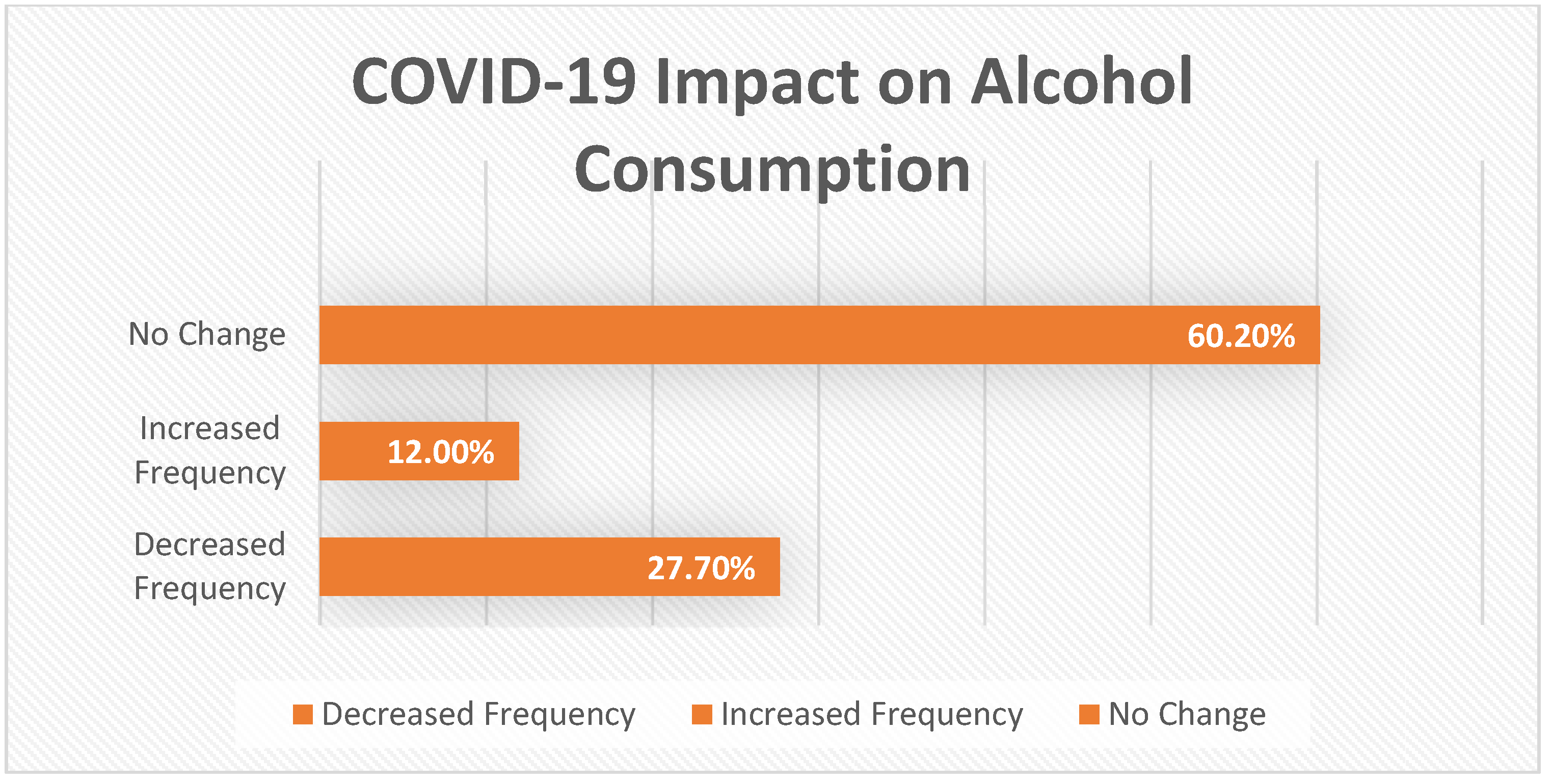
Most participants reported that the COVID-19 pandemic did not influence their alcohol consumption patterns. However, a minority indicated changes in either the mode or frequency of alcohol consumption during the pandemic period. (Figure 2)
No statistically significant association was observed between gender and perceived pandemic-related changes in alcohol consumption. Additionally, no significant associations were identified between reported negative emotional impact during the pandemic and specific alcohol consumption patterns or AUDIT risk categories. (Table 5)
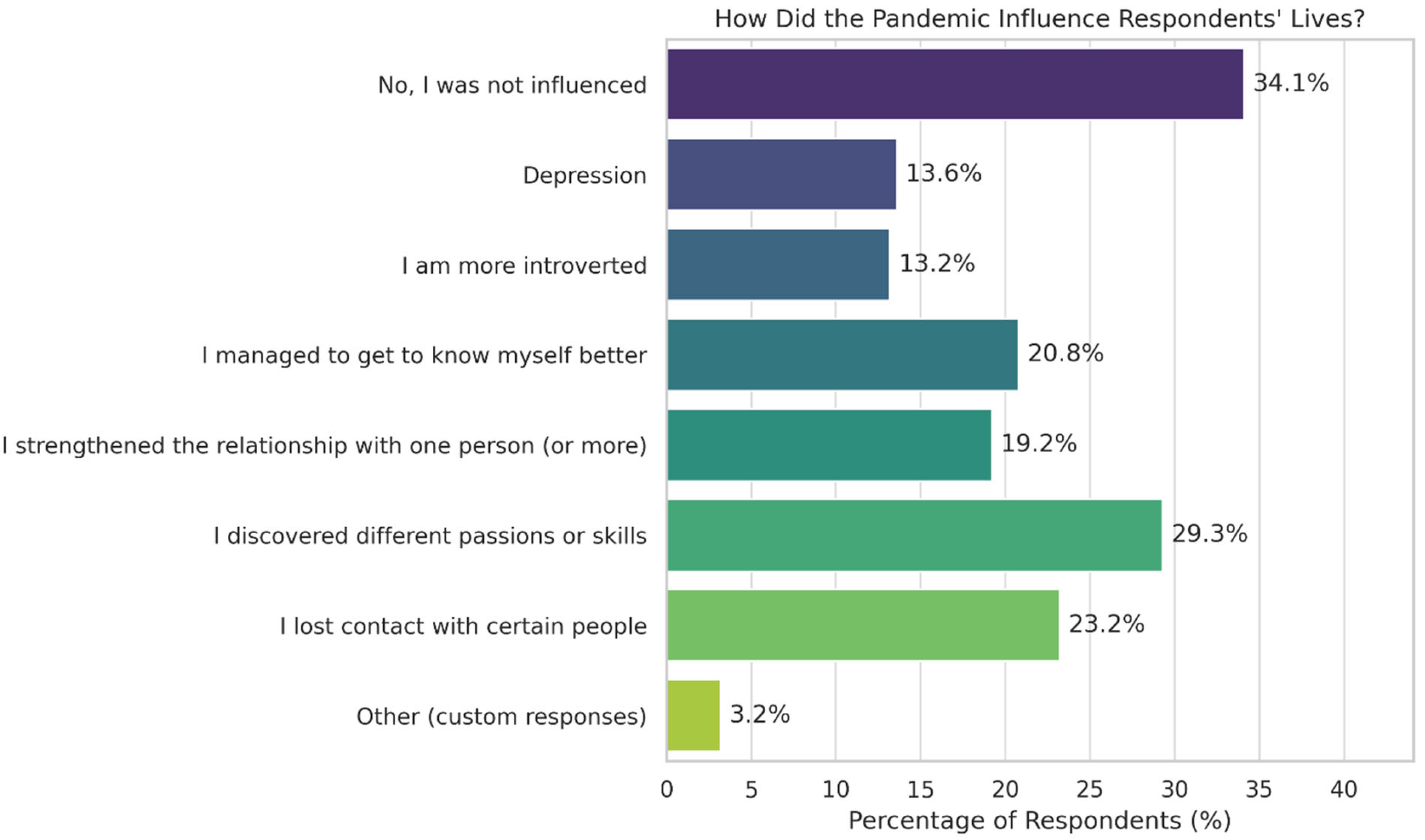
Most participants reported that their mode and frequency of alcohol consumption were not affected during the COVID-19 pandemic, with a minority indicating changes in either dimension (Table 6, Figure 3).
No statistically significant association was observed between the presence of depressive symptoms and AUDIT risk categories among participants (Table 7).

3.5. Alcohol Consumption Risk During the COVID-19 Pandemic

Regarding the perceived influence of the COVID-19 pandemic on drinking habits, our findings indicate a shift in consumption patterns. Among the study population, 40.7% of medical students reported a decrease in alcohol consumption during the pandemic, while 52.3% maintained their previous habits, and only 7% reported an increase.
When evaluating the risk using the AUDIT-C tool in this specific context, the mean score recorded was 1.95 (±1.44). Despite the overall trend of decreased consumption reported by some participants, the screening identified a relevant subgroup at risk. Specifically, 11% of the medical students reached the threshold for risky drinking behaviors even during the restrictive periods of the pandemic. These results suggest that while the pandemic-related social limitations reduced the frequency of consumption for many, a significant minority maintained or exhibited high-risk patterns that warrant clinical attention. No participants reached AUDIT-C values suggestive of severe risk (Table 8).

4. Discussion

The present study aimed to assess alcohol consumption patterns among young adults, evaluate associated lifestyle factors such as smoking, and identify individuals at risk of alcohol-related liver disease using the AUDIT and AUDIT-C scores. Additionally, the study examined whether the COVID-19 pandemic influenced alcohol consumption in this population [1,2,11,12,13].
Our results indicate a high prevalence of alcohol consumption among young adults, with only a small proportion of participants reporting abstinence. Most respondents consumed alcohol in moderate amounts, while a smaller subset engaged in high-risk drinking behaviors or exhibited scores suggestive of possible dependence. This finding confirms that alcohol use is common in this age group and underscores the importance of targeted prevention and early identification of risky consumption patterns [1,3,4,7,14,15].
The AUDIT and AUDIT-C analyses revealed that most participants fell within the low-risk drinking categories. Among medical students, AUDIT-C scores similarly indicated low-risk behaviors. These findings demonstrate that the majority of the population studied does not currently exhibit patterns associated with severe alcohol-related harm, although a minority remains at increased risk and may benefit from early intervention strategies [11,12,13,16].
Lifestyle factors were found to influence alcohol consumption. Males in the high-risk or potentially dependent groups showed a higher prevalence of elevated AUDIT scores, despite females representing the majority of the sample. Previous research has consistently shown that men tend to engage more frequently in heavy episodic drinking and exhibit higher alcohol-related risk profiles [3,17,18]. Smoking was significantly associated with higher AUDIT risk, and smokers were more likely to engage in heavy drinking, highlighting the co-occurrence of these risk behaviors in young adults [19,20,21].
Regarding the impact of the COVID-19 pandemic, most participants reported no changes in alcohol consumption patterns or frequency. No statistically significant associations were found between perceived pandemic effects, depressive symptoms, or negative impacts on quality of life and AUDIT risk categories. These results suggest that, within this sample, the pandemic did not substantially alter drinking behaviors. Previous international studies have reported mixed findings, with some populations demonstrating increased alcohol consumption during periods of stress and social isolation, while others reported stable or reduced consumption [22,23,24,25,26].
When interpreted in the context of previous research conducted in the same academic setting, the findings of the current study suggest a less severe profile of alcohol consumption compared with the 2021 study conducted among medical students from Victor Babeș University of Medicine and Pharmacy. In 2021, a higher prevalence of binge drinking, more frequent alcohol use, and elevated AUDIT-C scores, including very high values, indicated an increased long-term risk for alcohol-related liver disease [3,6,7,27,28,29].
In contrast, in the present study, most participants, including medical students, were classified as abstinent or low-risk drinkers, with only a small proportion reaching high-risk AUDIT or AUDIT-C categories. Although early alcohol initiation and the association between smoking and higher drinking risk persisted, the extreme AUDIT-C values observed in 2021 were no longer present [3,19,21,28].
These differences suggest a more favorable distribution of drinking behaviors in the current sample. However, as the two studies involved different samples and study designs, the results should be interpreted cautiously and considered hypothesis-generating rather than indicative of a definitive temporal trend [3,12,21,30].
Limitations of this study include the self-reported nature of the data, potential response bias, the relatively small and predominantly female sample, and the focus on a single geographic area. These factors may limit the generalizability of the findings. Future research should include larger and more diverse populations and examine long-term changes in alcohol consumption and related health outcomes [1,7,29,31].
Overall, the study provides evidence of the distribution of alcohol consumption patterns and associated risk factors in a young adult population. The findings support the relevance of early screening using validated tools such as AUDIT and AUDIT-C to identify individuals at risk for alcohol-related harm, enabling timely prevention and intervention strategies [11,12,13,29,32,33]. Furthermore, recent data from the Romanian population underscores the severe impact that the COVID-19 context has had on patients with existing liver conditions, highlighting the critical link between the pandemic and liver health [34].

5. Conclusions

Alcohol consumption is highly prevalent among young adults, with the majority engaging in moderate drinking and a small proportion abstaining. Most participants exhibited low-risk drinking behaviors according to AUDIT and AUDIT-C scores, while a minority were classified as high-risk or at potential risk of dependence.
Demographic and lifestyle factors, including male sex and smoking, were associated with higher AUDIT risk scores, highlighting subgroups that may benefit from targeted interventions.
The COVID-19 pandemic had limited impact on alcohol consumption patterns within this sample, and depressive symptoms were not significantly associated with increased alcohol use. These findings provide insight into alcohol use behaviors and related risk factors in young adults and underscore the importance of early screening and prevention strategies.

Author Contributions

Conceptualization: A.P.T., T.V.M. and C.G.N.; methodology: T.V.M., C.G.N., P.C.T., M.N. and M.D.; software: R.L. and P.C.T.; validation: M.N., R.S. and A.P.; formal analysis: T.V.M., T.B.-M. and A.C.V.; investigation: A.P.T., C.G.N., P.C.T. and T.V.M.; resources P.C.T. and A.P.T.; data curation: R.L.; writing—original draft preparation: A.P.T., T.V.M. and C.G.N.; writing—review and editing T.B.-M., A.P., R.S. and M.N.; visualization: T.V.M. and M.N.; supervision: A.P. and R.S. All authors have read and agreed to the published version of the manuscript.

Funding

We would like to acknowledge Victor Babes University of Medicine and Pharmacy Timisoara for their support in covering the costs of publication for this research paper. Victor Babes University of Medicine and Pharmacy, Eftimie Murgu Square, No. 2, 300041 Timisoara, Romania.

Institutional Review Board Statement

The study was conducted according to the guidelines of the Declaration of Helsinki, revised in 2000, Edinburgh, and approved by the Institutional or Ethics Committee of Emergency County Hospital “Pius Brinzeu” Timisoara, where the study took place (protocol number 231/26 February 2021).

Informed Consent Statement

Informed consent was obtained from all subjects involved in the study.

Data Availability Statement

No new data were created or analyzed in this study.

Conflicts of Interest

The authors declare no conflicts of interest.

Correction Statement

This article has been republished with a minor correction to the existing affiliation information and funding statement. This change does not affect the scientific content of the article.

References

  1. World Health Organization. Global Status Report on Alcohol and Health 2018; WHO: Geneva, Switzerland, 2018; Available online: https://iris.who.int/handle/10665/274603 (accessed on 22 May 2025).
  2. World Health Organization. Global Status Report on Alcohol and Health and Treatment of Substance Use Disorders 2024; WHO: Geneva, Switzerland, 2024; Available online: https://www.who.int/publications/i/item/9789240096745 (accessed on 22 May 2025).
  3. Kuntsche, E.; Kuntsche, S.; Thrul, J.; Gmel, G. Binge drinking: Health impact, prevalence, correlates and interventions. Psychol. Health 2017, 32, 976–1017. [Google Scholar] [CrossRef] [Scilit] [PubMed]
  4. Wechsler, H.; Nelson, T.F. Binge drinking and the American college student: What’s five drinks? Psychol. Addict. Behav. 2001, 15, 287–291. [Google Scholar] [CrossRef] [PubMed]
  5. White, A.; Hingson, R. The burden of alcohol use: Excessive alcohol consumption and related consequences among college students. Alcohol Res. 2014, 35, 201–218. Available online: https://www.ncbi.nlm.nih.gov/pmc/articles/PMC3908712/ (accessed on 22 May 2025). [CrossRef] [Scilit] [PubMed]
  6. Rehm, J.; Shield, K.D. Global burden of alcohol use disorders and alcohol liver disease. Biomedicines 2019, 7, 99. [Google Scholar] [CrossRef] [Scilit]
  7. Griswold, M.G.; Fullman, N.; Hawley, C.; Arian, N.; Zimsen, S.R.; Tymeson, H.D.; Venkateswaran, V.; Tapp, A.D.; Forouzanfar, M.H.; Salama, J.S.; et al. Alcohol use and burden for 195 countries and territories, 1990–2016: A systematic analysis for the Global Burden of Disease Study 2016. Lancet 2018, 392, 1015–1035. [Google Scholar] [CrossRef] [Scilit]
  8. Mueller, S.; Heilig, M. (Eds.) Alcohol and Alcohol-Related Diseases, 1st ed.; Springer Nature: Cham, Switzerland, 2023; Available online: https://link.springer.com/book/10.1007/978-3-031-32483-3?utm_medium=referral&utm_source=sn&utm_content=RM&&utm_campaign=CONR_TBOOK_CON1_GL_PBOK_05YVV_CTB25-MEDE (accessed on 22 May 2025).
  9. National Institute of Public Health (Romania). Alcohol Consumption in Romania—Public Health Implications; INSP: Bucharest, Romania, 2024. Available online: https://insp.gov.ro/wp-content/uploads/2024/06/Analiza-de-situatie-alcool-2024.pdf (accessed on 22 May 2025).
  10. Hibell, B.; Guttormsson, U.; Ahlström, S.; Balakireva, O.; Bjarnason, T.; Kokkevi, A.; Kraus, L. The 2019 ESPAD Report: Substance Use Among Students in 35 European Countries; Publications Office of the European Union: Luxembourg, 2020; Available online: https://www.espad.org/report/home (accessed on 22 May 2025).
  11. Saunders, J.B.; Aasland, O.G.; Babor, T.F.; de la Fuente, J.R.; Grant, M. Development of the Alcohol Use Disorders Identification Test (AUDIT): WHO collaborative project on early detection of persons with harmful alcohol consumption. Addiction 1993, 88, 791–804. [Google Scholar] [CrossRef] [Scilit]
  12. Bush, K.; Kivlahan, D.R.; McDonell, M.B.; Fihn, S.D.; Bradley, K.A. The AUDIT Alcohol Consumption Questions (AUDIT-C): An effective brief screening test for problem drinking. Arch. Intern. Med. 1998, 158, 1789–1795. [Google Scholar] [CrossRef] [Scilit]
  13. Falk, D.E.; Yi, H.Y.; Hiller-Sturmhöfel, S. An epidemiologic analysis of co-occurring alcohol and tobacco use. Alcohol Res. Health 2006, 29, 162–171. Available online: https://www.ncbi.nlm.nih.gov/pmc/articles/PMC6527038/ (accessed on 22 May 2025).
  14. Wicki, M.; Kuntsche, E.; Gmel, G. Drinking at European universities? A review of students’ alcohol use. Addict. Behav. 2010, 35, 913–924. [Google Scholar] [CrossRef] [Scilit]
  15. O’Malley, P.M.; Johnston, L.D. Epidemiology of alcohol and other drug use among American college students. J. Stud. Alcohol Suppl. 2002, 14, 23–39. [Google Scholar] [CrossRef] [Scilit]
  16. Rehm, J.; Gmel, G.E.S.; Gmel, G.; Hasan, O.S.M.; Imtiaz, S.; Popova, S.; Probst, C.; Roerecke, M.; Room, R.; Samokhvalov, A.V.; et al. The relationship between different dimensions of alcohol use and the burden of disease-an update. Addiction 2017, 112, 968–1001. [Google Scholar] [CrossRef] [Scilit] [PubMed]
  17. Davoren, M.P.; Demant, J.; Shiely, F.; Perry, I.J. Alcohol consumption among university students in Ireland and the United Kingdom. BMC Public Health 2016, 16, 173. [Google Scholar] [CrossRef] [Scilit] [PubMed]
  18. Wilsnack, R.W.; Wilsnack, S.C.; Kristjanson, A.F.; Vogeltanz-Holm, N.D.; Gmel, G. Gender and alcohol consumption: Patterns from the multinational GENACIS project. Addiction 2009, 104, 1487–1500. [Google Scholar] [CrossRef] [Scilit] [PubMed]
  19. Babor, T.F.; Higgins-Biddle, J.C.; Saunders, J.B.; Monteiro, M.G. AUDIT: The Alcohol Use Disorders Identification Test—Guidelines for Use in Primary Care, 2nd ed.; World Health Organization: Geneva, Switzerland, 2001; Available online: https://apps.who.int/iris/handle/10665/67205 (accessed on 22 May 2025).
  20. Verplaetse, T.L.; McKee, S.A. An overview of alcohol and tobacco interactions in humans. Alcohol Res. 2017, 38, 197–207. Available online: https://www.ncbi.nlm.nih.gov/pmc/articles/PMC5513689/ (accessed on 22 May 2025).
  21. Drobes, D.J. Concurrent alcohol and tobacco dependence. Alcohol Res. Health 2002, 26, 136–142. Available online: https://pubmed.ncbi.nlm.nih.gov/12154648/ (accessed on 22 May 2025).
  22. Kilian, C.; Rehm, J.; Allebeck, P.; Braddick, F.; Gual, A.; Barták, M.; Bloomfield, K.; Gil, A.; Neufeld, M.; O’Donnell, A.; et al. Alcohol consumption during the COVID-19 pandemic in Europe: A large-scale cross-sectional study in 21 countries (preprint). Res. Sq. 2021, 116, 3369–3380. [Google Scholar] [CrossRef] [Scilit]
  23. Kilian, C.; Carr, S.; Schulte, B.; Manthey, J. Increased alcohol-specific mortality in Germany during COVID-19: State-level trends from 2010 to 2020. Drug Alcohol. Rev. 2023, 42, 633–640. [Google Scholar] [CrossRef] [Scilit] [PubMed] [PubMed Central]
  24. Clay, J.M.; Parker, M.O. Alcohol use and misuse during the COVID-19 pandemic: A potential public health crisis. Lancet Public Health 2020, 5, e259. [Google Scholar] [CrossRef] [Scilit]
  25. Pollard, M.S.; Tucker, J.S.; Green, H.D. Changes in adult alcohol use during the COVID-19 pandemic. JAMA Netw. Open 2020, 3, e2022942. [Google Scholar] [CrossRef] [Scilit]
  26. Barbosa, C.; Cowell, A.J.; Dowd, W.N. Alcohol Consumption in Response to the COVID-19 Pandemic in the United States. J. Addict. Med. 2021, 15, 341–344. [Google Scholar] [CrossRef] [Scilit]
  27. Testino, G. Alcoholic diseases in hepato-gastroenterology. Hepatogastroenterology 2008, 55, 371–377. Available online: https://pubmed.ncbi.nlm.nih.gov/18613374/ (accessed on 23 May 2025).
  28. Seitz, H.K.; Bataller, R.; Cortez-Pinto, H.; Gao, B.; Gual, A.; Lackner, C.; Mathurin, P.; Mueller, S.; Szabo, G.; Tsukamoto, H. Alcoholic liver disease. Nat. Rev. Dis. Primers 2018, 4, 16. [Google Scholar] [CrossRef] [Scilit]
  29. Rehm, J.; Taylor, B.; Mohapatra, S.; Irving, H.; Baliunas, D.; Patra, J.; Roerecke, M. Alcohol as a risk factor for liver cirrhosis. Drug Alcohol. Rev. 2010, 29, 437–445. [Google Scholar] [CrossRef] [Scilit]
  30. Dawson, D.A.; Grant, B.F.; Li, T.K. Quantifying the risks associated with exceeding recommended drinking limits. Alcohol Clin. Exp. Res. 2005, 29, 902–908. [Google Scholar] [CrossRef] [Scilit]
  31. Shield, K.D.; Parry, C.; Rehm, J. Chronic diseases and conditions related to alcohol use. Alcohol Res. 2013, 35, 155–173. Available online: https://www.ncbi.nlm.nih.gov/pmc/articles/PMC3908707/ (accessed on 23 May 2025). [CrossRef]
  32. Babor, T.F.; Higgins-Biddle, J.C. Brief Intervention for Hazardous Drinking: A Manual for Use in Primary Care; World Health Organization: Geneva, Switzerland, 2001; Available online: https://apps.who.int/iris/handle/10665/67210 (accessed on 23 May 2025).
  33. Simpson, R.F.; Hermon, C.; Liu, B.; Green, J.; Reeves, G.K.; Beral, V.; Floud, S. Alcohol drinking patterns and liver cirrhosis risk. BMC Public Health 2019, 19, 148. [Google Scholar] [CrossRef] [Scilit]
  34. Moga, T.V.; Foncea, C.; Bende, R.; Popescu, A.; Burdan, A.; Heredea, D.; Danilă, M.; Miutescu, B.; Ratiu, I.; Bizerea-Moga, T.O.; et al. Impact of COVID-19 on Patients with Decompensated Liver Cirrhosis. Diagnostics 2023, 13, 600. [Google Scholar] [CrossRef] [Scilit] [PubMed] [PubMed Central]
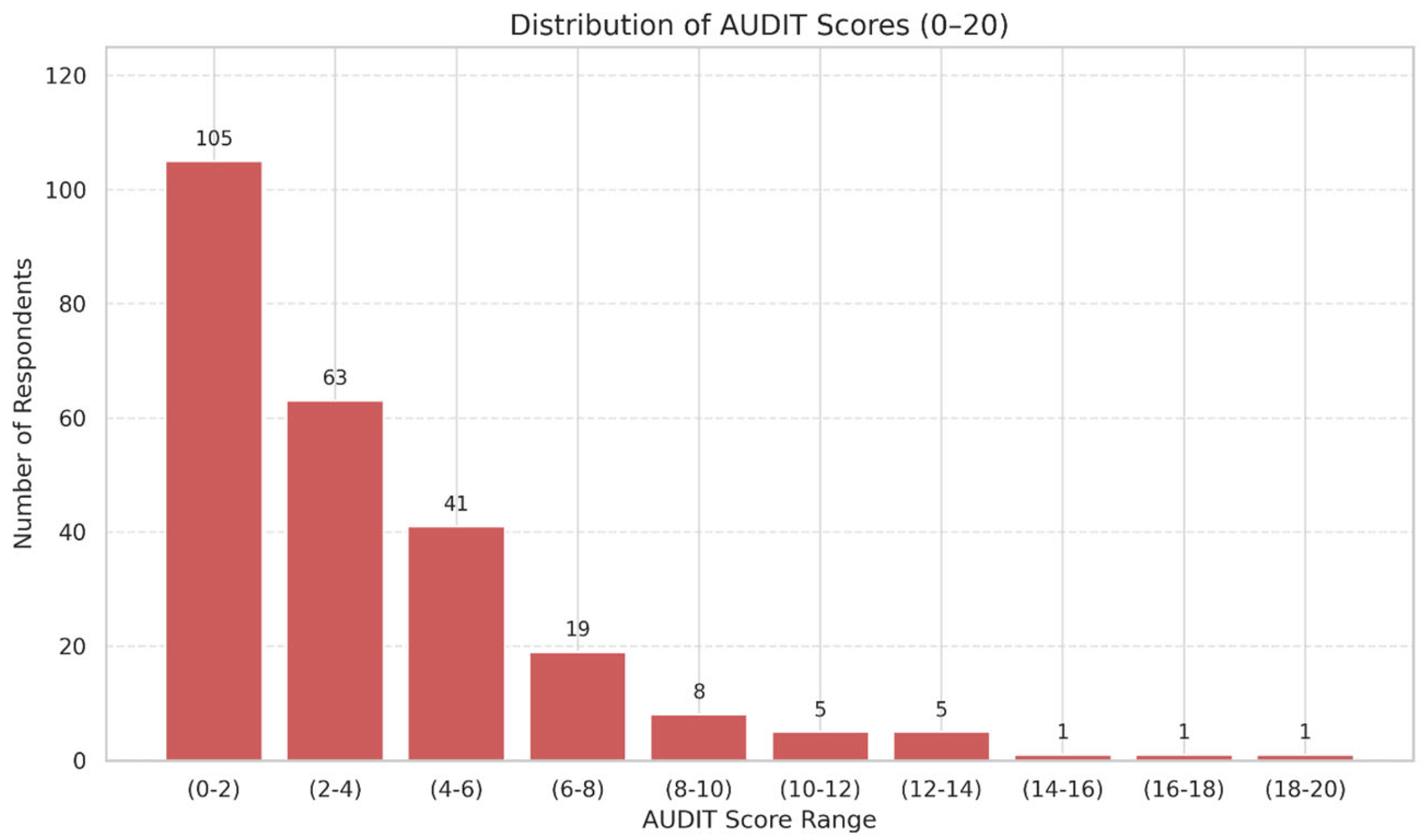
Figure 1. Distribution of the AUDIT scores among respondents.
Covid 06 00055 g001
Figure 2. COVID-19 impact on alcohol consumption.
Covid 06 00055 g002
Figure 3. The impact of the pandemic on respondents’ lives.
Covid 06 00055 g003
Table 1. Characteristics of the group: participants by age, gender, urban/rural origin, and occupation.
ParametersSubjects
Age18–205.2%
20–2564.6%
25–308.8%
+3021.2%
GenderFemales68.6%
Males31.3%
PlaceUrban81%
Rural19%
OccupationStudents63.4%
Employed36.5%
Table 2. Questions regarding alcohol consumption.
QuestionTypeCategory
1.
What type of alcoholic beverages do you usually drink?
General InquiryAlcohol Preferences
2.
Are you a smoker? Do you tend to associate smoking with drinking alcohol?
General InquirySmoking and Alcohol Association
3.
How would you describe your way of consuming alcoholic beverages?
General InquiryDrinking Habits
4.
Select the situations below in which you find yourself consuming alcoholic beverages.
General InquirySituations and Motivations
5.
How often do you consume an alcoholic beverage?
AUDIT-CFrequency of Consumption
6.
How many standard units of alcohol do you usually consume on one occasion?
AUDIT-CQuantity Consumed Per Occasion
7.
How often do you consume 5 or more drinks on one occasion?
AUDIT-CBinge Drinking Frequency
8.
How often, in the last year, were you unable to stop drinking once you started?
AUDITLoss of Control
9.
How often in the past year did you fail to do what you normally should have done?
AUDITFunctionality Disruption
10.
How often, in the last year, have you needed a drink early in the morning after a period of heavy drinking?
AUDITWithdrawal behavior
11.
How often in the past year have you had a feeling of guilt/remorse after drinking alcohol?
AUDITPsychological impact
12.
How often in the past year have you been unable to remember what happened the night before due to drinking?
AUDITBlackouts and memory loss
13.
Have you or another person been injured as a result of alcohol consumption?
AUDITRisk of harm
14.
Do you have a relative, friend, or doctor who worried or suggested you stop drinking alcohol?
AUDITConcern and Intervention
15.
Do you consider that the period of the pandemic (COVID-19) has influenced your way of consuming alcoholic beverages?
Contextual InquiryPandemic Influence
16.
During the pandemic, did you feel the need to consume alcohol-based drinks more often?
Contextual InquiryPandemic Frequency Impact
17.
Do you consider that the period of the pandemic influenced your life in any way? If so, in what way?
Contextual InquiryBroader Pandemic Influence
Table 3. Risk class according to gender.
FemalesMalesp-Value
Abstinence930.08
Low risk14761<0.0001
High risk14120.68
at risk of dependence130.31
Table 4. Association between smoking and risk class according to the AUDIT score: Smokers are more likely to engage in higher-risk drinking behaviors. Non-smokers have a higher proportion of abstinent or low-risk drinkers.
Smoking+Smoking−Total
Total92 (36.9%)157 (63.1%)249
Abstinence012 (4.8%)12
Low risk74 (29.7%)134 (53.8%)208
High risk16 (6.4%)10 (4.0%)26
Risk of addiction2 (0.8%)1 (0.4%)3
Table 5. The influence of the COVID-19 pandemic on alcohol consumption: these questions correspond to questions 15 and 16 of our questionnaire.
QuestionResponse OptionsResponse Distribution
1: Do you consider that the period of the pandemic (COVID-19) has influenced the way you consume alcoholic beverages?Yes/NoYes: 18.4% (46/249)
No: 81.5% (203/249)
Female ResponsesYes/NoYes: 19.2% (33/171)
No: 80.7% (138/171)
Male ResponsesYes/NoYes: 16.6% (13/78)
No: 83.3% (65/78)
Statistical Significance (Gender vs. Influence)-p = 0.85
2: During the pandemic, did you feel the need
to consume alcohol-based drinks more often?
More Often/Same/Less OftenMore Often: 12% (30/249)
Same: 60.2% (150/249)
Less Often: 27.7% (69/249)
Table 6. Comparison of responses to questions about mode and frequency of consumption.
Question 2Question 1Answers
Yes, I consume more oftenYes27
No3
No, I consume the sameYes8
No142
No, I consume less oftenYes11
No58
Table 7. Association between the presence of depression and the AUDIT risk class.
AUDIT RiskDepression+Depression−p-Value
Abstinence1110.69
Low risk251380.34
High risk7190.15
Addiction120.42
Table 8. The distribution of AUDIT-C scores among the 104 medical students from the study.
AUDIT-C Score-PointsNumber of ParticipantsRisk Category
03Abstinence
122Low Risk
217Low Risk
320Low Risk
417Low Risk
513High Risk
64High Risk
78High Risk
Disclaimer/Publisher’s Note: The statements, opinions and data contained in all publications are solely those of the individual author(s) and contributor(s) and not of MDPI and/or the editor(s). MDPI and/or the editor(s) disclaim responsibility for any injury to people or property resulting from any ideas, methods, instructions or products referred to in the content.