
Article

Informed Yet Unvaccinated: Investigating COVID-19 Vaccine Hesitancy Among Syrian University Students Using the 5C Framework

1
Division of Bioorganic Chemistry, School of Pharmacy, Saarland University, D-66123 Saarbrücken, Germany
2
Department for Economics and Sociology of Sports, Faculty of Economics and Empirical Human Sciences, Institute of Sport Sciences, Saarland University, D-66123 Saarbrücken, Germany
3
Department of Statistics, Faculty of Agricultural Economics, Damascus University, Damascus P.O. Box 30621, Syria
4
Media Psychology Research Center, Newport Beach, CA 92660, USA
5
Department of Biochemistry and Microbiology, Faculty of Pharmacy, Arab International University (AIU), Daraa P.O. Box 16180, Syria
*
Author to whom correspondence should be addressed.
COVID 2025, 5(9), 159; https://doi.org/10.3390/covid5090159
Submission received: 1 August 2025 / Revised: 9 September 2025 / Accepted: 17 September 2025 / Published: 19 September 2025
(This article belongs to the Special Issue COVID and Public Health)

Abstract

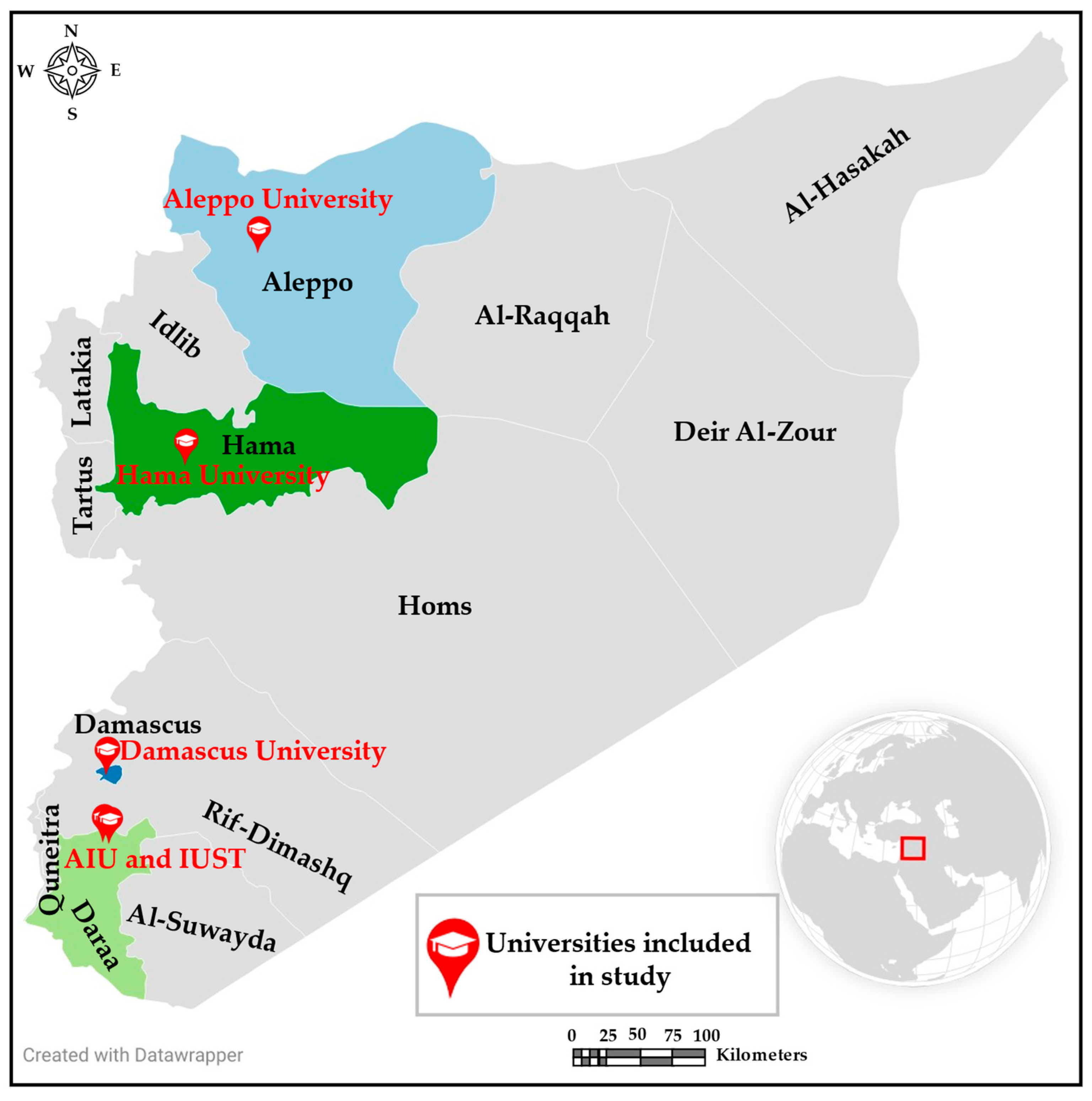
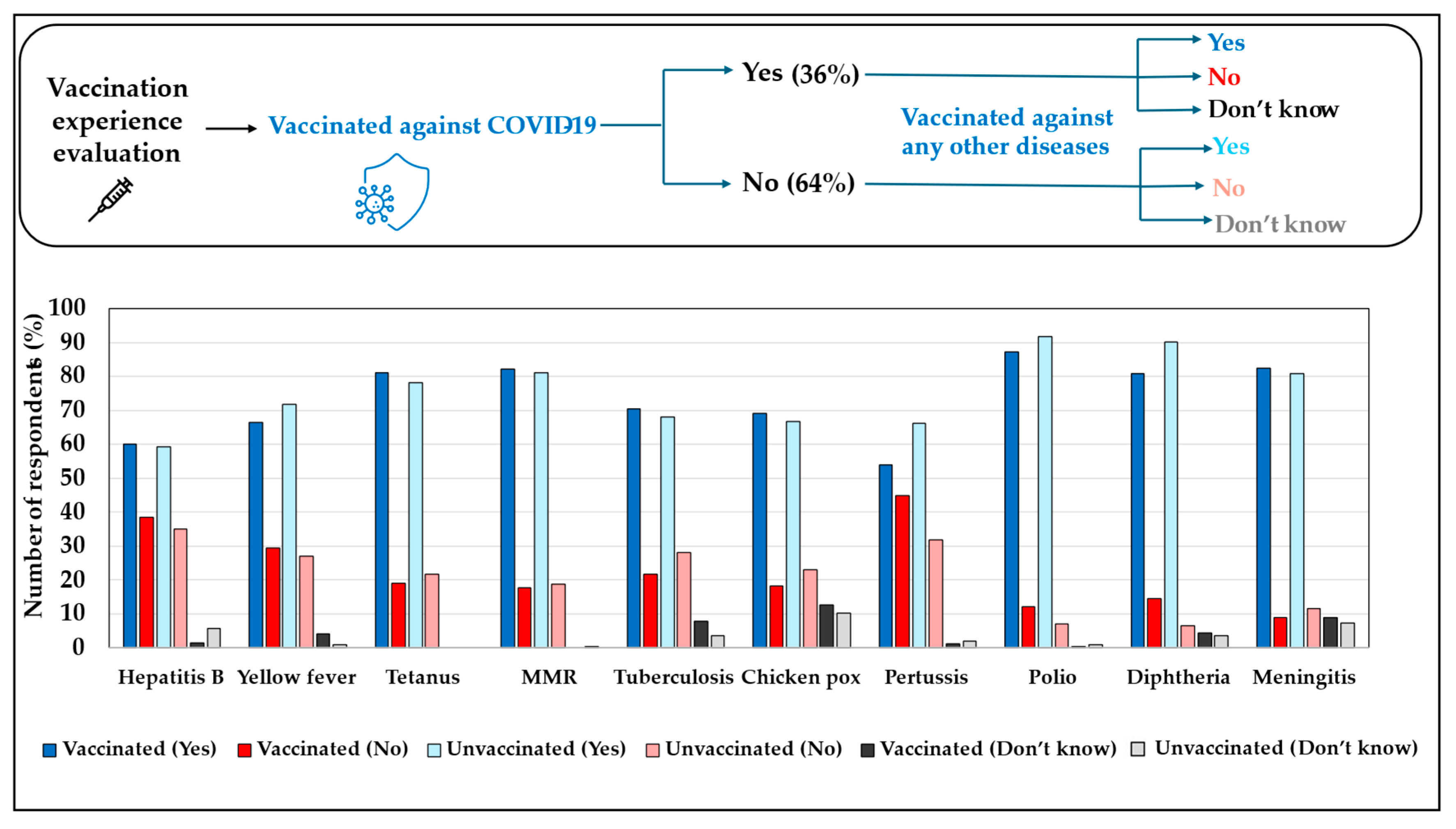
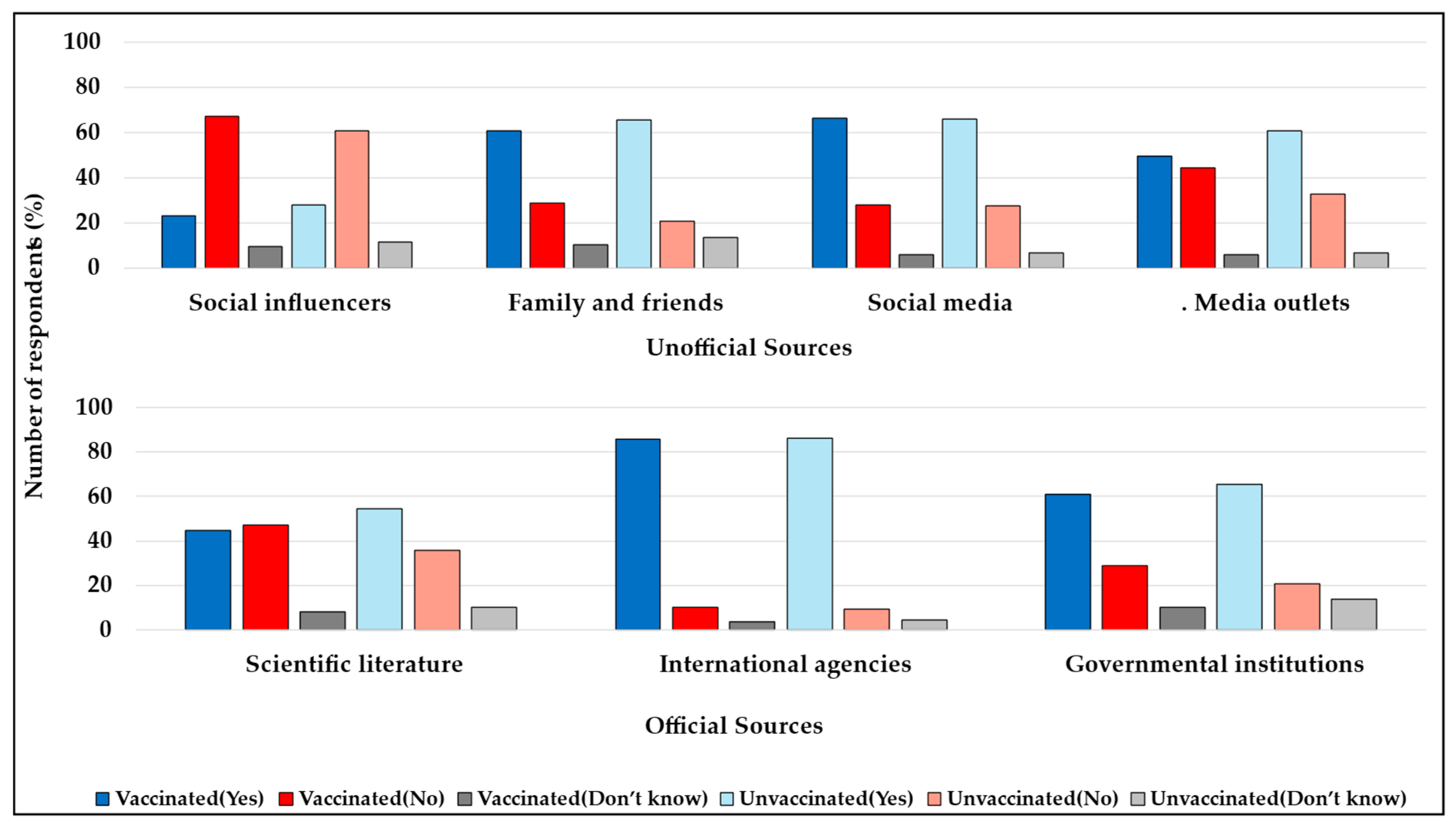
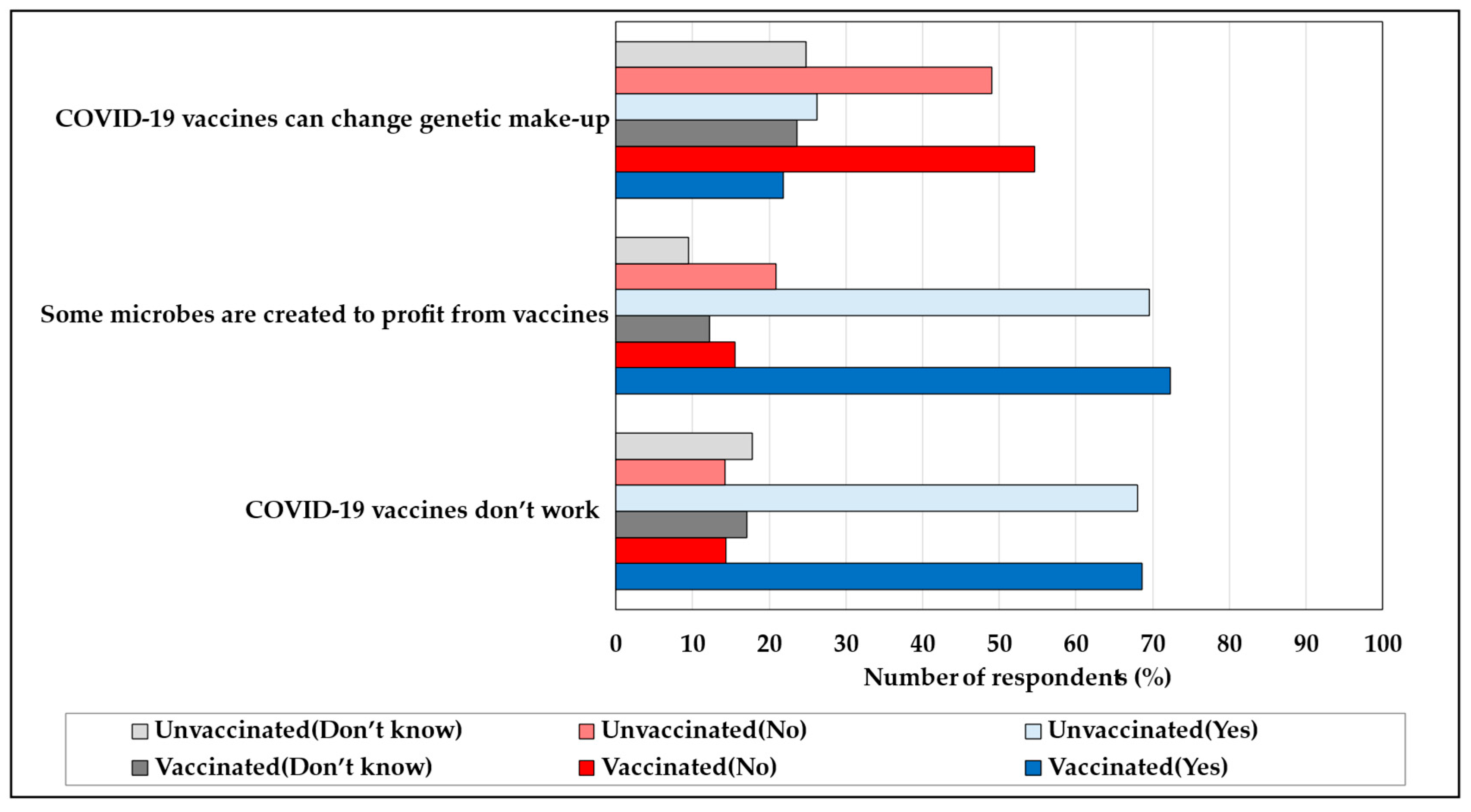
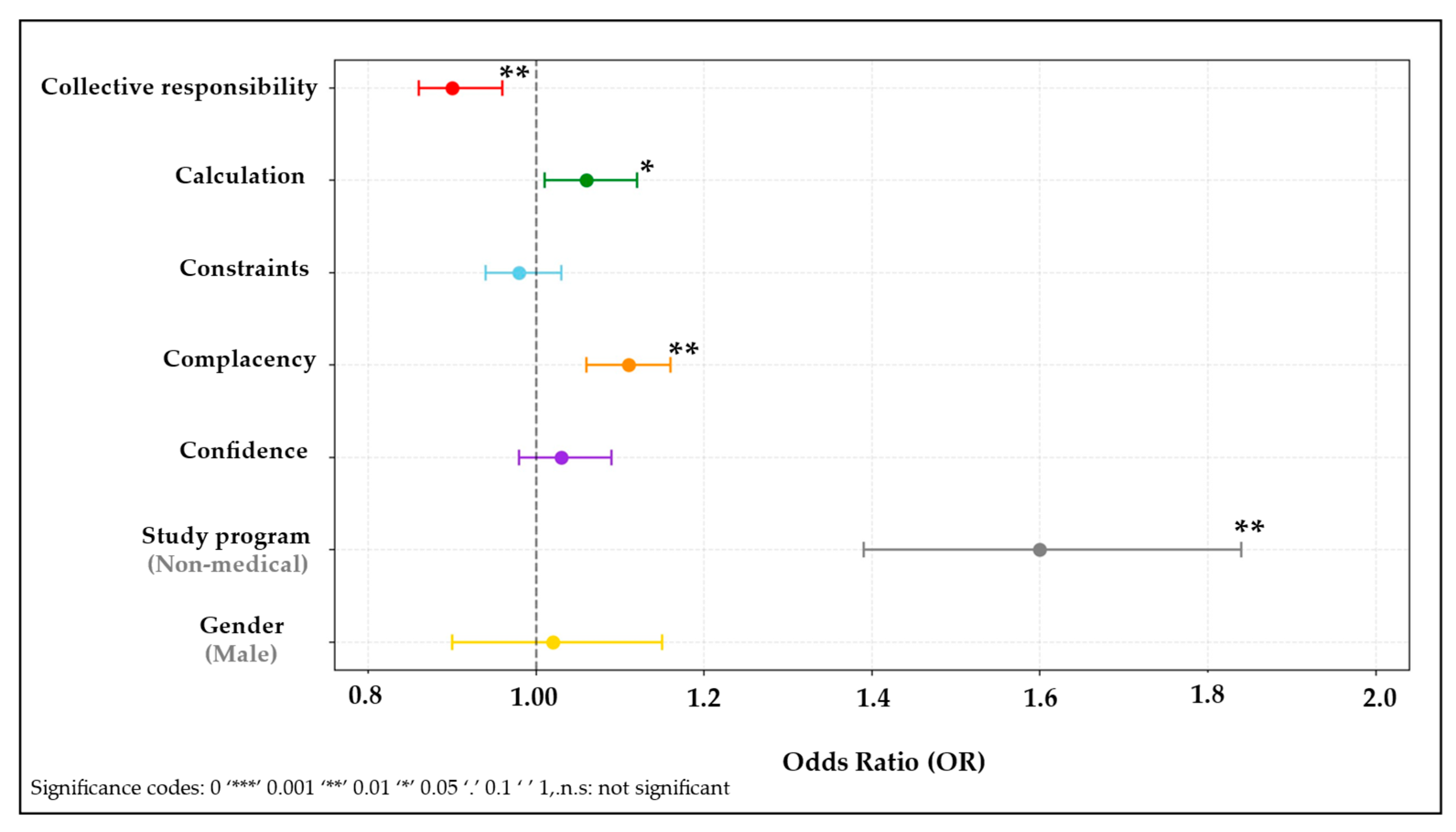
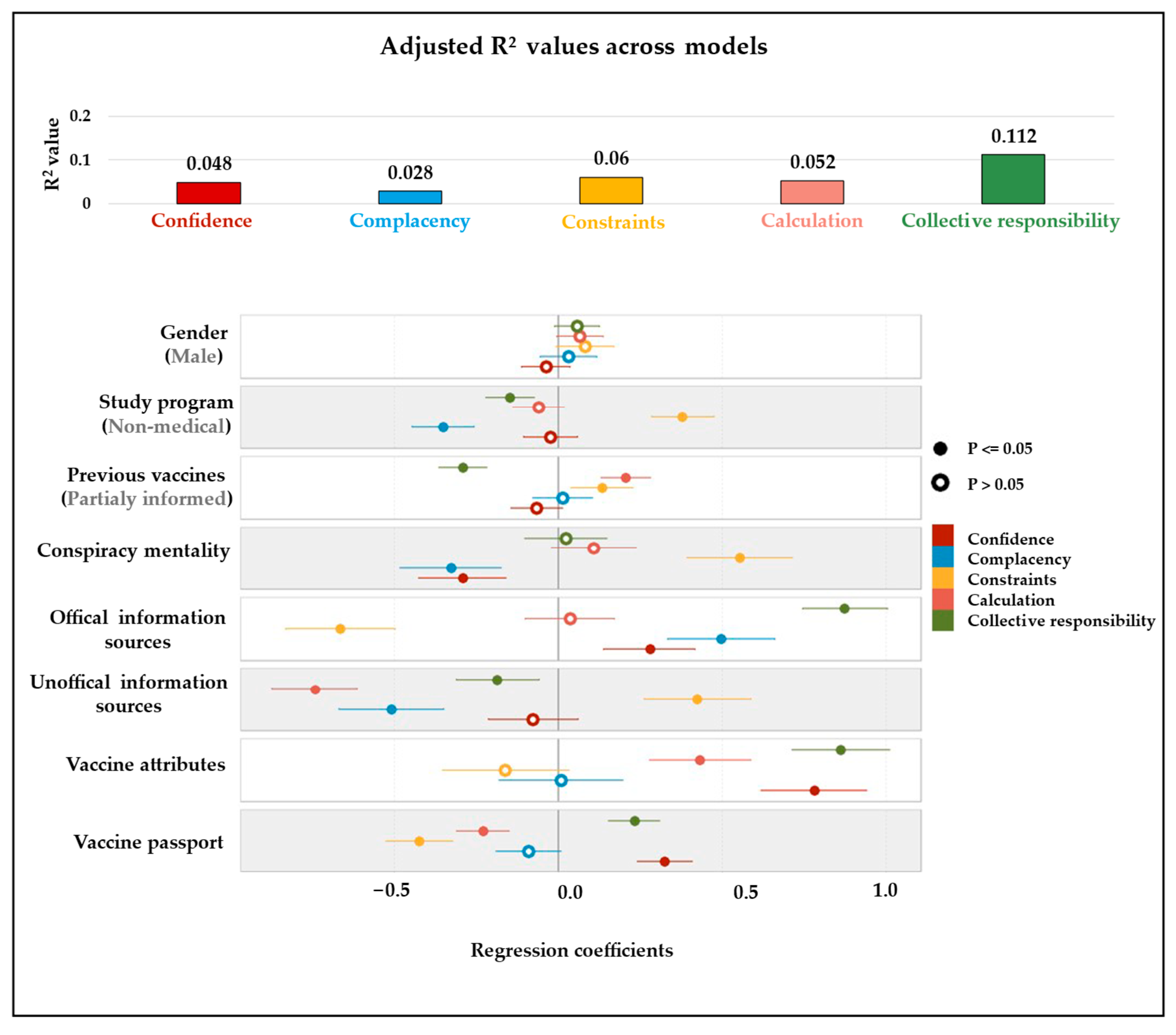
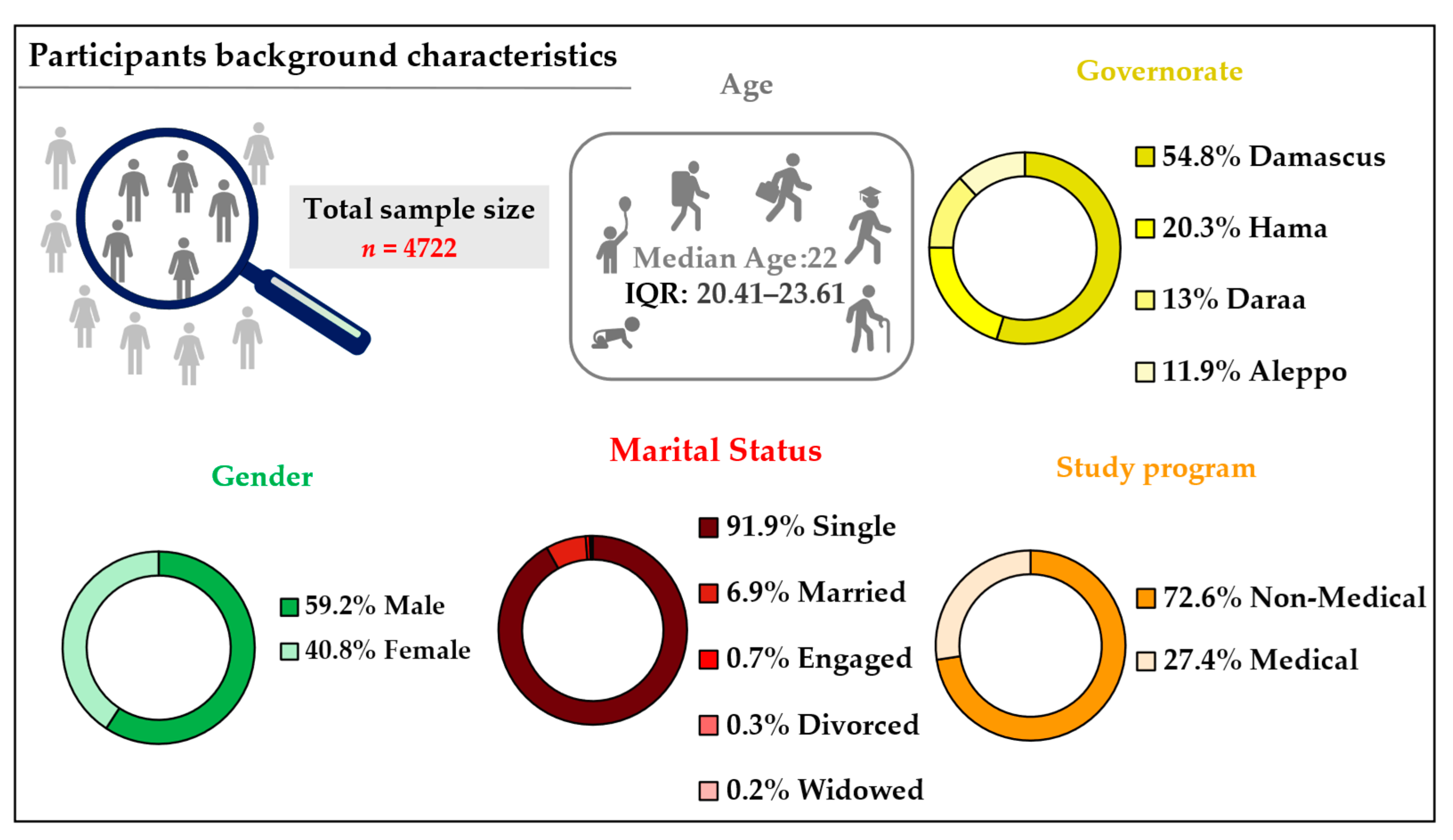
Background: Vaccine hesitancy (VH) remains a pressing global health concern, particularly in low-resource settings, where vaccination remains the primary means of protection against infection. The urgency of this issue became evident during the COVID-19 pandemic. The present study aimed to elucidate the determinants of vaccine hesitancy among university students in medical and non-medical fields in Syria by utilizing the 5C framework (confidence, complacency, constraints, calculation, and collective responsibility). Methods: A structured interview-administered questionnaire collected responses from 4722 students at five universities in Syria. The questionnaire assessed sociodemographic factors, COVID-19 vaccination status, vaccination experience, sources of information, beliefs in vaccine-related conspiracies, attitudes toward vaccine policies and attributes, and the 5C psychological antecedents. Internal consistency and factor analysis of the Arabic 5C scale were performed to ensure construct validity. Statistical analyses included descriptive statistics, logistic regression, and multivariate multiple regression. Results: Our findings revealed that 64% of participants had not received the COVID-19 vaccine, with official sources (e.g., WHO, Ministry of Health) being the most trusted. The highest 5C score was for calculation (5.86, sd = 1.21), followed by confidence (5.29, sd = 1.26). Belief in vaccine conspiracies was common, particularly regarding profit motives and genetic modification. Only three of the 5C—complacency, calculation, and collective responsibility—significantly, predicted vaccination behavior, while all the 5C were influenced by contextual factors. Non-medical students showed significantly higher hesitancy (OR = 1.60, 95% CI [1.39–1.84, p < 0.001]) compared to their medical counterparts. Hesitant respondents displayed significantly, higher complacency, increased calculation, and reduced collective responsibility scores. Conspiracy beliefs eroded confidence and magnified perceived barriers, whereas trust in official sources and favorable views of the vaccine’s attributes strengthened collective responsibility and acceptance. The regression models explained 2.8% to 11.2% of variance across the 5C, with collective responsibility showing the highest explanatory power (adjusted R2 = 0.112). Conclusions: Despite high self-reported knowledge, significant VH persisted—a paradox that highlights the limits of information alone. Given the cross-sectional design and the modest explanatory power of the models, these recommendations are tentative. These findings highlight the need for trust-based interventions targeting populations in conflict-affected areas.
Keywords: COVID-19 vaccine hesitancy; 5C psychological model; conflict-affected settings; conspiracy beliefs; information sources; public health interventions COVID-19 vaccine hesitancy; 5C psychological model; conflict-affected settings; conspiracy beliefs; information sources; public health interventions