Review

How the Microbiome Affects Canine Health

by
Mariah Graham Valbuena
1,2 and
Michelle Marie Esposito
1,3,4,*
1
Department of Biology, College of Staten Island, City University of New York, 2800 Victory Blvd, Staten Island, New York, NY 10314, USA
2
DVM Program in School of Veterinary Medicine, Universidad Ana G. Mendez, Gurabo, PR 00778, USA
3
PhD Program in Biology, The Graduate Center, City University of New York, New York, NY 10016, USA
4
Macaulay Honors College, City University of New York, New York, NY 10023, USA
*
Author to whom correspondence should be addressed.
Appl. Microbiol. 2025, 5(4), 148; https://doi.org/10.3390/applmicrobiol5040148
Submission received: 11 November 2025 / Revised: 8 December 2025 / Accepted: 9 December 2025 / Published: 11 December 2025

Abstract

The microbiota, comprising microorganisms and their genes, plays a crucial role in health and disease susceptibility. Recent advances have enhanced our understanding of these microbial communities in dogs, which vary by body site—skin, ears, eyes, lungs, etc.—and are influenced by factors such as age, breed, sex, environment, and diet. Dysbiosis, or microbial imbalance, is increasingly linked to various health conditions. Investigating these microbial communities can lead to improved strategies for maintaining pet health. This review explores the impact of microbiota across multiple canine systems, including dental, gut, cardiac, skin, renal, as well as dietary influences. Clinically, microbiome analyses can provide valuable insight into the bacterial changes in healthy versus diseased states and can be used as potential biomarkers for veterinary diagnostics. The information gained from these analyses can also allow for more effective management strategies to be developed, increasing treatment efficacy. This review seeks to demonstrate the crucial role that microbiome analyses could play in future veterinary preventative medicine, diagnostics, and treatment plans. Here we connect microbial dysbiosis, bacterial and fungal, to local and systemic health issues, and then examine the implications towards treatment, especially in cases of high resistance. As microbiota communities on and in dogs are a potential reservoir for human spread, the information elucidated within this review also helps future assessments of pathogenicity and transmission mechanisms that could lead to dangerous zoonotic spread of disease.

1. Introduction

Organisms harbor microscopic residents, the microbiota, which are the actual microbes, and the microbiome, encompassing both the microbes and their genes [1]. These communities live in a harmonious partnership with us, affecting both our health and susceptibility to disease [2]. Dogs have unique sets of microbes depending on the body location—skin, ears, eyes, lungs, and so on [3]. While a core group of microbes might be common across different body sites in dogs, several factors influence their composition. Internal factors like age, breed, and sex play a role, along with external factors like environment (lifestyle, city vs. countryside) and diet [4]. It is now known that imbalances (dysbiosis) in these microbial communities seem to be linked to certain medical conditions. By understanding how these tiny residents establish themselves and function within, we can explore better ways to protect pets [3]. Since the effects of microbiota expands across every field of the body, several systems of the canine will be discussed, from dental health, gut microbiome, cardiac health, skin health, and kidneys, to diet [3]. This review explores the impact of microbial dysbiosis in each of those systems, highlighting the progression of disease and decline in overall health. By better elucidating the connections between microbial dysregulation and canine health, we aim to demonstrate the potential for veterinary interventions of preventative medicine, improved diagnostics, and more effective treatment plans.

2. Dental

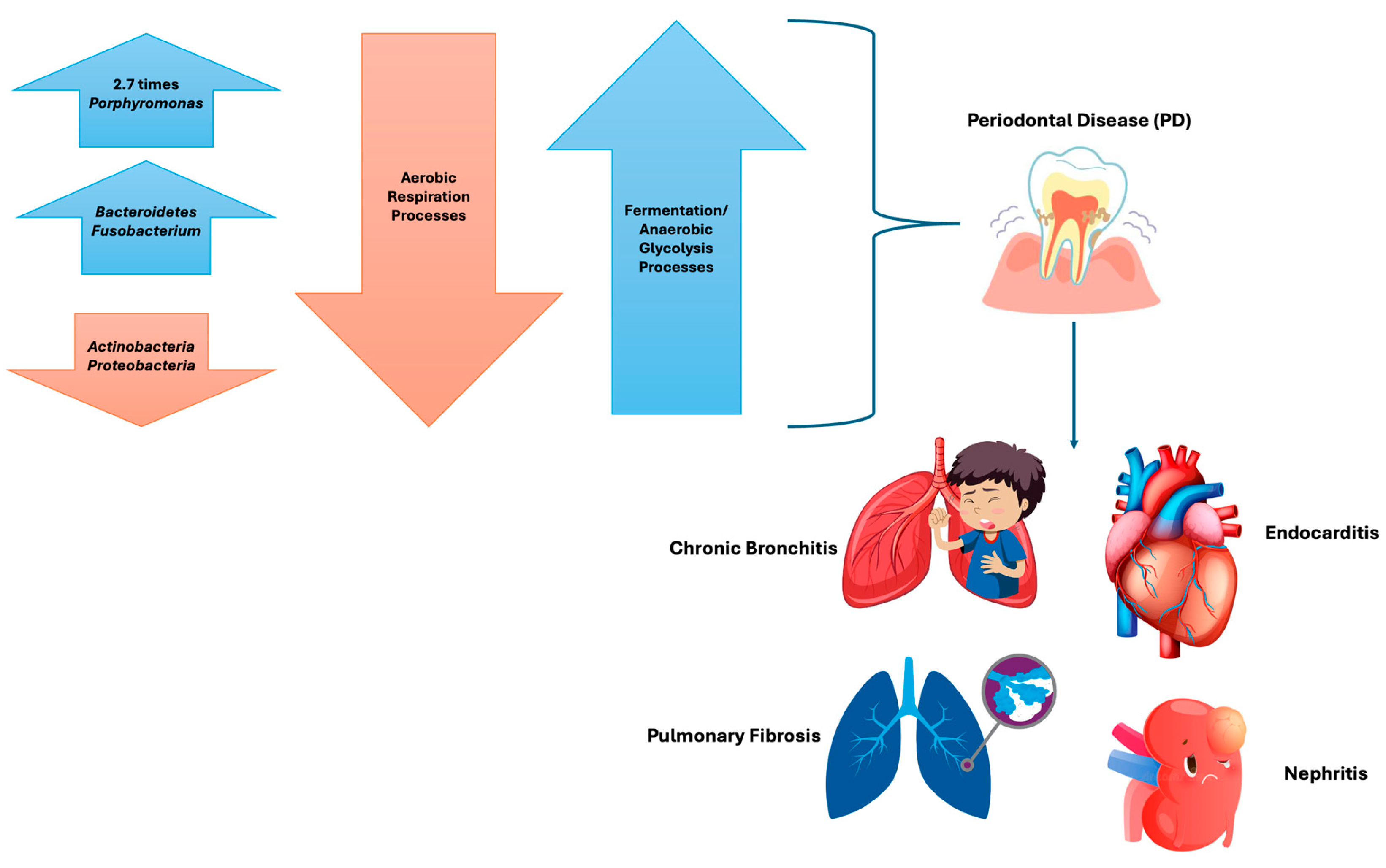
The canine oral microbiome is a vast and significant player in whole body health and wellness [5]. Periodontal Disease (PD) is a common issue in dogs caused by the buildup of dysbiosis of plaque (biofilm of microbiome) in the mouth [6]. Regular veterinary checkups, which typically involve examining the mouth of conscious dogs, find it in 9.3 to 18.2% of canine patients [6]. However, this number jumps significantly to 44–100% when more in-depth examinations are performed on anesthetized dogs [6]. This suggests that visual assessments might underestimate the prevalence of PD in dogs [6]. The Gingival Index (GI) is a clinical tool used to measure the severity of gum inflammation, or gingivitis [7]. Developed by Loe and Silness, it assesses the condition of the gums based on factors such as color, swelling, bleeding, and ulceration [7]. Although this index was created for humans, this same index is used in the veterinary field to assess health on a scale of healthy to severe inflammation [7]. While useful for research and epidemiological studies, the GI is less commonly used for individual patient assessment due to its limitations in capturing the full spectrum of PD [7]. PD (PD) in dogs not only poses major effects on oral health but it also presents a potential risk factor for the development of systemic diseases [8]. Bacteremia, the presence of bacteria in the bloodstream, can occur due to inflamed gums in PD [8]. This bacterial influx triggers an inflammatory response throughout the body, potentially contributing to the development of various systemic diseases in dogs. These include, but are not limited to, chronic bronchitis, pulmonary fibrosis, endocarditis, and nephritis (Figure 1) [8]. Cross-sectional, case–control, and longitudinal studies in humans have established a strong association between PD and cardiovascular disease [8]. A historical observational cohort study of over 59,000 dogs demonstrated a significant correlation between the severity of PD and the risk of cardiovascular diseases such as endocarditis and cardiomyopathy (Figure 1) [8]. This highlights the importance of promoting canine dental health and implementing routine preventive dental care for overall well-being [8].
PD can be as minimal as just inflammation of gums, or as severe as extensive bone loss, tooth loss, and potential formation of tooth root abscesses [9]. Unfortunately for smaller dogs, there seems an increased risk of PD as well as breed related findings [10]. Brachycephalic breeds such as shih-tzus, pugs, bulldogs etc. and dogs with tooth overcrowding have been reported to be particularly vulnerable to developing the more advanced stages of the disease [10]. The number of teeth affected has also been shown to differ considerably between dogs of the same breed [10]. Hundreds of studies discuss different key points as to risk and cause of PD, including the finding that most abundant microbiota of gingival margin plaque strongly reflect those observed with subgingival plaque across health and early periodontitis [11]. Microbiota in plaque from above the gum line may therefore be employed as a biomarker of oral health. This opens up the potential to use plaque, sampled from conscious dogs, to define oral health status and improve the diagnosis, treatments and interventions for PD [11].
Common bacteria found within dogs who suffer from PD are Porphyromonas and Tannerella forsythia, an anaerobic, Gram-negative bacterial species of the Bacteroidota phylum [12]. A significant increase in Bacteroidetes and reductions in Actinobacteria and Proteobacteria have been observed in PD (Figure 1) [12]. The amount of Porphyromonas increased by 2.7 times in PD, side by side with increases in Bacteroides and Fusobacterium (Figure 1) [12]. It was estimated that aerobic respiratory processes are decreased in PD (Figure 1) [12]. The increase in fermentation and a different type of sugar breakdown (anaerobic glycolysis) suggests the bacteria thrive without oxygen (Figure 1) [12]. Additionally, the rise in lipopolysaccharide production points towards an environment lacking oxygen [12]. In one study, forty-nine percent of dogs were positive for T. forsythia and P. gingivalis. Dogs with gingivitis or periodontitis were significantly more likely to harbor these bacteria compared to healthy controls (odds ratio 5.4, 95% confidence interval 1.9–15.6, p = 0.002) [13]. While T. denticola was detected in only 4.1% of samples, its association with PD was not statistically significant [13].
A study done at the Veterinary Dental Specialties and Oral Surgery, San Diego, CA identified 714 different types of bacteria from 177 families in the dogs’ mouths [14]. Three species were particularly common, found in almost all the samples: Actinomyces sp. (Gram-positive filamentous), Porphyromonas cangingivalis (Gram-negative), and a type of Campylobacter (known for causing diarrhea) [14]. When looking at the most plentiful bacteria, Porphyromonas cangingivalis topped the list, along with Porphyromonas gulae and another unidentified Porphyromonas species [14]. Interestingly, both P. cangingivalis and the Campylobacter were found in all the dog groups, regardless of gum disease severity [14]. Porphyromonas gulae, however, seemed to thrive in dogs with severe gum disease, as it was much more abundant in that group compared to others (Table 1) [14]. A study testing the effectiveness of clindamycin in the most common pathogens in PD displayed that clindamycin inhibited the bacterial growth of the P. gulaen (Porphyromonas gulae) depending on the dose [15]. When P. gulae’s bacterial growth was evaluated in the presence of IFN-α formulation, each concentration of the IFN-α formulation showed no effect on the growth of P. gulae [15].
Additionally, several other bacteria—Christensenellaceae sp., Bacteroidales sp., Family XIII sp., Methanobrevibacter oralis, Peptostreptococcus canis, and Tannerella sp.—formed a unique group that was only abundant in dogs with severe gum disease (Table 1) [14]. Other bacteria that was found abundantly throughout group four was an unclassified Christensenellaceae sp. [14]. Based on other studies this bacteria is thought to be common among dogs who have PD. It was discovered that in the human (gut) microbiome this bacteria Christensenellaceae is linked to a balanced system [14]. Most of the people discovered to have this bacteria often are at healthy weight, live longer and do not have any bowel related inflammatory disease [16]. This adaptability likely stems from its metabolic flexibility, allowing it to utilize various energy sources, and its capacity to produce virulence factors, facilitating tissue invasion [14]. Another group studied how gum disease (experimentally induced periodontitis) affects the mouth’s bacterial communities in dogs [17]. They mimicked plaque buildup by placing a combination of cotton and wire ligatures around teeth. Healthy areas displayed a richer and more diverse range of bacteria compared to the areas with induced gum disease [17]. Notably, the healthy areas harbored more bacteria that thrive in environments with little oxygen (obligate anaerobes) and those with a unique cell wall structure (Gram-negative bacteria) [17]. Specific types of bacteria found more abundantly in healthy areas included Fusobacterium necrophorum, Porphyromonas gingivalis, Prevotella loescheii, Campylobacter gracilis, and Veillonella parvula (Table 1) [17]. In contrast, samples from the disease-induced areas (RC) often showed little to no bacterial growth [17]. While the healthy zones had a richer overall bacterial community, there wasn’t a significant difference in the specific types of bacteria found within the same tooth, regardless of whether it had gum disease or not [17].
A Veterinary University in Japan performed a study developed to precisely measure the levels of Porphyromonas gulae, Tannerella forsythia, and Campylobacter rectus using what is known as quantitative real-time PCR (qRT-PCR), which accurately determines the number of bacterial copies present in a sample (Table 1) [18]. Initially, the bacterial levels of these three species were assessed in a group of healthy dogs [18]. Subsequently, the impact of professional teeth cleaning (periodontal scaling) on bacterial levels was monitored over 24 weeks in another group of healthy dogs [18]. All healthy dogs were found to harbor all three bacterial species, although the levels varied significantly between the bacteria [18]. While teeth cleaning initially reduced bacterial counts, these levels rebounded over time [18]. These findings demonstrate the effectiveness of qRT-PCR for monitoring oral bacteria in dogs and suggest its potential as a valuable tool for assessing gum disease progression and treatment outcomes [18].

3. Cardiac Disease

PD in both humans and animals have been found to be linked to damage and disease of other organs. Most notably, PD has been linked to cardiac diseases [19]. PD triggers an inflammatory response to harmful bacteria in the mouth [19]. This leads to the production of endotoxins, which stimulate the release of inflammatory substances in the local area [19]. The American Veterinary Dental Society warns that these oral bacteria can spread to vital organs like the kidneys, liver, and heart, causing damage and potentially leading to serious conditions such as endocarditis [19]. Approximately 10% of dogs visiting general veterinary clinics have heart disease. The most common type, chronic valvular heart disease (CVHD), accounts for about 75% of canine heart cases in North America [20]. CVHD primarily affects the mitral valve, but the tricuspid valve is also involved in roughly 30% of cases. Male dogs are slightly more likely to develop CVHD than females, and the condition is more prevalent in smaller breeds [20]. However, large breeds can also be affected [20]. Chronic valvular heart disease (CVHD) is characterized by structural changes within the heart’s valves [21]. These alterations affect both the valve tissue itself and the supporting structures [22]. The disease involves changes in collagen, the protein that provides the valve’s framework, as well as the arrangement of collagen fibers [23]. Additionally, the inner lining of the valves thickens and changes [24]. Mitral valve prolapse, a frequent complication of the degenerative valve disease, is a prominent characteristic of CVHD in certain breeds like dachshunds [25]. While these changes occur, dogs with CVHD generally do not have an increased risk of blood clots or heart infections [26]. A common complication of CVHD is mitral valve prolapse, where the valve doesn’t close properly [27]. This progressive valve damage hinders blood flow, leading to increased workload on the heart and ultimately heart muscle changes [27]. The exact causes of these valve abnormalities are not fully understood, but factors such as abnormal cell receptors, hormones, and inflammation may play a role in both valve degeneration and heart muscle changes [27].
A study done 2009 used 59,296 dogs who had a history of PD, of which 23,043 had stage 1 disease, 20,732 had stage 2 disease, and 15,521 had stage 3 disease [19]. There was also a comparison group with similar aged subjects who did not have history of PD [19]. This study was spanned across a five-year timeline using medical records from 2002–2006 that were evaluated for data. The study revealed a powerful connection between PD severity and the risk of developing endocarditis in dogs [19]. Specifically, canines diagnosed with stage 3 PD exhibited an approximately sixfold elevated risk of endocarditis compared to their counterparts without periodontal issues [19]. Endocarditis, a potentially life-threatening condition, is characterized by the infection of heart valves or surrounding cardiac tissue by microorganisms such as bacteria, fungi, or rickettsiae (found in ticks, lice, fleas etc.) [28]. These infections can result in the formation of abnormal growths on the heart valves and subsequent tissue damage [29]. Various bacteria have been identified as causative agents of these types of endocarditis complications. Corynebacterium bacteria are common in the environment and naturally occur on human and animal skin and mucous membranes [30]. These bacteria can cause a variety of infections, including throat infections, heart infections, and skin problems [30]. Some types can also infect the prostate, intestines, and are associated with hospital-acquired infections [31]. Erysipelothrix rhusiopathiae, which is a rod-shaped bacterium identified over a century ago [32] and Streptococcus spp., as causative agents of canine aortic valve endocarditis [19]. Furthermore, Bartonella clarridgeiae has been implicated in this condition [19]. Domestic cats and dogs can be infected with various Bartonella species, which can also affect humans [33]. Cats are more commonly infected than dogs, particularly kittens [33]. These bacteria are typically transmitted through flea bites or blood-to-blood contact, such as from fights or blood transfusions [33]. While cats often show no symptoms, dogs with Bartonella infections are more likely to exhibit illness. Although dogs can carry multiple Bartonella species, their role in transmitting the bacteria to humans is uncertain [33]. Notably, Streptococcus viridans and Staphylococcus aureus, common pathogens associated with endocarditis, can also be found in the oral cavity [19]. Another potential culprit, Actinobacillus actinomycetemcomitans, is recognized as a significant periodontal pathogen [19]. Actinomyces bacteria are commonly found in the mouth and throat of both humans and dogs [34]. While several species are associated with diseases in dogs, these bacteria can also cause severe infections in humans, including brain abscesses and heart infections [34]. While the precise mechanism by which these microorganisms invade the heart remains unclear, it is hypothesized that they may exploit microscopic tissue damage or directly penetrate intact epithelium [19]. Human studies have demonstrated a correlation between periodontal procedures and transient bacteremia, as well as the presence of periodontal bacteria within atheromatous plaques [19]. These findings support the potential link between oral health and systemic infections [19]. Additionally, mitral valve endocarditis can occur as a complication of hypertrophic cardiomyopathy in humans [19]. The observed association between cardiomyopathy, mitral valve insufficiency, cardiac murmurs, and increasing PD severity in the study warrants further investigation [19].
In some studies, medical records have been used to gather data for bacterial cultures, susceptibility tests on blood, heart valve tissue, and urine [35]. Additionally serological tests for Bartonella and genetic analysis of heart valve abnormalities can provide information [35]. Records and post-mortem examinations can be assessed for previous antibiotic use, potential infection sources, and underlying health conditions [35]. The impact of recent antibiotic treatment on blood culture results has also been analyzed [35]. After all exclusions were made, a causative organism was able to be identified in 58% of the 71 dogs studied. Among the 40 dogs with confirmed infective endocarditis (IE) and the one with suspected IE, a causative bacterium could be detected. Routine culture methods, either performed on live animals or post-mortem, identified bacteria in 52% of the 64 dogs examined using blood cultures or necropsy cultures [35]. Serological or molecular techniques revealed causative organisms in an additional nine dogs. Streptococci or staphylococci were cultured from blood or tissue samples in 51% of the 41 dogs with identified causative agents [35]. Gram-negative bacteria were found in 22% of these cases. The most common organism was Streptococcus canis, a group G Streptococcus, which was present in 24% of affected dogs [35]. Other streptococci included group D varieties, such as Streptococcus bovis, and Enterococcus species. Additionally, coagulase-positive staphylococci (including Staphylococcus aureus and Staphylococcus intermedius), coagulase-negative staphylococci, and Escherichia coli were identified [35].
Microbiome linked to the gut has also been a topic of concern when it comes to canine heart disease. The gut microbiome is a combination of microorganisms that live within the digestive tract [36] and will be discussed in greater detail in the next section. Beyond their role in digestion, these organisms serve as an endocrine organ by producing bioactive substances [36]. They also influence the immune system by releasing immunomodulatory compounds into the body through the intestinal wall [36]. An immunomodulator is a substance capable of enhancing or suppressing the immune system’s response [37]. These agents can be employed to treat cancer, infections, and other diseases [37]. Some immunomodulators, like monoclonal antibodies, cytokines, and vaccines, target specific components of the immune system [37]. Others, such as BCG and levamisole, exert a broader influence on immune function [37]. A study in 2020 entered fifty dogs, fifteen who were healthy dogs and acted as the control group and thirty-five who had congestive heart failure [36]. Congestive heart failure (CHF) is a serious and often fatal condition in dogs [38]. It occurs when the heart is unable to pump blood efficiently, leading to fluid buildup in the body and often caused by degenerative mitral valve disease or dilated cardiomyopathy [38]. Early detection of CHF is crucial, as clinical signs may be subtle and unreliable [38]. The study included 17 dogs with congestive heart failure (CHF) and their household companions, with eight of these companions serving as healthy controls [36]. CHF cases included 16 with left-sided heart failure, 15 with right-sided heart failure, and four with both left and right-sided heart failure [36]. The underlying causes of CHF were primarily myxomatous mitral valve degeneration, followed by dilated cardiomyopathy, congenital heart disease, and pulmonary hypertension [37].While there were no differences in age, weight, or sex between the CHF and control groups, dogs with CHF exhibited significantly lower body condition, muscle mass, and appetite [37]. The majority of dogs, both healthy and with CHF, consumed commercial dog food [36]. However, owners of CHF dogs were more likely to supplement their pets’ diets with human food, primarily lean protein sources like chicken or fish [36]. Two CHF dogs exclusively consumed human-prepared meals [37]. Their fecal gut microbiome was tested using 16S rRNA sequencing [36].
Their findings indicated that quantifiable dysbiosis occurs in dogs with CHF, with the most significant observation being an increase in the abundance of Proteobacteria, notably due to heightened levels of E. coli and an unclassified species of Enterobacteriaceae [36]. Although their pilot study design and limited sample size prevented them from identifying less pronounced effects of CHF on the gut microbiota and from conducting subgroup analysis with sufficient statistical power, both visual and statistical assessments of their data suggested increased variation in beta diversity [36]. Additionally, there was a decrease in the abundance of Firmicutes species capable of producing butyrate, a dysbiosis pattern commonly observed in humans with heart failure [36]. The increased levels of E. coli observed in dogs with CHF align with previous research in humans with heart disease [39]. This may indicate a weakened gastrointestinal system common to both species [40]. Additionally, Enterococcaceae bacteria were also more abundant in CHF dogs. These bacteria, including certain E. coli strains, can thrive in oxidative stress environments [41]. While not all E. coli are harmful, some have characteristics associated with pathogenic bacteria. Both Enterococcaceae and harmful E. coli strains can contribute to inflammation, potentially leading to decreased appetite, poor nutrition, and weight loss often seen in CHF dogs [40].
In another canine study, it was suggested that gut health is compromised in CHF due to higher concentrations of trimethylamine N-oxide (TMAO) observed in dogs with CHF [42]. Trimethylamine N-oxide (TMAO) is a bioactive molecule known to potentially promote chronic diseases such as atherosclerosis in humans [43]. Its precursor, trimethylamine (TMA), is produced by intestinal bacteria in the host from carnitine, choline, or choline-containing compounds [43]. The majority of TMA generated is absorbed into portal circulation passively, where hepatic flavin-dependent monooxygenases (FMOs) efficiently convert it to TMAO [43]. Both observational and experimental studies suggest a strong positive correlation between increased plasma TMAO levels and adverse cardiovascular events, such as myocardial infarction, stroke, and mortality [43]. However, the exact mechanistic link between TMAO and these diseases has yet to be confirmed [43]. In a healthy gut, specific gut microbes utilize dietary nutrients to produce trimethylamine, the precursor to TMAO [44]. Bacteria capable of producing trimethylamine include Gammaproteobacteria (such as E. coli, Citrobacter spp., Klebsiella pneumoniae, Providencia spp., and Shigella), Betaproteobacteria (Achromobacter spp.), Firmicutes (Sporosarcina spp.), and Actinobacteria [44]. Actinobacteria and E. coli were detected in their study, with the latter exclusively found in dogs with CHF [44]. The elevated TMAO concentrations in CHF could thus be linked to an increased abundance of E. coli [44].

4. Gut Microbiome

The gut microbiome is a complex ecosystem that profoundly influences overall health, it plays essential roles in digestion, protection against harmful microorganisms, and immune system development [45]. While the microbial composition varies along the digestive system, most research focuses on the bacteria found in feces [45]. A multitude of factors, including age and diet, contribute to maintaining a healthy microbiome, yet these influences are overshadowed by the dramatic changes associated with disease [45]. Disruptions in the gut microbiome, known as dysbiosis, are strongly linked to various health issues [45]. Intestinal inflammation, both chronic and acute, is associated with significant alterations in the microbial community [45]. Dysbiosis occurs when these changes impact the microbes’ functions, affecting the production of vital substances like short-chain fatty acids and amino acids [46]. A novel tool, the Dysbiosis Index, quantifies these imbalances and aids in disease monitoring and treatment evaluation [47]. The gut microbiome is intimately connected to immune function, and strategies to manipulate this microbial community hold promise for treating gastrointestinal disorders [45]. Antibiotics can drastically disrupt the microbiome, emphasizing the need for alternative approaches, probiotics, while not permanent residents of the gut, can produce beneficial substances that improve symptoms and modify the microbial environment [45]. Fecal microbiota transplantation is another emerging therapy that shows potential for restoring a healthy microbiome, although further research is necessary to fully understand its benefits and limitations [45]. The neurotransmitter serotonin is primarily produced in the intestines, a key finding that led to the development of the gut–brain axis concept [48]. A healthy gut microbiome exhibits a delicate balance, capable of both promoting and suppressing inflammation. This equilibrium prevents excessive inflammatory responses while maintaining the ability to swiftly combat infections [48]. The types of bacteria present in the digestive tract vary depending on the specific location and its functions. The small intestine houses a combination of bacteria that can live with or without oxygen, while the large intestine primarily contains bacteria that thrive without oxygen (aerobic/anaerobic) [49]. The majority of bacteria found throughout the digestive system belong to five main groups: Firmicutes, Fusobacteria, Bacteroidetes, Proteobacteria, and Actinobacteria [49]. The gut is primarily populated by two dominant groups of bacteria, Firmicutes and Bacteroidetes, which together make up over 90% of the microbial community [50]. Bacteroidetes are increasingly recognized as experts in breaking down complex molecules such as proteins and carbohydrates [51]. Other, less common groups include Proteobacteria, Actinobacteria, and Verrucomicrobia [50]. Proteobacteria have a negative reputation due to the presence of several harmful species [52]. The diets of mammals have evolved over time, significantly influencing the composition of their gut bacteria. While modern dogs and cats consume commercial pet food, their bodies are still adapted to a carnivorous diet, rich in protein and fat [53]. Compared to omnivores and herbivores, their digestive systems are shorter and designed to process food more quickly. Additionally, their intestinal walls are thicker to handle bones [54]. While cats remain strict carnivores, dogs have shown some adaptability to consuming small amounts of plant-based foods during domestication [54].
Raw meat diets have gained popularity due to the belief that they better meet a dog’s natural dietary needs, with claims of improved nutrient absorption [55]. However, these diets have also raised concerns about potential contamination with bacteria and parasites, as well as the risk of transmitting these pathogens to humans, especially those with weakened immune systems [56]. Raw meat, including that intended for human consumption, can harbor various harmful bacteria, with Salmonella being a primary concern for both pets and their owners [57]. Freezing or freeze-drying does not eliminate all these pathogens, meaning both homemade and commercially prepared raw meat diets carry a risk of contamination [58].
However, there are interesting findings in regard to some raw food diets. The functions of the primary bacterial groups in dogs and cats are often assumed to be similar to those in humans and rodents [59]. However, emerging research suggests this might not be accurate, for instance, Fusobacterium, a bacterium linked to inflammatory bowel disease and colon cancer in humans [60] is frequently found in healthy dogs, particularly those fed raw meat diets [57].
Apart from diet, uncontrolled illness can also be harmful to the gut microbiome even those as important as diabetes [61]. An imbalance of gut bacteria, leading to increased intestinal permeability and changes in bacterial byproducts, is believed to contribute to overall inflammation and insulin resistance [61]. Studies in humans with diabetes have revealed alterations in bile acid metabolism, which can negatively impact blood sugar control [61]. A study found a strong link between canine diabetes and changes in gut bacteria composition [61]. Diabetic dogs had increased levels of harmful bacteria such as overrepresentation of the Enterobacteriaceae family [61]. This family includes several potentially harmful bacteria, such as E. coli, known for their role in various infections [62]. This imbalance in gut bacteria was associated with increased inflammation and altered bile acid levels, similar to patterns seen in human diabetes [61]. Changes in gut bacteria composition can lead to a condition called metabolic endotoxemia, characterized by increased levels of harmful substances in the bloodstream [63]. In particular, an overgrowth of Gram-negative bacteria can contribute to this by releasing lipopolysaccharide (LPS), which triggers inflammation [64]. A study found higher levels of these bacteria and increased LPS in diabetic dogs compared to healthy dogs, supporting the link between gut bacteria imbalance and diabetes [61].
Medications have been found to be another source of a microbiome disruptor [65]. A recent study investigated the impact of omeprazole, a common acid-reducing medication, on the gut bacteria of healthy dogs [66]. The research involved examining bacterial populations in the stomach, small intestine, and feces before, during, and after omeprazole treatment [66]. Results showed that while the overall types of bacteria remained consistent, the quantities of specific bacteria changed [66]. Specifically, there was a decrease in Helicobacter bacteria in the stomach and an increase in Lactobacillus bacteria in the feces, these findings suggest that omeprazole can influence the balance of gut bacteria in dogs [66]. Metronidazole has also been found to impact the gut microbiome [67]. Metronidazole is the most commonly prescribed antibiotic for treating acute diarrhea in dogs, often used to target Giardia or Clostridium perfringens infections [68]. Increase in certain bacteria, cholesterol, bile acid, and decreases in vitamins, nucleobases, and antioxidants were all noted after prolonged periods (4 weeks) on metronidazole [68].

5. Skin

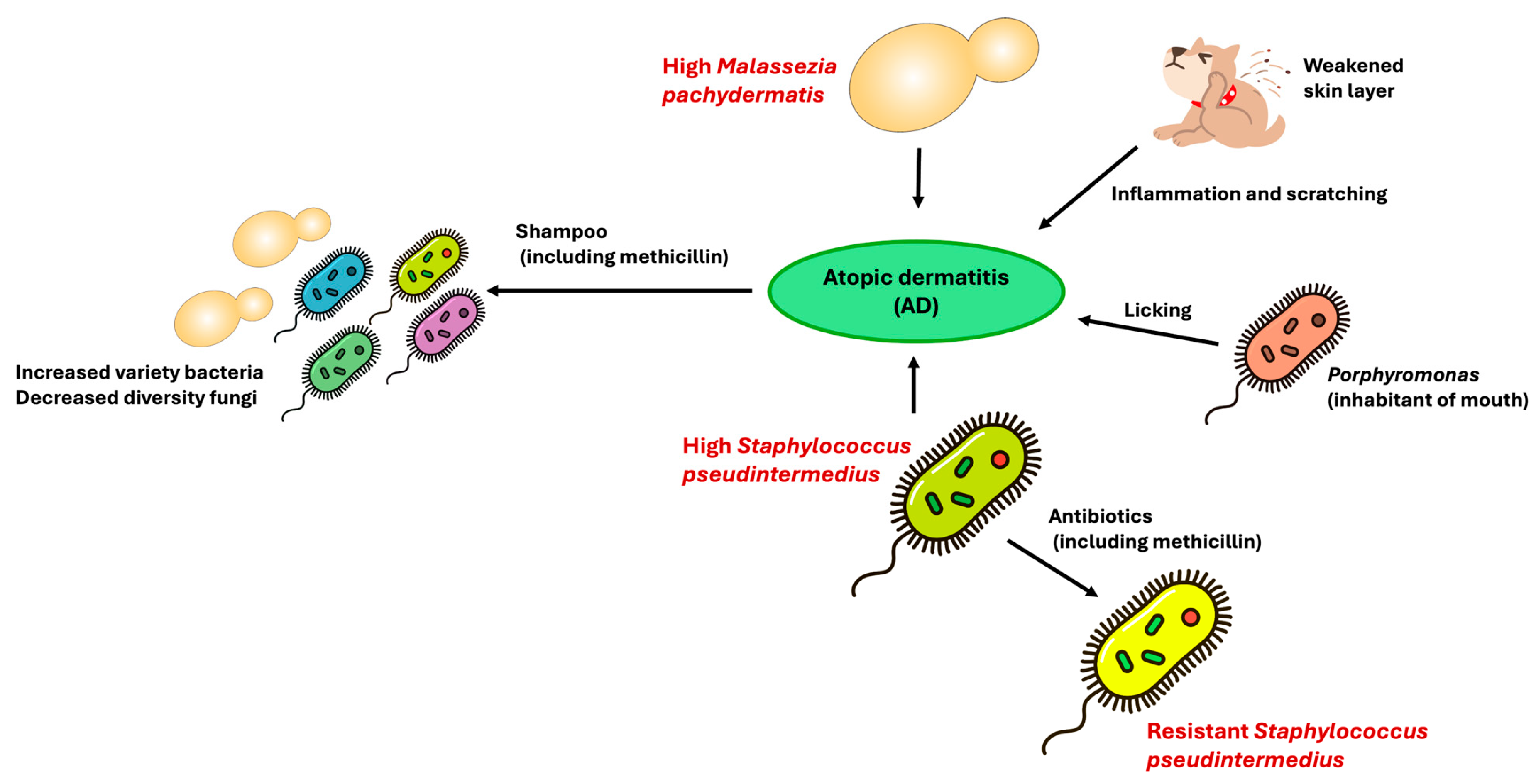
Atopic dermatitis is a hot topic in the veterinary field as this disease is on the rise in many beloved pets. Atopic dermatitis (AD) is a hereditary skin condition in dogs that causes inflammation, itching, and allergies [69]. Skin infections often worsen AD symptoms [69]. The most common bacteria found on skin affected by AD is Staphylococcus pseudintermedius, while Malassezia pachydermatis is the primary yeast present (Figure 2) [69]. Antibiotics are often used to treat Staphylococcus pseudintermedius infections, but many strains of this bacteria are now resistant to multiple antibiotics, including methicillin, limiting treatment options (Figure 2) [70]. Malaseb chlorhexidine shampoo is effective in reducing bacteria and yeast on AD-affected skin, leading to improved symptoms [70]. Results analyzing the use of this shampoo showed that the differences in microbial communities between healthy and affected skin, and between periods of treatment, were more pronounced than the differences between skin locations [70]. This suggests that factors such as skin disease and treatment have a stronger influence on skin microbiome composition than the specific body site [70]. The shampoo treatment increased the variety of bacteria on the skin but decreased the diversity of fungi (Figure 2) [70]. These changes, which may be due to the different ways the shampoo affects bacteria and fungi, require further investigation [70]. However, the shampoo significantly altered the overall bacterial and fungal composition of the skin over time and across different skin areas, regardless of whether the dog had AD or not [70]. Only one type of fungus, Blumeria, showed significant changes related to both skin health and treatment [70]. Blumeria graminis f sp hordei is a fungus that causes powdery mildew in barley. Infected barley plants develop white, powdery spots and suffer from nutrient loss as the fungus grows and spreads rapidly [71]. Porphyromonas, a bacterium commonly found in the mouths of dogs, may have been transferred to the skin through licking, which is more prevalent in dogs with atopic dermatitis (AD) due to itching. Other bacteria, such as Kocuria, Pseudomonas, and Corynebacterium, are commonly found on healthy dog skin [72]. The study found that Microbacterium, a less common bacterium, was more abundant on AD-affected skin compared to healthy skin, particularly in areas prone to AD [70]. This difference might be related to the overall reduced diversity of bacteria on AD-affected skin [70].
The most common fungi found on both healthy and atopic dog skin were unidentified species, Blumeria, and Epicoccum [70]. Epicoccum nigrum is a type of fungus that can infect plants and live harmlessly within them. It produces colorful pigments with potential antifungal properties, including a fluorescent dye called epicocconone [73]. Due to limitations in the analysis method, the exact type of one of the unidentified fungi could not be determined [70]. Surprisingly, Malassezia, a commonly reported yeast on dog skin, was rarely found in this study, despite using a method known to detect it [70]. This discrepancy may be due to factors such as housing conditions or the small sample size. Other limitations of the study include variations in skin condition severity, presence of minor infections, and limited dog breed representation [70]. It is important to consider that factors such as skin barrier function, immune responses, and genetics can also influence the skin microbiome and contribute to conditions like atopic dermatitis (AD) [74]. The altered skin health associated with AD may further impact the skin’s ability to respond to changes in the microbial community [75]. While food allergies can trigger symptoms similar to atopic dermatitis in dogs, the two conditions are typically considered separate [76]. However, both conditions can share similar clinical signs, making diagnosis challenging [76]. Some dogs may have atopic dermatitis without identifiable environmental triggers, and these cases are often referred to as “intrinsic atopic dermatitis” or “atopic-like disease.” While treatment responses may be similar to those with identified environmental allergies, more research is needed to understand these cases fully [76]. It’s possible that these dogs represent an early stage of atopic dermatitis or a distinct condition altogether [76]. Skin damage, caused by inflammation and scratching, weakens the skin’s protective barrier in dogs with atopic dermatitis [77]. This allows allergens to penetrate the skin more easily, triggering an allergic response. The release of inflammatory substances, such as thymic stromal lymphopoietin (TSLP), further contributes to the allergic reaction [78]. Regular removal of allergens from the skin is important to reduce inflammation [78].

6. Renal

Chronic kidney disease (CKD) is a common kidney disorder in dogs, affecting approximately 7% of cases. Similar to humans, CKD in dogs involves progressive damage to the kidneys [79]. This damage can be caused by various factors, including genetic, developmental, and acquired conditions [80]. As the kidneys become less efficient at filtering waste products, dogs with CKD may experience severe complications and ultimately kidney failure [81]. The connection between kidney disease, including CKD, and gut bacteria is a growing area of research in both human and veterinary medicine [82]. Studies have shown that an unhealthy gut microbiome can contribute to the progression of kidney disease in humans and cats [83]. This relationship is complex, with both conditions influencing each other through various biological processes [84]. In humans, specific types of gut bacteria have been linked to faster kidney disease progression [85]. These findings suggest a potential link between gut health and kidney function [85]. In another study of healthy versus CKD dogs, the most common bacteria found in the gut of both healthy and CKD dogs belonged to five main groups: Actinobacteria, Bacteroidetes, Firmicutes, Fusobacteria, and Proteobacteria [79]. This is similar to findings in human and other animal studies [79]. Notably, dogs with CKD had a higher abundance of Proteobacteria, a bacteria group linked to various health issues, including kidney disease, in humans [86]. While the exact reasons for this are unclear, it is believed that kidney disease can lead to increased inflammation throughout the body, affecting the gut [87]. The study found an increase in Klebsiella, a bacteria known for producing lipopolysaccharide (LPS), in dogs with CKD [88]. Klebsiella pneumoniae is typically an opportunistic pathogen that primarily affects people with weakened immune systems [88]. This study identified increased levels of several bacterial families, including Enterobacteriaceae, Clostridiaceae, Pseudomonadaceae, and Bacteroidaceae, in dogs with CKD compared to healthy controls. While statistical significance was only found for Enterobacteriaceae, these bacteria are known producers of uremic toxins [89]. Furthermore, the abundance of the genus Enterococcus was significantly higher in CKD dogs [89]. Bacteria like Klebsiella and Clostridium, which are involved in protein breakdown, also showed increasing levels as CKD progressed. These proteolytic bacteria contribute to the production of harmful uremic toxins, which can damage kidneys [89]. In humans, these toxins accelerate kidney disease progression through various mechanisms, the findings suggest a similar process in dogs, where gut bacteria-derived uremic toxins may contribute to CKD development and worsening [79].
However, a more aggressive strain of the bacteria can cause severe infections in healthy individuals [88]. These infections can include liver abscesses, meningitis, and pneumonia [88]. Klebsiella bacteria have various mechanisms to survive and evade the immune system, including a protective capsule, fimbriae, and proteins that help them acquire iron and nitrogen [88]. This bacterial overgrowth can contribute to inflammation throughout the body. Additionally, the study observed an increase in Collinsella, a bacteria linked to gut barrier damage in mice [90]. These findings suggest a potential link between kidney disease, gut bacteria imbalance, and increased inflammation. While this connection has been more extensively studied in humans, the similarities in findings between humans and dogs suggest a shared underlying mechanism [91]. This study also found a significant decrease in Ruminococcus bacteria, known for producing beneficial short-chain fatty acids (SCFAs), in dogs with chronic kidney disease (CKD). SCFAs help regulate inflammation and protect the kidneys. The reduction in Ruminococcus and SCFAs may contribute to the progression of CKD by increasing harmful bacteria and inflammatory substances in the body. These findings suggest that targeting SCFAs could be a potential treatment for kidney disease in dogs [91].

7. Conclusions

The intricate relationship between a dog’s microbiota and its overall health highlights the importance of ongoing research and preventative care. The diverse microbial communities in dogs, from their skin to their oral cavity, play crucial roles in maintaining health and preventing disease. Recent findings highlight the impact of PD not only on oral health but also on systemic conditions [8], emphasizing the need for comprehensive dental care. Understanding the microbial shifts associated with PD can lead to more effective diagnostic and therapeutic strategies. By leveraging advanced techniques such as qRT-PCR and exploring microbial biomarkers, veterinarians can better manage and prevent PD, ultimately improving the well-being of our canine companions [10,17]. Continued investigation into the canine microbiome will provide deeper insights into how these microbial residents influence health and disease, paving the way for enhanced care and treatment options for dogs. The intricate relationship between PD and systemic health in dogs, particularly its link to cardiovascular issues, highlights a critical area of concern. PD, by triggering systemic inflammation and bacterial spread, can significantly impact vital organs like the heart, kidneys, and liver. Studies have shown a strong association between the severity of PD and an increased risk of heart conditions such as endocarditis and chronic valvular heart disease [19,35]. Furthermore, emerging research into the gut microbiome’s role in heart failure suggests that imbalances in gut bacteria may exacerbate cardiovascular conditions [42,44]. These findings underscore the importance of maintaining optimal oral and gut health in dogs to potentially prevent or mitigate serious systemic diseases. Continued research and vigilant dental care are essential for enhancing canine health and preventing the far-reaching consequences of PD. The gut microbiome is a complex ecosystem vital for overall canine health. It aids digestion, protects against harmful bacteria, and supports immune function. Recent research has unveiled a diverse array of bacteria within the canine gut, with variations across different digestive regions. While factors like age and diet influence microbiome composition, disease states can dramatically alter this delicate balance. Dysbiosis, or an imbalance of gut bacteria, is linked to various health issues, including intestinal inflammation. The gut microbiome interacts with other bodily systems, affecting areas such as immunity and brain function. Understanding and maintaining a healthy gut microbiome is crucial for canine well-being, with potential applications for treating gastrointestinal and other diseases. The skin microbiome plays a crucial role in canine health, particularly in conditions like atopic dermatitis (AD) [69]. This complex ecosystem, composed of various bacteria and fungi, influences skin health and can be affected by factors such as skin disease, treatment, and overall health. Imbalances in the skin microbiome, or dysbiosis, can contribute to skin conditions like AD. While research is ongoing, understanding and maintaining a balanced skin microbiome is essential for overall canine well-being. Chronic kidney disease (CKD) is a progressive condition affecting dogs, characterized by impaired kidney function. This can lead to severe health complications. Emerging research highlights a strong connection between kidney health and the gut microbiome. Imbalances in gut bacteria, or dysbiosis, have been linked to CKD progression in both humans and dogs. Specific bacterial overgrowth and reductions in beneficial bacteria, such as Ruminococcus, contribute to inflammation and kidney damage [90,91]. Understanding this complex relationship is crucial for developing effective treatments for CKD in dogs.
Ultimately, the canine microbiome is a complex ecosystem with far-reaching implications for overall health. Maintaining a balanced gut microbiome is crucial for optimal digestion, immune function, and overall well-being in dogs. Furthermore, it is important to remember that humans share their homes with their beloved canines, which means that the over 600 different types of bacteria found in the dog’s mouth, or elsewhere on the dog’s body, have the potential to pose health risks in humans as well [5]. Thus, thorough analyses of canine microbiota is not only significant for veterinary practices, but also recommended to better assess the potential pathogenicity and transmission mechanisms that could lead to dangerous zoonotic spread [5].

Author Contributions

Conceptualization, writing, and table development, M.G.V. Supervision, writing, revisions and editing M.M.E. All authors have read and agreed to the published version of the manuscript.

Funding

This research received no external funding.

Data Availability Statement

Not applicable.

Acknowledgments

We would like to thank the CUNY College of Staten Island, the CUNY Graduate Center, and the CUNY Macaulay Honors College for their support in our research endeavors and professional development.

Conflicts of Interest

The authors declare no conflicts of interest.

List of Abbreviations

ADAtopic Dermatitis
CHFCongestive Heart Failure
CKDChronic Kidney Disease
CVHDChronic Valvular Heart Disease
GIGingival Index
LPSLipopolysaccharide
PDPeriodontal Disease
SCFAsShort-Chain Fatty Acids
TMATrimethylamine
TMAOTrimethylamine N-oxide
TSLPThymic Stromal Lymphopoietin

References

  1. Boon, E.; Meehan, C.J.; Whidden, C.; Wong, D.H.-J.; Langille, M.G.I.; Beiko, R.G. Interactions in the Microbiome: Communities of Organisms and Communities of Genes. FEMS Microbiol. Rev. 2014, 38, 90–118. [Google Scholar] [CrossRef]
  2. Hou, K.; Wu, Z.-X.; Chen, X.-Y.; Wang, J.-Q.; Zhang, D.; Xiao, C.; Zhu, D.; Koya, J.B.; Wei, L.; Li, J.; et al. Microbiota in Health and Diseases. Signal Transduct. Target. Ther. 2022, 7, 135. [Google Scholar] [CrossRef]
  3. Pereira Dos Santos, J.D.; Cunha, E.; Nunes, T.; Tavares, L.; Oliveira, M. Relation between Periodontal Disease and Systemic Diseases in Dogs. Res. Vet. Sci. 2019, 125, 136–140. [Google Scholar] [CrossRef]
  4. Fernández-Pinteño, A.; Pilla, R.; Suchodolski, J.; Apper, E.; Torre, C.; Salas-Mani, A.; Manteca, X. Age-Related Changes in Gut Health and Behavioral Biomarkers in a Beagle Dog Population. Animals 2025, 15, 234. [Google Scholar] [CrossRef] [PubMed]
  5. AL-Amrah, H.; Aburokba, R.; Alotiby, A.; AlJuhani, B.; Huri, H.; Garni, N.A. The Impact of Dogs Oral Microbiota on Human Health: A Review. Biosci. Biotechnol. Res. Asia 2024, 21, 1–9. [Google Scholar] [CrossRef]
  6. Wallis, C.; Holcombe, L.J. A Review of the Frequency and Impact of Periodontal Disease in Dogs. J. Small Anim. Pract. 2020, 61, 529–540. [Google Scholar] [CrossRef] [PubMed]
  7. Löe, H. The Gingival Index, the Plaque Index and the Retention Index Systems. J. Periodontol. 1967, 38, 610–616. [Google Scholar] [CrossRef]
  8. Stella, J.L.; Bauer, A.E.; Croney, C.C. A Cross-Sectional Study to Estimate Prevalence of Periodontal Disease in a Population of Dogs (Canis familiaris) in Commercial Breeding Facilities in Indiana and Illinois. PLoS ONE 2018, 13, e0191395. [Google Scholar] [CrossRef]
  9. An, J.Y.; Darveau, R.; Kaeberlein, M. Oral Health in Geroscience: Animal Models and the Aging Oral Cavity. GeroScience 2018, 40, 1–10. [Google Scholar] [CrossRef]
  10. Marshall, M.D.; Wallis, C.V.; Milella, L.; Colyer, A.; Tweedie, A.D.; Harris, S. A Longitudinal Assessment of Periodontal Disease in 52 Miniature Schnauzers. BMC Vet. Res. 2014, 10, 166. [Google Scholar] [CrossRef]
  11. Ruparell, A.; Wallis, C.; Haydock, R.; Cawthrow, A.; Holcombe, L.J. Comparison of Subgingival and Gingival Margin Plaque Microbiota from Dogs with Healthy Gingiva and Early Periodontal Disease. Res. Vet. Sci. 2021, 136, 396–407. [Google Scholar] [CrossRef]
  12. Santibáñez, R.; Rodríguez-Salas, C.; Flores-Yáñez, C.; Garrido, D.; Thomson, P. Assessment of Changes in the Oral Microbiome That Occur in Dogs with Periodontal Disease. Vet. Sci. 2021, 8, 291. [Google Scholar] [CrossRef]
  13. Di Bello, A.; Buonavoglia, A.; Franchini, D.; Valastro, C.; Ventrella, G.; Greco, M.F.; Corrente, M. Periodontal Disease Associated with Red Complex Bacteria in Dogs. J. Small Anim. Pract. 2014, 55, 160–163. [Google Scholar] [CrossRef] [PubMed]
  14. Niemiec, B.A.; Gawor, J.; Tang, S.; Prem, A.; Krumbeck, J.A. The Bacteriome of the Oral Cavity in Healthy Dogs and Dogs with Periodontal Disease. Am. J. Vet. Res. 2022, 83, 50–58. [Google Scholar] [CrossRef]
  15. Kwack, K.H.; Jang, E.Y.; Kim, C.; Choi, Y.S.; Lee, J.H.; Moon, J.H. Porphyromonas gulae and canine periodontal disease: Current understanding and future directions. Virulence 2025, 16, 2449019. [Google Scholar] [CrossRef]
  16. Waters, J.L.; Ley, R.E. The Human Gut Bacteria Christensenellaceae Are Widespread, Heritable, and Associated with Health. BMC Biol. 2019, 17, 83. [Google Scholar] [CrossRef] [PubMed]
  17. Gadê-Neto, C.R.; Rodrigues, R.R.; Louzada, L.M.; Arruda-Vasconcelos, R.; Teixeira, F.B.; Viana Casarin, R.C.; Gomes, B.P.F.A. Microbiota of Periodontal Pockets and Root Canals in Induced Experimental Periodontal Disease in Dogs. J. Investig. Clin. Dent. 2019, 10, e12439. [Google Scholar] [CrossRef] [PubMed]
  18. Maruyama, N.; Mori, A.; Shono, S.; Oda, H.; Sako, T. Evaluation of changes in periodontal bacteria in healthy dogs over 6 months using quantitative real-time PCR. Pol. J. Vet. Sci. 2018, 21, 127–132. [Google Scholar] [CrossRef]
  19. Glickman, L.T.; Glickman, N.W.; Moore, G.E.; Goldstein, G.S.; Lewis, H.B. Evaluation of the Risk of Endocarditis and Other Cardiovascular Events on the Basis of the Severity of Periodontal Disease in Dogs. J. Am. Vet. Med. Assoc. 2009, 234, 486–494. [Google Scholar] [CrossRef]
  20. Atkins, C.; Bonagura, J.; Ettinger, S.; Fox, P.; Gordon, S.; Haggstrom, J.; Hamlin, R.; Keene, B.; Luis-Fuentes, V.; Stepien, R. Guidelines for the Diagnosis and Treatment of Canine Chronic Valvular Heart Disease. J. Vet. Intern. Med. 2009, 23, 1142–1150. [Google Scholar] [CrossRef]
  21. Black, A.; French, A.T.; Dukes-McEwan, J.; Corcoran, B.M. Ultrastructural Morphologic Evaluation of the Phenotype of Valvular Interstitial Cells in Dogs with Myxomatous Degeneration of the Mitral Valve. Am. J. Vet. Res. 2005, 66, 1408–1414. [Google Scholar] [CrossRef] [PubMed]
  22. Han, R.I.; Black, A.; Culshaw, G.J.; French, A.T.; Else, R.W.; Corcoran, B.M. Distribution of Myofibroblasts, Smooth Muscle–like Cells, Macrophages, and Mast Cells in Mitral Valve Leaflets of Dogs with Myxomatous Mitral Valve Disease. Am. J. Vet. Res. 2008, 69, 763–769. [Google Scholar] [CrossRef]
  23. Hadian, M.; Corcoran, B.M.; Han, R.I.; Grossmann, J.G.; Bradshaw, J.P. Collagen Organization in Canine Myxomatous Mitral Valve Disease: An X-Ray Diffraction Study. Biophys. J. 2007, 93, 2472–2476. [Google Scholar] [CrossRef] [PubMed]
  24. Corcoran, B.M.; Black, A.; Anderson, H.; McEwan, J.D.; French, A.; Smith, P.; Devine, C. Identification of Surface Morphologic Changes in the Mitral Valve Leaflets and Chordae Tendineae of Dogs with Myxomatous Degeneration. Am. J. Vet. Res. 2004, 65, 198–206. [Google Scholar] [CrossRef]
  25. Olsen, L.H.; Fredholm, M.; Pedersen, H.D. Epidemiology and Inheritance of Mitral Valve Prolapse in Dachshunds. J. Vet. Intern. Med. 1999, 13, 448–456. [Google Scholar] [CrossRef] [PubMed]
  26. Mow, T.; Pedersen, H.D. Increased Endothelin-Receptor Density in Myxomatous Canine Mitral Valve Leaflets. J. Cardiovasc. Pharmacol. 1999, 34, 254–260. [Google Scholar] [CrossRef]
  27. Hayek, E.; Gring, C.N.; Griffin, B.P. Mitral Valve Prolapse. Lancet 2005, 365, 507–518. [Google Scholar] [CrossRef]
  28. Previti, A.; Biondi, V.; Passantino, A.; Or, M.E.; Pugliese, M. Canine Bacterial Endocarditis: A Text Mining and Topics Modeling Analysis as an Approach for a Systematic Review. Microorganisms 2024, 12, 1237. [Google Scholar] [CrossRef]
  29. Reagan, K.L.; Visser, L.C.; Epstein, S.E.; Stern, J.A.; Johnson, L.R. Outcome and Prognostic Factors in Infective Endocarditis in Dogs: 113 Cases (2005–2020). J. Vet. Intern. Med. 2022, 36, 429–440. [Google Scholar] [CrossRef]
  30. Schlez, K.; Eisenberg, T.; Rau, J.; Dubielzig, S.; Kornmayer, M.; Wolf, G.; Berger, A.; Dangel, A.; Hoffmann, C.; Ewers, C.; et al. Corynebacterium Rouxii, a Recently Described Member of the C. Diphtheriae Group Isolated from Three Dogs with Ulcerative Skin Lesions. Antonie Leeuwenhoek 2021, 114, 1361–1371. [Google Scholar] [CrossRef]
  31. Tresch, M.; Watté, C.; Stengard, M.; Ritter, C.; Brodard, I.; Feyer, S.; Gohl, E.; Akdesir, E.; Perreten, V.; Kittl, S. Corynebacterium Oculi-Related Bacterium May Act as a Pathogen and Carrier of Antimicrobial Resistance Genes in Dogs: A Case Report. BMC Vet. Res. 2023, 19, 251. [Google Scholar] [CrossRef]
  32. Reboli, A.C.; Farrar, W.E. Erysipelothrix Rhusiopathiae: An Occupational Pathogen. Clin. Microbiol. Rev. 1989, 2, 354–359. [Google Scholar] [CrossRef]
  33. Silva, B.T.G.D.; Souza, A.M.D.; Campos, S.D.E.; Macieira, D.D.B.; Lemos, E.R.S.D.; Favacho, A.R.D.M.; Almosny, N.R.P. Bartonella Henselae and Bartonella Clarridgeiae Infection, Hematological Changes and Associated Factors in Domestic Cats and Dogs from an Atlantic Rain Forest Area, Brazil. Acta Trop. 2019, 193, 163–168. [Google Scholar] [CrossRef]
  34. Zambon, J.J. Actinobacillus Actinomycetemcomitans in Human Periodontal Disease. J. Clin. Periodontol. 1985, 12, 1–20. [Google Scholar] [CrossRef]
  35. Sykes, J.E.; Kittleson, M.D.; Pesavento, P.A.; Byrne, B.A.; MacDonald, K.A.; Chomel, B.B. Evaluation of the Relationship between Causative Organisms and Clinical Characteristics of Infective Endocarditis in Dogs: 71 Cases (1992–2005). J. Am. Vet. Med. Assoc. 2006, 228, 1723–1734. [Google Scholar] [CrossRef] [PubMed]
  36. Seo, J.; Matthewman, L.; Xia, D.; Wilshaw, J.; Chang, Y.-M.; Connolly, D.J. The Gut Microbiome in Dogs with Congestive Heart Failure: A Pilot Study. Sci. Rep. 2020, 10, 13777. [Google Scholar] [CrossRef] [PubMed]
  37. Oršolić, N.; Knežević, A.H.; Šver, L.; Terzić, S.; Bašić, I. Immunomodulatory and Antimetastatic Action of Propolis and Related Polyphenolic Compounds. J. Ethnopharmacol. 2004, 94, 307–315. [Google Scholar] [CrossRef] [PubMed]
  38. Schober, K.E.; Hart, T.M.; Stern, J.A.; Li, X.; Samii, V.F.; Zekas, L.J.; Scansen, B.A.; Bonagura, J.D. Detection of Congestive Heart Failure in Dogs by Doppler Echocardiography: Congestive Heart Failure in Dogs. J. Vet. Intern. Med. 2010, 24, 1358–1368. [Google Scholar] [CrossRef]
  39. Pasini, E.; Aquilani, R.; Testa, C.; Baiardi, P.; Angioletti, S.; Boschi, F.; Verri, M.; Dioguardi, F. Pathogenic Gut Flora in Patients With Chronic Heart Failure. JACC Heart Fail. 2016, 4, 220–227. [Google Scholar] [CrossRef]
  40. Vázquez-Baeza, Y.; Hyde, E.R.; Suchodolski, J.S.; Knight, R. Dog and Human Inflammatory Bowel Disease Rely on Overlapping yet Distinct Dysbiosis Networks. Nat. Microbiol. 2016, 1, 16177. [Google Scholar] [CrossRef]
  41. Morgan, X.C.; Tickle, T.L.; Sokol, H.; Gevers, D.; Devaney, K.L.; Ward, D.V.; Reyes, J.A.; Shah, S.A.; LeLeiko, N.; Snapper, S.B.; et al. Dysfunction of the Intestinal Microbiome in Inflammatory Bowel Disease and Treatment. Genome Biol. 2012, 13, R79. [Google Scholar] [CrossRef]
  42. Karlin, E.T.; Rush, J.E.; Freeman, L.M. A Pilot Study Investigating Circulating Trimethylamine N-oxide and Its Precursors in Dogs with Degenerative Mitral Valve Disease with or without Congestive Heart Failure. J. Vet. Intern. Med. 2019, 33, 46–53. [Google Scholar] [CrossRef] [PubMed]
  43. Zeisel, S.H.; Warrier, M. Trimethylamine N-Oxide, the Microbiome, and Heart and Kidney Disease. Annu. Rev. Nutr. 2017, 37, 157–181. [Google Scholar] [CrossRef] [PubMed]
  44. Janeiro, M.; Ramírez, M.; Milagro, F.; Martínez, J.; Solas, M. Implication of Trimethylamine N-Oxide (TMAO) in Disease: Potential Biomarker or New Therapeutic Target. Nutrients 2018, 10, 1398. [Google Scholar] [CrossRef] [PubMed]
  45. Pilla, R.; Suchodolski, J.S. The Role of the Canine Gut Microbiome and Metabolome in Health and Gastrointestinal Disease. Front. Vet. Sci. 2020, 6, 498. [Google Scholar] [CrossRef]
  46. Hays, K.E.; Pfaffinger, J.M.; Ryznar, R. The Interplay between Gut Microbiota, Short-Chain Fatty Acids, and Implications for Host Health and Disease. Gut Microbes 2024, 16, 2393270. [Google Scholar] [CrossRef]
  47. Shah, H.; Trivedi, M.; Gurjar, T.; Sahoo, D.K.; Jergens, A.E.; Yadav, V.K.; Patel, A.; Pandya, P. Decoding the Gut Microbiome in Companion Animals: Impacts and Innovations. Microorganisms 2024, 12, 1831. [Google Scholar] [CrossRef]
  48. O’Mahony, S.M.; Clarke, G.; Borre, Y.E.; Dinan, T.G.; Cryan, J.F. Serotonin, Tryptophan Metabolism and the Brain-Gut-Microbiome Axis. Behav. Brain Res. 2015, 277, 32–48. [Google Scholar] [CrossRef]
  49. Honneffer, J.B.; Steiner, J.M.; Lidbury, J.A.; Suchodolski, J.S. Variation of the Microbiota and Metabolome along the Canine Gastrointestinal Tract. Metabolomics 2017, 13, 26. [Google Scholar] [CrossRef]
  50. Magne, F.; Gotteland, M.; Gauthier, L.; Zazueta, A.; Pesoa, S.; Navarrete, P.; Balamurugan, R. The Firmicutes/Bacteroidetes Ratio: A Relevant Marker of Gut Dysbiosis in Obese Patients? Nutrients 2020, 12, 1474. [Google Scholar] [CrossRef]
  51. Thomas, F.; Hehemann, J.-H.; Rebuffet, E.; Czjzek, M.; Michel, G. Environmental and Gut Bacteroidetes: The Food Connection. Front. Microbiol. 2011, 2, 93. [Google Scholar] [CrossRef]
  52. Shin, N.-R.; Whon, T.W.; Bae, J.-W. Proteobacteria: Microbial Signature of Dysbiosis in Gut Microbiota. Trends Biotechnol. 2015, 33, 496–503. [Google Scholar] [CrossRef]
  53. Groussin, M.; Mazel, F.; Sanders, J.G.; Smillie, C.S.; Lavergne, S.; Thuiller, W.; Alm, E.J. Unraveling the Processes Shaping Mammalian Gut Microbiomes over Evolutionary Time. Nat. Commun. 2017, 8, 14319. [Google Scholar] [CrossRef]
  54. Bosch, G.; Hagen-Plantinga, E.A.; Hendriks, W.H. Dietary Nutrient Profiles of Wild Wolves: Insights for Optimal Dog Nutrition? Br. J. Nutr. 2015, 113, S40–S54. [Google Scholar] [CrossRef]
  55. Freeman, L.M.; Chandler, M.L.; Hamper, B.A.; Weeth, L.P. Current Knowledge about the Risks and Benefits of Raw Meat–Based Diets for Dogs and Cats. J. Am. Vet. Med. Assoc. 2013, 243, 1549–1558. [Google Scholar] [CrossRef] [PubMed]
  56. Davies, R.H.; Lawes, J.R.; Wales, A.D. Raw Diets for Dogs and Cats: A Review, with Particular Reference to Microbiological Hazards. J. Small Anim. Pract. 2019, 60, 329–339. [Google Scholar] [CrossRef]
  57. Finley, R.; Ribble, C.; Aramini, J.; Vandermeer, M.; Popa, M.; Litman, M.; Reid-Smith, R. The Risk of Salmonellae Shedding by Dogs Fed Salmonella-Contaminated Commercial Raw Food Diets. Can. Vet. J. Rev. Vet. Can. 2007, 48, 69–75. [Google Scholar]
  58. Hellgren, J.; Hästö, L.S.; Wikström, C.; Fernström, L.; Hansson, I. Occurrence of Salmonella, Campylobacter, Clostridium and Enterobacteriaceae in Raw Meat-based Diets for Dogs. Vet. Rec. 2019, 184, 442. [Google Scholar] [CrossRef]
  59. Félix, A.P.; Souza, C.M.M.; De Oliveira, S.G. Biomarkers of Gastrointestinal Functionality in Dogs: A Systematic Review and Meta-Analysis. Anim. Feed Sci. Technol. 2022, 283, 115183. [Google Scholar] [CrossRef]
  60. Quaglio, A.E.V.; Grillo, T.G.; Oliveira, E.C.S.D.; Stasi, L.C.D.; Sassaki, L.Y. Gut Microbiota, Inflammatory Bowel Disease and Colorectal Cancer. World J. Gastroenterol. 2022, 28, 4053–4060. [Google Scholar] [CrossRef] [PubMed]
  61. Jergens, A.E.; Guard, B.C.; Redfern, A.; Rossi, G.; Mochel, J.P.; Pilla, R.; Chandra, L.; Seo, Y.-J.; Steiner, J.M.; Lidbury, J.; et al. Microbiota-Related Changes in Unconjugated Fecal Bile Acids Are Associated With Naturally Occurring, Insulin-Dependent Diabetes Mellitus in Dogs. Front. Vet. Sci. 2019, 6, 199. [Google Scholar] [CrossRef] [PubMed]
  62. Sancak, A.A.; Rutgers, H.C.; Hart, C.A.; Batt, R.M. Prevalence of Enteropathic Escherichia Coli in Dogs with Acute and Chronic Diarrhoea. Vet. Rec. 2004, 154, 101–106. [Google Scholar] [CrossRef]
  63. Cani, P.D.; Bibiloni, R.; Knauf, C.; Waget, A.; Neyrinck, A.M.; Delzenne, N.M.; Burcelin, R. Changes in Gut Microbiota Control Metabolic Endotoxemia-Induced Inflammation in High-Fat Diet–Induced Obesity and Diabetes in Mice. Diabetes 2008, 57, 1470–1481. [Google Scholar] [CrossRef]
  64. Gnauck, A.; Lentle, R.G.; Kruger, M.C. The Characteristics and Function of Bacterial Lipopolysaccharides and Their Endotoxic Potential in Humans. Int. Rev. Immunol. 2016, 35, 189–218. [Google Scholar] [CrossRef]
  65. Ramirez, J.; Guarner, F.; Bustos Fernandez, L.; Maruy, A.; Sdepanian, V.L.; Cohen, H. Antibiotics as Major Disruptors of Gut Microbiota. Front. Cell. Infect. Microbiol. 2020, 10, 572912. [Google Scholar] [CrossRef]
  66. Garcia-Mazcorro, J.F.; Suchodolski, J.S.; Jones, K.R.; Clark-Price, S.C.; Dowd, S.E.; Minamoto, Y.; Markel, M.; Steiner, J.M.; Dossin, O. Effect of the Proton Pump Inhibitor Omeprazole on the Gastrointestinal Bacterial Microbiota of Healthy Dogs. FEMS Microbiol. Ecol. 2012, 80, 624–636. [Google Scholar] [CrossRef]
  67. Pilla, R.; Gaschen, F.P.; Barr, J.W.; Olson, E.; Honneffer, J.; Guard, B.C.; Blake, A.B.; Villanueva, D.; Khattab, M.R.; AlShawaqfeh, M.K.; et al. Effects of Metronidazole on the Fecal Microbiome and Metabolome in Healthy Dogs. J. Vet. Intern. Med. 2020, 34, 1853–1866. [Google Scholar] [CrossRef]
  68. Singleton, D.A.; Noble, P.J.M.; Sánchez-Vizcaíno, F.; Dawson, S.; Pinchbeck, G.L.; Williams, N.J.; Radford, A.D.; Jones, P.H. Pharmaceutical Prescription in Canine Acute Diarrhoea: A Longitudinal Electronic Health Record Analysis of First Opinion Veterinary Practices. Front. Vet. Sci. 2019, 6, 218. [Google Scholar] [CrossRef] [PubMed]
  69. Chermprapai, S.; Ederveen, T.H.A.; Broere, F.; Broens, E.M.; Schlotter, Y.M.; Van Schalkwijk, S.; Boekhorst, J.; Van Hijum, S.A.F.T.; Rutten, V.P.M.G. The Bacterial and Fungal Microbiome of the Skin of Healthy Dogs and Dogs with Atopic Dermatitis and the Impact of Topical Antimicrobial Therapy, an Exploratory Study. Vet. Microbiol. 2019, 229, 90–99. [Google Scholar] [CrossRef]
  70. Kadlec, K.; Schwarz, S. Antimicrobial Resistance of Staphylococcus Pseudintermedius. Vet. Dermatol. 2012, 23, 276. [Google Scholar] [CrossRef] [PubMed]
  71. Both, M.; Csukai, M.; Stumpf, M.P.H.; Spanu, P.D. Gene Expression Profiles of Blumeria Graminis Indicate Dynamic Changes to Primary Metabolism during Development of an Obligate Biotrophic Pathogen. Plant Cell 2005, 17, 2107–2122. [Google Scholar] [CrossRef] [PubMed]
  72. Rodrigues Hoffmann, A.; Patterson, A.P.; Diesel, A.; Lawhon, S.D.; Ly, H.J.; Stephenson, C.E.; Mansell, J.; Steiner, J.M.; Dowd, S.E.; Olivry, T.; et al. The Skin Microbiome in Healthy and Allergic Dogs. PLoS ONE 2014, 9, e83197. [Google Scholar] [CrossRef] [PubMed]
  73. Dixit, A.B.; Lewis, W.H.; Wedner, H.J. The Allergens of Epicoccum Nigrum Link. J. Allergy Clin. Immunol. 1992, 90, 11–20. [Google Scholar] [CrossRef]
  74. Santoro, D.; Marsella, R.; Pucheu-Haston, C.M.; Eisenschenk, M.N.C.; Nuttall, T.; Bizikova, P. Review: Pathogenesis of Canine Atopic Dermatitis: Skin Barrier and Host–Micro-organism Interaction. Vet. Dermatol. 2015, 26, 84. [Google Scholar] [CrossRef] [PubMed]
  75. Chermprapai, S.; Broere, F.; Gooris, G.; Schlotter, Y.M.; Rutten, V.P.M.G.; Bouwstra, J.A. Altered Lipid Properties of the Stratum Corneum in Canine Atopic Dermatitis. Biochim. Biophys. Acta BBA-Biomembr. 2018, 1860, 526–533. [Google Scholar] [CrossRef]
  76. Marsella, R. Atopic Dermatitis in Domestic Animals: What Our Current Understanding Is and How This Applies to Clinical Practice. Vet. Sci. 2021, 8, 124. [Google Scholar] [CrossRef]
  77. Olivry, T.; Dunston, S.M. Expression Patterns of Superficial Epidermal Adhesion Molecules in an Experimental Dog Model of Acute Atopic Dermatitis Skin Lesions. Vet. Dermatol. 2015, 26, 53. [Google Scholar] [CrossRef]
  78. Cobiella, D.; Archer, L.; Bohannon, M.; Santoro, D. Pilot Study Using Five Methods to Evaluate Skin Barrier Function in Healthy Dogs and in Dogs with Atopic Dermatitis. Vet. Dermatol. 2019, 30, 121. [Google Scholar] [CrossRef]
  79. Kim, K.-R.; Kim, S.-M.; Kim, J.-H. A Pilot Study of Alterations of the Gut Microbiome in Canine Chronic Kidney Disease. Front. Vet. Sci. 2023, 10, 1241215. [Google Scholar] [CrossRef]
  80. Shipov, A.; Shahar, R.; Sugar, N.; Segev, G. The Influence of Chronic Kidney Disease on the Structural and Mechanical Properties of Canine Bone. J. Vet. Intern. Med. 2018, 32, 280–287. [Google Scholar] [CrossRef]
  81. Bartges, J.W. Chronic Kidney Disease in Dogs and Cats. Vet. Clin. N. Am. Small Anim. Pract. 2012, 42, 669–692. [Google Scholar] [CrossRef]
  82. Lohia, S.; Vlahou, A.; Zoidakis, J. Microbiome in Chronic Kidney Disease (CKD): An Omics Perspective. Toxins 2022, 14, 176. [Google Scholar] [CrossRef]
  83. Suchodolski, J.S. Analysis of the Gut Microbiome in Dogs and Cats. Vet. Clin. Pathol. 2022, 50, 6–17. [Google Scholar] [CrossRef]
  84. Castillo-Rodriguez, E.; Fernandez-Prado, R.; Esteras, R.; Perez-Gomez, M.V.; Gracia-Iguacel, C.; Fernandez-Fernandez, B.; Kanbay, M.; Tejedor, A.; Lazaro, A.; Ruiz-Ortega, M.; et al. Impact of Altered Intestinal Microbiota on Chronic Kidney Disease Progression. Toxins 2018, 10, 300. [Google Scholar] [CrossRef] [PubMed]
  85. Jazani, N.H.; Savoj, J.; Lustgarten, M.; Lau, W.L.; Vaziri, N.D. Impact of Gut Dysbiosis on Neurohormonal Pathways in Chronic Kidney Disease. Diseases 2019, 7, 21. [Google Scholar] [CrossRef]
  86. Rizzatti, G.; Lopetuso, L.R.; Gibiino, G.; Binda, C.; Gasbarrini, A. Proteobacteria: A Common Factor in Human Diseases. BioMed Res. Int. 2017, 2017, 9351507. [Google Scholar] [CrossRef] [PubMed]
  87. Yang, J.; Lim, S.Y.; Ko, Y.S.; Lee, H.Y.; Oh, S.W.; Kim, M.G.; Cho, W.Y.; Jo, S.K. Intestinal Barrier Disruption and Dysregulated Mucosal Immunity Contribute to Kidney Fibrosis in Chronic Kidney Disease. Nephrol. Dial. Transplant. 2019, 34, 419–428. [Google Scholar] [CrossRef]
  88. Li, B.; Zhao, Y.; Liu, C.; Chen, Z.; Zhou, D. Molecular Pathogenesis of Klebsiella Pneumoniae. Future Microbiol. 2014, 9, 1071–1081. [Google Scholar] [CrossRef] [PubMed]
  89. Kikuchi, M.; Ueno, M.; Itoh, Y.; Suda, W.; Hattori, M. Uremic Toxin-Producing Gut Microbiota in Rats with Chronic Kidney Disease. Nephron 2017, 135, 51–60. [Google Scholar] [CrossRef]
  90. Gomez-Arango, L.F.; Barrett, H.L.; Wilkinson, S.A.; Callaway, L.K.; McIntyre, H.D.; Morrison, M.; Dekker Nitert, M. Low Dietary Fiber Intake Increases Collinsella Abundance in the Gut Microbiota of Overweight and Obese Pregnant Women. Gut Microbes 2018, 9, 189–201. [Google Scholar] [CrossRef]
  91. Rukavina Mikusic, N.L.; Kouyoumdzian, N.M.; Choi, M.R. Gut Microbiota and Chronic Kidney Disease: Evidences and Mechanisms That Mediate a New Communication in the Gastrointestinal-Renal Axis. Pflügers Arch.-Eur. J. Physiol. 2020, 472, 303–320. [Google Scholar] [CrossRef] [PubMed]
Figure 1. Microbial dysbiosis of PD and the various systemic consequences.
Applmicrobiol 05 00148 g001
Figure 2. Bacterial and fungal patterns observed in AD.
Applmicrobiol 05 00148 g002
Table 1. Breakdown of the most common bacteria found in the mouth of patients with PD or gingivitis, some with links to other common diseases like CHF, esophageal cancers and other illnesses [8,9,10,12,13].
OrganismCategorizationKey Features
Porphyromonas gingivalisAnaerobic, Gram-negativeFound in mouth, urogenital tract, and gastrointestinal tract. Can cause swelling and infection.
Tannerella forsythiaAnaerobic, Gram-negative A member of Bacteroidota phylum and part of red complex of periodontal pathogens. Associated with increased risk of esophageal cancer.
Actinomyces sp.Anaerobic, Gram-positive Filamentous and branching; Pleiomorphic. Enter via mucosal membranes, especially oral, and cause opportunistic infection
Treponema denticolaAnaerobic, Gram-negativeHighly proteolytic spirochaete
Christensenella sp.Anaerobic, Gram-negativeNon-spore forming, nonmotile bacteria that is known as healthy part of human gut microbiota but found as part of periodontal disease-causing oral biofilms in dogs
Methanobrevibacter oralisAnaerobic, Gram-positiveMethanogenic archaeon mainly associated with oral cavity. Coccobacillus shaped and non-motile
Peptostreptococcus canisAnaerobic, Gram-positiveCoccus bacterius in the subgingival plaque of dogs
Campylobacter rectusFacultative Anaerobe, Gram-negativePathogen in chronic periodontitis and can induce bone loss
Disclaimer/Publisher’s Note: The statements, opinions and data contained in all publications are solely those of the individual author(s) and contributor(s) and not of MDPI and/or the editor(s). MDPI and/or the editor(s) disclaim responsibility for any injury to people or property resulting from any ideas, methods, instructions or products referred to in the content.