Review

Analysis of Repair Activities of Electric Vehicles, Taking into Account Occupational Health, Safety, Fire Safety, and Environmental Aspects


Vehicle Maintenance and Diagnostics Department, Széchenyi István University, 9026 Győr, Hungary
Future Transp. 2026, 6(1), 43; https://doi.org/10.3390/futuretransp6010043
Submission received: 18 November 2025 / Revised: 3 February 2026 / Accepted: 4 February 2026 / Published: 11 February 2026

Abstract

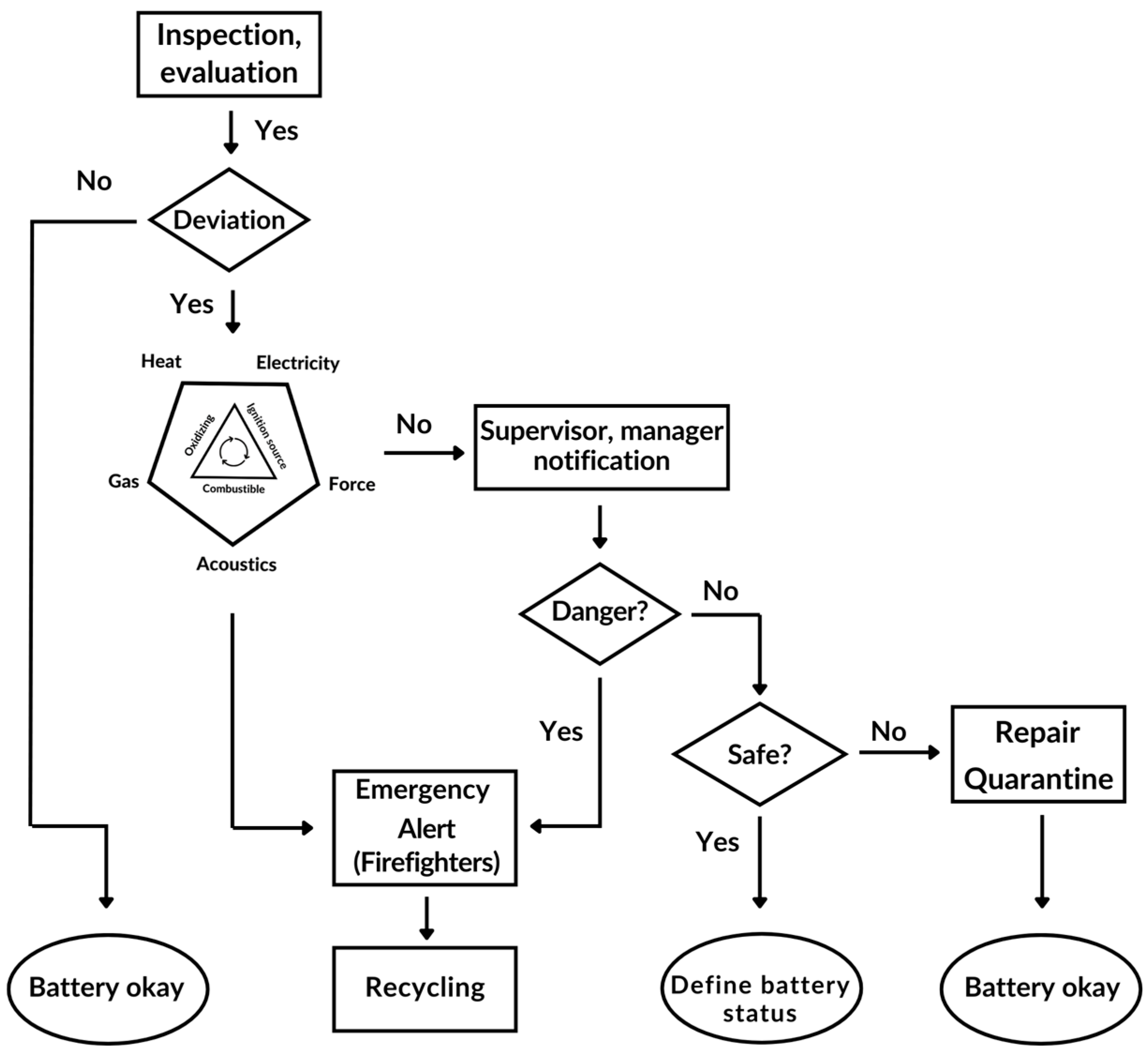
Fires caused by electric vehicle (EV) batteries can pose hazardous situations during accidents and during the servicing of critically damaged vehicles. Managing and preventing such fires requires a thorough understanding of the underlying causes and processes. This article analyses lithium-ion (Li-ion) batteries in electric vehicles, demonstrating the effects of cell overheating, the production of runaway gases, and the resulting thermal catastrophe. We examine the composition of cell eruption gases (CEGs) and their implications for fire protection. Based on these findings, we assess the conditions for safe battery storage, safety guidelines for servicing electric and hybrid vehicles, fire suppression methods, and measures following fire suppression. Additionally, we analyze the unique characteristics of EV fire incidents and, based on these, outline the implementation requirements and safety technologies for repair bays designed to service critically damaged electric and hybrid vehicles. Finally, we propose implementing repair stations suitable for safe servicing operations and accrediting such repair bays, including a flowchart detailing the implementation process. Although this concept is still in its early stages, its implementation would significantly enhance the safety of servicing operations and the effective management of hazardous situations.

1. Introduction

Electric vehicles increasingly rely on high-energy lithium-ion battery systems, which introduce fire and explosion hazards fundamentally different from those associated with conventional internal combustion engine vehicles. While overall fire occurrence rates may be comparable, the underlying failure mechanisms, fire development, and suppression challenges of lithium-ion batteries require dedicated consideration due to their high energy density, internal heat generation, and complex electrochemical behavior [1,2].
Service, repair, and post-crash handling environments represent a particularly critical risk context for electric vehicles. In these settings, damaged or degraded battery systems may be stored, transported, charged, or dismantled under confined conditions. Such scenarios increase the likelihood of delayed ignition, gas accumulation, reignition events, and exposure to toxic or flammable products of lithium-ion battery decomposition, posing significant risks to personnel and infrastructure [3,4].
Despite rapid growth in electric vehicle adoption, the mechanisms governing battery failure escalation, gas release, and fire behavior remain incompletely characterized, especially from the perspective of service and repair operations. Existing safety practices and emergency response concepts developed for conventional vehicles cannot be directly transferred to electric vehicle scenarios without adaptation, highlighting the need for structured, evidence-based risk assessment approaches tailored to lithium-ion battery systems [1,5,6].
This review provides a structured overview of lithium-ion battery fire hazards with a specific focus on electric vehicle service and repair environments. Following an examination of battery failure mechanisms and thermal runaway phenomena, the paper discusses fire behavior, gas hazards, and operational firefighting challenges relevant to post-crash handling and maintenance scenarios. Finally, a safety-oriented framework is proposed to support risk assessment, operational decision-making, and the accreditation of facilities involved in electric vehicle service and repair [2].

2. Lithium-Ion Battery Failure Mechanisms and Thermal Runaway

Failures of lithium-ion batteries in electric vehicles may originate from mechanical damage, electrical abuse, or thermal stress [1,2]. These initiating events may lead to localized short circuits, overheating, and the onset of self-accelerating exothermic reactions [1,2]. Once triggered, such reactions may escalate rapidly, leading to thermal runaway, significant heat release, gas generation, and, in some cases, fire or explosion. Additional experimental and modeling studies further clarify the mechanisms of thermal runaway propagation and mitigation strategies [7,8].
Thermal runaway is a complex, multi-stage process governed by interactions between electrochemical, thermal, and mechanical phenomena within the battery cell [2,7]. Elevated temperatures can cause degradation of the solid electrolyte interphase, separator shrinkage or melting, and decomposition of electrolyte components. As these processes progress, heat generation may exceed the system’s ability to dissipate it, leading to an uncontrollable temperature rise and the propagation of heat to adjacent cells or modules. Figure 1 illustrates typical escalation pathways leading to thermal runaway in lithium-ion battery systems in electric vehicle battery systems. Figure 1 is significant because it connects early-stage failure triggers to typical escalation pathways leading to thermal runaway, supporting earlier recognition and intervention in service and repair environments.
The severity and progression of battery failure depend on multiple factors, including battery chemistry, state of charge, ageing condition, and cooling effectiveness [1,7]. High-energy traction batteries used in electric vehicles may therefore exhibit markedly different failure behavior compared to smaller consumer battery systems. In service and repair contexts, partially damaged or degraded batteries may remain thermally unstable for extended periods, increasing the risk of delayed ignition or reignition events.
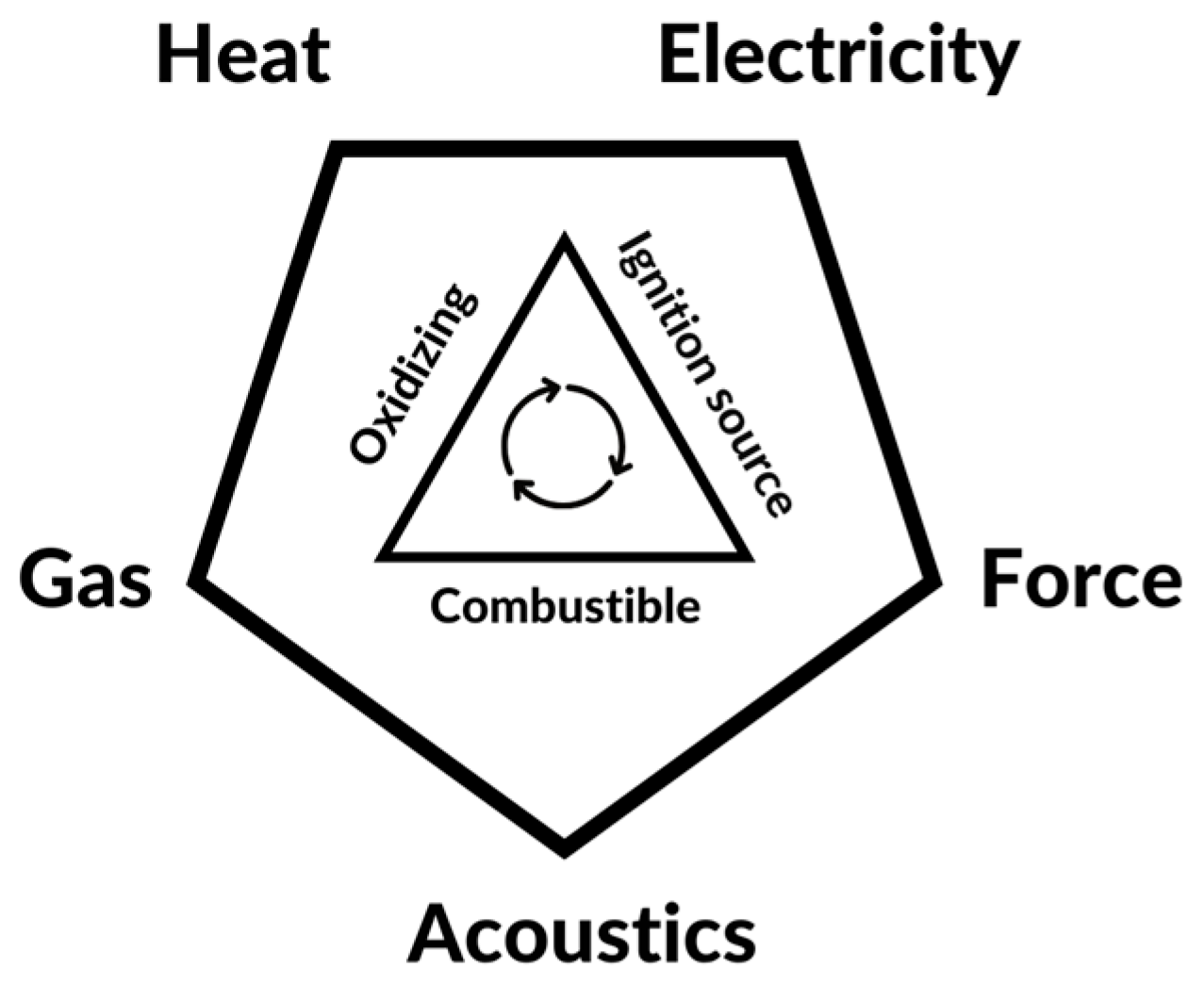
In addition to thermal hazards, lithium-ion battery failures are associated with the release of flammable and toxic gases produced by electrolyte decomposition and electrode reactions [2,7]. These gases may accumulate in confined spaces before visible ignition, posing both health risks and explosion hazards. While similar gas species may be generated across different failure scenarios, their release rates, concentrations, and hazard relevance vary significantly depending on the failure mode, state of charge, and environmental confinement.
From a safety perspective, understanding the mechanisms governing battery failure and thermal runaway is essential for practical risk assessment in electric vehicle service and repair environments. Early recognition of abnormal thermal behavior, gas emissions, or electrical instability can support timely intervention and reduce the likelihood of escalation into severe fire events.

2.1. Initiation of Thermal Runaway

Thermal runaway in lithium-ion batteries is typically initiated by localized failure events such as mechanical deformation, electrical abuse, or excessive thermal loading [1,2]. These triggers may cause internal short circuits within individual cells, leading to rapid localized heating. Once a critical temperature threshold is exceeded, exothermic reactions within the cell components may accelerate uncontrollably.
Early stages of thermal runaway are often not accompanied by visible flames [1,7]. Instead, abnormal temperature rises, pressure increases, or subtle changes in electrical behavior may precede a more severe escalation. In service and repair environments, such early-stage failures may remain undetected if damaged batteries are stored, transported, or charged without adequate monitoring.

2.2. Propagation Mechanisms Within Battery Systems

Following initiation, thermal runaway may propagate from a single cell to adjacent cells or modules within a battery pack [2,7]. Heat transfer through conduction, radiation, and the release of hot gases can raise neighboring cell temperatures beyond their stability limits, triggering secondary failures.
The likelihood and speed of propagation depend strongly on battery design parameters, including cell spacing, module configuration, thermal management systems, and the presence of fire-retardant or insulating materials. High-energy traction battery packs used in electric vehicles may therefore exhibit prolonged and spatially complex failure behavior, particularly when partially damaged.
In service contexts, incomplete propagation may result in batteries that appear stable but remain internally compromised, increasing the risk of delayed ignition or reignition long after the initial event [1,9].

2.3. Gas Generation and Composition During Battery Failure

Lithium-ion battery degradation and thermal runaway processes are accompanied by the release of flammable and toxic gases generated through electrolyte decomposition and electrode reactions [2,7]. Commonly reported gas species include hydrogen, carbon monoxide, hydrocarbons, and acidic compounds such as hydrogen fluoride.
Gas release may occur before visible ignition and lead to the accumulation of combustible or toxic atmospheres in confined spaces. While the qualitative composition of emitted gases is often similar across different failure scenarios, the total volume, release rate, and resulting concentration vary significantly depending on the failure mode, state of charge, and environmental confinement [7,8]. From a safety perspective, gas generation represents a critical hazard pathway, as it may precede fire development and pose immediate health and explosion risks to personnel.

2.4. Implications for Service and Repair Environments

The combination of delayed failure initiation, thermal propagation, and gas generation creates unique challenges for electric vehicle service and repair environments [3,4]. Unlike traffic accidents occurring in open spaces, workshops, storage areas, and transport facilities may provide limited ventilation and restricted access, exacerbating hazard severity.
Damaged or degraded battery systems handled during maintenance, recovery, or recycling operations may therefore remain hazardous for extended periods [5,6]. Effective risk mitigation requires awareness of potential delayed escalation, continuous monitoring of battery condition, and the implementation of operational procedures tailored to lithium-ion battery behavior rather than conventional vehicle systems.
Understanding these mechanisms forms the foundation for the safety-oriented framework developed in subsequent sections of this review. The main categories of hazards and associated risk factors related to electric vehicle battery failures are summarized in Table 1.
Additional operationally relevant characteristics associated with electric vehicle battery failure scenarios are summarized in Table 2.
The types of gases released during different stages of lithium-ion battery thermal runaway are summarized in Table 3.
Additionally, in-operando experiments and modeling studies further clarify the internal mechanisms and propagation pathways of thermal runaway in lithium-ion batteries [9,10,11].

3. Review Framework and Classification Approach

This section outlines the analytical framework applied to structure and synthesize the existing literature on lithium-ion battery fire hazards in electric vehicle service and repair environments [2]. Rather than presenting experimental methods, the framework defines a systematic approach for organizing reported battery failure mechanisms, observable indicators, and associated safety implications [2].
Published experimental studies, incident analyses, and technical reports were reviewed to identify recurring patterns in battery degradation, thermal runaway initiation, gas release, and fire development [1,7]. These findings were grouped into qualitative categories reflecting different stages of battery failure escalation [1]. The classification emphasizes safety-relevant characteristics rather than precise quantitative thresholds, acknowledging the inherent variability of battery behavior.
Temperature ranges, gas emission indicators, and observable physical changes serve as indicators to support risk assessment and decision-making. These markers should not be interpreted as fixed deterministic limits, but as practical reference points derived from the literature to assist in evaluating battery condition and potential escalation pathways in real-world service scenarios [1,2].
The framework further integrates operational considerations relevant to workshops, recovery operations, and storage facilities, including environmental confinement, ventilation conditions, and post-incident monitoring requirements [3,4]. By linking battery failure stages to observable indicators and corresponding safety implications, the proposed approach supports a structured evaluation of risk and informs the development of appropriate mitigation strategies [2].
This classification framework provides the foundation for the comparative analyses and operational discussions presented in the subsequent sections of this review [2].

4. Comparative Fire Behavior of Internal Combustion Engines and Electric Vehicles

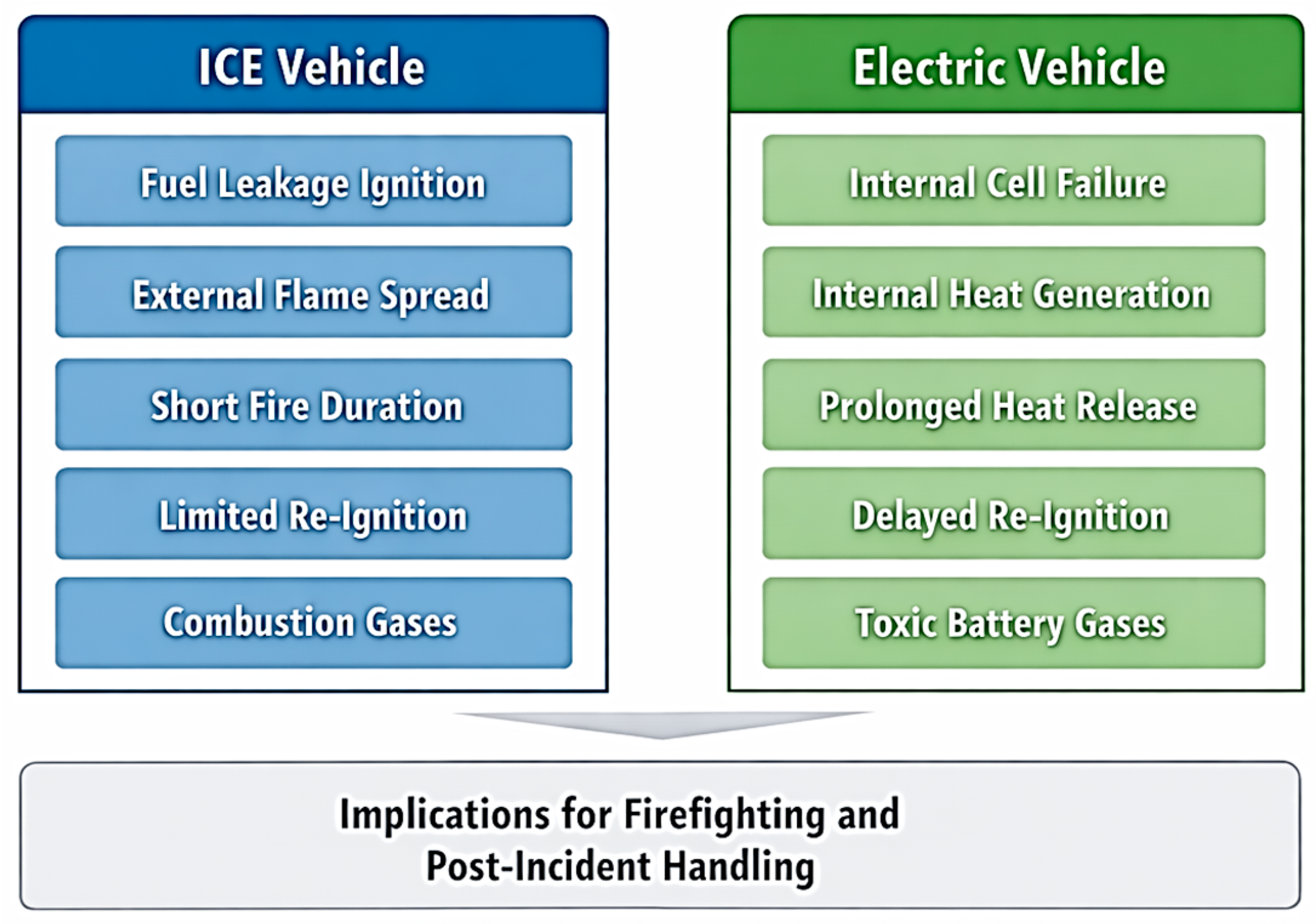
Fires involving internal combustion engine vehicles and electric vehicles differ fundamentally in their ignition mechanisms, fire development, and associated hazards [1,7]. In conventional cars, fires are typically initiated by liquid-fuel leakage or the ignition of combustible materials, leading to relatively rapid flame spread primarily governed by external fire dynamics [7]. In contrast, electric vehicle fires are driven by internal battery processes, where heat generation originates within lithium-ion cells and may evolve independently of external flame development [1,2]. A conceptual comparison of fire development characteristics in internal combustion engines and electric vehicles is presented in Figure 2. Figure 2 is significant because it explains why conventional fire response assumptions based on externally driven combustion cannot be directly transferred to electric vehicle incidents driven by internal battery heat generation.
A structured comparison of key risk factors associated with internal combustion engines and electric vehicle fires is provided in Table 4.
Together with the conceptual overview in Figure 2, Table 4 supports a deeper understanding of the fundamental differences in fire development and post-incident risks between conventional and electric vehicles.
A defining characteristic of electric vehicle battery fires is the potential for delayed ignition and prolonged heat release [1,10]. Following mechanical damage or electrical failure, battery systems may remain thermally unstable for extended periods before visible ignition occurs [1,10]. This behavior contrasts sharply with gasoline vehicle fires, which usually manifest rapidly after ignition and subside once the fuel supply is consumed or suppressed [7]. As a result, electric vehicle fires may require significantly longer monitoring and cooling periods to prevent reignition [10,12].
Gas generation further differentiates electric vehicle fires from those involving internal combustion engine vehicles [2,7]. Lithium-ion battery failure processes release flammable and toxic gases that may accumulate prior to ignition, particularly in confined environments [7,8]. In gasoline vehicle fires, hazardous gases are primarily generated as combustion products during active burning [7]. For electric vehicles, however, gas release may precede flames and pose explosion or health hazards even in the absence of visible fire.
These differences have important implications for firefighting strategies and operational safety [5,6]. Suppression tactics developed for conventional vehicle fires, which focus on flame knockdown and fuel isolation, are often insufficient for lithium-ion battery fires [5,6]. Instead, sustained cooling, extended observation, and controlled isolation of affected vehicles are required. In service, repair, and post-crash handling environments, failure to recognize these distinctions may result in underestimating residual risks associated with damaged battery systems [3,4].
Understanding the contrasting fire behavior of internal combustion engines and electric vehicles is therefore essential for developing appropriate safety procedures, training programs, and facility design measures tailored to electric vehicle service and repair operations [3,4].

5. Firefighting and Operational Safety Considerations

Firefighting and post-incident handling of electric vehicles present challenges that differ substantially from those associated with conventional vehicle fires [5,6]. The primary hazard arises from the internal energy stored within lithium-ion battery systems, which may continue to generate heat and release hazardous gases even after visible flames have been suppressed. Consequently, extinguishment of electric vehicle fires cannot be considered complete once external combustion is controlled. Large-scale infrastructure fire tests and risk mitigation studies in tunnels and underground environments provide further context for these findings [10,11].
Effective mitigation of lithium-ion battery fires relies primarily on sustained cooling to interrupt thermal runaway propagation and reduce internal temperatures below critical thresholds [2,7]. Water-based suppression remains the most effective approach due to its high heat absorption capacity and ability to penetrate battery enclosures. However, surface cooling alone may be insufficient, particularly for high-capacity traction battery systems, requiring prolonged application and post-fire monitoring [6,13].
A defining operational challenge is the risk of delayed ignition or reignition. Damaged battery systems may remain thermally unstable for hours or days following an incident, especially when internal cell damage or moisture ingress is present. In service and recovery environments, this behavior necessitates extended observation periods, controlled isolation of affected vehicles, and restrictions on access to storage or repair facilities until battery stability can be confirmed.

5.1. Operational Safety in Service and Repair Facilities

Service and repair facilities represent a unique risk environment, as damaged electric vehicles may be handled indoors under confined conditions [3,4]. Limited ventilation, proximity to other cars, and the presence of personnel increase the potential consequences of gas accumulation, thermal escalation, or sudden reignition events [3,7,8].
Operational safety measures should therefore prioritize early hazard recognition, controlled vehicle isolation, and continuous monitoring of battery condition [6]. Procedures developed for conventional vehicles may underestimate the residual risks associated with electric vehicle batteries and should be adapted accordingly. Personnel training plays a critical role in ensuring awareness of battery-specific hazards and appropriate response actions [3,4].

5.2. Post-Crash Handling, Transport, and Storage

Following a collision or fire event, electric vehicles may retain significant residual electrical and thermal energy [6,12]. During transport and storage, damaged battery systems may transition from an apparently stable state to active thermal runaway without external triggers [1,10]. This risk is particularly pronounced when vehicles are stored in proximity to other assets or within enclosed facilities. The importance of long-term monitoring during post-crash storage is illustrated in Figure 3. Figure 3 is significant because it emphasizes the time-dependent nature of EV battery hazards, demonstrating that delayed ignition and reignition risk may persist long after the initial event.
To mitigate these hazards, post-crash handling strategies should emphasize physical separation, controlled storage conditions, and ongoing monitoring [6]. Transport and storage environments must be selected to minimize secondary fire spread and facilitate safe intervention should reignition occur.

5.3. Fires in Enclosed and Underground Structures

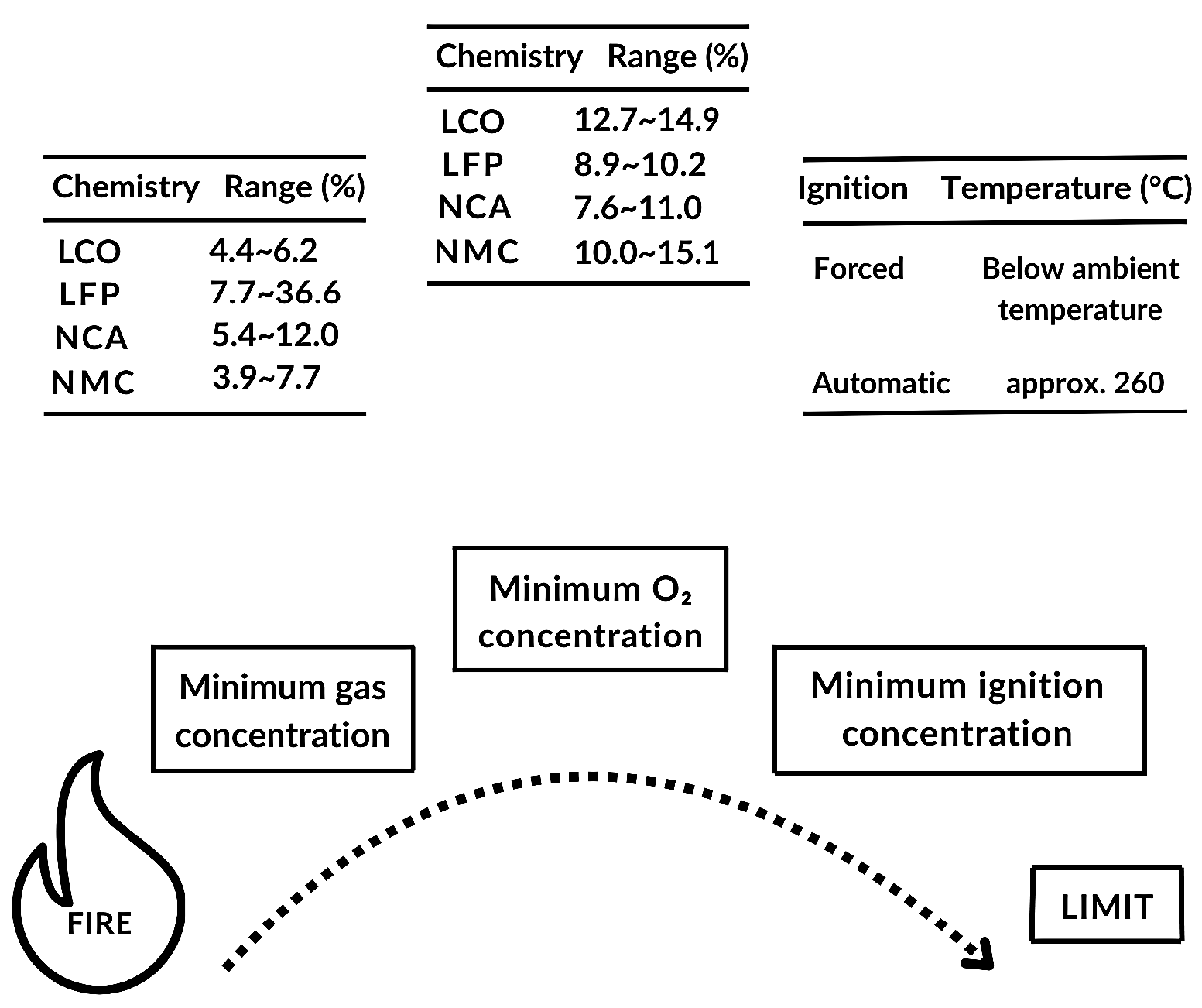
Electric vehicle fires in enclosed or underground environments pose elevated risks due to restricted ventilation and limited heat dissipation [7]. Gas accumulation beneath ceilings and rapid temperature rise may lead to sudden increases in fire intensity, posing severe challenges to firefighting operations and occupant safety [7]. In such environments, conventional ventilation and suppression systems may be insufficient to manage the combined thermal and gas hazards associated with lithium-ion battery failures [7,8]. Early detection of abnormal gas concentrations, enhanced ventilation strategies, and facility-specific fire protection measures are therefore essential components of risk mitigation in enclosed parking and service structures. Fire development in confined environments differs significantly from open-air scenarios, as shown in Figure 4. Figure 4 is significant because it highlights how confinement increases hazard severity by restricting ventilation and heat dissipation, thereby increasing the probability of gas accumulation and rapid escalation in enclosed facilities.
The specific challenges associated with electric vehicle fires in enclosed and underground environments are summarized in Table 5.

5.4. Operational Safety Considerations During Firefighting Involving Electric and Hybrid Vehicles

During firefighting and emergency response, rapid identification of vehicle propulsion type and battery system configuration is critical [3,5]. Knowledge of high-voltage component locations, battery enclosure design, and potential gas release pathways supports informed tactical decision-making and personnel protection.
Firefighting operations must account for the possibility of delayed escalation even after initial fire control [1,6,10]. Continued cooling, thermal monitoring, and controlled access to affected vehicles are necessary to reduce the risk of reignition and secondary incidents. These considerations highlight the importance of adapting firefighting procedures and training programs to the specific hazards posed by electric and hybrid vehicle battery systems [3,4,5]. Full-scale investigations in underground transport infrastructure and tunnel environments provide further insight into EV fire development and risk mitigation strategies under confined conditions.

6. Industrial-Grade Fire Retardants and Mitigation Strategies

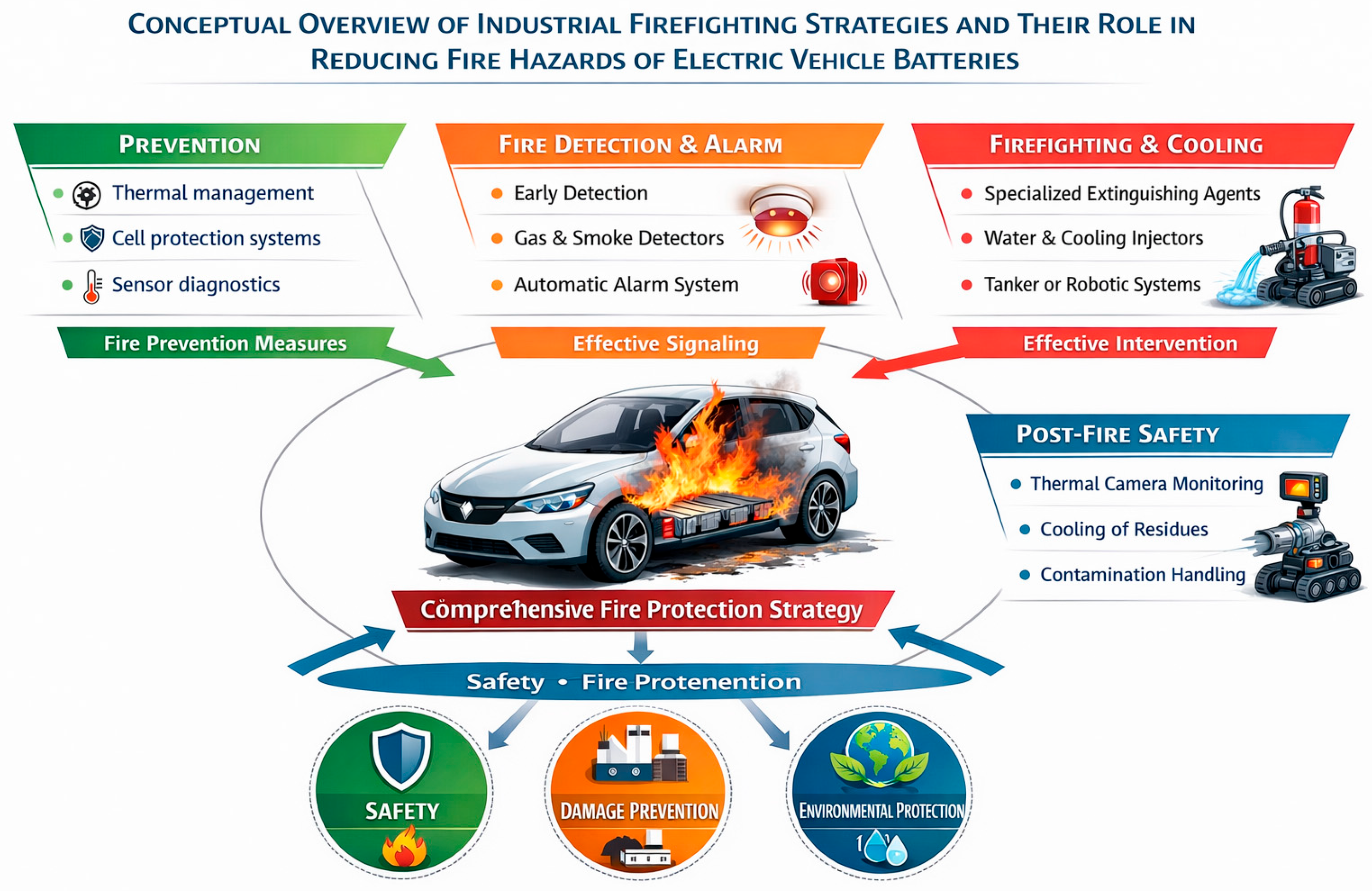
Industrial fire suppression systems commonly applied in vehicle-related incidents include water-based agents, foams, dry chemical powders, and specialized additives [5,6]. While these agents are effective against conventional vehicle fires, their performance in lithium-ion battery fire scenarios differs substantially due to the internal nature of battery failure processes [1,7]. The role of different suppression strategies within an integrated safety concept is summarized in Figure 5. Occupational safety analyses and industry guidelines highlight electrical hazards and regulatory expectations during EV maintenance and post-incident handling [14,15]. Figure 5 is significant because it clarifies the role of different suppression agents within an integrated safety concept and shows that effective mitigation requires combining cooling, isolation, ventilation, and monitoring rather than relying on a single extinguishing product.
An overview of industrial-grade fire retardants and system-level mitigation approaches applicable to electric vehicle battery fires is presented in Table 6.
Water-based suppression remains the most effective mitigation strategy for lithium-ion battery fires, primarily because of its high heat absorption capacity and ability to reduce internal cell temperatures [2,5,7]. Sustained water applications can slow or interrupt thermal runaway propagation; however, large battery packs may require prolonged cooling to achieve thermal stability. In service and repair environments, this requirement has direct implications for water supply capacity, drainage, and post-incident monitoring [6].
Foams and dry chemical agents are commonly applied to suppress secondary fires involving vehicle materials, such as plastics, insulation, or interior components [5]. However, these agents generally provide limited effectiveness in mitigating internal battery reactions, as they do not sufficiently penetrate battery enclosures or remove heat from cell interiors [1,7]. Their role in electric vehicle incidents is therefore primarily supportive rather than primary.
Specialized fire-retardant additives and encapsulating agents have been proposed to enhance cooling efficiency or suppress gas release during battery failures [2,7]. While such solutions may offer localized benefits under controlled conditions, their effectiveness in real-world service and post-crash scenarios remains limited by access constraints, battery pack geometry, and the scale of energy involved in high-capacity traction batteries [1,10].
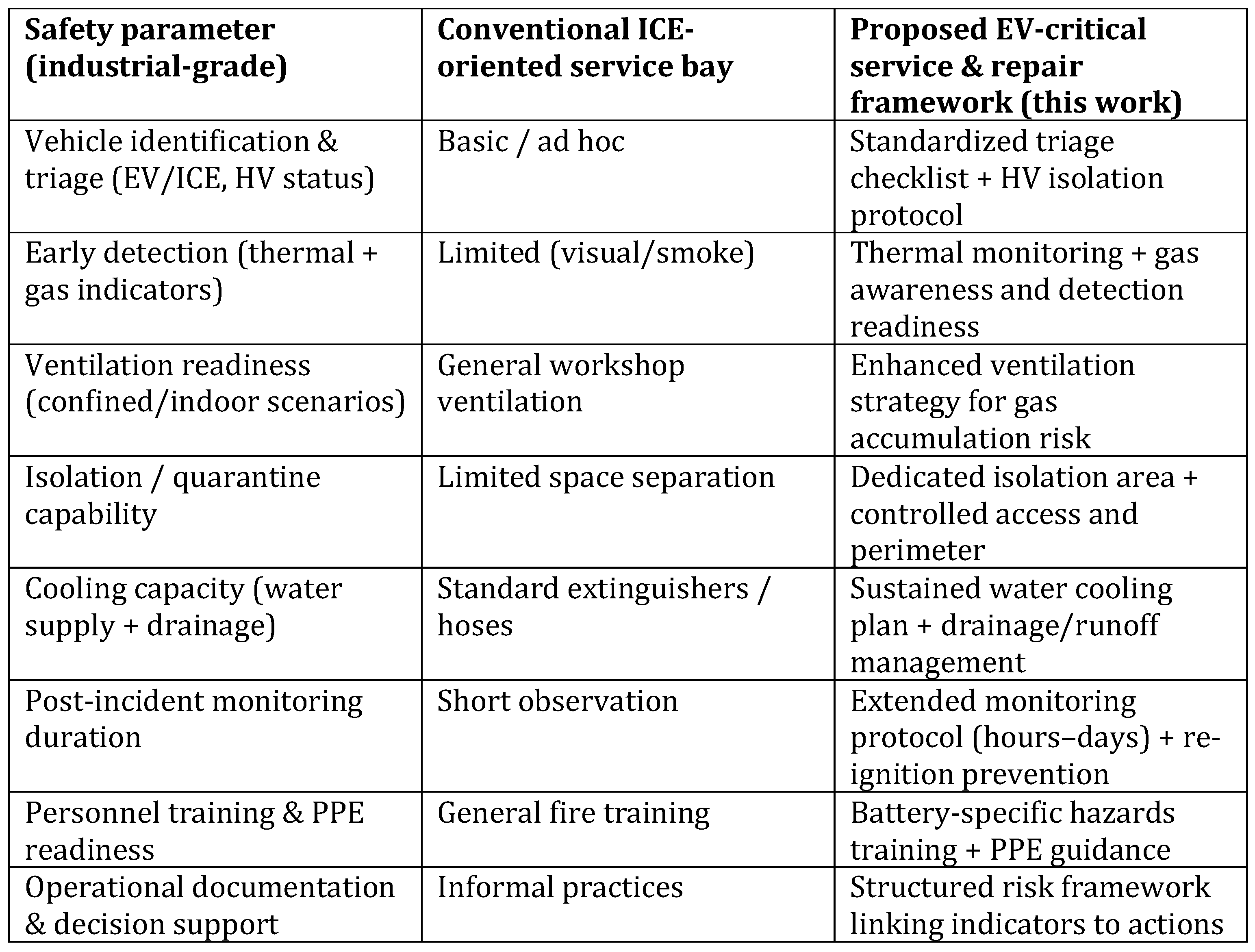
To demonstrate the industrial relevance of the proposed framework, Figure 6 compares key safety parameters required for industrial-grade applications with those typically available in conventional service bays. The comparison highlights the additional requirements for early detection, ventilation readiness, controlled isolation, sustained cooling capacity, and extended monitoring when handling damaged electric vehicles.
Figure 6 is significant because it translates the proposed framework into industrial-grade safety parameters, enabling practical comparison with conventional service practices and supporting facility accreditation and operational decision-making.
From a service and repair workshop perspective, these considerations demonstrate that effective risk mitigation cannot rely solely on individual fire-retardant products. Instead, industrial-grade suppression systems must be integrated into a broader safety concept that includes early hazard detection, adequate ventilation, controlled vehicle isolation, personnel training, and extended post-suppression monitoring [3,4].

7. Discussion

The reviewed literature demonstrates that lithium-ion battery fire hazards associated with electric vehicles cannot be adequately addressed by directly transferring safety concepts developed for conventional internal combustion engine vehicles [1,7]. Fundamental differences in failure mechanisms, fire development, and post-incident behavior necessitate a distinct safety perspective, particularly in service, repair, and post-crash handling environments [1,3,4].
A key finding emerging from this review is the significance of delayed escalation phenomena [1]. Unlike conventional vehicle fires, lithium-ion battery failures may progress over extended time scales, with gas release, thermal instability, and reignition occurring long after an initial incident appears to be under control [1,6,10]. This behavior challenges conventional assumptions regarding fire extinguishment and highlights the importance of prolonged monitoring and controlled isolation of affected vehicles [5,6].
The analysis further underscores the critical role of environmental conditions in shaping risk severity [7]. Confined service facilities, storage areas, and enclosed parking structures may amplify thermal and gas hazards due to limited ventilation and restricted heat dissipation [7,8]. In such contexts, early detection of abnormal battery behavior and gas accumulation becomes a decisive factor in preventing escalation into severe fire events [2,7,8].
From an operational standpoint, the findings emphasize that effective mitigation of electric vehicle fire risks requires an integrated safety approach [3,4,6]. Reliance on individual technical measures—such as specific extinguishing agents or isolated procedural steps—is insufficient when addressing the complex and evolving nature of lithium-ion battery failures [5,6]. Instead, safety strategies must combine technical, organizational, and procedural elements, including personnel training, facility design considerations, and post-incident management practices [3,4,6].
The framework proposed in this review contributes to this integrated perspective by linking battery failure mechanisms to observable indicators and corresponding safety implications [2]. While the framework does not eliminate the uncertainty inherent in lithium-ion battery behavior, it provides a structured basis for risk assessment and decision-making in service and repair operations [1,2]. Future research should focus on validating and refining such frameworks through large-scale experimental studies and real-world incident data to support the development of harmonized safety standards [1,2,7].

8. Conclusions

Lithium-ion battery fires associated with electric vehicles pose distinct challenges in service, repair, and post-crash environments due to delayed ignition, prolonged heat release, and the potential for hazardous gas generation [1,7]. These characteristics differentiate electric vehicle fire risks fundamentally from those of conventional internal combustion engine vehicles and necessitate adapted safety strategies.
This review highlights the importance of understanding battery failure mechanisms, thermal runaway processes, and their operational implications for workshops, recovery operations, and storage facilities. By synthesizing existing experimental findings, incident analyses, and safety considerations, the paper emphasizes that effective risk mitigation requires an integrated approach combining technical measures, organizational procedures, and personnel training.
The safety-oriented framework proposed in this review provides structured support for risk assessment and decision-making in electric vehicle service and repair contexts. While uncertainties regarding lithium-ion battery behavior remain, the framework provides a practical basis for improving safety practices and informing the accreditation and design of facilities that handle electric vehicles [2].
Continued research and standardization efforts are essential to refine safety guidelines, validate risk assessment tools, and address emerging challenges associated with increasing battery energy density and evolving electric vehicle technologies. Strengthening the evidence base in these areas will support safer operation, emergency response, and maintenance practices as electric vehicle adoption continues to expand [1,2].

Funding

This research was funded by European Union—National Laboratory for Autonomous Systems, grant number RRF-2.3.1-21-2022-00002.

Institutional Review Board Statement

Not applicable.

Informed Consent Statement

Not applicable.

Data Availability Statement

No new data were created or analyzed in this study. Data sharing is not applicable to this article.

Conflicts of Interest

The author declares no conflicts of interest.

References

  1. Aalund, R.; Diao, W.; Kong, L.; Pecht, M. Understanding the Non-Collision Related Battery Safety Risks in Electric Vehicles a Case Study in Electric Vehicle Recalls and the LG Chem Battery. IEEE Access 2021, 9, 87344–87358. [Google Scholar] [CrossRef]
  2. Li, J.; Zhou, X.; Kim, N. Experimental investigation of thermal runaway propagation. Batteries 2023, 9, 345. [Google Scholar] [CrossRef]
  3. Sun, P.; Bisschop, R.; Niu, H.; Huang, X. A review of battery fires in electric vehicles. Fire Technol. 2020, 56, 1361–1410. [Google Scholar] [CrossRef]
  4. Chen, H.; Liu, Z.; Wang, Q. The critical characteristics and transition process of lithium-ion battery thermal runaway. Energy 2020, 196, 117083. [Google Scholar] [CrossRef]
  5. Wang, Q.; Mao, B.; Stoliarov, S.I.; Sun, J. A comprehensive review of failure evolution and safety evaluation of lithium-ion batteries. eTransportation 2021, 8, 100093. [Google Scholar] [CrossRef]
  6. Wöhrl, K.; Geisbauer, C.; Nebl, C.; Lott, S.; Schweiger, H.-G. Crashed electric vehicle handling and recommendations—State of the art in Germany. Energies 2021, 14, 1021. [Google Scholar] [CrossRef]
  7. Kuusinen, J.; Laine, T.; Virtanen, A. Electrical accident risks in EV service and repair. Saf. Sci. 2020, 130, 104858. [Google Scholar]
  8. Mallick, S.; Gayen, D. Thermal behaviour and thermal runaway propagation in lithium-battery systems—A critical review. J. Energy Storage 2023, 62, 106894. [Google Scholar] [CrossRef]
  9. Günther, M.; Jansen, A.; Müller, P. Scenarios involving accident-damaged electric vehicles. J. Saf. Res. 2021, 76, 260–272. [Google Scholar]
  10. Menz, F.; Bausch, B.; Barillas, J.K.; Böse, O.; Danzer, M.A.; Hölzle, M. Preventing thermal runaway propagation in Li-ion batteries: Model-based design of heat-absorbing interstitial barriers. J. Power Sources 2023, 584, 233578. [Google Scholar] [CrossRef]
  11. In, J.; Ma, J.; Kim, H. Development of a New Electric Vehicle Post-Crash Fire Safety Test in Korea (Proposed for the Korean New Car Assessment Program). World Electr. Veh. J. 2025, 16, 45. [Google Scholar] [CrossRef]
  12. Mellert, L.D.; Welte, U.; Tuchschmid, M.; Held, M.; Hermann, M.; Kompatscher, M.; Tesson, M.; Nachef, L. Risk minimisation of electric vehicle fires in underground transport infrastructures. Schweiz. Verb. Der Strassen-Und Verkehrsfachleute (VSS) 2020, 1678, 1–102. [Google Scholar]
  13. McDonnell, K.; Sheehan, B.; Murphy, F.; Guillen, M. Are electric vehicles riskier? A comparative study of driving behaviour and insurance claims for internal combustion engine, hybrid and electric vehicles. Accid. Anal. Prev. 2024, 207, 107766. [Google Scholar] [CrossRef] [PubMed]
  14. Finegan, D.P.; Scheel, M.; Robinson, J.B.; Tjaden, B.; Hunt, I.; Mason, T.J.; Millichamp, J.; Di Michiel, M.; Offer, G.J.; Hinds, G.; et al. In-operando high-speed tomography of lithium-ion batteries during thermal runaway. Nat. Commun. 2015, 6, 6924. [Google Scholar] [CrossRef] [PubMed]
  15. Sturm, P.; Fössleitner, P.; Fruhwirt, D.; Schirmer, A.; Reinwald, B.; Kühbacher, M.; Wenighofer, R.; Heindl, S.; Nöst, T.; Leonhardt, P.; et al. Fire testing of electric vehicles in tunnel environments. Berg-Huettenmaenn. Mon. 2020, 165, 651–657. [Google Scholar] [CrossRef]
Figure 1. Schematic overview of lithium-ion battery failure escalation, illustrating the transition from initial damage or abuse conditions to thermal runaway and delayed ignition phenomena in electric vehicle battery systems.
Futuretransp 06 00043 g001
Figure 2. Conceptual comparison of ignition mechanisms, fire development, heat release characteristics, and post-extinguishment behaviour in internal combustion engines and electric vehicles.
Futuretransp 06 00043 g002
Figure 3. Delayed ignition of a damaged electric vehicle battery during post-crash storage, demonstrating the potential for thermal runaway initiation long after the initial accident.
Futuretransp 06 00043 g003
Figure 4. Comparison of fire development and thermal conditions during electric vehicle fires in enclosed and open environments.
Futuretransp 06 00043 g004
Figure 5. Conceptual overview of industrial fire suppression strategies and their roles in mitigating electric vehicle battery fires.
Futuretransp 06 00043 g005
Figure 6. Comparison of the proposed service-bay safety framework against industrial-grade safety parameters for EV battery incidents. Note: The matrix provides a qualitative comparison intended to highlight additional requirements for industrial-grade EV service and post-crash handling.
Futuretransp 06 00043 g006
Table 1. Overview of electric vehicle battery fire hazards and associated risk factors.
Hazard CategoryDescription (What Happens)Typical Triggers/CausesMain Risk Factors (In Service/Repair)Potential ConsequencesSuggested Controls/Mitigation
Thermal runaway initiationRapid self-heating due to internal reactions in a cellMechanical damage, internal short circuit, overcharge, overheatingHidden internal damage, lack of monitoring, high SOCSudden ignition, intense heat releaseThermal monitoring, isolation area, restricted charging
Thermal runaway propagationFailure spreads from one cell/module to neighboring onesHeat transfer, venting flames, and insufficient thermal barriersDense pack design, confined environment, delayed responseEscalating fire, full pack involvementProlonged cooling, pack separation, containment
Flammable gas release (CEG)Generation and venting of combustible gases before ignitionElectrolyte decomposition, vent openingPoor ventilation, enclosed workshop, gas accumulationExplosion risk, flash fireVentilation, gas detection, exclusion zones
Toxic/corrosive gas releaseEmission of harmful compounds (e.g., CO, HF)Thermal decomposition of the electrolyte and binderProximity of personnel, inadequate PPEAcute health effects, corrosion damageRespiratory protection, air extraction, training
Delayed ignition/reignitionIgnition occurs hours/days after the incident or extinguishmentResidual heat, internal damage, water ingressStorage indoors, insufficient monitoring timeSecondary fire, renewed escalationLong-term observation, thermal imaging, quarantine storage
Electrical hazard (high voltage)Live HV components during damage/repairIncomplete shutdown, damaged insulationUntrained staff, improper tools, wet environmentElectric shock, arc flashLockout/tagout, HV training, insulated tools
Water–electrolyte interaction/runoff contaminationContaminated extinguishing water and residuesFire suppression, cooling of the batteryNo drainage control, no containmentEnvironmental pollution, regulatory issuesCollection systems, hazardous waste handling
Mechanical instability/pack ruptureStructural failure, venting, and projectile fragmentsCrash damage, swelling, pressure buildupHandling equipment, poor fixationInjury, secondary ignitionSecure transport/storage, protective barriers
Fire spread to nearby vehicles/materialsSecondary ignition of surrounding combustiblesRadiant heat, flame jetsTight spacing, flammable workshop materialsFacility fire, high economic lossSeparation distances, fire-resistant zones, and compartmentation
Limited access for suppressionDifficulty cooling inside the pack enclosurePack shielding, underbody protectionConfined bay, lack of specialized equipmentIneffective suppression, longer incidentsDedicated EV bay design, access strategy, and firefighting plan
(Note: SOC = state of charge; CEG = cell eruption gases).
Table 2. Lithium-ion battery heating process.
Hazard LevelDescriptionEffect
0No effectNo effect, no loss of function.
1Passive protection activatedNo failure/damage, leakage, venting, fire or flame, rupture or explosion. No exothermic reaction or thermal catastrophe.
2Failure/DamageNo leakage, venting, fire or flame, rupture or explosion. No exothermic reaction or thermal catastrophe.
3Leakage (Δmass < 50%)No venting, fire or flame, rupture or explosion. No exothermic reaction or thermal catastrophe. Mass loss is <50% of electrolyte mass.
4Venting (Δmass ≥ 50%)No fire or flame, rupture or explosion. No exothermic reaction or thermal catastrophe. Mass loss ≥ 50% of electrolyte mass.
5Fire or flameNo rupture or explosion. No exothermic reaction or thermal catastrophe.
6RuptureNo explosion. No exothermic reaction or thermal catastrophe.
7ExplosionExplosion, cell disintegration.
Table 3. Gas generation during different stages of lithium-ion battery thermal runaway.
Stage/PhaseApprox. Temperature Range (Indicative)Dominant ProcessesTypical Gases Released (Examples)Main Hazards/Remarks
Early heating/pre-runaway≈60–120 °CSEI decomposition, electrolyte evaporation (initial), minor ventingCO2, small amounts of CO, light hydrocarbons (e.g., CH4, C2H4), H2 (trace)Often, no flames; gas accumulation is possible in confined spaces
Onset of thermal runaway≈120–200 °CSeparator shrinkage, internal short circuit, accelerated electrolyte decompositionCO, CO2, H2, hydrocarbons (C2H4, C2H6), VOCsFlammable mixture formation; sudden venting; toxic exposure risk
Active thermal runaway/venting≈200–500+ °CRapid exothermic reactions, cathode decomposition, violent ventingCO, H2, CH4, C2H4, C2H6, CO2, HF (from LiPF6), other acidic speciesHigh explosion potential; highly toxic/corrosive gases (HF); jet flames may occur
Post-runaway/combustion phaseVariable (flame temperatures can exceed 800–1000 °C)Combustion of released gases and surrounding materialsCO2, CO, NOx, soot, H2O; residual HF possibleFire smoke toxicity; secondary ignition of nearby combustibles
Cooling/post-extinguishment/reignition riskCooling down, but internal hotspots may persistResidual reactions, reignition, and continued low-rate ventingCO, H2, hydrocarbons (low concentrations), HF (possible)Reignition risk; long monitoring required; ventilation essential
Note: Temperature ranges are indicative and may vary depending on cell chemistry, SOC, and failure mode.
Table 4. Risk analysis: internal combustion engines vs. electric vehicle comparison.
Normal OperationMalfunctionNotes
Electricity is present in the vehicle or the cable connected to it when charging through a direct charging point. Cables and devices must comply with relevant electrical safety standards.The low component fire load can be extinguished with standard methods (powder, foam, water).When charging through an AC outlet (230 V or 400 V) or wall-mounted station, ensure the local electrical system is designed for continuous load. An expert inspection is highly recommended.
The operator guarantees that the electrical system does not pose a fire hazard.The low component fire load can be extinguished with standard methods (powder, foam, water).It is the user’s and operator’s responsibility to select appropriate equipment and safety devices for the intended use. Experts should perform regular inspections. Charging systems with intermediate storage are unsuitable for garages due to their high combustion load. The same applies to charging stations requiring more than 1000 V.
The vehicle manufacturer guarantees that an undamaged EV does not pose a fire risk.The fire load of an EV is like that of a vehicle with an internal combustion engine. Water-based extinguishing is recommended.Parking by the driver of a potentially damaged vehicle cannot be prevented. The likelihood of a fire caused by a damaged EV is no greater than that of a 12 V electrical system in a combustion engine vehicle.
The charging electronics interrupt the charging process in the event of battery or charger failure, preventing a fire.Failure of the charging electronics poses a risk of thermal or electrical battery overload, leading to a fire hazard. The fire load of an EV is like that of a combustion engine vehicle. Water-based extinguishing is recommended.Charging electronics may cause a vehicle fire without the battery itself being involved.
No elevated dangerIncreased fire hazard
Low impact on fire suppressionIncreased fire hazardImpact on firefighting response
Table 5. Gases emitted by a burning lithium-ion battery in enclosed and underground environments.
GasRequired Concentration mg/m3 (ppm)Measured Values (ppm)Qualified or Unqualified
CO<4000 (3500)28,400Unqualified
CO2<90,000 (50,000)650Qualified
HF<82 (100)0Qualified
HBr<330 (100)0Qualified
HCl<150 (100)0Qualified
NOx<190 (100)16Qualified
SO2<260 (100)10Qualified
HCN<110 (100)1Qualified
Table 6. Overview of industrial-grade fire retardants and system-level mitigation approaches for electric vehicle battery fires.
Typical ExamplesPrimary MechanismEffectiveness for Li-Ion Battery FiresAdvantagesLimitations/Considerations (Service & Repair Context)
Water-based cooling (primary)Water jets, water mist, continuous cooling, immersion (where applicable)Heat absorption and cooling slow/interrupt thermal runaway propagationHigh (most effective for battery cooling)Widely available; strong cooling capacity; proven in practiceRequires large volumes, runoff management, prolonged application, and electrical precautions
Firefighting foams (supportive)AFFF/AR-AFFF alternatives, Class A foamsSurface smothering and cooling of secondary firesModerate–low (limited penetration into battery pack)Useful for surrounding materials (plastics, interiors); reduces spreadNot effective for internal cell reactions; environmental restrictions for some foams
Dry chemical powders (supportive)ABC powder, BC powderFlame inhibition and surface suppressionLow for battery core; moderate for secondary firesFast knockdown of open flames; portable extinguishersNo deep cooling; reignition likely; visibility and cleanup issues
CO2/inert gas suppressionCO2 flooding, nitrogen systems, inertingOxygen displacement / inert atmosphereLow–moderate (battery reactions can continue without oxygen)Useful in enclosed systems for secondary fires; reduces oxygenLimited for thermal runaway; asphyxiation risk; requires a sealed environment
Encapsulating/gel agentsPolymer gels, water-based gels, encapsulation productsCoating, cooling retention, and reduction in heat release to the surroundingsModerate (case-dependent)May reduce spread; improves cooling persistence on surfacesAccess constraints; uncertain effectiveness for large packs; product-dependent
Additives/specialized agentsF-500, wetting agents, proprietary additivesImproved heat transfer, penetration, and suppression performanceModerate (varies with product and scenario)Potentially reduces required water volume; may enhance coolingLimited independent validation; compatibility and cost considerations
Battery pack isolation and separation (system-level)Quarantine area, separation distances, and fire-resistant bay designPrevents fire spread; limits exposure to personnel and assetsHigh (risk reduction, not extinguishment)Effective for workshops; reduces facility-level consequencesRequires space and infrastructure; operational discipline needed
Ventilation and gas management (system-level)Mechanical ventilation, local extraction, gas detection (CO/HF)Dilution/removal of flammable/toxic gasesHigh (critical in confined spaces)Reduces explosion and health risk; supports safer interventionRequires design and maintenance; sensor calibration; alarm procedures
Thermal monitoring and long-term observation (system-level)Thermal cameras, temperature probes, and monitoring protocolsEarly detection of heating and reignition riskHigh (prevention of delayed escalation)Supports decision-making; improves safety during storage/repairNeeds trained staff; monitoring duration may be extended (hours–days)
Fixed suppression systems for EV repair bays (system-level)Deluge systems, water spray, and hybrid suppression systemsRapid cooling and containment at the facility levelHigh (when designed for EV hazards)Improves response time; protects infrastructureInvestment cost must be tailored to EV-specific fire behavior
Note: Effectiveness ratings are qualitative and depend on battery design, SOC, access, and confinement conditions.
Disclaimer/Publisher’s Note: The statements, opinions and data contained in all publications are solely those of the individual author(s) and contributor(s) and not of MDPI and/or the editor(s). MDPI and/or the editor(s) disclaim responsibility for any injury to people or property resulting from any ideas, methods, instructions or products referred to in the content.