Systematic Review

Safety Effectiveness of Automated Traffic Enforcement Systems: A Critical Analysis of Existing Challenges and Solutions

by
Abdullatif Mohammed Alobaidallah
,
Ali Alqahtany
* and
Khandoker M. Maniruzzaman
Department of Urban and Regional Planning, College of Architecture and Planning, Imam Abdulrahman Bin Faisal University, Dammam 31441, Saudi Arabia
*
Author to whom correspondence should be addressed.
Future Transp. 2025, 5(1), 25; https://doi.org/10.3390/futuretransp5010025

Submission received: 17 December 2024 / Revised: 20 February 2025 / Accepted: 24 February 2025 / Published: 1 March 2025

Abstract

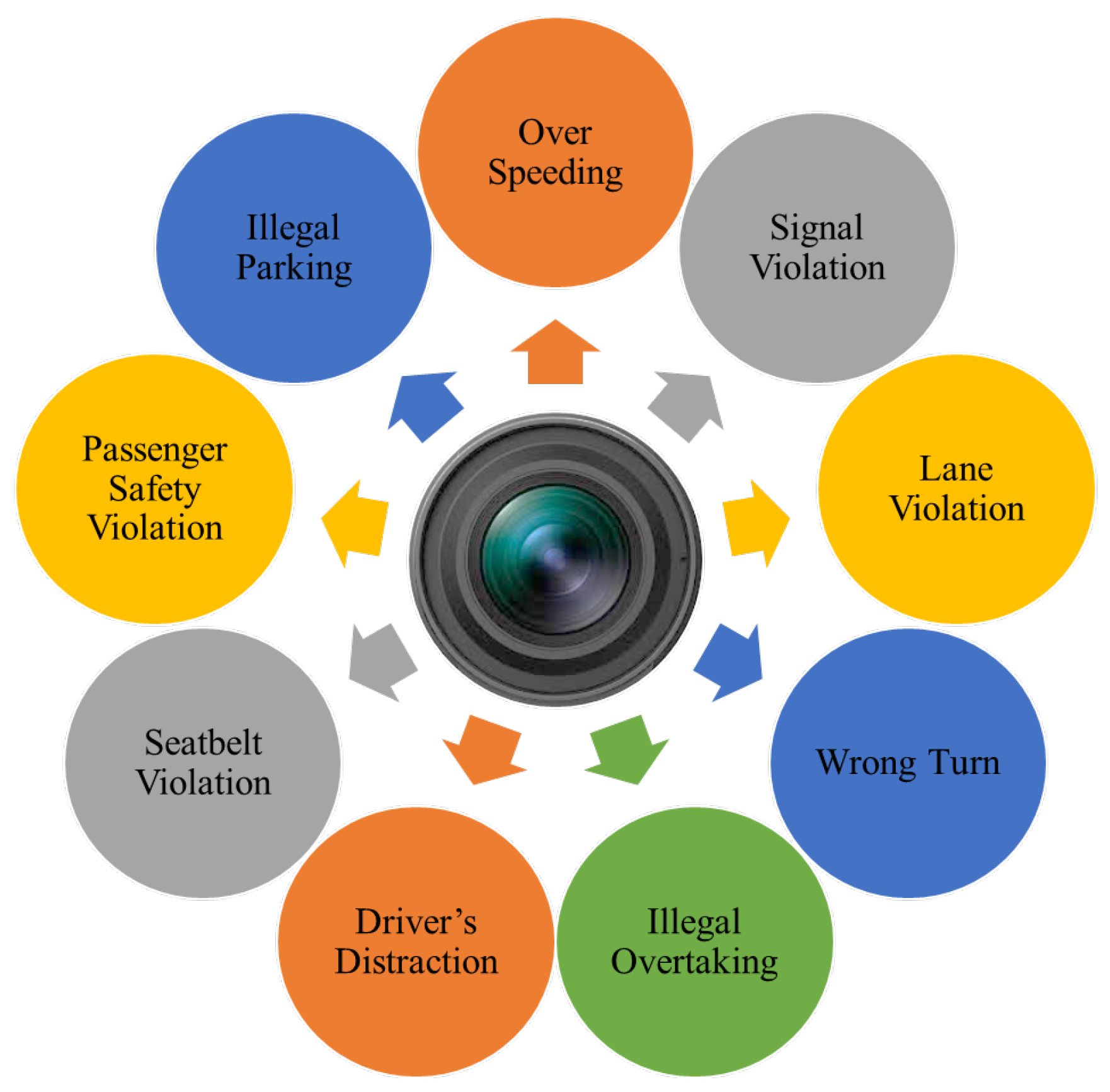
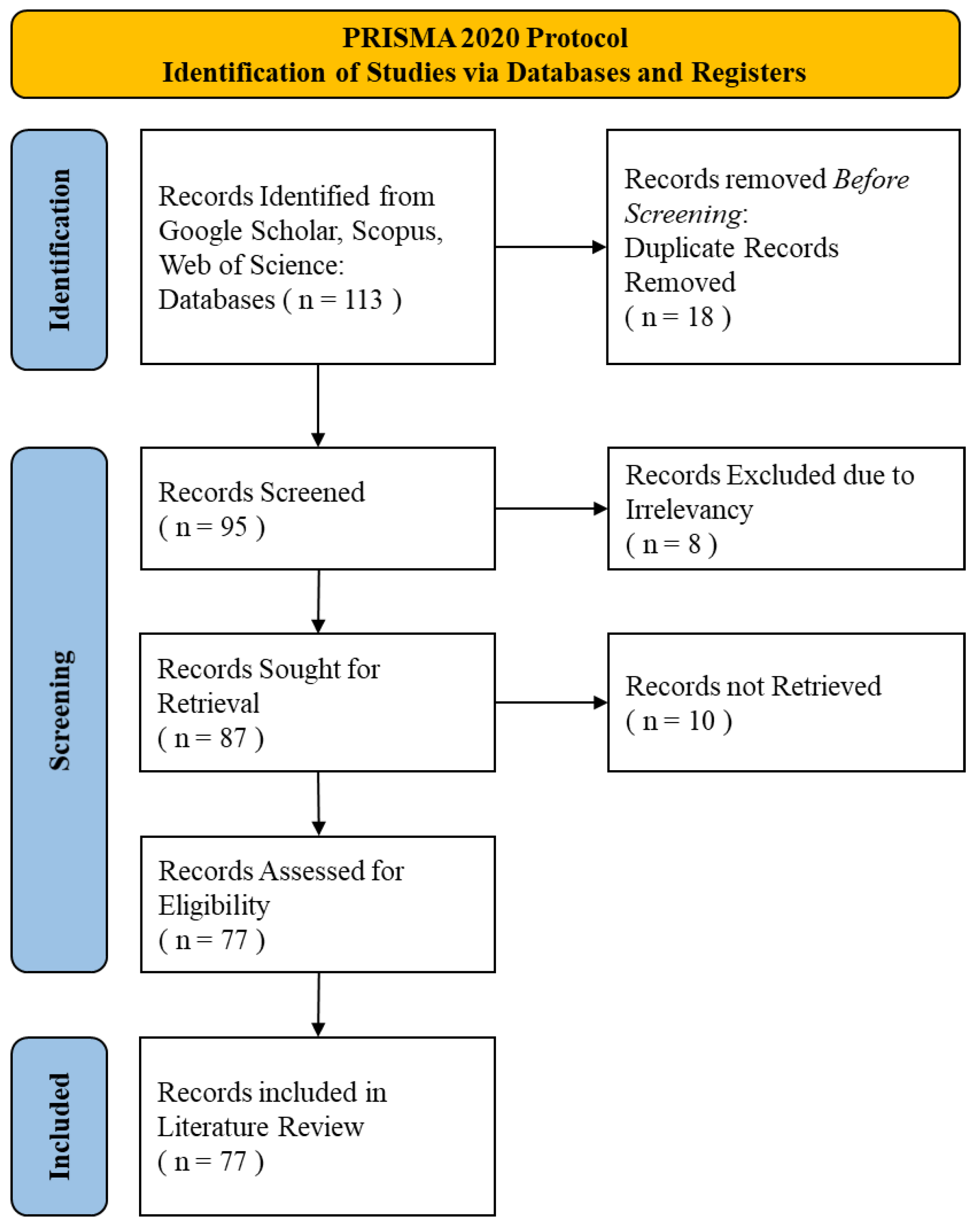
Traffic accidents have become a pressing global public health concern, contributing to millions of deaths and injuries each year. Similar to many countries, the Kingdom of Saudi Arabia is facing significant challenges to overcome the burden of traffic-related injuries and fatalities, prompting the need for effective intervention measures. With the latest advances in sensor fusions, detection, and communication technologies, Automated Traffic Enforcement Systems (ATES) have gained widespread popularity as a solution to improve road safety by ensuring compliance with traffic laws. The objective of this study is to review the effectiveness of ATES in reducing traffic accidents and improving road safety and to identify the challenges and prospects it faced during its implementation. This review uses a detailed overview of different types of ATES deployment, including speed cameras, red-light cameras, and mobile enforcement units, and a comparison between global case studies and local research findings, with special emphasis on the context of Saudi Arabia. This study uses a systematic literature review methodology, using the PRISMA 2020 Protocol, and conducts a scientific literature database search using specific keywords. This study finds that ATES has emerged as an effective tool to ensure traffic compliance and improve overall traffic safety and that various ATES devices have been profoundly effective in reducing traffic crashes. This review concludes that ATES can be an effective solution to improve road safety, but ongoing evaluations and adjustments are necessary to address public perceptions and ensure equitable enforcement.
Keywords: transportation system; road safety; traffic violation; traffic management; smart infrastructure; ATES transportation system; road safety; traffic violation; traffic management; smart infrastructure; ATES