


Abstract
Compression garments are widely employed in medical and sports contexts for their ability to promote venous return, manage oedema, support musculoskeletal function, and enhance athletic recovery. Advances in textile-based compression systems have been driven by innovations in fibres, yarn structures, fabric structure engineering, and design methods. This review critically examines the current literature on compression garments, highlighting the influence of raw materials and yarn architectures on performance, durability, and wearer comfort. Attention is given specially to fabric structures and manufacturing methods, where the evolution from traditional cut-and-sew methods to advanced seamless, flatbed, and circular knitting technologies is highlighted, along with their impact on pressure distribution and overall garment efficacy. The integration of 3D body scanning, finite element analysis, and predictive modelling, which enables more personalised and precise garment design, is also speculated upon. Moreover, the review highlights testing and evaluation methodologies, spanning both in vivo and in vitro based assessments, pressure sensor studies for real-time monitoring, and theoretical models mostly based on Laplace’s law. This literature survey provides a foundation for future innovations aimed at optimising compression garment design for both therapeutic and athletic use.
1. Introduction
Compression garments are elastic clothing designed to apply mechanical pressure to various areas of the body to promote venous return and provide support to underlying tissues. These garments are widely used in the medical and sports industries to improve blood circulation, support muscles, and shape the body. The concept of compression therapy dates back centuries. Ancient Egyptians, for instance, pioneered the use of non-elastic (rigid) bandages [1]. Archaic practitioners believed that applying pressure could counteract the effects of gravity, helping to maintain posture and aid the healing of lower limb wounds. The gradual pressure gradient design of compression stockings aligns with the concept of “venous hydrodynamics”. Pressure is applied in a degressive manner, with the highest at the ankle, gradually decreasing in the upward direction, with the lowest at the thigh. The concept was understood through the experience of merchants in the 18th century who suffered from severe venous insufficiency and noticed that standing in a spa’s footbath healed their leg ulcers after several sessions. The standing position created a hydrostatic pressure on the soles of the feet and on the leg surface, which gradually decreased from the foot upwards. At the top water level, the static pressure approaches zero. Thus, the water treatment-based compression therapy, leveraging the principles of venous hydrodynamics, proved effective in accelerating ulcer healing. In the early stages of application, compression stockings were predominantly used to alleviate leg swelling and venous conditions. Since then, modern compression systems have evolved, incorporating advances in materials science, ergonomics, and medical research to cater to a wide array of applications.
In the medical domain, compression garments are considered to be an indispensable tool for managing venous return and reducing venous hypertension. Compression garments also help in the treatment of hypertrophic scars by reducing collagen formation and increasing collagen lysis [2]. High-quality data support the use of graduated compression stockings by patients with chronic venous insufficiency, particularly those with leg ulcers [3]. Graduated compression stockings are often used to maintain long-term lymphoedema reduction as well. Moreover, they can be used as part of the management of superficial thrombophlebitis. Textile-based compression devices are also used in the management of chronic oedema. For this kind of pressure therapy, the right compression garment production techniques, according to the size, shape, and characteristics of the lower leg tissue, need to be chosen to achieve the best outcome [4].
In sports, compression systems are widely used to improve athletic performance, speed up recovery, and reduce the chance of injury [2]. Athletes have reported that using lower extremity compression garments (CGs) helps them prevent secondary injuries and improve performance and recovery from exercise [5], although there are observations to the contrary as well [6,7]. The wide variation in the design and manufacturing methods of CGs, which could significantly influence the garment’s mechanical properties and interface pressure, could be the cause of such observations.
The human body, including the legs and arms, has a complex anatomical structure with widely varying surface geometries across limbs and muscle groups. Consequently, achieving a uniform or targeted interface pressure (the pressure exerted by the garment on the skin surface) under a compression garment (CG) is challenging. Many manufacturing approaches have been utilised to create graduated compression along the limb. Initially, mainstream CG manufacturing relied on cut-and-sew methods using elastic knitted fabrics. However, CAD-operated electronic flatbed knitting and circular knitting have since become popular technologies for producing CGs [8,9]. These technologies enable the incorporation of graduated tension in the CG fabric along its length, aiming to achieve graduated interface pressure. Despite the use of these advanced technologies, which intend to provide graduated compression with uniform pressure around the limb at a specific height—similar to the ancient hydrostatic pressure method using a water column—current CGs still fall short of producing a truly graduated interface pressure throughout the limb. Assessing the magnitude and distribution of skin pressure exerted by different types of graduated compression stockings, Liu et al., 2005 reported that many stockings failed to achieve ideal or consistent pressure gradients, particularly at the medial side of the leg, where reversed gradients were observed [10]. Anterior regions experienced higher pressure than lateral and medial sides, and the actual pressures often fell below specified values. Later, Schupke et al., 2009 evaluated various round-knitted moderate compression stockings intended for a proper distal-to-proximal pressure gradient in clinical use and reported that while the average ankle pressure was within the target range, 32% of stockings failed to meet the specified pressure range, with 75% of these delivering pressure that was below the desired range. A proper descending pressure gradient was found in only 62% of cases, which clearly affected the intended clinical use [11].
Many of the previous reviews have contributed important foundations to the field. However, these reviews do not integrate the entire manufacturing pipeline—from raw material selection and yarn architecture to advanced manufacturing technology, algorithmic patterning, and computational design tools—into a single cohesive framework. Current studies often examine isolated factors—materials, structure, or design—but rarely interrogate how multi-level interactions (yarn mechanics, loop geometry, machine parameters, garment fit dynamics, and material fatigue) jointly contribute to pressure variability and clinical inconsistency. Moreover, emerging innovations such as active or smart compression systems, real-time textile-based pressure sensing, and algorithmic garment design have not been holistically analysed within the context of their potential to resolve these long-standing challenges. Additionally, despite the steady expansion of literature, a critical research gap remains: no existing review systematically evaluates why modern compression garments still struggle to achieve consistent, clinically accurate graduated pressure profiles, even with advanced manufacturing technologies and predictive modelling tools. By contrast, the present review offers a comprehensive, technology-centred synthesis that connects fibres, yarns, fabric structures, manufacturing technologies, personalised 3D-based design, simulation approaches, and detailed pressure measuring protocols, providing a unified perspective on how these domains collectively influence the compression framework. This review critically examines the current literature to assess how effectively these technologies deliver the expected ideal performance and their success in aligning with the principles of venous hydrodynamics, addressing the existing research gap by linking technological capability with physiological requirements, and identifying the systemic limitations across the material, manufacturing, and evaluation stages.
2. Raw Materials
The selection of materials in compression garments or compression systems plays a vital role in their performance, durability, and wearer comfort, as material properties influence the compression characteristics. Liu et al., 2005 investigated the effects of the material properties of graduated compression stockings on skin pressure distribution along the leg [12]. It was found that material properties varied significantly from ankle to thigh. Higher pressure occurred where the fabric was less stretchable and more resistant to shear. In addition, tensile energy and strain were lowest at the ankle and increased toward the thigh. On the other hand, shearing stiffness was highest at the ankle and decreased toward the thigh. These changes aligned with the designed pressure gradient: higher compression at the ankle, which tapers upward. Therefore, different types of fibres are used in different combinations to achieve a specific performance.
2.1. Fibre
For different perspectives, various types of fibres are used, which can be broadly classified into natural fibres and synthetic fibres, each offering distinct properties tailored for various compression applications.
2.1.1. Natural Fibres
Natural fibres are well known for their contribution to comfort properties. Natural fibres, such as cotton and wool, are widely used in compression garments due to their inherent softness, breathability, and moisture management properties.
Cotton: The most used natural fibre, recognised for its softness and comfort, cotton is highly breathable, making it a common choice in woven bandages and certain knitted fabrics. Though cotton offers good sensorial and ergonomic comfort, sometimes it lacks mechanical performance [13]. The use of cotton compression garments sometimes provides an economic purpose, too. For example, Godoy and Godoy’s low-elastic compression sleeve made of 60% polyester/40% cotton is an effective, affordable, and patient-friendly option for managing arm lymphedema, particularly suitable for underserved populations [14].
Wool: Wool is valued for its excellent moisture-wicking capabilities and thermal regulation properties. It is frequently incorporated into compression stockings and bandages to provide warmth and enhanced comfort [4].
Viscose: Viscose is used in inner layers for improved comfort and breathability, but it is less commonly used due to its reduced elasticity [15] and sometimes for its poor mechanical performance [13]. However, for the manufacturing of medical compression stockings and phlebological compression bandages, Viscose Rayon is often a common choice [16].
Nowadays, in the textile sector, clients expect the use of natural fibres as far as possible in all garments. Since natural fibres possess qualities such as breathability, softness, moisture management, and a non-allergenic nature, these characteristics provide optimal conditions for use in compression garments. Oğlakcioğlu et al., 2016 developed and evaluated a novel medical bandage made with natural core-spun yarns (cotton, bamboo, and Tencel as sheath fibres around an elastane core) to enhance comfort properties without compromising compression effectiveness, from which tubular single jersey fabrics were knitted and tested for pressure, air permeability, water vapour permeability, and thermal resistance [17]. When compared with conventional polyamide-based bandages, results showed all samples achieved comparable pressure values (Class II) suitable for medical use, while Tencel-based fabrics exhibited the best breathability and moisture management, making them especially suitable for warm conditions. The study demonstrated that natural fibres in direct skin contact significantly improve comfort in compression products.
2.1.2. Synthetic Fibres
Synthetic fibres are extensively utilised in compression garments due to their superior elasticity, durability, and recovery properties. Elastomeric fibres, such as spandex, contribute to the extensibility and elastic recovery, which are essential for maintaining consistent pressure [2]. Some key synthetic fibres commonly employed in compression systems include:
Nylon: This is the most used synthetic fibre in compression garments. It provides strength, durability, and elasticity, making it suitable for use in both knitted and woven compression fabrics. Among different varieties, Nylon 6 and Nylon 66 are the most used fibres in compression garments. Compared with other materials (such as polyester), nylon-based compression garments achieve the best balance of pressure and serviceability [18]. Sometimes, micro nylon filament is used for summer compression garments. Though they are structurally compact, they offer low breathability [19]. Moreover, polyamide microfilament yarns are often combined with single-covered elastane yarn (for plaiting) to produce preventive compression stockings, particularly for people in occupations requiring prolonged standing, pregnant women, and recreational athletes [20]. Another significant property of nylon is its heat dissipation, which is essential for sportspeople in post-exercise cooling. Abaurrea et al., 2019 indicated that wearing an upper body compression garment made of 94% nylon during post-exercise recovery provided a greater reduction in core body temperature, enhancing post-exercise cooling and recovery [21].
Polyester: Recognised for its durability and moisture-wicking capabilities, polyester is frequently blended and combined with other fibres to enhance the overall performance of compression textiles. For example, Lycra-covered polyester yarns are used for enhancing the thermal comfort properties of weft knitted compression garments [22]. Drynamix, a high-performance polyester fibre known for its superior moisture-wicking properties, is a top choice for sports compression garments [23]. Sometimes channelised polyesters (Sorbtek) are also used, which offer high compression and superior thermo-physiological comfort and are suitable for summer compression sportswear due to their channelled structure [19]. Fabrics made of textured polyester yarns utilising tuck stitches in their structure are suitable for compression bandages [24].
Acrylic: The use of acrylic is more common when thermal resistance is necessary. Umair et al., 2024 used acrylic as the second covering of double-covered Lycra inlay yarn to produce sports graduated compression socks and found that acrylic-based socks provided the highest thermal resistance, favouring their use in compression socks for winter use [13].
Polyurethane: Known for its high elasticity and recovery properties, it is used in combination with other fibres to provide stretch and maintain pressure with different yarn structures such as staple-spun, core-spun, and filament yarns. Core-spun yarns often have an elastomeric core (e.g., Spandex/Lycra) covered with other fibres for added comfort and functionality. An increase in the elastane percentage in the knitted fabric increases the elastic limit, which enables the material to withstand higher loads in the elastic area. Though the elastane percentage significantly affects the size of the elastic region of the knitted fabric, it has no influence on the hysteresis index. To reduce the dynamic load effect on the knitted fabric, single- or double-wrapped bare elastane yarn is often recommended. Therefore, it is necessary to optimise the elastane percentage for different designs of elastic knitted CG to achieve the best possible dynamic recovery and garment fit [25]. It was found that at lower extension levels, a higher spandex content results in greater pressure, but at higher extensions, it leads to lower dynamic pressure [26]. The elastane yarn count is also an influential factor for the compression garments, as an increase in elastane yarn count generally enhances transversal force, resulting in a more compact tubular structure that applies greater pressure [27]. Higher elastane counts significantly enhance fabric recovery and pressure generation in woven structures, too [28]. Sometimes, the incorporation of elastomeric yarn provides additional functional properties to the compression garments. Kemmler et al., 2009 determined that an extra elastane compression thread with a defined tension, used in beneath-knee compressive stockings, helps in producing circular pressure on the lower leg, which decreases from the ankle upward but stays stable in the area of the calf muscle, significantly improving running performance [29]. In addition, Janicijevic et al., 2024 argued that incorporating elastomers running across the chest, shoulders, and arms in upper-body sports garments allows multi-directional support that provides elastic resistance or assistance depending on movement, which significantly enhances muscle activation and lowers post-exercise blood lactate levels, resulting in improved recovery [30]. Moreover, elastomeric yarn indirectly influences the comfort properties of compression garments. Jamshaid et al., 2024 explored how stitch length and knitting structure affect the comfort and performance of graduated compression stockings and found that both significantly influence their comfort properties [31]. The effect of stitch length variation was primarily influenced by the presence of Lycra yarn; the presence of Lycra yarn also led to an increase in stitch density and an increase in microporosity.
2.1.3. Special Fibres
To enhance the functionality of sports textiles, special fibres can play a crucial role as they can contribute to greater moisture management, temperature regulation, durability, and comfort. For example, the hollow-core design of Thermolite could provide lightweight insulation for cold weather. Coolmax fibre wicks moisture quickly, and Hygra fibre absorbs moisture efficiently with a durable nylon sheath, making them an ideal choice for keeping athletes dry. Dryarn fibres, which offer breathability, thermoregulation, and antibacterial properties, could be a perfect option for base layers. Viloft improves moisture wicking and is often blended for added comfort. Killat N fibre enhances moisture absorption and insulation. Outlast fibre, with Phase Change Materials, helps maintain optimal body temperature. These advanced fibres significantly boost sportswear performance and sustainability. These special fibres, which are used in sportswear, can be utilised in sports compression garments to enhance comfort [32]. Umair et al., 2024 used Coolmax as the second covering of double-covered Lycra inlay yarn to produce sports graduated compression socks and found that Coolmax-based socks had superior moisture management, dimensional stability, and bursting strength compared to polyamide/Lycra commercial socks, without compromising the compression properties that are suitable for summer sports use [13].
2.2. Yarn
The qualities of the finished product are significantly influenced by the primary characteristics of the yarns used for compression garments. Therefore, the selected yarns must ensure sufficient elasticity of the product in the longitudinal and transverse directions, minimal residual deformation, physio-mechanical and functional durability of the product during use, and hygienic qualities, such as good air permeability [15]. Bruniaux et al., 2012 examined how yarn structure, elasticity, and covering process contribute to the compression effect essential for treating venous diseases through mechanical modelling and concluded that a precise selection of yarn components and covering parameters is essential to achieving optimal pressure for different medical needs [33]. Pourmohammad and Hasani, 2024 claimed that higher yarn linear density and greater reduction factors led to increased pressure but reduced comfort [22]. Compression knit garments made with a combination of ground yarns (for stiffness) and elastomeric yarns (for compression) each contribute to the garment’s stretchability, durability, and compression performance. Along with these, inlay yarn could be used to influence compression, permeability, and material compactness [19], such as increasing the amount of inlay yarn, which reduces course way extensibility but increases wale way extensibility, while coarse yarns improve bursting strength but reduce fabric extensibility [34]. In addition, adding inlay yarns significantly increases pressure and enhances thermal resistance [35]. The structural configuration of yarns significantly influences the mechanical properties of compression fabrics. To achieve the desired performance characteristics, various yarn structures, such as staple-spun, core-spun, and filament yarns, are utilised in compression systems.
2.2.1. Short Staple Yarns
Short staple yarns are typically spun from short fibres such as cotton, wool, or other natural or synthetic fibres [36]. Though the use of these fibres is limited in high-performance compression garments due to their inherently lower elasticity and less uniform structure compared to filament yarns [37], they are still being used in compression systems where moderate compression, softness, and moisture management are prioritised. These yarns offer a more natural hand feel and enhanced breathability, which improves wearer comfort. Therefore, they are particularly used in compression garments intended for light compression and prolonged use.
2.2.2. Filament Yarns
Filament yarns are composed of long continuous fibres, either natural fibres like silk or synthetic fibres such as nylon, polyester, spandex, etc. [38,39]. These yarns contribute to durability, elasticity, and uniform compression, which are essential for a compression product used in medical and sports applications. Synthetic filament yarns, having the property of high elasticity, such as polyurethane (spandex), are widely favoured in compression systems because they provide controlled stretch and recovery, enabling graduated compression [40]. The most commonly used filament yarns in compression garments are polyamide (Nylon 6, Nylon 66) and polyester.
2.2.3. Core-Spun Yarns
These yarns are generally made of two sets of filaments; one remains in the core, while the other wraps around the core [38,41]. Typical core-spun yarns featured in compression garments have an elastomeric core, usually made from spandex, which is wrapped with other fibres to enhance comfort and functionality. Core-spun yarns ensure a balance between elasticity and user comfort [4].
Single-Covered Core-Spun Yarn: These yarns are composed of an elastomeric core, generally made of rubber or spandex, which is wrapped with only one strand of another fibre [42,43]. In most cases, a synthetic filament like nylon or polyester is used for these purposes. Figure 1a illustrates the schematic of a single-covered core-spun yarn. The core provides the stretch and recovery necessary for effective compression, while the outer covering enhances strength, abrasion resistance, and comfort against the skin.
Figure 1.
Schematics of Core-spun Yarn. (a) Single-covered Core-spun Yarn; (b) Double-covered Core-spun Yarn, Adapted from Ref. [44] under CC BY-NC-ND 4.0.
Double-Covered Core-Spun Yarn: Unlike single-covered core-spun yarn, these yarns consist of an elastic core, usually made of rubber or spandex, which is encased by two layers of covering fibres [42]. For the covering purpose, nylon and polyester are among the first choices. The wrapping of the covering fibres is generally applied in opposite directions, as shown in an example in Figure 1b. The dual wrapping technique significantly improves yarn balance by minimising torque [43]. This also reduces the risk of core exposure, resulting in a uniform and smooth fabric surface that makes it suitable for skin contact. In addition, the double covering protects the elastic core from mechanical damage and adverse environmental impact. In both medical and athletic applications, these yarns enable the construction of garments with consistent and long-lasting graduated compression.
Continuous improvements are being made in the development of double-covered yarns to enhance the quality and effectiveness of compression garments. Zhang et al., 2024 developed anti-fatigue double-wrapped yarns for high-performance compression fabrics using Spandex filaments as the untwisted core to reduce internal friction, Z-twist nylon filaments for the inner wrap, and S-twist for the outer wraps, while controlling key manufacturing parameters—inner and outer wrapping density, take-up ratio, and drafting ratio—to optimise yarn structure [45]. Figure 2 demonstrates the frame diagram of the developed yarn. The study suggested that the optimised double-wrapped yarns exhibited superior mechanical properties, maintaining a higher elastic recovery rate at various elongations and a lower stress decay rate after five cycles of stretching when fabrics are knitted with these.
Figure 2.
The frame diagram of double-wrapped yarns used in weft-lined knitted fabric. (A) Schematic diagram showing the spinning of double-wrapped yarns, the red arrows indicates the moving direction of wrapped filament; (B) structure of the double-wrapped yarn; (C) schematic diagram showing the weft-lined fabric knitting process; (D) schematic diagram showing the structure of the weft-lined knitted fabric, Reprint from Ref. [45] under CC BY 4.0.
2.3. Special Materials
To provide special characteristics, sometimes special materials need to be used. For example, some medical compression stockings include ceramic capsules or threads enriched with conditioning substances and silver-coated threads to reduce bacterial colonisation [16]. Moreover, the new compression garments are expected to be designed to remember and keep their shape. To maintain constant, efficient compression, innovative construction and materials, for example, shape memory polymers, could be utilised in a particular area of the compression stocking [2]. Stimulus-responsive materials like shape memory alloys and electroactive polymers are being researched for their ability to provide controlled compression [4]. Smart materials integrated into active knit compression stockings can provide therapeutic compression treatment for patients with orthostatic hypotension by applying dynamic and adjustable pressures to the body. Active knit compression stockings may offer a technological alternative to the current dynamic compression garments made with pneumatic compression wraps, which are heavy and restrict wearer mobility, and static elastic knit compression garments, which exert unpredictable pressures on the body and are difficult to don/doff [46]. In addition, actuator-powered, lower leg compressive therapy stockings made by knitting shape memory alloy wire, which can be actuated using a commercial heating pad, can enable at-home dynamic compression [47].
Most of the smart garments currently depend on laboratory-scale fabrication methods and costly functional materials, which limit commercial viability. For widespread adoption of smart compression systems, scalable manufacturing and cost-effective material integration are essential. Integrating sensing and functional elements through conventional textile manufacturing processes such as knitting, weaving, embroidery, and coating will enable high-throughput production using existing industrial infrastructure [48,49,50]. Recent advances show that smart textiles can be produced using standard industrial knitting and weaving machines, allowing sensor-embedded yarns and conductive fibres to be incorporated without disrupting existing workflows, thereby reducing costs and enabling mass production. Roll-to-roll processing, screen printing, and solution-based coating techniques provide promising routes for large-area fabrication of textile sensors and conductive layers at reduced cost [49]. Replacing noble metals with carbon-based fillers, conductive polymers, or hybrid yarns could significantly reduce material costs while maintaining adequate electrical and mechanical performance for wearable applications [51,52]. Furthermore, automation and Industry 4.0 technologies, such as AI-driven quality control and IoT-enabled monitoring, streamline production, minimise material waste, and lower per-unit costs while maintaining precision in compression levels [53]. Aligning smart material design with mature textile manufacturing techniques is, therefore, critical to improving the affordability, reproducibility, and accessibility of smart compression garments.
3. Design Optimisation Through 3D Technology
While different compression garments have been manufactured, it is often found that the final product does not fulfil the requirements in terms of fit and effectiveness. Addressing this issue, continuous efforts are being made to improve design optimisation before going to production. Wang and Gu, 2020 developed patient-specific medical compression stockings of classes I, II, and III by integrating non-contact 3D body scanning with mathematical pressure prediction models in the Lonati LA-40 ME professional medical stockings machine [54]. All developed compression stockings had pressure values that decreased from the ankle to the thigh, meeting standard requirements and the pressure distributions predicted by theoretical models at all tested locations (ankle, calf, and thigh). However, the actual measured pressure values exceeded the predicted pressure values.
In the early 2000s, Dias and Fernando et al. developed the Scan2Knit system—a CAD-based compression garment engineering platform that enables the creation of custom-fitted compression stockings using 3D leg scanning, positive yarn delivery, and automated knitting—at the William Lee Innovation Centre, University of Manchester [55]. The system’s innovation lies in its ability to automate the production of made-to-measure compression garments, reducing reliance on bulky multilayer bandaging and manual fitting. This enables patient-specific compression therapy, particularly for conditions such as venous ulcers [56]. Eventually, Advanced Therapeutic Materials, in collaboration with the University of Manchester, commercialised Scan2Knit to produce compression garments that outperform standard-sized compression stockings. Later, Ashby et al., 2021 developed made-to-measure full-leg sports compression garments to deliver customised pressure profiles within and below clinical compression standards [57]. Using 3D scans of actual lower limbs, the researchers produced three distinct garment types: one delivering sub-clinical, non-graduated pressure; the second applying graduated pressure to both legs with clinical standards; and an asymmetrical garment applying graduated pressure to one leg and non-graduated pressure to the other. Among these three, the second, clinically graduated garments consistently produced peak pressures at the ankle with smooth pressure gradients toward the thigh, aligning with Class III compression criteria. These findings demonstrated that made-to-measure compression garments can reliably achieve precise and individualised pressure distributions, offering enhanced accuracy and consistency. Recently, developing personalised compression therapeutic textiles for chronic venous disease via a 3D seamless knitting machine utilising a 3D scanner, ANSYS SpaceClaim Direct Modeler (SCDM; ANSYS, Canonsburg, PA, USA), and MATLAB R2016a system (MathWorks Inc., Natick, MA, USA) to determine optimised pressure values and to calculate required pressure dosages for different leg segments, Shi et al., 2024 demonstrated that digitally designed and fabricated compression textiles can achieve precise pressure control, better fit, and enhanced user comfort [58]. Aiming to improve the personalised design of graduated compression stockings, Wang et al., 2023 presented a high-accuracy parametric modelling approach for human calves using Non-Uniform Rational B-Splines (NURBS), collecting 3D scans from 260 adults [59]. The model achieved a very low average reconstruction error of 0.37% and was validated by designing a customised compression stocking, tested on a 3D-printed mannequin, confirming proper pressure gradients at key calf locations. Applying Finite Element Analysis to compression garment development is gaining popularity. Tarrier et al., 2010 explored the use of Finite Element Analysis in the development of sports compression garments, aiming to improve fit and performance using Abaqus Explicit, Accumark, and HyperMesh software for the simulation of garment fit [60]. The researchers claimed that the incorporation of Finite Element Analysis into garment production will reduce cost and development time, as designers will have the opportunity to visualise fit and predict performance before manufacturing. Ultimately, this contributes to waste reduction and process efficiency, which will offer high benefits to the producers. In recent times, CLO3D virtual fit technology has been utilised in designing medical-grade compression waistbands for medical use. Youn et al., 2024 reported its effectiveness when they evaluated it with varying knit structures [61]. However, they mentioned slight pressure overestimation in some cases, especially for complex, plaited structures. The study also suggested that the integration of advanced models like Youn’s could promote the reliability of this method in clinical compression products, where precision is mandatory. Previously, a simulation-driven approach was proposed by Shimana et al., 2013 for the precise and effective design of compression sportswear [62]. In this study, a 3D-CG human model was used to simulate and analyse fabric behaviour, muscle movement, and skin strain during physical activities.
Effective garment design must consider the dynamic nature of the body’s centre of gravity across various movements. Wearers’ engagement in different motions can alter the pressure distribution and balance. These fluctuations can significantly affect a garment’s overall performance and comfort. Over time, various initiatives have been taken to address this phenomenon. Lin et al., 2020 used the ScanTo3D package in SolidWorks 2008 software to develop a 3D finite element model of the human lower limb wearing a compression sports device [63]. The study analysed how deep knee flexion affects contact pressure and pressure distribution and reported that pressure peaked at the ankle and decreased towards the thigh when standing, while knee flexion caused an M-shaped pressure pattern with a sharp rise at the calf at 60° and deviations up to 110%.
Recent advances in knitting algorithms and machine learning have enabled much finer control over stitch geometry, yarn path, and fabric architecture, which is highly relevant for customised compression garments. Yarn and loop level simulation work, such as Kaldor et al.’s model for knitted cloth, demonstrates how loop topology and yarn mechanics can be predicted and adjusted before fabrication, providing a basis for algorithmic control of local stiffness and extensibility in knitted structures [64]. Building on this, Jones et al., 2021 proposed a “computational design of knit templates” framework that converts 3D shapes into machine-ready knit instructions, effectively acting as an algorithmic bridge between body geometry and stitch-level patterns on industrial machines [65]. Recent computational knitting frameworks, such as those by Narayanan et al., 2018 enable direct conversion of 3D meshes into machine-knittable instructions, reducing manual programming and expanding design flexibility [66]. Similarly, Wu et al., 2018 introduced stitch meshing techniques that ensure topological correctness for complex surfaces [67]. Complementing these developments, machine learning further accelerates customisation. Kaspar et al., 2019 demonstrated neural inverse knitting, which predicts stitch-level instructions from fabric images, accelerating pattern personalisation [68]. Additionally, neural network and fuzzy logic models have been successfully used to predict the sensory and mechanical performance of knitted fabrics from process and structure parameters [69]. Liang et al., 2025 further improved low-frequency stitch code generation using attention-based deep networks, enhancing its accuracy for intricate textures [70]. Beyond patterning, body-shape-aware models like TailorNet [71] and garment fit prediction systems by Alhassawi et al., 2025 [72] leverage anthropometric data to optimise sizing and comfort. Integrating advanced knitting algorithms with ML-driven predictive frameworks could significantly enhance the accuracy and individualisation of patient- or athlete-specific compression garment design.
Different statistical approaches could be utilised to find out the key manufacturing parameters of Sports Compression Socks for the optimisation of performance characteristics for athletic applications. In such a case, Khalil et al., 2024 tried to optimise the performance of Sports Compression Socks by analysing how different materials (Nylon, Polyester), knitting structures (Pique, Drop Needle), and processing methods (Direct Press, E-wash, Dip Wash) affect key properties such as compression pressure, thickness, breathability, and durability [18]. Using a full factorial experimental design, Taguchi statistical methods were applied for robust testing, and VIKOR multi-criteria decision analysis for optimisation. The findings concluded that the knitting structure had the most significant influence, followed by the processing method and materials.
One of the major concerns while utilising compression clothing is comfort properties. Therefore, optimising comfort properties is a key issue while designing compression products. Nadeem et al., 2023 conducted a study to optimise the comfort of compression stockings for vascular disorder treatment by using a hybrid Taguchi-TOPSIS approach to evaluate how knitting structure, plaiting yarn linear density, and main yarn linear density affect key performance metrics, where nine samples of various combinations of plain, 2 × 2 rib, and 3 × 1 rib knit structures were used [73]. Results showed that the main yarn linear density had the most significant impact, followed by plaiting yarn and structure. All samples were able to maintain the required class 1 compression levels with the graduated pressure trend, which demonstrated that statistical optimisation could guide the design of effective and comfortable medical compression garments. In addition, utilising CLO 3D virtual prototyping software, Teyeme et al., 2023 investigated the impact of garment fit and pressure distribution on comfort properties and performance of a cycling shirt in both static and cycling positions [74]. The simulation presented variations in pressure distribution across different body regions, where excessive compression was found in some portions, such as the hip, upper arm, front neck, and side seams. This variation could result in restricting movement and reducing comfort. Still, garment ease and pressure distribution could be adjusted through repetitive modifications in pattern shape and seam placement for fitting optimisation. Thus, virtual pressure mapping could be a useful tool for predicting and improving compression garment design, which could eventually reduce reliance on physical prototypes. On the other hand, to ensure comfort, many prediction models are employed. Among these, genetic algorithms and back propagation (GA-BP) neural networks based on principal component analysis show better accuracy in the prediction of the thermal and moisture comfort of tight-fitting sportswear [75]. Various process parameters significantly influence the characteristics of the resulting fabric. However, determining the precise correlations between these parameters and fabric properties often relies on time-consuming trial-and-error methods in production settings. Utilising optimisation and prediction models can significantly improve the accuracy of fabric design and enable faster production through a structured approach. Developing a spring–mass model to mathematically relate yarn feeding and loop geometry (wale and course spacing) to fabric elasticity, Yuan et al., 2022 investigated how these parameters affect the dimensional and elastic behaviour of highly elastic tubular weft-knitted fabrics, with a focus on improving production accuracy and reducing reliance on trial-and-error methods in manufacturing [76]. Later, this model was also verified in experiments, where it displayed less than 10% error in successfully predicting the elastic nature of the fabric. Varying four key machine settings: PFY feeder speed, needle cylinder position, and cam heights for ground and laid-in stitches, Wang and Gu, 2022 fabricated 81 compression tubes that exerted pressures of classes I, II, and III [77]. With their experiments, they developed a predictive model for the pressure exerted by medical compression stockings directly from knitting parameters, without requiring prior physical testing. The measured pressure values of the stockings were mostly within ±4 mmHg of the predicted values, which demonstrated that knitting parameters could be thoroughly optimised to achieve targeted pressure distributions in medical compression stockings.
4. Manufacturing
The use of compression garments has increased substantially in both medical and sports applications, as their effectiveness has been validated by numerous scholarly studies. The performance of graduated compression stockings depends on their designs being accurately engineered to achieve targeted pressure and ensure optimal pressure distribution across different regions of the garment. Thus, the design and construction of compression garments play a critical role in determining their functionality, comfort, and overall efficacy. The effects of the material selection and manufacturing technologies have been reported by numerous researchers [15]. However, inconsistent or inaccurate compression measurement systems may often lead to deceptive conclusions regarding the effectiveness of these garments.
The mechanism of graduated compression stockings (GCS) lies in a simple principle. They exert the greatest degree of compression at the ankle, which gradually decreases toward the thigh. This created pressure gradient helps blood move upward toward the heart instead of refluxing downward to the foot or laterally into the superficial veins. GCS reduce vein diameter, increase venous blood flow, and improve microcirculation. In this way, they enhance lymphatic drainage and decrease venous hypertension, reducing symptoms like pain, swelling, and skin changes [3]. The mechanism of action of graduated compression stockings and their effects is shown in Figure 3.
Figure 3.
The mechanism of action of graduated compression stockings, Reprint with permission from Ref. [3], Copyright © Canadian Medical Association (CMA), 2014.
The traditional design of a graduated compression stocking is based on the principle that the ankle region should experience the greatest compression, and the pressure should progressively decrease towards the crotch. To create a compression stocking correctly, several fundamental factors must be considered: the stocking’s intended function (for a healthy or ill person), the environmental conditions, the construction of the knitting machine, and the type of yarn used. Sometimes, a sketch of the leg shape (pictogram), including the required compression on each individual leg portion as well as the leg lengths and circumferences, is useful [78]. By altering the manufacturing process, yarn properties (i.e., yarn density, twist, draw ratio structures), and fabric structural design, fabrics with different densities and thicknesses may be produced, which may generate different pressures. In graduated compression stockings, for example, thinner and lighter fabrics were shown to exert less pressure than thicker, heavier fabrics [79]. Additionally, investigating the structural effects on the clothing pressure of high-stretch compression garments, Sang et al., 2015 reported that clothing pressure is higher in fabrics with yarn floating compared to plain structures due to increased density and reduced elasticity in the course direction. In addition, course-wise dimensional changes have a greater impact on pressure [80]. Incorporating key materials into the manufacturing of compression garments can impart additional functional properties, enabling novel applications. Pathak et al., 2023 developed compression tights embedded with an additional inward-directing layer of 4 cm wide taping lines to reduce out-toeing gait, reporting up to a 20% reduction in foot rotation angles [81].
Moreover, when manufacturing compression garments, along with regular process parameters and properties, some additional factors, such as stress relaxation, static stiffness index, and dynamic stiffness index, should also be considered, as these significantly contribute to the compression behaviour. Stress relaxation, a time-dependent behaviour in textiles, occurs with the release of stresses when the textile is under constant strain over a period of time. This phenomenon will induce disturbances in applications such as pressure garments, varicose stockings, pressure bandages, etc. Stress relaxation is greatly impacted by the structure of rib-knit fabric [24]. This behaviour is closely linked to material fatigue that occurs at every structural level of the textile system. Cyclic loading reduces the dynamic modulus of core-spun yarns and increases permanent strain, which weakens their ability to generate stable tensile forces within a compression fabric [82]. Elastic yarns progressively lose stress under constant deformation, diminishing their restoring force capacity over time [83]. These yarn-level degradations propagate to the fabric scale as well. For example, warp-knitted elastic structures experience strain softening, secondary creep, and reductions in cyclically stabilised stress with repeated stretching, which demonstrate a direct degradation of load-bearing capability [84]. It could directly compromise fabric stiffness and thus reduce delivered interface pressure. Another important factor, the static stiffness index, defined as the difference in interface pressure between lying and standing positions, is significantly higher in inelastic materials compared to elastic materials [85]. Wegen-Franken et al., 2008 investigated the dynamic stiffness index in medical elastic compression stockings of different classes and reported considerable variation within the same compression class [86]. The study suggested that the dynamic stiffness index is independent of class and knit type, highlighting the need for a refined classification system that includes the dynamic stiffness index for better clinical outcomes. Later, the changes in pressure and dynamic stiffness index of various medical elastic compression stockings after being worn for eight hours were evaluated, and a significant decrease in pressure due to material fatigue was found, while the dynamic stiffness index—representing pressure pulsations during walking—remained unchanged, which signifies that it is a reliable parameter for selecting effective compression therapy [87].
4.1. Cut and Sew Method
A range of manufacturing techniques has been employed to achieve graduated compression along the limb. Primarily, the production of compression garments (CG) relies on cut and sew methods, which involve cutting flat knitted fabrics into the desired shapes and sewing them together. This approach is widely applied in low-compression sportswear for its design versatility and affordability. However, the presence of seams can cause skin irritation and increase the risk of potential fabric breakage, thereby compromising durability and comfort. Nevertheless, it can still produce the necessary compression [2]. AKÇAGÜN et al., 2023 developed a cost-effective, seamed Class I compression sock using interlock knit fabric with the cut and sew method, which achieved similar pressure standards to circular-knitted Class I compression socks [88]. By optimising production through the adjustment of key features, operational parameters, and the incorporation of supplementary materials, performance enhancement can be effectively achieved. Guo et al., 2025 developed optimised women’s graduated sports leggings featuring variable elastic band recovery rates and adjusted pattern looseness that apply lower but more consistent pressure and enhance better blood circulation than the commercial alternatives [89].
4.2. Seamless Technology
Seamless or whole garment knitting employs flatbed, circular, or warp-knitting machines, such as double-needle bar Raschel machines, to produce garments without seams [2]. This technique is particularly suited for medical-grade or high-compression products like stockings and support braces [15]. The introduction of seamless technologies has revolutionised the production of compression garments by allowing the fabrication of anatomically shaped, highly elastic garments without the use of traditional seams. Since the presence of seams can cause discomfort and irritation, seamless construction makes the garments more suitable for extended wear in both medical and sports applications. Moreover, the method requires fewer post-production steps, which allows efficient manufacturing with reduced waste [90]. Techniques like circular knitting and advanced warp knitting can integrate varying compression zones within a single tubular structure, which could enable a more accurate compression profile and improved comfort [91]. Elastic tubular knitted fabrics are intended for use in preventive compression stockings, particularly for people in occupations requiring prolonged standing, pregnant women, and recreational athletes.
4.3. Flat Bed Knitting
Flatbed knitting is often preferred for manufacturing compression garments that require a precise anatomical fit and higher levels of pressure. Flat-knitted compression garments are characterised by their high stiffness and ability to exert firm, controlled compression without leaving marks in skin folds. This technique enables customisation to the individual wearer’s limb shape, making it particularly suitable for patients with irregular limb contours. Veraart et al., 1996 explored the impact of different types of medical elastic compression stockings on skin pressure and their effectiveness in preventing oedema and reported that the flat-knitted stockings showed a better pressure gradient from the calf upwards [92]. Assessing various class II medical elastic compression stockings of different categories: flat-knitted custom-made, classic round-knitted ready-made, and modern round-knitted ready-made, Franken et al., 2006 revealed that flat-knitted custom-made stockings exerted significantly higher pressures and had greater stiffness compared to ready-made round-knitted types [93]. Therefore, flat-knitted medical elastic compression stockings, often custom-made, are preferred for severe venous insufficiency and lymphedema [94,95]. Generally, flat knits are recommended for Stage II and III lymphedema due to their stiffness and ability to maintain consistent pressure and limb shaping [96]. Flat knits are usually recommended for limbs with large changes in circumference, conical shapes, or deep folds of tissue, while circular knits are suitable for more uniform limb shapes and less severe conditions [16]. However, they are typically thicker and less elastic compared to circular-knitted fabrics, which can affect overall comfort and mobility. Flat-knitted garments usually have a seam at the back that helps to hold the shape, but can slightly change the pressure in that area. Even with the added thickness and seam, flat knitting remains essential for clinical-grade compression applications that require durability, precision, and high therapeutic performance [4]. The characteristics of compression garments, such as shape precision, elasticity, and consistency in compression level, strongly depend on the special features of knitting machines. STOLL, a renowned German manufacturer, is distinguished among flatbed knitting machine producers. The STOLL CMS T330 flat knitting machine is widely recognised for its reliability and consistent performance. Another notable model is the STOLL CMS 340TC-L, a flat double needle-bed knitting machine known for its advanced functionality and superior knitting quality. In recent years, Shima Seiki from Japan has gained significant popularity due to its automation and intelligent control features, making it a preferred choice for modern, high-performance compression garment production. One of the variants, the SWG061N2 Shima Seiki flat knitting machine, is used to produce Hybrid Knitted Structures [97].
4.4. Circular Knitting
Circular knitting is widely used in the production of compression garments due to its ability to create lightweight, thinner, seamless, and highly elastic fabrics. These characteristics make circular-knitted garments especially suitable for compression classes I to III, where moderate to strong, graduated pressure is required across a larger surface area, such as the leg. Round-knitted seamless compression stockings are more cosmetically acceptable and suitable for milder venous insufficiency and lymphedema conditions [94]. However, they can create localised pressure points in advanced stages due to their stretchiness [96]. Investigating different types of class II and class III medical elastic compression stockings, Veraart et al., 1996 concluded that all provided sufficient pressure and pressure gradients for treating chronic venous insufficiency, with round-knitted stockings being particularly effective in high-pressure areas like the dorsal foot, and performing best [92]. The seamless construction of circular-knitted compression garments enhances comfort and minimises the risk of skin irritation; at the same time, their elasticity ensures a snug, conforming fit. However, they may not be ideal for individuals with large differences in limb circumference or irregular limb shapes. The uniform tubular structure of circular-knitted compression garments can limit the garment’s ability to accommodate anatomical variability. Despite its structural constraints, circular knitting remains a dominant method for producing compression garments, valued for its effectiveness and comfort for a wide range of medical and sports applications [4]. Occasionally, with modifications to the machine setup, this technique can be used for specialised or exceptional approaches. Siddique et al., 2018 designed a V-shaped compression sock incorporating inlaying and plaiting techniques to exert graduated lateral compression around the leg, which was manufactured in a single cylinder circular knitting machine [44]. Although the design showed potential, a small number of the samples met the required pressure distribution while maintaining the graduation. The diversity of the circular knitting machines could contribute distinct advantages in the production of compression garments based on their intended application. Among the prominent producers of circular knitting, Merz from Germany and Lonati from Italy are widely recognised. The MERZ CC4 series is one of the most used machines for its reliability and adaptability for manufacturing compression textiles for medical use. The LONATI LA-45 ME, a 3D seamless medical hosiery knitting unit, is specifically utilised in producing personalised therapeutic compression textiles [58]. Santoni, another notable manufacturer from Italy, is well known for its innovations in seamless knitting technology, thereby expanding the technological potential of advanced compression garment production.
5. Fabric Structures for Compression Garments
Compression systems utilise various fabric structures, each providing unique structural and mechanical characteristics that eventually influence the resulting product’s properties, such as its extensibility, elasticity, and pressure distribution. The primary fabric structures used in compression garments include knitted, woven, and non-woven fabrics, each selected based on the desired balance between strength, performance, and comfort [15]. Among all these varieties, knitted fabrics are the most commonly used structures because of their high elasticity, flexibility, and ability to provide graduated compression.
5.1. Woven Fabric Structures
The stiffness and inelasticity of woven compression fabrics contribute to their ability to maintain pressure effectively over time, making them ideal for medical applications requiring rigid compression. In some aspects, woven fabrics provide better performance than knits. Comparing the compression performance of different bi-stretch woven fabrics with the same elastane core-spun yarn-made stretchable knitted fabrics, Maqsood et al., 2016 found that bi-stretch woven fabrics maintained significantly better compression properties and durability over repeated washing cycles compared to knitted fabrics [98]. The required sub-garment pressure of the knitted structures after 15 washes became almost half that of woven fabrics. However, woven structures lacked in fabric stretch and recovery percentage. Therefore, woven fabrics are primarily used in inelastic bandages, offering high stiffness and low extensibility. These fabrics are often made from cotton or cotton blends with viscose and nylon, with the weave structure and yarn density significantly impacting their mechanical properties. Maqsood et al., 2016 reported that weave float and thread density influenced the contraction and stretchability of bi-stretch woven fabrics used in compression garments [28]. Higher thread density led to reduced fabric stretch and contraction but increased sub-garment pressure, making the fabric more compact and capable of generating higher pressure. The primary weave structures used in compression textiles are as follows:
Plain Weave: Plain weave provides a compact structure with high stiffness. This characteristic is helpful in pressure retention. So, they are particularly used in compression bandages [4]. Sometimes, bandages are required to be used in two or three layers for better therapeutic performance. In those cases, the weave angle and the applied tension are often optimised to achieve the targeted pressure [99].
Twill Weave: Compared to plain weave, twill weave offers enhanced extensibility and a smoother texture. With these properties, it significantly enhances the comfort of the product when used in compression bandages [4].
Satin Weave: In addition to plain and twill weaves, satin weave, another basic weave structure, which is mostly characterised by its smooth surface, is also employed in specific compression applications [4]. In a study aimed at developing and validating a theoretical framework for pressure behaviour prediction in compression textiles, Ma et al., 2023 analysed three woven fabric structures and concluded that the sateen weave demonstrated the highest performance in terms of pressure prediction accuracy and response time [100].
5.2. Knitted Fabric Structures
Compared to woven fabrics, knitted fabrics are predominantly used for making compression garments due to their higher stretchability and flexibility. When choosing compression stockings, the stiffness of the fabric should be considered, as it is one of the most influential factors affecting interface pressure. Hirai et al., 2008 reported that different types of short-stretch stockings, such as thick round-knitted, firm round-knitted, and flat-knitted types, generated higher peak working pressure and greater pressure amplitude during exercise compared to long-stretch stockings [101]. These results suggested that short-stretch stockings enhance muscle pumping like short-stretch bandages. Generally, knitting parameters significantly affect the properties of compression garments. Wu et al., 2020 investigated the influence of knitting parameters on the tensile modulus of seamless fabrics, where samples were created with varying spandex yarn linear densities, yarn feed tensions, and fabric structures (plain, cross-float, 1 × 1 mock rib) [102]. Their findings revealed that yarn structure and linear density significantly influenced tensile modulus, while feed tension had minimal impact. Fabrics with higher tensile modulus exerted more pressure as elongation increased, whereas those with lower modulus showed minimal pressure change. Later, Shi et al., 2024 showed that higher yarn density and loop tightness increase tension and pressure, while faster yarn feeding enlarges fabric circumference but reduces the applied pressure [103]. Sensitivity analysis identified feeding speed as the most influential factor for fabric size, while loop size most strongly impacted pressure. Lozo et al., 2021 developed elastic tubular knitted fabrics intended for use in preventive compression stockings on a single-bed hosiery knitting machine at varying loop sinking depths and concluded that this factor had a significant influence [20]. Sari et al., 2016 also indicated that thickness and traversal elasticity are influential factors affecting pressure values, while thickness, stitch density, and weight positively contributed to pressure, whereas traversal elasticity had a negative impact [27]. Again, Teyeme et al., 2021 claimed that, along with thickness, Young’s modulus also significantly affects compression pressure [104]. Through predicting the pressure generated by different knitted compression garments using Laplace’s law, Troynikov et al., 2010 found that fabric structure and orientation significantly impact pressure distribution, with higher fabric tension-to-circumference ratios producing greater pressure [105]. Additionally, by analysing key fabric properties, such as tensile strain, tensile energy, tensile resilience, shear stiffness, and bending rigidity, Liu et al., 2007 identified that elasticity is not the only factor influencing the performance of compression garments; performance also depends on the fabric’s integrated mechanical behaviour [106]. Furthermore, stockings applying lighter pressure were found to be more extensible, resilient, and better at energy absorption, whereas higher pressure stockings were stiffer, less extensible, and more resistant to deformation. To achieve the desired compression and comfort properties, compression garments manufacturing utilizes diverse knitting patterns of weft knitting and warp knitting [15]. The primary knitting structures used for compression garments are as follows:
5.2.1. Warp Knitted Structures
Warp knitting, a fundamental knitting technique, is very often used to produce compression products. The use of this structure is very common in compression bandages. For example, a horizontally laid elastomeric inlay yarn incorporated warp knitted pillar stitch pattern is commonly utilised to provide better elasticity and controlled pressure distribution in the compression products [15]. Some commonly used warp-knit structures are as follows.
Pillar Stitch with Elastomeric Inlay Yarns: The pillar stitch is a basic warp-knitted structure and is known for its vertical, column-like appearance and moderate elasticity. When combined with elastomeric inlay yarns, this stitch can be engineered to enhance its mechanical properties, particularly in terms of targeted pressure achievement. These fabrics are typically used in medical-grade compression garments where high pressure is required, such as in compression bandages. Additionally, this structure is employed in the production of compression masks, vests, orthopaedic garments, post-surgical garments, and maternity products [15].
Raschel Mesh and Lace Structures: These types of structures provide breathability and reinforcement in areas requiring high compression. Raschel fabric, containing high Lycra content, helps in faster strength recovery, reduces arm swelling, and lessens soreness after certain eccentric exercise protocols [107].
Tricot Structures: Compression shorts are commonly used for exercise and sports activities. Due to their lightweight, breathable, and stretchable properties, tricot-knit structures are often chosen for this purpose, as they provide a smooth surface and excellent multidirectional elasticity [108].
Whenever using warp-knitted fabric in compression garments, care must be taken regarding stress relaxation, as it causes disturbances in textile performance in applications such as pressure garments, varicose stockings, pressure bandages, etc. In warp-knitted fabric, by increasing the strain and the length of the underlap in the back guide bar, stress will be increased, but the percentage of stress relaxation will be decreased. Also, the percentage of stress relaxation in the wale direction is more than that in the course direction for some warp knit structures, such as reverse locknit and sharkskin3. However, this is reversed for sharkskin4 and queens’ cord structures [109]. In addition, in all fabric structures, applying higher tensile strain will cause higher stress in the fabrics, as well as increase the stress relaxation of the fabrics [110].
5.2.2. Weft Knitted Structures
It has been found that the weft knitting technique is more widely employed than the warp knitting technique because of the superior comfort of its final product and smoother production process [111]. When less yarn interloping occurs in the course of kitting the fabric, the stretching of this kind of knitted fabric is reduced; therefore, this type of fabric is used for making compression stockings around the ankle. On the other hand, higher stretching is obtained with a longer length of yarn interloping in the course, whereby a higher stretch is achieved, which is needed on the sole of the leg or below the groin [25]. Increasing the loop sinking depth increased the length of yarn in one knitted row, resulting in higher elongation and lower compression. Therefore, samples with higher loop sinking depths show greater elongation and lower compression, suitable for the upper leg, while samples with lower loop sinking depths show lower elongation and higher compression, suitable for the lower leg [20].
Knitted structures frequently used for compression garments include the following:
Single Jersey Knits: This construction is commonly used for sportswear and medical compression garments. In weft knitting, single jersey structures are created using elastic yarns that are either knitted, inlaid, or plated, offering deformation in both the wale and course directions.
Rib Knits: Rib structures incorporate covered elastic yarns that are knitted, inlaid, or plated, and sometimes use space fabrics to enhance stretch in both directions. The vertical rib lines of these structures enhance the fabric’s width-wise stretch, which makes them ideal for applications requiring localised or moderate compression. Moreover, rib knits enable dynamic compression, as they can stretch and recover. This is essential for adapting to body movement, which offers both support and comfort during physical activity or therapeutic use. Some knitting parameters, such as stitch length variations, significantly impact the thermo-physiological properties of the compression garments. In plain knitted fabrics, increasing stitch length increases fabric thickness but reduces compactness. However, rib-knitted structures exhibit their maximum thickness at the standard stitch length. Notably, the 1 × 3 rib structure at the standard stitch length offers optimal thermo-physiological and ergonomic comfort. Moreover, it offers excellent stretchability, recovery, air permeability, and moisture management, which makes it suitable for applications requiring high performance and comfort [31]. Jamshaid et al., 2020 fabricated class 1 graduated compression stockings in plain, rib 2 × 2, and rib 1 × 3 structures and compared them with commercial compression stocking samples [112]. They found that rib structures had better comfort and performance properties, with the 2 × 2 rib sample emerging as the best performing, followed by the 1 × 3 rib.
Plated Knits: Incorporating elastomeric yarn in the plaiting technique with structural yarns can control stretch and compression. Lozo et al., 2021 developed elastic tubular knitted fabrics for preventive compression stockings with plated and partially plated 1 + 1 structures at varying loop sinking depths and found that plated structures, where elastane was inserted into every course, produced higher compression but less stretch, while partially plated structures allowed greater elongation with lower compression [20]. Figure 4 shows different plated knitted structures.
Figure 4.
Knitted structures: (a) Plain. (b) Partially plated 1 + 1. (c) Plated. (d) Basic inlaid 1 + 1. Reprint from Ref. [20] under CC BY 4.0.
Knits with Inlay Yarn: Incorporating inlay yarns in knitting structures significantly influences the characteristics of compression garments. Figure 5 shows the presence of inlay yarn in a knitting structure. Using single-cylinder circular machines and double-covered elastane yarns, Lozo et al., 2022 developed moderate and high compression medical pantyhose [78]. Utilising a plain inlaid 1 + 1 jersey structure, he was able to produce moderate and high compression stockings with a clear gradient in pressure. He also found that the highest compression corresponded with the shortest loop length and minimal elongation, while the lowest pressure was associated with greater fabric width and elongation. Abbas et al., 2022 developed sports compression stockings with varying filament counts (12, 24, and 36) of inlay yarns for summer use and concluded that though the main yarn material did not significantly affect compression, the number of inlays covering filaments did: increasing filament count decreased compression and permeability but increased material compactness [19]. When the number of inlay yarns in the knit structure increases, there is a significant increase in wale-way extensibility values but a significant decrease in course-way values. Additionally, the bursting strength of compression stockings knitted with coarse inlay yarn was found to be higher than that of stockings constructed with fine inlay yarn [34]. Moreover, Mikucˇioniene Mikučionienė et al., 2017 investigated how the inlay yarn insertion density affects the compression within knitted orthopaedic supports and found that higher inlay yarn insertion density (i.e., yarn inserted every course) significantly increased compression, while the overall quantity of inlay yarn had a lesser effect when density remained constant [113]. When inlay yarn is inserted into every course of a 1 × 1 rib pattern, the highest compression is achieved; however, the generated compression noticeably decreases when insertion is less frequent (e.g., every second or fourth course). For healthcare and medical uses, the application of inlay yarn and laid-in stitches is essential to provide the desired pressure in preventive stockings. Compression stockings with higher inlay yarn insertion density levels exhibit better comfort properties and pressure distribution [112]. Moreover, in medical pressure garments, a higher linear density of elastic inlay yarn consistently produced greater pressure at the same reduction factor due to increased fabric tension [114].
Figure 5.
The presence of inlay yarn in the knitting structure, Reprint from Ref. [112] under CC BY 4.0.
Float and Tuck Stitches: Used to vary compression levels across different body regions, though their use in compression garments is very sensitive. Asayesh and Bandari, 2024 investigated how the number of tuck stitches in rib-knitted fabrics affects stress relaxation and reported that stress relaxation increases linearly with the number of tuck stitches in the course direction but decreases in the wale direction [24]. Fabrics with more tuck stitches exhibit greater stress relaxation in the course direction, which compromises the long term pressure effectiveness of garments like compression stockings; hence, they are not recommended for such use. Conversely, lower stress relaxation in the wale direction makes these fabrics suitable for compression bandages, which are typically wrapped around the limb in that direction. Moreover, the fabric’s stress relaxation rises in both the course and wale directions as the number of miss stitches grows, with the wale direction experiencing greater stress relaxation than the course direction. Therefore, it is also not advised to use the miss stitch in the construction of pressure bandages, varicose stockings, or compression garments, since it reduces their functionality due to stress relaxation [115]. Yet Liu et al., 2013 designed 3D seamless elastic compression hosiery of Class I and II, where the toe part was knitted using 1 × 1 knit miss stitches, and the major body was knitted using integrated knit stitches and 1 × 1 laid-in stitches (formed by tuck and miss stitches) [8]. Despite some discrepancies at the ankle, the compression hosiery effectively achieved the intended pressure gradients and was rated positively for comfort. When it comes to the comparison of miss and tuck stitches, Pourmohammad and Hasani, 2024 found that compression garments with knit and miss stitches generated the highest pressure due to tighter structures, whereas tuck-rich samples applied the least pressure but offered better heat and moisture transfer [22]. As stress relaxation can cause disorders in the function of compression stockings, it would be beneficial to predict the stress relaxation behaviour of compression stockings. Different viscoelastic analyses are used to make such predictions. Among the investigated viscoelastic models, the three-component Maxwell model with a nonlinear spring is the most appropriate to describe the stress relaxation behaviour of all considered fabric structures more accurately [116].
Channelled knitted fabrics: Sari and Oğlakcıoğlu, 2018 developed sport compression garments with channelled knitted fabrics using different channel sizes and inlay yarn designs to investigate their thermal and pressure characteristics [35]. Five fabric types were produced using polyester and spandex yarns, with and without quilted inlay yarns, using the Monarch VLEC 6SC E20 38” electronic circular knitting machine. Results showed that larger channel sizes increased both thermal and water vapour resistance, improving insulation but reducing pressure. In contrast, adding inlay yarns significantly increased pressure and enhanced thermal resistance.
Advanced 3D seamless circular knitting technology: Very often, traditional homogeneous compression stockings apply uneven pressure across the leg, often causing discomfort and inefficiency. By incorporating hybrid elastic panels using advanced 3D seamless knitting technology, Liu et al., 2018 developed compression sleeves with varying elastic moduli to balance anterior (bony) and posterior (muscular) leg regions [117]. Mechanical testing and in vivo pressure measurements on human subjects demonstrated that stockings with higher elasticity panels positioned at the posterior calf significantly reduced anterior peak pressure while increasing posterior muscle compression, enhancing venous return, and promoting a more even skin pressure distribution. Compared to traditional compression designs, this new biaxial pressure approach provides both longitudinal pressure gradients (ankle to calf) to counteract venous hypertension and cross-sectional gradients (posterior to anterior) to minimise focal pressure peaks.
Active knit structures: Granberry et al., 2017 presented active knit compression stockings that integrated shape memory alloy (SMA) wires into traditional weft-knit textile structures to help manage orthostatic hypotension [46]. Unlike conventional elastic or inflatable compression garments, which are either difficult to wear or bulky, these new stockings offer untethered, mobile, and controllable compression. The stocking consists of 8 mil Flexinol® SMA wires trained to contract upon heating, embedded alongside Kevlar® aramid yarns, and includes three knitted panels, each tailored to exert a different pressure level by varying the stitch size, thereby creating a gradient compression profile—tighter at the ankle and looser toward the knee. A knitted stocking with its different pressure zones is shown in Figure 6. This design promotes venous return and mimics the benefits of commercial compression therapies while improving ease of use and comfort. However, activation requires ~70 °C for demonstration purposes. This concept of exerting different pressures in different leg portions by varying the stitch size in modern compression garment machines could resolve the unaccomplished venous hydrodynamics principle.
Figure 6.
Knitted stocking exerting different pressures at different positions.
Moreover, Yang et al., 2019 presented a novel active compression sleeve that can apply variable pressure using a wire–fabric mechanism and a soft textile pressure sensor, which is lighter, safer, and more compact compared to pneumatic and shape-memory alloy systems [9]. Unlike conventional garments that apply fixed compression, this sleeve can dynamically adjust compression force through a bidirectional wire-pulling system, controlled by a feedback loop based on real-time pressure sensing. The sleeve consists of an inner soft layer for comfort, an outer mesh layer for compression, a micro motor-based actuation system, and a capacitive pressure sensor embedded between the layers, and could accurately vary and maintain target compression levels (21.6–71.3 mmHg). In addition, Hockin et al., 2019 compared the use of intermittent calf compression with commonly prescribed compression stockings for the improvement of orthostatic fluid shifts and cardiovascular control [118]. Their findings showed that intermittent calf compression was superior in mitigating orthostatic fluid shifts and improving cardiovascular responses, and the optimal intermittent compression pressure was found to be 0–60 mmHg. Furthermore, Rosalia et al., 2021 presented the development of a soft robotic compression sleeve for treating lymphedema [119]. The device consists of a three-layered structure with inflatable air pockets that create a graduated compression profile along the lower limb, applying the highest pressure at the ankle and decreasing toward the knee, which is controlled by a microcontroller-regulated pump and valve system, with embedded force sensors ensuring accurate pressure application. Tests on healthy individuals confirmed that the device was capable of achieving clinically relevant pressures, maintaining a distal-to-proximal pressure gradient of approximately 40 mmHg. This makes it suitable for applications in lymph drainage. The device is also robust to anatomical variations in the leg. However, limited sensor coverage and sensitivity to sleeve positioning may affect pressure distribution. Using modern knitting machines to replicate such pressure-applying mechanisms in compression garments could potentially address some of the current limitations of automated compression systems.
5.3. Non-Woven Fabrics
Non-woven fabrics are generally soft and lightweight in nature, which contributes to tactile comfort, making them suitable for compression garments for extended wear [120]. Non-woven fabrics are usually used as padding components in multi-layer compression kits. Non-woven materials protect sensitive skin and facilitate moisture and air exchange. They also play an essential role in providing uniform pressure throughout the compression products. However, these materials are generally non-reusable and non-washable, so they are typically used in disposable applications. Non-woven fabrics are very often used in adhesive and cohesive bandages. In that case, these fabrics are coated with substances such as zinc oxide or polyacrylic, which enable their ability to adhere to the skin or other textiles, thereby improving their stability and effectiveness in compression therapy [4]. Recent studies have highlighted that vertically laid non-woven fabrics pose superior compressional energy and linearity, making them particularly effective in maintaining consistent pressure [121]. This property could enhance recovery performance in compression garments.
5.4. Special Fabrics
The incorporation of specialised fabrics can help in developing compression fabrics with distinct functional characteristics. For example, hybrid knitted fabric structures were utilised by Mahmoodabadi et al., 2025 to enhance the functionality of compression garments [97]. In this study, woven fabrics were combined with different knitted structures, including 1 × 1 mock rib, 2 × 2 mock rib, and single pique, both with and without inlay yarns. The results indicated that inserting inlay yarns significantly alters fabric properties by increasing stretch modulus and stability, which leads to higher pressure exerted by the sleeves. Among the tested fabrics, the 1 × 1 mock rib and 1 × 1 mock rib inlaid sleeve applied the highest pressure; however, they were found to be the least comfortable. Conversely, the commercial and 2 × 2 mock rib sleeves were rated the most comfortable. Sometimes, spacer fabric is used as kneecaps with the association of elastic inlay yarns. Yu et al., 2022 presented a method for controlling the curvature of weft-knitted spacer fabrics by inlaying elastic spandex yarn into one surface layer and adjusting its feeding rate, where the fabrics were composed of polyester surface yarns, polyamide monofilament spacer yarns, and spandex inlay yarns [122]. A significant linear relationship was found between fabric curvature and the feeding rates of inlaid elastic yarn, which shows that a lower feeding rate and curved spacer fabric produce a thicker fabric with a greater curvature, but they also produce a smaller fabric width, lower weight, and a lower density. Datta et al., 2018 suggested that several factors, such as cylinder radius, spacer yarn density, fabric thickness, and fabric structure, influence the compression behaviour of warp-knitted spacer fabric [123].
Latańska et al., 2022 developed a double-layer knitted fabric with an inner conductive diffusive layer and an outer microfiber layer for better moisture management and enhanced breathability, focusing on compression therapy as a key method for preventing hypertrophic scars and keloids, where the fabric was impregnated with silver ions to provide antibacterial properties, reducing infection risks [124]. All the knitted fabrics that were evaluated were found to be suitable for use as materials in the production of compression medical devices, which potentially could improve patients’ comfort levels.
6. Varieties of Compression Garments
Compression garments are used in different forms according to their requirements. Sometimes the effectiveness of the compression therapy depends on the choice of the right type of compression item. For example, O’Riordan et al., 2021 investigated the effects of different types of sports compression garments—socks, shorts, and tights—on markers of venous return, muscle blood flow, and muscle oxygenation and found that all compression garments improved venous return and muscle blood flow, with compression tights yielding the greatest enhancements across all measured parameters, likely due to the larger area of compression [125]. Additionally, both tights and socks increased muscle oxygenation, while shorts did not significantly affect oxygenation despite increasing muscle blood flow.
Buset et al., 2021 compared a novel two-layer compression stocking—designed without compression in the foot and heel—against a standard medical compression stocking. Despite requiring more time to don, the stocking was rated as easier and more comfortable after a full day of wear and was equally effective in reducing leg volume due to oedema [126]. This suggested that compression-free foot and heel designs may improve compliance without compromising therapeutic effectiveness.
Sometimes, the use of combined compression therapies has been shown to enhance treatment outcomes. Milic et al., 2010 used class III compression stockings both alone and in conjunction with one or more layers of elastic bandages for the treatment of venous leg ulcers and found that two- or multicomponent compression systems produce better healing outcomes than single-component compression systems [127]. Karafa et al., 2020 reported that combining class 3 and class 4 flat knit with adjustable compression wrap offers long-term effectiveness in managing primary lower limb lymphoedema, as sometimes traditional compression garments may be insufficient in chronic cases [128].
7. Testing (Compression Measurements)
To ensure the effectiveness and safety of compression garments, various international standards have been established for measuring compression levels. These include the British Standard (BS), the German RAL-GZ standard, and guidelines from the International Compression Club [4]. A range of specialised instruments is employed to test the pressure exerted by compression garments. To evaluate medical compression stockings, the MST MK V, the SWL, and the Medical Stocking Tester developed by Swisslastic AG, Switzerland, were specifically designed. Additionally, the MST Professional Medical Stocking Tester, produced by Salzmann Medico (St. Gallen, Switzerland), offers enhanced precision for medical applications. For broader material testing, the Instron tester (manufactured by Instron International Ltd., Boechout, Belgium) is one of the most widely used devices, suitable for a variety of compression textile samples. The Kikuhime pressure sensor (ZiboCare Denmark, Horsens, Denmark) is among the most frequently utilised tools for direct pressure measurement on the human body or mannequin. Other instruments, such as the Oxford Pressure Monitor and the AMI-3037 Air Pack Type Analyzer (AMI Co., Tokyo, Japan), are also employed to assess the pressure performance of compression garments in both clinical and research settings.
For measuring compression, it is necessary to follow some strict directions to find the best result. Muraliene et al., 2018 evaluated the compression properties of knitted orthopaedic knee supports under simulated realistic conditions, where experimental specimens were made using polyamide ground yarns and polyamide double-covered polyurethane inlay yarns and rigid elements (silicone pads and metal stabilisers) [129]. Notably, a 10 h test showed that compression dropped by about 8.4 mmHg, equivalent to one full compression class. The most substantial reduction occurred within the first 100–200 s, which suggested that stress relaxation significantly reduces compression over time. This finding emphasises that compression should be measured at least 120 s after stretching to ensure accuracy in evaluation. In the case of elastic fabrics that exhibit hysteresis, there is a pressure decay over time due to repeated extension and recovery cycles, where dynamic pressure decreases significantly after the first few cycles [26]. Muraliene et al., 2023 investigated how stabilisation (via washing and drying) and short-term relaxation influence the compression properties of knitted fabrics used in stocking welts [130]. The findings showed that stabilisation increased fabric density (course and wale), and relaxation tests demonstrated that most compression loss occurred within the first 100 s. Usually, compression pressure initially decreased after continuous wearing due to stretching, but surprisingly increased after washing. AKÇAGÜN, 2022 investigated the impact of wearing and washing temperature on the compression performance of socks knitted in 1 × 1 laid-in and 1 × 1 knit-miss structures [131]. Findings suggested that washing temperature significantly influences compression behaviour, and higher inlaid yarn density enhances pressure retention, where a 50 °C washing temperature showed the highest compression pressure, maintaining graduation values within the standard range. Harpa et al., 2010 successfully introduced a triaxial grab test method in three directions—wale, course, and bias (45°)—to four different compression zones (ankle, calf, knee, and thigh) before and after 15 and 30 wearing-washing cycles for testing medical compression stockings, focusing on their ability to retain designated compression levels after repeated wearing and washing cycles, which provided a more realistic evaluation of medical stocking durability and effectiveness [132]. Moreover, the testing location, leg anatomy, body shape, and sensor placement significantly influence measured pressure, leading to performance variability [10]. Therefore, standardised pressure measurement protocols are essential to ensure reproducible evaluation of compression garments across laboratories and clinical environments. Widely adopted international frameworks such as RAL-GZ 387/1 and DIN 58133 standards RAL-GZ 387/1 [133] and DIN 58133 [134] standards define pressure classes, anatomical measurement levels (B, B1, C, D), pre-conditioning steps, and controlled testing conditions for medical compression stockings. They require garments to be tested on standardised leg forms under specified tensile loads to ensure comparability between manufacturers. BS 6612:1985 [135] discusses compression profile, size designation, sampling, and labelling, which provides a structured protocol for determining interface pressure. Standardised pressure-measurement protocols for compression garments should define the sensor technology, calibration procedure, anatomical landmarks, measurement posture, and timing to ensure reproducible and comparable results. Foundational clinical recommendations emphasise calibrating each pressure sensor before use, ideally against a controlled reference, and recording pressures at consistent anatomical points [136]. Laboratory standards require the use of leg forms or dynamometric methods with controlled extension and repeated pre-conditioning cycles, enabling direct comparison between in vivo and in vitro measurements, which show strong correlation when protocols are harmonised [137]. Sports compression research also demonstrates the importance of fixed landmarking, standing posture, repeated trials by different testers, and controlled environmental conditions for achieving acceptable results when monitoring interface pressure with devices such as Kikuhime [138]. Engineering-based approaches further highlight the need for defined relaxation time after donning, averaging multiple readings, and maintaining standard atmospheric conditions when using smart mannequins or multi-sensor systems for garment evaluation [139]. Recent methodological reviews stress that standardised protocols must specify sensor type (pneumatic, capacitive, strain-gauge, FSR), calibration routines, and validated measurement ranges, as these directly affect accuracy and comparability across studies [140]. Additionally, these protocols should meet regulatory requirements under frameworks such as the EU Medical Device Regulation. After all, it is still challenging to standardise compression measurement globally due to the disparate categories of these products and their variations across different countries. Compression testing or measurement can be performed either on a real human body, which is called the in vivo method, or on artificial objects, which is referred to as the in vitro method.
7.1. Direct In Vivo Method
This method involves measuring the pressure directly on the affected limb while the person is wearing the compression garment. Common devices include the SIGG-test of SIGaT-Sigvaris, Germany, and PicoPress of MediGroup, Australia. McManus et al., 2020 evaluated the validity of the portable PicoPress pressure measuring device, comparing its performance against the Hohenstein System (HOSY), a widely used non-portable device [141]. Results showed that PicoPress is reliable and valid in measurements, particularly at the posterior and lateral calf locations. Therefore, using PicoPress is recommended for assessing compression garment pressure, particularly in low-pressure applications relevant to sports. Another portable pressure measuring device—Kikuhime—is also used to assess the pressure exerted by sports compression garments. However, sometimes achieving precision can be difficult due to factors like breathing, movement, and fatigue. Moreover, the Tekscan pressure mapping system, which offers real-time visualisation, is another reliable pressure measuring facility for compression garments. Ellis et al., 2017 compared three different methods for measuring the compression exerted by garments: (1) the Tekscan pressure mapping system (Tekscan 5330E pressure-sensing mat), which provides real-time, location-specific compression data on a human subject; (2) the Hohenstein Measurement System (HOSY), a standardised lab-based test using a mechanical setup to simulate body curvature; and (3) a fabric-based analytical model, which estimates compression using the tensile properties of the garment material and assumptions about the body’s cross-sectional shape (circular or elliptical) [142]. The researchers found that while HOSY and the analytical model gave similar compression values for circular body cross-sections, they failed to capture spatial variations present in actual human anatomy. The Tekscan system, on the other hand, revealed significant compression differences based on angular position (e.g., hip vs. posterior) and user movement (e.g., walking or squatting). Although HOSY provides standardised measurements, the fabric-based model offers flexibility in garment design.
7.2. Indirect In Vitro Method
This method measures the stretching behaviour of the fabric. The compression product is fastened on a special mannequin with sensors that measure compression, applied to standards like the German RAL-GZ 387/1:2008 [133] and British BS 6612:1985 [135]. HATRA (Hosiery and Allied Trades Research Association, Nottingham, UK) and HOSY (Forschungsinstitut Hohenstein, Bönnigheim, Germany) are commonly used devices.
There are some methods that can work both in vivo and in vitro. For example, the I-SCAN measuring system, equipped with data acquisition electronics, sensors, and software (TekScan, Norwood, MA, USA), can be utilised to measure the pressure of compression garments in both in vivo and in vitro conditions [143]. Figure 7 demonstrates the basic arrangements of the I-SCAN system, which consists of a thin film sensor, data acquisition electronics, and computer software to interpret the information [141,144].
Figure 7.
I-SCAN system arrangement, Reprint with permission from Ref. [144], Tekscan, 2021.
Unlike the I-SCAN system, the STM 579 Device (Satra, Kettering, Northamptonshire, UK), schematics illustrated in Figure 8, is a mechanical system used only for in vitro testing that simulates the shape of a human leg. The pressure exerted by the product on the measuring head is proportional to the stretching of the fabric. The I-SCAN system allows real-time pressure distribution visualisation, making it useful for both in vivo and in vitro assessments, while the STM 579 method provides consistent and repeatable results for in vitro testing but lacks real-time pressure distribution mapping [145].
Figure 8.
Schematics of STM 579 device.
Maklewska et al., 2007 investigated a new device called “Textilpress,” based on the Laplace Law, designed to measure the pressure exerted by textile compression products utilised in the healing therapy of hypertrophic scars [146]. The device measured pressure by an indirect method on a cylinder with a circumference similar to the selected part of the human body, where rigid cylinders were covered by a layer of neoprene, which simulated the sensitivity of human skin. The investigations concluded that the “Textilpress” test device could provide an alternative method for pressure assessment in compression garments that could be utilised in hospitals, as sometimes they do not possess appropriate measuring devices to measure the pressure on the scar exerted by the textile garments. Figure 9 demonstrates the arrangement of the Textilpress device.
Figure 9.
Schematics of the arrangement of the Textilpress device.
Studies have been carried out to test different shapes and types of compression stockings using the same rigid structure to save time and make the evaluation process easier. Using 3D body scans from 225 individuals, Yang et al., 2020 developed a smart, bionic, morphing leg mannequin to measure the pressure distribution of compression garments precisely, enhancing their customisation and testing [147]. The leg mannequin, constructed from silicone (to mimic soft tissue) and ABS (Acrylonitrile Butadiene Styrene) plastic (for bone structure), incorporates motor systems to control shape adjustments and integrates 25 high-sensitivity structured-fibre Bragg grating pressure sensors and 4 temperature sensors, capable of detecting pressures up to 10 kPa with size adjustment up to 0.125 mm precision. Showing accurate results makes the device a valuable tool for pressure evaluation in compression garments used for sports and medical applications.
7.3. Theoretical Method (Laplace’s Law)
Compression is calculated based on the tensile force and the area of the product using the formula: P = 2·π·F/S, where (P) is the pressure in Pa, (F) is the tensile force in N, and (S) is the area of the specimen in m2. This method is used to model and predict compression based on fabric properties and garment design [15].
Generally, the Laplace Model and some other mathematical models are used to calculate the compression pressure values of socks. The effectiveness of the models has been ratified, as experimental and predicted compression pressure results are similar. Moreover, it is seen that all selected models are based on Laplace’s law, where each model adds some different parameters for better pressure estimation, and with a few small exceptions, the model outcomes are fairly similar [88].
7.4. Textile-Based Soft Pressure Sensors
In recent years, innovative research has been widely conducted on flexible devices for wearable electronics applications, where textile-based soft pressure sensors have emerged as a promising technology in this field [148]. In contrast to rigid sensors, these devices embed sensing elements directly into fabrics—using knitted, woven, or spacer-textile structures that preserve flexibility, air permeability, and wearer comfort [149]. As the most-used pressure-measuring pneumatic systems lack portability, dynamic responsiveness, and spatial resolution, their usefulness for characterising real garment–body interactions during movement is limited [150]. More recent developments in soft, textile-integrated sensors address these limitations. Textile-based wearable pressure sensors have shown significant promise for accurately mapping the interface pressure between compression garments and the body, particularly because they can conform to curved anatomical surfaces and maintain comfort during wear. For example, capacitive DEAP-based flexible sensors achieve reliable in situ monitoring of low garment pressures (0–100 mmHg) in both static and dynamic conditions [151]. Similarly, textile-embedded piezoresistive knitted sensors, such as silver-plated nylon incorporated directly into seamless garments, demonstrate stable performance under repeated strain and confirm their suitability for wearable pressure monitoring [152]. Among the various sensing mechanisms (e.g., piezoresistive, piezoelectric, triboelectric), capacitive textile sensors have attracted particular interest due to their stability, low power consumption, high sensitivity, and suitability for scalable manufacturing [149]. Such soft, distributed pressure sensors make it possible to measure spatial pressure distributions continuously over the body surface, enabling an evaluation of how evenly and accurately a compression garment delivers pressure—which is critical both for therapeutic performance and user comfort [153]. As emphasised in recent sensor taxonomies, these textile-based soft sensors fulfil critical requirements for compression garment research, offering improved conformity, reduced drift, and enhanced ability to capture spatially varying pressures compared with traditional measurement technologies [154]. These advancements in textile-integrated pressure sensors enable the accurate, real-time pressure mapping in both medical and sports compression systems. However, despite their promise, textile-based pressure sensors still face significant challenges. Sensor reliability under repeated deformation, washability, large-area integration, and achieving adequate sensitivity across the full pressure range of compression garments are yet to be finalised.
7.5. Long Term Performance Evaluation
While compression garments offer various therapeutic and athletic benefits, their long-term performance remains a critical consideration. Sports-oriented studies emphasise the need to measure physiological or biomechanical responses after weeks of garment exposure, reflecting real-world degradation and adaptation rather than acute effects [155]. Over extended periods, factors such as fabric durability, elasticity retention, and sustained compression levels significantly influence effectiveness. Common evaluation techniques include cyclic washing and wear tests to assess material degradation. Studies using tensile testing machines with multiple wash cycles and strain cycles found significant tension decay in elastic fabrics. For example, fabric repeatedly stretched five times across different axes displayed measurable loss of tension under static loads [156]. Laboratory protocols examine durability more directly: controlled washing experiments show that mechanical properties such as tensile strength, bending rigidity, friction, and bagging deform notably after sequential washing cycles [157]. Candan et al., 2021 demonstrated that compression stockings with cotton components maintained Class III compression levels even after 10 washing cycles, though dimensional shrinkage altered circumference and length, affecting pressure distribution [158]. Interestingly, machine washing under delicate conditions was found to increase compression intensity over time, suggesting that controlled laundering can help preserve therapeutic efficacy. Additionally, longitudinal user studies can track comfort, compliance, and physiological outcomes over weeks or months. For instance, a 2025 cross-sectional study of lymphedema patients revealed that low comfort decreased adherence, highlighting the interplay of comfort and long-term use. The study also noted that garment renewal often occurs annually rather than every six months, despite evidence that loss of elasticity and compression over time compromises therapeutic outcomes [159]. Case studies confirm that high-quality garments, such as Juzo Soft Compress liners, can sustain therapeutic benefits across multiple treatment episodes spanning years [160]. Similarly, studies comparing seamless versus seamed compression sleeves found that seamless designs significantly improved comfort, limb functionality, and patient satisfaction over time [161]. Overall, evaluating compression garments over the long term requires combining mechanical durability testing, repeated measurements of pressure or physiological effects, washing-induced ageing simulations, and patient-reported usability to ensure their functional pressure maintenance and user acceptability throughout their lifecycles.
7.6. Compression Predictions
Traditional Laplace’s law, which relates pressure to fabric tension and body curvature, often shows discrepancies between its theoretical and experimental results. Barhoumi et al., 2020 developed a theoretical model to predict the pressure exerted by compression garments, particularly knitted fabrics, where Laplace’s law was modified, incorporating fabric mechanical properties like Young’s modulus and extension percentage [162]. Finally, upon the presentation of the experimental interface pressure and the pressure predicted by Laplace’s law and the modified Laplace’s law, the results showed that the modified model demonstrated significantly improved accuracy, with errors reduced to below 5%. Siddique et al., 2020 also proposed a new mathematical approach to predict compression pressure in compression socks by enhancing the traditional Laplace’s law with some new mechanical parameters like deformed width, true stress, true/logarithmic strain, and true modulus of elasticity [163]. Evaluating polyamide/polyurethane made thirteen commercially available plain/single jersey, 1 × 1 laid-in, and 1 × 1 knit miss structures, two predictive models were developed: one based on True Young’s modulus and another on Engineering Young’s modulus, incorporating parameters such as true/engineering stress and strain, deformed width, and cross-sectional area. They were compared with Hooke’s law, Laplace’s law, and previously existing models which successfully modified Laplace’s law. These models were also validated against experimental compression pressure readings using the Salzmann MST device. The models are as follows:
True Young’s Modulus based model:
Engineering Young’s Modulus based model:
where
= Predicted pressure (kPa) using true modulus
= Predicted pressure (kPa) using engineering modulus
= True Young’s modulus (N/mm2)
= Engineering Young’s modulus (N/mm2)
A0 = Original cross-sectional area of fabric (mm2)
ℇE = Engineering strain
C = Leg circumference (mm)
W = Deformed width of sock on leg (mm)
Later, Shi et al., 2024 aimed to create a therapeutic compression textile with precise pressure control [103]. To achieve this, they proposed a pressure prediction model incorporating key knitting parameters to estimate the interface pressure applied to a limb. The model equation is as follows:
where
P = −3.903 − 0.02x1 − 0.062x2 + 0.217x3 + 213.072x4
x1—Feeding speed of the inlay yarn
x2—Sizing motor loop size setting,
x3—Course-direction tensile ratio (fabric stretch percentage)
x4—Diameter of the inlay yarn.
The resulting model successfully predicted the pressure values with deviations below 10.8%, proving its potential for developing custom-designed, patient-specific compression garments with enhanced therapeutic outcomes. In addition, Leung et al., 2010 presented a pressure prediction model for compression garment design based on Laplace’s law, considering factors such as body circumference, fabric cross-sectional area, applied strain (reduction factor), and the fabric’s Young’s modulus [164]. The findings indicated that double-layered fabrics achieved a greater range of target pressure at a particular strain compared to the predicted pressure than the single-layered fabrics. Furthermore, the study revealed a significant variation in Young’s modulus under different bias angles. Aiman et al., 2016 also presented an experimental method to determine the reduction factor aiming to achieve a targeted pressure output of 20 mmHg [165]. However, the appropriate pressure ranged significantly lower than the predicted values. Analysing sateen, double-layer sateen, and modified Bedford cord-woven fabric structures, Ma et al., 2023 proposed a theoretical framework and finite element models to predict the pressure behaviour in compression textiles [100]. In the study, they reported a non-linear relationship between the fabric strain and its generated pressure. On the other hand, by evaluating four commercial warp-knitted tricot fabrics (single face, double face, with pillar stitch, and 1 × 1), Teyeme et al., 2021 developed a predictive model using a modified version of Laplace’s law which accurately predicted interface pressure with less than 10% error compared to experimental results [104]. The model used fabric thickness, circumference, and strain to predict the interface pressure of knitted compression garments.
8. Conclusions and Future Perspectives
The development of textile-based compression systems has evolved from basic elastic bandages to complex engineered apparel incorporating advanced fibres, yarn structures, and modern manufacturing techniques. This development reflects a dynamic integration of material science, medical science, engineering innovation, and application versatility. Studies show that raw materials, yarn structures, fabric construction, and garment design significantly impact the pressure behaviour, durability and comfort of compression products. Different production- and material-related properties contribute to distinct final product characteristics. For example, natural fibres contribute to wearer comfort; on the other hand, synthetic and elastomeric fibres are essential for maintaining controlled extensibility and elastic recovery. Innovations in double-covered yarn, inlay integration, and hybrid structures in fabric design have further enhanced pressure consistency and the lifespan of compression garments. Despite the widespread acceptance and use of compression garment technology, nowadays it still continues to face several major challenges. Material limitations; pressure accuracy and consistency; user fit and ergonomics; compression monitoring and feedback; clinical compliance; and implementation remain the main issues. One of the biggest limitations lies in material behaviour. Current fabrics undergo stress relaxation and fatigue, causing a loss of compression after repeated stretching and laundering, which compromises their long-term therapeutic performance. Compression wear heavily relies on synthetic polymers that are non-biodegradable and shed microplastics; although recycled and bio-based alternatives (e.g., recycled polyester, bamboo, Tencel) offer promise, they often cannot yet match performance standards. Achieving accurate and consistent pressure distribution remains equally problematic. Numerous studies have demonstrated non-uniform or reversed pressure gradients in commercially available garments—particularly along the medial calf—highlighting gaps between design intentions and physiological performance. These inconsistencies are further amplified by user anatomical variability. Off-the-shelf garments rarely fit perfectly, leading to suboptimal results. Often, high-compression products compromise breathability, contributing to discomfort and skin irritation, resulting in poor adherence. In addition, practical challenges such as donning and doffing difficulty, particularly for elderly users, continue to limit clinical compliance. Many users and even clinicians lack an understanding of proper usage and maintenance. At the same time, high cost and complexity hinder widespread adoption. Pressure measurement remains another principal challenge: heterogeneous in vivo and in vitro protocols hinder comparability across studies and restrict model validation, despite growing interest in textile-integrated sensors. Moreover, most garments lack real-time monitoring capabilities. This review highlights how these factors, from fibre and yarn selection to the integration of advanced production technology, have influenced the development of compression systems. Although these innovations have greatly improved garment fit, pressure uniformity, and wearer comfort, maintaining consistent graduated pressure in accordance with venous hydrodynamic principles remains a challenge.
To keep improving the field of compression wear requires the development of advanced materials, such as the development of smart fabrics with shape-memory polymers or nanofibres for better elasticity and durability. Eco-friendly alternatives to synthetic fibres to satisfy sustainability concerns also need to be addressed. Smart compression systems represent another major opportunity, with the integration of textile-based sensors for real-time pressure monitoring and feedback. The introduction of adaptive garments that automatically adjust compression based on user activity or therapeutic needs could be a perfect solution. Future progress will also depend on personalised manufacturing approaches—integrating 3D body scanning, computational modelling, and data driven design—to ensure improved fit and physiological accuracy. To enhance comfort and usability, future designs may incorporate hybrid fabric architectures that combine compressive zones with breathable regions for better thermoregulation. Improved clinical integration will require the development of digital platforms for patient education and evidence-based guidelines for clinicians in prescribing and managing compression therapy more effectively. Focus should be given to the standardisation of testing protocols, as current predictive models and simulation tools still require further refinement and experimental validation.
Author Contributions
E.H.: Conceptualization, methodology, validation, formal analysis, writing—original draft preparation, visualisation, software; E.H., A.F., P.P., and C.A.: writing—review and editing; A.F., P.P., and C.A.: Supervision. All authors have read and agreed to the published version of the manuscript.
Funding
This research received no specific grant from any funding agency in the public, commercial, or not-for-profit sectors.
Institutional Review Board Statement
Not applicable.
Data Availability Statement
No new data were created in this study. Data sharing is not applicable to this article.
Conflicts of Interest
The authors declare no conflicts of interest.
References
- Nelson, E.A. Compression bandaging in the treatment of venous leg ulcers. J. Wound Care 1996, 5, 415–418. [Google Scholar] [CrossRef] [Scilit]
- Xiong, Y.; Tao, X. Compression Garments for Medical Therapy and Sports. Polymers 2018, 10, 663. [Google Scholar] [CrossRef] [Scilit]
- Lim, C.S.; Davies, A.H. Graduated compression stockings. CMAJ 2014, 186, E391–E398. [Google Scholar] [CrossRef] [Scilit]
- Kankariya, N. Material, structure, and design of textile-based compression devices for managing chronic edema. J. Ind. Text. 2022, 52, 15280837221118844. [Google Scholar] [CrossRef] [Scilit]
- Franke, T.P.C.; Backx, F.J.G.; Huisstede, B.M.A. Lower extremity compression garments use by athletes: Why, how often, and perceived benefit. BMC Sports Sci. Med. Rehabil. 2021, 13, 31. [Google Scholar] [CrossRef] [Scilit]
- Beliard, S.; Chauveau, M.; Moscatiello, T.; Cros, F.; Ecarnot, F.; Becker, F. Compression garments and exercise: No influence of pressure applied. J. Sports Sci. Med. 2015, 14, 75–83. [Google Scholar] [PubMed]
- Pérez-Soriano, P.; García-Roig, Á.; Sanchis-Sanchis, R.; Aparicio, I. Influence of compression sportswear on recovery and performance: A systematic review. J. Ind. Text. 2019, 48, 1505–1524. [Google Scholar] [CrossRef] [Scilit]
- Liu, R.; Lao, T.; Wang, S.-X. Technical Knitting and Ergonomical Design of 3D Seamless Compression Hosiery and Pressure Performances in Vivo and in Vitro. Fibers Polym. 2013, 14, 1391–1399. [Google Scholar] [CrossRef] [Scilit]
- Yang, S.; Ryu, J.; Park, S.-H.; Lee, Y.; Koo, S.; Park, Y.-L.; Lee, G. An active compression sleeve with variable pressure levels using a wire-fabric mechanism and a soft sensor. Smart Mater. Struct. 2019, 28, 114002. [Google Scholar] [CrossRef] [Scilit]
- Liu, R.; Kwok, Y.L.; Li, Y.; Lao, T.T.H.; Zhang, X.; Dai, X.Q. Objective evaluation of skin pressure distribution of graduated elastic compression stockings. Dermatol. Surg. 2005, 31, 615–624. [Google Scholar] [CrossRef] [Scilit]
- Reich-Schupke, S.; Gahr, M.; Altmeyer, P.; Stückers, M. Resting pressure exerted by round knitted moderate-compression stockings on the lower leg in clinical practice-results of an experimental study. Dermatol. Surg. 2009, 35, 1989–1998. [Google Scholar] [CrossRef] [Scilit]
- Liu, R.; Kwok, Y.-L.; Li, Y.; Lao, T.-T.; Zhang, X. Effects of material properties and fabric structure characteristics of graduated compression stockings (GCS) on the skin pressure distributions. Fibers Polym. 2005, 6, 322–331. [Google Scholar] [CrossRef] [Scilit]
- Umair, M.; Nadeem, M.; Jamshaid, H. A Prospective Comparison of Materials and Structures for Sports Graduated Compression Socks. J. Test. Eval. 2024, 52, 823–840. [Google Scholar] [CrossRef] [Scilit]
- de Godoy, J.M.P.; de Godoy, A.C.P.; Godoy, M.D.F.G. Godoy & Godoy Compression Sleeve in the Treatment of Arm Lymphedema: New Concepts for Materials. Braz. Arch. Biol. Technol. 2015, 58, 864–868. [Google Scholar] [CrossRef] [Scilit]
- Mikucioniene, D.; Halavska, L.; Melnyk, L.; Milašius, R.; Laureckiene, G.; Arabuli, S. Classification, Structure and Construction of Functional Orthopaedic Compression Knits for Medical Application: A Review. Appl. Sci. 2024, 14, 4486. [Google Scholar] [CrossRef] [Scilit]
- Rabe, E.; Földi, E.; Gerlach, H.; Jünger, M.; Lulay, G.; Miller, A.; Protz, K.; Reich-Schupke, S.; Schwarz, T.; Stücker, M.; et al. Medical compression therapy of the extremities with medical compression stockings (MCS), phlebological compression bandages (PCB), and medical adaptive compression systems (MAC). Der Hautarzt 2021, 72, 37–50. [Google Scholar] [CrossRef] [Scilit]
- Oğlakcioğlu, N.; Sari, B.; Üte, T.B.; Marmarali, A. A novel medical bandage with enhanced clothing comfort. IOP Conf. Ser. Mater. Sci. Eng. 2016, 141, 012021. [Google Scholar] [CrossRef] [Scilit]
- Khalil, A.; Hussain, T.; Ahmad, N.; Jamshaid, H. Multi-criteria optimization of sports compression socks using Taguchi-VIKOR statistical approach. J. Eng. Fibers Fabr. 2024, 19, 15589250241248762. [Google Scholar] [CrossRef] [Scilit]
- Abbas, A.; Anas, M.S.; Azam, Z.; Naseer, R.; Basra, S.A.; Asfand, N. Analysis of material variation in the design of knitted sportswear compression stockings to escort thermo-physiological comfort using linear regression. J. Text. Inst. 2024, 115, 56–65. [Google Scholar] [CrossRef] [Scilit]
- Lozo, M.; Lovričević, I.; Pavlović, Ž.; Vrljičak, Z. Designing compression of preventive compression stockings. J. Eng. Fibers Fabr. 2021, 16, 15589250211060406. [Google Scholar] [CrossRef] [Scilit]
- Leoz-Abaurrea, I.; Tam, N.; Aguado-Jiménez, R. Heat dissipating upper body compression garment: Thermoregulatory, cardiovascular, and perceptual responses. J. Sport Health Sci. 2019, 8, 450–456. [Google Scholar] [CrossRef] [Scilit]
- Pourmohammad, M.; Hasani, H. Structural effect of weft knitted pressure garments on applied pressure and thermal comfort properties. Indian J. Fibre Text. Res. 2024, 49, 360–369. [Google Scholar] [CrossRef] [Scilit]
- Geldenhuys, A.G.; Swart, J.; Bosch, A. Investigation of the Impact of Below-Knee Compression Garments on Markers of Exercise-Induced Muscle Damage and Performance in Endurance Runners: A Prospective Randomized Controlled Trial. Sports Health 2019, 11, 254–264. [Google Scholar] [CrossRef] [Scilit] [PubMed]
- Asayesh, A.; Bandari, S.S.M. Analysis of the tensile stress relaxation of weft-knitted medical compression fabrics in view of the fabric structure. J. Text. Inst. 2024, 115, 2581–2587. [Google Scholar] [CrossRef] [Scilit]
- Jovanović, T.; Penava, Ž.; Vrljičak, Z. Impact of the Elastane Percentage on the Elastic Properties of Knitted Fabrics under Cyclic Loading. Materials 2022, 15, 6512. [Google Scholar] [CrossRef] [Scilit] [PubMed]
- Wang, Y.; Zhang, P.; Zhang, Y. Experimental investigation the dynamic pressure attenuation of elastic fabric for compression garment. Text. Res. J. 2014, 84, 572–582. [Google Scholar] [CrossRef] [Scilit]
- Sarı, B.; Oğlakcıoğlu, N. Analysis of the parameters affecting pressure characteristics of medical stockings. J. Ind. Text. 2018, 47, 1083–1096. [Google Scholar] [CrossRef] [Scilit]
- Maqsood, M.; Hussain, T.; Malik, M.H.; Nawab, Y. Modeling the effect of elastane linear density, fabric thread density, and weave float on the stretch, recovery, and compression properties of bi-stretch woven fabrics for compression garments. J. Text. Inst. 2016, 107, 307–315. [Google Scholar] [CrossRef] [Scilit]
- Kemmler, W.; von Stengel, S.; Köckritz, C.; Mayhew, J.; Wassermann, A.; Zapf, J. Effect of compression stockings on running performance in men runners. J. Strength. Cond. Res. 2009, 23, 101–105. [Google Scholar] [CrossRef] [Scilit]
- Janicijevic, D.; Saez-Berlanga, A.; Babiloni-Lopez, C.; Martin-Rivera, F.; Jiménez-Martínez, P.; Silvestre-Herrero, A.; Martínez-Puente, J.; Ferradás-Nogueira, P.; Juesas, A.; Gene-Morales, J.; et al. Acute physiological and psychological responses during an incremental treadmill test wearing a new upper-body sports garment with elastomeric technology. Front. Physiol. 2024, 15, 1372020. [Google Scholar] [CrossRef] [Scilit]
- Jamshaid, H.; Mishra, R.K.; Ahamad, N.; Chandan, V.; Nadeem, M.; Kolář, V.; Jirků, P.; Müller, M.; Akshat, T.; Nazari, S.; et al. Impact of construction parameters on ergonomic and thermo-physiological comfort performance of knitted occupational compression stocking materials. Heliyon 2024, 10, e26704. [Google Scholar] [CrossRef] [Scilit] [PubMed]
- Ahmad, F.; Akhtar, K.S.; Anam, W.; Mushtaq, B.; Rasheed, A.; Ahmad, S.; Azam, F.; Nawab, Y. Recent Developments in Materials and Manufacturing Techniques Used for Sports Textiles. Int. J. Polym. Sci. 2023, 2023, 2021622. [Google Scholar] [CrossRef] [Scilit]
- Bruniaux, P.; Crepin, D.; Lun, B. Modeling the mechanics of a medical compression stocking through its components behavior: Part 1—Modeling at the yarn scale. Text. Res. J. 2012, 82, 1833–1845. [Google Scholar] [CrossRef] [Scilit]
- Özbayrak, N.; Kavusturan, Y. The effects of inlay yarn amount and yarn count on extensibility and bursting strength of compression stockings. Tekst. Konfeksiyon 2009, 19, 102–107. [Google Scholar]
- Sarı, B.; Oğlakcıoğlu, N. On the Thermal and Pressure Characteristics of Sport Compression Garments. IOP Conf. Ser. Mater. Sci. Eng. 2018, 459, 012063. [Google Scholar] [CrossRef] [Scilit]
- Elhawary, I.A. Chapter 9—Fibre to Yarn: Staple-Yarn Spinning. In Textiles and Fashion; Sinclair, R., Ed.; Woodhead Publishing: Cambridge, UK, 2015; pp. 191–212. [Google Scholar]
- Mielicka, E. 1—Types and suitability of yarns for knitting. In Advances in Knitting Technology; Au, K.F., Ed.; Woodhead Publishing: Cambridge, UK, 2011; pp. 3–36. [Google Scholar]
- Behery, H.M. 6—Yarn structural requirements for knitted and woven fabrics. In Advances in Yarn Spinning Technology; Lawrence, C.A., Ed.; Woodhead Publishing: Cambridge, UK, 2010; pp. 155–189. [Google Scholar]
- Tausif, M.; Cassidy, T.; Butcher, I. 3—Yarn and thread manufacturing methods for high-performance apparel. In High-Performance Apparel; McLoughlin, J., Sabir, T., Eds.; Woodhead Publishing: Cambridge, UK, 2018; pp. 33–73. [Google Scholar]
- Irfan, M.; Qadir, M.B.; Afzal, A.; Shaker, K.; Salman, S.M.; Majeed, N.; Indrie, L.; Albu, A. Investigating the effect of different filaments and yarn structures on mechanical and physical properties of dual-core elastane composite yarns. Heliyon 2023, 9, e20007. [Google Scholar] [CrossRef] [Scilit]
- Hari, P.K. 1—Types and properties of fibres and yarns used in weaving. In Woven Textiles; Gandhi, K.L., Ed.; Woodhead Publishing: Cambridge, UK, 2012; pp. 3–34. [Google Scholar]
- Chen, T. Compound yarns. In Specialist Yarn and Fabric Structures; Gong, R.H., Ed.; Woodhead Publishing: Cambridge, UK, 2011; pp. 1–20. [Google Scholar]
- Elmogahzy, Y.E. (Ed.) 9—Yarns. In Engineering Textiles, 2nd ed.; Woodhead Publishing: Cambridge, UK, 2020; pp. 223–248. [Google Scholar]
- Siddique, H.; Mazari, A.; Havelka, A.; Mansoor, T.; Ali, A.; Azeem, M. Development of V-Shaped Compression Socks on Conventional Socks Knitting Machine. Autex Res. J. 2018, 18, 377–384. [Google Scholar] [CrossRef] [Scilit]
- Zhang, Q.; Chen, J.; He, Z.; Liu, W.; Kritchenkov, A.S.; Wang, L.; Liu, W.; Gao, J. Fabrication of Anti-Fatigue Double-Wrapped Yarns with Excellent Mechanical Properties for Generating Compression Fabrics. Polymers 2024, 16, 2476. [Google Scholar] [CrossRef] [Scilit]
- Granberry, R.; Abel, J.; Holschuh, B. Active knit compression stockings for the treatment of orthostatic hypotension. In Proceedings of the 2017 ACM International Symposium on Wearable Computers, Maui, HI, USA, 11–15 September 2017. [Google Scholar] [CrossRef] [Scilit]
- Pettys-Baker, R.; Granberry, R.; Subash, N.; Clarke, M.; Woelfle, H.; Shah, S.; Abel, J.; Holschuh, B. Wearability and Comfort Improvements to Active Compression Stockings for Lower Leg Compressive Therapy. In the Proceedings of the 2022 ACM International Symposium on Wearable Computers, Cambridge, UK, 11–15 September 2022. [Google Scholar] [CrossRef] [Scilit]
- Stoppa, M.; Chiolerio, A. Wearable Electronics and Smart Textiles: A Critical Review. Sensors 2014, 14, 11957–11992. [Google Scholar] [CrossRef] [Scilit]
- Trung, T.Q.; Lee, N.-E. Flexible and Stretchable Physical Sensor Integrated Platforms for Wearable Human-Activity Monitoringand Personal Healthcare. Adv. Mater. 2016, 28, 4338–4372. [Google Scholar] [CrossRef] [Scilit]
- Mattmann, C.; Clemens, F.; Tröster, G. Sensor for Measuring Strain in Textile. Sensors 2008, 8, 3719–3732. [Google Scholar] [CrossRef] [Scilit] [PubMed]
- Castano, L.M.; Flatau, A.B. Smart fabric sensors and e-textile technologies: A review. Smart Mater. Struct. 2014, 23, 053001. [Google Scholar] [CrossRef] [Scilit]
- Atalay, O.; Atalay, A.; Gafford, J.; Wang, H.; Wood, R.; Walsh, C. A Highly Stretchable Capacitive-Based Strain Sensor Based on Metal Deposition and Laser Rastering. Adv. Mater. Technol. 2017, 2, 1700081. [Google Scholar] [CrossRef] [Scilit]
- Jose, S.A.; Tonner, A.; Feliciano, M.; Roy, T.; Shackleford, A.; Menezes, P.L. Smart Manufacturing for High-Performance Materials: Advances, Challenges, and Future Directions. Materials 2025, 18, 2255. [Google Scholar] [CrossRef] [Scilit]
- Wang, Y.; Gu, L. Patient-specific medical compression stockings (MCSs) development based on mathematic model and non-contact 3D body scanning. J. Text. Inst. 2023, 114, 1157–1166. [Google Scholar] [CrossRef] [Scilit]
- Dias, T.; Cooke, W.D.; Fernando, A.; Jayawarna, D.; Chaudhury, N.J.; McCollum, C.N.; Dix, F. Scan2Knit. In Proceedings of the World Congress–Knitting for the 21st Century, Manchester, UK, 7–8 October 2002. [Google Scholar]
- Dias, T.; Fernando, A.; Cooke, W.; Jayawarna, D.; Chaudhury, R. Scan2Knit: Customised medical systems for medical applications. In Proceedings of the 2nd International Conference on Technical Textiles, Coimbatore, India, 7–9 August 2006. [Google Scholar]
- Ashby, J.; Lewis, M.; Sanchis-Sanchis, R.; Sunderland, C.; Barrett, L.A.; Morris, J.G. Customised pressure profiles of made-to-measure sports compression garments. Sports Eng. 2021, 24, 12. [Google Scholar] [CrossRef] [Scilit]
- Shi, Y.; Liu, R.; Ye, C. Personalized compression therapeutic textiles: Digital design, development, and biomechanical evaluation. Front. Bioeng. Biotechnol. 2024, 12, 1405576. [Google Scholar] [CrossRef] [Scilit]
- Wang, X.; Wu, Z.; Xiong, Y.; Li, Q.; Tao, X. Fast NURBS-based parametric modeling of human calves with high-accuracy for personalized design of graduated compression stockings. Comput. Methods Programs Biomed. 2023, 229, 107292. [Google Scholar] [CrossRef] [Scilit]
- Tarrier, J.; Harland, A.; Jones, R.; Lucas, T.; Price, D. Applying finite element analysis to compression garment development. Procedia Eng. 2010, 2, 3349–3354. [Google Scholar] [CrossRef] [Scilit]
- Youn, S.; Zhan, S.; Mathur, K. Advanced Virtual Fit Technology for Precision Pressure Application in Medical Compression Waistbands. Appl. Sci. 2024, 14, 10697. [Google Scholar] [CrossRef] [Scilit]
- Shimana, T.; Nakashima, M.; Matsuda, A.; Omori, K. A new method for designing sportswear by using three dimensional computer graphic based anisotropic hyperelastic models and musculoskeletal simulations. Procedia Eng. 2013, 60, 331–336. [Google Scholar] [CrossRef] [Scilit]
- Lin, Y.; Li, Y.; Yao, L.; Zhao, G.; Wang, L. Effects of deep knee flexion on skin pressure profile with lower limb device: A computational study. Text. Res. J. 2020, 90, 1962–1973. [Google Scholar] [CrossRef] [Scilit]
- Kaldor, J.M.; James, D.L.; Marschner, S. Simulating knitted cloth at the yarn level. ACM Trans. Graph. 2008, 27, 1–9. [Google Scholar] [CrossRef] [Scilit]
- Jones, B.; Mei, Y.; Zhao, H.; Gotfrid, T.; Mankoff, J.; Schulz, A. Computational Design of Knit Templates. ACM Trans. Graph. 2021, 41, 16. [Google Scholar] [CrossRef] [Scilit]
- Narayanan, V.; Albaugh, L.; Hodgins, J.; Coros, S.; Mccann, J. Automatic Machine Knitting of 3D Meshes. ACM Trans. Graph. 2018, 37, 35. [Google Scholar] [CrossRef] [Scilit]
- Wu, K.; Gao, X.; Ferguson, Z.; Panozzo, D.; Yuksel, C. Stitch meshing. ACM Trans. Graph. 2018, 37, 130. [Google Scholar] [CrossRef] [Scilit]
- Kaspar, A.; Oh, T.-H.; Makatura, L.; Kellnhofer, P.; Matusik, W. Neural Inverse Knitting: From Images to Manufacturing Instructions. In Proceedings of the 36th International Conference on Machine Learning, Long Beach, CA, USA, 9–15 June 2019; the Machine Learning Research. Proceedings of Machine Learning Research: Long Beach, CA, USA, 2019. [Google Scholar]
- Jeguirim, S.E.-G.; Dhouib, A.B.; Sahnoun, M.; Cheikhrouhou, M.; Schacher, L.; Adolphe, D. The use of fuzzy logic and neural networks models for sensory properties prediction from process and structure parameters of knitted fabrics. J. Intell. Manuf. 2011, 22, 873–884. [Google Scholar] [CrossRef] [Scilit]
- Liang, J.; Han, K.; Li, D.; Gao, R.; Peng, J.; Peng, T.; Hu, X. Enhancing low-frequency stitch code generation for knitted fabrics: An LFSCG-E-Net approach. Vis. Comput. 2025, 41, 7925–7938. [Google Scholar] [CrossRef] [Scilit]
- Patel, C.; Liao, Z.; Pons-Moll, G. Tailornet: Predicting clothing in 3d as a function of human pose, shape and garment style. In Proceedings of the Proceedings of the IEEE/CVF Conference on Computer Vision and Pattern Recognition, Seattle, WA, USA, 13–19 June 2020; pp. 7365–7375. [Google Scholar]
- Alhassawi, R.; Gill, S.; Hayes, S.; Brubacher, K. Evaluating machine learning models for clothing size prediction using anthropometric measurements from 3D body scanning. Sci. Rep. 2025, 15, 40781. [Google Scholar] [CrossRef] [Scilit]
- Nadeem, M.; Jamshaid, H.; Mishra, R.; Ahmed, N.; Chandan, V.; Jirku, P.; Kolar, V.; Muller, M. Taguchi-TOPSIS based optimization of comfort in compression stockings for vascular disorders. Sci. Rep. 2023, 13, 15888. [Google Scholar] [CrossRef] [Scilit] [PubMed]
- Teyeme, Y.; Malengier, B.; Tesfaye, T.; Vasile, S.; Langenhove, L.V. Fit and Pressure Comfort Evaluation on a Virtual Prototype of a Tight-Fit Cycling Shirt. Autex Res. J. 2023, 23, 153–163. [Google Scholar] [CrossRef] [Scilit]
- Cheng, P.; Wang, J.; Zeng, X.; Bruniaux, P.; Chen, D. Intelligent Prediction Model of the Thermal and Moisture Comfort of the Skin-Tight Garment. Fibres Text. East. Eur. 2022, 30, 151. [Google Scholar] [CrossRef] [Scilit]
- Yuan, Y.; Zhong, J.; Ru, X.; Liu, B. Correlation of yarn feeding to the dimensional and elastic parameters of tubular knitted fabric. Text. Res. J. 2022, 92, 446–455. [Google Scholar] [CrossRef] [Scilit]
- Wang, Y.; Gu, L. Predictability of Pressure Characterization of Medical Compression Stockings (MCSs) Directly Based on Knitting Parameters. Fibers Polym. 2022, 23, 527–536. [Google Scholar] [CrossRef] [Scilit]
- Lozo, M.; Penava, Ž.; Lovričević, I.; Vrljičak, Z. The Structure and Compression of Medical Compression Stockings. Materials 2022, 15, 353. [Google Scholar] [CrossRef] [Scilit]
- Kankariya, N.; Laing, R.M.; Wilson, C.A. Textile-based compression therapy in managing chronic oedema: Complex interactions. Phlebology 2021, 36, 100–113. [Google Scholar] [CrossRef] [Scilit]
- Sang, J.S.; Lee, M.S.; Park, M.J. Structural effect of polyester SCY knitted fabric on fabric size, stretch properties, and clothing pressure. Fash. Text. 2015, 2, 22. [Google Scholar] [CrossRef] [Scilit]
- Pathak, P.; Kim, H.S.; Kim, H.; Park, J.; Lee, G.; Ahn, J. Feasibility of mitigating out-toeing gait using compression tights with inward-directing taping lines. PLoS ONE 2023, 18, e0291914. [Google Scholar] [CrossRef] [Scilit]
- Esin, S.; Osman, B. Fatigue behaviour of core-spun yarns containing filament by means of cyclic dynamic loading. IOP Conf. Ser. Mater. Sci. Eng. 2017, 254, 082012. [Google Scholar] [CrossRef] [Scilit]
- Laureckienė, G.; Milašius, R. Behaviour of Long-Lasting Stress Relaxation of Various Types of Yarns. Autex Res. J. 2017, 17, 379–385. [Google Scholar] [CrossRef] [Scilit]
- Otaghsara, M.R.T.; Jeddi, A.A.; Mohandesi, J.A. Tensile property and fatigue behaviour of warp knitted fabrics. Compos. Struct. 2009, 74, 70–75. [Google Scholar]
- Partsch, H. The static stiffness index: A simple method to assess the elastic property of compression material in vivo. Dermatol. Surg. 2005, 31, 625–630. [Google Scholar] [CrossRef] [Scilit]
- van der Wegen-Franken, C.P.; Mulder, P.; Tank, B.; Neumann, H.A. Variation in the dynamic stiffness index of different types of medical elastic compression stockings. Phlebology 2008, 23, 77–84. [Google Scholar] [CrossRef] [Scilit] [PubMed]
- Wegen-Franken, C.; Tank, B.; Nijsten, T.; Neumann, H.A.M. Changes in the pressure and the dynamic stiffness index of medical elastic compression stockings after having been worn for eight hours: A pilot study. Phlebol./Venous Forum R. Soc. Med. 2009, 24, 31–37. [Google Scholar] [CrossRef] [Scilit] [PubMed]
- Akçagün, E.; Siddique, H.; Yilmaz, A. Development of Seamed Compression Socks and Comparison with Class I Socks Using Existing Mathematical Modelsdikişli Basınç Çorabı Geliştirilmesi ve Mevcut Matematiksel Modelleri Kullanarak Sınıf I Çorapları ile Karşılaştırılması. Uludağ Univ. J. Fac. Eng. 2023, 28, 741–760. [Google Scholar] [CrossRef] [Scilit]
- Guo, N.; Lu, Z.; Li, Z.; Chen, N.; Liu, K.; Dai, H.; Zhang, P. Optimized design of women’s graduated compression sports leggings. Text. Res. J. 2025, 95, 355–370. [Google Scholar] [CrossRef] [Scilit]
- Ahmed, D.; Mobin, A.; Pritha, N.; Ador, A.; Ahmed, S.; Ahmed, M. Advanced Knitting Technology for Sustainable Fashion. In SDG 12 and Global Fashion Textiles Production; Springer: Singapore, 2025; pp. 123–139. [Google Scholar]
- Troynikov, O.; Watson, C. 5—Knitting technology for seamless sportswear. In Textiles for Sportswear; Shishoo, R., Ed.; Woodhead Publishing: Cambridge, UK, 2015; pp. 95–117. [Google Scholar]
- Veraart, J.; Neumann, H. Effects of medical elastic compression stockings on interface pressure and edema prevention. Dermatol. Surg. 1996, 22, 867–871. [Google Scholar] [CrossRef] [Scilit]
- van der Wegen-Franken, K.; Roest, W.; Tank, B.; Neumann, M. Calculating the pressure and the stiffness in three different categories of class II medical elastic compression stockings. Dermatol. Surg. 2006, 32, 216–223. [Google Scholar] [CrossRef] [Scilit]
- Neumann, M.H. Compression therapy with medical elastic stockings for venous diseases. Dermatol. Surg. 1998, 24, 765–770. [Google Scholar] [CrossRef] [Scilit]
- Li, Y.; Mükke, A.; Rother, U.; Janka, R.; Uder, M.; Lang, W.; Heiss, R. Effect of Flat-Knitted Medical Compression Stockings on Venous Malformations. J. Clin. Med. 2023, 12, 2723. [Google Scholar] [CrossRef] [Scilit]
- Hettrick, H.; Ehmann, S.; McKeown, B.; Bender, D.; Blebea, J. Selecting appropriate compression for lymphedema patients: American Vein and Lymphatic Society position statement. Phlebology 2023, 38, 115–118. [Google Scholar] [CrossRef] [Scilit] [PubMed]
- Mahmoodabadi, H.A.; DenHartog, E.; Suh, M. Effect of Hybrid Knitted Structure on Clothing Pressure. Appl. Sci. 2025, 15, 617. [Google Scholar] [CrossRef] [Scilit]
- Maqsood, M.; Nawab, Y.; Umar, J.; Umair, M.; Shaker, K. Comparison of compression properties of stretchable knitted fabrics and bi-stretch woven fabrics for compression garments. J. Text. Inst. 2017, 108, 522–527. [Google Scholar] [CrossRef] [Scilit]
- Aboalasaad, A.; Kolčavová, B.; Ahmad, Z. Influence of Tensile Stress on Woven Compression Bandage Structure and Porosity. Autex Res. J. 2019, 20, 263–273. [Google Scholar] [CrossRef] [Scilit]
- Ma, Y.; Hua, T.; Yang, Y.; Tian, X.; Niu, B.; Chao, X. Predicting the Pressure Behavior and Sensing Property of Elastic Pressure Exerting and Sensing Fabrics for Compression Textiles. ACS Appl. Mater. Interfaces 2023, 15, 49402–49417. [Google Scholar] [CrossRef] [Scilit]
- Hirai, M.; Iwata, H.; Ishibashi, H.; Ota, T.; Nakamura, H. Interface pressure and stiffness of various elastic stockings during posture changes and exercise. Vascular 2008, 16, 95–100. [Google Scholar] [CrossRef] [Scilit]
- Wu, J.; Jin, Z.; Jin, J.; Yan, Y.; Tao, J. Study on the tensile modulus of seamless fabric and tight compression finite element modeling. Text. Res. J. 2020, 90, 110–122. [Google Scholar] [CrossRef] [Scilit]
- Shi, Y.; Liu, R.; Lv, J.; Ye, C. Biomedical therapeutic compression textiles: Physical-mechanical property analysis to precise pressure management. J. Mech. Behav. Biomed. Mater. 2024, 151, 106392. [Google Scholar] [CrossRef] [Scilit] [PubMed]
- Teyeme, Y.; Malengier, B.; Tesfaye, T.; Vasile, S.; Endalew, W.; Van Langenhove, L. Predicting Compression Pressure of Knitted Fabric Using a Modified Laplace’s Law. Materials 2021, 14, 4461. [Google Scholar] [CrossRef] [Scilit]
- Troynikov, O.; Ashayeri, E.; Burton, M.; Subic, A.; Alam, F.; Marteau, S. Factors influencing the effectiveness of compression garments used in sports. Procedia Eng. 2010, 2, 2823–2829. [Google Scholar] [CrossRef] [Scilit]
- Liu, R.; Kwok, Y.; Li, Y.; Lao, T.; Zhang, X. Quantitative assessment of relationship between pressure performances and material mechanical properties of medical graduated compression stockings. J. Appl. Polym. Sci. 2007, 104, 601–610. [Google Scholar] [CrossRef] [Scilit]
- Kraemer, W.J.; Bush, J.A.; Wickham, R.B.; Denegar, C.R.; Gómez, A.L.; Gotshalk, L.A.; Duncan, N.D.; Volek, J.S.; Putukian, M.; Sebastianelli, W.J. Influence of compression therapy on symptoms following soft tissue injury from maximal eccentric exercise. J. Orthop. Sports Phys. Ther. 2001, 31, 282–290. [Google Scholar] [CrossRef] [Scilit] [PubMed]
- Kraemer, W.J.; Bush, J.A.; Triplett-McBride, N.T.; Koziris, L.P.; Mangino, L.C.; Fry, A.C.; McBride, J.M.; Johnston, J.; Volek, J.S.; Young, C.A.; et al. Compression Garments: Influence on Muscle Fatigue. J. Strength. Cond. Res. 1998, 12, 211–215. [Google Scholar] [CrossRef] [Scilit]
- Hashemi, N.; Asayesh, A.; Jeddi, A.A.A.; Ardakani, T. The influence of two bar warp-knitted structure on the fabric tensile stress relaxation Part I: (reverse locknit, sharkskin, queens’ cord). J. Text. Inst. 2016, 107, 512–524. [Google Scholar] [CrossRef] [Scilit]
- Mirjalali, S.; Asayesh, A.; Latifi, M. The Effect of Fabric Structure and Strain Percentage on the Tensile Stress Relaxation of Rib Weft Knitted Fabrics. Fibers Polym. 2020, 21, 921–929. [Google Scholar] [CrossRef] [Scilit]
- Sang, J.; Park, M.-J. Knit Structure and Properties of High Stretch Compression Garments. Text. Sci. Eng. 2013, 50, 359–365. [Google Scholar] [CrossRef] [Scilit]
- Jamshaid, H.; Mishra, R.K.; Ahmad, N.; Nadeem, M.; Muller, M.; Kolar, V. Exploration of Effects of Graduated Compression Stocking Structures on Performance Properties Using Principal Component Analysis: A Promising Method for Simultaneous Optimization of Properties. Polymers 2022, 14, 2045. [Google Scholar] [CrossRef] [Scilit]
- Mikučionienė, D.; Milašiūtė, L. Influence of knitted orthopaedic support construction on compression generated by the support. J. Ind. Text. 2017, 47, 551–566. [Google Scholar] [CrossRef] [Scilit]
- Bera, M.; Chattopadhyay, R.; Gupta, D. Influence of linear density of elastic inlay yarn on pressure generation on human body. J. Ind. Text. 2016, 46, 1053–1066. [Google Scholar] [CrossRef] [Scilit]
- Mirakhorli, S.; Asayesh, A. The influence of fabric structure and loading direction on the tensile stress relaxation of rib weft-knitted fabrics. Mech. Time-Depend. Mater. 2021, 26, 633–648. [Google Scholar] [CrossRef] [Scilit]
- Mirakhorli, S.; Asayesh, A. Evaluating the tensile stress relaxation of rib weft-knitted fabrics using viscoelastic models. Mech. Time-Depend. Mater. 2022, 27, 1025–1041. [Google Scholar] [CrossRef] [Scilit]
- Liu, R.; Lao, T.T.; Little, T.J.; Wu, X.; Ke, X. Can heterogeneous compression textile design reshape skin pressures? A fundamental study. Text. Res. J. 2018, 88, 1915–1930. [Google Scholar] [CrossRef] [Scilit]
- Hockin, B.C.D.; Ruiz, I.A.; Brar, G.K.; Claydon, V.E. Intermittent calf compression reverses lower limb pooling and improves cardiovascular control during passive orthostasis. Auton. Neurosci. 2019, 217, 102–113. [Google Scholar] [CrossRef] [Scilit] [PubMed]
- Rosalia, L.; Lamberti, K.K.; Landry, M.K.; Leclerc, C.M.; Shuler, F.D.; Hanumara, N.C.; Roche, E.T. A Soft Robotic Sleeve for Compression Therapy of the Lower Limb. In Proceedings of the 2021 43rd Annual International Conference of the IEEE Engineering in Medicine & Biology Society (EMBC), Guadalajara, Mexico, 1–5 November 2021; pp. 1280–1283. [Google Scholar] [CrossRef] [Scilit]
- Kumar, B. Nonwoven Padding for Compression Management. In Non-Woven Fabrics; Jeon, H.-Y., Ed.; IntechOpen: London, UK, 2016. [Google Scholar]
- Zhang, L.; Chen, J.Y. Comparative study on compressional recovery performance of vertically laid and cross-laid highloft nonwovens. J. Ind. Text. 2022, 51, 1372S–1391S. [Google Scholar] [CrossRef] [Scilit]
- Yu, A.; Sukigara, S.; Yick, K.-L. Curvature control of weft-knitted spacer fabric through elastic inlay. Text. Res. J. 2022, 92, 3826–3837. [Google Scholar] [CrossRef] [Scilit]
- Datta, M.K.; Behera, B.K.; Goyal, A. Prediction and analysis of compression behaviour of warp-knitted spacer fabric with cylindrical surface. J. Ind. Text. 2019, 48, 1489–1504. [Google Scholar] [CrossRef] [Scilit]
- Latańska, I.; Kowalski, K.; Kłonowska, M.; Jaworska, A.; Doś, J.; Karbowski, K.; Sujka, W. Biological Properties of Knitted Fabrics Used in Post-Burn Scar Rehabilitation. Autex Res. J. 2021, 22, 343–349. [Google Scholar] [CrossRef] [Scilit]
- O’Riordan, S.F.; McGregor, R.; Halson, S.L.; Bishop, D.J.; Broatch, J.R. Sports compression garments improve resting markers of venous return and muscle blood flow in male basketball players. J. Sport Health Sci. 2023, 12, 513–522. [Google Scholar] [CrossRef] [Scilit] [PubMed]
- Buset, C.S.; Fleischer, J.; Kluge, R.; Graf, N.T.; Mosti, G.; Partsch, H.; Seeli, C.; Anzengruber, F.; Kockaert, M.; Hübner, M.; et al. Compression Stocking with 100% Donning and Doffing Success: An Open Label Randomised Controlled Trial. Eur. J. Vasc. Endovasc. Surg. 2021, 61, 137–144. [Google Scholar] [CrossRef] [Scilit]
- Milic, D.J.; Zivic, S.S.; Bogdanovic, D.C.; Jovanovic, M.M.; Jankovic, R.J.; Milosevic, Z.D.; Stamenkovic, D.M.; Trenkic, M.S. The influence of different sub-bandage pressure values on venous leg ulcers healing when treated with compression therapy. J. Vasc. Surg. 2010, 51, 655–661. [Google Scholar] [CrossRef] [Scilit]
- Karafa, M.; Karafová, A.; Szuba, A. A compression device versus compression stockings in long-term therapy of lower limb primary lymphoedema after liposuction. J. Wound Care 2020, 29, 28–35. [Google Scholar] [CrossRef] [Scilit]
- Muraliene, L.; Mikucioniene, D.; Laureckiene, G.; Brazaitis, M. New approach to evaluation of orthopaedic supports compression properties. J. Ind. Text. 2019, 49, 352–364. [Google Scholar] [CrossRef] [Scilit]
- Muraliene, L.; Buroke, E.; Mikucioniene, D. Influence of stabilization and short-term relaxation to compression generated by stocking welt. J. Text. Inst. 2019, 110, 1687–1694. [Google Scholar] [CrossRef] [Scilit]
- Akçagün, E. Effect of wearing and washing temperature on the performance of compression socks. Ind. Textila 2022, 73, 544–553. [Google Scholar] [CrossRef] [Scilit]
- Harpa, R.; Piroi, C.; Radu, C.-D. A New Approach for Testing Medical Stockings. Text. Res. J. 2010, 80, 683–695. [Google Scholar] [CrossRef] [Scilit]
- RAL-GZ 387/1; Medical Compression Hosiery Quality Assurance RAL-GZ 387/1. German Institute for Quality Assurance and Labelling: Sankt Augustin, Germany, 2008.
- DIN 58133; Medical Compression Hosiery. German Institute for Standardization: Berlin, Germany, 2008.
- BS 6612:1985; Specification for graduated compression hosiery. British Standards Institution (BSI): London, UK, 1985.
- Partsch, H.; Clark, M.; Bassez, S.; Benigni, J.-P.; Becker, F.; Blazek, V.; Caprini, J.; Cornu-Thénard, A.; Hafner, J.; Flour, M.; et al. Measurement of Lower Leg Compression In Vivo: Recommendations for the Performance of Measurements of Interface Pressure and Stiffness. Dermatol. Surg. 2006, 32, 224–232. [Google Scholar] [CrossRef] [Scilit]
- Partsch, H.; Partsch, B.; Braun, W. Interface pressure and stiffness of ready made compression stockings: Comparison of in vivo and in vitro measurements. J. Vasc. Surg. 2006, 44, 809–814. [Google Scholar] [CrossRef] [Scilit] [PubMed]
- Brophy-Williams, N.; Driller, M.; Halson, S.; Fell, J.; Kitic, C. Evaluating the Kikuhime pressure monitor for use with sports compression clothing. Sports Eng. 2014, 17, 55–60. [Google Scholar] [CrossRef] [Scilit]
- Wang, Y.R.; Zhang, P.H. Measurement the Contact Pressure of Compression Garment on a Smart Mannequin System. Adv. Mater. Res. 2013, 627, 572–576. [Google Scholar] [CrossRef] [Scilit]
- Chathurangi, D.W.D.R.; Gunasekera, U.S.W.; Abeysooriya, R.P. Suitability and limitations of clothing pressure measuring techniques as applied to design of undergarments: A systematic review. Meas. Sens. 2025, 42, 101976. [Google Scholar] [CrossRef] [Scilit]
- McManus, C.; Venkatraman, P.D.; Sandercock, G. The measurement of interface pressure applied by sports compression garments: A comparative study of two portable devices. Measurement 2020, 156, 107592. [Google Scholar] [CrossRef] [Scilit]
- Ellis, B.; Kirkpatrick, E.; Phan, S.K.; Imler, S.; Beckham, H. Measuring compression caused by garments. Int. J. Cloth. Sci. Technol. 2018, 30, 138–151. [Google Scholar] [CrossRef] [Scilit]
- Cieślak, M.; Karaszewska, A.; Gromadzińska, E.; Śledzińska, K. I-SCAN Method for the Assessment of Pressure Exerted by Textile Products. Fibres Text. East. Eur. 2016, 24, 121–128. [Google Scholar] [CrossRef] [Scilit]
- I- Scan Tactile Pressure Measurement System. Tekscan. Available online: https://www.tekscan.com/i-scan-tactile-pressure-measurement-system (accessed on 25 October 2025).
- Cieślak, M.; Karaszewska, A.; Gromadzińska, E.; Jasińska, I.; Kamińska, I. Comparison of methods for measurement of the pressure exerted by knitted fabrics. Text. Res. J. 2017, 87, 2117–2126. [Google Scholar] [CrossRef] [Scilit]
- Maklewska, E.; Nawrocki, A.; Kowalski, K.; Andrzejewska, E.; Kuzański, W. New measuring device for estimating the pressure under compression garments. Int. J. Cloth. Sci. Technol. 2007, 19, 215–221. [Google Scholar] [CrossRef] [Scilit]
- Yang, B.; Wang, X.; Xiong, Y.; Liu, S.; Liu, S.; Guo, X.; Tao, X.M. Smart bionic morphing leg mannequin for pressure assessment of compression garment. Smart Mater. Struct. 2020, 29, 055041. [Google Scholar] [CrossRef] [Scilit]
- Kim, Y.; Oh, J.H. Recent Progress in Pressure Sensors for Wearable Electronics: From Design to Applications. Appl. Sci. 2020, 10, 6403. [Google Scholar] [CrossRef] [Scilit]
- Su, M.; Li, P.; Liu, X.; Wei, D.; Yang, J. Textile-Based Flexible Capacitive Pressure Sensors: A Review. Nanomaterials 2022, 12, 1495. [Google Scholar] [CrossRef] [Scilit]
- McLaren, J.; Helmer, R.; Horne, S.L.; Blanchonette, I. Preliminary Development of a Wearable Device for Dynamic Pressure Measurement in Garments. Procedia Eng. 2010, 2, 3041–3046. [Google Scholar] [CrossRef] [Scilit]
- Lao, S.; Edher, H.; Saini, U.; Sixt, J.; Salehian, A. A Novel Capacitance-Based In-Situ Pressure Sensor for Wearable Compression Garments. Micromachines 2019, 10, 743. [Google Scholar] [CrossRef] [Scilit]
- Wang, J.; Zhong, B.; Wang, H. Measuring garment pressure at any point using a wearable sensor. J. Eng. Fibers Fabr. 2019, 14, 1558925019879290. [Google Scholar] [CrossRef] [Scilit]
- Baldoli, I.; Mazzocchi, T.M.; Paoletti, C.; Ricotti, L.; Salvo, P.; Dini, V.; Laschi, C.; Di Francesco, F.; Menciassi, A. Pressure mapping with textile sensors for compression therapy monitoring. Proc. Inst. Mech. Eng. Part H J. Eng. Med. 2016, 230, 795–808. [Google Scholar] [CrossRef] [Scilit]
- Schauss, G.; Hayman, A.P.A. A Taxonomy of Pressure Sensors for Compression Garment Development. Sensors 2025, 25, 4445. [Google Scholar] [CrossRef] [Scilit]
- Quesada, J.I.P.; Lucas-Cuevas, A.; Aparicio, I.A.; Giménez, J.; Cortell-Tormo, J.; Perez-Soriano, P. Long-term effects of graduated compression stockings on cardiorespiratory performance. Biol. Sport 2015, 32, 219–223. [Google Scholar] [CrossRef] [Scilit] [PubMed]
- Idris, M.K.M.; Nasir, S.H.; Roslan, M.N. The effect of fabric constructions on elastic behaviour and tension decay of compression garment. AIP Conf. Proc. 2024, 2799, 020002. [Google Scholar] [CrossRef] [Scilit]
- Li, Q.; Li, C.; Dong, D.; Sun, G.; Hu, H.; Hu, W.; Xie, H.; Li, Y.; Wang, Y. Effects of washing on the mechanical properties of medical compression stockings. Text. Res. J. 2025, 95, 136–152. [Google Scholar] [CrossRef] [Scilit]
- Candan, C.; Nergis, B.; Duru, S.C.; Koyuncu, B. Development of a Care Labelling Process for Compression Stockings Based on Natural (Cotton) Fibers. Polymers 2021, 13, 2107. [Google Scholar] [CrossRef] [Scilit]
- Rodríguez, M.E.M.; Suárez, R.S.; Cabello, M.A.; Rodríguez, C.A.; Trujillo, P.D.D.; Curbelo, V.P. Adherence to Compression Garments in Lymphedema Patients: A Cross-Sectional Study. Medicina 2025, 61, 685. [Google Scholar] [CrossRef] [Scilit]
- Carter, C.; Smith, S. Assessing the Effectiveness of the Long-Term Use of Juzo’s Soft Compress Leg Liner to Manage Lower Extremity Lymphedema: A Case Study. Ann. Physiother. Occup. Ther. 2021, 4, 00200. [Google Scholar] [CrossRef] [Scilit]
- Miller, A. Impact of seamless compression garments on limb functionality, comfort and quality of life. Br. J. Community Nurs. 2017, 22, S26–S37. [Google Scholar] [CrossRef] [Scilit] [PubMed]
- Barhoumi, H.; Marzougui, S.; Abdessalem, S.B. Clothing Pressure Modeling Using the Modified Laplace’s Law. Cloth. Text. Res. J. 2020, 38, 134–147. [Google Scholar] [CrossRef] [Scilit]
- Siddique, H.F.; Mazari, A.; Havelka, A.; Kus, Z.; Cirkl, D.; Hes, L. New approach for the prediction of compression pressure using the cut strip method. Text. Res. J. 2020, 90, 1689–1703. [Google Scholar] [CrossRef] [Scilit]
- Leung, W.Y.; Yuen, D.W.; Ng, S.P.; Shi, S.Q. Pressure prediction model for compression garment design. J. Burn. Care Res. 2010, 31, 716–727. [Google Scholar] [CrossRef] [Scilit] [PubMed]
- Aiman, A.F.; Salleh, M.; Ismail, K. A New Invention Method to Determine the Reduction Factor for Low Fabric Tension Properties for Head Garment Fabrication. MATEC Web Conf. 2016, 78, 01012. [Google Scholar] [CrossRef] [Scilit]
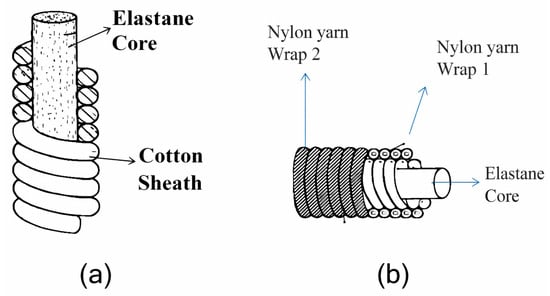
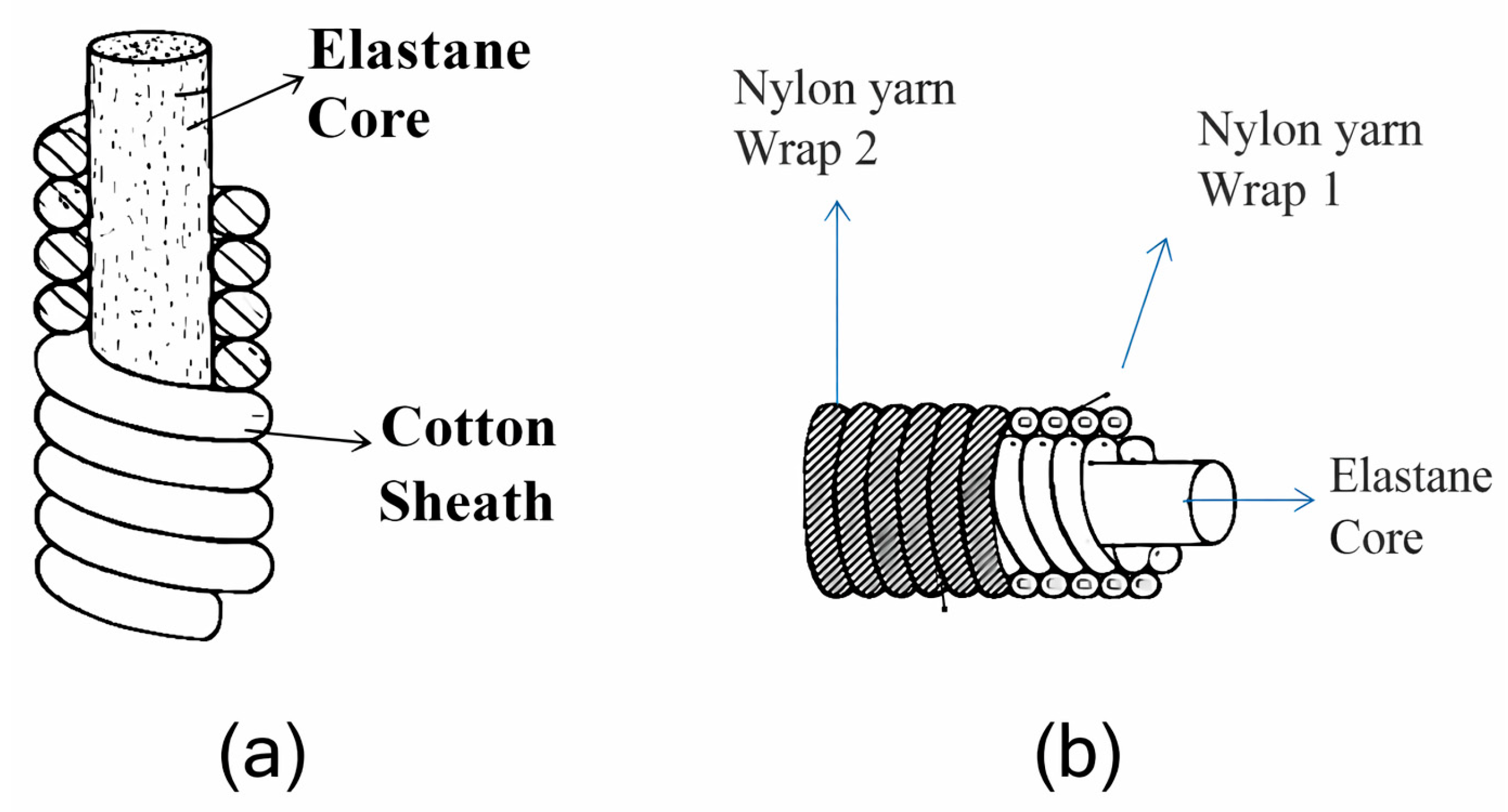
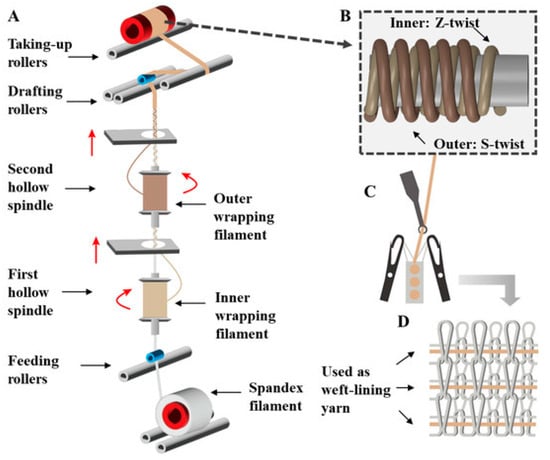
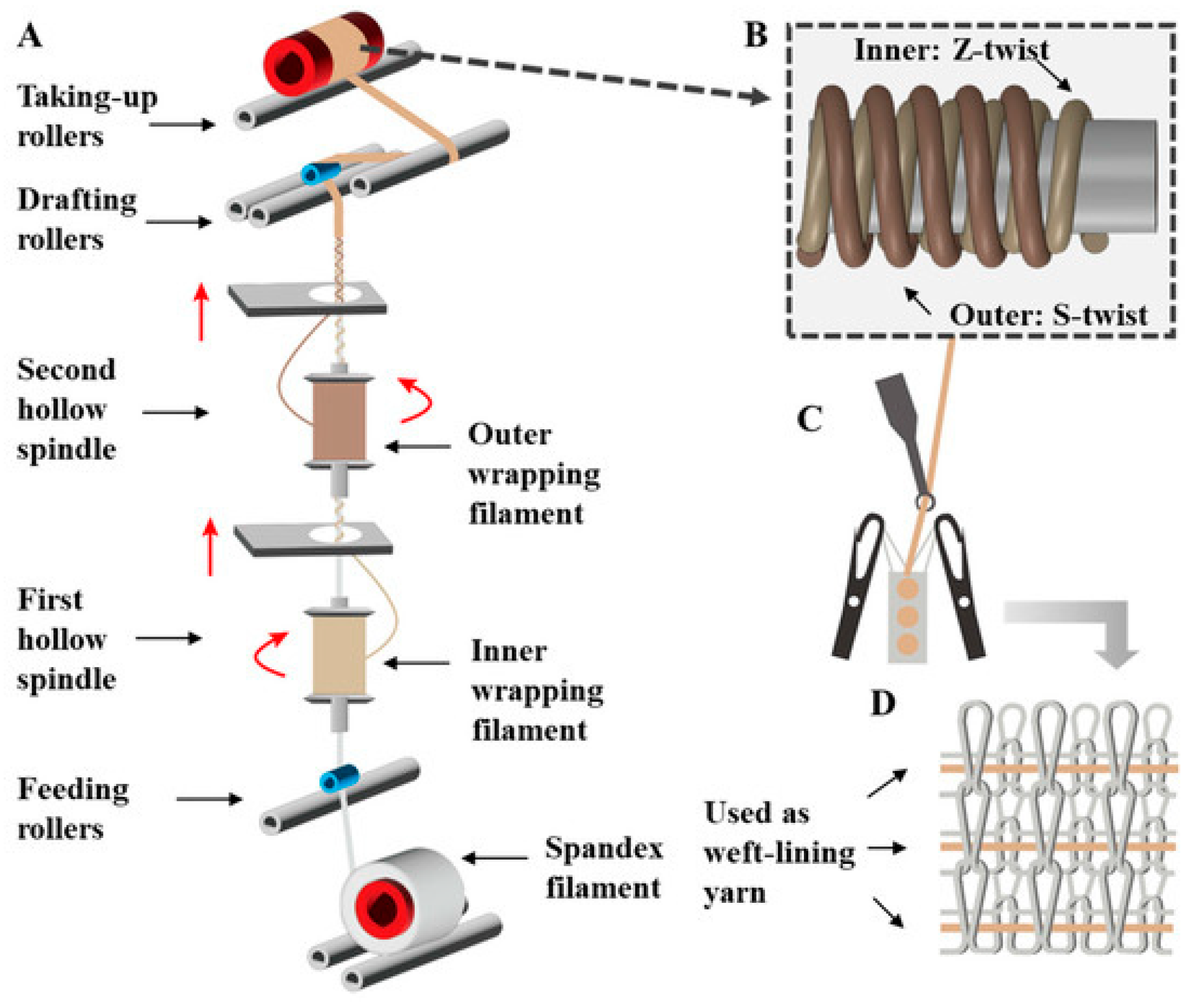
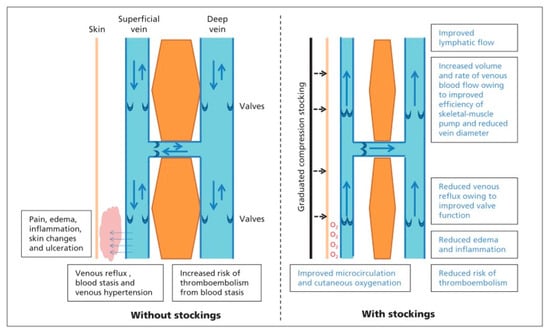
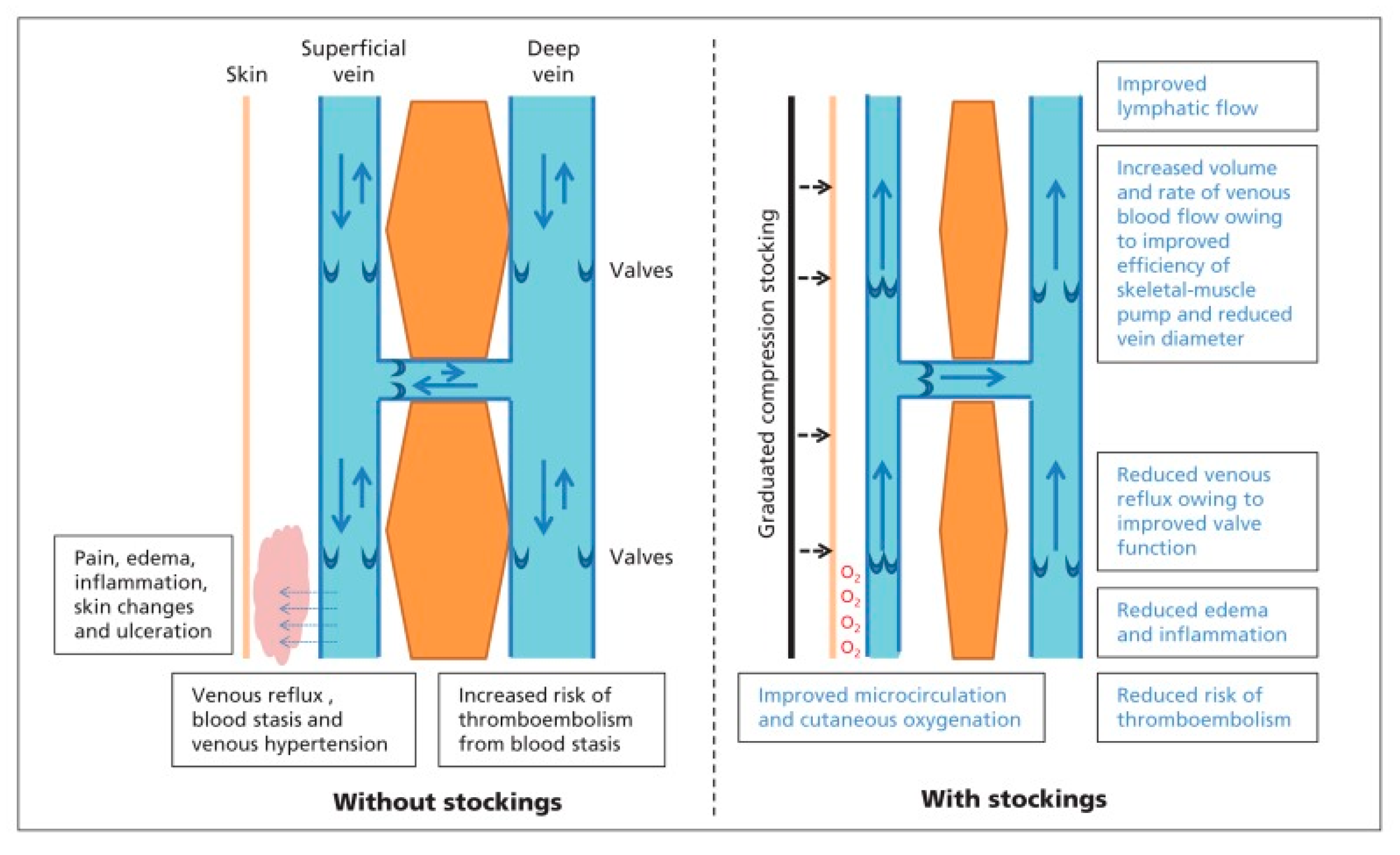
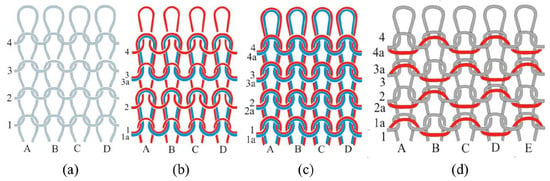
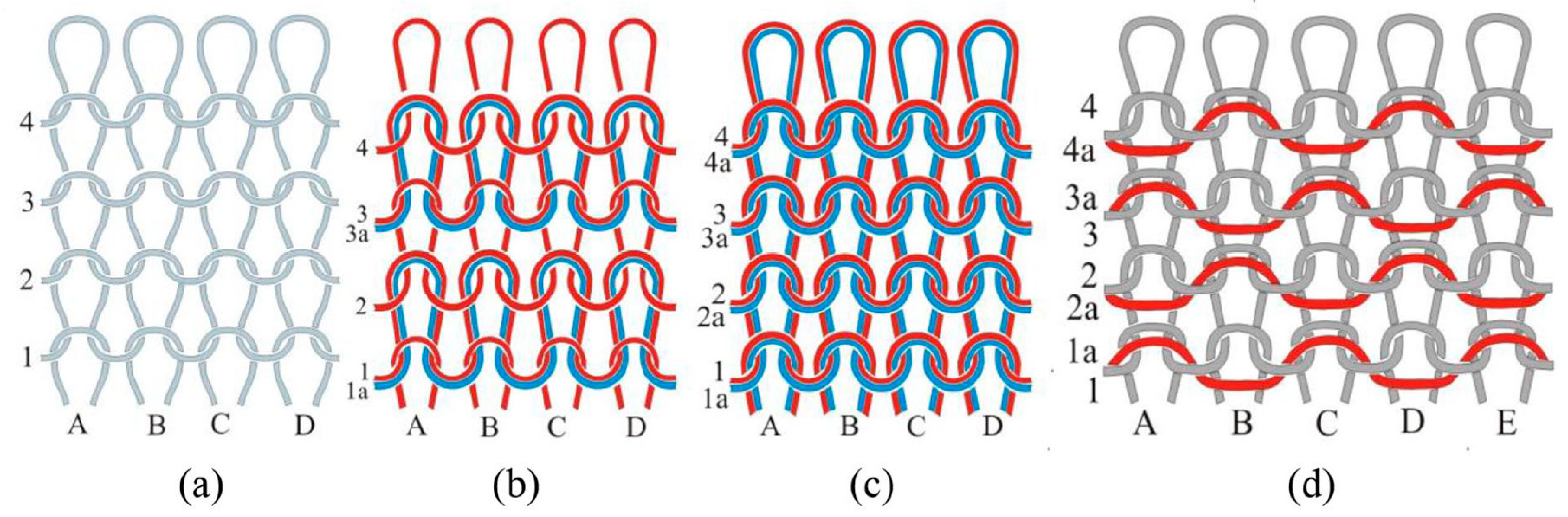
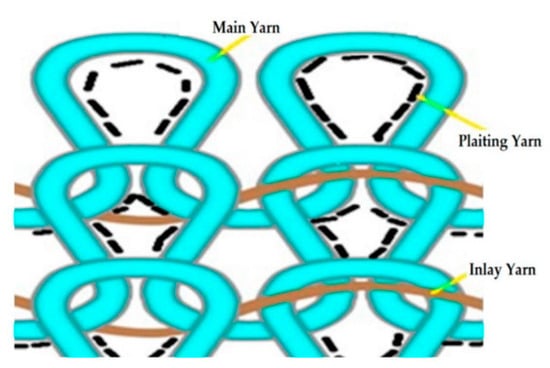
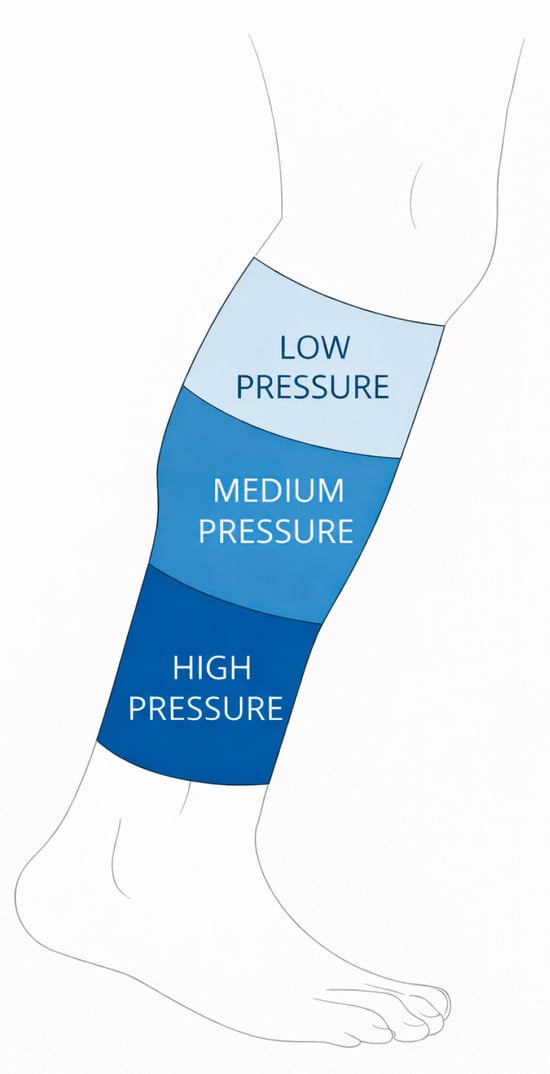
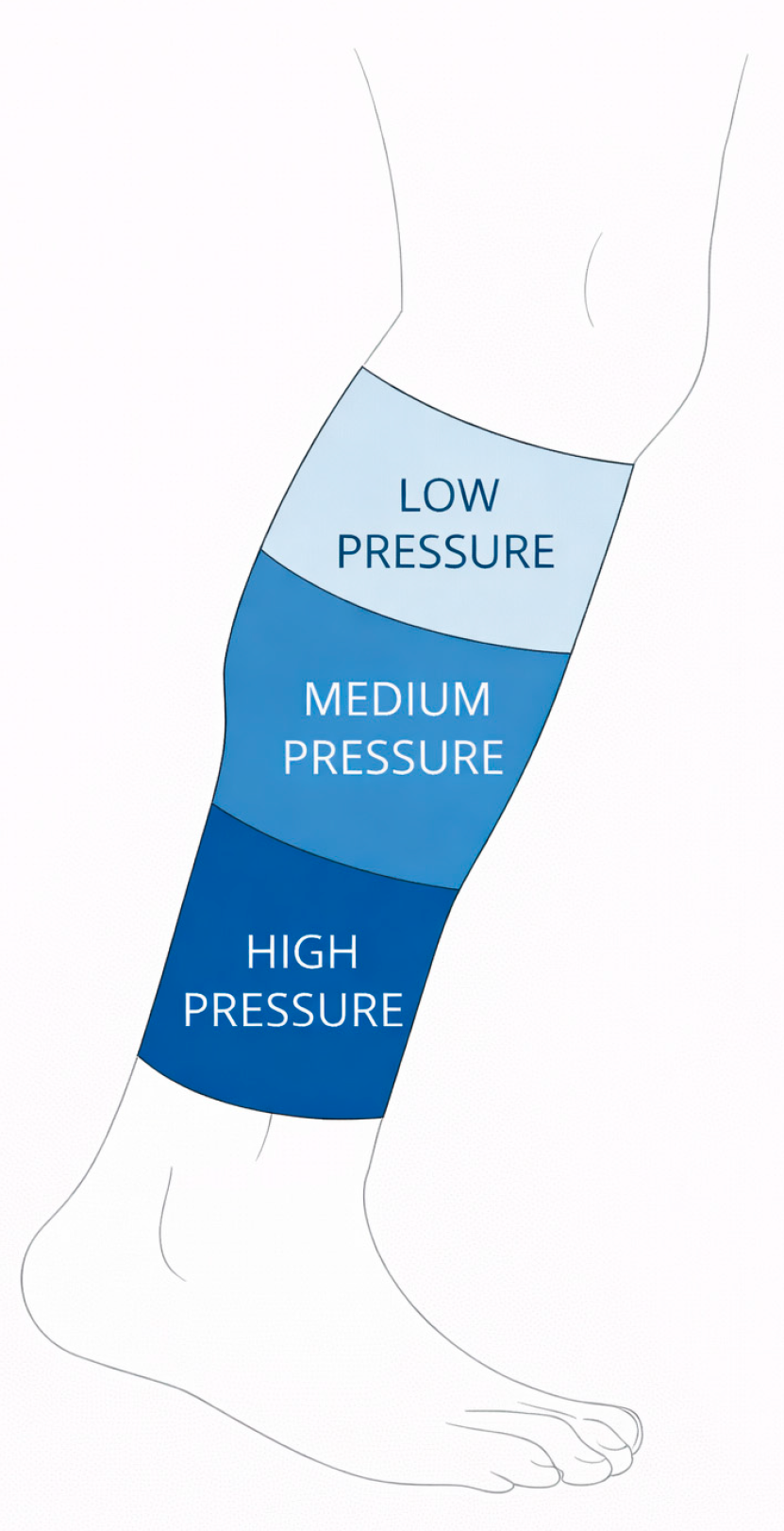
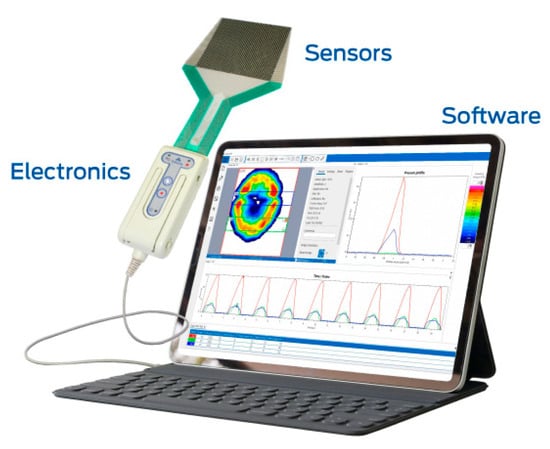
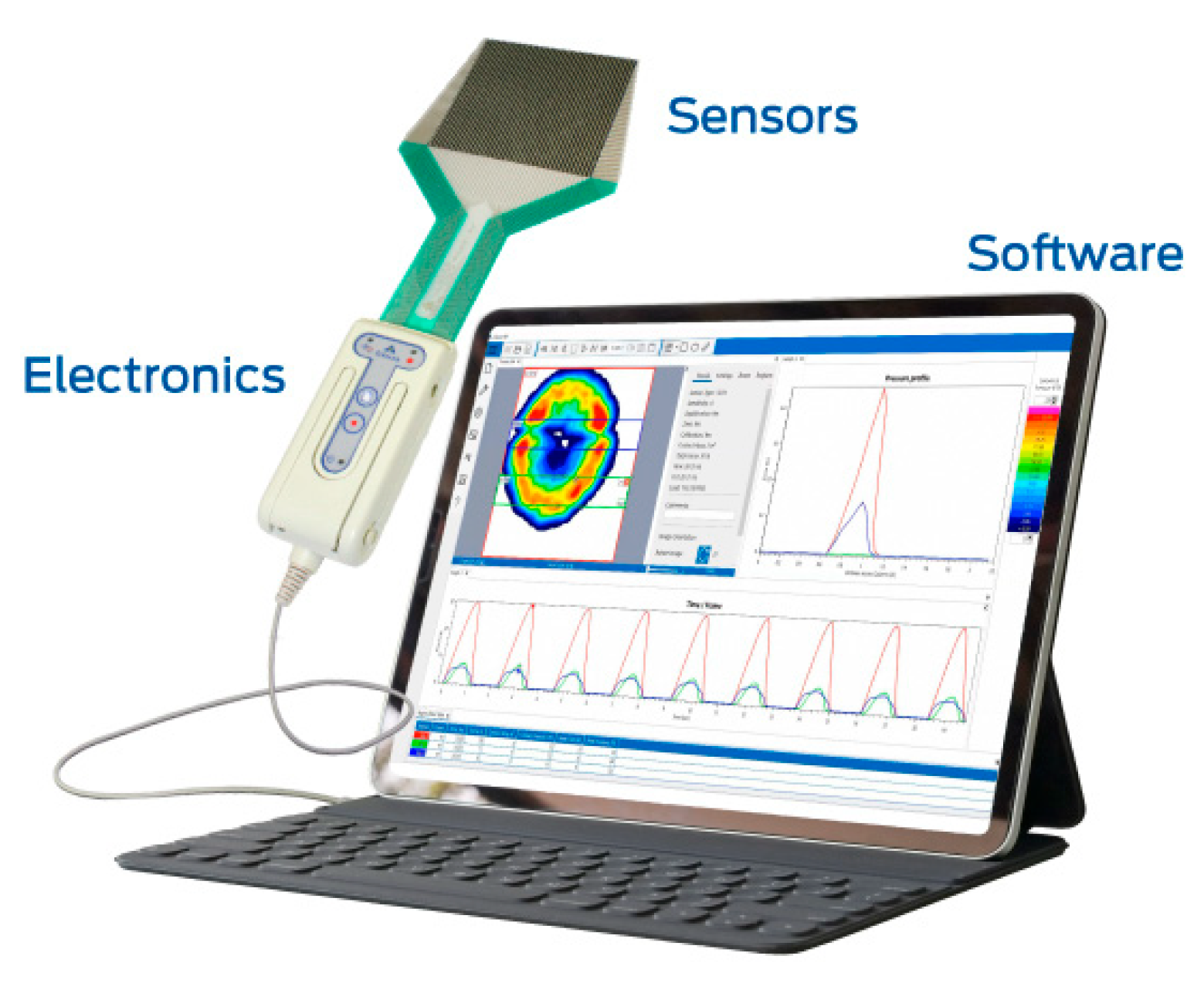
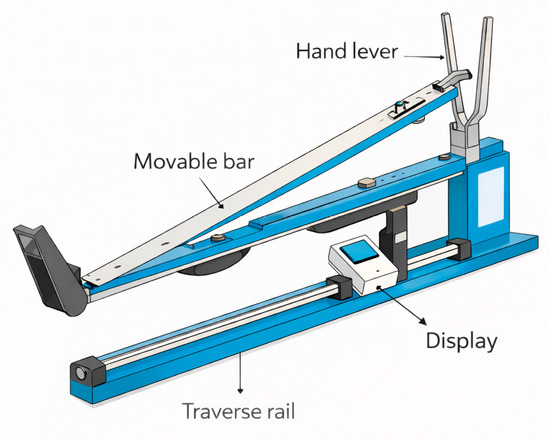
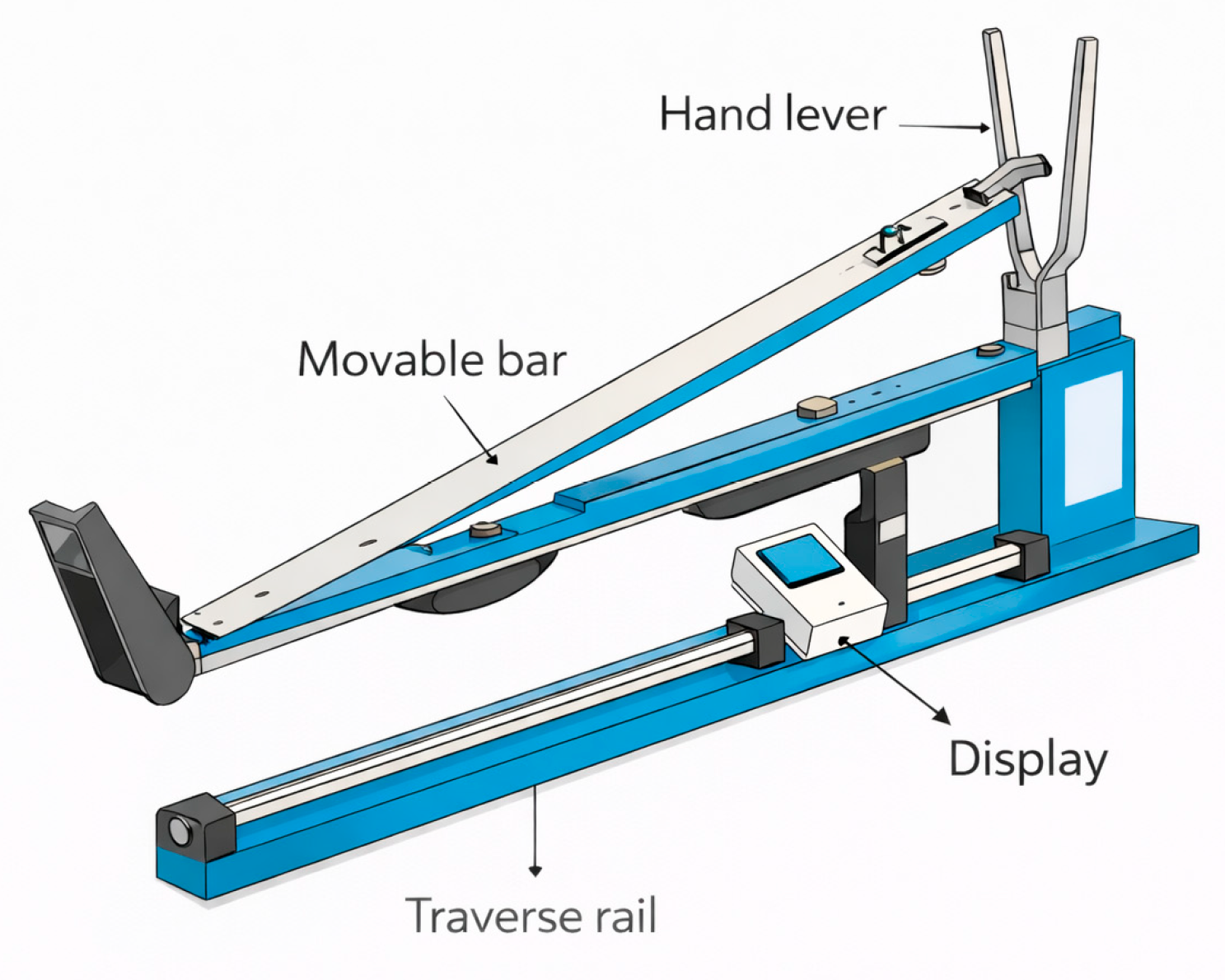
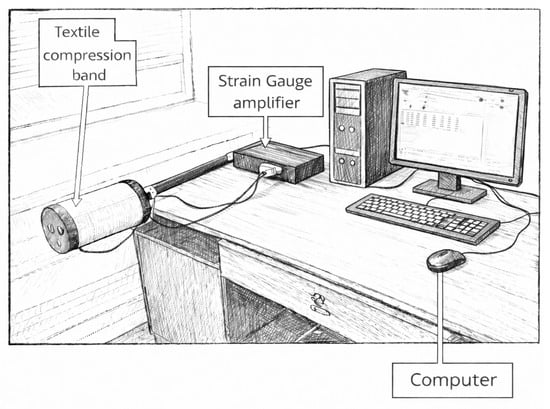
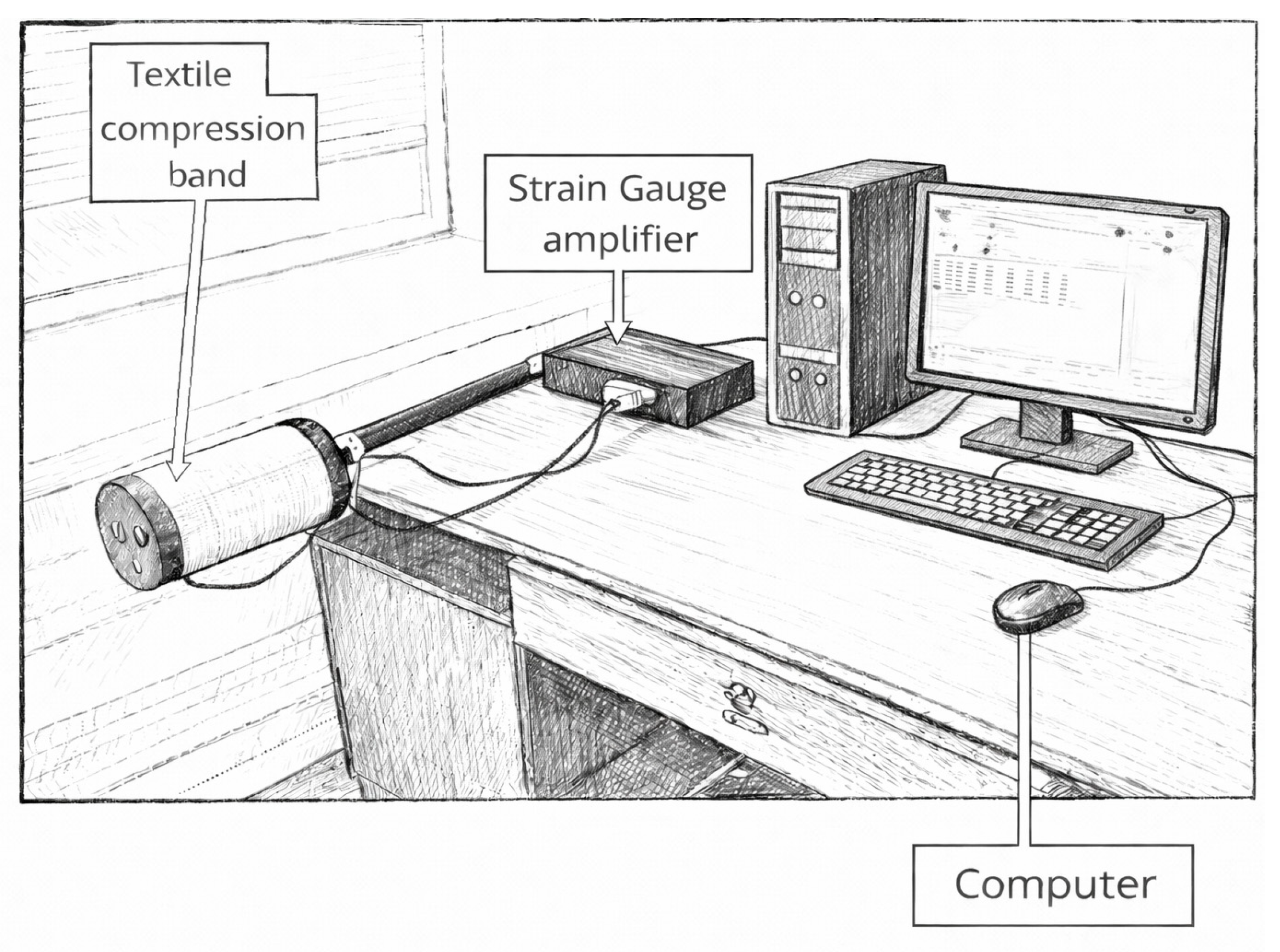
Disclaimer/Publisher’s Note: The statements, opinions and data contained in all publications are solely those of the individual author(s) and contributor(s) and not of MDPI and/or the editor(s). MDPI and/or the editor(s) disclaim responsibility for any injury to people or property resulting from any ideas, methods, instructions or products referred to in the content. |
© 2026 by the authors. Licensee MDPI, Basel, Switzerland. This article is an open access article distributed under the terms and conditions of the Creative Commons Attribution (CC BY) license.