1. Introduction
Ammonia is a pungent-smelling, colourless, water-soluble gas with the chemical formula NH3. In an aqueous environment, it acts as a base, forming ammonium salts. With more than 130 million tons produced annually, ammonia is one of the world’s most widely produced basic chemicals, used in particular for urea- or ammonium salt-based fertilizers and the synthesis of nitric acid. More broadly, ammonia is the basic material for many other industrially produced nitrogen-containing compounds such as amines, amides, cyanides, nitrates and hydrazine and thus forms the basis for dyes, various explosives and fibre-forming polymers such as nylon. Due to its high specific evaporation enthalpy, ammonia is also used as a refrigerant. Further advantages are its low flammability and its broad operational temperature and pressure window. It is produced almost exclusively in a heterogeneous catalyzed reaction between nitrogen and hydrogen using the Haber–Bosch process. In biological organisms, ammonia acts as an important intermediate product in the synthesis and breakdown of essential amino acids.
In addition to its aforementioned advantages and evident importance for the global economy, its toxicity proves to be a major disadvantage. Gaseous ammonia is mainly absorbed through the lungs. It has a strongly harmful effect on the mucous membranes due to its reaction with moisture. Exposure to ammonia can also cause severe ocular irritation and injury. Inhaling high concentrations of around 1700 ppm or more is potentially life-threatening due to damage to the respiratory tract. When substantial amounts of ammonia enter the bloodstream, the blood level of ammonium NH
4+ can rise sharply, which can lead to central nervous system symptoms such as hand tremors, speech and vision disorders, confusion, coma and even death. Due to its unpleasant, pungent odour, which is noticeable even at low concentrations and thus acts as a warning signal, acute cases of ammonia poisoning are rare. However, prolonged exposure to even low levels of ammonia can lead to chronic illnesses such as asthma, coughing and shortness of breath [
1].
Ammonia reacts with other gases in the atmosphere to form harmful particles and long-lived particulate matter, which is considered to be the main cause of deaths associated with air pollution. In addition, ammonia, together with nitrogen oxides, promotes the formation of ground-level ozone. Ammonia and ammonium contribute significantly to soil acidification and nutrient enrichment (eutrophication) of natural and semi-natural ecosystems (such as moors, nutrient-poor sites and water bodies). The natural nitrogen cascade can also produce other ecologically harmful substances, such as nitrates and nitrous oxide. Nitrate-contaminated groundwater poses a challenge for drinking water extraction, with nitrous oxide being around 300 times more harmful to the climate than CO2.
Based on data from the German Federal Environment Agency, agriculture is the main source of ammonia air pollution in Germany, accounting for around 95% of emissions, with over 70% of these emissions originating from livestock farming (cattle farming 43%, pig farming 19% and poultry farming 8%). Mineral fertilizers and fermentation residues account for approximately 25% of total ammonia emissions [
2,
3].
Due to the aforementioned negative effects on the environment, humans and animals, the EU and other signatories to the Geneva Convention on Long-Range Transboundary Air Pollution have agreed on long-term reduction targets for certain air pollutants. Based on this European Directive on the reduction in national emissions of certain atmospheric pollutants (NEC Directive), ammonia emissions in Germany are to be reduced by 28% from the 2005 reference value of 612 kt NH
3 to 444 kt NH
3 by 2030. Despite this aim, ammonia emissions continued to rise until around 2017 compared to the reference year 2005; a significant trend reversal has been observed since 2018, however. In 2021, total emissions stood at 516 kt NH
3, representing a 17% decrease compared to 2005 [
4], not least due to the now evident application of ammonia reduction measures, which are increasingly being used by agricultural businesses. In animal husbandry, such measures include, for example, avoiding feed losses, lowering the temperature in stables, carrying out regular stable cleaning, rapidly removing liquid manure and storing manure in separate, covered containers [
2].
Despite the above-mentioned partial successes in reducing national ammonia emissions, further efforts are essential to achieve the targets set for 2030. Still, a large proportion of ammonia emissions from cattle, pigs and poultry farming originates in livestock housing, accounting for around 30% in the case of cattle and poultry and as much as 70% in the case of pigs [
3]. It is therefore expedient to remove these emissions from the ambient air at this stage.
Effective, highly stable but comparatively expensive exhaust air purifiers are already available for this purpose; they are used in livestock housing to purify the entire volume flow or for partial flow purification. Based on data from the Federal Environment Agency, suitability tests were available for 24 processes by 2021. All tested processes, excluding conventional biofilters, guarantee permanent separation of at least 70% or up to 90% of the ammonia produced when operated properly. At present, suitability-tested systems are available for liquid manure-based pig and veal calf husbandry in addition to being available for litter-based broiler and laying hen husbandry. At the heart of these systems is a reactor filled with either an inert or inorganic filling material (acid scrubber or biofilter) or organic material (e.g., wood chips, shredded root wood, or biofilter), which is sprayed with water or acid. The exhaust air is passed through the reactor either horizontally (cross-flow) or upwards (counter-flow) to ensure intensive contact between the air and water, which enables the transfer of ammonia from the gaseous (g) to the liquid phase (l, aq). In so-called acid scrubbers, sulphuric acid is added to the water to accelerate this transition [
5]:
The speed of mass transfer (mass/time) from the gas phase to the liquid phase is primarily determined by the concentration gradient, the contact surface area available and the contact time between the gas and liquid phases [
6,
7]. The concentration gradient can be influenced by the discharge rate and the fresh water supply, the contact surface by the specific surface area of the filter packing and the contact time by the filter size and the air supply velocity. The resulting wash water from chemically operated plants ultimately contains a nitrogen content of 2–5% (corresponding to 25–50 g/L) and a sulphur content of up to 6% (60 g/L). Both components are essential for plant growth. Accordingly, the wash water can be used as a raw material for the production of mineral fertilizers.
The main obstacle to the widespread use of these highly efficient methods is the high investment costs. For example, the costs for exhaust air purification systems in pig farming are in the range of 80 euros per animal unit, with costs decreasing as the number of animals increases. For a barn capacity of 5000 pigs, the operator can expect costs of roughly 400,000 euros [
8]. These limitations are compounded by the considerable operating costs of the systems, which mainly result from the amount of washing water required.
The aim of further research must therefore be to develop more effective and, above all, more cost-effective materials and processes in order to further promote the widespread installation of ammonia minimization systems.
Similarly, a large number of industrial processes release ammonia into the ambient air as a result of production activities. As mentioned above, ammonia is primarily produced through animal husbandry and, to a lesser extent, through the use of fertilizers and the storage and application of fermentation residues from biogas production in agriculture. However, industrial plants also experience elevated local ammonia concentrations, potentially resulting in health and environmental impacts on employees and residents living near production facilities, in addition to impacts on local flora and fauna. For example, ammonia is used in the production of printed circuit boards. The occupational exposure limit for ammonia listed in TRGS 900 by the Federal Institute for Occupational Safety and Health is 20 ppm (corresponding to 14 mg/m
3), with the odour threshold being a mere 0.037 ppm [
9].
2. Materials and Methods
2.1. Textile Carrier Material
Drawing on the expertise of Kayser Filtertech GmbH, an in-house needle felt composed of PET fibres (polyethylene terephthalate Type E 20102-000-0/G, mass per unit area 350 g/m2, thickness 1.9 mm) was initially selected for further use as a carrier material for ammonia-adsorbing polyelectrolytes. This material is first characterized by a high absorption capacity for maximum liquor absorption during textile finishing, and second, it promises maximum accessibility for the adsorption of gaseous ammonia.
2.2. Textile Finishing
Textile finishing on laboratory, semi-technical and industrial scales was carried out by wetting the base textile with a homogenized mixture of 50% DEGAPAS 4104 S (Evonik Industries AG, Essen, Germany), 5% Bayhydur XP 2487/1 (Covestro AG, Leverkusen, Germany) and 45% water with additional foulard squeezing. Based on the machinery used, the final liquor uptake of the used textile was 160–230 w/w%. The fixation temperature was 170 °C, and the textiles were washed once after finishing.
2.3. Analytical Methods
To stain the polyacrylic acid (PAA) coating with the cationic dye methylene blue, the textile sample was placed in a solution of 0.05% methylene blue in Britton–Robinson buffer (2.29 mL glacial acetic acid; 2.70 mL 85% phosphoric acid; 2.47 g boric acid; 4.40 g sodium hydroxide dissolved in 1 L water) and stirred. The samples were then removed and rinsed with water until the unbound dye was removed.
After finishing, the amount of nitrogen bound to the textile was determined according to Kjeldahl. A Turbotherm and a Vapodest 30s from C. Gerhardt GmbH & Co. KG (Koenigswinter, Germany) were used for digestion and distillation. To perform ammonia titration, a titration system consisting of the titration unit 905 Titrando with the dosing unit 800 Dosino from Metrohm GmbH & Co. KG (Filderstadt, Germany) was used.
Indophenol detection can be used to determine ammonia in liquid samples. To determine the ammonia bound to the textile, it must be elutable. Ammonia reacts with sodium salicylate and dichloroisocyanuric acid, catalyzed by sodium nitroprusside, to form an indophenol dye that is intensely blue in the alkaline state and can then be measured photometrically. To determine the ammonia load on the textile, the sample is placed in 25 mL of a 4% citric acid solution and stirred for 4 h at room temperature. An aliquot of the eluate is then pipetted into a 50 mL volumetric flask and 4 mL of reagent solution 1 is added, consisting of 32.5 g sodium salicylate, 32.5 g sodium citrate and 0.242 g sodium nitroprusside, dissolved in 250 mL deionized water, followed by reagent solution 2, consisting of 3.2 g sodium hydroxide and 0.2 g sodium dichloroisocyanate in 100 mL deionized water, and the volume was adjusted. After 1 h, the absorbance of the solution can be determined photometrically at 658 nm.
To determine the possible maximum NH3 loading of the filters, the textile sample (m = 0.5 g) was placed for 4 h in a closed container in the gas space (gas volume = 1 L) above 100 mL of a 1 mol/L ammonia solution. Afterwards the samples were stored in an open atmosphere for 24 h to allow excess, unbound ammonia to evaporate. The ammonia load can then be determined using the Kjeldahl method or photometrically.
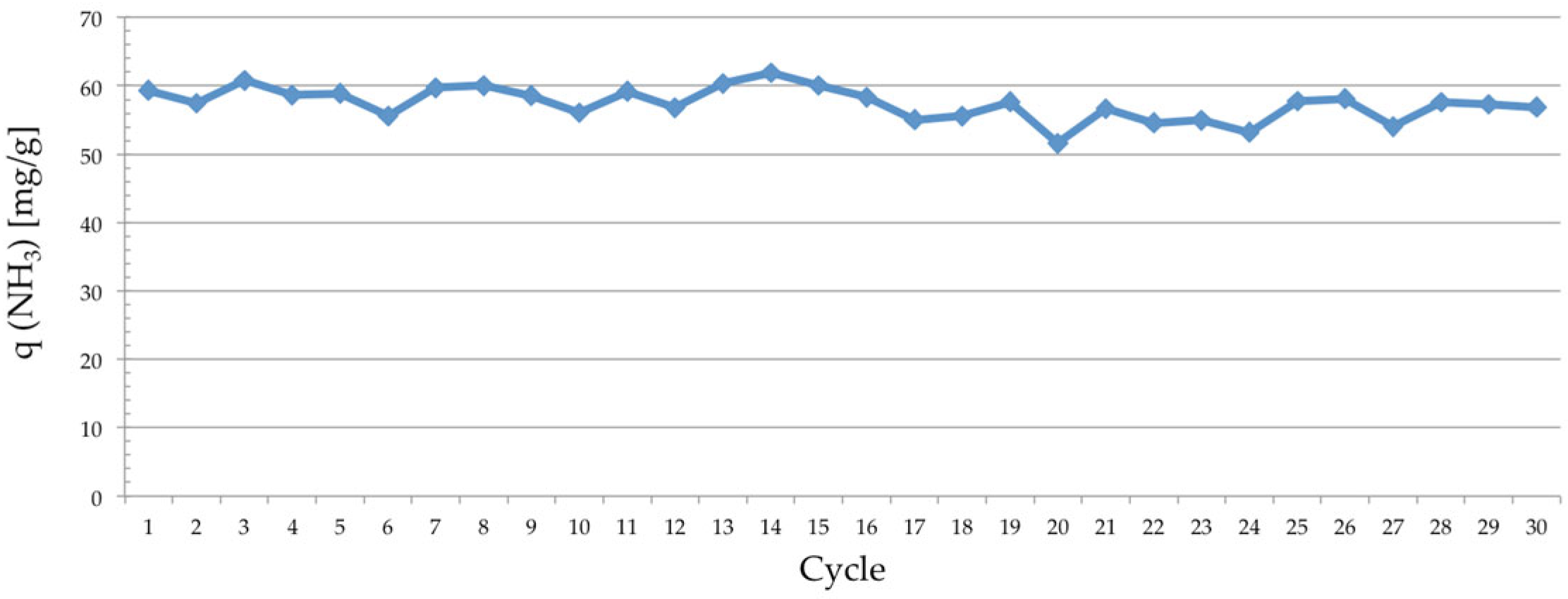
1 g of the filter textile was suspended for 4 h over a 1.5 mol/L ammonia solution. The textile was then removed for 24 h to allow the evaporation of unbound ammonia. The textile was stirred in 40 mL of 5% hydrochloric acid for 30 min, rinsed with deionized water and dried at 80 °C in a drying cabinet. The sample was then re-exposed to the ammonia solution. The ammonium concentration in the hydrochloric acid was determined by means of indophenol detection, with the procedure repeated 30 times.
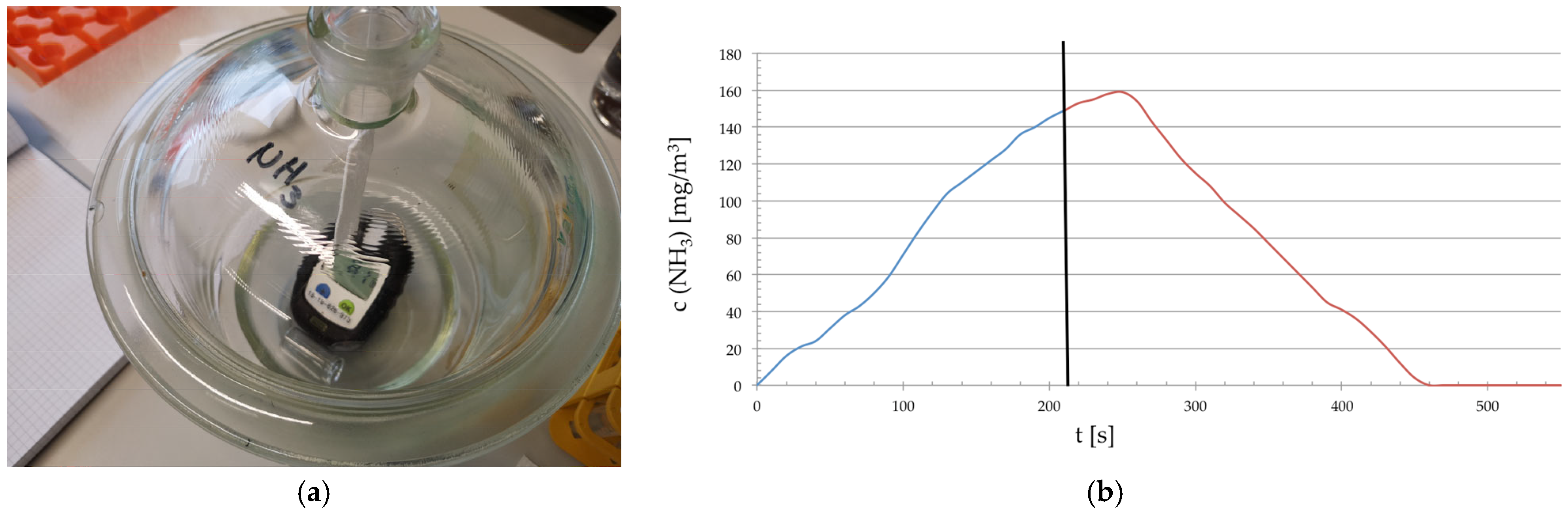
10 µL of a 4 mol/L ammonia solution was placed in a desiccator (V = 2.8 L) together with the mobile gas measuring device and sealed. Evaporation of the drop releases the ammonia, causing the concentration in the air to rise. When a concentration of 150 mg/m3 was reached, 0.4 g of textile (industrial finish at Setex) was added to the desiccator.
The light microscopic images of the textiles were taken with a VHX digital microscope from Keyence Deutschland GmbH (Neu-Isenburg, Germany).
The transmission measurement for ammonia analysis via indophenol detection and the reflectance measurements on textile materials were performed with a Lambda 950s photometer from Perkin Elmer LAS GmbH (Rodgau, Germany).
The viscosity measurements were performed using a Haake Viscotester 1 plus hand-held viscometer from Thermo Fisher Scientific GmbH (Dreiech, Germany).
To measure the ammonia concentration in the air, a PAC 7000 mobile gas analyzer (measuring range NH3 0–300 ppm) from Draegerwerk AG & Co. KGaA (Luebeck, Germany) was used.
3. Results
3.1. Development and Production of a Textile Adsorber Material for Ammonia
Based on the DTNW’s expertise regarding the immobilization of different polyelectrolytes, a one-step thermal fixation of the polyacrylic acid in the presence of a suitable crosslinker was explored. The technical products DEGAPAS 4104 S (polyacrylic acid) and Bayhydur XP 2487/1 (crosslinker) were used.
The mixing ratio was optimized with regard to the key parameters of the polyacrylic acid coating, the number of carboxyl groups available for subsequent ammonia desorption and wash permanence. The ideal mixture of 50% DEGAPAS 4104 S, 45% deionized water and 5% Bayhydur XP 2487/1 was homogenized using a toothed disk stirrer. Subsequently, the needle felt provided by Kayser was immersed until completely wetted and then padded (liquor uptake 158% (s = 2.76%; n = 5)). The samples were thermally fixed for 20 min at 170 °C in a drying cabinet and washed at 30 °C in a household washing machine without the addition of detergent. The weight increase after washing was approx. 40%. As the crosslinking agent used contains nitrogen (both the untreated textile and polyacrylic acid contain only traces of nitrogen), the composition of the coating can be further quantified on the basis of the total coating and the determination of the total nitrogen content after appropriate digestion of the sample material based on the Kjeldahl method. Accordingly, the total nitrogen content increases as expected with increasing crosslinker concentration, whereby the proportion of polyacrylic acid in the coating decreases relatively. If the optimized mixture is used for finishing, the proportion of Kjeldahl crosslinker in the coating after washing is roughly 15%, and the proportion of PAA is 85%. In relation to the textile, these values indicate that around 34% by weight of polyacrylic acid is permanently bound.
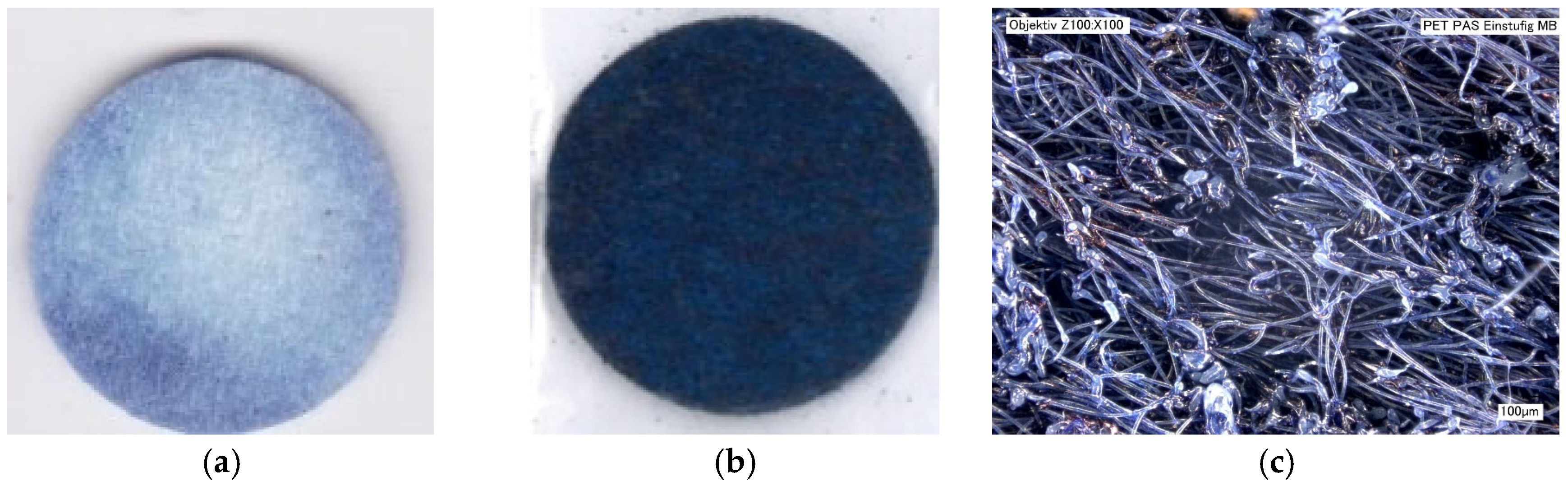
Free carboxylic groups on the textile surface can be easily qualitatively detected through staining with methylene blue (
Figure 1). The intensive staining after finishing with polyacrylic acid can be clearly seen, demonstrating successful establishment of numerous carboxyl groups on the textile surface.
In order to be able to transfer the single-stage process to a continuous semi-industrial or industrial scale, it was first necessary to ensure a sufficiently long processing stability of the PAA/crosslinker mixture, e.g., to prevent machine downtime due to time-consuming cleaning of the padder rollers during processing, which would occur if the PAA reacted too quickly with the crosslinker even before the thermal stenter frame passage. This process was also intended to ensure a uniform coating over the entire length of the fabric.
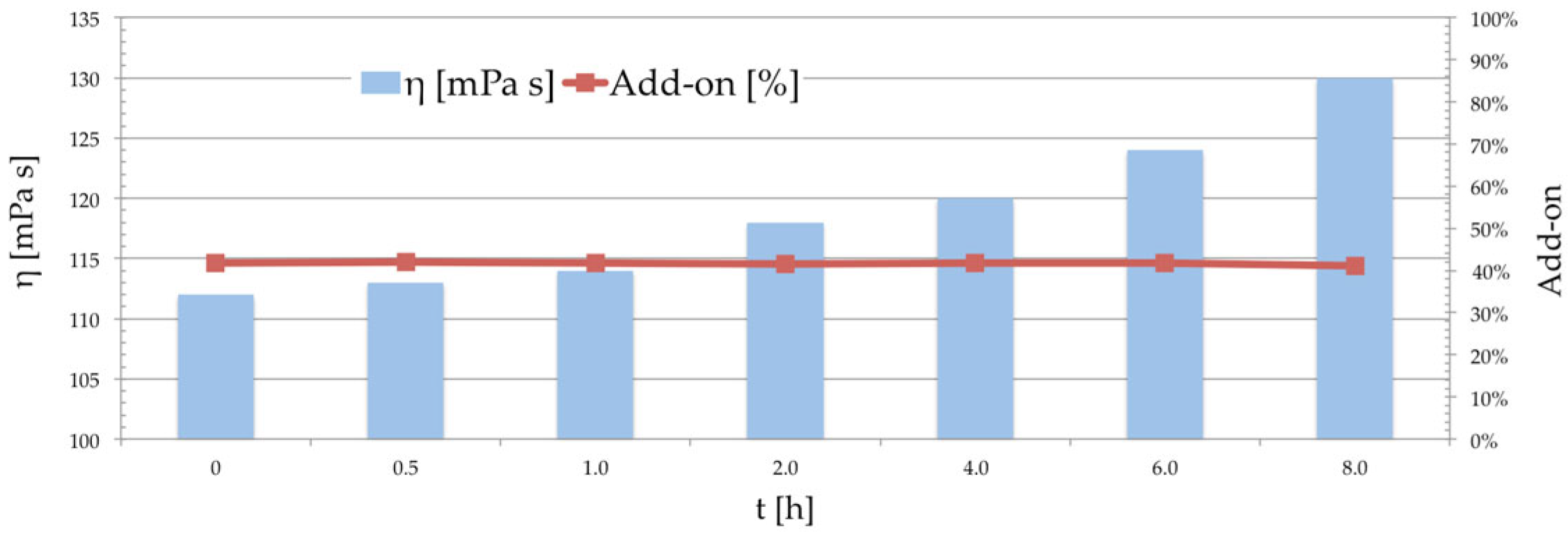
For this purpose, the viscosity of the batch was observed over a longer period of time. In addition, the needle felt was coated after varying durations of liquor use. As can be seen in
Figure 2, the viscosity of the liquor increases with increasing service life. In addition, bubble formation could be observed after 4 h and foam formation after 6.5 h.
However, there was no evidence of a negative effect on the finish. The coverage of the washed samples averaged 42% over the entire period (s = 0.25%;
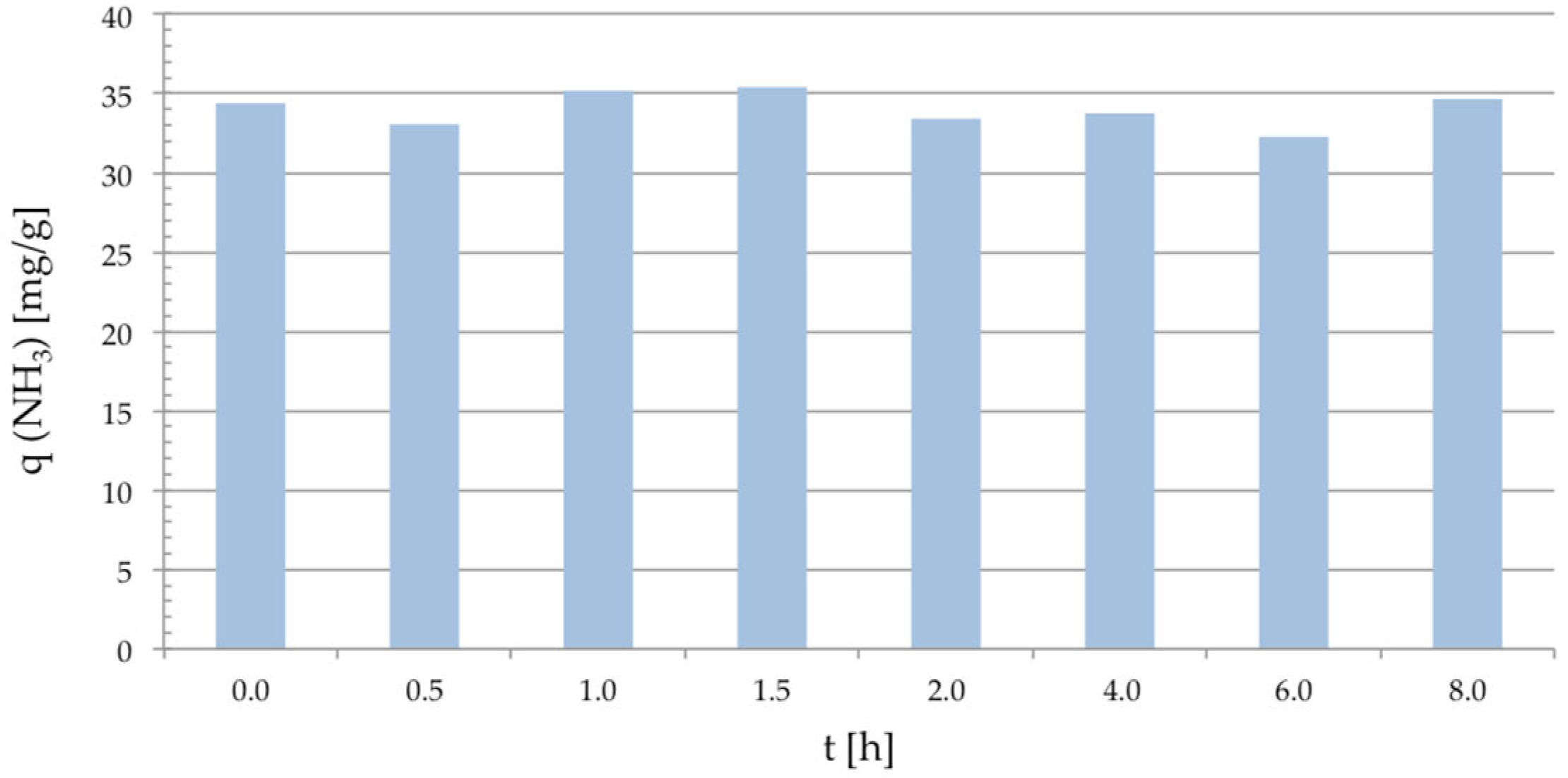
n = 8). The required uniformity of the finish, even after extended liquor residence times, was qualitatively proven by means of methylene blue staining. Furthermore, no reduced ammonia adsorption performance was observed during longer standing times (
Figure 3). In all cases, 33–35 mg ammonia/g textile could be bound to the textile.
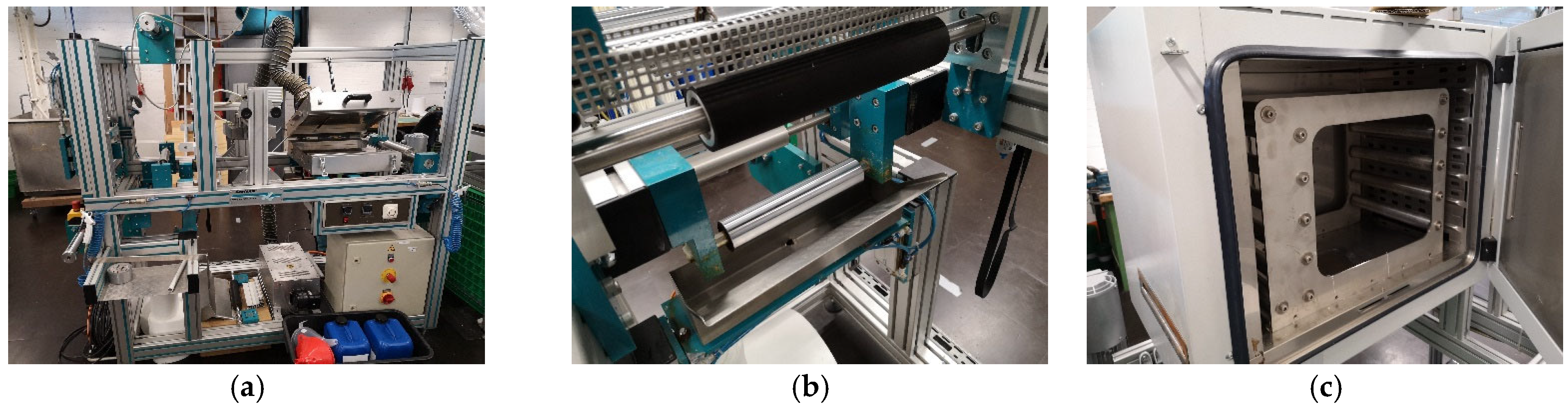
Based on the aforementioned results, only the single-stage method was employed in the following experiment, and an initial upscaling to a semi-technical scale was attempted. The DTNW’s own system (Coatema) used for this process consists of a padder and a downstream drying section for thermal fixation (
Figure 4). A 26 m fleece with a fabric width of 20 cm was employed. The padder was operated at a pressure of 2.2 bar, and the fabric speed was set to the lowest possible value in order to maximize the dwell time in the oven. Liquor absorption of 230% was achieved. After application and fixation, the fabric was washed at 30 °C in a household washing machine without the addition of detergents. The average coverage after washing was 66% (s = 1.74%;
n = 8). The uniformity of the finish was confirmed by staining the textiles at different intervals along their length. The static adsorption test with a strong excess of ammonia resulted in a maximum ammonia load of 53.0 mg/g (s = 1.0;
n = 2).
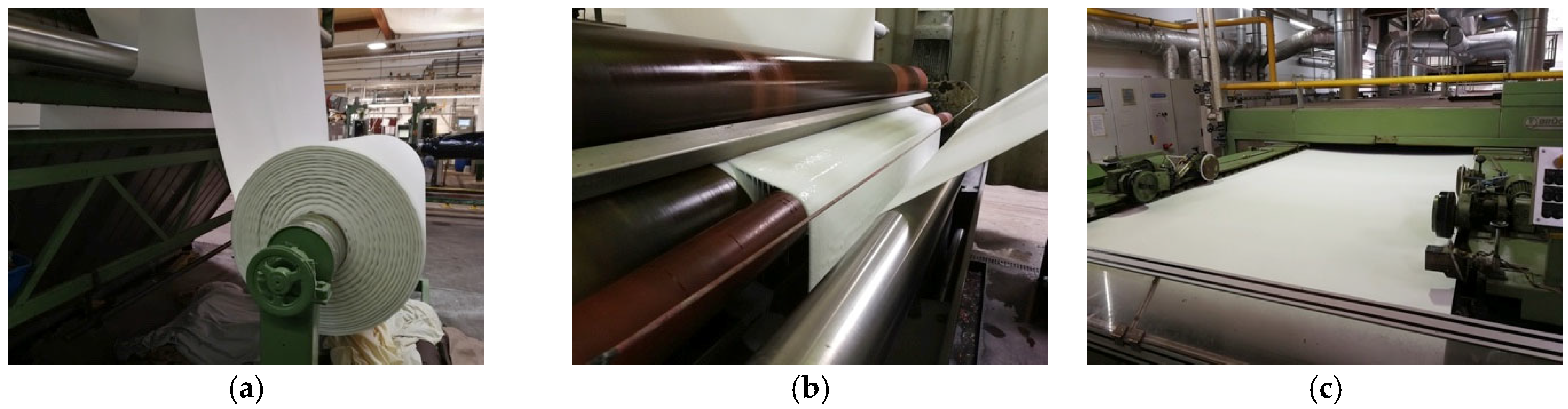
Lastly, the textile was finished on an industrial scale at Setex Textilveredlung GmbH. In a single-stage process, 300 linear meters of the PET needle felt E 20102-000-0/G were continuously finished with the commercially available polyacrylic acid product DEGAPAS 4104 S (Evonik, polymer content approx. 40% by weight) using the commercially available crosslinker Bayhydur XP 2487/1 (Covestro) in a padding process at a fabric speed of 6 m/min and a fusing temperature of 170 °C in the subsequent stenter frame passage (
Figure 5). Liquor absorption of 19% was achieved. The uniformity of the finishing was randomly assessed and confirmed at various points through methylene blue staining.
3.2. Investigations into the Adsorption of Ammonia on Finished Textiles and the Regenerability of the Textile Adsorber Material
The textiles finished with polyacrylic acid were examined at the DTNW with regard to their absolute adsorption performance against ammonia using model atmospheres. The bound ammonia was rinsed from the fibres with a suitable acid as an ammonium salt and quantitatively determined as total nitrogen. Furthermore, tests were performed on the regenerability of the textile adsorber material after ammonia loading, including, in particular, successive cycles of loading (from the ammonia-contaminated model atmosphere) and elution as ammonium with an acid in alternation.
The basic feasibility of adsorbing ammonia on the textiles treated with polyacrylic acid had already been demonstrated in the accompanying experiments during textile development (see
Figure 3). The subsequent stage involved proving the reduction in ammonia in the air on a laboratory scale (
Figure 6a). The change in ammonia concentration in the test chamber is shown in
Figure 6b. Initially, an increase in the NH
3 concentration can be clearly seen as the ammonia escapes from the solution into the gas chamber. When the adsorber textile is added, the NH
3 concentration in the air is steadily reduced with only a slight time delay until it is no longer detectable. A reduction in the ammonia concentration in the air due to the presence of the textile equipped with polyacrylic acid was thus successfully demonstrated.
From an economic point of view, the use of the adsorber textile developed in this study for production-related ammonia loads can only be justified if the textile can be regenerated and reused multiple times after ammonia loading. The next stage therefore involved demonstrating the elutability of the ammonia bound to the textile, followed by a constant alternation of repeated adsorption and desorption cycles.
The results are summarized in
Figure 7. The NH
3 loading of the textile was between 51.6 mg/g and 61.9 mg/g over the entire test series, the average loading was 57.4 mg/g (s = 2.3;
n = 30) and no significant reduction in adsorption performance was observed. It is therefore possible to use the textile over multiple adsorption cycles without significant depletion of adsorption capacity.
Subsequently, the adsorption/desorption approach was extended by using phosphoric acid for desorption instead of hydrochloric acid. In this case, ammonium phosphate rather than ammonium chloride is produced during washing, which can be used as an inorganic fertilizer in agriculture in the application case (i.e., NH3 decontamination). Concurrently, the phosphoric acid itself is able to bind ammonia from the air, meaning that intermediate cleaning and drying of the textile treated with polyacrylic acid is not necessary before the next application, ultimately resulting in the possibility of a continuous process for adsorption and cleaning of the textile with continuous production of ammonium phosphate.
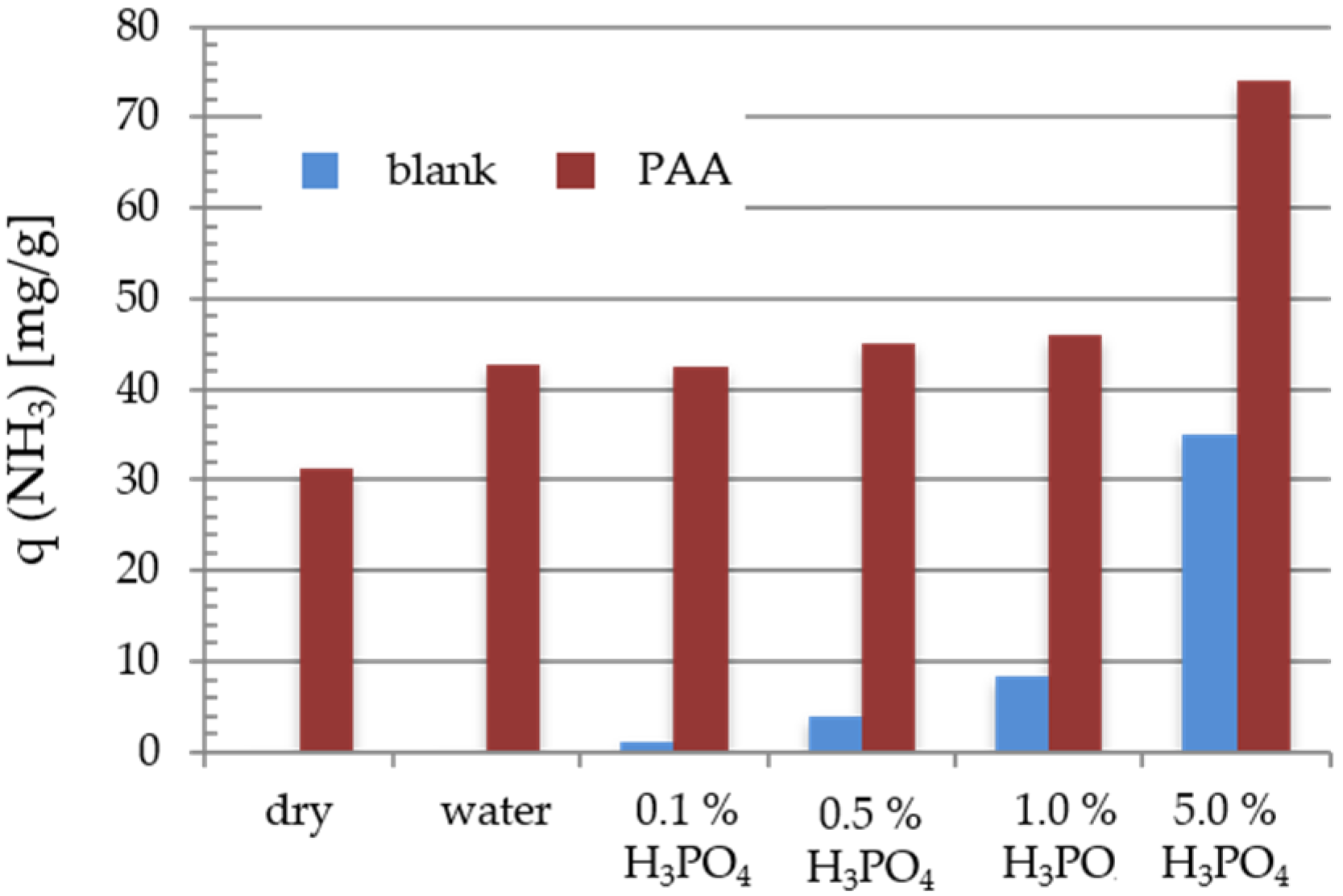
The results of comparative tests on the adsorption of ammonia on untreated and PAA-modified textiles with simultaneous wetting with phosphoric acid of different concentrations are shown in
Figure 8. As can be seen, ammonia adsorption is also possible in principle by wetting a textile with phosphoric acid alone (even without PAA); however, the overall adsorption performance is significantly increased by the additional PAA finish up to values of more than 70 mg ammonia/g adsorbent textile.
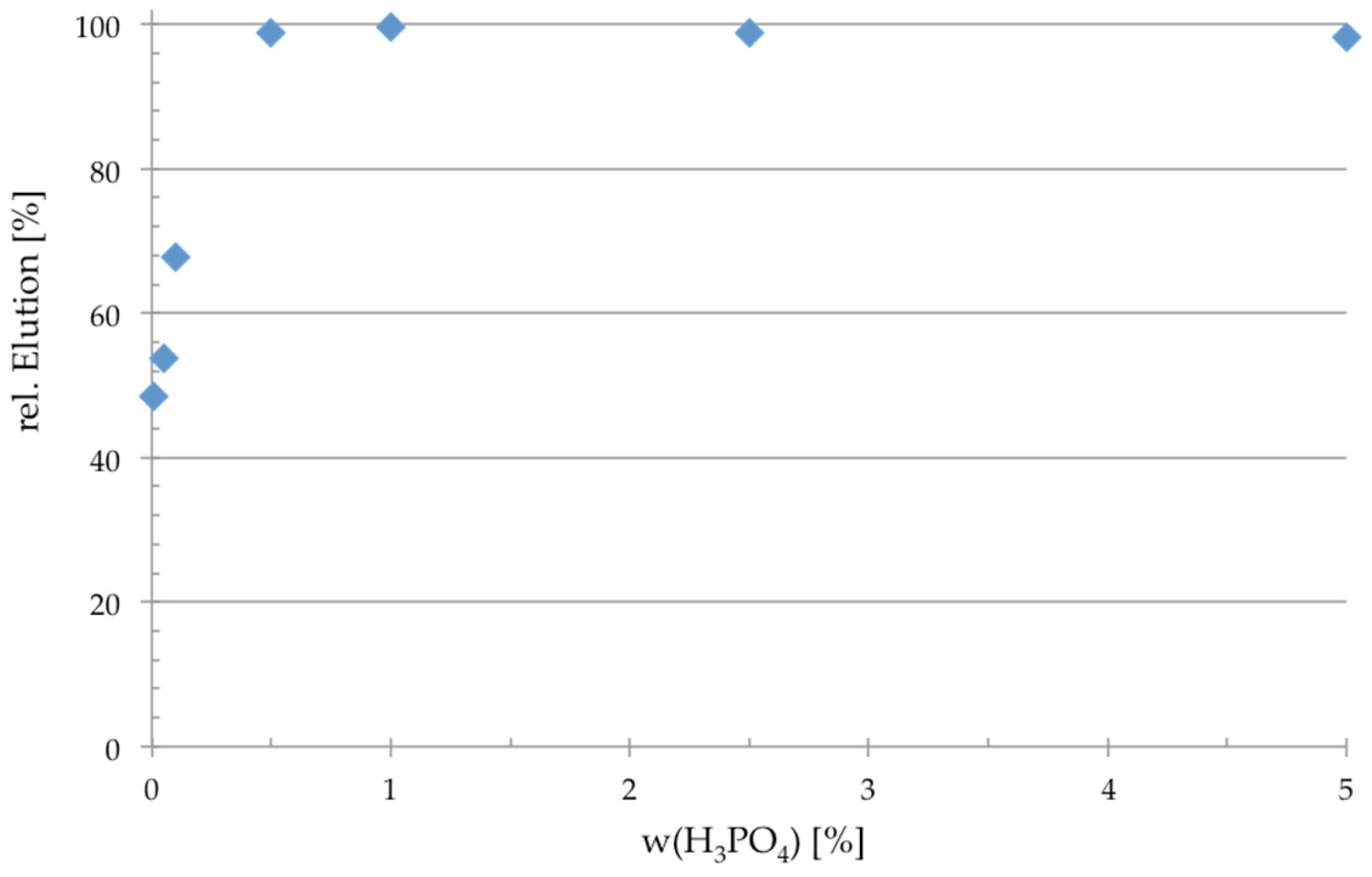
In addition, our results demonstrate that the phosphoric acid used in this study is also suitable for the elution of ammonia as ammonium phosphate, depending on its concentration (
Figure 9). If phosphoric acid with a concentration of 0.5% or higher is used, almost 100% of the adsorbed ammonia is desorbed. This finding opens up the possibility of allowing phosphoric acid to flow continuously over the adsorber textile, whereby it contributes to the absolute adsorption of ammonia from the ambient air (favored by the large surface area of the adsorber textile) and concurrently facilitates elution in order to expose new docking sites for ammonia on the textile.
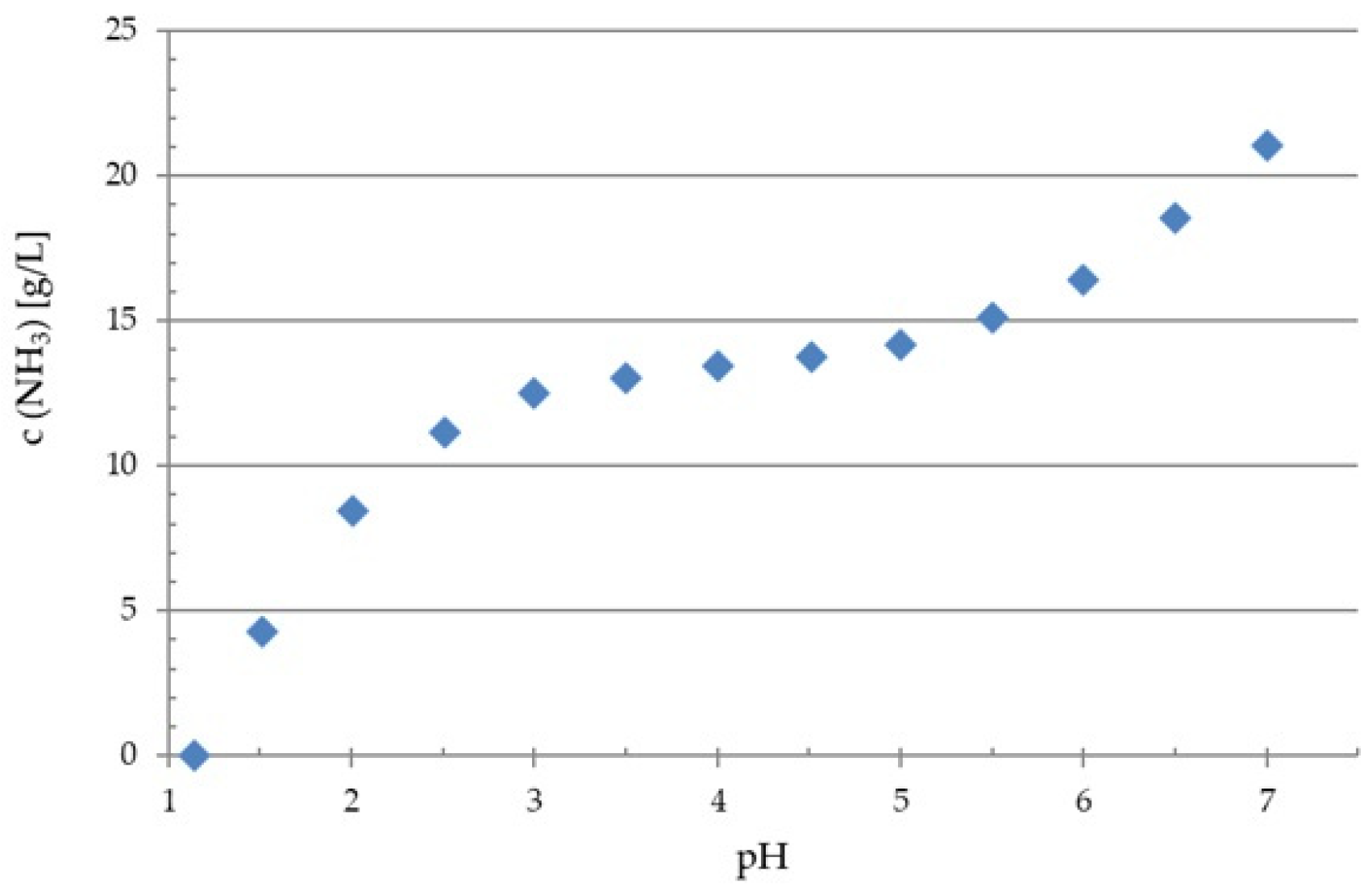
As the phosphoric acid is recirculated, basic ammonium constantly accumulates in the acid, causing the pH value of the eluent to rise (
Figure 10). By monitoring the pH value, the depletion of the acid can be assessed, providing a reliable indicator for monitoring the filter. With this approach, the adsorber textiles can be used over extended periods of time (a practical long-term study was not feasible within the scope of this R&D project), with it only being necessary to replace the phosphoric acid at regular intervals.
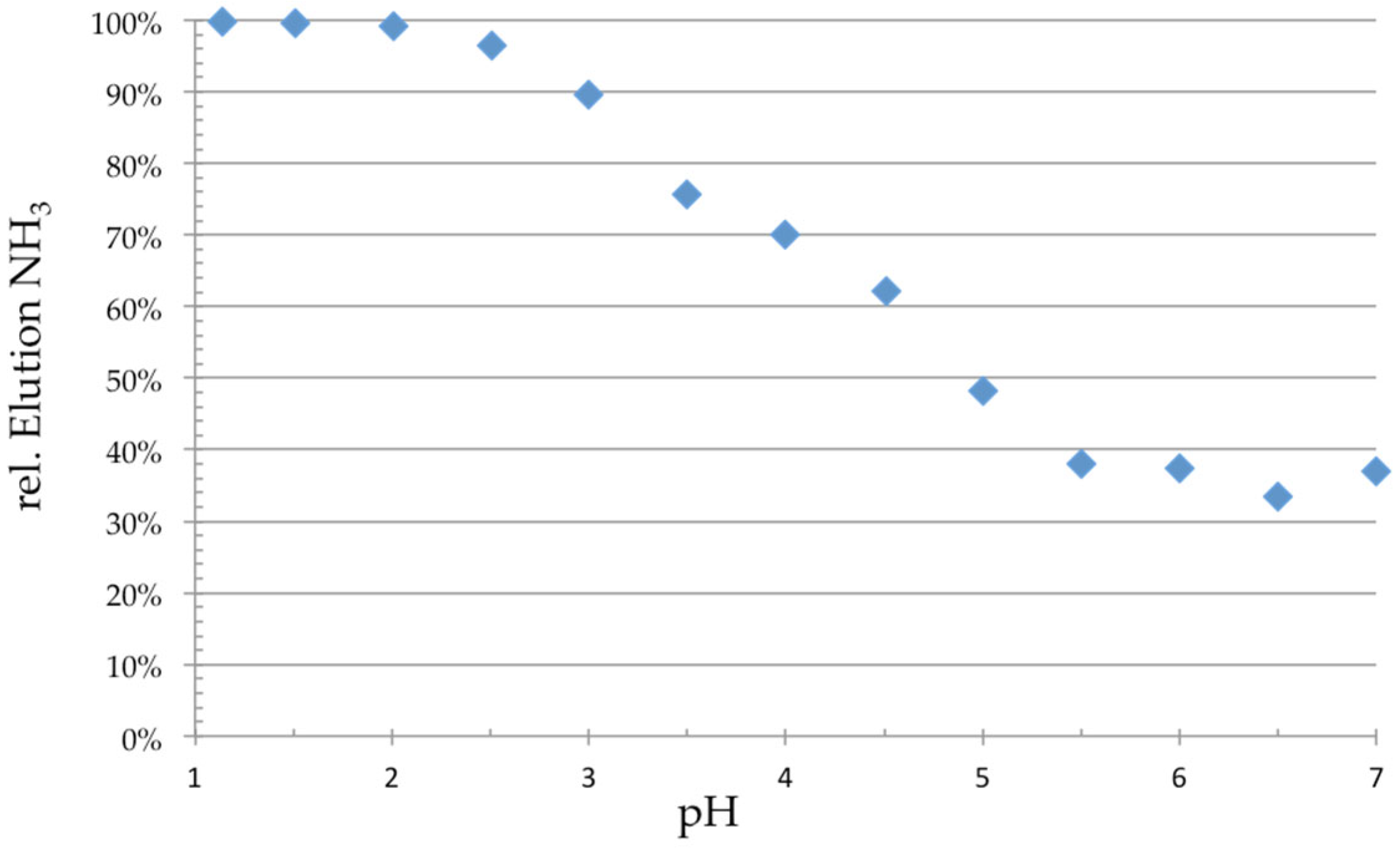
It should be noted that the elution capacity of the ammonia adsorbed on the textile decreases with increasing loading of the phosphoric acid with ammonia. As can be seen in
Figure 11, the desorption performance is 90–100% up to a pH value of 3.0 (corresponding to 0–12.5 g/L ammonia), after which it decreases further and remains at 30–40% at a pH value of 5.5–7.0 (corresponding to 15–21 g/L ammonia).
3.3. Planning, Construction and Commissioning of a Demonstration Plant for Ammonia Adsorption and Enrichment
During the subsequent stage, various test reactors were implemented that use the PAA-equipped textile instead of conventional adsorber materials. The first practical tests in the pigsty and at Unimicron had already demonstrated that a static, non-self-cleaning system is not suitable for rooms with high ammonia emissions, as the intended filter cartridges (conventional or textile-based) would require excessively frequent manual replacement. For this reason, an alternative, continuously operating filter apparatus was also planned and implemented at the DTNW in collaboration with GFI and subsequently tested in practice (see
Section 3.4 and
Section 3.5). Phosphoric acid is continuously pumped through vertically suspended adsorber textiles. Concurrently, ammonia adsorption and the formation of ammonium phosphate occur on the PAA equipment and the phosphoric acid itself (see
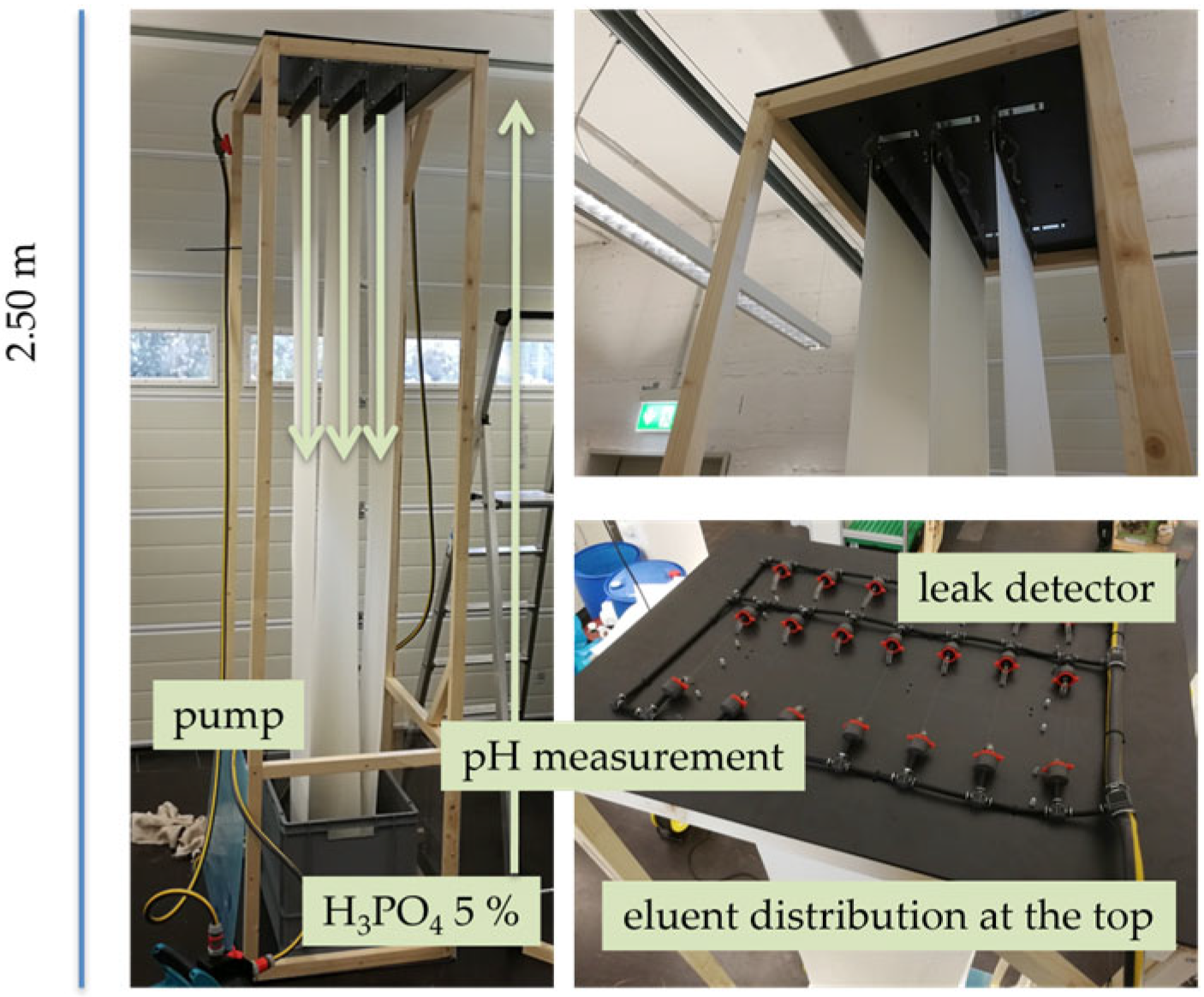
Figure 9). As the ammonium phosphate concentration increases, the pH value of the acid rises, meaning that the pH value can be used as an indicator for the exhaustion of ammonia adsorption capacity. The overall construction, which is straightforward to implement, therefore consists only of the adsorber textile (3 strips of 400 g each =1.2 kg with a total surface area of 3 m
2), a pump, a container for the acid and a measuring device to determine the pH value (
Figure 12).
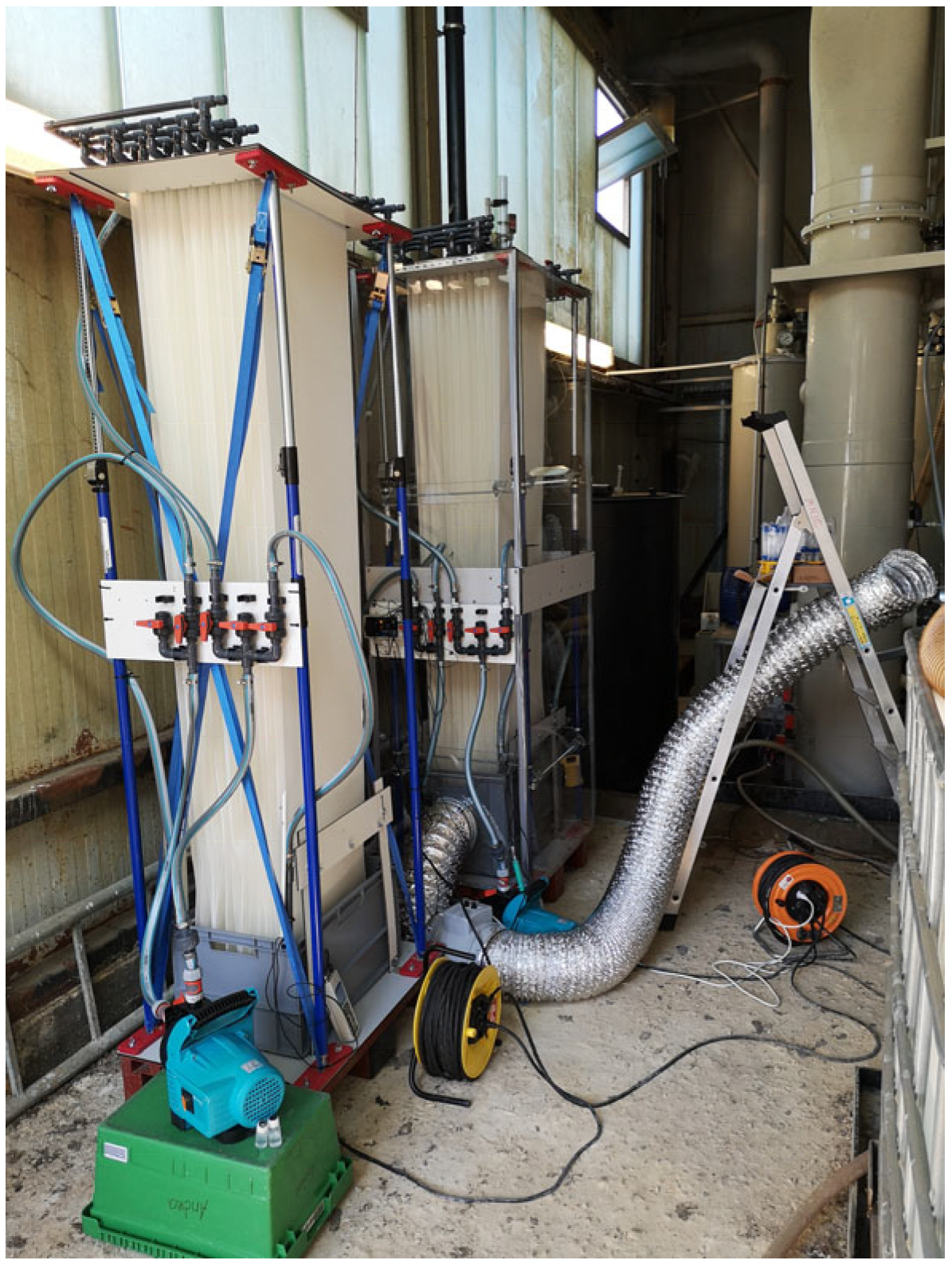
Further optimization of the system was subsequently undertaken. In the first stage, this process led to a drastic increase in the amount of textile used, both in terms of available area and absolute mass (
Figure 13, type II with a maximum load of 12 double webs of 750 g each, total mass 9 kg, total area approx. 22.5 m
2). In the course of the last optimization, an additional suction device was installed, which draws in the air from the environment (1000 m
3/h) and actively guides it over the adsorber textile (
Figure 13, type III).
3.4. Application Example 1—Pig Fattening
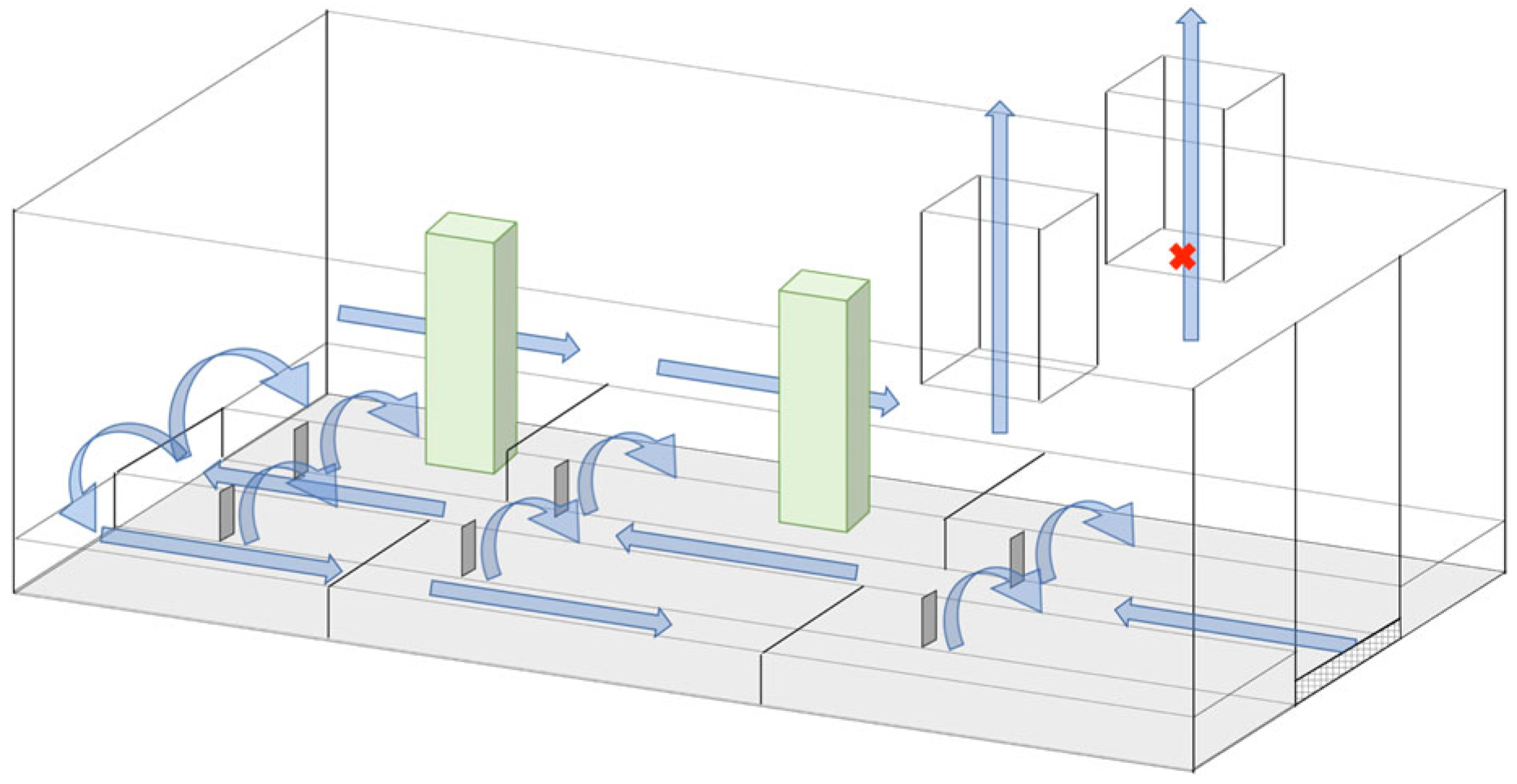
Two of the adsorber systems were used for the adsorption test in the pigsty. Adsorber I (type II) was equipped with 24 panels, each measuring 0.83 m
2, corresponding to a total area of 19.9 m
2 and a textile mass of 7.9 kg. Adsorber II (type II) was equipped with 24 panels, each measuring 0.94 m
2, corresponding to a total area of 22.6 m
2. The textile mass is 8.7 kg. A total of 41.8 m
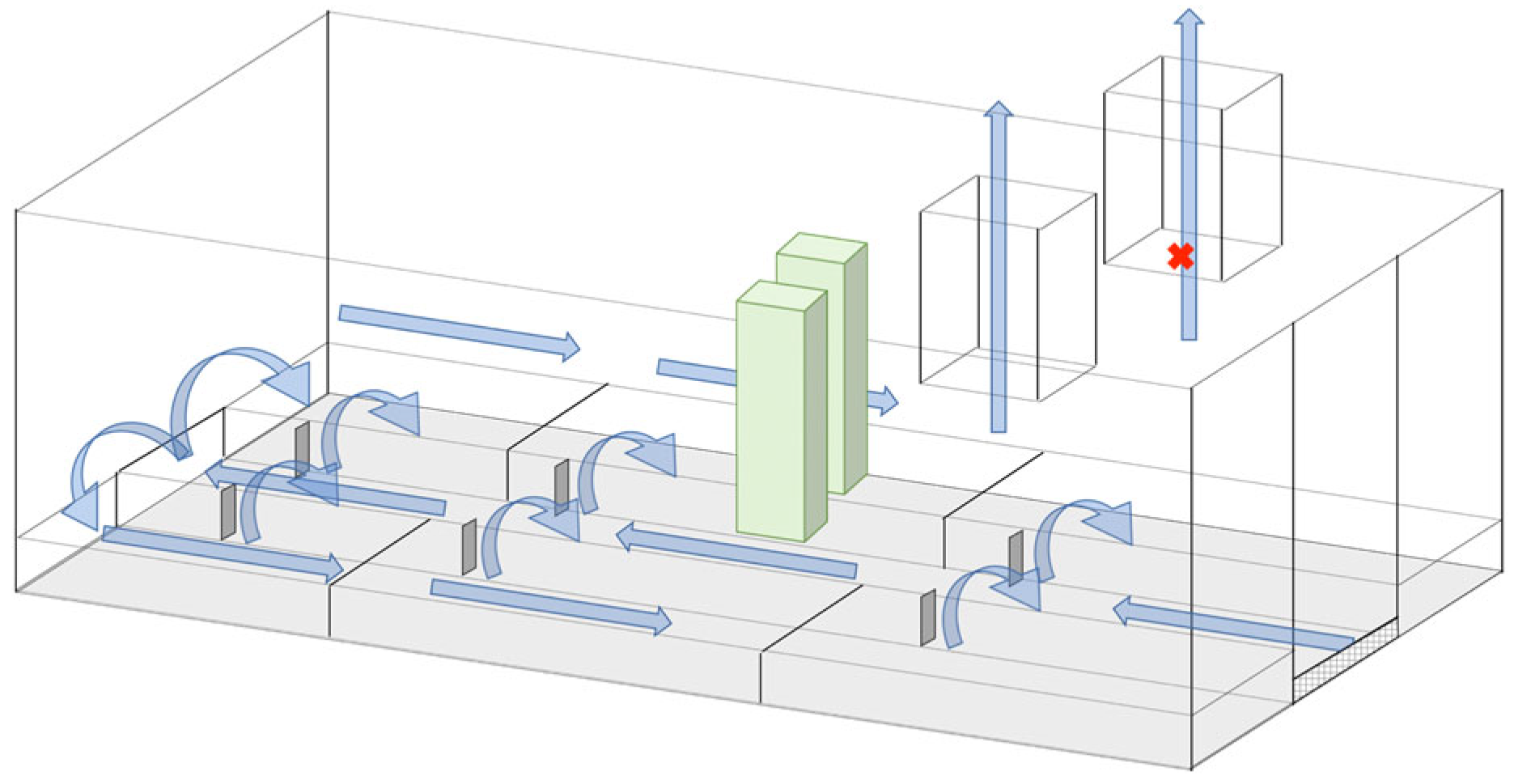
2 of textile with a total mass of 16.6 kg was therefore available. The amount of textile was increased by a factor of 14 compared to the first experiment in the pigsty. During the experiment, the position of adsorbers I and II in the pigsty was varied (
Figure 14 and
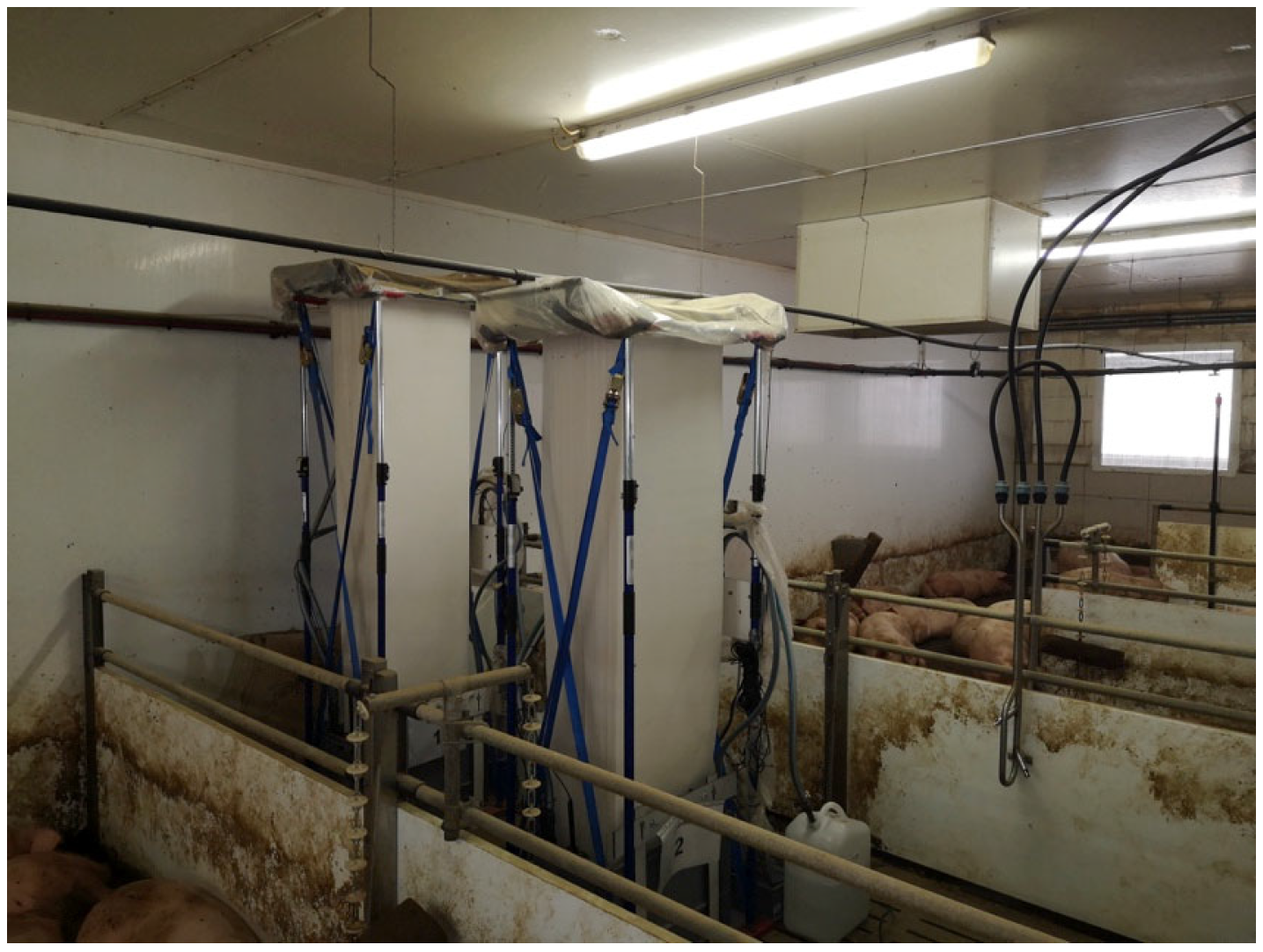
Figure 15). A photograph of arrangement 2 during operation is shown in
Figure 16.
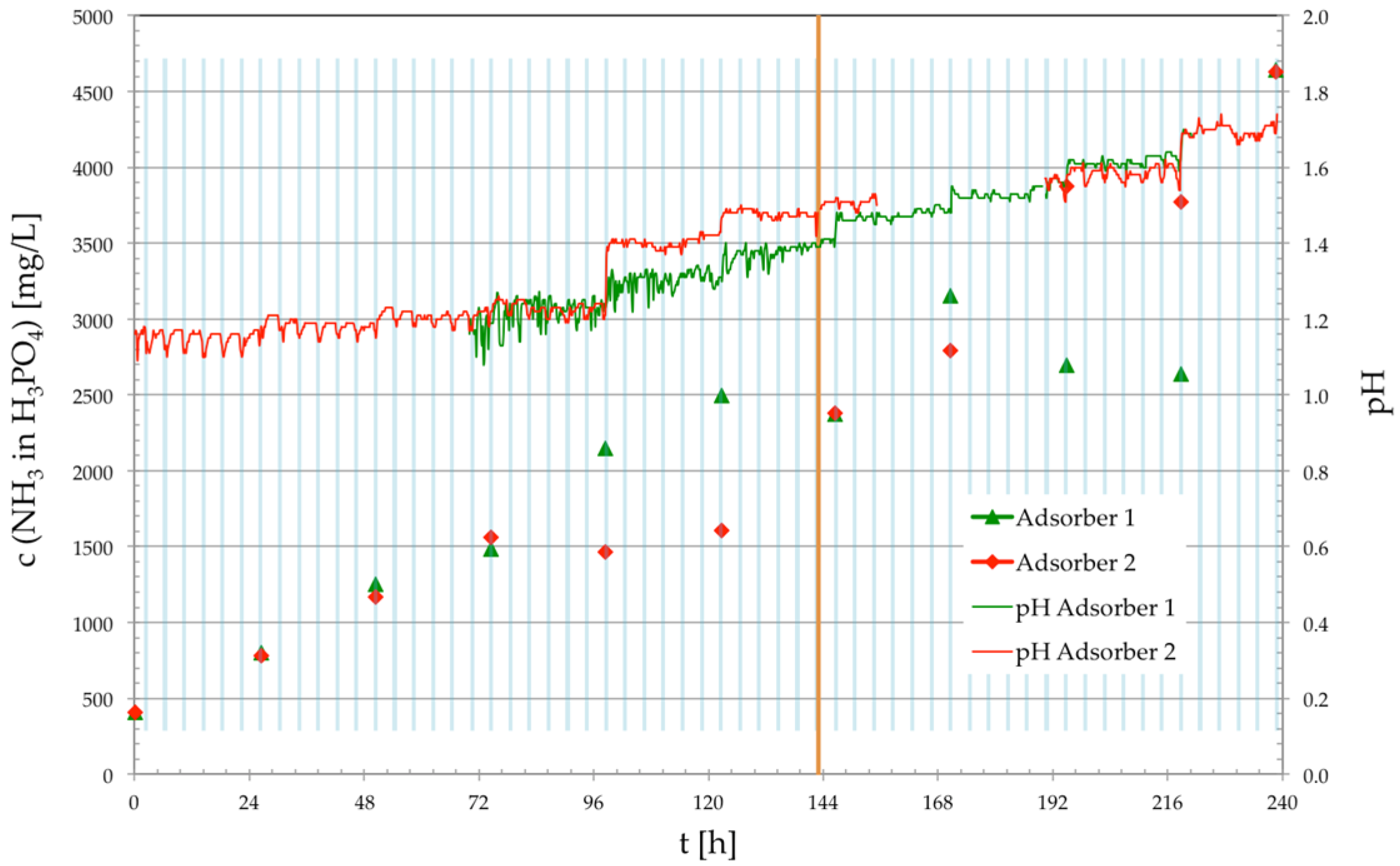
The pH curve in the phosphoric acid and the respective amount of ammonia bound in both adsorber systems are shown in
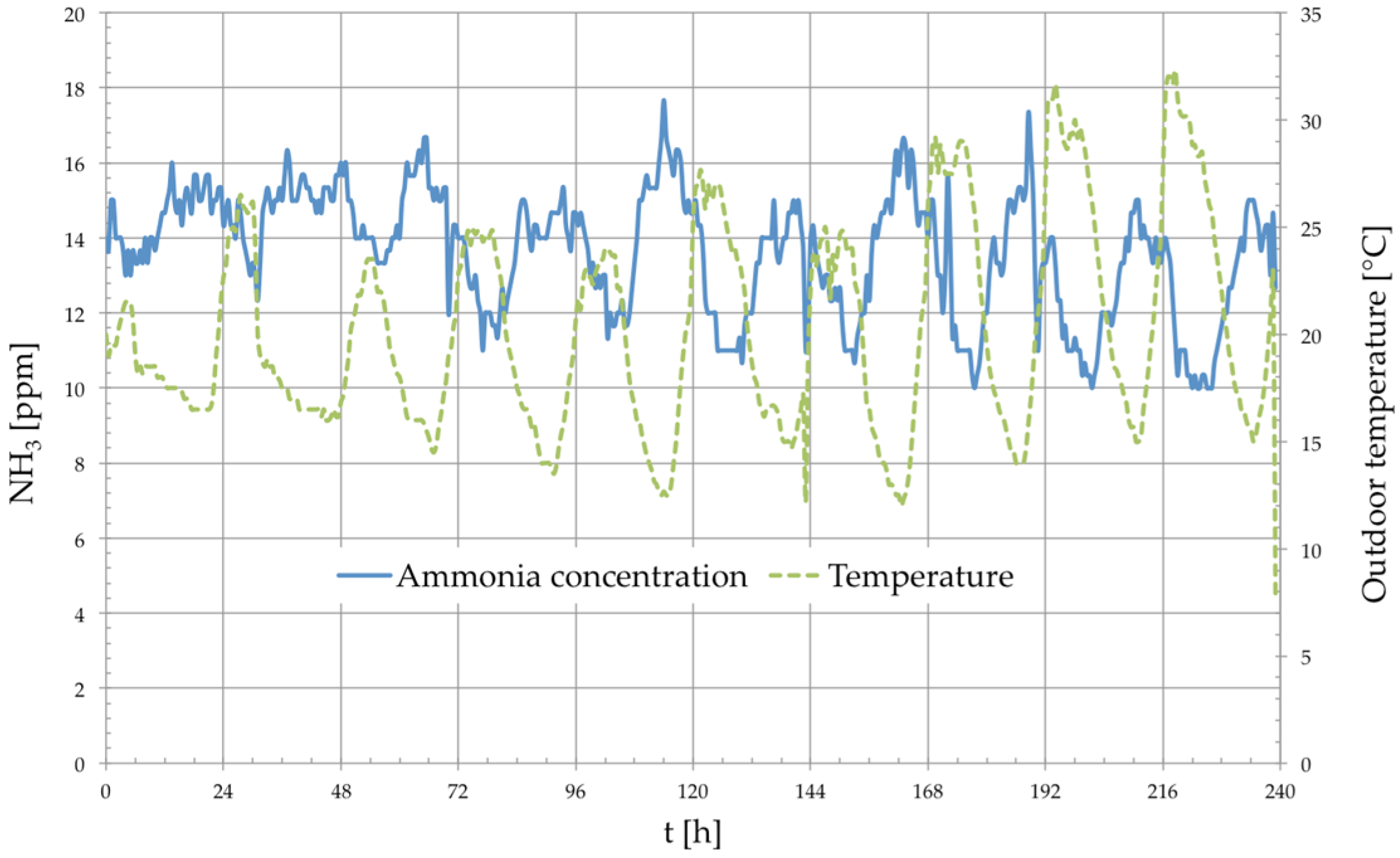
Figure 17. As expected, a steady increase in both pH and the amount of ammonia bound was observed over the entire observation period. However, in a similar manner, no significant decrease in ammonia levels in the barn air was recorded in this experiment (
Figure 18).
Key parameters for the type II test:
- ▪
41.8 m2 textile, total textile mass 16.6 kg, 100 L 5% phosphoric acid.
- ▪
Final concentration of NH3 in the acid after 10 days: 4.64 g/L.
- ▪
Absolute adsorption capacity of NH3 after 10 days: 464 g.
- ▪
Average adsorption capacity of NH3: 46.4 g/d.
Through approximate calculations of ammonia supply (excrement from 180 pigs, corresponding to a daily load of 300–400 g of ammonia in the air), it was shown that around 12–15% of the ammonia supply was bound in the two demonstration plants during the observation period. Although this figure corresponds to a significantly increased adsorption quantity by a factor of 3–4 compared to the type I experiment, it does not follow the hoped-for directly proportional relationship between textile supply and adsorbed ammonia load (in this case, the textile supply was increased by a factor of 14). Accordingly, further optimizations will be necessary in the future for the effective operation of a system for the quantitative removal of ammonia pollution in pig fattening houses. One possible approach is to directly flow air through the adsorbent textile by absorbing the ambient air (type III). However, this procedure would result in a significant change in the prevailing ventilation conditions in the pigsty, potentially harming the animals, which are sensitive to draughts. A corresponding experiment was therefore not performed during the project period. The technical solution to this problem will be the subject of further R&D work in a planned follow-up project.
3.5. Application Example 2—Printed Circuit Board Industry
The adsorber system with combined ammonia adsorption and desorption using phosphoric acid, increased textile quantity and additional direct air intake (type III, see
Figure 13) was tested in practice at Unimicron. A total of 9 kg of adsorber textile with an area of 22.6 m
2 was used.
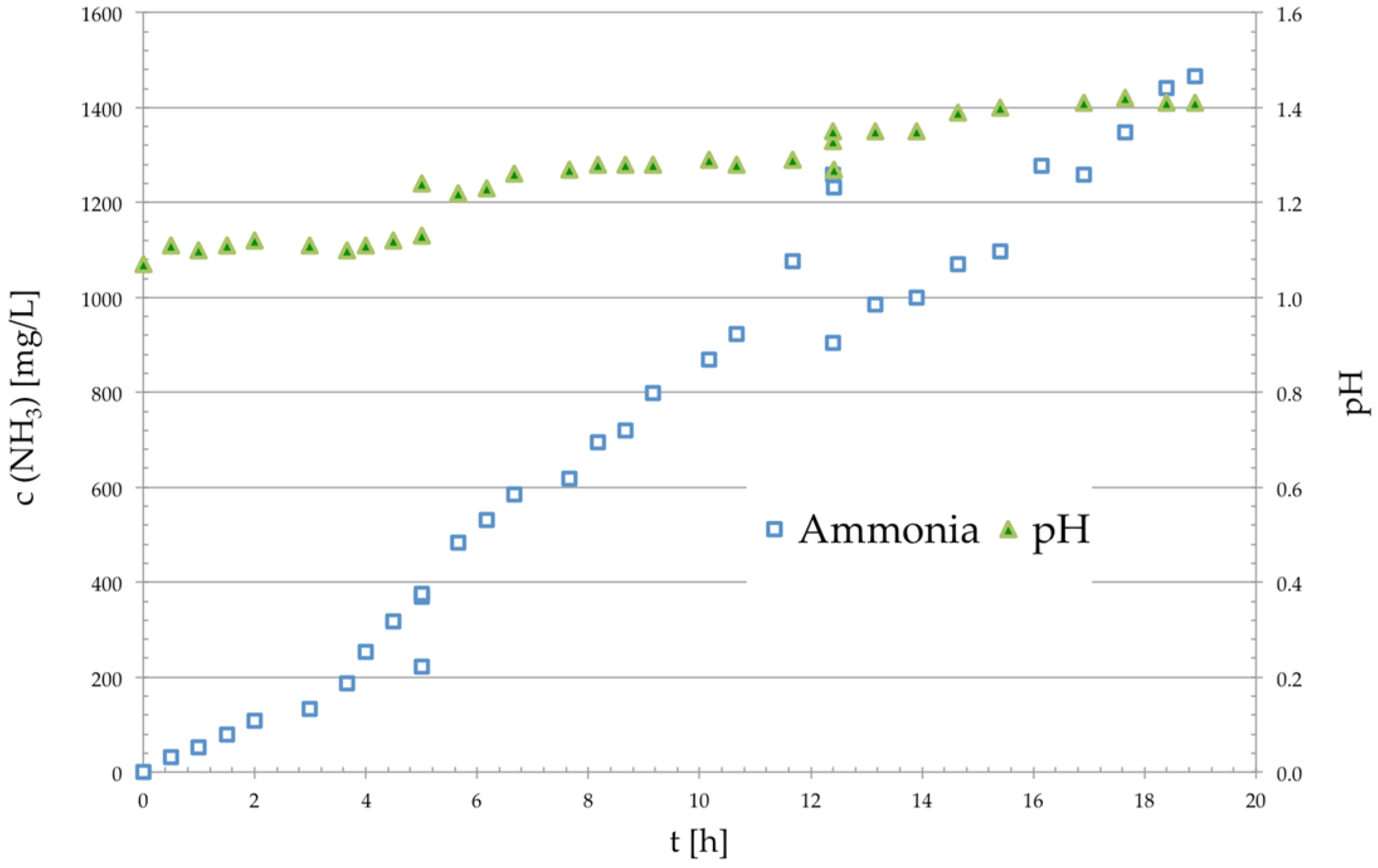
The progression of the pH value and the amount of ammonia bound in the phosphoric acid over 19 h is shown in
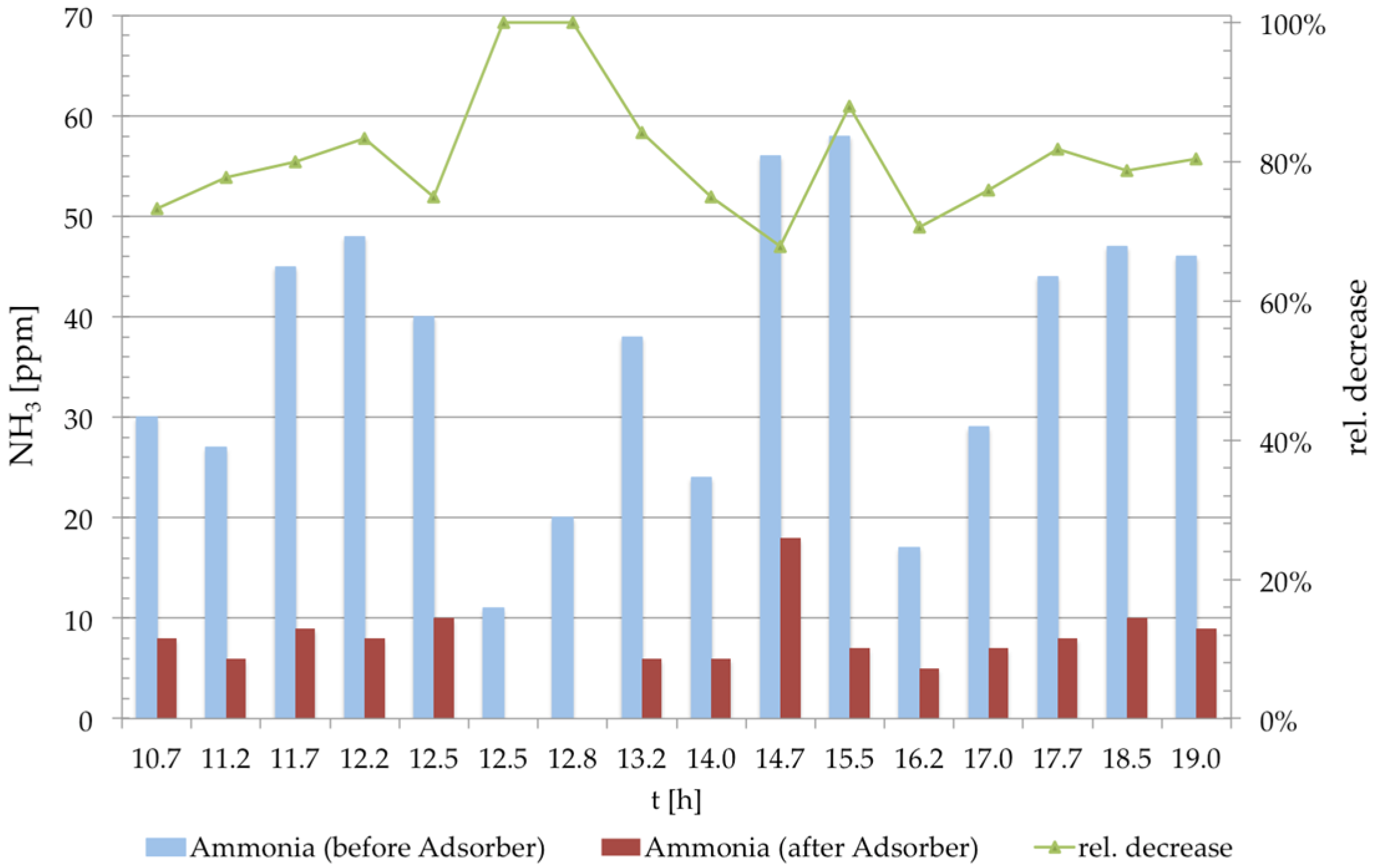
Figure 19. As was to be expected from the previous results, both measured values rose continuously during the experiment. A total of approximately 75 g of ammonia was removed from the ambient air in 50 L of phosphoric acid, corresponding to approximately 4 g/h. Particularly noteworthy is the resulting significant reduction in the prevailing ammonia concentration, by 70–100%, in the ambient air before and after passing through the adsorber (
Figure 20). This finding clearly demonstrated that the adsorber textiles developed by our project partners are suitable for the quantitative removal of operational ammonia pollution using the optimized process with continuous phosphoric acid flushing.
4. Discussion
A modified textile for the adsorption of ammonia from the gas phase was successfully developed through the single-stage, permanent and therefore wash-resistant immobilization of polyacrylic acid on a polyester needle felt in the presence of a cross-linking agent on laboratory, pilot plant and industrial scales. The reusability of the textile adsorbent material was demonstrated by eluting the textile-bound ammonia with phosphoric acid. This process produces the high-quality inorganic fertilizer ammonium phosphate. The adsorbent textile can then be used in batches (>30 cycles without significant reduction in adsorption capacity) or in continuous use. Various test facilities were subsequently designed and implemented, into which the adsorbent textile described above could be successfully integrated. The plant formats can be flushed with air or phosphoric acid, whereby, in the latter case, the phosphoric acid is actively involved in ammonia adsorption and at the same time serves to elute the bound ammonia.
The fundamental advantages and characteristics of the concept are as follows:
- ▪
Cost-effective and ubiquitously available base materials (textiles and polyacrylic acid).
- ▪
Simple equipment in existing facilities in the textile processing industry.
- ▪
Simple assembly and integration into reactors of any size and geometry.
- ▪
Repeated or continuous use.
- ▪
High adsorption capacity even in dry conditions.
- ▪
Increased adsorption capacity through permanent elution with phosphoric (or sulphuric acid).
- ▪
Production of a valuable mineral fertilizer with a high N/P (or N/S ratio).
The above advantages enable continuous and low-maintenance operation. Lastly, reductions in ammonia were successfully demonstrated both in pig farming and in production facilities in the printed circuit board industry. In both cases, significant amounts of ammonia were removed from the ambient air. In the printed circuit board facility, the prevailing ammonia pollution was reduced by 70–100%. In the case of pig farming, active air flow through the system is required to significantly reduce ammonia in the ambient air, which could not be achieved within the R&D project due to the sensitivity of the animals to draughts. A technical solution to this problem will be the subject of further R&D work in a follow-up project.
5. Conclusions
Ammonia is one of the most important and widely produced basic chemicals worldwide. However, this highly toxic gas is also produced in livestock farming and a large number of industrial processes, where it poses a potential danger to humans, animals and the environment and also contributes significantly to the formation of persistent particulate matter. Effective technical solutions already exist for removing ammonia pollution from the exhaust air of animal stables. However, these solutions involve high investment and operating costs. Our project partners have developed a powerful adsorbent textile for adsorbing ammonia from indoor air, detailed in this study. Once integrated into a test reactor, it can be used repeatedly and continuously. The corresponding prototypes proved to be robust and reliable in continuous use. Through permanent elution of the ammonium with phosphoric or sulphuric acid, basic materials for fertilizer production could be obtained, as is also the case with existing systems. The advantage of the concept proposed herein over existing solutions lies in the simplicity of the plant technology, which enables adaptation to individual spatial conditions and can therefore, in principle, be used for stables of any size. The use of a self-contained system also allows it to be used indoors (rather than outdoors, as has been the case to date) and it can therefore also be used in many other industries where production-related ammonia pollution of indoor air occurs. In summary, the consortium has already been able to present a powerful alternative to existing ammonia minimization solutions, which is characterized by its universal applicability in different pollution scenarios, including small mobile systems in production facilities with local ammonia pollution, in addition to scenarios for large-scale agricultural operations.




 ,
,