


Abstract
Seagrasses are vital ecosystem engineers and habitat architects in coastal environments, with Posidonia oceanica in the Mediterranean playing a crucial role as an indicator of ecological health. As an endemic and vulnerable species, P. oceanica meadows are highly susceptible to environmental degradation, underscoring the importance of non-destructive monitoring techniques. Traditional SCUBA-based surveys are accurate but resource-intensive and difficult to scale, especially for estimating shoot density and leaf length. This study applies a conservative acoustic-based approach to assess Posidonia oceanica biometrics, habitat characteristics, and ecological status along the Turkish Levant coast. The method offers a non-destructive alternative to SCUBA surveys and addresses a regional knowledge gap in Mediterranean seagrass monitoring. Acoustic data collected during winter and summer 2019 along the Turkish Levant coast were analyzed to estimate seagrass biometrics and derive ecological indicators, with validation via SCUBA observations. Results show that acoustic methods can reliably estimate shoot density, leaf area index, and canopy height. They provide broad-scale coverage and efficiency, though further refinement is required to improve calibration across depths and substrates. While acoustic methods provide broad, non-invasive coverage, they are affected by spatial and temporal variability that SCUBA surveys capture more reliably. Calibration of the POSIBIOM (vers 1.1) algorithm was based on specimens collected at 15 m depth on rocky substrates. While this provided consistent regression relationships, it may limit accuracy when extrapolated to habitats such as sand, mud, or matte. This study represents the first high-resolution, spatiotemporal mapping of P. oceanica meadows and benthic habitats along a significant portion of the Turkish Levant coast using acoustics alone. Overall, the study highlights the potential of acoustics as a scalable, non-invasive tool for seagrass monitoring. This approach contributes to ecosystem-based management and conservation strategies in the Mediterranean. Future work will focus on refining models to address bottom type- and depth-dependent acoustic responses and improve biometric accuracy.
1. Introduction
Among seagrass taxa, Posidonia spp. occur in the Mediterranean Sea, and Australian coastal waters [1]. However, Posidonia oceanica is an endemic species exclusive to the Mediterranean Sea and represents the most widespread and structurally important seagrass in the basin [1,2,3,4]. The Mediterranean Sea, the world’s largest intercontinental sea, hosts extensive P. oceanica meadows along most of its coastlines. Due to its slow growth, longevity, and sensitivity to disturbance, P. oceanica is classified as endangered, threatened, and legally protected under several international conventions and frameworks [5,6,7]. A P. oceanica meadow has gained increasing interest in recent research, including on previously unstudied coasts of the Mediterranean basin, to address gaps in knowledge. Seagrass meadows, especially those formed by Posidonia oceanica, are highly productive and ecologically significant in the Mediterranean Sea. They provide essential ecosystem services, including carbon sequestration, sediment stabilization, and biodiversity support. However, they remain vulnerable to anthropogenic pressures and climate-driven changes [3,8,9,10].
Despite their importance, meadows along the Turkish Levant coast remain understudied. This region faces intense anthropogenic pressures, climate-driven warming, and biogeographic processes such as tropicalization, making it a critical area for conservation research. The Mediterranean Sea is characterized by complex circulation patterns and interconnected water masses linked to the Atlantic Ocean, the Red Sea, and the Indo-Pacific through both horizontal and vertical exchanges. These dynamics, together with atmospheric–ocean interactions, climate-driven warming, biological invasions, and ongoing “tropicalization” processes, strongly influence the biometrics, growth, flowering, and spatial distribution of P. oceanica [11,12,13,14,15]. As a result, meadow structure and health vary considerably across spatial and temporal scales.
Conventional SCUBA-based surveys are widely used to assess seagrass biometrics and ecological status. Although accurate, they are resource-intensive, requiring specialized personnel, significant time, and financial investment. These constraints restrict their application to small spatial scales [16,17,18]. To mitigate these impacts, strict guidelines on shoot collection limits have been proposed [16,17,18]. This limitation highlights the need for alternative approaches that combine precision with large-scale, non-destructive monitoring. Such methods can better support evidence-based conservation and management strategies. These methods have been widely applied to map seagrass distribution, coverage, and canopy height across the Mediterranean [19,20,21,22,23]. Another non-destructive method is the Ecosystem-Based Quality Index (EBQI) [24].
During SCUBA surveys, divers are instructed to avoid collecting shoots from the seafloor and to instead measure leaf length and shoot density within a frame, considering the time limitations for each sample and survey area. However, these studies often miss measurements of other important traits of macrophytes, particularly those of P. oceanica meadows. This limitation has led researchers to collect shoots from the seafloor and bring them onboard, which not only disrupts the protected meadow but also exposes the environment to the impact of changing environmental parameters.
Visual remote sensing techniques, particularly satellite-based methods, have benefited from the launch of Sentinel-2, enabling broad-scale mapping and calibration through ground-truthing (e.g., Refs. [25,26,27,28]). However, these techniques are constrained by atmospheric conditions, water clarity, and light penetration. In contrast, acoustic systems, which rely on sound waves, are not subject to these optical limitations and can operate independently of environmental factors like light penetration [29,30,31,32].
Historically, vegetation acoustics have been used primarily for qualitative mapping of seagrass and macroalgal distribution, typically employing side-scan sonar and echosounders [20,22,33,34]. Early acoustic applications were limited by ambiguity in scatterer identification [35,36]. Recent advancements have enabled the integration of acoustic scattering properties, multi-frequency responses, and target-specific characteristics, improving species discrimination [37,38,39,40]. Quantitative calibration studies have further strengthened the relationship between acoustic signals and seagrass biometric parameters [41,42,43,44].
Typically, remote sensing techniques are used to map vegetation coverage, but they do not provide detailed biometric data, which is necessary for determining the ecological status of seas. Such data are essential for understanding carbon cycles, nutrient utilization by P. oceanica, and its role in broader ecological processes. Therefore, the present study introduces a novel approach to estimate these biometrics, thus enhancing our understanding of the ecology and ecological status of these meadows, especially when considering the environmental parameters that influence them.
Moreover, benthic habitats and bottom types are critical for assessing ecological status. Recent studies have updated criteria for evaluating biometric changes across different bottom types [45]. In addition, non-destructive methods have been developed to conserve meadows through the use of remote sensing systems and models. Notable studies include a biophysical Lagrangian approach to studying spatiotemporal variability in seagrass connectivity in the Mediterranean [46], monitoring biodiversity in Marine Protected Areas (MPAs) [47], and combining optical (satellite imagery) and acoustic (side-scan sonar) remote sensing techniques with in situ methodologies (visual census, SCUBA diving, towed underwater cameras, and remotely operated vehicles) [45,48]. Other studies have focused on identifying ecological hotspots and estimating shoot density in P. oceanica meadows through metapopulation modeling [49] and using mosaic distributions of color images provided by Sentinel-2 satellites [50].
A 200 kHz side-scan sonar in a vertical configuration has been used to automatically estimate shoot density, canopy height, and coverage of seagrass meadows. The results demonstrate that canopy height can be acoustically measured and suggest further investigation into shoot density and coverage estimation, as these are indirectly related to echo intensity from the upper 30 cm of the meadow’s leaf layer [43]. Additionally, calibration studies of remote sensing systems have been conducted to estimate habitats, bathymetry, and seabed mapping [51,52,53,54,55,56]. While these studies have primarily focused on mapping, with few exceptions, they have identified inconsistencies between in situ and remote sensing data used for sea-truthing biometrics. Further research is needed to improve the accuracy of biometric identification and estimation in seagrass meadows.
Building on these advancements, Mutlu and colleagues characterized the acoustic scattering properties of P. oceanica and Cymodocea nodosa, developed the “SheathFinder” algorithm [57], and introduced the “POSIBIOM” script package to estimate P. oceanica leaf biomass and length from acoustic data [38,39,40,58]. Preliminary comparisons between acoustic estimates and SCUBA-derived biometrics were conducted in the Antalya–Manavgat region. Despite the growing body of literature on the importance of targeting meadows and methodologies currently used at sea, there are few experimental studies addressing the biometrics and traits of P. oceanica meadows using acoustically estimated biomass. These traits—such as leaf area, shoot density, and the number of leaves per shoot—are crucial for understanding the health of marine ecosystems. Acoustic methods enable rapid data collection without the need for collecting specimens during SCUBA surveys, which are limited by daily dive durations.
Consequently, accurate knowledge of meadow distribution and structure is essential for ecosystem-based management and conservation, particularly when achieved without damaging sampling practices [13,15,16,59]. Although coarse distribution maps of seagrass meadows exist for Turkish waters, comprehensive quantitative assessments remain lacking. Using leaf biomass estimated acoustically and biomass–biometric relationships derived from SCUBA samples, the present study aims to map P. oceanica distribution and estimate key biometric parameters (shoot density, leaf biomass, number of leaves, leaf length, leaf area, and leaf area index), assess seasonal and depth-related variability, and evaluate ecological status along the entire Turkish Levant coast using winter and summer 2019 data. This study applies a conservative acoustic-based approach to assess P. oceanica biometrics, habitat characteristics, and ecological status along the Turkish Levant coast. It addresses a regional knowledge gap and contributes to Mediterranean-wide conservation efforts. The present study hypothesizes that acoustic-based methods can reliably estimate biometric and ecological parameters of P. oceanica meadows along the Turkish Mediterranean coast, in comparison to SCUBA-based surveys. Previous experimental results [38,39,40,57,58] support this approach, but further studies, e.g., [58] are necessary to improve the accuracy of these estimates and their application to the ecology of seagrass meadows.
Despite the ecological importance of Posidonia oceanica meadows across the Mediterranean, Turkish waters—particularly along the Levant coast—remain comparatively understudied. This region is subject to pronounced anthropogenic pressures, climate-driven warming, and biogeographic processes such as tropicalization, all of which directly influence seagrass structure, resilience, and ecological function. Addressing these regional knowledge gaps is critical, as meadows in the Levant not only contribute to carbon sequestration and coastal stability but also serve as essential habitats for biodiversity and fisheries productivity. By focusing on this understudied coastline, the present study aims to provide the first acoustics-only mapping of P. oceanica meadows in Turkish waters, thereby filling a significant gap in Mediterranean seagrass research and supporting evidence-based conservation and management strategies.
2. Material and Methods
A critical limitation of the present study is that the POSIBIOM calibration was derived exclusively from specimens collected at 15 m depth on rocky substrates. While this approach provided consistent regression relationships, its application across heterogeneous habitats such as sand, mud, and matte introduces potential bias in biometric estimations. Substrate type and depth strongly influence seagrass morphology, canopy structure, and acoustic scattering properties; for example, meadows rooted in sandy or muddy substrates often exhibit lower shoot density and altered leaf morphology compared to rocky bottoms, while shallow meadows (<15 m) are subject to greater seasonal variability in leaf turnover and epiphyte load. Conversely, deeper meadows (>15 m) may display more stable but acoustically distinct scattering patterns. These differences highlight the need for caution when extrapolating single-depth calibration results to diverse environments. Future refinement of the POSIBIOM algorithm should therefore incorporate multi-depth and multi-substrate calibration datasets to improve universality and ensure that ecological assessments are robust across the full range of environmental conditions encountered in Mediterranean seagrass meadows.
Given the limited scalability of traditional SCUBA-based surveys and the need for non-destructive approaches to monitor Posidonia oceanica meadows, this study adopted an acoustic-based methodology calibrated with field samples. This approach was selected to address the regional knowledge gap identified in the Introduction, while ensuring that biometric parameters such as shoot density, leaf area index, and canopy height could be estimated across broad spatial scales. The following section details the methodological framework, including survey design, acoustic data processing, calibration procedures, and statistical analyses, which together provide the basis for evaluating seagrass ecological status along the Turkish Levant coast.
Material and Methods include acoustical data collection, quantitative seasonal relationships established between biometrics and the acoustical Elementary Distance Sampling Unit (EDSU) [39] for POSIBIOM analyses [38], generation of biometrics–biomass relationships from SCUBA sampling, followed by acoustical estimation of biometrics and ecology with environmental parameters introduced for the study area [16,59] in winter (December 2018–January 2019) and summer (June–July 2019). Each survey lasted two months.
The study area environment was previously described by Mutlu et al. [16,59] as follows: Half of the stations in region 3 (Muğla Bay) were influenced by Aegean Sea waters, and nearly half of the total stations were located in region 2 (Antalya Bay). The western stations of region 1 and all stations in region 2 (Mersin Bay) were situated within the Atlantic rim current of Levantine waters (Figure 1), which strongly influences environmental parameters (see Supplementary Material for details on environmental distribution, Figure S1).
Figure 1.
Study area in red rectangles and regions (R1–R3, dashed-line arrow shows border of the regions), bays (a,b), bottom types estimated by SCUBA (b), SCUBA sampling stations (YG is Yeşilova Gulf, and HG is Hisarönü Gulf, from Mutlu et al. [59], acoustical sampling tracklines (c,e) and rim water current and anti- and cyclonic current (c) and corrected bottom depths in meters by POSIBIOM (d,f) for P. oceanica study conducted in winter and summer 2019, respectively.
Bottom-depth distribution of SCUBA sampling sites generally varied between 10 and 30 m, while depths of 5 and 35 m were rarely included. Regional average bottom depths were 18 m and 21 m in region 3 (Muğla), 20 m and 19 m in region 1 (Antalya), and 16 m and 18 m in region 2 (Mersin) in winter and summer, respectively. Bottom types were mainly composed of sand and mud in region 3, rocks in region 1, and matte and mud in region 2.
2.1. Biometrics Targeted for Estimation
Up until now, a leaf mass (g) to acoustic EDSU (Sv or Sa in dB) conversion has been established, followed by leaf biomass estimation for P. oceanica, although there have been few attempts to estimate shoot density. This conversion has been shown to exhibit seasonal variations, with negative or positive correlations depending on the level of photosynthetic activity, which peaks between May and August. The leaf mass–EDSU relationship showed a significant regression, followed by leaf area. All conversions were based on leaf specimens per shoot (not individual leaves) collected from rocky substrates at a bottom depth of 15 m. Consequently, mass-related variables (e.g., leaf area (LA), leaf mass) are more convenient for regression analysis than average leaf length.
In the present study, additional biometric parameters were considered for estimation, extending beyond the regression equations established from in situ SCUBA measurements. These include:
- Shoot density: Number of shoots per m2
- Leaf area and leaf area index: One-sided leaf area per m2
- Number of leaves: Number of leaves per shoot
- Furthermore, acoustically estimated biometrics included:
- Wet leaf biomass
- Leaf length (on average) or canopy height
For this study, bottom types estimated acoustically provided insight into variations in biometrics and the accuracy of ecological status. If environmental parameters are concurrently available, this study opens the possibility to estimate all traits, ecological status, and the overall ecology of P. oceanica within a limited spatial scope. This also paves the way for a new project on acoustic studies for both in situ and ex situ measurements of additional determinants of meadow traits, such as leaf types, lepidocronological age, bottom types (habitats), and variations across different seas and infra-regions. These efforts aim to enhance the accuracy of acoustic estimations and conversions [60].
2.2. Acoustical Sampling
Acoustical sampling was conducted using a quantitative scientific split-beam echosounder operating at 206 kHz during winter and summer 2019 along the entire Turkish Mediterranean coast. Approximately 3704 km (2000 nautical miles) were navigated during surveys in each season. Survey tracklines were oriented parallel to the coastline with spacing of 300–500 m, covering depths from nearshore to 70 m. Seasonal adjustments were made based on water temperature and salinity profiles (Figure 1). Echosounder configuration and operational settings are provided in Table S1. A 0.1 ms signal was transmitted at a rate of 5 pings per second, following calibration with a standard tungsten sphere (36.4 mm in diameter, with an expected target strength (TS) accuracy of ± 0.2 dB) using a pulse width of 0.4 ms. During winter calibration, the expected TS was −39.9 dB, at a sound velocity of 1521.91 m/s (measured: −39.46 ± 0.04 dB, n = 428 pings, calibration offset: −0.5 dB). In summer, with a sound velocity of 1542.01 m/s, the expected TS was −39.7 dB (measured: −42.07 ± 0.07 dB, n = 1883 pings, calibration offset: 2.3 dB). These values were calculated based on water temperature and salinity, averaged between the measured surface and the 10 m depth layer (Table S1). This calibration was repeated periodically throughout each survey. Surveys were conducted aboard R/V Akdeniz Su at a maximum speed of 9.26 km/h (5 knots). Data acquisition was performed using Visual Acquisition 6 (v6.3.1.10980, BioSonics Inc., Seattle, WA, USA), and files were stored in 30 min intervals.
2.3. Data Analyses
Raw acoustic data were processed with Visual Analyzer (v4.3, BioSonics Inc., Seattle, WA, USA) to convert files to ASCII format. The POSIBIOM package was then applied to correct bottom detection, remove noise and reverberation, and estimate P. oceanica wet leaf biomass and canopy height [38]. Visual Analyzer converted raw data into ping-to-ping horizontal and count-to-count vertical matrices at a resolution of one-eighth of the pulse width. Subsequent POSIBIOM processing first ensured accurate bottom detection, correcting biases caused by strong scatterers and tracking inconsistencies [49], thereby separating bottom echoes from seagrass rhizomes. A dead zone was then estimated to remove inconsistent echoes within rhizome length. Spurious water-column echoes were eliminated using a modified signal-to-noise ratio. Rhizome position was fixed, leaf length was estimated to confirm P. oceanica targets, and strong scatterers such as fish were removed. Output matrices included geographic coordinates, bottom depth, dead zone thickness, wet leaf biomass, leaf length, and sampling month based on seasonal regression equations between EDSU and wet leaf biomass [38]. Calibration of the POSIBIOM algorithm was based on specimens collected at 15 m depth on rocky substrates. This provided consistent regression relationships but may reduce accuracy when extrapolated to habitats such as sand, mud, or matte [39]. Ongoing work aims to establish relationships for additional depths and substrates [60].
2.4. Bottom Types and Habitats
To verify acoustically determined distribution patterns, bottom type and bathymetry were analyzed to define depth boundaries of seagrass distribution. Visual Bottom Typer (VBT; vers. 1.10, BioSonics Inc., Seattle, WA, USA) was applied using bottom echo signals. The B4 Fractal Dimension Method was selected due to the fractal nature of seabed structure. The bottoms were acoustically classified as rock (code 1), sand (slime, code 2; rough, code 3), and mud (slime, code 4; rough, code 5) according to calibration settings [15]. For sediment content classification, the terms “coarse” and “slime” refer to the dominant percentage of sand or mud, with “slime” indicating >70% mud content. Additionally, Visual Aquatic software, integrating VBT and Echo Submerged Aquatic Vegetation, EcoSAV (vers. 1.0, BioSonics Inc., Seattle, WA, USA) was used to estimate percent coverage and canopy height of submerged vegetation to further distinguish seagrass meadows from other macrophytes.
2.5. Conversion of Wet Leaf Biomass to Biometrics
A total of 47 winter and 110 summer SCUBA samples were analyzed for biometric characterization [15,61,62]. Measured parameters included shoot density, leaf length, leaf width, leaf mass, wet leaf biomass, inter-shoot distance, rhizome length and width, and number of leaves per shoot. Biomass-to-biometric conversion equations were derived from SCUBA samples. These equations enabled estimation of shoot density, leaf area index, and number of leaves per shoot, which were used to classify ecological status following EBQI standards. This approach enabled non-destructive estimation of multiple biometric parameters using acoustic data alone. The method was further applied at smaller spatial scales with monthly resolution in Antalya Gulf, providing additional conversion equations relevant to the present study.
2.6. Statistical Analyses
Statistical analyses (ANOVA, ANCOVA, PERMANOVA) were applied to test differences across seasons, depths, and bottom types. Multivariate methods (CCA, nMDS) were used to explore ecological relationships with environmental parameters.
Conversion equations were tested for best-fit using t-tests for regression parameters (H0: b = 0, a = 0) and correlation coefficients (H0: r = 0). Analysis of covariance (ANCOVA) tested differences among regions, standard depth classes, and seasons (H0: S2 = 0).
Spatial distributions of biometrics were mapped using kriging interpolation based on variogram analysis in SURFER 12 (Golden Software), with selected outputs transferred to QGIS (vers. 3.12.2-București). After testing normality using dispersion indices, four-way ANOVA was applied to evaluate differences among methods (acoustic vs. SCUBA), seasons, bottom types, and depths, with additional one-way ANOVA and LSD post hoc tests to identify factor-specific effects. Linear regression models (Estimated ~1 + Measured + Season + Bottom type + Depth) assessed relationships between estimated and measured biometrics and quantified the influence of each factor.
Multivariate analyses included PERMANOVA to test biometric differences between acoustic and SCUBA estimates across seasons, bottom types, and depths using PRIMER 6 (vers. 1.0.3, Plymouth Marine Laboratory, UK). After evaluating gradient lengths with detrended correspondence analysis, Canonical Correspondence Analysis (CCA) was applied to examine seagrass ecology in relation to environmental variables (see Supplementary Material for the details of environmental distribution), with axis significance tested using Monte Carlo permutations (CANOCO v4.5, Microcomputer Power, Ithaca, NY, USA). Non-metric multidimensional scaling (nMDS) was used to visualize inherent configuration of normalized biometric data, and RELATE analysis assessed correspondence between acoustic and SCUBA-based biometric resemblance matrices calculated using Euclidean distance. Statistical significance was accepted at p < 0.05.
3. Results
3.1. Acoustic–Biometrics Conversion
As a primary estimator, the POSIBIOM script [38] identifies P. oceanica and estimates leaf length (m) and wet leaf biomass (g m−2). To derive additional biometric parameters of the seagrass meadow, a set of wet biomass–biometric conversion relationships was previously established during 2011–2012 [58] (Table S2) and further refined in 2019 in the present study (Figure 2), with the exception of the wet biomass–number of leaves per shoot relationship, which was derived exclusively from SCUBA samplings.
Figure 2.
SCUBA-based wet biomass–other biometrics relation used as a conversion from acoustical wet biomass to LAI, shoot density, and number of leaf per shoot in winter (left panel) and summer (right panel). B1: leaf length-based-mass, B2: leaf area-based-mass relation [15] for the wet biomasses.
Significant relationships were established between wet biomass and leaf area index (LAI), as well as shoot density, whereas the present study additionally examined the wet biomass–number of leaves relationship, although no significant correlation was detected (Table S2; Figure 2). For each period, wet biomass exhibited significant relationships with the other biometric parameters, with statistically significant differences observed among months and between seasons (p < 0.05). Accordingly, seasonal variability was explicitly incorporated into wet biomass-based biometric estimations in the present study.
The acoustic energy–biometric relationships implemented in POSIBIOM were derived from P. oceanica specimens collected at a standard depth of 15 m during monthly experimental surveys [39]. This depth exhibited wide annual variability in biometric measurements and has been used to distinguish between shallow and deep meadow characteristics [59]. The present study demonstrated that acoustic energy–biometric relationships varied significantly among months; however, variations in acoustic scattering properties across different depths or spatial scales were not examined.
To address this limitation, an ongoing project is investigating seasonal and depth-related variability in the acoustic scattering properties of seagrasses and other macrophyte species in the Mediterranean and Aegean Seas [62]. These considerations represent acknowledged limitations of the present study.
3.2. Spatio-Temporal Distribution
The total acoustically surveyed area was approximately 4441.62 km2 in winter and 4934.33 km2 in summer. The larger survey area in summer resulted from extended offshore transects conducted in conjunction with phytoplankton and zooplankton sampling activities (Figure 1).
3.2.1. Distribution and Coverage Area
The present study shows a bias toward winter acoustic data collection. During post-survey data evaluation, two sources of potential error were identified. First, the transducer was unintentionally tilted between Alanya and Anamur, which increased the apparent thickness of the bottom echo and may have led to misclassification of the signal as P. oceanica. Second, between Antalya city center and Serik, Caulerpa prolifera dominated the benthic vegetation and reached maximum canopy length during winter (November–March) [61,63], causing POSIBIOM to classify some echoes as seagrass (Figure 3 and Figure S2). Despite this limitation, POSIBIOM successfully detected P. oceanica within mixed vegetation assemblages where C. prolifera co-occurred. Ongoing work is addressing species-specific discrimination issues in acoustic detection [62]. Overall, P. oceanica was widely distributed in Antalya Gulf, where meadows occurred predominantly on rocky substrates, with limited occurrences on gravelly bottoms. Extensive and continuous meadows were observed between Serik and Side, where the gently sloping seafloor and wide continental shelf support broad habitat development (Figure 3). Secondary meadow areas were detected around Alanya, between Alanya and Anamur, and in the Marmaris and Datça bays.
Figure 3.
Acoustical-estimated distribution of P. oceanica along the Levanine Turkish Mediterranean sea in winter and summer with regional and total area (km2) covered by P. oceanica and coverage area with excluded C. prolifera distribution in winter (a), and regional distribution for close-up view in winter (left panel) and summer (right panel) in direction of west to east of the study area (b). White arrow denotes C. prolifera, yellow Cymodocea nodosa and red a biased detection of P. oceanica due to the significantly tilted transducer.
The maximum depth limit of P. oceanica distribution ranged generally between 30 and 33 m across the study area, extending locally to 43 m in Fethiye Gulf (Figure 1 and Figure 3). Meadows occurred on a variety of substrates, including rocky bottoms in Antalya Gulf, matte substrates in Anamur and Bozyazı, and sandy to muddy bottoms throughout the remaining regions (Figure 1 and Figure 4 and Figure S2). On hard substrates (rock and matte), P. oceanica could not be acoustically distinguished from the underlying bottom, consistent with findings from SCUBA-based observations reported by Mutlu et al. [59]. To address this limitation, bottom percent coverage estimates, presented later in the study, were used to refine and correct meadow occurrence in areas with ambiguous acoustic signals (Figure S8).
Figure 4.
Box plot (median with the 25th and 75th percentiles in box and whisker length line from the end of the interquartile range to the furthest observation) of the biometrics estimated from acoustic (left panel) and SCUBA (right panel) sampling by bottom depths and bottom types (1: rock, 2: sand, 3: matte and 4: mud), respectively in winter (for biometrical variables, L: leaf length, LAI: leaf area index, B1: wet leaf biomass, S: shoot density, Lno: Number of leaves per shoot). * denotes that L, is in centimeter.
The total coverage area of P. oceanica on the seabed was estimated at 114.86 km2 in winter and 96.27 km2 in summer along the Levantine Turkish Mediterranean coast (Figure 3). The majority of this coverage was concentrated in two primary regions. Summer data provided a more accurate representation of meadow distribution, while overall coverage decreased from winter to summer (Figure 3). When areas dominated by C. prolifera and C. nodosa were excluded, the estimated P. oceanica coverage in winter decreased to 85.63 km2 (Figure 3), indicating that winter distribution estimates required further correction to achieve accuracy comparable to those observed in summer.
3.2.2. Biometrical Distribution
Acoustically derived biometrics included wet leaf biomass (B1, g m−2), leaf area index (LAI, m2 m−2), shoot density (S, shoots m−2), and number of leaves per shoot (Lno, ind. shoot−1). The measured biometric was leaf length, expressed as canopy height (L, m), reflecting the fact that P. oceanica leaves exhibit variable orientations (flat, semi-erect, and erect) within the water column [15]. The study also compared biometrics obtained from acoustic estimates with those derived from SCUBA-based sampling. In SCUBA samples, leaf length represents the actual leaf size and does not correspond directly to canopy height, regardless of leaf orientation in situ. Results of the four-way ANOVA applied to all biometric variables are presented in Table 1. Significant differences were detected for each biometric between acoustic and SCUBA-based methods. These differences reflect methodological contrasts between indirect acoustic estimation and direct field measurements and are further evaluated in subsequent analyses. Acoustic-derived estimates of shoot density, leaf area index, and canopy height varied seasonally. Higher values were recorded in summer than in winter, especially at shallow depths. These differences reflect the influence of temperature and light availability on seagrass growth.
Table 1.
p values of 4-way ANOVA test (method: M, season: Se, bottom type: B, and bottom depth: D) for differences in biometrics. Bold value is significantly different at p < 0.05 (For biometrical variables, L: leaf length, LAI: leaf area index, B1: wet leaf biomass, S: shoot density, Lno: number of leaves per shoot).
Wet Leaf Biomass, B1 (g m−2)
During spatial gridding to generate distribution maps, the averaging option in SURFER software was applied to measurements sharing identical interpolated geographical coordinates, reflecting temporal intervals of the D-GPS records. Consequently, Figure S2 presents average wet biomass distributions including zero-biomass values. For visualization purposes, maximum wet biomass values were truncated at 100 and 200 g m−2 to enhance the display of lower wet biomass ranges. Mean wet biomass values at non-zero locations were 603.8 ± 1.1 g m−2 (mean ± Standard error, Serr) in winter and 634.3 ± 0.9 g m−2 in summer (Figure S2). Using acoustic and SCUBA-based approaches, wet biomass ranged from 32.7–248.3 g m−2 and 172.7–1183.8 g m−2 in winter, and from 12.7–480.8 g m−2 and 290.1–905.0 g m−2 in summer, respectively. In winter, maximum wet biomass occurred in the Side meadow, whereas in summer, maxima were observed in both Side and Marmaris bays, followed by Anamur and Datça bays. This spatial pattern appeared to be associated with the occurrence of hard substrates and was more pronounced during summer (Figure S2). Wet biomass differed significantly among bottom types in both seasons; however, unlike summer, SCUBA-based wet biomass estimates did not vary significantly with bottom depth in winter (Table 2).
Table 2.
p values of ANOVA test for differences in acoustically and SCUBA-wise estimated biometrics by bottom depths (D), and types (BT) in winter (W) and summer (S) and in seasons. Bold value is significantly different at p < 0.05 (For biometrical variables, L: leaf length, LAI: leaf area index, B1: wet leaf biomass, S: shoot density, Lno: Number of leaves per shoot).
In winter, acoustically estimated wet biomass was lowest at 10 m depth, increased at 15 m, slightly decreased at 20 m, and reached its maximum at 30 m, with all depths being significantly differentiated from one another (Table 3; Figure 4 and Figure S3). Wet biomass was significantly lower on rocky and sandy bottoms compared to muddy substrates (Table 3; Figure 4 and Figure S4). In contrast, SCUBA-based wet biomass ranged between approximately 200 and 260 g m−2 and did not differ significantly among depths (Table 3; Figure 4 and Figure S3). Wet biomass values on sand, rock, and matte substrates were similar and significantly higher than those on muddy bottoms (Table 3; Figures S4 and S6). Unlike winter, summer wet biomass showed significant differentiation by both bottom depth and substrate type for acoustic and SCUBA-based estimates (Table 3; Figure 5, Figures S7 and S8). Wet biomass trends were broadly consistent between methods: following relatively low values (with an exception at 5 m), wet biomass declined gradually from 10 to 25 m and then increased again at 30 m. Maximum wet biomass occurred at 10 m depth for both methods (Table 3; Figure 5). Wet biomass patterns across bottom types were also highly consistent between methods, with hard substrates supporting higher wet biomass and muddy substrates exhibiting the lowest values (Table 3; Figure 5 and Figure S6).
Table 3.
Bottom depth and type wise distribution of mean value ± Serr at 95% confidence of the biometrics estimated from acoustic and SCUBA sampling in winter and summer, and seasonal distribution. * Length is in meter (for biometrical variables, L: leaf length in cm, LAI: leaf area index, B1: wet leaf biomass in g/m2, S: shoot density in shoots/m2, Lno: number of leaves per shoot).
Figure 5.
Box plot of the biometrics estimated from acoustic (left panel) and SCUBA ((right panel) in discrete line frame) sampling by bottom depths and bottom types (1: rock, 2: sand, 3: matte and 4: mud), respectively in summer (for biometrical variables, L: leaf length, LAI: leaf area index, B1: wet leaf biomass, S: shoot density, Lno: number of leaves per shoot). * denotes that L, is in centimeter.
A significant seasonal difference in wet biomass was detected for both methods (Table 2). Acoustic estimates indicated higher wet biomass in summer than in winter, accounting for approximately 97% of summer values, whereas SCUBA-based estimates showed nearly a twofold increase in summer relative to winter (Table 3; Figure 6 and Figure S7). Overall, wet biomass differed significantly among methods, seasons, bottom depths, and substrate types. Among interaction terms, only those involving the method factor significantly influenced wet biomass, whereas other interactions were not significant (Table 1).
Figure 6.
Box plot of the biometrics estimated from acoustic (left panel) and SCUBA (right panel) sampling by season. (For biometrical variables, L: leaf length, LAI: leaf area index, B1: wet leaf biomass, S: shoot density, Lno: number of leaves per shoot). * denotes that L, is in centimeter.
Leaf Area Index, LAI (m2 Leaf Area m−2 Bottom Area)
Because P. oceanica leaves have two surfaces, leaf area was estimated using one side only and is therefore expressed as one-sided leaf area. Similar to wet biomass, LAI differed significantly among methods, seasons, bottom depths, and substrate types. However, among interaction terms, only those involving the method factor were significant, whereas higher-order interactions (Method × Season × Bottom type × Depth) showed no significant effects (Table 1). One-way ANOVA indicated that LAI varied significantly with bottom depth and substrate type in summer for both acoustic and SCUBA-based estimates, whereas in winter no significant differences were detected by bottom depth or substrate type for SCUBA measurements (Table 2).
Mean LAI derived from acoustic estimates was 3.56 ± 0.01 in winter and 3.48 ± 0.01 in summer, whereas SCUBA-based estimates averaged 1.4 ± 0.2 and 3.1 ± 0.1 in winter and summer, respectively (Table 3; Figure 6 and Figure S7). Overall, LAI ranged from 0.1 and 1.5 to 10.0 and 6.9 in winter on comparison (SCUBA and acoustics) and from 0.1 and 2.7 to 15.3 and 4.9 in summer for acoustic and SCUBA methods, respectively. In winter, mean LAI was higher in acoustic estimates (3.56 ± 0.01) than in SCUBA measurements (1.4 ± 0.2). Acoustically estimated LAI showed an increasing trend with depth, whereas SCUBA-based LAI remained relatively constant across depths, ranging approximately between 1.1 and 1.5 and showing no significant depth-related differences. Across substrate types, LAI increased from rock to sand to mud and was significantly higher on sand than on both rock and mud substrates (Table 3; Figure 4, Figures S3 and S4). In summer, average LAI values were more similar between methods (3.48 ± 0.01 for acoustics and 3.1 ± 0.1 for SCUBA) than in winter. Acoustically derived LAI was significantly lower at 20 m compared to other depths, whereas SCUBA-based LAI was higher at 10–20 m than at greater depths. In both methods, non-mobile substrates supported higher LAI values than mobile substrates (Table 3; Figure 5, Figures S5 and S6).
Shoot Density, S (shoots m−2)
Seasonal mean shoot density was higher in winter than in summer for both acoustic and SCUBA-based methods. Mean values ranged from 723.3 ± 1.0 shoots m−2 in winter to 359.7 ± 27.7 shoots m−2 in summer for acoustic estimates, and from 358.5 ± 0.8 shoots m−2 in winter to 316.1 ± 19.2 shoots m−2 in summer for SCUBA measurements (Table 2 and Table 3; Figure 5 and Figure S7). A statistically significant seasonal difference was detected only for acoustic estimates (Table 2; Figure S7). Maximum shoot density values reached 1884.8 and 1323.3 shoots m−2 in winter and 1093.8 and 480 shoots m−2 in summer for acoustic and SCUBA-based methods, respectively. Minimum values ranged from 99.9 to 356.6 shoots m−2 in winter and from 18.8 to 289.4 shoots m−2 in summer for the respective methods.
Shoot density differed significantly among methods, seasons, bottom depths, and substrate types. Among interaction terms, only those involving the method factor significantly affected shoot density, with the exception of the Method × Depth interaction; all higher-order interactions were not significant (Table 1). Similar to LAI, shoot density patterns across bottom depths and substrate types were broadly consistent between acoustic and SCUBA-based estimates in both seasons. In both winter and summer, soft (mobile) substrates supported significantly higher shoot densities than non-mobile substrates, in contrast to wet biomass patterns (Figure 4, Figure 5 and Figures S3–S6). Acoustically derived shoot density was significantly lower at 20 m compared to other depths, whereas SCUBA-based estimates indicated higher shoot densities at 10–20 m relative to greater depths, but only during summer.
Number of Leaves per Shoot, Lno (Ind. Shoot−1)
Although regression equations between wet biomass and number of leaves per shoot were not statistically significant, the data points did not exhibit a circular or random scatter pattern. This reflects the relatively narrow range of mean Lno values, which varied between 3.8 and 6.7 across both seasons and methods. Lower wet biomass values were associated with higher and more variable Lno estimates (Figure 2).
Seasonal mean Lno values ranged from 4.3 ± 3.1 × 10⁻⁴ to 4.9 ± 2.9 × 10⁻⁴ ind. shoot−1 for acoustic estimates and from 4.2 ± 0.1 to 4.9 ± 0.1 ind. shoot−1 for SCUBA-based measurements (Figure 6 and Figure S7). No significant differences in Lno were detected between methods, whereas significant differences were observed among seasons, bottom depths, and substrate types (Table 1). The Method × Season interaction was not significant, while other interactions involving the method factor significantly influenced Lno. In summer, Lno values were higher on rocky substrates compared to other bottom types, in contrast to winter patterns (Figure 4, Figure 5 and Figures S4 and S6). A depth-related trend in Lno was observed; however, this trend was not statistically significant (Figure 4, Figure 5 and Figures S3 and S5).
Leaf Length, L (cm)
Leaf length was measured ex situ from SCUBA samples without considering leaf orientation, whereas acoustic estimates were obtained in situ and reflect the natural orientation of leaves above the seafloor. Consequently, acoustically derived leaf length represents canopy height and is expected to be shorter than the true leaf length measured from SCUBA samples.
Leaf length differed significantly among methods, seasons, and substrate types, whereas no significant differences were detected among bottom depths or for the Method × Depth interaction. Other interaction terms involving the method factor significantly affected leaf length (Table 1). One-way ANOVA indicated that acoustically estimated leaf length differed significantly among depths, substrate types, and seasons in both winter and summer, whereas SCUBA-based leaf length varied only by substrate type in winter and between seasons (Table 2; Figure 4, Figure 5, Figure 6 and Figures S3–S7).
Minimum and maximum leaf length values ranged from 5.0–13.8 cm and 70.0–29.7 cm in winter, and from 11.3–11.8 cm and 49.5–27.3 cm in summer, for acoustic and SCUBA-based estimates, respectively. Seasonal mean leaf length varied between 20.0 ± 4.3 × 10⁻² cm in winter and 18.0 ± 3.7 × 10⁻² cm in summer for acoustic estimates, and between 13.1 ± 0.8 cm and 25.3 ± 0.5 cm for SCUBA measurements (Table 3; Figure 6 and Figure S7). Seasonal patterns differed between methods, with acoustically derived canopy height being higher in winter than in summer, whereas SCUBA-based leaf length was higher in summer than in winter. Based on acoustic estimates, leaf length increased from 10 to 20 m depth and then decreased at 30 m, whereas no significant depth-related trend was observed in SCUBA measurements during winter. Regarding substrate type, rocky bottoms supported the greatest canopy height in acoustic estimates, whereas in SCUBA measurements leaf length was greater on sand than on rock, followed by mud substrates during winter (Table 3; Figure 4 and Figures S3 and S4). In summer, depth-related patterns were similar to those observed in winter. Acoustically derived leaf length was higher on hard substrates than on sand but lower than on mud, whereas SCUBA measurements indicated higher leaf length only on matte substrates compared to rock and sand (Table 3; Figure 5, Figures S5 and S6).
Furthermore, Visual Aquatic was used to estimate percent coverage and plant height in order to compare these data with those obtained in the present study (Figures S8 and S9). Detection of P. oceanica functioned well using POSIBIOM, in contrast to the Visual Aquatic estimates, which indicated 100% bottom coverage by the plant in both winter and summer. This resulted in a biased detection in a specific area during winter, when the transducer was significantly tilted (Figure S8). Other macrophytes covered less than 20% of the bottom in both seasons.
The inconsistencies between SCUBA and acoustic estimates stem from methodological differences in how measurements are taken (e.g., leaf length as a linear measurement vs. canopy height), depth-related variations, seasonal influences on leaf structure, substrate effects, and acoustic scattering properties. Improved calibration and model adjustments (e.g., accounting for depth, season, and substrate type) could help reduce these inconsistencies over time. Meadows on rocky substrates showed greater shoot density and canopy height than those on sandy or muddy bottoms. This suggests that substrate type plays a key role in shaping seagrass morphology and acoustic scattering properties. Comparison with SCUBA-derived measurements confirmed that acoustic methods provided reliable estimates of seagrass biometrics. However, calibration limitations reduced accuracy in habitats beyond rocky substrates at 15 m depth.
3.2.3. Habitats
Habitat characterization consisted of analyses of bottom types and sediment thickness (Figure 7 and Figure S10). For this purpose, the software VBT (BioSonics Inc., Seattle, WA, USA), which was later upgraded and integrated into ECOSAV and subsequently into Visual Habitat and Visual Aquatic (BioSonics Inc., Seattle, WA, USA), was employed. The latter two software packages apply different solution methods that are difficult to calibrate with in situ sedimentary characteristics of the seabed, unlike VBT. VBT allows calibration for different bottom types and sediment compositions, as demonstrated by Mutlu et al. [15] along the Antalya Gulf coast. Although VBT has been out of use for several years, it was preferred in the present study due to its calibration capability.
Figure 7.
Bottom types in winter (left panel) and summer (right panel) from east to west direction of the study area.
Bottom Types
Bottom types were classified into five categories: slime sand, rough sand (>70% content), slime mud, rough mud (>70%), and rock/P. oceanica (Figure 7). The acoustic hardness of rock and P. oceanica was similar because the seagrass formed a dense distribution, with coverage close to 100% of the bottom, as estimated by Visual Aquatic [15].
Between Anamur and Taşucu Bay, an area influenced by the Göksu River delta and outflow near Taşucu and by the westerly rim current (Figure 1), coarse sand was absent and replaced by slime sand, with the exception of rough sand observed in Akkuyu Bay. In summer, rock/seagrass bottoms were present, and from Anamur eastward to Bozyazı the bottom was predominantly matte covered by seagrass meadows. Further east, the bottom consisted mainly of mobile substrates (Figure 7). Between Anamur and Alanya, the continental shelf was narrow, and shallow bottoms were dominated by rough sand, with partial coverage of rough mud and small seagrass patches. In winter, a significantly tilted transducer position increased the thickness of the bottom echo, leading to misclassification by the commercial software (Figure S10). After recognizing this issue, the transducer was repositioned perpendicular to the seabed, resulting in more reliable bottom-type identification, particularly in summer for this area. Between Alanya and the Antalya city center, where the continental shelf is widest within the study area, bottom types were distributed along a depth gradient from the coast to offshore waters, transitioning from rough sand to slime sand, rough mud, and slime mud (Figure 7). P. oceanica beds were more extensive in this region than elsewhere along the Turkish Mediterranean coast. The spatial extent of these beds was more pronounced in winter than in summer, when bed coverage was comparatively reduced (Figure 7). In contrast, P. oceanica was reported to inhabit only rocky substrates in the Antalya Gulf (from Anamur to Cape Finike) [60]. A similar distribution pattern was observed between Finike and Kekova, although with a lesser westward extent. West of this region, sand fractions were largely absent, and mud fractions predominated. Some acoustic detections of seagrass were recorded, and Mutlu et al. [59] classified this area as mobile substrate with seagrass occurrence. Exceptions to this general pattern were noted, as rough sandy bottoms occurred locally in shallow areas within gulfs such as Fethiye, Marmaris, and Hisarönü (Figure 7).
To enhance habitat characterization, the percent coverage of submerged plants on the seabed was evaluated. Approximately 100% coverage indicated the presence of P. oceanica, which was in good agreement with POSIBIOM results across the study area (Figure 3 and Figure S8). Outside the seagrass beds, coverage was generally less than 30%, and predominantly below 10%. Mutlu et al. [63] reported that C. prolifera and Caulerpa taxifolia var. distincophylla dominated the Antalya Gulf, whereas coastal waters of the Finike and Kekova bays were mainly dominated by C. nodosa [61]. In contrast, the Taşucu Gulf exhibited a distinct pattern of bottom types and plant coverage, ranging between more than 20% and less than 90% (Figure 7 and Figure S8). With respect to plant or canopy height estimated by Visual Aquatic, P. oceanica beds exhibited canopy heights of less than 35 cm in winter, while values ranged between 35 and 70 cm in summer. In other regions, plant length was generally less than 20 cm (Figure S9).
Sediment Thickness
Sediment thickness estimates are shown in Figure S10. Thickness varied between 0.8 and 0.9 m, as the 206 kHz acoustic signal penetrated the seabed and measurements were derived from the length of the first echo tail. Between Anamur and Taşucu, sediment thickness was greater in summer than in winter, with a difference of approximately 3–4 cm. In the Antalya Gulf, coastal and rocky bottoms exhibited sediment thicknesses of less than 0.85 m, followed by thicker sediments at greater depths. West of Antalya, sediment thickness increased progressively toward the west. No seasonal or regional differences in sediment thickness were observed on seagrass beds, where values remained around 0.85–0.90 m in both eastern and western regions (Figure S10).
The acceleration of habitat degradation in the Antalya Gulf, driven by tourism-related activities and anthropogenic impacts, is a significant concern for the health of P. oceanica meadows in the region. Acoustic surveys are playing an important role in monitoring and documenting changes in the habitat, especially in areas where sand accumulation and the loss of rocky substrata are increasingly affecting the seagrass meadows. The ongoing degradation highlights the need for more effective conservation strategies and management plans to mitigate human-induced damage and restore the seagrass habitat.
3.2.4. Ecological Evaluation
The present study aimed to evaluate relationships between estimated and measured biometrics, environmental variables, and ecological status. Ecological status was assessed using criteria based on threshold limits and ranges of shoot density at each bottom depth, following UNEP/MAP-RAC/SPA [5,14].
Ecology
Non-metric multidimensional scaling (nMDS) showed similar patterns between acoustic and SCUBA datasets (Figure S11a,b), with a significant correlation confirmed by RELATE analysis (r = 0.132, p = 0.03). Biometrics differed significantly by season and bottom type for both methods (Table 4), but interactions between season and bottom type only influenced the acoustic estimates. When data from both methods were pooled, no significant differences in biometrics were found (Table 4, Figure S11c). Excluding depth, method interactions with other factors significantly influenced biometric variability. Consistent with individual method analyses, the interaction between season and bottom type significantly affected biometric variation (p < 0.05; Table 4). Seasonal separation was evident in the pooled dataset (Table 4, Figure S11d).
Table 4.
Three- and four-way PerMANOVA test or a difference in the biometrics of P. oceanica estimated by acoustical (Ac) and SCUBA (Sc) samplings among seasons, bottom depths and types, and included method with their interactions, respectively. Bold p value denotes significant difference at p < 0.05. Permutation number was 999.
Unlike the number of leaves per shoot (Lno) and leaf length (L), shoot density (S) was higher in winter for both methods (Figure S11a,c). Environmental factors explaining wet leaf biomass and leaf area index were not captured in the nMDS ordination (Figure S11a,b). For the pooled dataset, Lno and L were higher in summer than winter, mirroring trends seen in individual acoustic and SCUBA datasets (Figure S11c,d).
Canonical Correspondence Analysis (CCA) separated winter and summer datasets for both methods, as well as the combined dataset, using both common and season-specific environmental parameters (Figure 8 and Figures S12–S14; Tables S3–S5). In winter, temperature in both water layers was the primary explanatory variable, strongly correlating with CCA1 for both methods, followed by Secchi disk depth (Table S3, Figure S12). Dissolved oxygen was negatively correlated with Lno and L, and also with S in the acoustic dataset. In the SCUBA dataset, it was negatively correlated with LAI and S. CCA1 explained 95.0% of variance in the acoustic and 99.9% in the SCUBA datasets, validated by Monte Carlo tests (F = 37.21, p = 0.001 for acoustics; F = 12.44, p = 0.002 for SCUBA). In summer, CCA1 explained 76.7% and 88.2% of variance in the biometrics–environment relationships for acoustic and SCUBA datasets, respectively (Table S3, Figure S12). Secchi disk depth was the primary variable along CCA1, followed by near-bottom temperature, with contrasting associations between biometrics and environmental variables across methods. Monte Carlo tests confirmed these relationships (F = 8.99, p = 0.000 for acoustics; F = 25.90, p = 0.002 for SCUBA). No significant discrimination was found along CCA2 (Table S3). Bottom depth did not significantly influence biometrics, but bottom type did (Figures S12 and S13).
Figure 8.
Triplot of CCA for the biometrics estimated from acoustical (left panel) and SCUBA (right panel) sampling stations classified by seasons; winter and summer (a1,a2), bottom depths with biometric scattering zoom-in plot (b1,b2) and bottom types; 1: rock, 2: sand, 3: matte and 4: mud (c1,c2). For the biometrics, BL: B1, BLAI: B2, LL: L and TS: S for SCUBA sampling (for biometrical variables, L: leaf length, LAI: leaf area index, B1: wet leaf biomass based on leaf length, B2: wet leaf biomass based on leaf area, S: shoot density, Lno: number of leaves per shoot) (see Table S5 for the environmental variable description).
Using common environmental parameters, seasonal separation was evident for both methods (Table S4, Figure 8). Seasonal discrimination along CCA1 was primarily driven by negative correlations with temperature and positive correlations with near-bottom salinity. Shoot density (S) was positively correlated with CCA1, while Lno and L were negatively correlated in the acoustic dataset, and LAI and L were negatively correlated in the SCUBA dataset (Figure 8). CCA1 reflected opposing influences of near-bottom salinity and temperature on seagrass biometrics. Along CCA2, L and LAI showed positive and negative correlations, respectively, with Secchi disk depth in both methods. CCA2 also correlated with sea-surface pH in the acoustic dataset and near-bottom salinity in the SCUBA dataset (Table S4, Figure 8). These relationships were supported by Monte Carlo tests (F = 112.8, p = 0.002 for acoustics; F = 48.11, p = 0.002 for SCUBA).
In summer, common variables correlated with CCA1 for both methods, including Secchi disk depth (positive), near-bottom temperature (negative), and nitrate (NO3−; positive) (Table S5, Figure S14). Leaf length was positively correlated with CCA1, while L and LAI were negatively correlated with CCA2. CCA2 was positively correlated with nitrogen-based nutrients in the acoustic dataset, and with sea-surface temperature and phosphate (PO43−) in the SCUBA dataset (Table S5, Figure S14). CCA1 explained 65.6% of variance in the acoustic and 87.6% in the SCUBA dataset. Discrimination along CCA1 was validated by Monte Carlo tests (F = 17.95, p = 0.038 for acoustics; F = 35.78, p = 0.006 for SCUBA). Across all CCA configurations, Spearman rank correlations between biometrics and environmental variables were consistently high and statistically significant along CCA1 (Tables S3–S5).
The growth dynamics and biometric traits of P. oceanica are strongly influenced by depth, seasonal conditions, nutrient availability, and light levels. Key drivers such as CaCO3 content and nitrogen play vital roles in regulating leaf structure, shoot density, and rhizome development. The integration of environmental variables with acoustic models and SCUBA measurements helps in understanding the complex relationships between these factors, which are crucial for seagrass conservation and habitat management. Multivariate analyses showed strong correlations between biometric estimates and environmental parameters such as depth, substrate type, and seasonal temperature. These findings highlight the importance of integrating habitat characteristics into acoustic-based monitoring frameworks.
Ecological Status
For P. oceanica, the ecological status of each location was determined using shoot density criteria applied to all seasons, based on depth-specific density thresholds for each bottom depth [14] and specifically at 15 m depth following UNEP/MAP-RAC/SPA [5]. The present study further evaluated the concordance in ecological status classification between acoustic and SCUBA-based assessments (Figure 9).
Figure 9.
Ecological status of SCUBA (a1,a2) and acoustical (b1,b2) sampling stations regarding depth-wise shoot density criteria (UNEP-MAP-RAC/SPA, 2015) in winter and summer [5]. The larger marker showed the status according to a criterion specified at 15 m. Black arrow denotes C. prolifera, yellow C. nodosa and red a biased detection of P. oceanica due to the significantly tilted transducer.
Overall, ecological status was classified as good to high east of the Antalya city center, whereas it ranged from poor to moderate–good west of Antalya in both seasons and for both methods. However, the Side meadows were classified as moderate in both winter and summer based on SCUBA observations (Figure 9). In general, ecological status was higher in summer than in winter. Acoustic assessments tended to overestimate ecological status by approximately one class relative to SCUBA-based estimates (Figure 9). Nevertheless, between Kekova and the westernmost sampling locations (excluding Datça Bay), areas characterized by intense touristic activity during summer [16], ecological status was higher in winter than in summer (Figure 9).
Despite the inconsistencies between acoustic and SCUBA-based assessments, both methods offer complementary advantages in the evaluation of the ecological status of P. oceanica meadows:
Acoustic methods are ideal for large-scale, non-invasive monitoring of meadows, allowing for rapid data collection across vast areas. They can serve as a screening tool to identify potential areas of concern and guide more focused SCUBA surveys.
SCUBA-based methods provide high-resolution, direct measurements that ensure the accuracy and detailed understanding of ecological status, especially in areas with small-scale degradation or localized variability in meadow health.
To maximize the strengths of both approaches, a multi-method monitoring strategy could be implemented, where acoustic surveys are used for broad-scale assessment and SCUBA surveys are conducted for ground-truthing and detailed evaluation of specific areas. This approach can help reconcile methodological discrepancies and provide a more robust understanding of seagrass meadow health and ecological status over time.
4. Discussion
Overall, results demonstrate that acoustics can capture broad-scale variability in seagrass structure and ecological status. This approach offers a scalable, non-invasive alternative to traditional surveys, though calibration refinement is needed to improve universality across diverse habitats. Acoustic methods provide broad, non-invasive coverage but are affected by spatial and temporal variability. SCUBA surveys capture these variations more reliably, highlighting the need for complementary approaches. Beyond methodological innovation, the findings of this study have broader ecological implications. Acoustic-based monitoring of P. oceanica meadows provides insights into ecosystem functions such as nursery habitat provision for larval and juvenile fish, connectivity among seagrass patches, and the maintenance of biodiversity in coastal ecosystems. By enabling large-scale, non-destructive assessments, acoustic methods can inform ecosystem-based management approaches, including the identification of priority conservation areas, evaluation of habitat resilience under climate stressors, and integration of seagrass monitoring into marine spatial planning. Explicitly linking acoustic-derived biometrics to these ecological processes underscores the conservation relevance of the approach and highlights its potential to support cross-disciplinary applications in fisheries management, biodiversity policy, and coastal ecosystem sustainability. Integrating acoustic-derived biometrics into conservation frameworks supports ecosystem-based management. This includes identifying priority areas, evaluating resilience under climate stressors, and incorporating seagrass monitoring into marine spatial planning.
4.1. Overall Insight on Comparison
Inconsistencies between SCUBA and acoustic estimations were influenced by various factors, including SCUBA diver performance, meadow dispersal type, hardware/software parameters, and spatiotemporal changes in the meadow’s material properties affecting acoustical reflection coefficients. The ecological health of the environment was also important. SCUBA sampling was limited by underwater conditions, such as waves, currents, and turbidity, as well as diver frequency and effort. In contrast, the acoustic survey included more stations, although SCUBA sampling was focused on specific bottom areas, with sample collection varying based on meadow type, bottom type, and anthropogenic disturbances (Figure A1).
During the survey, transducers were installed perpendicular to the bottom and checked periodically using echograms and SCUBA divers, especially a tilt matter occurred during winter for the study’s significant coastal areas. A tilt sensor, if available, could help identify sensor-induced biases (i.e., thicker bottom echoes). Acoustic frequency, particularly high frequencies (e.g., 420 kHz), was important for detecting seagrass species like P. oceanica and C. nodosa due to leaf density variations that influence detection limits. It is recommended that echsounder calibration be repeated for areas with variable water properties, as sound speed can fluctuate over time.
The POSIBIOM script was successful in identifying seagrass meadows with an 80–85% accuracy, though misidentifications occurred, such as confusing C. prolifera for P. oceanica. Vertical rhizome detection depended on leaf length, burial in sediments, and substrate position. Temporal calibration equations for acoustics to biomass conversion were developed using specimens from 15 m depths and rocky substrates, highlighting that bottom depth and type affect acoustic reflection coefficients and echo returns. Comparison with SCUBA-derived measurements confirmed that acoustic methods provided reliable estimates. However, calibration limitations reduced accuracy beyond rocky substrates at 15 m, underscoring the need for expanded datasets.
Other macrophytes could also be considered for acoustic scattering property estimations to distinguish them from P. oceanica. Acoustic studies worldwide [41,42,43,44,62] could further enhance POSIBIOM. At 15 m depth, biometric variance was higher compared to shallower or deeper depths, with bottom types also affecting biometric outcomes [60,64,65]. Leaf experiments measuring single leaves do not reflect shoot density, so shoot density experiments were conducted by Mutlu and Olguner [39], though they proved challenging on rocky substrates at 15 m depth due to higher installation errors and seasonal differences.
Material properties like density contrast and sound speed influence reflection coefficients, and gas inclusion in P. oceanica leaves (especially from May to July) results in higher reflection coefficients. C. nodosa maintains gas inclusion year-round, showing no seasonal differences between acoustics and biometrics. The skeletal structure of the meadow also changes over time, affecting acoustic reflection, particularly for weak scatterers like non-gas-included specimens.
Acoustic estimates generally overestimated all biometrics compared to SCUBA measurements, with the regression model being significant (p < 0.05) for all biometrics (Figure A2). However, it was not significant for half of the biometrics (leaf length (L), shoot density (S), and leaf number (Lno)) when other terms were considered (Table A2). Seasonality significantly influenced shoot density (S) and leaf number (Lno), but not leaf length (L). The model explained over 72% of the variability in S and Lno during summer (Table A1; Figure A2).
Regression equations linking SCUBA-measured wet biomass to other density-related variables (LAI and S) of P. oceanica have been established, enabling acoustic estimation of LAI and S along the Turkish Mediterranean coast without SCUBA sampling in protected meadows, although ground-truth sampling remains recommended due to SCUBA’s destructive nature [17,18,59].
Previous acoustic-to-wet biomass conversion equations, based on samples from a 15 m depth, showed high biometric variance due to depth-related differences in plant traits and structural variability influenced by bottom types [39]. Mutlu et al. [57] observed that acoustic estimates sometimes underestimated biometrics compared to SCUBA, with regional variability, highlighting the influence of depth-dependent scattering properties, seasonal changes in seagrass tissue composition, and gas inclusion during calcite formation on leaves [65,66,67].
An ongoing project is investigating the scattering properties of adult, young, and juvenile leaves across different seasons, depths, regions, and bottom types [62], which will support future upgrades to POSIBIOM by accounting for bottom depth and type, improving estimation accuracy.
Leaf length (L) is a true linear measurement in SCUBA, whereas acoustically it represents canopy height, which varies with leaf orientation, introducing a methodological difference. The relationship between leaf number (Lno) and wet biomass showed inconsistent estimates and should not be used for biometric conversion, as averaging two variables complicates direct estimation, a limitation shared with other biometric estimates, except for leaf length.
4.2. Spatiotemporal Distribution
4.2.1. Biometrics
Temporal variation in P. oceanica is more pronounced for wet leaf biomass, leaf area index (LAI), and leaf length (L) than for shoot density (S), as older leaves are typically shed between August and September [68]. Unlike summer, biometrics do not differ by bottom depth in winter when they reach minima and vertical rhizomes are produced at all depths, which are composed of different bottom types. This is followed by competition among the shoots over time [15,59]. Mutlu [38] emphasized the temporal detection limits of vertical rhizome growth using echosounder data processed with POSIBIOM [15,16]. Acoustic differentiation between the dominant seagrass species P. oceanica and C. nodosa along the Turkish Mediterranean coast has also been demonstrated [39,40].
The spatiotemporal distribution of P. oceanica is governed by hydrography, atmospheric forcing, and substrate characteristics, with substrate being particularly critical for recolonization through vegetative fragments [69,70,71,72]. Meadow depth limits vary with substrate type, ranging from 0.5–1 m to 33–43 m in the western Mediterranean [73,74], with similar limits reported for the eastern Mediterranean [60]. Water velocity influences meadow expansion and structure [75,76]. Sediment calcium carbonate content is a key factor: high percentages in the Antalya Gulf (70–90%) support extensive meadows, while low contents in the Finike Gulf and Kekova Bay (10–30%) are associated with the absence of meadows. Intermediate values in Kaş Bay (45–60%) support smaller beds [16,59,77]. Calcium carbonate and carbon are essential for leaf and rhizome development [78,79].
Environmental variables exert strong control over biometric traits. Shoot density (S) varies with location, depth, wind exposure, substrate type, and seabed slope [80,81]. Intermediate depths (~15 m) show particularly high variability, likely due to reduced photosynthetically active radiation (PAR) [15,59,82]. Wet leaf biomass, which has been comparatively understudied, reflects seasonal meadow condition. In healthy meadows, it follows an annual growth cycle, while in degraded systems, this cycle becomes disrupted [83,84,85,86]. In contrast, shoot density (S) and LAI exhibit limited temporal variability in healthy meadows [86,87,88]. Substrate type strongly influences biometrics. Meadow coverage exceeds 75% on rocky substrates but declines to 50–75% on sand or fine sand [89]. LAI decreases with depth and is approximately 42% lower on rock than on sand or matte substrates [90,91]. Leaf area is reduced on rocky bottoms, likely reflecting differences in anchorage conditions and nutrient availability [92,93]. Shoot density may double on hard substrates compared with soft substrates and is highest on rocky bottoms [74,94,95]. This pattern inversely correlates with leaf area, reflecting phenotypic plasticity [96,97]. Seasonal variability is greatest on rocky and sandy substrates during winter and on rigid substrates during summer [81].
Leaf length (L) exhibits less consistent patterns with respect to substrate and depth. It generally decreases with depth, increasing from winter (15 °C) to spring (21 °C) at salinities below 39 PSU (Practical Salinity Unit), declining slightly by July (27 °C, 39 PSU), and decreasing further during August–September (28–29 °C, ~40 PSU) in the Antalya Gulf [15]. Elevated salinity-induced mortality has been documented [98]. Leaf length growth depends on leaf type, substrate, depth, seasonal temperature, and herbivory pressure [83,84,85,86,87,91,99,100]. Maximum leaf length occurs at approximately 10 m depth in June–July and at 30 m depth with a two-month delay, likely due to reduced hydrodynamic stress at greater depths [87,99,100].
4.2.2. Habitats
Recent EU initiatives emphasize the assessment of P. oceanica meadow habitats along the Turkish and broader Mediterranean coasts [64], supporting projects under upcoming funding calls. In this context, habitats were classified based on two primary characteristics—bottom type and sediment thickness—both of which can be estimated using acoustic data. Moreover, in a particular part of the study area with largest meadow beds [15,101], the Antalya Gulf, habitat degradation has recently accelerated due to touristic activities aimed at recreational use. These activities include sand pumping from greater depths into very shallow waters, the mechanical breaking of rocky substrata to artificially create sandy bottoms and manual uprooting and detachment of P. oceanica meadow shoots under protection. In addition to global warming, natural and anthropogenic effluents and impacts, such human-induced disturbances have damaged the seagrass meadow by partially covering the habitat and vegetation with sand and by causing the loss of rocky substrata together with their associated vegetation. This degradation is evident from comparisons of acoustically derived bottom types obtained from surveys conducted in 2011–2012, 2014–2015, 2019, and 2024–2025 [15,60,62,101,102]; personal communications in 2025–2026). In the May 2025 survey, half lengths of leaves of P. oceanica on rocks were observed to be buried in artificially sand accumulated-layered [58], which were never observed in the previous studies in 1.5 decades [15,60,62,101,102].
Bottom Types
Of habitat categories defined by the EU Habitats Directive (92/43/EEC), five were identified during the present study. This classification encompasses most of the habitat types considered here as bottom types [16]. During calibration of the acoustic data, the system did not discriminate between rocky bottoms, seagrass meadows, and matte structures; these were therefore classified collectively as hard substrata, which coincided well with meadow distribution [59]. This outcome likely reflects similar acoustic reflection coefficients among these materials. Improved discrimination may be achieved through finer calibration or the use of multiple frequencies, as different frequencies respond differently to material properties of targets [37,103]. In the present study, a single frequency was employed. Frequency-response analysis is commonly used for detailed acoustic target characterization, such as fish species identification or discrimination among abiotic (thermocline, halocline) and biotic (zooplankton) scatterers within mixed layers, based on frequency-dependent responses to material properties and target size [104]. Sound penetration into sediments is limited by frequency, system configuration, and source level [104]. Using this approach, slimy and rough fractions of sand and mud were distinguished alongside hard substrata.
Bottom type and substrate are critical determinants of P. oceanica biometric responses, which differ markedly between soft and hard substrates [74,80,94]. Substrate type influences dispersal patterns, spatial distribution, and depth boundaries of P. oceanica meadows [69,74,94], reflecting species-specific responses of seedlings and root hairs during early development to physical substrate characteristics [76]. Together with hydrodynamic forces [75], these responses determine substrate suitability for meadow establishment and persistence. Human activities may also affect the upper depth limit of meadows [76]. Consequently, bottom type generates variation in several biometrics [70,81,89,91,95]. Collectively, this factor influences biometrics, which remains a critical metric for ecological status assessment of seagrass meadows as updated by Dalmau et al. [64] referring Mutlu et al. [61].
Sediment Thickness
Assessment of sediment thickness and bottom type is valuable for monitoring seabed changes associated with human activities, such as sand extraction, coastal nourishment, dredging, and harbor deepening. Finer sediments tend to accumulate in thicker layers, whereas coarse and hard materials are associated with thinner sediment cover. Bottom hardness and roughness can be quantified acoustically; however, estimation may be biased when the transducer is tilted relative to the seabed, as observed in parts of the study area during winter surveys. Soft, fine sediments exhibited thicker textures than hard, coarse materials, resulting in minimal sediment cover on rocky and rough sandy substrates. Mutlu et al. [60] conducted a seasonal acoustic study in the Side meadow beds, a subset of the present study area, demonstrating that flat rock surfaces (10–30 cm relief) were seasonally covered by sand, with sediment thickness increasing notably in May 2025 relative to other seasons (September 2024; January and July 2025). These findings were independently confirmed by SCUBA divers.
4.2.3. Ecological Evaluation
Ecology
Interannual dynamics of P. oceanica are primarily controlled by nutrient availability, carbon supply, and light conditions [83,97]. Spatial variables—particularly bottom depth—followed by season and water temperature, strongly shape biometric–environment relationships for both measured and acoustically estimated data, as revealed by Canonical Correspondence Analysis (CCA). Depth is the dominant driver of population structure and biometric variability, with season exerting a secondary influence, resulting in distinct seasonal patterns across shallow (5–10 m), transition (~15 m), and deep (20–30 m) zones. Samples from the transition zone cluster around the center of the CCA ordination, reflecting elevated seasonal variability. The 15 m depth zone is particularly distinctive, exhibiting reduced photosynthetic activity compared to 5 m and 30 m depths, likely due to solar irradiance effects [104]. Generalized Additive Models (GAMs) indicated that, excluding depth, salinity negatively influences density-related metrics, whereas water density and Secchi depth have positive effects. Near-bottom oxygen concentration positively affects below-ground components.
Leaf length (LL) is more sensitive to environmental variables than density metrics. Negative drivers include temperature, sediment CaCO3 content, silt, phosphate, and photosynthetically active radiation (PAR), whereas Secchi depth, nitrogen-based nutrients (excluding ammonium), and pH exert positive effects. Additional shading from leaves and epiphytes further reduces light availability, particularly between May and August/October [99,105]. P. oceanica utilizes CaCO3 and carbon in leaf and rhizome development [78,79]. Nitrogen affects biometrics differentially, reducing leaf width while increasing the number of leaves per shoot. Seasonal nutrient limitation, especially from late spring through autumn, constrains growth [106].
Nodal (inter-shoot) distance is influenced by optical and physicochemical parameters, notably temperature, salinity, phosphate, and nitrite + nitrate concentrations [15]. Nitrogen uptake occurs primarily via roots during winter and early spring, when water-column concentrations are highest. Generalized Linear Models (GLMs) revealed linear relationships between wet leaf biomass, shoot density, and environmental parameters, but not for LAI or LL, suggesting partially linear responses with threshold behavior. CCA corroborated these findings, with CaCO3 consistently exerting positive effects on biometrics, more pronounced in measured than in acoustically estimated data. Leaf calcification peaks between May and August, coinciding with maximum photosynthetic activity [67,107], and elevated CaCO3 enhances acoustic scattering through density and sound-velocity contrasts [65,108].
Other biometrics are regulated by specific physical and chemical drivers: leaf number by nitrogen availability, inter-shoot distance by optical properties, leaf width by sediment total organic carbon (which negatively affects rhizome traits), LL by pH and nitrogen, vertical rhizome length by temperature and density, and shoot density by water density [15].
Ecological Status
Based on shoot density within each classified depth zone, estimated and measured assessments of ecological status showed strong concordance. Biometrics, including shoot density, differed significantly among bottom types [70,81,89,91,95]. Density-related variables were higher on hard substrates than on soft substrates, whereas inter-nodal distance was greater on matte than on rock, sand, or mud, in contrast to wet leaf biomass patterns [74,80,94]. Mud exhibited the lowest leaf number per shoot and shoot density, whereas rocky substrates showed the highest values. The shortest rhizomes were observed on rock, while the longest occurred on matte, which also supported the longest leaves. Soft substrates exhibited wider leaves than hard substrates. In addition to seasonal and depth-related variability, biometrics clustered distinctly between rock and mud habitats. In contrast to morphometric traits, density metrics decreased linearly from hard to soft substrates [59].
Water-column nutrients, particularly surface-water ammonium and phosphate, reduced ecological status [15], with maximum nutrient concentrations corresponding to poor and bad status classifications during summer, consistent with observations by Karaca et al. [109]. Although ammonium is utilized by aquatic flora [110], excess concentrations can be toxic, potentially reducing shoot density through seagrass mortality. Additionally, elevated temperature and salinity disrupt osmotic regulation in seagrass leaves, leading to cell rupture and mass leaf mortality in late summer [98,111]. Despite these stressors, no spatial differences in ecological status were detected between winter and summer, likely reflecting the influence of ongoing global warming; for example, temperatures of up to 32 °C have been recorded during the past decade along the Turkish Mediterranean coast. One consequence of global warming is increased flowering of P. oceanica as a mode of sexual reproduction instead of clonal expansion; however, in the present study area, only two flowering events have been observed over the past 1.5 decades, likely due to nitrogen limitation in the oligotrophic Levantine Sea [13,95]. Collectively, these factors influence shoot density, which remains a critical metric for ecological status assessment of seagrass meadows [64].
5. Conclusions
As a conservation-oriented approach for protected seagrass meadows, non-destructive remote sensing techniques in progress, e.g., ref. [112], particularly acoustic methods, represent an effective tool for estimating seagrass biometrics. While the present study demonstrates the potential of acoustic-based methods for large-scale, non-destructive monitoring of Posidonia oceanica meadows, it is important to acknowledge that the POSIBIOM algorithm calibration was derived from specimens collected at 15 m depth on rocky substrates. This restriction may introduce bias when extrapolated to meadows established on sand, mud, or matte, or across different depth ranges where seagrass morphology and acoustic scattering properties vary significantly. Recognizing this limitation provides transparency and highlights the need for future refinement of the algorithm through multi-depth and multi-substrate calibration datasets. Such methodological advancements will enhance the universality of acoustic monitoring, ensuring that ecological assessments are robust across heterogeneous habitats and thereby strengthening the role of acoustics in evidence-based conservation and management of Mediterranean coastal ecosystems. Although acoustics are useful for non-destructive monitoring, calibration must be refined across depths and substrates. This will ensure ecological assessments are robust and applicable across diverse Mediterranean habitats. Overall, acoustic methods are efficient monitoring tools and essential for advancing coastal ecosystem conservation. Their effectiveness will increase once calibration accounts for variability across depths and substrates. Recognizing this limitation adds transparency and highlights the need for future refinement. Developing multi-depth and multi-substrate calibration datasets will improve the universality of acoustic monitoring and ensure robust ecological assessments across diverse Mediterranean habitats. Overall, the study shows that acoustic methods are efficient monitoring tools and essential for advancing ecosystem-based management in the Mediterranean. Their effectiveness will increase once calibration accounts for variability in seagrass morphology and acoustic scattering across depths and substrates. The advancement of these methodologies will facilitate rapid, large-scale assessments of seagrass biometrics, habitats (Figure S15), ecological conditions (when supported by environmental measurements), and ecosystem status across gradients ranging from degraded to pristine. Such developments are particularly timely as current ecological assessment criteria [5,14] continue to be updated through international collaboration and the integration of recent scientific findings (e.g., [64]).
Supplementary Materials
The following supporting information can be downloaded at: https://www.mdpi.com/article/10.3390/conservation6020062/s1, Figure S1. SCUBA sampling stations colored with geographical coordinates in winter (a) and in summer (b), sea surface T-S diagram with water density contours, σt in winter (c) and summer (d), and near-bottom water T-S diagram in winter (e) and summer (f) with the bottom depth colored contours with color scale bar. Circles denote the bottom depth proportional to maximum depth of 35 m and colored with geographical coordinates in a and b, respectively. Table S1. The configuration parameters of the digital echo sounder and settings during the data collection. Table S2. Equations established to convert wet leaf biomass based on leaf area (B2 in g/m2, Equation 1) and leaf length (B1 in g/m2, Equation 2) to single-sided leaf area (LA in cm2/m2), shoot density (S in shoots/m2) and number of leaf per shoot (Lno ind/S) using the measured data. Pearson correlation coefficients (r1 and r2 for Equations 1 and 2, respectively, and bold values denote significantly correlated at p < 0.05) and sample size (n) based on the number of sampling stations (modified from Mutlu et al. [58]. Figure S2. Regional wet leaf biomass (g/m2) distribution of P. oceanica in winter (left panel) and summer (right panel) in direction of west to east of the study area. Arrow denotes C. prolifera (see Figure 3 for the metric scale for map). Figure S3. Post hoc test (LDS, Tukey) of the biometrics estimated from acoustic (left panel) and SCUBA (right panel) sampling by bottom depths in winter (blue mark; to be tested among the depths, red: significantly different, gray: significantly not different between vertical discrete gray lines). Figure S4. Post hoc test (LDS, Tukey) of the biometrics estimated from acoustic (left panel) and SCUBA (right panel) sampling by bottom types in winter (blue mark; to be tested among the types, red: significantly different, gray: significantly not different between vertical discrete gray lines). Figure S5. Post hoc test (LDS, Tukey) of the biometrics estimated from acoustic (left panel) and SCUBA (right panel) sampling by bottom depths in summer (blue mark; to be tested among the depths, red: significantly different, gray: significantly not different between vertical discrete gray lines). Figure S6. Post hoc test (LDS, Tukey) of the biometrics estimated from acoustic (left panel) and SCUBA (right panel) sampling by bottom types in summer (blue mark; to be tested among the types, red: significantly different, gray: significantly not different between vertical discrete gray lines). Figure S7. Post hoc test (LDS, Tukey) of the biometrics estimated from acoustic (left panel) and SCUBA (right panel) sampling by season (blue mark; to be tested among the seasons, red: significantly different, gray: significantly not different between vertical discrete gray lines). Figure S8. Percent coverage area by submerged plants in winter (left panel) and summer (right panel). Red arrow denotes misinterpreted area in winter (see Figure 4 for the metric scale for map). Figure S9. Canopy height (m) of submerged plants in winter (left panel) and summer (right panel). Red arrow denotes misinterpreted area in winter (see Figure 4 for the metric scale for map). Figure S10. Sediment thickness (m) estimated by VBT in winter (left panel) and summer (right panel) from east to west of the study area (see Figure 4 for the metric scale for map). Figure S11. nMDS plot of the biometrics from acoustical (a) and SCUBA sampling stations (b) classified by seasons in symbol, and by bottom depths in labels and pooled data of methods (1: acoustics, and 2: SCUBA) for the stations classified by methods (c) and seasons (winter and summer) (d) (for biometrical variables, L: leaf length, LAI: leaf area index, B1: wet leaf biomass, S: shoot density, Lno: number of leaves per shoot). Table S3. Summary of statistical measures of physical environmental parameters of CCA correlation configured in Figure 8 (prefix of variables; SS: sea surface and N: near-bottom water) with the biometrics for each season and method (see Table S4 for the variable description). Figure S12. Triplot of CCA for the biometrics estimated from acoustical (upper panel) and SCUBA (lower panel) sampling stations classified by bottom depths in winter (left panel) and summer (right panel) including physical environmental parameters. For the biometrics of SCUBA, BL: B1, BLAI: B2, LL: L and TS: S (see Table S4 for the variable description). Figure S13. Triplot of CCA overlapped CCA in Figure S7 for the biometrics estimated from acoustical (upper panel) and SCUBA (lower panel) sampling stations classified by bottom types; 1: rock, 2: sand, 3: matte and 4: mud (c) depths in winter (left panel) and summer (right panel) (see Figure S8 for detailed CCA configuration) including physical environmental parameters. For the biometrics of SCUBA, BL: B1, BLAI: B2, LL: L and TS: S. (see Table S4 for the variable description). Table S4. Summary of statistical measures of physical environmental parameters of CCA correlation configured in Figures S9 and S10 (prefix of variables; SS: sea surface and N: near-bottom water) with the biometrics for combined season and each method (see Table S4 for the variable description). Table S5. Summary of statistical measures of all environmental parameters of CCA correlation configured in Figure S10 (prefix of variables; SS: sea surface and N: near-bottom water) with the biometrics in summer for each method. Figure S14. Triplot of CCA for the biometrics estimated from acoustical (left panel) and SCUBA (right panel) sampling stations classified by bottom depths (upper panel) and bottom types; 1: rock, 2: sand, 3: matte and 4: mud (lower panel) in summer including all environmental parameters. For the biometrics, BL: B1, BLAI: B2, LL: L and TS: S (see Table S4 for the variable description). Figure S15. Bottom types unclassified in winter (left panel) and summer (right panel) using Visual Aquatic.
Funding
This research was funded by the Scientific and Technical Research Council of Turkey, TUBITAK. Grant no: 117Y133.
Institutional Review Board Statement
Not applicable.
Informed Consent Statement
Not applicable.
Data Availability Statement
The raw data supporting the conclusions of this article will be made available by the author on request.
Conflicts of Interest
The authors declare no conflicts of interest.
Appendix A
Figure A1.
Regarding only SCUBA sampling stations, box plot of the biometrics estimated from acoustic sampling by bottom depths and bottom types (1: rock, 2: sand, 3: matte and 4: mud) in winter and summer, respectively (for biometrical variables, L: leaf length, LAI: leaf area index, B1: wet leaf biomass based on leaf length, S: shoot density, Lno: number of leaves per shoot).
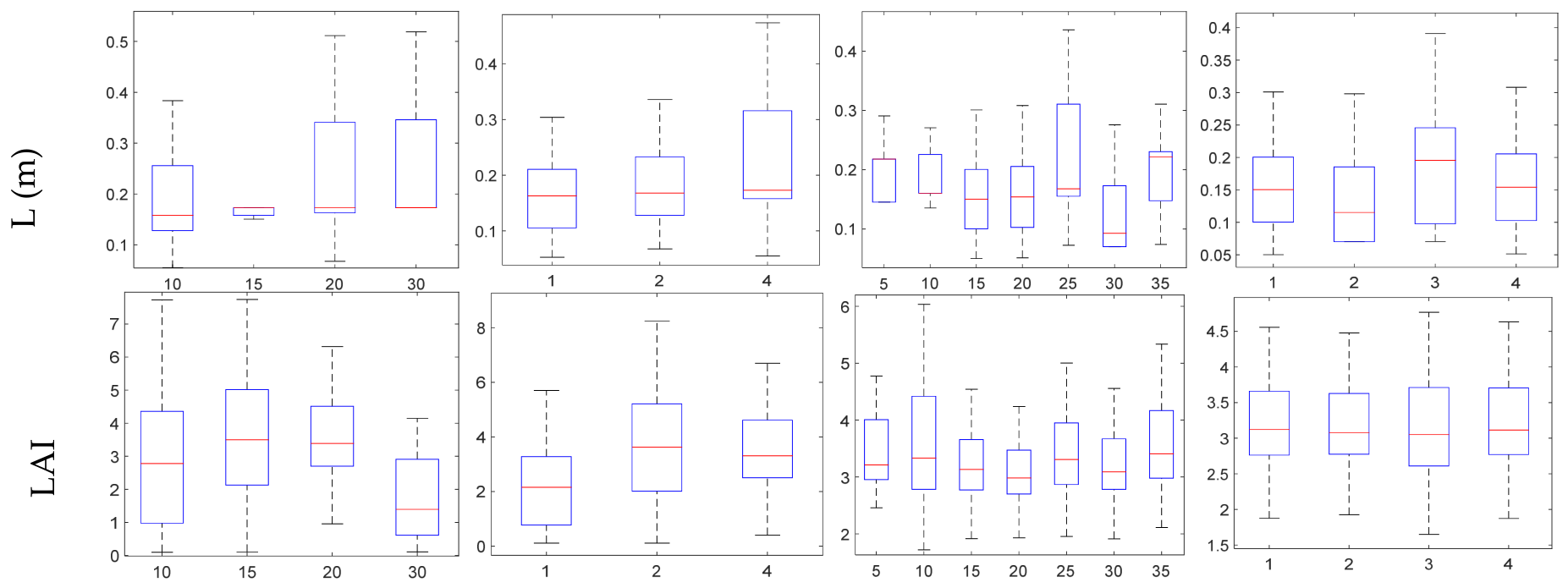
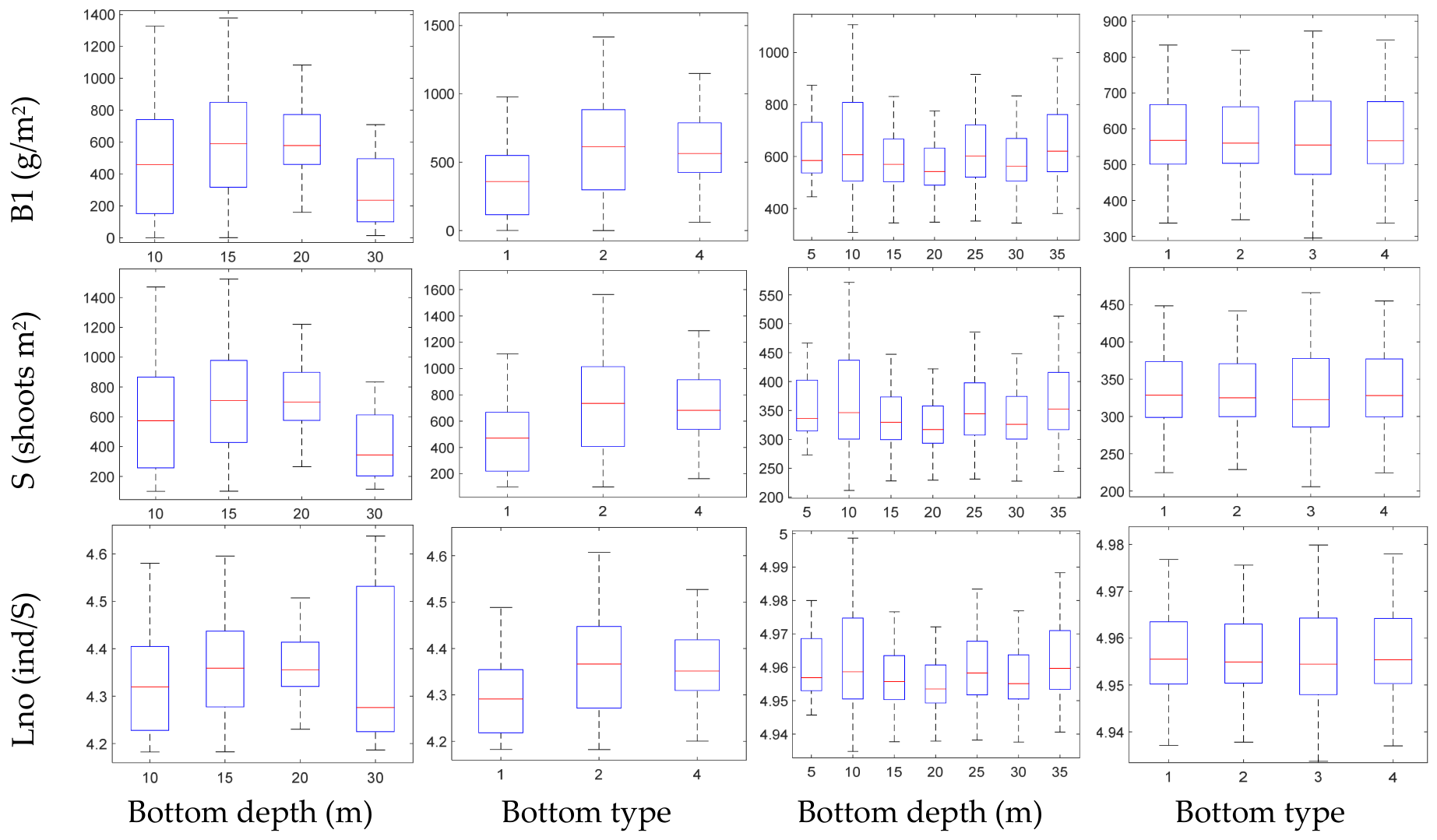
Figure A2.
Plot of the individual measured vs. estimated values on a Cartesian axis by months (a) and linear regression model: Estimated ~ 1 + Measured + Month + Depth + Type (b) (for biometrical variables, L: leaf length, LAI: leaf area index, B1: wet leaf biomass based on leaf length, S: shoot density, Lno: number of leaves per shoot).
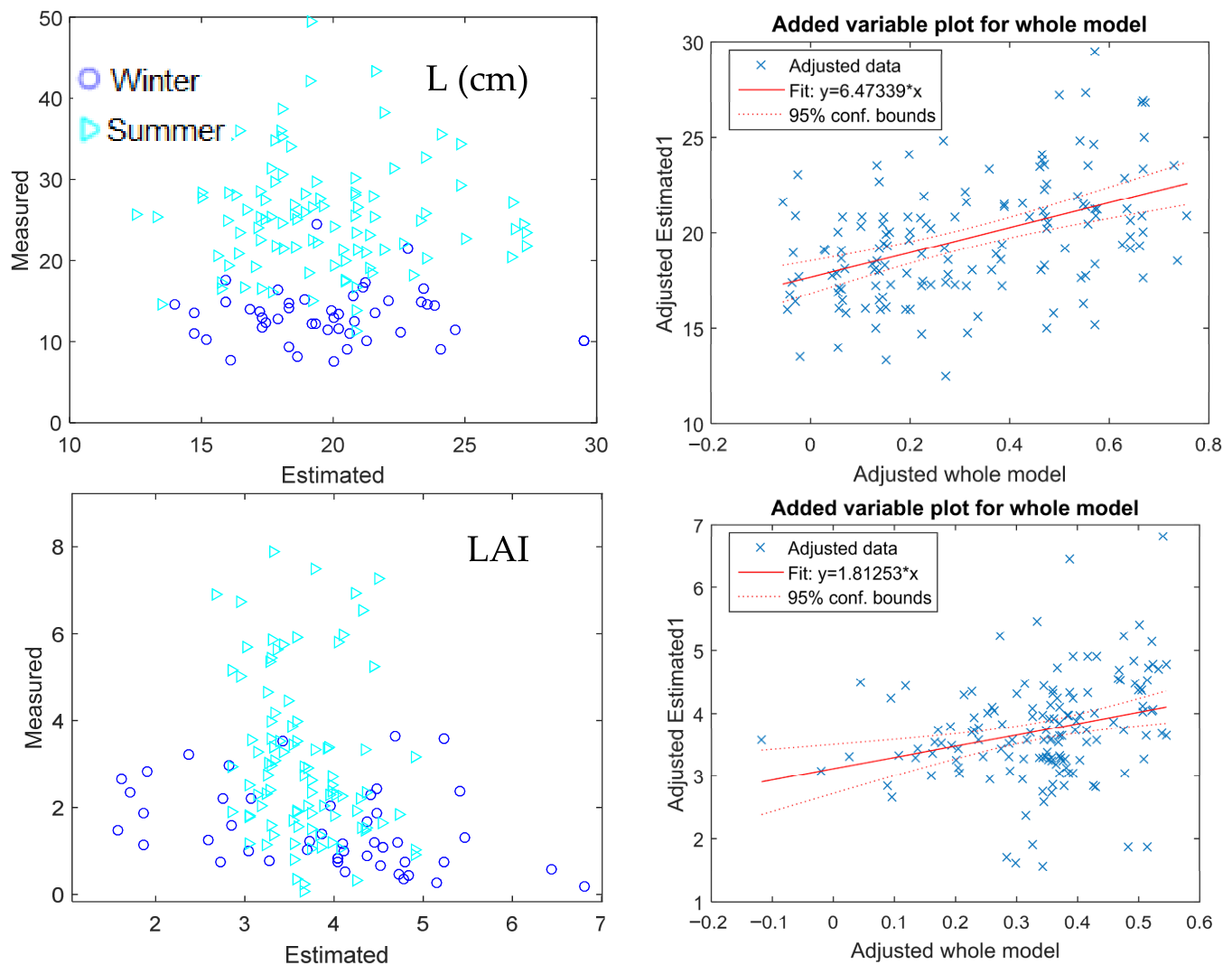
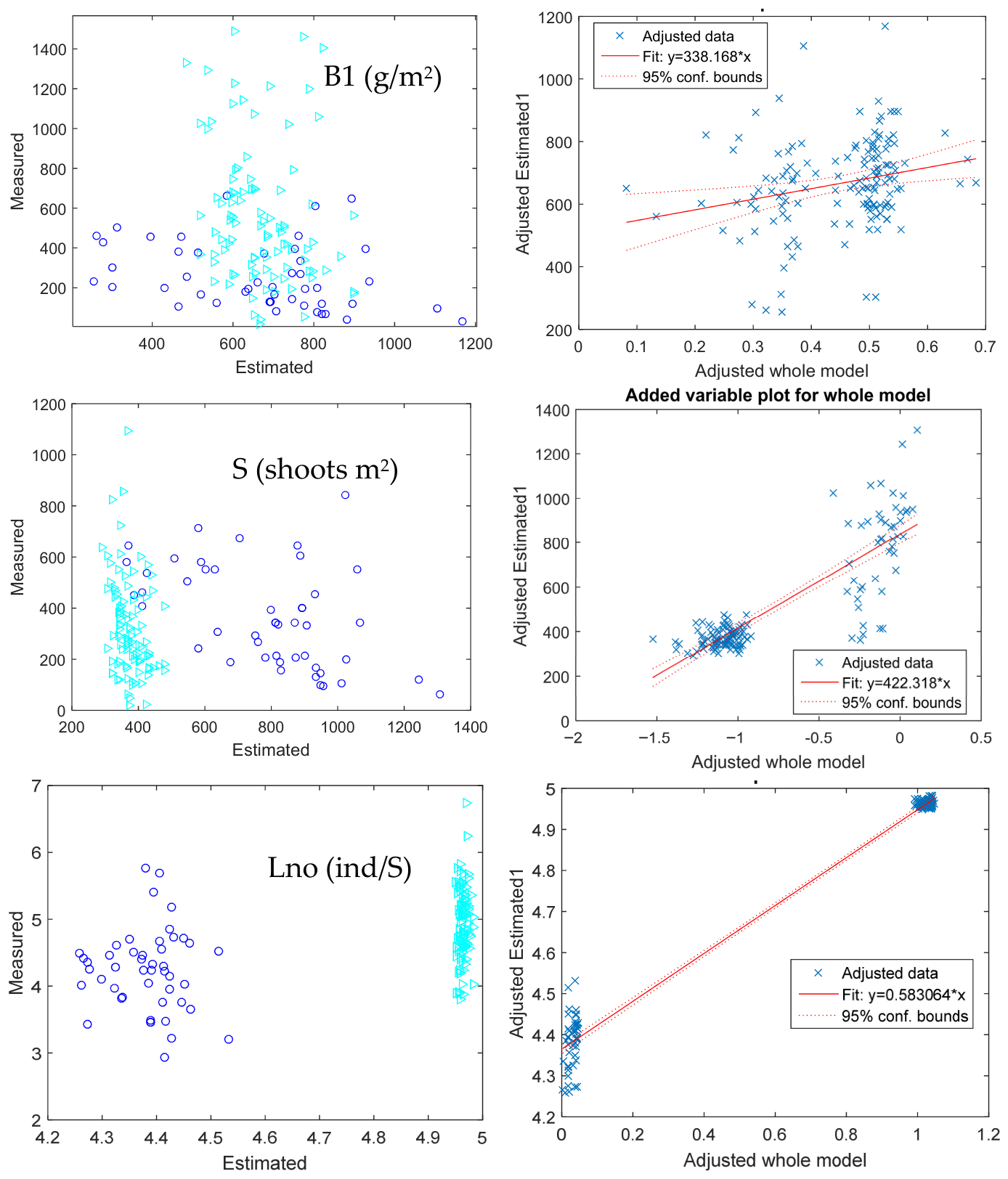
Table A1.
A Table for reporting a multiple linear regression model with three explanatory variables in fit linear regression model of Estimated ~1 + Measured + Month + Depth + Type using formula (Wilkinson’s Notation) (for biometrical variables, L: leaf length, LAI: leaf area index, B1: wet leaf biomass based on leaf length, S: shoot density, Lno: number of leaves per shoot). Bold p values denote significant relationship at p < 0.05.
Table A2.
A Table for reporting a multiple linear regression model with three explanatory variables in robust fitting model of Estimated ~1 + Measured + Season + Type + Depth (for biometrical variables, L: leaf length, LAI: leaf area index, B1: wet leaf biomass based on leaf length, S: shoot density, Lno: number of leaves per shoot). Bold p values denote significant relationship at p < 0.05.
References
- Boudouresque, C.F.; Verlaque, M. Does the seagrass Posidonia really occur in Madagascar? Phycologia 2008, 47, 435–436. [Google Scholar] [CrossRef] [Scilit]
- Den Hartog, C. Structure, function, and classification in seagrass communities. In A Scientific Perspective; McRoy, C.P., Helfferich, C., Eds.; Marcel Dekker: New York, NY, USA, 1977; pp. 89–121. [Google Scholar]
- Cullen-Unsworth, L.C.; Unsworth, R. A call for seagrass protection. Science 2018, 261, 446–447. [Google Scholar] [CrossRef] [Scilit]
- Pergent-Martini, C.; Leoni, V.; Pasqualini, V.; Ardizzone, G.D.; Balestri, E.; Bedini, R.; Belluscio, A.; Belsher, T.; Borg, J.; Boudouresque, C.F.; et al. Descriptors of Posidonia oceanica meadows: Use and application. Ecol. Indic. 2005, 5, 213–230. [Google Scholar] [CrossRef] [Scilit]
- UNEP-MAP-RAC/SPA. Rapport sur l’état de mise en œuvre du Protocole ASP/DB. In Document de Travail Pour la Neuvièmeréunion des Points Focaux Pour les ASP, Floriana, Malte, 3–6 Juin 2009; UNEP(DEPI)/MED WG.331/03; Centre d’Activités Régionales pour les Aires Spécialement Protégées, CAR/ASP Édit.: Tunis, Tunisia, 2009; 19p. [Google Scholar]
- Boudouresque, C.F.; Bianchi, C.N. Une idée neuve: La protection des espèces marines. In GIS Posidonie: Plus de 30 Ans au Service de la Protection et de la Gestion du Milieu Marin; Le Direach, L., Boudouresque, C.F., Eds.; GIS Posidonie: Marseille, France, 2013; pp. 85–91. [Google Scholar]
- Comte, A.; Barreyre, J.; Monnier, B.; de Rafael, R.; Boudouresque, C.-F.; Pergent, G.; Ruitton, S. Operationalizing blue carbon principles in France: Methodological developments for Posidonia oceanica seagrass meadows and institutionalization. Mar. Pollut. Bull. 2024, 198, 115822. [Google Scholar] [CrossRef] [Scilit]
- Orth, R.J.; Heck, K.L., Jr. The Dynamics of seagrass ecosystems: History, past accomplishments, and future prospects. Estuar. Coasts 2023, 46, 1653–1676. [Google Scholar] [CrossRef] [Scilit]
- Dewsbury, B.M.; Bhat, M.; Fourqureau, J.W. A review of seagrass economic valutations: Gaps and progress in valutation approaches. Ecosyst. Serv. 2016, 18, 68–77. [Google Scholar] [CrossRef] [Scilit]
- Pergent, G.; Bazairi, H.; Bianchi, C.N.; Boudouresque, C.F.; Buia, M.C.; Clabaut, P.; Harmelin-Vivien, M.; Mateo, M.A.; Montefalcone, M.; Morri, C.; et al. Mediterranean Seagrass Meadows: Resilience and Contribution to Climate Change Mitigation. A Short Summary; IUCN Publication: Gland, Málaga, 2012; 40p. [Google Scholar]
- Montefalcone, M.; Giovannetti, E.; Morri, C.; Peirano, A.; Bianchi, C.N. Flowering of the seagrass Posidonia oceanica in the NW Mediterranean: Is there a link with solar activity? Medit. Mar. Sci. 2013, 14, 416–423. [Google Scholar] [CrossRef] [Scilit]
- Boudouresque, C.F.; Astruch, P.; André, S.; Belloni, B.; Blanfuné, A.; Charbonnel, É.; Cheminée, A.; Cottalorda, J.M.; Dupuy de la Grandrive, R.; Marengo, M.; et al. The heatwave of summer 2022 in the north-western Mediterranean Sea: Some species were winners. Water 2024, 16, 219. [Google Scholar] [CrossRef] [Scilit]
- Gobert, S.; Velimirov, B.; Pergent, G.; Pergent-Martini, C.; Walker, D.I. Biology of Posidonia. In Seagrasses: Biology, Ecology and Conservation; Larkum, A.W.D., Orth, R.J., Duarte, C.M., Eds.; Springer: Dordrecht, The Netherlands, 2006; pp. 387–408. [Google Scholar]
- UNEP/MAP-RAC/SPA. Guidelines for Standardization of Mapping and Monitoring Methods of Marine Magnoliophyta in the Mediterranean; Pergent-Martini, C., Ed.; RAC/SPA: Tunis, Tunisia, 2015; 48p, + Annexes. [Google Scholar]
- Mutlu, E.; Olguner, C.; Gökoğlu, M.; Özvarol, Y. Seasonal growth dynamics of Posidonia oceanica in a pristine Mediterranean gulf. Ocean Sci. J. 2022, 57, 381–397. [Google Scholar] [CrossRef] [Scilit]
- Mutlu, E.; Karaca, D.; Duman, G.S.; Şahin, A.; Özvarol, Y.; Olguner, C. Seasonality and phenology of an epiphytic calcareous red alga, Hydrolithon boreale, on the leaves of Posidonia oceanica (L) Delile in the Turkish waters. Environ. Sci. Pollut. Res. 2023, 30, 17193–17213. [Google Scholar] [CrossRef] [Scilit] [PubMed]
- Pergent, G.; Pergent-Martini, C.; Boudouresque, C.F. Utilisation de l’herbier à Posidonia oceanica comme indicateur biologique de la qualité du milieu littoral en Méditerranée: État des connaissances. Mesogee 1995, 54, 3–27. [Google Scholar]
- Gobert, S.; Lefebvre, L.; Boissery, P.; Richir, J. A non-destructive method to assess the status of Posidonia oceanica meadows. Ecol. Indic. 2020, 119, 106838. [Google Scholar] [CrossRef] [Scilit]
- Prado, P.; Alcoverro, T.; Romero, J. Influence of nutrients in the feeding ecology of seagrass (Posidonia oceanica L.) consumers: A stable isotopes approach. Mar. Biol. 2010, 157, 715–724. [Google Scholar] [CrossRef] [Scilit]
- van Rein, H.; Brown, C.J.; Quinn, R.; Breen, J.; Schoeman, D. An evaluation of acoustic seabed classification techniques for marine biotope monitoring over broad-scales (>1 km2) and meso-scales (10 m2–1 km2). Estuar. Coast. Shelf Sci. 2011, 93, 336–349. [Google Scholar] [CrossRef] [Scilit]
- Fakiris, E.; Zoura, D.; Ramfos, A.; Spinos, E.; Georgiou, N.; Ferentinos, G.; Papatheodorou, G. Object-based classification of sub-bottom profiling data for benthic habitat mapping. Comparison with sidescan and RoxAnn in a Greek shallow-water habitat. Estuar. Coast. Shelf Sci. 2018, 208, 219–234. [Google Scholar] [CrossRef] [Scilit]
- Lee, W.S.; Lin, C.Y. Mapping of tropical marine benthic habitat: Hydroacoustic classification of coral reefs environment using single-beam (RoxAnn™) system. Cont. Shelf Res. 2018, 170, 1–10. [Google Scholar] [CrossRef] [Scilit]
- Dimas, X.; Fakiris, E.; Christodoulou, D.; Georgiou, N.; Geraga, M.; Papathanasiou, V.; Orfanidis, S.; Kotomatas, S.; Papatheodorou, G. Marine priority habitat mapping in a Mediterranean conservation area (Gyaros, South Aegean) through multi-platform marine remote sensing techniques. Front. Mar. Sci. 2022, 9, 953462. [Google Scholar] [CrossRef] [Scilit]
- Personnic, S.; Boudouresque, C.F.; Astruch, P.; Ballesteros, E.; Blouet, S.; Bellan-Santini, D.; Bonhomme, P.; Thibault-Botha, D.; Feunteun, E.; Harmelin-Vivien, M.; et al. An ecosystem-based approach to assess the status of a Mediterranean ecosystem, the Posidonia oceanica seagrass meadow. PLoS ONE 2014, 9, e98994. [Google Scholar] [CrossRef] [Scilit] [PubMed]
- Dattola, L.; Rende, S.F.; Dominici, R.; Lanera, P.; Di Men, R.; Scalise, S.; Cappa, P.; Oranges, T.; Aramini, G. Comparison of Sentinel-2 and Landsat-8 OLI satellite images vs. high spatial resolution images (MIVIS and WorldView-2) for mapping Posidonia oceanica meadows. In Proceedings of SPIE 10784, Remote Sensing of the Ocean, Sea Ice, Coastal Waters, and Large Water Regions; SPIE: Bellingham, WA, USA, 2018; p. 1078419. [Google Scholar] [CrossRef] [Scilit]
- Yücel-Gier, G.; Koçak, G.; Akçalı, B.; İlhan, T.; Duman, M. Evaluation of Posidonia oceanica Map Generated by Sentinel-2 Image: Gülbahçe Bay Test Site. TrJFAS 2020, 20, 571–581. [Google Scholar] [CrossRef] [Scilit]
- Traganos, D.; Aggarwal, B.; Poursanidis, D.; Topouzelis, K.; Chrysoulakis, N.; Reinartz, P. Towards global-scale seagrass mapping and monitoring using Sentinel-2 on Google Earth Engine: The case study of the Aegean and Ionian Seas. Remote Sens. 2018, 10, 1227. [Google Scholar] [CrossRef] [Scilit]
- Mederos-Barrera, A.; Marcello, J.; Eugenio, F.; Hernández, E. Seagrass mapping using high resolution multispectral satellite imagery: A comparison of water column correction models. Int. J. Appl. Earth Obs. Geoinf. 2022, 113, 102990. [Google Scholar] [CrossRef] [Scilit]
- McCarthy, E.; Sabol, B. Acoustic characterization of submerged aquatic vegetation: Military and environmental monitoring applications. In Oceans 2000 MTS/IEEE Conference and Exhibition, Providence, RI, USA, 11–14 September 2000; IEEE: New York, NY, USA, 2000; pp. 1957–1961. [Google Scholar]
- Vis, C.; Hudon, C.; Carignan, R. An evaluation of approaches used to determine the distribution and biomass of emergent and submerged aquatic macrophytes over large spatial scales. Aquat. Bot. 2003, 77, 187–201. [Google Scholar] [CrossRef] [Scilit]
- Brown, C.J.; Smith, S.J.; Lawton, P.; Anderson, J.T. Benthic habitat mapping: A review of progress towards improved understanding of the spatial ecology of the seafloor using acoustic techniques. Estuar. Coast. Shelf Sci. 2011, 92, 502–520. [Google Scholar] [CrossRef] [Scilit]
- Hossain, M.S.; Mazlan, H. Potential of Earth Observation (EO) technologies for seagrass ecosystem service assessments. Int. J. Appl. Earth Obs. Geoinf. 2019, 77, 15–29. [Google Scholar] [CrossRef] [Scilit]
- Pasqualini, V.; Pergent-Martini, C.; Clabaut, P.; Pergent, G. Mapping of Posidonia oceanica using aerial photographs and side-scan sonar: Application to the island of Corsica (France). Estuar. Coast. Shelf Sci. 1998, 47, 359–367. [Google Scholar] [CrossRef] [Scilit]
- Di Maida, G.; Tomasello, A.; Luzzu, F.; Scannavino, A.; Pirrotta, M.; Orestano, C.; Calvo, S. Discriminating between Posidonia oceanica meadows and sand substratum using multibeam sonar. ICES J. Mar. Sci. 2011, 68, 12–19. [Google Scholar] [CrossRef] [Scilit]
- Mutlu, E. Acoustical identification of the concentration layer of a copepod species, Calanus euxinus. Mar. Biol. 2003, 142, 517–523. [Google Scholar] [CrossRef] [Scilit]
- Mutlu, E. Diel vertical migration of Sagitta setosa as inferred acoustically in the Black Sea. Mar. Biol. 2006, 149, 573–584. [Google Scholar] [CrossRef] [Scilit]
- Lavery, A.C.; Wiebe, P.H.; Stanton, T.K.; Lawson, G.L.; Benfield, M.C.; Copley, N. Determining dominant scatterers of sound in mixed zooplankton populations. J. Acoust. Soc. Am. 2007, 122, 3304–3326. [Google Scholar] [CrossRef] [Scilit]
- Mutlu, E. A package of script codes, POSIBIOM, for vegetation acoustics: POSIdonia BIOMass. J. Mar. Sci. Eng. 2023, 11, 1790. [Google Scholar] [CrossRef] [Scilit]
- Mutlu, E.; Olguner, C. Acoustic scattering properties of seagrass: In/ex situ measurements of Posidonia oceanica. Medit. Mar. Sci. 2023, 24, 272–291. [Google Scholar] [CrossRef]
- Mutlu, E.; Olguner, C. Acoustic scattering properties of a seagrass, Cymodocea nodosa: In-situ measurements. Bot. Mar. 2023, 6, 491–505. [Google Scholar] [CrossRef] [Scilit]
- Carbó, R.; Molero, A.C. Scattering strength of a Gelidium biomass bottom. Appl. Acoust. 1997, 51, 343–351. [Google Scholar] [CrossRef] [Scilit]
- Shao, H.; Minami, K.; Shirakawa, H.; Kawauchi, Y.; Matsukura, R.; Tomiyasu, M.; Miyashita, K. Target strength of a common kelp species, Saccharina japonica, measured using a quantitative echosounder in an indoor seawater tank. Fish. Res. 2019, 214, 110–116. [Google Scholar] [CrossRef] [Scilit]
- Llorens-Escrich, S.; Tamarit, E.; Hernandis, S.; Sánchez-Carnero, N.; Rodilla, M.; Pérez-Arjona, I.; Moszynski, M.; Puig-Pons, V.; Tena-Medialdea, J.; Espinosa, V. Vertical configuration of a side scan sonar for the monitoring of Posidonia oceanica meadows. J. Mar. Sci. Eng. 2021, 9, 1332. [Google Scholar] [CrossRef] [Scilit]
- Minami, K.; Kita, C.; Shirakawa, H.; Kawauchi, Y.; Shao, H.; Tomiyasu, M.; Iwahara, Y.; Takahara, H.; Kitagawa, T.; Miyashita, K. Acoustic characteristics of a potentially important macroalgae, Sargassum horneri, for coastal fisheries. Fish. Res. 2021, 240, 105955. [Google Scholar] [CrossRef] [Scilit]
- Panayotidis, P.; Papathanasiou, V.; Gerakaris, V.; Fakiris, E.; Orfanidis, S.; Papatheodorou, G.; Kosmidou, M.; Georgiou, N.; Drakopoulou, V.; Loukaidi, V. Seagrass meadows in the Greek Seas: Presence, abundance and spatial distribution. Bot. Mar. 2022, 65, 289–299. [Google Scholar] [CrossRef] [Scilit]
- Mari, L.; Melià, P.; Fraschetti, S.; Gatto, M.; Casagrandi, R. Spatial patterns and temporal variability of seagrass connectivity in the Mediterranean Sea. Divers Distrib. 2020, 26, 169–182. [Google Scholar] [CrossRef] [Scilit]
- Bianchi, C.N.; Azzola, A.; Cocito, S.; Morri, C.; Oprandi, A.; Peirano, A.; Sgorbini, S.; Montefalcone, M. Biodiversity Monitoring in Mediterranean Marine Protected Areas: Scientific and Methodological Challenges. Diversity 2022, 14, 43. [Google Scholar] [CrossRef] [Scilit]
- Kletou, D.; Kleitou, P.; Savva, I.; Attrill, M.J.; Charalambous, S.; Loucaides, A.; Hall-Spencer, J.M. Seagrass of Vasiliko Bay, Eastern Mediterranean: Lost Cause or Priority Conservation Habitat? J. Mar. Sci. Eng. 2020, 8, 717. [Google Scholar] [CrossRef] [Scilit]
- Mari, L.; Melià, P.; Gatto, M.; Casagrandi, R. Identification of Ecological Hotspots for the Seagrass Posidonia oceanica via Metapopulation Modeling. Front. Mar. Sci. 2021, 8, 628976. [Google Scholar] [CrossRef] [Scilit]
- Traganos, D.; Lee, C.B.; Blume, A.; Poursanidis, D.; Čižmek, H.; Deter, J.; Mačić, V.; Montefalcone, M.; Pergent, G.; Pergent-Martini, C.; et al. Spatially Explicit Seagrass Extent Mapping Across the Entire Mediterranean. Front. Mar. Sci. 2022, 9, 871799. [Google Scholar] [CrossRef] [Scilit]
- Diaz, G.; Lehahn, Y.; Nantet, E. Satellite-Derived Bathymetry in Support of Maritime Archaeological Research ArcμS Imagery of Caesarea Maritima, Israel, as a Case Study. Remote Sens. 2024, 16, 1218. [Google Scholar] [CrossRef] [Scilit]
- Muhammad, F.; Tsimpouxis, I.; Sternberg, H. Investigating the Impact of Spatiotemporal Variations inWater Surface Optical Properties on Satellite-Derived Bathymetry Estimates in the Eastern Mediterranean. Remote Sens. 2025, 17, 444. [Google Scholar] [CrossRef] [Scilit]
- Poursanidis, D.; Katsanevakis, S. Mapping Subtidal Marine Forests in the Mediterranean Sea Using Copernicus Contributing Mission. Remote Sens. 2025, 17, 2398. [Google Scholar] [CrossRef] [Scilit]
- Makri, D.; Christofilakos, S.; Poursanidis, D.; Traganos, D.; Mettas, C.; Stylianou, N.; Hadjimitsis, D. Seagrass Mapping in Cyprus Using Earth Observation Advances. Remote Sens. 2025, 17, 3610. [Google Scholar] [CrossRef] [Scilit]
- Chrigui, A.; Fraile-Jurado, P.; Villarin, M.C. Spatial bibliometric assessment of mediterranean seabed mapping research: Hubs and gaps. Geo-Mar. Lett. 2026, 46, 13. [Google Scholar] [CrossRef] [Scilit]
- Castellan, G.; Angeletti, L.; Montagna, P.; Taviani, M. Drawing the borders of the mesophotic zone of the Mediterranean Sea using satellite data. Sci. Rep. 2022, 12, 5585. [Google Scholar] [CrossRef] [Scilit]
- Mutlu, E.; Balaban, C. New algorithms for the acoustic biomass estimation of Posidonia oceanica: A study in the Antalya Gulf (Turkey). Fresenius Environ. Bull. 2018, 27, 2555–2561. [Google Scholar]
- Mutlu, E.; Olguner, C. Density-dependent acoustical identification of two common seaweeds (Posidonia oceanica and Cymodocea nodosa) in the Mediterranean Sea. Thalassas 2023, 39, 1155–1167. [Google Scholar] [CrossRef] [Scilit]
- Mutlu, E.; Duman, G.S.; Karaca, D.; Özvarol, Y.; Şahin, A. Biometrical variation of Posidonia oceanica with different bottom types along the entire Turkish Mediterranean coast. Ocean Sci. J. 2023, 58, 9. [Google Scholar] [CrossRef] [Scilit]
- Mutlu, E.; Özvarol, Y.; Akçalı, B.; Aslan, B.E.; Seçkiner, S. Determination of Distributional Maximum Biomass (Summer) of Posidonia oceanica Along the Turkish Waters of the Aegean Sea and Its Seasonal Dynamics in Side’s Bed (Antalya, Mediterranean Sea) Using the Acoustic Method; TÜBİTAK Project, grant no: 124Y031, 2nd Interim Report; TUBITAK: Ankara, Turkey, 2025; p. 64. [Google Scholar]
- Mutlu, E.; Olguner, C.; Özvarol, Y.; Gökoğlu, M. Spatiotemporal biometrics of Cymodocea nodosa in a western Turkish Mediterranean coast. Biologia 2022, 77, 649–670. [Google Scholar] [CrossRef] [Scilit]
- Mutlu, E.; Özvarol, Y.; Akçalı, B.; Aslan, B.E.; Seçkiner, S. Determination of Distributional Maximum Biomass (Summer) of Posidonia oceanica Along the Turkish Waters of the Aegean Sea and Its Seasonal Dynamics in Side’s Bed (Antalya, Mediterranean Sea) Using the Acoustic Method; TÜBİTAK Project, grant no: 124Y031, 1st Interim Report; TUBITAK: Ankara, Turkey, 2025; p. 127. [Google Scholar]
- Mutlu, E.; Olguner, C.; Gökoğlu, M.; Özvarol, Y. Population dynamics and ecology of Caulerpa prolifera vs Caulerpa taxifolia var. distichophylla within a Levantine Gulf. Thalassas 2022, 38, 1311–1325. [Google Scholar] [CrossRef] [Scilit]
- Dalmau, A.; Gubbay, S.; Garcia-Herrero, A. Posidonia beds (Posidonion oceanicae) (1120*). In Technical Guidelines for Assessing and Monitoring the Condition of Annex I habitat Types of the Directive 92/43/EEC; Olmeda, C., Šefferová Stanová, V., Eds.; Publications Office of the European Union: Luxembourg, 2025; ISBN 978-92-68-32012-9. [Google Scholar] [CrossRef]
- Mavko, G.; Mukerji, T.; Dvorkin, J. The Rock Physics Handbook, 2nd ed.; Cambridge University Press: Cambridge, UK, 1998. [Google Scholar]
- Aleman, P.B. Acoustic Impedance Inversion of Lower Permian Carbonate Buildups in the Permian Basin, Texas. Master’s Thesis, Texas A&M University, College Station, TX, USA, 2004; p. 99. [Google Scholar]
- Enriquez, S.; Schubert, N. Direct contribution of the seagrass Thalassia testudinum to lime mud production. Nat. Commun. 2004, 5, 3835. [Google Scholar] [CrossRef] [Scilit]
- Balestri, E.; Cinelli, F. Sexual reproductive success in Posidonia oceanica. Aquat. Bot. 2003, 75, 21–32. [Google Scholar] [CrossRef] [Scilit]
- Tomasello, A.; Perrone, R.; Colombo, P.; Pirrotta, M.; Calvo, S. Root hair anatomy and morphology in Posidonia oceanica (L.) Delile and substratum typology: First observations of a spiral form. Aquat. Bot. 2018, 145, 45–48. [Google Scholar] [CrossRef] [Scilit]
- Alagna, A.; D’Anna, G.; Musco, L.; Fernandez, T.V.; Gresta, M.; Pierozzi, N.; Badalamenti, F. Taking advantage of seagrass recovery potential to develop novel and effective meadow rehabilitation methods. Mar. Pollut. Bull. 2019, 149, 110578. [Google Scholar] [CrossRef] [Scilit]
- Balestri, E.; de Battisti, D.; Vallerini, F.; Lardicci, C. First evidence of root morphological and architectural variations in young Posidonia oceanica plants colonizing different substrate typologies. Estuar. Coast. Shelf Sci. 2015, 154, 205–213. [Google Scholar] [CrossRef] [Scilit]
- Pereda-Briones, L.; Infantes, E.; Orfila, A.; Tomas, F.; Terrados, J. Dispersal of seagrass propagules: Interaction between hydrodynamics and substratum type. Mar. Ecol. Prog. Ser. 2018, 593, 47–59. [Google Scholar] [CrossRef] [Scilit]
- Marba, N.; Duarte, C.M.; Holmer, M.; Martínez, R.; Basterretxea, G.; Orfila, A.; Jordi, A.; Tintoré, J. Effectiveness of protection of seagrass (Posidonia oceanica) populations in Cabrera National Park (Spain). Environ. Conserv. 2002, 29, 509–518. [Google Scholar] [CrossRef] [Scilit]
- Colantoni, P.; Gallignani, P.; Fresi, E.; Cinelli, F. Patterns of Posidonia oceanica (L.) Delile beds around the Island of Ischia (Gulf of Naples) and in adjacent waters. Mar. Ecol. 1982, 3, 53–74. [Google Scholar] [CrossRef] [Scilit]
- De Falco, G.; Baroli, M.; Cucco, A.; Simeone, S. Intrabasinal conditions promoting the development of a biogenic carbonate sedimentary facies associated with the seagrass Posidonia oceanica. Cont. Shelf Res. 2008, 28, 797–812. [Google Scholar] [CrossRef] [Scilit]
- Montefalcone, M.; Vacchi, M.; Archetti, R.; Ardizzone, G.; Astruch, P.; Bianchi, C.N.; Calvo, S.; Criscoli, A.; Fernandez-Torquemada, Y.; Luzzu, F.; et al. Geospatial modelling and map analysis allowed measuring regression of the upper limit of Posidonia oceanica seagrass meadows under human pressure. Estuar. Coast. Shelf Sci. 2019, 217, 148–157. [Google Scholar] [CrossRef] [Scilit]
- Yalçın, M.G.; Mutlu, E.; Olguner, C.; Atakoğlu, Ö.Ö.; Bat, L.; Özkan, E.Y. Spatial geochemical structure of soft sediment on shallow littoral of the Gulf of Antalya, the eastern Mediterranean Sea. Mar. Poll. Bull. 2023, 193, 115155. [Google Scholar] [CrossRef] [Scilit]
- Milliman, J.D. Production and accumulation of calcium carbonate in the ocean: Budget of a nonsteady state. Glob. Biogeochem. Cyc. 1993, 7, 927–957. [Google Scholar] [CrossRef] [Scilit]
- Canals, M.; Ballesteros, E. Production of carbonate particles by phytobenthic communities on the Mallorca-Menorca shelf, northwestern Mediterranean Sea. Deep-Sea Res. II 1997, 44, 611–629. [Google Scholar] [CrossRef] [Scilit]
- Catucci, E.; Scardi, M. Modeling Posidonia oceanica shoot density and rhizome primary production. Sci. Rep. 2020, 10, 16978. [Google Scholar] [CrossRef] [Scilit]
- Gnisci, V.; Martiis, S.C.; Belmonte, A.; Micheli, C.; Piermattei, V.; Bonamano, S.; Marcelli, M. Assessment of the ecological structure of Posidonia oceanica (L.) Delile on the northern coast of Lazio, Italy (central Tyrrhenian, Mediterranean). Ital. Bot. 2020, 9, 1–19. [Google Scholar] [CrossRef] [Scilit]
- Sandoval-Gil, J.M.; Ruiz, J.M.; Marín-Guirao, L.; Bernardeau-Esteller, J.; Sánchez-Lizaso, J.L. Ecophysiological plasticity of shallow and deep populations of the Mediterranean seagrasses Posidonia oceanica and Cymodocea nodosa in response to hypersaline stress. Mar. Environ. Res. 2014, 95, 39–61. [Google Scholar] [CrossRef] [Scilit]
- Lal, A.; Arthur, R.; Marba, N.; Lill, A.W.T.; Alcoverro, T. Implications of conserving an ecosystem modifier: Increasing green turtle (Chelonia mydas) densities substantially alters seagrass meadows. Biol. Conserv. 2010, 143, 2730–2738. [Google Scholar] [CrossRef] [Scilit]
- Steele, L.; Darnell, K.M.; Cebrian, J.; Sanchez-Lizaso, J.L. Sarpa salpa herbivory on shallow reaches of Posidonia oceanica beds. Anim. Biodiv. Conserv. 2014, 37, 49–57. [Google Scholar] [CrossRef] [Scilit]
- Marba, N.; Duarte, C.M.; Cebrian, J.; Gallegos, M.E.; Olesen, B.; Sand-Jensen, K. Growth and population dynamics of Posidonia oceanica on the Spanish Mediterranean coast: Elucidating seagrass decline. Mar. Ecol. Prog. Ser. 1996, 137, 203–213. [Google Scholar] [CrossRef] [Scilit]
- Guidetti, P.; Lorenti, M.; Buia, M.C.; Mazzella, L. Temporal dynamics and biomass partitioning in three Adriatic seagrass species, Posidonia oceanica, Cymodocea nodosa, Zostera marina. Mar. Ecol. 2002, 23, 51–67. [Google Scholar] [CrossRef] [Scilit]
- Bay, D. A field study of the growth dynamics and productivity of Posidonia oceanica (L.) Delile in Calvi Bay, Corsica. Aquat. Bot. 1984, 20, 43–64. [Google Scholar] [CrossRef] [Scilit]
- Wittmann, K.J. Temporal and morphological variations of growth in a natural stand of Posidonia oceanica (L.) Delile. Mar. Ecol. 1984, 5, 301–316. [Google Scholar] [CrossRef] [Scilit]
- Sgorbini, S.; Peirano, A.; Cocito, S.; Morgigni, M. An underwater tracking system for mapping marine communities: An application to Posidonia oceanica. Oceanol. Acta 2002, 25, 135–138. [Google Scholar] [CrossRef] [Scilit]
- Gobert, S.; Kyramarios, M.; Lepoint, G.; Pergent-Martini, C.J.; Bouquegneau, J.-M. Variations at different spatial scales of the Posidonia oceanica (L.) Delile meadow; effects on the physicochemical parameters of the sediment. Oceanol. Acta 2003, 26, 199–207. [Google Scholar] [CrossRef] [Scilit]
- Maida, G.D.I.; Tomasello, A.; Sciandra, M.; Pirrotta, M.; Milazzo, M.; Calvo, S. Effect of different substrata on rhizome growth, leaf biometry and shoot density of Posidonia oceanica. Mar. Environ. Res. 2013, 87–88, 96–102. [Google Scholar] [CrossRef] [Scilit]
- Giovannetti, E.; Lasagna, R.; Montefalcone, M.; Bianchi, C.N.; Albertelli, G.; Morri, C. Inconsistent responses to substratum nature in Posidonia oceanica meadows: An integration through complexity levels? Chem. Ecol. 2008, 24, S83–S91. [Google Scholar] [CrossRef] [Scilit]
- Touchette, B.W.; Burkholder, J.M. Overview of the physiological ecology of carbon metabolism in seagrasses. J. Exp. Mar. Biol. Ecol. 2000, 250, 169–205. [Google Scholar] [CrossRef] [Scilit]
- Vacchi, M.; Montefalcone, M.; Bianchi, C.N.; Morri, C.; Ferrari, M. Hydrodynamic constraints to the seaward development of Posidonia oceanica meadows. Estuar. Coast. Shelf Sci. 2012, 97, 58–65. [Google Scholar] [CrossRef] [Scilit]
- Sghaier, Y.R.; Zakhama-Sraieb, R.Y.M.; Charfi-Cheikhrouha, F. Patterns of shallow seagrass (Posidonia oceanica) growth and flowering along the Tunisian coast. Aquat. Bot. 2013, 104, 185–192. [Google Scholar] [CrossRef] [Scilit]
- Perez, M.; Duarte, C.M.; Romero, J.; Sand-Jensen, K.; Alcoverro, T. Growth plasticity in Cymodocea nodosa stands: The importance of nutrient supply. Aquat. Bot. 1994, 47, 249–264. [Google Scholar] [CrossRef] [Scilit]
- Marbà, N.; Duarte, C.M. Rhizome elongation and seagrass clonal growth. Mar. Ecol.-Prog. Ser. 1998, 255, 127–134. [Google Scholar] [CrossRef] [Scilit]
- Fernandez-Torquemada, Y.; Sanchez-Lizaso, J.L. Effects of salinity on leaf growth and survival of the Mediterranean seagrass Posidonia oceanica (L.) Delile. J. Exp. Mar. Biol. Ecol. 2005, 320, 57–63. [Google Scholar] [CrossRef] [Scilit]
- Via, J.D.; Sturmbauer, C.; Schonweger, G.; Sotz, E.; Mathekowitsch, S.; Stifter, M.; Rieger, R. Light gradients and meadow structure in Posidonia oceanica: Ecomorphological and functional correlates. Mar. Ecol.-Prog. Ser. 1998, 163, 267–278. [Google Scholar] [CrossRef] [Scilit]
- Sghaier, Y.R.; Zakhama-Sraieb, R.; Charfi-Cheikhrouha, F. Status of Posidonia oceanica along eastern coast of Tunisia. Biol. Mar. Medit. 2006, 13, 85–91. [Google Scholar]
- Mutlu, E.; Gökoğlu, M.; Özvarol, Y.; Balaban, C.; Olguner, M.T. Yaygın Deniz Çayırlarının Akustiksel Yoğunluk Kalibrasyonu ve Dağılımlarının Takip Edilmesi [Acoustical Density-Dependent Calibration of the Dominant Sea Meadows and Seagrasses and Monitoring of their Distribution]; Final Report, no: 110Y232; TUBITAK: Ankara, Turkey, 2014; p. 337. [Google Scholar]
- Mutlu, E.; Meo, I.d.; Miglietta, C.; Deval, M.C. Ecological Indicative Stressors of Native vs. Non-Native Fish in an Ultra-Oligotrophic Region of the Mediterranean Sea. Sustainability 2023, 15, 2726. [Google Scholar] [CrossRef] [Scilit]
- Stanton, T.K.; Chu, D.; Wiebe, P.H. Acoustic scattering characteristics of several zooplankton groups. ICES J. Mar. Sci. 1996, 53, 289–295. [Google Scholar] [CrossRef] [Scilit]
- Pirc, H. Seasonal aspects of photosynthesis in Posidonia oceanica: Influence of depth, temperature, and light intensity. Aquat. Bot. 1986, 26, 203–212. [Google Scholar] [CrossRef] [Scilit]
- Ruiz, J.M.; Romero, J. Effects of in situ experimental shading on the Mediterranean seagrass Posidonia oceanica. Mar. Ecol.-Prog. Ser. 2001, 215, 107–120. [Google Scholar] [CrossRef] [Scilit]
- Mateo, M.A.; Romero, J.; Perez, M.; Littler, M.M.; Littler, D.S. Dynamics of millenary organic deposits resulting from the growth of the Mediterranean seagrass Posidonia oceanica. Estuar. Coast. Shelf Sci. 1997, 44, 103–110. [Google Scholar] [CrossRef] [Scilit]
- Alcoverro, T.; Romero, J.C.M.; Duarte, N.; Lopez, L. Spatial and temporal variations in nutrient limitation of seagrass Posidonia oceanica growth in the NW Mediterranean. Mar. Ecol. Prog. Ser. 1997, 146, 155–161. [Google Scholar] [CrossRef] [Scilit]
- Merriam, C.O. Depositional History of Lower Permian (Wolfcampian—Leonardian) Carbonate Buildups, Midland Basin, Upton County, Texas. Master’s Thesis, Texas A&M University, College Station, TX, USA, 1999. [Google Scholar]
- Karaca, D.; Mutlu, E.; Uysal, Z. Summer surface phytoplankton assemblages along physically discrete water masses of the entire Turkish Mediterranean coast. Thalassas 2026, 42, 47. [Google Scholar] [CrossRef] [Scilit]
- Lepoint, G.; Defawe, O.; Gobert, S.; Dauby, P.; Bouquegneau, J.-M. Experimental evidence for nitrogen recycling in the leaves of the seagrass Posidonia oceanica. J. Sea Res. 2002, 48, 173–179. [Google Scholar] [CrossRef] [Scilit]
- Marín-Guirao, L.; Sandoval-Gil, J.M.; Bernardeau-Esteller, J.; Ruiz, J.M.; Sánchez-Lizaso, J.L. Responses of the Mediterranean seagrass Posidonia oceanica to hypersaline stress duration and recovery. Mar. Environ. Res. 2013, 84, 60–75. [Google Scholar] [CrossRef] [Scilit] [PubMed]
- Costa, V.; Romeo, T. Low-Cost Technologies for Marine Habitat Monitoring: A Case Study on Seagrass Meadows. J. Mar. Sci. Eng. 2026, 14, 339. [Google Scholar] [CrossRef] [Scilit]
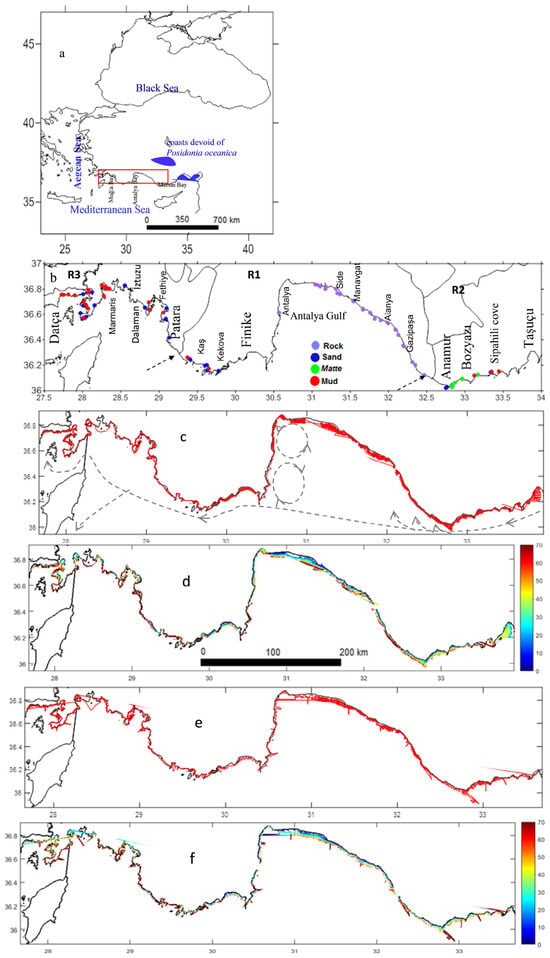
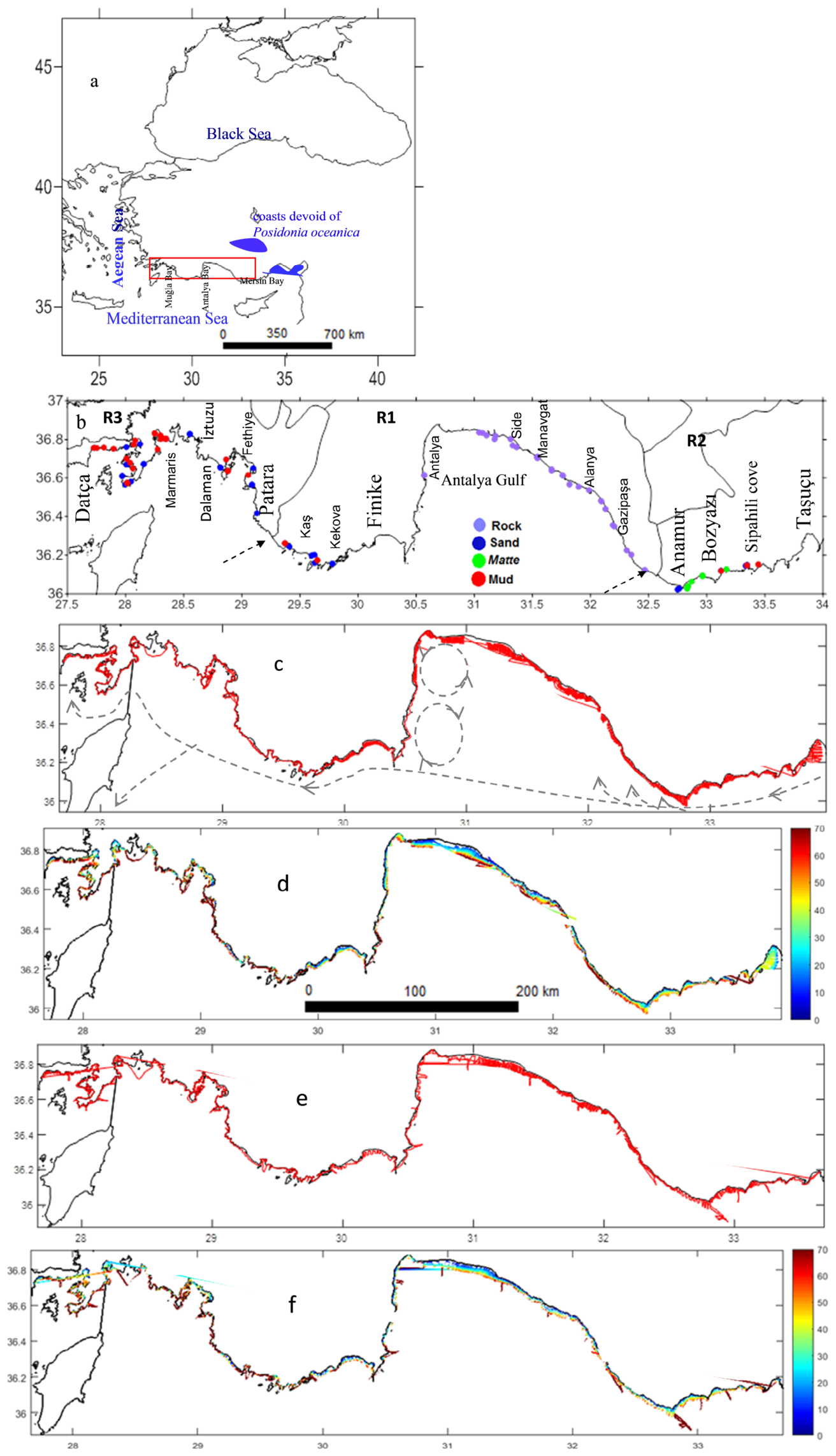
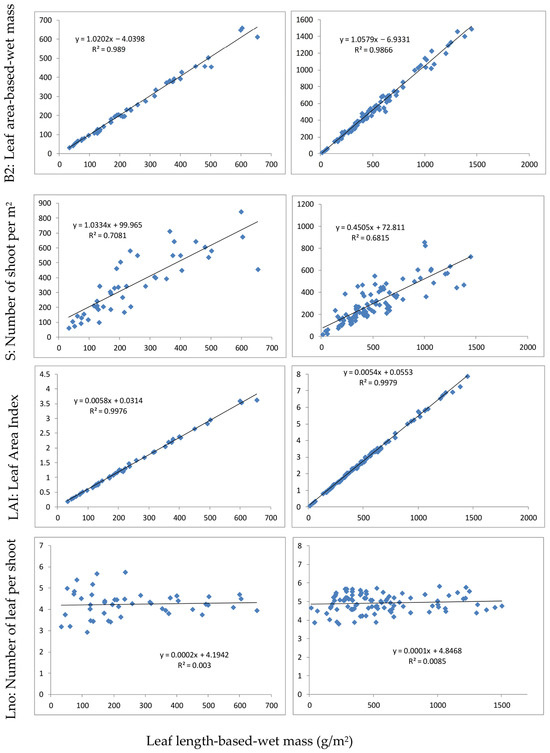
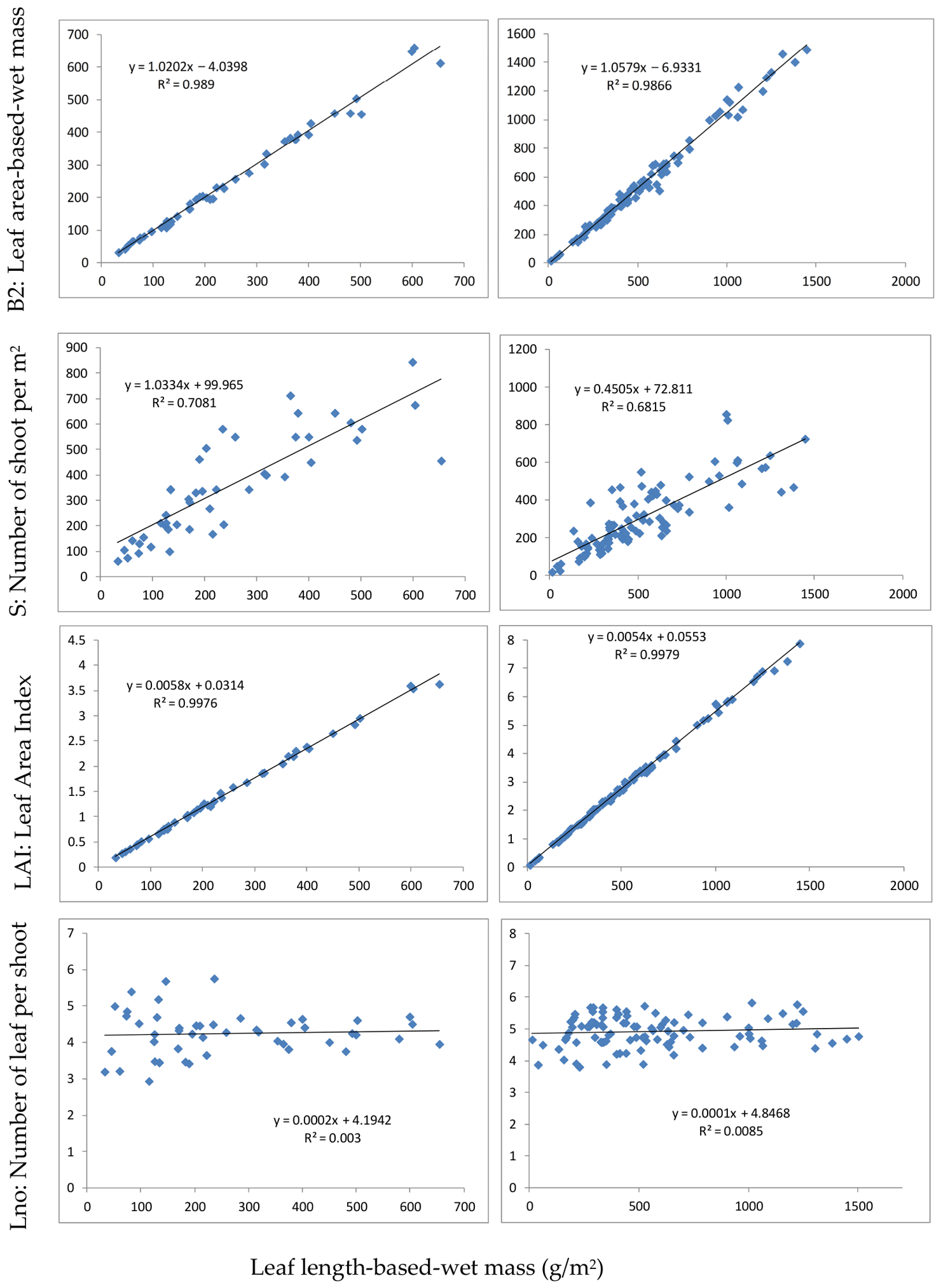
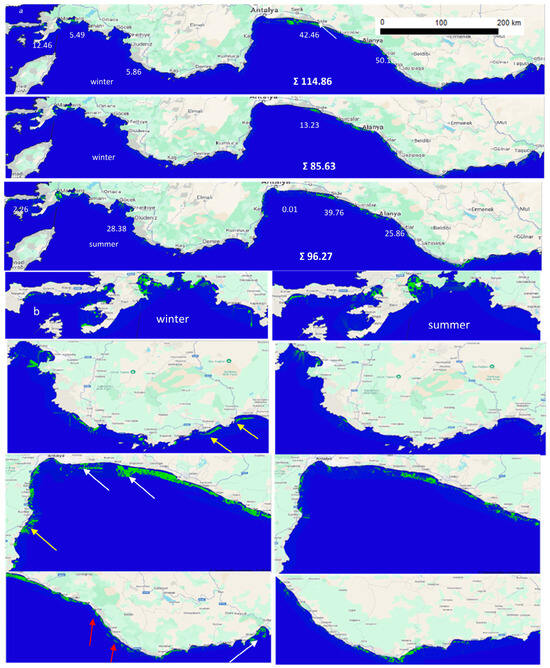
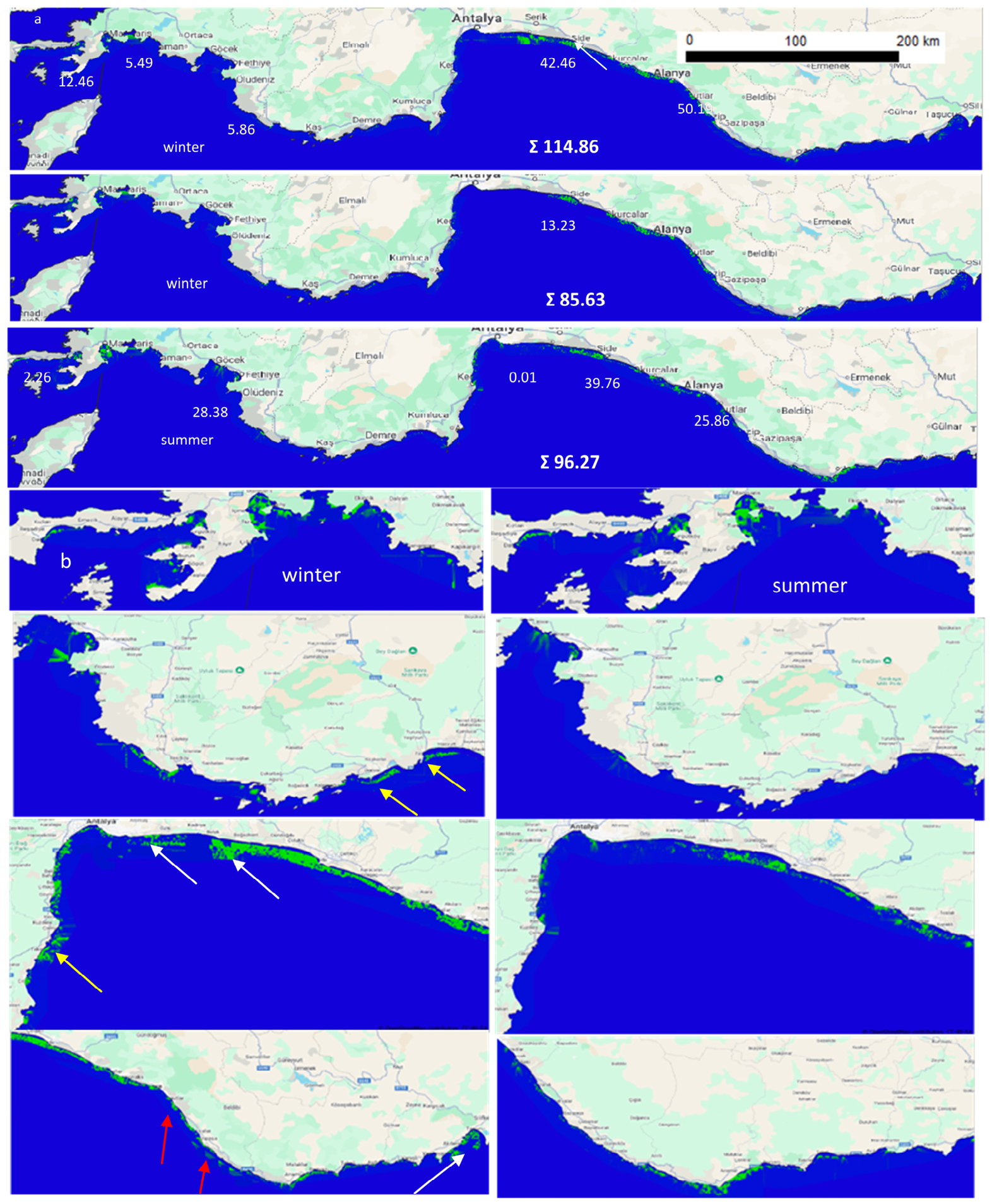
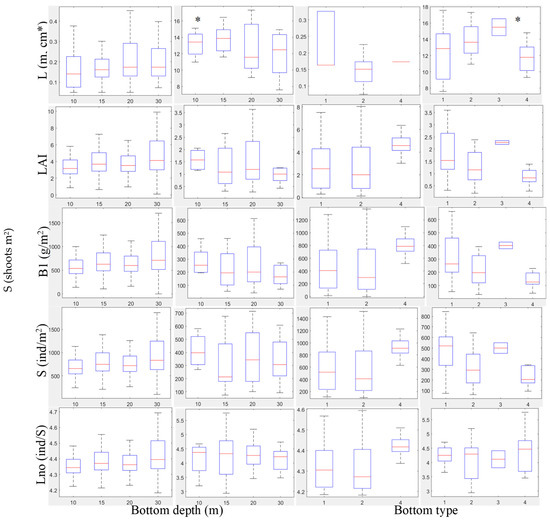
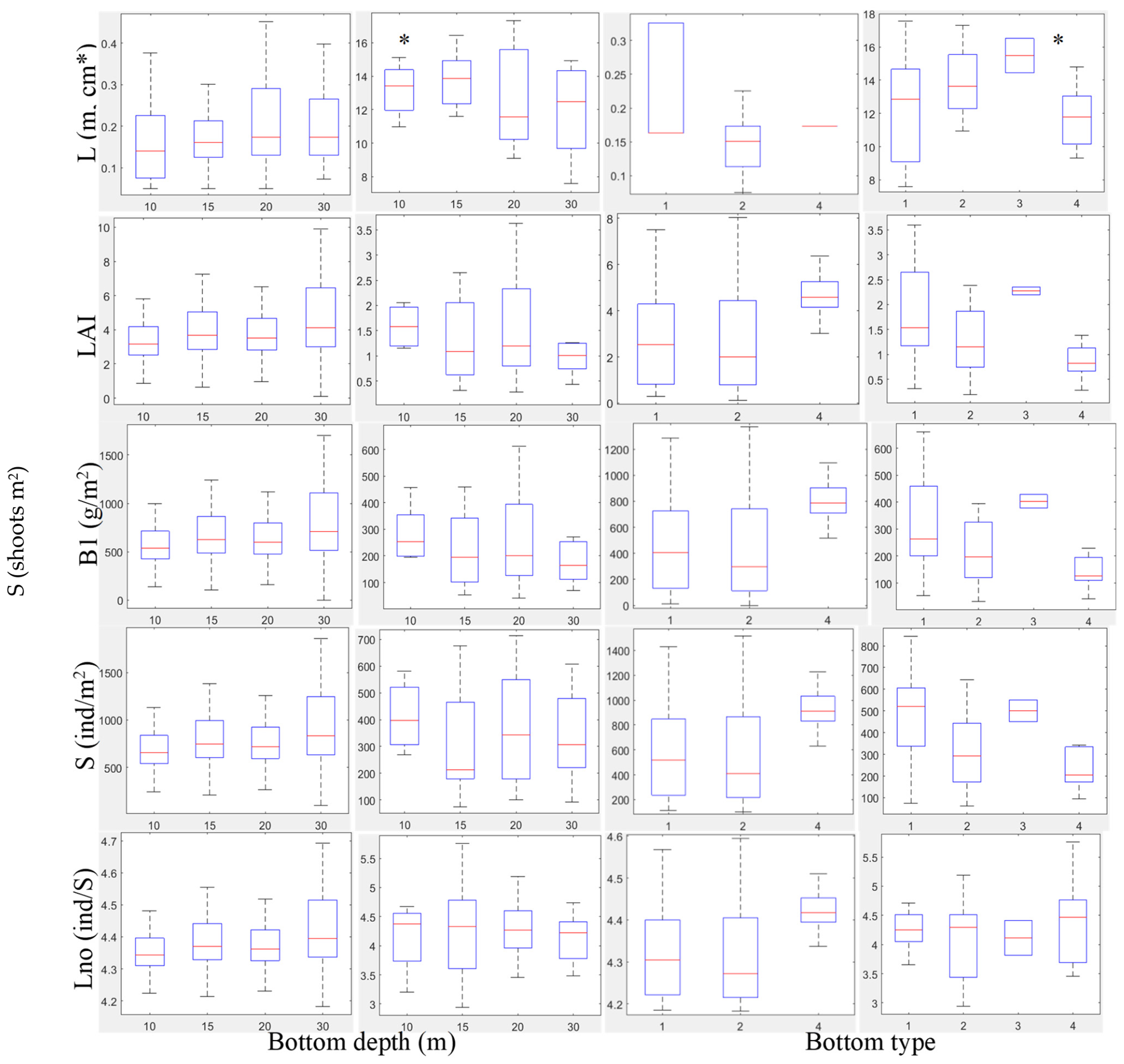
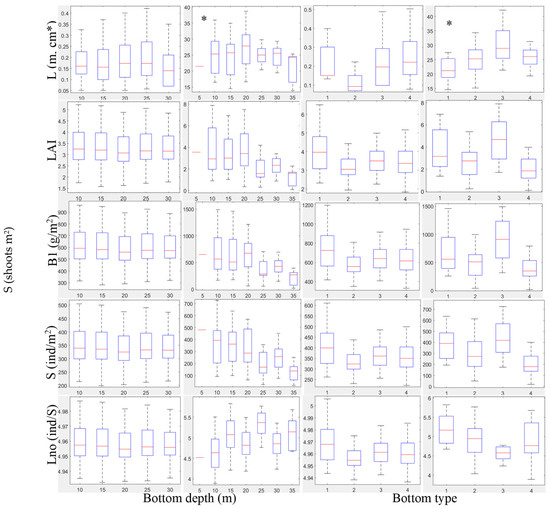
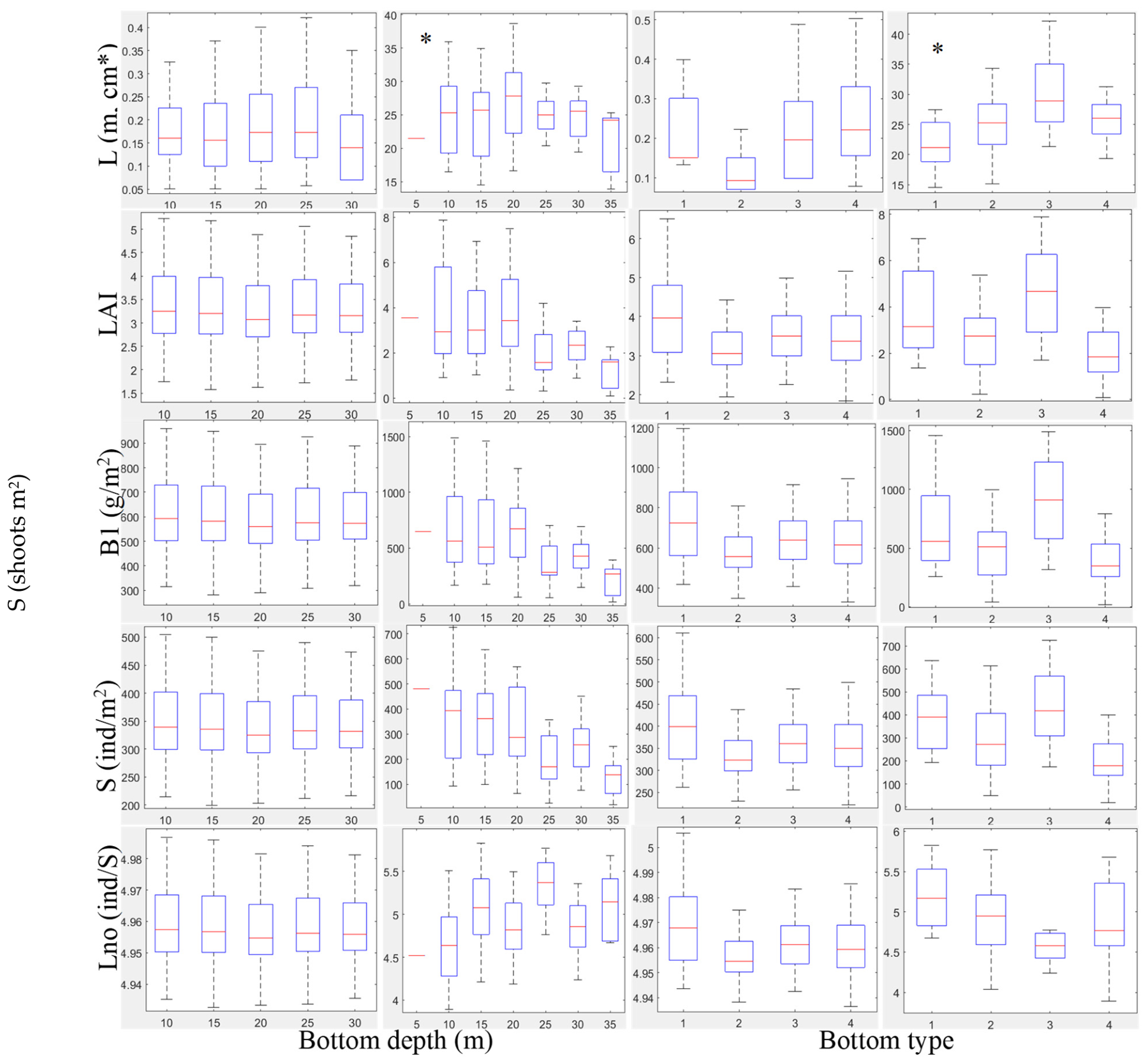
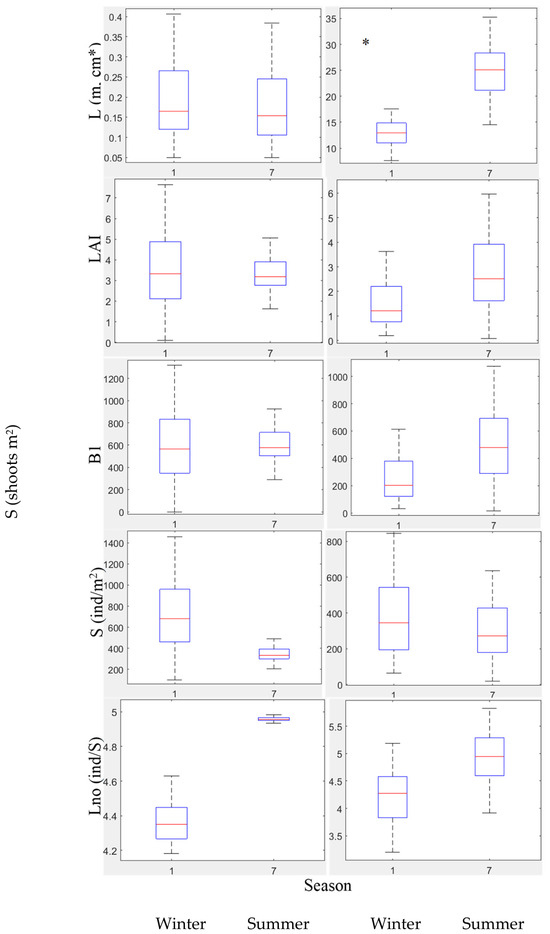
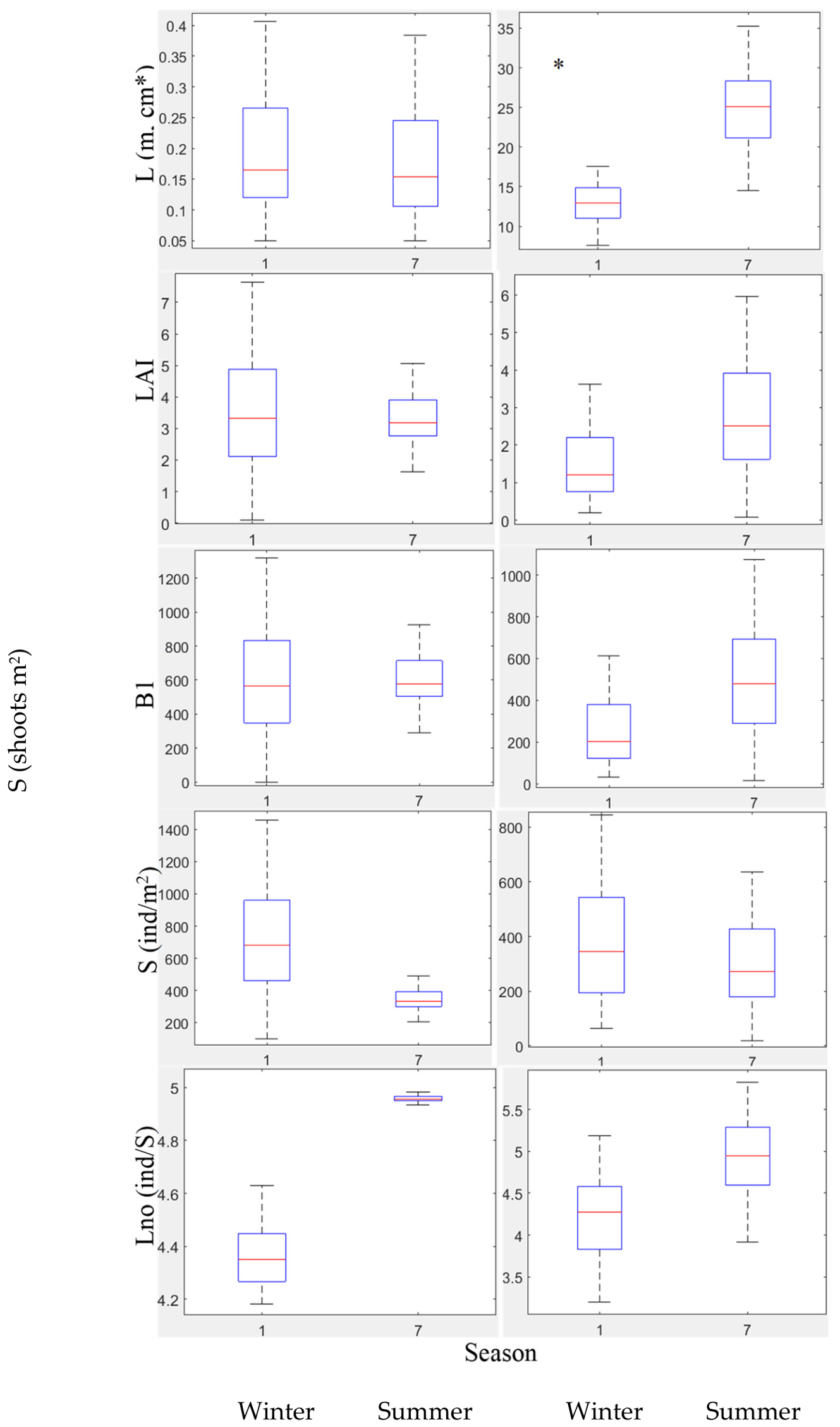
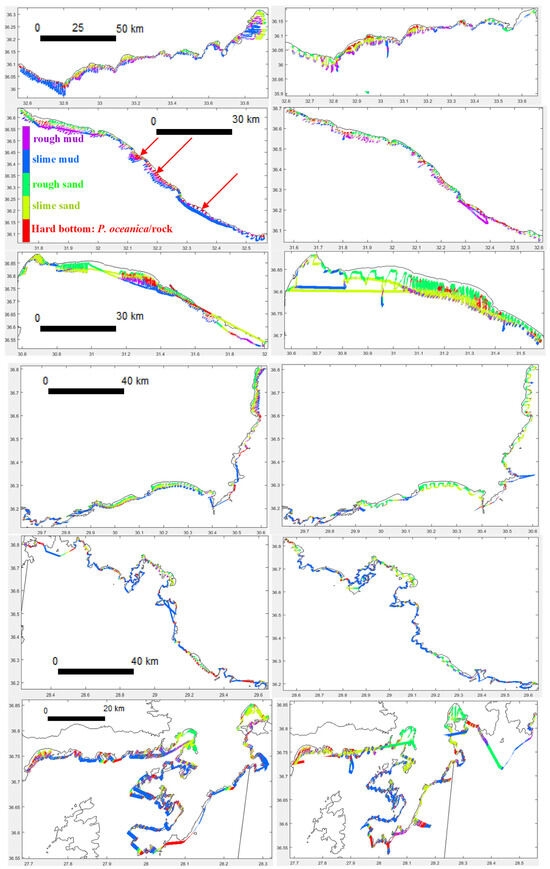
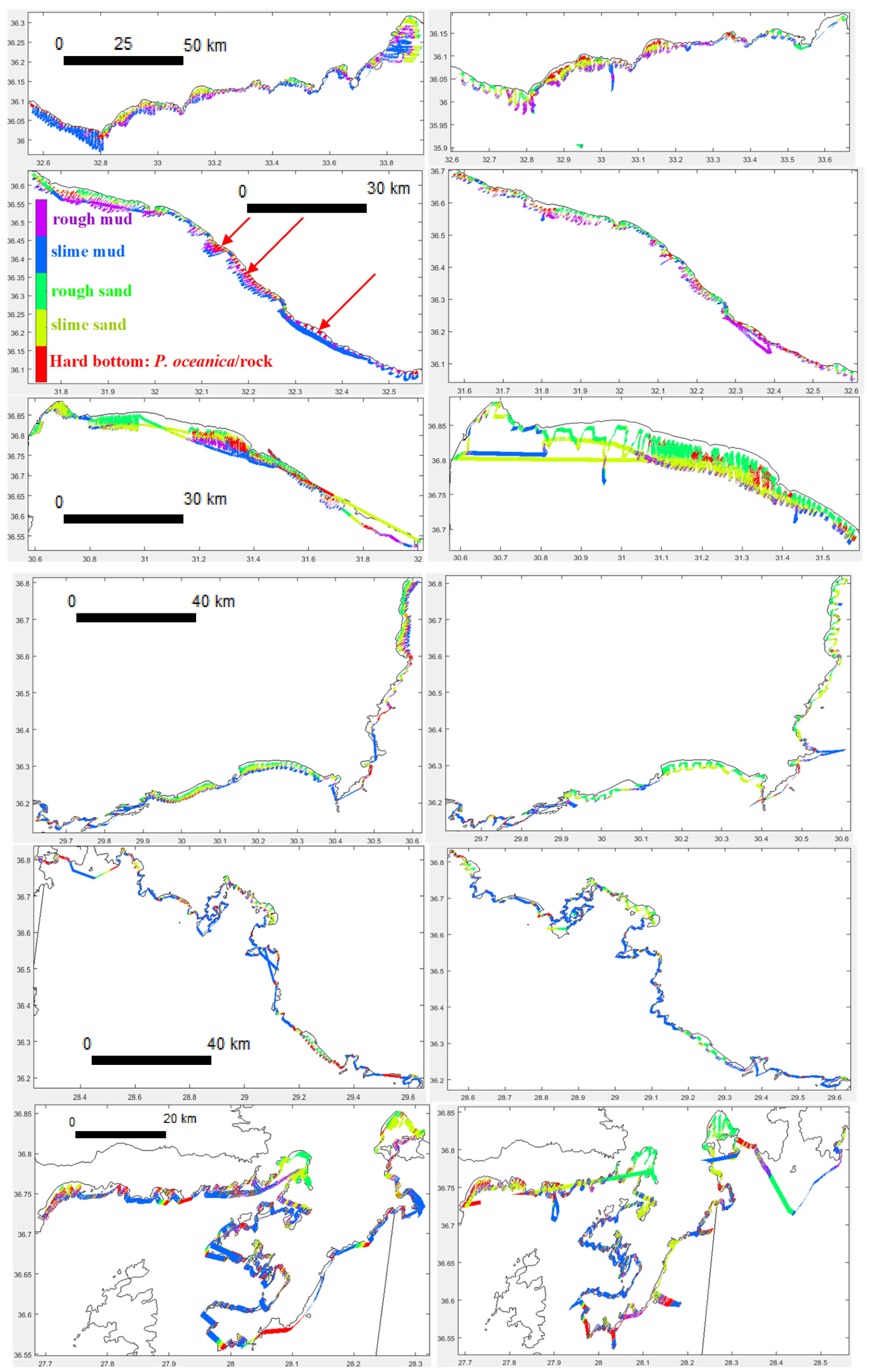
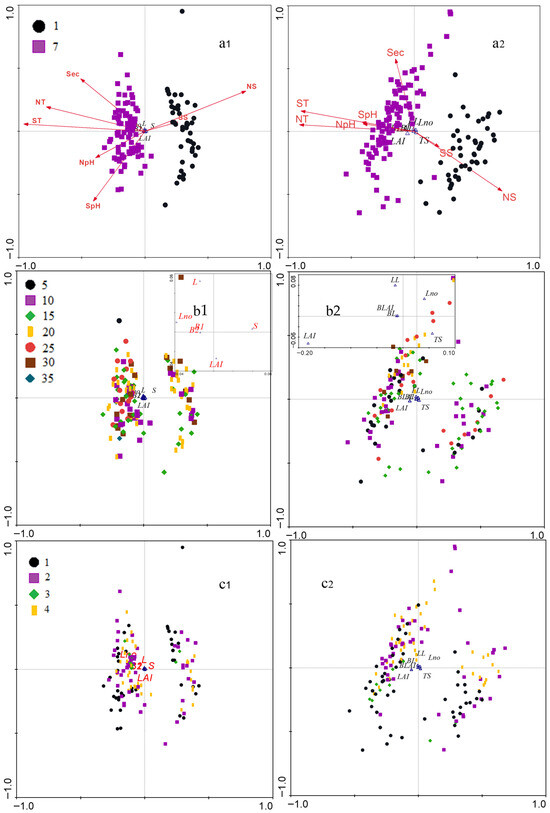
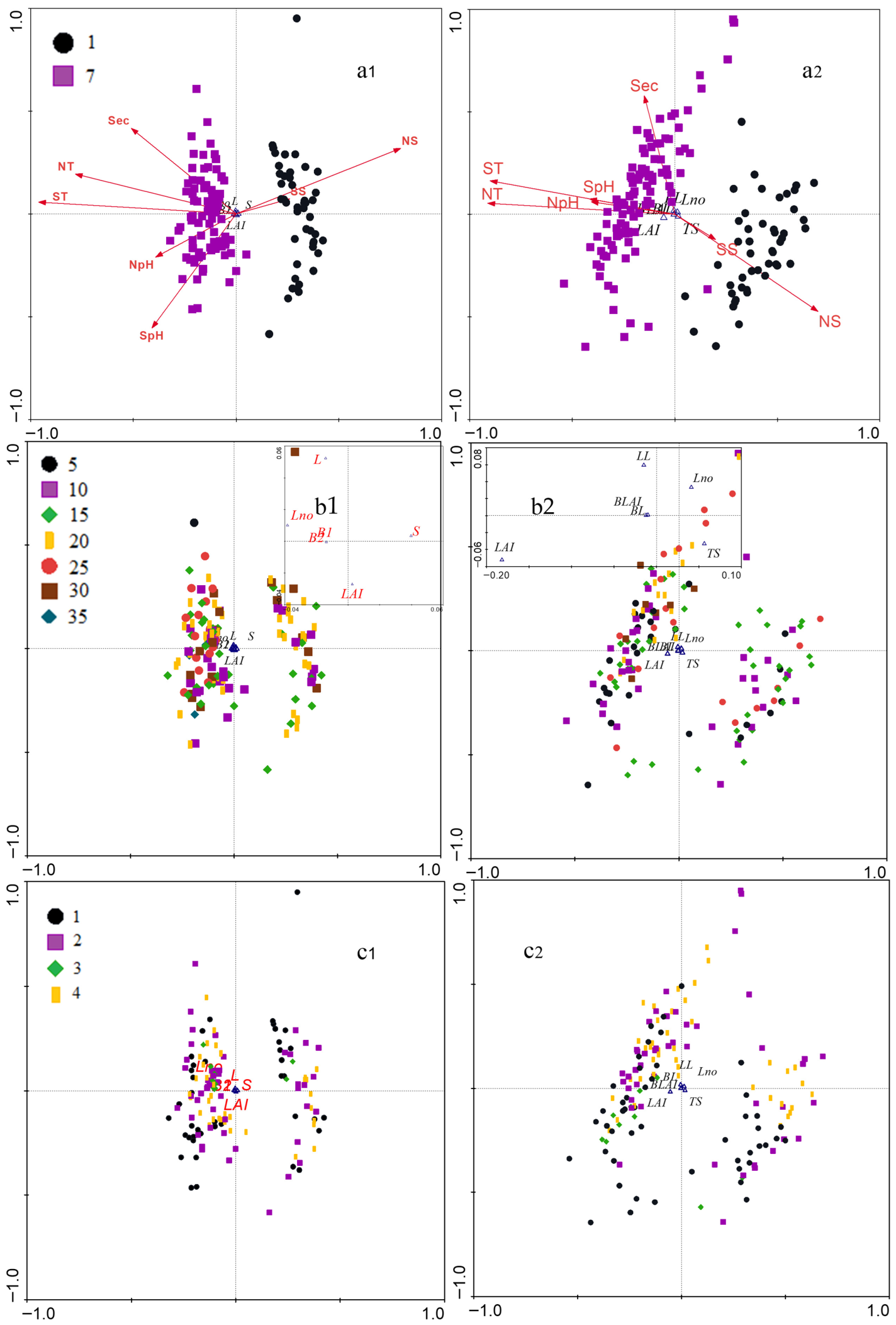
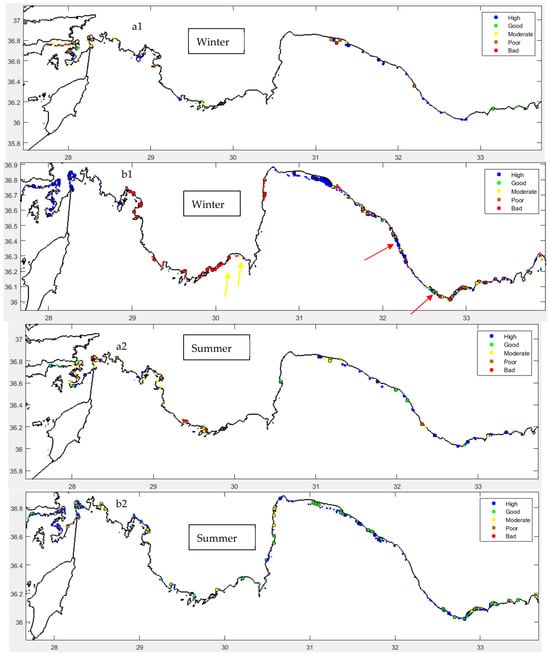
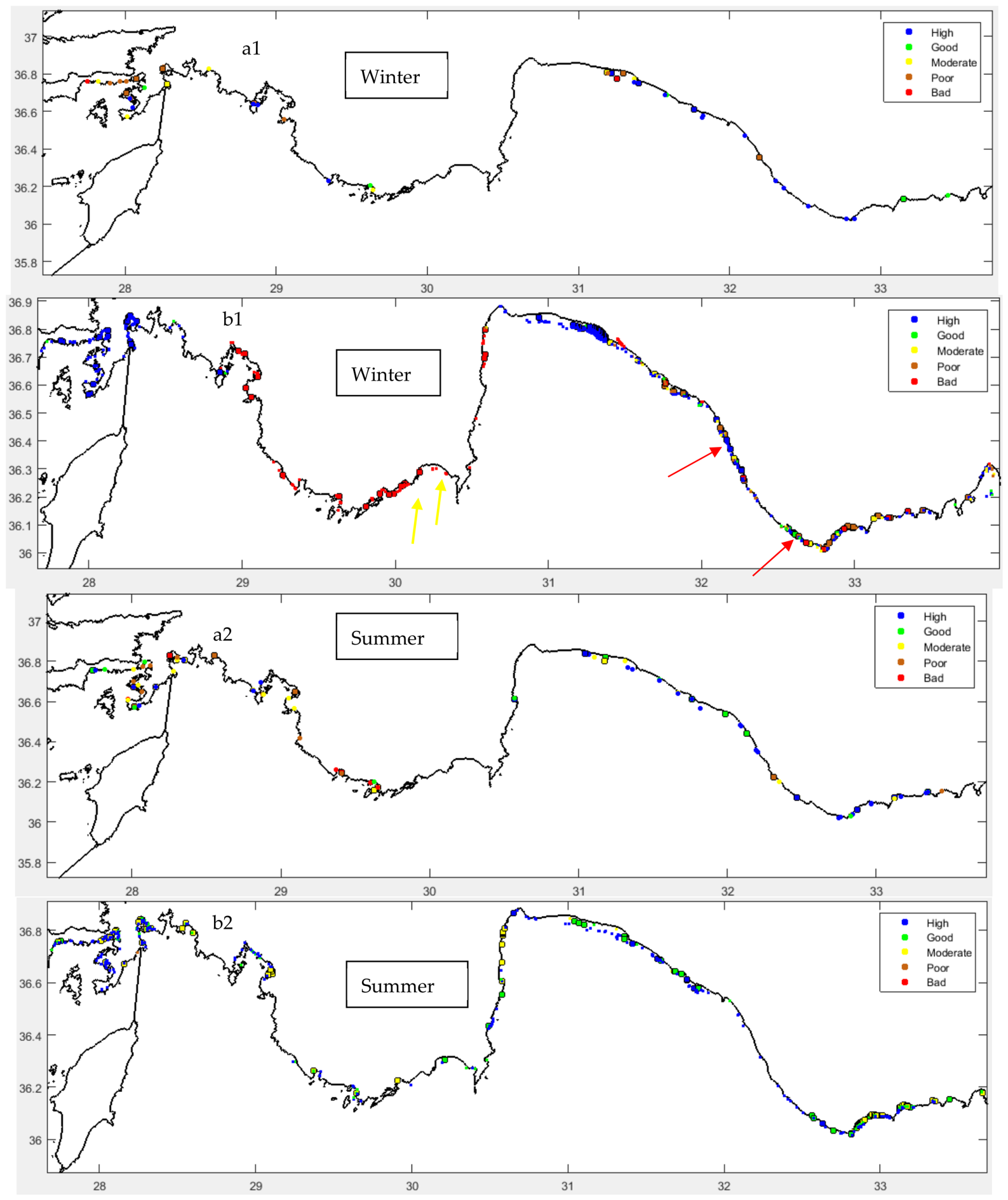

Disclaimer/Publisher’s Note: The statements, opinions and data contained in all publications are solely those of the individual author(s) and contributor(s) and not of MDPI and/or the editor(s). MDPI and/or the editor(s) disclaim responsibility for any injury to people or property resulting from any ideas, methods, instructions or products referred to in the content. |
© 2026 by the author. Licensee MDPI, Basel, Switzerland. This article is an open access article distributed under the terms and conditions of the Creative Commons Attribution (CC BY) license.