Article

Exploring Local Wisdom Through Sounds of Wild Bird: Cultural Heritage and Conservation Ethics in Indonesian Tropical Rainforests


by
Mohamad N. Tamalene
1,*,
Akhmad David K. Putra
2 and
Andy Kurniawan
3
1
Biology Education, Universitas Khairun, Ternate 97727, Indonesia
2
National Park Aketajawe Lolobata, Halmahera 97852, Indonesia
3
Forestry Study Program, Universitas Khairun, Ternate 97712, Indonesia
*
Author to whom correspondence should be addressed.
Conservation 2026, 6(1), 31; https://doi.org/10.3390/conservation6010031
Submission received: 4 November 2025 / Revised: 16 January 2026 / Accepted: 2 February 2026 / Published: 3 March 2026

Abstract

The interaction between humans and birds plays an important role in shaping the sustainability of tropical rainforest ecosystems, particularly through bird vocalizations that function as bioacoustic indicators of ecological conditions while simultaneously embedding socio-cultural meanings within local communities. This study aims to (1) classify types and categories of bird sounds as perceived by rural communities, and (2) assess the role of bird vocalizations as cultural symbols supporting community-based conservation practices. The study was conducted across six islands and eight villages in North Maluku, Eastern Indonesia, using a qualitative approach based on semi-structured interviews and community workshops. A total of 435 respondents, all of whom were farmers residing along forest margins, participated in the study. The results documented 51 bird species belonging to 26 families, whose vocalizations were interpreted and classified by local communities into three acoustic categories: 21 species with loud calls (41.18%), 12 species with melodious calls (23.53%), and 18 species with sad calls (35.29%). Melodious vocalizations were commonly associated with values of beauty, calmness, and social harmony, whereas loud calls were predominantly interpreted as warnings, signals of alertness, or indicators of environmental change. These findings demonstrate that bird sounds serve not merely as ecological cues, but as culturally embedded symbols that guide daily activities, moral values, and conservation ethics within rural communities. By documenting the cultural significance of bird vocalizations across a clearly defined geographic context, this study provides an empirical basis for culturally informed conservation strategies aimed at protecting bird species subject to high levels of cultural use and ecological pressure.

1. Introduction

The ecological interaction between humans and wild birds plays a fundamental role in maintaining the integrity of tropical forest ecosystems. Wild birds, through their presence and acoustic signals, function as sensitive indicators of ecosystem health and contribute directly to ecological balance, particularly through seed dispersal, pollination, and natural forest regeneration processes. This interaction underpins biodiversity conservation and sustains ecosystem services that support the livelihoods of rural communities, making the human–bird relationship a critical component of forest sustainability [1].
Ecologically, wild birds serve as key regulators of healthy forest ecosystems [2]. Across tropical rainforest systems worldwide, birds play essential roles in maintaining trophic dynamics and structural complexity [3]. Avian vocalizations form a complex acoustic network that facilitates territorial defense, mate selection, and interspecific communication, thereby reinforcing faunal community structure and ecological stability. Disruptions to these acoustic and ecological functions may signal broader ecosystem degradation.
Despite their ecological importance, wild birds are increasingly threatened by human pressures, particularly hunting and capture [4]. These practices have been shown to reduce natural populations [5] and generate cascading ecological impacts on forest habitats [6,7]. Human exploitation of avifauna represents a major conservation challenge in tropical regions, where unsustainable extraction weakens ecosystem resilience. Nevertheless, evidence suggests that conservation outcomes improve where local communities maintain harmonious relationships with nature and uphold conservation ethics [8], which in turn support higher levels of tropical bird diversity [9].
Beyond ecology, the human–bird relationship is deeply embedded within moral and ethical frameworks. Humans bear an ethical responsibility to respect, protect, and conserve wild bird populations as integral components of balanced ecosystems [10]. This ethical stance discourages habitat degradation, illegal hunting, and overexploitation, while encouraging active participation in conservation initiatives to sustain ecological equilibrium [11]. Conservation ethics thus function as a normative foundation for sustainable forest resource use, helping to prevent ecological degradation caused by excessive exploitation [12,13].
In many local communities, conservation ethics are closely linked to cultural knowledge systems. One prominent example is the use of wild bird sounds as natural alarms in daily life. Bird vocalizations are interpreted as indicators of impending disasters, rainfall, wind, the presence of wild animals, and even socio-economic or cultural changes, particularly when heard at night [14,15,16,17]. These practices reflect a sophisticated body of local ecological knowledge that reinforces human–nature interdependence. However, this cultural heritage is increasingly threatened by habitat degradation and intensive hunting pressure, especially for trade and captivity. Birds’ vibrant plumage and melodious songs make them highly desirable, driving widespread capture practices. In Indonesia, bird keeping is an ancient and culturally embedded tradition, yet it is widely recognized as a major driver of population declines in many species [18,19,20,21]. Importantly, not all rural communities engage in bird capture; some instead associate specific bird sounds with omens of death or indicators of favorable and unfavorable weather conditions [22], underscoring the diversity of human–bird relationships across cultural contexts.
Rural communities living within or near protected areas of tropical rainforests can preserve local wisdom as cultural heritage in the conservation of wild birds. Furthermore, regulations prohibiting bird hunting need to be understood and customary rules regarding bird hunting should follow strict adherence. The results obtained from this study contribute to culturally based bird conservation policies implemented by indigenous groups globally, governments, academics, and environmental conservationists.
This study addresses the following research questions: (1) how do conservation ethics practiced by local communities contribute to the preservation of tropical rainforest ecosystems? and (2) how are wild bird vocalizations utilized and interpreted in daily life as cultural symbols by these communities?

2. Materials and Methods

2.1. Research Area

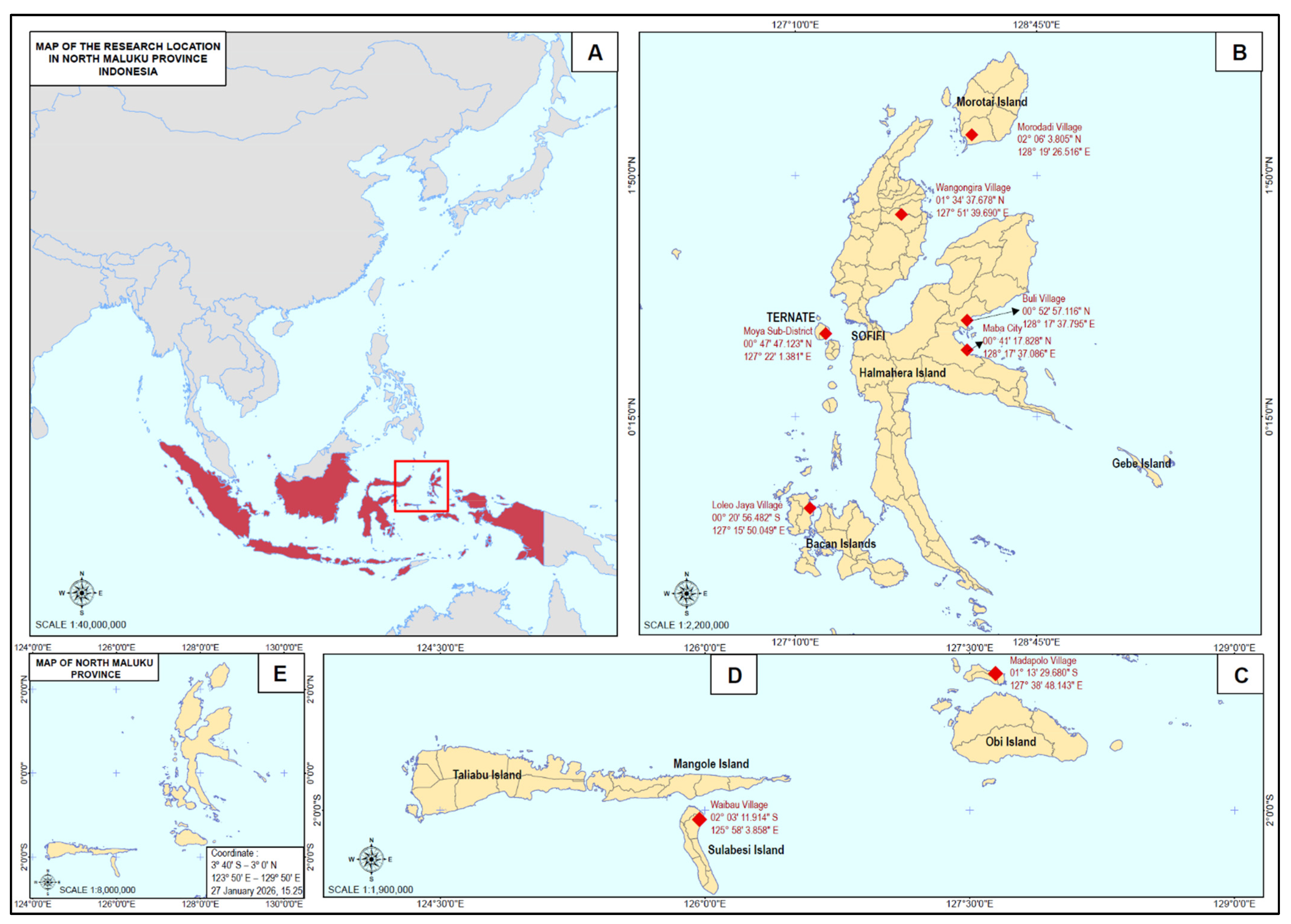
The study area covers 6 islands in North Maluku Province of Indonesia, namely Obi, Bacan, Ternate, Morotai, Sulabesi, and Halmahera Islands, as presented in Figure 1. This province is an archipelagic region comprising a total of 1474 islands, with 89 and 1385 inhabited and uninhabited islands [23]. The Indonesian Bird Organization recorded that since 2023 there were 350 species of birds in North Maluku Province. The Halmahera and Sula Islands comprised 289 and 160 species, respectively. Characterized by a tropical climate, the region experienced an average annual temperature ranging from 23 to 31 °C, alongside air humidity levels averaging between 60% and 90%. The majority of the population, constituting approximately 90%, were farmers who cultivate fields on the outskirts of primary forests [24]

2.2. Interview

Interviews were conducted with farmers from six islands and eight villages, namely Halmahera, Morotai, Ternate, Bacan, Obi, and Sulabesi Islands, all located in forest-fringe areas. Respondents were selected using a random sampling technique based on a comprehensive list of active farmers in each village, which was developed with the assistance of village authorities to establish a clear sampling frame (Figure 1). Farmers were randomly selected from the list regardless of age, gender, or type of agricultural activity, with the proportion of respondents adjusted according to the size of the farmer population in each village to ensure equitable representation. Potential interviewer influence was minimized through the use of a standardized semi-structured interview guide and a neutral interviewing approach (See the Supplementary Materials). Thematic validation was conducted through an iterative thematic analysis process, in which emerging themes were repeatedly reviewed and compared across interviews. Triangulation was performed by cross-checking responses among informants from different villages and islands, allowing for the identification of consistent patterns as well as context-specific variations, thereby strengthening the credibility and methodological rigor of the qualitative findings.
A total of 435 respondents (n = 435) comprising adults from each household, namely the household head, the wife, and the child were interviewed to assess their knowledge of bird sounds. The number of household heads included (n = 45) in Wangongira Village, Halmahera Island, (n = 69) in Morodadi Village, Morotai Island, (n = 48) in Moya, Takome, and Loto Villages, Ternate Island, (n = 54) in Maba Village, Halmahera Island, (n = 39) in Loleojaya Village, Bacan Island, (n = 60) in Madopolo Village, Obi Island, (n = 63) in Buli Village, Halmahera Island, and (n = 57) in Malbufa Village, Sulabesi Island. Interviews were conducted using the local language to ensure easy understanding by respondents. To ensure the validity of the responses, questions were randomly asked 3 times. Demographic data are presented in Table 1.

2.3. Data Collection

The main fieldwork was conducted from June to December 2023 and March to August 2024. Data was collected using semi-structured interviews, and household surveys, after which a community workshop was initiated. Interviews were conducted from afternoon to evening as farmers returned from the garden. Farmers living in garden areas were visited and interviewed about personal and collective experiences of local birds, perceptions of the cultural, ecological, and economic significance of bird calls, as well as efforts to educate children on conservation. The interviews were conducted between 30–60 min, and the survey lasted for approximately 2.5 h. Recording equipment and field note transcript books were used to document all information gathered from village residents, with data subsequently transferred into a study logbook for analysis.

Community Workshops and Interviews

In this study, collaboration with communities was established to organize one-day workshops in each village. Attendees included traditional leaders/village heads, government officials, teachers, and bird catchers/hunters. The primary objective of these workshops was to discuss information about bird sounds and their meanings following the interview activities. The purpose of these activities was to collect and verify knowledge regarding the cultural and environmental significance of bird sounds. Key respondents possessing a good knowledge of bird sounds and their meanings were actively engaged in these workshops. Each workshop commenced with an explanation of the study objectives and process, as well as a request for prior written consent. Attendees were presented with a photographic catalog serving as a basis for discussing and elucidating bird sounds based on the experiences of respondents. Questions focused on species and the meanings of the sounds that served as symbols of conservation ethics and bird sound category as a symbol of activity.
The categorization of bird vocalizations was performed through qualitative analysis of in-depth interviews conducted with experienced bird observers and enthusiasts. The categorization process was carried out during a community workshop involving participants as active sound observers, where respondents’ subjective perceptions of vocal characteristics were discussed and classified into several categories (e.g., loud, melodious, sad, etc.). Subsequently, the categorization outcomes were analyzed using inter-informant triangulation to enhance the validity of the data, resulting in a representative classification of bird vocalizations.

2.4. Species Identification

Bird species mentioned by respondents were identified through (1) direct observations in homes, (2) photo notes during interviews, (3) use of list-interview techniques, and (4) photographic catalog of bird species as visual stimulation to describe the local wisdom about the sounds. The catalog is used to complete interviews and aid in engaging respondents who are hesitant to share local knowledge. Finally, its model was adapted from previous studies by [25].

2.5. Data Analysis

A qualitative thematic analysis was used in this study, with data arranged in tabular form to facilitate easy reading of the results [26]. Thematic data, describing the meaning of sounds, was tabulated using MS Excel to measure the utility value of bird species based on public knowledge. It is important to note that the significance attributed to each species is solely derived from the respondent’s perspective, independent of the study assessment. Use value (UV) from [27], was calculated to identify the significance of each bird species. The formula applied was UV = ΣUi/n, where UV is the use value of a species, U is the number of mentions per species, and n is the total number of respondents. The higher the UV, the more important the species is to the community or respondents in the context of its usage. The UV ranges from 0 up to a maximum value corresponding to the total number of use mentions. The value obtained was directly proportional to the cultural benefits.

3. Results

The results showed that 51 bird species from 26 families served as symbols of cultural heritage and conservation ethics in the tropical rainforest area under investigation, as shown in Table 1. Therefore, the community possesses wise local wisdom of protection through traditional forest conservation. On the Halmahera Island, the practice is known locally as Totaleo mangatau o honganoka. Meanwhile, on the Sulabesi and Ternate Islands, it is referred to as Haiwan in Uma and bang age namo namo ma fala, respectively. This tradition encourages the avoidance of hunting wild birds, providing both cultural and ecological benefits. According to the surveyed community members, the habit of listening to bird sounds and their meanings was an ancestral knowledge passed down through generations.

3.1. Bird Sounds Category

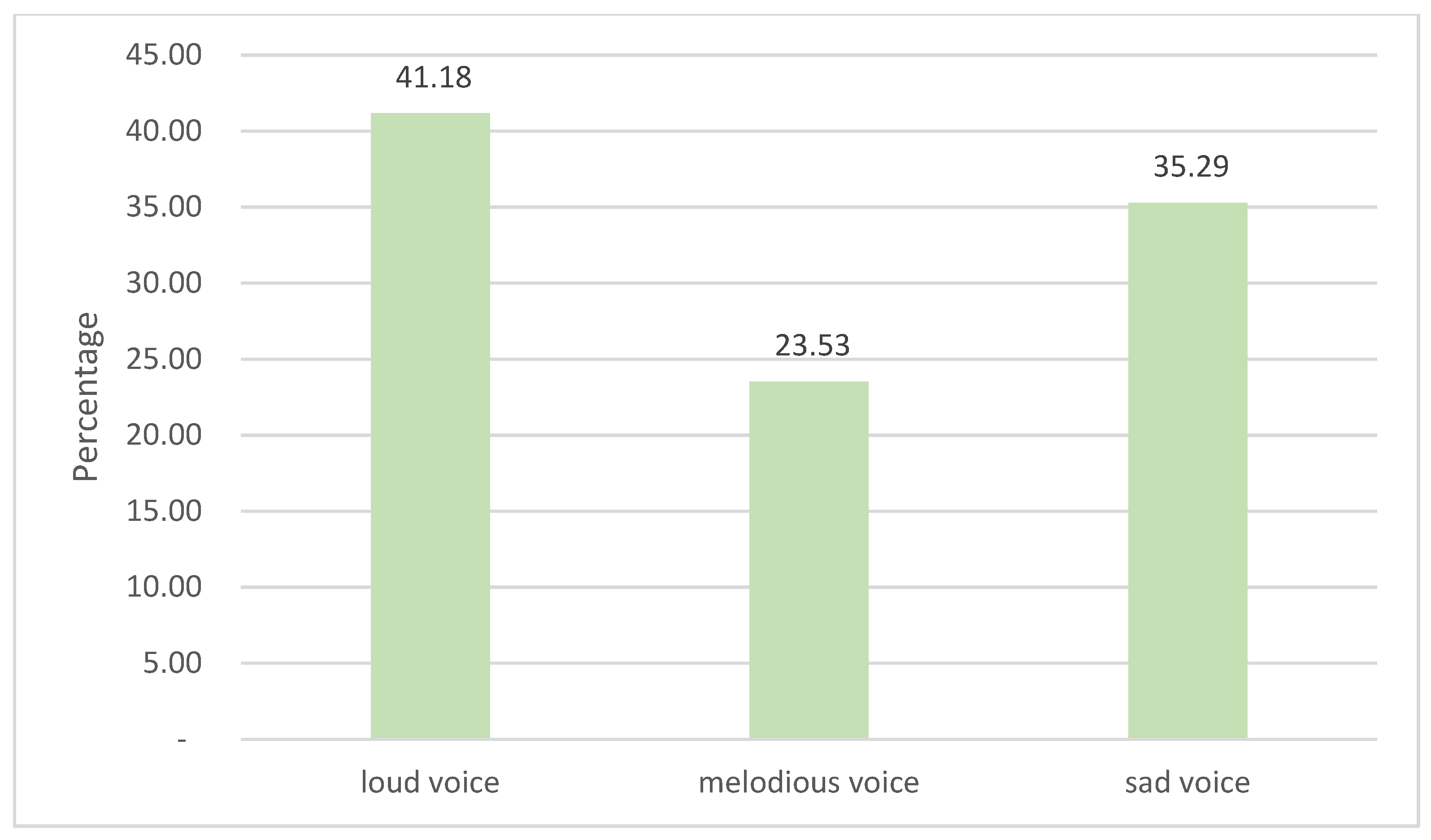
Public Respondents Perceptions about the sounds of wild birds were grouped into 3, namely loud, sad, and melodious voices. Furthermore, the sounds were categorized based on information at the time of the survey. From a total of 51 species, 21, 12, and 18 had loud (41.18%), sad (35.29%), and melodious calls (23.53%), respectively, as shown in Figure 2.
These bird sound categories hold specific meanings within village life. The activities associated with the sounds included (1) early warning signals for disasters (two species), (2) wake-up alarms (eleven species), (3) lull babies to sleep (two species), (4) signs of upcoming harvest and flowering seasons (eight species), (5) signals for prayer times (three species), (6) signs of predators/threats to livestock (three species), (7) signals for bedtime/rest at night (three species), (8) symbols of loyalty and hard work, as well as (two species), (9) insect pest deterrents (one species), (10) Water sources (one species), (11) Worship and not to go to sea (one species), (12) Time to work in the garden (two species), (13) weather (six species), (14) Rain (one species), (15) Luck (two species), (16) Death (one species), (17) Loneliness (two species), (18) The silence of the heart (two species), (19) There are evil people who will spread slander (one species) and (20) Upcoming guests (one species).
The highest UV values were observed for Blyth’s Hornbill, White Cockatoo, Blue-capped Fruit-Dove, Slender-billed Cuckoo-Dove, Dusky or Geelvink Scrubfowl, Ivory-breasted Pitta, and Willie-wagtail (UV; 0.99). Additionally, Spotted Dove, Brush Cuckoo (UV; 0.97), Long-billed Crow (UV; 0.95), Cinnamon-bellied Imperial-Pigeon (UV; 0.78), Superb Fruit-Dove (0.79), Pied imperial pigeon (UV; 0.74), Halmahera Red-bellied Pitta, Eclectus Parrot (UV; 0.73), and Chattering Lory (UV; 0.72) also had considerable values. Based on the distribution of Use Value (UV) scores, approximately 41.18% of species fall within the low UV category, 23.53% within the medium UV category, and 35.29% within the high UV category, indicating clear differences in cultural significance among species within local knowledge systems. Species with low UV are generally recognized in limited or context-specific ways, resulting in minimal cultural use and lower symbolic prominence. In contrast, species with medium to high UV exhibit widespread recognition and strong symbolic roles, particularly through bird vocalizations that function as temporal markers, ecological indicators, and moral references in daily life. This pattern suggests that local conservation ethics are closely linked to cultural salience, whereby bird sounds are not exploited but respected as cultural symbols that foster species protection and support the long-term conservation of forest ecosystems. Taxonomy, meanings of bird sounds, sound categories, conservation status, IUCN Red List of Threatened Species, and endemism status of the 51 species are presented in Table 2.

3.2. Bird Sounds as Symbols of Life (Revised)

Local communities across Halmahera, Bacan, Obi, Morotai, Sula, and Sulabesi consistently identified bird vocalizations as meaningful acoustic cues embedded in daily life, ecological awareness, and cultural practices. Empirically, respondents associated specific species and vocal patterns with recurring events such as weather changes, agricultural timing, social activities, and perceived risks, while broader cultural meanings were articulated as contextual interpretations of these observations.

3.2.1. Early Warning Signals and Environmental Change

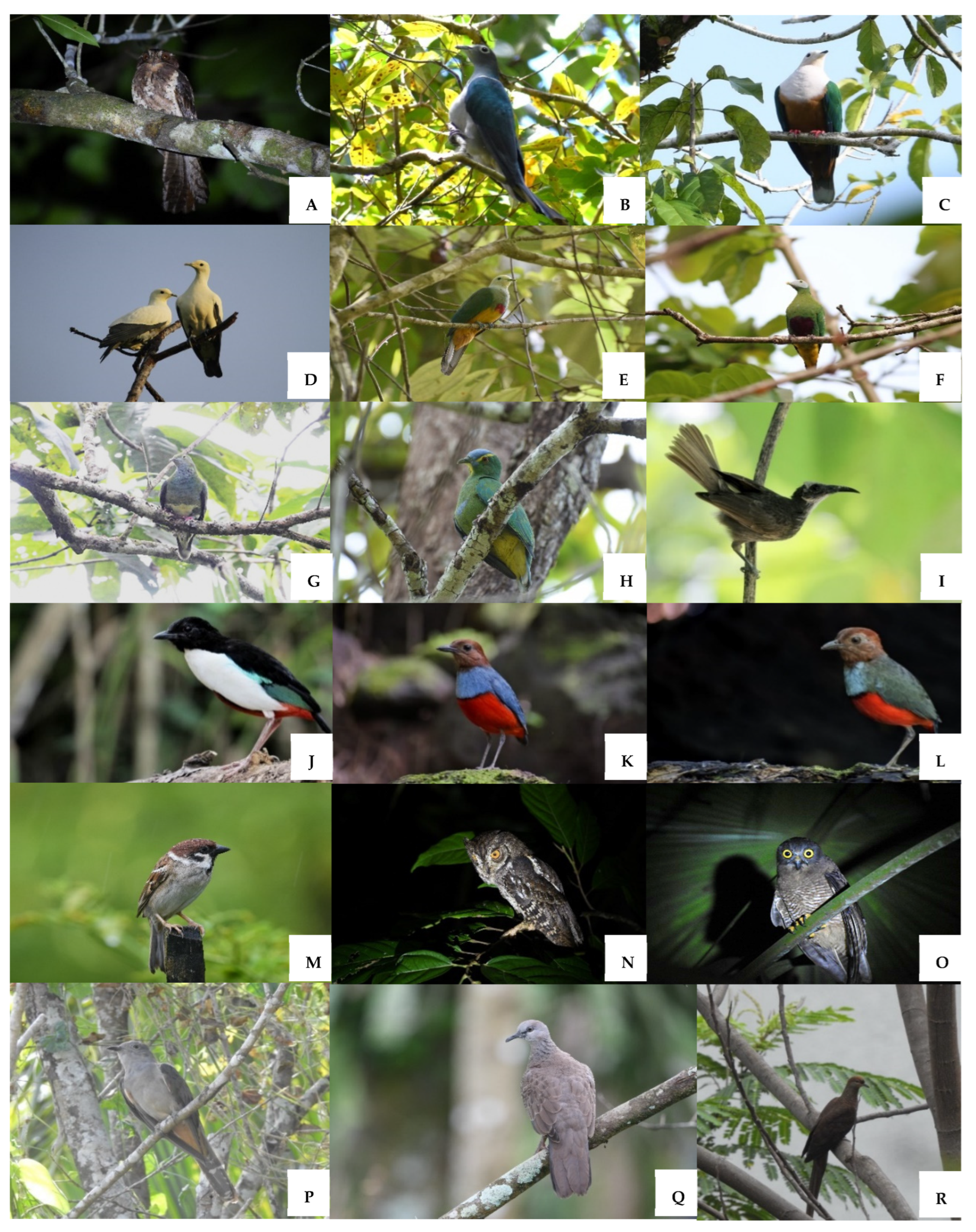
Respondents reported that vocalizations of Habroptila wallacii, Rhipidura leucophrys, and several raptors (Accipiter henicogrammus, Haliastur indus, Butastur indicus) were commonly associated with storms, heat, or rainfall. In addition, the daytime calls of nocturnal species (Corvus validus, Otus magicus, Ninox squamipila hypogramma, Tyto nigrobrunnea) (Figure 3) were empirically recognized as unusual acoustic events linked to environmental disturbances such as strong winds, falling trees, or floods. These observations reflect community-based interpretations of deviations from normal acoustic patterns.

3.2.2. Temporal Regulation of Daily Activities

Bird sounds also functioned as practical time markers. Nine species, including Cacatua alba, Aplonis metallica, Lycocorax pyrrhopterus, and Rhipidura leucophrys, were consistently reported as natural morning alarms across villages. Owl vocalizations (Otus magicus leucospilus, Ninox squamipila hypogramma) signaled nighttime rest and were used to regulate children’s sleeping routines, illustrating the integration of acoustic cues into household time management.

3.2.3. Agricultural and Seasonal Indicators

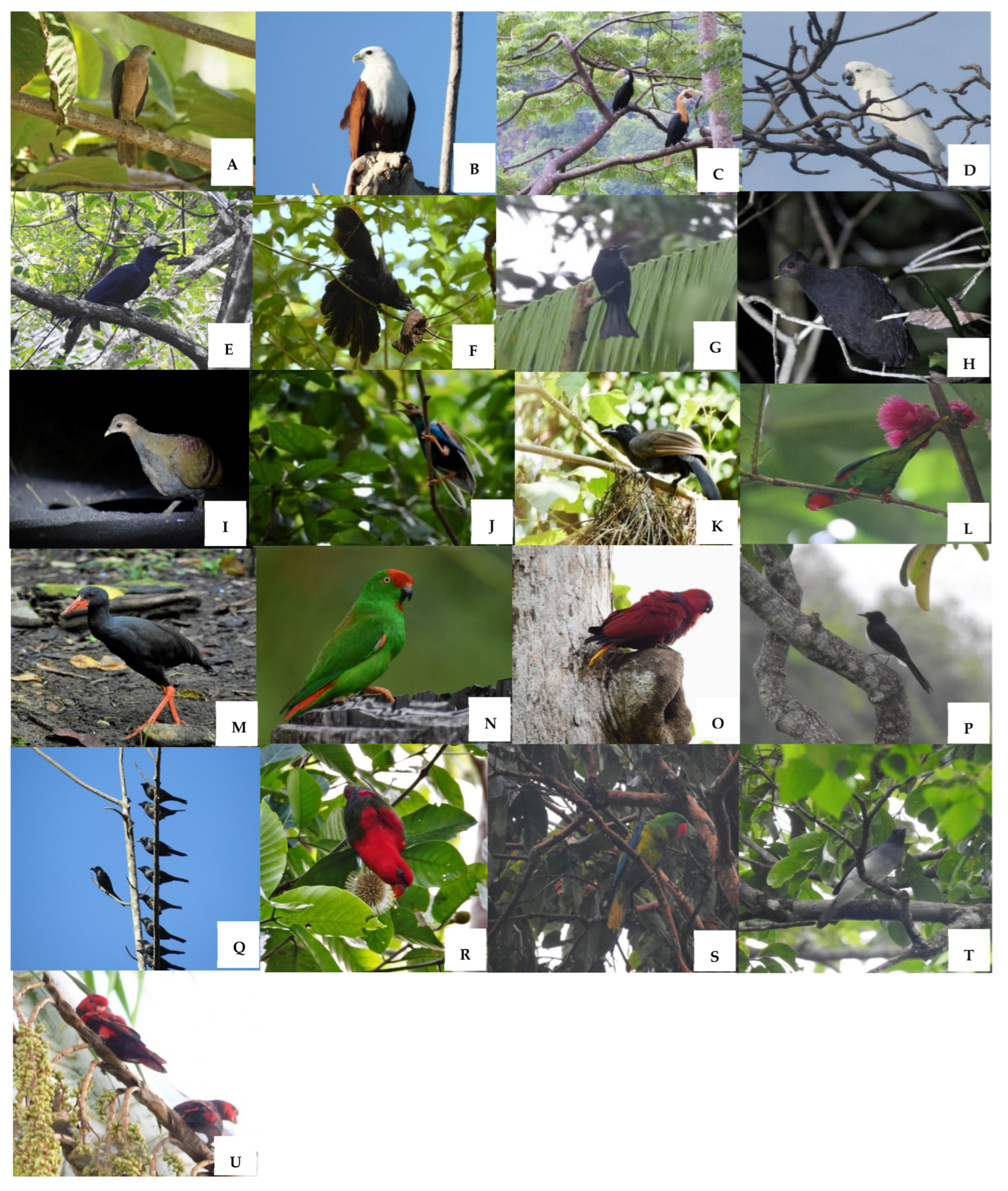
Eight frugivorous and nectar-feeding species, notably Lorius garrulus and Eclectus roratus (Figure 4), were repeatedly cited as indicators of flowering and harvest seasons. Empirically, respondents linked increased vocal activity of these species with fruit availability in forests and agroforestry systems. These associations position bird vocalizations as phenological indicators supporting subsistence planning and food security.

3.2.4. Social, Religious, and Safety Signals

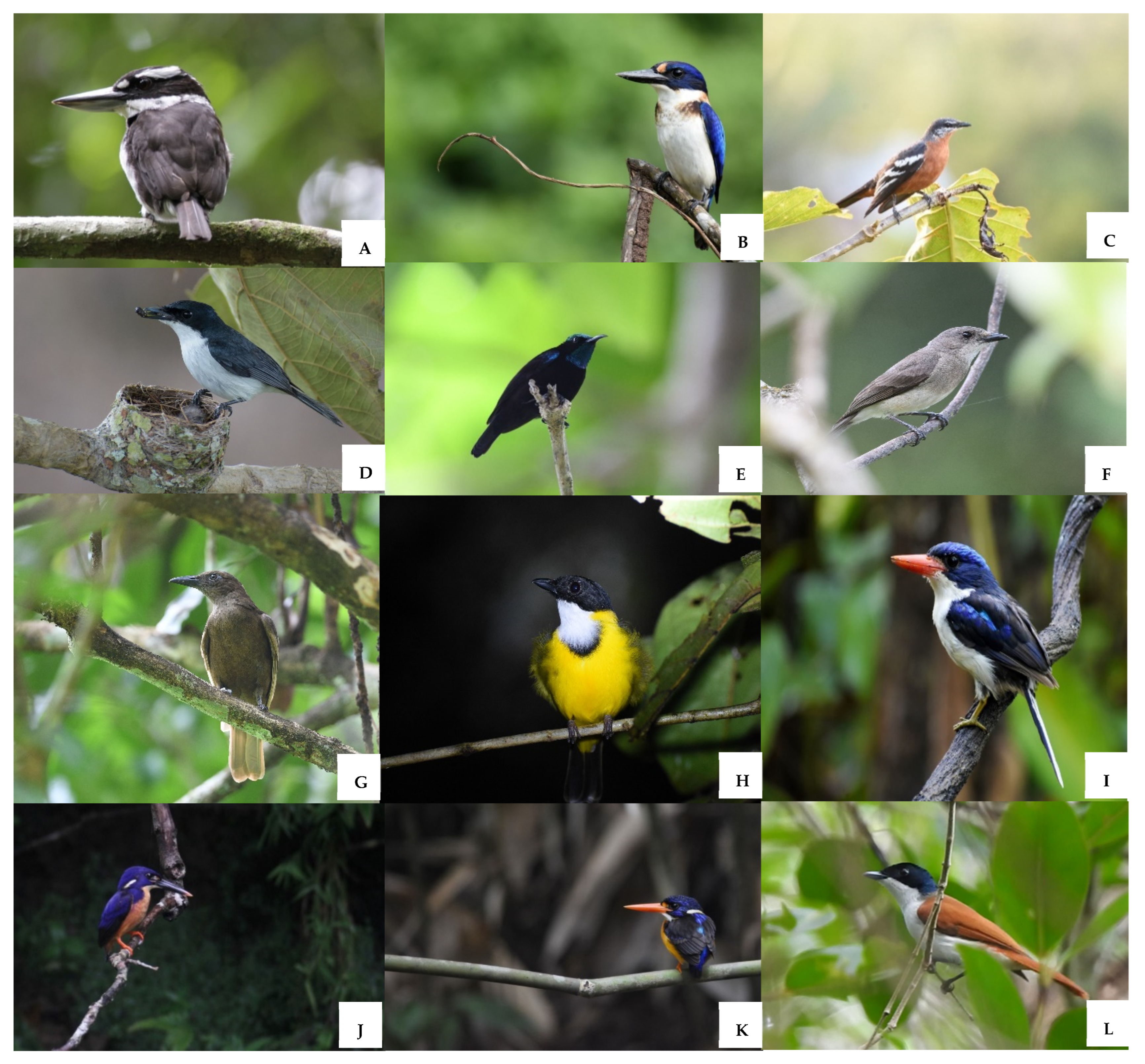
Several species were reported to signal prayer times (Cacomantis variolosus infaustus, Megapodius freycinet), the presence of predators near livestock (Tanysiptera galatea, Todiramphus funebris), water sources (Ceyx azureus), and appropriate times to work in gardens (Lalage aurea, Semioptera wallacii) (Figure 5). These findings demonstrate how acoustic cues guide social coordination, safety awareness, and resource access.

3.2.5. Cultural Symbolism and Moral Interpretation

Beyond practical functions, respondents attributed symbolic meanings to certain bird sounds, including loyalty and diligence (Rhyticeros plicatus ruficollis), luck (Streptopelia chinensis), death (Corvus validus, Pitta maxima), loneliness (Ducula bicolor), inner peace (Ducula perspicillata), and social caution (Ptilinopus bernsteinii). These interpretations represent cultural frameworks through which communities contextualize ecological observations rather than direct empirical predictions.

3.2.6. Synthesis and Conservation Relevance

Overall, species with high cultural salience—such as Eclectus roratus, Lorius garrulus, Corvus validus, and Otus magicus—emerged as acoustically and symbolically prominent across islands. Their repeated mention suggests elevated use values and highlights their importance for both cultural continuity and conservation awareness. The convergence of ecological observation and cultural meaning underscores the role of bird sounds as a biocultural interface, reinforcing the need to prioritize culturally significant species in community-based conservation strategies.

4. Discussion

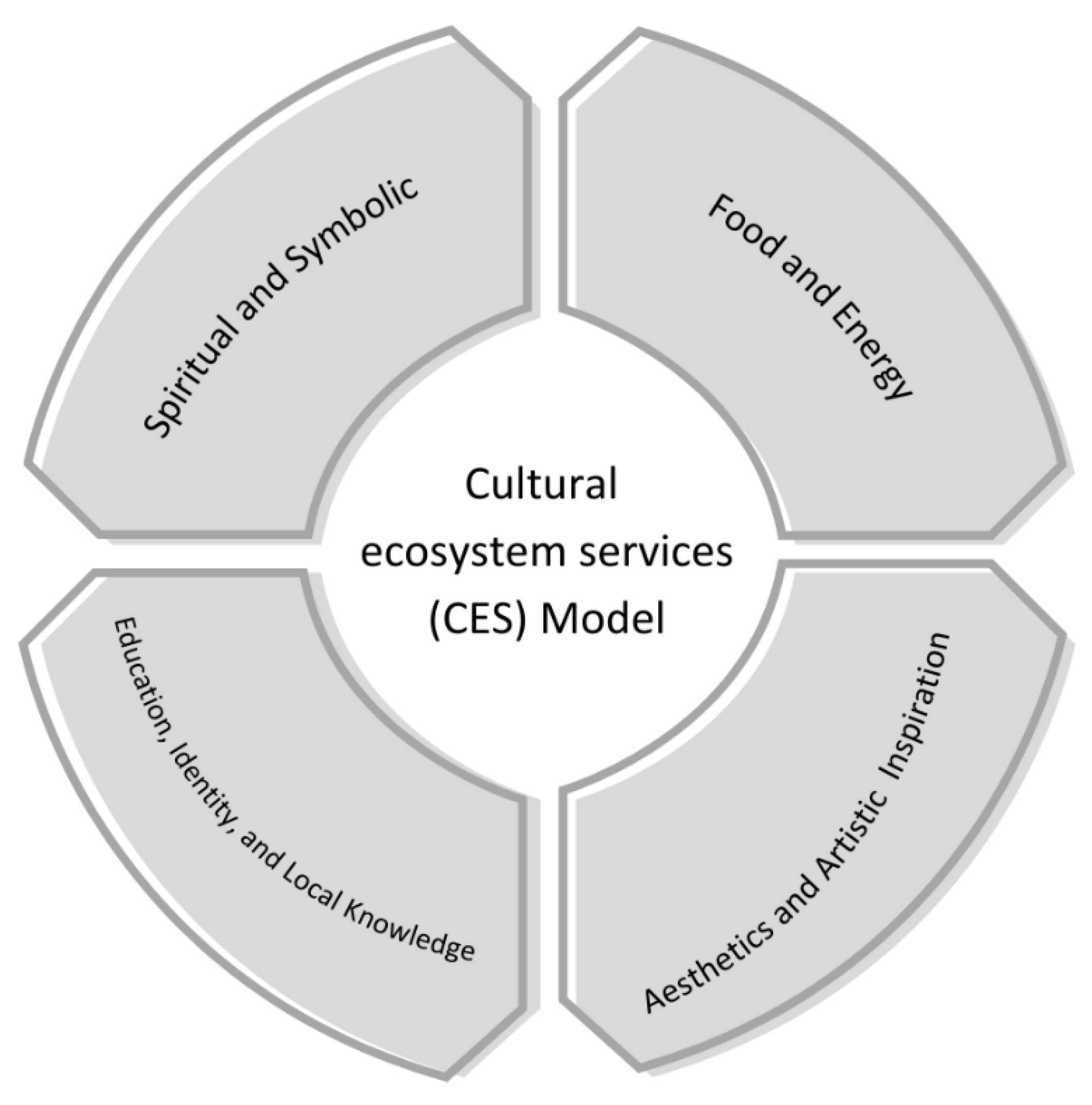
Wild birds across Indonesian archipelagic regions were empirically documented as integral to everyday socio-ecological interactions between local communities and forest ecosystems. Our findings demonstrate that these interactions reflect conservation ethics that are best understood through the Cultural Ecosystem Services (CES) framework, as revealed by interview and workshop data. In this study, CES emerges not as an abstract concept but as a locally grounded system of values, in which wild birds contribute symbolic, spiritual, educational, and identity-related functions that reinforce human–forest relationships (Figure 6). The consistent transmission of this knowledge across generations highlights its role in sustaining both ecological functions and cultural continuity within island communities.
Furthermore, bird vocalizations were identified as a key empirical component of CES-based conservation ethics. Respondents consistently associated specific bird calls with seasonal cycles, ecological signals, and culturally embedded meanings, such as indicators of planting periods, food availability, and environmental change. Rather than functioning solely as acoustic cues, these vocalizations operate as culturally mediated knowledge systems that guide human behavior and environmental awareness. By linking ecological observation with belief systems and daily practices, bird sounds contribute directly to the maintenance of socio-ecological balance, underscoring their significance within community-based conservation ethics.
The natural sounds of birds serve as integral guides for daily life among local villagers, particularly those residing on the fringes of forests. This cultural perspective, rooted in entoornithology, underscores the profound influence of the sounds on community activities [28]. Wild bird sounds as a form of conservation ethics, shapes the behaviors of villagers, influencing the decisions to catch and domesticate certain species. While vibrant plumage may attract attention, it is the ability to sing loudly or mimic human speech that enhances the desirability for conservation [9]. The study shows the community conservation ethics with focus on wild species that have cultural heritage value, indicating that biocultural values constitute a foundational determinant of community-based conservation practices.This confirms the nuanced wisdom of local communities, as observed among the Sukabumi people [29,30], inhabitants of Ledang Johor Malaysia [31]. The local knowledge underscores the coexistence of human societies and wild birds within the ecosystems [32].
Despite the strong conservation ethics associated with wild birds, our findings also reveal important trade-offs that merit careful consideration. Cultural appreciation of bird vocalizations and symbolic meanings may coexist with practices such as hunting, capture, or domestication, particularly for species with high aesthetic appeal or vocal mimicry abilities. This duality highlights a tension between conservation values and livelihood or cultural practices, indicating that conservation outcomes depend on context-specific management rather than strict exclusionary approaches. In addition, close human–bird interactions raise potential risks related to zoonotic disease transmission, emphasizing the need for culturally sensitive health awareness that does not undermine local conservation ethics.
The CES framework (Figure 6) illustrates the interactions between humans and bird species, wherein humans protect tropical rainforests as bird habitats while birds provide both ecological and cultural benefits to local communities, particularly those engaged in agriculture. This relationship reflects a form of conservation ethics practiced by island societies. The Spiritual and Symbolic component emphasizes the profound role of birds in cosmology, belief systems, and symbolic representations of island communities. Wild birds are perceived as spiritual messengers or symbols, shaping how people interpret both natural and supernatural phenomena. The Food and Energy dimension highlights the tangible and intangible values of birds as sources of protein and nutrition, while also providing social energy through collective practices such as communal hunting, seasonal rituals, and shared feasts. Together, these aspects underscore the integrative role of birds within spiritual frameworks, positioning them as mediators between ecological functions and cultural worldviews.
The Aesthetics, Artistic Inspiration, Education, Identity, and Local Knowledge dimension affirms the non-material values of birds. Birds serve as sources of creativity, inspiring music, oral traditions, and visual arts that enrich cultural expression across generations. They also function as vehicles for the transmission of ecological and cultural knowledge, with bird vocalizations employed as bioindicators of environmental changes and seasonal cycles. Furthermore, birds act as markers of cultural identity, embedded in collective memory and local heritage. Wild birds thus represent integral elements of humanity’s cultural heritage systems, supporting both ecological resilience and the continuity of socio-cultural life.
Cultural heritage and conservation of tropical rainforest ecosystems are interrelated [33,34]. This is because tropical rainforests are often home to bird species and human communities with a rich cultural heritage [35,36]. Tropical rainforest ecosystem conservation activities also consider cultural values and pay attention to traditional knowledge in conservation efforts [37,38,39,40]. Therefore, cultural heritage can help maintain human connection with nature and enhance awareness of forest protection and biodiversity [41,42,43].
The interpretation of bird vocalizations across diverse livelihood contexts demonstrates a high level of ecological and cultural awareness among island communities in Indonesia. These communities not only perceive bird behavior as an integral component of ecosystem dynamics but also interpret it within symbolic frameworks that reinforce cultural and spiritual identity. This integration reflects local wisdom that positions nature as both a source of knowledge and a guide for life, emphasizing the importance of conserving birds and their habitats to sustain ecological values and cultural heritage. Such an integrated perspective, which combines ecological knowledge with cultural systems, represents a viable pathway for maintaining conservation ethics.
The high Use Value (UV) scores of wild bird species further indicate their sustainable utilization as part of conservation ethics. Large-bodied, brightly colored species, or those with dominant cultural roles, tend to obtain the highest utility values. For example, studies in the Amazon and West Africa have reported that hornbills, parrots, and pigeons exhibit high UV due to their close associations with cultural practices, spiritual symbolism, and ecological functions such as seed dispersal [44]. In Southeast Asia, parrots are recognized as cultural identity markers, with forests traditionally protected on the basis of such cultural values.
Local people protect forest areas as a habitat for wild birds [45]. The continued presence of bird sounds serves as a barometer of the health of tropical rainforest ecosystems [46,47]. The sound is also a sign of activities performed by people living on the edge of the forest [48,49,50]. Additionally, the capture, training, and sale of wild birds, as observed among the Passeriformes group in Brazil, present the economic value associated with the biodiversity of birds [51]. Wild birds fulfill essential dietary and health needs, contributing to local livelihoods and well-being [52]. However, recognizing disease risks associated with bird use, including potential bird-borne viruses, reinforces the need for balanced conservation approaches that integrate health safeguards with cultural practices. In this context, conservation of tropical rainforest ecosystems and cultural heritage are mutually reinforcing, supporting long-term environmental sustainability and human well-being.
It is important to acknowledge the potential risks posed by bird-borne viruses, comprising various families such as astrovirus, picornavirus, and coronavirus [53]. Despite these challenges, the integration of birds into familial and cultural contexts by local communities presents a nuanced approach to bird conservation, serving as a foundation for global conservation initiatives [54]. In this case, the conservation of tropical rainforest ecosystems and cultural heritage complement each other and are an integral part of efforts to preserve the environment and human sustainability. Through joint efforts, cultural and natural diversity can be preserved for the benefit of present and future generations. This study has implications for sustainable development in the fields of ethnobiology, biodiversity, environment, and culture.
This study did not include comparisons based on age group, ethnicity, or region. In the future, it is necessary to examine age groups within local ethnic-based communities to elucidate the role of local culture in bird conservation. Additionally, a study in ecolinguistics, specifically focusing on bird sounds as a primary source for creating song rhythms is warranted. This study also does not explore the relationship between the presence of birds and the availability of food in tropical rainforest areas. Given the relationship between bird sounds and food availability, conducting comprehensive studies on this correlation in tropical rainforests is essential. Furthermore, uncovering ethno-ornithology calendars of wild birds based on the local wisdom of village communities should be prioritized.

5. Conclusions

In conclusion, this study demonstrates that wild bird sounds hold substantial cultural importance for rural communities in Indonesia, functioning as ecological indicators, social cues, and symbolic elements embedded in daily life and local knowledge systems. Our findings also reveal that tropical rainforests in the study area are increasingly threatened by land-use change, with direct implications for forest productivity and the persistence of culturally important bird species. The conservation status of several recorded species, including endemic, endangered, and legally protected taxa listed by the IUCN Red List, highlights the urgent need for targeted conservation responses. Importantly, bird sounds have emerged as cultural symbols that reinforce local conservation ethics and support the natural regeneration of forest ecosystems, underscoring their relevance for policy and management.
Based on these findings, we recommend the implementation of targeted community-based programs that document, transmit, and revitalize local knowledge of bird sounds, particularly among younger generations. Habitat management actions should prioritize the protection of forest-edge and culturally significant habitats that support species with high cultural use values and threatened conservation status. We further propose the establishment of participatory monitoring systems that integrate local acoustic knowledge with biodiversity monitoring to track population trends of priority bird species. Rather than broad collaboration alone, conservation policies should adopt context-specific strategies that balance cultural practices, subsistence needs, and biodiversity protection. These concrete actions are essential to safeguard both avian diversity and the cultural heritage systems that sustain long-term conservation in Indonesia’s tropical rainforests.

Supplementary Materials

The following supporting information can be downloaded at https://www.mdpi.com/article/10.3390/conservation6010031/s1: Interview questionnaire the role of birds in society.

Author Contributions

Conceptualization, M.N.T., A.K. and A.D.K.P.; methodology, M.N.T.; software, M.N.T. and A.K.; validation, M.N.T., A.K. and A.D.K.P.; formal analysis, M.N.T.; investigation, M.N.T. and A.D.K.P.; resources, M.N.T.; data curation, M.N.T., A.K. and A.D.K.P.; writing—original draft preparation, M.N.T., A.K. and A.D.K.P.; writing—review and editing, M.N.T., A.K. and A.D.K.P.; visualization, M.N.T.; supervision, M.N.T. and A.K.; project administration, A.K.; funding acquisition, M.N.T. All authors have read and agreed to the published version of the manuscript.

Funding

This research received no external funding.

Institutional Review Board Statement

The study was conducted in accordance with the Declaration of Helsinki, and approved by the Institutional Review Board (or Ethics Committee) of KEMENTERIAN PENDIDIKAN KEBUDAYAAN RISET DAN TEKNOLOGI (protocol code 017/UN44/C.9/KEP/2024 and date of approval 12 August 2024).

Informed Consent Statement

Informed consent was obtained from all subjects involved in the study.

Data Availability Statement

The data used to support the findings of this study are available from the corresponding author upon reasonable request.

Acknowledgments

The authors would like to express their sincere gratitude to all village heads, indigenous communities, and farmers for their support of this research. We also extend our appreciation to all enumerators who assisted with field data collection, including Luter Novelix Sulo, Ato, Sumitro and Abner.

Conflicts of Interest

The authors have no conflicts of interest to declare.

References

  1. Pineda-López, M.D.R.; Sánchez-Velásquez, L.R.; Ventura, Y.P.; Fernández, P.G.; Binnqüist, C.L.; Rojo-Alboreca, A. The Role of Women in the Forest Conservation in a Mexican National Park: Pruning Firs for the Manufacture of Christmas Wreaths. Hum. Ecol. 2015, 43, 493–501. [Google Scholar] [CrossRef]
  2. Nugroho, H.Y.S.H.; Nurfatriani, F.; Indrajaya, Y.; Yuwati, T.W.; Ekawati, S.; Salminah, M.; Gunawan, H.; Subarudi, S.; Sallata, M.K.; Allo, M.K.; et al. Mainstreaming Ecosystem Services from Indonesia’s Remaining Forests. Sustainability 2022, 14, 12124. [Google Scholar] [CrossRef]
  3. Selwood, K.E.; Antos, M.; Bramwell, M.; Lee, A.; Lynch, M.; Magrath, M.J.L.; Maute, K.; Melvin, F.; Mott, R.; Perri, M.; et al. Emergency conservation interventions during times of crisis: A case study for a threatened bird species in the Australian Black Summer bushfires. Conserv. Sci. Pract. 2022, 4, e606. [Google Scholar] [CrossRef]
  4. Negi, G.C.S. Trees, forests and people: The Central Himalayan case of forest ecosystem services. Trees For. People 2022, 8, 100222. [Google Scholar] [CrossRef]
  5. Rahayu, S.; Pambudi, S.; Permadi, D.; Tata, H.L.; Martini, E.; Rasnovi, S.; Nuroniah, H.S.; Kindt, R.; Nugraha, M.; Dewi, S.; et al. Functional trait profiles and diversity of trees regenerating in disturbed tropical forests and agroforests in Indonesia. For. Ecosyst. 2022, 9, 100030. [Google Scholar] [CrossRef]
  6. Tietze, D.T. Bird Species: How They Arise, Modify and Wanish; Springer Nature: Berlin/Heidelberg, Germany, 2018; Volume 3. [Google Scholar]
  7. Heikkinen, R.K.; Virkkala, R.; Aino-maija, M. Forest Ecology and Management Clear-cuts and warming summers caused forest bird populations to decline in a southern boreal area. For. Ecol. Manag. 2023, 548, 121397. [Google Scholar]
  8. Nater, C.R.; Burgess, M.D.; Coffey, P.; Harris, B.; Lander, F.; Price, D.; Reed, M.; Robinson, R.A. Spatial consistency in drivers of population dynamics of a declining migratory bird. J. Anim. Ecol. 2023, 92, 97–111. [Google Scholar]
  9. Fishbein, A.R.; Idsardi, W.J.; Ball, G.F.; Dooling, R.J. Sound sequences in birdsong: How much do birds really care? Philos. Trans. R. Soc. B Biol. Sci. 2020, 375, 20190044. [Google Scholar] [CrossRef] [PubMed]
  10. Sanderson, F.J.; Wilson, J.D.; Franks, S.E.; Buchanan, G.M. Benefits of protected area networks for breeding bird populations and communities. Anim. Conserv. 2023, 26, 279–289. [Google Scholar]
  11. Pimm, S.L. What is biodiversity conservation? This article belongs to Ambio’s 50th Anniversary Collection. Theme: Biodiversity Conservation. Ambio 2021, 50, 976–980. [Google Scholar] [PubMed]
  12. Sayer, J.; Margules, C.; McNeely, J.A. People and biodiversity in the 21st century: This article belongs to Ambio’s 50th Anniversary Collection. Theme: Biodiversity conservation. Ambio 2021, 50, 970–975. [Google Scholar] [CrossRef] [PubMed]
  13. Wienhues, A.; Luuppala, L.; Deplazes-Zemp, A. The moral landscape of biological conservation: Understanding conceptual and normative foundations. Biol. Conserv. 2023, 288, 110350. [Google Scholar] [CrossRef]
  14. Culos, M.; Ouvrier, A.; Vimal, R. Thinking coexistence in human-dominated landscapes with the lens of multi-species assemblages: Farmers, brown bears and other wild species in the Pyrenees. Biol. Conserv. 2025, 302, 111006. [Google Scholar] [CrossRef]
  15. Commerçon, F.A.; Zhang, M.; Solomon, J.N. Social norms shape wild bird hunting: A case study from southwest China. Glob. Ecol. Conserv. 2021, 32, e01882. [Google Scholar] [CrossRef]
  16. Sharma, S.; Kreye, M.M. Social value of bird conservation on private forest lands in Pennsylvania, USA. Ecol. Econ. 2022, 196, 107426. [Google Scholar] [CrossRef]
  17. Król, K.; Hernik, J. Crows and ravens as indicators of socioeconomic and cultural changes in urban areas. Sustainability 2020, 12, 10231. [Google Scholar] [CrossRef]
  18. Jepson, P.; Ladle, R.J. Bird-keeping in Indonesia: Conservation impacts and the potential for substitution-based conservation responses. Oryx 2005, 39, 442–448. [Google Scholar] [CrossRef]
  19. Weston, M.K.; Memon, M.A. The Illegal Parrot Trade in Latin America and Its Consequences to Parrot Nutrition. Bird Popul. 2009, 9, 76–83. [Google Scholar]
  20. Alves, R.R.D.N.; Nogueira, E.E.G.; Araujo, H.F.P.; Brooks, S.E. Bird-keeping in the Caatinga, NE Brazil. Hum. Ecol. 2010, 38, 147–156. [Google Scholar] [CrossRef]
  21. Tamalene, M.N.; Hasan, S.; Kartika, K. Local knowledge and community behavior in the exploitation of parrots in surrounding area of aketajawe lolobata national park. Biosfer 2019, 12, 24–33. [Google Scholar] [CrossRef]
  22. Santos, A.; Alberto, C.; Santos, B. Men-Fauna Relations: Drought and Bad Omen in the Northeastern Backlands. Int. J. Dev. Res. 2019, 9, 27560–27565. [Google Scholar]
  23. BMKG. Climate Outlook 2023. Badan Meteoro;ogi dan Geofisikan Indonesia (BMKG). 2023. Available online: https://iklim.bmkg.go.id/id/ (accessed on 18 September 2025).
  24. Sekretariat SDGs. Tujuan Pembangunan Berkelanjutan. Kementeri. PPN/Bappenas Indonesia. 2017. Available online: https://indonesia.un.org/id/sdgs (accessed on 24 September 2025).
  25. Romero-Bautista, Y.A.; Moreno-Calles, A.I.; Alvarado-Ramos, F.; Reyes Castillo, M.; Casas, A. Environmental interactions between people and birds in semiarid lands of the Zapotitlán Valley, Central Mexico. J. Ethnobiol. Ethnomed. 2020, 16, 32. [Google Scholar] [CrossRef]
  26. Chiwanga, F.E.; Mkiramweni, N.P. Ethno-ornithology and onomastics in the Natta community, Serengeti district, Tanzania. Heliyon 2019, 5, e02525. [Google Scholar] [CrossRef]
  27. Phillips, O.; Gentry, A.H.; Reynel, C.; Wilkin, P.; Galvez-Durand, B.C. Quantitative Ethnobotany and Amazonian Conservation. Conserv. Biol. 1994, 8, 225–248. [Google Scholar] [CrossRef]
  28. Dai, C.; Chen, Y.; Zheng, Q. The Social and Cultural Importance of Keeping Wild Birds as Pets in an Ethnic Community in Guiyang City, China. Hum. Ecol. 2021, 49, 69–79. [Google Scholar] [CrossRef]
  29. Mulyanto, D.; Iskandar, J.; Madani, A.; Gunawan, R.; Partasasmita, R. Folk name and lore of birds from the sundanese of west java, indonesia: An ethno-ornithological survey. Biodiversitas 2020, 21, 4384–4395. [Google Scholar] [CrossRef]
  30. Iskandar, J.; Fathin, S.A.; Silmi, H.R.; Husodo, T.; Wulandari, I.; Megantara, E.N.; Partasasmita, R.; Shanida, S.S. Bird diversity and ethno-ornithological knowledge of local people in ciletuh-palabuhanratu geopark, sukabumi, west java, indonesia. Biodiversitas 2021, 22, 3409–3422. [Google Scholar] [CrossRef]
  31. Binti Norazlimi, N.A.; Binti Mohd Sarif, A. Ethno-ornithology of Temuan Community in Ledang, Johor. J. Sustain. Nat. Resour. 2021, 2, 20–25. [Google Scholar] [CrossRef]
  32. Simkins, A.T.; Donald, P.F.; Beresford, A.E.; Butchart, S.H.M.; Fa, J.E.; Fernández-Llamazares, A.O.; Garnett, S.T.; Buchanan, G.M. Rates of tree cover loss in key biodiversity areas on Indigenous Peoples’ lands. Conserv. Biol. 2024, 38, e14195. [Google Scholar] [CrossRef]
  33. Chahyana, I.; Hutomo, P.; Hernawan, E.; Titisari, P.W. The role of indigenous people to the viability of traditional forest management: A case study from Imbo Putui Customary Forest. IOP Conf. Ser. Earth Environ. Sci. 2024, 1297, 012091. [Google Scholar] [CrossRef]
  34. Djenontin, I.N.S.; Larson, A.M.; Miller, D.C. Trends in forest livelihoods research—Taking stock in 2024. For. Policy Econ. 2024, 169, 103337. [Google Scholar] [CrossRef]
  35. Alwis, N.S.; Perera, P.; Dayawansa, N.P. Response of tropical avifauna to visitor recreational disturbances: A case study from the Sinharaja World Heritage Forest, Sri Lanka. Avian Res. 2016, 7, 15. [Google Scholar] [CrossRef]
  36. Trần, H.; Harrison, K.D.; Hoàng, K.M.C.; Cao, H.L. “Who Eats the Forest?”: Forest Animacy among the Bahnar People of Vietnam. J. Ethnobiol. 2024, 44, 402–414. [Google Scholar] [CrossRef]
  37. Weber, E.T.; Catterall, C.P.; Locke, J.; Ota, L.S.; Prideaux, B.; Shirreffs, L.; Talbot, L.; Gordon, I.J. Managing a World Heritage Site in the Face of Climate Change: A Case Study of the Wet Tropics in Northern Queensland. Earth 2021, 2, 248–271. [Google Scholar] [CrossRef]
  38. Parrotta, J.; Yeo-Chang, Y.; Camacho, L.D. Traditional knowledge for sustainable forest management and provision of ecosystem services. Int. J. Biodivers. Sci. Ecosyst. Serv. Manag. 2016, 12, 1–4. [Google Scholar]
  39. Abas, A.; Aziz, A.; Awang, A. A Systematic Review on the Local Wisdom of Indigenous People in Nature Conservation. Sustainability 2022, 14, 3415. [Google Scholar] [CrossRef]
  40. Baulch, A.L. Ancient Wisdom, Modern Prosperity: Harnessing Traditional Ecological Knowledge to Revitalize Australia’s Economy, Environment, and Human Wellbeing. 2024. Available online: https://research.library.fordham.edu/environ_2015/180 (accessed on 18 September 2025).
  41. Keramitsoglou, K.M.; Koudoumakis, P.; Akrivopoulou, S.; Papaevaggelou, R.; Protopapas, A.L. Biodiversity as an Outstanding Universal Value for Integrated Management of Natural and Cultural Heritage. Sustainability 2023, 15, 8540. [Google Scholar] [CrossRef]
  42. Osebor, I.M. The Symbolism of Forest in the Native Centric Ecology. Asian J. For. 2025, 9, 273–283. [Google Scholar]
  43. Kobal Grum, D.; Bončina, A. Integrating basic human values with forest ecosystem services: Pathways to sustainable forest management. Front. Psychol. 2024, 15, 1444775. [Google Scholar] [CrossRef] [PubMed]
  44. Alves, R.R.N.; Leite, R.C.L.; Souto, W.M.S.; Bezerra, D.M.M.; Loures-Ribeiro, A. Ethno-ornithology and conservation of wild birds in the semi-arid Caatinga of northeastern Brazil. J. Ethnobiol. Ethnomed. 2013, 9, 30–34. [Google Scholar] [CrossRef]
  45. Peh, K.S.H.; Sodhi, N.S.; De Jong, J.; Sekercioglu, C.H.; Yap, C.A.M.; Lim, S.L.H. Conservation value of degraded habitats for forest birds in southern Peninsular Malaysia. Divers. Distrib. 2006, 12, 572–581. [Google Scholar] [CrossRef]
  46. Chowfin, S.M.; Leslie, A.J. Using birds as biodindicators of forest restoration progress: A preliminary study. Trees For. People 2021, 3, 100048. [Google Scholar]
  47. Gadgil, M.; Berkes, F.; Folke, C. Indigenous knowledge: From local to global: This article belongs to Ambio’s 50th Anniversary Collection. Theme: Biodiversity Conservation. Ambio 2021, 50, 967–969. [Google Scholar] [CrossRef] [PubMed]
  48. Brambilla, M. Small-scale forest restoration in peri-urban areas provides immediate benefits for birds. Bird Conserv. Int. 2024, 34, e31. [Google Scholar]
  49. Gray, A.; Doyle, S.; Doyle, C.; Young, J.C.; McMahon, B.J. Birds and human health: Pathways for a positive relationship and improved integration. Ibis 2024, 166, 761–779. [Google Scholar] [CrossRef]
  50. Tamalene, M.N.; Kurnia Putra, A.D.; Darmawan, E.; Mansur, M.; Bahtiar. Indigenous Bird Ecotourism in Halmahera Island, Indonesia. In Ecotourism and Indonesia’s Primates; Springer International Publishing: Cham, Switzerland, 2022; Volume 31, pp. 199–217. [Google Scholar]
  51. Silva, S.; Braga, B.; Brasil, L.; Baía-Júnior, P.; Guimarães, D. The use of Passeriformes in the eastern Amazonia of Brazil: Culture encourages hunting and profit encourages trade. Oryx 2022, 56, 218–227. [Google Scholar] [CrossRef]
  52. Makupa, E.; Philemon, T.; Ringo, J.; Ngonyoka, A. Heliyon “ Wild birds are our gold ”: What livelihood implications does it hold for local communities in Chemba district, Tanzania. Heliyon 2023, 9, 11. [Google Scholar]
  53. Shan, T.; Yang, S.; Wang, H.; Wang, H.; Zhang, J.; Gong, G.; Xiao, Y.; Yang, J.; Wang, X.; Lu, J.; et al. Virome in the cloaca of wild and breeding birds revealed a diversity of significant viruses. Microbiome 2022, 10, 60. [Google Scholar] [CrossRef]
  54. Salinas, G.A.; Hunn, E.S.; Elena, M.; Bravo, I.; Miriam, E.; Maya, A.; Hernández, N.F.; Antonio, J.; Sato, P.; Luna, N.R.; et al. Bird conservation status and cultural values in Indigenous Mexican communities: Towards a bioculturally informed conservation policy. J. Ethnobiol. Ethnomed. 2022, 18, 69. [Google Scholar] [CrossRef]
Figure 1. Site survey: (A) Indonesia Maps (red color) (B) Halmahera, Ternate, Morotai and Bacan Island (C) Obi Island (D) Sulabesi Island, and (E) Nort Maluku Province.
Conservation 06 00031 g001
Figure 2. Percentage of Bird Sound Categories based on public perception.
Conservation 06 00031 g002
Figure 3. Bird species with sad voices. (A) Long-whiskered Owlet-Nightjar, (B) White-eyed Imperial-Pigeon, (C) Cinnamon-bellied Imperial-Pigeon, (D) Pied Imperial-Pigeon, (E) Scarlet-breasted Fruit-Dove, (F) Grey-headed Fruit-Dove N, (G) Superb Fruit-Dove, (H) Blue-capped Fruit-Dove, (I) White-streaked Friarbird, (J) Ivory-breasted Pitta, (K) Ternate Red-bellied Pitta, (L) Halmahera Red-bellied Pitta, (M) Eurasian Tree Sparrow, (N) Moluccan Scops-Owl, (O) Halmahera Hawk-Owl, (P) Brush Cuckoo, (Q) Spotted Dove; (R) Amboyna Cuckoo-Dove. (Photo source: Tamalene & Putra, 2023).
Conservation 06 00031 g003
Figure 4. Loud-sounding bird species. (A) Moluccan Goshawk, (B) Brahminy Kite, (C) Blyth’s Hornbill, (D) White Cockatoo, (E) Long-billed Crow, (F) Goliath Coucal, (G) Hair-crested Drongo, (H) Dusky or Geelvink Scrubfowl, (I) Moluccan Scrubfowl, (J) Wallace’s Standardwing, (K) Halmahera Paradise-crow, (L) Red-flanked Lorikeet, (M) Drummer Rail, (N) Moluccan Hanging-Parrot, (O) Eclectus Parrot, (P) Willie-wagtail, (Q) Metallic Starling, (R) Chattering Lory, (S) Tanygnathus megalorynchos, (T) Moluccan Cuckooshrike; (U) Moluccan King-Parrot. (Photo source: Tamalene & Putra, 2023).
Conservation 06 00031 g004
Figure 5. Bird species with Tunable voices. (A) Sombre Kingfisher, (B) Blue-and-white Kingfisher, (C) Rufous-bellied Triller, (D) Dark-grey Flycatcher, (E) Black Sunbird, (F) Drab Whistler, (G) Halmahera Oriole, (H) Golden Whistler, (I) Common Paradise-Kingfisher, (J) Azure Kingfisher, (K) Halmahera Dwarf kingfisher; (L) Shining Flycatcher. (Photo source: Tamalene & Putra, 2023).
Conservation 06 00031 g005
Figure 6. Model Cultural Ecosystem Services (CES).
Conservation 06 00031 g006
Table 1. Demographic data respondents.
Age GroupGenderNo. of PersonsPercentage
MaleFemale
40–4938327016.09
50–59584210022.99
60–69886215034.48
70–7952419321.38
80–89+148225.06
Total250185435100
Table 2. List of wild bird species used as symbols of conservation ethics, including taxonomy, common name, the meaning of sound, category of sound, conservation status, IUCN category, endemicity status, and use value (UV) of the species.
TaxonomyCommon NameIndonesian NameMeaning of Bird SoundsCategory VoiceNational Protection P.20/MENLHK/SETJEN/KUM.1/6/2018Global IUCN StatusEndemity Status(UV)
FamilySpecies
AccipitridaeAccipiter henicogrammus (Brisson, 1760)Moluccan GoshawkElang Alap HalmaheraThe hot weatherLoudProtectedNTEndemic0.10
Haliastur indus (Boddaert, 1783)Brahminy KiteElang BondolThe hot weatherLoudProtectedLCGeneral0.06
AlcedinidaeCeyx uropygialis Temminck, 1836Halmahera Dwarf-kingfisherRaja Udang-Merah KerdilWake up in the morningMelodiousNot ProtectedLCGeneral0.13
Tanysiptera galatea (Gray, 1859)Common Paradise-KingfisherCekakak pitta biasaEagles that want to catch farm chickensMelodiousNot ProtectedLCGeneral0.05
Todiramphus funebris (Bonaparte, 1850)Sombre KingfisherCekakak murungEagles that want to catch farm chickensMelodiousNot ProtectedLCEndemic0.08
Todiramphus diops (Lesson, 1827)Blue-and-white KingfisherCekakak biru putihAlarm for farmers in the morningMelodiousNot ProtectedLCEndemic0.17
Ceyx azureus (Latham, 1801)Azure KingfisherRaja-udang biru-langitAlarm for farmers in the morning and Water sourcesMelodiousNot ProtectedLCEndemic0.05
AegothelidaeAegotheles crinifrons (Bonaparte, 1850)Long-whiskered Owlet-NightjarAtoku MalukuTime to restSadNot ProtectedLCGeneral0.49
BucerotidaeRhyticeros plicatus ruficollis (Vieillot, 1816)Blyth’s HornbillRangkong *Hard work and a symbol of loyaltyLoudProtectedLCGeneral0.99
CacatuidaeCacatua alba (Müller, 1776)White CockatooKakatua Putih **As a natural alarm to wake up farmersLoudProtectedENEndemic0.99
CampephagidaeLalage aurea (Temminck, 1825)Rufous-bellied TrillerKapasan HalmaheraTime to work in the gardenMelodiousNot ProtectedLCEndemic0.03
Moluccan CuckooshrikeCoracina atriceps)Kepudang Sungu MalukuCloudy skiesLoudNot ProtectedLCGeneral0.08
(Müller, 1843)
ColumbidaeDucula perspicillata (Temminck, 1824)White-eyed Imperial-PigeonPergam mata putih *The silence of the heartSadNot ProtectedLCGeneral0.56
Ducula basilica (Bonaparte, 1854) Pergam Boke Kum kum *LonelinessSadNot ProtectedLCGeneral0.78
Cinnamon-bellied Imperial-Pigeon
Ducula bicolor (Scopoli, 1786) Pergam laut *LonelinessSadNot ProtectedLCGeneral0.74
Pied Imperial-Pigeon
Ptilinopus bernsteinii bernsteinii (Schlegel, 1863)Scarlet-breasted Fruit-DoveWalik dada merah *There are evil people who will spread slanderSadNot ProtectedLCEndemic0.33
Ptilinopus hyogastrus (Temminck, 1824)Grey-headed Fruit-DoveWalik kepala kelabu *The flowering seasonSadNot ProtectedLCEndemic0.60
Ptilinopus superbus (Temminck, 1809)Superb Fruit-DoveWalik raja *The flowering seasonSadNot ProtectedLCGeneral0.79
Streptopelia chinensis (Scopoli, 1768)Spotted DoveTekukur biasa *Gives good luckSadNot ProtectedLCGeneral0.97
Ptilinopus monacha (Temminck, 1824)Blue-capped Fruit-DoveWalik topi biru *Wild animals around the houseSadNot ProtectedNTEndemic0.99
Macropygia amboinensis (Linnaeus, 1766)Slender-billed Cuckoo doveUncal AmbonFair weatherSadNot ProtectedLCGeneral0.99
CorvidaeCorvus validus (Bonaparte, 1850)Long-billed CrowGagak HalmaheraDeathLoudProtectedLCEndemic0.95
CuculidaeCentropus goliath (Bonaparte, 1850)Goliath CoucalBubut GoliathRepels insect pestsLoudNot ProtectedLCEndemic0.54
Cacomantis variolosus infaustus (Cabanis & Heine, 1863)Brush CuckooWiwik RimbaSignals for prayer timesSadNot ProtectedLCGeneral0.97
DicruridaeDicrurus bracteatus (Gould, 1843)Hair-crested DrongoSrigunting LencanaDisasters such as drought, pests, and crop failure.LoudNot ProtectedLCGeneral0.55
MegapodiidaeMegapodius freycinet (Gaimard, 1823)Dusky or Geelvink ScrubfowlGosong Kelam *Signals for prayer times, the sun will rise and it is time to worshipLoudProtectedLCGeneral0.99
Eulipoa wallacei (Gray, 1860)Moluccan ScrubfowlGosong Maluku *Hard workLoudProtectedLCGeneral0.49
MeliphagidaeMelitograis gilolensis (Bonaparte, 1850)White-streaked FriarbirdCikukua HalmaheraRainSadNot ProtectedLCEndemic0.29
Myiarga Alecto Alecto (Temminck, 1827)Shining FlycatcherSikatan kilapFruit seasonMelodiousNot ProtectedLCGeneral0.30
Myiagra galeata (G.R. Gray, 1861)Dark-grey FlycatcherSikatan kelabuLuckMelodiousNot ProtectedLCEndemic0.28
NectariniidaeLeptocoma sericea (Lesson, 1827)Black SunbirdBurung madu hitamPeace and tranquility of mindMelodiousNot ProtectedLCGeneral0.49
OriolidaeOriolus phaeochromus (Gray, GR, 1861)Halmahera OrioleKepudang HalmaheraOrder the sunrise in the morningMelodiousNot ProtectedLCEndemic0.38
PachycephalidaePachycephala griseonota (Vigors, 1825)Drab WhistlerKancilan tunawarnaAs an alarm in the morning and for cradling the babyMelodiousNot ProtectedLCGeneral0.50
Pachycephala pectoralis (Hartert, 1898)Golden WhistlerKancilan emasAs an alarm in the morning and a song for babiesMelodiousNot ProtectedLCGeneral0.64
ParadisaeidaeSemioptera wallacii (Gould, 1859)Wallaces standard wingsBurung BidadariTime to work in the gardenLoudProtectedLCEndemic0.23
Lycocorax pyrrhopterus (Bonaparte, 1850)Halmahera Paradise-crowCendrawasih gagakAs an alarm in the morningLoudProtectedLCEndemic0.13
PittidaePitta Maxima (Müller & Schlegel, 1845)Ivory-breasted PittaPaok HalmaheraAs an alarm in the morningSadProtectedLCEndemic0.99
Erythropitta erythrogaster cyanonota (Bonaparte, 1854)Ternate Red-bellied PittaTernate pittaSign of worshipSadNot ProtectedLCEndemic0.49
Erythropitta erythrogaster ruviventris (Bonaparte, 1854)Halmahera Red-bellied Pitta Paok mopo Maluku utaraWorship and not to go to seaSadNot ProtectedLCEndemic0.73
PsittaculidaeLorius garrulus garrulus (Linnaeus, 1758)Chattering Lory Nuri Ternate **Ripening fruit in the gardenLoudProtectedVUEndemic0.72
Tanygnathus magalorynchos (Boddaert, 1783)Great-billed parrotBetet Kepala paruh besarRipening fruit in the gardenLoudNot ProtectedLCGeneral0.59
Alisterus amboinensis (Linnaeus, 1766)Moluccan King-ParrotNuri Kalung Ungu **Ripening fruit in the gardenLoudProtectedLCGeneral0.48
Eclectus roratus (Statius Muller, 1776)Eclectus ParrotNuri Bayan **Ripening fruit in the gardenLoudProtectedLCGeneral0.73
Loriculus amabilis (Wallace, 1862)Moluccan Hanging-ParrotSerindit MalukuAbundant fortuneLoudProtectedLCEndemic0.31
Hypocharmosyna placentis intensior (Kinnear, 1928)Red-flanked lorikeetPerkici Dagu Merah **Ripening fruit in the forestLoudNot ProtectedLCGeneral0.57
PasseridaePasser montanus (Linnaeus, 1758)Eurasian Tree SparrowBurung Gereja/PipitUpcoming guestsSadNot ProtectedLCGeneral0.29
RallidaeHabroptila wallacii (Gray, GR, 1861)Drummer RailMandar GendangA storm will occurLoudProtectedVUEndemic0.03
RhipiduridaeRhipidura leucophrys (Latham, 1801)Willie-wagtailKipasan kebunAlarm in the morning LoudNot ProtectedLCGeneral0.99
StrigidaeOtus magicus leucospilus (Gray, GR, 1861)Moluccan Scops OwlCelepuk MalukuGo to sleepSadProtectedLCGeneral0.40
Ninox squamipila hypogramm (Gray, GR, 1861)Halmahera Hawk-OwlPunggok HalmaheraGo to sleepSadNot ProtectedLCGeneral0.28
SturnidaeAplonis metallica (Gould, 1836)Metallic StarlingPerling UnguAlarm in the morningLoudNot ProtectedLCGeneral0.46
* consumed; ** maintained and traded.
Disclaimer/Publisher’s Note: The statements, opinions and data contained in all publications are solely those of the individual author(s) and contributor(s) and not of MDPI and/or the editor(s). MDPI and/or the editor(s) disclaim responsibility for any injury to people or property resulting from any ideas, methods, instructions or products referred to in the content.