
Article

From Organic Waste to Clean Fuel and Water: Plant-Extract-Assisted TiO2 Nanoparticles for Simultaneous 2-Naphthol Degradation and H2 Production


by
Osama Y. Al-Madanat
Chemistry Department, Mutah University, Mutah, Al-Karak 61710, Jordan
Nanoenergy Adv. 2026, 6(2), 18; https://doi.org/10.3390/nanoenergyadv6020018

Submission received: 14 March 2026 / Revised: 12 May 2026 / Accepted: 13 May 2026 / Published: 26 May 2026

Abstract

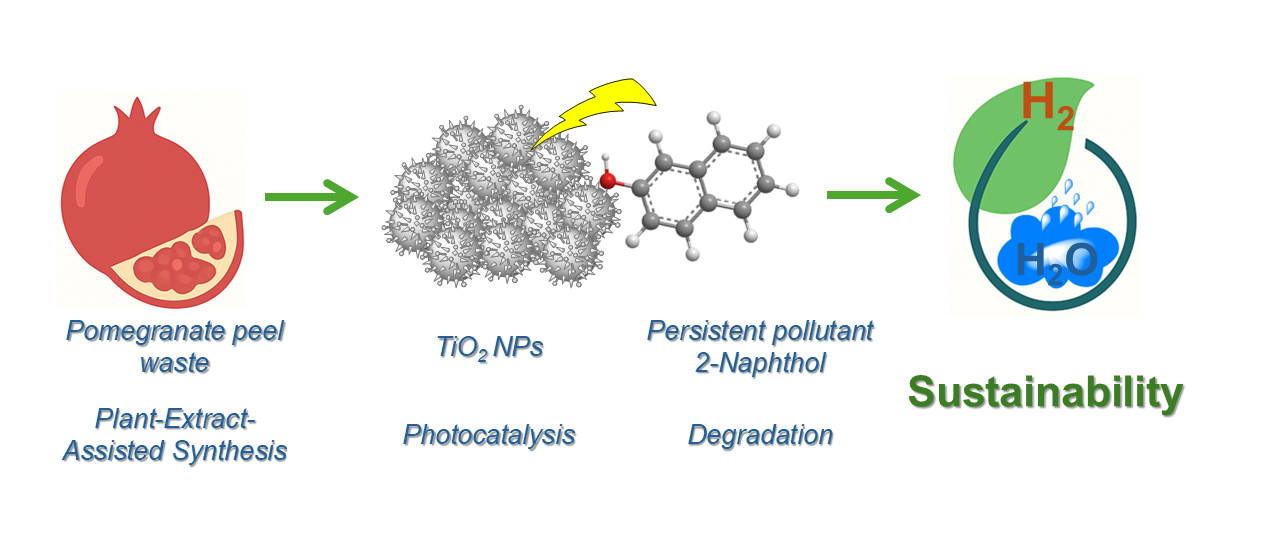
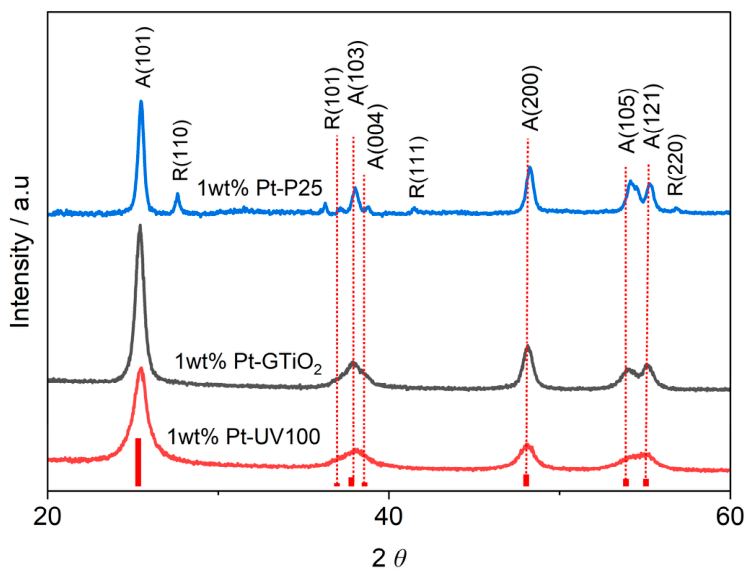
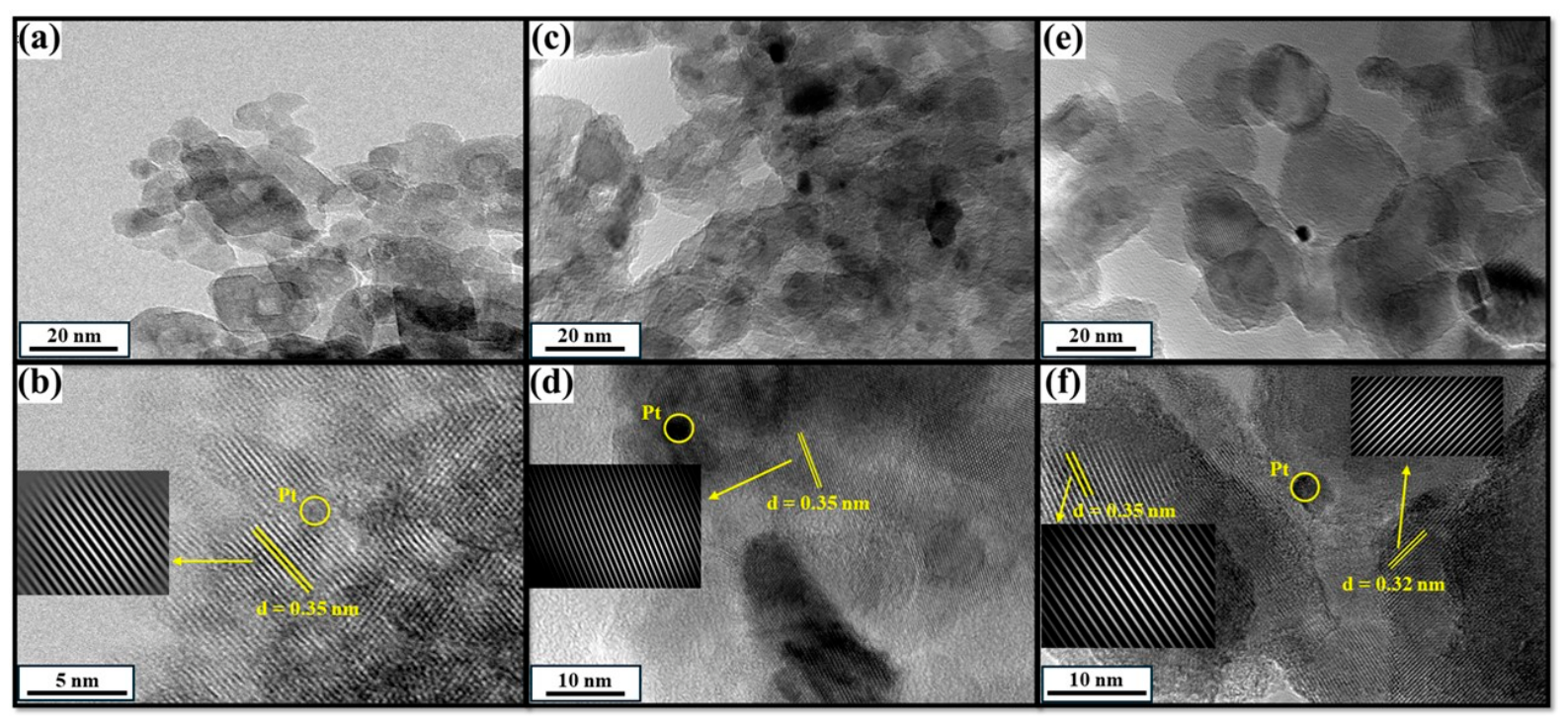
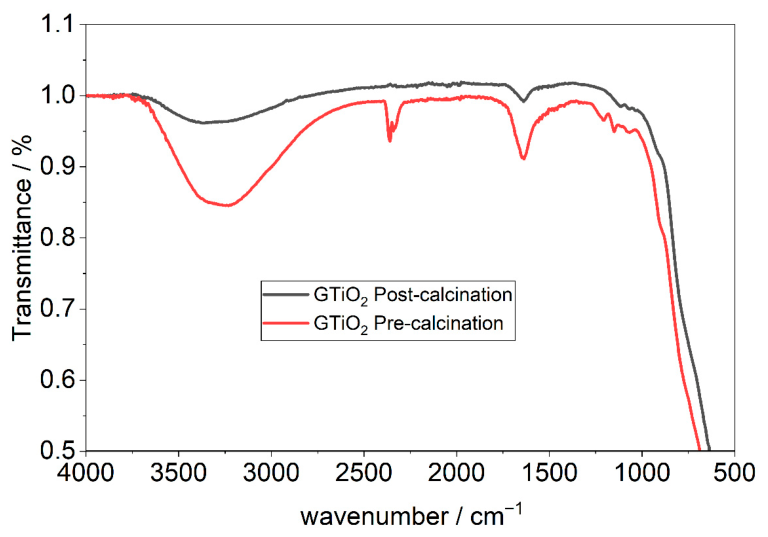
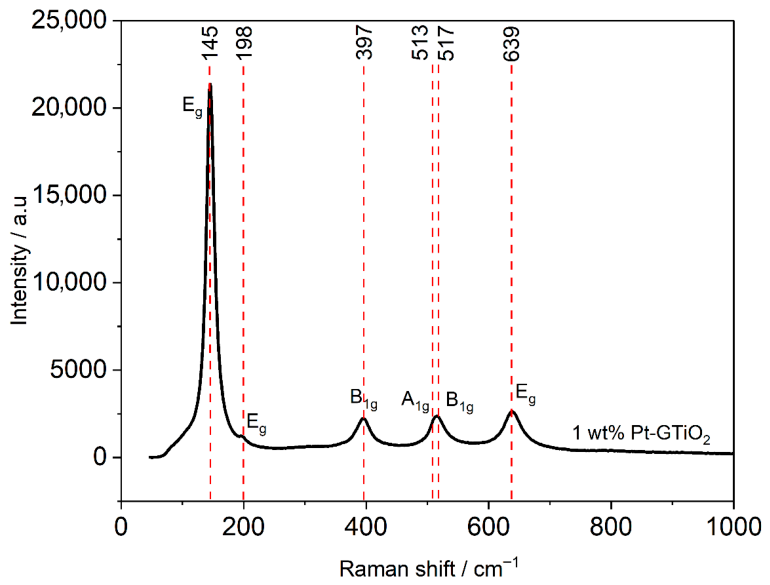
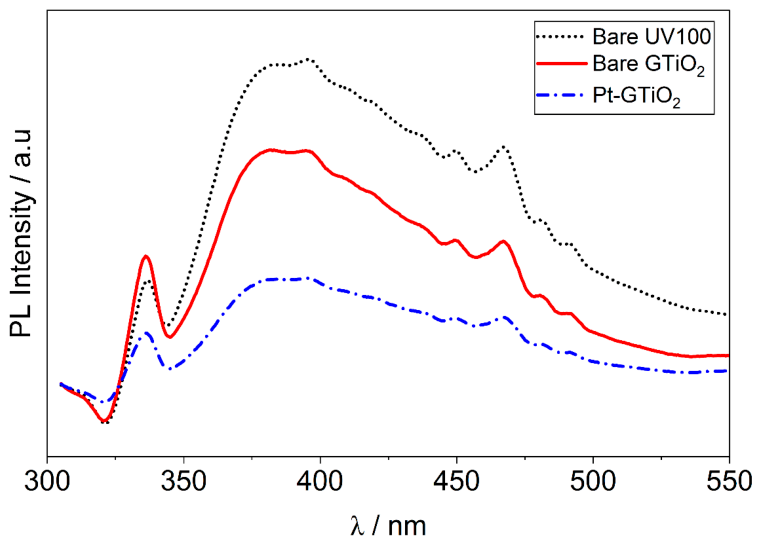
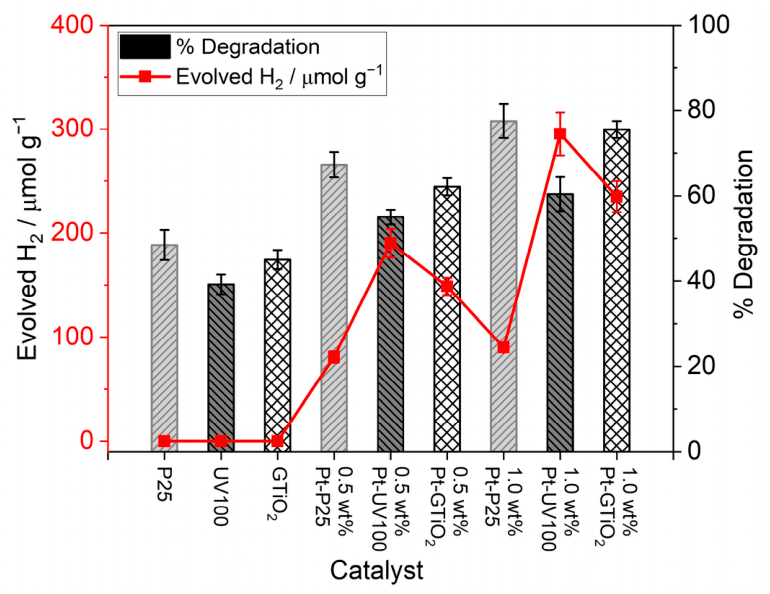
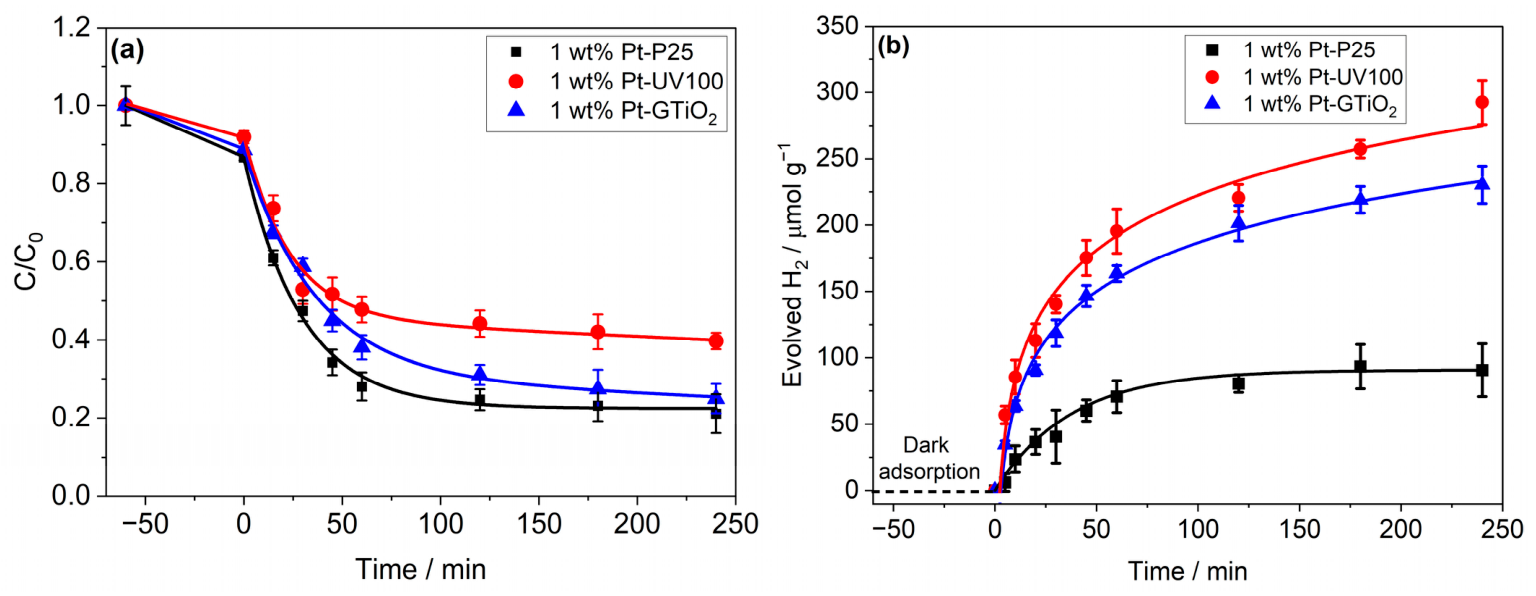
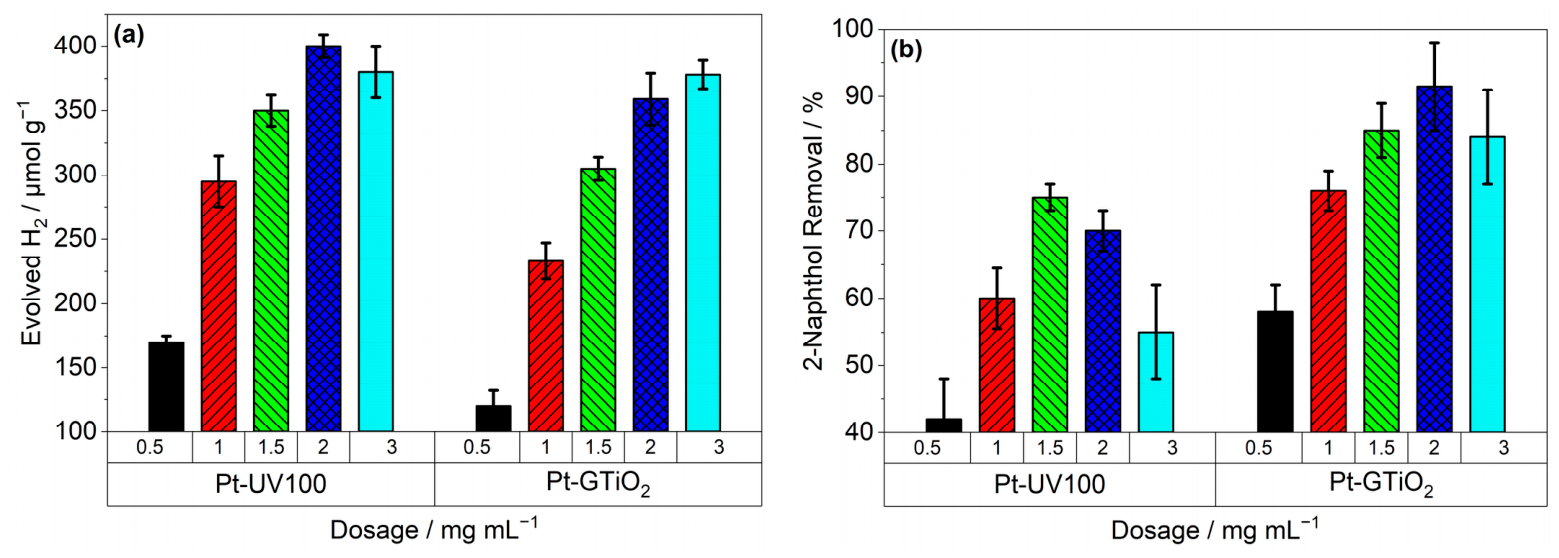
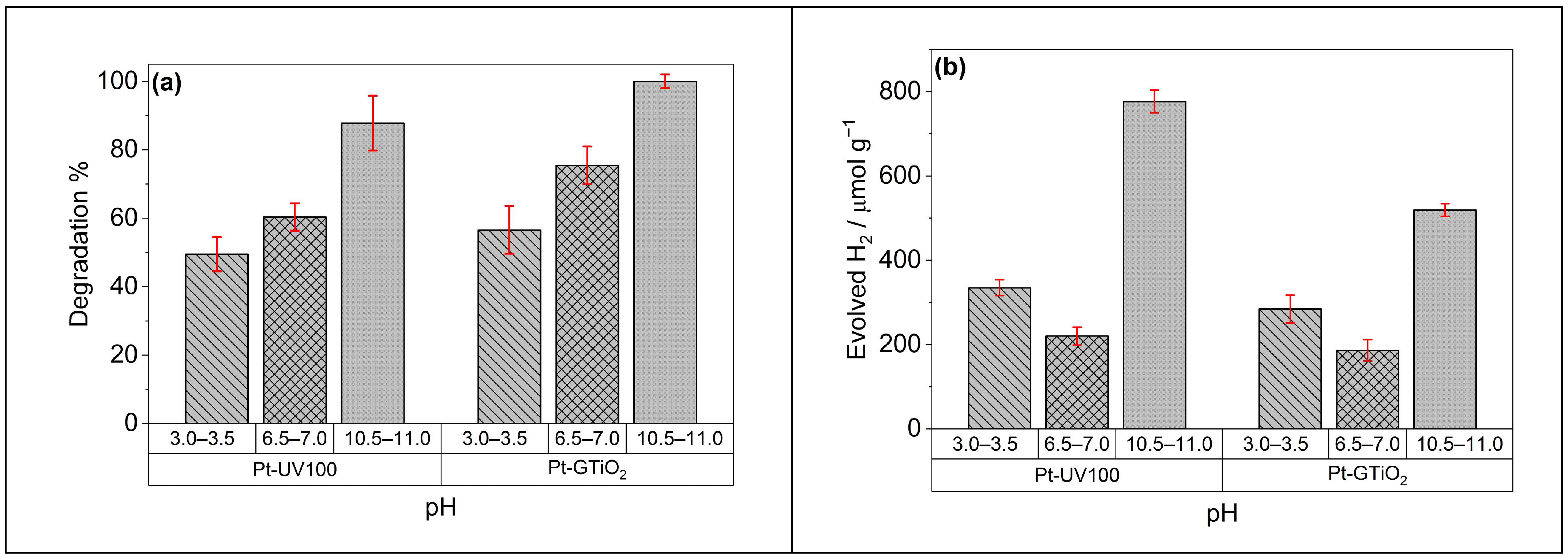
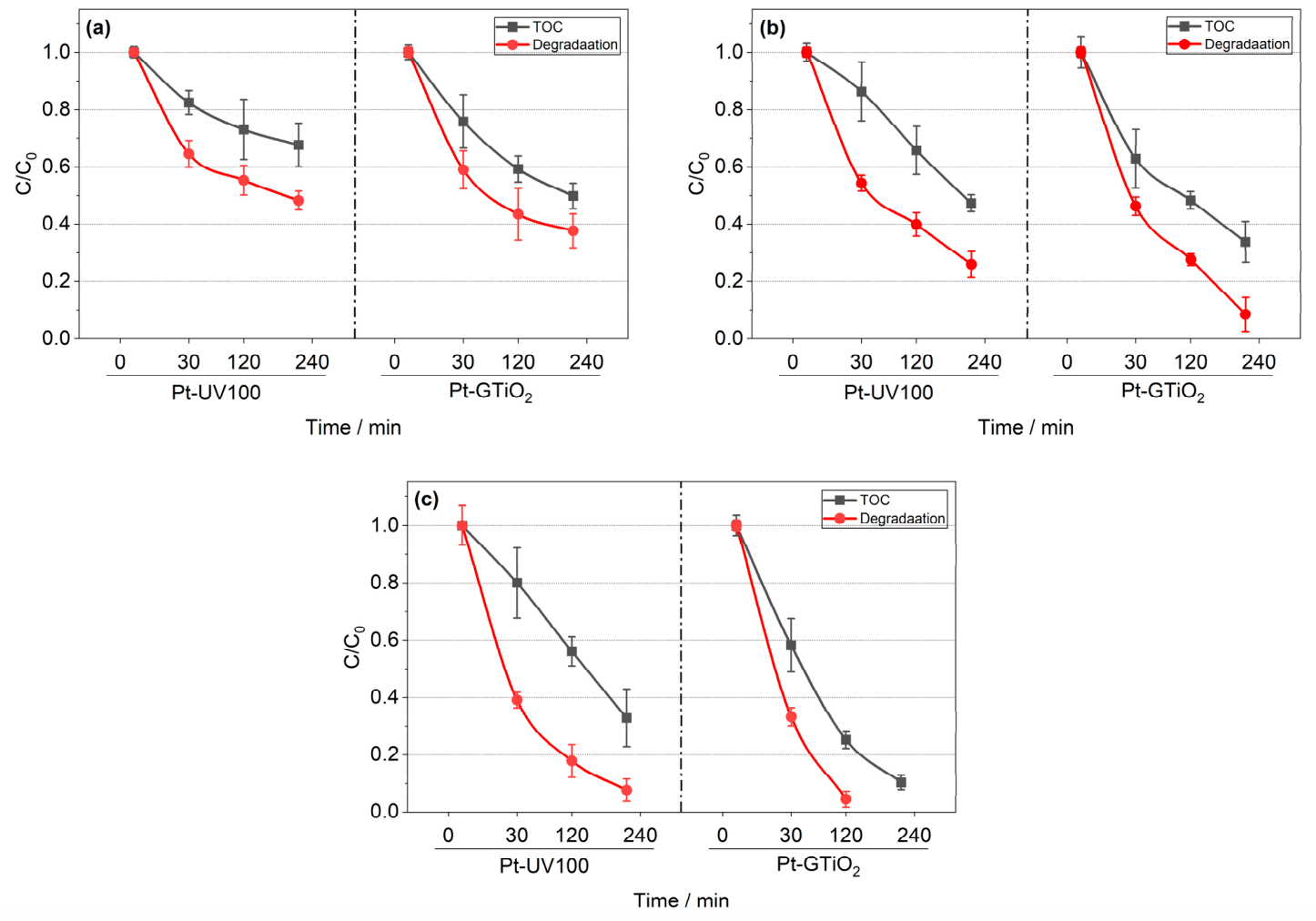
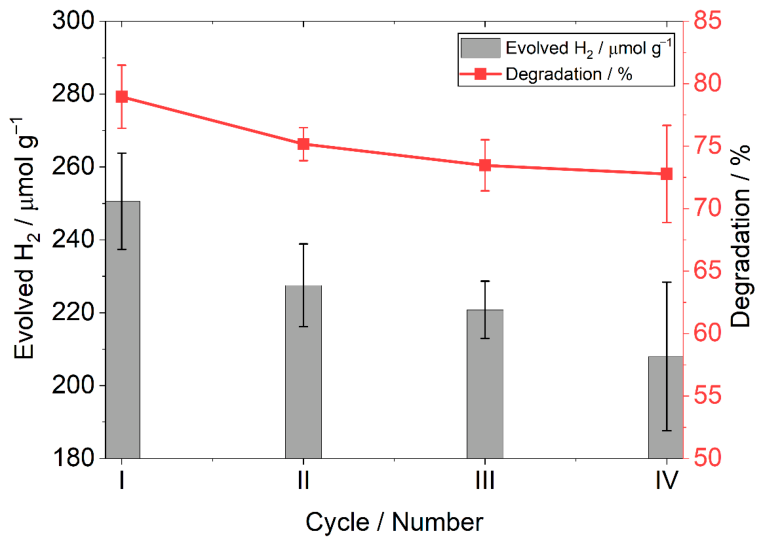
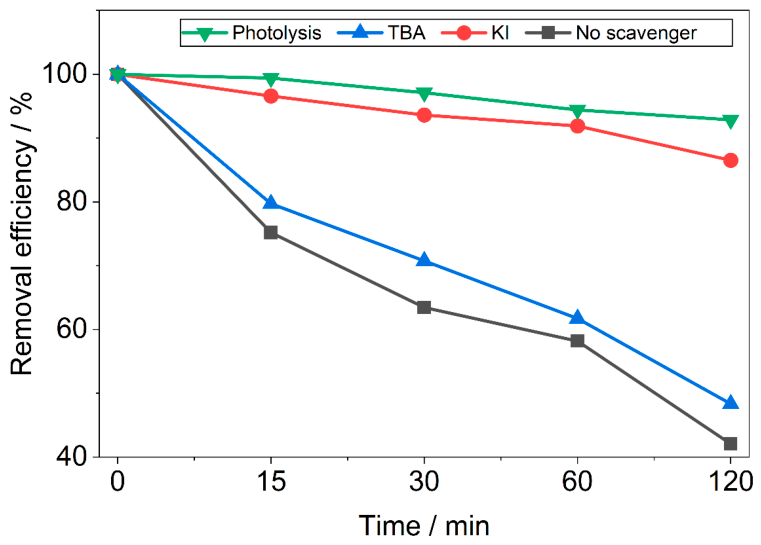
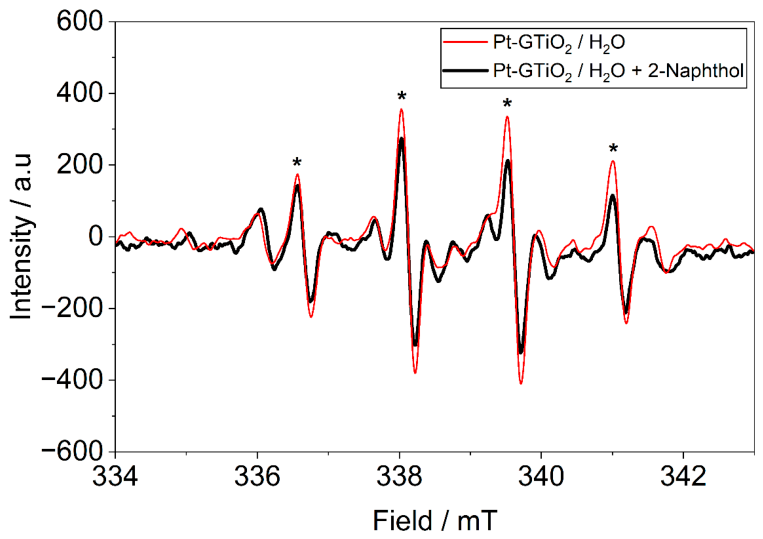
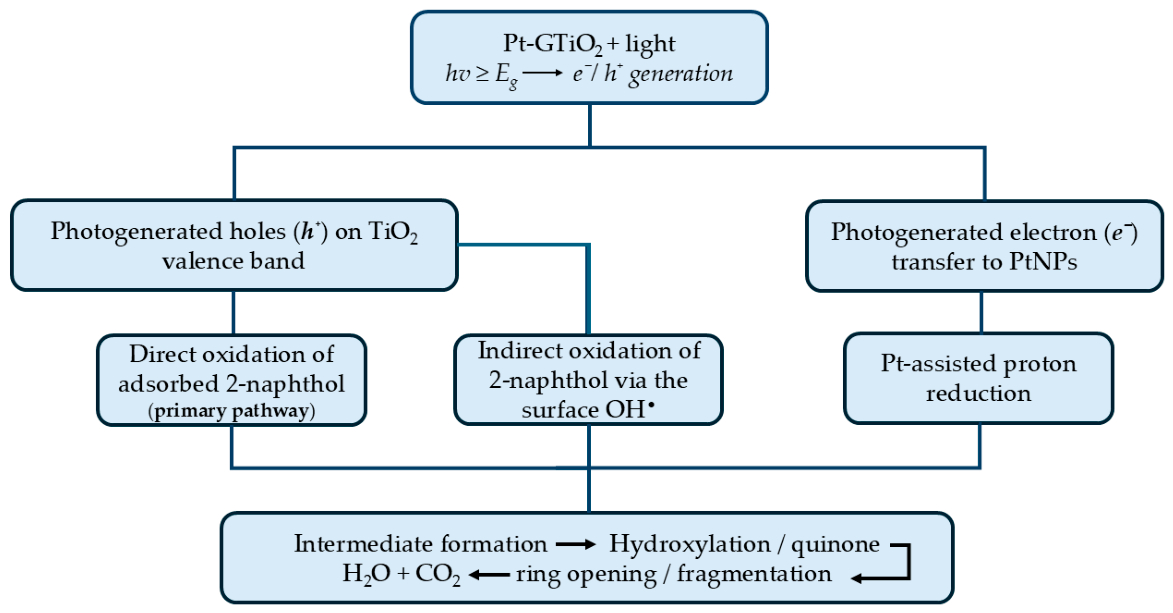
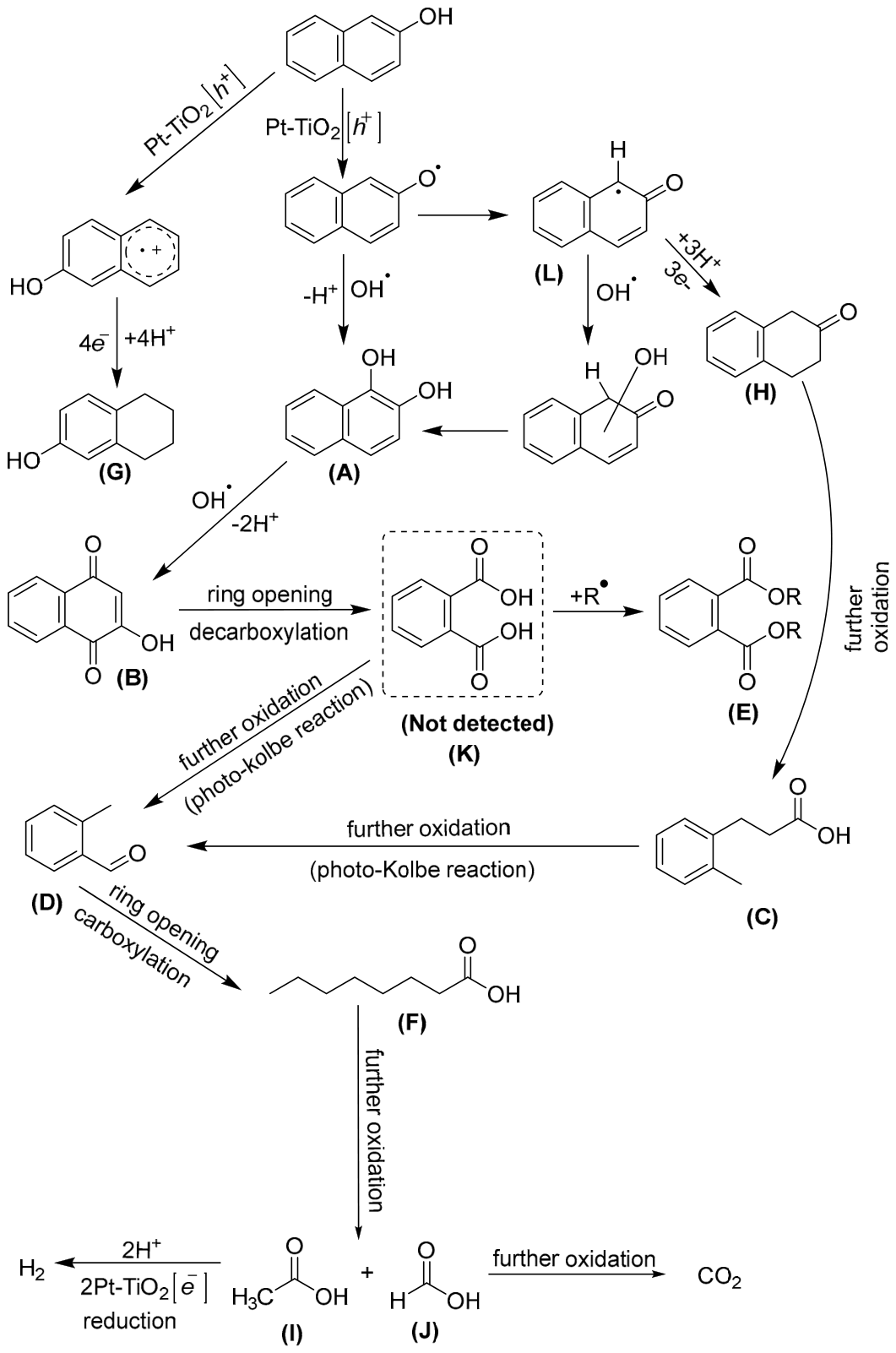
The development of sustainable technologies capable of simultaneously addressing environmental pollution and renewable energy production remains a major scientific challenge. In this work, titanium dioxide nanoparticles (GTiO2) were synthesized through a plant-extract-assisted route using Punica granatum (pomegranate) peel extract and subsequently modified with platinum nanoparticles (Pt NPs) to obtain an efficient photocatalyst for the photoreforming of organic pollutants. The resulting Pt-GTiO2 material exhibited an anatase crystal structure with an average crystallite size of approximately 12 nm and a specific surface area of about 140 m2 g−1. Comprehensive characterization using XRD, BET, TEM, FTIR, Raman, and photoluminescence spectroscopy (PL) revealed favorable structural and optoelectronic properties that promote efficient charge separation. The photocatalytic performance of Pt-GTiO2 was evaluated through the simultaneous degradation of 2-naphthol, a priority aromatic pollutant, and hydrogen evolution under simulated solar irradiation in anaerobic conditions. Under the investigated conditions, Pt-GTiO2 effectively promoted 2-naphthol degradation, with substantial but incomplete mineralization, as confirmed by TOC removal. The synthesized catalyst showed degradation efficiency higher than Pt-UV100 and comparable to Pt-P25, while exhibiting superior hydrogen evolution when compared with Pt-P25. Mechanistic investigations combining scavenger experiments, electron paramagnetic resonance (EPR) spectroscopy, and the identification of reaction intermediates suggest that photogenerated holes play a major role in the initial oxidation step under the mechanistic test conditions. The detected intermediates indicate that photoreforming proceeds via multiple pathways, including hydroxylation, ring-opening, reduction, and fragmentation. These findings highlight the potential of biogenic TiO2-based photocatalysts for converting hazardous organic pollutants into clean hydrogen fuel while simultaneously achieving wastewater purification, offering a promising route toward sustainable environmental and energy technologies.
Keywords: plant-extract-assisted synthesis; photocatalysis; hydrogen evolution; TiO2 nanoparticles; 2-naphthol degradation plant-extract-assisted synthesis; photocatalysis; hydrogen evolution; TiO2 nanoparticles; 2-naphthol degradation
Graphical Abstract