
Review

Recent Advances on Hybrid Piezo-Triboelectric Bio-Nanogenerators: Materials, Architectures and Circuitry


Laboratory for Processing of Advanced Composites (LPAC), École Polytechnique Fédérale de Lausanne (EPFL), 1015 Lausanne, Switzerland
Nanoenergy Adv. 2022, 2(1), 64-109; https://doi.org/10.3390/nanoenergyadv2010004

Submission received: 13 December 2021 / Revised: 29 January 2022 / Accepted: 31 January 2022 / Published: 10 February 2022
(This article belongs to the Special Issue Recent Advances in Nanogenerators)

Abstract

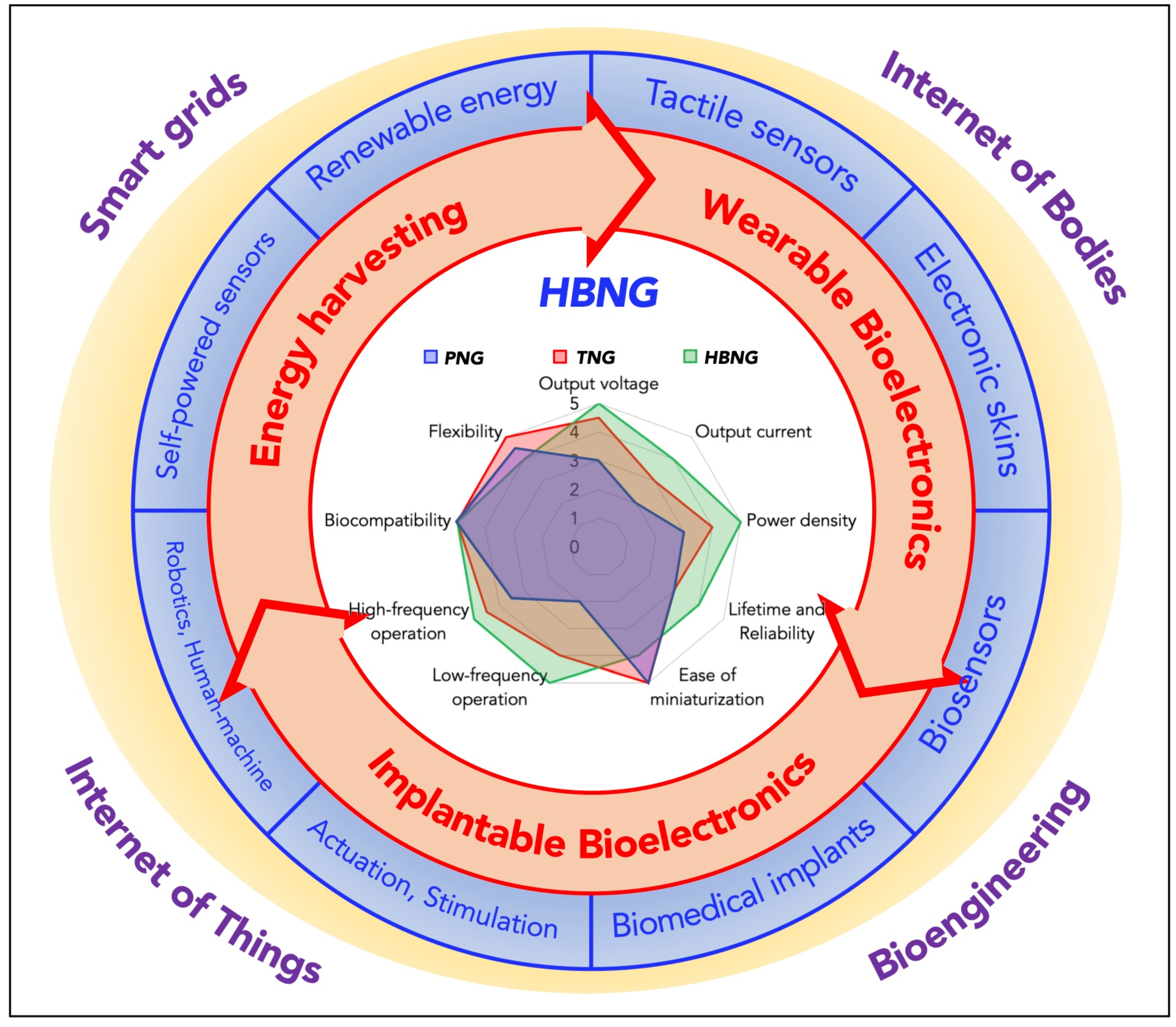
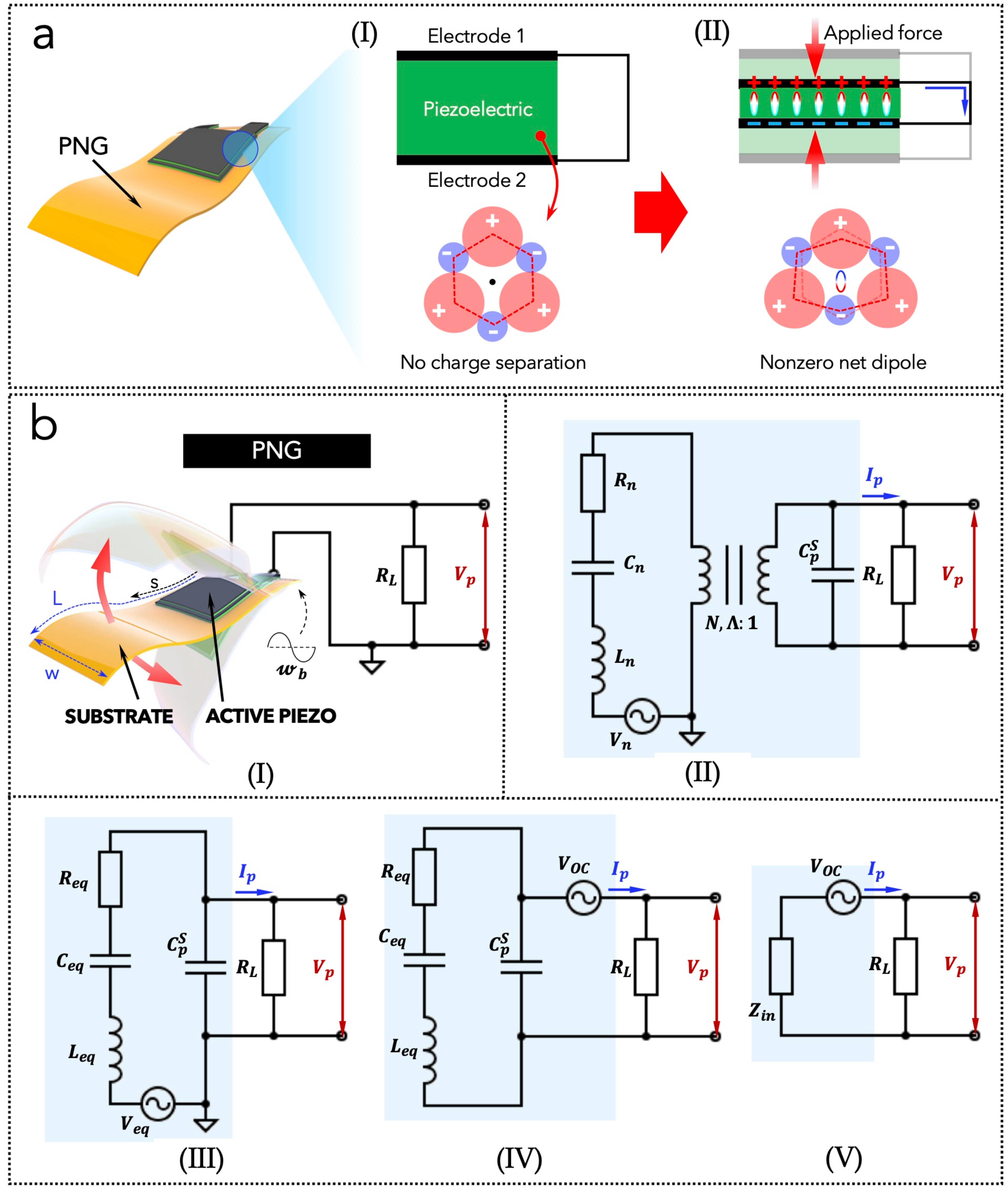
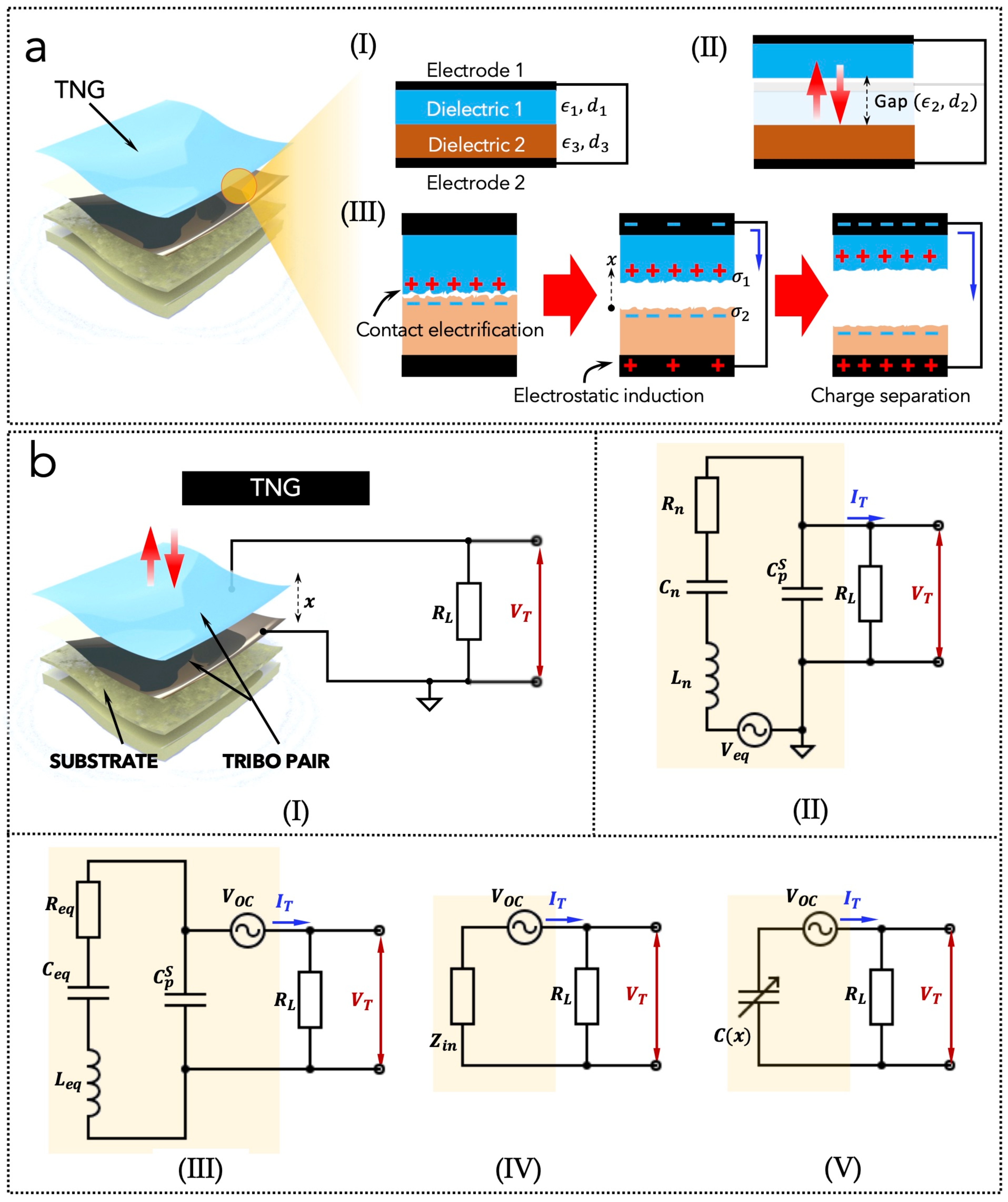
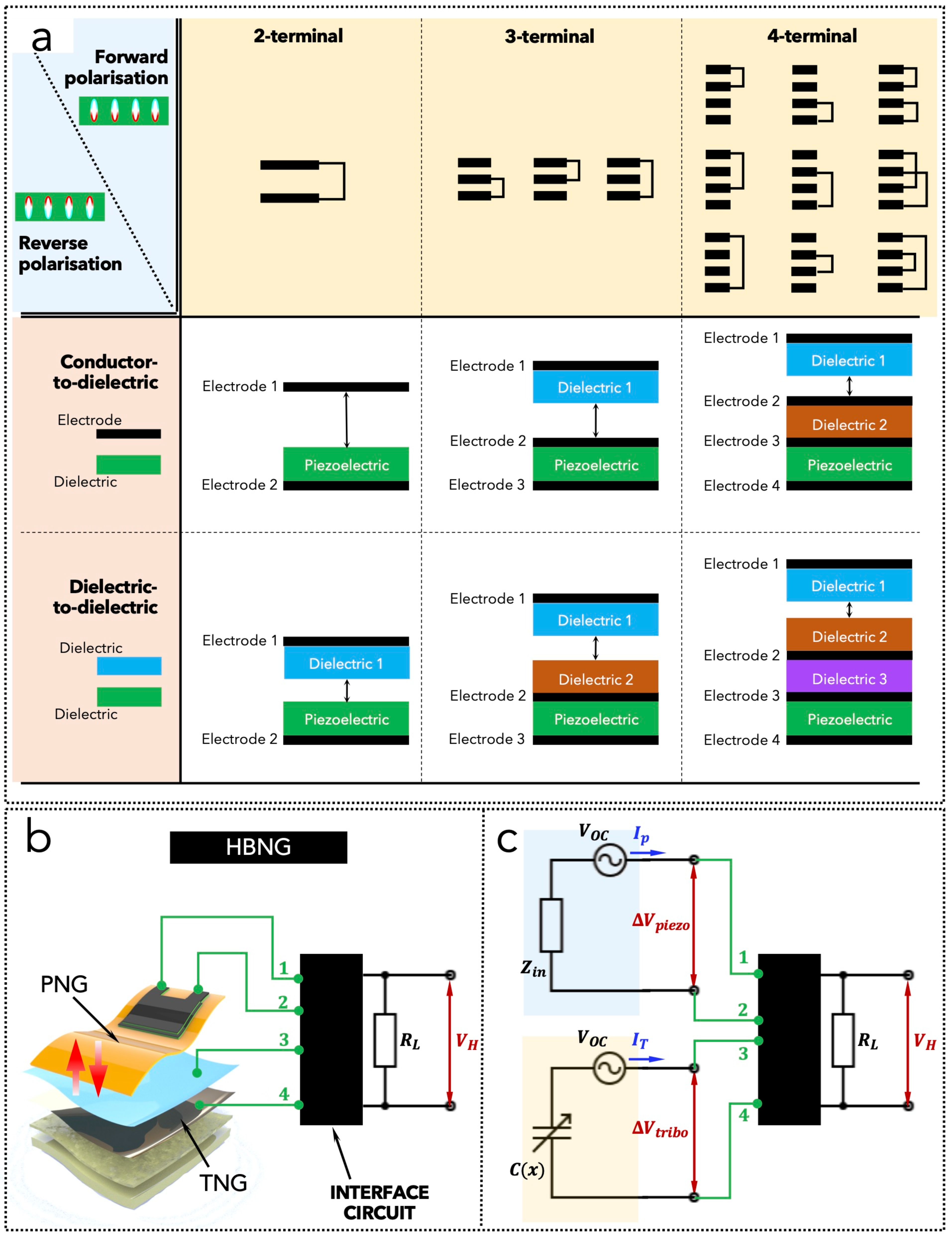
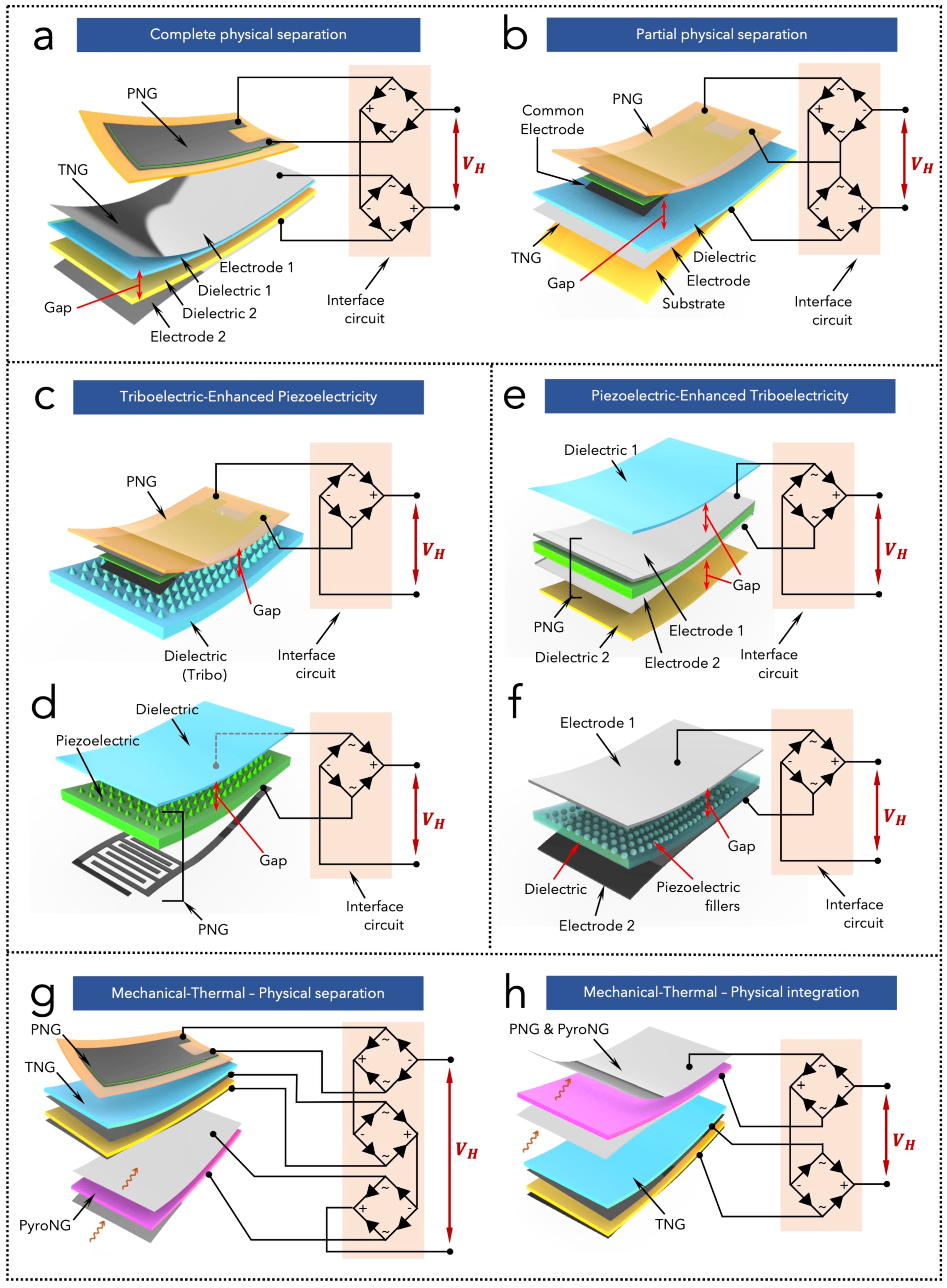
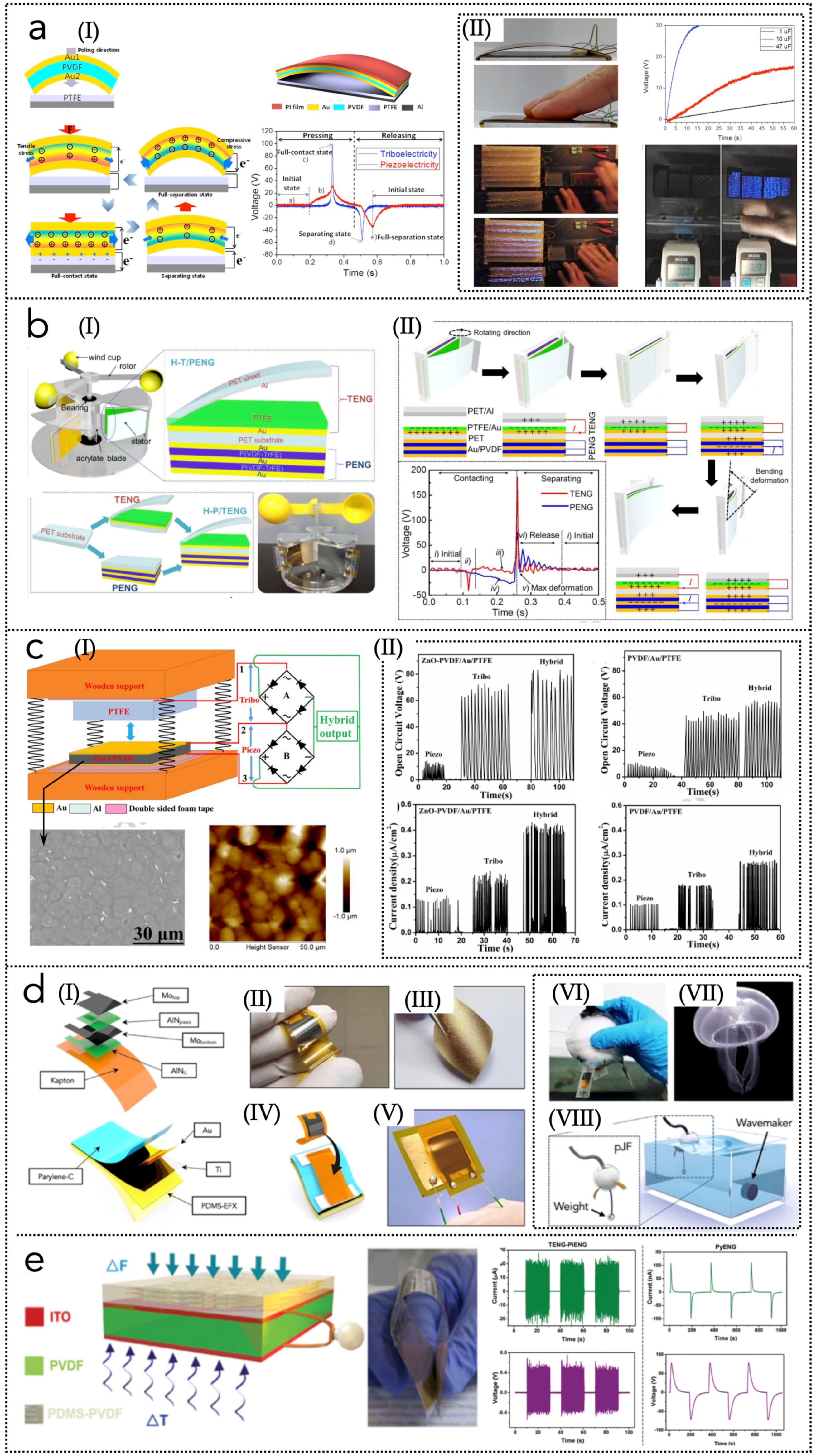
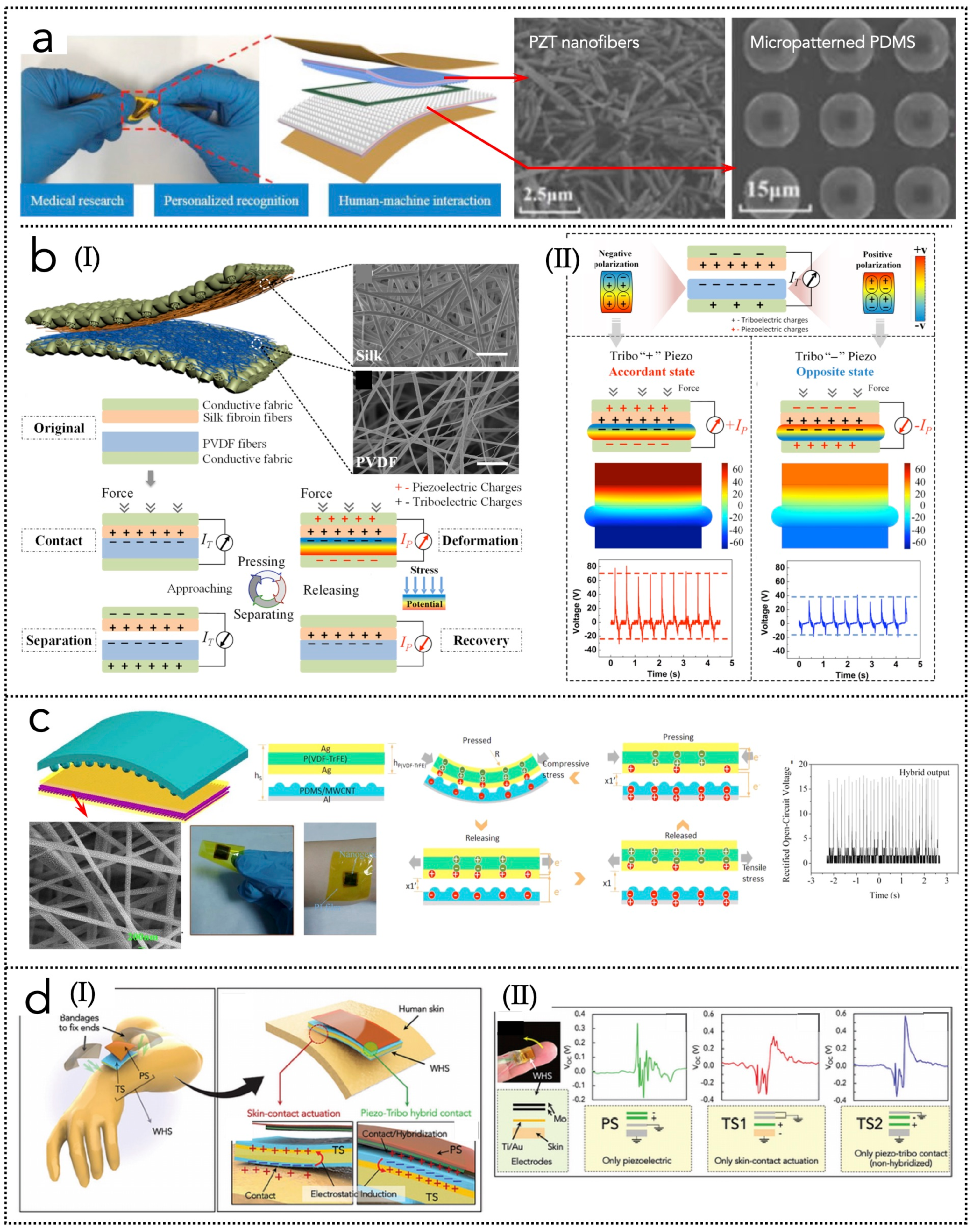
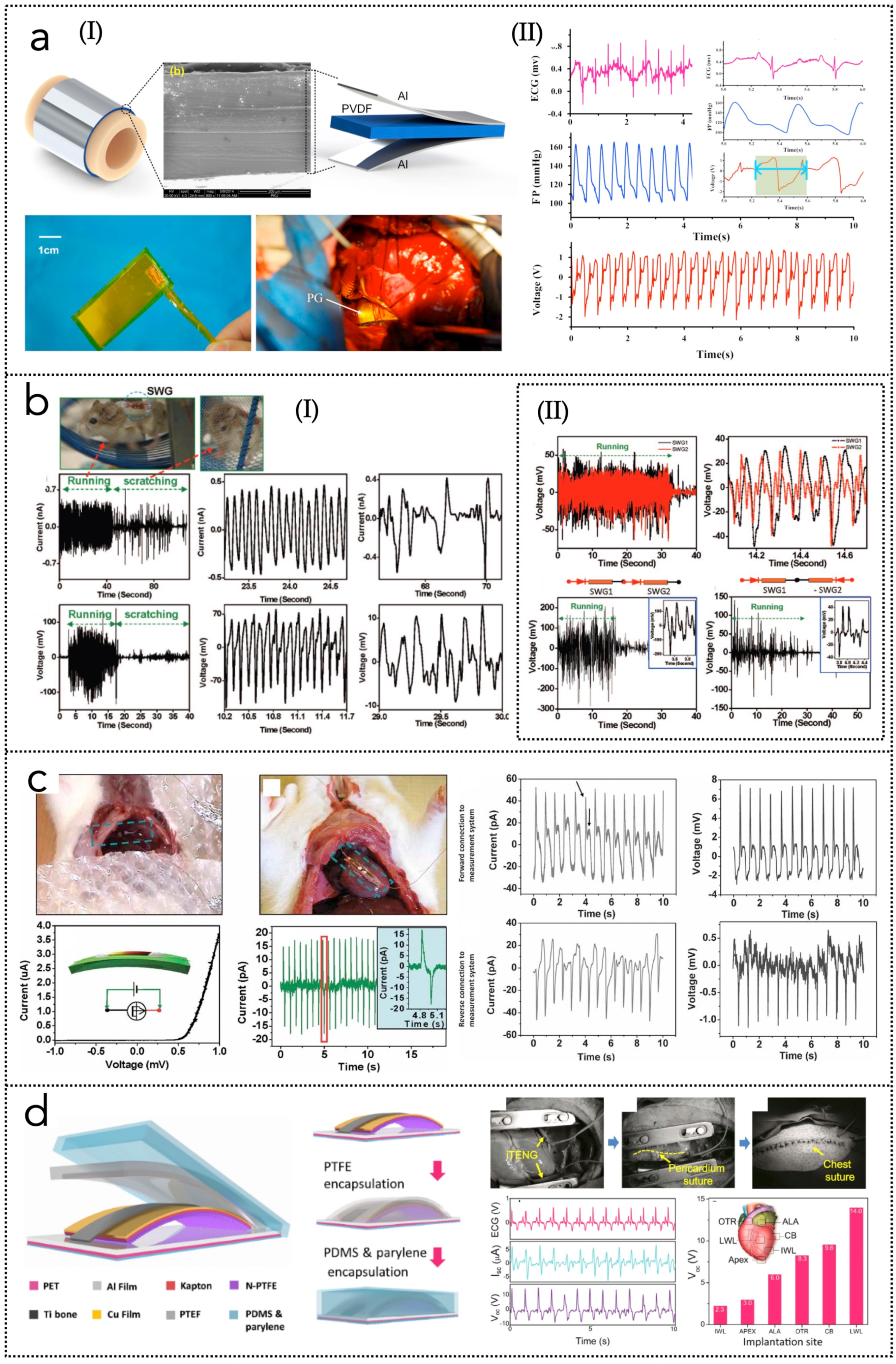
Nanogenerators, based on piezoelectric or triboelectric materials, have emerged in the recent years as an attractive cost-effective technology for harvesting energy from renewable and clean energy sources, but also for human sensing and biomedical wearable/implantable applications. Advances in materials engineering have enlightened new opportunities for the creation and use of novel biocompatible soft materials as well as micro/nano-structured or chemically-functionalized interfaces. Hybridization is a key concept that can be used to enhance the performances of the single devices, by coupling more transducing mechanisms in a single-integrated micro-system. It has attracted plenty of research interest due to the promising effects of signal enhancement and simultaneous adaptability to different operating conditions. This review covers and classifies the main types of hybridization of piezo-triboelectric bio-nanogenerators and it also provides an overview of the most recent advances in terms of material synthesis, engineering applications, power-management circuits and technical issues for the development of reliable implantable devices. State-of-the-art applications in the fields of energy harvesting, in vitro/in vivo biomedical sensing, implantable bioelectronics are outlined and presented. The applicative perspectives and challenges are finally discussed, with the aim to suggest improvements in the design and implementation of next-generation hybrid bio-nanogenerators and biosensors.
Keywords: nanogenerators; piezoelectricity; triboelectricity; biosensors; hybridization nanogenerators; piezoelectricity; triboelectricity; biosensors; hybridization